Tag Archives: structural integrity

Can My Foundation Support a Second Story?

General Contractor Near Me: Quality Craftsmanship Guaranteed

Key Takeaways

  • Determining if your current foundation is strong enough and the soil conditions for adding a second story is important, and a structural engineer’s evaluation is recommended.

  • Underpinning, new footings or helical piles can be used for reinforcement and the selection should be technical driven, budget driven and long-term benefit driven.
  • Your prep should include walls, beams, and columns — a good structural analysis to make sure load is distributed adequately as per code, which is critical for safety worldwide.
  • Building a talented team and creating a master plan with timelines, budget information and permit strategies will prevent delays and keep the project flowing.
  • Expect surprises — like unforeseen damage and utility rerouting — and keep a contingency fund of 10–20% of your total budget.
  • Transparent communication with experts and family members during the process will reduce impacts and keep the project on track and on quality.

When adding a second story to your home, it’s important that the foundation can hold the extra weight. Builders strengthen the foundation using materials like concrete, steel, or brick to ensure it stays strong over time. Before starting the project, builders check the soil, weather conditions, and the existing structure to keep your home safe. Structural engineers will inspect the old foundation to see if it can handle the new load. In older houses, new footings or beams might be needed to support the extra floor. Good planning helps prevent cracks and sagging, keeping your home stable. The next steps will explain what builders do and how to tell if your foundation is ready for a second story.
Why Foundation Strength Matters for a Second Story

Your home’s foundation is like the roots of a tree — it anchors the structure, transfers weight to the soil, and keeps everything stable. When you add a second story, you’re increasing the vertical load (the total weight pressing down) and potentially introducing new lateral forces (side-to-side stress from wind, earthquakes, or uneven settling).


If the foundation isn’t designed or reinforced for the additional weight, several problems can occur:


  • Cracking and settling: The added weight may cause the foundation to sink unevenly, creating cracks in walls, ceilings, and floors.
  • Structural instability: A compromised foundation can weaken load-bearing walls and framing.
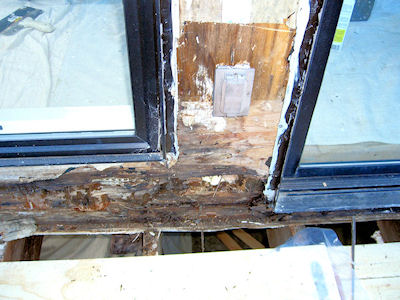
  • Water infiltration: Foundation movement can open gaps that allow water to enter, leading to rot, mold, or basement flooding.
  • Code compliance issues: Building authorities will require proof that your foundation meets load-bearing requirements for the new design.

The key to a successful second-story addition is having a strong foundation that can support extra weight safely for many years.

Check Your Foundation’s Strength

Adding a second story to your home is a significant decision that begins with assessing your foundation. Check both the underground parts and the walls above to ensure the foundation can support the extra weight without issues like cracks or sinking. Look for signs of damage, such as cracks or shifts, especially on the ground floor. In a two-story home, signs like settlement or uneven floors may be more noticeable upstairs. Take note of any cracks, bulges, or issues with doors and windows. Also, examine the soil around your foundation to see if it can handle additional weight. Certain types of soil, like expansive clay, can expand or shrink with moisture, causing problems. A soil test can help determine its stability and whether moisture is a concern. Keep track of your findings, as they will guide your renovations.

1. The Soil Test

Soil testing plunges into what supports your home. A proper soil test determines load-bearing strength, moisture, and type. Expansive soils, such as clay, tend to move and can damage your foundation as a result. Test results help determine if you have to go deeper or install drains to arrest water accumulation.

2. Foundation Type

Determine if you have a slab, crawl space, or basement. Each type manages new loads differently. Deeper and wider bases—some at least 1m (about 42 inches)—can translate to better support, especially if they’re under the frost line. Foundation walls should not have big cracks or bulges.

3. Load Path

The load path is the path that the weight from above takes on its way to the ground. It has to be straight and flat, otherwise the force concentrates on individual supports. If you’re building a second story, make sure to line up new beams and posts with the most robust areas of your existing foundation. If it’s off, weight could shift and wreak havoc. Occasionally, additional lintels or support columns need to be installed to maintain security.

4. Structural Integrity

Check for weakened or compromised foundation areas. Ancient fixes could mask fragile zones. Ensure your foundation will hold up to new lateral forces, such as wind. All work must comply with local building code, so check the code before you begin!

5. Professional Evaluation

A structural engineer inspects all the specifics. They provide an account of what to repair or strengthen. This specialist could recommend design modifications for safety or code revisions. Their inspection is pivotal for long-term peace and passing future codes.

interior shot of a modern bedroom in the attic – Mares & Dow Construction & Skylights

The Base and Beyond

It takes more than just a foundation to add a second story. The capacity and configuration of the old structure, such as walls, beams, and columns, need to be evaluated and reinforced to support the new load. Decisions on materials, layout, and upgrades are influenced by the building’s location, existing condition, budget, and local regulations. It can be both liberating and agonizing, bringing with it design freedom, but the challenge of moving walls or adding stairs.

Wall Strength

Walls are the spine when you’re adding another level. Begin by seeing if the current walls can support the additional load. Use simple tools or consult a structural engineer to check comprehensively. Weak spots or cracks signify that upgrades are required.


Occasionally, those older walls do require more assistance. Reinforcing with steel plates or concrete can increase strength. Shear walls are wise for windy or earthquake-prone areas. They hold the entire edifice in place, so your penthouse remains secure.


Choose wall materials that local codes permit. Codes frequently require fire resistance or a specific thickness. Complying with these rules isn’t just safe, it’s necessary for permits. Different countries might have their codes, so check first.

Beam Spans

Beams maintain the floors and roofs stable. To select appropriate sizing, take your new floor’s weight, room layout, and span length into consideration. Longer spans require either thicker or stronger beams.


Engineered lumber and steel beams jam for large expanses. Both provide great strength without enormous bulk. Anchoring beams to the existing foundation prevents movement and keeps floors flat.


Other times, the plan requires additional beams, particularly for open floor plans or load-heavy rooms. See if old beams could use upgrades, as well. Second stories typically require either replacing or doubling up on beams to meet new demands.

Column Support

The following table outlines some of the most common types of column supports, detailing their materials, typical dimensions, maximum load capacities, and the situations or structures where they are most effectively used.


Type

Material

Common Size (mm)

Max Load (kg)

Use Case

Steel Pipe

Steel

100–200

5,000–15,000

High-rise, modern

Concrete

Concrete

200–400

10,000–30,000

Commercial, residential

Timber Post

Wood

100–300

3,000–10,000

Residential, rustic


Column size must match the load it supports—undersized columns risk structural failure. Placement is equally critical: they should distribute weight evenly to the foundation. Poor positioning can block usable space or compromise the design’s visual harmony.


From a design standpoint, slim columns can save floor space but may require stronger, reinforced materials. Thoughtful column planning keeps living or work areas open and functional without disrupting natural movement through the space.

Options for Strengthening Your Foundation

When you add a second story, you place significantly more stress on a home’s foundation. With the right reinforcement, you can be safe, meet code, and avoid expensive headaches. Common options for reinforcing a foundation before a second-story build include:


  • Underpinning is used to increase the foundation’s depth and strength
  • Adding new concrete footings or slabs for weight support
  • Using helical piles for deep, stable support in weak soil.
  • Replace with steel framing for added strength and reduced weight.
  • Injecting concrete grout into the soil to reinforce the foundation ground.
  • Hiring a structural engineer to evaluate the existing foundation status and select the most appropriate treatment

Underpinning

Underpinning involves reinforcing and extending the foundation to a greater depth. This approach is frequently selected if you have observed indications of settling or shifting, like warped floors or cracked walls. Underpinning is the term used when you dig down in various areas under the foundation and pour new concrete to lengthen the base below its existing depth. In others, it needs to be deeper, say 1.1 meters, to get beneath the frost line and resist heaving during the seasons. Underpinning should only be executed by experienced contractors, as it’s dangerous and can interfere with everyday living during construction. This technique is more expensive but offers solid, durable support for a new second story.

New Footings

New footings radio the weight of a second story evenly across the soil. Be sure that the new footings can take the additional load and comply with local building codes. Before construction, they verify the soil conditions to ensure that these issues won’t arise, such as shifting or settling down the road. Often, new slabs or reinforced footings can be poured that are less disruptive but still demand excavation around the existing support. Good planning is crucial, particularly with slab foundations that might not offer sufficient stabilization to build up.

Helical Piles

Helical piles are steel shafts with spiral blades that twist into the soil. They are perfect for locations with loose soil. Because these piles provide instant bearing, you don’t have to stall construction while concrete sets. Installation can be less invasive than traditional underpinning, but it still requires careful engineering supervision to safeguard the existing foundation. It’s fast, although it can be expensive based on soil depth and load needed.

Steel Framing

Steel framing offers greater strength and less weight than wood. For instance, incorporating steel beams and columns can alleviate the pressure on the existing foundation. They can be designed to incorporate space for plumbing and wiring, making renovations simpler. By law, steel framing must comply with rigorous building codes and standards. Though material and labor rates may increase, the long-term reward is durability, with minimal susceptibility to warping or rot.

Understanding Your Project

A second-story addition is not a simple thing, and it requires planning and obsessive attention to detail. With proper navigational assistance, the project can add major bang to a home, but avoiding steps or pushing critical stages can bring on unnecessary stumbles. Each step will challenge your skills in aligning teams, time, and legal requirements, while ensuring the new framework integrates seamlessly with the old.

The Right Team

Begin by engaging contractors who understand second-story builds. This is not a first-timer’s position. Request previous projects as evidence, and verify the team has managed similar work. Locate engineers who can verify that the foundation, wiring, and pipes can support one more floor. You’ve got to see credentials and consult with former clients before making any arrangements.


Stay in communication with your contractors, architect, and engineers in all phases. That prevents small problems from becoming big problems. Assign each team member a specific task and schedule regular check-ins. For instance, if the plumber understands they should shift pipes before the electrician rewires, work will flow better.

The Permit Process

Building up is local by rigorous rules. Look at your local codes and zoning, and even neighborhood covenants, before you do anything. Certain neighborhoods have height restrictions or setback requirements. Overlooking these can stall your project.


It takes six weeks or more to get building permits. Get there early and save every approval. If you’re uncertain about a regulation, check with city staff for assistance. While a few cities have web tools, it’s usually quicker to just chat in person.

The Master Plan

A detailed schedule should mark each phase, from artwork to cost estimates. Ensure the architect’s plans align with your home’s aesthetic, inside and out. Budget, timeline, and who does what.


Share the plan with your entire team. Discuss it as a group so that everyone knows what you’re working toward and when their deadlines are. It forces you to pad the schedule with delays. This is crucial if you have to relocate while work occurs, or if you work remotely.

Window Installation Replacement: Professional Window Services

The Financial Reality

Adding a second story is more than just building up—it’s a complex project involving structural, regulatory, and finishing considerations. Here’s a more accurate breakdown based on recent U.S. data:


Cost Component

Estimated Range

Foundation Inspection

$300–$1,000 (avg. ~$600)

Foundation Repair/Reinforcement

$2,160–$7,780 (typical); up to $20,000+ if extensive

Construction Cost (per sq ft)

$100–$300 (standard); up to $500 for premium

Total Project Cost

$100,000–$300,000 (full second story)

Permits

$200–$3,000 (varies by locality)

Materials & Labor

~30–40% / ~40–50% of the total budget, respectively

Contingency

10–15% the total budget

Temporary Housing (if needed)

Varies by duration and local rental rates

Home Value Increase (ROI)

Up to 65% of the additional cost


A budget needs to span every phase, from framing inspection through finishing, to prevent unexpected shortfalls.

Engineering Costs

Check the ground and the foundation to make sure they can handle the weight and are stable. Get several quotes from experienced structural engineers. Make sure to clarify what’s included: calculations, site checks, and design reviews. Set aside extra money for unexpected issues like shifting soil or problems with an old foundation that could delay your project.

Material Choices

Collaborate with your architect to select materials that will stand the test of time. Talk about energy-efficient insulation and glazing to reduce the long-term cost. Consider longevity and upkeep — inexpensive can still be expensive in the long run. Make sure choices coordinate with your general style for a unified appearance.

Labor Expenses

Labor costs are contingent upon the scope and complexity of the project. Complicated builds or tight deadlines typically translate into increased rates or overtime. Negotiate and have contracts to protect you. Follow labor invoices and site progress to prevent budget overrun.

Contingency Fund

Reserve 10-20% of the budget for emergencies. This fund contributes to problems such as weather hold-ups or unexpected architectural defects. Disburse as required and monitor to maintain the project on course. Modify if new dangers emerge.

Hidden Challenges You Can’t Afford to Ignore

Building a second story isn’t just about adding more space on top. There are hidden challenges to think about, like the foundation, utilities, and daily living. If you overlook these issues below the surface, you could face serious delays, safety risks, and unexpected costs.

Hidden Damage

Hidden Damage Type

Typical Signs

Repair Options

Uneven settling

Sloped floors, sticking doors

Underpinning, slab reinforcement

Moisture intrusion

Damp patches, mold, warped finishes

Drainage fixes, waterproofing

Structural cracks

Cracks in drywall, at corners

Epoxy injection, masonry repair

Wood rot

Soft floorboards, musty smells

Wood replacement, framing repair


Uneven settling, if not repaired, results in lopsided floors and jammed doors. Wall cracks upstairs frequently lead to foundation issues. Moisture that sneaks through at the ground floor can rise, warping floors and finishes above. Specialists need to examine and log everything, and any fixings need to be noted for the record. Timely action on any damage found stops bigger problems and more expensive ones down the road.

Utility Rerouting

It’s not just plumbing and electrical and HVAC when you add a 2nd story. Pipes and wires might have to shift to accommodate the new design. This is no easy task–rerouting utilities need to conform to rigorous building codes and safety regulations. It’s crucial to collaborate with both contractors and utilities to minimize any service disruptions. Everyone else, from family to project teams, needs to know when change will occur and how that will impact daily life.

Living Disruption

Construction is loud and dusty, and intrusive. You may require temporary living arrangements if the work is heavy. Even if you’re hunkering down at home, anticipate blaring noises, sealed rooms, and intervals of no water or power. Discussion with the contractor begins to establish timelines and expectations. Comfort and security are priority number one—establish safe zones separate from the work and maintain communication with the build team. Do yourself and your family a favor and always inform them of new routines or living spaces so everyone is prepared.

Conclusion

Old concrete can seem sturdy, but cracks or shifts reveal fragile places. Look for indicators such as sloping floors or doors that stick. Fix these first. Steel beams, additional footings, or wall bracing can assist. Some houses have to be fixed up from the ground before they can add new mass on top. Every job has its unique blend of mess and expense, so expect the unexpected. Hire local pros who know building codes and soil rules. Spend time, inquire a lot, and beware of surprise charges. A girder scheme holds the work even.


Are you ready to move forward? Share your story or ask for help in the comments—your experiences can help others, too.

Frequently Asked Questions

1. What foundation is needed for a second story?

A sturdy, reinforced concrete footing typically needs to be poured for a second story. An engineer would check if your foundation can handle the additional load before constructing.

2. How do I know if my foundation can hold a second story?

A structural engineer can evaluate your foundation. They will test for cracks, material composition, load-bearing capacity, and, subsequently, suggest upgrades or reinforcements if necessary.

3. Can you reinforce an existing foundation for a second story?

Yes, foundations can often be strengthened through underpinning or piering. As always, work with a professional to select what’s best for your structure.

4. What are the common complications when adding a second story?

Typical problems are concealed foundation damage, old building codes, and having to relocate plumbing or electrical systems. These may impact project cost and schedule.

5. How much does it cost to reinforce a foundation for a second story?

Prices differ significantly per location, square footage, and current status. Foundation reinforcement can cost thousands to tens of thousands of US dollars.

6. Who should assess my foundation before adding a second story?

Your foundation should always be evaluated by a licensed structural engineer. Their expertise guarantees safety, legal compliance, and proper project planning.

7. How long does it take to reinforce a foundation?

Strengthening a foundation for a second story can take anywhere from several days to a few weeks, depending on the project’s complexity. Careful planning and coordination help keep the process on schedule.

Your Dream Second Story & Primary Suite Built by Mares & Dow Construction & Skylights – Let’s Create the Extra Space You’ve Been Dreaming Of

Unlock your home’s full potential with a custom second story or primary suite addition from Mares & Dow Construction & Skylights. With over 40 years of experience, we specialize in high-quality expansions that blend seamlessly with your home’s existing structure and lifestyle needs.

Whether you’re looking to add a luxurious primary suite, expand upwards with a second story, or enhance your living space in other ways, we customize each project to suit your vision, your home’s architecture, and your long-term goals.

Key benefits of our second story & primary suite services include:
• Expanding your living space to accommodate growing families or additional functionality
• Boosting your property’s value with expert design and construction
• Creating energy-efficient, stylish living areas designed around your needs

Proudly serving Contra Costa County—including Alamo, Danville, Orinda, Martinez, and San Ramon—Mares & Dow Construction & Skylights is your trusted partner for functional, beautiful, and lasting home expansions.

Contact Mares & Dow Construction & Skylights today for a free, no-obligation quote and let’s build the second story or primary suite of your dreams!

Disclaimer

The materials available on this website are for informational and educational purposes only and are not intended to provide construction, legal, or professional advice. You should consult with a qualified general contractor or industry professional for advice concerning any specific construction project, remodeling plan, or structural concern. Do not act or refrain from acting based on any content included on this site without seeking appropriate professional guidance. The information presented on this website may not reflect the most current building codes, regulations, or industry best practices. No action should be taken in reliance on the information on this website. We disclaim all liability for actions taken or not taken based on any or all of the contents of this site to the fullest extent permitted by law.

What Is The Role Of Site Prep And Soil Testing In A Successful Concrete Foundation

foundations-and-retaining-walls

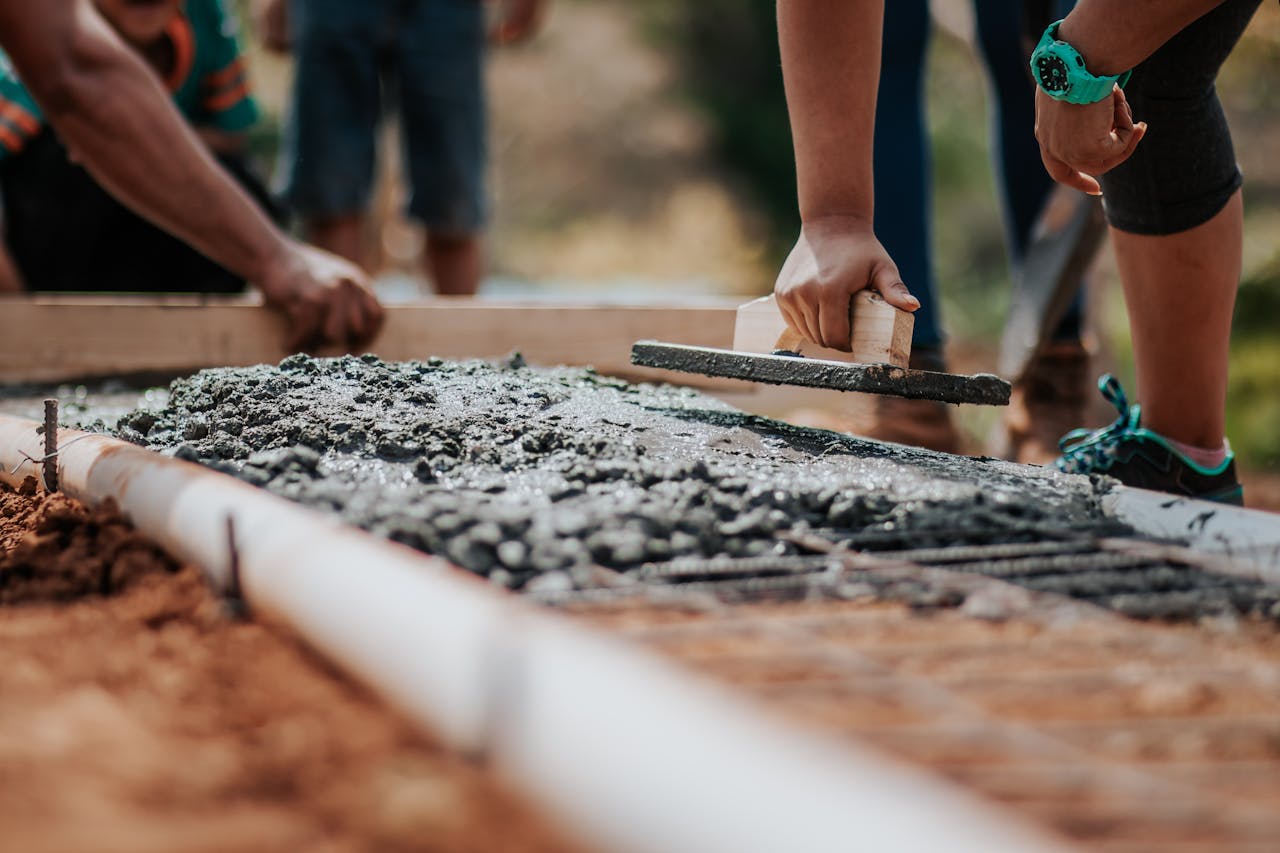
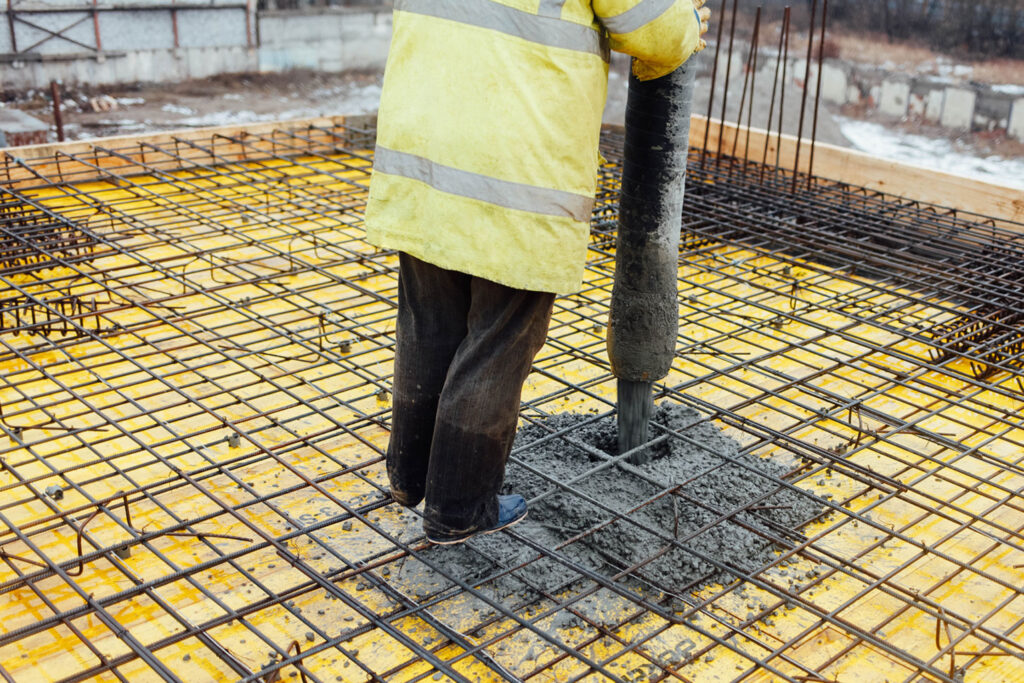
Site prep and soil testing assist you in constructing a robust and stable concrete foundation. Site prep clears the ground, removes debris, and prepares the work site. Soil testing checks the soil’s type, strength, and water levels, so you know if the ground can support the weight. Good site prep and soil testing reveal risks, such as weak spots or water that can shift the earth. These steps save you time and money by preventing future cracks or sinking. Regardless of the scale of your project, these inspections provide you with the information you require before pouring concrete. By being careful with site prep and soil testing, you give your concrete foundation the best opportunity to stand the test of time. The following sections detail each step.
Key Takeaways

  • Site prep and soil testing are crucial for making sure your concrete foundation is firm and durable, minimizing the chances of future issues with your structure.
  • By basing key design and material decisions on soil test results, you can craft a foundation specific to your local soil and environmental conditions.
  • If you take the time and spend the money on good site prep — clearing, grading, and compaction — you’ll reduce expensive delays and repair work during and after construction.
  • Proper drainage planning and soil stabilization safeguard your foundation from water damage and soil movement, increasing the structure’s durability.
  • Understanding these findings enables you to anticipate issues, such as unstable soil or excess moisture, and adapt your foundation design accordingly.
  • Ongoing communication and collaboration with engineers informed by geotechnical data underpin sustainable, resilient construction practices and help future-proof your project.

The Unseen Foundation

A solid concrete foundation relies on more than just what is visible above ground. Thorough site preparation and proper soil evaluation are crucial, laying the groundwork to ensure your structure can withstand the test of time, wherever you build. These steps translate to less risk, fewer surprises, and a safer construction project.

1. Guiding Design

Soil testing is crucial as it reveals the hidden soil conditions beneath the surface. When you receive the soil evaluation results, you can determine whether the ground is loose, wet, or rocky. This information informs your construction process strategies. For instance, a soft, clay-heavy location may require a slab-on-grade foundation, while sandy soil might necessitate deeper footings. Collaborating with your engineers is essential, as they rely on your soil analysis to adjust their plans, ensuring that your structure rests on a stable foundation. Neglecting this can lead to a soil/building mismatch that may cause issues later.

2. Ensuring Stability

Before you put any concrete, you need a solid foundation. Thorough site preparation translates to removing rocks, ancient roots, and junk. Perhaps you have to grade the land for water run-off or compact the soil conditions so it’s firm. Occasionally, you need to blend materials into the soil or even pile drive down to bedrock. Managing erosion control measures from the beginning is crucial. A well-prepared site can take days or even weeks, depending on the soil type and slope. Every step translates into fewer settling, fewer cracks, and a more long-lasting foundation.

3. Preventing Costs

A good soil evaluation can indicate if there are trouble signs ahead. If it’s too humid, you’ll be aware before you begin the construction process. Repairing these soil conditions before you build is way cheaper than fixing them later on! Good site preparation might feel pricey at first, but it means fewer holdups, less overhead, and no last-minute adjustments. If the site is just too expensive to restore, some projects may get put on hold or relocated.

4. Choosing Materials

Once you know your soil conditions through proper soil evaluation, you can select the appropriate concrete mix. If there’s too much water in the soil, it may require a thicker blend. Not all concrete works everywhere; thus, understanding soil properties aids in selecting stronger materials that fit your location’s requirements, ensuring a successful construction process.

5. Securing Longevity

Well-drained sites effectively manage water away from your foundation, ensuring soil conditions remain optimal. Regular soil evaluation and thorough soil testing continue post-construction, identifying potential issues early. With proper soil remediation and maintenance, your concrete foundations can remain stable for decades.

The Soil Testing Process

Soil testing is crucial to any building project, as it provides a proper soil evaluation that ensures the soil at your construction site is secure and resilient enough to support a concrete foundation. This thorough site preparation process verifies ground stability and identifies hazards before construction, guiding your construction activities and reducing expensive surprises.

Visual Assessment

Begin with an inspection of the site. Look for obvious symptoms of distress in the soil.

Observe any areas of washout. Brown spots or thick and thin grass indicate things like drainage problems or poor soil. Locate any roots, stumps, or big rocks that could bog down digging work. Walk the area and mark down any cracks, holes, or soft spots—these may indicate deeper soil issues.

Laboratory Analysis

Collect tiny soil samples from various locations and depths on your plot. Rapid lab tests indicate soil moisture content and density. The Oven-Dry Method is popular for moisture inspections. If the soil retains too much water, it may be bad news for a heavy concrete base.

The samples are inspected for dangerous materials, such as chemicals or salts, that can erode your foundation or damage future tenants.

  1. Dry the soil sample in an oven to determine the moisture content.
  2. Test plastic, li,d, and shrinkage limits by way of the Atterberg limits test, after Albert Atterberg.
  3. Conduct compaction tests, such as the Standard Proctor Compaction Test or the Modified Proctor Test, to determine the soil’s optimal density. Cross-reference all test results against engineering codes and safety standards to determine whether the soil is compliant with building regulations.

Compare your lab results to what engineers anticipate for safe construction. If your numbers are off, you may need to treat or replace the soil.

Geotechnical Report

After the testing, you receive a geotechnical report. This brings all results into one convenient file. It’ll indicate whether your soil is safe for building and alert you to potential hazards. The report provides general recommendations to address issues, such as soil stabilization or dewatering.

Distribute this report to your team, so from engineers to builders, they’re all on the same page. The report is essential for planning and regulatory compliance.

Key Findings

Recommendations

Low soil density

Compact the soil on the ore foundation

High moisture content

Improve drainage and use gravel

Presence of contaminants

Remove or treat the affected soil

Uneven surface

Level and stabilize the site

The Site Preparation Process

A strong foundation begins with more than pouring concrete; it relies on meticulous site preparation and soil evaluation. It’s not just the on-the-surface process that matters; proper soil analysis is essential for a risk-covering, rock-solid, step-at-a-time path. Site prep can range from a few days to weeks, depending on your construction site’s scale and intricacy. Every project – regardless of location – requires a secure, level, and well-drained foundation, establishing a positive rhythm for the construction process.

Clearing

You have to remove all grass,th – plants, roots, and loose debris in preparation for the next steps. Even small shrubs or buried stumps will haunt you later, so it all has to go.

Be mindful of hidden dangers while clearing. Underground utilities—pipes, cables, or old tanks—can be overlooked without a thorough inspection. Never dig without calling 811 first, or your country’s local service, to avoid endangering yourself or breaking the law.

Taking down old fences, sheds, or residual concrete is equally essential. Needless buildings can obstruct work or conceal hotspots. When you’re finished, document the clearing — photos, logs, etc. — to demonstrate you observed every regulation and local code.

Grading

With the site cleared, grading contours the ground to make it level. This is essential for a sturdy, level footing and prevents water from collecting beneath your slab.

Grading does more than level the ground. It allows you to direct water off the building site, preventing puddles and minimizing ng risk of foundation cracks. It’s wise in this step to anticipate erosion. Slope or unstable soil can move, so stabilize the ground with grading.

A well-graded site will establish the proper height of your foundation, preventing settling issues down the road.

Compaction

Compaction tests whether the soil can support the weight of your building. A compaction test gauges soil density for strength. Type A soils withstand the greatest weight, while Type C is the weakest.

If the soil is soft or loose, you may need to amend it with sand or gravel. This enables the Earth to stick together when under heavy weights. Compaction control while you’re at it—miss this step and your foundation may crack or sink.

Drainage

Conceive drainage from the outset to arrest water damage. Make sure you use drains, swales, or gravel trenches to direct the water away from your site.

Erosion controls (such as mats or silt fences) retain soil during storms.

You’ve got to check groundwater levels and tweak your drainage plan if necessary.

Maintain inspections so your drainage works just fine.

Decoding Soil Test Results

Soil test results provide crucial insights into whether your construction site is suitable for a strong base or if modifications are necessary. These reports can be difficult to interpret due to their numbers, charts, and technical jargon. However, decoding them is essential for a successful construction process, ensuring safety and compliance with regulations while minimizing risks. Typically, a construction professional will review the Atterberg limits and other soil analysis results to understand their implications for your project. Although this thorough site preparation can take weeks, it is invaluable. If you receive poor soil conditions, you may need to adjust your construction plan or budget accordingly to avoid potential penalties.

Expansive Clay

Expansive clay, which can be identified through proper soil evaluation, expands when wet and contracts when dry. This shift can raise or lower your footing, compromising soil stability and potentially leading to structural issues like cracks in walls or lopsided floors.

Low Bearing Capacity

Low bearing capacity indicates the soil is feeble and cannot support heavy loads. Sandy soils or loose fill are frequent offenders. They may settle unevenly or even collapse.

You might have to engineer an alternate foundation system, such as deep piles or piers, to distribute the load over a larger area. Periodic inspections catch minor changes before they turn into major issues.

Other times, soil must be supplemented or treated to increase its potency. Costs and schedules frequently increase, but safety is paramount.

High Water Table

A high water table saturates the soil and reduces its capacity. It can heave up against the bottom of your foundation.

Drainage is crucial—incorporate gravel layers or drainage pipes so water doesn’t linger. Waterproofing the foundation and sealing the concrete assist in keeping water out. Educate your crew on how water can transform the soil prior to work commencing.

Corrosive Elements

Some soils contain acids or salts that corrode concrete foundations and affect soil conditions.

  • Checklist for durability: 
    • Use coated or stainless steel for rebars.
    • Test soil chemistry pre- and post-construction.
    • Schedule routine inspections to detect early indications of harm
    • Select chemical-resistant concrete mixes.
get-the-foundation-repairs_foundation-protected-from-water

The Invisible Blueprint

A victorious concrete foundation begins with an invisible blueprint—an unseen strategy, but informs every action. This isn’t just a to-do list; it combines soil evaluation and soil tests, along with the site preparation process, to reduce risk, minimize waste, and ensure a successful construction process. Nearly all of the actual work still occurs before that initial pour—sometimes more than a month in advance—and entails collaborating closely with engineers, designers, and local officials who ensure everything fits.

Data Integration

Soil test information isn’t merely a report to stow in a drawer; it’s a vital part of your project blueprint. When you and your team combine soil analysis data with site maps, weather records, and design requirements, you capture a complete picture of what lies beneath. Sharing this data across teams – engineers, architects, and site managers – aids in the thorough site preparation process by identifying problems early, such as unstable ground or water, before they cost you time or money.

New tech maps soil layers and their impact on construction quality. You’ll be able to catch soft spots or drainage issues just by looking at a common digital blueprint. This allows all of us to discuss shifts or risks, ensuring the successful construction process remains on track. The table below shows how soil evaluation results join with information for better planning.

Step

Data Used

Outcome

Soil Testing

Soil type, moisture

Find risks, set depth

Mapping Site

Soil + topography

Spot slopes or low spots

Design Adjustments

Combined data

Change plans if needed

Team Review

Shared reports

Catch issues early

Environmental Synergy

Site preparation is more than just clearing a patch of land; it involves a thorough site preparation process that aligns with the regional climate and ecosystem. Conducting soil analysis before construction is essential to evaluate the effects on water flow, vegetation, and erosion. A quality invisible blueprint will anticipate runoff and employ barriers or vegetation to prevent erosion, thereby protecting surrounding streams and soil. This close inspection satisfies environmental regulations and demonstrates your respect for the land.

Future-Proofing

Stacked on top of a solid, thoroughly-researched foundation, you are well prepared for whatever comes next in your construction process. It is crucial to conduct proper soil evaluation to allow for changes in weather, ground shifts, and even seismic shocks, if you’re at risk. Check soil science updates as they come out to ensure your methods stay current and your foundation plans can handle surprises, such as fluctuating water tables or revised building codes.

When Groundwork Is Ignored

Ignoring the groundwork invites much larger dangers than most of us realize. If you don’t conduct a proper soil evaluation or appropriately prepare your construction site, you’re only setting your project up for long-term heartbreak. Over 80% of foundation failures are due to poor soil conditions. If you bypass these foundational actions, it’s not mere holes and fissures; you risk shifting, settling, or even complete collapse a decade or more down the line.

When soil is untested, you don’t know what lurks beneath your foundation. Clay, for instance, can swell up 10% in wet weather and then shrink significantly under drought. If you don’t catch this early, your slab can crack or shift. With sand, you could have sinking or uneven floors. Different soil types require different preparation. Applying a generic concrete mix leaves brittle spots that can crack early, even if the rest appears to be performing well.

Bypassing the site preparation process is a legal hazard. Many places have stringent requirements for soil compaction, with most codes requiring a minimum of 90% of dry density. If you don’t comply, you could end up having to redo the work or, even worse, face lawsuits. Others have repairs that stack like Tetris blocks, leading to compounding expenses where you never quite solve the underlying igroundworkgrounWorkrk is not just for day one. The risks can persist for decades. Shifts in the soil or ground movements don’t end after year one. Issues pile up, and repairs become more difficult and costly. A bad foundation can signify recurring headaches, from cracks in your walls to doors that won’t shut.

Due diligence saves you both time and money. Thorough soil testing and site investigation assist you in avoiding pricey errors. They indicate what you’re dealing with and allow you to strategize the optimal course of action for your planned structure.

Conclusion

Site prep and soil testing lay the foundation for a strong concrete footing. You get fewer cracks, less shift, and real peace of mind. Good soil testing tells you what you’re dealing with, not guessing. Site prep removes roots and rocks, and waste, so your slab doesn’t move. Skip these steps, and you are asking for serious trouble—expense, repairs, hazards. Builders everywhere use soil tests and smart prep for homes, roads, and shops. You see it in the projects that endure rain, sun, and time. Look for a foundation that can’t be shaken. Invest in site preparation and soil testing. For your next project, insist on soil tests and clean prep before you pour. You self in the future will thank you.

At Mares & Dow Construction & Skylights Inc., we believe a strong foundation starts with expert insight. If you’re planning a new build or have concerns about your existing foundation, contact us today for professional site preparation and soil evaluation services you can trust.

Frequently Asked Questions

1. Why Is Soil Testing Important Before Building A Concrete Foundation?

Soil analysis provides insight into the ground’s strength and stability, informing you about soil suitability for your structure. This crucial step ensures a firm foundation, helping to avoid cracks or settlement in your concrete foundation down the road.

2. What Does Site Preparation Involve For A Concrete Foundation?

Site preparation involves thorough soil evaluation, clearing debris, levthe eling ground, and removing plants or roots. This process provides a firm foundation for your concrete, ensuring a successful construction project with higher performance.

3. How Do Soil Test Results Affect Your Foundation Design?

Soil test results provide crucial insights into soil properties, including soil type, moisture, and load-bearing capacity. Proper soil evaluation aids construction professionals in designing suitable foundations and informs decisions on materials and excavation depth for a successful construction project.

4. What Happens If You Skip Soil Testing And Site Prep?

If you bypass these steps, your foundation might crack, settle, or even shift, leading to structural issues. Proper soil evaluation and thorough site preparation protect your investment and ensure building safety.

5. Can Soil Problems Be Fixed Before Pouring Concrete?

Indeed, proper soil evaluation aids construction professionals in remedying many soil problems. Addressing soil issues during the site preparation process guarantees a robust, reliable foundation for the construction project.

6. Who Should Perform Soil Testing And Site Preparation?

These tasks should be managed by certified geotechnical engineers and experienced site contractors, as proper soil evaluation aids construction professionals in ensuring accurate assessments and appropriate land preparation for your project.

7. How Does Good Site Preparation Save You Money?

Thorough site preparation ensures proper soil evaluation, extending the life of your foundation and ultimately saving you time and money in the construction process.

Build A Strong Foundation With Mares & Dow Construction & Skylights – Concrete Expertise You Can Count On

A solid foundation is the backbone of any structure. At Mares & Dow Construction & Skylights, we bring over 40 years of construction experience to every concrete foundation project, delivering long-lasting, high-quality results that support your home or addition for decades to come.

Whether you’re building a new home, planning an addition, or replacing an aging foundation, our team specializes in residential concrete foundation services tailored to meet your project’s structural needs and design goals.

Why Choose Mares & Dow For Your Concrete Foundation?
• Precision-formed foundations built for strength and stability
• Seamless integration with custom home builds, remodels, or ADUs
• Expert site preparation and grading to prevent future settling or cracking
• Timely project delivery with clear communication from start to finish

Proudly serving Contra Costa County, including Alamo, Danville, Orinda, Martinez, and San Ramon, Mares & Dow Construction & Skylights is your trusted partner for dependable, code-compliant foundation work.

Contact Mares & Dow Construction & Skylights today for a free, no-obligation estimate, and start your project on solid ground.

Disclaimer

The materials available on this website are for informational and educational purposes only and are not intended to provide construction, legal, or professional advice. You should consult with a qualified general contractor or industry professional for advice concerning any specific construction project, remodeling plan, or structural concern. Do not act or refrain from acting based on any content included on this site without seeking appropriate professional guidance. The information presented on this website may not reflect the most current building codes, regulations, or industry best practices. No action should be taken in reliance on the information on this website. We disclaim all liability for actions taken or not taken based on any or all of the contents of this site to the fullest extent permitted by law.

Why Is Choosing The Right Contractor For Your Concrete Foundation So Critical?

Choosing the right concrete foundation contractor is one of the most important decisions you’ll make. A skilled professional ensures your project is up to code, built to withstand the elements, and strong enough to endure everyday use. The right team knows how to work with your soil conditions, plan for proper drainage, and use the ideal concrete mix for your site. When you hire a trusted contractor, you reduce the risk of cracks, uneven floors, and costly future repairs. You also get clear communication, honest pricing, and fewer delays, keeping you in control from start to finish. In the sections ahead, we’ll walk you through what to look for in a foundation contractor and why every detail matters.

Key Takeaways

  • Why is selecting the proper contractor for your concrete foundation so important?
  • By hiring an experienced and reputable contractor, you’re steering clear of costly repairs down the road and protecting your overall investment.
  • Solid foundation work increases your property’s resale value and market appeal when your home is on the market.
  • You should always check a contractor’s credentials, review their portfolio, and contact references.
  • Be sure to look over contracts so you fully understand the scope of work, payment terms, and warranty coverage prior to signing.
  • Be on alert for red flags like nebulous talk, high-pressure sales techniques, or the absence of a transparent quote to avoid headaches down the road.

Why Your Contractor Choice Is Critical

Selecting the proper concrete foundation contractor for your project isn’t just about the work; it directly impacts durability, security, and your home’s worth for decades. An experienced foundation contractor’s skill and methodology will determine how well your basement foundations hold up against time, elements, and local soils, ensuring a reliable home for you and your family.

1. Structural Integrity

A good contractor can identify which foundation type is right for your property. They understand how to manage slab, crawl space, or deep pile foundations. This prevents your home from settling and cracking.

If your contractor understands soil, they’ll take the proper steps to stabilize it. This prevents your foundation from settling or sinking, even in areas with soft or shifting soils. For instance, clay soils require contractors with the expertise to address shrinking and swelling soils. Choosing premium concrete and steel ensures your foundation is both enduring and resistant. No seasoned contractor will skimp on materials.

2. Financial Stakes

It’s tempting to go for the cheapest handy person — trust me on this one. Rookie contractors will create issues that require costly remedies, such as cracking or water seepage.

Good work means less fixing and less fretting. A transparent, reasonable pricing structure from your contractor allows you to budget and have faith in the process.

3. Property Value

A muscular foundation can enhance your resale value. When buyers are looking at nothing but zero cracks and no evidence of settling, your property is a shining star. Nice foundation work makes your house more marketable to more potential buyers.

If the foundation’s weak, you risk losing equity and expensive remediation before sale. Having a good contractor protects your investment.

4. Long-Term Safety

A safe foundation translates to a home that won’t give you trouble down the line. Your contractor must obey building codes, employ safe work steps, and know how to build for earthquakes if you live in a seismic zone.

Annual inspections and tune-ups protect your home and keep your peace of mind for years to come.

5. Project Success

Make sure you set goals and check in frequently with your chosen concrete foundation contractor. Select a reliable home foundation contractor who has completed numerous successful projects. Tell them your requirements and ensure clear communication for a smooth foundation construction process.

How To Vet A Contractor

Choosing the right foundation contractor is crucial as they influence not only the integrity of your construction but also the security and future value of your investment. Conducting thorough research on potential contractors helps verify their skills and ensures they are experienced foundation contractors, ultimately shielding you from costly blunders and delays.

Verify Credentials

Verify that the contractor holds an active license and insurance. Being properly licensed means they comply with local regulations and have demonstrated their competence. Insurance protects you if there’s an accident or damage, minimizing your exposure.

Request foundation-related certifications. These demonstrate they stay current with industry norms and safety protocols. Certain locales require contractors to receive specialized training or testing. Don’t hesitate to view these papers!

Check to see if they’ve encountered complaints or had license problems with local boards. A green record with no red flags means they abide by the rules. A few strikes don’t necessarily signify danger, but consistent issues ought to give you a second thought.

Ensure that your contractor’s foundation experience includes a minimum of 5 years of working directly with concrete foundations. General building work isn’t sufficient. You want somebody experienced with the special needs, codes, and quick fixes that concrete work brings.

Review Portfolio

Request to review photos or articles of previous foundation projects. Find out if they’ve done projects like yours—deep footings for larger homes, or slab-on-grade for smaller ones.

An impressive portfolio includes a variety of foundations and site problems. This means they’re capable of more than just simple jobs and can scale to your site’s requirements.

Ask for a case study or a step-by-step story of a tough project. Did they have any water situation or soil shifts? What did they do to repair it? You want to see that they can fix things, not just slab concrete.

See if their completed work appears clean, stable, and as promised. Good workmanship will be straight, smooth, and show no cracks or patch jobs.

Contact References

Durable contractors can provide you with genuine customers to chat with. Inquire about the contractor’s work ethic, their client communication, and timeliness.

Inquire regarding issues—perhaps weather hold-ups or discovered problems. Did the contractor modify their schedule and maintain the schedule? Good answers here that they know how to adjust and keep you informed.

Ask whether the contractor’s crew was courteous and the site remained secure and clean.

  • Were you kept updated about project milestones?
  • Did the contractor explain changes as they came up?
  • Did the job match your initial requirements?
  • Would you hire them again?

Assess Professionalism

Pay attention to how the contractor returns your calls or emails up front. Transparent, quick responses indicate excellent work ethics and client focus.

A meticulous project plan with clear dates demonstrates that they take the job seriously and want to avoid surprises.

A signed contract outlining scope, costs, and what happens if plans shift is essential. If they bypass this, move on.

See what they say about solutions to surprises. Do they plan or do they guess?

Beyond The Blueprint

Selecting the right foundation contractor goes beyond just checking licenses or costs. You need a skilled contractor who’s a fixer, speaks frankly, protects the site, and stands behind their craftsmanship. These qualities determine the substance and sustained worth of your construction project.

Problem-Solving

A good contractor — the kind with at least five years of working concrete under his belt — can identify trouble quickly and remedy it before it becomes a problem. Experienced pros understand how to deal with poor soil, unexpected weather shifts, or local code changes. For instance, when confronted with poor soil, certain contractors include stabilizers, which can increase costs by 10–15%. Planning for this prevents project slowdowns.

Project Type

Challenge

Solution Applied

Result

Residential slab

Unstable soil

Soil stabilization mix

Stable, crack-free floor

Commercial build

Heavy rainfall

Fast-curing concrete

On-time project finish

Urban retrofit

Tight conditions

Modular formwork

Efficient, clean install

Query how contractors modify plans if an issue arises. The top contractors have a blueprint and a defined diagnostic procedure, which is critical for a solid, durable foundation that can increase the resale value by as much as 10%.

Communication Style

Transparent, consistent communication keeps your venture on point and your spirit calm. When you can get to your contractor quickly—and they respond to your inquiries—you’re less prone to surprises. Select a contractor that breaks down technical jargon in simple terms and embraces your input.

Find someone who appreciates conversation and checks in frequently. This establishes trust and assists both parties in making wise decisions as your project progresses.

Site Management

A slickly run site is a time- and money-saver. Top contractors establish safety zones, observe guidelines, and maintain clean work areas. They’re diligent in eliminating clutter, so you aren’t dealing with a mess or danger.

See how they handle subcontractors and schedule work, particularly in areas with brief construction seasons. Good site management keeps the ball rolling, rain or shine.

Ongoing Support

Once work is over, continued support from a reliable home foundation contractor counts. Inquire whether your contractor provides a maintenance plan or follows up later to safeguard your investment.

Trusted Concrete Foundation Repair | Fix Cracks & Strengthen Your Home

The Unseen Technical Details

A concrete foundation sounds straightforward, but selecting the right foundation contractor is crucial, as decisions beneath it define your home’s durability, livability, and worth. Unseen technicalities in substance and quality foundation construction can constitute huge dangers or huge benefits.

Material Quality

Your contractor’s philosophy on sourcing quality concrete can make or break your project. Not all concrete is created equal—the perfect blend of cement, sand, gravel, and water significantly impacts the strength and durability of your foundation over time. Inquire about mix ratios, as excessive water or incorrect aggregate can lead to cracking or fragile areas. Reliable home foundation contractors use reputable suppliers, minimizing the risk of early breakdowns. Some provide warranties on materials, covering your purchase in case of a malfunction. With regular concrete around $125 a cubic yard and reinforced options as high as $200, investing in quality foundation construction is essential. A strong foundation translates to fewer repairs and lower temperature control costs, ultimately saving you money in the long term.

Code Compliance

If your foundation contractor ignores local building codes, you face fines, delays, or worse—unsafe living conditions. An experienced foundation contractor understands the codes associated with foundation work, which vary according to location and climate. They need to check the work every step of the way and pull permits before concrete is poured, as excavation tends to be 7–8′ deep and dangerous. Non-compliance can bring your construction project to a screeching halt or cause you legal headaches down the line that affect resale value. Daily inspections during the build catch issues before they become expensive, ensuring your project remains compliant and your investment secure.

Soil Conditions

Soil is not just dirt — it’s the foundation your home will sit on for years to come. A local foundation contractor knows how to test local soils for stability, moisture, and composition. Clay-based soils can swell and crack when wet, while loose sand can shift. A reliable home foundation contractor will recommend soil testing and customize foundation design accordingly. If you live in an area with significant rainfall or freeze-thaw cycles, these steps are essential. Foundation failures often begin with overlooked soil problems, leading to uneven settling or leaking. Taking local weather into account, your contractor can schedule drainage or reinforcement, ensuring a strong foundation that survives heat waves and winters alike.

Construction Techniques

Formwork and placemen, and curing, correctly done, stop cracking and uneven settling.

Utilizing reinforced concrete enables your foundation to resist shifting or water damage.

Techniques change based on site challenges—good contractors adjust methods.

Bad technique causes repairs, high insurance, and lost value.

Deciphering The Contract

This means that your well-crafted contract is your primary instrument for ensuring that your concrete foundation project remains on schedule, on budget, and meets your expectations. Hiring the right foundation contractor is as crucial as the contract itself; their competence plays a significant role in the project’s success. Everything you sign up for should fit your requirements, from what gets constructed to how you pay and how foundation repairs get resolved. The alternative? Without a contract, you’re vulnerable to ambiguous expenses, time overruns, and wrangling over scope.

Scope Of Work

The contract’s work scope section should clearly define what you’re paying for—nothing more, nothing less. If you require a reliable home foundation contractor for a home or commercial site foundation, driveway, or patio, this must be documented in writing. Ensure it details the foundation size, shape, and type, along with any special features required, such as moisture barriers or reinforced corners. You want to see information about the materials, quality ratings, labor, and whether subcontractors are involved in the concrete foundation work. Look for a schedule listing the major steps: excavation, forming, pouring, curing, and inspection. This clarity helps you understand the process and establishes a definite endpoint for each stage. If the contract aligns with your needs and site, you’ve got a strong head start.

Payment Terms

You need to understand when and how you’re supposed to pay your foundation contractor. A nice contract divides payments—say 25% up front, 50% after the foundation concrete work is poured, and the final 25% after inspection. Inquire as to what forms of payment are accepted and if there are any punitive fees. The contract should allow you to withhold funds if the work doesn’t meet agreed standards, ensuring you’re not paying for errors. As always, request itemized invoicing to maintain transparency.

Warranty Clauses

A warranty clause is your parachute when dealing with foundation issues. It should specify the length of the warranty—typically a few years—and the types of issues it protects against, such as cracks or settling. Before signing, inquire into the contractor’s track record as a reliable home foundation contractor with warranty work. If they respect claims and repair problems fast, you’ll have less concern.

Critical Terms And Conditions To Consider

  • Specific list of project tasks and timeline
  • Materials and grade to be used
  • Clear payment schedule and accepted methods
  • Warranty coverage for defects
  • Process for handling changes or unexpected site issues
  • Evidence of past projects and years of experience

Red Flags To Avoid

Selecting the right foundation contractor to construct your concrete foundation significantly impacts your entire project, so it’s wise to identify red flags to avoid as soon as possible. A contractor who evades your inquiries regarding their work or hesitates to provide specifics on their approach to your project might be concealing incompetence. If you inquire about their steps or previous jobs and receive only evasive or roundabout responses, that’s a red flag. You want tangible evidence of their expertise, such as providing examples of previous successful projects or displaying authentic customer reviews. Absence of this can indicate they’re new to the field or not self-assured about their history.

Observe how potential contractors speak to you. If they attempt to hustle you into signing a deal, then that’s your indicator to take your foot off the pedal. Reliable home foundation contractors allow you to sleep on it and verify details. Pressure tactics can indicate that they’re not truthful or merely want your cash quickly. It leaves you no time to compare them to others or research their history.

A great dialogue is essential. When a contractor responds late, dodges your calls, or misses updates, it’s hard to have confidence in them. This absence of discourse can result in oversight and errors on your basement foundation. If they cancel meetings last minute or request to reschedule frequently, it’s a sign of bad time management. Habitual late arrivals could indicate they’re overwhelmed with work or don’t prioritize your project.

A transparent written agreement counts. If you get no contract or the paperwork omits essential project information, that’s a danger for you. It’s a red flag if they won’t give you a written quote or are sketchy about prices. This vagueness might imply unexpected expenses or an intent to cut out. You have to know what you’re paying for, and all the steps and materials included in your foundation construction.

Other clues to watch for: a contractor with no local address or who only lists a 1-800 number might not care about your area. Heavy ads everywhere might be because they have to market hard as they don’t have a work history. If they can’t share how they’ll manage foundation issues that arise, then they might not be prepared for potholes. Trust your instincts if there’s something sketchy about how they work or how they talk.

Conclusion

Therefore, selecting the right contractor for your concrete foundation is so important. Just as solid work on your base keeps cracks and leaks out. Great crews understand those little things that protect your space from water and cracking. A good contract details what you receive, so nobody feels cheated afterward. Beware of delayed responses or lost documentation; those typically indicate more serious issues. Request explicit quotes and tangible evidence of previous work. You save time, money, and stress by selecting a pro who’s right for you. Spend a little extra time questioning and checking their work. Your peace of mind begins with your decision. For the next step, chat with a couple of finalists before you sign.

Frequently Asked Questions

1. Why Does Your Contractor Choice Matter For Concrete Foundations?

When it comes to your concrete foundation, selecting the right foundation contractor is imperative. A reliable home foundation contractor stops expensive repairs and future problems before they start.

2. How Can You Check If A Contractor Is Qualified?

Request licenses, certifications, and examples of past projects from potential contractors. Finding reviews and references ensures you choose a reliable home foundation contractor.

3. What Should You Look For In A Contractor’s Contract?

Go over the contract with your reliable home foundation contractor for project specifications, schedule, materials, pricing, and warranty to ensure quality workmanship and protect you.

4. What Technical Details Should You Discuss With Your Contractor?

Discuss ground prep, rebar, curing, and waterproofing with a reliable home foundation contractor for a robust, long-lived foundation.

5. What Warning Signs Suggest A Contractor Is Not Trustworthy?

Beware if a reliable home foundation contractor shies away from a contract, requires full payment before the work begins, or isn’t transparent with permits and insurance, as these are giant warning signs.

6. How Can A Good Contractor Help You Avoid Future Problems?

A reliable home foundation contractor employs top-quality materials and proper techniques, minimizing the risk of structural damage, water intrusion, and cracks down the line.

7. Why Is Vetting Your Contractor Important For Long-Term Value?

Vetting protects your investment. The right foundation contractor brings you quality workmanship, saving you money and stress down the road.

Build A Strong Foundation With Mares & Dow Construction & Skylights – Concrete Expertise You Can Count On

A solid foundation is the backbone of any structure. At Mares & Dow Construction & Skylights, we bring over 40 years of construction experience to every concrete foundation project, delivering long-lasting, high-quality results that support your home or addition for decades to come.

Whether you’re building a new home, planning an addition, or replacing an aging foundation, our team specializes in residential concrete foundation services tailored to meet your project’s structural needs and design goals.

Why Choose Mares & Dow For Your Concrete Foundation?
• Precision-formed foundations built for strength and stability
• Seamless integration with custom home builds, remodels, or ADUs
• Expert site preparation and grading to prevent future settling or cracking
• Timely project delivery with clear communication from start to finish

Proudly serving Contra Costa County, including Alamo, Danville, Orinda, Martinez, and San Ramon, Mares & Dow Construction & Skylights is your trusted partner for dependable, code-compliant foundation work.

Contact Mares & Dow Construction & Skylights today for a free, no-obligation estimate, and start your project on solid ground.

Disclaimer

The materials available on this website are for informational and educational purposes only and are not intended to provide construction, legal, or professional advice. You should consult with a qualified general contractor or industry professional for advice concerning any specific construction project, remodeling plan, or structural concern. Do not act or refrain from acting based on any content included on this site without seeking appropriate professional guidance. The information presented on this website may not reflect the most current building codes, regulations, or industry best practices. No action should be taken in reliance on the information on this website. We disclaim all liability for actions taken or not taken based on any or all of the contents of this site to the fullest extent permitted by law.

What Do Bay Area Building Inspectors Look For In A Concrete Foundation?

Before your foundation gets the green light, inspectors will assess key elements that impact safety and structural integrity. They’ll check for cracks, water damage, proper thickness, and whether the foundation aligns with approved plans. Rebar placement, drainage, soil stability, and signs of shifting or settling all come under scrutiny. These inspections are critical to ensuring your build is up to code and built to last. In the sections below, we’ll break down what matters most, so you know exactly what to expect and how to prepare.

Key Takeaways

  • Here’s what you should anticipate Bay Area building inspectors to look for in your concrete foundation.
  • Keep your eye out for local quirks like expansive soils and seismic hazards, and ensure your foundation meets all pertinent codes.
  • Take your inspection report seriously and learn what separates minor foundation issues from major ones, and do what you can to stop the small problems before they get serious.
  • Hire experts who harness sophisticated equipment for precision readings and who trust their seasoned intuition for spotting unseen or impending threats.
  • Get proactive — plan repairs, call in the experts when necessary, and follow up with regular inspections to safeguard your property investment.
  • Stay ahead of foundation issues with your knowledge of local regulations.

The Inspector’s Foundation Checklist

A foundation inspection isn’t merely a walk-through; it’s a detailed evaluation that seeks signs of trouble early. You want to know if your building is on solid footing. Licensed civil engineers use a predefined checklist, meticulously recording specifics such as site information, date, weather, and personnel on-site. They check plans, specs, and even how subdrains or waterproofing are arranged. Observations about foundation behavior, including any visible cracks or structural issues, are documented in the inspection report. Inspections typically run $300 to $800, a bargain to save you from future repair horror stories. Most professionals recommend inspecting your foundation every 3-6 months or at least annually, regardless of your geographic location.

1. Cracks And Fractures

Visible cracks say a lot about your foundation’s condition. Hairline cracks are typical, but wider cracks or those following sharp angles can indicate movement.

Inspectors classify cracks by width and location. A shallow crack close to a window is not the same as a deep one that extends along the wall or floor. Cracks that are more than 2 mm wide or have uneven edges are more concerning. If there’s settling — like a dip in the floor or walls pulling away — that’s a sign to look deeper.

Abnormal settling indicates that the foundation may no longer be supporting the structure as it was intended. If it’s not controlled, it can proliferate to the balance of your structure.

If cracks appear significant, the inspector notes it on the checklist and possibly recommends repairs—such as sealing or even structural—to maintain safety.

2. Water And Moisture

Moisture is among the leading causes of foundation failure. Water can sneak in from bad drainage, leaks, or rising damp. It deteriorates the concrete.

Inspectors check for areas of standing water, wet spots, or evidence of water stains. They inspect gutters, downspouts, and grading to ensure water drains away from your structure. Mold or mildew, by definition, water’s been there a while and can do more than stink.

You’ll get tips to repair drains or install dehumidifiers. Sometimes, a vapor barrier or better landscaping is sufficient.

3. Foundation Levelness

Inspectors utilize leveling tools to test for any sloping or uneven floors. Even marginal climbs—more than 10 mm over a short run—can spell disaster. They span rooms, doors, and hallways to identify dips or bulges.

If the floor isn’t flat, you may have a settling issue or worse — a structural fault. Other times it’s simply urgent, other times it’s a quick patch. They suggested everything from simple patching to complete foundation leveling.

4. Concrete Quality

Concrete has its narrative. They inspect for indications such as chipping (spalling) or flaking (scaling), which are indicative of weather damage or an inferior mix. Good concrete is dense and doesn’t have big air pockets. The correct thickness—generally a minimum of 150 mm for the majority of buildings—and the appropriate mix make your structure stand up and stand the test of time.

If the concrete is thin, weak, or crumbling, repairs might entail patching, sealing, or even having new sections poured.

5. Seismic Hardware

Earthquake safety is important everywhere, not only in high-risk areas. Inspectors verify that seismic hardware—such as anchors, bolts, and brace systemsise present and properly installed. Loose or missing hardware compromises your building’s safety.

If upgrades are required, you might find yourself needing new anchors or retrofits to comply with local regulations.

Bay Area’s Unique Challenges

In the Bay Area, homes face unique challenges due to soil and seismic issues, making a licensed civil engineer’s role crucial for foundation inspections. Local codes and inspection standards reflect these hazards, prompting inspectors to evaluate foundation problems that could jeopardize your residence or lead to costly repairs.

Soil Type

Impact on Foundation

Local Code Focus

Clay (expansive)

Movement, cracking

Soil stability, drainage

Silt/Sand (loose)

Shifting, uneven settling

Compaction, reinforcement

Hillside soils

Slope instability

Slope grading, anchors

Soil Conditions

Soil in that area is no joke. It’s largely clay, which expands with moisture and contracts when dry, stressing the heck out of your foundation. Here in locations such as Walnut Creek, those expansive soils routinely crack slabs and move piers, so inspectors search for evidence of prior movement.

Inspectors inspect drainage. Clay-rich soil, which retains water, is slow to drain. If water pools near your home, the soil can become loose, and your foundation may settle or heave. You’ll encounter silt and sand by the bay’s shore. These unconsolidated soils move during earthquakes or intense rains, so inspectors look for uneven settling. If the soil appears too soft or loose, they might recommend stabilization before any big repairs.

Seismic Demands

Earthquake risk is significant in the San Francisco Bay Area, where the earth rattles frequently. Licensed civil engineers and inspectors inquire whether your home is retrofitted or anchored to its foundation. They conduct a thorough foundation inspection to check for cracks, gaps, or misaligned frames that can indicate earthquake damage.

For foundations constructed prior to stringent seismic codes, foundation inspectors might recommend additional steel reinforcements or anchor bolts. When an earthquake shakes the Bay Area, a proper seismic retrofit helps your home stay secure. Skipping this can lead to larger damage and increased repair costs after a significant quake.

There’s a compelling reason for the strong seismic codes in California. They mandate updates and frequent evaluations. Some houses require an entire seismic retrofit, while others may only need bolts or braces.

Local Codes And Consequences

Local codes govern soils, drainage, and seismic security, making a thorough foundation inspection report essential for homeowners. Compliance isn’t just something to breeze by during inspection; it protects your investment and ensures the integrity of your home against potential foundation problems.

The Inspection Process

A licensed civil engineer conducts a thorough foundation inspection report, focusing on the security, stability, and durability of the structure. This systematic approach involves a defined checklist, ensuring that potential foundation problems, such as visible cracks and structural movement, are carefully evaluated.

  • Visual walk-through of the entire foundation and structure.
  • Specialized tools for moisture, level, and soil checks.
  • Review of cracks, gaps, water stains, and surface changes.
  • Documentation with photos and detailed notes.
  • Phased inspections: before pouring concrete, before drywall, and just before final handover.
  • Report writing tailored to each property, in clear language.
  • Inspection of associated structural components, like floor and wall framing, vapor barriers, and grounds.

Visual Examination

Inspectors begin by conducting a standard foundation inspection to thoroughly review the entire foundation. They look for visible cracks, chipping, or unusual shifts in the surface, which can indicate more serious foundation problems such as settling or water damage. Primary indicators like white powdery stains (known as efflorescence) can reveal moisture leaks. Odd gaps between walls and floors, or sloping floors, are also carefully inspected.

Photos are taken to support the inspector’s observations, documenting what was found and where. Each area that may require necessary repairs or a detailed evaluation is tagged and described in the home inspection report, allowing homeowners to prioritize immediate efforts and ongoing monitoring.

Specialized Tools

Inspectors employ laser levels to determine whether the foundation is flat or has sunk in spots. It provides an immediate, accurate measurement that stands up to mere glancing. Moisture meters assist in verifying if water is infiltrating the concrete. Wet spots within the slab can deteriorate.

Our thermal cameras detect invisible moisture or leaks. They use soil probes and testing kits to discover more about what the foundation rests upon, as this is a significant risk with ground movement in many areas. All these tools have to work perfectly—inspectors examine and tune them for every job. This keeps results real and relevant for you.

Inspection Reporting

Upon inspection, the inspector files a report. They employ a software or list to ensure nothing slips by. Each report is specific to the house. We use simple language, backed by powerful images, so you’re in the loop.

It includes a comprehensive report of everything they uncovered, what they fixed, and recommendations moving forward.

Phased Inspections

It is a three-stage procedure. First, pre-concrete. Second, post-framing and pre-walls-closed-up. Third, pre-move in.

This staged schedule helps identify issues in their infancy and keeps the full construction on pace.

Interpreting The Findings

Knowing what licensed civil engineers seek in a concrete foundation allows you to estimate the severity of potential foundation problems and make educated decisions. Understanding the distinction between minor and major issues, key terminology, and next-step planning can save your home as well as your budget.

Minor VS. Major

  • Minor issues: small hairline cracks (less than 2 mm), slight unevenness in the floor, minor chipping, or light water stains.
  • Major issues: wide or horizontal cracks, clear sinking or heaving, doors or windows that won’t close, visible shifting, or deep water intrusion.

Even small cracks in the slab could indicate that settling has begun, which is a primary indicator of potential foundation problems. If ignored, these can escalate into more severe issues requiring a structural repair plan or even safety concerns. Water is typically the culprit behind both minor and major foundation issues, as it can accelerate settling or propagate cracks. Uneven settling — where one side of your foundation sinks much faster — is a classic warning sign. Observing for new cracks or shifts following a heavy rain can help detect issues early. For minor problems, mark their dimensions and outline with a pen and monitor every couple of months. Taking pictures and maintaining a log helps identify trends before they become overwhelming.

Common Terminology

  • Settlement: When the foundation sinks due to soil movement or loss of support.
  • Heaving: The upward swelling of the foundation is often caused by expanding soil or freezing.
  • Structural integrity: The ability of your foundation to carry loads without failing.
  • Horizontal cracks: Cracks running parallel to the ground, often serious and needing quick action.

Inspection reports, including a foundation inspection report, provide essential insights on whether you need quick repairs or regular upkeep. A user-friendly glossary in your home inspection report helps you track findings from the licensed civil engineer, even if you’re not a construction guru.

Next Steps

  • Schedule repairs for major issues right away.
  • Call in a licensed civil engineer if you discover large cracks or shifting.
  • Set up routine maintenance if only minor flaws appear.
  • Book follow-up inspections every 2–3 years to stay ahead.

It can cost a few hundred dollars to more than $10,000 for necessary repairs related to foundation problems, so being proactive and informed saves money and stress.

Beyond The Building Code

In other words, the building code is just the beginning. A solid concrete foundation shouldn’t just pass a standard foundation inspection; it should provide peace of mind for years to come. Licensed civil engineers understand that numerous hazards—wounds, damage, even fatalities—can arise from issues that codes overlook. Their profession forces them to identify defects, direct you beyond the minimums, and forestall latent issues from becoming actual hazards. They look at the bigger picture: safety, health, long-term use, and even how the foundation could affect the wider community.

A Pro’s Intuition

Experienced inspectors notice what others overlook. They can tell the difference between harmless cracks and those that can cause water leaks or worse. Their experienced eye detects micro-movements, moisture, or settlement patterns indicative of larger issues. It’s more than just ticking boxes. Sometimes, a musty scent or subtle wallmark speaks volumes.

Experience matters most in the trenches. Things that are partially hidden, such as rebar corrosion or soil swelling beneath the slab. A pro’s instinct, refined over a decade or two, pushes them to dig deeper. They inquire further, inspect deeper, and caution you where it counts.

If you care about your home’s safety, trust the pros. Their expertise can make all the difference between a band-aid and an expensive tear-out. There’s no shortage of tales in which an inspector’s hunch spotted a stealth hazard just in the nick of time. Those minutes save dollars,,s but more importantly, they save lives.

Future-Proofing

Strategy

Benefit

Drainage planning

Stops water damage, protects structure

Regular crack monitoring

Finds issues early, cuts repair costs

Quality concrete selection

Boosts strength, lasts longer

Seismic reinforcement

Less quake damage, more safety

Stay on top of licensed civil engineer inspections and home maintenance. Watch for small changes: new cracks, water marks, or settling, which can indicate foundation problems. Understanding local building practices and risks, especially in the San Francisco Bay Area, means you can identify structural issues early and respond quickly.

Your Role In Compliance

You have an important role in compliance as a licensed civil engineer in ensuring that your concrete foundation complies with all local codes. Even before foundation inspectors appear, it’s your responsibility to maintain your premises safe and compliant. It begins with understanding that building codes, zoning regulations, and contract provisions define what’s permitted when you construct or repair a base. You must verify your project complies with these rules at every stage. This includes examining the placement of outlets, laundry rooms, and circuits. For instance, most codes state that you should have electrical outlets next to each basin, and these should be within 91 cm. You shall ensure laundry outlets are located within 1.8 meters of the laundry space, and that they are on a dedicated 20-amp circuit with no other outlets sharing that circuit.

Talking early and often with home inspectors and contractors makes a huge difference. Communicate your intentions, inquire about any modifications to local codes, and verify if you encounter something you’re uncertain about. This facilitates addressing minor foundation problems prior to their expansion. For instance, if you’re not sure where arc-fault circuit interrupters fit in, ask your inspector. These have been a mandate for bedroom outlets since 2002 in much of the world, and skipping one can still equate to expensive holdups.

Beware of risk when you bypass steps. Neglecting a small crack or wet patch in the foundation can lead to larger issues, such as weak spots or mold. Failing to adhere to rules on outlet spacing or circuit size can create safety hazards and leave your project vulnerable to fines. Plus, a lot of jurisdictions require you to have a minimum of two outdoor outlets, one in the front and one in the back. If you forget these, you could have to rework.

Keep up with code changes. For example, if your hallway stretches 3 meters or longer, it might require additional outlets or lighting. Service disconnects shall be grouped, with a maximum of six in a group. These tiny sanity checks can make or break your sign-off during the foundation inspection report process.

Conclusion

You already know what Bay Area inspectors look for in a concrete foundation. They watch for cracks, proper rebar, water drainage, and robust forms. Bay area building inspectors, bad soil, high water,r, and quakes make their jobs hard. Your role counts, as well. If you document, inquire, and repair, you help protect your home. Tell me you haven’t seen one crack near a drain or soft patch by a corner—little things that can cause big expenses. Keep your wits about you during the check. Good prep and open talk get you in the code. As your next step, contact a pro and request a walk-through before inspection day. It keeps things easy and provides you with sanity.

Frequently Asked Questions

1. What Do Bay Area Building Inspectors Check In A Concrete Foundation?

They conduct a detailed evaluation for foundation cracks, moisture problems, rebar placement, and levelness, ensuring compliance with local building codes and earthquake protection standards.

2. Why Are Concrete Foundation Inspections Important In The Bay Area?

In the Bay Area, licensed civil engineers conduct essential foundation inspections to ensure your home’s structural integrity against earthquakes.

3. How Does The Inspection Process Work For Concrete Foundations?

They look over your plans, check out the foundation before concrete is poured, and come back for a final inspection once it’s done, ensuring a thorough foundation inspection report to catch potential issues along every phase.

4. What Happens If The Inspector Finds A Problem With My Foundation?

If foundation problems are observed during the inspection, such as visible cracks or structural movement, you must repair them before proceeding. The licensed civil engineer will inform you about necessary repairs and may return for a follow-up.

5. Are There Special Requirements For Concrete Foundations In The Bay Area?

Yep, local building codes mandate earthquake-resistant designs and occasionally additional reinforcement because of the region’s seismic hazard.

6. How Can I Prepare For A Concrete Foundation Inspection?

Get your plans stamped, clear your site, and ensure your materials meet code. For a thorough foundation inspection report, attend to inquiries and furnish necessary paperwork.

7. What Is My Responsibility In Maintaining Compliance?

Logically, you must adhere to the approved plans and utilize the right materials while addressing any issues highlighted in the home inspection report, helping you avoid costly errors later.

Build A Strong Foundation With Mares & Dow Construction & Skylights – Concrete Expertise You Can Count On

A solid foundation is the backbone of any structure. At Mares & Dow Construction & Skylights, we bring over 40 years of construction experience to every concrete foundation project, delivering long-lasting, high-quality results that support your home or addition for decades to come.

Whether you’re building a new home, planning an addition, or replacing an aging foundation, our team specializes in residential concrete foundation services tailored to meet your project’s structural needs and design goals.

Why Choose Mares & Dow For Your Concrete Foundation?
• Precision-formed foundations built for strength and stability
• Seamless integration with custom home builds, remodels, or ADUs
• Expert site preparation and grading to prevent future settling or cracking
• Timely project delivery with clear communication from start to finish

Proudly serving Contra Costa County, including Alamo, Danville, Orinda, Martinez, and San Ramon, Mares & Dow Construction & Skylights is your trusted partner for dependable, code-compliant foundation work.

Contact Mares & Dow Construction & Skylights today for a free, no-obligation estimate, and start your project on solid ground.

Disclaimer

The materials available on this website are for informational and educational purposes only and are not intended to provide construction, legal, or professional advice. You should consult with a qualified general contractor or industry professional for advice concerning any specific construction project, remodeling plan, or structural concern. Do not act or refrain from acting based on any content included on this site without seeking appropriate professional guidance. The information presented on this website may not reflect the most current building codes, regulations, or industry best practices. No action should be taken in reliance on the information on this website. We disclaim all liability for actions taken or not taken based on any or all of the contents of this site to the fullest extent permitted by law.

© Mares & Dow Construction & Skylights, Inc.
Customer rating: 4.5 / 5 Mares Dow Rating based on 57 reviews
Like Us On Facebook  Follow Us On Twitter  RSS Feed