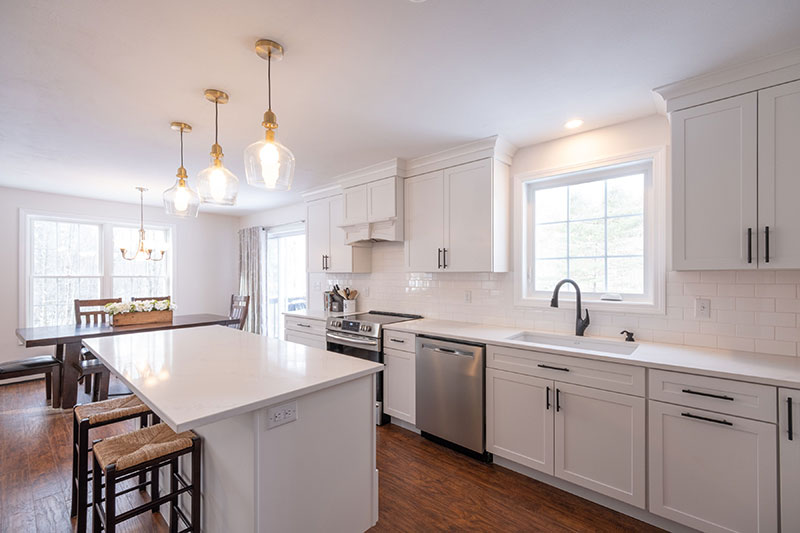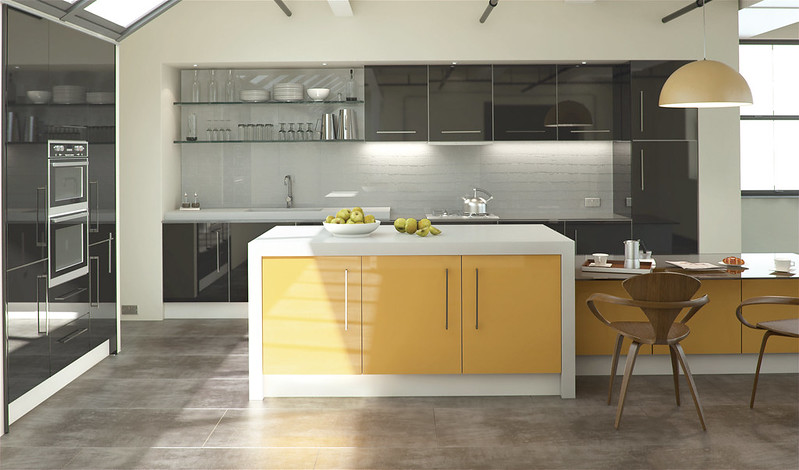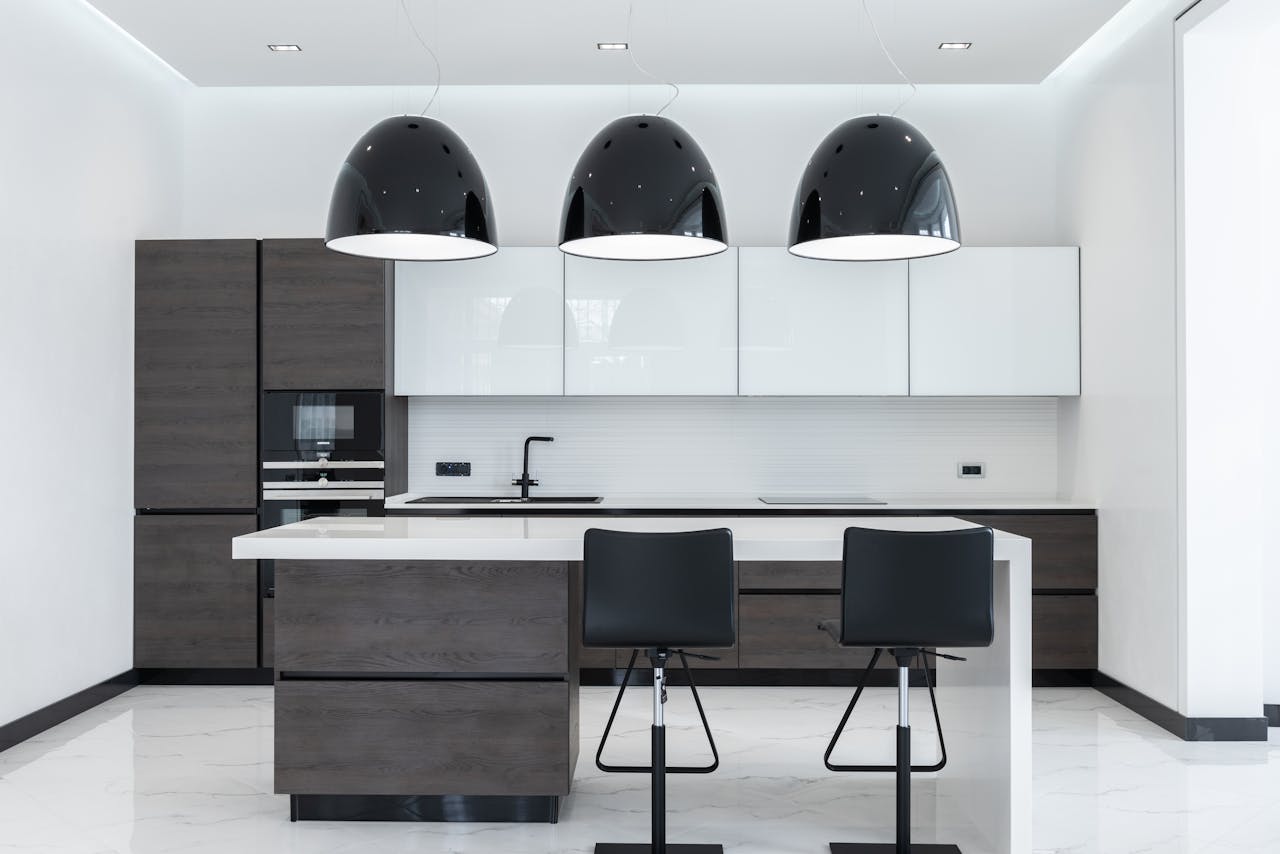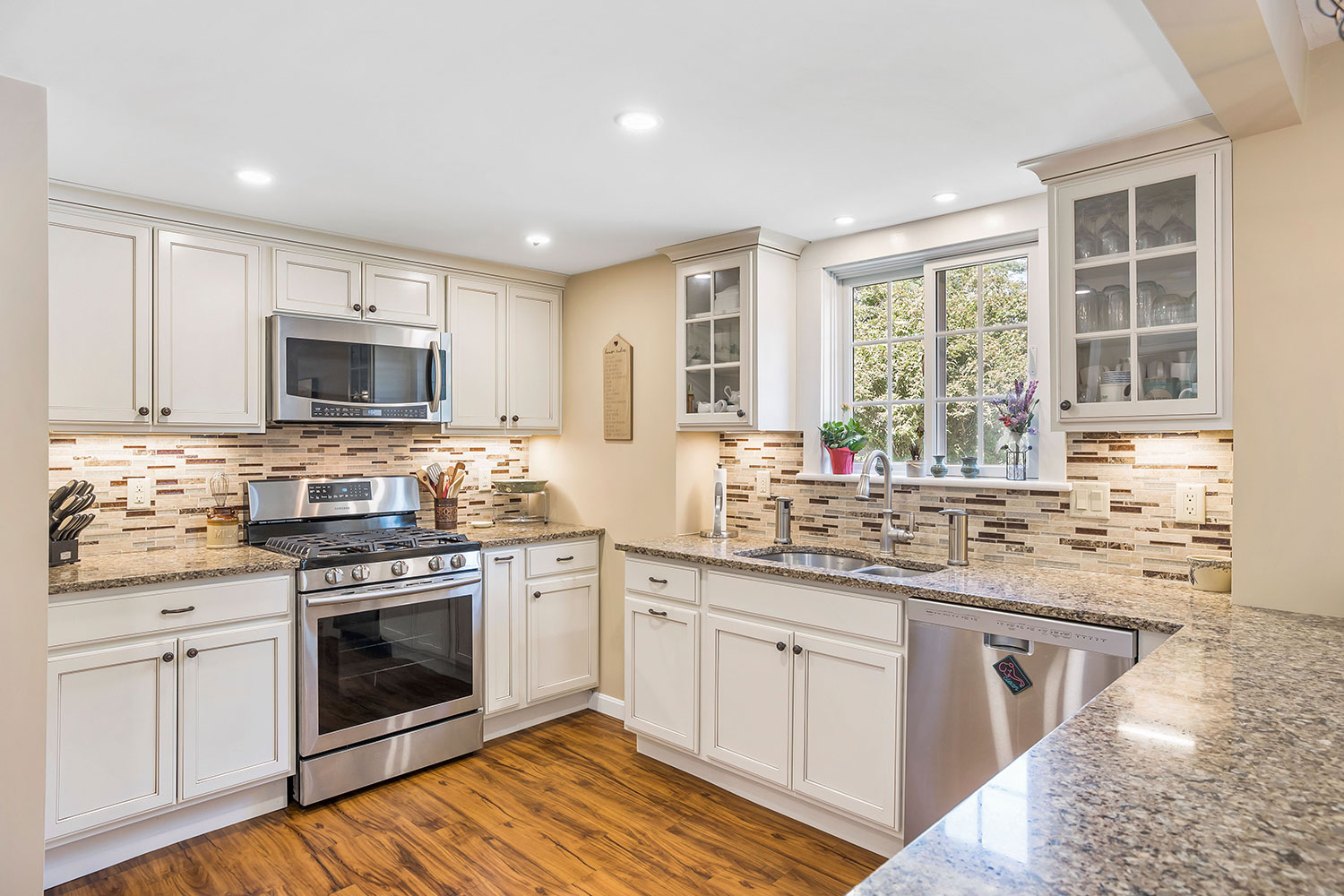
As you all know, kitchen remodels fail most often because of poor planning, hidden costs or unclear goals. Too many projects fall flat when teams omit obvious steps, make hurried decisions, or apply incorrect materials for the space. Layout mistakes, missed permits, and unskilled hands manifest as delays or increased expenses. We stay on top of our work by mapping out each step, itemizing costs, and updating clients in every phase. Checklists, plain schedules, and free talks help us identify issues before they escalate. Defined schedules and candid conversations allow us to establish realistic objectives, select the appropriate materials, and maintain project momentum. In the following examples, notice how these steps assist each time.

Key Takeaways
- When you define your vision and repeatedly share it with your team, it minimizes project confusion and project decisions become easier—keeping your remodel on track to meet your expectations.
- An honest, all-inclusive budget—including contingencies—keeps you from unfinished projects and buyer’s remorse and ensures resources can be appropriately allocated.
- This kind of careful planning — with timelines and progress check ins, and permits factored in — all minimizes wasted time and effort, and a more efficient work flow.
- Choosing a competent, seasoned crew, checking references, and clarifying roles generates trust and teamwork, key ingredients in a successful kitchen remodel.
- By identifying hidden challenges like communication breakdowns, decision fatigue and lifestyle disruptions through structured updates and limited choices, you can prevent delays and increase satisfaction.
- By focusing on quality materials, classic design touches, and savvy savings during material selection, you’re ensuring your kitchen remodel stays sustainable and stylish for years to come.
Why Remodels Fail
Kitchen remodels miss the mark for reasons that transcend bad luck. In most cases, it’s about the beginning and the management along the way. So without a hard plan, definite goals, and the right people, even the finest intentions can come up short. Here are the top things that make kitchen remodels blow up and why you should care.
Unclear Vision
A remodeling with no vision can be off in the wrong direction from the beginning. If homeowners don’t define their goals or set expectations, teams can make decisions that don’t align with the desired result. For instance, if the layout isn’t completely planned, the completed kitchen may appear great but function terribly for daily use. Talking regularly with everyone involved and seeing if the vision remains on course helps avoid miscommunications. Without these steps, it’s easy for the completed kitchen to disappoint in comparison to what was actually desired.
Flawed Budget
A budget that excludes important costs or dismisses the possibility of unexpected expenses can halt progress quickly. We tend to under-estimate both time and money required, which results in stress and an incomplete kitchen. Pros frequently recommend reserving a minimum of 20% of the overall budget for these surprises. By accounting for all costs and being prepared to pivot if prices increase, homeowners can prevent draining their budget – midway through the work. Focusing on must haves and not over investing in trends can keep you grounded.
Poor Planning
Absence of a timeline or overlooked steps like permits can hold up even straightforward remodels. Without a complete plan, time and resources are wasted. If obstacles aren’t anticipated and accounted for, delays or errors build up quickly. Peeking at progress at control points keeps work on track and allows you to make quick corrections to any problems.
Wrong Team
Wrong people risk hiring the experts with zero kitchen experience and neglect critical phases, resulting in setbacks and subpar outcomes. Reference and past work checks, clear roles, and a team that communicates well can mean the difference between success and a remodel that never feels quite right.
Cut Corners
Going for bargain materials or unskilled labor to save money almost never pays. Shoddy work can result in repairs shortly thereafter. Using higher-quality materials and more experienced craftsmen, and factoring in maintenance down the road, goes a long way toward making the remodel perform and look great for years to come.
The Hidden Project Killer
The most overlooked threat to kitchen remodels isn’t budget or design, it’s a hidden project killer buried in the human element — communication, decisions and life. Like a story’s hook, these elements will make or break the project. If left unattended, they inject mistakes, lateness, and strain that sap gratification. Giving these areas early attention guarantees a better going, more satisfying result.
Communication Breakdown
Communication is a project’s Achilles heel and its strongest chest. When updates are haphazard, team members and homeowners drift out of alignment, causing missed steps and expensive errors. These bi-weekly check-ins — even if only brief — ensure everyone is on the same page. Something visual such as floor plans or samples can explain what you’re talking about better than words. Feedback loops are important. When employees feel safe to speak up, issues emerge early and get resolved quickly. Recording each decision and revision, even minor ones, prevents frustration from accumulating. Disjointed communication, like a bad plot structure, erodes the project from inside.
Decision Fatigue
Endless decisions can swamp even the best organized home owners. This decision fatigue leads to procrastination and occasional remorse. Constrain choices—say, three cabinet finishes short-listed versus ten—and you accelerate the process and reduce stress. Decision deadlines stop the delays from stacking up. Addressing big decisions, like layout and appliance selection, up-front eliminates stress down the line. By off-loading small decisions—drawer pulls or paint shades, etc.—to trusted team members, you’re spreading the load. A kitchen remodel’s signature might be its bright color or its clever layout, but having too many features reduces their punch—just like a story’s greatest strength can become its downfall if scattered.
Lifestyle Disruption
Remodels interrupt habits. If you plan your work phases around meal times or school, it’s less inconvenient. Transparent, reasonable schedules assist all parties in calibrating expectations. Genuine discussions with the crew around daily requirements—say, available kitchen room or silent times—avert irritation. Makeshift arrangements, such as a hot plate or camping sink, keep the kitchen operational. The initial days on site determine the rhythm, like the opening scene of a script. How well these disruptions are managed becomes the delineating factor—either sustaining a fluid process or sabotaging the entire endeavor.
Beyond the Blueprint
Kitchen remodels going bad ‘cause the design is skin-deep. To escape the trap, high-performing kitchens require more than new cabinets or shiny appliances. It involves a considered examination of workflow, storage, lighting, and how it all fits together. A space should function for real life, not just in pictures.
Ignoring Workflow
Workflow neglect wastes your time and energy. The floor plan should allow you to flow from fridge to sink to stove unimpeded. Storing appliances and work zones too far apart leads to backtracking, while cramped passages impede meal preparation. For instance, I love a breakfast bar, but if it impedes egress, mornings become a nightmare. Smart locations for the important appliances and storage make every step of your cooking flow. Mocking up the layouts in 3D design software allows you to conceptualize flow and identify problem areas in advance. This is where ergonomic decisions weigh in—counter height, reach, and positioning of handles all factor into creating an accommodating kitchen.
Wasted Space
Unused corners and blank walls are wasted storage opportunities. Tall, ceiling-height cabinets or open shelving help exploit vertical space, keeping counters clutter-free. Innovative elements, such as a charging drawer, provide hidden spaces for devices and cords, maintaining clean work surfaces. Built-in solutions, like pull-out racks or spice organizers, help even the most petite kitchen be more functional. Planning for growth is key: leaving space for future appliances or extra storage stops you from outgrowing your kitchen too soon. Custom tiles on backsplashes or floors add personality without taking up room, giving function and style in one.
Poor Lighting
A lot of kitchens have the wrong lighting balance. Too much dependence on overhead lights casts shadows in work areas and makes the room feel chilly. Layered lighting–task lighting under cabinets, general overhead lights and spotlights–enhances safety and allows you to see while cooking. Dimmer switches set the mood at dinner or for clean-up. Proper lighting reduces eye strain and accentuates design elements, such as custom tiles or distinctive shelving. Well-selected fixtures meld with the kitchen’s aesthetic while providing ample illumination where it counts — particularly around countertop and cooking zones.
Our Proactive Strategy
A proactive strategy in kitchen remodels means each step is planned, from initial consultation to final inspection. We employ a strategy to slash risk, manage budget and align client objectives. This strategy depends on straightforward discussions, genuine input and regular quality control. We’re trying to make surprises infrequently, and we want to play the hand we’re dealt.
The Discovery Phase
We begin by sitting down with clients and posing the right questions. What do they desire in their new kitchen? How many people occupy the space, and what do they cook the most? We respond, then transcribe everything. This assists to have us know the actual needs and prevents missing important desires later. We seek out images and sample projects and design styles to determine what inspires the client. These citations help define the project’s appearance and utility.
Then, we put some boundaries in place. In other words, enumerate what your remodel WILL include and WILL NOT include. We summarize these insights in a centralized location so the entire team operates off the same playbook. No one’s out of the loop and every decision is grounded in reality, not speculation. With a complete image, we can reserve 10–20% of the budget as a reserve for any shock expenses, such as hidden water damage or permit fees.
The Design Phase
We draft our plans, with client feedback at every turn. 3D renderings or digital sketches reveal the future space. This allows all of the employees to view and modify things prior to their work day has begun. We assist in selecting products that are durable, not just fashionable. For instance, we recommend quartz or ceramic rather than soft wood for counters, as these fare better. Clients are able to view samples and discuss with us how each option impacts price, maintenance and aesthetic.
Design reviews occur in rounds. We walk through every amenity, from closets to bulbs. That way, clients identify problems early, and we implement fixes before construction commences. These steps keep the project on track and they avoid expensive changes later.
The Build Phase
Site visits occur frequently. We review the work, ensure it aligns with the plan, and identify problems quickly. If something alters, we inform the client immediately. This thing maintains clarity and prevents procrastination. All work complies with local and international codes for safety and performance. Final checks are completed prior to hand-off, so clients view the output and request adjustments.
Material Selection Secrets
Material preferences define the functionality and appearance of kitchens for years. Smart decisions = less failures, less regret, more from every investment. The right materials hold up to everyday wear, work within budget and complement the kitchen’s aesthetic and utility for years, not seasons.
Durability First
Daily abuse tests kitchen materials to their max. Countertops, floors, and cabinets require durability to withstand scratches, heat, spills and stains. Wood cabinets with a stain finish, for instance, hide dirt better and clean up more easily than white painted surfaces. Marble countertops are beautiful, but acidic foods will quickly etch and stain them. Going with quartz or granite provides you with a more durable surface with less upkeep. Floors, particularly in busy spaces, need to withstand drops, splatters, and pounding feet. Others, such as porcelain tile or premium vinyl, offer extended wear and lesser maintenance.
Upkeep gets in your life. Other finishes require regular sealing or mild cleaners. Others, such as laminate or engineered stone, require minimal maintenance to keep them looking new. Beware warranties and product lifespan prior to purchase. Manufacturers typically disclose what’s covered and how long materials should last. Try at-home samples—douse with water, scratch with silverware or expose to sunlight—to observe how surfaces react. Real-world tests tell you a lot more than a catalog or online review.
Timeless Style
Classic designs transcend trends and keep kitchens from looking old. Neutral color palettes — think whites, grays, or wood tones — are as popular and versatile as ever. They allow you to switch up other things, such as wall color or hardware, without creating a conflict. Combining contemporary and rustic touches—like simple cabinet doors, but with streamlined, utilitarian hardware—feels simultaneously new and rooted.
Fashiony elements, such as bright colors or decorative fixtures, may seem fresh at the moment but may require a refresh in the near future. A homeowner who matched the countertops to their original cabinets only to find them clashing once they decided to change the cabinet color. Multi-purpose finishes sidestep this trap and keep you time and money. Mixing styles needs to be thoughtfully planned so everything works together for years to come.
Smart Savings
It pays to compare quality and price between suppliers. A few provide bulk or seasonal discounts. This can save you a lot of money, particularly for products such as flooring, that may need additional to accommodate cuts and waste in the installation.
Many times, there are options that appear luxe but don’t, like quartz that resembles marble or engineered wood for flooring. Energy efficient appliances are another hot spot to save—although the upfront cost might be higher, the lower utility bills really do accumulate over time. By selecting sustainable materials like recycled glass and bamboo, you’re not only helping the planet, but you can create a more cost-effective kitchen.
Your Role in Success
If you’re involved, kitchen remodels can be a success. Thoughtful strategizing is crucial. If you begin a remodel with no concept it’s like driving down a long highway with no map. By participating in the planning and decisions, you influence the project to align with your actual needs, not just what’s hot or new. For instance, rather than selecting an open shelf style simply because it’s trendy, consider if it suits your lifestyle and storage requirements. Your role here isn’t simply yes or no–it’s about making little and big decisions that lay the groundwork for your remodel.
Open, honest talk with your team is equally crucial. If you see it, say it. If you’re concerned with budget or timing, voice those concerns up front. Feedback isn’t just finding fault, it’s finding what works. This back-and-forth dialogue catches mistakes earlier and produces a superior final product. For instance, if you notice the tile selected for the splashback clashes with the counter – say something. These talks get the team aligned and on track.
Staying engaged means you don’t simply check in at the beginning and end. Track how work is going. When you see a problem, mention it. This active part keeps the project on track with your vision. It teaches you from each step, so you know wiser what to do in future projects. They will make errors, but if they do as lessons, they position themselves for next time.
Providing feedback and encouragement creates a positive team atmosphere. Appreciate a job well done, and the crew is more willing to play with you. When you share lessons learned or the distance traveled, you lead by example. That allows you to better balance what you desire, what you require and what you’re able to pay. Establish a realistic budget, save additional for unexpected expenses, and really consider which features endure past the moment.
Conclusion
Kitchen remodels fail for straightforward causes such as shoddy designs, fragile collaboration, or bad choices of instruments and equipment. To prevent these issues, we schedule every step, employ rigorous safeguards, and maintain transparent communication. We make you collaborate with us, not just observe. New taps, solid worktops, clever storage—every choice suits your lifestyle, not just the latest styles. We teach transparent processes, actual expenses, and genuine techniques to solve problems quickly. Great work comes from transparent objectives and transparent conversations. To begin your kitchen transformation, submit your burning questions. You get know-how, advice, and a crew that cares about making your space work for you. Let’s get to work, together, and create a kitchen that fits your life.
Frequently Asked Questions
1. Why do most kitchen remodels fail?
Missing small details can lead to delays and cost overruns!
2. What is the hidden project killer in kitchen remodels?
Surprise problems behind walls or under floors that delay the project. These surprises can add to cost and schedule if not addressed early.
3. How does your approach prevent remodel failures?
We employ rigorous planning, frequent progress reports, and professional guidance along the way. This prevents us from making face-plant mistakes and helps guarantee a smooth remodel.
4. Why is material selection important in kitchen remodels?
Picking the perfect materials impacts longevity, aesthetics, and cost. Doing it right now stops you from needing to fix it later and makes sure your kitchen actually works for you.
5. What role does the homeowner play in a successful remodel?
Homeowners need to be up-front about their objectives and stay engaged in decisions. Immediate responses keep the project on track and on budget.
6. How can unexpected costs be minimized during a remodel?
Comprehensive upfront planning and truthful budgeting minimize surprises. We catch trouble early and re-direct plans to keep costs in check.
7. What makes your remodeling process reliable?
Our process involves clear communication, professional advice, and a thoughtful approach to materials. We solve problems early to ensure quality work, every time.
Your Dream Custom & Energy-Efficient Kitchen Remodel by Mares & Dow Construction & Skylights – Let’s Create the Heart of Your Home
Transform your kitchen into a stylish, functional, and energy-efficient space with a custom remodel from Mares & Dow Construction & Skylights. With over 40 years of experience, we specialize in kitchen designs that blend beauty, functionality, and sustainability while complementing your home’s character and lifestyle.
Whether you’re envisioning a gourmet chef’s kitchen, a modern open-concept layout, or an eco-friendly upgrade with the latest energy-saving appliances, we customize every detail to match your vision, needs, and long-term goals.
Key benefits of our custom & energy-efficient kitchen remodeling services include:
- Designing a kitchen that’s tailored to your cooking, entertaining, and storage needs
- Boosting your home’s value with expert craftsmanship and modern functionality
- Incorporating energy-efficient appliances, lighting, and materials for lower utility costs and a greener footprint
Proudly serving Contra Costa County—including Alamo, Danville, Orinda, Martinez, and San Ramon—Mares & Dow Construction & Skylights is your trusted partner for kitchens that are as beautiful as they are practical.
Contact Mares & Dow Construction & Skylights today for a free, no-obligation quote and let’s bring your dream kitchen to life!
Disclaimer
The materials available on this website are for informational and educational purposes only and are not intended to provide construction, legal, or professional advice. You should consult with a qualified general contractor or industry professional for advice concerning any specific construction project, remodeling plan, or structural concern. Do not act or refrain from acting based on any content included on this site without seeking appropriate professional guidance. The information presented on this website may not reflect the most current building codes, regulations, or industry best practices. No action should be taken in reliance on the information on this website. We disclaim all liability for actions taken or not taken based on any or all of the contents of this site to the fullest extent permitted by law.


based on