Category Archives: General Home Additions.

Why Bay Area Homeowners Choose Design-Build for Additions

Best Home Remodeling Orinda CA - Expert Renovation Services

Design-build gives you one point of contact, faster timelines and cost control. The design-build approach brings design and build teams together under one roof, so designs and construction phases flow with fewer holdups. A lot of owners love how one team manages concepts, permits and builds work. That way, it’s easy to adapt plans or address problems. Costs are more transparent upfront and changes don’t mark up prices as much. The design-build team knows local regulations, which helps prevent delays. Homeowners have more input on decisions and experience consistent progress updates. These factors are why design-build is the preferred choice for Bay Area homeowners seeking to add rooms or renovate their homes.
Key Takeaways

  • With design build, homeowners get one source of accountability — simplifying communication, decisions and project management for peace of mind and reliable outcomes.
  • Budgeting established at the front of the design-build process aids cost transparency and mitigates the risk of surprise expenses, making it easier to stay within limits.
  • Quicker projects are achievable because design and construction can overlap, and integrated teams work together in sync — leading to projects that get done sooner.
  • Tight collaboration between designers, builders and homeowners improves communication, sparks innovative ideas and tackles obstacles effectively for a smoother project experience.
  • Dealing with local regulations, seismic and neighborhood character is easier with design-build firms that know the area and compliance.
  • By incorporating smart technology, sustainable materials and future-proof features in your home addition, you’re supporting energy efficiency, environmental responsibility and adaptability to evolving lifestyle needs.

Why Choose Design-Build?

Design-build is a project delivery method in which a single entity is responsible for both the design and construction of a project. This integrated approach resonates with so many homeowners in the market for home additions because it introduces organization, transparency and efficiency to inherently challenging projects. The approach is industry-recommended for minimizing risk, optimizing workflows, and enabling a more predictable result—essential attributes for any homeowner seeking to invest in their property.

Single Accountability

With design-build, you collaborate with a single team throughout the entire process. This transparent framework results in less confusion, fewer crossed wires, and more straightforward solutions. One call makes for quicker decisions — you don’t have to shuttle between firms or weigh competing advice. Project vision remains robust and consistent, as one team both plans and builds, minimizing the risk of mistakes or overlooked details. You can be confident that the final outcome embodies your needs because the team’s attention is directed towards your objectives with no competing agendas.

Budget Certainty

  • Transparent, up-front pricing is established at the beginning of the design process.
  • Transparent cost structure helps spot and avoid surprise expenses.
  • Design-build teams collaborate to maintain budgetary control of expenditures.
  • Detailed project planning helps spot risks and control overruns.

It’s a model that saves money — it minimizes opportunity for error and aligns all expenses from the beginning. By partnering with a single team, the entire process remains aligned with your budget.

Faster Timelines

The design and construction are interwoven, so you can get started with work before everything is 100% finalized. That saves weeks or months! With one team, changes or issues get solved quickly, not trapped in endless email pingpong. Because the workflow is seamless and efficient, your addition gets completed faster. Pre-approved designs and good planning equals less waiting for permits.

Seamless Collaboration

Everyone from architects to builders to homeowners stays on the same page. We design with your input so the result matches your lifestyle. Teams address issues as they arise, not retroactively. This collaboration inspires innovation and aids in designing clever, distinctive environments.

Quality Control

Quality is monitored from day one of the project. Every step, from plan to finish, gets reviewed to keep the build on course. You collaborate with experienced professionals who give a damn about quality. The result is a safe, well built addition that adds value.

The Value of Integrated Design

Integrated design is design and building as a single unit. This is crucial for Bay Area homeowners expanding their houses. It unifies all phases—design, construction, and management—under one roof, so the workflow is seamless for all. One team in charge prevents holes or confusion, and provides increased control over cost, time, and quality.

  • Seamless workflow from start to finish
  • Single point of accountability
  • Better communication and less stress for homeowners
  • Fast and smooth move from design to build
  • Cost control and fewer mistakes
  • No finger-pointing or miscommunication
  • Convenience of having so many services available under one roof
  • Often results in cost savings

Smart Technology

Smart home systems have found their way into a ton of design-build projects. Homeowners get to select such features as app-operated lights, security, and smart thermostats. These systems simplify control of your home from anywhere.

They assist in reducing energy consumption. For instance, smart sensors can power off lights or regulate temperature when nobody’s home — in turn keeping energy bills low. Some systems even monitor usage and recommend further savings.

A connected home enables modern requirements. Streaming, remote work, and online learning all go more smoothly in homes designed to support robust Wi-Fi and media systems. With a design-build team, these tech features are designed from the outset, not retrofitted.

New solutions such as automated shading, voice-activated controls, and smart appliances bring comfort and value. Having tech built-in makes the home both fit today’s lifestyle and ready for what comes next.

Sustainable Materials

Green building materials, for instance, aren’t just in anymore, they’re the norm in many places. Choices such as recycled steel, bamboo flooring and low VOC paints assist reduce your home’s environmental footprint.

Thoughtful selection of materials translates into improved air quality and reduced energy costs. Insulated windows and walls keep homes warmer in winter and cooler in summer, so less energy is required.

Tough stuff–composite decking or stone counters are durable and low maintenance. Over time, this saves on repair costs and waste.

Being design-build we frequently adhere to green building standards, ensuring that additions contribute to a healthier planet. This matters to a lot of homeowners who want to make responsible decisions.

Future-Proofing

Refreshable room layouts imply that spaces are adaptable as families expand or as requirements fluctuate.

Design for seamless upgrades, so new tech or features can slot in down the line.

Consider in advance smart wiring or outlets for future appliances.

Be prepared for fluctuations in the housing market with a timeless design.

Common Design-Build Additions

Design-build additions aim toward more efficient space, increased value, and increased comfort. In the Bay Area, where space is at a premium, smart design-build additions matter to homeowners looking for extra space or improved floorplans. These additions include everything from basic bathroom upgrades to massive second story jack and jill additions.

Second-Story

A second story addition is the premier option in areas where land is scarce and expensive. By building up instead of out, homeowners increase living space — frequently adding new bedrooms, a home office, or additional bathrooms — without sacrificing yard space. That can raise property value and bring in panoramic views or additional sunlight if the top floor is designed wisely.

These types of projects necessitate comprehensive planning and excellent design-build teams as upper-level additions require thoughtful structural calculations. Strengthening the foundation and core is crucial. The work frequently goes beyond surface level, incorporating things like rerouting utilities and upgrading support systems, so it’s not a small thing. The result is almost always worth it, particularly in crowded urban environments.

ADUs

Accessory dwelling units (ADUs) introduce versatile living areas, typically utilized for family members, visitors, or as rentals to generate additional revenue. As more cities embrace ADUs, these common design-build additions are becoming increasingly commonplace and easier to permit. Owners still need to investigate building codes and local regulations.

A smartly-scaled ADU cozies right into the main property, providing privacy and comfort. It might be a detached cottage, a garage conversion or a basement suite. The proper design-build team makes the unit align with the home’s appearance and comply with safety codes. ADUs increase property value, bring rental income dollars and can assist with aging parent scenarios.

Bump-Outs

Bump-outs are brilliant for adding space to jam-packed kitchens, cramped dining rooms, or compact living areas. These tiny design-build extensions, generally less than 4-8 square meters, elongate a space without requiring a full foundation or significant roof modifications.

The biggest benefit is price. Bump-outs are far less expensive than construction of full room additions. They accelerate the build too, so updates are quicker and less messy. Homeowners typically install them to create a breakfast nook, extend a bathroom, or expand an entryway—easy modifications that really impact.

With a great design-build partner, these mini-expansions blend in beautifully with the old parts of the house, preserving flow and style.

Other Common Additions

BR & BA Additions – Bedroom and bathroom additions allow families to expand as needs evolve. Kitchen expansions and outdoor kitchens with covered patios add daily comfort and resale value. Room additions of all sizes make old homes feel new, and every project has to balance budget, space, and neighborhood restrictions.

General Contractor Mares & Dow Construction & Skylights

Beyond the Blueprint

Design-build for home additions goes beyond the blueprint, it’s a partnership that lasts. These ventures can take 1.5 to 2 years, so the individuals are as important as the schemes. Trust, communication, and expertise influence the approach and outcomes.

The Human Element

Close relationships are important. When selecting a design-build team, keep in mind you’ll be working side-by-side for a year or more. A great team hears, adjusts, and creates faith. One homeowner talked about how theirs was 6 months — with defined roles and a crew that managed both design and construction.

Open talk is the ticket. Sharing your vision and needs helps the team mold the space to your life. It’s not just what it does–it’s who you are. Homeowner input keeps projects on track and personal.

Your selections and flair shine brightest when you remain involved. Beginning to end, your response defines the result. This results in spaces that feel right—not just new.

A design-build team provides deep expertise. They walk you through hard decisions, like managing scope vs. Cost or dealing with complicated renovations like plumbing, electrical and kitchen remodels — sometimes all in the same project.

The Value Proposition

Feature

Design-Build

Traditional Approach

Teamwork

High

Often Limited

Timeline

Streamlined

Prone to Delays

Cost Control

Strong

Often Unpredictable

Vision Integration

Consistent

Can Fragment

A good design-build job is one of the few things that can enhance resale value. Inspectors have remarked that some design-build work is the best they’ve seen. That reputation says timeless quality.

These projects add functionality and coziness to homes. Owners walk away with rooms carved for actual needs—more light, smarter storage, or better flow.

While the initial costs can appear to be higher, design-build can save you money over time. With a single team designing and building, less handoffs equals less mistakes and less waste. For those big projects (kitchen, bath, addition) this cohesiveness helps ward off expensive problems, like the kind that occur when architects and contractors don’t get in sync.

Making an Informed Decision

A design-build firm for your home addition in Concord, California has to think it through. Step one is to get information from various firms. Review their portfolio, experience, and diversity of projects. A company that has constructed both ADUs and conventional additions can demonstrate a broader range of ability. Request customer references or case studies. These can illuminate how the firm approaches real projects and addresses problems as they arise.

Homeowners should examine their own requirements and financial capacity prior to contacting companies. For instance, an ADU will have different costs and returns than a sunroom or additional bedroom. Other additions, like a full bath or kitchen extension, may be pricier but can add loads of value in the long run. Knowing what you desire comes in handy when you’re comparing offers. Don’t forget local regulations, such as building codes and permit processes. Concord has strict codes, particularly for seismic safety and energy usage. Overlooking these can cause hold-ups or additional expense.

It pays to inquire with the company about how they deal with city permits and inspections. Transparency about your schedule is crucial. The majority of room additions require three to six months from start to finish. Companies that provide specific return time frames and respect them can save you frustration. Establishing ground rules with your contractor, such as work hours and dust control, will help keep your home safe and reduce everyday frustration.

Consider the ecological footprint of your endeavor. Most companies have green building choices, such as recycled materials or energy-saving windows. For homeowners debating ADUs, home remodeling, or other alternatives, put the benefits and drawbacks of these side-by-side. ADUs can give you rental income, and a room addition might be best for your growing family. Ultimately, open communication with your design-build partner, diligent research, and an eye toward need and budget will guide you to the right decision.

Conclusion

In short, homeowners in Concord benefit from the design-build approach for additions because it reduces headaches and maintains momentum. Teams collaborate from inception to completion. Clients experience transparent plans, trustworthy budgets, and fast modifications when necessary. Local rules are managed by professionals who know the community’s requirements. From kitchen bump-outs to additional rooms, design-build streamlines every phase. No separate firms to juggle or updates to chase. The entire operation flows easily, so owners feel in charge and can anticipate what’s next. To get your own project underway or find out more, contact local design-build professionals. Real stories, trusted advice—let us help you plan with calm and get the results you need.

Frequently Asked Questions


1. What is the design-build approach for home additions?


It’s called design-build, and it combines design and construction services into one team. This simplifies communication and accelerates the process, minimizing delays and confusion.


2. Why do Concord homeowners prefer design-build for additions?


Homeowners in Concord choose design-build to simplify complex regulations and zoning. The integrated team handles local issues efficiently, ensuring a faster and less stressful path to completion.


3. How does design-build provide better value?


Design-build offers cost transparency and clear budgets up front. Homeowners sidestep surprise costs and can more easily adhere to their budgets.


4. What types of home additions are common with design-build?


Common design-build additions include extra bedrooms, enlarged kitchens, and new bathrooms. Some homeowners also add ADUs for additional living or rental income.


5. How does integrated design benefit homeowners?


Integrated design ensures your project fits your needs and style. It leads to improved coordination, fewer changes, and a more fluid construction process.


6. Can design-build help with Concord’s permit requirements?


Yes, experienced design-build teams understand Concord’s building codes and permit processes. They guide homeowners through the system and help prevent costly errors.


7. What should homeowners consider before choosing design-build?


Ask about the design-build team’s experience and reputation. Be sure to check references, review contracts, and communicate openly before you begin.

Your Dream Home Addition Built by Mares & Dow Construction & Skylights – Let’s Create the Extra Space You’ve Been Dreaming Of

Expand your home’s potential and enhance everyday living with a custom home addition from Mares & Dow Construction & Skylights. With over 40 years of construction experience, we specialize in high-quality additions that seamlessly integrate with your existing structure and lifestyle needs.

Whether you’re planning a new primary suite, second-story expansion, or an in-law unit, we tailor each addition to match your vision, your home’s architecture, and your long-term goals.

Key benefits of our general home addition services include:
• Adding valuable square footage for growing families or multi-use living
• Increasing your property’s value with expert design and construction
• Creating energy-efficient, modern living spaces tailored to your needs

Proudly serving Contra Costa County—including Alamo, Danville, Orinda, Martinez, and San Ramon—Mares & Dow Construction & Skylights is your trusted partner for functional, beautiful, and lasting home additions.

Contact Mares & Dow Construction & Skylights today for a free, no-obligation quote and let’s build your ideal home addition together.

Disclaimer

The materials available on this website are for informational and educational purposes only and are not intended to provide construction, legal, or professional advice. You should consult with a qualified general contractor or industry professional for advice concerning any specific construction project, remodeling plan, or structural concern. Do not act or refrain from acting based on any content included on this site without seeking appropriate professional guidance. The information presented on this website may not reflect the most current building codes, regulations, or industry best practices. No action should be taken in reliance on the information on this website. We disclaim all liability for actions taken or not taken based on any or all of the contents of this site to the fullest extent permitted by law.

Historic Home Additions: How to Preserve the Character

home addition

Historic home additions are about preserving the character of an old home while expanding it. To maintain the character, most owners duplicate the existing work. Employing the same kinds of wood, brick, or paint helps the entire house merge. Retaining the original windows, trim, and doors can maintain the design evident. Most folks hire professionals who understand vintage architectural styles and regulations. Little twists, such as wire hidden in the walls or new plumbing, keep the old look on the outside. Others choose uncomplicated forms or muted hues to make the new additions less conspicuous. To help you share steps, choices, tips, the following sections reveal how to plan and preserve the proper style.
Key Takeaways

  • Preserving the character of a historic home requires a deep understanding of its architectural legacy, careful documentation of previous renovations, and a commitment to retaining original features whenever possible.
  • Good remodels honor the existing shape, scale, and materials, so that new pieces or updates complement the historic home and maintain its aesthetic and practical integrity.
  • Choosing reversible and flexible design solutions preserves the home’s authenticity and accommodates modern living needs, leaving room for change in the future.
  • Careful sourcing of materials, such as reclaimed or local elements, and openness about structural changes preserve both integrity and sustainability for the future.
  • Carefully following preservation guidelines and working closely with experienced consultants and specialized contractors not only keeps you on the right side of regulations and best practices but produces top-notch restoration results.
  • Incorporate modern amenities, energy-efficient systems, and functional spaces unobtrusively, so today’s needs are met without sacrificing the home’s unique character and history.

The Preservation Mindset

The preservation mindset is that a historic home is more than walls and windows. It’s about honoring a one of a kind character molded by years and woods and artisans. Owners must balance maintaining original features, respecting the home’s narrative and adhering to local preservation regulations. Understanding the distinction between restoring—a retreat to the past—and remodeling—major change—is crucial. Below, a table breaks down core principles:

Principle

Description

Implication

Restoration

Return to original state

Preserves authenticity

Remodeling

Update or change layout, style

Risks losing historical features

Retain Materials

Keep original floors, trim, and finishes

Maintains value and integrity

Respect Context

Honor local history, laws, and design review

Ensures legal compliance

Document Changes

Record all renovations

Aids future preservation efforts

Authentic Methods

Use traditional tools, materials

Supports craftsmanship continuity

Understand History

  • Collect old blueprints, city permits and pictures for a crystal clear history.
  • Record all renovations, large and small, new windows to additional rooms.
  • Discover the house’s architectural details—perhaps columns, rooflines or hardwood floors.
  • Respect the narrative inherent to ancient stone, hand-hewn timber or time-soaked stucco.

Understanding history guides every restoration. Each stratum, from vintage paint to mended floors, narrates. You can sand and finish original wood floors, for instance, over and over again, revealing both the age and the resilience. Local archives or former owner records assist in unraveling these details.

Respect Form

Maintain the home’s form and scale. Stay with the same roof pitch, window form and porch dimension. Copy trim profiles or brick patterns of the period. Don’t add anything that protrudes or disrupts the house’s lines.

Employ similar colors and siding. This keeps the look slick and respects the original design. Big changes such as a slick modern glass wall can conflict and wash out what makes the home special. All new must fit in, not blare.

Prioritize Reversibility

Design work to be reversible. Choose too-complete finishes—such as tile, or lighting—that can be switched down the road. Apply screws, not glue, on molding. This allows future owners to maintain or modify at will.

Sometimes they want updates for comfort or tech. Implement these modifications cautiously. Conceal new wiring or pipes. Preserve those old doors and cabinets, even if you have to relocate them temporarily.

How to Blend Old and New

Old & New – Making Smart Choices About what to keep, what to update and how to join the two. Preserving the soul of a house while incorporating new additions requires detailed analysis of the original style, meticulous documentation, and reverence for history. It’s a way to help ensure that new elements blend with the old, creating a space that functions for today but still shares the narrative of its past.

Differentiate, Don’t Replicate

Demonstrating an obvious seam between original and new elements prevents any ambiguity and maintains the integrity of the house’s narrative. With finishes such as glass, brushed metal or engineered wood that reference old textures without replicating them, you can honour the past while signalling advancement. By highlighting the difference—say, combining century-old hand-carved wood trim with sleek new stylish cabinetry—you honor the transitions and maintain both eras’ presence. This makes the home feel like it has evolved, not simply copied, and builds conversation between styles. Before opening up, record distinctive details—like stained glass or old stonework—that won’t be replicated.

Complementary Massing

Try to keep new work in scale with the old. If the original house is small, then a big, boxy addition will tip the scales. Instead, mimic the height, roof pitch and overall shape. Try to set back new parts a meter or two so that the transition is smooth, and use landscaping–small trees, hedges–to soften hard edges. This prevents the look from being too brash and honors the form of the house.

A measure of moderation aids. If the original home has a soaring entry, mimic that scale in the new sections, don’t allow the addition to dominate.

Material Dialogue

Picking your materials is crucial–choose ones that relate to the historic house but have new advantages. Reclaimed bricks, bamboo floors and low-emission paints can blend harmoniously. These decisions mature with the house and infuse fresh vitality, yet still harmonize with the old bones. When new and old sit side by side, the combination can add layers and richness to your home.

Sustainable materials are a bonus. They enrich and respect both the old and the new.

Thoughtful Connections

Find wide doorways or arched openings to connect new and old rooms that the transition feels fluid. Visual paths–like a line of windows or lighting–work to lead your eye through the space. Most homes employ a plain transition strip or a beam to delineate the joint.

Each connection should feel planned, not forced.

Interior Flow

Maintain the original floor plan where you can, but open up walls for contemporary use. Consider how rooms flow into each other and use coordinating paint colors, trim or lighting to blend spaces. Sprinkling in smart tech, such as concealed wiring or discreet sensors, can add convenience without damaging the aesthetic.

There’s room for new requirements and vintage character to coexist.

Material and Structural Integrity

Maintaining a historic home’s soul is about not only the face materials but the underlying integrity. So do material choices and building methods, even little things like nail types. Prior to replacing, examine the original structure’s integrity–older buildings sometimes employ techniques and materials that contemporary construction can’t simply supersede. Size, scale and massing of additions cannot undermine the original’s stability or appearance, and intervention should honor the existing streetscape and adjacent historic properties.

Sourcing

  • Source period specific materials, like lime-based mortar for masonry or wide plank floors.
  • Check with local salvage yards or period-accurate material suppliers for replacements.
  • Think about reclaimed wood or brick to emulate that historic finish and texture. This not only helps mimic the home’s aesthetic, but is good for sustainability.
  • Maintain a sourcing log, justifying decisions, suppliers and provenance to make sure there’s clear records for future owners or regulators.

Modern Equivalents

Certain antique materials are difficult to source or simply don’t hold up to contemporary building standards. In these instances, seek out materials that replicate the appearance and texture of the original, but perform at a higher level. For instance, wood windows with double glazing can replicate old profiles but increase energy savings. Non-moisture-trapping insulations like mineral wool can be a safer option for old walls. There are modern lime mortars, which are more akin to the traditional type, and eschew the brittleness of Portland cement. Aim for a balance of comfort, longevity, and historical accuracy–solutions that won’t overshadow original details.

Structural Honesty

Display where it’s been updated, instead of shrouding all new work. Little hints of age—worn stair treads, uneven stone, hand-forged nails—must remain. Don’t mask these with new finishes or hide beams and posts, particularly if they document the building’s transformation. When adding new structural elements, emphasize quality joinery and craftsmanship, so the new work honors the old and contributes to the building’s narrative.

The Unseen Character

Character in a historic house isn’t just about the bricks and mortar, it’s about the feelings and sense perceptions—the light on that ancient floor, the groan of the original staircase, the stillness in a cavernous plastered room. That’s what makes a historic house so valuable and beautiful—depending on how well these subtle qualities are respected. Saving this character is about seeing past fads, instead emphasizing craftsmanship, fabric, and the creased-collar evidence of time.

Light and Shadow

Light molds our perception of art deco, rippled glass, and wood grain. Morning sun through old windows highlights color in worn floors or carved moldings, giving a depth that new materials rarely provide.

Window placement is important. If possible, preserve original windows or duplicate original style so that privacy is maintained, but light is allowed to enter in a manner that suits the home’s era. New must not obscure or mute the light on old.

Pique is essential for highlighting features. Try soft light across the curve of a banister, or spot lighting to emphasize the lines of historic siding. This serves to emphasize what’s special about the space.

There are outdoor spaces to contribute to the aesthetic. Shade of old trees, dappled porch light, or the shadow falling across an old stone, all contribute to a home’s atmosphere.

Sound and Silence

Every house has a voice. The reverberating footfalls, the bass-boom from heavy doors or the silence of deep walls.

Up to date life has noise. Consider plans that isolate bedrooms from main roads, or utilize mass such as thick drapes to dampen external noise.

Soft rugs or wall hangings will absorb the echoes in open rooms to make living spaces more cozy.

Don’t shush every noise. Allowing floors to creak or walls to settle reminds us of the house’s character and history.

Wear and Tear

Signs of use—buffed hardwood, rubbed knobs—enhance a home’s character and narrative. These are not blemishes but histories of attention and maintenance.

Mending, not trading, is prime. Old doors can be stripped and sealed, not discarded. Even siding or gutters may simply require a careful patch.

Preserving notes or photos of what has changed keeps a sense of history alive, tracking the house’s journey through time for its future owners.

See if you can preserve what was done by hand. Employ light cleaning, or match old paint and plaster whenever possible.

Balancing Modern Living

Restoring a century old house is all about getting the balance of new and old just right. Modern necessities do require some updating, but these have to honor the home’s distinctive heritage. Everything from system upgrades to room layouts should maintain the original character crisp. When we live in the home first, then work in phases, it’s a less bumpy process. Kitchens and baths, typically high on the list, are simpler to bring up to date with a little thought.

System Integration

Thoughtful design goes a long way when introducing new systems. Conceal wires and plumbing behind walls or beneath floors so you can enjoy the authentic look. Use low-profile ductless units or radiant floor systems for heating and cooling to prevent bulky changes. Opt for smart technology that’s compatible with timeless finishes, such as antique-touched switches or wireless controls that won’t require any holes in that vintage plaster. Efficiency of energy matters. Employ insulation improvements that don’t alter the texture of walls, install double-glazed windows in existing casings. These measures keep homes original without sacrificing modernity.

Energy Performance

Solution

Energy Impact

Effect on Historic Integrity

Underfloor insulation

High

Minimal—hidden from view

Secondary glazing

Moderate

Reversible, preserves original frames

Solar panels (discreet)

High

Low if installed on less visible roof

High-efficiency boilers

Moderate

Fits existing space, little disruption

LED retrofitting

Low

Non-invasive, fits vintage fixtures

Choose HVAC that mixes with vintage aesthetics, such as cast-iron radiators or slim heat pumps. Utilize green approaches like rainwater harvesting and LED lighting. Thoughtful use of renewables, (see the back roof, with solar tiles) keeps history in sight.

Functional Spaces

Architectural floor plans from the past don’t always reflect today’s lifestyles, so modify rooms thoughtfully. Open up little pockets for family time, but preserve important historic vi Engineer multi-use spaces–a dining room that can do double-duty as a study, for example–to make your space more adaptable. Storage can tuck in under stairs or built-in cabinets, with materials to match the era. Schedule for mobility and access by broadening doors or including ramps in methods that maintain the appeal.

Architectural Continuity

Honor the home’s style when designing enhancements. Admire the forms, hues, textures that give the house its personality. A harmonious transition from old to new derives from coordinating accents, not replicating them. Phased work, on the other hand, helps you rapidly spot what fits best and distributes the cost.

Conclusion

To maintain a historic home robust and vital, begin with respect for every element. Allow the old wood, stone or glass to reveal their age and beauty. Select new components that complement the clean lines and texture of your old rooms. Use hands who know the tricks of old and new, experienced hands. Legislation and regulation assist, yet the true appeal resides in minor scratches and abraded places. Leave room for new demands, but allow the echo of times gone by to linger. Share your own tips or lessons–we all do the same work! Continue the conversation. Old homes require people who will discover, contribute, and sustain the historic spirit for future visitors.

Frequently Asked Questions

1. What is the best way to preserve a historic home’s character during an addition?

Honor the original plan. Utilize the same materials and details. Design additions that complement, rather than dominate, the historic features.

2. How can I blend modern features with a historic home?

Select contemporary details that harmonize, rather than conflict, with historic styles. Muted colors, clean lines and matching materials all contribute to a sense of harmony.

3. Why is material choice important when adding to a historic property?

By using similar or compatible materials, it maintains the integrity and visual appeal of the structure. Mismatched materials can destroy the home’s historic integrity.

4. Do I need special approval for historic home additions?

Yes, most historic homes require permits and heritage review. ALWAYS check your local regulations before beginning work!

5. Who should I consult before planning a historic home addition?

Ask architects or builders who have experience with historic preservation. Their knowledge will guarantee that your project is up to code and up to design.

6. What are some unseen features that define a historic home’s character?

Concealed beneath drywall and paint, these elements–original floor plans, special window styles or old masonry work–are fundamental to the home’s character. Save these if you can.

7. How can I make a historic home suitable for modern living without losing its charm?

Conceal modern systems, like heating or insulation. Concentrate on reversible improvements that will not harm original details.

Your Dream Home Addition Built by Mares & Dow Construction & Skylights – Let’s Create the Extra Space You’ve Been Dreaming Of

Expand your home’s potential and enhance everyday living with a custom home addition from Mares & Dow Construction & Skylights. With over 40 years of construction experience, we specialize in high-quality additions that seamlessly integrate with your existing structure and lifestyle needs.

Whether you’re planning a new primary suite, second-story expansion, or an in-law unit, we tailor each addition to match your vision, your home’s architecture, and your long-term goals.

Key benefits of our general home addition services include:
• Adding valuable square footage for growing families or multi-use living
• Increasing your property’s value with expert design and construction
• Creating energy-efficient, modern living spaces tailored to your needs

Proudly serving Contra Costa County—including Alamo, Danville, Orinda, Martinez, and San Ramon—Mares & Dow Construction & Skylights is your trusted partner for functional, beautiful, and lasting home additions.

Contact Mares & Dow Construction & Skylights today for a free, no-obligation quote and let’s build your ideal home addition together.

Disclaimer

The materials available on this website are for informational and educational purposes only and are not intended to provide construction, legal, or professional advice. You should consult with a qualified general contractor or industry professional for advice concerning any specific construction project, remodeling plan, or structural concern. Do not act or refrain from acting based on any content included on this site without seeking appropriate professional guidance. The information presented on this website may not reflect the most current building codes, regulations, or industry best practices. No action should be taken in reliance on the information on this website. We disclaim all liability for actions taken or not taken based on any or all of the contents of this site to the fullest extent permitted by law.

How to Stay in Your Home During a Major Addition

your-custom-home_Coupl-discussing-addition-plans

Staying in your home during a major addition is to live on-site while your builders construct new rooms or big upgrades. A lot of folks want to save money or maintain a sense of day-to-day stability or simply remain near their space. It usually means noise, dust and a few rooms unusable, but with good planning, it’s fine for most families. Shifting furniture, creating a ‘camp’ setup for cooking and sleep, and straightforward conversations with the crew go a long way. Most elect to stay put when the work is on one side or floor of the house. Tips in the upcoming parts will demonstrate how to stay safe and sane while work is underway, with simple tips for all homes.
Key Takeaways

  • Thoughtfully weigh the economics and emotional effects before staying in your home during a major addition, because while keeping the family routine intact may be less expensive, it can become highly stressful.
  • Have a thorough pre-construction plan — talk with your contractors, designate zones, prepare your vital belongings — to reduce stress and keep your living space under control.
  • Health and Safety: Be strict about safety, air quality and construction zones being off limits to kids and pets.
  • Control the chaos of daily life with makeshift kitchen and bathroom set ups, establishing quiet zones and flexible schedules that help your family survive the constant upheaval.
  • Support your sanity by staying active in self-care, accepting the impermanent disorder, taking frequent breaks from the construction scene, and relying on your support system.
  • Know your rights–Go over renovation contracts, insurance, and contractor liability so you’re protected.

Should You Stay Home?

Living here during a major addition is living with noise, dust and activity. It really just depends on how you want to balance costs, comfort, logistics, and how much chaos you can handle. Prior to deciding, balance the economic component, your day-to-day convenience, your emotional consequences and your immediate project consequences.

The Financial Case

Staying home can translate into huge savings, as you avoid those hotel or rental fees. For instance, an urban family could easily be forking out more than €2,000 a month in temporary accommodation. Even so, extra expenses can add up: eating out more, higher cleaning costs, or lost work hours due to chaos at home.

Your remodel budget counts here. If you have to stretch every euro, then not moving often makes sense. There’s a bit of support in some countries, such as tax credits or grants for energy-efficient improvements. See if you qualify for local programs.

Option

Upfront Expense (€)

Ongoing Cost (€ per month)

Pros

Cons

Stay Home

0

100–300 (cleaning, food)

Save on rent, access to space

Live with mess and noise, stress

Temporary Housing

500–2,000+

2,000+

Peace, less dust

High cost, daily travel, lost access

The Convenience Factor

You maintain your stuff where you want it and can whip up those home cooked meals in your kitchen, which saves money and keeps life normal. No packing, no moving, less stress. Easy tasks, such as laundry or tidying up, remain regular.

Monitoring work is simpler because you’re physically present. You can communicate with contractors as necessary, monitor progress and monitor safety—important when you have children or pets.

The Emotional Toll

Extended weeks of noise and dust and displaced routines can grind on you. Family stress is not unusual either, particularly if the crew gets an early start and a late finish. If you have toddlers or animals, continuous monitoring is rough.

  • Set up a sealed-off, quiet zone
  • Leave home for part of the day
  • Use noise-cancelling headphones
  • Keep open talks with family
  • Lower expectations for order

The Project Impact

Anticipate day to day life to be different. Ask your building team for timelines and plan for busy hours—crews may work from 7:00 to 16:30, so evenings are quieter. If you can, leave one bathroom and the kitchen open. Mark off living areas with plastic sheeting to seal out dust.

There’s mess in living through a remodel, but transparent plans and candid conversations with your crew keeps everything moving in the right direction.

Your Pre-Construction Blueprint

Your pre-construction blueprint is key to minimizing the stress when you bunker down at home during a large addition. A course of action preserves daily habits, establishes limits for laborers and helps all people recognize what to anticipate. With a well-thought out blueprint you can identify problems early, manage dust and debris, and maintain a livable environment.

The Communication Pact

Open, structured communication keeps your project on track. Have weekly check-ins with your contractor. Leverage digital tools such as shared calendars or messaging apps to monitor updates in real time.

Document every agreement and any modifications, no matter how small. This sidesteps confusion down the road. Defined notes assist all parties recollect the nuances, particularly if the project endures months with multiple trades. Make sure you inform your contractor of your work schedule, family needs, and noise or safety concerns. This facilitates establishing a structured work day with start and stop times for each day.

The Zone Defense

Mark out firm boundaries for building. Put signs indicating what rooms are off-limits. Barriers—plastic sheeting, temporary walls, etc.—keep dust and debris from migrating into living spaces.

Designate separate entrances for laborers. This keeps dirt and shoes away from your main living area. Don’t leave tools and materials all over the house–keep them in one spot. Indicate which areas are open to family and which are crew-only with colored tape or labels.

The Strategic Pack-Up

Box up non-essentials and stash them far from the action. Take stock in inventory so you can locate later. Keep daily essentials nearby—chargers, toiletries, snacks—so you’re not excavating through boxes.

Designate a single room or closet as a staging ground for things you use frequently. This keeps the rest of your house calm and stress down. Tag each box. Log contents on the side so you never waste time scavenging.

The Timeline Summit

Establish a timeline with your contractor. Talk about how these delays could impact your living plans and create a milestone calendar.

Look at the schedule frequently. Shift your schedule to accommodate loud days or days when water or power will be off.

Highlight important due dates. If a delay is going to have you moving out for a night, prepare in advance.

Stay flexible.

The Contingency Fund

Dedicate additional money for unexpected expenses. Discuss potential overruns with your contractor so you’re not surprised.

Review your budget weekly. Budget for additional expenses like hotel rooms or furniture storage if you have to move out.

Managing Your Daily Life

Living in your house during a major addition means dealing with noise, dust, and disrupted schedules. Life is busy, therefore you must systematize to minimize the stress and keep your household running. Self-care, flexible scheduling, and clear organization are so important in keeping us all comfortable and well.

The Makeshift Kitchen

When your kitchen is out of reach, you need a temporary kitchen. Utilize a small table, or establish a station in an out-of-the-way part of the room for cooking. Leave a kettle, rice cooker, toaster, or microwave within reach to handle the majority of meals. If you’re fortunate to have safe outdoor space, take advantage of an electric grill or camp stove.

Strategize easy meals that require minimal cooking—salads, sandwiches, yogurt, or fruit, for example. It’s time-saving and keeps things low-stress. Organize silverware, dishes and food containers in bins or baskets so they’re easy to grab. Clean up immediately after you eat. Plan to clean the kitchen on a specific day, such as Monday, and you won’t let the mess get out of control.

The Bathroom Shuffle

If you have a small bathroom, schedule shower and wash times by putting them on paper. If you have just one bathroom, avoid overlapping by getting up earlier or taking turns at scheduled times. This avoids morning bottlenecks and provides everyone an equal opportunity to get ready.

Think about renting a porta-potty if you have a large family or construction blockades. Contain soap, towels and necessities in caddies so everyone has what they need. Scrubbing toilets on a fixed day—Tuesdays, say—and dividing bathroom chores into daily wipes and a more serious weekly clean keeps everything reasonable.

The Noise Escape Plan

Find the quietest places in your house, such as a back bedroom or small study, and transform them into retreat rooms. Park or library outings in the midst of a ‘peak construction’ remain a respite from noise and essential downtime.

Plan your work, study or relaxation around the contractor’s hours. If you must be home, put on noise-canceling headphones or white noise. Refresh your weekly schedule with these escape moments, and jot them down to keep easier track.

Self-Care and Downtime

Begin your day before the din, even an hour before, for stillness. Make your bed, put away clothes to establish the tone. Just one load a day to keep it out of the piles.

Rank your three most important tasks each morning, and direct your attention there. Take breaks, go outside, and remember that downtime is as valuable as accomplishment.

Window Installation Replacement: Professional Window Services

Prioritizing Health and Safety

Significant home additions can disrupt daily routines and introduce new hazards. Defined safety measures ensure you keep the whole house healthy and safe when hunkering down during the work. Begin with obvious construction zones and establish physical boundaries for children and animals. Even routine wiping and consistent ventilation can prevent dust and germs. A tidy, sanitized environment reduces the risk of bacteria and assists in maintaining a fresh atmosphere. Falls, utility, and infection risk all require additional screening, particularly for seniors or those with medical vulnerabilities.

Air Quality Control

Dust and chemicals are a genuine pain during building work. Utilize air purifiers in living spaces and close off the construction area with plastic sheeting or doors. This helps contain dust and allergens. Be sure to discuss using low-VOC paints and other less fuming materials with your contractor! Disinfect common areas daily, including floors and surfaces. Bad indoor air can give you headaches or allergies, or worse, so consistent ventilation is crucial. Open windows when you’re able, and utilize exhaust fans to circulate air out.

Child and Pet Safety

Establish hard guidelines for kids & pets to keep away from the workspace. Employ gates or locked doors as necessary. Create a quiet oasis from the roar and dirt for the children and dogs to chill or frolic. Make sure your contractor is aware if you have some special requirements, like a baby with asthma or a nervous pooch. If the work gets too noisy or dirty, consider some temporary pet daycare until it’s safe.

Utility Disruptions

Work such as rewiring or plumbing could cause water or power to be off at times. Preplan for these, so you aren’t thrown off. Check with your contractor for a schedule, and keep back-up items like bottled water, flashlights and battery chargers on hand. Create a checklist of what you’d require if the power or water was out for an hour or more. Planning is less stressful and safer.

The Mental Survival Guide

Living through a major home addition is a trial by fire. The noise, dust and ceaseless activity can rapidly wear on your mental health. A consistent schedule and a hard mind are essential to survive without losing direction or yourself.

Embrace the Chaos

Disturbances are inherent in any significant remodel. Embracing that your circadian flow will be disrupted allows you to adapt more quickly. Neat rituals like making an alarm, dressing up, and following consistent meal-times keep it anchored. If the kitchen is prohibited, establish a quick food station elsewhere.

Concentrating on the finish line – a cleaner space – energizes. Pace yourself and envision the clean space when you’re done–remember, the chaos is fleeting. Reward every little success, whether a completed wall or materials delivery, as these milestones accumulate and keep morale elevated.

Humor disarms tension. Chuckle at missteps with pals, or discover levity in surprises. A laugh goes a long way in making the madness seem less intimidating.

Schedule Your Escape

  • Go for a stroll in a nearby park or botanical garden.
  • Visit museums or art galleries for quiet inspiration.
  • Take your family out of the house and maybe to a new cafe or restaurant.
  • Schedule short hikes or bike rides in local green spaces.
  • Spend time in a library or quiet coworking space.

Weekend getaways, even the short ones, provide a genuine respite from the construction zone. Family nights–movie marathons, board games or cooking together–draw you all closer and create these little pockets of normalcy.

Protect Your Peace

Establish boundaries. Inform workers and family when you require quiet or privacy. A retreat—a tiny room or even a screened off corner with plants and soft light—reinforces calm. Plants not only purify the air, but provide a feeling of purpose and connection.

A consistent self-care regime is important. Basic good habits—regular showers, a little reading, a bit of music, light workouts—keep the stress at bay. Capping news and social media to reduce anxiety. Clean out one room — it’s great to have at least one room clean.

Stay Connected

Contact friends and family frequently. Post updates, ask for advice, or simply talk things through. Backing from others eases the burden, and motivation propels you forward.

Your Legal and Liability Shield

You are legally and financially vulnerable if you stay in your home during a large addition. Knowing your contract, knowing your rights and shielding yourself with the right insurance are the keys. The table below illustrates typical legal and liability language in a renovation contract.

Key Point

What It Means

Indemnification

Who pays if there is a lawsuit or accident

Insurance Requirements

The types and amounts of insurance the contractor must carry

Change Order Process

How changes to scope or cost are handled

Warranty and Defects

What happens if work is faulty or materials are substandard

Dispute Resolution

The process for solving disagreements

Insurance Review

Call your insurance company before you get to work and discuss what you are covered for. Most standard policies won’t cover all the risks involved in major construction. Inquire about additional coverage, particularly if your residence houses high-value belongings or if you possess vulnerable areas prone to theft or harm. You could discover that umbrella insurance can increase your liability coverage by $1 million or more—covering incidents your base policy may not.

Photograph and inventory your home’s condition prior to the first hammer swing. This documentation will assist you in the event you need to file a claim for damage down the road. If you rent part of your house or travel during the build, verify that your policy protects for those circumstances. Insurance isn’t just a safety net — it’s your initial shield against unexpected loss.

Contractor Liability

Request your builder’s insurance documentation, including liability and worker’s comp. Determine who’s liable if an employee is injured or equipment is damaged. Your contract should cover these details, but it’s wise to verify in writing and retain a copy.

If an issue arises—maybe someone stumbles on a wrench or a pipe explodes—know who to reach and what to do. Liability protection is not insurance alone. Eliminate dangers, like a loose step or dark entryway, and do your part to help prevent claims from ever getting off the ground.

Contract Clauses

Look for unambiguous language about price, due dates and scope of work in the contract. If changes arise, have a process for dealing with them. Late/uncompleted work penalties should be explicit to not shock!

Maintain all records, emails and signed documents. They are your legal and liability shield if something goes south.

Conclusion

Establish a daily schedule, communicate frequently with your team, and employ closed doors or covers to minimize dust and noise. Keep safety in mind, particularly with children or animals around the house. Keep your health first by checking air + water. For your sanity, know your rights and keep your insurance updated. Major projects cause tension, but with a good strategy and honest communication, you can pull it off. Tell us what worked for you or seek advice from others who did it. Share your own story or questions below and assist someone else staring down a home build.

Frequently Asked Questions

1. Is it safe to stay in my home during a major addition?

It’s safe. Always discuss risks with your contractor and heed their advice to safeguard your household.

2. How do I prepare my home before construction starts?

Clear the work area, relocate valuables and close up rooms not involved in construction. Coordinate with your contractor to prepare for dust, noise and limited access.

3. What can I do to minimize daily disruptions?

Establish an interim kitchen or living space, organize your daily habits around build times, and maintain transparency with your builder about timelines.

4. How do I protect my family’s health during construction?

Employ dust barriers, ventilate well, and keep kids and pets out of work zones. Dust and debris exposure can be minimized by cleaning living spaces regularly.

5. What legal steps should I take before work begins?

Make sure you review contracts thoroughly, verify your contractor is licensed and insured, and consult local ordinances for permits or required notices.

6. How can I manage stress while living through major construction?

Keep things organized, keep routines, take breaks outside the house. Being open with your contractor and family keeps stress levels down.

7. Will staying home affect the construction timeline?

It might. Contractors may have to reschedule for your protection, possibly making the timeline longer. Talk this over with your builder prior to work beginning.

Your Dream Home Addition Built by Mares & Dow Construction & Skylights – Let’s Create the Extra Space You’ve Been Dreaming Of

Expand your home’s potential and enhance everyday living with a custom home addition from Mares & Dow Construction & Skylights. With over 40 years of construction experience, we specialize in high-quality additions that seamlessly integrate with your existing structure and lifestyle needs.

Whether you’re planning a new primary suite, second-story expansion, or an in-law unit, we tailor each addition to match your vision, your home’s architecture, and your long-term goals.

Key benefits of our general home addition services include:
• Adding valuable square footage for growing families or multi-use living
• Increasing your property’s value with expert design and construction
• Creating energy-efficient, modern living spaces tailored to your needs

Proudly serving Contra Costa County—including Alamo, Danville, Orinda, Martinez, and San Ramon—Mares & Dow Construction & Skylights is your trusted partner for functional, beautiful, and lasting home additions.

Contact Mares & Dow Construction & Skylights today for a free, no-obligation quote and let’s build your ideal home addition together.

Disclaimer

The materials available on this website are for informational and educational purposes only and are not intended to provide construction, legal, or professional advice. You should consult with a qualified general contractor or industry professional for advice concerning any specific construction project, remodeling plan, or structural concern. Do not act or refrain from acting based on any content included on this site without seeking appropriate professional guidance. The information presented on this website may not reflect the most current building codes, regulations, or industry best practices. No action should be taken in reliance on the information on this website. We disclaim all liability for actions taken or not taken based on any or all of the contents of this site to the fullest extent permitted by law.

Building Up vs Building Out: Which Home Addition Adds More Value?

Building up and building out are the primary methods of adding space to a home, and each has a different impact on your property’s value. Building up implies adding a new floor, often employed when land is tight or zoning restrictions limit footprint. Building out adds rooms on the ground level, which suits lots with space and can expand living spaces without stairs. Both add value to a home’s sale price, but it varies based on location, design and local market demand. Understanding the benefits of each approach allows owners to invest intelligently. To provide perspective, this post will reveal the value impact, cost, and fit for both building up and building out, with real examples and expert insights.
Key Takeaways

  • Both building up and building out provide advantages in adding value to a home, with returns closely tied to local market trends, construction costs and resale potential.
  • Building up usually optimizes the amount of space without sacrificing your yard, but building out can provide more design freedom and easier access which affects day-to-day functionality and your family’s comfort.
  • Both additions enhance lifestyle quality, but the optimal option is determined by your existing floor plan, lot dimensions, and your family’s changing requirements.
  • Careful evaluation of foundation strength, roofline architecture, local zoning laws and surrounding yard space are all necessary prior to choosing an additional plan.
  • They need to think about more than just the hard construction costs — including hidden expenses, energy efficiency, future maintenance and insurance changes.
  • Being open with contractors and neighbors, being aware of permit requirements and anticipating temporary disruptions will help make your home addition project go smoothly.

Which Addition Adds More Value?

When considering a home addition, owners want to know which addition adds more value—up or out. They want to get the best return on investment, make good use of space, and serve their future needs. Both can impact the value of the home in different ways.

Financial Return

In international markets, a second story is frequently a major value accretive addition by delivering more usable floor space without devouring yard space. Vertical additions–such as new bedrooms or baths–tend to fetch between 47.7% to 52.8% of their value back at resale. Still, outward additions—ground-level extensions—can increase a home’s value, particularly in regions where land is less scarce. Local real estate trends matter: in dense cities, building up may yield higher returns due to lot limits, while in suburban settings, building out can be more appealing. Historical sales data proves that long term value depends on what kind of space you add, and bedrooms and bathrooms never go out of style.

Lifestyle Quality

  • Building up saves outdoor space, allowing homes to maintain yards or play areas.
  • Building out can be less disruptive, since it tends to bypass big foundation work.
  • Both add square footage that provides breathing room and can relieve the frictions of family life and increase coziness.
  • More quarters equals accommodation for home offices, guest rooms or adaptable family areas.

For families who need more space but don’t want to sacrifice their green space, vertical additions are effective. For those who appreciate convenience or eschew stairs, ground-level builds may lean. Both approaches encourage lifestyle changes as families expand or need transition.

Usable Space

Building up adds more square meters without sacrificing the yard. A clever trick in cramped urban lots. New levels can accommodate bedrooms, studies or even small flats. Building out is great for additional living rooms, sunrooms or bigger kitchens. Vertical builds allow you more flexibility in design but can restrict open floor plans. Horizontal additions are simpler to shape for flow, making them perfect for open, modern floorplans.

They each alter a home’s floorplan. Upward constructs may require new stairways, whereas outward ones can generate broader, more open spaces.

Future-Proofing

Both ways help future-proof. Upward constructs allow homeowners to add additional space down the road, assuming the building permits. These ground-level additions can sometimes be expanded sideways if you have the land to do so. Both create long-term value, but local ordinances and lot sizes may restrict choices.

Long-term, more space means more choices.

Zoning laws can restrict further builds.

Upward builds need strong structures.

Aesthetic Appeal

Upward additions can add bold new rooflines and really make a house pop. Outward builds merge into gardens and allow owners to sculpt patios or decks. Both can complement the style of the main house with proper design. Landscaping raises the appeal of ground-level additions, while vertical builds provide attention-grabbing height.

Analyze Your Property

All home additions begin with a close examination of structural constraints, community regulations, and the individual character of your lot and home. The decision to build up versus build out is influenced by these considerations and can impact cost, complexity, and value.

Foundation

You need a good base if you plan to build a second story. You need a professional to determine whether your existing foundation can support additional loads. A lot of older homes require retrofits – adding steel beams, pouring new footings, etc. For single level extensions, such as a garage, the construction could be more straightforward but still necessitates a robust base. Other locations require fresh concrete pads or slab additions. Soil type is a big part. Sandy soils move more and require deeper footings. Clay can swell and pop cracks. Repairing or supplementing a foundation is expensive—up to 30% of the budget on occasion. If you’re in a region with stringent building codes, the additional inspections increase the timeline and the fees.

Lot Size

Small yards restrict how far you can build out, particularly in the tight neighborhoods with the densest home development. Research Your Yard If there isn’t much available space, going vertical is the primary option. Rules on setbacks and land use inform you how near you can build fences or sidewalks. Some states require lots to be a certain size prior to building additions. Neighbors count as well. Their properties might influence what’s permitted — particularly if a high extension impedes sunlight or views.

Roofline

Your roof’s shape and pitch determine how feasible it is to add a floor. Steep roofs sometimes require full rebuilds, which increases expenses. It’s difficult to maintain the appearance of the house with significant roof modifications. Zoning laws occasionally impose a height limit. This may prevent you from putting in an additional floor, even if the foundation could support it.

Home Layout

Analyze your property – check your floor plan to determine where new rooms fit best. Building up is great for additional bedrooms or a laundry. Build out is simpler for adding to kitchens or living rooms. Flow of movement is important. A bad floor plan just makes a house feel cramped or odd. Consider how each option aligns your long-term needs.

Navigate Rules and Costs

Understanding the rules and costs is essential for any home addition. Zoning laws and permits and budgets all determine what’s doable. You’ve got to account for both obvious and lurking fees or you’ll be derailed. Each addition has its own cost and regulatory challenges. Use a checklist before starting: review local building codes, HOA rules, and zoning. Find out what types of permits are necessary, and be aware of the approval timeframe. Navigate rules and costs.

Construction Costs

To build up, like adding a second story, usually costs you more than to build out. The necessity to remove the existing roof and reinforce the structure increases the cost. Here’s a breakdown of typical costs (in metric):

Addition Type

Materials

Labor

Permits

Avg. €/m²

Second/Third Story

High

High

High

1,930–2,690

Ground-Floor (Out)

Medium

Medium

Medium

1,500–1,930

Attic/Bump-out/Over-Garage

Low

Low

Medium

1,075–1,500

Labor is the largest expense, then materials and permits. Horizontal additions are less disruptive and typically cost less per square meter than vertical ones. Financing might involve home equity loans, personal loans, or refinancing.

Hidden Expenses

Sneaky costs can catch even careful planners off guard. Plus, moving out for safety, storing furniture, and temporary rent or hotel fees accumulate quickly. Plan or design changes mid-project spike costs, so budget 10–20% additional for unknowns. Delays—typically weather or sluggish permits—translate into extended rental holds and increased man-hours.

Permits & Zoning

Consult local zoning laws and HOA rules ahead of time. Other neighborhoods restrict how tall or wide you can build, or what styles are permitted. Whether to build up or out, you’ll have to get permits and inspections. These can take weeks or months to obtain. Vertical builds might require additional permits, particularly for any structural modifications. Zoning can confine your design, so check over all bylaws before you start sketching up plans.

Beyond Square Footage

Home additions are about more than square footage. Each option—building up or building out—carries its own impact on energy consumption, upkeep, insurance, and your lifestyle at home. Owners weigh many things: land prices, neighborhood safety, cost to build, and what buyers want. Beyond square footage.

  • Energy use and heating/cooling needs
  • Ventilation and window placement
  • Materials used (such as insulation, windows, flooring)
  • Climate and local weather
  • Placement of new structures (above or beside existing)
  • Size and use of added rooms (bedroom, sunroom, suite)
  • Integration of renewable energy sources

Energy Impact

Even if you add it cleverly, adding space, in any form, requires your heating and cooling systems to work harder. If you add a second or third floor, the upper floors tend to become warmer in summer and colder in winter — particularly if insulation isn’t improved. Building out can expose more walls to outside air, increasing energy demand. Expanding upwards costs between $180 and $250 per square foot, in part because of required structural improvements that can affect insulation and heat loss.

Homeowners can reduce these expenses with time by selecting energizing features. Energy Star qualified windows, for instance, are a hit—83% of buyers desire them. Better insulation, LED lighting and smart thermostats do as well. New spaces are great opportunities to install solar panels — particularly new roofs or sunrooms — to counteract increased bills. In these manners, the energy footprint of an addition can be softened if planned from the beginning, and those elements can elevate home value as well.

Maintenance

New spaces bring more cleaning and fix ups. Attic conversions and over-garage rooms, for instance, require new roofing, HVAC work, and occasionally waterproofing. These pieces need to be inspected over time, implying additional labor and expense. If you opt for premiums, like hardwood floors—coveted by 81% of buyers—expect to schedule care, like refinishing and cleaning.

It’s the kind of material that counts. Less expensive finishes save money in the short-term but can wear out more quickly, resulting in additional repair-face time. Long-term, the expense to maintain a sunroom or suite can accumulate, particularly in extreme climates. Well constructed additions, with quality materials and good design, maintain the home’s overall value by minimizing future repair requirements.

Insurance

When you extend your home, insurance requirements shift. Policies have to be changed to the new size and value of the property. Otherwise you leave yourself underinsured in the event of loss. Additional structures, such as a sunroom or in-law suite, might require additional coverage or rider policies.

It’s important to inform your insurer of the addition immediately. They would have to inspect the new space, verify its code compliant or rebalance premiums. Adding a floor or major room can change your liability: more people, more risk. Screen limits and ensure home and personal property and liability coverage is current.

Livability

More space typically equals more comfort, but not necessarily. Sunrooms or suites can provide luminous, adaptable spaces for working or relaxing. Still, if traffic flow or privacy takes a hit, everyday life gets more difficult.

New floor plans might simplify tasks, like consolidating bedrooms or introducing a bathroom. Bad design causes noise, heat loss or weird spaces.

When to Build Up vs Out

Deciding when to build up versus out determines how well a home meets present and future needs. The answer depends on a number of things, from your own lifestyle to the property regulations and neighborhood market dynamics.

  1. Review your family’s needs: .* How many additional bedrooms or living spaces will be necessary?). * Need to make it accessible to kids, elders or those with limited mobility? * Long term plans to stay or is this a short term play?

  2. Check property limits:.* What do local zoning rules say on height and boundary setbacks? * How much yard space is there, and is it worth having for recreation or gardening? * Are there overlays like heritage overlays or view corridors?

  3. Look at neighborhood trends: * Are the majority of homes in the area one or two stories?

    • Do buyers around you in expensive areas prefer big yards or big houses?
    • Is there an appetite for distinctive spaces or opulent perks?

  4. Consider lifestyle and personal taste:.* Do you need more outdoor entertaining space, or favor privacy and views? * Would construction disruption be manageable or too invasive? * Do you care about being able to stay in the home during work?

Choose Up

Building up works on small lots with limited yard space. It’s useful if zoning permits them to go taller but limits footprint. Building up can be more expensive per square meter, particularly with additional structural support, but is a great option if building out isn’t an option.

Building up saves yard space. Families with kids or dogs (or just gardening enthusiasts) tend to like their ground space nice and open. Vertical additions allow for creative room layouts: master suites with balconies, lofts, or multi-level open spaces all become possible. These updates can introduce additional natural light and, if amenable local topography permits, even city or landscape views. Interestingly, to build up often implies the family must move out temporarily, as work is disruptive.

Choose Out

Build out is best if you have plenty of land and want to avoid the expense or inconvenience of vertical construction. It’s typically more affordable for single-story homes and the construction is less disruptive—you can often remain living in the home throughout.

Horizontal expansion is perfect for adding kitchens, living rooms, home offices, gyms, patios, or sunrooms. These spaces flow effortlessly into the outdoors providing seamless shifts for entertaining or unwinding. That’s particularly appreciated in environments where outdoor living is paramount. The tradeoff of course is less yard space, which can be an issue for play areas or gardens or future projects.

Outward additions allow you to better tie rooms together and connect indoor and outdoor living. Big glass doors, decks, or covered patios will all add usable space and light. This allure goes perfectly with open-plan living and access to gardens or pools.

Conclusion

So build up, or build out, either can add real value, but the best choice has a lot to do with your home, your needs, and your area. Certain houses require more space up, while others function best laid out. Zoning, budget and layout carve the right course. Additional square footage can increase both livability and value, but clever design trumps scale every time. Consider roof lines, yard space and how people actually live in rooms on a daily basis. Local rules and build costs can swing the balance. Chat with a veteran builder familiar with both. Want to share your own story or ask questions — leave a comment or ping me. Real feedback from real projects helps us all get better at making homes work, not just look bigger.

Frequently Asked Questions

1. What is the main difference between building up and building out?

Building up elevates your home, building out extends the ground floor. Both alter your home’s layout and impact your property value in different ways.

2. Which option generally increases home value more?

Building up generally adds more value in regions where land is scarce. Building out may be better if you have the space and your local ordinances permit. Location and buyer demand are factors.

3. What factors should I consider when choosing to build up or out?

Factor in land size, local building codes, costs and your family’s needs. Consider disruption, design and neighborhood trends prior to making a decision.

4. Are there different costs for building up versus building out?

Yes. Building up tends to be more expensive per square metre because of additional structural work. Building out may require land prep and impact outdoor space.

5. How do local rules affect my decision?

Height or how far you can extend may be limited by local zoning laws and building codes. As always, check with your local authorities before planning an addition.

6. Does building up or out impact energy efficiency?

Both affect energy consumption. Building up might minimize heat escape and land usage, but building out can maximize sunlight and insulation choices.

7. When is it better to build out instead of up?

If you have the land, and prefer easier access between spaces – building out is better. It steers clear of significant renovations on your home.

Your Dream Home Addition Built by Mares & Dow Construction & Skylights – Let’s Create the Extra Space You’ve Been Dreaming Of

Expand your home’s potential and enhance everyday living with a custom home addition from Mares & Dow Construction & Skylights. With over 40 years of construction experience, we specialize in high-quality additions that seamlessly integrate with your existing structure and lifestyle needs.

Whether you’re planning a new primary suite, second-story expansion, or an in-law unit, we tailor each addition to match your vision, your home’s architecture, and your long-term goals.

Key benefits of our general home addition services include:
• Adding valuable square footage for growing families or multi-use living
• Increasing your property’s value with expert design and construction
• Creating energy-efficient, modern living spaces tailored to your needs

Proudly serving Contra Costa County—including Alamo, Danville, Orinda, Martinez, and San Ramon—Mares & Dow Construction & Skylights is your trusted partner for functional, beautiful, and lasting home additions.

Contact Mares & Dow Construction & Skylights today for a free, no-obligation quote and let’s build your ideal home addition together.

Disclaimer

The materials available on this website are for informational and educational purposes only and are not intended to provide construction, legal, or professional advice. You should consult with a qualified general contractor or industry professional for advice concerning any specific construction project, remodeling plan, or structural concern. Do not act or refrain from acting based on any content included on this site without seeking appropriate professional guidance. The information presented on this website may not reflect the most current building codes, regulations, or industry best practices. No action should be taken in reliance on the information on this website. We disclaim all liability for actions taken or not taken based on any or all of the contents of this site to the fullest extent permitted by law.

Best Room Addition Ideas for Growing Bay Area Families

Smart use of space, flexible layouts, and solutions that fit busy lives are all highlights of the best room addition ideas for growing Bay Area families. Plenty of families incorporate an extra family room, a study that doubles as a guest bedroom, or even a small children’s playroom. Some desire a sunroom for light or a mudroom to keep clean. To keep up with rising home prices and tight city lots, some look to build up with attic bedrooms or out with backyard studios. Each plan can assist families remain comfortable as needs evolve. The upcoming sections will provide practical advice, floor plan possibilities, and design decisions that apply to numerous Bay Area homes.
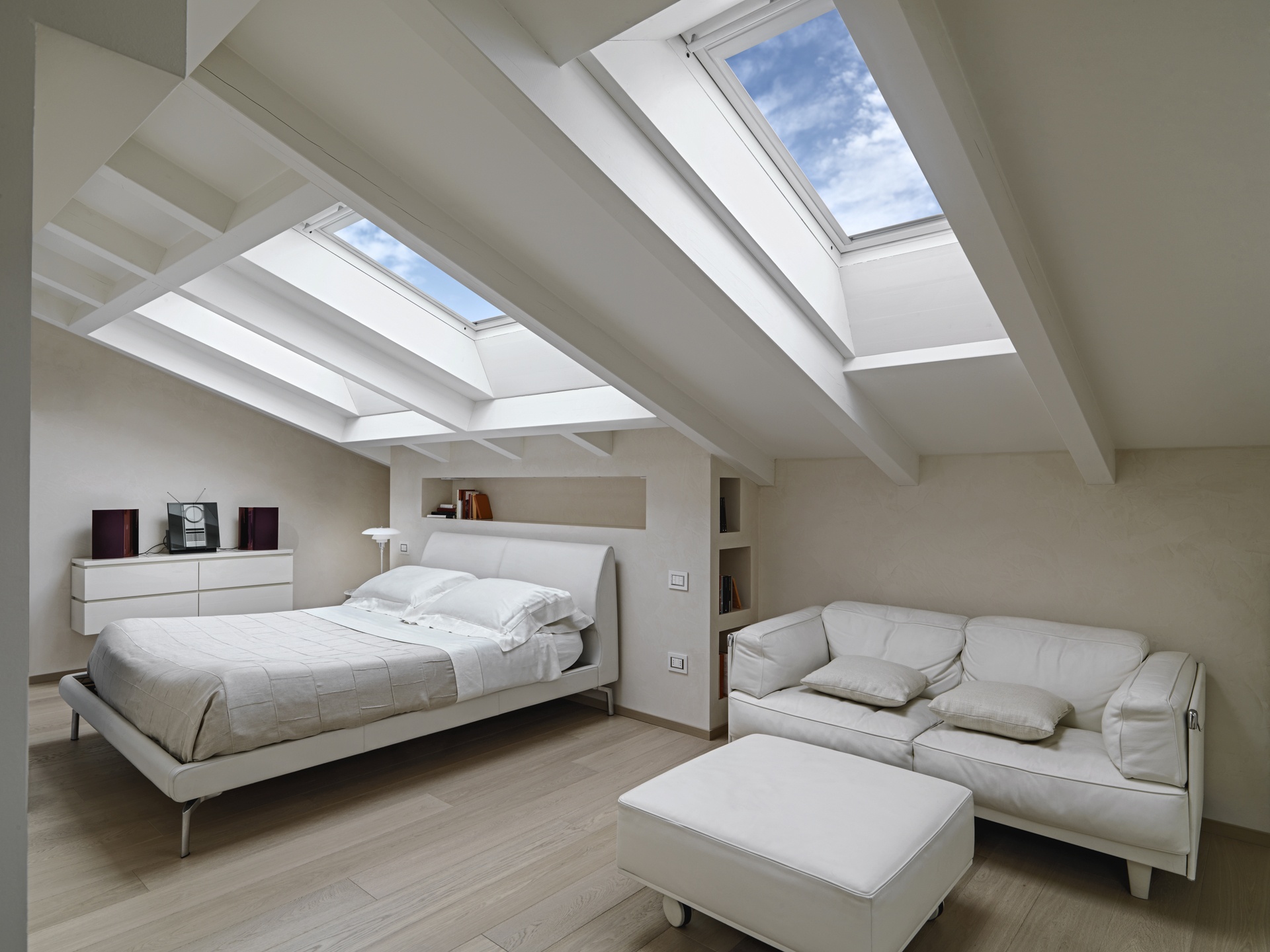
Key Takeaways

  • While adding on to your house offers increased functionality, comfort, and value, growing families often find themselves running out of room, particularly in an area as desirable and competitive as ours.
  • Smart room additions — family hubs, second stories, in-law suites, flex spaces and outdoor rooms — provide flexible solutions for ever-evolving family needs and lifestyles.
  • If we want to have a smooth, safe, and efficient construction process, we need to comply with local zoning and seismic and microclimate design.
  • Smart budgeting means starting with cost breakdowns, planning for contingencies, and exploring financing options – all to keep you in control of your investment.
  • Choosing quality, sustainable materials and incorporating smart technology can boost long term value, minimize environmental impact and future-proof your space.
  • Selecting a knowledgeable, trusted contractor with deep local roots guarantees quality craftsmanship and provides a way to tailor the outcome to your vision and needs.

Why Expand Your Home?

An addition to your home is a logical progression for many families as their needs evolve. As families expand, the demand for additional space becomes evident. A new bedroom can help kids have their own space, or provide visitors with a cozy room to sleep in. Others opt for a dedicated home office, a trend that’s grown with remote work. A private work space increases concentration and separates work and home life. Some appreciate a kid’s playroom or hobby room to suit a family’s specific interests.

Rooms added or living space expanded can increase the value of your home. In expensive areas, such as the Bay Area, a carefully considered expansion may be your best investment. Flexibility is key for buyers, and they’re seeking flexible layouts, open-plan kitchens, and outdoor spaces to live. For instance, an open kitchen that flows into your dining and living space can make day-to-day living more communal and convenient. Most homebuyers consider these types of improvements as upgrades, which makes your home more desirable when you sell it.

Function is another reason to expand. With some homes, it’s just a tight layout that doesn’t allow for any wiggle room. A sunroom or a bigger kitchen can transform how the space functions for YOUR life. For foodies in the family, a kitchen extension can really provide a lot more functionality. For those who enjoy entertaining, a larger dining space or a direct connection to the outdoors can be advantageous. If you live in a pleasant climate like Concord, CA, you can expand with outdoor living space—patios or covered decks—that can offer extended space without altering the home’s footprint significantly.

Other homeowners utilize expansions as an opportunity to green their homes. They might incorporate sustainable materials or include energy-efficient components such as enhanced insulation or solar panels, which can reduce operating expenses over time. Some concentrate on style, either maintaining the home’s original charm or transitioning to a more contemporary aesthetic. Both decisions affect the way you live and can entice potential buyers down the road.

Popular Room Addition Ideas

Room additions can fill so many different needs for growing families. They span the gamut from traditional family rooms to contemporary flex spaces. Homeowners often consider going up versus going out — weighing cost, space and long-term usability. Useful additions include:

  • Standard room additions with built-in storage
  • Bump-out extensions with glass windows or reading nooks
  • Green additions that use eco-friendly materials
  • High or vaulted ceiling rooms for additional light and room
  • Sunroom or patio rooms that seamlessly mix indoor and outdoor lifestyles
  • Practical rooms like mudrooms, extra bathrooms, or pantries

The Family Hub

A thoughtfully planned family hub is the heart of your home — a place that nurtures both everyday living and magical moments. A generous room can accommodate an oversized couch, clever storage and media zone for those movie nights or play dates. Open floor plans link the kitchen, dining and living areas, enabling you to talk or keep an eye on kids. Large windows or skylights illuminate the space, creating a sunny, welcoming ambiance. Multi-purpose furniture—like pullout couches, ottomans, etc.—can help save space and give you extra options when it’s sleepover or hosting time.

The Second Story

A second story can double your living space without using any additional land. It’s a clever solution in city locations with tiny yards. Designs should be complementary to your home’s style–roof lines, facades, window shapes, etc. Most families convert this new space into bedrooms or a serene master suite, providing each family member with additional privacy. Be sure to team up with experienced builders to make sure your new floor is secure and up to local codes.

Adding a floor is more expensive initially, but it can increase your home’s value, too. It leaves the outdoors open for playing or gardening.

The In-Law Suite

The in-law suite provides visiting relatives with a cozy, secluded sanctuary. It typically comes with a separate entrance, kitchenette and bath. Smart design ensures it’s simple for all ages to get around, with wide doorways, no-step showers and more. Soundproofing keeps both spaces quiet and private.

Suites like these can provide rental income, which can help offset costs.

The Flex Space

Flex spaces are all about transitions. With movable walls and foldable furniture, you can transform your space from work to play in minutes. It’s a clever location for a home office, guest room or hobby space.

Daylight and fresh air are crucial, so consider window location and ventilation.

Flexible spaces that grow with your family, from playroom to study to studio.

A flex space maintains the rest of the home clutter-free.

The Outdoor Room

A sunroom or covered patio brings the outdoors in. Tread-use weather-proof materials for long-lasting results. Clean flows to the yard ease indoor-outdoor transitions.

Outdoor kitchens or fire pits add function and bring people together.

Smart Budgeting Strategies

Smart budgeting for a room addition in the Bay Area is about knowing every cost, considering the value over time, and optimizing how you fund your project. With the area’s expensive labor and aggressive building codes, a smart budget can save you from expensive surprises and make sure you get the most bang for your buck.

Cost vs. Value

Total projected costs per square meter. * Labor, materials and permit fees.

  1. Effect on home value.
  2. Resale appeal and what buyers want.
  3. Outdoor space

Room additions can boost your home’s appeal to the market, particularly if you are adding bedrooms, home offices, or family rooms. Buyers are looking for adaptable floor plans that accommodate working from home or multi-generational living. Although its upfront costs can be significant–$3,200 to $6,500 per square meter–most homeowners regain some of that outlay through enhanced property value. Weighing the long-term benefits, such as better living space and resale increases, against the immediate expense can help you pick the right type of addition for your lifestyle and budget.

Financing Options

Option

Pros

Cons

Home Equity Loan

Fixed rates, lump sum, tax perks

Risk of foreclosure

Personal Loan

Fast, unsecured, flexible use

Higher rates, shorter term

Credit Line

Draw as needed, pay interest only

Variable rates, fees

Consult a financial advisor to see the ins and outs of each, and how loan terms might impact your situation. Shop around and compare rates and terms from different lenders to get the best deal for your circumstances.

Material Choices

Select materials that endure and impress. Sustainable choices, like recycled steel or bamboo, reduce ongoing expenses and minimize your ecological impact. Maintenance needs matter—composite siding or quartz countertops require less upkeep than wood or natural stone. Consult your contractor on budget-friendly alternatives that still fit your design, but don’t sacrifice toughness—particularly in high-traffic areas.

Steps for Effective Budgeting

  1. List all costs: labor, materials, permits, design, and landscaping.
  2. Research average prices in your region.
  3. Add a 10–20% contingency fund for hidden issues.
  4. Look into building codes and permit fees that can be up to €14,000.
Basement Remodeling – Mares & Dow Construction & Skylights

Future-Proofing Your Addition

A home addition defines not only present living space but the manner in which families evolve. When navigating Concord’s local regulations, it pays to plan for flexibility, sustainability, and smart features. Not only does great design increase the value of your home, but it improves the quality of your lif

Sustainable Living

Choosing energy-efficient appliances and systems helps you save money and reduce your environmental footprint. Features like high-performance windows, efficient heating and cooling, and smart thermostats make a real difference. Consider non-toxic paints, recycled wood, or bamboo flooring to help create a healthier space for everyone.

Natural light plays a vital role in a comfortable home. Large windows, skylights, and strategically-placed glass doors lower the need for artificial lighting during the day. Cross-ventilation helps circulate air — which may reduce the need for AC. If your roof allows, solar panels can lower your monthly bills and appeal to eco-conscious buyers.

Smart Technology

Integrating smart tech boosts both convenience and home security. Smart lighting, wireless cameras, and app-controlled locks fit easily into modern lifestyles. Planning now for extra wiring and data support ensures your home can accommodate future upgrades.

Look for simple systems that offer a big impact. Voice control and app automation reduce day-to-day hassle and help the home adapt to changing needs. Staying ahead with smart thermostats or indoor air sensors adds long-term value.

Adaptable Design

Multi-purpose spaces allow your home to grow with your family. A flex room might be a nursery today and a home office tomorrow. Movable walls, fold-down beds, and open layouts keep your options wide open.

Modular furniture and storage help rooms serve more than one purpose. Consider accessibility, too—wider doorways, low thresholds, and non-slip flooring make the space safe for everyone. Plan ahead with features like lofts or convertible nooks that make the room useful for years to come.

Choosing Your Contractor

Selecting your contractor is the foundation of a successful room addition—especially for growing families who want lasting value. Start with local contractors in Concord, CA, who have proven experience with room additions. Look for those with strong client reviews and familiarity with Concord’s permit process and construction codes.

Always compare detailed estimates from at least three qualified professionals. Estimates should clearly outline labor, materials, and any additional costs. Beware of extremely low bids—they may reflect subpar materials or hidden fees. Skilled labor can vary in cost, so know what you’re getting.

Ensure your contractor is licensed and insured. This protects you during the project and signals that they’re operating professionally. Ask to see proof before you sign any contracts.

Good communication is key from the very beginning. Talk about your goals—whether you want a larger kitchen, an extra bedroom, or a home office. Many families find that design-build contractors streamline the process, offering both design and construction under one roof.

Before construction begins, establish house rules: working hours, dust control, and daily cleanup routines. Room additions typically take 3–6 months, so being prepared for disruptions will ease the process.

Conclusion

Room additions in Concord, CA require thoughtful planning and clear goals. Whether you’re expanding with a home office, a bedroom, or a light-filled playroom, it pays to design with the future in mind. Work with a builder who understands the area and can show you real results. Ask questions. Share your vision. Choose someone who listens.

Frequently Asked Questions


1. What are the most popular room addition ideas for families in Concord, CA?


Common additions include extra bedrooms, home offices, expanded kitchens, and sunrooms—spaces that bring function and joy to growing households.


2. How much space should I add for a growing family?

Aim for 10–15 square meters (about 100–160 sq ft) per new room, depending on your needs and local guidelines in Concord.

3. How can I stay within budget when adding a room?

Set a firm budget, get multiple quotes, and prioritize your must-haves. Always include a contingency fund for surprises.

4. What permits are required for home additions in Concord, CA?


Most home additions require building permits. Check with the City of Concord’s Building Division before starting any work.

5. How do I choose the right contractor for my project?

Look for licensed, insured professionals with experience in Concord and strong references. Ask to see similar projects they’ve completed.

6. How can I make my home addition energy efficient?


Use quality insulation, eco-friendly windows, and sustainable materials. Add solar panels or smart systems to reduce utility costs.


7. What should I consider to future-proof my home addition?


Design for flexibility and accessibility. Consider tech-readiness and potential lifestyle changes so your new space continues to meet your needs over time.

Your Dream Home Addition Built by Mares & Dow Construction & Skylights – Let’s Create the Extra Space You’ve Been Dreaming Of

Expand your home’s potential and enhance everyday living with a custom home addition from Mares & Dow Construction & Skylights. With over 40 years of construction experience, we specialize in high-quality additions that seamlessly integrate with your existing structure and lifestyle needs.

Whether you’re planning a new primary suite, second-story expansion, or an in-law unit, we tailor each addition to match your vision, your home’s architecture, and your long-term goals.

Key benefits of our general home addition services include:
• Adding valuable square footage for growing families or multi-use living
• Increasing your property’s value with expert design and construction
• Creating energy-efficient, modern living spaces tailored to your needs

Proudly serving Contra Costa County—including Alamo, Danville, Orinda, Martinez, and San Ramon—Mares & Dow Construction & Skylights is your trusted partner for functional, beautiful, and lasting home additions.

Contact Mares & Dow Construction & Skylights today for a free, no-obligation quote and let’s build your ideal home addition together.

Disclaimer

The materials available on this website are for informational and educational purposes only and are not intended to provide construction, legal, or professional advice. You should consult with a qualified general contractor or industry professional for advice concerning any specific construction project, remodeling plan, or structural concern. Do not act or refrain from acting based on any content included on this site without seeking appropriate professional guidance. The information presented on this website may not reflect the most current building codes, regulations, or industry best practices. No action should be taken in reliance on the information on this website. We disclaim all liability for actions taken or not taken based on any or all of the contents of this site to the fullest extent permitted by law.

Can I Add a Second Story to My Existing Home?

getting-started-on_room-addition-underway

The short answer: yes, you can add a second story to your existing home if your building has the appropriate structure and local regulations permit it. So it’s no surprise that so many owners opt this route to add room without relocating. Adding a level entails testing your foundation, roof and walls to determine if they can support the additional weight. Local rules, building codes and permits have a big say in what is permitted. Costs, planning and timeline count. Collaborating with engineers and builders is paramount for safety and quality. To provide a taste of what’s to come, the meat below will outline steps, rules and tips for a project that goes off without a hitch.

Key Takeaways

  • A thorough structural assessment is essential before planning a second-story addition, including evaluating the foundation, framing, and soil conditions with the help of qualified professionals.
  • You must comply with building codes and zoning ordinances, so getting the necessary permits and consulting with officials can save you delays and legal hassles.
  • Hiring an architect, structural engineer, and seasoned contractor can give you peace of mind that your project will be designed to be safe, functional, and integrate well with your existing home.
  • Prudent budgeting and financial planning are essential, as expenses can range from construction and professional fees to permits and unexpected hidden costs.
  • Think about the advantages — more space, more value — and the issues — construction headaches, perhaps having to move out temporarily — when deciding.
  • Transparent communication and thorough project management during the construction process reduces delays and guarantees a successful second-story addition for houses everywhere.

Is Your Home Structurally Ready?

Adding a second story is a significant move for any home. Your current structure needs to be structurally sound to support the additional weight and comply with local regulations. Every aspect, from the foundation to the framing, has to be examined in detail to prevent hazards or expensive errors.

Foundation Assessment

The foundation is the support for all the weight above it. If it’s not hardy or deep enough, cracks or uneven settling can occur. Most older homes, particularly those constructed prior to update codes, may not have footing deep enough or reinforcing steel. You’ll need a structural engineer to test the foundation’s stability and look for deficiencies like large cracks or water damage. If it’s weak–think spalling or shifting–you’ll need repair, like underpinning or waterproofing. Document all findings and share them with your build team to make certain there are no steps skipped in later planning.

Framing Capacity

Framing of older homes is not constructed to hold a new floor. Wood framing from the early 1900’s may lack appropriate sheathing, which means a second story load could cause sagging or failure. A structural engineer can examine the existing beams and walls to determine if they are up to today’s load-bearing standards. Figuring out the load capacity is critical. If not, a retrofit may be necessary—say more studs or steel beams or thicker sheathing on the lower level. A professional will tell you if your framing requires an upgrade or complete replacement.

Soil Conditions

Soil beneath your home matters as much as the foundation itself. Loose or clay-heavy soils, which can shift with moisture, endanger the structure. Soil tests assist in determining whether the ground can withstand additional weight or if drainage is inadequate. If results are bad, you may have to enhance drainage or use alternative foundation supports. If soil conditions are detected, a basement could be more secure than a second floor.

Local Regulations

Review zoning regulations to understand any height restrictions and required setbacks. Permits are necessary to steer clear of legal problems. Your local building department can inform you of special requirements. Make sure to look for rule changes prior to beginning work.

Weighing The Decision

There’s opportunity and challenge in adding a second story to your home. It transforms your lifestyle, has an impact on your real estate value, and possibly demands a significant expenditure of both time and capital. Before you jump in, it’s wise to consider all your variables, from budget to building codes and family requirements.

Benefits of a Second Story:

  • Extra bedrooms or living areas for a growing household
  • Better views and more natural daylight
  • Flexibility to redesign your space and floor plan
  • Boost in property value and market appeal
  • Option to stay in your neighborhood without moving

The Upside

More room is the most immediate advantage. A second floor gives you the option to throw on some additional bedrooms, a home office or another living room. This is perfect for families that need space to expand but want to avoid relocating.

If you reside in a location with gorgeous views or ample sunshine, a second story can provide you with enhanced views and increased natural light. New upper-level windows invite the sun, bathing your home in light. This update tends to make the room feel bigger and more spacious.

Secondly, a second story adds to your home’s square meters, which frequently adds to its value as well. If you sell, you’ll probably get a better resale price and more buyer attention. This shift can be particularly clever in areas where land is limited or costly.

Design freedom is another big plus. You can re-imagine the floor plan, incorporate balconies or even designate separate work and play spaces. A second story provides a clean canvas to fit your aesthetic and life.

The Downside

Costs can be steep—think $100-$300 per m2. You could be on the hook for structural modifications, permits or upgraded utilities.

When you’re building, life is hard. Dust, noise, and inaccessible rooms can make everyday living difficult, particularly with kids or animals. Some families get out of the house until the work is completed.

Older homes can expose hidden problems — unstable foundations, faulty wiring or old plumbing. Repairing these introduces both time and expense.

It takes months, from concept to completion. You’ll have to contend with builders, permits, and perhaps even tough zoning laws.

The Balance

A full cost-versus-benefit analysis is key, weighing short-term hassle against long-term gain. Consider your budget, your duration, and whether you can handle the disruption. Check local building codes and consult with pros who understand your region’s regulations.

Envision Your New Space

Knowing what you want in a second story defines the entire process. Adding a level can expand your home’s square footage, accommodate new requirements, and even increase its value. Sorting out whether you require additional bedrooms, an expanded lounge area, or a private study directs design and maintains clarity. Be sure to consult your local building codes and zoning before beginning.

Full Addition

A full second story provides the most space. That is, you can insert an entire floor complete with multiple bedrooms, bathrooms, or large open space. It’s a solid option for expanding families or anyone seeking additional room for work or hobbies. The style should coordinate with the rest of the house in order to maintain harmony. By using similar roof lines and window shapes, the addition really fits in well. Full additions, in particular, almost always increase a home’s value and usually make the project a good investment.

Partial Addition

Partial additions allow you to grow only where you need it most. A lot of homeowners opt to build out above a garage or cantilever over part of the house for an additional bedroom, office or bath. It can save money and time since you’re not constructing an entire new level. It implies less upheaval of your routine. The trick is selecting locations which provide utility without causing the house to appear lopsided or strange from outside.

Modular Option

Modular designs incorporate factory-built components that are delivered to your location and assembled quickly. This can reduce construction time and expenses since most of the construction is completed off-site. Modular alternatives maintain the site neater and more manageable, which is convenient if you intend to be at home during the construction. These builds can be modified with alternative layouts or finishes, but the choices are perhaps less open than traditional builds.

Seamless Integration

The new second floor has to LOOK and FEEL like it was from the original house. Coordinate the outside finish, roof design and window style for a seamless appearance. You want stairways to be located so that they’re convenient to access, but don’t segment important spaces. Preserving original elements–such as trim or moldings–makes the new space flow naturally with the original. Even tiny decisions have an impact.

Understand The Financial Scope

Second story additions are complex projects that extend your living space upward without pushing out the home’s footprint. These types of projects have real costs and require real planning. A comprehensive cost breakdown, trustworthy budgeting, and smart financing decisions are key to a realistic, successful build.

Cost Factors

A second-story addition will generally feature numerous direct and indirect expenses. Here is a checklist of standard items and estimated ranges:

Cost Component

Estimated Range (USD)

Construction/Labor

$1,200–$2,500 per m²

Architectural/Engineering

$2,000–$8,000 total

Building Permits

$500–$3,000

Plumbing/Electrical/HVAC

$3,000–$10,000+

Materials

Variable, often rising

Temporary Living

$1,500–$5,000+

For a standard 50 m2 addition, the total project cost varies between $60,000 to $125,000, based on location and design specifics. Plumbing and HVAC upgrades tend to add extra fees, particularly for older homes, since those must be extended or replaced. Electrical rewiring is typically necessary for safety and code reasons. Material expenses such as lumber, insulation and roofing can shift throughout the work, so those initial quotes are important, but not final.

Securing Funds

Financing options for major home additions vary, each with distinct pros and cons:

Financing Option

Pros

Cons

Home Equity Loan

Lower rates, longer terms

Tied to home value, closing costs

Second Mortgage

Keeps main mortgage intact

Additional monthly payment

RenoFi Loan

Higher limits, flexible terms

Newer product, limited availability

Personal Loan/Credit Card

Fast access, unsecured

High rates, low borrowing power

Budgeting for a second-story addition means saving regularly and budgeting at least 10%–20% additional for unexpected expenses. Think about the financial scope—most homes add serious value post-renovations, but the market isn’t the same everywhere. A good financial advisor or mortgage specialist can help you figure out the best funding path for your situation.

Hidden Expenses

Unanticipated expenses are guaranteed with projects of this magnitude. Construction can expose structural issues — like foundation troubles or old framing — that need costly mending. Save some room for temporary living expenses if the house is not livable – these can put a big drain on your budget. Never forget the contingency reserve — usually 10%–20% of the total — to address delays, rule changes, or parts shortages.

How Often Should a General Contractor Update the Property Owner - Mares & Dow Construction & Skylights

Navigating The Construction Journey

Turning your home into a two-story dwelling is a complicated journey that occurs over a sequence of clear milestones. Every stage requires strategy, engineering expertise, and open communication to prevent errors. Homeowners, architects and contractors closely track progress and adapt to emerging challenges. Knowing the common path can help establish expectations, reduce surprises, and maintain your project on budget and on time.

  1. Assess structural feasibility: Check if your home’s foundation and framing can support the new load. Engage a structural engineer for a thorough evaluation.
  2. Design phase: Develop detailed architectural plans, including system upgrades for plumbing and electrical needs. This stage alone can take as many as three months.
  3. Secure permits: Research local building codes and zoning restrictions, which could impact or limit your plans. Submit necessary paperwork and wait for approvals prior to work starting.
  4. Site preparation: Clear the site, make landscaping changes, and ensure utilities remain accessible.
  5. Construction: Actual building begins. Check in with your contractor regularly for updates and watch the progress for all major system upgrades.
  6. Finishing work: Interior finishing, inspections, and final touches may take an extra month or two.
  7. Move-in: Final walkthrough, address any punch list items, and prepare to occupy the new space.
  8. Budget management: Set aside a 10-20% contingency to cover unexpected costs.

Project Timeline

A hard-nosed project schedule of course. Begin by phase—from design to move-in, and assign realistic deadlines. Second-story additions will stretch over months, if you have to wait on permits or weather delays.

Being on schedule is being on top of progress frequently. Match actual progress against your initial plan. If something takes longer than expected—like system upgrades or inspections—refresh your timeline. Delays are par for the course, so flexibility is crucial.

Temporary Living

  • Short-term rental apartments
  • Hotel stays for several weeks at a time
  • Staying with relatives or friends
  • Renting an extended-stay unit
  • On-site modular units (where permitted)

Determine what works for you and your lifestyle and budget. Packing and shipping stuff on top of that adds expense and anxiety, so think through the logistics ahead of time.

Plan for this in advance, it tends to contribute a significant amount to costs, particularly on extended construction.

Site Preparation

Pre-construction, clean debris and secure the site. Safety comes first for workers and residents.

Collaborate with your contractor to establish secure access and storage for materials. If you have to alter landscaping, do it pre-build.

Have utility access all along. Schedule temporary shutoff or reroutes accordingly.

Keep pets and children away from the active site.

Conclusion

You can’t just dream of adding a second story. Solid plans and the right team get your project off to the right start. Your house requires a sturdy foundation. Engineers verify that your walls and soil can support the additional weight. Basic things like looking up local regulations early in the process can save you hours of wasted time and stress. They add up quickly. Clear talk with your builder keeps you on track. Minor design or material changes have a way of shifting your budget. Building up gives you more room and a clean new aesthetic. Prepared to get going? Keep your objectives at heart, solicit regular updates from your team, and remain receptive to fresh insights. Tell us your story or questions below. Your experience can assist others to move forward.

Frequently Asked Questions

1. Can I add a second story to any home?

Not every home is capable of supporting a second story. Adding a story onto an existing home foundation framing a structural evaluation by an engineer is necessary to ascertain if your foundation and framing could support the additional load.

2. What professionals do I need for a second story addition?

You need a licensed architect, a structural engineer and a seasoned contractor. Local building authorities might need permits and inspections during the project.

3. How much does it cost to add a second story?

Prices differ by region, materials and floor plan. Figure several thousand dollars a square meter, on average. Make sure you always get an itemized estimate before you begin.

4. How long does construction take?

Second-story additions can take months to build. Timelines vary based on project complexity, weather, and permit approvals. Prepare for potential holdups.

5. Will I need to move out during construction?

You might have to move out, at least in the short term, particularly if utilities are down or if the home is deemed unsafe. Consult your contractor for the optimal plan for you.

6. What permits or approvals do I need?

Nearly all cities need building permits and inspections for 2nd story additions. Make sure your local regs are ok and all the paperwork in order before you begin.

7. How do I ensure my home remains energy efficient?

Be sure to incorporate quality insulation, energy efficient windows and sustainable materials into your new space. Ask the pros for energy-coffee advice.

Your Dream Home Addition Built by Mares & Dow Construction & Skylights – Let’s Create the Extra Space You’ve Been Dreaming Of

Expand your home’s potential and enhance everyday living with a custom home addition from Mares & Dow Construction & Skylights. With over 40 years of construction experience, we specialize in high-quality additions that seamlessly integrate with your existing structure and lifestyle needs.

Whether you’re planning a new primary suite, second-story expansion, or an in-law unit, we tailor each addition to match your vision, your home’s architecture, and your long-term goals.

Key benefits of our general home addition services include:
• Adding valuable square footage for growing families or multi-use living
• Increasing your property’s value with expert design and construction
• Creating energy-efficient, modern living spaces tailored to your needs

Proudly serving Contra Costa County—including Alamo, Danville, Orinda, Martinez, and San Ramon—Mares & Dow Construction & Skylights is your trusted partner for functional, beautiful, and lasting home additions.

Contact Mares & Dow Construction & Skylights today for a free, no-obligation quote and let’s build your ideal home addition together.

Disclaimer

The materials available on this website are for informational and educational purposes only and are not intended to provide construction, legal, or professional advice. You should consult with a qualified general contractor or industry professional for advice concerning any specific construction project, remodeling plan, or structural concern. Do not act or refrain from acting based on any content included on this site without seeking appropriate professional guidance. The information presented on this website may not reflect the most current building codes, regulations, or industry best practices. No action should be taken in reliance on the information on this website. We disclaim all liability for actions taken or not taken based on any or all of the contents of this site to the fullest extent permitted by law.

How to Avoid Permitting Delays for Additions in the East Bay

Home Remodeling Near Me: Experienced Professionals

To sidestep permitting delays for additions in the east bay, get off to a good start with a clear plan, keep documents current and know your local rules. Lots of city offices in the East Bay have stringent codes for additions or remodels. Providing complete plans, including structural and safety information, allows city staff to process your application quickly. Enlisting the assistance of local architects or engineers who deal with city regulations on a regular basis can accelerate these steps. Checking city websites for forms and fee lists saves time as well. Most delays occur because plans lack crucial information or fill out outdated forms. Just stay organized and follow each step and most people experience quicker results. The following chapters provide practical advice and actionable tips from local experience.

Key Takeaways

  • Getting the right permits before initiating any building project is essential for adherence to local codes, steering clear of legal troubles, and safeguarding your property’s worth.
  • Knowing your permit types — be they ADU or environmental impact related — is key to avoiding expensive fines, delays or forced redesigns.
  • Building your dream team — architects, contractors, permit expediters — early on in the planning phase will increase your efficiency and help you avoid permitting headaches.
  • Having a thorough understanding of local zoning, seismic, fire zone, and environmental regulations minimizes the risk of unexpected delays and keeps your design in compliance with all safety and code standards.
  • A little work upfront – with your documentation and communication with local planners – goes a long way to avoid permitting delays.
  • By budgeting for everything—permit fees and contingencies for unexpected delays—you can plan your finances accordingly, reducing the burden of timeline hassles on your overall project.
Home Addition

Understanding East Bay Permits

Permits are an Essential Element of Constructing Home Additions

Permits are a critical part of any construction project. Each locality has its own rules, but permits help ensure your project is safe, legal, and in tune with local needs. Skipping these steps can delay work and increase costs.

Purpose

Permits are more than just a formality. They verify that all work complies with safety codes and building regulations, ensuring that structures remain sturdy and seismic-sound for decades. City staff review plans and confirm that your project meets local standards. Permits also help maintain property values by holding all structures to the same rigorous standards. With proper inspections, mistakes are discovered and corrected early, preventing major issues down the line. Skipping permits can lead to legal troubles or force you to remove non-compliant work later.

Consequences

Working without a permit can hurt your budget. Fines may be levied, and you might be forced to secure permits retroactively at a much higher cost. Additionally, if permits are bypassed, you could be required to alter or even tear out new work, causing significant delays. Further inspections and corrections can prolong the project, and lacking proper permits might make it difficult to sell or insure your home later.

Types

Common projects that need permits include:

  • Accessory dwelling units (ADUs)
  • Large remodels
  • Major grading projects (exceeding 1,000 m³)
  • Structural changes

There are also distinctions between:

  • Temporary permits: For short-term needs (e.g., scaffolding or event tents)
  • Permanent permits: For long-term changes, such as new rooms or ADUs

Some projects require additional permits—such as environmental clearances or notifications for large-scale grading—especially when significant earth disturbances occur.

Permit Process Details

Permit Type

Project Example

Extra Steps

Building

ADU, major remodel

Grading, neighbor notice

Electrical

New wiring

Sometimes extra review

Plumbing

Fixture changes

Water-saving checks

Mechanical

HVAC installation

Noise limits

Environmental/Encroachment

Work near sensitive areas

Agency review

Local Ordinances

Each locality enforces its own codes. Knowing your area’s permit procedure before you begin is essential. Permits generally remain valid for a set period unless further reviewed. In many places, authorities are required to respond within a specific timeframe for permit requests.

Proactive Steps to Avoid Delays


Assemble Your Team Early:


Begin by involving architects, contractors, and permit expediters. A collaborative team can identify potential issues early on and minimize miscommunication. Use a shared schedule to clarify responsibilities and deadlines.


Select Contractors Familiar with Local Systems:


Choose contractors who are experienced with local permitting processes. Those who have recently navigated your area’s permit system will be better equipped to avoid common pitfalls.


Master Your Local Rules:


Each locality has its quirks. Get to know your area’s zoning laws and building codes before finalizing your design. Additional reporting or detailed drawings may be required in some areas. Check local guidelines and attend planning meetings to learn about any unusual rules that could affect your project. If the regulations seem ambiguous, consult the local building department early.


Prepare Flawless Plans:


Submit detailed, code-compliant drawings along with all required documentation—such as site plans and engineer reports—to avoid permit snags. Review all documents carefully with licensed professionals to eliminate mistakes before submission.


Design for Compliance:


Incorporate local codes into your design from the start. For example, if you live in a fire-risk area, use certified fire-resistant materials. Consider using pre-approved design templates that can expedite the approval process. Addressing environmental impacts ahead of schedule can also help streamline permit approval.


Budget for Everything:


Don’t overlook fees for permits, inspections, and contractor services. Set aside extra funds for unexpected expenses—delays might mean additional days of work or extra reporting. Research average costs in your area to avoid surprises, and have candid discussions with your team about budget constraints to keep costs under control.

Navigating Specific East Bay Rules

East Bay has stringent local rules for property modifications, particularly for any expansions such as ADUs. These rules differ from city to city, so it’s good to be aware of local regulations before planning. Going about it the right way keeps you out of long permit waits, project stoppages or expensive modifications.

  1. Fire zone rules are not optional. They’re there to protect people and are essential for getting a permit.
  2. Seismic safety requirements are necessary because of the region’s high earthquake risk.
  3. Zoning rules impact everything from the design to the use.
  4. Environmental impact reports are important if your project is near protected land or open space.

Zoning Maze

Verify your property’s zoning with your local planning department. Zoning informs you of what you can build, how big and how tall. Some parts may limit building height to 7.5 meters, others may permit more. These rules regulate use–such as residential versus commercial.

If you’re uncertain, local planners can assist in clarifying what’s permitted. They’ll indicate if you require a variance, which is special permission to exceed typical regulations. For additions that exceed typical limits—perhaps a higher than allowed roof or larger than allowed footprint—investigate the variance procedure as soon as possible to avoid wasting time.

Seismic Safety

East Bay’s earthquake risk means the seismic codes are tough. All additions/ADUs are required to comply with California’s building standards for safety. Engage a structural engineer familiar with local codes–this is not the time to wing it! If your project requires a seismic upgrade, expenses can add up quickly — particularly if existing structures must be retrofitted. Always read prior seismic reports–more vintage victorians might require additional work, impacting schedule and budget.

Fire Zones

Discover if your property is located in a fire zone. Every East Bay city has its map and rules. If you’re in a fire-prone region, you’ll need to apply fire-resistant resources—such as metal roofing or treated lumber. Landscaping counts as well. Using gravel, stone and spaced plantings can make a difference for safety and code. Your local fire department can tell you specifically what’s required for your addition to pass.

Environmental Impact

If your project neighbors a park, creek or protected land, you might need an environmental impact report. This can involve notifying neighbors and waiting for reviews, sometimes tacking on weeks to your schedule. Design your project to preserve trees, minimize grading and control runoff. Utilizing sustainable materials or green building practices wins quick approval and fits local goals.

The Submission and Review Process

Whether it’s submitting a permit application for an addition in Concord, CA, or something else, these are the steps local building departments handle—and they can be slow. It takes into account that projects are contingent on the submitted plans being complete, the city’s workload, and the difficulty of the proposal. Fees are typically 2–3% of the declared construction cost, and if a permit’s missed, rework is needed, which costs time and money. It might necessitate zoning variance or special design review, further extending review durations.

Pre-Submittal Meetings

A pre-submittal meeting allows homeowners/project leads to meet with city planners and talk through the project prior to the formal application. During these meetings, planners can highlight typical problems that delay approvals, like incomplete documents or ambiguous design features. Receiving feedback at this phase assists applicants in finalizing strategies prior to submission, which reduces expensive edits down the line.

Bringing everything — site plans, architectural drawings, a question list — helps maximize your time with planners. This advance planning demonstrates that the applicant is taking the process seriously and is prepared to cooperate with the city, which can foster goodwill and trust.

Communicating with Planners

Open communication with planners is essential as the review process continues. When the city requests additional information or modifications, rapid responses help keep the process moving. Recording each discussion—whether via email or phone call notes—simplifies the review process should questions arise later. By staying in touch and requesting updates, you can identify potential bottlenecks and avoid surprises if additional actions, such as increased inspection, are required.

Being proactive matters, particularly if the review timeline is uncertain or the project requires additional sign-offs.

Responding to Corrections

  • Keep a clear record of all plan changes, including dates and reasons.
  • Submit corrected plans and explanations promptly upon receiving revision requests.
  • Collaborate with architects or contractors who are accustomed to permit processes to resolve issues quickly.
  • Always save copies of every revision to the original schematics!

Your Permitting A-Team

Selecting the right people to be a part of your permitting team is critical to sidestepping expensive delays and wrong turns. A great team—architect, contractor, and permit expediter—offers local expertise, maintains connections, and helps you navigate hurdles associated with older homes and stringent codes in Concord.

The Right Architect

A local code-savvy architect is a must. Their experience should involve work in Concord, where city codes are detailed and many homes are older. Always review past projects—especially additions on homes similar to yours that may require major upgrades or code compliance.

Discuss your design goals and budget upfront. That helps prevent surprises and keeps everyone aligned. Collaboration is not optional—it’s essential for uncovering structural or code-related issues before they waste time and money.

The Right Contractor

Choose a licensed contractor with experience navigating Concord’s permitting process. Skipping this check is a common mistake that can put your project back weeks or months. Always ask for references, particularly for projects involving older homes with outdated wiring or framing.

Discuss how the contractor handles permits and timelines. Some are proactive; others assume you’ll do it. Confirm in writing who is responsible for securing permits and arranging inspections. This prevents confusion when unexpected issues—like knob-and-tube wiring or hidden damage—come up.

The Permit Expediter

Permit expediters know Concord’s paperwork, rules, and timelines inside and out. Their role is to maintain momentum by handling documentation and communication with the building department. In a city with detailed requirements and aging homes, a skilled expediter is often worth the investment.

Find an expediter with a proven track record in Concord. Ask about their fees and how long they typically take. This transparency can prevent headaches and surprise bills—especially since delays often stem from missing paperwork or misunderstood requirements.

4 Popular Tips From Home Remodeling Contractors About Room Additions - home remodeling contractors - Mares & Dow

The True Cost of Delays

Delays in obtaining home addition permits in Concord can stretch project timelines and inflate expenses far beyond what homeowners budget for. These slowdowns don’t just delay construction—they can derail your schedule and throw your finances into disarray. To understand the real cost, you must look past direct fees and account for the ripple effect of each delay.

Cost Factor

Description

Estimated Impact

Equipment rental fees

Charges for idle equipment

$50–$200+ per day

Storage fees

For unused materials or tools

$100–$500+ per month

Labor and contractor downtime

Paying workers to wait or reschedule

$40–$100 per worker, daily

Permit and re-inspection fees

Extra reviews, re-inspections, or resubmissions

$300–$2,000+ total

Fines and penalties

City charges for unpermitted work

$500–$10,000+

Extended project management

More time spent coordinating the project

$400–$1,500+ per month

These expenses stack up fast. A three-month delay can lead to thousands in labor and rental fees—even without breaking ground. Storage charges, downtime for contractors, and lost momentum can grind your progress to a halt. On top of that, non-compliance can result in permit penalties, re-inspections, and costly do-overs.

Permit fees alone run 2–3% of the project cost, with added charges for plan checks or record review. Some cities, including Concord, may even re-inspect completed work, causing further delays and expenses.

Smart Budgeting = Risk Prevention

Homeowners should budget not only for permit fees but also for potential delays. Factor in surprise costs up front, and you’ll avoid panic spending. This proactive approach helps keep your project on time and within budget.

Good permitting—from clear plans to early communication—mitigates most of the biggest risks. By planning for timelines and potential detours, you give your project the best shot at smooth sailing.

Conclusion

Keep your plans sharp, collaborate with people who know the local code, and get your paperwork squared away from the beginning. To avoid permitting delays for east bay additions, read city codes early, communicate with city employees, and don’t let steps lapse. In the East Bay, rules shift quickly, so consistent work and solid notes keep you grounded. Teams that share updates frequently catch problems early. Missing forms or late fees can stall your construction for weeks, so verify everything before you click submit. For a smooth ride, choose your partners wisely and maintain communication channels with your city. Need additional tips or assistance with your next move? Contact or stop by the blog for more real-life stories and solutions.

Frequently Asked Questions

1. What are common causes of permitting delays for additions in the East Bay?

Delays occur for incomplete applications, missing documents or failure to adhere to local building codes. Working with seasoned pros can help you sidestep these headaches.

2. How can I prepare for a smooth permitting process in the East Bay?

Collect your documents, obey local code and check your plans before filing. Open communication with your crew and officials is essential to steering clear of fees.

3. Are there unique rules for additions in the East Bay I should know?

Yes, there’s East Bay zoning, environmental and safety regulation. Check with your local planning office or hire a local expert to learn these requirements.

4. How long does the East Bay permit review process usually take?

You might expect the permitting process to last anywhere between a few weeks and a few months, based on the project’s intricacy and your submission’s thoroughness. Preparations in advance can expedite the process.

5. Who should be part of my permitting team for an East Bay addition?

Bring in a licensed architect, an experienced contractor, and, if necessary, a permit consultant. Their knowledge can help you make sure your application is complete.

6. What are the financial risks of permit delays in the East Bay?

Permit delays might increase costs from project hold-ups, contract extensions and potential fines. Planning helps you keep your budget in check.

7. Can I check my permit status online in the East Bay?

Almost all East Bay cities provide on-line permit application tracking. See your city’s official website for info and updates on your project.

Your Dream Home Addition Built by Mares & Dow Construction & Skylights – Let’s Create the Extra Space You’ve Been Dreaming Of

Expand your home’s potential and enhance everyday living with a custom home addition from Mares & Dow Construction & Skylights. With over 40 years of construction experience, we specialize in high-quality additions that seamlessly integrate with your existing structure and lifestyle needs.

Whether you’re planning a new primary suite, second-story expansion, or an in-law unit, we tailor each addition to match your vision, your home’s architecture, and your long-term goals.

Key benefits of our general home addition services include:
• Adding valuable square footage for growing families or multi-use living
• Increasing your property’s value with expert design and construction
• Creating energy-efficient, modern living spaces tailored to your needs

Proudly serving Contra Costa County—including Alamo, Danville, Orinda, Martinez, and San Ramon—Mares & Dow Construction & Skylights is your trusted partner for functional, beautiful, and lasting home additions.

Contact Mares & Dow Construction & Skylights today for a free, no-obligation quote and let’s build your ideal home addition together.

Disclaimer

The materials available on this website are for informational and educational purposes only and are not intended to provide construction, legal, or professional advice. You should consult with a qualified general contractor or industry professional for advice concerning any specific construction project, remodeling plan, or structural concern. Do not act or refrain from acting based on any content included on this site without seeking appropriate professional guidance. The information presented on this website may not reflect the most current building codes, regulations, or industry best practices. No action should be taken in reliance on the information on this website. We disclaim all liability for actions taken or not taken based on any or all of the contents of this site to the fullest extent permitted by law.

ADU vs Full Addition: Which Is Right for Your Property?

It’s a decision that depends on your property and your future vision. ADUs are perfect for tiny houses, rental generation or visiting relatives. They’re independent dwelling units, usually with their own door and essential facilities. Full additions add more space to the main house, making them perfect for expanding families or home offices. Both can add value to your property, but regulations, pricing and how you utilize the space can make one ideal over the other. To assist you in choosing the right match, the main body will compare costs, timelines, and local regulations, as well as share advice from actual projects.

Key Takeaways

  • When choosing between an ADU and a full addition, it really comes down to your fundamental needs — separate living spaces, rental income, or more space for your family.
  • ADUs provide both adaptable housing options and potential extra earnings. They necessitate mindful attention to municipal laws, infrastructure hookups, and maintenance commitments.
  • Traditional additions stretch out from the main home and give families extra room to grow, but usually come with higher price tags, more planning and tight restrictions due to zoning codes.
  • Both are able to add value, it just depends on your market, what others in your neighborhood are doing, and the level of quality of the build and design.
  • Think about the cost, how it will be funded, taxes and insurance adjustments so that your project fits your long term plan.
  • Bring in the pros to ace those site-specific challenges, regional regulations and craft the right design for your lifestyle requirements and the overall attractiveness of your property.

Understanding Your Options

Deciding between an ADU and a full home addition comes down to considering how each option functions — and what aligns with your objectives. An ADU is a small independent unit with its own kitchen and bathroom, either attached or separate to the main house. By contrast, a conventional home addition stretches your current house, mixing new rooms seamlessly with what’s already in place. Either can fulfill various requirements, from your expanding family to having somewhere to rent. Each one has its own planning, design and legal considerations.

The ADU

What makes ADUs particularly great is that they provide independent living—perfect if you desire a private space for tenants, aging parents or adult children. They provide flexibility, as you can construct them as a standalone structure in your yard or attach them to your residence.

  • Separate entrance for privacy
  • Own kitchen and bathroom
  • Living and sleeping area
  • Utility connections (water, electric, heat)
  • Space may be anywhere from 75-140 square metres, but local regulations can define limits.

ADUs are catching on as affordable housing, particularly in dense cities. While not new in areas with expensive housing, ADUs provide additional options for renters and homeowners. Some cities now permit ADUs as large as 140 square metres if some element of the design is communal with the main house, making them even more flexible.

A carefully constructed ADU can increase your home’s value. It’s a progressive investment that attracts purchasers looking for versatility—from multi-generational living to consistent rental cash flow.

The Addition

A home addition expands your main house. Maybe you can enlarge the living room, add a bedroom, or construct a bigger suite. It’s a great option if you desire open-concept living or require additional space for your family’s expansion.

It’s complicated to build an addition. You have to adhere to rigid building codes and zoning regulations, which differ on a city-by-city basis. This involves detailed design and frequently a permitting process that can take months.

Additions are very configurable. You get to fit the new space to your needs — a home office, gym, new kitchen, whatever. Unlike ADUs, the new space integrates with the home’s original footprint.

Renovating like this can add up.) Construction costs scale fast, particularly if you’re modifying the roofline or relocating walls. Timelines are protracted, sometimes 1+ years, depending on the magnitude & specifics.

ADU vs Addition: A Direct Comparison

ADUs and additions both provide avenues to expand your space, they fulfill different objectives. Selecting the best option is all about examining fundamental use, expenses, regional ordinances, effect on worth, and seclusion. Here’s a direct comparison to help you weigh your options:

ADUs are designed to be independent houses. They’re fantastic as rental units, guest houses or as homes for extended family members who want a little separation. The main home maintains its own living space, so the two can operate separately. Home additions, however, inject more rooms or square footage into the existing floor plan. 

This may be a new bedroom, larger kitchen or another level altogether. As noted above, they tend to choose additions when they want to expand their home for themselves. ADUs can increase income if rented while additions center around a family’s evolving needs. How you intend to utilize the new space informs how you design it. An ADU may require a kitchen and bathroom, whereas an addition could simply be an expanded living area.

Construction Costs

ADUs are in the $100k to $200k cost range, based on size, build style, and whether it’s attached vs. Detached. You’ll pay for permits, labor and materials, and occasionally you’ll save if you convert a garage or basement. Additions can run less or a lot more, depending on the size of the project, if you’re building out, up or down, and how complicated the tie into the old structure is. Both projects can rack up overage—think unexpected repairs or plan modifications—so a concrete budget is essential. ADUs may generate rental income in the future, but additions may increase your home’s resale value.

Regulatory Hurdles

Approval for an ADU or addition is subject to local regulations. In certain locations it’s more convenient to construct an ADU due to recent legislation (case in point, California has simplified things), while additions have less obstacles in others. Building codes, lot size, zoning can all hold you up. Cities might restrict what or where you can build. ALWAYS check with local authorities BEFORE you start. By knowing the rules, you’ll avoid delays and fines.

Property Value

ADUs have the additional benefit of increasing property value by providing you with a separate rental and more flexibility. Additions expand the primary residence and can increase value if buyers are seeking more square footage. Market trends are important. A city with lots of renters will probably value ADUs higher, while suburbs might prefer big homes. See what sells in your area before choosing.

Privacy Impact

ADUs provide more privacy since they’re detached or have their own entrance. Additions merge into your home, so privacy shifts according to floor plan. The proper layout can protect bedrooms or common areas, while bad design can have the opposite effect. Try to think about layouts always with an eye toward privacy.

The Financial Equation

Deciding between an ADU and a full home addition requires diligent financial consideration. Both provide appreciation and possible cash flow, but the route to returns, carrying costs, and tax effects may vary. Knowing the funding, tax rules, insurance, and long-term value before you build is key.

  • Personal savings, home equity loans and mortgages are common sources of funding.
  • Some cities offer grants, loans, and incentives for ADUs.
  • Tax deductions may apply when renting out new spaces.
  • Insurance needs and premium changes vary by project type.
  • Consider local regulations, expenses and rental markets to determine the optimal match.

Funding Sources

  1. Home equity loans and lines of credit typically finance ADUs, enabling the owner to tap into the home’s existing value.
  2. Construction loans for both ADUs and full additions, giving you short-term funds that later convert to traditional mortgages.
  3. Cash-out refinancing is an alternative, substituting your mortgage with a larger loan to cover construction costs.
  4. Certain governments provide grants or low-interest loans to encourage additional housing. Check out these programs, as they can pay for planning fees or a piece of the build.

For traditional home additions, much of the same loan and refinancing options exist. Hit-or-miss grants and incentives are more prevalent for ADUs, particularly where housing supplies are stretched thin. Research local and national initiatives, as some areas are even directly incentivizing homeowners adding new rental units via ADUs. There might be energy efficiency or accessible housing grants.

Tax Implications

Leasing out an ADU typically unleashes tax write-offs for mortgage interest, property taxes, maintenance, and even depreciation. This can increase your net return and make the unit more lucrative. If you rent out a more typical addition, similar tax rules may apply — but check local laws as definitions sometimes vary. Local taxes can tip the scales – some cities tax ADU rental income at reduced rates or provide exemptions to incentivize development.

A tax law expert can assist you navigate these specifics and identify opportunities for savings or compliance risks. Always, always, always consult a tax pro for a clear direction.

Insurance Adjustments

Putting an ADU in place means you may have to change your home insurance. Some insurers consider ADUs as detached structures, others consider them an extension of the primary residence. Rental units typically require additional liability and loss of rent coverage. Traditional additions might only need a policy update, but rented out ADUs cause more changes and increased premiums in many cases.

See if your insurer insures short- or long-term rentals and inquire about rate changes. Not all policies are equal — read your paperwork before you construct. This avoids gaps in coverage.

The Lifestyle Factor

The decision between an ADU and a home addition defines daily lifestyles. Both contribute space and value to a home, but they impact the day-to-day schedule, privacy, and long-term vision differently. Knowing these lifestyle considerations is crucial for homeowners evaluating their choices.

Daily Living

What really sets ADUs apart is they establish a separate living space. It’s a fantastic living arrangement for families who want to accommodate private housing for elderly parents, adult children or even renters. The private entrance and utilities allow everyone to have their own space and independence, which creates that perfect balance between privacy and togetherness. ADUs are hot in cities with a need for additional housing, letting homeowners provide accommodations for visitors or income from tenants.

For those who choose a conventional home extension, life changes differently. Additions are constructed alongside the main residence, resulting in families receiving more space for communal areas, such as larger kitchens, living rooms, or children’s playrooms. This can be preferable for larger families who enjoy proximity and shared spaces. Construction is more disruptive, because the work takes place inside the existing home, sometimes for months and complicating daily life.

Each choice impacts the dynamics of family interaction. ADUs, on the other hand, could entail less day-to-day interaction — which is perfect for those seeking privacy or intending to lease the space. Additions, conversely, result in more together moments but less individual breathing room. Homeowners should visualize their daily experience and consider which arrangement suits best.

Future Flexibility

ADUs provide adaptive use. As family needs evolve, an ADU can transform from a rental studio to a relative’s home, or even an office. This adaptability is why a lot of people view ADUs as a smart, future-oriented investment. Conventional additions, though adaptable, typically require bigger renovation and greater cost to reconfigure the space for new functions. In competitive real estate markets, ADU-equipped homes command higher asking prices, attracting buyers seeking rental income or flexible space for multi-generational households. It’s smart to think about both the present and the coming years.

Maintenance Demands

ADUs have additional maintenance. Dedicated plumbing, dedicated electrical, dedicated appliances equate to additional work and additional expenses as time goes by. Owners have to juggle two venues, not just one! This pays for itself in some, particularly if rent covers upkeep. Additions, because they’re integrated into the primary house, tend to require less additional maintenance. The same systems run all rooms, so expenses and management are easier. Maintenance requirements should be included in early planning, as they can accumulate.

Lifestyle Needs

Consider your lifestyle now and what you need most—privacy, community, rental income or flexibility. Consider how each option fits with your lifestyle, your budget and your future plans.

your-custom-home_Coupl-discussing-addition-plans

Making Your Decision

When deciding between an ADU and a full home addition, it’s important to consider the differences between them as well as how each will affect your property. An ADU is a fully independent home unit complete with kitchen, bathroom, and sleeping quarters — frequently constructed in the backyard or from a garage conversion. A full addition extends the footprint of your house – creating an extra bedroom, a larger kitchen or a new living room. The key distinction is that an ADU is detached, whereas a home addition is seamlessly connected to and integrated into the primary dwelling.

The place to start is to examine your needs. If you need more room for a growing family, a new office or a larger living space, a home addition will likely be more reasonable. If you are considering it as a rental, guest suite, or for an aging family member who needs independence, then an ADU fits the bill. For instance, in urban areas where multi-generational living is the norm, an ADU can provide independence and convenience without congesting the primary home.

The budget is something. Costs for either can range from tens of thousands to several hundred thousand dollars, depending on size, quality of materials and local labor rates. ADUs typically require additional utility hookups and permits, which can add up fast. Additions typically imply a significant interior remodel and can put your household out of commission for months. Even if they choose to proceed, they never really think about whether they can live with the noise, dust and upheaval during construction.

Local rules can make a difference. Certain cities have rigid ADU codes but would more freely permit home additions, or the other way around. Touch base with local officials prior to getting going. Talking to seasoned contractors is smart–they understand the codes, can help you predict actual costs, and will tell you what kind of surprises to expect in your neck of the woods. They can assist you with long run planning, so your investment aligns with your objectives.

Both ADUs and additions – if well thought out can increase your property’s value and create a more livable home. Consider all the angles, think long term, and seek quality advice.

Conclusion

So to choose between an ADU vs. Full addition, consider your needs, your space, and your long term plans. Desire a rental or a guest location? An ADU makes even more sense. Require additional space within your primary residence? A full addition does that work. Both routes add value, but each transforms your daily life in different ways. Consider price, how you want to use the new space and the regulations in your region. Tons of folks deal with that same decision—adorning their property with a backyard cottage or augmenting their primary residence. Each option can influence your lifestyle and your home’s value. Review your budget and consult a builder or designer first. Post your own story or questions below.

Frequently Asked Questions

1. What is the main difference between an ADU and a full addition?

An ADU (Accessory Dwelling Unit) is an independent living area, typically featuring a private entrance and kitchen. In contrast, a full addition enlarges your existing home’s living space, remaining directly attached to the primary structure.

2. Which option is usually more cost-effective: ADU or full addition?

ADUs are cheaper than full additions because they tend to be smaller and more self-contained. Expenses vary by design, materials, and local building codes.

3. Can I rent out an ADU or a full addition?

In most locations you can rent out an ADU, long or short term. Renting out a full addition is rare, since it’s typically incorporated into the primary house. Just check your local laws.

4. Which adds more value to my property: ADU or addition?

Both can add value, though an ADU can command higher rent. A full addition will increase overall home size, and potentially market value as well. Local market trends are important.

5. How long does it take to build an ADU or an addition?

It generally takes 4–12 months to complete an ADU. A full addition usually takes the same or a bit longer, depending on complexity and permits.

6. Are there different permit requirements for ADUs and additions?

Yes, ADUs and full additions often have different permit processes. ADUs might need separate utilities and access. ALWAYS check with local officials.

7. Which is better for multi-generational living, an ADU or a full addition?

An ADU has the benefit of providing more privacy for that extended family, with separate living quarters. A full addition keeps you all under the same roof, which fosters everyday interaction. Make your decision driven by your family.

Your Dream Home Addition Built by Mares & Dow Construction & Skylights – Let’s Create the Extra Space You’ve Been Dreaming Of

Expand your home’s potential and enhance everyday living with a custom home addition from Mares & Dow Construction & Skylights. With over 40 years of construction experience, we specialize in high-quality additions that seamlessly integrate with your existing structure and lifestyle needs.

Whether you’re planning a new primary suite, second-story expansion, or an in-law unit, we tailor each addition to match your vision, your home’s architecture, and your long-term goals.

Key benefits of our general home addition services include:
• Adding valuable square footage for growing families or multi-use living
• Increasing your property’s value with expert design and construction
• Creating energy-efficient, modern living spaces tailored to your needs

Proudly serving Contra Costa County—including Alamo, Danville, Orinda, Martinez, and San Ramon—Mares & Dow Construction & Skylights is your trusted partner for functional, beautiful, and lasting home additions.

Contact Mares & Dow Construction & Skylights today for a free, no-obligation quote and let’s build your ideal home addition together.

Disclaimer

The materials available on this website are for informational and educational purposes only and are not intended to provide construction, legal, or professional advice. You should consult with a qualified general contractor or industry professional for advice concerning any specific construction project, remodeling plan, or structural concern. Do not act or refrain from acting based on any content included on this site without seeking appropriate professional guidance. The information presented on this website may not reflect the most current building codes, regulations, or industry best practices. No action should be taken in reliance on the information on this website. We disclaim all liability for actions taken or not taken based on any or all of the contents of this site to the fullest extent permitted by law.

How to Budget for a Custom Home Addition in California

To budget for a custom home addition in California, start by setting a clear spending limit, then list all possible costs like permits, design plans, materials, labor, and local fees. California’s regulations and costs can vary by city, so consulting with local authorities and contractors is essential to prevent unexpected issues. Homeowners are breaking things down: site check, engineering, energy updates. Labor rates in CA are typically above other states and there are city regulations that will add additional layers. Getting a few quotes from builders gives you a more realistic price range. To assist with peace of mind, reserve a portion of the budget for modifications or delays. The following section provides an easy plan for each step.

Key Takeaways

  • By separating out your home addition budget into design, permits, site preparation, labor and materials, you bring financial clarity to your project and prevent burn surprises.
  • Working with architects, engineers and seasoned contractors guarantees your plans are structurally sound, aesthetically aligned with your vision, and compliant with California’s strict building codes and zoning laws.
  • Having a contingency fund of 10 to 20 percent of your budget allows you to deal with surprises without putting the addition in jeopardy.
  • Learning about regional cost variations throughout California and investigating local market trends provides you with a realistic, location-specific budget for your addition.
  • By investigating your financing options in advance–from home equity lines to construction loans–you have the power to select the best way to fund your project for your scope and timeline.
  • By keeping an eye on material prices, permits, change orders, and keeping the lines of communication open to all professionals involved, you’ll be able to keep your budget in check and avoid unnecessary overruns.
getting-started-on_room-addition-underway

Deconstructing Your California Addition Budget

Deconstructing your California addition budget is the only way to see where your bucks will fly. California costs are always a little on the high side compared to other areas, so it aids to deconstruct each component. Building codes are severe and price per square meter fluctuates by 20%+, depending on complexity and finish. Here’s how to get clear on what you’ll spend, and what to watch for.

Design and Engineering

Selecting design and features play into style and cost. Architect fees for a custom addition typically run 5–15% of your overall budget. More complicated plans, such as open layouts or unique structural requirements, translate to increased engineering expenses. Work with your architect and engineer to lock down plans that fit your budget because changes after planning get expensive, fast.

Permits and Fees

To build in California is to face local rules. Additional permit fees can range from a few thousands to tens of thousands of dollars, depending on both area and scope. You’ll need permits for it all—rooms, bathrooms or second story blends. Certain cities are slower than others, so expect delays — factor that into your schedule and budget.


Check for:

  • City and county permit fees
  • Impact fees for utilities or roads
  • Special zoning costs for additions or second stories
  • Fees for plan checks or inspections

Site Preparation

Site work entails grading, new foundations and demolition. If your home sits on a slope or has dodgy soil, count on way higher costs. Landscaping after work – another frequently overlooked expense. Make a checklist: clear the site, remove debris, prep the foundation, and plan for new walkways or plantings.

Labor and Materials

Labor and materials are your biggest expenses—nearly 50% of your total budget. Deconstruct your CA addition budget. Wood, steel, or finish prices can swing month to month, so factor in a buffer. High-end materials drive costs upward, but endure. Keep an open mind and get pricing for middle-of-the-road and high-end options.

  • Labor and material price swings
  • Quality of finish and long-term durability
  • Local supply issues affecting availability

The Contingency Fund

Surprise expenses are inevitable. Reserve 10–20% for curveballs like code upgrades or weather delays. Track this fund as the project progresses. Save it for true emergencies – not enhancements or wish-list goodies.

Navigating California’s Red Tape

Budgeting for a custom home addition in California means wrangling a tangle of strict codes and multi-layered regulations. Prices can vary dramatically depending on local ordinances, where your lot is located, and the finishes you choose. Understanding the fundamentals of codes, zoning, permits, and energy compliance can save you from costly mistakes.

Building Codes

Tough building codes determine all home additions in California. These codes define the lowest acceptable safety and quality levels for any structural, electrical, or plumbing modifications. For example, a new room or garage is required to meet California’s special earthquake safety codes. Some cities may also demand additional fire safety measures. If you skip or misread a code, you risk fines or a complete project shutdown.

Getting a local architect or engineer involved helps. They know the codes, stay current on updates, and recognize problems early in your proposals. This is key because California updates its codes periodically to reflect new safety or environmental regulations.

Zoning Laws

Zoning laws determine what kind of addition you can build and where. Some areas prohibit second stories, while others have strict limits on how much of your land you can develop. You must obtain city or county approval before beginning construction.

This approval process requires submitting your plans in advance. Review boards may take weeks or months to respond, so planning ahead is crucial. This step protects you from expensive redesigns if your proposal violates local zoning.

Permit Process

Here’s what to expect in the permitting process:

  • Contact your local building office to determine which permits you need.
  • Gather required documents: plans, floor plans, landscaping maps, and energy reports.
  • File your application and pay any fees.
  • Prepare for delays during discretionary review.
  • Respond promptly to requests for revisions or additional information.
  • Secure all final approvals before starting construction.

Permit backlogs can still delay projects, even with new laws passed in January 2024 aimed at speeding things up. It’s smart to account for potential delays and maintain regular contact with city staff to track your status.

Title 24 Compliance

Title 24 outlines California’s energy standards for all new home additions. Your plans must include energy-efficient features like upgraded lighting, insulation, and windows. While these features can be more expensive initially—especially for larger or more luxurious spaces—they’re mandatory for approval.

Work with a certified energy consultant to select materials such as low-E glass or modern HVAC systems that meet or exceed Title 24 requirements. This ensures your plans stay compliant and helps avoid costly redesigns at the last minute.

The California Cost Spectrum

The cost of a home addition in California is variable — it depends on where you build, the kind of project you’re planning, and the local regulations in your area. Labor, material, and permit costs can vary widely. Below are the main factors that shape a budget for a home addition in California:

  • Local real estate demand and housing market trends
  • Average labor rates and skill availability
  • Material transportation and supply costs

  • Environmental regulations and building codes
  • Land value and site conditions
  • Popularity of eco-friendly or advanced technologies
  • Regional weather and climate effects

In cities with high housing demand and tighter building space, such as areas in Northern California, custom home additions often fall on the higher end of the price spectrum — typically in the $800 to $1,000 per square foot range. Labor rates can be among the highest in the state, and skilled trades professionals may charge a premium due to the high cost of living. Material costs — especially for green or energy-efficient options — can increase total expenses by up to 20%.

If you’re planning a home addition in Concord or surrounding parts of Contra Costa County, it’s important to:

  • Get multiple quotes to understand local pricing variations.
  • Explore financing options such as home equity lines or construction loans, and prepare for stricter lending standards.
  • Work with experienced local contractors who understand the area’s permitting process and building code requirements.
  • Plan for a contingency budget, typically 10–20% of your total, to cover unexpected costs or changes.

Access to reliable labor, cost-effective materials, and region-specific building knowledge makes all the difference when planning your project. For homeowners in Concord, partnering with a trusted local contractor like Mares & Dow Construction & Skylights Inc. helps ensure your home addition is delivered on time, on budget, and up to code.

Assembling Your A-Team

A successful custom home addition in California relies on the craft and coordination of your project team. You need a few pros that can play well together and keep your vision, budget and schedule on track. Contractors, architects and engineers all are essential, and their know-how can be the difference between a seamless build and expensive headaches.

Architects

The right architect connects your vision and what’s feasible in your budget. Seek out a good listener and a strong portfolio—check out their previous work to determine if their style is a match for yours. Most architects cost you 5-20% of your build cost, depending on their involvement and how intricate the design becomes. It’s fun to talk about less obvious needs, such as room flow or sun exposure. Occasionally, paper-appealing features can increase expense or decrease functionality, so it’s good to be candid in early conversations. Factor their cost into your budget from the beginning, because it’s a significant line item.

Structural Engineers

You will want a structural engineer for safety and compliance – especially with California’s seismic regulations. They’ll verify that your plans mesh with the site and that any new additions won’t strain the rest of your house. Engineering fees are project-based, therefore request a quote and include it in your overall budget. Engineers know to look for early trouble spots, like weak soil or a difficult load path, so keep them in the loop as plans evolve.

General Contractors

A general contractor is your point person and site manager. Choose someone who has a proven track record in home additions—request references or read reviews. A contractor will set you back 10%–20% of your budget, but their expertise reduces mistakes and accelerates work. Get bids from at least three firms to compare costs and what’s included. Be sure your contract specifies what’s included, timelines and payment terms. Routine meetings monitor advancement and assist solve problems quickly.

Communication

Establish a common schedule where everyone can view updates, illustrations and communications. Regular, transparent updates make sure your team is aligned and problems are caught while they’re still small. Group chats, online project boards, or weekly calls can all assist. Small screw-ups—like overlooked particulars or delayed shipments—can accumulate quickly.

Smart Financing Strategies

Smart financing is crucial for custom home add-ons in California. There are multiple choices, all with varying characteristics. Evaluating these tactics in the context of your equity, budget and long-term plan will help you sidestep expensive tips and complete your project without a hitch.

Home Equity

A home equity line or loan allows you to borrow against the value you have in your home. This is smart if you want to maintain your 1st mortgage rate and avoid refinancing. Begin by having your house appraised to determine what equity is available. Keep in mind, you can only borrow up to a certain percentage of your existing equity, typically lender-capped.

Interest rates and repayment terms matter. Home equity loans at fixed rates smart financing strategies lines of credit For a 20-year term, monthly payments are far easier than a punishing short-term personal loan. Keep an eye on market trends – because rising rates will increase your costs, particularly with variable-rate products.

Construction Loans

Construction loans are for renovation and major addition projects. These loans frequently permit you to borrow off the after-renovation value, so you can sometimes access more than with a typical home equity loan. They require plans, a timeline, and licensed contractors. Lenders demand milestones and inspections along the way before they disburse money—these are known as draw schedules.

Shop lenders, for both interest rates and loan fees. Longer terms decrease your monthly payment but can lead to more total interest. Since construction loans are usually short-term and must be refinanced into a typical mortgage once the project concludes, prepare in advance for this stage.

Cash-Out Refinance

Refinancing can free up a larger lump sum by swapping out your existing mortgage for a larger one. This comes in handy if you have significant equity and don’t mind switching your rate. If your rate is ultra-low, there might be another way to finance more intelligently.

A cash-out refinance can assist you in budgeting for skyrocketing material prices or surprises such as old wiring that may be discovered once walls are opened. Never forget your contingency fund–10-20% is recommended–to cope with change orders or surprises. Budget flexibility is crucial, since nearly every big project experiences surprise expenses.

Unseen Costs and Overruns

When budgeting for a custom home addition in California you need to think beyond the initial figures. Costs escalate rapidly with volatile material pricing, hidden-issues-at-home, and change orders. Thoughtful preparation keeps surprises to a minimum, but a practical budget always has space for screwups.

Material Price Hikes

Material costs can move quickly. Following trends in wood, steel or glass allows you to detect price surges early. Locking in prices with suppliers early will keep your budget stable and can save you from unexpected spikes. It’s clever to inquire with vendors about bulk discounts for heft orders. Which can reduce expenses if your project requires a large quantity of a single material. Supply chain delays add risk as well. If a shipment is late, you might pay more to get materials in time. Sometimes work just stops until parts show up, resulting in additional labor fees or wasted days.

Hidden Home Issues

Prior to initiating work a complete inspection is necessary. Unforeseen issues—aged wiring, rusted pipes, or foundation cracks—may surface post-demolition. Electrical, plumbing or structural fault repairs generally run over budget. For instance, repairing a leaking pipe could involve pulling out finished walls, then rebuilding them. If your builder discovers mold or termites, the tab can add up fast. Pair with approved pros to identify and solve these issues quickly. Always reserve a 10–20% contingency for the unforeseen. This fund greenlights surprises, but establishes transparent processes for deploying it and reviews routinely to prevent splurges.

Change Orders

Change orders are expensive. Small decisions, like relocating a wall or choosing a new style of window, can bog down work and increase fees. Always discuss with your contractor in detail what you desire altered. Every change equals new materials, labor or permits — driving costs and time. Document each change order in writing so you feel the budget impact immediately.

Budgeting Strategies

Thoughtful planning makes a solid budget. Be on top of costs, permit fees and local regulations. Realistic budgets, along with a well-run contingency fund, assist you in risk management. Transparent recordkeeping and frank conversations with your team prevent costs from spiraling.

Conclusion

When building a custom home addition in California clear steps count. Crunch real numbers before you start. Assemble the appropriate crew. Watch for regulations and charges. Price moves quickly here—per square meter costs vary city to city, by size, by finishes. Go with lenders who know the local drill. Always save a buffer for stuff that pops up. Many have watched minor repairs become major. Open communication with your builder eases the experience. Mini checks catch screw ups before they get expensive. So your project stays on track, keeps learning and keeps asking questions. Looking for more tips or new updates on building in California? Visit my blog and jump in the discussion–advice and true tales from people just like you.

Frequently Asked Questions

1. What is the average cost per square meter for a custom home addition in California?

It typically costs an average of €2,150 to €4,300 per square meter. It depends on your location and materials and how complicated your project is.

2. How should I budget for permits and fees in California?

Budget a minimum of 10% to 15% of your overall spend for permits and regulatory fees. California has some pretty serious building codes that can raise these costs.

3. What professionals do I need for a home addition project in California?

You usually require an architect, a licensed contractor, and occasionally an engineer. Seasoned experts will save you from expensive blunders.

4. How can I prevent cost overruns in my home addition project?

Budget wisely, obtain quotes and a 10% contingency. Constant communication with your team catches problems early.

5. Are there financing options available for custom home additions in California?

Yes, there are home equity loans, lines of credit and renovation loans. Shop around and compare rates and terms.

6. What hidden costs should I watch out for in a California home addition?

Surprise expenses such as utility upgrades, soil tests and code compliance. Be sure to have your contractor point out potential additional charges in advance.

7. How long does it usually take to complete a custom home addition in California?

Most of our projects are 3-6 months, depending on size and complexity! Permitting and inspections can add additional time.

Your Dream Home Addition Built by Mares & Dow Construction & Skylights – Let’s Create the Extra Space You’ve Been Dreaming Of

Expand your home’s potential and enhance everyday living with a custom home addition from Mares & Dow Construction & Skylights. With over 40 years of construction experience, we specialize in high-quality additions that seamlessly integrate with your existing structure and lifestyle needs.

Whether you’re planning a new primary suite, second-story expansion, or an in-law unit, we tailor each addition to match your vision, your home’s architecture, and your long-term goals.

Key benefits of our general home addition services include:
• Adding valuable square footage for growing families or multi-use living
• Increasing your property’s value with expert design and construction
• Creating energy-efficient, modern living spaces tailored to your needs

Proudly serving Contra Costa County—including Alamo, Danville, Orinda, Martinez, and San Ramon—Mares & Dow Construction & Skylights is your trusted partner for functional, beautiful, and lasting home additions.

Contact Mares & Dow Construction & Skylights today for a free, no-obligation quote and let’s build your ideal home addition together.

Disclaimer

The materials available on this website are for informational and educational purposes only and are not intended to provide construction, legal, or professional advice. You should consult with a qualified general contractor or industry professional for advice concerning any specific construction project, remodeling plan, or structural concern. Do not act or refrain from acting based on any content included on this site without seeking appropriate professional guidance. The information presented on this website may not reflect the most current building codes, regulations, or industry best practices. No action should be taken in reliance on the information on this website. We disclaim all liability for actions taken or not taken based on any or all of the contents of this site to the fullest extent permitted by law.

What to Know Before Starting a Home Addition in the Bay Area

Builders working on modular home construction project

To know what to think about before starting your own Bay Area home addition, begin with an inside look at local building codes, city permits and neighborhood restrictions. Bay Area cities typically establish firm home size, lot line and design standards that dictate what you may build. Labor and supply costs in this area remain steep, therefore budgeting helps you avoid surprises. Since so many homes here perch on hills or near water, site checks and soil tests can catch hazards early. Local building codes and earthquake regulations influence the way plans have to conform to safety standards. To assist you with planning, the following sections detail permits, designing tips, and how to collaborate with contractors for Bay Area projects.

Key Takeaways

  • Know your local zoning, covenants, and seismic requirements before getting started on your home addition, these are super important in the Bay Area. Talking to local planners and structural engineers beforehand can guarantee you’re in the clear.
  • Set a pragmatic budget by focusing on must-haves, cost estimating early, and building in a contingency. Keep your eye on spending through the project.
  • Make sure to obtain building permits and have your paperwork in order ahead of time to avoid stalling a project, and keep an eye on local politics that can impact the rules.
  • Build a strong team, from architects to engineers to Bay Area contractors, and be sure to stay in close communication so the project stays true to local codes and your vision.
  • Blend your addition naturally with the existing building by selecting similar style, materials, and future-proofing elements that provide flexibility and sustainability.
  • Plan for upheaval during construction, stay ahead of neighbors’ concerns, and consider how your addition will affect both property value and your lifestyle over time.

Key Bay Area Considerations

Bay Area home additions present special challenges. Confined space, rigorous codes and elevated costs influence each project.

Zoning & Covenants

Zoning districts determine what you can construct. Dare to Dream, but check the zoning before you draw up plans. These regulations determine things such as if you are permitted to build a second story or an accessory unit.

Neighborhood covenants are yet another level. They could place restrictions on the kind, size or location of your addition. For example, a few communities cap second stories or mandate new construction to blend with existing styles. Just be sure to look for these rules in your deed or ask your HOA. Numerous Bay Area cities have regulations governing height, street setbacks, and even colors. If you’re in doubt, ask city planners. They sift through ambiguous language and sidestep expensive errors.

Seismic & Climate

The Bay Area is an earthquake country. Seismic codes call for stout framing, deep foundations, and unique connectors. You need a structural engineer to look over plans, particularly for a second story addition.

Materials are important. The area’s wet winters and dry summers demand rot resistant wood, insulated windows and weatherproof siding. Energy efficiency is a must—thicker insulation and solar-ready rooflines help slash long-term costs. Sustainable building is valued here, so upcycled or environmentally-conscious materials are in demand.

Permits & Politics

You require a permit for nearly any addition. It’s a rigid process, where an error or oversight can delay you by months. Stay organized: gather site plans, engineering reports, and neighbor approvals to smooth the way.

Political swings or local elections can alter rules in the middle of a project. Stay informed on city council news. Community boards might weigh in, particularly if neighbors voice any issues. Interacting early and transparently helps construct a constituency.

Costs & Contracts

Room additions are pricey here, often $300–$600 a square meter. Get a few quotes. Scan for hold back fees and obscure terms.

Save 10–20% additional for surprises. Delays and scope creep is the norm. Anticipate projects that span weeks or months.

Historic & Design

Most homes are old or in communities with rigid design guidelines. Know your local preservation rules before beginning. A talented architect can assist you in matching your addition’s style to your home and neighborhood.

The Financial Reality

Home additions in the Bay Area are about a lot more than design and construction. The financial side deserves equal attention. Thinking through expenses, revenues, financing, and taxes keeps your venture grounded.

Budgeting

  • List the must-haves: extra rooms, better insulation, new wiring, upgraded plumbing, or added windows
  • Distinguish desires from necessities prior to purchasing materials or signing contracts
  • Price-check all items early to set cost baselines
  • Maintain a cumulative tally of each expenditure, from permits to appliances.
  • Update the budget upon completion of each phase to account for scope shifts or delays.

Most projects come in over budget, sometimes way over. This means you have to watch every cent you spend on your build. Account for everything—small things like hardware and permits—to avoid surprise overruns. Take, for instance, a homeowner who might discover that the cost of building materials spikes mid-project because of supply chain bottlenecks or newly imposed tariffs. Build in a cushion—roughly 10% to 20% of your estimated spend is wise for these uncertainties. That can translate to the difference between completing instead of putting on hold when costs shoot.

Financing

  1. Compare home equity loans, lines of credit and personal loans.
  2. Compare them each for interest rates, repayment terms, and overall costs
  3. Examine how your bi-weekly salary will be allocated towards monthly payments.
  4. Discover which lenders require additional documents or charge additional fees.

Rates and loan terms can change quickly. If you’re going to borrow against your home, get quotes from banks and credit unions. Others leverage 5-10 years’ worth of their salary for upgrades to their home. For a big venture, a financial adviser can assist you in balancing risks and returns. Create a folder of recent pay stubs, tax returns and proof of property value prior to applying for any loan.

Contingency

A contingency fund is mandatory. Unexpected expenses—such as concealed mold, defective electrical, or disagreement between permits—can arise at any phase. They’re best reserved for 10%-20% of your budget, typically, for such problems. Go over what went wrong in comparable local renovations to take a stab at what you might encounter. Discuss with your builder about the hazards that accompany your property’s age or site. If you have neighbors who constructed additions, inquire about their biggest surprise expenses.

Return on Investment

Some owners see their home value rise past what they spent. For instance, one case showed a $400,000 spend moved straight to home equity, while another saw value jump to $2.2 million after the build. Sometimes, costs climb higher than the gain, meaning you risk more than you get back. Higher assessed values can mean bigger property tax bills, so factor in future tax hikes when calculating your net gain.

Assembling Your Local Team

A good local team is the foundation for any home addition in the Bay Area. The correct combination of architect, engineer, and contractor make your project go smoothly, adhere to local codes and within budget. Begin by looking for recommendations from friends, family or reliable online sources. Always vet experience and previous work — being good and honest is more important than being fast! Regularly meeting your team keeps everyone in the loop and moving forward.

Architect

Don’t commit to an architect until you’ve met with more than one to see whose ideas and work style best fit your vision for your home. Inquire about their previous home additions, and browse their portfolio to determine if their designs align with your preferences and requirements.

Talk about your budget and your timeline up front. Bay Area-savvy architects will be familiar with local codes and able to identify problems before they stall your project. Their local experience aids when it comes to permits, which are tough and specific around these parts. Be sure your architect selection is licensed and has a record of on-time, on-budget work.

Engineer

Bring in a structural engineer early to see if your addition plan is safe and practical. They should have worked on homes in the Bay Area, where soil and seismic problems can be particular. Inquire into their previous local gigs, and ensure they are aware of current building regulations.

Seismic regulations around here are tough. Your engineer should lead you through these standards, educate you on what they mean for your project, and ensure your plans are secure. Go over their engineering drawings with them to ensure they align with your design objectives and local regulations. Good engineers do a great job keeping costs and timelines in check.

Contractor

Select contractors by verifying online reviews and inquiring with previous clients about their experience. Request clear, detailed bids so you can price and service compare and see what’s included. Search for integrity and transparent history of past contributions.

Discuss the job scope and schedule prior to hiring anyone. Establish a cadence for updates – a lot of folks use email or messaging apps for rapid, transparent communication during the build. A good contractor will respond to inquiries, adhere to your budget, and assist in resolving issues as they arise.

Communication

Establish weekly meetings. Maintain all notes and updates in a central location. Be transparent about modifications and approvals. Never hesitate to check in if something feels wrong.

Design and Functionality

A home addition in the Bay Area requires planning. Each thing that you build has to be appropriate for your present and anticipated needs, fit with your property, and complement the style of your home. Design decisions today will determine how you inhabit your space for many years into the future.

Horizontal vs. Vertical

A horizontal addition means expanding your house outward. This can work well if you have a big enough lot and want easy access between new and old spaces. Check zoning rules—many cities limit how much land you can build on. Choosing to go vertical by adding a second story is common when lot space is tight. It gives more living space without taking up more yard, but you’ll need to evaluate your foundation and the home’s structure to see if it can support the extra weight. Vertical builds often change the curb appeal, making the house look taller and sometimes more modern, while horizontal changes can blend in more easily. Talking with a skilled architect can help you weigh the options for your site, lifestyle, and budget.

Seamless Integration

A smart addition shouldn’t appear to be an afterthought. Try to use materials and finishes that are equal or complementary to what’s existing. For instance, if your home is Victorian, pick like trims and rooflines; for mid-century modern, maintain clean lines and use large panes of glass. Coordinating paint colors and exterior finishes helps ease the transition from old to new. If your remodel permits it, adding large windows, glass doors, or skylights during the remodel increases natural light and makes new spaces feel airy. Collaborate with designers who appreciate your home’s original character and can assist in integrating the new areas effortlessly.

Future-Proofing

Create for change. Design rooms so they can have multiple uses. So for instance, pick pieces of furniture that pull double duty and save space. Consider wiring for smart home tech or using eco-friendly materials that can save energy. Design with potential future modifications in mind, such as converting a den into a bedroom or incorporating additional storage space. Question your architect and builder about how to make the space flexible and sustainable.

The Unspoken Realities

A home addition in the Bay Area equates to more than just additional square footage. It introduces intricate codes, community tensions, lifestyle shifts and real estate consequences. Disruptions are real and need to be accounted for.

  • Prepare for noise and dust and limited access inside and outside your home.
  • Owners might have to move out (even if just temporarily), increasing the expense and bother.
  • Construction traffic can block driveways and stress parking.
  • Kids and pets face safety risks and routine changes.
  • Delays and unexpected problems are common, requiring flexibility.
  • Managing schedules with contractors is time-consuming and stressful.

Neighborhood Impact

  • Objections about noise early mornings or evenings.
  • Concerns over blocked views, privacy, or sunlight loss.
  • Fears about increased traffic, parking congestion, or safety risks.
  • Worries that your design clashes with local aesthetics.
  • Issues if your property has historical importance.

Other Bay Area neighborhoods have rigorous standards for maintaining character and cohesion. Projects often require local board approval, particularly for vintage homes. Being part of a community is important. Getting to know neighbors in advance is always an anxiety. Immediate response can direct you to make minor adjustments that prevent clashes down the line. Open communication generates good will and avoids formal complaints, which slow permits.

Your Disruption

Schedule the day effect. Noise and dust come early, with trucks and workers rumbling down your street. Traffic can be relentless and room is limited. These are realities you can’t escape. Establish timeframes, but anticipate holdups from supplies, weather or inspector availability. Moving out, even temporarily, is occasionally the only solution – particularly in the case of intense construction.

Get your family ready. Kids and pets might require new schedules or secure areas. Get it all on the table, and let everyone know what the plan is, so the stress is lower. Well defined milestones, such as project start, heavy inspection and end dates, help keep everyone on track and in the loop.

The Long Game

Addition Type

Potential Value Increase (%)

Marketability Impact

Extra Bedroom

10–15

High

Second Bathroom

8–12

Moderate to High

Green Upgrades

5–10

High (esp. eco-minded)

Modern Kitchen

10–20

Very High

Think beyond the build. Bonus space or new amenities may increase value and aid in resale, but not every improvement has the same return. Market trends move, so dig into local information and consult agents. Go green and energy-efficient for high-end demand, because the Bay Area appreciates that. Schedule maintenance–new spaces require maintenance. Routine inspections and maintenance safeguard your investment and help keep your home secure.

Conclusion

Costs run steep like crazy here, so plan your budget accordingly. Work with locals who know the city codes. Choose a style that will work for you and your street. Anticipate delays. Build times can shift quickly if weather or regulations change. Keep in contact with your builder. Check out the site. Walk through every phase. The Bay Area is fast and rules are tight, but the right steps and help will steer your build. Want the inside track on your project? Check back for updates, advice from local pros, and keep fighting for the space you desire!

Frequently Asked Questions

1. What permits are required for a home addition in the Bay Area?

Nearly all Bay Area home additions require building permits. Rules are different for each city, so check with your local planning department before you begin.

2. How much does a typical home addition cost in the Bay Area?

They vary a lot, but plan on paying above the national average. Size, materials, labor are all factors. Always budget for the unexpected!

3. How long does a home addition project usually take?

A home addition in the Bay Area can take months, start to finish, from the design process to completion. Delays typically originate from permitting, weather, or material shortages.

4. Do I need an architect or designer for my home addition?

You’d want to hire a local architect/designer – highly recommended. They guide you through regulations, earthquake-proof your design, and optimize your investment.

5. What should I consider when choosing a contractor?

Choose a licensed, insured contractor with local experience. Verify references and previous work. Transparent communication is the secret to a hassle-free project.

6. How can I minimize disruption during construction?

Anticipate noise, dust, and no access to portions of your home. Talk timelines and daily schedules over with your contractor to de-stress.

7. Are there specific Bay Area regulations I should know about?

Yes. The bay area has very strict building codes, energy standards and seismic requirements. Work with professionals who know these laws to make sure you’re in compliance.

Your Dream Home Addition Built by Mares & Dow Construction & Skylights – Let’s Create the Extra Space You’ve Been Dreaming Of

Expand your home’s potential and enhance everyday living with a custom home addition from Mares & Dow Construction & Skylights. With over 40 years of construction experience, we specialize in high-quality additions that seamlessly integrate with your existing structure and lifestyle needs.

Whether you’re planning a new primary suite, second-story expansion, or an in-law unit, we tailor each addition to match your vision, your home’s architecture, and your long-term goals.

Key benefits of our general home addition services include:
• Adding valuable square footage for growing families or multi-use living
• Increasing your property’s value with expert design and construction
• Creating energy-efficient, modern living spaces tailored to your needs

Proudly serving Contra Costa County—including Alamo, Danville, Orinda, Martinez, and San Ramon—Mares & Dow Construction & Skylights is your trusted partner for functional, beautiful, and lasting home additions.

Contact Mares & Dow Construction & Skylights today for a free, no-obligation quote and let’s build your ideal home addition together.

Disclaimer

The materials available on this website are for informational and educational purposes only and are not intended to provide construction, legal, or professional advice. You should consult with a qualified general contractor or industry professional for advice concerning any specific construction project, remodeling plan, or structural concern. Do not act or refrain from acting based on any content included on this site without seeking appropriate professional guidance. The information presented on this website may not reflect the most current building codes, regulations, or industry best practices. No action should be taken in reliance on the information on this website. We disclaim all liability for actions taken or not taken based on any or all of the contents of this site to the fullest extent permitted by law.

© Mares & Dow Construction & Skylights, Inc.
Customer rating: 4.5 / 5 Mares Dow Rating based on 57 reviews
Like Us On Facebook  Follow Us On Twitter  RSS Feed