Tag Archives: home renovation tips

What Are the Must-Have Features for Primary Suite Additions?

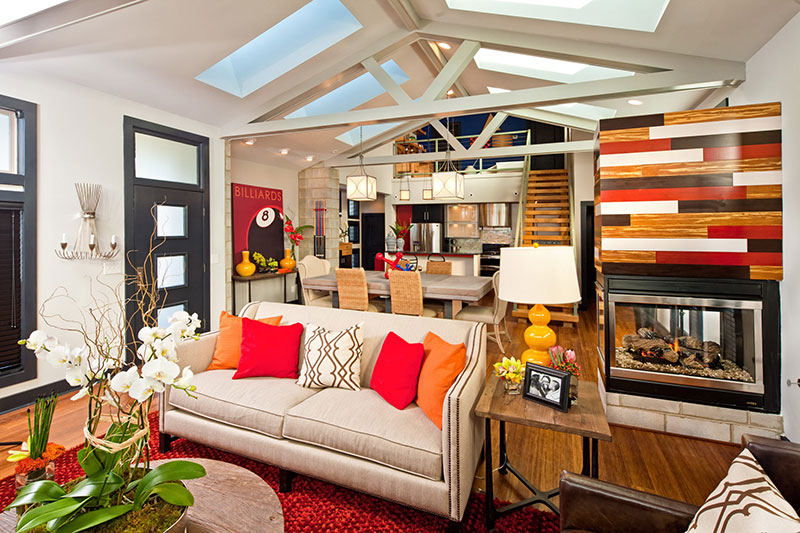
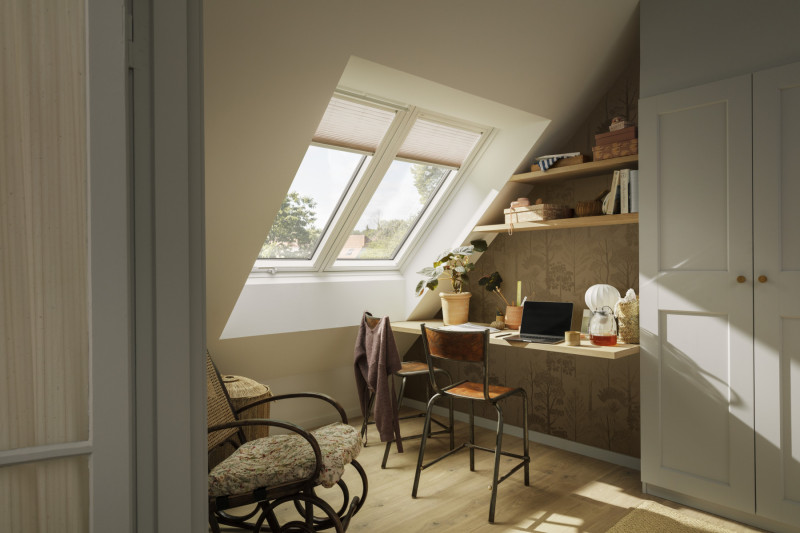
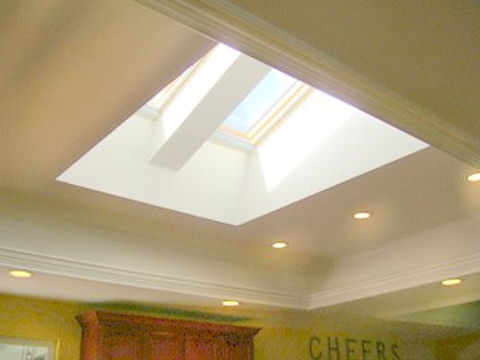
Advanced-Design_and_Skymax-Skylights-installation

Key Takeaways

  • primary suite features
  • Design touches like ample natural lighting, cohesive layouts and adaptable spaces make a primary suite become a sanctuary for every lifestyle and schedule.
  • Upscale finishes, smart home features, and spa-inspired touches set the primary suite apart — and add lasting value and a better lifestyle.
  • Custom storage solutions and tailored touches make sure the suite fits a variety of organizational and lifestyle demands, maximizing functionality and keeping the space tidy.
  • Primary suite features are a wonderful investment — not only do they promote mental health and relaxation, but they boost property value, making them an alluring selling point for buyers around the globe.
  • Homeowners are encouraged to future-proof their primary suites by considering adaptable designs that accommodate evolving family dynamics, work-from-home needs, and changing personal interests.

Primary suite features are the default features that accompany a software suite. These tend to bundle together things like word processing, spreadsheets, presentations, and sometimes email or drawing tools. Most business and school users require these fundamentals for daily work, from writing reports to tracking figures and constructing slides. While a few of the popular suites include additional resources for collaborative work or data sharing, the core features remain consistent. Convenient connections between the applications assist you in task hopping without losing momentum. To assist you in selecting the appropriate suite, the following sections will present what these primary features do, how they function in unison, and why they are important for both professional and academic life.

The Modern Primary Suite

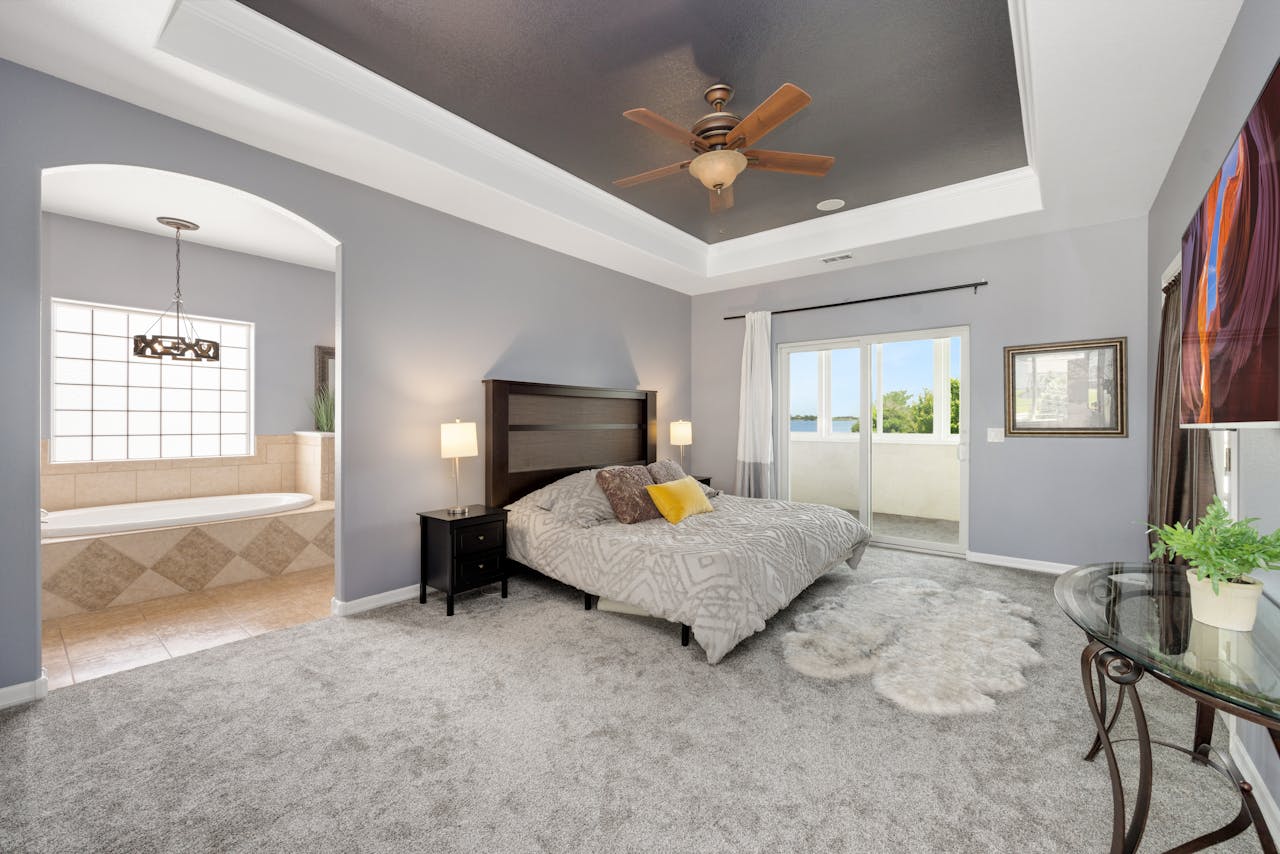
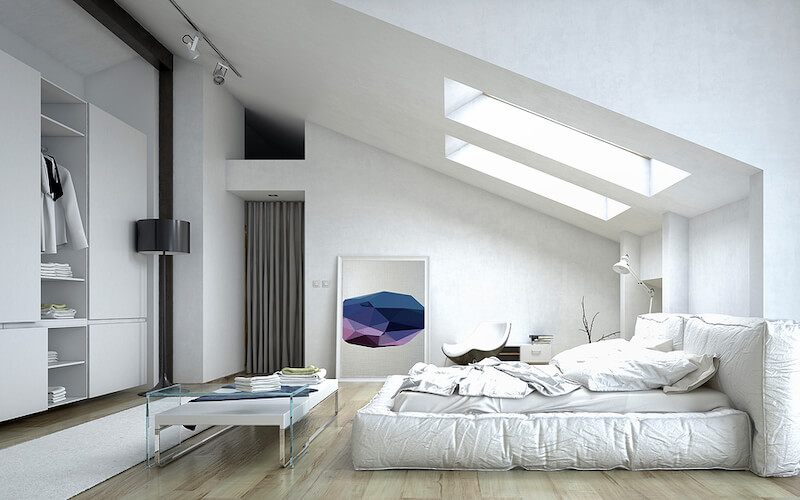
A primary suite is a functional combination of sleeping, bathing and dressing areas into one private oasis. Privacy and comfort are key in modern primary home design, and a thoughtful primary suite provides just that. The suite is more than a bedroom – it’s a sanctuary to escape to and unwind. When thoughtfully designed, the primary suite enhances the style and function of the entire house. Show-stopping amenities like high ceilings—commonly 3 metres or more—walk-in closets and spa-like bathrooms have become the norm. I believe these spaces are uniquely powerful – they can be both beautiful and functional and ultimately transform the way we live and use our homes.


  • Aesthetically integrates various living areas for a sleek, cohesive appearance
  • Serves as a secluded retreat, distant from the hustle and bustle areas of the house
  • Elevates everyday ease with contemporary features such as rain showers and heated floors.
  • Supports flexible living by including workspaces or sitting areas
  • Adds resale value and market appeal with luxury features

Beyond a Bedroom

A primary suite is more than just a bedroom, it’s a personal oasis that serves many functions. With the addition of seating areas or a small workspace, the suite transforms into a space to read, work or simply escape. Flexibility is key as well. Take, for instance, a corner that transitions from reading nook to home office. How it connects to the rest of the home matters as well. Good design ensures the suite is both private and connected to the rest of the house with flow that is intuitive.

A Personal Retreat

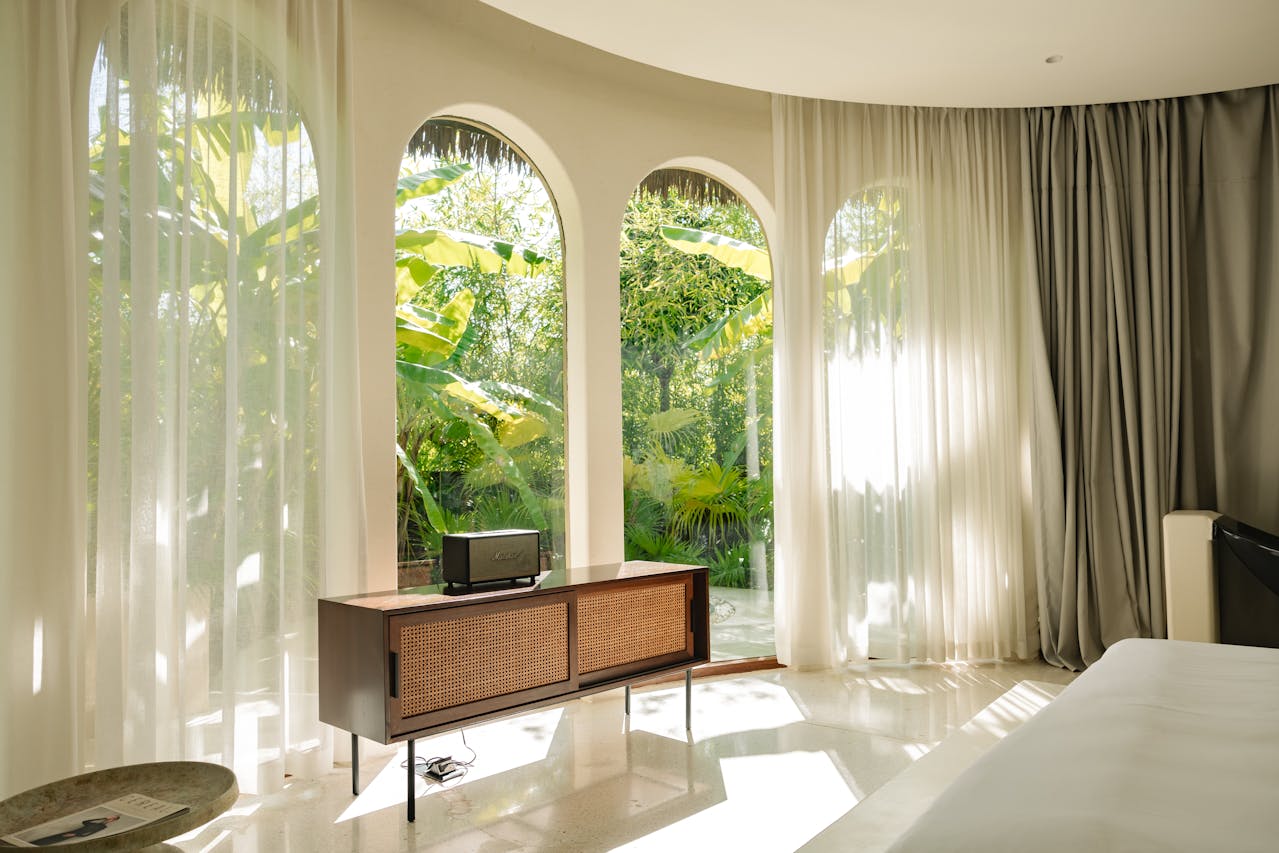
Designers typically rely on soothing colors and soft textures to make the suite feel calm. Natural light is fundamental, so floor to ceiling windows or sliding glass doors with garden or city views really work. A fireplace is charming and evokes old-world coziness. It should accommodate everyday life—whether it’s a walk-in closet for each partner or a free-standing tub for those moments of zen. Heated towel racks or floors keep it toasty on those chilly mornings, making the ordinary routine a little more luxe.

Investment Value

Feature

Impact on Resale Value

Walk-in closets (2+)

High buyer appeal

Heated floors/towel warmers

Medium to high

Free-standing soaking tub

Adds luxury, boosts value

Rain shower

Moderate to high

Fireplace in suite

Unique, draws interest

Dual primary bedrooms

High in luxury markets

Spa-like primary suites with intelligent layouts generate premium offers in numerous markets. Buyers, particularly at price points north of $2 million, seek dual suites and separate dressing areas. Primary suite upgrades frequently earn their keep, as buyers perceive these amenities as necessities, not luxuries.

Essential Primary Suite Features

A primary suite needs to be top notch in comfort, privacy and utility. You want to create a room that feels equally personal and functional, straddling the line between everyday demands and a peaceful escape. Incorporating key amenities and making space for personalities are at the core. Key features below define the functionality and livability of an effective primary suite:


  1. Sleeping quarters that support relaxation and easy routines
  2. A bathroom built for comfort and privacy
  3. Ample closet space for storage and organization
  4. A sitting area for private downtime
  5. A foyer that connects and buffers the suite

1. The Sleeping Quarters

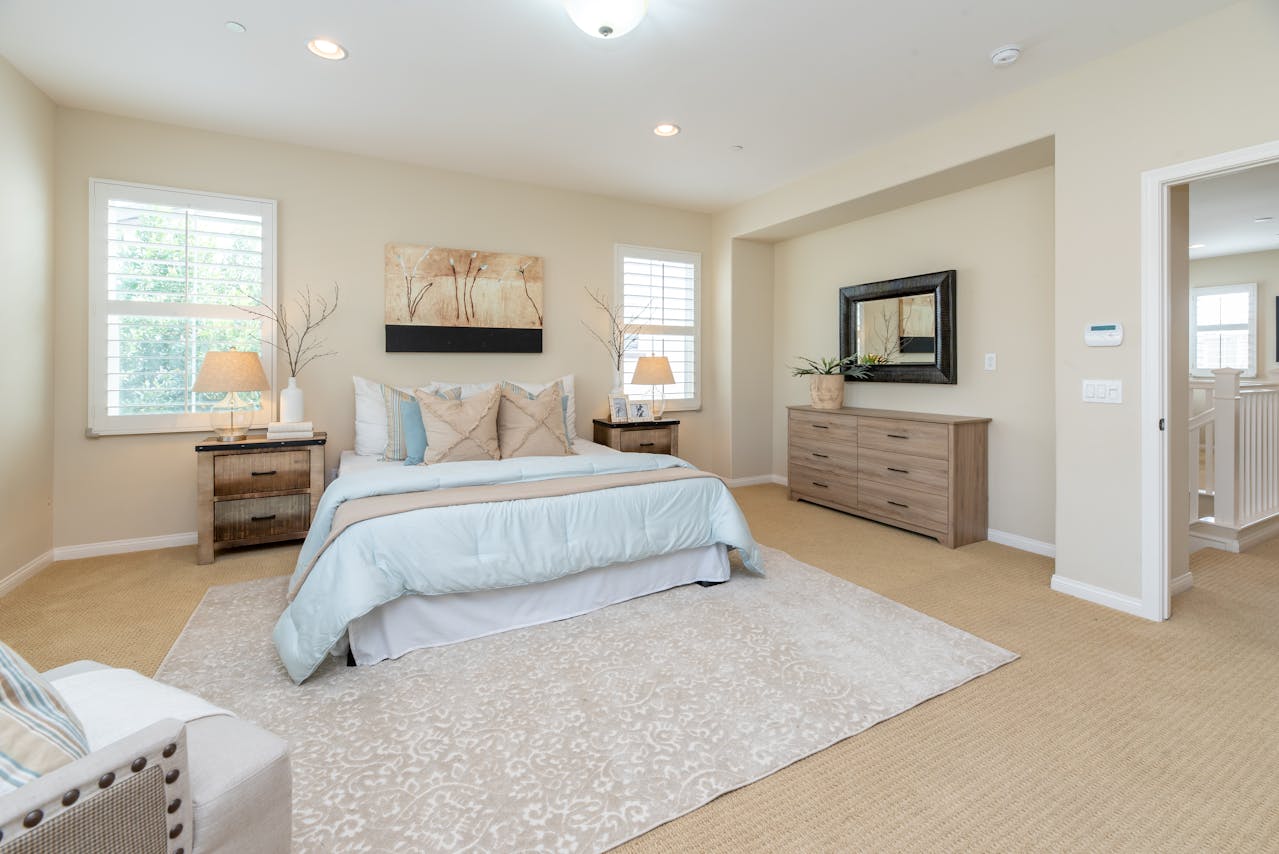
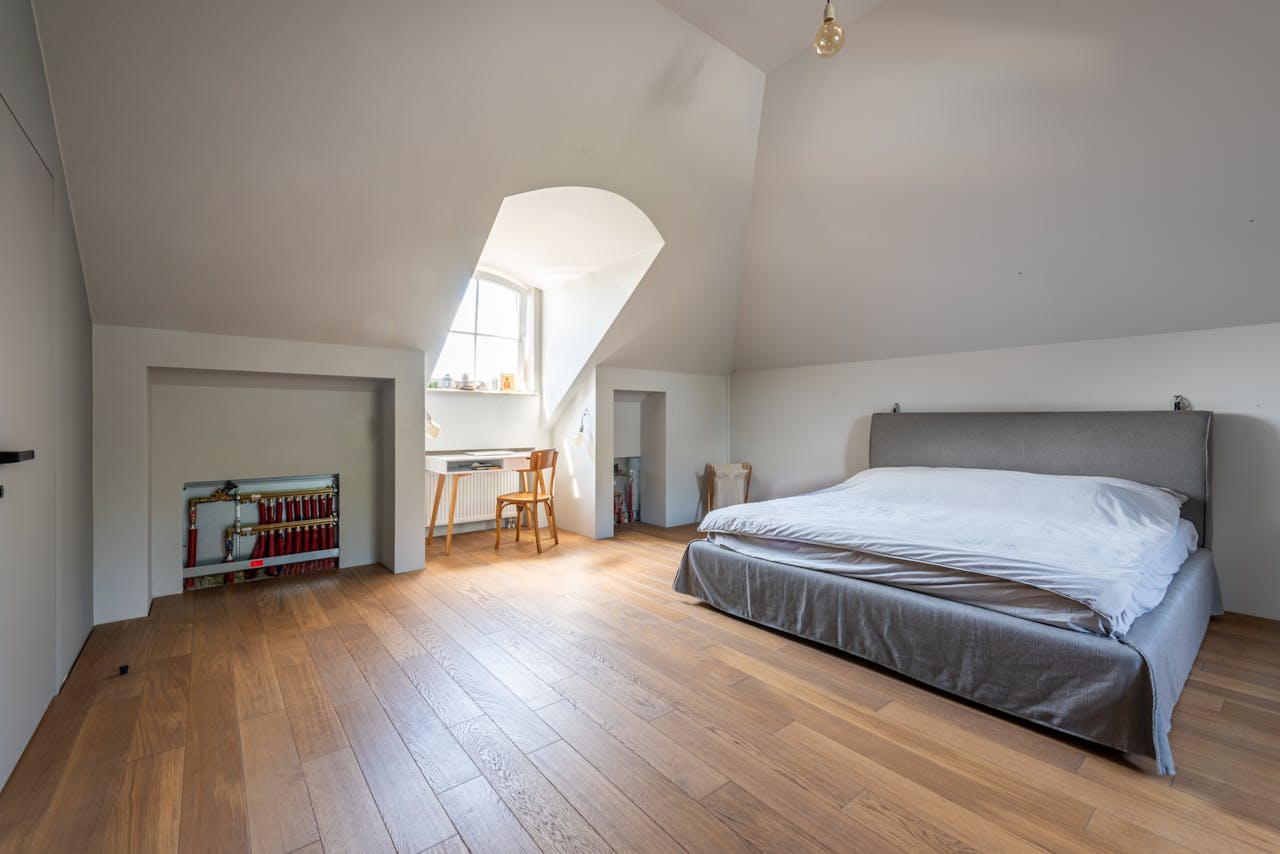
A well-appointed sleeping area begins with ample king-size bed + nightstand + free range. Effective soundproofing—such as insulated walls or soft floors—blocks noise from adjacent rooms or from outdoors. Blackout curtains keep the room dark for deep sleep and add privacy! Having access from the bedroom directly to the bathroom, closet and sitting area minimizes clutter and streamlines your daily routine.

2. The En-Suite Bathroom

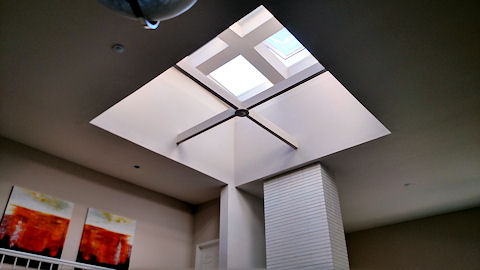
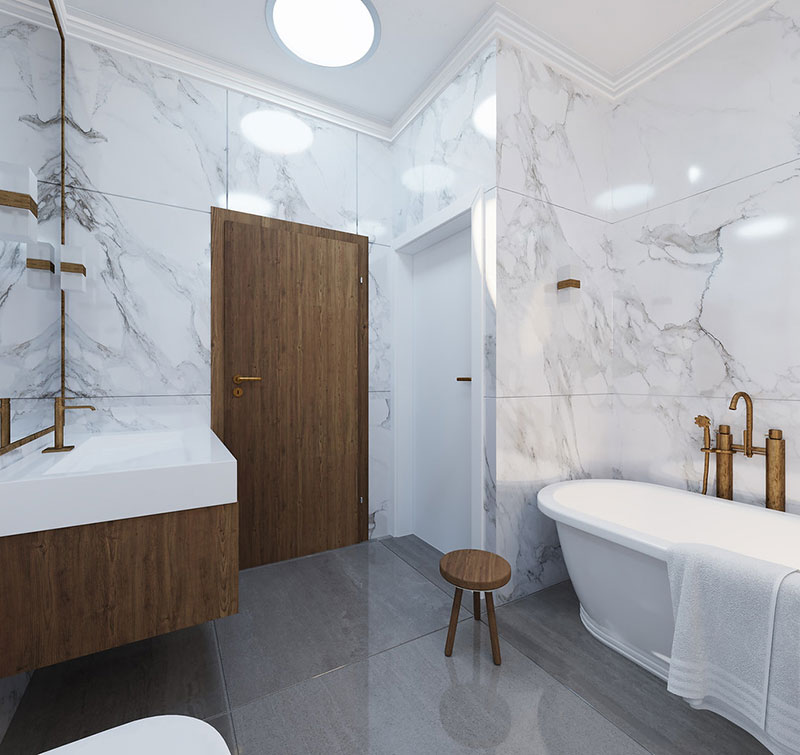
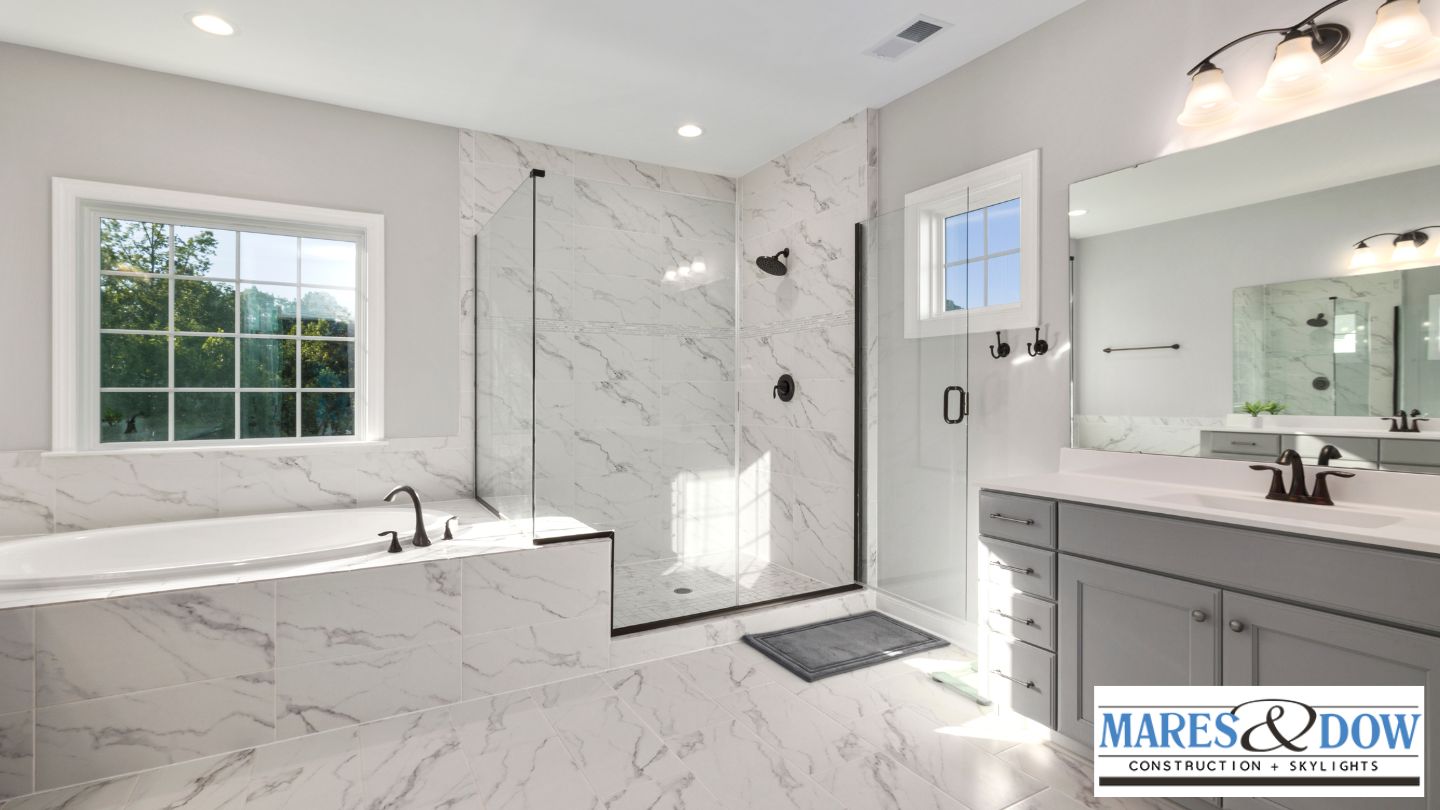
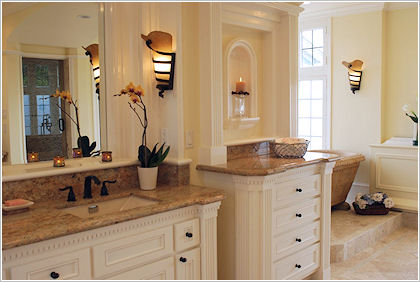
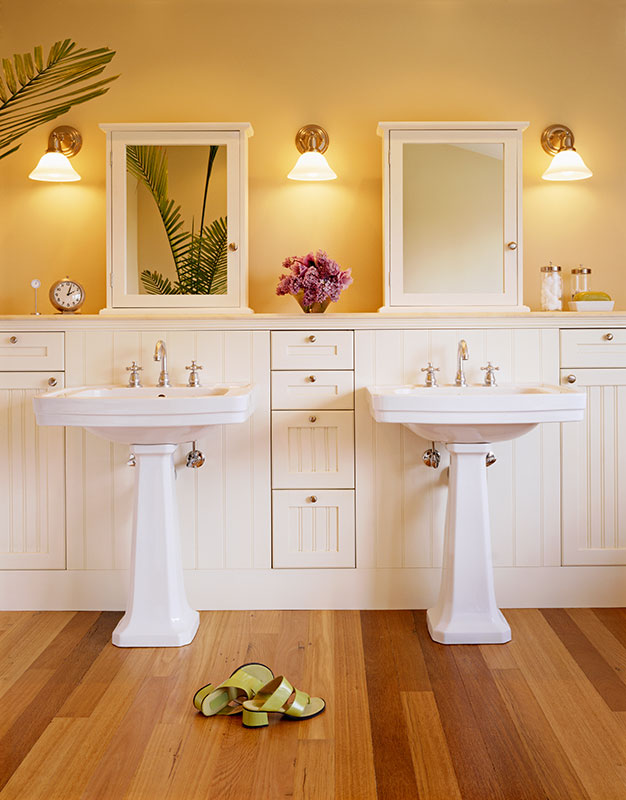
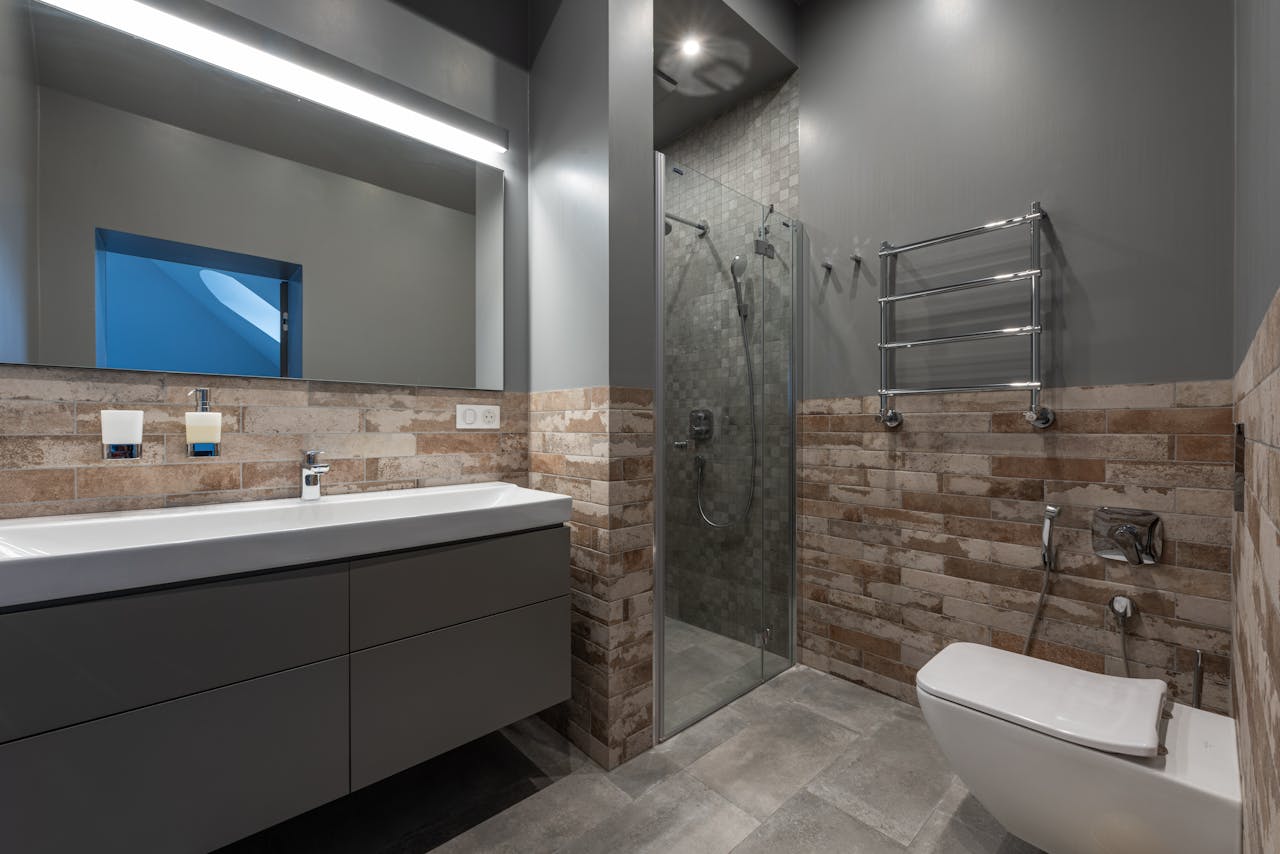
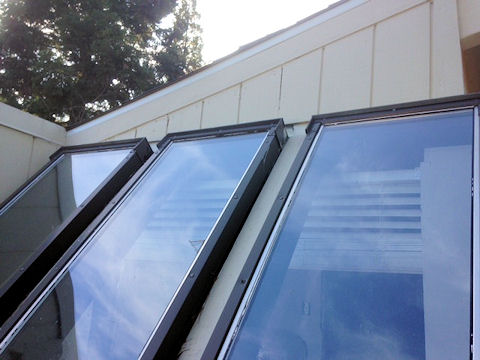
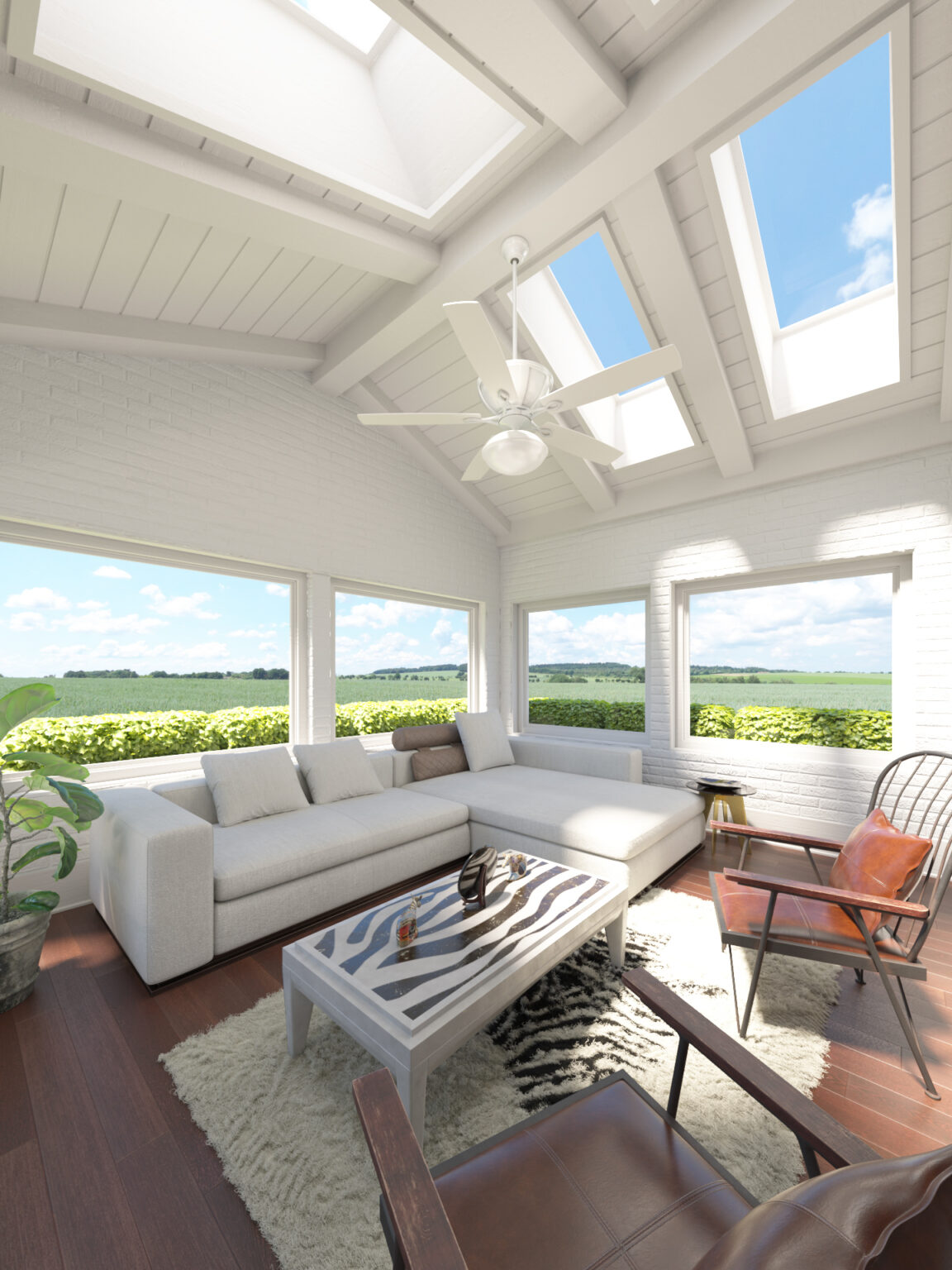
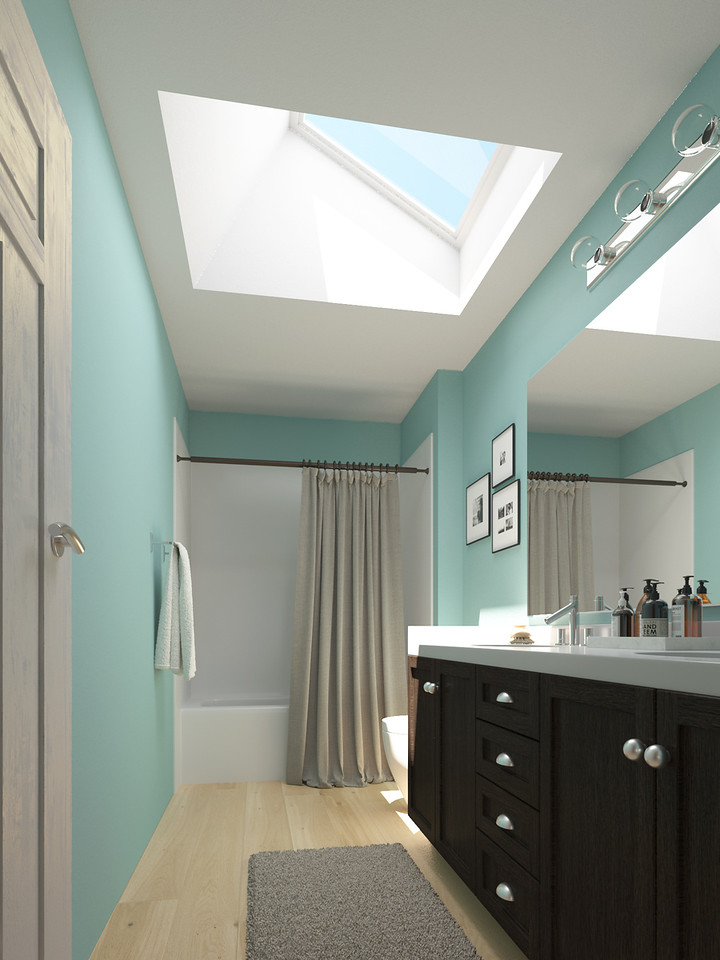
A luxury en-suite bathroom features double vanities, preferably on different walls to prevent congestion, and an expansive, walk-in shower. Some suites throw in a separate soaking tub for that spa-ambience. Quality finishes—like stone surfaces or brushed fixtures—enhance coziness. Big windows or skylights provide natural light and proper ventilation ensures the area stays fresh and dry.

3. The Walk-In Closet

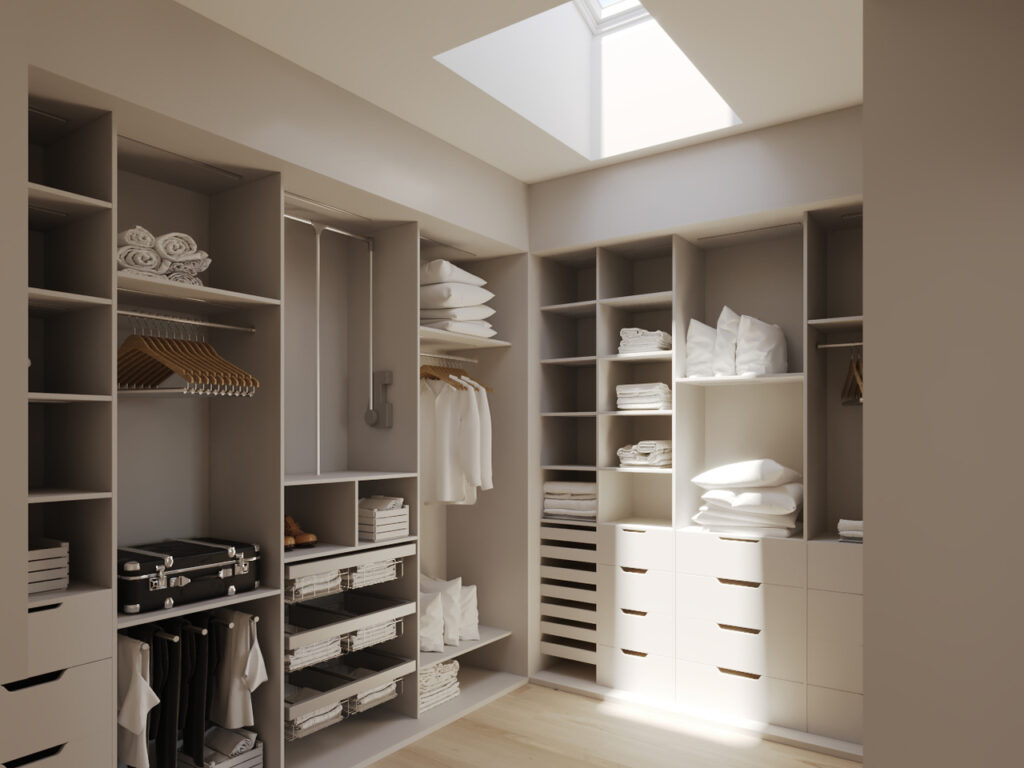
A spacious walk-in closet—or two, for double the storage—keeps wardrobes organized. With custom shelves, racks and drawers, it is easy to organize clothes and accessories. Adding a full length mirror and bench accommodates getting dressed. Closet design should be tailored to the owner’s storage needs – think shoe shelves or formal wear or seasonal storage!

4. The Private Sitting Area

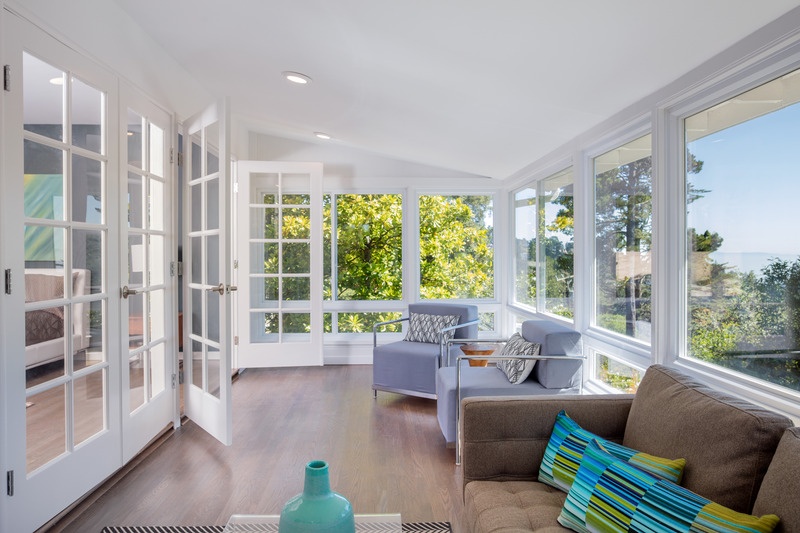
Including a small sitting area in the suite creates a nook for reading, relaxing, or even a fireplace. Soft chairs or a loveseat beckon lingering. Locating this nook adjacent to windows brings in natural light. Personal touches, such as art work or family pictures, really make the space your own.

5. The Transitional Foyer

An entry foyer or vestibule provides a buffer, privacy from the rest of the house. Shoe and bag storage keeps it all neat. Soft lighting and uncomplicated decor make it cozy. The foyer should connect all the suite spaces.

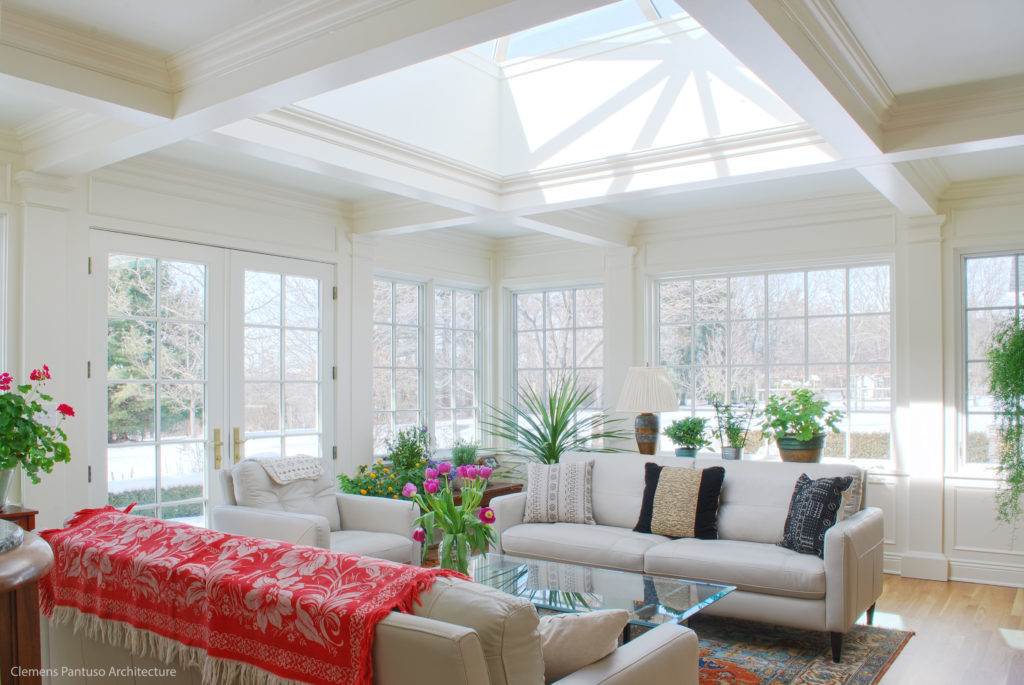
Discover the Charm of Natural Light with Skylights in Piedmont, CA

Upgrades for Ultimate Luxury

A genuinely luxury primary suite combines polished finishes, intelligent design, and creature comforts into one cohesive experience. Luxury fixtures–think polished stone, brushed metals, and designer hardware–set the aesthetic tone, and mindful details assist in crafting a harmonious area that suits various lifestyles. These decisions not only elevate the style but guarantee the suite resonates like a personal retreat, customized to its owner’s preferences and routines.


  • Premium finishes such as marble, hardwood and natural stone infuse elegance and permanence.
  • Statement fixtures — like sculptural tubs or custom lighting — catch the eye and ground the design.
  • Texture and color accents deliver both visual warmth and tactile richness.
  • Cohesive material palettes make the space feel unified
  • Custom upgrades complement everyday rituals — increase utility without sacrificing design

Ambiance Enhancements

That lighting really does set the mood. Adjustable overhead systems, wall sconces and layer sources provide both bright, functional light as well as soft, relaxing glows. Sound systems wired throughout allowed us to listen to music or white noise and added to the even more private feeling of the suite. Fireplaces, gas or electric, provide coziness and a great visual focal point, particularly in chillier locations or the winter months. Textiles such as plush rugs, thick drapes, and soft bedding add comfort and style, while carefully curated decor, art, vases or greenery, pamper the senses and the eye.

Spa-Like Amenities

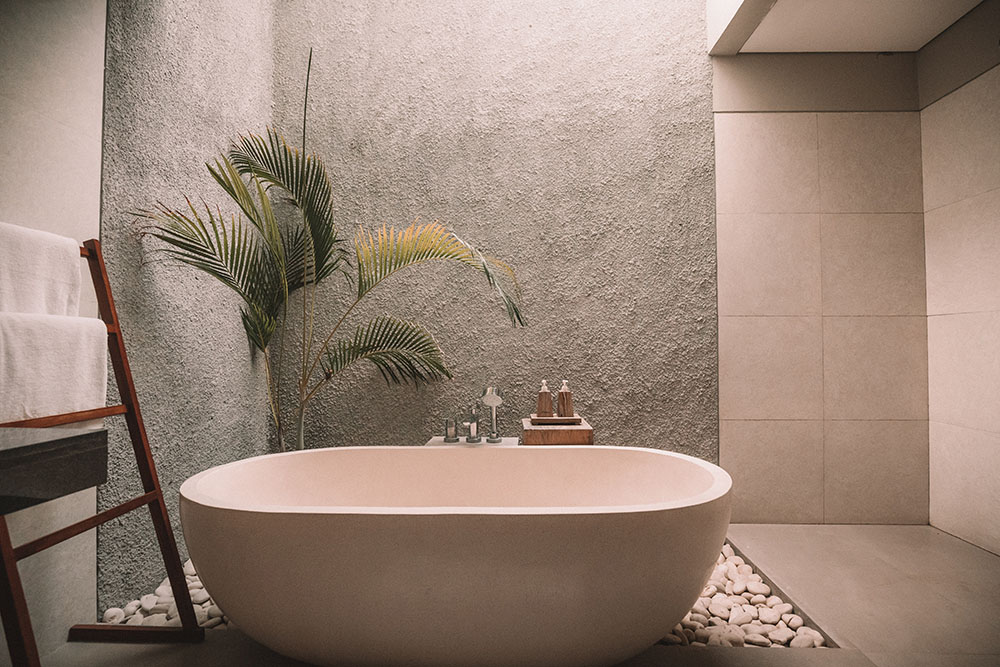
A freestanding soaking tub placed in sunlight transforms a bath into a spa moment. Oversized walk-in showers with multiple heads and sprays enable custom hydrotherapy, while heated floors keep toes toasty all year long. Aromatherapy and built-in speakers layer scent and sound, fostering relaxation. Natural materials such as wood, bamboo, or stone intensify the spa feel, anchoring the space in ageless coziness.

Smart Home Integration

Smart technology brings you convenience and security. Automated lights and climate can be programmed for time or mood, modulating the suite atmosphere for any occasion. Smart mirrors with built-in displays and secret entertainment systems add a tech-forward vibe. Smart door locks for privacy and security, particularly when paired with remote monitoring capabilities.

Bespoke Storage

Custom storage keeps clutter at bay and puts it all in reach. Built-in shelving, drawer islands and LED-lit closet rods assist in categorizing and organizing clothes and accessories. Under-bed storage and innovative cabinetry squeeze every centimeter without seeming jam-packed. A dedicated seat–a small chair in the closet or a window nook–makes the suite feel even more thoughtful and comfortable, while his-and-her’s closet sections and display areas add function as well as beauty.

The Psychology of Personal Space

Personal space is an invisible boundary, where psychological comfort, identity, and well-being are molded. The size of this space is variable—ranging from a mean 63.3 cm to as low as 25.2 cm in interpersonal distance among people with autism spectrum disorder. Most importantly, discomfort spikes when others intrude, particularly at 25% of personal space —where it can be quantified in physiology like skin conductance response. This idea of an “extrusion zone” emphasizes how minor intrusions can raise stress and how pandemic-related separation (2 m) deviates from everyday behavior, sometimes generating more discomfort. Taken together, these insights help guide how you can design primary suite features for actual psychological advantage — encouraging privacy and connection.

A Mental Sanctuary

A primary suite, designed as a retreat, is a buffer to daily stress. Employing soothing colors and plush textures—muted blues, gentle greens, smooth fabrics, etc.—can reduce arousal to help the mind relax. Soundproofing, by means of thick doors or acoustic panels, fences out unnecessary sound and protects the owner from external disturbance. One individual might require a larger extrusion zone, another may like the radius increased and reduced, but all reap the rewards when their suit is customized to their comfort. Decorating with personal touches such as framed pictures, beloved novels, or aromas can bring about positive emotions, providing a sanctuary with the power to encourage tranquility and psychological health.

Fostering Connection

Although privacy is essential, primary suites help unite us as well. A tiny seating nook–two chairs or a warm bench–encourages eye-to-eye communication with a spouse or family. Flexible layouts, with movable partitions or convertible furniture, can turn the space from solitude to socializing. The best suites strike a balance: they give room for private retreat but welcome shared moments, fostering both individual renewal and meaningful connection. Warm lighting and soft fabrics contribute to an atmosphere that is welcoming, not clinical or shut off.

Future-Proofing Life

Long life design counts as needs shift. A suite designed with flexible features—modular storage, adjustable lighting, wider doorways—can evolve with the homeowner’s life stage. Anticipating possible family change—a new child or aging parent—keeps the suite current. We believe that by investing in timeless elements–whether it’s natural wood or a neutral tile–you keep the space usable and chic for years to come, so it evolves to new routines without sacrificing comfort or personality.

General Contractor Mares & Dow Construction & Skylights

Designing for Your Lifestyle

Each primary suite should be a design for your lifestyle – how you live, how you work, how you relax. Good design starts by taking a deep look at daily routines, hobbies, and what makes each person tick. Whether it’s early-morning workouts, late-night reading or hosting friends, the suite’s layout and features have to align with actual needs. It’s about filtering essentials from adornment and sculpting a space that rings simultaneously intimate and functional. Tactical decisions—think blackout curtains for sleep, a coffee nook for hectic mornings, or intelligent storage—assist in maintaining a smooth and peaceful pace. A primary suite can double up on function and style: a closet that’s easy to use, an area for work, or a nook for downtime, all fitting into one seamless retreat.

The Work-From-Home Hub

A workspace inside the suite provides young professionals a path to mix work and home life without letting the former consume the latter. Your office zone should block out noise and visual clutter for others to focus. Ergonomic chairs, a height-adjustable desk, and task lighting make long work sessions less taxing on the body and eyes. Built-in organizers or shelves prevent papers and gadgets from piling up, so the surface remains tidy. Others would slap on a whiteboard for notes or a nook for video calls, adjusting the setup to meet both their everyday life and shifting work demands.

The Fitness Enthusiast

A fitness-supporting suite makes morning stretches or post-work exercise simple and habitual. With open floor space, non-slip mats and racks for dumbbells or yoga gear it means everything’s within arm’s reach. Excellent airflow, ceiling fans and bright lights maintain the space fresh and inspiring. Some motivational art or mirrors will give you that push to keep going. Some will even toss in some hooks for towels or a mini fridge for water, keeping the essentials close but out of the way.

The Avid Reader

Element

Purpose

Comfy Chair

Support relaxation and long reading hours

Adjustable Lamp

Provide focused, gentle lighting

Wall Shelves

Store books and personal collections

Soft Rug

Add warmth and reduce noise

Throw Blanket

Enhance comfort and coziness

Built-in shelves or bookcases help your favorite reads stay organized and within reach. Nook’s design—soft lights, plush pillows, calming colors—just kind of draw you in and help you relax. Blackout curtains, in addition to blocking out glare, ensure that it’s easy to get lost in a little story. Textured throws or soft rugs make the nook even cozier.

The Entertainer

Designing for guests is all about considering how people come together. Mini-fridge or small beverage bar allows hosts to serve drinks/snacks without having to leave the suite. Open seating– maybe a couple chairs or a bench, makes it easy for guests to mix and match. Strategic placement of tables and lights assist in directing the flow, keeping social occasions fluid and easy. Colors, art and texture combined to create a mood and make the space feel cool and cozy.

Conclusion

A first-rate primary suite extends beyond aesthetics. It’s all about good design, so the rooms don’t feel closed in and crazy—they feel open and calm. Smart layouts keep daily needs close—think walk-in closets, double sinks or easy shower access. Tiny touches pop. Heated floors, big windows or a quiet nook for reading can shift the feel of a space. They get a great deal of benefit from good light and fresh air. Every decision impacts the way you sleep and relax at home. Select what works for your lifestyle and habits, not just popular styles. Your suite should work for you, not vice versa. Need more tips or help with a plan? Contact us for inspiration and real world examples. Your very own dream space is not as far away as you think.

Frequently Asked Questions

1. What are the key features of a modern primary suite?

A contemporary primary suite typically features a large bedroom, an en suite bathroom, significant closet space, and home automation amenities. They offer comfort, privacy and convenience for homeowners.

2. Why is an en-suite bathroom important in a primary suite?

En-suite bathroom with privacy and direct access to bedroom. It makes day-to-day living better, and it enhances the value of the house.

3. How can I upgrade my primary suite for more luxury?

Upgrades such as heated floors, premium fixtures, walk-in closets and spa-inspired baths lend luxury. Smart lighting and state-of-the-art climate control enhance comfort and ambiance.

4. What design choices make a primary suite feel larger?

Light tones, generous windows and a lack of clutter make rooms feel more spacious. Clever furniture arrangements and built-in storage contribute to an open feel.

5. Why is personal space important in primary suite design?

Private space facilitates relaxation and health. Nothing says peace, privacy and recharge like a beautifully designed primary suite.

6. How can I personalize my primary suite to fit my lifestyle?

Opt for features that suit your lifestyle – a reading nook, fitness zone, or work area. Use colors and décor that reflect your personality.

7. Do primary suites add value to a home?

Okay, so a great primary suite will add value to a home. It appeals to buyers who desire intimate, cozy suites.

Your Dream Second Story & Primary Suite Built by Mares & Dow Construction & Skylights – Let’s Create the Extra Space You’ve Been Dreaming Of

Unlock your home’s full potential with a custom second story or primary suite addition from Mares & Dow Construction & Skylights. With over 40 years of experience, we specialize in high-quality expansions that blend seamlessly with your home’s existing structure and lifestyle needs.

Whether you’re looking to add a luxurious primary suite, expand upwards with a second story, or enhance your living space in other ways, we customize each project to suit your vision, your home’s architecture, and your long-term goals.

Key benefits of our second story & primary suite services include:
• Expanding your living space to accommodate growing families or additional functionality
• Boosting your property’s value with expert design and construction
• Creating energy-efficient, stylish living areas designed around your needs

Proudly serving Contra Costa County—including Alamo, Danville, Orinda, Martinez, and San Ramon—Mares & Dow Construction & Skylights is your trusted partner for functional, beautiful, and lasting home expansions.

Contact Mares & Dow Construction & Skylights today for a free, no-obligation quote and let’s build the second story or primary suite of your dreams!

Disclaimer

The materials available on this website are for informational and educational purposes only and are not intended to provide construction, legal, or professional advice. You should consult with a qualified general contractor or industry professional for advice concerning any specific construction project, remodeling plan, or structural concern. Do not act or refrain from acting based on any content included on this site without seeking appropriate professional guidance. The information presented on this website may not reflect the most current building codes, regulations, or industry best practices. No action should be taken in reliance on the information on this website. We disclaim all liability for actions taken or not taken based on any or all of the contents of this site to the fullest extent permitted by law.

What Homeowners Get Wrong About Kitchen Remodeling Timelines

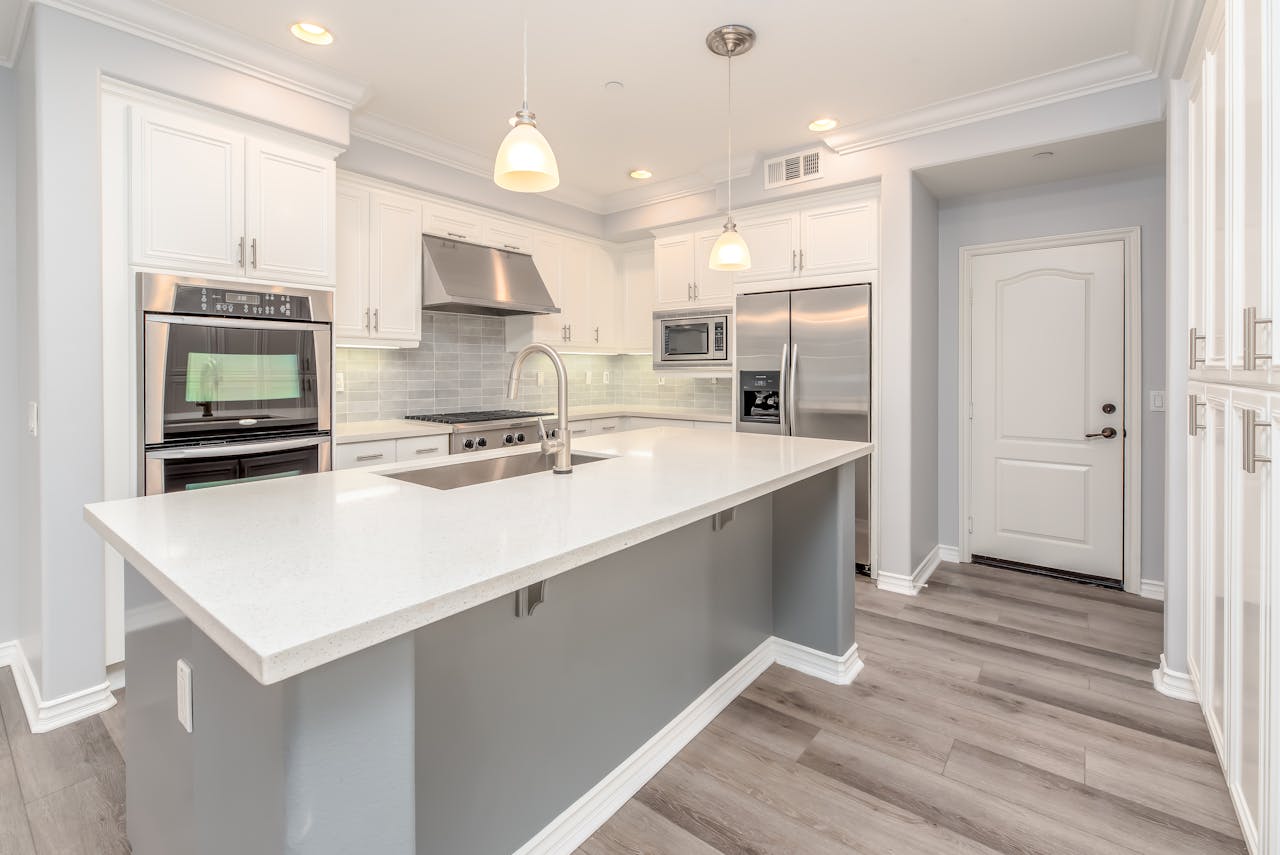
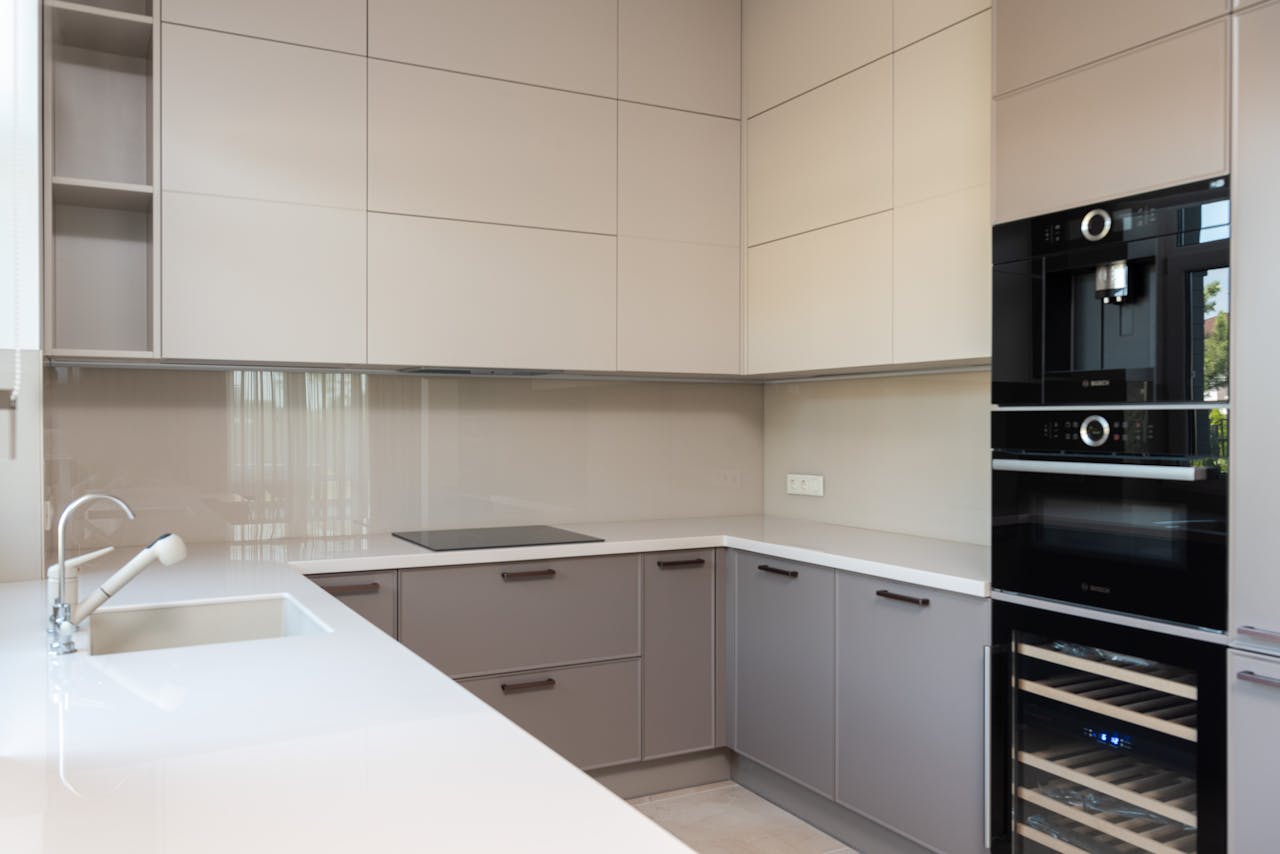
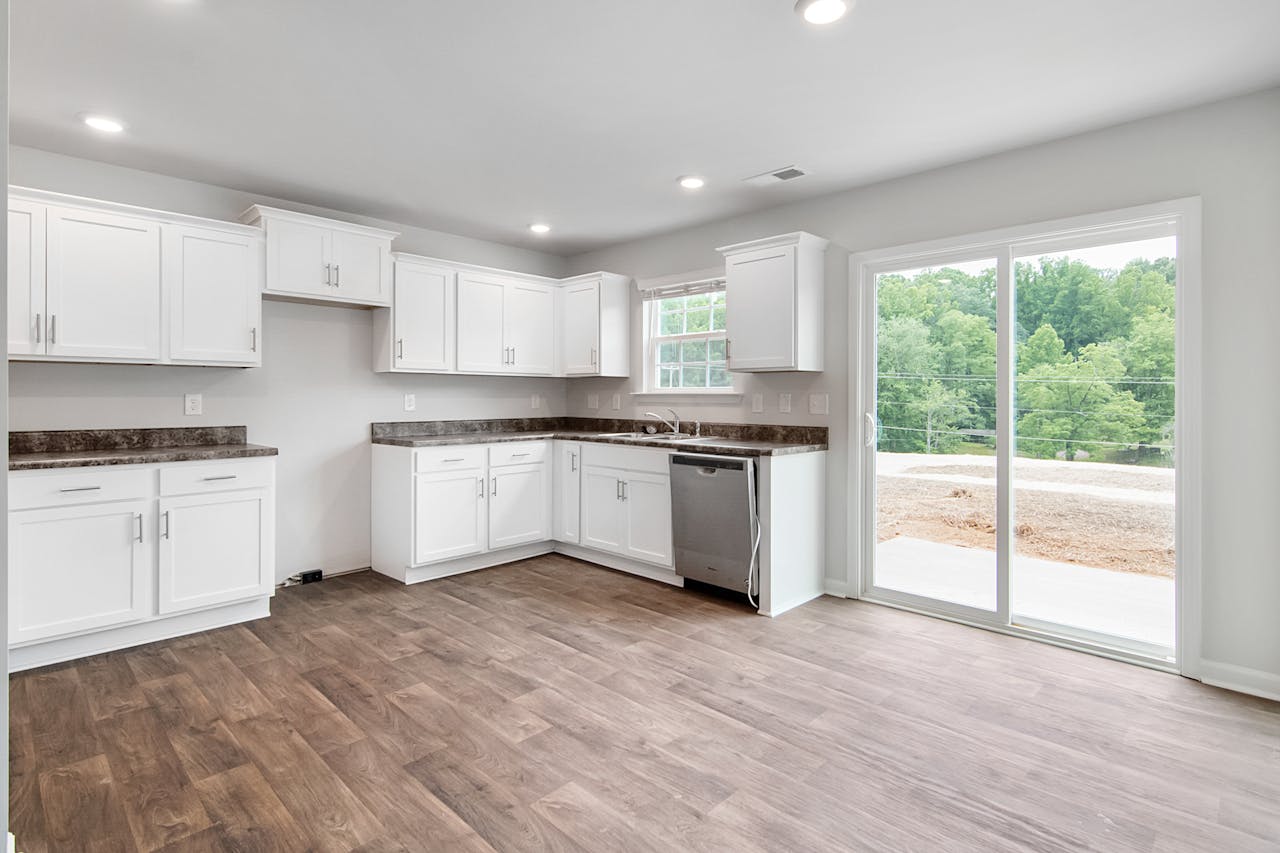
kitchen remodel

Homeowners tend to believe kitchen remodeling timelines are fixed. Actual projects reveal that much varies by scale, design decisions, or materials lead times. A lot believe the entire project will be completed within a couple of weeks, when even minor renovations frequently require additional time for project planning, obtaining permits, and surprise repairs. To stay sane, it’s useful to understand how each phase can extend the timeline—such as when new cabinets or custom countertops require additional days to be delivered. Too many overlook how trade schedules or city regulations drag it out. Knowing real timelines allows owners to plan better and hold costs in check. The main body will explain what makes projects fast and how to identify delays.

Key Takeaways

  • Myth #2: Homeowners don’t realize that delays in ordering materials, especially custom cabinets and appliances, can stretch kitchen remodeling timelines by weeks or even months.
  • Creating a realistic budget, nabbing design and contractor expertise early, and finalizing your kitchen design selections during early planning are key to maintaining the project’s pace.
  • Ordering key materials and confirming permits well ahead ensures you won’t get stuck during the remodel’s “waiting” phase, which is a frequent cause of delays.
  • Good communication and decision making — things like controlling change orders and staying in contact with your team — go a long way in eliminating confusion and project stagnation.
  • By building flexibility into your timeline — for example, you add buffer periods for unforeseen issues and inspection failures — you can insulate yourself from disruption and frustration.
  • Readying yourself for life in renovation – establishing a temporary kitchen, shielding your home from dust and noise – guarantees less chaos and an easier remodeling journey.

Why Your Timeline Is Wrong

Most people don’t understand how long it takes to remodel a kitchen. Design is more than selecting cabinets and tiles. Every phase—thinking, hiring, waiting, surprise, and finishing—has its own pitfalls. Underestimating time, skipping steps, or waiting too long to order materials can bump the finish date weeks or even months. Homeowners seldom budget for the unforeseen, like back-ordered appliances or tradesman delays. A good timeline should always build in a buffer of 25-50% longer than originally estimated, as this relieves stress and prevents expensive errors.

The “Thinking” Phase

Budgeting the right way at the beginning is crucial. A lot of them bypass bringing in a designer or general contractor right away, creating design changes halfway through projects and lost time. Nailing down the kitchen layout and appliances early helps get plans locked in and accelerates the rest of the process. Looking into the lead times—like those for custom cabinets or imported tiles—can save you headaches down the road. Homeowners tend to forget what it takes to plan and prepare, resulting in changes that halt progress and cause rework.

The “Hiring” Phase

It’s important to bring on talented and seasoned craftsmen because craftsmanship errors manifest late and are difficult to correct. Make sure your contractor and designer can start when you want. Discuss your project scope in depth prior to commencement. Read contracts — you don’t want any surprises or confusion when you’re mid-construction.

The “Waiting” Phase

Get on the books for major materials, cabinets, appliances, etc., as early as possible… waiting too long tends to add weeks to the job. Permits may be a time factor, so begin that aspect early as well. Countertops, flooring and plumbing fixtures should be ordered directly after design selection is complete. A lot of these are custom, so add wait times for manufacturing.

The “Surprise” Phase

Budget for surprises such as concealed water damage or antiquated wiring. Pre-set contractor and trade schedules so they won’t clash! Confirm delivery dates for all materials. Stay in touch with your team so you can solve issues before they escalate.

The “Finishing” Phase

Order all hardware and finishing items early—as even minor delays can stretch completion. Make sure to clean the place up thoroughly before the final inspection. Make a punch list of what’s left. Only consider the project complete when all pieces are accounted for and functioning.

The Invisible Timeline

Kitchen remodeling timelines are dictated by a combination of visible work and invisible lag. Most homeowners discount things like decision fatigue, supply shortages, and communication gaps — all of which can silently add time to a project. Although small kitchen remodels usually require 6–12 weeks, surprise problems can pop up — a design revision here or a material delay there — that add weeks or even months. Standard estimates seldom include the 25–50% additional time usually required to handle these unseen factors. This is where the so-called invisible timeline comes in — a reminder that even the best planning can’t anticipate every setback. Identifying these subtle forces is critical to an easier remodel.

Decision Fatigue

Homeowners are inundated with decisions, from cabinet finishes to lighting schemes. Early decisions prevent frantic crunches and stress cascades, enabling the project to proceed at a sustainable pace. When choices proliferate, decision fatigue takes hold, delaying order after order as clients flail through simple selections. They help by keeping options, particularly on fixtures or appliances, to a minimum – which speeds the process and reduces the likelihood of regret down the road. It saves you from concentrating exclusively on the sexier design elements, like countertop material or layout, instead of sweating the small stuff. Periodic check-ins with the remodel team can keep the momentum moving along to help make sure questions get answered promptly and work keeps going.

Communication Gaps

A remodel is based on transparent communication between all parties. Without it, miscommunications become bottlenecks if rework is required. Establishing clear communication channels—such as email threads or project management applications—keeps everyone on the same page and minimizes the risk of things falling through the cracks. A weekly meeting — even if brief — can catch small issues before they grow, and helps maintain a shared sense of progress. Document every agreement or change order — it provides a solid record if the questions come later. This habit by itself can save days or weeks by preempting confusion.

The Human Element

Life, health, or even weather can mess with the remodel schedule. Flexibility is required because adherence to an original plan generally results in stress and errors. Collaborating with the team, not against it, engenders trust and can enhance velocity and excellence. Feelings get intense during a remodel, therefore understanding their impact on decisions can stop you from making quick choices that have to be reversed down the road.

kitchen skylight-Mares Dow

Deconstructing The Process

Kitchen remodeling is more than paint and appliances. The work is a process of stages, each with its own requirements — from design, permits, and materials, to demo and prep, to full build-out. Homeowners often overlook how these steps interplay, or how holding in one stage can bog down the entire project. From design to permits to materials to demolition to construction, each stage has activities that must be meticulously outlined and pursued. These reports are critical for progress tracking — so that no time or money falls through the cracks.

Design and Planning

Design Option

Estimated Cost (EUR/m²)

Typical Lead Time (weeks)

Basic Modern

450–800

2–4

Mid-Range

800–1,400

4–8

Custom Luxury

1,400–2,700+

8–12

Not some scripted ‘design review’ meeting, but informal conversations every day. Great designers assist you in molding the space, but only with explicit communication from you about your necessities and preferences. Budget is another mooring here. Any layout tweak or material upgrade should align with what you can afford, but what’s feasible for your schedule. Anticipate rewrite. Even perfect plans bend when realities or professional guidance arise.

Permits and Approvals

Checking local codes early saves headaches later. Most kitchens require permits for plumbing or wiring alterations. Send your application as soon as you finalize a strategy. Permit approvals can lag—weeks or more sometimes—so keeping tabs on these dates helps prevent your schedule from sliding. Stay in a line with building officials to grease up questions and eschew expensive do-overs.

Material and Products

Material/Product

Average Lead Time (weeks)

Notes

Pre-made Cabinets

3–5

Widely available

Custom Cabinets

8–12

Longer if imported

Appliances

4–8

Higher for specialty

Countertops (Quartz)

2–4

Custom shapes vary

Order when you order. Custom pieces, such as cabinets, can take months. Follow your orders and mark off items as they arrive. This prevents you from freezing up once work begins.

Demolition and Prep

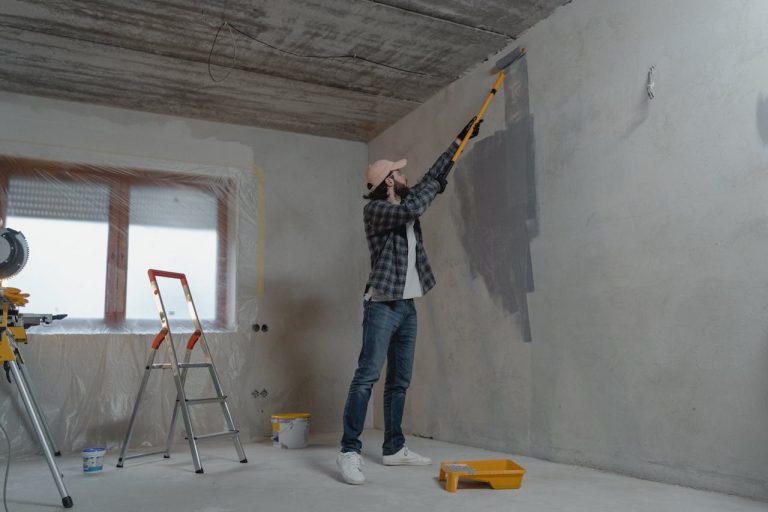
Demolition is more than bashing out walls. That’s labor-intensive, consisting of cautious deconstruction, hauling and site preparation, typically spanning between one to two weeks. Coordinate this step with material arrivals so your team isn’t idling. Safety comes first: everyone on-site should know the plan and wear the right gear.

Construction and Install

Cabinets, floors, and appliances all require their own install window. Watch the work as it goes, so little things don’t turn into expensive headaches. Ensure every level passes code and employs rock-solid build techniques for durable results. Figure out your kitchen’s work zones–sink, stove, fridge. This ‘work triangle’ is key to efficient, safe cooking for years.

What Delays A Remodel?

These are some of the most prevalent, yet underestimated reasons kitchen remodel timelines tend to extend well beyond what homeowners expect. The following list highlights the core sources of delay that can disrupt even the most carefully planned kitchen projects:

  1. Unforeseen structural or code compliance issues
  2. Product and material availability
  3. Change orders and mid-project design changes
  4. Inspection scheduling and failures
  5. Permitting delays and design revisions

Unforeseen Issues

Older homes, particularly anything over 30 years old, are always going to have lurking issues. Demolition can uncover outdated wiring, bad plumbing or frail structural elements. These surprises often need solving in-place and can add weeks to the timeline. Budgeting for these repairs comes in handy, with most professionals suggesting a 20% cushion of the project’s overall cost. Being flexible with your timeline and proactively communicating with your contractor when new problems are discovered means that you can all work to find a more efficient solution and contain project stagnation.

Product Availability

Material lead times vary, particularly with worldwide supply chain strains. Selecting in-stock items can accelerate installation while custom or imported items—such as specialty tiles or bespoke cabinetry—can take months to deliver. If your favorites are backordered, it’s smart to substitute the quicker-to-deliver options. After supplier meetings are confirmed, shipping and delivery dates help guide expectations and keep the remodel on track. Even small plan revisions can mean reordering, which can add weeks.

Change Orders

Keeping change orders to a minimum is important to keeping the remodel in scope and on budget. Every change, even the smallest, tends to demand new materials, revised permits, or design updates, all of which adds time and expense. Always run changes past your remodel crew before you commit. Any change should be clearly recorded. Regular niggling twerks effortlessly tack on months of the project—particularly if personalized options are included.

Inspection Failures

Inspections occur at major junctures. Failing an inspection freezes work until things are fixed and rescheduled. Local codes are a priority. Getting ready for re-inspections, if needed. Clear communication with inspectors helps clarify requirements and avoid misunderstandings that would delay the next phase.

How To Set Realistic Goals

As with any remodel, setting realistic goals for your kitchen remodel means knowing your limits, what you need and what you want. It’s about thoughtful planning and adapting as things shift. Most homeowners err by not factoring in real costs, duration, or what could go awry. Kitchen makeovers are tricky, and every measure requires consideration. By following a SMART method—Specific, Measurable, Achievable, Relevant, and Time-bound—you are directed to create goals that function in the real world, not just in your statute book.

  • Make a list of what you most need from your kitchen. Be functional before fashion.
  • Break down your remodel into small, clear steps.
  • Study timelines for kitchens like yours before you start.
  • Include buffer time for each stage, just in case.
  • Use a calendar or app to track milestones and progress.
  • Review your goals every week and adjust if needed.
  • Consult with your contractor frequently and communicate changes immediately.
  • Go ahead and be honest about what you can spend and how much time.
  • Seek inspiration but test if it’s feasible for your environment.
  • Maintain a checklist and check off those small wins to keep you motivated.

Research Extensively

Begin with reality. Read kitchen remodels, what works and what doesn’t. Look on reputable sites, trade publications, or international style guides. Consult experts who understand layouts, timelines, and best practices. Designers and project managers can offer advice on how to eschew common traps and streamline. Research—see what other people have done, case studies, before and after shots, and user reviews. These demonstrate what’s achievable and illuminate obstacles you might not otherwise recognize. Seek out design options that accommodate your habits, physical space, and budget, not just what looks good.

Build A Buffer

Kitchen remodels often have delays. Weather, supply chain issues, or scope changes can add drag. Factor in time for each phase – shipping, installation, inspections. Schedule a buffer of at least 10-20% over your dream date. Pass this along to your entire team. This establishes the proper frame and prevents stress when things inevitably change. Examine the final timeline after including buffers, and adjust your plan so it remains realistic and adaptable.

Communicate Clearly

Communicate frequently and directly with your team. Communicate updates, changes, or problems as soon as they arise. Use easy charts, checklists, or digital tools to display progress so everyone knows what’s next. Request feedback from your team—what is effective, what is not. This keeps cooperation solid and aids in identifying issues early. Open lines of communication mean fewer surprises and smoother repair.

Home remodel - Mares Dow

Surviving The Renovation

Kitchen remodels last WAY longer than most people anticipate, with timelines frequently 30–50% overshoot, particularly when homeowners still reside at the property. All changes — even something as small as moving a sink — can result in unforeseen delays and additional expenses, especially with concrete slab homes. A smart renovation accounts for more than the show-stopping upgrades – it plans for the disruptions, dust, and noise lurking beneath the surface. To survive this process is to anticipate day to day life in the middle of the mess and the chaos.

Create A Temporary Kitchen

Pick a corner removed from the construction ‘war zone’ – maybe a laundry nook, or a spare room – and claim it as your mealtime prep station. Stock it with must-haves: a microwave, electric kettle, portable cooktop, and a mini fridge if possible. Keep utensils, chopping boards, a few pans and cleaning items at your fingertips. If you can, attempt to select recipes that require minimal cooking – sandwiches or salads or the like. Take advantage of clear bins or open shelving to keep things easy to find, because clutter will soon pile up in such small spaces!

Protect Your Home

Protect all floors and furniture adjacent to the work area with heavy plastic or drop cloths. Seal off doorways and vents leading from the kitchen to prevent dust migration — plastic sheeting with zipper doors is ideal. Put foam or cardboard buffers between construction zones and inhabited rooms to protect against dings and drips. Use baby gates or locked doors to ensure that kids and pets can’t get to the construction zone.

Plan For Noise

Schedule loud tasks, such as demolition or sawing, for times when you or your household are away, if you can. Give your neighbors a heads up on your schedule so no one is surprised and the good vibrations continue. If you share walls, consider adding temporary insulation such as foam boards or thick curtains, which can help to mute the noise. Mentally prepare for the stress: disruptions are normal, and projects often stretch longer than planned, especially when permits or materials are delayed.

Conclusion

Kitchen remodels – even for smart folks – trip up. The reason most people get this timeline wrong is that they miss steps or underestimate how many small jobs pile up. Waiting on a sink or a permit just prolongs the process. Paint dries slowly. Backsplashes crack. Crews manage multiple projects. Even the best-laid plan encounters bumps. You can plan and envision and list, but things move quickly. To stay sane, communicate with your team, question, and monitor what’s most important to you. Small victories like functioning outlets or a working fridge go a long way. Post your own kitchen wins or headaches below! The real stories prepare others for the real work to come.

Frequently Asked Questions

1. Why do most homeowners underestimate kitchen remodeling timelines?

A lot of homeowners just think about construction time. They forget about planning, design, permitting and ordering materials – all of which add weeks or even months to the project.

2. What is the “invisible timeline” in a kitchen remodel?

This “invisible timeline” encompasses all the steps prior to construction. This includes design, budgeting, permits, and ordering materials. These phases can be just as long or longer than the build itself.

3. What are common causes of remodeling delays?

Late material deliveries, permit issues, design modifications or surprise structural issues – delays often occur because of these. Good planning and expert guidance go a long way to mitigating these risks.

4. How can I set realistic goals for my kitchen remodel?

Work with experts. Talk about every stage, pre-construction and all. Include buffer time for surprises. This puts things in perspective.

5. Can I live at home during a kitchen remodel?

Sure, but it can be inconvenient. Anticipate noise, dust and a restricted kitchen. Dedicating a temporary kitchen will make life easier.

6. What steps can speed up a kitchen remodel?

Get your design set, select materials early, and work with professionals who can do the work right to minimize these delays. Moving fast and communicating clearly is the secret!

7. How do I prepare for renovation disruptions?

Think in advance about your daily life, meal preparation and clean up. Stay in contact with your contractor regarding work schedules and project updates. Flexibility keeps you open to modifications.

Your Dream Custom & Energy-Efficient Kitchen Remodel by Mares & Dow Construction & Skylights – Let’s Create the Heart of Your Home

Transform your kitchen into a stylish, functional, and energy-efficient space with a custom remodel from Mares & Dow Construction & Skylights. With over 40 years of experience, we specialize in kitchen designs that blend beauty, functionality, and sustainability while complementing your home’s character and lifestyle.

Whether you’re envisioning a gourmet chef’s kitchen, a modern open-concept layout, or an eco-friendly upgrade with the latest energy-saving appliances, we customize every detail to match your vision, needs, and long-term goals.

Key benefits of our custom & energy-efficient kitchen remodeling services include:

  • Designing a kitchen that’s tailored to your cooking, entertaining, and storage needs
  • Boosting your home’s value with expert craftsmanship and modern functionality
  • Incorporating energy-efficient appliances, lighting, and materials for lower utility costs and a greener footprint

Proudly serving Contra Costa County—including Alamo, Danville, Orinda, Martinez, and San Ramon—Mares & Dow Construction & Skylights is your trusted partner for kitchens that are as beautiful as they are practical.


Contact Mares & Dow Construction & Skylights today for a free, no-obligation quote and let’s bring your dream kitchen to life!

Disclaimer

The materials available on this website are for informational and educational purposes only and are not intended to provide construction, legal, or professional advice. You should consult with a qualified general contractor or industry professional for advice concerning any specific construction project, remodeling plan, or structural concern. Do not act or refrain from acting based on any content included on this site without seeking appropriate professional guidance. The information presented on this website may not reflect the most current building codes, regulations, or industry best practices. No action should be taken in reliance on the information on this website. We disclaim all liability for actions taken or not taken based on any or all of the contents of this site to the fullest extent permitted by law.

Open Concept Kitchens: Still Worth It in 2025?

Reliable General Contractor Near Me for Home Remodeling

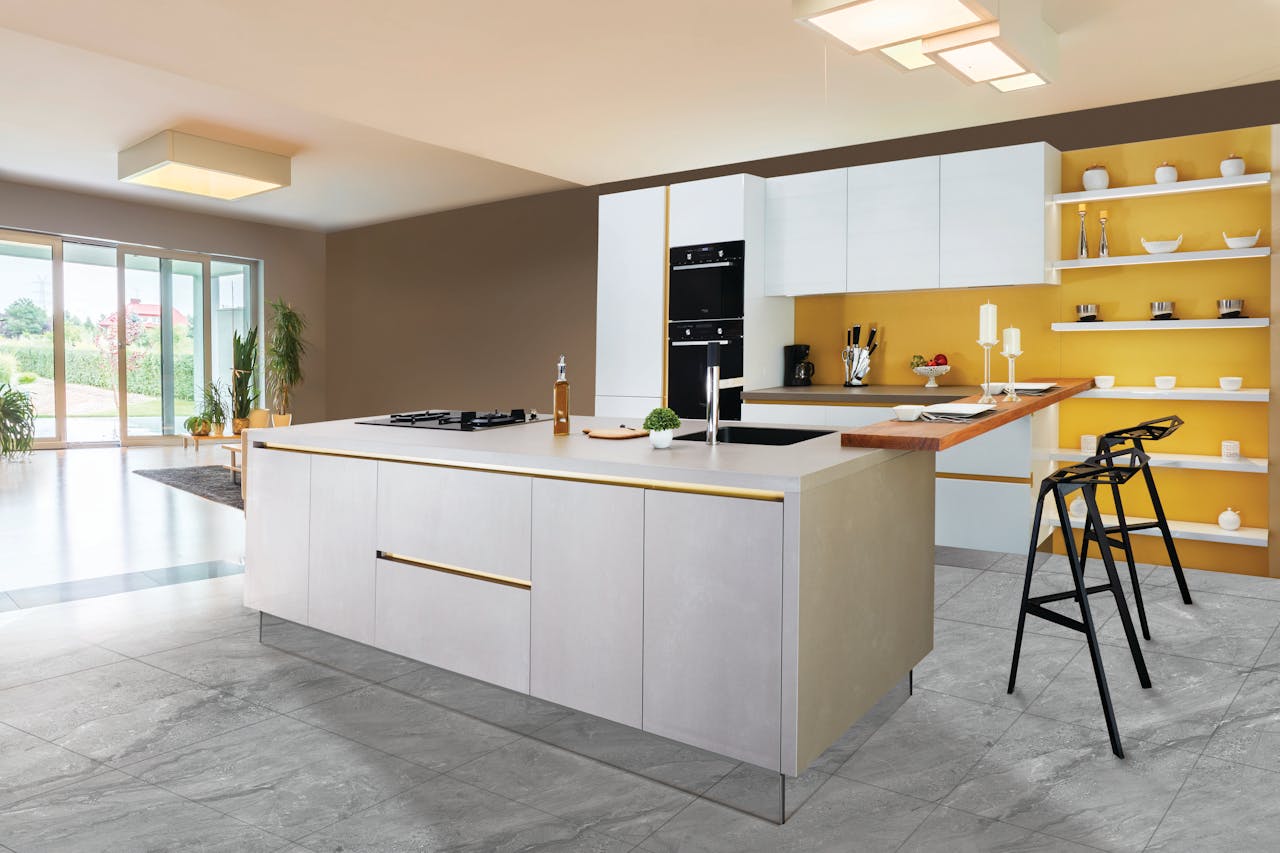
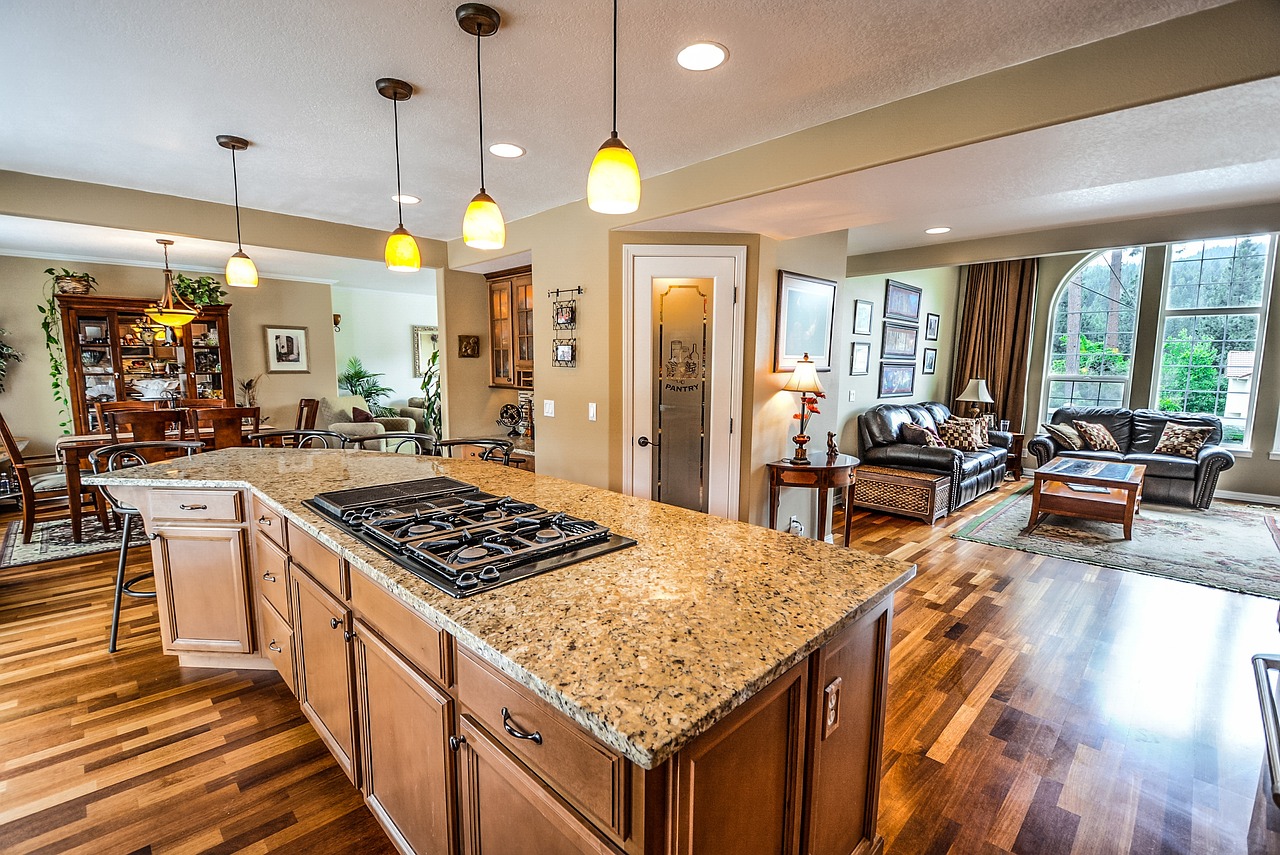
Are open concept kitchens still worth it in 2025? For a lot of people who want ease of flow, more light, and shared space, yes! Open layouts encourage families to participate in daily chores, allow friends to congregate without barriers, and frequently add more natural light into living spaces. So do many new homes, because it works in compact urban spaces and provides less cluttered space to circulate. Yet others crave silence and privacy, so closed kitchens make a small comeback. To demonstrate both sides, the centerpiece will weigh actual pros and cons, share home design trends, and assist readers in understanding whether an open kitchen still makes sense for them.

Key Takeaways

  • Open concept kitchens are still worth it in 2025. Designed to encourage socializing and allow light to flow through the space, they make homes feel larger and appeal to many modern homebuyers.
  • In addition to the aesthetic considerations above, a well-designed kitchen should tackle the practical issues of noise, clutter, air quality and privacy to create a space that is enjoyable for all members of the household.
  • Pioneering layout approaches, including broken-plan designs and zoning techniques, provide subtle separation of kitchen spaces without sacrificing the benefits of openness and flexibility in modern lifestyle.
  • Investing in multifunctional furniture, smart technology, and sustainable materials make open kitchens more usable and environmentally conscious — all of which adds long-term value and convenience.
  • “THE KEY TO ANY KITCHEN REMODEL is knowing your lifestyle, managing expectations on your budget and understanding your home’s structural limitations because you want any possible changes to be feasible and make an impact.”
  • Focusing instead on comfort, emotional well-being, and adaptability in your kitchen design can help you craft a welcoming sanctuary that supports everything from meal preparation to euphoria and entertaining.

The Enduring Value of Openness

Open concept kitchens have defined modern living for over a decade–figuring out the flow of both the daily dance and parties. Their signature asset is openness—blending kitchen, dining and lounging areas into a single space that fits so many lifestyles. This way, creates a community, creates togetherness, creates value beyond fads.

The Social Hub

Kitchens in open plans become the hub of the house. Without walls to obstruct view or sound, moms and dads can dice onions while yakking with kids at the island doing homework. Guests can sit nearby and join in conversation, making entertaining more casual and organic. Placing a long counter or a row of stools encourages people to congregate and stay a while. Multi-purpose tables or benches unite family and friends, fostering genuine connection.

Perceived Space

Open concept kitchens give a sense of airiness even to small houses or apartments. With less partitions, light and air circulate unimpeded, making the space seem bigger than it really is. Opting for pale tones, shiny tiles, and glass aids reflectivity, bouncing light around, amplifying impact. With clear counters and smart storage, clutter remains out of sight and the space remains serene. The boundary between kitchen and living room disappears, introducing a smooth rhythm.

Natural Light

Making the most of daylight is simple in an open kitchen. Wide windows, glass doors or even skylights allow sunlight to enter every corner of the room. Easy pendant lights or recessed fixtures can compliment the nighttime mood, without obstructing those natural rays during the day. Light-colored cabinets and walls bounce more light, maintaining the brightness and airiness of the space.

Parental Oversight

Parents appreciate the opportunity to supervise while cooking. With open sightlines across the living and play areas, parents could supervise kids’ activities while cooking. A kitchen island with seating allows little ones to lend a hand washing veggies or discuss their day, turning cooking into quality family time.

Resale Potential

Open kitchens remain popular with buyers seeking open, social spaces. Here, listings with these layouts jump off the page, with buyers attracted to the appearance of spaciousness and convenience. Putting your money in good fixtures, built-ins and updated appliances can increase the value and desirability of the home. By staying on top of design trends, we make sure the space remains appealing in shifting markets.

The Modern Challenges

Although open concept kitchens are still all the rage, shifting needs and lifestyles in 2025 expose logistical challenges. A lot of us now crave clearer boundaries, privacy and calm at home. These areas require thoughtful design in order to manage noise, mess, odors, and privacy–particularly for larger households or individuals who need silence.

Noise

  1. Strategic appliance placement: Keeping noisy appliances, such as dishwashers and blenders, away from main living areas can cut down on sound disruptions. Choose low-decibel models wherever feasible.
  2. Add rugs, curtains, or fabric wall panels: Soft items help soak up noise from conversations, cooking, and footsteps, making the space calmer for family and guests.
  3. Sound-dampening materials: Acoustic ceiling tiles or wall treatments can limit echo and reduce sound transfer between rooms.
  4. Soundproof partitions: For homes with many occupants, soundproof doors or glass panels may be needed, creating quieter spots while still keeping an open feel.

Clutter

A neat open kitchen relies on intelligent storage. Deep drawers, pull-out pantries, and overhead cabinets help you stay organized. Keep daily gear within reach, while seasonal or infrequently used gear gets stowed above or out of sight.

Hang open shelves just for pretty or frequently-used pieces. This maintains counters clear and helps the kitchen merge with the living area. A consistent decluttering routine—organizing, donating, or simply tossing what’s not being used—keeps the space both airy and welcoming.

Smells

  • Put money into a powerful range hood/downdraft.
  • Open windows or use cross-ventilation when possible.
  • Add activated carbon air purifiers for lingering food smells.
  • Grow peace lilies or ferns for air purification.
  • Utilize easy-to-clean surfaces, like quartz or stainless steel, to avoid odor buildup.

Cooking zones with splash guards or half-walls keep odors contained. Resilient coatings and regular washing keep odors from hugging surfaces.

Privacy

Half-walls and glass partitions delineate spaces without complete isolation, providing equilibrium. Sliding doors or curtains allow you to close off the kitchen if necessary, particularly when hosting or teleworking.

Consider how spaces flow together. Situate private rooms, i.e. Bedrooms, away from the kitchen to minimize noise and visual disturbance. Carve out retreat spaces–reading nooks, etc.–in the open plan for quiet moments, particularly in shared housing.

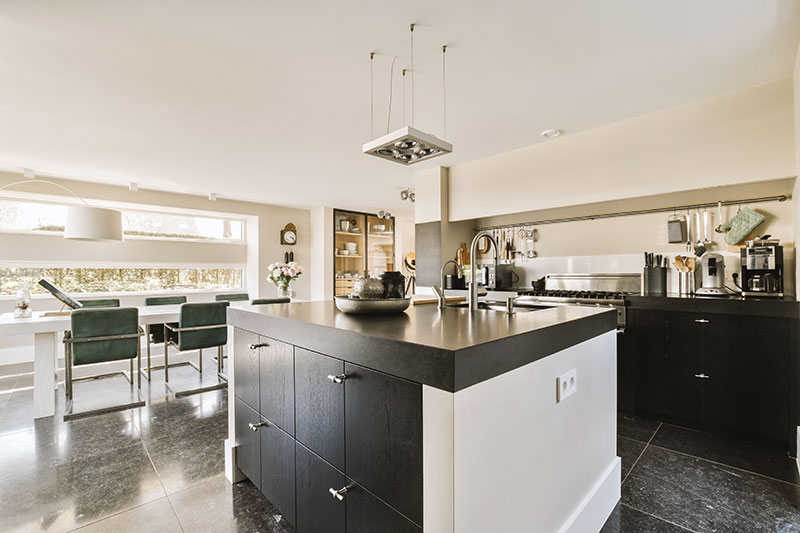
get-Started_modern-black-white-kitchen – Mares & Dow Construction & Skylights

Evolving the Open Concept

As the open concept kitchen continues to evolve into 2025, its transformation now focuses on combining coziness, adaptability, and cutting-edge smart living. Open plans continue to cultivate easy interaction and airiness, noise and privacy issues are sparking a fresh take. Homeowners, particularly those in smaller city dwellings or with hectic lifestyles, balance the advantages of openness with the requirement for intentional spaces.

The ‘Broken-Plan’

Broken-plan layouts employ half-walls, glass panels, or tall cabinets to maintain open sightlines while introducing understated divisions. Take a kitchen island with raised bar or a half-wall — it can separate the cookspace from the lounge without closing off the room. Others go with archways or book shelves in place of walls, which admit light but delineate areas for cooking, dining or lounging. Flexible furniture placement—like a couch or bookcase—assists to carve out a reading nook or mini office space. This equilibrium keeps the kitchen energized but still provides each task its own space, which comes in handy when multiple cooks inhabit the kitchen at the same time.

Zoning Techniques

Area rugs remain a fan favorite and an easy way to delineate the dining zone from the living area. Textured or differently colored wall finishes can help delineate where one space stops and another starts, even if they are not physically separated. Strategic lighting—such as pendant lamps over the dining table or under-cabinet lights in the kitchen—highlights each space’s purpose. Facing desks inward or at angles can corral flow and make open spaces feel less anarchic.

Multifunctional Furniture

Multi-purpose pieces, like expandable tables or kitchen islands with integrated storage and seating, render areas flexible for both day-to-day life and entertaining. Storage ottoman that serves as seating and a place for additional kitchen tools. Convertible pieces—such as a fold-out table or mobile kitchen cart—accommodate evolving demands as the day transitions from focus to decompressing. Lightweight and easy-to-move — easy-to-reconfigure pieces, so the same space can hold a family breakfast one minute, then transform into a workspace or party zone.

Biophilic Integration

Biophilic design ties the kitchen to the natural world with live plants, wood details, and stone work surfaces. Large windows or sliding glass doors bring in daylight and connect the interior with outdoor views. Eco-conscious materials—bamboo flooring, recycled glass countertops—tackle sustainability, now a rising priority. Natural ventilation and smart home tech — including mirrors that display weather updates — help support well-being and make routines smoother. These elements transform the kitchen into a more wholesome, welcoming center.

Is Remodeling Worth It?

A kitchen remodel is a big undertaking, and it deserves serious consideration. It demands more than just a hope for freshness; it calls for a lifestyle audit, a candid budget review, and a reality check of your home’s bones. These steps assist you to visualize if an open concept kitchen aligns with your requirements in 2025 and onward.

Lifestyle Audit

Begin by examining your day-to-day lives and how your kitchen aligns with your lifestyle. If you’re a frequent cook, entertain regularly, or require room for your kids to do homework while you’re in the kitchen, an open concept could be a good fit. If privacy or quiet is important to you, the open floor plan’s lack of walls can be a negative. Most find their existing kitchen either too small, too isolated from the rest of the house, or lacking storage. Compile a list of what annoys you the most–perhaps it’s hard to maneuver about, or perhaps the room just feels gloomy and claustrophobic.

Consider how your needs may change. Families expand, children leave the nest, or work at home becomes more frequent. A flexible design, with movable islands or multi-use spaces, can help your kitchen remain useful through these transitions. Write down your must-haves: more natural light, better flow, or energy-saving appliances. This list clarifies your decisions as you plan.

Budget Realities

Because remodeling isn’t inexpensive. Costs accumulate rapidly—whether it’s materials, labor, or those unexpected repairs. Determine a budget that includes both what you desire and what you can actually afford. Shop smart, too — consider ready-made cabinets or recycled materials — to save without sacrificing style. Concentrate on what counts, like improved lighting, solid counters or new appliances that reduce energy consumption.

Certain countries and cities provide grants or loans for green upgrades that can assist with costs and save money in the long term. See what’s in your neighborhood before you begin.

Structural Limits

Your home’s bones determine what’s possible. Some walls hold up the house, so knocking them down for an open kitchen might require additional effort and expense. Have a pro check the structure before you lay out changes. Plumbing and wiring frequently have to relocate, adding both days and dollars to your project.

Every city has different rules and you’ll probably require permits and inspections. These precautions shield you from issues down the road and can help identify old problems, such as out-of-date wiring or water lines, before they deteriorate.

The Psychology of Home

Kitchens occupy a prominent place in contemporary houses, serving as the epicenter of schedules, get-togethers and solitude. This environment crafts the manner in which we bond, unwind, and flourish. With evolving lifestyles and technologies, the necessity for a kitchen to be simultaneously a practical and soulful hub is greater than ever.

The Craving for Coziness

Setting up a warm kitchen begins with the perfect palette. Warm, earthy hues or dramatic hits of color such as deep green can inject a sense of comfort and individuality into a room. These color decisions impact the atmosphere, turning kitchens into something beyond purely functional. They become comforting spaces people associate with home. Soft lighting, like dimmable LEDs or pendant lights, establishes that gentle glow that melts away tension and beckons relaxation time after a hard day.

Cozy corners—like tiny breakfast nooks or padded window benches—invite conversation. These spaces unite families, to gather for dinner, or just talk without the distraction of other rooms. Personal touches, from handpicked decor to open shelves sporting favorite dishes, assist in making the kitchen feel unique to its users. Touches like these give a feeling of home that pulls you inside.

The Need for Retreat

The kitchen can be a quiet retreat. If you can carve out little nooks or corners with comfy seating, you can spring a pause from the daily grind. Peaceful design elements—such as pale blue, natural wood or stone—help muffle noise and make the space feel calming. These decisions resonate with the push for wellness-centric rooms elsewhere in the home – like self-care bathrooms.

Cozy stools, armchairs or window seats make downtime easier to come by. When we offer spaces to perch and blow off steam, kitchens stop being just work areas. Flow from cooking to relaxing should feel seamless, serving both hectic mornings and lazy evenings.

The Flexible Sanctuary

Open-concept kitchens are masters of adaptability. Movable islands, modular tables, and adaptable storage allow homeowners to transition from meal prep to entertaining with ease. Flexible areas accommodate all, from fast breakfasts to big parties, mirroring the dynamic needs of contemporary life.

Flexibility is key. With clever enhancements, like configurable lighting or embedded tech, kitchens can adapt to the owner’s routine. They desire convenience and flexibility as their schedules change, and a flexible kitchen allows them to satisfy those demands. Layout, of course, should always be a reflection of who lives in the home and their routines, turning the kitchen into a true sanctuary for all.

a-style-thats-just_multi-color-kitchen-design

Design Beyond the Layout

Open-concept kitchens continue to be a versatile choice in 2025, yet the approach to their design has evolved. A lot of us now balance open plans with other layouts, considering what suits our lifestyles. It’s less about trends and more about crafting spaces to fit schedules, home size, and the individual need for division or bonding.

Smart Technology

Smart kitchens don’t just bring convenience to the kitchen—they can transform our entire lifestyles. Preheating ovens from a phone app, fridges that track groceries, and induction cooktops with safety sensors accelerate this flow. For busy households or multiple cooks, these tools not only reduce prep time but help take the stress out of cooking.

Lights and temperature can be adjusted with your voice or phone to easily set the mood or stay energy efficient. Remote security monitoring incorporates an additional safety measure, great for families or frequent travelers. As these systems become increasingly smaller and stylish, builders are designing spaces to hide wires and screens, keeping the kitchen sleek. The best tech disappears, allowing you to focus on what’s important.

Sustainable Materials

Material Type

Key Benefits

Examples

Bamboo

Fast-growing, durable

Flooring, cutting boards

Recycled Glass

Unique look, waste reduction

Countertops, tiles

FSC Wood

Responsible sourcing

Cabinets, shelving

Reclaimed Metal

Long life, low-impact

Hardware, fixtures

Utilizing reclaimed wood for open shelving or recycled glass for counters imbues a space with character while reducing waste. Energy-efficient dishwashers and induction cooktops consume less energy and water, which lowers your utility bills and leaves a smaller carbon footprint.

Durable materials = less repairs. For families that are here for the long haul, this keeps the kitchen aging well and renovation at a minimum. Each decision can make a little impact for the home and the planet.

Acoustic Solutions

  1. Acoustic ceiling tiles soak up noise, reducing reverberation in open spaces.
  2. Cork or fabric wall panels break up noise, particularly adjacent to dining rooms.
  3. Soft-close drawers and cabinets reduce the sounds of banging, creating a more peaceful environment.
  4. Glass partitions are great sound barriers without shutting off light or sight lines.

Big rugs and heavy drapes absorb noise in larger houses. In apartment kitchens, even a pair of upholstered chairs or a fabric bench can go a long way towards preventing sound bouncing everywhere. For even more peace and quiet, additional insulation in walls or floors can help physically separate the kitchen from living or working spaces. The perfect combination of fabrics makes a room feel vibrant yet not too loud, functional yet comfy.

Conclusion

Open kitchens are still a thing. A lot of people enjoy the sense of openness and the natural way light washes through the space. Others like to converse while cooking or watch kids. Some desire rooms that divide noise and clutter. Big cities exhibit both styles. Some remodel to close the kitchen, others knock down walls. Both ways are good. Trends always change, but your needs trump a trend. Think about how you actually live your daily life. Look at your home, budget, and what makes you feel good. There is no one-size-fits-all layout. Interested in more practical advice or inspiration? Let me know in the comments or visit my blog for all my new takes and guides.

Frequently Asked Questions

1. Are open concept kitchens still popular in 2025?

Yes, open concept kitchens are still a thing. I believe a lot of homeowners appreciate the airy atmosphere and fluid connectivity from kitchen to living spaces. Tastes are changing, as individuals demand additional flexibility and privacy in their living spaces.

2, What are the main challenges of open concept kitchens?

Noise, smells and no privacy are typical issues. Open concepts make it difficult to contain cooking odors and noise, which can infiltrate and disturb other activities in the shared space.

3. Can open concept kitchens be adapted for more privacy?

Yes — open concept kitchens can now be refreshed with sliding doors, glass partitions or convertible furniture. These solutions provide privacy when necessary without sacrificing the openness.

4. Does an open concept kitchen add value to a home?

In most cases, open concept kitchens increase a home’s value. Buyers look for homes with open concept layouts. Local trends and lifestyle needs can impact resale value.

5. Should I remodel my closed kitchen to an open concept?

Factor in your lifestyle, budget and local market trends. If you appreciate the interaction and open feel, it’s still worth it. Talk to a professional to evaluate would and expenses.

6. Are open concept kitchens suitable for families?

Open kitchens are family-friendly. They let parents keep an eye on the kids as they cook and promote socializing. Families will have to be more aggressive about noise and clutter.

7. How does an open concept kitchen affect home design?

An open kitchen impacts your whole home. It drives cohesive decor, maximizes natural light and amplifies the sense of space. Meticulous design is required to temper openness with utility.

Your Dream Custom & Energy-Efficient Kitchen Remodel by Mares & Dow Construction & Skylights – Let’s Create the Heart of Your Home

Transform your kitchen into a stylish, functional, and energy-efficient space with a custom remodel from Mares & Dow Construction & Skylights. With over 40 years of experience, we specialize in kitchen designs that blend beauty, functionality, and sustainability while complementing your home’s character and lifestyle.

Whether you’re envisioning a gourmet chef’s kitchen, a modern open-concept layout, or an eco-friendly upgrade with the latest energy-saving appliances, we customize every detail to match your vision, needs, and long-term goals.

Key benefits of our custom & energy-efficient kitchen remodeling services include:

  • Designing a kitchen that’s tailored to your cooking, entertaining, and storage needs
  • Boosting your home’s value with expert craftsmanship and modern functionality
  • Incorporating energy-efficient appliances, lighting, and materials for lower utility costs and a greener footprint

Proudly serving Contra Costa County—including Alamo, Danville, Orinda, Martinez, and San Ramon—Mares & Dow Construction & Skylights is your trusted partner for kitchens that are as beautiful as they are practical.


Contact Mares & Dow Construction & Skylights today for a free, no-obligation quote and let’s bring your dream kitchen to life!

Disclaimer

The materials available on this website are for informational and educational purposes only and are not intended to provide construction, legal, or professional advice. You should consult with a qualified general contractor or industry professional for advice concerning any specific construction project, remodeling plan, or structural concern. Do not act or refrain from acting based on any content included on this site without seeking appropriate professional guidance. The information presented on this website may not reflect the most current building codes, regulations, or industry best practices. No action should be taken in reliance on the information on this website. We disclaim all liability for actions taken or not taken based on any or all of the contents of this site to the fullest extent permitted by law.

Can I Add a Second Story to My Existing Home?

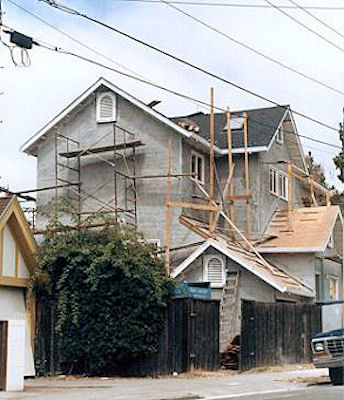
getting-started-on_room-addition-underway

The short answer: yes, you can add a second story to your existing home if your building has the appropriate structure and local regulations permit it. So it’s no surprise that so many owners opt this route to add room without relocating. Adding a level entails testing your foundation, roof and walls to determine if they can support the additional weight. Local rules, building codes and permits have a big say in what is permitted. Costs, planning and timeline count. Collaborating with engineers and builders is paramount for safety and quality. To provide a taste of what’s to come, the meat below will outline steps, rules and tips for a project that goes off without a hitch.

Key Takeaways

  • A thorough structural assessment is essential before planning a second-story addition, including evaluating the foundation, framing, and soil conditions with the help of qualified professionals.
  • You must comply with building codes and zoning ordinances, so getting the necessary permits and consulting with officials can save you delays and legal hassles.
  • Hiring an architect, structural engineer, and seasoned contractor can give you peace of mind that your project will be designed to be safe, functional, and integrate well with your existing home.
  • Prudent budgeting and financial planning are essential, as expenses can range from construction and professional fees to permits and unexpected hidden costs.
  • Think about the advantages — more space, more value — and the issues — construction headaches, perhaps having to move out temporarily — when deciding.
  • Transparent communication and thorough project management during the construction process reduces delays and guarantees a successful second-story addition for houses everywhere.

Is Your Home Structurally Ready?

Adding a second story is a significant move for any home. Your current structure needs to be structurally sound to support the additional weight and comply with local regulations. Every aspect, from the foundation to the framing, has to be examined in detail to prevent hazards or expensive errors.

Foundation Assessment

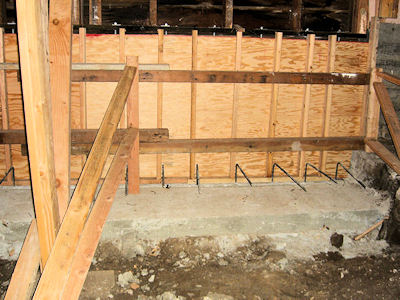
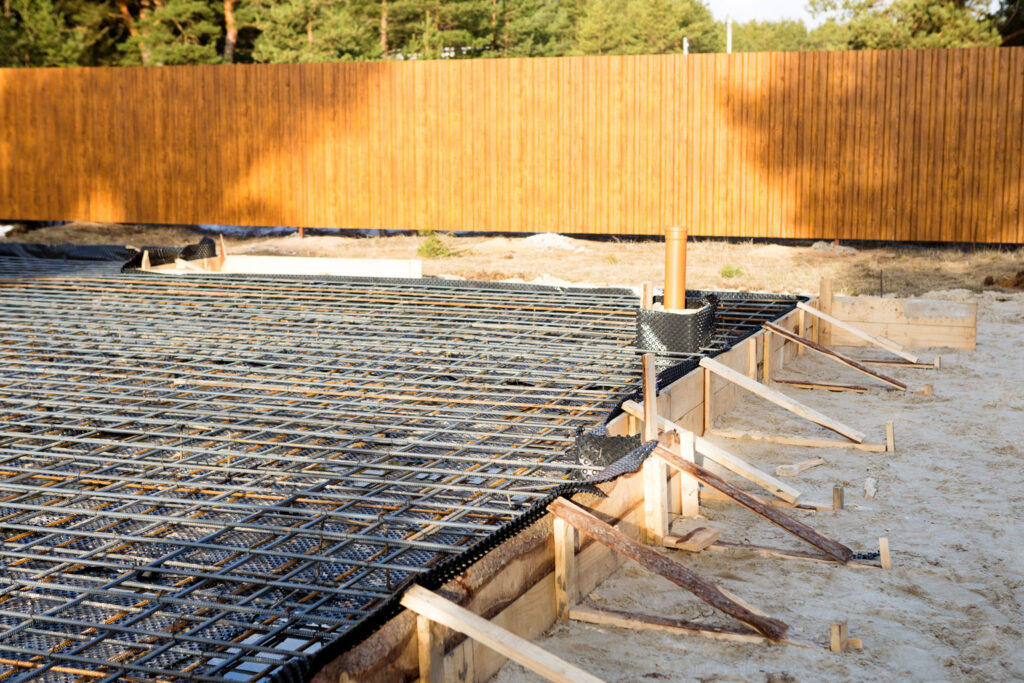
The foundation is the support for all the weight above it. If it’s not hardy or deep enough, cracks or uneven settling can occur. Most older homes, particularly those constructed prior to update codes, may not have footing deep enough or reinforcing steel. You’ll need a structural engineer to test the foundation’s stability and look for deficiencies like large cracks or water damage. If it’s weak–think spalling or shifting–you’ll need repair, like underpinning or waterproofing. Document all findings and share them with your build team to make certain there are no steps skipped in later planning.

Framing Capacity

Framing of older homes is not constructed to hold a new floor. Wood framing from the early 1900’s may lack appropriate sheathing, which means a second story load could cause sagging or failure. A structural engineer can examine the existing beams and walls to determine if they are up to today’s load-bearing standards. Figuring out the load capacity is critical. If not, a retrofit may be necessary—say more studs or steel beams or thicker sheathing on the lower level. A professional will tell you if your framing requires an upgrade or complete replacement.

Soil Conditions

Soil beneath your home matters as much as the foundation itself. Loose or clay-heavy soils, which can shift with moisture, endanger the structure. Soil tests assist in determining whether the ground can withstand additional weight or if drainage is inadequate. If results are bad, you may have to enhance drainage or use alternative foundation supports. If soil conditions are detected, a basement could be more secure than a second floor.

Local Regulations

Review zoning regulations to understand any height restrictions and required setbacks. Permits are necessary to steer clear of legal problems. Your local building department can inform you of special requirements. Make sure to look for rule changes prior to beginning work.

Weighing The Decision

There’s opportunity and challenge in adding a second story to your home. It transforms your lifestyle, has an impact on your real estate value, and possibly demands a significant expenditure of both time and capital. Before you jump in, it’s wise to consider all your variables, from budget to building codes and family requirements.

Benefits of a Second Story:

  • Extra bedrooms or living areas for a growing household
  • Better views and more natural daylight
  • Flexibility to redesign your space and floor plan
  • Boost in property value and market appeal
  • Option to stay in your neighborhood without moving

The Upside

More room is the most immediate advantage. A second floor gives you the option to throw on some additional bedrooms, a home office or another living room. This is perfect for families that need space to expand but want to avoid relocating.

If you reside in a location with gorgeous views or ample sunshine, a second story can provide you with enhanced views and increased natural light. New upper-level windows invite the sun, bathing your home in light. This update tends to make the room feel bigger and more spacious.

Secondly, a second story adds to your home’s square meters, which frequently adds to its value as well. If you sell, you’ll probably get a better resale price and more buyer attention. This shift can be particularly clever in areas where land is limited or costly.

Design freedom is another big plus. You can re-imagine the floor plan, incorporate balconies or even designate separate work and play spaces. A second story provides a clean canvas to fit your aesthetic and life.

The Downside

Costs can be steep—think $100-$300 per m2. You could be on the hook for structural modifications, permits or upgraded utilities.

When you’re building, life is hard. Dust, noise, and inaccessible rooms can make everyday living difficult, particularly with kids or animals. Some families get out of the house until the work is completed.

Older homes can expose hidden problems — unstable foundations, faulty wiring or old plumbing. Repairing these introduces both time and expense.

It takes months, from concept to completion. You’ll have to contend with builders, permits, and perhaps even tough zoning laws.

The Balance

A full cost-versus-benefit analysis is key, weighing short-term hassle against long-term gain. Consider your budget, your duration, and whether you can handle the disruption. Check local building codes and consult with pros who understand your region’s regulations.

Envision Your New Space

Knowing what you want in a second story defines the entire process. Adding a level can expand your home’s square footage, accommodate new requirements, and even increase its value. Sorting out whether you require additional bedrooms, an expanded lounge area, or a private study directs design and maintains clarity. Be sure to consult your local building codes and zoning before beginning.

Full Addition

A full second story provides the most space. That is, you can insert an entire floor complete with multiple bedrooms, bathrooms, or large open space. It’s a solid option for expanding families or anyone seeking additional room for work or hobbies. The style should coordinate with the rest of the house in order to maintain harmony. By using similar roof lines and window shapes, the addition really fits in well. Full additions, in particular, almost always increase a home’s value and usually make the project a good investment.

Partial Addition

Partial additions allow you to grow only where you need it most. A lot of homeowners opt to build out above a garage or cantilever over part of the house for an additional bedroom, office or bath. It can save money and time since you’re not constructing an entire new level. It implies less upheaval of your routine. The trick is selecting locations which provide utility without causing the house to appear lopsided or strange from outside.

Modular Option

Modular designs incorporate factory-built components that are delivered to your location and assembled quickly. This can reduce construction time and expenses since most of the construction is completed off-site. Modular alternatives maintain the site neater and more manageable, which is convenient if you intend to be at home during the construction. These builds can be modified with alternative layouts or finishes, but the choices are perhaps less open than traditional builds.

Seamless Integration

The new second floor has to LOOK and FEEL like it was from the original house. Coordinate the outside finish, roof design and window style for a seamless appearance. You want stairways to be located so that they’re convenient to access, but don’t segment important spaces. Preserving original elements–such as trim or moldings–makes the new space flow naturally with the original. Even tiny decisions have an impact.

Understand The Financial Scope

Second story additions are complex projects that extend your living space upward without pushing out the home’s footprint. These types of projects have real costs and require real planning. A comprehensive cost breakdown, trustworthy budgeting, and smart financing decisions are key to a realistic, successful build.

Cost Factors

A second-story addition will generally feature numerous direct and indirect expenses. Here is a checklist of standard items and estimated ranges:

Cost Component

Estimated Range (USD)

Construction/Labor

$1,200–$2,500 per m²

Architectural/Engineering

$2,000–$8,000 total

Building Permits

$500–$3,000

Plumbing/Electrical/HVAC

$3,000–$10,000+

Materials

Variable, often rising

Temporary Living

$1,500–$5,000+

For a standard 50 m2 addition, the total project cost varies between $60,000 to $125,000, based on location and design specifics. Plumbing and HVAC upgrades tend to add extra fees, particularly for older homes, since those must be extended or replaced. Electrical rewiring is typically necessary for safety and code reasons. Material expenses such as lumber, insulation and roofing can shift throughout the work, so those initial quotes are important, but not final.

Securing Funds

Financing options for major home additions vary, each with distinct pros and cons:

Financing Option

Pros

Cons

Home Equity Loan

Lower rates, longer terms

Tied to home value, closing costs

Second Mortgage

Keeps main mortgage intact

Additional monthly payment

RenoFi Loan

Higher limits, flexible terms

Newer product, limited availability

Personal Loan/Credit Card

Fast access, unsecured

High rates, low borrowing power

Budgeting for a second-story addition means saving regularly and budgeting at least 10%–20% additional for unexpected expenses. Think about the financial scope—most homes add serious value post-renovations, but the market isn’t the same everywhere. A good financial advisor or mortgage specialist can help you figure out the best funding path for your situation.

Hidden Expenses

Unanticipated expenses are guaranteed with projects of this magnitude. Construction can expose structural issues — like foundation troubles or old framing — that need costly mending. Save some room for temporary living expenses if the house is not livable – these can put a big drain on your budget. Never forget the contingency reserve — usually 10%–20% of the total — to address delays, rule changes, or parts shortages.

How Often Should a General Contractor Update the Property Owner - Mares & Dow Construction & Skylights

Navigating The Construction Journey

Turning your home into a two-story dwelling is a complicated journey that occurs over a sequence of clear milestones. Every stage requires strategy, engineering expertise, and open communication to prevent errors. Homeowners, architects and contractors closely track progress and adapt to emerging challenges. Knowing the common path can help establish expectations, reduce surprises, and maintain your project on budget and on time.

  1. Assess structural feasibility: Check if your home’s foundation and framing can support the new load. Engage a structural engineer for a thorough evaluation.
  2. Design phase: Develop detailed architectural plans, including system upgrades for plumbing and electrical needs. This stage alone can take as many as three months.
  3. Secure permits: Research local building codes and zoning restrictions, which could impact or limit your plans. Submit necessary paperwork and wait for approvals prior to work starting.
  4. Site preparation: Clear the site, make landscaping changes, and ensure utilities remain accessible.
  5. Construction: Actual building begins. Check in with your contractor regularly for updates and watch the progress for all major system upgrades.
  6. Finishing work: Interior finishing, inspections, and final touches may take an extra month or two.
  7. Move-in: Final walkthrough, address any punch list items, and prepare to occupy the new space.
  8. Budget management: Set aside a 10-20% contingency to cover unexpected costs.

Project Timeline

A hard-nosed project schedule of course. Begin by phase—from design to move-in, and assign realistic deadlines. Second-story additions will stretch over months, if you have to wait on permits or weather delays.

Being on schedule is being on top of progress frequently. Match actual progress against your initial plan. If something takes longer than expected—like system upgrades or inspections—refresh your timeline. Delays are par for the course, so flexibility is crucial.

Temporary Living

  • Short-term rental apartments
  • Hotel stays for several weeks at a time
  • Staying with relatives or friends
  • Renting an extended-stay unit
  • On-site modular units (where permitted)

Determine what works for you and your lifestyle and budget. Packing and shipping stuff on top of that adds expense and anxiety, so think through the logistics ahead of time.

Plan for this in advance, it tends to contribute a significant amount to costs, particularly on extended construction.

Site Preparation

Pre-construction, clean debris and secure the site. Safety comes first for workers and residents.

Collaborate with your contractor to establish secure access and storage for materials. If you have to alter landscaping, do it pre-build.

Have utility access all along. Schedule temporary shutoff or reroutes accordingly.

Keep pets and children away from the active site.

Conclusion

You can’t just dream of adding a second story. Solid plans and the right team get your project off to the right start. Your house requires a sturdy foundation. Engineers verify that your walls and soil can support the additional weight. Basic things like looking up local regulations early in the process can save you hours of wasted time and stress. They add up quickly. Clear talk with your builder keeps you on track. Minor design or material changes have a way of shifting your budget. Building up gives you more room and a clean new aesthetic. Prepared to get going? Keep your objectives at heart, solicit regular updates from your team, and remain receptive to fresh insights. Tell us your story or questions below. Your experience can assist others to move forward.

Frequently Asked Questions

1. Can I add a second story to any home?

Not every home is capable of supporting a second story. Adding a story onto an existing home foundation framing a structural evaluation by an engineer is necessary to ascertain if your foundation and framing could support the additional load.

2. What professionals do I need for a second story addition?

You need a licensed architect, a structural engineer and a seasoned contractor. Local building authorities might need permits and inspections during the project.

3. How much does it cost to add a second story?

Prices differ by region, materials and floor plan. Figure several thousand dollars a square meter, on average. Make sure you always get an itemized estimate before you begin.

4. How long does construction take?

Second-story additions can take months to build. Timelines vary based on project complexity, weather, and permit approvals. Prepare for potential holdups.

5. Will I need to move out during construction?

You might have to move out, at least in the short term, particularly if utilities are down or if the home is deemed unsafe. Consult your contractor for the optimal plan for you.

6. What permits or approvals do I need?

Nearly all cities need building permits and inspections for 2nd story additions. Make sure your local regs are ok and all the paperwork in order before you begin.

7. How do I ensure my home remains energy efficient?

Be sure to incorporate quality insulation, energy efficient windows and sustainable materials into your new space. Ask the pros for energy-coffee advice.

Your Dream Home Addition Built by Mares & Dow Construction & Skylights – Let’s Create the Extra Space You’ve Been Dreaming Of

Expand your home’s potential and enhance everyday living with a custom home addition from Mares & Dow Construction & Skylights. With over 40 years of construction experience, we specialize in high-quality additions that seamlessly integrate with your existing structure and lifestyle needs.

Whether you’re planning a new primary suite, second-story expansion, or an in-law unit, we tailor each addition to match your vision, your home’s architecture, and your long-term goals.

Key benefits of our general home addition services include:
• Adding valuable square footage for growing families or multi-use living
• Increasing your property’s value with expert design and construction
• Creating energy-efficient, modern living spaces tailored to your needs

Proudly serving Contra Costa County—including Alamo, Danville, Orinda, Martinez, and San Ramon—Mares & Dow Construction & Skylights is your trusted partner for functional, beautiful, and lasting home additions.

Contact Mares & Dow Construction & Skylights today for a free, no-obligation quote and let’s build your ideal home addition together.

Disclaimer

The materials available on this website are for informational and educational purposes only and are not intended to provide construction, legal, or professional advice. You should consult with a qualified general contractor or industry professional for advice concerning any specific construction project, remodeling plan, or structural concern. Do not act or refrain from acting based on any content included on this site without seeking appropriate professional guidance. The information presented on this website may not reflect the most current building codes, regulations, or industry best practices. No action should be taken in reliance on the information on this website. We disclaim all liability for actions taken or not taken based on any or all of the contents of this site to the fullest extent permitted by law.

What to Know Before Starting a Home Addition in the Bay Area

Builders working on modular home construction project

To know what to think about before starting your own Bay Area home addition, begin with an inside look at local building codes, city permits and neighborhood restrictions. Bay Area cities typically establish firm home size, lot line and design standards that dictate what you may build. Labor and supply costs in this area remain steep, therefore budgeting helps you avoid surprises. Since so many homes here perch on hills or near water, site checks and soil tests can catch hazards early. Local building codes and earthquake regulations influence the way plans have to conform to safety standards. To assist you with planning, the following sections detail permits, designing tips, and how to collaborate with contractors for Bay Area projects.

Key Takeaways

  • Know your local zoning, covenants, and seismic requirements before getting started on your home addition, these are super important in the Bay Area. Talking to local planners and structural engineers beforehand can guarantee you’re in the clear.
  • Set a pragmatic budget by focusing on must-haves, cost estimating early, and building in a contingency. Keep your eye on spending through the project.
  • Make sure to obtain building permits and have your paperwork in order ahead of time to avoid stalling a project, and keep an eye on local politics that can impact the rules.
  • Build a strong team, from architects to engineers to Bay Area contractors, and be sure to stay in close communication so the project stays true to local codes and your vision.
  • Blend your addition naturally with the existing building by selecting similar style, materials, and future-proofing elements that provide flexibility and sustainability.
  • Plan for upheaval during construction, stay ahead of neighbors’ concerns, and consider how your addition will affect both property value and your lifestyle over time.

Key Bay Area Considerations

Bay Area home additions present special challenges. Confined space, rigorous codes and elevated costs influence each project.

Zoning & Covenants

Zoning districts determine what you can construct. Dare to Dream, but check the zoning before you draw up plans. These regulations determine things such as if you are permitted to build a second story or an accessory unit.

Neighborhood covenants are yet another level. They could place restrictions on the kind, size or location of your addition. For example, a few communities cap second stories or mandate new construction to blend with existing styles. Just be sure to look for these rules in your deed or ask your HOA. Numerous Bay Area cities have regulations governing height, street setbacks, and even colors. If you’re in doubt, ask city planners. They sift through ambiguous language and sidestep expensive errors.

Seismic & Climate

The Bay Area is an earthquake country. Seismic codes call for stout framing, deep foundations, and unique connectors. You need a structural engineer to look over plans, particularly for a second story addition.

Materials are important. The area’s wet winters and dry summers demand rot resistant wood, insulated windows and weatherproof siding. Energy efficiency is a must—thicker insulation and solar-ready rooflines help slash long-term costs. Sustainable building is valued here, so upcycled or environmentally-conscious materials are in demand.

Permits & Politics

You require a permit for nearly any addition. It’s a rigid process, where an error or oversight can delay you by months. Stay organized: gather site plans, engineering reports, and neighbor approvals to smooth the way.

Political swings or local elections can alter rules in the middle of a project. Stay informed on city council news. Community boards might weigh in, particularly if neighbors voice any issues. Interacting early and transparently helps construct a constituency.

Costs & Contracts

Room additions are pricey here, often $300–$600 a square meter. Get a few quotes. Scan for hold back fees and obscure terms.

Save 10–20% additional for surprises. Delays and scope creep is the norm. Anticipate projects that span weeks or months.

Historic & Design

Most homes are old or in communities with rigid design guidelines. Know your local preservation rules before beginning. A talented architect can assist you in matching your addition’s style to your home and neighborhood.

The Financial Reality

Home additions in the Bay Area are about a lot more than design and construction. The financial side deserves equal attention. Thinking through expenses, revenues, financing, and taxes keeps your venture grounded.

Budgeting

  • List the must-haves: extra rooms, better insulation, new wiring, upgraded plumbing, or added windows
  • Distinguish desires from necessities prior to purchasing materials or signing contracts
  • Price-check all items early to set cost baselines
  • Maintain a cumulative tally of each expenditure, from permits to appliances.
  • Update the budget upon completion of each phase to account for scope shifts or delays.

Most projects come in over budget, sometimes way over. This means you have to watch every cent you spend on your build. Account for everything—small things like hardware and permits—to avoid surprise overruns. Take, for instance, a homeowner who might discover that the cost of building materials spikes mid-project because of supply chain bottlenecks or newly imposed tariffs. Build in a cushion—roughly 10% to 20% of your estimated spend is wise for these uncertainties. That can translate to the difference between completing instead of putting on hold when costs shoot.

Financing

  1. Compare home equity loans, lines of credit and personal loans.
  2. Compare them each for interest rates, repayment terms, and overall costs
  3. Examine how your bi-weekly salary will be allocated towards monthly payments.
  4. Discover which lenders require additional documents or charge additional fees.

Rates and loan terms can change quickly. If you’re going to borrow against your home, get quotes from banks and credit unions. Others leverage 5-10 years’ worth of their salary for upgrades to their home. For a big venture, a financial adviser can assist you in balancing risks and returns. Create a folder of recent pay stubs, tax returns and proof of property value prior to applying for any loan.

Contingency

A contingency fund is mandatory. Unexpected expenses—such as concealed mold, defective electrical, or disagreement between permits—can arise at any phase. They’re best reserved for 10%-20% of your budget, typically, for such problems. Go over what went wrong in comparable local renovations to take a stab at what you might encounter. Discuss with your builder about the hazards that accompany your property’s age or site. If you have neighbors who constructed additions, inquire about their biggest surprise expenses.

Return on Investment

Some owners see their home value rise past what they spent. For instance, one case showed a $400,000 spend moved straight to home equity, while another saw value jump to $2.2 million after the build. Sometimes, costs climb higher than the gain, meaning you risk more than you get back. Higher assessed values can mean bigger property tax bills, so factor in future tax hikes when calculating your net gain.

Assembling Your Local Team

A good local team is the foundation for any home addition in the Bay Area. The correct combination of architect, engineer, and contractor make your project go smoothly, adhere to local codes and within budget. Begin by looking for recommendations from friends, family or reliable online sources. Always vet experience and previous work — being good and honest is more important than being fast! Regularly meeting your team keeps everyone in the loop and moving forward.

Architect

Don’t commit to an architect until you’ve met with more than one to see whose ideas and work style best fit your vision for your home. Inquire about their previous home additions, and browse their portfolio to determine if their designs align with your preferences and requirements.

Talk about your budget and your timeline up front. Bay Area-savvy architects will be familiar with local codes and able to identify problems before they stall your project. Their local experience aids when it comes to permits, which are tough and specific around these parts. Be sure your architect selection is licensed and has a record of on-time, on-budget work.

Engineer

Bring in a structural engineer early to see if your addition plan is safe and practical. They should have worked on homes in the Bay Area, where soil and seismic problems can be particular. Inquire into their previous local gigs, and ensure they are aware of current building regulations.

Seismic regulations around here are tough. Your engineer should lead you through these standards, educate you on what they mean for your project, and ensure your plans are secure. Go over their engineering drawings with them to ensure they align with your design objectives and local regulations. Good engineers do a great job keeping costs and timelines in check.

Contractor

Select contractors by verifying online reviews and inquiring with previous clients about their experience. Request clear, detailed bids so you can price and service compare and see what’s included. Search for integrity and transparent history of past contributions.

Discuss the job scope and schedule prior to hiring anyone. Establish a cadence for updates – a lot of folks use email or messaging apps for rapid, transparent communication during the build. A good contractor will respond to inquiries, adhere to your budget, and assist in resolving issues as they arise.

Communication

Establish weekly meetings. Maintain all notes and updates in a central location. Be transparent about modifications and approvals. Never hesitate to check in if something feels wrong.

Design and Functionality

A home addition in the Bay Area requires planning. Each thing that you build has to be appropriate for your present and anticipated needs, fit with your property, and complement the style of your home. Design decisions today will determine how you inhabit your space for many years into the future.

Horizontal vs. Vertical

A horizontal addition means expanding your house outward. This can work well if you have a big enough lot and want easy access between new and old spaces. Check zoning rules—many cities limit how much land you can build on. Choosing to go vertical by adding a second story is common when lot space is tight. It gives more living space without taking up more yard, but you’ll need to evaluate your foundation and the home’s structure to see if it can support the extra weight. Vertical builds often change the curb appeal, making the house look taller and sometimes more modern, while horizontal changes can blend in more easily. Talking with a skilled architect can help you weigh the options for your site, lifestyle, and budget.

Seamless Integration

A smart addition shouldn’t appear to be an afterthought. Try to use materials and finishes that are equal or complementary to what’s existing. For instance, if your home is Victorian, pick like trims and rooflines; for mid-century modern, maintain clean lines and use large panes of glass. Coordinating paint colors and exterior finishes helps ease the transition from old to new. If your remodel permits it, adding large windows, glass doors, or skylights during the remodel increases natural light and makes new spaces feel airy. Collaborate with designers who appreciate your home’s original character and can assist in integrating the new areas effortlessly.

Future-Proofing

Create for change. Design rooms so they can have multiple uses. So for instance, pick pieces of furniture that pull double duty and save space. Consider wiring for smart home tech or using eco-friendly materials that can save energy. Design with potential future modifications in mind, such as converting a den into a bedroom or incorporating additional storage space. Question your architect and builder about how to make the space flexible and sustainable.

The Unspoken Realities

A home addition in the Bay Area equates to more than just additional square footage. It introduces intricate codes, community tensions, lifestyle shifts and real estate consequences. Disruptions are real and need to be accounted for.

  • Prepare for noise and dust and limited access inside and outside your home.
  • Owners might have to move out (even if just temporarily), increasing the expense and bother.
  • Construction traffic can block driveways and stress parking.
  • Kids and pets face safety risks and routine changes.
  • Delays and unexpected problems are common, requiring flexibility.
  • Managing schedules with contractors is time-consuming and stressful.

Neighborhood Impact

  • Objections about noise early mornings or evenings.
  • Concerns over blocked views, privacy, or sunlight loss.
  • Fears about increased traffic, parking congestion, or safety risks.
  • Worries that your design clashes with local aesthetics.
  • Issues if your property has historical importance.

Other Bay Area neighborhoods have rigorous standards for maintaining character and cohesion. Projects often require local board approval, particularly for vintage homes. Being part of a community is important. Getting to know neighbors in advance is always an anxiety. Immediate response can direct you to make minor adjustments that prevent clashes down the line. Open communication generates good will and avoids formal complaints, which slow permits.

Your Disruption

Schedule the day effect. Noise and dust come early, with trucks and workers rumbling down your street. Traffic can be relentless and room is limited. These are realities you can’t escape. Establish timeframes, but anticipate holdups from supplies, weather or inspector availability. Moving out, even temporarily, is occasionally the only solution – particularly in the case of intense construction.

Get your family ready. Kids and pets might require new schedules or secure areas. Get it all on the table, and let everyone know what the plan is, so the stress is lower. Well defined milestones, such as project start, heavy inspection and end dates, help keep everyone on track and in the loop.

The Long Game

Addition Type

Potential Value Increase (%)

Marketability Impact

Extra Bedroom

10–15

High

Second Bathroom

8–12

Moderate to High

Green Upgrades

5–10

High (esp. eco-minded)

Modern Kitchen

10–20

Very High

Think beyond the build. Bonus space or new amenities may increase value and aid in resale, but not every improvement has the same return. Market trends move, so dig into local information and consult agents. Go green and energy-efficient for high-end demand, because the Bay Area appreciates that. Schedule maintenance–new spaces require maintenance. Routine inspections and maintenance safeguard your investment and help keep your home secure.

Conclusion

Costs run steep like crazy here, so plan your budget accordingly. Work with locals who know the city codes. Choose a style that will work for you and your street. Anticipate delays. Build times can shift quickly if weather or regulations change. Keep in contact with your builder. Check out the site. Walk through every phase. The Bay Area is fast and rules are tight, but the right steps and help will steer your build. Want the inside track on your project? Check back for updates, advice from local pros, and keep fighting for the space you desire!

Frequently Asked Questions

1. What permits are required for a home addition in the Bay Area?

Nearly all Bay Area home additions require building permits. Rules are different for each city, so check with your local planning department before you begin.

2. How much does a typical home addition cost in the Bay Area?

They vary a lot, but plan on paying above the national average. Size, materials, labor are all factors. Always budget for the unexpected!

3. How long does a home addition project usually take?

A home addition in the Bay Area can take months, start to finish, from the design process to completion. Delays typically originate from permitting, weather, or material shortages.

4. Do I need an architect or designer for my home addition?

You’d want to hire a local architect/designer – highly recommended. They guide you through regulations, earthquake-proof your design, and optimize your investment.

5. What should I consider when choosing a contractor?

Choose a licensed, insured contractor with local experience. Verify references and previous work. Transparent communication is the secret to a hassle-free project.

6. How can I minimize disruption during construction?

Anticipate noise, dust, and no access to portions of your home. Talk timelines and daily schedules over with your contractor to de-stress.

7. Are there specific Bay Area regulations I should know about?

Yes. The bay area has very strict building codes, energy standards and seismic requirements. Work with professionals who know these laws to make sure you’re in compliance.

Your Dream Home Addition Built by Mares & Dow Construction & Skylights – Let’s Create the Extra Space You’ve Been Dreaming Of

Expand your home’s potential and enhance everyday living with a custom home addition from Mares & Dow Construction & Skylights. With over 40 years of construction experience, we specialize in high-quality additions that seamlessly integrate with your existing structure and lifestyle needs.

Whether you’re planning a new primary suite, second-story expansion, or an in-law unit, we tailor each addition to match your vision, your home’s architecture, and your long-term goals.

Key benefits of our general home addition services include:
• Adding valuable square footage for growing families or multi-use living
• Increasing your property’s value with expert design and construction
• Creating energy-efficient, modern living spaces tailored to your needs

Proudly serving Contra Costa County—including Alamo, Danville, Orinda, Martinez, and San Ramon—Mares & Dow Construction & Skylights is your trusted partner for functional, beautiful, and lasting home additions.

Contact Mares & Dow Construction & Skylights today for a free, no-obligation quote and let’s build your ideal home addition together.

Disclaimer

The materials available on this website are for informational and educational purposes only and are not intended to provide construction, legal, or professional advice. You should consult with a qualified general contractor or industry professional for advice concerning any specific construction project, remodeling plan, or structural concern. Do not act or refrain from acting based on any content included on this site without seeking appropriate professional guidance. The information presented on this website may not reflect the most current building codes, regulations, or industry best practices. No action should be taken in reliance on the information on this website. We disclaim all liability for actions taken or not taken based on any or all of the contents of this site to the fullest extent permitted by law.

What Type Of Garage Remodel Best Fits Your Family’s Lifestyle?

Key Takeaways

  • Consider how your family is using the garage today. Be honest about where you are and where you want to go. Be specific about future needs so the remodel meets current and future lifestyles.
  • Consider what fits best with your family’s lifestyle daily. What essential features and unique needs can you incorporate to help develop a space that raters to your family’s lifestyle?
  • Consider remodel types such as an in-law or guest suite, home office, art studio, potters’ den, or streamlined, custom organization. Choose the type of garage remodel that best fits your family’s lifestyle!
  • Carefully plan your project by setting a realistic budget, understanding local regulations, consulting experts, and taking your region’s climate into account for optimal results.
  • Pay attention to aesthetic details! Incorporate a smart floor plan, good lighting, cutting-edge technology, and long-lasting materials to maximize function and keep you happy for years to come.
  • By emphasizing adaptability and versatility, you’ll ensure your newly remodeled garage remains valuable and usable as your family’s needs change. Further, weigh the co-benefits — such as creating a more valuable home, a happier family life, and environmental benefits.

To determine what type of garage remodel would best suit your family’s lifestyle, consider first how you’d like to use the space. Other families have a strong desire for a space to pursue their hobbies. Others need extra space for storage, some want a designated area for exercise, or office space.

Consider day-to-day requirements, like housing for sports equipment, bicycles, or a workshop for hobbies. Many families today are repurposing their garages into home offices or playrooms. Ultimately, the perfect remodel is the one that fits your family’s lifestyle and fulfills your top priorities.

It helps you to stick to your budget and make sure that the space will be safe. Read on in the following posts to find inspiration for various remodel projects. See how they can improve your life every day and allow your family to get the most out of a garage remodel!

What Garage Remodel Fits?

Here’s how a garage remodel can improve more than just your home’s appearance and declutter your life. With half of homeowners seeing the garage as their messiest space, and only 11% feeling satisfied enough not to change it, most families stand to gain by thinking through what kind of update fits with their life.

The best approach starts with how you’re using the space today. It helps you think about your needs down the road and how to make everyday life more convenient!

1. Current Use

Most garages these days are used half for storage, half for parking, plus an overflow area for what doesn’t fit inside. Many families find themselves with crates piled against the walls, with barely enough room for one car or home office setup.

A basic remodel—fresh paint, new floors, and wall shelves—can cost between $3,000 and $5,000 but will help sort what stays and what goes. It doesn’t take much to go from garage chaos to organization heaven with small upgrades, such as adding built-in shelves or drawers.

That improves its usability and real-world cleanliness.

2. Future Goals

If your family grows, you may want more space for hobbies, a second family room, or even a home gym—a choice that became more popular during the pandemic. Other homeowners like the idea of adding windows.

This creates a much more pleasant and inviting atmosphere, brightening the space and making it feel more like an extension of the house. A remodel that helps you achieve these goals will allow your home to better support your current and future needs.

This process can help avoid expensive add-ons later on. A remodel can be speedy, too. With a comprehensive upgrade, that can be as little as 3–5 days. Remodeling a garage usually only takes 1–2 days to complete, minimizing the disruption.

3. Daily Impact

The right remodel brings order and saves time. With dedicated areas for bicycles, work equipment, or sporting goods, the chaos of morning starts is minimized, and lost possessions are a thing of the past.

For families with active schedules or abundant gear, an organized garage translates to reduced anxiety and more time spent together. It increases comfort, too, since a clean and well-lit garage seems like a safer, more welcoming place.

4. Core Functions

Your garage can be so much more than just a storage area. It can be a workshop for home improvement projects, a place to do laundry, or an escape room for teenagers.

By including built-ins or a cozy nook, the area can function as a variety of spaces. Windows help—though not universally—by allowing more natural light into the space. Simple flooring, for example, epoxy, makes it easy to clean.

5. Special Needs

Other households require space around wheelchairs or wish to allow for a mudroom in rainy climates. A remodel can add ramps or durable flooring.

Each family and home is unique, so tailor your design to your requirements.

Explore Garage Remodel Types

A garage remodel is an improvement that will benefit your home and your everyday life. It’s important to select the correct remodel type for your family’s life stage. Each method has unique advantages, costs, and planning processes.

Living Space

Converting a garage into living space provides additional space for your household. This type of remodel often includes insulation, climate control, and new walls or flooring to make the space feel like part of the home.

Adding large windows or upgrading to French doors made of glass and steel can let in light and create a pleasant atmosphere. The living space can double as a guest suite. Or, it might become a playroom for the kids, or a fun studio apartment for your parents.

Construction tips and advice. Before you begin, don’t forget to get the proper permits. If you’ll be adding plumbing or extensive electrical work, speak with an architect to make sure your designs meet code requirements.

Workspace

Creating a home office or workshop is yet another popular garage remodel. As more and more Americans find themselves working from home, having a dedicated workspace can help increase both focus and productivity.

Clever storage solutions help you organize your tools and office supplies. Selecting the appropriate flooring, such as rugged coatings, adds comfort and visual appeal. Good quality lighting and climate control are important, as garages can be very hot or cold.

The price will all depend on exactly what you plan to remodel, since a bigger garage will require more materials. Workspace remodels define spaces for various activities, such as a desk for office work and a small workbench for side projects.

This configuration better allows for personal organization and encourages a greater separation of work and home life. Even the tiniest of garages can transform into a productive workspace with thoughtful preparation.

Hobby Hub

A hobby hub remodel turns the garage into a space for leisure activities or exercise. For instance, creating a home gym is a common choice. Rubber flooring is an ideal option here, as it reduces impact and keeps your joints safe while working out.

If you have a passion for music or art, consider installing soundproofing and specialized storage for instruments or creative resources. Proper ventilation and insulation ensure the area is cozy year-round.

Others design the garage to accommodate family hobbies, such as board games or crafts, so the entire family can pitch in. Climate control and lighting improvements are very worthwhile for increased comfort and safety.

Storage Pro

Effective smart storage makes an overflowing garage into a tech-savvy storage space. Wall racks, cabinets, and ceiling shelves maximize every spare inch.

Remodeling for storage is the least expensive option. Even if you just retrofit the garage with zones for sports equipment or tools, it’s going to improve everyone’s quality of life.

Plan Your Garage Remodel

Remodeling your garage not only influences how you enjoy your home, but it can also improve your everyday life in a big way. With good planning and clear priorities, you can make the space look nicer, function better, and increase the value of your home.

Before planning your garage remodel, declutter and clear out everything in your space. This allows you to visualize what is necessary, what can be retained, and how to best utilize the new space.

Budget

Understand your budgetary limits. This can vary greatly in cost depending on the features you desire. For a small update—paint, new shelves, or improved lighting—you might be looking at just a few hundred dollars.

If you’re looking for upgrades, such as new flooring, insulation, or built-in cabinets, budget accordingly. Determining your budget up front prevents over-improving for your neighborhood and allows you to prioritize what is most important.

It allows you to zero in on what you can afford to change now, and what can be saved for a future upgrade.

Rules

Rule 3 – Consult local regulations before you begin. Many municipalities require building permits for major renovations, such as the installation of new walls, doors, additional electrical outlets, etc.

Depending on where you live, you may be required to adhere to fire safety codes as well. These rules govern how near you can keep things to your water heater or electrical panel.

If you don’t pay attention to this, you’ll either have to go back and do work twice or risk getting penalized. To find out your local regulations, ask your local building office or look up their website for new rules.

Or, if you live in a multi-family dwelling, you might need the permission of your condo association.

Expertise

There are DIY opportunities too, such as painting or installing shelves. When it comes to something like new electrical wiring, vents, or plumbing, consider bringing in an expert.

Mistakes in these areas can be not only dangerous, but also more expensive to remedy down the line. A pro installer will make sure that insulation and lights are installed just right.

This configuration ensures maximum comfort and safety. An experienced pro will get it done faster. With the right plan in place, most garage remodels can be done in a week or less!

Climate

Whether it’s hot, cold, or wet weather, this all affects how you should prepare. In bitter climates, insulation and supplemental heat will make your garage much more hospitable for both its occupants and the valuables you keep there.

In humid or hot areas, provide plenty of ventilation! Install vents or a small fan to prevent mold and avoid rusting your tools. Proper brightness is important, not just to see well, but with good lighting, you’ll feel comfortable using the garage morning, noon, or night.

Design Your Transformed Garage

Transforming a garage into a space that suits your family’s needs can alter how you utilize your home every day. Second, it can increase your home’s value and provide you with additional space to live, work, or play.

Begin by considering who will use the garage space and what activities you would like to pursue in it.

Layout

The layout largely determines how a transformed garage will function for your family. If you want to include a gym, you need to account for space for machines and free weights. You’ll want enough open space for stretching or group classes.

If you’re creating an additional family or game room, allow space for seating, a television, or even a ping pong table. If you intend to use it as an office or homework area, plan one corner with a small desk. Be sure to consider built-in shelves as additional storage.

It’s best to begin by decluttering first. Developing this layout is critical for ensuring that the space will be warm and welcoming while functional.

Having an adaptable layout will ensure that the garage will be able to accommodate multiple uses. Foldable tables or rolling storage make it easy for a gym to become a play room or craft room.

Floor tape, mats, or rugs can help identify areas for specific activities. This allows for more focused, orderly play.

Lighting

Lighting can really impact a space. Though most garages feature little to no natural daylight, to combat this, replace your outdated, overhead doors with glass and steel French doors. This increases natural light and provides a touch of flair.

If you plan to use your garage at night, consider selecting LED ceiling lights. These use 75% less energy and last 25 times longer. Supplement with floor or wall lamps around seating or work areas.

If you plan to use the transformed space as a gym, intense illumination will prevent trips and falls when you’re on the move or lifting.

Technology

Incorporate technology to improve functionality. A smart thermostat can make your heating and cooling much more efficient. This is important because bad insulation can make garages excessively warm or icy.

Wi-Fi boosters ensure you never miss a stream or work call. A wall-mounted TV or speakers would make the garage a great media or game room.

Security cameras at the entry enhance safety and security, particularly if your transformed garage will feature new glass doors.

Materials

Consider the long-term use of your garage and choose materials that reflect this durability and flexibility. For fitness centers, rubber flooring reduces impact and joint stress.

For interiors, select wipeable paint and durable area rugs. If you will be entertaining friends, include easily movable seating.

A mirrored wall in a dance studio allows teachers to see students’ full movements and reduce potential injuries. Make sure to maintain adequate insulation and airflow to make this space cozy!

Future-Proof Your Garage

Your new garage could be the dream workshop, hobby space, gym, office, and more. It’s an innovative, adaptive space of the house that is well-suited to accommodate the evolving lifestyles of households all over the globe. With a little forethought, a garage remodel can increase your home’s value while enhancing your work and vehicle space.

It offers additional space for living, storage, or new purposes.

Adaptability

Garage spaces are important to many families beyond just a space to store cars. Others make the garage a home office, gym, or workshop. This transformation is surprisingly fast—many renovations are done in as little as three to five days.

Especially in cold-weather climates where basements aren’t common, residents may utilize garages as additional livable space. In temperate climates, garages can be partially conditioned, open-air spaces that serve as gathering spots or recreational areas.

Another chief obstacle is clutter. It’s no surprise that research indicates that nearly one-fourth of Americans with two-car garages are unable to park in them. What’s the culprit? It’s all that junk!

Whether that involves installing shelving units, wall hooks, or storage cabinets, making the garage more adaptable can help save time searching for items stored there. This helps you adapt the space to whatever your family’s next stage requires.

Versatility

A future-proof garage that is versatile enough to serve more than one purpose is a wise investment. Other families might develop their garages into accessory dwelling units (ADUs) to earn supplemental income. Some go a step further and invest in smart technology, such as car lifts, to accommodate more vehicles or enhance versatility.

Take the lift. For instance, a two-story lift doubles your parking capacity while taking up the same amount of land. Beyond the monetary return on investment, upgrading a garage offers many positive effects on everyday life.

It can be simple and inexpensive. It’s time to take action with some easy fixes! Upgrade the lighting, make the flooring safe, or install quality insulation, and you can create a playroom, workshop, or guest bedroom.

Homeowners looking to maximize the utility of every square foot are quick to adopt these improvements and make the most of their garage space.”

A future-proof garage built to be flexible, a garage is future-proof, too. As your family evolves, so can the space evolve with them. One year it’s a game room, the next it’s a home gym or professional work studio.

Uncover Remodel Benefits

A garage conversion not only makes your new home more livable, but it also improves the way your entire home functions. This can be the right update to maximize value, improve your day-to-day experience, and reduce energy consumption. Every family is unique and has different requirements. Focusing on these types of positive improvements is crucial to determine which investments make the most sense.

Home Value

A clever garage remodel can increase your dwelling’s value. Improvements such as solid doors, quality floors, and additional electrical outlets help create an appealing environment that buyers seek. In most areas, converting a room or home gym in the garage provides a high return on investment.

A clean, organized, well-lit garage with built-in shelves can help a home shine during showings to potential buyers. The remodel has to be of the right type. A simple refresh—new paint, updated electrical, improved lighting—provides an affordable approach to boosting resale value.

Complete conversions—like transforming the garage into a guest apartment or creative workspace—take a bit more dough. They do increase your property value by 10–15 percent at least, depending on the local market’s proclivities. Insulating and installing double-glazed windows are big magnets among buyers looking to minimize their utility costs.

Family Life

What a garage can’t do is satisfy the needs of today’s busy family. It could be a play space for kids, a quiet spot for remote work, or a gym to keep fit. Modular storage makes it easy to customize your shed to store tools, sports equipment, or bicycles.

In this manner, the clutter won’t cascade into the home. Other families choose to include a laundry chute or mud room to make daily maintenance a breeze. Properly planned, the garage may become an exciting space for hobbies, art, or as a small in-home business incubator.

A garage that supports family life provides more than square footage. It can help improve the flow of everyday life. A garage that can be used as a workshop or study makes it easier for parents and kids to spend time together.

It gives each person a specific area to work so they can be productive. This creates a better balance between work, play, and sleep, which have all been shown to contribute to overall happiness.

Eco-Impact

A whole home remodel is the perfect opportunity to reduce your home’s energy use. Good insulation in walls and doors prevents heat loss. LED lighting and smart plugs in our garage save a ton of power.

Choosing recycled or other low-impact building materials reduces the carbon footprint of the renovation. Many use solar panels on the roof to power the garage or charge electric cars, which can shrink bills and help the planet.

Conclusion

To choose the right garage remodel for your family, consider what daily life looks like. A home gym is perfect for fitness-minded parents. Prefer to get fit at home after the kids have gone to bed? If you have young children, consider creating a home playroom with cushioned flooring and lots of space for toys and games. Teenagers may desire a music room or a video game paradise. One family might require space to store bikes or sports equipment. Another might prefer a tidy workshop for craftwork. Each type has its advantages, such as additional storage or a workshop for hobbies. To begin, think big—no, wait, actually think small. Create a list of the things your family does most in their home today. Exchange ideas, measure your available space, and consult with an experienced local pro. Your garage doesn’t have to be a black hole sucking in the cool factor of your home. Plan it to suit your needs.

Frequently Asked Questions

1. What Garage Remodel Options Are Best For Families?

Multi-purpose spaces, home gyms, playrooms, and effective storage solutions are ideal for families. These plans bring flexibility, security, and value to your residence.

2. How Can I Plan A Garage Remodel For My Lifestyle?

Consider your lifestyle and write down your family’s needs. Maybe you need storage, space for hobbies, or a supplemental living space. Engage with the experts to align your budget and objectives.

3. Can A Garage Remodel Increase My Home’s Value?

The answer is yes — if done right, a garage remodel can increase your home’s value and attract future buyers. Whatever your motivation is, adding functional space with a garage remodel is a smart investment.

4. What Are The Benefits Of Future-Proofing My Garage?

Future-proofing ensures your garage remodel can grow and change with your family. Adaptable floor plans and long-lasting products better address your family’s evolving lifestyle and purposes.

5. How Do I Design A Garage For Multiple Uses?

Implement modular furniture, multifunctional storage, and flexible activity areas. This allows you to transition it from a workspace to a home gym or a kid’s playroom on demand.

6. What Should I Consider About Climate During A Remodel?

Properly insulate outside walls and use materials that are resistant to your specific climate hazards. Choosing the proper ventilation and flooring will ensure your garage is an enjoyable space all year round.

7. Is It Expensive To Remodel A Garage?

Garage Remodel Cost depends on the amount of space and upgrades you are adding. Basic upgrades are inexpensive; custom builds are significantly pricier. Careful planning and budgeting allow you to keep your garage remodel within your financial means.

Your Dream Home Starts With Mares & Dow Construction – Let’s Create Something Amazing Together

Planning a home renovation or construction project in Concord, Walnut Creek, Pleasant Hill, or Lafayette? Whether you’re dreaming of a stunning kitchen remodel, a durable new deck, or a full-scale home renovation, choosing the right general contractor is the most important decision you’ll make.

With over 40 years of experience, our team at Mares & Dow Construction & Skylights has built a reputation for quality craftsmanship, transparent pricing, and exceptional customer service. We specialize in:

  • Home Remodeling – Transform outdated spaces into modern, functional, and energy-efficient areas that increase home value.
  • Decks and Outdoor Living Spaces – Create the perfect outdoor retreat with expertly crafted decks, pergolas, and patios.
  • Foundation Repairs and Waterproofing – Protect your home’s structural integrity with our professional solutions.
  • Custom Skylight Installations – Enhance natural light with innovative skylight solutions from a VELUX 5-Star Skylight Specialist.
  • General Contracting Services – From new builds to home additions, our skilled team manages every aspect of your project with precision.

Serving Contra Costa County, including Alamo, Danville, Orinda, Martinez, and San Ramon, we take pride in delivering exceptional results that exceed expectations. Whether you’re a homeowner planning a renovation or a property investor looking to enhance a home’s resale value, we ensure your project is completed on time, within budget, and with the highest level of craftsmanship.

Don’t settle for anything less than the best for your home remodeling, renovation, or construction needs. Contact Mares & Dow Construction & Skylights today for a free, no-obligation quote, and let’s bring your vision to life.

Disclaimer

The materials available on this website are for informational and educational purposes only and are not intended to provide construction, legal, or professional advice. You should consult with a qualified general contractor or industry professional for advice concerning any specific construction project, remodeling plan, or structural concern. Do not act or refrain from acting based on any content included on this site without seeking appropriate professional guidance. The information presented on this website may not reflect the most current building codes, regulations, or industry best practices. No action should be taken in reliance on the information on this website. We disclaim all liability for actions taken or not taken based on any or all of the contents of this site to the fullest extent permitted by law.

Why Hiring A Contractor For Kitchen Remodeling Saves Time And Stress

Top Home Remodeling Lafayette CA - Quality Upgrades

This is why hiring Mares & Dow Construction & Skylights Inc. for kitchen remodeling saves you time and reduces stress. Let our experienced tradespeople handle the dirty work, detailed planning, and permit pulling so you don’t have to!


Our team is accustomed to juggling multiple tasks at once, like plumbing, wiring and cabinet fitting. Because we have reliable hands to call on, there are fewer delays and the job remains on schedule.


When you hire Mares & Dow Construction & Skylights Inc., you take the stress out of material shopping. You cut out having to navigate through city regulations, which makes costly mistakes less likely.


Because you aren’t required to oversee every detail or make corrections, there is less stress on you. In actual fact, these details make all the difference!


The subsequent sections demystify it further with practical advice and illustrations, walking you through the process Mares & Dow Construction & Skylights Inc. will follow to make everything go as easily as possible.

Key Takeaways

  • Engaging Mares & Dow Construction & Skylights Inc. for kitchen remodeling significantly reduces the time needed for project completion by leveraging expert scheduling, efficient coordination of trades, and swift material sourcing.
  • Our wealth of technical expertise enables us to quickly maneuver through the permit process, address surprises that arise, and guarantee adherence to local safety codes and building standards.
  • Trusting project management to Mares & Dow Construction & Skylights Inc. reduces stress. From your perspective, this means one point of contact, expert problem-solving, and built-in protections like warranties and insurance coverage.
  • We ensure quality workmanship and prevent expensive do-it-yourself errors. Our access to trade pricing and strong budgeting practices cut down on surprise costs.
  • Our attention to detail and quality materials will surely leave you with a remodel that’s built to last and looks wonderful.
  • By collaborating with our team, you can unlock innovative kitchen design solutions, optimize layouts, and personalize everything to your taste.

The Allure of DIY Kitchens

The allure of a DIY kitchen renovation captivates everyone. There’s beauty and pride in creating a space with your own hands. For those with a hands-on mindset, it feels rewarding to select every finish and fit each cabinet.


Many are tempted by the potential to save 40-60% in labor costs. With DIY projects costing between $2,800 to $15,300, this seems budget-friendly. But there’s a hidden cost in time, energy, and potential mistakes.

Dreaming Of A New Kitchen

It all begins with a vision. DIYers draw out floor plans, choose appliances and fixtures, and dream of custom features. But each new idea adds complexity and that complexity can become overwhelming.

The Hidden Complexities

A kitchen remodel goes beyond paint and tile. It involves plumbing, electrical work, cabinetry, finishes, and more each requiring precision and skill. Without experience, these tasks eat up weekends and drag on for months.

When DIY Becomes Overwhelming

Most DIYers start excited but that fades when problems pop up and timelines stretch. Life gets in the way, and 53% of DIYers end up regretting not hiring a pro.

Why Pros Save Precious Time

Hiring Mares & Dow Construction & Skylights Inc. means investing in a streamlined, stress-free remodel. We think 10 steps ahead, applying decades of experience to every job.


You gain access to our trusted suppliers and trades, saving time in every phase of the work.

1. Masterful Project Scheduling

We understand how to estimate time accurately from demolition to final appliance installation. Our proven scheduling and sequencing avoids delays, so your project stays on track.

2. Seamless Trade Coordination

Kitchen remodeling involves multiple trades. We coordinate it with all plumbers, electricians, tile workers ensuring everyone knows where to be and when.

3. Quick Material Sourcing

Thanks to our supplier network, Mares & Dow Construction & Skylights Inc. sources quality materials fast even during shortages minimizing delays.

4. Efficient Permit Navigation

Permits can be frustrating. We handle the entire permitting and inspection process so you don’t have to, saving you hours of paperwork and stress.

5. Rapid Issue Resolution

From burst pipes to missing parts, Mares & Dow Construction & Skylights Inc. has seen it all. We solve problems swiftly to keep your remodel on schedule.

How Contractors Reduce Stress

With Mares & Dow Construction & Skylights Inc., you’re not just getting a remodel, you’re gaining peace of mind. We manage every detail, from permits to scheduling.


You can focus on your life, not your construction site. We help you make smart decisions and avoid the chaos of going it alone.

Simplify With One Contact

You’ll work with a single, reliable point of contact from our team. That means no juggling contractors or chasing updates, just smooth communication and reliable results.

Pros Handle Unexpected Issues

Surprises happen. When deliveries are late or plumbing hides problems, we fix it quickly and keep moving. Our team has the talent and tools to adapt on the fly.

Escape Decision Overload

With so many choices in materials, colors, and layouts, it’s easy to feel overwhelmed. We help filter your options and guide you to what works best, saving you time and decision fatigue.

Enjoy Built-In Safeguards

We’re licensed and familiar with building codes. That means everything is done properly and safely the first time, so you can rest easy.

The Financial Wisdom Of Hiring

Hiring us isn’t just smart, it’s cost-effective. You avoid costly mistakes, delays, and do-overs. Our planning and precision protect your investment.

Sidestep Expensive DIY Blunders

DIY mistakes can cost thousands. A poorly fitted cabinet or botched pipe can create chaos. With Mares & Dow Construction & Skylights Inc., everything is done right the first time.

Benefit From Trade Pricing

We buy materials at trade rates and those savings can be passed on to you. We also negotiate better deals on higher-quality products you may not find at retail.

Clear Budgets, No Surprises

We work with you to build a detailed, transparent budget. Our planning ensures fewer cost overruns, and insurance coverage protects you if anything goes wrong.

Boost Your Home’s Worth

Buyers love beautiful kitchens. When you remodel with Mares & Dow Construction & Skylights Inc., you boost your home’s value and make future inspections a breeze.

Does Your Kitchen Feel Too Small_ Try These Design Tips - home remodeling contractor - Mares Dow

Achieving Superior Quality

Bringing on Mares & Dow Construction & Skylights Inc. to assist with your kitchen renovation increases the caliber of the work substantially. That’s a level of craftsmanship that’s difficult to attain with a home brew approach. The years of practical experience that Mares & Dow Construction & Skylights Inc. brings to the table and the expertise that results from it is evident in the details.


Through their expertise, they design configurations that encourage use on a daily basis. For instance, Mares & Dow Construction & Skylights Inc. might recommend rearranging appliances or adding in more storage space to improve workflow. This results in kitchens that are beautiful yet functional enough to stand up to the rigors of everyday life.

Guaranteed Professional Work

Mares & Dow Construction & Skylights Inc. warrants their work. This ensures that if something goes wrong down the road, you’re protected. Just having the knowledge that there’s a plan is really reassuring.


Mares & Dow Construction & Skylights Inc. cares about its reputation and wants clients to be happy with the end result, so they aim for high standards on each job.

Access To Better Materials

Nobody better than Mares & Dow Construction & Skylights Inc. to know which materials are best suited for each project. They consistently have access to a much broader array of options than the typical individual.


This can be things like energy-efficient windows, durable flooring or even solar panels that save on energy costs down the line. Their recommendations allow clients to choose materials and products that match their priorities, budget, and the climate where the project is located.

Lasting Results, Not Quick Fixes

Mares & Dow Construction & Skylights Inc.’s work is meant to endure. Instead of quick-fixes, they look for lasting solutions such as sealing their floors to prevent drafts or installing green roofs for aesthetics and insulation.


Routine maintenance, from sealing cracks to insulating walls, helps a historic kitchen stay as beautiful and functional as the day it was built.

Understanding Warranties

In short, Mares & Dow Construction & Skylights Inc. will never try to sell a low-hanging warranty. Completing this step will help safeguard your investment, ensuring any necessary repairs or upgrades are guaranteed by experienced remodeling professionals.

Unlocking Kitchen Design Potential

A kitchen remodel is no ordinary home improvement project. It’s an opportunity to re-imagine how space functions and the atmosphere it creates. In addition to design skills, you get project know-how when you hire Mares & Dow Construction & Skylights Inc.. They can turn your concepts into a practical, functional environment.


Whether you have a modern open concept space or a traditional kitchen with an island, most kitchens today are the hub of the home that everyone enjoys. A more functional kitchen will help you cook more often, improving not just your health but how you use your entire home.

Creative And Practical Ideas

When you work with the talented team at Mares & Dow Construction & Skylights Inc., you’ll experience creative ideas that make sense for the unique space you have. They collaborate with top-notch professional designers who understand the balance between creative vision and practical effectiveness.


For instance, a designer may recommend a secret pantry and/or open shelving that allows for convenient access. Elements such as pull-out spice racks or built-in recycling bins provide practical value. There’s no doubt that good lighting is important too.


Strategically placed lighting can illuminate workspaces and create an inviting ambiance for family meals.

Optimizing Smart Layout

Mares & Dow Construction & Skylights Inc. draws on vast experience to create efficient layouts that maximize space and enhance workflow. They are well-versed in the concept of the “work triangle,” which connects the sink, stove, and refrigerator.


Even a little movement can go a long way! Bringing the sink closer to the stove reduces unnecessary steps and increases the efficiency of meal prep. They consider things such as your climate and how you use your kitchen.


This allows the design to be truly tailored to your everyday routine.

Customization Beyond Basics

Mares & Dow Construction & Skylights Inc. offers a wide variety of custom cabinetry, finishes, and surfaces. You may opt for polished concrete or quartz materials to combine aesthetic appeal with increased durability and performance.


Environmental considerations, like more efficient lighting or sustainable materials, are practical and exist more frequently, giving back to our world. With their expertise, you can create a kitchen that truly reflects your lifestyle and taste.

Navigating Rules And Safety

Planning a kitchen remodel goes deeper than just picking out new cabinets or appliances. It involves complying with a whole lot of rules established by your local building departments! Codes and permits vary widely from city to city and even within cities by neighborhood.


These regulations are complicated to navigate, and failure to complete even one small aspect of them can result in time-consuming penalties or even dangerous construction. Mares & Dow Construction & Skylights Inc. is well-versed on all the rules. It’s their responsibility to make sure that all aspects of the project are held to this standard.


They coordinate with building inspectors, complete the appropriate paperwork, and schedule all required inspections. This helps ensure the project stays on schedule and avoids costly headaches down the line.

Adherence To Building Codes

That’s why Mares & Dow Construction & Skylights Inc. spends years learning how to safely navigate building codes. They understand what permits you need when you do electrical work or install new plumbing. Their professional expertise helps catch problems early and often, saving the homeowner from having to address a larger problem down the line.


They may be just as likely to see that a particular wall should be reinforced to support new counters. More importantly, they could recognize that having a certain type of wiring is essential for safety. Dealing with these specifics from the beginning ensures that your remodel stays both safe and legal.


It saves taxpayer dollars by keeping costs under control. It’s never cheaper to go back and repair errors than it is to do it right to begin with!

Prioritizing On-Site Safety

Safety is a priority on every Mares & Dow Construction & Skylights Inc. job site. They follow strict guidelines to ensure the safety of workers and homeowners. Make sure everyone is wearing sturdy shoes.


To take additional precautions, you can store flammable materials a safe distance from work areas. Mares & Dow Construction & Skylights Inc. ensures coverage begins the minute a first worker steps foot on-site or new materials are delivered. This means that in the event of an incident, the homeowner is not at risk.


So as a result, work can go on with more zen!

Licensed And Insured Peace

Mares & Dow Construction & Skylights Inc. brings more than skills to the table, they bring peace of mind. Having licenses indicates they understand the rules of the road and having insurance provides protection for all road users.


Whether a pipe bursts or a tool accidentally breaks a window, the damages are covered by insurance. This alleviates anxiety and prevents the attention from being diverted from the work in progress and all the things that could potentially fail.

Final Remarks

Hiring Mares & Dow Construction & Skylights Inc. for kitchen remodeling saves time and stress, and kitchen work pays off in tangible ways. They keep things moving quickly, know all the necessary steps, and avoid issues before they can become major mistakes. They navigate blueprints and regulations so you avoid months of delays and tough decisions. You have transparent pricing and a detailed outline that works for your financial plan. The finished work is stunning and safe, from the initial demolishing blows to the final dusting.


Most people attempt to manage the entire process on their own and end up running into roadblocks a professional prevents those bumps in the road. Interested in having your kitchen project completed properly and painlessly? Consider hiring Mares & Dow Construction & Skylights Inc. next time to save time and stress.


If you’d like to find out more, come participate in the discussion on my blog! Or, you can tell your story by leaving a comment with us right here. Let’s invest in our kitchens and build them to last!

Kitchen Remodel, Renovation & Redesign Services 3

Frequently Asked Questions

1. Why Does Hiring A Kitchen Contractor Save Time?

A professional kitchen contractor will manage each step, from custom kitchen design solutions to the actual installation of materials. Their expertise significantly reduces the likelihood of costly mistakes that can cause delays, bringing kitchen remodeling projects to life faster than the typical DIY project.

2. How Do Contractors Help Reduce Stress During Remodeling?

Professional kitchen contractors manage every detail, from scheduling and permits to problem-solving, ensuring you are spared from all the day-to-day concerns and surprises during your kitchen remodel.

3. Is Hiring A Contractor More Expensive than Doing It Yourself?

Although initial costs might appear more expensive, hiring a professional kitchen contractor prevents many costly repairs and redoing work. Their efficiency often leads to significant savings during the remodeling process.

4. Do Contractors Deliver Better Quality Than DIY Projects?

Yes. Professional kitchen contractors will have specific skills and access to higher quality materials, resulting in a longer lasting and better quality finish.

5. Can A Contractor Help With Kitchen Design?

Yes, yes, yes! Most kitchen contractors either employ designers in-house or have design experience themselves. With their unparalleled kitchen design expertise, they can provide guidance to create the best use of kitchen space and style.

Your Dream Garage Remodeled by Mares & Dow Construction & Skylights – Let’s Build A Functional, Beautiful Space Together

Revamp your garage into a space that’s not only practical but also adds value and style to your home. With over 40 years of construction expertise, Mares & Dow Construction & Skylights specializes in high-quality garage remodeling services tailored to enhance functionality, aesthetics, and long-term performance.

Whether you’re envisioning a modern workshop, a home gym, additional living space, or optimized storage, we deliver custom remodeling solutions that align with your lifestyle and goals.

Key benefits of our garage remodeling services include:
• Transforming underused space into a functional and visually appealing extension of your home
• Enhancing property value with upgraded design and materials
• Incorporating energy-efficient insulation, lighting, and storage solutions for maximum usability

Proudly serving Contra Costa County, including Alamo, Danville, Orinda, Martinez, and San Ramon, Mares & Dow Construction & Skylights is your trusted partner in turning outdated garages into dynamic, multi-purpose areas.

Contact Mares & Dow Construction & Skylights today for a free, no-obligation quote, and let’s reimagine your garage together.

Disclaimer

The materials available on this website are for informational and educational purposes only and are not intended to provide construction, legal, or professional advice. You should consult with a qualified general contractor or industry professional for advice concerning any specific construction project, remodeling plan, or structural concern. Do not act or refrain from acting based on any content included on this site without seeking appropriate professional guidance. The information presented on this website may not reflect the most current building codes, regulations, or industry best practices. No action should be taken in reliance on the information on this website. We disclaim all liability for actions taken or not taken based on any or all of the contents of this site to the fullest extent permitted by law.

How To Tell If A Bathroom Contractor Is Ripping You Off

Key Takeaways

  • Don’t get ripped off—look for these red flags! Unclear contracts, large cash up front requests, and high pressure to sign on the spot are all red flags of bathroom contractor scams plaguing Americans in the U.S.
  • Never skip asking to see the contractor’s state license, proof of insurance, and local business address. Plus, see what kind of reputation they have via the Better Business Bureau and customer references.
  • Require a clearly defined contract in writing. It needs to spell out timelines, costs, payment schedule, type of materials, and warranty details in order to ensure you are protected.
  • Keep a close eye on the renovation process for sudden cost hikes without explanation, material changes, ongoing delays, and poor quality work. Follow up on any bad experience you have.
  • Get written detailed estimates from multiple contractors, consult industry resources, and be sure to research material and labor costs for your area and explain everything in your estimate so you don’t end up with hidden costs and unexpected add-ons.
  • If you suspect a scam, pause the project, document every concern, communicate directly with the contractor, and seek help from legal professionals or state agencies as needed.

Look out for inflated invoices, unclear estimates, and hastily completed projects. In the Bay Area, homeowners frequently face outrageous markups on materials. They fight phony change orders and low-ball bids that skyrocket post-signing.

Trust comes from upfront pricing, honest information, and timelines in writing. Only a trustworthy contractor will have proof of licensing and insurance. They provide an itemized list of costs and utilize local vendors for materials.

Look for last-minute cost increases, requests for a large cash deposit in advance, or the absence of important contract information. Being aware of these warning signals will help keep your budget safe and your remodel on schedule.

Here’s the meat of this post, touching on some major red flags and what’s reasonable in San Francisco.

What Defines Contractor Scams?

Bathroom remodel contractor scams can surprise even the most diligent consumer. These contractor scams usually start with a project that looks like a real steal. They soon turn into a contractor’s nightmare of added expenses, shoddy performance, or worse, complete failure. Knowing what makes up a contractor scam can help you spot trouble before you sign anything or hand over money.

Common Tactics Of Deceit

Tricksters count on hard-pressure sales. This is where dishonest contractors make their money, by forcing you into making quick choices. They could tell you that the offer is only good for today or that materials are limited.

One red flag is an unclear contract. If the conditions are unclear, or don’t line up with what you discussed, that’s a warning sign. Legitimate contractors put their promises in writing.

Con artists will similarly skirt around the issue if you request previous references or evidence of licensing. For example, in California, contractors are required to have a license if their work totals more than $500 in a year.

At first glance, unreasonably low bids may appear attractive, but they frequently mask additional costs or result in subpar workmanship. Upfront cash or large deposits—up to 100%—are red flags.

The Impact On Homeowners

The emotional toll of falling for a scam is significant. Homeowners across the country have lost an average of $2,426 per home. It’s not just about the money — the stress and worry can take a toll, too.

Repairs can take months, or the work might cease in the middle. At other times, the cost to repair the harm is substantially greater. Trust in honest contractors can take years to earn back.

Why Bathrooms Are Prime Targets

Scammers love to target bathrooms because the work is intricate, expensive, and sought after. First, many people seeking bathroom renovations often want the work done quickly, which can lead to poor decision-making.

Contractor scammers know that homeowners are generally perfectionists. They understand that most homeowners want to be fully aware of everything involved, giving them an easy opportunity to take shortcuts or charge additional money.

Spot Scam Signs Pre-Contract

Before you sign a contract with a bathroom contractor in San Francisco or anywhere else in the Bay Area, watch out for these warning signs that you’re being scammed. Spotting these scam signs will help you avoid wasting time, money, and aggravation.

This city, notorious for its high cost of living and speedy home renovations, is home to an abundance of contractors. That doesn’t mean all of them have your best interests at heart. Identifying these red flags early puts you in a position of power and helps you avoid expensive legal battles down the line.

Here are some of the biggest red flags and signs to look out for pre-contract.

Red Flags Before Signing:

  • Estimates significantly below or above the consensus estimate with no justification provided
  • Cash demands for large sums before work begins
  • No detailed, written contract provided
  • Sales tactics that feel rushed or force immediate decisions
  • No verifiable local office, address, or business history
  • Hesitation to show licenses or insurance
  • Unclear, inconsistent, or evasive communication
  • Contractors are eager to start work right away without planning
  • No online presence, or only negative or suspicious reviews
  • Pressure to accept “today only” deals

1. Suspiciously Skewed Estimates

When you’re getting bids, a cost that comes in much lower than the market average usually is a red flag for cutting corners. Other times, a contractor will provide an incredibly low estimate to win your business, then load the project with extra expenses after work has started.

Request a written, detailed, itemized estimate that shows the breakdown of labor, materials, permit fees, and any extras you might have requested. Look at these alongside what other local competitors are charging. For instance, if one bid has ‘materials’ as a lump sum, challenge that vague line item.

At the same time, look out for bids that are brand andquantity-specificc. One of the oldest scams is leaving out expenses for things like demolition, disposal, or installation of new fixtures. If a proposed number seems questionable, take the time to receive straight answers before proceeding.

2. Excessive Upfront Cash Demands

Any reputable contractor in San Francisco would request no more than 10–15% of the full value upfront. This is often a sufficient amount to procure the initial materials. Approaching a third of the total fee upfront is a big red flag.

With no contract, scammers can take your money and run or stall the job for as long as they want. Establish a payment plan tied to tangible milestones, such as completion of demolition or installation of tile, rather than nebulous “progress.

Always pay by check or credit card – never in cash – to leave a paper trail. If the contractor will not or will only accept cash, move on.

3. No Clear Written Agreement

A clear, thorough contract is your greatest safeguard against scams. It should list exactly what will be done, what materials will be used, estimated start and finish dates, and whowill handles permits.

It must include full contact details for the contractor: name, address, phone, and license number. If English is not your first language, you are entitled to receive a contract translated into your native language. Don’t go by verbal assurances, as these are difficult to hold anyone accountable to.

Make sure all roles, expected completion dates, and payment details are documented. Check the contract, and expect to. Rushed or sloppy contracts should raise suspicion.

4. Aggressive, Rushed Sales Pitches

Shady contractors will be the first to try to get you to forgo a background check or a bid comparison. Be wary of any high-pressure sales tactics such as “If you don’t sign today, you will miss this opportunit,y” or “I have other customers in line.

These are designed to pressure you into acting before you’ve had a chance to do any research or reflection. A reputable contractor will allow you time to consider the proposal, weigh bids, and make an informed decision.

Even if you aren’t sure, if you feel pressured or hurried, that’s a red flag – take the time to back away.

5. Lacks Verifiable Local Base

The only way to know is to ask… A reputable contractor will list their home address and should have a business license registered with the city. Google their main office address.

Google their stated home office address and confirm it’s truly an office and not a P.O. Box or mail drop office. Reviews from local customers on websites such as Yelp or Google Maps will help you determine how long they’ve had a presence in your community.

Contractors unfamiliar with San Francisco’s distinct building codes, permit process, or earthquake standards leave you vulnerable. They don’t have to produce work that is safe or legal! If they can’t provide evidence of a local business history or if their experience comes solely from out-of-town work, think twice.

6. Hesitates On Licensing Proof

California law mandates that bathroom contractors must be licensed and insured. Never hire them without asking for their license number and proof of insurance.

Through regulation, licensed professionals are required to provide a certain level of service and have liability insurance, shielding you from harm and destruction. If a contractor is reticent to provide this information, move on.

Similarly, if their license can’t be confirmed with the Contractors State License Board (CSLB), run the other way. Additionally, if unlicensed work is performed, it can void your homeowner’s insurance and leave you personally liable for injuries.

7. Dodgy, Unclear Communication

Keep an eye on the way the contractor communicates. Unclear answers, dodged calls, or iffy assurances are signs that they won’t be trustworthy. Document everything—every phone call, text message, and email.

If all of a sudden the information isn’t consistent from one discussion to the other, run! Annoyance or hostility when you ask questions is another red flag. Skilled contractors will address your questions right away and leave you feeling understood—not pressured or ignored.

8. Overly Eager, Immediate Starts

A contractor who is available to start “tomorrow” without talking through your plans or inspecting the site may not be trustworthy. Bathroom remodels in San Francisco would usually need city permits and inspections.

Bypassing these procedures results in penalties or hazardous building practices. Request a timeline of when a project would start and end. If the contractor has an attitude about planning or tells you certain permits “aren’t required,” walk away.

9. Negative Or No Online Trail

Check for the contractor’s online presence. A blank slate or just 5-star reviews with little detail should raise red flags. Seek out in-depth reviews that discuss the nature of work performed, communication approach, and results achieved.

Negative online reviews, particularly those related to incomplete work or payment issues, are significant. In addition, look up your potential contractor with local consumer protection bureaus for complaints. Trust open-ended, verifiable reviews instead of scripted testimonials.

10. “Today Only” Pressure Deals

Limited-time offers are one of the oldest scams in the book. Sign by 5 p.m. Get 20% off” is meant to short-circuit your due diligence. Don’t allow a sense of urgency to force you into an unfavorable agreement.

Don’t rush, take time to compare bids, check credentials, and read the full contract. In San Francisco, the law gives you three business days to rescind a contract. This is true when you sign the contract away from the contractor’s place of business.

Know What You’re Paying For

When you start a bathroom remodel in San Francisco, it’s important to know what you’re paying for. This know-how will ensure you don’t get hit with expensive surprises! Costs can add up quickly, but hidden charges or unclear quotes can result in paying far more than necessary.

Before signing a contract, make sure you clarify the following:

  • Get at least three written estimates from different contractors.
  • Request a detailed cost estimate for both materials and labor.
  • Go over potential additional costs, like permit fees or unexpected repairs.
  • Check the contractor’s license and experience for reliability.
  • Inspect all work before making a final payment.
  • Watch for bids that are significantly lower than other bids or extraordinarily high.
  • Research online reviews and ratings for each contractor.
  • Never pay more than 30% upfront.

Benchmark Material Prices

Get a baseline understanding of what tiles, fixtures, and plumbing typically run in your area. Match the material prices in your contractor’s estimate against what you find at local suppliers. The price of a fair contractor should at least be the going market rate.

If you notice a large markup on materials, request detailed justification or leverage your research to negotiate. If a contractor tries to sell you tile at $12 a square foot, you have a good chance of finding what you want for $6. That’s a huge red flag!

Understand Local Labor Costs

Labor rates in the Bay Area vary considerably. Understand local labor costs—many pros charge a standard hourly rate or flat project fee. Receiving quotes much higher or lower than typical rates can be a sign of overcharging or inexperience.

If a bid comes in significantly lower, it may be an indication that quality is being cut corners on.

Clarify Vague Estimate Details

Clarify vague estimate details. Request detailed clarifications for each line item. Ensure that all elements of construction, including demolition, waterproofing, and interior finishing, are included.

Get these clarifications in writing to protect yourself from future claims of misunderstanding.

Identify Unnecessary Add-Ons

Look for extras you might not even want, such as high-end fixtures or premium finishes. If you’re not sure, discuss honestly with your contractor what your budget is and what your priorities are.

Add-on sales can add huge amounts to your final bill in a hurry.

Your Contract: Your Shield

A sturdy bathroom remodel contract is key to every successful Bay Area home improvement project. It provides you with simple, easy-to-understand terms, protects you and the contractor, and prevents a number of scams that unscrupulous contractors will attempt.

Foster a collaborative environment. Establish ground rules with a proper contract to support and enforce them. This style of thinking assists you in identifying potential red flags before an issue arises. Here’s a look at the central elements that safeguard your interests and ensure you stay in the driver’s seat of your project.

Key elements for a solid contract include:

  • Detailed scope of work and Bill of Materials
  • Timeline for completion and project milestones
  • Payment schedules tied to deliverables
  • Warranty and post-project support terms
  • Signature from both parties and copies for records

Demand Comprehensive Written Contracts

A comprehensive written contract outlines each step. It details every little thing, from what brand of tiles to use, to when work will begin and when it will end. Don’t rely on handshakes or “gentlemen’s agreements.

Verbal agreements leave far too much to chance. Demand a clearly outlined scope of work—scope, timeframes, labor, payment schedule, and cleanup responsibilities should all be spelled out. Review the contract line by line. If it’s unclear, demand clarification before signing.

Agree On Milestone Payments

Don’t make large upfront payments. Attach each payment to a tangible milestone, such as demo complete or tile installed. This ensures your contractor is held to honest expectations and arms you with leverage should work progress come to a standstill.

Agree on milestone payments. Agree on specific payment amounts, dates, or project milestones in the contract. Get receipts every time and make sure you have documentation of everything you pay for.

Keep Meticulous Project Records

Keep a record of every email, text, and receipt. Document every problem immediately. Well-organized records will serve you well should any action or claim become necessary.

They prevent “he said, she said” arguments from escalating.

Understand Lien Waivers (US)

Make sure you receive a lien waiver. Contractors are obligated to provide you with a lien waiver after every payment. This shields you from unexpected claims if they fail to pay subcontractors.

Retain each waiver as it’s signed, and have conversations about this before any work is performed.

Clarify Warranty, Post-Project Support

Obtain warranty information in writing. Good contractors stand behind their work. Be clear about what’s covered and for how long.

Conclusion

So,o how do you tell if a bathroom contractor is ripping you off? Look out for sudden price increases or odd payment demands. In particular, watch out for a crew that doesn’t show up once they start the job on the first day! The best pros in San Francisco provide detailed written bids, explain their process step-by-step, and address your every concern. Conduct a license and insurance check and request a list of jobs they’ve completed in the area. Make sure to read the entire contract carefully before signing. So if you see a red flag, act quickly! Raise your voice as soon as possible and contact appropriate industry regulators like the Contractors State License Board. Save your bucks and enjoy your beautiful new bath! Stay informed, stay vigilant, and don’t allow any contractor to pressure you. Have questions or experiences you want to discuss? Toss ‘em in the comments below and save the next person some money!

Frequently Asked Questions

1. How Can I Spot A Bathroom Contractor Scam Before Signing A Contract?

Look for proof of a current license, local recommendations, and a physical business location. Don’t work with contractors who demand a big cash deposit up front or try to rush you into signing a contract. Always compare estimates side by side from multiple San Francisco contractors.

2. What Are Common Red Flags During A Bathroom Remodel?

Look out for last-minute price hikes, last-minute excuses for delays, and a lack of communication. If your contractor is an evasive receipt provider, you might be getting scammed.

3. Is It Normal For A Contractor To Ask For Full Payment Upfront?

No, reputable contractors in San Francisco usually ask for a deposit—often 10-20%—with the rest due as work progresses. Don’t make the mistake of paying in full until the entire job has been 100% completed and thoroughly inspected.

4. Can I Check If My Contractor Is Licensed In California?

Yes, verify a contractor’s license with the California Contractors State License Board (CSLB) at www.cslb.ca.gov. Confirm that their license hasn’t expired and is in their business name.

5. What Should Be Included In My Bathroom Remodel Contract?

Never agree to anything unclear or without concrete information filled in—your contract is your shield.

6. What Do I Do If I Suspect I’ve Been Scammed?

Cease payments, collect all documentation of the project, and file a complaint with the CSLB or with San Francisco’s Department of Building Inspection. Consult with an attorney if you have lost a large sum of money.

7. How Do I Avoid Overpaying For My Bathroom Remodel?

Get written estimates with detailed sketches. Compare at least three written estimates from the local contractor before you start any work. Know how much bathroom remodels cost in San Francisco on average, and don’t agree to pay anything more than a reasonable amount above or below local market prices.

Your Dream Bathroom Starts With Mares & Dow Construction – Let’s Build A Beautiful Space Together

Thinking about a bathroom remodel in Concord, Walnut Creek, Pleasant Hill, or Lafayette? Whether you’re envisioning a luxurious spa-like retreat or a smart, space-saving update, choosing the right contractor is the most important step in turning your vision into reality.

With over 40 years of proven experience, the team at Mares & Dow Construction & Skylights is trusted throughout Contra Costa County for expert craftsmanship, transparent pricing, and outstanding customer service. We specialize in:

  • Bathroom Remodeling – Upgrade your outdated bathroom into a stylish, functional, and energy-efficient space. From elegant tilework and modern fixtures to walk-in showers and custom vanities, we handle every detail with precision.
  • Decks and Outdoor Living Spaces – Extend your home’s living space with beautifully designed decks, patios, and pergolas built to last.
  • Foundation Repairs and Waterproofing – Protect your home from moisture and structural damage with our reliable repair and waterproofing services.
  • Custom Skylight Installations – Brighten your bathroom naturally with premium skylight solutions installed by a certified VELUX 5-Star Skylight Specialist.
  • General Contracting Services – From bathroom renovations to larger home improvement projects, we manage every aspect with the highest standards in the industry.

Proudly serving Alamo, Danville, Orinda, Martinez, San Ramon, and the surrounding areas, Mares & Dow Construction & Skylights is committed to delivering exceptional results. Whether you’re a homeowner upgrading your primary bathroom or an investor modernizing a property, we ensure your remodel is completed on time, within budget, and with superior quality.

Don’t trust your bathroom remodel to just anyone. Contact Mares & Dow Construction & Skylights today for a free, no-obligation consultation, and let’s turn your bathroom into a space you love.

Disclaimer

The materials available on this website are for informational and educational purposes only and are not intended to provide construction, legal, or professional advice. You should consult with a qualified general contractor or industry professional for advice concerning any specific construction project, remodeling plan, or structural concern. Do not act or refrain from acting based on any content included on this site without seeking appropriate professional guidance. The information presented on this website may not reflect the most current building codes, regulations, or industry best practices. No action should be taken in reliance on the information on this website. We disclaim all liability for actions taken or not taken based on any or all of the contents of this site to the fullest extent permitted by law.

How To Choose The Right Fixtures For Your Bathroom Remodeling

Key Takeaways

  • Clarifying your bathroom vision and personal style early ensures all fixture selections work together and truly reflect your taste, resulting in a cohesive design that enhances your daily living experience.
  • Carefully measure your space and choose fixtures scaled for your bathroom’s size to avoid overcrowding and maintain comfort and accessibility, especially in smaller homes and apartments common in urban American settings.
  • Invest in top-quality for key fixtures like sinks, faucets, and toilets. This will make sure they are long-term durable, easier to maintain, and give you the best value from your investment in the remodel.
  • Embrace water-efficient and energy-saving fixtures such as WaterSense-labeled faucets and LED lighting to lower utility bills and support eco-friendly goals, important considerations in many U.S. regions facing water and energy conservation efforts.
  • Layer different types of lighting—ambient, task, and accent—to create a bright, functional, and inviting bathroom environment that supports all your activities from grooming to relaxing.
  • Save yourself the hassle by planning your installation process, including plumbing and electrical needs, ahead of time. When in doubt, don’t skimp on hiring licensed professionals for complex jobs. This wa,y you know you’re code is compliant and safe!

Choose the right style, function, and size for your space. Pay attention to these three factors. Consider your available space and water requirements for your San Francisco home.

Get fixtures that comply with California plumbing codes to prevent complications down the line. For older homes in the Bay Area, take the opportunity to find out if your pipes are current.

Follow this guide before you choose new sinks or toilets! Take advantage of your local showrooms to get hands-on experience and see how finishes look in person.

With so many options available for faucets, showerheads and lighting fixtures, weigh both cost and quality. Follow this guide to better consider each decision, so your bath remodel both wows and performs beautifully for the next several decades.

In our next section, we’ll outline some simple first steps to make it happen.

Define Your Bathroom Vision

Developing a clear bathroom vision will help you craft the kind of space that best suits your lifestyle. Begin by making a list of the styles that appeal to you. In the Bay Area, the trend leans toward contemporary styles with sleek lines.

You’ll discover more traditional styles with classic hardware, or an eclectic mix that perfectly fuses old-world charm and modern aesthetics. Consider what style will blend best with the rest of your home’s aesthetic and your style.

Chrome fixtures and white tile add to the modern vibe. At the same time, brass faucet handles and graphic floor tile add a traditional elegance to your bathroom.

Pinpoint Your Style

Identifying your aesthetic is crucial. When it comes to pinpointing your style, it’s all about the research. Visit design websites, local showrooms, or Instagram accounts dedicated to San Francisco interiors.

Pay attention to what colors, metals, or forms seem appealing. Whether it’s matte black hardware or a natural stone sink that you love, once you identify the overarching themes, select fixtures accordingly.

This ensures that every decision works harmoniously with the previous one, allowing your bathroom to maintain a cohesive aesthetic that remains timeless and inviting for years to come.

Assess Your Daily Needs

Consider what you need from your bathroom daily. Make a list: Do you need a double sink for busy mornings, or extra shelves for storage? Determine the daily traffic in the area and what amenities are important.

If you have a bustling household, easy-clean materials and abundant illumination will help daily life flow more easily. If you envision your bathroom as a peaceful oasis, consider larger tubs or shower heads with a rainfall feature.

Set A Realistic Fixture Budget

Set a realistic fixture budget by considering not just the total amount, but the budget by fixture type—sink, faucet, lights, etc. Look at prices in your region to establish realistic figures.

Be sure to include installation costs, which can be steep in San Francisco. Intelligent budgeting allows you to choose high-quality, long-lasting fixtures without breaking the bank.

Choose Your Essential Fixtures

A bathroom remodel provides the perfect chance to reconsider how you use your space. It allows you to add new features and bring a whole new look and feel! Choosing the best fixtures extends beyond simply coordinating aesthetic features. Each decision not only influences the aesthetic, but how functional your bathroom will be to the rigors of daily life.

The faucet at the sink and silhouette of your vanity mirror work together in harmony. Combined, these elements turn a uniform room into one that adapts to your lifestyle. Here’s a quick rundown of each fixture. Find out how to consider your choices and find out what to look for when making lasting decisions!

1. Select The Perfect Sink Faucet

The faucet is usually the most-used fixture in the kitchen and is often what sets the tone for the entire area. Single-handle faucets provide fast, one-handed operation, so they’re convenient on hectic mornings. Widespread faucets have individual handles for hot and cold water. They tend to be more traditional in appearance and can offer more value for your money, as future repairs or updates may be easier.

When choosing a finish, be sure to take note of how it pairs with your other hardware. Brushed nickel and chrome are tried-and-true finishes, though matte black or brass can add warmth or a modern edge. San Francisco residences, like the one shown above, typically select durable finishes that can handle the coast’s humidity. So, stainless steel and solid brass are great choices!

To ensure you’re being as water-conscious as possible, look for a low-flow faucet. Fortunately, many of these newer models provide a constant flow without the need for wasted water, all while complying with California’s stringent regulations. Ceramic disc valves are the gold standard when it comes to longevity. They’re leak-resistant and stand up to heavy use.

2. Find Your Ideal Shower Experience

After all, shower heads come in more shapes and sizes today than ever before. Rain showerheads have a soft, spa-like touch. Handheld models offer greater control and ease of use to clean away dirt or wash your pets. Adjustable heads with multiple spray settings allow you to customize your shower experience, from an invigorating massage to a soothing mist.

In tight quarters, wall-mounted or corner units free up space without sacrificing quality. For those who have bigger, walk-in showers, dual systems—fixed and handheld heads—provide more options. Water pressure varies by neighborhood in the Bay Area, so check that your chosen model performs well with your home’s supply. Choose limescale-resistant finishes and materials, particularly if you have hard water.

3. Pick A Comfortable, Efficient Toilet

Toilets are the easiest fixtures to overlook, yet the right model makes a difference in day-to-day comfort. Standard installations are appropriate for the vast majority of adults, but compact units can be helpful for very small floor plans. Smart toilets take features further with heated seats or bidet functions, and these high-tech commodes are quickly becoming the standard in tech-savvy cities.

Check flush ratings and water use—California mandates 1.28 gallons per flush or less, which helps keep bills down and supports conservation. Comfort height toilets, which are about two to three inches taller than standard toilets, help most adults sit down and stand up with greater ease. If your home has children or elderly people, consider ADA-compliant models.

Today, porcelain remains the best choice for durability and simple maintenance. Most trustworthy brands provide warranties between one and five years.

4. Choose The Right Bathroom Sink

Make sure your sink style fits well with your countertop as well as your lifestyle. Pedestal sinks provide an airy open feel, making floor space more available and work great in smaller bathroom footprints. Vessel sinks rest on top of the counter and add a contemporary, statement-making look, favored in San Francisco-style lofts.

Undermount sinks provide a smooth, cohesive appearance and allow for simple cleanup. The basin’s size is important! A residential style wide, deep sink is more appropriate for long-term family use, while a more compact basin works well in a guest bath. Porcelain and vitreous china are popular materials since they’re highly durable and need minimal cleaning.

For a more eclectic look, alternative materials such as stone, glass, or stainless steel are available. If your sink will see a lot of heavy use, stick with ceramic or stone, which are more resistant to chips and stains.

5. Decide Between Tub, Shower, Or Both

Space and daily routine dictate this decision. Tubs are great for people who enjoy long soaks or have young kids. Showers offer a time-saving benefit and are more easily accommodated in small footprints. Walk-in showers with glass enclosures are common in many contemporary San Francisco homes.

In a typical older home, you may have room for both a tub and a separate shower. If you’re short on space, combo units—a tub with a shower above—do the work of both in one footprint without cluttering up the space. Choose a tub weight that works with your floor. Consider acrylic or enameled steel tubs, which provide warmth and weight benefits.

6. Complement With A Stylish Vanity

Your vanity is the piece that anchors the bathroom and stores a lot of your essentials. Floating vanities give the installation room a more spacious appearance and ease in cleaning, whereas freestanding styles have more drawers and cabinets. In shared bathrooms, double vanities avoid traffic jams during the morning rush.

The counter top is a huge sticking point as well. Quartz is durable and stain-resistant, and granite and marble add a beautiful, luxe vibe but need a little more maintenance. Think about how you use your storage: deep drawers suit larger tools, while built-in organizers help keep makeup or grooming supplies tidy.

7. Reflect Style With Mirrors

Mirrors serve an important purpose other than just revealing your reflection—they help define the room’s light and depth. Round mirrors are great to soften harsh lines, and rectangle shapes can elongate a room. For even more function, mirrored medicine cabinets conceal clutter and store everyday essentials within easy reach.

Especially in small urban dwellings, expansive mirrors reflect incoming sunlight, opening up the space. Many homeowners go the extra step of installing semi-flush lights or backlit mirrors to achieve that touch of modern, warm, welcoming ambiance.

Why Fixture Quality Matters Deeply

When it comes time to select bathroom fixtures, it’s not simply a matter of selecting the most attractive items off the shelf. Fixture quality makes a big difference on what your bathroom will look and feel like. It impacts how long it will last and how much you’ll have to spend keeping it alive.

If fixtures are well-designed and constructed, they can easily last a half-century or more with regular maintenance. That kind of durability translates to less repair and replacement pain and cost. When you use high-quality fixtures, you’ll have a bathroom that’s aesthetically pleasing and a pleasure to use daily.

They usually have robust warranties, indicating that manufacturers are confident in their products. Over the long term, this will save you time, money, and headaches.

Understand Material Differences

Fixture quality ultimately determines your bathroom aesthetic, and how much you’ll have to do to maintain it. Most notably, stainless steel is prized for its strength and sanitary appearance. Brass is very resistant to water damage and rusting, making it ideal for high-traffic bathrooms.

Plastic may be less expensive, but it wears down more quickly and is prone to staining or cracking. Nickel and zinc faucets average a 15- to 20-year lifespan, with even longer lifespans associated with metals of higher quality.

If you prefer to clean less often, select finishes designed to hide fingerprints and water spots. Choosing the right material will not only help ease daily care, but will ensure that your bathroom is always putting its best foot forward.

Link Quality To Longevity

Well-made fixtures are designed to endure frequent use and the dampness caused by warm showers or steaming baths. A strong warranty is a testament to the manufacturer’s faith in their product. Furthermore, investing in durable fixtures is an investment that pays off in spades, as you will have fewer expenses repairing or replacing them.

Plus, there are easy-to-find products such as low-flow showerheads which save 30% or more on water use. That’s good for your pocketbook and good for the planet!

Factor In Long-Term Upkeep

Upkeep needs to be integrated into your schedule. Some fixtures are more user-friendly when it comes to cleaning than others. Quality fixtures are less prone to stains, rust, and chips.

Preparing for future maintenance during a remodel will save on fixes down the road and ensure an easier-to-use bathroom for decades to come.

Brighten With Purposeful Lighting

Purposeful lighting involves more than just where to add bulbs or choosing the nicest-looking fixtures. With a little guidance, the right lighting plan can change the entire atmosphere of your bath space. It further increases its practicality for regular use.

Purposeful lighting lights your face evenly, reducing shadows and giving you a more polished look. It can help make a small area feel more expansive by bouncing light around, too! Most bathrooms need three main types of light to cover all the bases:

  • Ambient lighting for overall brightness
  • Task lighting for focused work, like shaving or makeup
  • Accent lighting to highlight features or add depth

Consider wisely, then layer up! They’ll provide just the right kind of light to make any space feel good all day and night long.

Layer Your Bathroom Light Sources

With layered lighting, a bathroom will always feel bright and welcoming! Overhead ceiling lights provide general coverage and should be your starting point.

Then install wall sconces or vanity lights on either side of mirrors to provide more definition where it’s needed. Keeping lights no less than 24-28 inches apart prevents deep shadows.

Choose fixtures that are dimmable, so you can have bright light for grooming tasks or softer light for evening routines. As people age, they may require significantly more light to accomplish the same tasks. If you’re in the planning stages, adding more fixtures now is a great idea!

Match Lighting To Your Style

Fixtures should coordinate with your bathroom’s aesthetic. Chrome or brushed nickel finishes are ideal complements to most contemporary spaces.

At the same time, matte black or brass can add a gorgeous touch to vintage or retro aesthetics. Whatever you choose, decorative lights—globe sconces or bar fixtures—provide personality and fit function.

Be sure to match selected fixtures with your faucets or other accents for a coordinated appearance.

Consider Energy-Smart Bulbs

LED and CFL bulbs last longer and reduce energy bills. Choose bulbs labeled 3500-4000 kelvin for bright white light that’s more natural and less harsh.

Lighting Considerations: Choose a color rendering index (CRI) around 80-98 so skin tones appear natural, not pale or unnatural. When mounting fixtures such as wall sconces, mount them 60-66 inches from the floor.

Install vanity lights at 75 to 78 inches for even more flattering light.

Select Complementary Accessories

Picking the ideal complementary accessories adds both design and usability to your bathroom renovation. These fixtures—such as towel bars, soap dispensers, and toilet paper holders—are often the first pieces that establish the mood of daily luxury.

Creating a cohesive aesthetic begins with coordinating the style and finish of accessories with your primary fixtures. Matte black towel bars perfectly match today’s modern faucets. Alternatively, brushed nickel soap dispensers bring a classic flair.

Choosing timeless, neutral colors and materials ensures your bathroom is stylish even as fashions ebb and flow. Keep in mind that finishes that are more corrosion and tarnish resistant, like stainless steel or chrome, will hold their original luster for decades. This is particularly the case in moist Bay Area residences!

Choose Functional Towel Bars

Choose the right location. It’s all about placement. Placement matters. Position towel bars so they are convenient to a shower or sink.

Choose finishes that resist moisture, such as powder-coated metals or anodized aluminum, to avoid chipping, peeling, or corrosion. In bustling homes, wider towel bars or double-bar towel racks accommodate more towels, ensuring spaces stay organized and functional.

Don’t Forget Storage Solutions

Consider what you’ll want to keep on hand—additional towels, toiletries, or even cleaning supplies. Cabinets with soft-close hinges, floating shelves, and woven baskets are just a few stylish options for storing away the clutter.

These ideas are particularly suited to compact San Francisco baths, where every inch counts, but chic touches are a must. Choose storage options that match the aesthetic of your other fixtures, so the entire space looks like it belongs together.

Coordinate Smaller Hardware Pieces

Even minor accessories such as cabinet knobs and drawer pulls contribute to the overall design cohesion. Coordinate these to your faucet’s finish for a seamless appearance.

Consider both cabinet door clearance and your hand size when selecting a handle. Wide drawers might need large wide pulls and small vanity doors would do well with slim small knobs.

Prepare For Fixture Installation

Preparing for fixture installation involves more than selecting the right components. With a little planning, you can ensure that your new bathroom remodel stays on schedule and prevent the inconvenience of delays or additional expenses.

Having the right tools and plans and understanding plumbing and electrical requirements will ensure a smooth process. Gather all the essential tools and materials before you start: adjustable wrench, pipe wrench, screwdrivers, pliers, tape measure, utility knife, plumber’s tape, silicone sealant, drill with bits, voltage tester, and safety gear.

Have all the fixtures, mounting hardware, and any adapters required to accommodate your plumbing or lighting. Prioritize the order of installation upfront. Set aside time for installing fixtures.

Then go on to large fixtures, such as tubs or vanities, and wrap up with details like faucets and lighting. This fixture order adds to the overall aesthetic of keeping the space open and natural, while allowing for easy movement of parts and tools.

Ensure your plumbing and electrical systems are ready to accommodate new fixtures. For example, if the fixture is a rain showerhead, it might need higher water pressure or bigger supply lines. Ensure all electrical circuits are in safe working order and sufficient to support new lighting or additional outlets.

Understand Basic Plumbing Needs

Familiarize yourself with your bathroom’s plumbing schematic, understanding where pipes and drains are routed. If you’re adding a new sink or moving a toilet, see if lines need to be rerouted.

Ensure that your water supply and drain line are up to the specs for each fixture so you don’t end up with leaks or clogs after installation.

Plan Fixture Placement Carefully

Plan out a layout of where each fixture will be located. Consider traffic patterns, accessibility, and user comfort level.

Plan fixture locations for optimal use—for example, ensuring that the vanity will have good lighting for shaving or putting on makeup. In tight spaces or rooms with low ceilings, flush-mount lights help keep a space feeling open and minimize visual clutter.

Know When To Call Professionals

For complex plumbing and electrical tasks, you want licensed pros. Don’t kid yourself—when it comes to rerouting pipes or wiring, for example, these are serious, potentially dangerous jobs that shouldn’t be done yourself.

An experienced contractor will help ensure that everything’s up to code and safe.

Conclusion

High-quality fixtures make for a winning bathroom remodeling foundation. Choosing the right fixtures—faucets, sinks, lights, and more—crafts the overall ambiance and functionality of the space each day. Proper scale, intelligent water consumption, and durability play a major role. For residents of San Francisco, where many baths are tiny anthe d infrastructure is old, these factors make selection even more critical. Consider LED lights to drastically reduce power bills. Easy-clean faucets make it easy to maintain a fresh look. Choose brands that respond quickly to leaks and offer strong warranties. With just a few minutes of planning, you can enjoy the benefits for years to come. Looking for additional inspiration or assistance with your spec? Visit the blog or email us with your queries. Together, we can make the remodel go easily and achieve the beautiful, functional space that suits your lifestyle.

Frequently Asked Questions

1. How Do I Know Which Fixtures Fit My Bathroom Size?

Measure your bathroom and make a record of the space you have to work with. For tiny San Francisco baths, select narrow vanities and wall-mounted fixtures to free up space and keep things looking open.

2. What Types Of Fixtures Should I Prioritize When Remodeling?

Focus on the essentials: sink, toilet, shower or tub, and faucets. These are the workhorses of every bathroom remodel and affect comfort daily.

3. Why Is Fixture Quality Important During A Remodel?

High-quality fixtures provide the best long-term value. The best quality fixtures outlast, require less repair, and offer superior performance. This will save you both time and money in the long run.

4. How Can I Make My Bathroom More Energy And Water-Efficient?

Pick WaterSense-labeled faucets and showerheads, and ENERGY STAR lighting. These cost- and water-saving options reduce utility bills and save California’s precious water resources.

5. What Lighting Fixtures Are Best For A San Francisco Bathroom?

For this reason, LED lights are the best option to go with. Use overhead lighting along with task lights around mirrors to flood the room with light and assist in grooming activities.

6. Should Bathroom Accessories Match My Fixtures?

Yes. Using similar finishes and styles helps form a cohesive design that enhances your remodel’s aesthetic beauty and value.

7. Who Should Install My Bathroom Fixtures In San Francisco?

Hire a licensed, local plumber with experience in Bay Area building codes. This guarantees a safe, code-compliant installation and results that will stand the test of time.

Your Dream Bathroom Starts With Mares & Dow Construction – Let’s Build A Beautiful Space Together

Thinking about a bathroom remodel in Concord, Walnut Creek, Pleasant Hill, or Lafayette? Whether you’re envisioning a luxurious spa-like retreat or a smart, space-saving update, choosing the right contractor is the most important step in turning your vision into reality.

With over 40 years of proven experience, the team at Mares & Dow Construction & Skylights is trusted throughout Contra Costa County for expert craftsmanship, transparent pricing, and outstanding customer service. We specialize in:

  • Bathroom Remodeling – Upgrade your outdated bathroom into a stylish, functional, and energy-efficient space. From elegant tilework and modern fixtures to walk-in showers and custom vanities, we handle every detail with precision.
  • Decks and Outdoor Living Spaces – Extend your home’s living space with beautifully designed decks, patios, and pergolas built to last.
  • Foundation Repairs and Waterproofing – Protect your home from moisture and structural damage with our reliable repair and waterproofing services.
  • Custom Skylight Installations – Brighten your bathroom naturally with premium skylight solutions installed by a certified VELUX 5-Star Skylight Specialist.
  • General Contracting Services – From bathroom renovations to larger home improvement projects, we manage every aspect with the highest standards in the industry.

Proudly serving Alamo, Danville, Orinda, Martinez, San Ramon, and the surrounding areas, Mares & Dow Construction & Skylights is committed to delivering exceptional results. Whether you’re a homeowner upgrading your primary bathroom or an investor modernizing a property, we ensure your remodel is completed on time, within budget, and with superior quality.

Don’t trust your bathroom remodel to just anyone. Contact Mares & Dow Construction & Skylights today for a free, no-obligation consultation, and let’s turn your bathroom into a space you love.

Disclaimer

The materials available on this website are for informational and educational purposes only and are not intended to provide construction, legal, or professional advice. You should consult with a qualified general contractor or industry professional for advice concerning any specific construction project, remodeling plan, or structural concern. Do not act or refrain from acting based on any content included on this site without seeking appropriate professional guidance. The information presented on this website may not reflect the most current building codes, regulations, or industry best practices. No action should be taken in reliance on the information on this website. We disclaim all liability for actions taken or not taken based on any or all of the contents of this site to the fullest extent permitted by law.

Why Are So Many First-Time Homeowners Regretting Their Bathroom Design Choices?

Key Takeaways

  • Bathroom design regrets among first-time home buyers in the US. They tend to make misjudgments in their budget, either spending too much on things that don’t enhance value or spending too little on things that are necessary for day-to-day use.
  • This prioritization of today’s design trends over real, practical needs results in regret in the long run. What looks great now might fall out of style, or might not serve you well as your lifestyle evolves.
  • Inexperience and feeling overwhelmed during the planning process commonly result in overlooked details, making professional advice and thorough research crucial for success.
  • Overlooking layout details such as storage, lighting, ventilation, and future accessibility needs can require expensive changes down the line. As household needs change, this mistake can further limit comfort.
  • Bathroom renovations, particularly plumbing and electrical work, are often more complicated than first-time homeowners may anticipate, leading to costly surprises and functional drawbacks.
  • Focusing on both functionality and aesthetics, while planning for future resale and maintenance, helps homeowners create bathrooms that remain valuable, practical, and enjoyable over time.

This most often occurs as a result of inadequate planning, not enough real-life testin, and undervaluing their everyday needs. In metro areas, like San Francisco, residents frequently have to make the bathroom design choice between style and function with limited square footage.

Consequently, problems such as lack of storage, cramped layout,s and poor lighting become evident almost immediately. While trends such as open showers and floating vanities are aesthetically pleasing, these homes never quite conform to the realities of family life or that of the dual-income workforce.

Other errors with tile, grout, or ventilation lead to long-term maintenance migraines. There’s a reason these bathroom designs are such common regrets.

The following sections outline those issues and provide practical bathroom design advice that’s especially effective in space-challenged urban dwellings.

Why First-Time Buyers Face Bathroom Blues

With some planning ahead, many of these first-time bathroom blunders can be avoided by new U.S. Homebuyers before they even move in. That’s particularly the case in San Francisco. The root causes usually go much deeper than picking the wrong color tile.

Budget constraints and trend-driven decisions frequently negate the potential. At the same time, inexperience and failure to consider future demands lead buyers to create a disappointing space. The impact of these challenges is felt much more severely by local homebuyers. High property values, short renovation windows, and the region’s rapidly evolving real estate market all stack the deck against them.

The digestible sections that follow elucidate why these regrets are widespread and how more proactive planning could have prevented them.

1. Budget Bites: Overspending Or Underspending

Over-budgeting or under-budgeting.Budgeting failures are the biggest regret when renovating bathrooms. Too many first-time buyers establish their budget based on an ideal situation rather than considering their actual needs.

They could overspend on high-end fixtures and then have nothing left over for plumbing or ventilation. Or, they end up skimping on necessities just to pinch pennies. Both lead to issues: overspending can cause financial stress, while underspending often sacrifices durability and comfort.

Surprise expenses can drain a budget quickly. Water damage behind a rotten vanity or out-of-code wiring can quickly derail the project’s timeline, too! Too often do new homeowners hope they had planned for a bigger buffer or gone by more precise estimates before breaking ground.

Essential budgeting tips:

  • Begin with a realistic list of must-haves vs. nice-to-haves.
  • Gather multiple quotes from local contractors.
  • Add 15-20% extra for unplanned expenses.
  • When it comes to high-use items such as faucets, tile, etc., prioritize quality.
  • Avoid rushing; take time to compare prices and options.

Don’t go in with unrealistic expectations and start swinging a hammer. Take these steps to ensure your bathroom renovation doesn’t end up in the regret pile when the paint dries!

2. Trend Traps: Chasing Fads Over Function

While it’s easy to want to chase the hottest design trends, it’s understandable with the heavy promotion on social media and TV shows for things like bold tiles, floating vanities, or open-concept showers. These decisions can become outdated in a hurry or not accommodate everyday requirements.

For example, while aesthetically pleasing, a vessel sink can be an expensive choice that leaves you splashing water all over the counter. Black matte finishes can spot water and scratches in a matter of months. One of the biggest surprises first-time buyers find is that beautiful pictures can be deceiving.

This is particularly important when it comes to shared or family bathrooms that are used frequently.

Trendy Feature

Functional Alternative

Pros (Function)

Vessel sink

Undermount sink

Easier cleaning, less mess

Freestanding tub

Built-in tub with surround

Storage, child-friendly

Floating vanity

Cabinet vanity with drawers

More storage, sturdy

Frameless glass shower

Semi-frameless with ca urb

Less water on the floors

While trends are understandably all the rage and change every year, a bathroom should be designed to serve its users for decades. Focusing on function instead of fad will lead to fewer buyer’s remorse moments down the line.

3. Inexperience And Overwhelm During Planning

Planning a first-time bathroom renovation can definitely be an intimidating thought. There are literally hundreds of decisions—from tile to grout to fixtures to lighting to layout.

First-time buyers often begin the process enthusiastically only to become overwhelmed by all of the choices. Red flags of overwhelm are creating doubt about your selections, rushing into decisions, or avoiding important planning processes.

To make it easier, take the process step by step. Try not to think about everything at once, but instead focus on one element at a time. Create mood boards or request sample kits, and don’t feel afraid to ask for assistance.

Seek free guidance from friends or family who have renovated. Their advice can save you from making rookie blunders, such as installing towel bars in inconvenient spots or choosing materials that won’t stand the test of time. The time invested in planning can pay off in spades. Even if it delays the project by a couple of weeks, it’s worth it in the end!

4. Ignoring Long-Term Practicality Needs

The bathroom in a new home should be more than just a showpiece—it should be practical and work for anyone who lives there. Aesthetics are often the priority for first-time homebuyers.

They may go with a dramatic look with the floor tile which ends up being slippery. Or, they might just ignore the height needs of different family members, resulting in impractical vanities or inaccessible shelving. Yet some designs ignore the needs of children, older adults, or guests with disabilities.

It’s an oversight that can lead to expensive renovations down the line. Changes like adding grab bars, lowering vanities or widening the shower door can lead to costly retrofitting. Instead, choose flexible fixtures and finishes, such as movable shower heads or tough, low maintenance materials.

Planning for needs that may come with aging, injury, or the expansion of family can prevent headaches and costs in the future.

5. Underestimating Renovation Complexity

Bathroom renovations might seem simple, but there’s a lot to consider. Whether you need to move a plumbing line or rewire for a new light fixture, it’s rarely as straightforward as it seems.

Most first-time buyers don’t realize just how much expertise it takes. A different trade every day, from plumbers to electricians to tilers to finishers, each working their craft.

Some of the more complicated bathroom tasks that need a professional’s touch are waterproofing, retiling, and updating electrical outlets. Overlooking professional assistance can result in serious issues, including water leaks, mold, or even dangerous electrical wiring.

Key steps to simplify:

  • Map out the existing plumbing and electrical layout.
  • Check what code requirements you might need to adhere to with the city or a licensed professional.
  • Get clear, written quotes and timelines.
  • Schedule inspections as needed.
  • Take things one change at a time so you don’t compound your mistakes.

Understanding the true complexity helps buyers avoid expensive mistakes.

6. Misleading Advice From Media Sources

The TV shows and magazine spreads never seem to capture the entire process of a renovation. Quick turnarounds, extra expenses not disclosed upfront, and sleight of hand reveals create misleading expectations.

That’s why many buyers attempt to recreate the latest “influencer” bathroom without making the concepts work for their needs, let alone their space. So always be sure to approach media advice with a skeptical eye.

Keep in mind that not every trend is appropriate for every home. Look to media that provides in-depth before-and-after pictures, real-life testimonials, or examples from your community. Specific advice based on the real home one can afford, a realistic budget, and desired lifestyle yields the best results.

7. Prioritizing Looks Over Livability

This approach, prioritizing looks over livability, may come back to haunt you. A bathroom that’s Instagram-ready could become an annoying disaster when it’s time to use it every day.

Bad decisions that impact livability range from omitting storage in favor of a streamlined aesthetic. Other goofs include placing fixtures in difficult-to-reach areas or choosing surfaces that mar or discolor with the slightest provocation.

Balancing form and function means thinking through daily routines—where towels will hang, how easy the floor is to clean, and whether lighting works for tasks like shaving or makeup. Comfort and ease of use should be as important as style.

8. Forgetting About Future Resale Appeal

So design decisions impact your immediate enjoyment as well as your long-term resale value. Bright colors, personalized tile designs, and extravagant bathtubs won’t appeal to the average buyer.

Not only do they fail to raise the property’s value, but they may lower it. Bathroom fads are a quick way to lose market appeal. Simple, timeless features always do better on the market.

High-Resale Feature

Trendy But Impractical

White subway tile

Patterned cement tile

Double vanity

Pedestal sinks

Neutral paint colors

Dark or bold hues

Walk-in shower with seat

Open wet-room layout

Considering long-term how the space will present to potential buyers pays dividends in future return on investment.

9. Lifestyle Changes Reveal Design Flaws

Life moves quickly, especially as a first-time homeowner. What might work perfectly for a single person could be completely inadequate for a growing family.

Whether it’s the arrival of more children or parents getting older, needs change. Storage shortages, hard-to-clean surfaces, or layouts that aren’t safe or functional become acute concerns. Regularly check in on how the space is working—and make small adaptations—so the bathroom remains functional and comfortable.

Common catalysts for renovations are the arrival of a new baby, a need for an injury-related accommodation, or a shift in work-from-home patterns. Flexible designs, such as adjustable storage and removable fixtures, better equip homes to meet the changes that life brings.

10. Skipping Professional Design Help

While DIY is always attractive, professional design help can be well worth the time and money. Designers know how to lay out fixtures, optimize the space, and select materials.

Common Regrets: Specific Design Flops

Even many veteran bathroom designers wouldn’t blame you for second-guessing your design decisions after living with them for some time… it happens! Common Regrets Designers’ regrets typically arise from under-considering functional requirements, emphasizing appearance over the experience of everyday use, or failing to learn from others’ renovation failures.

Here are the top design flops and what fuels regret.

Layout And Space Planning Mistakes

Layout and space planning mistakes often rank as number one on our list of common design regrets. Cramped paths of travel, abrupt changes in direction, and fixtures crammed into corners or nooks frequently render restrooms inaccessible.

Door swings or traffic flow not being planned for can result in a major irritation every single day. Essential considerations include:

  • Enough clearance by the toilet, shower, and vanity
  • Door and drawer space
  • Creating a smooth transition for shower access. This is particularly important with open showers in cold climate regions.
  • Reviewing existing plumbing and electrical setups before starting

Fixture Choices That Disappoint

Homeowners tend to regret trendy fixtures that look great, but fail in form. Rain shower heads look great and feel wonderful until you try to wash your hair quickly and need a targeted water spray.

Double showers with multiple heads may look amazing, but reduced water pressure leaves both underwhelming. If you want a vanity, but skip this detail, you’ll create storage gaps. More than style, quality counts. So while stylistic visibility is important, quality is paramount.

Tile Troubles: Style VS. Maintenance

Making a statement tile choice can go awry. Cream colored grout requires daily scrubbing to prevent yellowing. Tiling over previous mosaics seldom holds up.

The table below shows trade-offs:

Tile Type

Pros

Cons

Porcelain

Durable, easy

Can feel cold

Natural Stone

Upscale look

Needs sealing, stains

Glass

Modern finish

Shows water spots

Pick tiles that fit your cleaning habits and space.

Storage Shortfalls And Clutter Issues

Failure to plan for storage results in cluttered counters and crowded shelves. You can maintain the organization. Built-in solutions, such as deep drawers or cabinetry, help eliminate clutter.

Ideas include:

  • Medicine cabinets with mirrors
  • Floating shelves above the toilet
  • Drawers under sinks
  • Recessed niches in showers

Lighting And Ventilation Oversights

Disregarding the realities of lighting and ventilation creates a breeding ground for mold and an overall feeling of being closed in. An overhead light in the center of a space is not sufficient.

Combat it by using layered lighting and introducing windows or ceiling fans where possible. Use lighting to enhance grooming and self-care. Small rooms for toilets can become stuffy quickly, so ensure ventilation is provided for comfort and hygiene.

Future-Proofing Your First Bathroom

Thoughtful planning and design can make a big difference in a first home’s bath. Many first-time homeowners quickly learn that the solutions they went with as short-term fixes can’t last. Trendy features can quickly leave them feeling like their needs aren’t being served.

A bathroom designed to accommodate future renovations will keep you ahead of the game, saving time, money, and aggravation in the future. Planning for flexibility starts with addressing both function and form, from the overall layout to individual fixtures.

Designing For Accessibility Later

Designing for Accessibility Later Accessibility is not just a trendy term to throw around. The proportion of Americans aged over 65 will increase by a third by 2054. Considering aging and mobility issues in your design from the beginning is the best way to future-proof your space!

Designing features such as non-slip flooring, grab bars, or wider doorways can ensure that people of all ages and abilities can safely use the bathroom. Universal design’s ease, comfort and efficiency offers benefits to everyone, regardless of age or ability.

These seemingly small choices can add up! By adding a walk-in shower or installing sinks at varying heights, a home can become a much easier place to live for decades down the road. Planning for these modifications while designing or renovating a home will prevent costly retrofits down the line as a person’s needs evolve.

Timeless Choices VS. Fleeting Trends

While trendy tiles or bold colors can be tempting, looks with staying power are always the best choice. Classic white subway tiles, crisp lines, soft arches, and a neutral color palette will outlast the trend cycle and work with almost any aesthetic.

High-quality materials, like porcelain or stone, stand up to scratching and staining, allowing the bathroom to stay just as clean and crisp years later. It’s worth investing in quality fixtures, such as electronic toilets with bidet functions, that add value but remain relevant with the continued evolution of technology.

Considering Family Growth Or Changes

Considering family growth or changes, Roommates leave, babies come, or aging parents move in. Future-proofing against these transitions involves selecting versatile layouts and versatile, adjustable, or easily removable storage solutions.

Bath and shower designs that accommodate all heights and ages help everyone, including parents and caregivers. With open shelves within easy reach, the bathroom easily transitions to accommodate a growing and/or changing family.

Smart planning during this phase can save you monumental headaches and dollars later.

Conclusion

First-time homeowners in the Bay Area go all out with their bathroom design plans, but life comes at you fast. Little spaces, high dollars, and difficult-to-maintain ceramic flooring derail many of them. Trendy tile choices age poorly, high-end plumbing fixtures get gunked up or malfunction. Most regret not spending more on proper lighting or storage that works in the space. It benefits us to listen to these people who have to live with these decisions every single day, rather than just blindly swipe through shiny pictures. Save yourself the headache with a few small upgrades—more intelligent storage, slip-free floors, and durable fixtures go a long way. To replace regret with pride, detail your bathroom successes and mistakes in the comments below or submit your topic for discussion. Get inspired by the real world, not just the showroom.

Frequently Asked Questions

1. Why Do So Many First-Time Homeowners Regret Their Bathroom Design Choices?

Many first-time buyers overlook daily needs and trends. When faced with living in that space every day, their decisions prioritize style over substance, and they often regret those choices.

2. What Are The Most Common Bathroom Design Mistakes In San Francisco Homes?

Hazardous—first-time homeowners frequently choose inadequate lighting, fail to provide storage, or install slick tiles. Yet these decisions are ill-suited for the city’s small residences and on-the-go lifestyles.

3. How Can I Balance Style And Function In My Bathroom?

Opt for classic colors, prioritize function and storage, and select low-maintenance materials. Consider how you want to use the space on a daily basis!

4. Why Is Bathroom Renovation So Expensive To Fix Later?

Changes to a bathroom sometimes require moving plumbing fixtures or redoing tile work, which can easily become expensive. The danger of fixing mistakes often requires you to tear out new work, and besides being expensive, that’s a huge disruption.

5. What Materials Should I Avoid For Easy Bathroom Maintenance?

Avoid porous tile, high-gloss finishes, and grout that’s difficult to clean. Pick materials that are mold- and water stain-resistant for easier maintenance.

6. How Do I Future-Proof My Bathroom In The Bay Area?

Install grab bars, opt for walk-in showers, and non-slip flooring surfaces. These age-friendly renovations boost your home’s value.

7. What’s The Best Way To Avoid Bathroom Design Regrets?

Don’t rush into design choices, lean on local expertise, and focus on function over fleeting trends. Take a trip to showrooms in San Francisco for more aspirational inspiration and expertise.

Your Dream Bathroom Starts With Mares & Dow Construction – Let’s Build A Beautiful Space Together

Thinking about a bathroom remodel in Concord, Walnut Creek, Pleasant Hill, or Lafayette? Whether you’re envisioning a luxurious spa-like retreat or a smart, space-saving update, choosing the right contractor is the most important step in turning your vision into reality.

With over 40 years of proven experience, the team at Mares & Dow Construction & Skylights is trusted throughout Contra Costa County for expert craftsmanship, transparent pricing, and outstanding customer service. We specialize in:

  • Bathroom Remodeling – Upgrade your outdated bathroom into a stylish, functional, and energy-efficient space. From elegant tilework and modern fixtures to walk-in showers and custom vanities, we handle every detail with precision.
  • Decks and Outdoor Living Spaces – Extend your home’s living space with beautifully designed decks, patios, and pergolas built to last.
  • Foundation Repairs and Waterproofing – Protect your home from moisture and structural damage with our reliable repair and waterproofing services.
  • Custom Skylight Installations – Brighten your bathroom naturally with premium skylight solutions installed by a certified VELUX 5-Star Skylight Specialist.
  • General Contracting Services – From bathroom renovations to larger home improvement projects, we manage every aspect with the highest standards in the industry.

Proudly serving Alamo, Danville, Orinda, Martinez, San Ramon, and the surrounding areas, Mares & Dow Construction & Skylights is committed to delivering exceptional results. Whether you’re a homeowner upgrading your primary bathroom or an investor modernizing a property, we ensure your remodel is completed on time, within budget, and with superior quality.

Don’t trust your bathroom remodel to just anyone. Contact Mares & Dow Construction & Skylights today for a free, no-obligation consultation, and let’s turn your bathroom into a space you love.

Disclaimer

The materials available on this website are for informational and educational purposes only and are not intended to provide construction, legal, or professional advice. You should consult with a qualified general contractor or industry professional for advice concerning any specific construction project, remodeling plan, or structural concern. Do not act or refrain from acting based on any content included on this site without seeking appropriate professional guidance. The information presented on this website may not reflect the most current building codes, regulations, or industry best practices. No action should be taken in reliance on the information on this website. We disclaim all liability for actions taken or not taken based on any or all of the contents of this site to the fullest extent permitted by law.

When’s the Right Time to Remodel After Buying a House?

Garage Conversion Ideas for 2022 - Home Remodeling Contractors - Mares & Dow

The right time to remodel after buying a house depends on your goals, budget, and the condition of the property. Others rush into renovation projects to address structural problems or replace designs that seem dated.


Some choose to move into the area first, giving them a chance to fully feel out their needs and requirements. Factors like the age of the home, your financial readiness, and the scale of the remodel play a key role in timing.


For projects like updating kitchens or bathrooms, many find it helpful to prioritize these areas first due to their impact on daily life. In this guide, we’ll break down the perfect time to start your remodeling project.


This article will give you tips to ensure your remodel goes as smoothly and efficiently as possible!

Key Takeaways

  • Take a look at your home’s structural integrity. Next, address any immediate issues with safety and security to avoid damage and injury before starting any remodels.
  • Think through how your home’s floor plan works for you and what improvements will make it more comfortable, efficient, and pleasant to live in.
  • Consider remodeling right after purchasing your home to personalize the space, minimize disruptions, and boost property value early on.
  • If delaying renovations, take time to live in the space, recover financially, and make thoughtful design decisions while researching and vetting contractors.
  • Align your remodeling projects with seasonal benefits. Spring’s mild weather and contractors’ winter lulls can help you save a ton of time and money by working in tandem.
  • Based on a realistic budget, determine the scope of the project and plan accordingly. Put together a dependable team of professionals to make sure you have a smooth renovation experience.

Assess Your Home’s Immediate Needs

Before diving into ambitious remodeling projects, it’s important to address your home’s immediate needs to ensure safety, functionality, and comfort. Starting with a thorough assessment helps avoid unexpected issues later and allows you to prioritize your budget more effectively.

Check Structural Integrity First

Your home’s foundation is the first indication of whether or not your house is sound. Check for cracks, shifty settling, or openings that could cause further damage down the line.


Electrical systems should be brought up to code safety standards as electric handling is an especially dangerous issue in historic properties. Old wiring can cause serious fire hazards, which is why getting a licensed, qualified electrician in to inspect the system is critical.


Plumbing is an important area. Any leak or corroded pipe will cause water to get into your home where it can damage walls and flooring.

Roofing needs to be checked for deep wear, loose or missing shingles, leaks, or any other damage that might lead to very expensive repair work. Making sure that your future heating, cooling, and electric systems are ready to go from day one is essential for long-term comfort and safety.

Evaluate Current Layout Functionality

Your home’s layout has a huge effect on your daily life. Think about if any rooms seem small, wasted or not well-situated.


If you have a walled-in kitchen, think about taking out that wall. This simple change can help make your kitchen a more airy and inviting place to cook and mingle.


Inadequate storage solutions, such as easy-to-organize, shallow closets or missing pantry space, can lead to clutter. Consider ways to gain additional functionality through a reprioritization of room flow and storage options.

Identify Urgent Repair Priorities

So first, focus on repairs that directly impact safety and structure. Faulty wiring, plumbing leaks or flooded spaces, or weakened structural components require urgent action.


Correcting these problems at the outset avoids more serious damage and expensive rehabilitative repairs later.

Does Your Home Feel Outdated?

Remediating outdated finishes such as worn countertops or unfashionable bathroom tiles can improve comfort while bumping up resale value.


Unexpected modern updates in fixtures, colors, and open layouts can endear buyers to your home.

Why Remodel Right After Buying?

Remodeling a home right after buying is often a great, strategic move to get the most comfort, functionality, and eventual value out of your home. The timing allows you to address key aspects of the property before fully settling in, helping to reduce stress and avoid disruptions later.


Here’s why jumping into remodels immediately after purchase is usually the best option.

Boost Long-Term Property Value

That initial investment in smart, responsible upgrades will pay off in the long run—especially if you ever choose to sell. Renovations like modernizing a kitchen, upgrading bathrooms, or improving curb appeal often yield high returns in the real estate market.


Smart renovations, like swapping old laminate countertops for beautiful quartz ones or improving energy efficiency by upgrading to energy-efficient appliances, will appeal to future buyers. Aligning upgrades with local market preferences ensures your home remains competitive.


In fact, for every dollar spent on installing energy-efficient windows or smart thermostats, your property’s value increases by $3. These improvements reduce your utility expenses, and you save money over time.

Address Issues Before Settling In

By addressing repair obligations sooner, you create a more welcoming, safe and functional environment now and avoid future headaches down the road. If the home is in serious disrepair, like updating all the plumbing or redoing all the electrical, those are the first things to address.


Bigger projects such as refinishing hardwood floors or replacing carpets are much more convenient to accomplish in an unoccupied home. Starting early minimizes the chance of living with temporary inconveniences, such as a leaky faucet or drafty windows, that could have been resolved upfront.

Customize Your Space Immediately

There’s nothing like making the home your own from day one. Whether it’s painting walls in your preferred palette, designing an open floor plan, or choosing modern lighting fixtures, early customization reflects your style and needs.


Whether it’s adding built-ins for more storage or reconfiguring a closet, it’s all about creating better function specifically suited to how you live your life. These kinds of personal touches ensure that the space feels like home right from day one.

Avoid Living Through Major Dust

Home renovations are disruptive, creating dust and debris that invade your everyday life. Complete big jobs such as a kitchen remodel or bathroom renovations before taking up residence.


In doing so, you avoid the hassle of having to live in spaces that are still under construction. If extensive work is required, temporary housing for a short period ensures comfort.


Getting an early start gives you the confidence of knowing your new home has everything you need when you move in for good.

When Is Your Ideal Remodel Time?

Financially Preparing for a Remodel

Beyond the dates on the calendar or literal schedule of your remodel, make sure you’re mentally and financially prepared. Getting a handle on these factors will allow you to plan accordingly and make sure you’re as prepared as possible for a speedy renovation.

1. Gauge Your Financial Readiness

Begin the process by looking at your budget to make sure you have enough money for the remodel. If you are doing a bigger renovation, consider financing your project through products like home equity loans or lines of credit.


Have a realistic picture of costs. Realistic assumes that you’ve gotten multiple quotes, and you understand what real material/labor costs are. It’s just smart to have a contingency fund because there will be unforeseen expenses when work begins.

2. Consider Your Long-Term Plans

Consider how much longer you intend to live in the house. If it will be a forever home, prioritize updates that offer improved function and comfort.


If you plan on making shorter stops, focus on improvements that will drive the most resale value. Additionally, determine if those improvements meet your upcoming domestic life changes or financial aspirations.

3. Match Timing to Lifestyle Needs

This is especially true when it comes to seasonal timing. Early spring is ideal for additions due to optimal ground conditions, while late winter offers lower costs for interior renovations.


If you have an outdoor project, fall is an excellent time to get going before the freezing temperatures set in. Work with family schedules, holidays, or vacations planned to reduce disruptions.

4. Consult Professionals for Insight

To avoid this fate, engage architects, contractors or real estate agents early. Most importantly, they can give you promising guidance on feasibility, costs and the changing market landscape.


Their specialized knowledge will help you determine what’s realistic and achievable and ensure your plan aligns with your priorities and goals.

How Seasons Impact Your Remodel

Timing your home remodel involves more than just setting a date. The seasons significantly influence project timelines, costs, and overall efficiency. Changing seasons each present their own unique opportunities and challenges, impacting everything from contractor availability to material price.


How these factors coincide with the goals of your project is essential for making sure they line up and your renovation doesn’t hit a stormy patch.

Spring Renovation Pros and Cons

Spring’s moderate conditions make it a perfect time for outdoor remodeling projects such as a new deck installation or exterior painting. Not surprisingly, spring showers can slow things down, too, particularly for exterior, landscaping-related activities.


A big boon contractors get is that they’re just more available early in the season before summer demand goes through the roof. This stretch is ideal for remodeling that focuses primarily on curb appeal, including the addition of new shrubs or upgrading exteriors.

Summer Project Advantages/Disadvantages

In summer, longer daylight hours mean longer work days and more opportunity to tackle bigger renovations. However, heat can seriously impact workers’ comfort and material health, especially with roofing or concrete work.


Most homeowners prefer to time their remodels around kids’ summer vacations to minimize disruption to the household. Contractor availability can be spotty too, since 60% of homeowners want to do their projects in the summer.

Why Fall is Often Favored

Fall brings more temperate conditions, making you more comfortable and productive whether you’re working outside or in. Contractor demand usually drops a bit as summer turns to fall and winter, making scheduling easier and more flexible.


Wondrous improvements like insulating and upgrading a furnace to prepare for winter could become a remodel. The excellent fall sales on materials and supplies can make budgets go a lot farther, too.

Considering Winter Renovation Benefits

Winter’s off-season status can work in your favor when it comes to securing better contractor rates and material deals. Cold weather has no impact on indoor remodels, like kitchens or bathrooms.


Additionally, winter sales can help you stock up on discounted materials before spring price increases.

Seasonal Costs and Material Availability

Shipping times and material prices are subject to seasonal changes. While winter sales might offer deep savings, that higher demand available in spring can lead to hard costs.


Buying counter-season items in advance guarantees the best deal and ensures products will be in stock.

5 Important Traits to Look for When Hiring Skylight Contractors - Mares & Dow

Timing Popular Renovation Projects

When deciding the right time to tackle specific renovations, aligning your projects with seasonal advantages and your personal schedule ensures efficiency and cost-effectiveness. Planning ahead—from as little as three months to as far out as six—becomes imperative when contractors, permits, and materials are at a premium.

Best Time for Kitchen Upgrades

When planning a kitchen remodel, consider doing it in the winter months when contractors typically have fewer projects on their plate, resulting in more competitive prices available to you. If being able to host for the holidays is important, shoot for having any big upgrades made by late fall.

Some appliance deliveries could be delayed during peak seasons, making ordering early a smart move. Think about how seasonal cooking styles, such as cooking outdoors on a summer grill, might impact your selection of design elements.

Ideal Window for Bathroom Remodels

In the case of bathroom remodels, quieter months such as winter can be a good time, allowing for a more straightforward availability of contractors. Projects that involve changing any plumbing should be scheduled with enough time to make an inspection by the local plumbing inspector.

For those whose priority is maximizing resale value, making major upgrades should be done ahead of the peak spring home-buying season that typically begins in March. Personal schedules are another consideration; make sure the scope of work can be done at times that have minimal disruption.

Planning Major Home Additions

When home additions to the home are planned, good weather in late spring or early fall helps ensure a streamlined construction process. Consider that local building regulations could add to these timelines, so the earlier you get started the better.

Planning renovations during slower seasons, such as winter, boosts contractor availability. Consider the effects of construction on daily life, particularly if you’re going to be living on-site.

Scheduling Pool Installations Wisely

Late fall usually counts as off-peak, which means less competition and lower prices on pool construction. Landscaping around the pool ideally should be scheduled for spring so it’s ready before you want to swim in the summer.

Permits and inspections can slow down the work, so build these into your schedule.

Landscaping Project Timelines

Fall provides the perfect conditions for planting ahead of winter frost, but spring allows for a new batch of plantings to flourish with the season. Aligning landscaping with other renovation projects creates more impactful and cohesive outcomes.

Local climate has a strong impact on plant selection, therefore do your research to find options that will thrive in your area.

Tackling a Full Home Overhaul

There can be cost benefits in doing full home renovations during slower contractor seasons, like winter. Dividing the work into phases minimizes overall costs and disruptions.

Permitting and inspection requirements can have a major effect on overall timelines, so it is critical to plan well in advance. Aligning the project with long-term living plans ensures both practicality and satisfaction.

Prepare for a Successful Renovation

Planning a home renovation after purchasing a house takes a bit of preparation to set the stage for a smooth, successful, and ultimately rewarding experience. Breaking the remodel into phases often works best. Address immediate updates before moving in, and revisit additional projects after living in the space for a few years.

Here’s what you need to do to plan effectively.

Allocate Sufficient Planning Time

First, spend time investigating design concepts and functionality. This might involve scouring online marketplaces or taking trips to local showrooms to find ideas.

Create a comprehensive timeline that includes every step, from demolition to final details. Build in some buffer time—unforeseen delays, such as a lack of materials, are possible.

Bring professionals on board early. A good contractor typically needs 1–2 weeks to put together a fully detailed estimate and build connections with potential trade specialists.

Define Your Project Scope Clearly

Develop a scope of work that expressly states what you want to get out of each project. Identify what parts of the house you plan to remodel, like a kitchen renovation or bathroom update.

Setting boundaries helps to avoid scope creep, keeping projects more manageable from the start. Show your contractors and designers your vision through sketches, mood boards, or detailed descriptions to set realistic expectations.

Set Realistic Budget Expectations

Create a detailed budget that covers all materials, labor, and necessary permits. Always include a buffer. Surprise expenses such as structural repair frequently appear.

Research local averages to gauge pricing, and adjust your budget to match your project’s scale. For instance, a 200-square-foot kitchen might be $20K–$50K to renovate, with the expense varying widely by materials used.

Find the Right Build Team

Don’t wait until you own the property to start engaging contractors. Get at least three estimates to compare options, and check credentials and examples of past work.

Set the tone for open communication and mutual respect with the contractor from day one to create an effective team. Timing renovations for the fall can prevent peak-season backlogs and slowdowns.

Navigating Life During Construction

When you’re preparing for renovations after buying a house, planning your living situation and timeline is as important as the remodel itself. Determine if you will live in the house or need an interim place to live. Set realistic project durations, and look into temporary lodging options to make the whole experience less stressful.

Decide: Move In or Wait?

Although living in a construction zone is less expensive, if that’s the alternative, it will likely turn your life upside down. For minor projects like painting or basement work, staying home might be manageable since areas like bedrooms or kitchens remain functional.

Especially large remodels, like a personalized kitchen or master bath, usually need complete overhauls. In those circumstances, choosing a temporary living arrangement makes more sense, particularly when plumbing or electrical systems are affected. Temporary housing can seem expensive at first, but it can prevent a lot of stress and allow you to keep some normalcy in your life.

Balancing these considerations against your desired level of risk and personal preferences allows you to choose the right course of action.

Estimate Realistic Project Duration

Timelines depend on the scope of the project. While small updates could be completed in a few weeks, bigger endeavors such as a comprehensive kitchen remodel can span several months. Getting contractors involved early on gives you a better idea of what to expect, including realistic timelines.

Expect delays, whether from supply chain challenges or unforeseen weather. Planning the renovation timeline around your personal availability helps to make sure you can keep eyes on the work and troubleshoot issues when they come up.

Explore Temporary Housing Solutions

Other solutions such as short-term rentals, serviced apartments or co-living spaces with other family members can be more appropriate for different budgets and lifestyles. Rentals are great for flexibility, but family runs can keep you on budget.

Remember to take moving logistics and storage for your belongings into account while you remodel.

Conclusion

Ultimately, the ideal time to remodel after purchasing a new home will depend on your individual needs, goals, and budget. For example, there are some renovation projects that just clearly need to be prioritized immediately, such as addressing significant safety concerns or enhancing energy efficiency. Some, such as aesthetic updates, are best saved until you’ve gotten settled in and developed a better sense of how the space suits your needs. Weather and contractor availability are both big factors to consider when deciding when to remodel. Aligning your plan with a favorable season can help everything go more smoothly.

Whatever your timeline, though, transparency and good expectations go a long way. Remodeling is an investment in your home and lifestyle, so the time you take to prepare is an investment that definitely pays off. Whether starting with the small stuff or diving into larger renovations, the best timing makes for a home that’s unmistakably you. Mares & Dow Construction & Skylights Inc. can help guide you through the process, ensuring that your vision for your home becomes a reality with expert care and precision.

Frequently Asked Questions

1. When is the best time to remodel after buying a house?

The right time varies based on your circumstances. In cases where the home is dangerous or requires urgent changes, mold damage, major repairs, or outdated electrical wiring, remodel as soon as possible. If not, live in the home for 6–12 months so you get a sense of its flow and what additions or changes will serve your lifestyle best.

2. Should I remodel before moving in?

If you can, then yes. It’s often less time-consuming and more cost-effective to complete renovations before day-to-day life is disrupted. Projects such as flooring or painting are much easier when there’s no furniture or residents to work around.

3. Why delay renovations after buying a house?

Taking 6 months to a year gives you time to acclimate, formulate priorities, and save for the remodeling plan. By staying in the home, you’re able to ensure you’re not overshooting or undershooting any layouts and designs that fit your lifestyle.

4. How do seasons affect remodeling?

Seasonal considerations are important, too Given that spring and summer are best for outdoor projects, some work, like a kitchen, is best done in the fall or winter months. To minimize costs and get the needed contractor to your site, avoid peak seasons.

5. What are common early remodeling priorities?

Consider which updates are most important first, such as plumbing, electrical, or HVAC systems. Cosmetic updates, like paint and flooring, can wait. All of these foundational fixes are primarily safety improvements and they go a long way toward comfort.

6. How can I prepare for a successful renovation?

Have a coherent vision and budget from the beginning. Find and interview contractors, obtain required permits, and order materials well in advance. Set expectations early to prevent timeline troubles. Trust me – not having a well-prepared plan means unnecessary delays and frustration along the way.

7. How do I manage living in my home during construction?

Decide on a temporary living situation. Make sure to keep work areas closed off to reduce dust and noise. Be adaptable and keep open lines of communication with your contractor to resolve hiccups efficiently.

Velux-Skylights – Mares & Dow Construction & Skylights

Your Dream Home Starts with Mares & Dow Construction – Let’s Create Something Amazing Together

Planning a home renovation or construction project in Concord, Walnut Creek, Pleasant Hill, or Lafayette? Whether you’re dreaming of a stunning kitchen remodel, a durable new deck, or a full-scale home renovation, choosing the right general contractor is the most important decision you’ll make.

With over 40 years of experience, our team at Mares & Dow Construction & Skylights has built a reputation for quality craftsmanship, transparent pricing, and exceptional customer service. We specialize in:

  • Home Remodeling – Transform outdated spaces into modern, functional, and energy-efficient areas that increase home value.
  • Decks and Outdoor Living Spaces – Create the perfect outdoor retreat with expertly crafted decks, pergolas, and patios.
  • Foundation Repairs and Waterproofing – Protect your home’s structural integrity with our professional solutions.
  • Custom Skylight Installations – Enhance natural light with innovative skylight solutions from a VELUX 5-Star Skylight Specialist.
  • General Contracting Services – From new builds to home additions, our skilled team manages every aspect of your project with precision.

Serving Contra Costa County, including Alamo, Danville, Orinda, Martinez, and San Ramon, we take pride in delivering exceptional results that exceed expectations. Whether you’re a homeowner planning a renovation or a property investor looking to enhance a home’s resale value, we ensure your project is completed on time, within budget, and with the highest level of craftsmanship.

Don’t settle for anything less than the best for your home remodeling, renovation, or construction needs. Contact Mares & Dow Construction & Skylights today for a free, no-obligation quote, and let’s bring your vision to life.

Disclaimer

The materials available on this website are for informational and educational purposes only and are not intended to provide construction, legal, or professional advice. You should consult with a qualified general contractor or industry professional for advice concerning any specific construction project, remodeling plan, or structural concern. Do not act or refrain from acting based on any content included on this site without seeking appropriate professional guidance. The information presented on this website may not reflect the most current building codes, regulations, or industry best practices. No action should be taken in reliance on the information on this website. We disclaim all liability for actions taken or not taken based on any or all of the contents of this site to the fullest extent permitted by law.

Are You Home Remodeling for You or for Resale? Why It Matters

What Makes VELUX Skylight Warranties More Appealing Than the Competition - Mares & Dow Construction & Skylights

Deciding whether to remodel your home for personal enjoyment or to boost resale value is a key step in planning renovations. That decision impacts everything, from design choices to budget allocations.


Make your home a better place to live. Invest in improvements that fit your lifestyle first. Feature a modernized kitchen or an inviting outdoor area to make the most memorable first impression.


Remodeling for resale often means targeting broad appeal, such as neutral color schemes or energy-efficient windows, to attract potential buyers. Understanding your purpose helps you make smarter decisions and avoid unnecessary expenses.


In the pages that follow, we’ll guide you in matching your remodeling aspirations with strategies for maximizing results in the real world.

Key Takeaways

  • Finding out whether your remodeling priorities lie with enjoyment or value will help you make the right decisions. Having all stakeholders on the same page with project goals allows you to prioritize projects that have specific needs.
  • Balance personal needs with market demands by choosing upgrades that enhance your living experience while offering potential ROI.
  • Prioritize high-value improvements, such as kitchen, bathroom, and outdoor space upgrades, which benefit both daily living and home resale value.
  • Homeowners should avoid over-personalization by choosing neutral designs and timeless features that are most likely to have wider appeal.
  • Set realistic expectations for your budget, factoring in hidden costs and establishing a contingency fund to cover surprise expenses.
  • Do your research on current market and neighborhood trends to make sure your remodeling decisions fit buyer preferences and local needs.

Remodel for You or Resale?

Whether you’re considering a remodel for yourself or with an eye toward resale, the most important thing is to consider what motivates your decisions. Determine first whether the remodel serves your enjoyment first or future home buyer needs.


If you’re going to remain in your home long term, on an arbitrary scale of 1 to 10, with 10 indicating you’ll never leave, go with comfort. Don’t forget about functionality, too, to raise your quality of life. With some born-from necessity creativity, you can help your home better suit your lifestyle needs.


Add built-in storage or rethink your kitchen layout to make the most of your space and make your design dreams a reality.


If selling is on the horizon, even in a few years, it’s smart to prioritize updates that appeal to today’s buyers. If you’re planning to go the resale route, curb appeal is an excellent place to begin.


Sometimes, all a home needs is a fresh coat of paint. New professional landscaping and a new front door really create that awesome first impression. Indoors, small renovations like updating bathroom/kitchen fixtures or refinishing hardwood floors are relatively inexpensive ways to increase resale value.


These decisions cater to the demands of the current market, making your home more competitive among other options in a potentially saturated market.


In short, no matter what the economic outlook, remodeling always makes good sense. It can head off these issues in advance and get ahead of them, all while keeping your largest investment appreciated.


Whether you’re planning to stay or sell, begin with a list of priorities and purpose to stay focused on your overall goal. That way, you get both short-term happiness and long-term equity.

Understand Your Remodeling Goals

Before you embark on any remodeling project, it is important to take time to understand your goals. Looking to remodel your dream home to better match your life? Or do you care more about boosting its value when you flip it later on?


Determining this clearly from the outset will inform each and every decision from design selections to budget distribution.

1. Define Personal Enjoyment

Personal enjoyment goes back to enhancing the end experience of your home for you and your family. Compare different options to find which features suit your lifestyle best. For instance, remodel your kitchen to make cooking healthier meals easier, or create a dedicated home office space to better accommodate remote work.


Consider alterations that mark your individuality, such as adding custom woodwork or selecting vibrant hues for your walls. It’s equally prudent to think about the enduring legacy. While a spa-like bathroom might make you happy today with its vibrant color and luxurious finishes, future buyers might instead gravitate toward neutral tones and classic fixtures.


Be strategic in your project priorities to maximize home comfort and functionality. Increase natural light by installing larger windows, or make your space more energy efficient by modernizing large appliances.

2. Maximize Future Home Value

To get the most resale value, make sure first that you’re undertaking renovations that the current real estate market is calling for. Zillow shared that kitchen remodels can recoup as much as 80% of your investment, so it’s a smart move.


Investigate what local buyers want—open floor plans, finished basements, updated bathrooms usually bring in higher bids. Determine which ROI upgrades make sense, such as replacing worn flooring or updating dated curb appeal.


Staying away from designs that are vibrant or trendy can make your home even more appealing to a larger market.

3. Balance Personal Needs and ROI

Finding the sweet spot between your needs and ROI takes some strategic planning. So projects that address personal goals but have the benefit of being more attractive to buyers, like energy-efficient upgrades or smart home technology, score big.


Consider the trade-offs. High-end finishes may not make sense if you care about resale value. Learn how to merge aesthetic beauty with everyday function to forge spaces that reflect who you are today while appealing to tomorrow’s buyers.

High-Value Improvements: Personal & Resale

When planning and executing home remodeling projects, it’s still important to strike a healthy balance between personal pleasure and potential future prospective resale value.


Strategic upgrades can enhance your living experience while appealing to future buyers, ensuring your investment works in your favor. Here are the top areas to prioritize right now for the biggest bang on the buck.

Kitchen Upgrades: A Sweet Spot

Kitchens continue to be king. Even things like modern appliances, open layouts, and islands that work as multi-functional hubs are widely appealing.


Simple changes like upgrading countertops to quartz or granite, installing shaker-style cabinetry, or adding a tile backsplash can refresh the space without breaking the bank.


Even with larger remodels, energy-efficient appliances and smart-home features such as touchless faucets provide modern convenience and money-saving benefits over time.


A beautiful, functional kitchen makes everyday life not just better but one of the top areas for ROI (return on improvement).

Bathroom Renovations: Comfort and Appeal

Bathrooms are another high-value improvement to make. Replacement fixtures, walk-in shower, or double vanity for example can increase space, convenience, and appeal.


Prospective buyers love to see outdated tiles replaced with neutral, durable options and the addition of underfloor heating.


Smart, stylish bathroom improvements, like updated lighting and space-saving designs, increase a home’s value.


Beyond personal aesthetics, it improves your comfort when using the space on a daily basis.

Enhance Outdoor Living Spaces

External spaces including patios, decks and landscaped yards expand living spaces and enhance curb appeal.


Adding a deck, for example, offers an average ROI of 65%-70%.


Elements such as fire pits, pergolas, and built-in seating features make your home more enjoyable.


Third, they draw resale buyers who love outdoor entertainment facilities.

Avoid Over-Personalization Pitfalls

Plan whether your remodeling improvements are to make your home life better or increase future resale appeal. This very important decision will help steer your design choices. Over-personalization can bring unintentional damage, making your home unappealing to potential buyers.


Finding the right balance between homey flair and future market appeal will help you get the most bang for your buck on a long-term investment.

1. Neutral Palettes Attract More Buyers

Varied neutral colors and natural materials usually play to a far wider market appeal than highly personalized tastes. Tones such as beige, white and pale gray leave a blank slate for such viewers to envision their own possibly different décor and intentions.


A very specific color choice in a living room, such as deep red or bright yellow, can immediately go against a potential buyer’s imagination. On the other hand, soft tones set a warm, welcoming, and versatile backdrop.


Neutral palettes help maintain a cohesive look throughout the home, which can make rooms feel larger and more polished. We encourage you to use more timeless materials, such as hardwood floors or quartz countertops that easily mix with other styles to create an updated modern look.

2. Universal Design Principles

Universal design can make sure that spaces are functional, convenient and comfortable for all users regardless of age or ability. Details such as wider doorways, lever-style handles, walk-in showers not only improve functionality they provide broader attraction.


For instance, a kitchen that has pull-out drawers instead of in-cabinet shelves serves a wide range of capabilities. These smart decisions help capture the interest of buyers looking for long-term value.


Working universal design into projects enhances marketability without sacrificing beauty.

3. Avoid Niche or Extreme Styles

Overly personal choices, like a specific industrial aesthetic or vintage-inspired hardware, can deter prospective buyers. Play it safe with harmonious looks by mixing quieter fads such as modern farmhouse touches with timeless styles.


Avoiding extreme choices will make sure your home is more appealing to a broader audience.

Maximize Resale Value: Project Prioritization

Whether you’re doing a minor kitchen update or a full-scale addition, maximize resale value by prioritizing your residence’s appeal and market readiness. Strategic planning ensures you make investments that align with buyer expectations and deliver the greatest return.

1. Focus on Curb Appeal

Your home’s curb appeal, or the first impression it makes from the street, heavily influences buyer interest. Begin with simple improvements—trim overgrown trees, refresh flower beds with seasonal blooms or mulch, and create a welcoming entrance.


A fresh coat of exterior paint in a popular neutral like greige can boost visual charm. Upgrading your entryway with a new steel or fiberglass front door can recoup 80–100% of its cost.


Other impactful changes include clean driveways, updated lighting, and well-maintained landscaping—all of which significantly improve a buyer’s perception of value.

2. Prioritize Structural Integrity

Major red flags like a leaky roof, uneven floors, or outdated wiring can quickly turn buyers away. Addressing structural concerns builds trust and improves safety.


Essential components to evaluate include the roof, foundation, and plumbing. For example, replacing a compromised roof not only protects your home but shows buyers it’s move-in ready.


Prioritizing these foundational updates ensures cosmetic upgrades are built on solid ground, which enhances overall marketability.

3. Update Key Systems (HVAC, Plumbing)

Upgraded systems improve efficiency and comfort while attracting buyers who value modern, sustainable features. Installing energy-efficient HVAC systems or water-saving plumbing fixtures reduces long-term utility costs and maintenance.


These updates also appeal to today’s eco-conscious homebuyers looking for smart, future-ready investments.

Budgeting Strategies: Personal vs. Resale

Your budget should reflect your primary motivation—whether you’re remodeling for personal enjoyment or to boost resale value. Each approach requires thoughtful planning to deliver lasting value and satisfaction.


Budgeting Focus

Personal Enjoyment

Resale Value

Primary Goal

Comfort and daily use

Appeal to potential buyers

Key Features

Custom preferences (e.g., smart storage)

Marketable upgrades (e.g., kitchen remodels)

Budget Allocation

Lifestyle improvements

ROI-driven updates

Long-Term Benefits

Daily happiness and usability

Maximized home sale price

1. Personal: Prioritize Enjoyment Features

If you plan to stay in your home long term, choose upgrades that enhance your daily life. That might mean installing energy-efficient windows, creating a spa-like bathroom, or upgrading to smart home systems.


Features like custom flooring, personalized closets, or a dedicated home office can dramatically improve comfort. Just be mindful not to over-personalize, as niche design choices may limit future resale appeal.

2. Resale: Maximize ROI Projects

When your goal is resale, focus on renovations that have broad buyer appeal. Kitchens, bathrooms, and exterior upgrades—like fresh landscaping and a new front door—typically yield the best return.


Kitchen remodels, in particular, are consistently among the top priorities for buyers. By contrast, certain luxury additions, such as a high-end primary suite, may only recoup around 77.6% of their cost.


Choose functionality over fleeting trends, and work with professionals—such as the experienced team at Mares & Dow Construction & Skylights Inc.—to ensure your updates align with what the market demands.

3. Contingency Funds: Be Prepared

Unforeseen issues like water damage, old wiring, or material delays are common. Set aside 10–15% of your total remodeling budget as a contingency fund.


This financial cushion allows you to respond quickly to unexpected events without sacrificing quality or momentum. With a solid emergency plan, your renovation stays on track and within scope.

Historical-Restoration-Contractor

Timing and Market Conditions Matter

If you’re a homeowner prospecting a home remodel, understanding the impacts of timing and current market conditions allows you to lay the groundwork for a productive endeavor. Beautify your home or get your house ready to sell! Armed with knowledge about how the market works, you can act strategically to get the most out of your investment.

1. Seller’s Market: Focus on Resale

In a seller’s market, like today’s market, the opposite is true; demand exceeds supply. First, target your remodeling priorities to today’s buyer-friendly look and feel to boost your home’s appeal. Updates like refinished hardwood floors, which recoup 147% of their cost, and modernized kitchens can increase your home’s value while meeting buyer expectations.


Upgrades like energy-efficient windows or renovated bathrooms usually pique the interest of buyers in search of move-in ready homes. Personalize your renovations according to what buyers want. When done effectively, this approach uses the competitive landscape to maximize offers and sell your home in record time.

2. Buyer’s Market: Personalize for Enjoyment

In a buyer’s market environment, you can afford to ignore the investment angle and prioritize your own enjoyment. With less competition and a more intentional pace of sales, any updates can be tailored to your personal style without the imminent prospect of reselling. Think of things such as personalized closet systems, expanded outdoor patios, or connected home technology to improve the quality of everyday life.


Even as you make the space fit your lifestyle, it’s still smart to think broadly to future proof that space for reselling later down the road. Working with a Realtor to turn these creative ideas into something that balances personalization with current market conditions is key.

3. Seasonal Considerations

Other seasonal trends play a big role in both remodeling and selling. Spring and summer are prime for sellers, with increased buyer activity, while winter favors buyers due to reduced competition. Focusing renovations with the high season demand means your home will be listed when buyers are most actively looking.


For instance, curb appeal improvements—whether it’s landscaping or new siding—are best done in the warmer months, guaranteeing you’ll have the most eye-catching curb appeal.


Market Condition

Best Approach

Seller’s Market

Focus on resale, prioritize popular buyer features

Buyer’s Market

Personalize for enjoyment, balance with future resale

Seek Professional Guidance

Remodeling a home is a huge investment, both for one’s own use and when prospective buyers come along. Recruiting the right professionals can help you save time, maintain quality, and strategically position your renovations to best accomplish your goals.


Working with experienced professionals can save you from expensive missteps and ensure you’re getting the most value from your property.

1. Consult Real Estate Agents

Real estate professionals are a key resource for market data and knowing what buyers are looking for. They can help you determine which upgrades—new open kitchen layouts, triple-paned windows—will improve your home’s value the most.


One of them might recommend increasing curb appeal with better landscaping or an exterior paint job. They deliver consistent feedback that helps ensure your renovation continues to align with what local buyers want.


This really helps you make the right decisions and get the most ROI out of it.

2. Hire Experienced Contractors

Skilled contractors deliver beauty, quality, and confidence in every job. Identify signs such as robust ratings, clear contact, communication and finalists, licensing.


When not done with the advice of professionals, the work may not get done on time or up to building code. For example, a general contractor who specializes in bathroom renovations will know the best water-efficient fixtures to install that will attract prospective eco-minded buyers.


While a professional remodeler may seem costly, their ability to manage timelines and streamline processes often makes them more affordable long-term.

3. Get Design Consultations

Experienced professional designers will balance your taste with marketability to produce spaces that will delight you and future buyers alike. Considered decisions, such as choosing neutral color schemes or maximizing storage capacity, not only increase day-to-day enjoyment but benefit resale value.


Getting seasoned and creative designer’s input will help you transform your vision into a reality with the utmost practicality and elegance, resulting in a functional yet inviting home.

Conclusion

Ultimately, it’s all about understanding your priorities and goals. Every choice influences the next, affecting your design, budget and big picture aspirations. Unique personal touches create the cozy feeling that makes new spaces a home, but palatable renovations catch the eye of buyers and increase the chance of resale value. Finding that ideal balance is key to maximizing your return on investment, no matter if you plan to stay or sell.


Spend the time necessary to research, plan, and consult with experts to avoid making high-dollar mistakes. Specific goals and intelligent decisions will result in improvements that serve your needs today or delight potential buyers tomorrow. If done correctly, remodeling is an opportunity to add value and create a place that makes you proud to call home. Start with what matters most to you, and let that guide the way.

Frequently Asked Questions

1. How do I decide if I should remodel for personal use or resale value?

Consider your intentions. If you’re remodeling with a long-term vision, then make decisions based on what will best suit your lifestyle. If you’re remodeling for resale, consider the most universal appeal possible, and consider projects with high-return potential, such as kitchens and bathrooms or improving curb appeal.

2. What are high-value home improvements for resale?

Not surprisingly, kitchen upgrades, bathroom remodels and projects that add curb appeal tend to yield the highest returns. Things like energy-efficient windows, an updated HVAC system or a fresh coat of paint will go a long way.

3. Why should I avoid over-personalizing my remodel?

Overly personalization are sure to scare away serious buyers. Signature colors or specialized features can cut universal appeal, making it more difficult to sell your home in the future.

4. How do I balance my style with a resale-friendly design?

Opt for neutral colors and classic styles. Include personal touches through decoration or non-permanent features, ensuring the home keeps broad market appeal.

5. What budget should I plan for resale-focused remodeling?

Concentrate your efforts and budget on the most cost-effective, highest-impact updates. Plan to spend about 10-15% of your home’s value on remodels focused on resale, so you can avoid going overboard.

6. Does the timing of my remodel affect resale value?

Market conditions, like buyer demand and housing trends, impact resale success. If you are planning to resell the property, capitalize on a seller’s market by remodeling to maximize your return on investment.

7. Should I hire a professional for my remodeling project?

Yes. Professionals provide valuable experience, provide an assurance of quality work, and save you from making expensive errors. Either way, they can help steer you toward the best decisions whether for your own enjoyment or resale value.

cover-image_Room-addition-completed

Your Dream Home Starts with Mares & Dow Construction – Let’s Create Something Amazing Together

Planning a home renovation or construction project in Concord, Walnut Creek, Pleasant Hill, or Lafayette? Whether you’re dreaming of a stunning kitchen remodel, a durable new deck, or a full-scale home renovation, choosing the right general contractor is the most important decision you’ll make.


With over 40 years of experience, our team at Mares & Dow Construction & Skylights has built a reputation for quality craftsmanship, transparent pricing, and exceptional customer service. We specialize in:


  • Home Remodeling – Transform outdated spaces into modern, functional, and energy-efficient areas that increase home value.
  • Decks and Outdoor Living Spaces – Create the perfect outdoor retreat with expertly crafted decks, pergolas, and patios.
  • Foundation Repairs and Waterproofing – Protect your home’s structural integrity with our professional solutions.
  • Custom Skylight Installations – Enhance natural light with innovative skylight solutions from a VELUX 5-Star Skylight Specialist.
  • General Contracting Services – From new builds to home additions, our skilled team manages every aspect of your project with precision.

Serving Contra Costa County, including Alamo, Danville, Orinda, Martinez, and San Ramon, we take pride in delivering exceptional results that exceed expectations. Whether you’re a homeowner planning a renovation or a property investor looking to enhance a home’s resale value, we ensure your project is completed on time, within budget, and with the highest level of craftsmanship.


Don’t settle for anything less than the best for your home remodeling, renovation, or construction needs. Contact Mares & Dow Construction & Skylights today for a free, no-obligation quote, and let’s bring your vision to life.

Disclaimer

The materials available on this website are for informational and educational purposes only and are not intended to provide construction, legal, or professional advice. You should consult with a qualified general contractor or industry professional for advice concerning any specific construction project, remodeling plan, or structural concern. Do not act or refrain from acting based on any content included on this site without seeking appropriate professional guidance. The information presented on this website may not reflect the most current building codes, regulations, or industry best practices. No action should be taken in reliance on the information on this website. We disclaim all liability for actions taken or not taken based on any or all of the contents of this site to the fullest extent permitted by law.

© Mares & Dow Construction & Skylights, Inc.
Customer rating: 4.5 / 5 Mares Dow Rating based on 57 reviews
Like Us On Facebook  Follow Us On Twitter  RSS Feed