Tag Archives: foundation repair

House Leveling: What It Is And When To Do It

Foundation Repair – Seismic, Drainage & Structural

House leveling is the term used when you bring a home’s foundation back to its proper placement so everything – floors, doors, windows – operates correctly. Houses can sink or tilt from soil shift, water damage, or simply age. Addressing it early prevents more severe damage and helps keep the house structurally sound. Typical indicators that you may need this are cracked walls, stuck doors, and uneven floors. Not everything requires leveling, but when the slant becomes severe or safety is compromised, it’s time to take action. Understanding what causes these shifts aids in identifying issues early. The following sections will demonstrate how house leveling functions, what symptoms to monitor, and optimal moments to seek assistance.

Key Takeaways

  • House leveling returns a home’s foundation to its rightful place, fixing structural concerns resulting from sinking soil and avoiding additional destruction like cracked walls and sloped floors.
  • By catching foundation issues early with routine inspections and attention to common indicators like uneven flooring or door and window gaps, you can make timely, targeted fixes that minimize expenses and restore structural integrity.
  • House leveling techniques, such as pier and beam, slab jacking, helical piers, and soil injection, are tailored to specific foundation types and soil conditions. Expert evaluation is essential to determining the most efficient method.
  • Environmental factors, soil stability, water management, and initial construction quality all influence foundation health. Ongoing evaluation and maintenance are essential for long-term stability.
  • When done right, house leveling can improve structural integrity and increase property value. Preserving those results demands continued vigilance, good drainage, and regular foundation inspections.
  • Selecting a trusted, experienced, credentialed contractor and reading through all of the contract terms are important to quality workmanship and protecting your investment in your home’s foundation.

What Is House Leveling?

House leveling involves bringing a home’s foundation back to where it should be, which is literally getting the structure back level and plumb. This occurs when the foundation sinks or shifts from soil movement, erosion, or moisture changes. Typical techniques involve utilizing piers and beams to redistribute the structure’s weight, deploying steel pier systems, or employing slab jacking to lift sunken concrete. Leveling is not just about your home’s aesthetics; it is vital to eliminate structural damage, like cracked walls, uneven floors, and doors or windows that refuse to close properly. Effective house leveling not only protects your home from additional troubles, but it also builds a safer, more stable environment to live in.

The Core Concept

They’re an important idea when it comes to keeping your home structurally strong. When a house shifts, the load is no longer evenly distributed across the foundation, which stresses specific points and causes additional damage. Leveling fixes this by assuring that the weight is balanced once more, which helps maintain the house strong and stable for many years to come. Getting truly level not only prevents further foundation problems but keeps the living space secure for those inside.

The Assessment

It begins with an inspection. Homeowners should be on the lookout for obvious indicators like sloping floors, cracks in walls or ceilings, or sticking doors and windows. These tips usually indicate more serious foundation issues. Professional evaluation is crucial for proper diagnosis, as specialists employ sophisticated equipment to gauge the severity and determine underlying causes. Recording everything with notes and photographs provides a record that aids in directing the next phases of work and not missing anything.

The Process

Contractors start with an inspection, and then they map out the ideal approach for your house’s unique requirements. They might use steel pier systems, which can be installed within a few hours, or slab jacking for concrete slabs. Specialized equipment, such as hydraulic jacks, lifts, and stabilizes the home. Hard safety measures are taken to prevent injury or additional damage. Depending on the extent of the original foundation settling, these projects can take a few hours or a few days.

The Goal

The objective is to restore the foundation to its original level. This reinforces the home’s foundation and avoids additional settling. This helps make the house safer by preventing cracks and uneven surfaces from worsening. In the long run, appropriate leveling prevents new foundation problems and stabilizes the house.

Leveling VS. Repair

House leveling is about returning the foundation to proper elevation, while typical repairs address particular fractures or damaged pieces. Occasionally, a home may require both leveling and repairs, depending on the severity of damage. Knowing the distinction helps homeowners select the appropriate repair for their home and prevent recurring issues.

Why Your House Sinks

Foundations that sink are a common problem for homeowners around the globe, resulting in floors that sag, walls that crack, or doors that jam. Understanding why your house sinks is crucial to both preventing and fixing the issue. These hidden culprits, armed with the right information and a little routine inspection, can be kept in check, saving you expensive repairs and permanent structural issues. Tackling these causes early helps keep homes safe and stable for years to come.

Soil

Soil is king when it comes to foundation stability. Your house may sink when your foundation settles unevenly in the soil. More often than not, the soil beneath a house isn’t compacted well enough, or it may be clay or loose sand that gives way under pressure. As the soil shifts or compacts, it may result in uneven settling. Certain soils, such as expansive clay, cause problems because they swell when wet and shrink when dry, producing a constant movement that stresses the foundation.

The second problem is soil erosion. Water that washes away soil from beneath or around a house can create voids, leading to a sinking or tilted foundation. Proper grading, or sloping the land surrounding your home to divert water, can mitigate these hazards. Homeowners should conduct regular soil evaluations, particularly in regions with unstable terrain, to identify potential issues early.

Water

Water is an equal opportunity menace to house foundations. Bad drainage, high water tables, and flooding can all swamp the soil surrounding a home. When water accumulates, it compromises the ground beneath your foundation, essentially softening it and increasing the possibility of settling or sinking of your foundation. Even tiny leaks or a poorly functioning gutter system can come back to bite you.

If you have effective drainage around your home, such as French drains or sump pumps, you’re protecting yourself by keeping the water away from the base. By monitoring the moisture content and drainage around your property, you take a practical step towards preventing water damage.

Construction

Quality counts when you build a house. Cheap construction, like using cheap materials or not tailoring the foundation to the soil type, can sow the seeds of sinking. When footings are too shallow or not wide enough to carry the weight of the house, settling can occur.

Design defects, such as uneven weight distribution or inadequate site preparation, can result in one side of the house settling more quickly than the other. When you’re buying or building a home, it’s important to investigate if they’re using good materials and if the crew knows what they’re doing.

Environment

Mother Nature can work on any foundation. Earthquakes, torrential rainfall, flooding, or even mining or excavation in the vicinity can all change the earth below a house. Whenever these take place, they are capable of accelerating pre-existing foundation issues or causing new ones.

Tree roots can shift soil under a house, causing it to settle unevenly. Homeowners need to know the environmental risks in their area, from the weather to local construction activity, and plan foundation maintenance accordingly.

When To Level Your House

House leveling refers to addressing a home’s foundation to bring it back as close as possible to its original state. It’s important to note that nearly all homes are not constructed 100 percent mathematically level, so the terminology can be deceiving. That said, shifts in the foundation can cause serious problems down the road. When you know when to level, you avoid structural failure, keep repair costs down, and protect safety. Catching issues early is critical, so periodic checking is prudent for any owner.

Obvious Signs

  • Cracks in walls, ceilings, or floors
  • Doors and windows that stick or won’t close correctly
  • Gaps in mortar joints around doors and windows
  • Uneven or sloping floors inside or outside
  • Separation between walls and windows, and doors

Other signs, such as gaps in mortar joints, particularly near openings like door or window cracks, are signs of shifting that could indicate more serious foundation issues. These cracks allow water intrusion and compromise the structure. Tilted or soft floors are often obvious signs of shifting underneath. Loose or sagging floors can be related to foundation settlement or soil problems. Taking action when you encounter these signs can prevent more serious issues from developing, and repairs tend to stay affordable if addressed early.

Seasonal Timing

Foundation stability is a seasonal thing. Wet seasons bring swelling to certain soils, such as clay, silt, or loam, and dry seasons bring shrinkage and settlement. Both can cause your house to shift out of place. Keep an eye on the foundation during wet and dry periods. After heavy rain or drought, have your home’s foundation checked. Any shift, crack, or new gap could indicate that it’s time to level. Proactive inspections in these periods help identify issues before they escalate.

The Urgency

Foundation issues rarely get better on their own. The more you wait, the easier it is for a little problem to become an expensive problem. If you wait too long to level your house, cracks will have widened and walls will have pulled apart, making repairs more difficult and expensive. There’s a safety concern too—an unlevel house can compromise floors, walls, and load-bearing components. If you notice warning signs like cracks, gaps, or sticking doors, get a professional inspection as soon as possible! When to Level Your House.

Foundation Repair – Seismic, Drainage & Structural

House Leveling Methods

House leveling restores your home to its original position by correcting foundation settling caused by soil movement, erosion, or water accumulation. The right leveling method depends on your foundation type, soil conditions underneath, and the level of damage. Each method responds to particular foundational issues and needs to be selected following professional inspection and evaluation.

Method

Suitable Foundation Types

Advantages

Suitable Conditions

Pier & Beam

Crawl space, wood-framed

Adjustable, accessible repairs

Sagging floors, shifting beams

Slab Jacking

Concrete slab

Fast, non-invasive, cost-effective

Sunken slabs, minor settlement

Helical Piers

All types, deep foundations

Long-term stability, minimal vibration

Severe settlement, weak soils

Soil Injection

Various expansive soils

Improves soil stability, fills voids

Expansive or loose soils

Choosing the right house leveling method is important because each method is appropriate for certain problems. For instance, slab jacking is optimized for minor slab settlement, whereas helical piers are engineered for more profound, persistent soil instability. Professional consultation guarantees the method matches the home’s specific needs, which minimizes the potential for recurring issues.

Pier And Beam

Pier and beam leveling is the standard for homes with crawl spaces or wood-framed floors. This entails putting in piers—concrete or steel columns—beneath the residence to hold up and raise sagging beams or joists. As soil settles or erodes, the foundation can shift, causing floors to slope or gaps to appear at baseboards. Crawl space support jacks are commonly employed to shore up compromised joists. This is a great solution for homes that require accessible repairs and future adjustments. It’s a smart option for continuing structural stability in areas with shifting soils.

Slab Jacking

Slab jacking, known as mudjacking or pressure grouting, is a method to lift and level concrete slabs. A special mixture is pumped under the slab through small holes, filling voids and lifting the concrete back to its original height. Slab jacking is fast and less invasive than complete foundation replacement. It’s especially useful for slab houses where a portion of the structure has settled but not collapsed. If you have sunken walkways or uneven floors, slab jacking may be the only solution for you.

Helical Piers

Helical piers are essentially screw-like steel supports that are drilled into the ground until they encounter a stable soil stratum. This modern underpinning technique is common if houses are suffering from extreme settling or if the soil has no bearing capacity. Helical piers work wonderfully for both new construction and old homes requiring permanent stabilization. Their installation produces the least disruption, so they are practical in urban or developed sites. For deep foundation issues, it delivers strong long-term benefits, particularly in clay-heavy or moveable soils.

Soil Injection

Soil injection addresses soil instability beneath foundations by injecting specialized materials, like polyurethane foam or grout, into loose or expansive soil. This fills voids and densifies soil bearing strength, staving off additional settlement. If you live in an area with swelling clay soils or where moisture causes soil to shrink and swell, your home could use this. Soil injection is more minimally invasive than other repairs and can be paired with drainage solutions, such as a French drain, to control water and prevent erosion going forward.

The Leveling Aftermath

Following house leveling, the primary objectives are to make your environment safe, comfortable, and stable again. These repairs typically last a couple of days, but can sometimes extend for weeks, depending on scale and method. Prices vary widely, from $900 to $20,000, but most projects are between $3,080 and $9,670. For most, the sanity that arrives with calm knowing their house rests on a sturdy foundation is worth this expense. There’s always monitoring and maintenance to be done. The work doesn’t stop when the contractors walk out the door. Homeowners need to be on the lookout for subtle shifts or indications of movement regularly in order to safeguard their property and its value.

Structural Integrity

Benefit/Effect

Description

Enhanced Stability

Levels the foundation, supporting the entire house evenly.

Damage Prevention

Stops further wall cracks, floor warping, and joint separation.

Safe Support

Properly distributes weight, preventing collapse or sagging.

Longevity

Extends the lifespan of structural elements and finishes.

A good foundation is crucial for the well-being of its inhabitants. Leveling prevents additional damage by moving floors, jacked walls, and out-of-square doors or windows. With adequate support, like crawl space jacks for compromised joists, the foundation can once again support the house’s weight as it should. Owners should make structural integrity a regular focus in their home care plans.

Property Value

House leveling can impact the value, too. Real estate appraisals plummet if the foundation’s not level because those floors that slope and ceiling gaps warn of danger. Solidly cared-for foundations bring in buyers because they guarantee less fixing and safer living. For investors, the price of leveling frequently returns at resale. Homeowners, remember that leveling is more than a remedy; it is an intelligent investment in both livability and resale value.

Future Prevention

  • Schedule yearly foundation checks by a qualified professional.
  • Both by making sure gutters and drains don’t clog and by ensuring water doesn’t pool near the house.
  • Use landscaping that directs water away from the foundation.
  • Look out for early warning signs such as wrinkled wallpaper or sloping floors.

Frequent checkups and quick fixes assist in identifying fresh problems prior to their development. Water from bad drainage is a foundation’s worst enemy, so good landscaping and drainage should be among your highest priorities. Proactive owners who stay informed and watch for warning signs are far more likely to avoid expensive repairs down the road.

Choosing A House Leveling Contractor

Here’s what selecting a house leveling contractor really comes down to: experience, technical know-how, and ethics. With house leveling costs starting at $3,000 and going as high as $35,000, and the stakes of structural concerns, the contractor selection may define the safety and lasting value of the home. This is especially important in areas where the industry is unregulated or untrained. Homeowners are best served by being methodical, asking the right questions, and demanding proof of previous work before signing up.

Verify Credentials

Checking credentials is a lot more than a business card. Beware of house leveling contractors who do not present you with valid licenses and insurance documents. These shield you if mishaps or errors occur on your land. In locations with lax industry regulations, like sections of the US, due diligence is paramount. Don’t be afraid to ask who owns the business and how long they’ve been in operation. Longevity can indicate trustworthiness. Look at previous work and reviews. A contractor should be happy to give references. Call these references to inquire about timeliness, communication, and overall satisfaction. If you’re not confident, get a second opinion or an independent engineering report. This is particularly handy when a contractor’s bid sounds fuzzy or overly generalized.

Compare Plans

No two homes or sites are alike, and neither are repair proposals. Obtain written leveling plans from two or more contractors. Compare how each describes their approach, the kind of machinery and materials they intend to use. Inquire about how their scheme adjusts for the local soil. Soil differences impact both the price and repair longevity. The best contractors don’t have cookie-cutter solutions. Instead, they should describe why their strategy fits your particular house and foundation. Contrast apples to apples in terms of cost estimates, including engineering report fees, and request straightforward project timelines. Compare each to your needs and budget and decide.

Understand Contracts

Before you sign, read the contract line by line. Seek out warranties for labor and materials, with clear start and end dates. Your contract needs to describe what happens should unforeseen complications occur, or if the job should extend beyond the anticipated timeframe. It goes without saying that communication is key. Don’t be afraid to request an explanation of technical terms or ambiguous passages. A contractor who responds to your questions with examples and plain language is more likely to be trustworthy. If anything seems ambiguous or pressured, stop and request text modifications.

Conclusion

House leveling makes your home secure and sturdy. It prevents floors from slanting and doors from jamming. Cracks in the walls or gaps in the windows indicate sinking. Addressing it early saves tons of cost and hassle. They’re best with good tools and skilled hands. Each fix matches the house style and the soil underneath. A pro checks the actual cause and selects the appropriate repair. A lot of folks have breathed easier after a nice one. Selecting a capable, trusted professional means everything. If you notice signs of sinking, consider having your home inspected sooner rather than later. To keep ahead of your home’s well-being, inform yourself, inquire, and inspire others. Be safe – house leveling.

Frequently Asked Questions

1. What Is House Leveling?

House leveling is essentially restoring a home to its original foundation. This maintains the integrity of the structure and limits ongoing damage.

2. Why Does A House Sink Or Become Uneven?

A house can sink because of soil movement, moisture changes, or bad construction. Natural settling over time is frequent.

3. When Should I Consider House Leveling?

Think house leveling when you have wall cracks, warped floors, or sticking doors. The sooner you act, the faster you will stop the damage.

4. What Are The Common Methods Of House Leveling?

Some typical examples are concrete or steel piers, hydraulic jacks, or additional material under the foundation. It depends on your foundation type and soil.

5. Is House Leveling Safe For My Home?

Yes, in the hands of professionals, house leveling is safe and safeguards the home’s structural integrity. Go with a seasoned contractor.

6. How Long Does House Leveling Take?

House leveling typically takes anywhere from one to several days, depending on the method you use and the size of your home. Expert evaluation provides an exact timeframe.

7. How Do I Choose A Reliable House Leveling Contractor?

Review reviews, check licenses, and inquire about experience. Look for contractors that provide transparent quotes and warrant their services for reassurance.

Stronger Foundations Start Here – Seismic, Drainage & Structural Repair By Mares & Dow Construction & Skylights

Your home is only as strong as the foundation it rests on. Cracks, shifting, poor drainage, or seismic risks don’t just threaten your property—they threaten your peace of mind. At Mares & Dow Construction & Skylights, we’ve been protecting Bay Area homes for over 40 years with expert foundation repair designed to keep families safe and homes standing strong.

From seismic retrofits that prepare your home for the next earthquake, to drainage solutions that stop water damage before it starts, to structural repairs that restore stability—you can count on our team to deliver lasting results. Every repair is customized to your home, your soil, and your safety.


Why homeowners choose us:


• Proven seismic retrofits that protect against earthquakes
• Smarter drainage solutions to prevent costly foundation damage
• Structural repairs that restore strength, stability, and value


We proudly serve Contra Costa County—including Alamo, Danville, Orinda, Martinez, and San Ramon—and we treat every home as if it were our own.

Don’t wait for small problems to become big ones. Contact Mares & Dow Construction & Skylights today for a free, no-obligation quote and protect the foundation your home depends on.

Disclaimer

The materials available on this website are for informational and educational purposes only and are not intended to provide construction, legal, or professional advice. You should consult with a qualified general contractor or industry professional for advice concerning any specific construction project, remodeling plan, or structural concern. Do not act or refrain from acting based on any content included on this site without seeking appropriate professional guidance. The information presented on this website may not reflect the most current building codes, regulations, or industry best practices. No action should be taken in reliance on the information on this website. We disclaim all liability for actions taken or not taken based on any or all of the contents of this site to the fullest extent permitted by law.

Slab Vs. Raised Foundation Repairs: What’s The Difference?

Foundation Repair – Seismic, Drainage & Structural

Slab vs raised foundation repairs are two different approaches to addressing house bases, and each applies to specific types of dwellings. Slab repairs focus on concrete foundations poured directly on the soil and are more common in newer houses. Raised foundation repairs work for homes built above the ground with crawl spaces, piers, or beams. The distinction lies primarily in how each foundation is constructed and the issues that arise as time passes. Slab repairs commonly require repairs from within the house, while raised foundations allow workers to address areas in need of repair from underneath. Soil type, moisture, and house age all factor into which repair is best. To aid homeowners in selecting the appropriate solution, the subsequent sections dissect the advantages, disadvantages, and expenses associated with each approach.

Key Takeaways

  • Regardless of your location or climate, knowing the distinctions between slab and raised foundations can help you feel more informed when it comes to home design, maintenance, and repairs.
  • Slab foundations provide a solid base that requires less maintenance but can be harder to repair and more prone to cracking and moisture problems if drainage is not optimal.
  • Raised foundations offer greater accessibility for repairs and flexibility in flood zones. They necessitate consistent attention to moisture mitigation, pest prevention, and structural monitoring.
  • Identifying foundation damage early, with routine inspections and knowledge of common warning signs, can decrease the likelihood of expensive structural problems and promote long-term property stability.
  • The methods and costs of repairing slab and raised foundations differ based on factors like damage severity, soil conditions, and local building codes. This emphasizes the need for professional evaluations and careful budgeting.
  • Putting your money into quality repairs, maintenance, and open communication with contractors protects your investment, gives you structural confidence, and provides peace of mind with solid warranties.

Understanding Foundation Structures

Foundation structures lay the groundwork for a building’s security and utility. Two primary types, slab and raised, vary in the way they support a home, react to soil and weather, and dictate repair requirements. Understanding these distinctions allows buyers and owners to balance risks, expenses, and maintenance for homes in different environments.

The Slab

    1. Benefits of slab foundations: 
      • Minimal excavation means less soil disruption, making slabs well-suited to flat, stable ground.
      • Concrete slabs are strong, with a typical thickness of 100 to 150 millimeters, anchored by footings up to 600 millimeters deep along the perimeter for even support.
      • Slabs deter pests by removing crawl spaces where insects or rodents might nest.
  • Simple design speeds up construction and often lowers initial cost.


  1. Slab cons involve having plumbing and wiring buried under the concrete, which makes access to it limited. Repairs can entail breaking through the slab itself, which is costly and messy. Slabs can crack from soil movement or poor drainage because of earthquakes.
  2. The first step in building a slab foundation is grading the site and compacting soil. They pour a gravel base for drainage, place footers, install steel, and pour concrete all in one shot. Footings form the perimeter and tie the slab in place.
  3. Smart drainage prevents water from accumulating around or beneath a slab. If it drains incorrectly, your slab can shift, creating cracks or gaps around doors and windows, which are classic indicators of foundation issues that require immediate response.

The Raised

Raised foundations elevate homes above ground, forming a crawl space anywhere from 450 mm to 1.2 m in height. This space allows easy access to pipes and wires for repairs and aids in keeping homes dry in flooding-prone areas. In areas with unsettled soils or earthquakes, raised constructions can be more accommodating.

Constructing an elevated foundation involves additional processes. Laborers would place a wood or concrete form, screw in a sill plate, and lay beams and joists on top to support the house. Costs escalate with additional work and materials. The design enables builders to adjust for sloping or uneven ground. Raised homeowners have special jobs. Crawl spaces require constant ventilation to prevent mold and should be inspected for insects. Water can creep in, so these dams and inspections keep it watertight. Raised foundations allow builders to choose from more house plans. The crawl space can double as storage, and any future wiring or plumbing updates are easy. This adaptability appeals to homeowners seeking upgrade or repair flexibility as time goes on.

Diagnosing Foundation Damage

Catching foundation issues early keeps repairs minor and expenses down. Periodic inspections prevent warning signs from becoming big. Slab and raised foundations have different indicators. Understanding what to look for and when to call in a specialist can go a long way toward ensuring the long-term strength and safety of any structure.

Slab Indicators

Slab foundations frequently manifest their damage in the form of cracked or uneven floors. Some signs are easy to spot, even for someone with little experience:

  • Thin cracks on floors or walls
  • Doors or windows that stick or jam
  • Areas of the floor that feel uneven or “off”
  • Shifts in how cabinet tops or counters align with walls.
  • Gaps around window or door frames

Soil beneath a slab can move with moisture or drought. As the soil shifts, the pressure against the concrete slab shifts. This can cause cracks or cause entire sections of the slab to sink. In certain areas, clay soils amplify this issue as they expand when moist and contract when dry.

Pipes leaking inside or under the slab can wreak havoc. Leaking water can soften soil and cause a slab to sag. Wet spots, musty odors, or unexpected jumps in water bills can indicate a concealed plumbing leak. If these cues are overlooked, the harm can accumulate quickly.

Overlooking early indicators can lead to more expensive repairs down the road. Slab repairs are required less frequently than crawl space foundation repairs, but when the trouble begins, it’s beneficial to act fast. Slab foundations, generally four to six inches in thickness, can typically survive more than 50 years with proper care.

Raised Indicators

Common raised foundation warning signs include:

  • Floors that sag or bounce
  • Water or mud in the crawl space
  • Mold or a musty smell indoors
  • Gaps between the floor and baseboards
  • Signs of wood rot on beams or piers

Excess moisture in a crawl space can cause mold, wood rot, and even electrical damage. Pier and beam footings may rise 18 inches or even three or four feet above ground, allowing moist air to collect underneath. If not well insulated, these cavities trap moisture, particularly during wet seasons.

Another concern is pests. Since crawl spaces remain open under the house, bugs and rodents can easily get in. Signs like droppings, gnawed wood, or nests can indicate larger problems are on their way.

Pier and column inspection is crucial. These bear the house up. If they move, split, or decay, the floors overhead can dip. Raised foundations, known as crawl space foundations, are typically one to three feet in height, which makes it simple to inspect, yet simple for issues to begin.

The Role Of Professional Assessment

It takes expert inspection for a real sense of foundation wellness. They utilize tools to inspect for invisible cracks, movement, and moisture. They know how to diagnose early damage and can recommend the proper solution. An expert’s eye can save thousands by detecting what’s missed in a regular inspection. Regardless of whether it’s slab or raised, the right diagnosis makes for the best repair plan and keeps your home safe for years to come.

Comparing Foundation Repair Methods

Foundation repair is not the same for slab and raised (crawl space) type foundations because they are constructed differently, and each has unique challenges. Your repair strategy depends on the extent of the damage, your climate, your soil type, and access under the house. Below is a direct comparison of common repair techniques:

Method

Slab Foundation

Raised (Crawl Space) Foundation

Crack Repair

Epoxy injection, sealing

Underpinning, sistering joists, pier repair

Settlement Correction

Mudjacking, slab jacking, piers

Helical piers, push piers, and  shimming

Moisture Management

Drainage, vapor barriers

Encapsulation, ventilation, and insulation

Reinforcement

Steel bars, concrete patch, footings

Beam sistering, footing addition, and bracing

Addressing Cracks

For instance, cracks in slab foundations are commonly repaired with epoxy injections that fill and glue the crack, returning its strength. For raised foundations, structural cracks might need to be underpinned or have new piers added underneath the affected area. Before any repair, it’s important to identify the underlying cause, which may include settlement, moisture, or seismic activity. Otherwise, addressing the symptom alone will just lead to recurring issues. Addressing the issues early avoids propagation and maintains the structural stability of the structure.

Correcting Settlement

Slab foundation settlement is typically countered with mudjacking or slab jacking, in which a cement slurry is pumped beneath the slab to elevate it back to level. For crawl or raised foundations, helical or push piers are driven deep into stable soil and then anchored to the home to elevate and support it. Soil stabilization, like lime or other agents, works to prevent future problems for both types. Such an evaluation guarantees the method suits both the foundation’s needs and site conditions.

Managing Moisture

Slab moisture control involves drainage and vapor barriers to keep water away from the slab. Raised foundations require encapsulation, which means sealing the crawl space with heavy-duty liners and extra ventilation to maintain dryness. Landscaping, such as soil grading away from the house, aids both types of foundations. Preventative inspections and maintenance are required to prevent mold, wood rot, and pest infestations.

Reinforcing Structure

Repairing slab foundations generally costs less, ranging from $4,500 to $12,000, given easier access and materials. Raised foundation repairs can run more, between $8,000 and $21,000, due to the extra work necessary for insulation, pest barriers, and moisture control. More severe damage pushes up prices for both. By comparing several quotes from qualified contractors, owners get help finding the best approach and price.

The Cost Of Repairs

The price of repair for slab and raised foundations can vary wildly. It depends on a lot of factors, such as the extent of the damage, the location of the cracks, and the repair materials. Labor, home size, and hidden issues alter price. Repairs typically run between $2,200 and $8,100, with major overhauls reaching $23,000. Most jobs hover around the $5,100 line. Cheap stuff like mud-jacking or slab-jacking runs from $550 to $1,450. More intensive repairs, like piering, can cost between $1,000 and $3,000 per pier. Waterproofing can run between $2,300 and $7,300. Labor by itself can be $200 an hour, and it is smart to have $1,000 to $2,500 in addition for surprise fees. Big houses, especially ones over 185 square meters, could end up requiring twice as much work as a small one.

Slab Expenses

The crack size and location are major cost drivers for slab repairs. A small crack near the edge generally costs less than a wide crack in the center. Heavy structural damage translates to more intricate repairs, such as underpinning, which drives up the cost. Slab repairs can mean breaking through the floor, which induces additional labor and cleanup fees.

There are always hidden costs. When workers open a slab, they might discover plumbing leaks or deeper cracks that weren’t obvious at first. These can send the total well above the initial quote.

Continuous maintenance counts. Following a slab repair, routine inspections can prevent minor issues from becoming major ones. This is valuable for controlling costs over time.

Slab repairs are typically less costly than raised foundations because they require less material and labor. For a simple repair, it might be completed in a day or two, which means less labor cost.

Raised Expenses

Repairing an elevated foundation frequently requires additional time and expertise. Crews might be forced to crawl under the house or work in tight spaces. Labor tends to be harder, and materials such as posts or new beams are more expensive.

Repairs here are more involved. If the floor is uneven, they’ll have to jack up the house and add new supports. This results in a longer, more expensive job.

In the long run, elevated foundations can require additional maintenance. Additional expenses for termite treatments or vapor barriers could accumulate.

Properly repaired raised foundations can increase the value of a home, particularly in areas with buyers who are concerned about solid, dry crawlspaces.

Hidden Variables

Soil under the house is a major culprit. Clay soils shift more and do more damage, resulting in larger repair bills. Sandy or stable soils can keep the costs low.

Local building codes can push up costs. Certain locations require additional permits and inspections, which translates to longer projects and more expensive costs.

Severe damage results in unexpected expenses. One little crack can mask larger problems. Only a complete inspection can reveal the real extent.

Pre, during, and post-fix checks are key. They catch issues early and ensure that the work is robust.

Repairs can impact insurance rates, and a solid foundation can increase the value of your home. Continuous maintenance is required to keep things in shape.

Foundation Repair – Seismic, Drainage & Structural

The Aftermath Of Foundation Work

All foundation work, be it slab or raised, leaves your home in a state of flux. It never settles immediately; it always takes weeks or months. Homeowners might notice hairline cracks in walls or ceilings as the house settles. It tends to require a little bit of touch-up work, maybe some repainting or drywall patching. These are typical and generally not an indication of persistent issues.

It’s important to stay vigilant after foundation work. Look for new cracks, sticking doors or windows, or uneven floors. These might suggest troubles persisting to the surface. Open, transparent communication with your contractor is key. Notice a change and report it immediately. Great contractors call you after the repair to make sure everything stands the test of time.

Post-Repair Realities

Avoiding future damage begins with inspections. Crawl spaces require inspection a couple of times a year to identify any potential leaks, moisture, or insect presence. Good drainage is essential whether you have a slab or a raised foundation. Gutters, downspouts, and grading all work to keep water away from your home’s foundation. Landscaping decisions count as well. Plant less invasive plants and keep huge trees away from the footing. There’s a reason we use quality materials and skilled labor when repairing. It gets you through the next 20 years, sometimes 100 years, for slabs that were made right.

Both types of foundations can endure. Slabs, properly constructed and maintained, can easily endure 50 to 100 years. Crawl spaces can endure with consistent moisture management as well.

Future-Proofing

Warranties are important following any foundation repair. Almost every contractor warrants defects in labor or materials for 5 to 20 years. Take a good look at the fine print. Understand what is included and what is not. Some warranties cover just structural issues, and some may cover associated damage. Knowing these specifics safeguards you if issues arise down the road. It is that solid warranty that helps you stress less and breathe easier.

Warranty Insights

Landscaping can divert water and stress foundations. Keep heavy plants and large trees far from your home. Plumbing leaks under slabs or around crawl spaces have a way of eroding soil, so check pipes frequently. Climate has something to do with it. In cold regions, slabs can cause floors to be cold, and in hot regions, good insulation reduces the cooling load. Raised foundations, with crawl spaces around 12 to 24 inches high, allow access to pipes and wires for repairs. It’s important that your foundation design be appropriate for your home’s layout and climate so it lasts as long as possible.

Beyond The Blueprint

Beyond the blueprint: understanding the relationship between construction, environment, and maintenance when comparing slab and raised foundation repairs. Considerations such as landscaping, plumbing, and climate influence risk and repair plans for every foundation type.

Landscaping Impact

Quality landscaping isn’t just about curb appeal. Grading the earth away from a building causes water to flow off, which helps maintain a dry and stable foundation. Mulch, ground covers, and deep-rooted plants such as native grasses can assist in managing soil moisture and erosion.

Bad landscaping causes water to pool near the foundation. Waterlogged soil may heave or shrink with the seasons, stressing slab and raised foundations. Overgrown shrubs or badly positioned trees can send roots against the foundation, cracking or moistening the crawl space.

Plants, like drought-resistant shrubs or native ground covers, are best. Permeable walkways and gravel beds aid in rainwater absorption, directing it away from the house. By steering clear of fast-growing trees in the immediate vicinity of your home, you minimize the chances of root damage.

Routine pruning, leaf cleanup, a nd inspections catch problem areas before they get bad. Clear clogged drains and gutters, and check soil levels each year to keep moisture from the base of the structure.

Plumbing’s Role

The plumbing layout is a huge problem, particularly with slab foundations. Pipes are frequently cast into the slab, so leaks are difficult to pinpoint and cause more damage. Even small leaks can wash soil from beneath the concrete, causing it to settle unevenly or crack.

Burst pipes, slow leaks, and blocked drains are just a few of the common plumbing issues. These issues are more challenging to fix in slab homes, where access is restricted. On raised foundations, repairs are easier because pipes are in the crawl space, but leaks can still rot out wooden supports.

Easy drainage is what matters. Making sure all your pipes drain away from your foundation mitigates that risk. Regular checkups and quick fixes prevent stealth harm.

Annual plumbing inspections, pressure testing, and crawl space moisture monitoring are good practices. Taking early action stops a problem from spreading.

Climate Considerations

Climate has a significant impact on foundation selection and maintenance. In humid or flood-prone regions, raised foundations maintain dry homes. In hot, arid zones, slab foundations are popular for their thermal mass and simplicity of construction.

Extreme weather, such as flooding and drought, can move soil and strain foundations. Frost heave in colder climates pushes slabs up, while high heat can dry and shrink soil, causing settling.

Soil types matter too. Clay soils swell and shrink more than sandy soils, with implications for both slab and raised designs. Local soil tests will lead you to the best method.

Adapting foundation design to the local climate and soil conditions ensures that both slabs and crawl spaces can last for decades, even as long as a century.

Repair Realities

Key differences in repairs: Slab foundations are harder to access, making plumbing and crack repairs more complex. While raised foundations make monitoring and repairs easier, they need regular moisture checks to avoid mold.

Good maintenance starts with knowing the type of foundation you have. Each type has pros and cons.

Homeowners want to consider their needs, access, and climate when selecting or maintaining a foundation.

With proper care and timely repairs, both types last for decades.

Conclusion

Slab and raised foundations give homes a strong base, but each type brings its own set of needs during repairs. Slab repairs typically require concrete demolition, which is labor-intensive and specialized. Raised foundations have piers and beams, so repair crews can get beneath the house and replace wood or support. Both slab and raised foundation repairs are costly, and both require expertise. Post work, homes require a bit of settling. Doors, floors, and walls may shift a bit. Slab vs raised foundation repairs: what’s the difference? Want to hear more or get some real pointers for your own pad? Browse my other guides or shoot me your specific questions.

Frequently Asked Questions

1. What Is The Main Difference Between Slab And Raised Foundations?

Slab foundations consist of a concrete monolithic slab, whereas raised foundations rely on piers or beams to hold the structure up and off the ground.

2. How Can I Tell If My Foundation Is Damaged?

Search for cracks in walls or floors, sticking doors, or uneven flooring. These are signs of damage that require a professional to examine.

3. Are Repair Methods Different For Slab And Raised Foundations?

Yes, slab repairs typically include injecting or lifting the slab. Raised foundation repairs instead focus on adjusting or replacing support piers and beams.

4. Which Type Of Foundation Repair Is Usually More Expensive?

Slab repairs can be more expensive because it’s more difficult to get to and repair the concrete. Foundation settlement causes the house to sit unevenly on its foundation.

5. How Long Does Foundation Repair Usually Take?

While most foundation repairs are finished in a matter of days, complicated situations or large structures can take longer.

6. Will Foundation Repairs Disrupt Daily Life?

There’s some noise and a lack of access to portions of your home involved. The process is engineered to cause the least disruption and get your work done fast.

7. Can Foundation Problems Return After Repairs?

If the root causes, such as inadequate drainage or shifting soil, aren’t resolved, foundation troubles can return. Routine maintenance prevents future damage.

Stronger Foundations Start Here – Seismic, Drainage & Structural Repair By Mares & Dow Construction & Skylights

Your home is only as strong as the foundation it rests on. Cracks, shifting, poor drainage, or seismic risks don’t just threaten your property—they threaten your peace of mind. At Mares & Dow Construction & Skylights, we’ve been protecting Bay Area homes for over 40 years with expert foundation repair designed to keep families safe and homes standing strong.

From seismic retrofits that prepare your home for the next earthquake, to drainage solutions that stop water damage before it starts, to structural repairs that restore stability—you can count on our team to deliver lasting results. Every repair is customized to your home, your soil, and your safety.


Why homeowners choose us:


• Proven seismic retrofits that protect against earthquakes
• Smarter drainage solutions to prevent costly foundation damage
• Structural repairs that restore strength, stability, and value


We proudly serve Contra Costa County—including Alamo, Danville, Orinda, Martinez, and San Ramon—and we treat every home as if it were our own.

Don’t wait for small problems to become big ones. Contact Mares & Dow Construction & Skylights today for a free, no-obligation quote and protect the foundation your home depends on.

Disclaimer

The materials available on this website are for informational and educational purposes only and are not intended to provide construction, legal, or professional advice. You should consult with a qualified general contractor or industry professional for advice concerning any specific construction project, remodeling plan, or structural concern. Do not act or refrain from acting based on any content included on this site without seeking appropriate professional guidance. The information presented on this website may not reflect the most current building codes, regulations, or industry best practices. No action should be taken in reliance on the information on this website. We disclaim all liability for actions taken or not taken based on any or all of the contents of this site to the fullest extent permitted by law.

How To Choose The Right Contractor For Your Concrete Foundation

You want someone who has a great track record on foundation jobs and is familiar with local building codes—no hidden fees with clear quotes that have all expenses spelled out. Nice contractors share references and completed project photos, so you can view their expertise. Straight, upfront communication is essential so you understand what to anticipate at each phase. You want a contractor who partners with your timing and your needs. To assist you in navigating the various options, the following sections provide steps you can apply to select a contractor that matches your project and budget.
Key Takeaways

  • Select the appropriate foundation type based on your location’s soil quality, climate, and building codes, and seek advice from an experienced contractor.
  • Vet the potential contractors by checking their credentials, previous work, and insurance to cover yourself during the project.
  • Don’t just skim contractor proposals — read and compare thoroughly, ensuring you understand pricing, scope, and payment schedules prior to signing any contracts.
  • Anticipate surprises during construction — weather delays, site issues — and make sure your contractor has contingency plans.
  • Demand transparent contracts detailing project and warranty specifics, along with dispute mechanisms.
  • Be involved during the project — ask questions, take notes and photos, and be there for the final walkthrough — to get great results.

Understanding Foundation Essentials

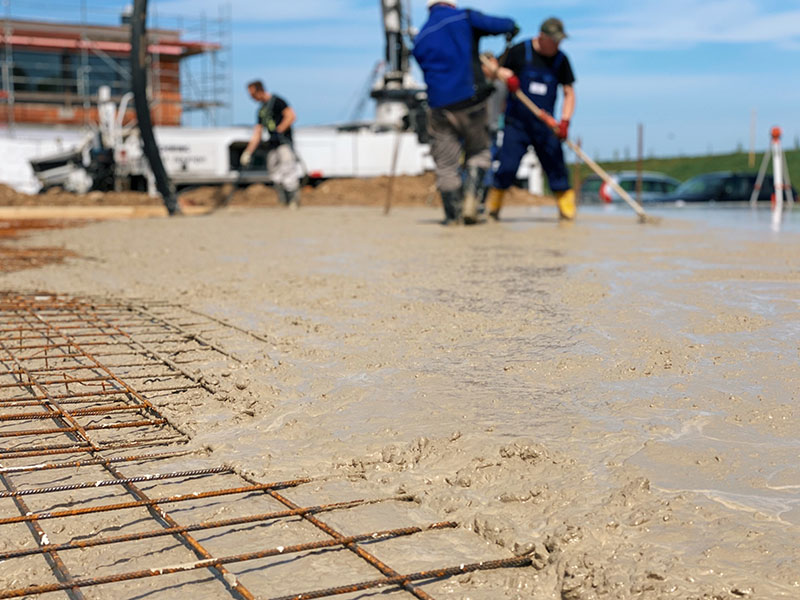
Your concrete foundation isn’t just the base of your building; it defines the structural integrity and durability of your home. Hiring experienced concrete foundation contractors ensures a solid foundation, which can increase your property’s value by up to 10%. Nailing the fundamentals upfront saves you costly repairs and heartache later.

The Critical Role

Your foundation supports the entire structure, and if it’s not strong, your structure is vulnerable to collapse and danger. Repairing a poor foundation can be costly and may decrease the value of your home. Bad decisions in this initial phase—such as bypassing a site inspection or choosing a design that isn’t quite right for you—will cost you down the road. The selection of your foundation, whether it’s a slab foundation or crawlspace, affects space utilization and your building aesthetics. Consulting a concrete foundation contractor early helps you pair the correct type to your soil and your needs. Experienced contractors with a minimum of 5 years demonstrate an ability to identify and remedy potential issues, offering you peace of mind.

Common Foundation Types

Foundation Type

Pros

Cons

Slab

Simple, fast, cost-effective

Hard to access pipes, not for bad soil

Crawlspace

Easier repairs, space for wiring

Higher cost, needs venting

Different types of foundations fit different climates and soils. For instance, slab foundations are best suited in areas where the soil typically does not freeze. Crawlspaces assist in damp areas but require good ventilation. Local building codes might restrict your options, so be sure to check before you dig in. A seasoned concrete foundation contractor will evaluate your project’s schedule, scale, scope, and special requirements to help you select what suits you best.

Signs Of Trouble

Cracks in walls or floors are a red flag that may indicate issues with your concrete foundation. Additionally, doors or windows that stick or won’t close could signal that your foundation is shifting. If you notice water collecting around the bottom, that’s another warning sign. Always document shifts and changes in your house so your foundation repair contractor can identify patterns or immediate dangers. Planning for the unforeseen is crucial—reserve approximately 10-15% of your budget for remedies, especially if you encounter poor soil or require additional support.

Soil Conditions And Site Assessment

Soil type trumps all in the construction process. Clay soils can expand and contract, while sandy soils may move. A reliable foundation repair contractor will plug test your site and propose ways to shore up vulnerabilities. Expert craftsmen, such as reputable concrete contractors, might run $50-$100 an hour, but their expertise keeps you from making costly repairs.

How To Vet Your Potential Contractor

Finding the right concrete foundation contractor is about more than just securing the lowest price; it’s crucial to ensure they possess the necessary skills, experience, and professionalism to complete the concrete work correctly, on time, and within budget. Conduct thorough research to minimize hazards and boost the chances of your construction project being a success.

  • Check licenses, certifications, and insurance for compliance and protection.
  • Review portfolios, references, and testimonials to confirm experience.
  • Assess communication style and responsiveness.
  • Ask for a detailed project plan and milestone schedule.
  • Discuss payment terms and contingency plans.
  • Search for red flags like evasive responses or absent documentation.

1. Verify Credentials

Credential checking is crucial when hiring concrete foundation contractors. Always make sure your contractor has the appropriate licenses for your region, as this means they comply with local regulations and codes. Request to see evidence of insurance—this shields you in case something goes awry on-site. If they can’t produce insurance, that’s a risk you don’t want to assume. Check for complaints or legal issues with local boards. A fine contractor will have a spotless record. Make sure they specialize in concrete work, not just general construction, as this demonstrates they understand your specific type of project and can handle technical elements such as pouring, curing, and finishing.

2. Scrutinize Experience

Query how long they’ve been concrete contractors. Five years or more is a strong indication that they know what they’re doing and have a construction process they believe in. View photos or take site visits from previous concrete projects. This allows you to review their style and quality. Inquire about the most challenging project they completed and their approach to resolving issues such as suboptimal soil conditions or weather-induced delays. Trusted contractors will provide you with references. Call these references to inquire about work ethic and reliability.

3. Assess Communication

Their initial emails and calls say a lot about their working style. A good concrete contractor will respond promptly, communicate clearly, and explain every step in layman’s terms. They should provide updates on the construction process and be open to your suggestions or concerns. During your discussions, get them to divide their work schedule into phases such as demolition, shaping, and pouring the concrete foundation. Notice how they describe difficult topics. You need someone who can transform geek-speak into plain English, ensuring you stay informed and engaged.

4. Confirm Insurance

Never bypass insurance checks when hiring concrete contractors. Request current documentation evidencing they carry liability and workers’ comp. This protects you in case someone gets injured or something gets damaged during the construction project. If their coverage is lacking or out of date, keep going to avoid potential issues.

5. Identify Red Flags

Beware of generic quotes or foundation repair contractors who evade your queries. If they rush you to sign or won’t provide evidence of previous work, that’s a red flag. Trust your instincts; if something seems off, find a reliable foundation repair contractor.

Deciphering The Proposal

Like a concrete foundation project, your work requires a crisp proposal before you get started. The proposal should provide you with a sense of what you’re paying for and what to expect. Look for these key elements:

  1. Defined scope of work, with each phase—excavation, forming, pouring, curing—laid out.
  2. Specifics of materials, like standard or reinforced concrete, and explicit discussion of techniques.
  3. A timeline with milestones, indicating when each phase should be completed.
  4. Price breakdown, with costs for materials, labor, and equipment, and a contingency reserve (10–15%).
  5. Payment schedule linked to project milestones, not just dates.
  6. Conditions, such as how modifications, postponements, or inclement weather are addressed.
  7. Contractor’s credentials – years of experience (5+ is preferred), licensed and insured.
  8. /or third-party reviews, such as links to the Better Business Bureau.

Clarify when something is ambiguous. Contrast proposals from multiple contractors, seek out huge price or time discontinuities, and never explain before signing.

The Price Breakdown

  • Price of regular concrete mix (roughly $125 a cubic yard)
  • Reinforced mix costs ($150–$200 per cubic yard)
  • Labor and equipment costs
  • Add-ons for site conditions (bad soil, hard to access)
  • Reserve for surprises (10–15% of total)
  • Taxes and permit fees

Project size, complexity, and location all impact costs, so property owners need to conduct thorough research and gather at least three proposals from reputable concrete contractors to ensure reasonable pricing.

The Project Scope

Be certain the proposal clarifies everything that is included. Each level should be enumerated, with explicit activities and objectives. If you want something special—extra thick walls, a certain finish, or eco-friendly materials—request it in writing.

Verify that the schedule is doable and has milestones, so you know when each step is complete. If weather or site surprises arise, there needs to be a plan for how to deal with changes.

The Payment Schedule

A smart proposal, for example, maps out a payment schedule, connected to milestones, say post-pour or post-curing. Don’t pay more than 10–20% in advance. This keeps your risk low if there are issues.

Specify in the contract how to pay—bank transfer, card, or other. Understand what happens if payments are overdue or you need to reschedule.

Checking For Clarity

Seek concise, plain language from your concrete foundation contractor. Question anything you don’t understand and ensure it aligns with your project timeline and desires.

The Unseen Project Realities

Project sites frequently conceal the little things that dictate how they go, especially when it comes to hiring concrete foundation contractors. Choosing the right contractor involves more than just price or project timelines; it requires considering the unseen aspects, such as ground preparation, quality concrete materials, and their strategies for managing potential issues.

Site Preparation

Site prep is more than just land clearance; it is a crucial part of the construction process. Grading and excavation can cost you $1,000 to $3,000, depending on the severity of the site. If there’s old stuff or bad dirt, it’s going to require more work and expense. Hiring experienced concrete contractors can cost $50 to $100 an hour, so even minor hiccups can add up quickly.

You’ll want to tour the site with your foundation repair contractor. Discuss grading and digging in detail, and clarify what needs to be hauled away. If there are trees, roots, or rocks, it is essential to get clear on what comes out or stays. Ensure the site meets every local code and regulation before work begins. If your area requires necessary permits or inspections, they can cost anywhere from $500 to $2,000.

There’s a high likelihood your lawn or garden will be disturbed during the project. Utilities should be allowed to relocate, and you should account for how to repair things after the project finishes. Working with a reputable contractor can help ensure a smooth process and minimize potential issues.

Material Quality

A foundation is only as strong as what you put into it. Regular concrete mix runs around $125 a cubic yard, but if your project requires reinforced concrete, it can run you $150 to $200. Clever to inquire on the mix specs — seek out ones that match or exceed industry standards.

Inexpensive components could shave your budget today, but you’ll pay for it in repairs or decreased resale value later. Good materials help a building retain value, as much as 10% more at resale. Great contractors share supplier recommendations and discuss the origin of their materials.

Weather Delays

Rain, heat, or cold can stall or halt work. Wet ground can push back pouring concrete. Cold may halt curing and cause cracks afterwards.

Great contractors monitor the forecast and plan accordingly. Ensure they have contingencies in case the weather turns. Check in frequently, so you know if your schedule needs to adjust.

Unforeseen Issues

Soil issues or old rubble can arise. Ask your contractor how they deal with surprises. They need a quick-fix process and a defined roadmap to stay on course.

Never forget to reserve 10–15% of your budget for the unthinkable. Keep in touch with your contractor to catch problems early and prevent bigger issues.

Contractor General Near Me: Local Professionals

Navigating Contracts And Agreements

A properly constructed contract provides you and your concrete foundation contractor with peace of mind. It’s not just formalities; it’s how you ensure everyone is aligned on expectations, responsibilities, and how to address surprises. For every agreement—even the little things—always get it in writing. This keeps costly repairs and misunderstandings at bay, ensuring your construction project stays on track.

Key Contract Elements

Description

Project Scope

Defines the work, including size, type, and features

Timeline & Milestones

Lists dates for excavation, pouring, curing, and inspections

Payment Schedule

Upfront retainer, milestone payments, and final payment after inspection

Changes & Contingencies

Steps for handling scope changes and a 10-15% budget reserve for unforeseen issues

Warranty

Describes coverage for defects in materials or workmanship

Dispute Resolution

Outlines how disagreements will be handled (mediation, arbitration)

Termination Clause

Explains rights if either side needs to end the contract early

Key Contract Clauses

Verify that your contract defines the entire project scope. This should specify the type of foundation, dimensions in metric, and any special requirements, such as backing for poor soil. Deadlines should divide the work into phases—excavation, forming, pouring, then curing—and timelines should break the job into steps—excavation, forming, pouring, then curing.

Payment schedules are best when attached to these milestones. For instance, a down payment, then another payment after pouring, and the balance after a final review. Things change, and conflict arises, so your contract needs a strategy for handling both. Find contract language around scope changes, how you’ll approve them, and who pays for what. Warranty conditions ought to be written and accessible. If the contractor doesn’t deliver, a straightforward termination clause informs you of your rights.

Warranty Specifics

A robust warranty demonstrates that your contractor believes in their work. Read what’s covered–does it cover just cracks, or does it cover settling or water? Determine the length of the warranty. Quite a few provide a one to five-year period, but they allow for conditions to void coverage, such as soil movement or water intrusion from external sources.

Have the warranty written into your contract, not just a good word. If you do need to make a claim, your contract should tell you how to do that, who to contact, and what evidence you need.

Dispute Resolution

Disputes can arise if there are delays, cost overruns, or workmanship issues. Your contract should describe how to address these issues. Mediation and arbitration are both ways to keep things private and fast, and often cheaper than court. Both you and your contractor need to be on board with this process before work begins.

Save copies of all correspondence, change orders, and payments. Good records assist you in making your case if an issue arises down the road.

Your Role In The Project

You’re not a sideline observer in your construction projects. Your contribution influences the result and robustness of your solid foundation. How you communicate, make decisions, and follow up on progress can make or break the entire build. Knowing what you want from the beginning and being prepared to jump in is crucial. A powerful, enduring building begins with your motivation for clear objectives and consistent check-ins with your concrete contractors.

Asking Questions

  1. What’s your complete timeline for the project, start to finish? Request steps — not only the final date — so you can monitor progress.
  2. What content are you going to utilize? Find out the brands, specs, and why for each, as these impact longevity.
  3. How will you manage shifting if the plan changes? Inquire about the update procedure, expenses, and approval.
  4. What precautions are you taking for the employees and your property?
  5. What about references or previous work? This verifies the contractor’s community and trade reputation.
  6. What’s in your quote? Ensure you view a line-by-line breakdown for simple price comparisons.
  7. What warranty is on the work and materials? Understand what is included and the duration.

Open back and forth communication is key when hiring concrete foundation contractors. Push for answers you can comprehend, not just jargon. If anything is muddy, request it in plain words. Your gut matters; if it doesn’t feel right, listen to yourself and go looking for a reputable contractor.

Documenting Progress

Maintain a basic log or spreadsheet with dates, completed tasks, and comments on any problems during your concrete project. Snap some photos every step of the way — before you pour the concrete mix, after you cure, and when the forms pop off. This provides you with evidence-based quality and allows you to monitor if plans are being implemented effectively by your concrete contractors.

Preserve messages and notes from discussions with your foundation repair contractor. These logs assist if there’s confusion or an argument. Clear, dated evidence can make tough conversations easier and quicker to resolve, especially when hiring concrete foundation contractors.

Refer back to your notes and photos if you check something awry. Bring it up early, so remediations don’t bog down the work or lead to costly repairs down the line.

Final Walkthrough

Schedule a final review with your contractor before the work is considered complete. Walk the site – check for cracks or level spots, or anything that doesn’t align with the plan. Write down everything that needs fixing or touching up, and then get it done.

Request all final papers and warranties before signing. This safeguards your investment and provides peace of mind.

Adapting To Changes

Change is inherent in every build, especially when working with a reputable concrete contractor. Be elastic but centered on your objective — a secure, sound foundation. If plans change, consult your notes and trust your instincts before committing.

Conclusion

To select the right contractor for your concrete foundation, seek transparency in expertise, evidence of previous work, and upfront discussions about budget and timelines. Request actual samples, such as images of completed projects or customer testimonials. Read every last bit of the contract before you sign. Keep in contact with your contractor as the work progresses. Watch every step. Verify that the crew operates tidily and safely. Your attention and inquiry help you catch red flag signs early. A great contractor lays more than a foundation for your room. You gain tranquility and craftsmanship. Need a good foundation? Connect with trusted local pros and get your key questions answered today.

Ready to build on solid ground? Trust Mares & Dow Construction & Skylights Inc. to deliver expert guidance, quality workmanship, and lasting results for your concrete foundation project. Contact us today for a consultation and take the first step toward a strong and secure home.

Frequently Asked Questions

1. How Do You Verify A Contractor’s Credentials?

Request to review their licenses, insurance, and certifications. Verify if they apply to your area. Seek out membership in reputable contractors and local concrete contractors for extra reassurance.

2. What Questions Should You Ask Before Hiring A Foundation Contractor?

Inquire about their expertise as a reliable foundation repair contractor, previous works, schedule, guarantee, and recommendations to gauge their experience and dependability.

3. Why Should You Compare Multiple Proposals?

By comparing proposals from local concrete contractors, you can identify differences in pricing, materials, and schedules, ensuring you receive the maximum value and clarity on what each contractor provides.

4. What Are The Warning Signs Of An Unreliable Contractor?

Be on the lookout for ambiguous contracts, aggressive timetables, or missing references and insurance when hiring concrete contractors, as these are warning signs for trouble.

5. How Can You Stay Involved During The Project?

Return to the site, request progress reports from your concrete contractor, and stay in contact. Staying involved keeps your expectations in check and allows potential issues to be addressed early.

6. What Should A Good Contract Include?

A solid contract with a reputable contractor specifies the work, project timeline, payment schedule, and warranty.

7. Why Is Foundation Expertise Important For Your Contractor?

Engaging a reputable contractor guarantees your structure’s security, durability, and adherence to concrete specs.

Build A Strong Foundation With Mares & Dow Construction & Skylights – Concrete Expertise You Can Count On

A solid foundation is the backbone of any structure. At Mares & Dow Construction & Skylights, we bring over 40 years of construction experience to every concrete foundation project, delivering long-lasting, high-quality results that support your home or addition for decades to come.

Whether you’re building a new home, planning an addition, or replacing an aging foundation, our team specializes in residential concrete foundation services tailored to meet your project’s structural needs and design goals.

Why Choose Mares & Dow For Your Concrete Foundation?
• Precision-formed foundations built for strength and stability
• Seamless integration with custom home builds, remodels, or ADUs
• Expert site preparation and grading to prevent future settling or cracking
• Timely project delivery with clear communication from start to finish

Proudly serving Contra Costa County, including Alamo, Danville, Orinda, Martinez, and San Ramon, Mares & Dow Construction & Skylights is your trusted partner for dependable, code-compliant foundation work.

Contact Mares & Dow Construction & Skylights today for a free, no-obligation estimate, and start your project on solid ground.

Disclaimer

The materials available on this website are for informational and educational purposes only and are not intended to provide construction, legal, or professional advice. You should consult with a qualified general contractor or industry professional for advice concerning any specific construction project, remodeling plan, or structural concern. Do not act or refrain from acting based on any content included on this site without seeking appropriate professional guidance. The information presented on this website may not reflect the most current building codes, regulations, or industry best practices. No action should be taken in reliance on the information on this website. We disclaim all liability for actions taken or not taken based on any or all of the contents of this site to the fullest extent permitted by law.

What’s The Role Of Footings In A Durable Concrete Foundation?

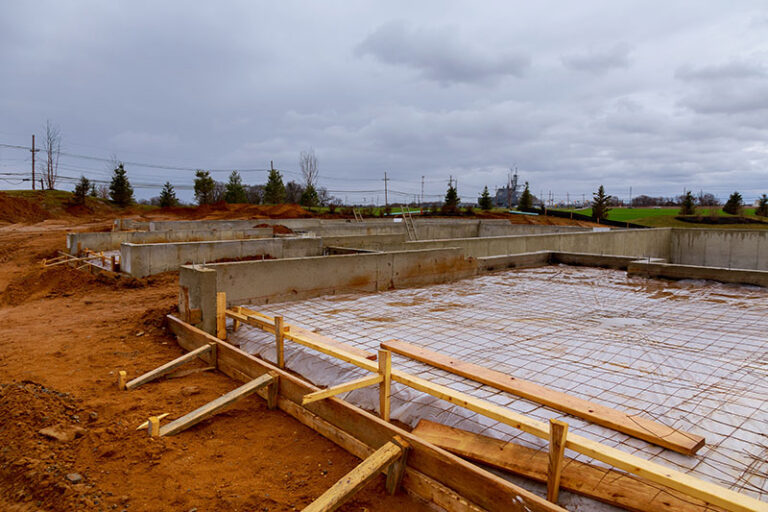
Footings hold your concrete foundation in place by distributing the load of your building over the soil. You’ve got more strength, less shifting, and greater crack protection when that load is dispersed. Footings address soil movement, which keeps your foundation level over time. For houses, offices, and even larger structures, properly-sized footings keep your walls and floors secure. In freeze-prone areas, footings extend below the frost line to prevent frost heaving. You’ll see footings gracing the bottom of your foundation, broader than the walls above, and comprised of robust concrete that resists moisture and weight. Then discover how size, shape, and soil type all modify how footings behave.
Key Takeaways

  • You can ensure a durable concrete foundation by understanding the purpose of footings, which distribute building loads evenly and prevent structural failures.
  • Choosing the right footing type and size for your project and soil conditions is key for stability and long-term performance.
  • Footings provide a concrete foundation for your structure, protecting it from soil movement and other environmental factors.
  • Being quality conscious during excavation, concrete mixing, and placement makes your foundation strong and dependable.
  • You should routinely inspect and implement moisture control to keep your footings intact over the long haul.
  • Observing local building codes and consulting with experts, especially in earthquake-prone areas,  will additionally make your construction safer and more long-lasting.

The Unseen Anchor

Footings, the unsung heroes of stable concrete foundations, are crucial for distributing the building load and anchoring a structure. Whether you’re considering traditional footings or a robust mat foundation, the type of footing you require depends on local soil conditions, climate, and building codes. The table below highlights the features and strengths of several common concrete footing types used worldwide.

Type

Material

Features

Advantages

Significance

Strip

Concrete

Long, continuous below the walls

Even load spread

Used for load-bearing walls

Spread

Concrete

Wide base, column support

Reduces pressure

Common for heavy loads

Raft/Mat

Concrete

Full slab under the structure

Handles poor soils

Useful for weak soil conditions

Stepped

Concrete

Follows sloped terrain

Stability on slopes

Adapts to irregular ground

1. Load Transfer

Footings carry the entire weight of your house and distribute it over a larger surface area of soil. This prevents the house from settling in ways that would cause cracks. If the soil beneath the house is soft, you will require a broader or heavier footing. Strip footings are good for walls, spread footings are better under columns or heavy points. If footings are too small or thin, the weight of the house can push down unevenly and cause slanting floors or cracked walls.

A quality footing design invariably pairs the structure’s load with the soil at the site. Because bad load transfer can wreck the entire structure, soil testing isn’t simply a formality – it’s a necessity.

2. Stability

Footings are what keep your house from shifting or tipping over when the earth does — or when the wind blows through. If the footing is the wrong size or shape, you could have wavy floors or doors that refuse to close. The correct width and thickness—usually a minimum of 300 mm wide and 150 mm thick, respectively—support everything in place.

Deep or reinforced footings may be required for higher-rise structures or locations that have loose soil, while stepped footings are utilized on slopes. Resilience isn’t just strength—it’s making sure things stick, do, for years on end.

Even minor errors in footing size can translate to major issues for the entire structure.

3. Settlement Control

Footings mitigate and regulate how much a structure settles. If the soil moves around or shrinks, footings assist in preventing the base from cracking as well. The majority of settlements are due to wet or loose soils, so a rock-solid footing can help.

Pre-testing the soil before pouring concrete is crucial. This test informs you how thick or deep the footing should be to reduce any long-term shifting. Nailing this extends the life of your concrete base, requiring fewer repairs as the years go by.

4. Frost Protection

Colder climates get freeze-thaws. When the ground freezes, it can heave or push up on footings, causing cracks or tilts. To prevent this, footings should extend beneath the frost line, which differs depending on your geographical location. For the majority of locations, this translates to excavating no less than 600 mm, but be sure to verify with local regulations.

Don’t ever pour footings on frozen soil. If you have to construct in winter, make sure the ground is frost-free prior to and during the pour.

A footing below frost depth protects against shifting.

5. Anchorage

Footings aren’t simply about weight–they secure your house so it doesn’t float away when storms or earthquakes strike. Solid footings secure it all, digging in deepest on solid grounds.

Wind and earthquakes can toss a house around or even pick it up, but smart footings anchor it. Anchorage is more critical in natural event zones, and soil conditions will impact how deep or wide these footings need to be.

The proper footing protects your home through all seasons.

Footing Design Essentials

Your footing choices set the groundwork for a strong foundation and a long-lasting concrete footing. Each part of the design—soil evaluation, sizing, reinforcement, and environmental checks—plays a core role in load distribution and structural support. A footing’s main job is to spread weight over a wide area so that soil stress does not exceed safe levels. Choosing the right type, like strip footings, and meeting code standards helps you avoid foundation problems down the line.

Soil Interaction

The soil beneath your site serves as the foundation’s backbone, making quality foundation construction essential. Dense, compact soils like gravel or clay can bear a greater building load, while loose or sandy soil provides less support and may shift. This is why soil testing is crucial before planning your construction project. Understanding the footing dimensions is vital, as moisture swings can alter conditions—droughts contract certain soils while rains saturate others. Without proper footing design and quality site preparation, such as compacting or de-watering, your footings can settle or shift, leading to structural issues.

Sizing Principles

Sizing a footing is about balancing the building load with the soil’s capacity. You examine the concrete foundations of the building’s weight and distribute it sufficiently so that the earth bears it without subsiding. If footings are too small, you risk uneven settling or cracks; too large, you’re wasting time and cost. Strip footings are typical for lengthy walls, and proper footing design accommodates columns or colder conditions. If you don’t size footings right, repairs get expensive quickly, and stability suffers.

Reinforcement

Steel bars, or rebar, are essential for ensuring that concrete footings provide a solid foundation that can withstand stress. While concrete bears weight effectively, it may crack without proper reinforcement, especially during soil settlement. Using the right type of rebar—galvanized for wet areas and standard for dry areas—is crucial. When properly installed, this reinforcement enhances the structural stability of the entire building, even as the earth shifts.

Environmental And Code Factors

Local building codes dictate your footing depth and width, especially in areas prone to frost or floods. Proper footing design requires that the concrete mix adhere to strength rules while ensuring it remains moist and covered for effective curing. Neglecting any step, such as using low-quality concrete or skipping rebar, can lead to costly foundation problems later.

Common Footing Types

Footings are the foundation that keeps your building standing, distributing the load of walls and columns so the earth beneath isn’t compressed beyond capacity. Selecting the appropriate concrete footing type is critical to your building’s longevity and security. In practice, there are seven common footings: spread, strip, mat (or raft), strap, pile, combined, and isolated pier footings. Each type caters to different needs based on your site, soil, and the structural support your building will require.

Spread Footings

Spread footings are beneath each column or pier. They thrust the load across a broad area of ground to prevent heavy constructions from subsiding or moving. A common size, for instance, is 760 x 760 x 200 mm deep, underpinning a concrete or masonry pier.

Design counts. You need to measure soil strength and figure out how large the footing has to be to support your structure. If the soil is soft, the footing needs to be larger. If the building is tall or heavy, the footing gets more steel and thicker concrete. Spread footings are ideal for residential and commercial spaces. They’re easy to construct and less expensive than deep foundations. These footings prevent uneven settling as well, making them a good choice when you desire a level floor and straight walls.

  • Good for single columns or piers
  • Suited to firm soils and mid-rise structures
  • Easy to install and inspect
  • Helps stop cracks from uneven ground movement

Strip Footings

Strip footings, or continuous footings, extend in linear strips beneath load-bearing walls. They provide consistent support across the entire wall.

Or, you size strip footings by verifying wall loads and soil type. Most have to be wide enough to disperse the load, but not too deep that you’re pouring excessive amounts of concrete. The depth varies if the soil is soft or the wall is unusually long.

Strip footings help your walls to stay solid, even if the soil moves. They’re popular because they can save time and reduce expenses, as less excavation and fewer materials are required.

  • Best for longer, load-bearing walls
  • Good for simple homes and small buildings
  • Lowers excavation cost

Mat Foundations

Mat foundations, known as raft foundations, span an entire floor area with a single large slab. This is employed when the soil is soft or when numerous columns lie in proximity to each other.

A mat foundation distributes the weight from your entire structure so that no one area receives an excessive load. It’s common for high-rise or commercial spaces where individual footings would be too big or complicated to construct.

It can get more expensive because you require more concrete and good preparation of the base. Yet, a mat maintains buildings stable on soils that can’t support great weight in a limited location.

Mat foundations are important for locations with weak soil or massive, complicated buildings. They distribute the weight and reduce the chance of uneven settlement.

  • Employed on soft or weak soils or where deep footings are difficult to construct
  • Great for basements or large buildings with many columns

Critical Construction Factors

Constructing a solid foundation begins with learning critical construction factors. Every step of the process, from soil tests to concrete footing installation, assists in guaranteeing your footings will stand strong for decades.

Proper Excavation

Before you dig, know the soil. Soil analysis checks stuff like density, moisture, and bearing capacity. Omitting this step causes footings to shift or crack down the road.

Excavation should be only to the depth and width required by your plans. Too shallow and your footing won’t support the load. Too deep and you’re throwing away money. Employ scored lines and verify dimensions. Something as simple as an improper excavation is a leading cause of foundation failures.

Site disturbance should be minimal. Minimize heavy equipment use and strip only what you require. Too much digging can destabilize the nearby ground. Always have your soil tested before you dig to prevent unexpected expenses.

Concrete Quality

Not all concrete is created equal. Mix in a strength appropriate for your project. The appropriate cement-sand-gravel ratio makes footings crack-resistant. Ensure your supplier understands your needs.

Curing concrete well is as important as mixing it right. When concrete remains damp and shielded from heat and cold for a minimum of seven days. If you hurry or omit this, the footing won’t cure to its full strength. Things like rain or hot weather can affect how concrete cures – keep an eye on conditions. Never cut corners on the proper mix ratios and standards, or you’ll have weak points.

Correct Placement

Nailing placement down means your footings do their thing. Use formwork to mold the concrete and keep everything plumb. Make each section level and flush before pouring.

Improper positioning, such as on sloping surfaces or miscalculated measurements, will result in uneven settling or cracks down the line. Continuous footings—strips beneath walls—are sometimes employed to carry load-bearing portions of the structure. So is proper reinforcement, like rebar. Stinginess here is a cheap shot that undercuts the entire base.

Footings Versus Foundations

Footings and foundations go hand in hand to keep structures secure, especially in home construction. Footings, such as concrete footings, provide the support resting directly on the ground, while foundations create a solid base for the structure. Both are essential for durability, security, and longevity.

  • Footings distribute the structure’s load over a broad surface area, maintaining the force on the soil at a minimal level.
  • Foundations rest on footings, supporting walls and columns above.
  • Both protect against shifting, settling, and water problems.
  • Footings help foundations resist frost damage and soil movement.
  • Solid footings and quality foundation engineering equate to a longer building life with fewer repairs.

Their Purpose

Footings are essential for providing a solid foundation to support the load of your entire structure. They rest on soil or bedrock, and proper footing installation occurs after excavating down beneath the frost line. This method ensures that the building remains stable during temperature fluctuations, preventing any shifting when the ground freezes or thaws. Without a robust foundation, your structure wouldn’t have a stable base.

Footings play a crucial role in preventing your structure from sinking or toppling over the years. They effectively disperse the load, similar to how flared feet on a chair prevent tipping. Poorly constructed footings can lead to structural issues, making it vital to select the right type, such as individual or strip footings, to match your soil conditions and the size of your building.

Their Relationship

Footings and foundations depend on one another. Footings anchor the foundation, and the foundation supports everything else. If the footing is soft, the entire structure is compromised. Even the best foundation can fail if the footing underneath it crumbles or shifts.

Design of the footing determines how well the foundation fares. Not enough rebar, or not enough time for the concrete to cure, and that footing can crack. This can send issues up the chain, wreaking havoc or toppling down. When footings and foundations are designed in tandem, you end up with a system that withstands the stress, even in difficult-to-support soil.

Future-Proofing Your Footings

A future-proof concrete footing withstands time, weather, and stress while providing a solid foundation. Your footing design must accommodate moisture, ground shifts, and structural loads. Every building and site deserves a custom footing plan, ensuring structural stability for decades.

Moisture Control

It’s moisture control that keeps your footings solid, season after season. Drainage is your front line. Or, at least, simple gravel trenches or perimeter drains divert water away from your foundation footings. For homes on heavy clay or with a high water table, sump pumps or French drains can provide additional protection.

Controlling moisture is about more than drainage; it is essential for maintaining the integrity of concrete footings. Water can leach through soil and concrete, causing cracking or shifting, which can compromise the structural stability of your foundation system. Waterproof membranes or bitumen coatings protect footings from moisture in the soil, ensuring a solid foundation.

Seismic Design

Seismic Feature

How It Helps

Typical Use

Wider Footing Base

Spreads load, limits movement

High-risk earthquake zones

Deep Reinforcement

Adds strength, resists cracking

All seismic-prone regions

Flexible Connections

Allows safe movement, prevents snaps

Modern, multi-story structures

Shear Keys

Locks the footing to the ground, stops sliding

Sloped or unstable soil sites

Local building codes establish important regulations for seismic footing design, particularly focusing on proper footing design for different soil types. These codes take into consideration local earthquake hazards and soil conditions, helping you to make safer choices. Even with explicit guidelines, a structural engineer’s advice is essential for ensuring a solid foundation.

Inspection

Inspections catch shifts before they become big issues. Search for cracks, uneven settling, or pooling. First cracks may appear minor, but may be a sign of deeper soil or moisture problems.

When you check footings frequently, you detect wear or harm before it propagates. This economizes and eliminates urgent repair needs. They recommend annual inspections, particularly following major storms or earthquakes.

Certified inspectors utilize instruments such as moisture meters or probes to inspect within the concrete. They are familiar with local perils and can recommend remedies that suit your climate and soil. Their reports future-proof your footings for years to come.

Conclusion

Footings do the heavy lifting for your concrete foundation. They maintain weight distribution, prevent cracking, and support your room across loads and shifts. The right design and construction decisions made today ensure that your foundation can stand the test of time for decades to come. Think of footings like the foundation’s grip on a skyscraper or even a shed. Cut corners or choose the wrong size, and you’re in trouble — big trouble—quickly. Good footings let you stress less about the earth and more about what you construct on top. Whether you’re planning a new project or repairing an old one, begin with a solid footing design. Verify your site and consult with a knowledgeable builder. A firm footing protects your dreams for decades.

Ready to build on a foundation you can trust? Contact Mares & Dow Construction & Skylights Inc. today to ensure your project starts with expertly designed and installed footings built to last.

Frequently Asked Questions

1. What Is The Main Purpose Of Footings In A Concrete Foundation?

Footings, such as concrete footings, distribute the weight of your structure across a greater surface area, preventing uneven settling and mitigating the risk of cracks or structural damage.

2. How Do Footings Improve The Durability Of A Foundation?

Footings act like feet, providing your foundation a solid base while combating shifting and ensuring structural stability against soil or water changes.

3. What Are The Most Common Types Of Footings?

The three most typical types of concrete footings are strip, pad, and raft footings, each suitable for various soils and structural loads.

4. How Deep Should Footings Be?

The depth of concrete footings depends on local soil conditions, climate, and building design. Most footings are at least 300 mm deep, but refer to local building codes for specifics.

5. Can Poor Footing Construction Cause Foundation Failure?

Sure, poorly constructed concrete footings can lead to uneven settling, cracks, or even total foundation failure, highlighting the importance of quality foundation construction.

6. What Is The Difference Between Footings And Foundations?

Footings are the base that supports your solid foundation. Your foundation, which rests on the concrete footings, supports the load of the entire structure.

7. How Can You Future-Proof Your Footings?

Employ good materials and sound design while considering local soil and climate for your concrete footings. Routine care and upkeep ensure your solid foundation withstands the test of time and maintains structural stability.

Build A Strong Foundation With Mares & Dow Construction & Skylights – Concrete Expertise You Can Count On

A solid foundation is the backbone of any structure. At Mares & Dow Construction & Skylights, we bring over 40 years of construction experience to every concrete foundation project, delivering long-lasting, high-quality results that support your home or addition for decades to come.

Whether you’re building a new home, planning an addition, or replacing an aging foundation, our team specializes in residential concrete foundation services tailored to meet your project’s structural needs and design goals.

Why Choose Mares & Dow For Your Concrete Foundation?
• Precision-formed foundations built for strength and stability
• Seamless integration with custom home builds, remodels, or ADUs
• Expert site preparation and grading to prevent future settling or cracking
• Timely project delivery with clear communication from start to finish

Proudly serving Contra Costa County, including Alamo, Danville, Orinda, Martinez, and San Ramon, Mares & Dow Construction & Skylights is your trusted partner for dependable, code-compliant foundation work.

Contact Mares & Dow Construction & Skylights today for a free, no-obligation estimate, and start your project on solid ground.

Disclaimer

The materials available on this website are for informational and educational purposes only and are not intended to provide construction, legal, or professional advice. You should consult with a qualified general contractor or industry professional for advice concerning any specific construction project, remodeling plan, or structural concern. Do not act or refrain from acting based on any content included on this site without seeking appropriate professional guidance. The information presented on this website may not reflect the most current building codes, regulations, or industry best practices. No action should be taken in reliance on the information on this website. We disclaim all liability for actions taken or not taken based on any or all of the contents of this site to the fullest extent permitted by law.

What Are The Signs Your Concrete Foundation Needs To Be Repaired Or Replaced?

Typically, signs your concrete foundation needs to be repaired or replaced can present themselves in the form of cracks, uneven floors, or sticking doors. You could notice gaps between walls and floors, or water pooling around the foundation of your house. Sometimes windows no longer open easily. When you see these signs, minor issues can escalate and become much bigger if not given the proper care. Chipping or flaking concrete is are early warning sign as well. Being aware of these shifts keeps your home secure and stable. In the following sections, we’ll discuss what each sign means, why it matters, and what you can do to shield your home from larger damage.

Key Takeaways

  • Keep an eye on cracks in your concrete foundation, particularly those greater than 6 millimeters in width, as they can be warning signs of significant structural issues.
  • Pay attention to sloping floors, bowing walls, sticking doors, or a leaning chimney — these shifts can be signs of foundation movement and need immediate repair.
  • Cracks or gaps around your windows, doors, walls, or trim can expose foundation settlement or shifting. Record these changes and seek expert advice if they intensify.
  • These persistent moisture issues – basement dampness, crawlspace mold, or puddles by the base of your home – can be a threat to your foundation and should NOT be ignored.
  • Watch for soil conditions like shrinkage, bad drainage, or tree roots that creep around your property.
  • If you are experiencing several of the warning signs or persistent issues, it’s time for a professional inspection — and an opportunity to save the rest of your home from damage.

Decoding Foundation Cracks

Not all foundation cracks are created equal, and knowing the difference can help you determine when to take action. Typical varieties include vertical, horizontal, diagonal, stair-step, and hairline cracks, which can indicate serious foundation issues affecting your home’s structural integrity.

1. Vertical Cracks

Hairline cracks, both diagonally and straight up and down, are typical in concrete as it settles during the initial years after pouring. Most of these cracks are less than 1/8 inch wide and don’t signal major distress. However, if you notice a vertical crack wider than 6 mm, particularly by a door or window, it can indicate a serious foundation issue. Observe whether the crack is broader on one end or expands over time, and track it with photos every few months. If you notice moisture damage, move quickly — unattended, it can lead to extensive repairs.

2. Horizontal Cracks

Horizontal cracks, especially those wider than 6 mm, are a serious foundation issue. If you notice one along your basement wall or near the ground, it may indicate that the wall is experiencing excessive exterior pressure or even structural failure. Check if the crack aligns with other common signs, such as bulging walls or moving floors. If you observe multiple signs—like water seepage or sticking doors—it’s crucial to call a foundation repair contractor. These cracks often necessitate emergency treatment and can lead to significant repair costs if left unaddressed.

3. Diagonal Cracks

Diagonal cracks resemble a slash, running at an angle. Upward cracks commonly exhibit foundation settlement, whereas downward cracks can indicate that the soil is pushing up beneath a specific section of the house. If the crack is wider than 6 mm or longer than 30 cm, it must be inspected for potential foundation issues. Look for cracks that begin at window or door corners, as these suggest uneven movement. Monitor any shifting, because rapid expansion can signal more profound underlying problems.

4. Stair-Step Cracks

Stair-step cracks in brick or block walls, which trace the mortar lines, can be a common sign of foundation issues. If you see these cracks, particularly large or rapidly growing ones, it may indicate foundation movement. It’s essential to contact a foundation repair contractor if you notice changes.

Notice Structural Shifts

Recognizing foundation problems early can save homeowners both money and concern. Structural shifts occur for a variety of reasons—foundation settling, erosion, or harsh weather. The signs aren’t always showy, but they count. Watch for common signs in floors, walls, doors, and chimneys.

Sloping Floors

A floor that slopes to one side or has an uneven quality could indicate serious foundation issues. Tossing a spherical object, like a marble, onto the ground can reveal a slope; if it rolls to a single location, your foundation may be unstable. While small cracks in a tile or two may be due to dropped items, cracks wider than 6mm or those that run across multiple tiles suggest potential foundation damage. It’s crucial not to ignore floors that slope steeply or have broad, spreading cracks, as these could be signs of foundation movement.

If you observe uneven floors alongside other structural red flags, such as wall cracks or sticking doors, it indicates a broader foundation problem. Document any structural shifts in the floor, and if the slope worsens, contact a foundation repair contractor for a thorough foundation inspection.

Bowing Walls

Doors and windows that stick as well as walls that bow or bulge inward indicate actual stress in your home’s structure. Even a slight bow can indicate excessive soil pressure or water-damaged foundation beneath. Introduce a straight edge or level and see how much the wall bows. If the bowing is over 13 mm, your home is in greater danger.

Discover whether soil pressure or water leaks are responsible. When bowing walls appear, along with other symptoms like sloping floors and large cracks, have a foundation specialist inspect them immediately.

Sticking Doors

One sticking door may be a minor repair, perhaps caused by a shift in humidity. If a few doors or windows begin to stick, or if you see new cracks in walls or ceilings, your foundation could be shifting. Try other rooms for the problem.

Observe if the sticking increases or other issues arise as well. Just to keep better track, write down what you notice.

Leaning Chimney

A chimney leaning away from your house is an aggressive indicator of foundation shifting. See how much it leans. Even a couple of centimeters can be serious. Check the base of the chimney for any gaps or cracks.

If you spot a lean, dial a foundation expert. Waiting can result in larger threats.

Identify Gaps And Separations

Gaps and separations in your concrete foundations can indicate serious foundation issues. These shifts may manifest as cracks around windows, doors, and walls. Regular foundation inspections allow homeowners to catch foundation settling early and address repair costs before larger problems arise.

Window Gaps

Gaps around windows are quick to spot and quantify. When the gap measures more than a few millimeters, it could indicate that a foundation issue under your house is settling or shifting. In certain areas, such as expansive clays, these separations can appear quickly following wet or dry periods. If you find your windows sticking or won’t close correctly, this can indicate foundation movement. With a ruler, keep tabs on the size as it progresses. If you notice the gap expanding or new cracks popping up around your window frame, it’s time to dial up a foundation repair contractor for a second opinion.

Door Gaps

Gaps by doors may indicate a shifting or settling foundation, which can lead to serious foundation issues. When the door rubs, sticks, or leaves a gap at the top or bottom, the frame could be out of alignment, raising concerns about the structural integrity of your home. These gaps imply that your home’s security is in jeopardy because the door might not latch properly. Monitor these gaps for weeks or months, and if you notice cracks on a nearby wall or other signs of foundation movement, have a professional conduct a foundation inspection.

Wall Gaps

Wall gaps between the wall and floor or baseboard can indicate that your foundation is shifting, potentially leading to serious foundation issues. Occasionally, you’ll find hairline or stairstep cracks that warrant a closer foundation inspection. Gaps that expand or appear in multiple rooms can’t be overlooked, as they may be caused by soil shrinkage, erosion, or even seismic activity if you’re in a high-risk zone. Note where these gaps are and how wide they become, as this tracks whether the issue is expanding and helps the repair crew know where to begin.

Trim Gaps

Trim gaps can appear as little separations where your wall and trim come together. A gap that widens or appears in new locations could indicate a serious foundation issue or foundation movement. Observe these areas and note differences, as extensive repairs may be necessary if gaps continue to spread.

Investigate Moisture Problems

Moisture is one of the signature signs that can indicate serious foundation issues. Many foundation problems begin as minor, yet water can lead to extensive repairs quickly. If you notice any signs, such as ceiling cracks or basement wall deterioration, you need to investigate them as soon as possible to avoid costly foundation repair.

Basement Dampness

Damp basement walls or floors usually indicate that water is entering, which can lead to serious foundation issues. Look out for indications such as ‘weeping’ down the walls, a musty odor, or quickly peeling paint, as these can all indicate leaks or groundwater seeping through cracks. If you notice the issue intensifying after rain, make specific observations regarding when and where this takes place. Record these changes, including dates and photos of any ceiling cracks or dampness. This documentation will assist you or an expert in assessing whether the situation is worsening. If your remedies—like running a dehumidifier or caulking visible cracks—don’t solve the issue, then it’s time to bring in a foundation repair contractor for a comprehensive foundation inspection.

Crawlspace Mold

If you have a crawl space, mold can be a warning sign of potential foundation problems. Mold thrives in areas with excessive moisture, which can lead to significant foundation damage over time. The presence of mold on beams, joists, or floorboards may indicate that water is pooling or that the air humidity is too high. Investigate moisture problems to determine the cause, such as a leaking pipe or rainwater intrusion. If mold persists or spreads, it could signify a serious foundation issue that threatens your home’s structural integrity. In such cases, it’s wise to call in a foundation repair contractor for assistance.

Puddles Near Base

Puddles near your home’s foundation are not normal. Water should forever run away from your house. If you notice puddles after a rain, determine their frequency and size. A minor puddle here and there doesn’t feel like much, but if it occurs frequently or increases, you may have a drainage problem. Or even worse, things like poor grading or blocked drains, which allow water to sit near the foundation, accelerate damage. Photograph and record observations of when and where you notice puddles. This information aids you in identifying trends and determining if you should adjust your drainage or seek professional assistance.

The Soil’s Silent Story

Soil beneath your foundation contains crucial secrets to the well-being and longevity of your home. Its composition and capacity — from mineral content to compaction — can spell the difference between a secure domicile and a vulnerable one. Types of clay — smectite, bentonite — all have their tales to weave — soils that expand or contract in the presence of water, silently moving the earth beneath you. These changes can lead to serious foundation issues, manifesting in the soil before you notice significant fissures in your home. Understanding what’s beneath enables you to make intelligent decisions to maintain your foundation’s stability.

Soil Shrinkage

Soil shrinkage is a canary in the coal mine when it comes to foundation problems. When soil dries, especially if it’s high in expansive clays like montmorillonite, it shrinks and recedes from the foundation. You may notice cracks between the soil and your home’s slab or basement walls, which can lead to serious foundation issues over time. This uneven support can cause your foundation to settle or tilt.

To understand how much soil is shrinking and how quickly, keep an eye out for deeper earth fissures after extended dry or drought conditions. The usual suspects are drought and poor drainage. Regular maintenance and monitoring can help detect trends that forewarn of larger potential issues.

Poor Drainage

Among the leading causes of foundation failure is poor drainage. Water pooling near your foundation indicates the soil cannot absorb any more moisture, leading to swelling in clay-rich soils and erosion in looser soils. Watch for post-rain puddles, soggy patches, or soil washing away from your house’s foundation.

Make sure your drains – be it gutters or ground slopes – are working. Sometimes, you have to regrade the land or add French drains to push water away. Keeping the soil dry and well-manicured will save your foundation from shifting or sinking.

Tree Root Intrusion

Tree roots will do real damage if trees are too close. Roots extend beneath the surface, seeking moisture, and they can buck up against or slide beneath your foundation. Cracks, tilting, or new gaps in walls or floors can be attributed to root growth.

Have an expert check how close big trees are to your foundation. They can assist in decision making between root barriers, pruning, or even removal if the risk is significant.

Poor Compaction

Soil that’s not tightly packed during construction can compact unevenly. If you notice areas of your home settling faster than others, it’s an indication that the soil beneath isn’t stable enough.

Look at your records or request a soil test to determine if the soil was packed correctly at the time of the house’s construction. Watch for new cracks or uneven floors.

When To Call Professionals

Knowing when to call in a foundation repair contractor keeps your house or building secure. Certain foundation problems can be identified at an early stage, while others require a professional touch to get to the source. If you notice cracks in your concrete that are widening or exceed 6 mm (1/4 inch) in width, it’s a great indication that it’s time to call the professionals. Even a 1/4-inch gap around your window frames or exterior doors can indicate that your foundation is moving and warrants professional attention. Cracks aren’t created equal; small hairline cracks can occur as concrete cures, but long or wide cracks, or those running laterally along brick or block walls, can indicate more serious foundation issues. If you notice cracks that are more than 15 mm (.6 inches), this is grave. These cracks can indicate subsurface movement or structural shifts. When floors in your home or office begin to slope, dip, or become bouncy, that’s another red flag. Uneven or sagging floors could indicate that the foundation is shifting or settling. If doors or windows begin to stick or you notice gaps that weren’t there before, this typically originates from a shifting foundation. Upheaval, or the slab moving up, can similarly cause cracks and uneven floors.

Water is another major issue that contributes to foundation damage. Even shallow pools of standing water—roughly 3 mm (1/8 inch)—around your foundation can seep into the earth and erode its integrity. Excess humidity or leaks exacerbate harm, causing minor issues to escalate exponentially. If you notice any indicators of water damage, such as damp areas or mold in proximity to the foundation, it’s prudent to arrange for a free foundation inspection.

If you spot more than one of these common signs at the same time, don’t wait. Most companies offer a free or low-cost evaluation. These checks can spot hidden risks before they get worse or cost more to fix. Even if you are unsure, having a pro take a look can give peace of mind and save money long-term.

Conclusion

Noticing cracks in your floors, sticking doors, or wall gaps can say a lot about what’s happening beneath you. Water stains or musty odors indicate leaks that damage more than aesthetics. Shifting soil beneath your house can fracture your slab. Things like this are an indication that your house needs some attention. Speedy intervention keeps minor issues inexpensive and simple to repair. You avoid the stress of major repairs down the road. Curious if you’re place is in jeopardy! Watch for these warning signs, inspect your area, and consult an expert if you notice them. Keep your home safe—be on the lookout, stay vigilant, and call if you see the signs.

Noticing cracks, sloping floors, or moisture around your home? Don’t wait for small issues to become major repairs. Contact Mares & Dow Construction & Skylights Inc. today for a professional foundation inspection you can trust. Your home’s safety starts from the ground up — let us help you protect it.

Frequently Asked Questions

1. What Are The Early Signs That My Concrete Foundation Needs Repair?

Be on the lookout for cracks in walls or floors, ceiling cracks, doors that stick, or uneven floors. These little signs are often the canary in the coal mine of serious foundation issues. Catching foundation problems early can save you a fortune in repairs down the road.

2. How Can I Tell If A Foundation Crack Is Serious?

Wide, expanding, or horizontal cracks in your home’s foundation often indicate serious foundation issues. If you spot these, move fast to prevent structural failure!

3. Should I Worry About Gaps Between Walls And Floors?

Yes. Walls, ceilings, or floors pulling apart are warning signs of foundation movement, indicating your foundation requires inspection for potential issues.

4. What Does Excess Moisture Around My Foundation Mean?

Water stains or mold near your foundation can indicate leaks or drainage issues, which may lead to serious foundation issues like foundation settlement if left unattended.

5. Why Does The Soil Around My Home Matter For The Foundation?

Shrinking or swelling soil, along with inadequate drainage, can lead to serious foundation issues. Homeowners should watch for soil shifts, especially after torrential rain or extended drought.

6. When Should I Call A Foundation Repair Professional?

Call a pro for large cracks, uneven floors, or major structural shifts. The professionals can evaluate the harm and suggest the most effective remedy.

7. Can Foundation Issues Lower My Property Value?

Yes, unresolved foundation problems can decrease the value of your property and make it hard to sell, so tackling these foundation issues early saves your investment.

Build A Strong Foundation With Mares & Dow Construction & Skylights – Concrete Expertise You Can Count On

A solid foundation is the backbone of any structure. At Mares & Dow Construction & Skylights, we bring over 40 years of construction experience to every concrete foundation project, delivering long-lasting, high-quality results that support your home or addition for decades to come.

Whether you’re building a new home, planning an addition, or replacing an aging foundation, our team specializes in residential concrete foundation services tailored to meet your project’s structural needs and design goals.

Why Choose Mares & Dow For Your Concrete Foundation?
• Precision-formed foundations built for strength and stability
• Seamless integration with custom home builds, remodels, or ADUs
• Expert site preparation and grading to prevent future settling or cracking
• Timely project delivery with clear communication from start to finish

Proudly serving Contra Costa County, including Alamo, Danville, Orinda, Martinez, and San Ramon, Mares & Dow Construction & Skylights is your trusted partner for dependable, code-compliant foundation work.

Contact Mares & Dow Construction & Skylights today for a free, no-obligation estimate, and start your project on solid ground.

Disclaimer

The materials available on this website are for informational and educational purposes only and are not intended to provide construction, legal, or professional advice. You should consult with a qualified general contractor or industry professional for advice concerning any specific construction project, remodeling plan, or structural concern. Do not act or refrain from acting based on any content included on this site without seeking appropriate professional guidance. The information presented on this website may not reflect the most current building codes, regulations, or industry best practices. No action should be taken in reliance on the information on this website. We disclaim all liability for actions taken or not taken based on any or all of the contents of this site to the fullest extent permitted by law.

What Do Bay Area Building Inspectors Look For In A Concrete Foundation?

Before your foundation gets the green light, inspectors will assess key elements that impact safety and structural integrity. They’ll check for cracks, water damage, proper thickness, and whether the foundation aligns with approved plans. Rebar placement, drainage, soil stability, and signs of shifting or settling all come under scrutiny. These inspections are critical to ensuring your build is up to code and built to last. In the sections below, we’ll break down what matters most, so you know exactly what to expect and how to prepare.
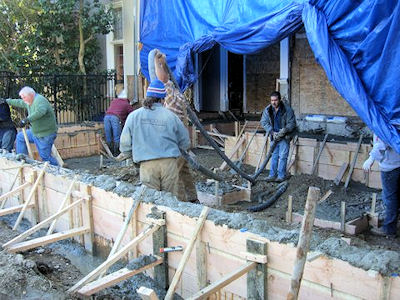
Key Takeaways

  • Here’s what you should anticipate Bay Area building inspectors to look for in your concrete foundation.
  • Keep your eye out for local quirks like expansive soils and seismic hazards, and ensure your foundation meets all pertinent codes.
  • Take your inspection report seriously and learn what separates minor foundation issues from major ones, and do what you can to stop the small problems before they get serious.
  • Hire experts who harness sophisticated equipment for precision readings and who trust their seasoned intuition for spotting unseen or impending threats.
  • Get proactive — plan repairs, call in the experts when necessary, and follow up with regular inspections to safeguard your property investment.
  • Stay ahead of foundation issues with your knowledge of local regulations.

The Inspector’s Foundation Checklist

A foundation inspection isn’t merely a walk-through; it’s a detailed evaluation that seeks signs of trouble early. You want to know if your building is on solid footing. Licensed civil engineers use a predefined checklist, meticulously recording specifics such as site information, date, weather, and personnel on-site. They check plans, specs, and even how subdrains or waterproofing are arranged. Observations about foundation behavior, including any visible cracks or structural issues, are documented in the inspection report. Inspections typically run $300 to $800, a bargain to save you from future repair horror stories. Most professionals recommend inspecting your foundation every 3-6 months or at least annually, regardless of your geographic location.

1. Cracks And Fractures

Visible cracks say a lot about your foundation’s condition. Hairline cracks are typical, but wider cracks or those following sharp angles can indicate movement.

Inspectors classify cracks by width and location. A shallow crack close to a window is not the same as a deep one that extends along the wall or floor. Cracks that are more than 2 mm wide or have uneven edges are more concerning. If there’s settling — like a dip in the floor or walls pulling away — that’s a sign to look deeper.

Abnormal settling indicates that the foundation may no longer be supporting the structure as it was intended. If it’s not controlled, it can proliferate to the balance of your structure.

If cracks appear significant, the inspector notes it on the checklist and possibly recommends repairs—such as sealing or even structural—to maintain safety.

2. Water And Moisture

Moisture is among the leading causes of foundation failure. Water can sneak in from bad drainage, leaks, or rising damp. It deteriorates the concrete.

Inspectors check for areas of standing water, wet spots, or evidence of water stains. They inspect gutters, downspouts, and grading to ensure water drains away from your structure. Mold or mildew, by definition, water’s been there a while and can do more than stink.

You’ll get tips to repair drains or install dehumidifiers. Sometimes, a vapor barrier or better landscaping is sufficient.

3. Foundation Levelness

Inspectors utilize leveling tools to test for any sloping or uneven floors. Even marginal climbs—more than 10 mm over a short run—can spell disaster. They span rooms, doors, and hallways to identify dips or bulges.

If the floor isn’t flat, you may have a settling issue or worse — a structural fault. Other times it’s simply urgent, other times it’s a quick patch. They suggested everything from simple patching to complete foundation leveling.

4. Concrete Quality

Concrete has its narrative. They inspect for indications such as chipping (spalling) or flaking (scaling), which are indicative of weather damage or an inferior mix. Good concrete is dense and doesn’t have big air pockets. The correct thickness—generally a minimum of 150 mm for the majority of buildings—and the appropriate mix make your structure stand up and stand the test of time.

If the concrete is thin, weak, or crumbling, repairs might entail patching, sealing, or even having new sections poured.

5. Seismic Hardware

Earthquake safety is important everywhere, not only in high-risk areas. Inspectors verify that seismic hardware—such as anchors, bolts, and brace systemsise present and properly installed. Loose or missing hardware compromises your building’s safety.

If upgrades are required, you might find yourself needing new anchors or retrofits to comply with local regulations.

Bay Area’s Unique Challenges

In the Bay Area, homes face unique challenges due to soil and seismic issues, making a licensed civil engineer’s role crucial for foundation inspections. Local codes and inspection standards reflect these hazards, prompting inspectors to evaluate foundation problems that could jeopardize your residence or lead to costly repairs.

Soil Type

Impact on Foundation

Local Code Focus

Clay (expansive)

Movement, cracking

Soil stability, drainage

Silt/Sand (loose)

Shifting, uneven settling

Compaction, reinforcement

Hillside soils

Slope instability

Slope grading, anchors

Soil Conditions

Soil in that area is no joke. It’s largely clay, which expands with moisture and contracts when dry, stressing the heck out of your foundation. Here in locations such as Walnut Creek, those expansive soils routinely crack slabs and move piers, so inspectors search for evidence of prior movement.

Inspectors inspect drainage. Clay-rich soil, which retains water, is slow to drain. If water pools near your home, the soil can become loose, and your foundation may settle or heave. You’ll encounter silt and sand by the bay’s shore. These unconsolidated soils move during earthquakes or intense rains, so inspectors look for uneven settling. If the soil appears too soft or loose, they might recommend stabilization before any big repairs.

Seismic Demands

Earthquake risk is significant in the San Francisco Bay Area, where the earth rattles frequently. Licensed civil engineers and inspectors inquire whether your home is retrofitted or anchored to its foundation. They conduct a thorough foundation inspection to check for cracks, gaps, or misaligned frames that can indicate earthquake damage.

For foundations constructed prior to stringent seismic codes, foundation inspectors might recommend additional steel reinforcements or anchor bolts. When an earthquake shakes the Bay Area, a proper seismic retrofit helps your home stay secure. Skipping this can lead to larger damage and increased repair costs after a significant quake.

There’s a compelling reason for the strong seismic codes in California. They mandate updates and frequent evaluations. Some houses require an entire seismic retrofit, while others may only need bolts or braces.

Local Codes And Consequences

Local codes govern soils, drainage, and seismic security, making a thorough foundation inspection report essential for homeowners. Compliance isn’t just something to breeze by during inspection; it protects your investment and ensures the integrity of your home against potential foundation problems.

The Inspection Process

A licensed civil engineer conducts a thorough foundation inspection report, focusing on the security, stability, and durability of the structure. This systematic approach involves a defined checklist, ensuring that potential foundation problems, such as visible cracks and structural movement, are carefully evaluated.

  • Visual walk-through of the entire foundation and structure.
  • Specialized tools for moisture, level, and soil checks.
  • Review of cracks, gaps, water stains, and surface changes.
  • Documentation with photos and detailed notes.
  • Phased inspections: before pouring concrete, before drywall, and just before final handover.
  • Report writing tailored to each property, in clear language.
  • Inspection of associated structural components, like floor and wall framing, vapor barriers, and grounds.

Visual Examination

Inspectors begin by conducting a standard foundation inspection to thoroughly review the entire foundation. They look for visible cracks, chipping, or unusual shifts in the surface, which can indicate more serious foundation problems such as settling or water damage. Primary indicators like white powdery stains (known as efflorescence) can reveal moisture leaks. Odd gaps between walls and floors, or sloping floors, are also carefully inspected.

Photos are taken to support the inspector’s observations, documenting what was found and where. Each area that may require necessary repairs or a detailed evaluation is tagged and described in the home inspection report, allowing homeowners to prioritize immediate efforts and ongoing monitoring.

Specialized Tools

Inspectors employ laser levels to determine whether the foundation is flat or has sunk in spots. It provides an immediate, accurate measurement that stands up to mere glancing. Moisture meters assist in verifying if water is infiltrating the concrete. Wet spots within the slab can deteriorate.

Our thermal cameras detect invisible moisture or leaks. They use soil probes and testing kits to discover more about what the foundation rests upon, as this is a significant risk with ground movement in many areas. All these tools have to work perfectly—inspectors examine and tune them for every job. This keeps results real and relevant for you.

Inspection Reporting

Upon inspection, the inspector files a report. They employ a software or list to ensure nothing slips by. Each report is specific to the house. We use simple language, backed by powerful images, so you’re in the loop.

It includes a comprehensive report of everything they uncovered, what they fixed, and recommendations moving forward.

Phased Inspections

It is a three-stage procedure. First, pre-concrete. Second, post-framing and pre-walls-closed-up. Third, pre-move in.

This staged schedule helps identify issues in their infancy and keeps the full construction on pace.

Interpreting The Findings

Knowing what licensed civil engineers seek in a concrete foundation allows you to estimate the severity of potential foundation problems and make educated decisions. Understanding the distinction between minor and major issues, key terminology, and next-step planning can save your home as well as your budget.

Minor VS. Major

  • Minor issues: small hairline cracks (less than 2 mm), slight unevenness in the floor, minor chipping, or light water stains.
  • Major issues: wide or horizontal cracks, clear sinking or heaving, doors or windows that won’t close, visible shifting, or deep water intrusion.

Even small cracks in the slab could indicate that settling has begun, which is a primary indicator of potential foundation problems. If ignored, these can escalate into more severe issues requiring a structural repair plan or even safety concerns. Water is typically the culprit behind both minor and major foundation issues, as it can accelerate settling or propagate cracks. Uneven settling — where one side of your foundation sinks much faster — is a classic warning sign. Observing for new cracks or shifts following a heavy rain can help detect issues early. For minor problems, mark their dimensions and outline with a pen and monitor every couple of months. Taking pictures and maintaining a log helps identify trends before they become overwhelming.

Common Terminology

  • Settlement: When the foundation sinks due to soil movement or loss of support.
  • Heaving: The upward swelling of the foundation is often caused by expanding soil or freezing.
  • Structural integrity: The ability of your foundation to carry loads without failing.
  • Horizontal cracks: Cracks running parallel to the ground, often serious and needing quick action.

Inspection reports, including a foundation inspection report, provide essential insights on whether you need quick repairs or regular upkeep. A user-friendly glossary in your home inspection report helps you track findings from the licensed civil engineer, even if you’re not a construction guru.

Next Steps

  • Schedule repairs for major issues right away.
  • Call in a licensed civil engineer if you discover large cracks or shifting.
  • Set up routine maintenance if only minor flaws appear.
  • Book follow-up inspections every 2–3 years to stay ahead.

It can cost a few hundred dollars to more than $10,000 for necessary repairs related to foundation problems, so being proactive and informed saves money and stress.

Beyond The Building Code

In other words, the building code is just the beginning. A solid concrete foundation shouldn’t just pass a standard foundation inspection; it should provide peace of mind for years to come. Licensed civil engineers understand that numerous hazards—wounds, damage, even fatalities—can arise from issues that codes overlook. Their profession forces them to identify defects, direct you beyond the minimums, and forestall latent issues from becoming actual hazards. They look at the bigger picture: safety, health, long-term use, and even how the foundation could affect the wider community.

A Pro’s Intuition

Experienced inspectors notice what others overlook. They can tell the difference between harmless cracks and those that can cause water leaks or worse. Their experienced eye detects micro-movements, moisture, or settlement patterns indicative of larger issues. It’s more than just ticking boxes. Sometimes, a musty scent or subtle wallmark speaks volumes.

Experience matters most in the trenches. Things that are partially hidden, such as rebar corrosion or soil swelling beneath the slab. A pro’s instinct, refined over a decade or two, pushes them to dig deeper. They inquire further, inspect deeper, and caution you where it counts.

If you care about your home’s safety, trust the pros. Their expertise can make all the difference between a band-aid and an expensive tear-out. There’s no shortage of tales in which an inspector’s hunch spotted a stealth hazard just in the nick of time. Those minutes save dollars,,s but more importantly, they save lives.

Future-Proofing

Strategy

Benefit

Drainage planning

Stops water damage, protects structure

Regular crack monitoring

Finds issues early, cuts repair costs

Quality concrete selection

Boosts strength, lasts longer

Seismic reinforcement

Less quake damage, more safety

Stay on top of licensed civil engineer inspections and home maintenance. Watch for small changes: new cracks, water marks, or settling, which can indicate foundation problems. Understanding local building practices and risks, especially in the San Francisco Bay Area, means you can identify structural issues early and respond quickly.

Your Role In Compliance

You have an important role in compliance as a licensed civil engineer in ensuring that your concrete foundation complies with all local codes. Even before foundation inspectors appear, it’s your responsibility to maintain your premises safe and compliant. It begins with understanding that building codes, zoning regulations, and contract provisions define what’s permitted when you construct or repair a base. You must verify your project complies with these rules at every stage. This includes examining the placement of outlets, laundry rooms, and circuits. For instance, most codes state that you should have electrical outlets next to each basin, and these should be within 91 cm. You shall ensure laundry outlets are located within 1.8 meters of the laundry space, and that they are on a dedicated 20-amp circuit with no other outlets sharing that circuit.

Talking early and often with home inspectors and contractors makes a huge difference. Communicate your intentions, inquire about any modifications to local codes, and verify if you encounter something you’re uncertain about. This facilitates addressing minor foundation problems prior to their expansion. For instance, if you’re not sure where arc-fault circuit interrupters fit in, ask your inspector. These have been a mandate for bedroom outlets since 2002 in much of the world, and skipping one can still equate to expensive holdups.

Beware of risk when you bypass steps. Neglecting a small crack or wet patch in the foundation can lead to larger issues, such as weak spots or mold. Failing to adhere to rules on outlet spacing or circuit size can create safety hazards and leave your project vulnerable to fines. Plus, a lot of jurisdictions require you to have a minimum of two outdoor outlets, one in the front and one in the back. If you forget these, you could have to rework.

Keep up with code changes. For example, if your hallway stretches 3 meters or longer, it might require additional outlets or lighting. Service disconnects shall be grouped, with a maximum of six in a group. These tiny sanity checks can make or break your sign-off during the foundation inspection report process.

Conclusion

You already know what Bay Area inspectors look for in a concrete foundation. They watch for cracks, proper rebar, water drainage, and robust forms. Bay area building inspectors, bad soil, high water,r, and quakes make their jobs hard. Your role counts, as well. If you document, inquire, and repair, you help protect your home. Tell me you haven’t seen one crack near a drain or soft patch by a corner—little things that can cause big expenses. Keep your wits about you during the check. Good prep and open talk get you in the code. As your next step, contact a pro and request a walk-through before inspection day. It keeps things easy and provides you with sanity.

Frequently Asked Questions

1. What Do Bay Area Building Inspectors Check In A Concrete Foundation?

They conduct a detailed evaluation for foundation cracks, moisture problems, rebar placement, and levelness, ensuring compliance with local building codes and earthquake protection standards.

2. Why Are Concrete Foundation Inspections Important In The Bay Area?

In the Bay Area, licensed civil engineers conduct essential foundation inspections to ensure your home’s structural integrity against earthquakes.

3. How Does The Inspection Process Work For Concrete Foundations?

They look over your plans, check out the foundation before concrete is poured, and come back for a final inspection once it’s done, ensuring a thorough foundation inspection report to catch potential issues along every phase.

4. What Happens If The Inspector Finds A Problem With My Foundation?

If foundation problems are observed during the inspection, such as visible cracks or structural movement, you must repair them before proceeding. The licensed civil engineer will inform you about necessary repairs and may return for a follow-up.

5. Are There Special Requirements For Concrete Foundations In The Bay Area?

Yep, local building codes mandate earthquake-resistant designs and occasionally additional reinforcement because of the region’s seismic hazard.

6. How Can I Prepare For A Concrete Foundation Inspection?

Get your plans stamped, clear your site, and ensure your materials meet code. For a thorough foundation inspection report, attend to inquiries and furnish necessary paperwork.

7. What Is My Responsibility In Maintaining Compliance?

Logically, you must adhere to the approved plans and utilize the right materials while addressing any issues highlighted in the home inspection report, helping you avoid costly errors later.

Build A Strong Foundation With Mares & Dow Construction & Skylights – Concrete Expertise You Can Count On

A solid foundation is the backbone of any structure. At Mares & Dow Construction & Skylights, we bring over 40 years of construction experience to every concrete foundation project, delivering long-lasting, high-quality results that support your home or addition for decades to come.

Whether you’re building a new home, planning an addition, or replacing an aging foundation, our team specializes in residential concrete foundation services tailored to meet your project’s structural needs and design goals.

Why Choose Mares & Dow For Your Concrete Foundation?
• Precision-formed foundations built for strength and stability
• Seamless integration with custom home builds, remodels, or ADUs
• Expert site preparation and grading to prevent future settling or cracking
• Timely project delivery with clear communication from start to finish

Proudly serving Contra Costa County, including Alamo, Danville, Orinda, Martinez, and San Ramon, Mares & Dow Construction & Skylights is your trusted partner for dependable, code-compliant foundation work.

Contact Mares & Dow Construction & Skylights today for a free, no-obligation estimate, and start your project on solid ground.

Disclaimer

The materials available on this website are for informational and educational purposes only and are not intended to provide construction, legal, or professional advice. You should consult with a qualified general contractor or industry professional for advice concerning any specific construction project, remodeling plan, or structural concern. Do not act or refrain from acting based on any content included on this site without seeking appropriate professional guidance. The information presented on this website may not reflect the most current building codes, regulations, or industry best practices. No action should be taken in reliance on the information on this website. We disclaim all liability for actions taken or not taken based on any or all of the contents of this site to the fullest extent permitted by law.

What’s The Difference Between A Slab, Crawlspace, And Raised Concrete Foundation?

When it comes to choosing the right foundation for your home, understanding the differences between slab, crawlspace, and raised concrete foundations is key. Each type uniquely supports your home and impacts the space beneath it. Slab foundations rest directly on the ground, offering solid, low-maintenance support. Crawlspace foundations elevate the home slightly, creating a small space for plumbing and wiring access. Raised concrete foundations lift the entire structure higher, making them ideal for areas prone to flooding or uneven ground. Each option has its benefits, costs, and upkeep considerations. In the sections below, we’ll break down what sets each type apart, so you can decide which one best fits your needs.

Key Takeaways

  • Knowing the difference between slab, crawl space, and raised concrete foundations allows you to pick what fits your building site and climate the best.
  • By comparing upfront costs, long-term value, and maintenance required, you can match foundation type with your building budget and future goals.
  • Choosing the correct foundation type can make your home more energy efficient, easier to renovate, and less expensive to repair throughout its life.
  • You must first consider site conditions, like soil quality, lot slope, and drainage, when choosing a foundation.
  • Taking into account climate considerations and local building codes will keep your foundation solid regardless of the elements.
  • Consult with local professionals to evaluate your specific needs and make informed foundation choices that support your long-term goals.

Comparing Foundation Types

You have three main foundation types to pick from: full basement foundations, slab foundations, and crawl space foundations. Each offers different advantages and drawbacks, making them suitable for various home designs and locations.

1. Initial Cost

Slab foundations are typically less expensive to construct than crawl spaces or basements. The DR-DRILL FOUNDATION PROCESS is easier, there’s less digging, less material. Crawl spaces require additional labor and materials because you have to construct knee walls and create access. Basements are the costliest since they require deep excavation and additional concrete.

Crawl spaces can result in additional expenses for plumbing and wiring, as you have to suspend pipes and wires in the air. Slab foundations have utilities set inside the concrete, which can save on setup, but can be expensive later if you need to repair.

Occasionally, choosing a slab can pay for itself in the long run because it’s more energy efficient. Slabs trap cold air in the winter and don’t hold hot air in the summer, so your heating and cooling bills might be lower. If you reside where utility repairs are frequent, those savings can evaporate quickly. Be certain to match fantastic at-the-top-of-the-license fees with the bottom line of your entire build.

2. Long-Term Value

Slabs can remain for 50 to 100 years if well constructed and maintained, though factors such as seismic activity and the local climate can affect that. Crawl space foundations can last decades, but only with good moisture control and regular monitoring. They each contribute value in their way. Some buyers appreciate easy access to pipes and ducts in crawl spaces, while others prefer the solid sensation and lower electric costs associated with a concrete slab foundation. Maintenance costs can accumulate for crawl spaces, particularly if you don’t keep water out. Additionally, slab foundations can be pricier if you have to relocate or repair a pipe encased in concrete. The type you choose can influence your resale value relative to what’s standard in your region.

3. Climate Suitability

Slabs function nicely in warm climates, where frost isn’t a concern. However, in cold climates, a crawl space foundation may be superior as it helps elevate your home above moist dirt and prevents frost heave. High moisture is an issue for crawl spaces, so keeping them dry is essential to prevent mold. While exterior weather and its frequency of change can be abrasive to both types of foundations, concrete slab foundations tend to hold up better in areas with consistent weather. Moreover, slabs can improve heating and cooling efficiency, which is beneficial for homes in regions with large temperature fluctuations.

4. Site Conditions

Steep lots lean toward a crawl space foundation, as it allows for height variation on demand. Generally, flat ground is best for slab foundations. Loose or shifting soil might require more prep before you set a concrete slab foundation. Drainage is significant for both types; water pooling under a crawl space or slab can lead to serious foundation problems. Additionally, some locations have specific regulations regarding the type allowed due to flood risk or earthquake hazard.

5. Construction Speed

Slab foundations are quick to install, as you can pour concrete and build shortly after. In contrast, crawl space foundations are slower due to the need for constructing short walls and installing vents or doors. While lousy weather can delay both, slab foundations are less susceptible to rain-induced delays, making them a preferred choice for many homeowners. However, unstable soil can still extend the construction timeline significantly.

How Foundations Are Built

The type of foundation, whether it be a crawl space foundation, slab foundation, or raised foundation, significantly influences how your structure withstands various factors. Understanding the construction of these foundations helps identify the appropriate match for your home design requirements.

Slab Process

Preparing a slab begins by excavating and grading the soil. The ground is graded to carry water away from the structure. The slab’s thickness is generally 15 cm, but can vary between 10 and 30 cm for additional reinforcement.

Vapor barrier, usually a heavy sheet of plastic, sits on the dirt before the concrete is poured. This keeps moisture from wicking up into the slab and aids in mold prevention, particularly in humid climates. Once poured, the concrete has to cure gradually. This is the secret to the slab’s strength and longevity. You’re going to see cracks from fast drying, uneven settling, or even shifting due to soil movement. These issues can reduce the slab’s lifespan, which, with proper maintenance, can be up to 100 years.

Crawlspace Process

This crawlspace process begins by digging trenches for short walls, known as footings. These concrete block walls surround the crawl space, standing approximately one meter high.

All of the plumbing and electrical runs are made before the floors are installed. This design provides you with some space for repairs, but minimal storage—crawl spaces are typically only one to three feet in height. Good vents are constructed into the walls to allow air circulation and prevent moisture. Without it, trapped moisture leads to mold, more visible and risky in crawl spaces.

Builders, for instance, will sometimes put gravel or a moisture barrier on the ground to prevent water from wicking up. Periodic inspection and proper drainage are essential in managing moisture to keep it dry.

Raised Process

Raised foundations start with concrete footings and piers set into the ground, supporting a strong foundation for the building. Beams rest on these piers, which provide stability to the frame. Concrete or block walls could run between piers for added strength, crucial for larger structures. In regions with unstable soil or heavy rainfall, raised foundations help mitigate serious foundation problems by keeping the building farther from the earth.

One of the advantages of raised foundations is that they allow you to run water, electric, and gas pipes under the house, making foundation repairs or upgrades much easier than with a slab foundation. This configuration simplifies the detection of leaks or repair lines, avoiding the need to rip up flooring.

However, building on a slope or uneven terrain presents challenges. The piers may need to be of varying heights, which requires calculated considerations and additional work to ensure a level surface for the entire foundation.

Additionally, while raised foundations offer benefits, there are crawl space cons to consider, such as potential moisture buildup and the need for proper insulation to maintain a stable environment beneath the home.

Living With Your Foundation

How you live with your foundation, whether a crawl space foundation or a slab foundation, counts for comfort, maintenance, and long-term expenses. Utility access, energy use, moisture, pests, and foundation repairs are all dictated by the type of foundation under your home.

Utility Access

Crawl space foundations provide you with a space under your home, generally about 30–60 cm in height, allowing you easy access to pipes, wires, and ducts whenever something gets busted or needs updating. You can identify problems quickly and repair leaks or wiring without busting through concrete.

Slab foundations are not as forgiving. Utilities are frequently routed inside or under the slab. If you ever want to repair plumbing or wires, you might have to saw through concrete, which is expensive and inconvenient. Raised concrete acts much like a crawl space, only smaller with tighter access.

For maintenance, inspect crawl spaces for leaks or insects several times annually. Wrap pipes and wires in all foundation types. Schedule utility upgrades for when you have access — slabs require more planning, so you don’t have to do major work.

Examples of how foundation type shapes utility access:

  • Crawl space: Easy to check or upgrade plumbing, wiring, or HVAC
  • Slab: Repairs may need breaking concrete, higher cost
  • Raised concrete: Some access, but more limited than a crawl space

Energy Costs

Slab foundations frequently signify greater energy efficiency because there’s less air circulation under your feet. Your foundation has fewer entry points for cold or hot air to come inside. Your floors can be cold in winter from direct ground contact.

Crawl spaces can be drafty; therefore, heating and cooling costs may increase, unless you insulate them thoroughly. You’ve even more options for adding insulation in crawl spaces and raised foundations, such as batts under the floor or foam around the walls. Over the decades, a well-insulated slab could save on heating and cooling, but both should pay attention to the local climate.

Moisture And Pests

Crawl spaces tend to have more moisture issues, particularly in humid and/or wet environments. Water may pool under the house, leading to mold or mildew—a health hazard for you and your family. Pests – like rodents or bugs – will move in if you leave the gaps unsealed. Employ vapor barriers and maintain open venting for improved air circulation. Raised concrete can have these problems, but less severely.

Slab foundations are far less susceptible to moisture issues, since there’s no open air space underneath. Mold growth risk is less, although cracks can still allow water to seep in. All of them require good drainage around your home.

Repair Approach

  • Crawl space: Fix sagging floors, reinforce supports, add a vapor barrier, check for rot
  • Slab: Patch cracks, re-level if sinking, fix water seepage, monitor edges
  • Raised: Inspect supports, repair minor cracks, control pests, treat for dampness

Slabs, particularly standard slab foundations, require less maintenance but can be more challenging to repair if serious foundation problems arise. Homeowners should keep an eye out for cracks, sticking doors, or uneven floors, as these can indicate larger issues. Additionally, crawl space foundations necessitate regular inspections for moisture and insect infestations.

Structural Integrity And Risks

Foundations rely on structural integrity to soil, seismic threats, water exposure, and climate. Each one impacts slab, crawlspace, and raised concrete foundations differently.

Soil And Slopes

Bad soil, such as clay or loose sand, can cause settling or shifting. When the soil shifts, slab foundations can crack, compromising their structural integrity and reducing their lifespan. Raised and crawl space foundations can shift as well, although their construction sometimes simplifies repairs.

On hills, foundations require further consideration. You have to secure them well so they don’t slide or tip over! Retaining walls and drainage are crucial to prevent soil from eroding. Pre-construction soil testing reveals what you’re dealing with, so you can select the appropriate foundation type and avoid expensive mistakes.

Seismic Activity

Foundation design is most critical in regions with frequent earthquakes. Slab foundations, though prevalent, may not flex as much as raised or crawlspace types. Raised concrete and crawlspace foundations typically weather shaking better, as they can flex a bit with the ground.

Building codes in earthquake zones are very specific about materials and footing depths. Concrete with steel reinforcement assists all foundation types in resisting cracks or failure. If you live in a high-risk zone, always adhere to local codes and utilize a foundation designed for shifting.

Water And Flooding

Crawl space foundations are very susceptible to water damage. If water puddles beneath your house, it supports mold and rot. Raising the crawl space a good 45 cm or so above ground makes a difference. Slab foundations are a water barrier, but once it does get in, repairs are hard and expensive.

Landscaping and grading deflect water away from your foundation. Any foundation, especially on easily flooded lots, can benefit from the addition of drains and sump pumps.

Freeze-Thaw Cycles

Freeze-thaw risks in cold climates. Water in the soil swells as it freezes, then shrinks when it melts. This cyclic cracking cracks slab foundations and heaves sections of crawl space types.

Building underneath the frost line keeps foundations secure. Raised concrete and deep footings are less vulnerable to shifting soil damage. Freeze-thaw damage is climate-dependent, so check local data before building.

Future-Proofing Your Foundation

Because your foundation, whether a crawl space foundation or a slab foundation, is not just for today, your choice matters for the future as well. How you intend to renew, preserve, or expand your abode is connected to your base selection.

Remodeling Impact

Crawl space foundations offer greater flexibility for home design, allowing you to modify plumbing or install new wiring later on. You can easily access the area beneath the house to move pipes or fix leaks without damaging the flooring. This accessibility is especially beneficial during major renovations, such as adding a bathroom or reconfiguring the kitchen.

In contrast, remodeling with slab foundations presents challenges. Since all pipes and wires are encased in concrete, any shifts can lead to costly repairs, as breaking through the slab can damage the foundation. This concern makes planning for future projects a serious issue for many homeowners considering a concrete slab foundation.

Raised concrete and crawl spaces provide you with more layout freedom. You can rework rooms or add on space with less trouble. Slab homes are less forgiving than that way, which might restrict your design options. The kind you select determines what’s feasible should you desire to remodel or expand in the future.

Material Longevity

Most slab foundations, built right and maintained, last well beyond 50 years, even a hundred. Climate is a significant factor. Cold weather cracks slabs, so they don’t last as long in freezing climates. Crawl space foundations, as long as you control moisture, can last for decades, too.

You’ll extend the life of your foundation simply by staying on top of inspections and addressing minor issues while they’re small. For crawl spaces, it means checking for dampness and adding insulation. For slabs, keep an eye out for cracks and repair them before they grow. In the long run, crawl spaces are more expensive up front, but may require additional maintenance. Slabs are less expensive to construct and maintain, but can be expensive to repair if things go awry.

Adaptability

Raised and crawl space foundations provide you with more flexibility to make changes. You can throw in new lines for plumbing, electrical, or even heating as your needs change. This makes future upgrades less of a headache.

Slab foundations don’t flex as easily to new designs. Once pipes and wires are in place, changes cost more and take longer. Building additions or extra rooms can be hard. Crawl spaces prevail if you need more growth options later on.

Which Foundation Is Right?

Choosing between slab and crawl space foundations is not just a technical decision. It’s figuring out what fits with your needs, location, and plans. Either way works. Each has its blend of pros and cons.

Slab foundations are typically more energy efficient than crawl spaces. The concrete slab holds in the cold air during winter and the hot air during summer. That can translate to reduced heating and cooling bills for you. Slab foundations generally run less expensive, around $7,000 to $12,000 on average. You score a sturdy, low-maintenance foundation. Remember, slab foundations are susceptible to moisture issues if water accumulates around your home. If you reside on flat land, a slab generally works beautifully.

Crawl space foundations are pricier, ranging from $10,000 to $25,000, typically. You gain a crawl space under your home that provides easier access to pipes, wires, and HVAC components. This can be a big bonus if you think you might require repairs or upgrades down the road. Crawl spaces function better on sloped terrain, where a flat slab would not sit properly. Crawl spaces can attract pests and require consistent inspections to prevent mold and water problems. With proper maintenance and moisture management, both slabs and crawl spaces can endure for decades, sometimes even 100 years.

Personal preferences and lifestyle count as well. If you prize convenient repair access, a crawl space will save you time and labor. If you desire a basic, low-energy foundation and intend to eschew numerous future renovations, a slab might be ideal. Consider your climate, too. Humidity in warm locations can exacerbate slab moisture problems, whereas crawl spaces in arid locations tend to remain cleaner.

Tough to say, so smart to chat with local building pros. They understand your soil, local codes, and climate. They may steer you toward an option that fits your budget, land slope, and house plans.

Conclusion

Every foundation type influences how your home lives and functions. A slab gets you directly to the solid earth. A crawl space raises your floor slightly, providing some overhead space beneath. A raised concrete base provides additional height and allows access underneath your home for easy work. You gain different things with each: warmth, space, affordability, or ease of maintenance. Some people want dry feet in wet locations, some want quick construction, and some want cool air beneath them. Consider your location, your climate, and your desire to tinker. Your choice is going to impact the way you live and maintain your house. Want to dig deeper or get customized advice? Contact us and receive solutions that fit!


Ready to choose the right foundation for your home or project? The experts at Mares & Dow Construction & Skylights Inc. are here to help you build strong from the ground up. Contact us today for professional guidance tailored to your site, budget, and long-term goals.

Frequently Asked Questions

1. What Is The Main Difference Between A Slab, A Crawlspace, And A Raised Concrete Foundation?

Slab foundations, which are solid concrete bases, differ from a crawl space foundation that provides open space under your home for utilities. A raised concrete foundation elevates your home off the ground, typically with concrete columns or piers.

2. Which Foundation Is Best For Moisture Control?

A raised concrete foundation is usually ideal for moisture control, as it helps mitigate moisture buildup and keeps your home off the groundwater.

3. Is A Slab Foundation Good For Earthquake-Prone Areas?

Slab foundations, particularly monolithic slab foundations, fare well in earthquake zones, due to being anchored directly to the earth.

4. What Are The Maintenance Needs Of Each Foundation Type?

Slab foundations require little maintenance, while crawl space foundations need regular inspections for pests and moisture buildup. Homeowners should also examine raised foundations for cracks and shifting, especially after extreme weather.

5. How Does Foundation Type Affect Energy Efficiency?

Typically, slab foundations, like concrete slab foundations, provide good insulation, assisting many homeowners in saving energy compared to crawl space foundations.

6. Can I Remodel Or Expand My Home With Any Foundation Type?

Remodeling is simplest with crawlspace or raised concrete foundations, since you can reach plumbing and wiring. Slab foundations make changes difficult as utilities are cast into the concrete.

7. Which Foundation Type Is More Affordable?

In general, slab foundations are cheaper to build than crawl space foundations or raised concrete foundations. Due to requiring fewer labor and materials, they serve as an economical option for many homeowners.

Build A Strong Foundation With Mares & Dow Construction & Skylights – Concrete Expertise You Can Count On

A solid foundation is the backbone of any structure. At Mares & Dow Construction & Skylights, we bring over 40 years of construction experience to every concrete foundation project, delivering long-lasting, high-quality results that support your home or addition for decades to come.

Whether you’re building a new home, planning an addition, or replacing an aging foundation, our team specializes in residential concrete foundation services tailored to meet your project’s structural needs and design goals.

Why Choose Mares & Dow For Your Concrete Foundation?
• Precision-formed foundations built for strength and stability
• Seamless integration with custom home builds, remodels, or ADUs
• Expert site preparation and grading to prevent future settling or cracking
• Timely project delivery with clear communication from start to finish

Proudly serving Contra Costa County, including Alamo, Danville, Orinda, Martinez, and San Ramon, Mares & Dow Construction & Skylights is your trusted partner for dependable, code-compliant foundation work.

Contact Mares & Dow Construction & Skylights today for a free, no-obligation estimate, and start your project on solid ground.

Disclaimer

The materials available on this website are for informational and educational purposes only and are not intended to provide construction, legal, or professional advice. You should consult with a qualified general contractor or industry professional for advice concerning any specific construction project, remodeling plan, or structural concern. Do not act or refrain from acting based on any content included on this site without seeking appropriate professional guidance. The information presented on this website may not reflect the most current building codes, regulations, or industry best practices. No action should be taken in reliance on the information on this website. We disclaim all liability for actions taken or not taken based on any or all of the contents of this site to the fullest extent permitted by law.

5 Ways to Boost Your Home Remodeling This Spring

kitchen remodel

Now that spring is here, it’s time to move forward with that remodeling project you’ve been thinking about for months. No matter what you have in mind, a home remodeling contractor can help you with your project. Below are five ideas for boosting your home remodeling and improving your home’s value this spring.

1. Install a Skylight 

A skylight provides an added design dimension to your home while allowing you to benefit from natural light and improved ventilation. Manufacturers now build skylights with heat-absorbing tins, insulated glazing, and low emissivity coatings to reduce summertime heat gain and eliminate wintertime heat loss.

You can also choose automated units with pneumatic devices or electric motors. Newer products now come with moisture sensors to automatically close the skylight if it rains. Skylights are fully customizable to match any roof/ceiling design or dimension. Add a skylight to your kitchen, bathroom, living room, or bedroom.

2. Build a Retaining Wall

If you are looking for a practical solution for reducing erosion or adding structural stability to your yard, a retaining wall may be your best option. If you have an elevated space, a retaining wall can help you maintain the landscape or level out your yard so that you can other features.

Some of the benefits of a retaining wall include:

  • Provides structural support that keeps soil in place
  • Prevents erosion and flooding
  • Adds more functional space to your yard
  • Adds a decorative feature with aesthetic appeal
  • Offers endless design options to suit any exterior design

3. Restore Your Foundation

Foundation problems in your home only get worse over time. They can compromise your home’s structural safety and property value. Foundation repair can restore your home’s integrity and put you back on solid ground. The sooner you address the problem the less expensive and time-consuming the project will be. 

Foundation repair can prevent damage to your plumbing or keep your home from getting flooded. A home remodeling contractor can assess your home’s foundation to determine what work needs to be done and how to move forward with the repair. Foundation repair is a great spring project that yields a high ROI for the duration of the home’s life.

4. Add a Second Story to Your Home

Did you know that it’s possible to add a second story to your home? A home remodeling contractor simply removes the roof and implements the second story to your specifications. A second story gives you more living space without moving or taking up your yard space. 

You can take advantage of the extended scenic view around your home, as you use your new space for whatever you want. Adding a second story to your home also gives you the opportunity to fix any current structural issues with the home. Plus, the added space adds value to your home.

5. Remodel Your Kitchen This Spring

A kitchen remodel is hands down the residential renovation project with the highest ROI. Renovating your kitchen presents endless opportunities to improve the floor plan, design, and functionality. You can update your floor, walls, countertops, cabinets, appliances, and other features. 

A contractor can help you create your design concepts, make recommendations on kitchen products and materials, and guide you through each stage of the project through completion. You can have the kitchen you’ve always wanted this spring.

Home Remodeling Contractor in San Francisco, California

No matter what idea you have for remodeling your home this season, Mares & Dow Construction & Skylights can help you every step of the way. We offer comprehensive home remodeling in San Francisco, California and the surrounding Bay Area. Call 925.671.9500 today for a free consultation with a home remodeling contractor.

Mares & Dow Construction & Skylights has been serving the Bay Area since 1983.  Our general contractors are home remodeling and siding experts. We enjoy working with homeowners as they start the process with their next project.  Contact us today to get started on your home remodel or siding project!

© Mares & Dow Construction & Skylights, Inc.
Customer rating: 4.5 / 5 Mares Dow Rating based on 57 reviews
Like Us On Facebook  Follow Us On Twitter  RSS Feed