Tag Archives: accessory dwelling unit

Common Mistakes To Avoid When Converting A Garage

Key Takeaways

  • Be sure to check permit requirements, building codes, and zoning regulations before beginning your garage conversion to steer clear of legal issues and expensive project setbacks.
  • Evaluate the garage’s structural, insulation, and ventilation requirements to create a secure, energy-efficient, and inviting living space all year round.
  • Consider full-scale upgrades — like electrical and plumbing — and hire pros to ensure code compliance and long-term durability.
  • Design a versatile, future-proof floor plan to accommodate evolving needs, and set a granular budget with contingency funds.
  • Think about the human experience first — plan for comfort, natural light, airflow, noise control, and intuitive flow between zones in the converted space.
  • Choose seasoned contractors wisely, and know when to bring in the pros for tricky projects — to get it done right and safely.

Typical mistakes to avoid when converting a garage are missing permits, inadequate insulation, and underplanning power or lighting. That’s when you run into trouble, when you don’t check local regulations or you overlook simple upgrades for safety and comfort. Many neglect to budget for fixes like floors, walls, and windows. Disregarding airflow, failing to consider storage, or utilizing incorrect materials can render the space difficult to function in. Awareness of these problems up front can save you money and solve problems early before they escalate. In the following sections, you’ll get more specifics with advice to plan your project with less worry and more success.

What Are The Critical Oversights?

Converting a garage involves more than just recycling four walls; it’s a comprehensive garage renovation journey filled with technical, legal, and design decisions. Skipping any of these crucial steps can lead to costly garage renovation mistakes, additional expenses, or even hazardous living environments.

1. The Permit

Skipping the garage renovation permit step can result in huge headaches. Many homeowners attempt to shortcut the process by bypassing local permits, but this can lead to legal issues or the need to tear out completed work. Before you begin your garage conversion journey, always check with your local building office about the necessary building permits. This isn’t just bureaucracy; it’s essential for adhering to safety and zoning regulations in your area.

Once you know the required permits, prepare all your paperwork in advance. Drawings, site plans, and proof of ownership are often necessary and can expedite approval, ensuring your garage remodel progresses smoothly. Plan for necessary inspections at every stage—foundations, framing, electrical—so you can sail through code checks. Keep all permits and approvals organized, as potential buyers or renters may request them, and your insurance company might require proof for coverage.

2. The Structure

Start your garage renovation by thoroughly screening the foundation and walls. Many older garages may show signs of cracks, water damage, or even termites, which need to be addressed before proceeding with any construction. This is crucial to avoid developing on a shaky foundation. If your goal is a garage conversion into a bedroom or office, ensure that your floor and walls can support the new load, especially if you’re planning to add a bathroom or kitchen that might require additional structural support.

It’s essential to decide whether to remove, wall up, or replace certain elements, as these choices will impact insulation and overall design. Additionally, make sure to budget for any necessary structural changes, as underestimating these costs can lead to costly garage renovation mistakes down the line.

3. The Climate

Climate control is essential for a comfortable living environment. To ensure year-round use and avoid moisture or mold during your garage renovation, address each of the following.

  1. Insulation: Use wall, roof, and floor insulation that matches your climate. Without your new space can be too hot or cold and will waste energy.
  2. Windows: Pick energy-efficient windows with good seals. Position them for natural light and cross-ventilation. This improves ventilation and reduces heating expenses.
  3. Heating and Cooling: Plan for a split system or extend your main HVAC. Garages rarely have adequate air flow, so new systems or circuits are often required, which can cost thousands.
  4. Sunlight: Check which way your garage faces. Less sun = more heating, north-facing (in the northern hemisphere). South-facing windows receive more sunlight and thus can save on energy.

4. The Utilities

Electrical and plumbing require professional assistance, especially during a garage renovation. Expect more outlets, new lighting, and appliances in your design. If you consider adding a bathroom or kitchenette, ensure that drainage and water lines comply with local code. Avoid costly garage renovation mistakes by never attempting DIY electrical work—always hire a licensed pro. Good planning keeps wires and pipes neat and accessible for repairs.

5. The Materials

Design a spread that suits your daily requirements and allows flexibility for variation, especially if you’re considering garage conversion ideas. Set a budget that covers all parts of your garage renovation, including materials, labor, and building permits, while also leaving a buffer for surprises. Chunk your project into defined steps, with a schedule for each.

Failing To Plan Strategically

A successful garage conversion begins with strategic planning for layout, future flexibility, and budget, as well as the shell of the building. Omitting this phase can lead to costly garage renovation mistakes, wasted room, added expense, and a space that fails to provide extra living space.

Poor Layout

A good layout is about more than just putting four walls up. If you don’t plan effectively, you may find yourself with awkward room shapes that make it difficult to position furniture or move about, ultimately leading to costly garage renovation mistakes. This can transform otherwise usable living space into dead zones. Failing to plan strategically means you might neglect to think about designated zones for certain activities—perhaps you need a work zone, a relaxation zone, or additional garage storage options. Ignoring these spaces at this stage can cause clutter and frustration later on.

Rough sketches or even simple tools online to help you visualize your design before beginning, let you get an idea of how the space will flow. It’s simple to recognize bottlenecks, weird corners, or places that will be difficult to access. Little errors here can escalate to serious problems once the garage renovation commences. Planning for natural light and good airflow is key. Absent this, even the most stylish space can feel dank or cramped, making it less cozy and practical.

No Future-Proofing

Your converted garage ought to grow with you. If you’re not planning, you might have to make expensive modifications earlier than anticipated. For instance, if your family expands or you work from home, will the space still function? Features like movable walls or built-in wiring for additional tech can help make future upgrades easier.

Consider storage as well. If you don’t strategize, you’ll run out of nooks and crannies. This can mess up your new room, particularly as your requirements evolve. Adding flexibility now saves time and money later.

Budget Miscalculations

Budget overruns are inevitable when you don’t plan for every expense. Outline all anticipated costs — supplies, labor, permits — in advance. Leave room in your budget for surprises, because every good project strikes unforeseen bumps. Look up what comparable projects go for in your area, so you don’t lowball your estimate.

Monitor your expenses as the project evolves. Modify your budget on the fly so you don’t lag. Otherwise, you risk running out of money before the job is complete or having to pinch pennies to put it out.

Neglecting The Building’s Shell

Failing to treat the garage’s shell can wreck your investment. Inspect the side walls and roof for any leaks or damage. Fail to address these soon enough, and your new digs could be plagued by moisture, draft, or even mold.

Be sure your building is weatherproof before you start work within. Updating windows, doors, and siding will keep things energy-efficient and make the space look right in tune with the rest of your house.

Don’t miss the insulation. It’s the only way to maintain a cozy space and manageable bills.

Ignoring The Building’s Shell

Ignoring your garage’s shell is an expensive oversight when considering a garage renovation. The shell, which includes walls, floors, roof, and openings, establishes the mood for coziness and security. Most garages aren’t intended as living spaces, so bypassing a comprehensive evaluation could lead to costly garage renovation mistakes. Paying attention to the shell ensures a comfortable living environment that is pleasant to inhabit and compliant.

Inadequate Insulation

Many garages feature hard concrete floors and paper-thin walls, which are inadequate for maintaining a comfortable living environment. Without proper garage renovation, these spaces struggle to hold heat in or keep the cold out. When considering insulation for your garage remodel, spray foam and fiberglass are popular options. While spray foam provides a tight seal, it can be more expensive; on the other hand, fiberglass is more budget-friendly but may not be as effective in blocking air. It’s essential to choose insulation that suits your climate and budget, ensuring it is Energy Star-rated to save on energy costs and comply with local zoning laws.

If your converted space is intended to be a home office or music room, incorporating soundproofing insulation can enhance your garage conversion journey. This addition aids in noise reduction from both external and internal sources. Failing to adequately insulate your garage can lead to costly garage renovation mistakes, making it crucial to finalize your insulation choices before completing walls and flooring for a successful transformation into a usable living space.

Poor Ventilation

Garages typically have very few windows, leading to poor circulation and potential health issues due to stale air. Incorporating garage renovation elements like windows and vents can enhance fresh air flow. For areas with kitchens or bathrooms, quality exhaust fans are essential to eliminate steam and odors. Ceiling fans can also aid in air circulation, providing a more comfortable living environment.

A clever floor plan can utilize cross-ventilation, establishing windows or vents on opposing walls. This strategy ensures that fresh air moves effectively, preventing the new room from feeling humid and clammy during your garage conversion journey.

Moisture Issues

Most garages aren’t waterproof. Before you prep, look for leaks or damp patches. Install barriers under floors and on walls to prevent water intrusion. In wet areas, like bathrooms, opt for materials that won’t mold. Mold is tough to avoid once it begins.

Watch out for plumbing and the roof – leaks can pop up later. Routine inspections prevent small troubles from becoming big.

Local Regulations

Depending on your local laws and codes, these things can modify what you can do with your garage. Know the code before you code. Not ignoring them can mean huge fines or having to redo work. Some locations restrict garage modifications or possess stringent energy codes.

Always talk to your local office to check for updates. This saves you from headaches down the road.

Disregarding Rules And Regulations

If you’re thinking about a garage renovation to convert a garage into a living space, you need to adhere to strict zoning laws and building codes, regardless of your location. There are different rules for garage conversions in every country, state, or city. Neglecting to look up and adhere to these rules frequently results in project hold-ups, fines, or, worst, having to back out of your entire efforts. Your insurance could get voided by skipping the paperwork. For instance, in the UK, even minor alterations require building permits where PD rights are on hold. In Australia, they are highly regulated for fire safety and natural light. Disregarding them to shave off cost or time may be tempting, but homeowners generally rue the day. Roughly 40 percent of DIY home project owners regret it – frequently due to overlooked regulations or permits.

Zoning Violations

Zoning laws establish the basic parameters for garage renovations, dictating what you can and cannot do with your garage. If you attempt a garage conversion without verifying these regulations, you could be violating local laws. Some cities prohibit converting garages into bedrooms or apartments, while others may limit plumbing or kitchen installations. Ignoring these garage rules can result in heavy fines or even demolition. It’s wise to investigate these requirements upfront, rather than after the project is underway.

Record each step and take notes of any discussions with local zoning boards as part of your garage remodel journey. These records will be invaluable if disputes arise later. If you’re uncertain about a rule, consult the zoning board directly. They can provide guidance and help you avoid common garage conversion mistakes, ensuring your project complies with safety and zoning codes.

Code Non-Compliance

Building codes ensure your garage conversion is secure and habitable. Codes frequently encompass wiring, plumbing, fire escapes, and ventilation. Disregarding these rules can render your new space unsafe and could require you to pull out finished work and redo. It’s typically more expensive to correct such errors than it is to do the right thing to begin with.

If you intend to use your garage conversion as a living space, a rental, or a guest suite, code compliance is mandatory. Hold on to any permits, inspection reports, and compliance paperwork. You’ll probably need them for insurance or if you sell the house. In other areas, non-compliance with code can result in your entire house being uninsurable.

Resale Problems

Garages are deal-makers or deal-breakers for many buyers. A conversion that suits your needs precisely may not attract anyone else, and that can reduce your home’s value. To circumvent this, attempt to space plan in a way that prospective owners will be able to utilize the area in multiple ways. For instance, choose neutral colors and stay away from bizarre or custom things that are difficult to swap out.

Concentrate on value. When selling, demonstrate how the additional space commands a premium, either as a home office or rental. If the market desires garages, be prepared to undo your modifications to get a faster sale.

Contractor Oversight

Pick a contractor who specializes in garage conversions. Obtain quotes from several contractors and verify their references. That steers you clear of the hacks and permit-skippers.

Let your contractor know what you want, and ensure that you’re both on the same page.

Bad work or missed steps will cause headaches later.

Make sure your contractor’s paperwork and licenses are current, too.

Underestimating Professional Help

Garage conversions require a realistic approach and a firm idea of what you can and cannot handle on your own. Many homeowners overlook essential garage renovation advice, such as consulting contractor portfolios or reading client reviews, leading to bad experiences. Before selecting a contractor, check their experience specifically with garage conversions, not just general remodeling. Previous project photos, references, and online reviews can demonstrate their ability to complete projects on time. During interviews, ask about comparable work and observe how they communicate—this indicates whether they listen effectively. Trust your instincts; if you feel a disconnect in values or approach, continue seeking the right garage conversion contractor. Rushing this step jeopardizes the entire project.

Wrong Contractor

A garage conversion can take most of us beyond our DIY threshold, especially when considering garage renovation projects. Although it may appear inexpensive at first, structural adjustments, electrical planning, and plumbing often require expertise and legal licensing. For instance, tackling electrical work without the proper qualifications can create fire hazards or fail to comply with local zoning laws. Even a minor wiring error could lead to costly repairs down the line. If you lack experience, hiring a reliable garage conversion contractor from the beginning is safer and more economical, ensuring a successful transformation of your garage into usable living space.

This type of multitasking can lead to errors, delays, and oversights that you might not realize you’re missing. You may think you have demolition, framing, and finishing covered, but one missed step can result in cascading setbacks. Even seasoned DIYers can feel overwhelmed by regulations, inspections, and unexpected repairs. While taking all the necessary safety precautions, tools, and gear is crucial, it’s also important to recognize when it’s time to step back and call in a professional for your garage upgrade project.

DIY Dangers

Comfort needs to direct all design decisions in a converted garage. A lot of people overlook just how vital insulation and ventilation are to everyday life. Insulate poorly, and rooms get too hot or cold, and energy bills soar. Poor ventilation makes stale air, increasing mold or illness hazards.

A nicely converted garage just squeezes in, adjoining smoothly to other rooms. Consider how you move through the area. If that flow seems awkward, usability plummets. Visitors or those with mobility needs should be able to navigate with ease.

Lighting is another detail that should be planned. Good light elevates your spirit and renders the area functional at any time of day. Select a combination of natural and artificial light—no dark corners—to promote coziness. Address acoustics. Hard surfaces in a garage magnify noise. Add rugs, curtains, or wall panels to mute sounds and maintain a zen new room.

Overlooked Systems

HVAC systems get left in the dust, but a poorly heated or cooled garage is a tough space to utilize throughout the year. Your DIY fix will seldom be as good or as efficient as a system installed by a pro. Electrical work is yet another where it’s dangerous to skimp. Your local codes are there to keep you safe, and if you don’t comply, you may void insurance or block a future sale.

Garage floors and walls can conceal structural issues. Neglecting to get professional advice at this point will just mean expensive repairs down the road. Just always have a pro come in and check for cracks or moisture.

Forgetting The Human Experience

Forgetting the human experience during a garage renovation is overlooking how we inhabit the space. You run the risk of creating a usable living space that sounds good on paper but turns out to be chilly or claustrophobic. ALWAYS consider how you use the space – not just how it looks! An intelligent design keeps you connected to others, reduces stress, and gives your garage conversion journey significance.

Awkward Flow

If you neglect flow, your space can feel cramped and difficult to utilize. When furniture impedes traffic patterns or partitions the room, it fragments the flow of your movement. It can leave people feeling isolated or separated from one another. A bad design can even make you anxious and prevent you from desiring to use the new space whatsoever.

Design straightforward routes that allow you to saunter between doors, windows, and hot points such as your desk or couch. Open floor plans make the room feel big and inviting. Try out the furniture arrangement before you commit–use tape on the floor or rearrange. This active step reveals what works, not just on paper. They want space to hang out, so give them some room. This helps all of you feel connected and keeps the room from feeling like a maze.

Insufficient Light

A dark, depressing room will make people depressed or restless. To remedy this, utilize large windows or skylights for natural light. Light colors on the walls and floors will bounce light, making the space feel open. Layered lighting—blending ceiling fixtures, lamps, and spotlights—provides you control and prevents shadows from dominating. If your new room will double as a study or hobby space, install dimmers so you can set the right mood for each activity.

A bright room makes everyone feel alive, stay focused, and connect more. Research connects nice lighting to enhanced mood and even better health. If you mess with the lighting, you’ve created a place where nobody wants to be.

Poor Acoustics

Garage walls and floors love to just bounce sound right back, and your car has an amplified speaker system and subwoofers. This can render the space unpleasant or even overwhelming. Rugs, curtains, and soft chairs help soak up sound, making it easier to talk or think. If you crave quiet working or sleeping areas, utilize bookcases or screens as soundproofing.

Soundproofing is not only for music rooms. Even a minor effort—such as laying a thick rug—can reduce noise. Plan what you’ll do in the room. If you’re gonna watch movies or talk or study, good acoustics count. Too much noise can clutter your mind and prevent you from unwinding or concentrating.

The Impact Of Neglect

If you forget these steps, your new room can feel like a cold, empty space.

You could find it difficult to relax, concentrate, or engage with people.

Forgetting the human experience can leave you apathetic or antsy.

Some people even report more stress and less creativity.

Conclusion

You set out to convert your garage, and you’ve got the truth today. Nice projects begin with a scheme. Robust walls, quality flooring, and effective roofing protect your area. Regulations count. Consult the local codes, consult experts, and keep your project above board. Expert trades have tips and tricks you’ll miss. Hire out for wiring, plumbing, or plans. Consider the way people will use the space daily. Light, heat, and air all add comfort. Little steps lead to big change at work. You craft your space with love and savvy. For more tips or to read other people’s stories from the trenches, visit the blog and post your victories or lessons.

Frequently Asked Questions

1. What Are The Most Common Mistakes When Converting A Garage?

The biggest blunders in a garage renovation include bad planning, overlooking the garage structure, disregarding local zoning laws, bypassing experienced garage conversion contractors, and neglecting comfort to create a functional living space.

2. Do I Need A Permit To Convert My Garage?

Yes, you typically do require a building permit for your garage renovation. Local governments have regulations on garage conversions, so it’s essential to consult with your local authorities before starting your garage remodel to avoid costly garage renovation mistakes.

3. Why Is It Important To Plan My Garage Conversion?

Planning ensures you make good use of your space during your garage renovation, stay legal with necessary building permits, and avoid costly garage renovation mistakes down the line.

4. Should I Hire Professionals For My Garage Conversion?

Yes, bringing in the pros — architects and experienced garage conversion contractors — spares you costly garage renovation mistakes. They have the experience to ensure your space is safe, legal, and functional for your needs.

5. What Should I Check In The Garage’s Structure Before Converting?

Inspect the foundation, walls, roof, and adequate insulation, as structural issues can lead to costly garage renovation mistakes and safety hazards down the line.

6. How Can I Make My Converted Garage Comfortable?

Include adequate insulation, ventilation, heat, and air conditioning for your garage renovation. These modifications create a comfortable living environment year-round.

7. What Happens If I Ignore Local Building Regulations?

Overlooking local zoning laws can lead to fines, forced removal of modifications, or issues when reselling your home. Always abide by these regulations to safeguard your investment during your garage renovation.

Your Dream Home Addition Built By Mares & Dow Construction & Skylights – Let’s Create The Extra Space You’ve Been Dreaming Of

Expand your home’s potential and enhance everyday living with a custom home addition from Mares & Dow Construction & Skylights. With over 40 years of construction experience, we specialize in high-quality additions that seamlessly integrate with your existing structure and lifestyle needs.

Whether you’re planning a new primary suite, second-story expansion, or an in-law unit, we tailor each addition to match your vision, your home’s architecture, and your long-term goals.

Key benefits of our general home addition services include:
• Adding valuable square footage for growing families or multi-use living
• Increasing your property’s value with expert design and construction
• Creating energy-efficient, modern living spaces tailored to your needs

Proudly serving Contra Costa County—including Alamo, Danville, Orinda, Martinez, and San Ramon—Mares & Dow Construction & Skylights is your trusted partner for functional, beautiful, and lasting home additions.

Contact Mares & Dow Construction & Skylights today for a free, no-obligation quote, and let’s build your ideal home addition together.

Disclaimer

The materials available on this website are for informational and educational purposes only and are not intended to provide construction, legal, or professional advice. You should consult with a qualified general contractor or industry professional for advice concerning any specific construction project, remodeling plan, or structural concern. Do not act or refrain from acting based on any content included on this site without seeking appropriate professional guidance. The information presented on this website may not reflect the most current building codes, regulations, or industry best practices. No action should be taken in reliance on the information on this website. We disclaim all liability for actions taken or not taken based on any or all of the contents of this site to the fullest extent permitted by law.

How To Design An ADU For Maximum Rental Value

Key Takeaways

  • For maximum rental value, design your ADUs with open layouts, plenty of natural light, and built-ins to make your spaces both functional and attractive.
  • Flexible floor plans, soundproofing, and separate living zones enable you to appeal to a diverse set of tenants and lifestyles, expanding your rental market.
  • Spending a bit more on long-lasting, contemporary, and environmentally-conscious finishes not only raises the value of your property, but resonates with renters globally who value quality—and sustainability.
  • Things like high-speed internet, in-unit laundry, a full kitchen, and smart home features will help you charge premium rent.
  • Yard space, a private entrance, and energy-efficient upgrades such as LED lights and efficient appliances all increase tenant happiness and help you secure long-term renters.
  • By keeping an eye out for local ordinances, finding that sweet spot between cost and quality, and marketing the advantages of tiny living, you can help safeguard your ADU’s value against shifting markets.

To design an ADU for maximum rental value, you need to focus on smart layout choices, cost-saving build methods, and features that renters want. Choosing a floor plan with open space and lots of light makes your ADU widely appealing. A tiny kitchen with energy-saving appliances, in-unit laundry, and good storage makes your unit shine. Renters like private outdoor space and robust internet. Just don’t forget to design something that fits local rules and use quality but simple finishes for low upkeep. You extract more value by maintaining the style clean and the rooms effortless to use. Below, discover essential steps, design advice, and what not to do when designing your ADU.

Foundational ADU Design Principles

A great accessory dwelling unit (ADU) design creates value with clever space utilization, comfort, and flexibility, appealing to potential renters while respecting open plans and maximizing natural light.

1. Layout

An adaptable floor plan equals more rental possibilities and increased rental appeal. You desire a space that can transition between a couple, a single professional, or a young family. Introduce distinct spaces for living, sleeping, and working. Separate rooms for each essential daily need enhance comfort and privacy, assisting you in appealing to long-term tenants or possibly even vacationers.

Functional circulation counts. Primary thoroughfares, a minimum of 0.9 meters wide, allow you to navigate through the kitchen, living room, and bedroom without brushing against objects. A flush entry—no more than ½ inch—assists with bags, strollers, or mobility aids. Utilize universal design so that every age and ability feels at home. Consider soundproofing within common walls or in between sleeping and living areas. It’s a minor action that results in more joyful, peaceful renters and reduced turnover.

2. Light

Sunlight attracts people, making it essential for accessory dwelling units (ADUs) to have plenty of natural light. Positioning big windows and skylights can whisk sunlight deep into the rental unit all day long. Light tones on walls and reflective surfaces help create the illusion of a larger space by bouncing light around. If possible, direct window openings toward prime views, but shift them laterally or use frosting for privacy—particularly in tight-knit neighborhoods where rental options may be limited.

Layered lighting is also crucial for a positive rental experience. Dimmable fixtures allow potential tenants to create ambiance, while thoughtful lighting design minimizes glare and enhances comfort, especially for older renters after dark.

3. Storage

Storage is a prime tenant concern. Multifunctional furniture—sofas with drawers, fold-away beds, and benches with cubbies—compresses storage into small spaces. Oversized closets and cabinets that are effortless to access, not buried in awkward corners. Take advantage of the height of the room for additional shelves or cabinets — this keeps the floor surface open and the space relaxed.

Some renters require exterior storage, such as a mini bike shed or space to keep tools or hobby equipment. Provide alternatives that don’t encroach on the living space. Well-conceived space equals less clutter and happier tenants.

4. Finishes

Timeless finishes stand up and reduce maintenance. Select stone or ceramic counters, durable laminates for flooring, and wipe-clean paints for the walls. Contemporary, clean lines and neutral tones keep rooms feeling clean and cater to a wide preferences. One consistent design thread—same trim, fixtures, and palettes—pulls the ADU together.

Slip in some green options, such as low-flow taps or recycled flooring, for the eco-conscious tenant. This makes your ADU special in a sea of sameness.

What Amenities Attract Renters?

Knowing what amenities to emphasize in your accessory dwelling units will differentiate your rental ADU and attract more high-quality potential tenants. These features add value, comfort, and often determine the rental income potential.

Private Entry

A private entrance is a necessity for renters seeking independence. This setup allows your tenant to enter and exit without passing through your primary residence, a crucial component to everyone’s peace of mind. A walkway or a gate or a little landscaping—shrubs or pavers—leads guests to their door and makes the place look more inviting.

Good lighting here is important as well. Consider motion-sensor or pathway lights to maintain a safe and easy-to-find entrance at night. Robust locks and direct sightlines assist renters in feeling secure. If the primary residence is nearby, incorporate some soundproofing around the entry to minimize noise and impart a more private atmosphere to the space.

Outdoor Space

Entry to outdoor living ranks high on many renters’ wish lists, especially when considering accessory dwelling units (ADUs) as rental options. A small patio, balcony, or garden can make your rental ADU much more appealing than one without any fresh-air options. By adding a few chairs or a bench, and perhaps a fire pit if you have the room and zoning laws allow, these straightforward additions assist potential tenants in imagining themselves unwinding or entertaining friends outdoors.

Your outdoor space should be accessible from the interior of the ADU so that renters don’t need to traipse through your main house. Keep landscaping easy—low maintenance or hardscape—so potential renters won’t be spending their weekends trimming and watering. Minimal maintenance equals minimal work for you, as well.

In-Unit Laundry

No, tenants want in-unit laundry machines. This is time and hassle-saving compared to shared or off-site laundry. Select ENERGY STAR appliances to impress eco-conscious renters eager to reduce utility bills.

Set aside a niche or closet for the washer/dryer. Utilize shelves or cabinets close by to house laundry soap and baskets, so the space remains tidy and accessible. A tiny yet serviceable laundry situation can be a clincher.

Full Kitchen

A fully-equipped kitchen tells your ADU is more than just a simple rental. Have a stove/oven, refrigerator, and microwave – these things are par for the course for your long-term renters. Design your layout so renters have adequate counter space to make their meals, and incorporate ample cabinets for storage.

Choose contemporary finishes and fixtures. Stainless or easy-clean surfaces look nice and last. Long-lasting materials translate to fewer repairs for you down the road. A stylish kitchen attracts renters who plan to dine in and makes your listing pop.

Smart And Sustainable Features

Outfitting an accessory dwelling unit (ADU) with smart and sustainable features can distinguish your property in the rental market. The right combination of smart features, sustainability, and efficient design enhances your rental income potential, making your ADU more desirable, livable, and affordable to a broader pool of potential tenants. These decisions are about more than just being trendy—they’re intelligent strategies that improve value, encourage comfort, and reduce operating expenses for you and your tenants.

Smart Home

Smart locks provide tenants with secure and convenient access while allowing you to control access remotely. They eliminate crucial friction and provide an element of confidence for each party.

Smart appliances, from ovens and fridges with app controls to dishwashers that learn usage patterns, make daily life easier for your renters. Tenants can kick off laundry from their phone or check if they left the stove on after they’ve left.

Smart home automation lets tenants adjust temperature, lighting, or even blinds from their device. These systems are great for shared or shifting schedules. Smart thermostats give renters control and track energy use, which saves money in the long run. In your listings, flaunt these upgrades to attract tech-savvy renters from around the globe.

Energy Efficiency

Well-insulated and high-performance windows retain heat in winter and keep it out in summer, reducing both heating and cooling expenses. Southern exposure with well-sized overhangs can increase solar gain in the cold months and block heat during the hot months, reducing energy consumption by as much as 30 percent over average construction.

LED lighting consumes less energy and has a longer life span, so you save on maintenance, and your tenants save on bills. Energy-efficient appliances, such as low-consumption washers and induction cooktops, can minimize monthly expenses.

Explain to tenants how to use these features well—like keeping blinds closed during midday heat or setting programmable thermostats—to help them save more. These moves differentiate your ADU in the worldwide rental pool, as eco-living is a high priority for many.

Water Conservation

Low-flow bathroom and kitchen fixtures reduce water consumption without sacrificing convenience. A lot of renters seek out these details as water costs increase and resources decrease.

Landscaping with drought-resistant plants reduces outdoor water requirements. Succulents, native grasses, or gravel beds look smart and function in several climates. Instill renters with easy water-saving behavior, such as taking shorter showers or only washing full loads of laundry, to create a conscientious living environment.

Include water-saving upgrades in your rental listings. A lot of green-minded tenants look for these specifics initially.

Accessibility And Flexibility

Zero-step entries, wheelchair-accessible bathrooms, and counters with adjustable heights ensure your ADU is functional for all, regardless of mobility requirements.

Flexible designs, such as Murphy beds or sliding walls, assist tiny spaces function for more activities per day. Outdoor spaces, whether it’s a patio or balcony, add style and provide renters with additional space to spread out.

Quick construction with prefab components reduces waste by 30–50% and completes up to 60% sooner, benefiting both the environment and your expenses.

The Psychology Of Small Spaces

Small living spaces, particularly accessory dwelling units, can provide tangible advantages — to you as a landlord, and to your tenants. Reduced maintenance means you have to invest less time and money in fixing things and cleaning. Smaller homes typically consume less energy as well, so those monthly costs tend to remain lower. These aspects resonate with tenants looking to save money, reduce waste, or simply spend less time doing chores. By making your ADU easy to clean and efficient to run, you’re exposing it to a larger pool of potential renters seeking these benefits.

Breezy, open rooms always attract prospective tenants, even if there’s not much square footage. The trick is employing design techniques that fool the eye and maximize every inch of space. For instance, opt for low-slung furniture. Low sofas, unadorned beds, and narrow tables allow more light to travel across the room. They reduce visual clutter, making rooms seem larger than life. Walls eat up space and break up the flow, which is why open floor plans work so well in small ADUs. When you live, dine, and work in one space, your renters can wander around organically. Multi-purpose spaces are key here: maybe a fold-out desk for work, or a Murphy bed that tucks away during the day.

Vertical storage is your best friend in a small ADU. Tall shelves or cabinets keep things off the floor, opening up space to walk and simplifying tidying up. Hooks, racks, and wall-mounted units keep clutter at bay. When you design small spaces with storage in mind, tenants can pack more in without feeling cramped. This design choice not only enhances the living experience but also aligns with the growing trend of maximizing rental potential in accessory dwelling units.

Color is more than style — it’s the mood of a space. Light colors—such as light grey, beige, or dusty blue—reflect additional light and feel soothing. They open up rooms and help renters breathe easy. If you’re looking to inject some energy, bold accents—like a mustard throw or a navy chair—deliver focus and pop without shutting down the space. Patterns and textures make small rooms come alive. For instance, a statement rug or textured wall behind a sofa can create depth and inject intrigue, transforming a nondescript space into a feature that appeals to potential tenants.

Lighting is a major factor for both mood and function. Statement fixtures— a pendant, an artistic wall lamp — pull the eye upward, adding both height and style. Good natural light is key, but in smaller or shaded rooms, layer floor lamps or sconces to make the space feel warm and lived in. Top off the space with smart home devices, like thermostats or lighting controls, for comfort and easy living. Tenants love this tech for its convenience and energy savings, which can also enhance the overall rental experience.

Privacy is important, even in a small room. Use natural barriers–thick shrubs, stone paths, or a row of potted plants–to separate the ADU from the main home or the street. This fosters a feeling of retreat and makes the unit seem like its own separate space. Indoors, employ sliding doors or curtains to carve out zones without blocking light. Such features can significantly improve tenant satisfaction and make your rental property more appealing.

Last, let tenants feel like they can have the space their own. Removable wall art, flexible shelving, or easy paint options allow them to bring in some personality. When renters feel like they can mold their home, they remain longer and care more for the space, ultimately enhancing the rental income potential for property owners.

Navigating Building Regulations

If you’re designing an accessory dwelling unit (ADU) for rental, it’s crucial to navigate a complex set of regulations. Each area sets its own rules, meaning what applies in one city may differ in another. Start by examining local zoning laws, as these dictate whether your lot permits an ADU, its size, proximity to property lines, and height restrictions. Some areas may even prohibit ADUs in specific neighborhoods or impose strict restrictions on parking and access. Missing these regulations could result in wasted time and money on plans that never receive approval.

Building codes are equally important as zoning laws. These codes establish baseline requirements concerning safety, energy consumption, and the overall functionality of your rental ADU. For example, many areas follow Title 24, which mandates compliance with regulations regarding heating, cooling, insulation, and the amount of natural light entering through windows. Additionally, codes cover essentials such as fire exits, smoke alarms, and safe wiring. While these may seem straightforward, they frequently change as cities update regulations to promote safer and more accessible residential units. Overlooking or misinterpreting a code can lead to costly rebuilds, disrupting your timeline and budget.

Be aware that ordinances can change rapidly, especially in regions with fluctuating housing demand. A regulation permitting you to rent your ADU short-term today may be banned tomorrow. Stay informed about updates in your city or region, particularly if you plan to rent your unit soon after construction. In some cases, regulations might require you to live in the main house if you intend to lease out the ADU. Furthermore, new taxes or fees on short-term rentals could be imposed, and failing to keep up with these changes can result in lost rental income or legal complications.

If you’re at a loss, contact some local housing authorities or building officials. They can demystify what’s required for your location and address challenging issues. Bring ’em your plans, sketches, or even just your lot’s address. They can identify zoning issues or highlight for you which codes are most relevant to your project. This step saves you headaches down the line when you present your plans for approval.

Constructing an ADU and getting it ready for rent is not a quick process. A garage conversion might take six months or more, while ground-up construction could span a year. Costs can range from $120,000 to $400,000, influenced by your design choices and local regulations. Start early, verify every regulation, and consult with experts who understand the local rental process. By planning with these rules in mind, you can save time, money, and stress in your journey to create a successful rental ADU.

Balancing Cost And Quality

Striking the balance between cost and quality is the heart of any successful accessory dwelling unit design project. When you’re trying to maximize rental income potential, your materials selections, budgets, and project planning can make or break your results. The decisions you make today will influence not only your ADU’s worth to renters but also the returns you realize as an owner over time.

Begin with the materials and finishes. Consider more than just the sticker price and instead reflect on how the material will hold up. For instance, a laminate floor is going to cost less than tile or engineered wood, but it’s going to see wear quickly, particularly in high-traffic areas. If you select tile or a hardy composite, you’ll pay a little more upfront, but you end up with a surface that wears well against potential tenants and cleans up easily. If you’re looking for a more modern aesthetic without the maintenance, quartz outlasts laminate and resists stains for kitchen counters. In the bathroom, ceramic or stone can last decades, but inexpensive vinyl will have to be swapped out after a few years. These decisions are significant both for attractiveness and upkeep expenses. Strong, easy-to-clean finishes bring in good tenants and protect against recurring repair needs, helping to justify higher rents.

Establishing a practical budget begins with definite priorities. Determine what you need to have for the ADU to be desirable and livable — lockable doors, quality insulation, efficient windows, and a usable kitchen and bath. These basic amenities distinguish your ADU in any rental market. You want to invest in things people see and use daily — like quality lighting, generous storage, and soundproof walls. Luxurious upgrades like designer fixtures or custom cabinets, for example, will quickly add to your expenses without doing much for your monthly rent. Prioritize your expenses by importance and be prepared to trim or postpone less essential ones if costs increase. If you do need to cut costs, concentrate on places where less expensive stand-ins won’t damage the ADU’s desirability or longevity.

Good project management is the answer. That is, scheduling each phase, monitoring expenses, and ensuring the timely delivery of supplies. Wasted money, wasted time, or wasted labor drives up costs and drives down profits. A well-controlled build keeps you on budget and on time. For instance, bulk purchasing or local sourcing can reduce shipping fees. By sleeping to schedule work around downtime, your rental unit is available for renters earlier, accelerating your ROI.

Track your rental market closely. Rental demand, average rates, and tenant expectations can shift quickly. Keep tabs on what other ADUs or small apartments nearby are providing. Use this information to either tailor your price or add differentiating features. If you notice a trend toward in-unit laundry or smart home tech, sprinkle these in if you can afford it. This keeps you competitive and nets you premium tenants.

Conclusion

Smart ADU design sets you on a solid footing in the rental landscape. Utilize clever layouts. Select hardy, washable floors. Flood the place with daylight — big windows. Incorporate storage in places you might overlook, such as under stairs or within walls. Renters dig quick wifi, a laundry room, and a great patio. Solar panels and low-flow taps are money savers, and tenants pay attention. Adhere to local regulations to avoid hassles. Invest in things that endure, not Band-Aids. Consider what renters desire, not merely your personal preferences. To maximize your rental value, apply these tips to your design. Need more? See our blog for new inspiration and field reports.

Frequently Asked Questions

1. What Is The Best Layout For An ADU To Attract Renters?

Open floor plans are the best for accessory dwelling units, making compact spaces feel huge. If possible, add a separate bedroom to enhance rental options. Prioritize natural light and smart storage to create a cozy living space that appeals to potential tenants.

2. Which Amenities Increase ADU Rental Value The Most?

In-unit laundry, modern kitchens, and private outdoor spaces are winners in the rental market. High-speed internet and AC are prized by prospective tenants, making your rental property noteworthy and commanding premium rent.

3. How Can You Make An Adu Feel Spacious?

Employ light colors, large windows, and few partitions in your accessory dwelling unit (ADU). Built-in storage and multi-tasking furniture enhance the rental experience, making your rental ADU feel spacious and inviting.

4. What Sustainable Features Should You Add To Your ADU?

Incorporating energy-efficient appliances, LED lighting, and good insulation into your accessory dwelling unit can minimize utility expenses and enhance the rental experience, appealing to green-minded tenants and boosting rental income potential.

5. Are There Specific Regulations To Consider When Designing An ADU?

Yes, you should adhere to local building codes and zoning regulations, particularly those affecting accessory dwelling units. Verify size restrictions, access policies, and parking regulations to ensure compliance and avoid costly mistakes!

6. How Do You Balance Cost And Quality In ADU Design?

Go with durable, mid-range materials for the ‘walk-all-over’ areas. Spend on quality where it counts, in kitchens and bathrooms, ensuring your accessory dwelling unit is desirable to potential tenants and maximizing rental income potential.

7. Why Is Natural Light Important In ADU Design?

Natural light makes accessory dwelling units (ADUs) seem larger and airier, enhancing tenant satisfaction and comfort. Big windows and glass doors maximize light, making your rental ADU more attractive, thereby increasing its rental income potential.

Your Dream Home Addition Built By Mares & Dow Construction & Skylights – Let’s Create The Extra Space You’ve Been Dreaming Of

Expand your home’s potential and enhance everyday living with a custom home addition from Mares & Dow Construction & Skylights. With over 40 years of construction experience, we specialize in high-quality additions that seamlessly integrate with your existing structure and lifestyle needs.

Whether you’re planning a new primary suite, second-story expansion, or an in-law unit, we tailor each addition to match your vision, your home’s architecture, and your long-term goals.

Key benefits of our general home addition services include:
• Adding valuable square footage for growing families or multi-use living
• Increasing your property’s value with expert design and construction
• Creating energy-efficient, modern living spaces tailored to your needs

Proudly serving Contra Costa County—including Alamo, Danville, Orinda, Martinez, and San Ramon—Mares & Dow Construction & Skylights is your trusted partner for functional, beautiful, and lasting home additions.

Contact Mares & Dow Construction & Skylights today for a free, no-obligation quote, and let’s build your ideal home addition together.

Disclaimer

The materials available on this website are for informational and educational purposes only and are not intended to provide construction, legal, or professional advice. You should consult with a qualified general contractor or industry professional for advice concerning any specific construction project, remodeling plan, or structural concern. Do not act or refrain from acting based on any content included on this site without seeking appropriate professional guidance. The information presented on this website may not reflect the most current building codes, regulations, or industry best practices. No action should be taken in reliance on the information on this website. We disclaim all liability for actions taken or not taken based on any or all of the contents of this site to the fullest extent permitted by law.

Do You Need A Permit For A Garage Conversion?

Key Takeaways

  • You should have a permit for your garage conversion to abide by local regulations and to make certain that everything is done up to code with rigorous safety guidelines.
  • Getting the right permits ensures your home insurance stays protected and you won’t get stuck in expensive liability or coverage fights later.
  • A permitted conversion enhances your property’s value, boosts marketability, and stops problems at resale or inspection.
  • Careful planning, such as local code research and design assistance from professionals, can help simplify your permit application and approval process.
  • Accounting for permit fees, inspections, structural upgrades, and future tax or utility escalations in your budget will prevent you from facing unwelcome surprises during your project.
  • By working with knowledgeable professionals and staying in close contact with local officials, you’ll help guarantee your conversion is both safe and legal.

Local codes typically require you to obtain one before work begins, regardless of whether you’re adding bed space, a kitchen, or a bathroom. Permits keep you safe by making you comply with safety codes, adhere to zoning rules, and avoid fines. Other city offices have to review your plans as well for plumbing, wiring, and fire safety, for example. If you neglect this, you can get in legal trouble or have trouble selling your home down the road. Laws vary from jurisdiction to jurisdiction, so consult with your local city or county office to determine the proper procedure. The next section dissects how you can get started and what to watch out for in your neighborhood.

Why A Permit Is Essential

A building permit application for a garage conversion is more than just paperwork; it’s an essential step in ensuring your conversion project complies with regulations, safeguards individuals, and preserves your investment. Without proper permits, you’re inviting legal and financial headaches that can persist for years.

1. Legal Mandate

Permits are a legal requirement for any garage conversion. Local officials put these regulations in place to help maintain consistent and equitable building standards across the board, regardless of where you live. If you begin work without approval, you can encounter big fines and even be compelled to deconstruct modifications at your own expense.

Nearly everywhere has zoning laws that dictate land usage. Even if you bypass the permit, you may be breaking those rules unknowingly. For instance, certain municipalities require you to maintain so many parking spaces on your lot. If you take out your garage without a permit, you could be in hot water. By going through the permit process, you guarantee that your plans conform to local codes regarding such things as wall modifications, window dimensions, and roof work. We review each step to catch issues before they develop into expensive errors.

2. Safety Assurance

A permit signifies your garage conversion is up to important safety codes. They are the ones building inspectors refer to your plans and making sure it’s safe for people to live in. This is important primarily for electrical, plumbing, and fire exits.

You’ll have to install smoke detectors and have well-marked escape routes. These regulations protect you and others in a crisis. Inspectors come by while we work to ensure every phase passes stringent criteria, so you don’t overlook a thing. They verify that the walls, floor, and roof can support the proposed use. For instance, if you want to add a bathroom, the pipes need to be done correctly to prevent leaks or mold. If you bypass the permit, no professional inspects your work, and errors can be hazardous down the road.

3. Insurance Validity

Insurance companies need to see that homework is legit. If you do an unpermitted conversion of your garage, your policy might not cover any damage or injury from the new space. This can be a huge issue if there’s a fire or accident.

You need to inform your insurance company of the modification and present them with the permit. This protects your coverage and prevents claim battles. Otherwise, you might face increased insurance premiums or even lose coverage for the entire home.

4. Resale Value

Buyers verify permits before they purchase. If you didn’t get one, they could walk or pay a lot less. Banks and inspectors frequently turn away unpermitted work.

Houses with permitted improvements sell faster and sell for more. Permits demonstrate that the work was completed properly and is up to code.

Work that’s permitted is simpler to demonstrate and assists you in sales discussions.

No permit, less value.

5. Future Projects

Save your permits for future jobs. A complete history makes new projects easier.

Knowing the regulations now allows you to strategize what’s next. If codes change, your old permits prove you did it right.

Later work–like adding rooms or decks–will go smoother if you follow the rules for your garage.

Plan to avoid new problems.

Common Conversion Types

Garage conversions can satisfy a lot of needs, from extra living space to generating additional income through short-term rentals. However, homeowners must navigate the necessary building permits and permit application processes, as they all have their own rules, permit requirements, and advantages.

Conversion Type

Key Requirements

Potential Benefits

Living Space

Habitable code, insulation, ventilation, permits

Comfort, property value

Home Office

Zoning, wiring, lighting, permits

Work-from-home, productivity

Accessory Dwelling Unit (ADU)

Separate entrance, kitchen, ADU code, permits

Rental income, flexibility

Workshop

Electrical, ventilation, safety codes, permits

Hobbies, small business use

Living Space

Many homeowners embark on a garage conversion project, transforming their garage into a living space like a family room or guest suite. This process necessitates obtaining the proper permits and complying with local building codes for habitable rooms. Ensuring sufficient overhead clearance, windows for light and air, and emergency exits is essential. Given that the converted space will be occupied daily, factors like insulation, heating or air conditioning, and fire safety must also be considered.

It’s crucial to examine how the floor plan suits your life. A bathroom or even a small kitchen can add functionality. In urban areas, you might have to demonstrate adequate parking, unless your residence is located close to mass transit. Not only will these steps help you avoid fines, but they will boost your home’s value if you ever decide to sell.

Home Office

A garage becomes a quiet, solid home office. This is great for work-at-home individuals and small business owners. You’ve got to add outlets and reliable high-speed internet, and powerful lights to make the space function for extended hours. There are cities that will make you have a permit, even a home office, if you go from storage to work.

If you’re going to be meeting clients or operating a business out of your home, check the zoning regulations. These can include visitor caps, signage, and parking requirements. Good air circulation is essential, so consider opening windows or installing a vent system. A smartly designed garage office can simplify your work life and strike a healthy balance between home and job.

Accessory Dwelling Unit (ADU)

Converting your garage into an ADU is trickier. It means you include a new in-law apartment, occasionally for rental or relatives. You require an entrance of your own and a full kitchen. ADU local laws are tough, so you have to satisfy all they dictate, from fire exits to plumbing and energy consumption.

Anticipate additional scrutiny and price. Hard costs for construction, appliances, and site work can reach €100,000+. Soft costs, such as design or insurance, can tack on an additional €10,000. Permit fees may be expensive, up to €15,000 in certain cities. Still, a lot of owners experience strong returns through rental income and increased resale value.

Workshop

A garage workshop gets you working on hobbies or side business work. You have to have robust chutes for implements and proper ventilation to keep dust and fumes low.

Keep it tidy to prevent safety issues. Soundproofing is clever if you use noisy instruments.

Consult local codes for safe utilization. Obtain permits if installing large equipment.

The Permit Application Process

Applying for a building permit to convert your garage isn’t simply a formality—it’s a key step in ensuring your garage conversion project complies with all legal and technical requirements. This process safeguards your investment and ensures that your new living quarters are secure, legal, and sanctioned by the local government. Below is an outline of the main steps you will follow during the permit application process.

  • Research local zoning laws and building codes
  • Develop and finalize design plans
  • Gather and prepare all required documents
  • Apply and pay fees
  • Monitor your application and respond to requests
  • Schedule inspections and obtain official approval

Initial Research

Begin by searching for the zoning laws and building permit application requirements that cover your property. It is essential to know if garage conversions are permitted in your area and what the local rules entail—minimum ceiling height, window size, etc. Most local governments post this information online, so skim city or municipal websites or contact their offices directly.

Determine the precise permits required for your conversion project. For instance, converting a garage into habitable space generally requires at least a building permit, and possibly electrical and plumbing permits depending on the extent. If your project exceeds $15,000, a permit application is necessary. Certain jurisdictions require site approval prior to a permit being issued, so verify this upfront to prevent unexpected issues.

Create a list of all the paperwork you require. This typically includes property deeds, site plans, and renovation specifications. Fees are established locally and must not exceed actual costs. By having these details worked out in advance, you don’t get stalled down the road.

Design Plans

You’ll need a very detailed set of design plans for your application. These plans need to detail any and every alteration you intend to make, from structural changes to updates to electrical wiring and plumbing lines. Ensure your projects feature explicit diagrams and material annotations.

Collaborate with credentialed individuals for your schematics. An architect or contractor can assist you in satisfying all of the necessary codes, such as fire safety, insulation, and accessibility. Their experience can assist you in foreseeing any revision requests that may arise during review.

Bring two or three sets of your plans. Most building departments require more than one set – one for their files, one for inspectors, and occasionally one for you to have on site during construction.

Document Submission

Once your plans and paperwork are in order, turn them all in to the right office. This is typically the local building department, but may include a zoning office if site approval is required. Send electronic copies if it’s online, or hand deliver.

Pay all application and review fees upon submission. Quick payment quickens processing. Smaller projects can be issued online instantly for some permits, but complicated conversions may take days or weeks.

Save everything–documents, emails, and receipts–related to your application. Follow the status of your permit, either online or by tracking down the office, to catch any problems early.

Official Review

Once submitted, your application is then under review. They review your paperwork, blueprints, and payments. For bigger projects, anticipate a more intensive review, and be willing to respond to inquiries or supply additional information if requested.

If the city requires additional information or modifications, reply as quickly as possible. Answer delays drag the whole process out or even cause your application to expire. For site approval projects, the city has to release the hold before you get your permit.

If you don’t hear back within the expected timeline—typically a few days for small projects or a few weeks for larger—follow up with the office. The clock on your permit starts once inspections begin, and if you fail to request an inspection within six months, the permit expires.

Final Inspection

Once construction is completed, request a final inspection. This step verifies that all work conforms to your approved plans and local codes.

Prepare for the inspector’s visit by tidying the site and ensuring that all systems—electrical, plumbing, structural—are finished and exposed.

If you make it, you receive a certificate of occupancy or some equivalent. Save this paperwork, along with your inspection records, for your files or if you sell.

Unseen Financial Impacts

Garage conversions can transform your finances in ways that aren’t immediately intuitive. Although the immediate allure of extra living space and increased home value is prominent, a deeper analysis reveals a tangle of garage conversion costs and required building permits that you must evaluate. Here are the most critical financial impacts you should consider.

  1. A garage conversion can add as much as 80% or more of the project’s cost to your home’s value, so when planned and done well, it’s a smart investment.
  2. Garage conversions budget for a large price range– from roughly $15,984 to $23,187, depending on your location and local labor rates.
  3. Permit fees typically range from $1,000 – $1,500, but can go higher if your municipality has stricter requirements.
  4. Insulation by itself can run you from $2,000 to $6,000, depending on your garage size and the insulation type you opt for.
  5. If you intend to include a bathroom or kitchen, prices can soar to $50,000+, whereas a simple format might be $12,000.
  6. Overruns due to contractor backlogs—particularly in urban areas—often extend schedules and budgets past your original estimate.
  7. Utility bills will inevitably increase with additional square footage to heat, cool, and illuminate.
  8. Unpermitted work = denied insurance claims, higher premiums, and added risk.
  9. Local tax laws can reassess your property value and increase your annual taxes.
  10. Failure to factor in inspection and permit expenses can result in large fines or expensive retrofits.

Property Taxes

A completed garage conversion nearly always equates to a larger property tax bill. Local authorities, who revalue your home when you finish, often result in more taxes each year. This is because of the new living space and the increase in value.

It’s smart to investigate how your local tax office defines and calculates improvements to property. Certain states have harsh policies, and certain states may be lenient. Just get ready for a spike in your property tax bill every year. Consulting a tax pro adds yet another layer of protection, ensuring you’re not caught off guard when the bill comes due.

Home Insurance

Any significant alteration to your residence — say a garage conversion — requires you to take a look at your insurance coverage. Not keeping your provider informed can leave you open to coverage gaps. If you fail to disclose the conversion, they could deny claims if there’s damage, fire, or liability issues.

Unpermitted work makes it even more dangerous. Insurers can deny coverage for repairs or losses — and you could have to pay steeper premiums. Be sure to inform your provider immediately once the project is completed to ensure your coverage remains current and valid.

Utility Costs

Energy expenses increase when you expand your living quarters. More rooms equate to more heating, cooling, and electric usage. These increases can accumulate rapidly.

You can help mitigate these expenses with efficient insulation ($2,000-$6,000) and energy-saving appliances. Monitor your bills closely post conversion. If you notice any unexpected spikes, deal with them early. Even easy things, such as swapping in LED lights or updating window seals, can add up in the long run.

Critical Structural Changes

Critical structural changes are the soul of every garage conversion project. These kinds of changes ensure the space is secure, code-compliant, and suitable for habitation, meeting necessary building permits and zoning restrictions. Without thoughtful planning and modernization, your garage conversion won’t make it past scrutiny or keep anyone safe.

Foundation

Your initial point of inquiry should be the garage foundation. Most garages have cheap slabs that aren’t designed to support a living area. If you notice cracks or shifting, you’re going to require repairs or reinforcements for safety and to comply with building code requirements. Other times, you’re going to have to toss in waterproofing or even a new slab, particularly on older builds or wet zones. This type of work usually requires additional building permits and inspections, which might run $200 to $1,500 just for the paperwork. The real chic fixes can range from $2,000 to $10,000 – depending on what needs fixing. If you’re in an area with unstable soils or if you have a hillside site, garage conversion costs can rise for retaining walls or additional site work. Always include these costs in your calculus from day one.

Ventilation

Well, air flow is crucial in any new digs, especially when considering a garage conversion project. Garages are typically constructed without ample windows or vents, so you might need to cut in new ones or provide mechanical ventilation to meet building permit application requirements. Natural airflow does wonders for air quality and reduces humidity, but if windows or vents are insufficient, you’ll want to install a fan or air exchange system. Local codes tend to dictate aggressive requirements for ventilation, particularly for ADUs. Missing these rules can mean redoing the work later, which becomes expensive, especially when considering the garage conversion costs. Be sure to verify code regulations before beginning, as these vary by city and county.

Insulation

Insulation keeps your new home cozy and energy-wise, especially when considering garage conversion costs. Most garages are minimally or not insulated, so you’re going to need to do it here on the walls, roof, and sometimes floor. Select materials that align with your local energy codes—mineral wool or foam boards, for example, tend to perform well. Think insulation prior to closing up walls, because no insulation or bad insulation translates into higher bills and less comfort down the road. During the winter months, high-quality insulation in cold climates locks the heat inside, reducing heating expenses. Insulation costs are typically minimal about the gains, but if you delay, retrofitting can be difficult and costly.

Egress

You’d better have safe exits in a converted garage to meet building code requirements. Codes need doors or windows huge enough for people to get out of in a fire, and these exits must have unblocked routes to ensure safety. Addressing these permit application details correctly from the beginning prevents headaches during inspections. If you skip or miss a code detail, you risk fines or costly rework, making right-of-way a safety-first priority, not just a compliance issue.

Navigating Local Authorities

Knowing how to navigate local authorities is an important aspect of a garage conversion project. Each city or region maintains different building permit application regulations, departments, and procedures. You have to know who does what, how to contact them, and what to do to keep your project compliant with building code requirements and running smoothly. If you’re lucky enough to be in Minneapolis or wherever, these steps get you working within the system and not getting fined and delayed.

Finding Rules

Initially, consult your city’s website for the necessary building permits and zoning regulations. Many cities, like Minneapolis, provide detailed information online (www.minneapolismn.gov/business-services/planning-zoning/). These regulations will clarify whether you can proceed with a garage conversion, the modifications allowed, and the requirements for aspects like insulation, fire safety, and parking. If the information isn’t available online, visiting your local city office or planning department can be beneficial, as staff can guide you to the correct forms and assist with questions regarding your property.

Attending a local workshop or community meeting can also be advantageous. These events provide excellent opportunities to receive updates, ask questions, and meet officials. In some cities, such meetings occur frequently and are listed on the city’s website (www.minneapolismn.gov/government/city-council/meetings/). Once you gather all the information, summarize the main rules, including the required permit applications, key steps, and any special restrictions in your district, to effectively communicate with your contractor or architect.

Hiring Professionals

Create a contractor checklist. Begin with some garage conversions under your belt, then mix in some local code experience, some great reviews, and some really solid references. Get estimates from a couple of builders/designers. Compare not just price, but what services they offer—some will take care of permits for you, others won’t.

Request to view licensing and previous work. Verify references, particularly from individuals who undertook comparable projects. A pro in your corner will help you stay out of legal trouble, catch problems early, and pass inspections.

Avoiding Pitfalls

A lot of folks just jump through steps or expedite the paperwork. This can result in hefty fines or being compelled to reverse work. Always keep detailed records: emails, meeting notes, and receipts. If an inspector or city official offers advice, take notes. Use your city’s 311 Service Center to report issues or ask for help if something is unclear.

Keep in contact with your contractor and the building inspector. If an issue arises, resolve it immediately. When inspections occur, be present if possible. That way,y you can listen to feedback first-hand and pose direct questions. It establishes trust with officials and can hasten the process.

Conclusion

Financing your garage conversion is a wise decision. A permit protects your project and makes it legal. It demonstrates that your space complies with all local regulations. It may be hard, but it keeps you out of trouble – saving you from fines and long delays. A lot of people skip permits and get stuck down the line. You lose out on increased home value and jeopardize future issues if you sell. A permit assists if your scheme requires major modifications, like tearing down walls or wiring new electrical. Local staff can assist if regulations seem weird or ambiguous. Your project will go smoothly if you begin with the correct permit. Consult your local office before construction. Want more tips or to share your story? Join the conversation below.

Frequently Asked Questions

1. Do You Need A Permit For A Garage Conversion?

Yes, you generally require a building permit application for a garage conversion. Proper permits ensure your conversion project is safe and complies with zoning and building code requirements. Always double-check with local authorities before beginning.

2. What Happens If You Convert Your Garage Without A Permit?

Converting your garage without the necessary building permits can lead to fines, legal complications, or the need to reverse the conversion project. Unpermitted work may lower your property value and create issues when selling.

3. Are All Types Of Garage Conversions Treated The Same By Local Authorities?

No, different conversions, such as a garage conversion to living space or office, can have different building permit application requirements.

4. How Long Does The Permit Application Process Usually Take?

The permit application process may take anywhere from a few weeks to a few months, depending on your location and the complexity of your garage conversion project. Early starts prevent holdups.

5. Are There Financial Impacts Beyond The Permit Fee?

Yes, there can be additional expenses related to the building permit application process. This can range from utility upgrades to paying for inspections or hiring professionals to ensure compliance with construction codes. Budget for it!

6. What Structural Changes Might Require Additional Approval?

Significant modifications — changing walls or windows, relocating plumbing or electrical — may require necessary building permits and inspections. Always check with a professional about permit application requirements before going structural.

7. Who Should You Contact For Permit Requirements In Your Area?

Check with your local building or planning department for necessary building permits and permit application requirements.

Your Dream Home Addition Built By Mares & Dow Construction & Skylights – Let’s Create The Extra Space You’ve Been Dreaming Of

Expand your home’s potential and enhance everyday living with a custom home addition from Mares & Dow Construction & Skylights. With over 40 years of construction experience, we specialize in high-quality additions that seamlessly integrate with your existing structure and lifestyle needs.

Whether you’re planning a new primary suite, second-story expansion, or an in-law unit, we tailor each addition to match your vision, your home’s architecture, and your long-term goals.

Key benefits of our general home addition services include:
• Adding valuable square footage for growing families or multi-use living
• Increasing your property’s value with expert design and construction
• Creating energy-efficient, modern living spaces tailored to your needs

Proudly serving Contra Costa County—including Alamo, Danville, Orinda, Martinez, and San Ramon—Mares & Dow Construction & Skylights is your trusted partner for functional, beautiful, and lasting home additions.

Contact Mares & Dow Construction & Skylights today for a free, no-obligation quote, and let’s build your ideal home addition together.

Disclaimer

The materials available on this website are for informational and educational purposes only and are not intended to provide construction, legal, or professional advice. You should consult with a qualified general contractor or industry professional for advice concerning any specific construction project, remodeling plan, or structural concern. Do not act or refrain from acting based on any content included on this site without seeking appropriate professional guidance. The information presented on this website may not reflect the most current building codes, regulations, or industry best practices. No action should be taken in reliance on the information on this website. We disclaim all liability for actions taken or not taken based on any or all of the contents of this site to the fullest extent permitted by law.

What Are The Size Limits For ADUs In Contra Costa?

Key Takeaways

  • BE SURE TO CHECK LOCAL SIZE LIMITS FOR DETACHED AND ATTACHED ADUS IN CONTRA COSTA, WHICH VARY BY DISTRICT, LOT SIZE, AND ZONING.
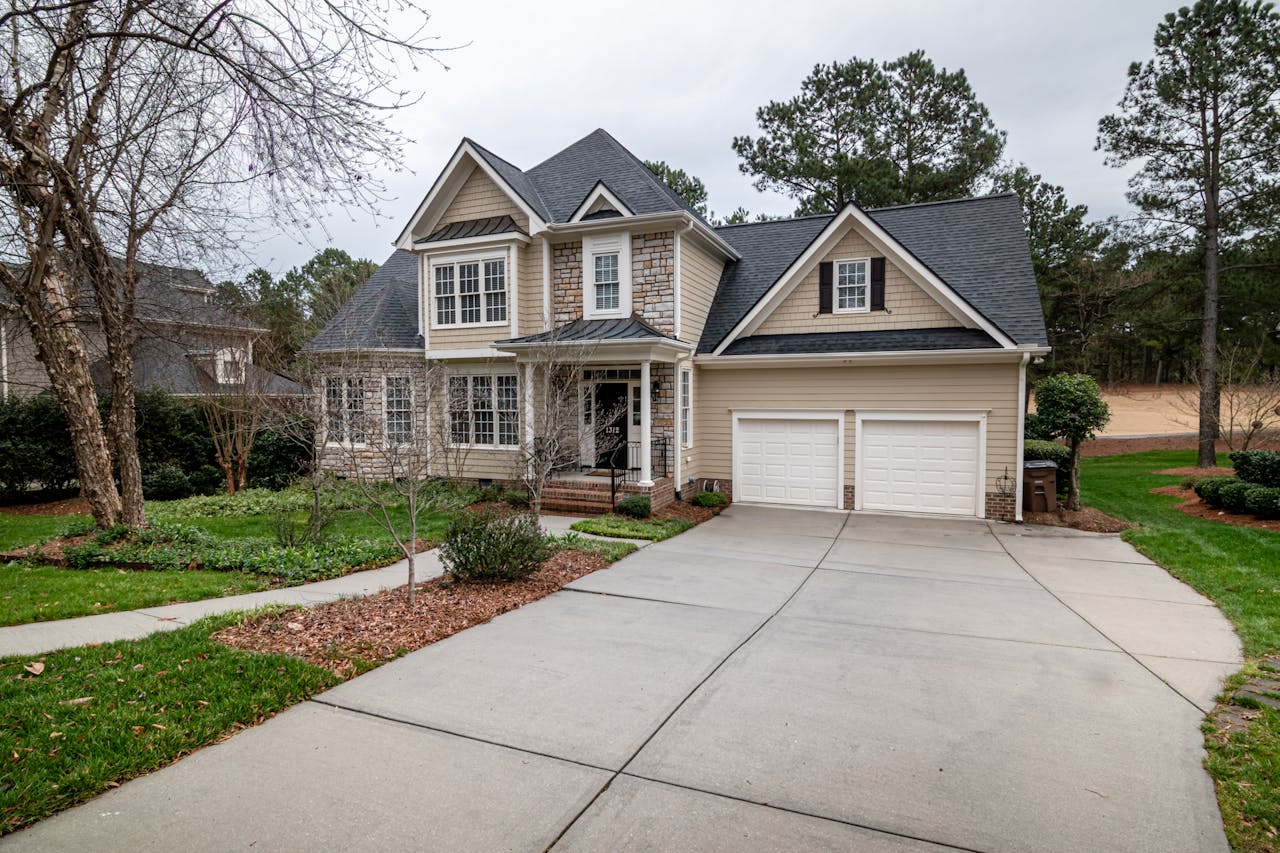
  • You want to keep a sharp eye on minimum lot size, height, and lot coverage requirements, since these all strongly impact the viability and design of your ADU project.
  • Whether you opt for detached, attached, or garage conversion ADUs, each bears unique advantages, design possibilities, and regulatory implications that impact privacy, cost, and property integration.
  • You might qualify for the expedited approval process for ADUs, which helps lower wait times and ease permits, if your project fits certain requirements.
  • You still need to make sure your plans conform to zoning, setback, and design standards — to prevent expensive snags in the approval and construction process.
  • You can optimize your investment with ADU by designing for long-term value, rental income potential, future adaptability, and sustainability.

You can construct a detached ADU up to 74 m2, whereas attached ADUs can be 50% the size of your primary residence’s floor area but no larger than 74 m2. For junior ADUs, the cap is 50 square meters. Your lot must comply with setback, height, and parking regulations imposed by the city or county. These limits ensure ADUs remain at a scale and style appropriate to the neighborhood. Being aware of these regulations will allow you to navigate your project to minimize expensive delays. The following section categorizes ADU types and provides you with an overview of what to anticipate in Contra Costa.
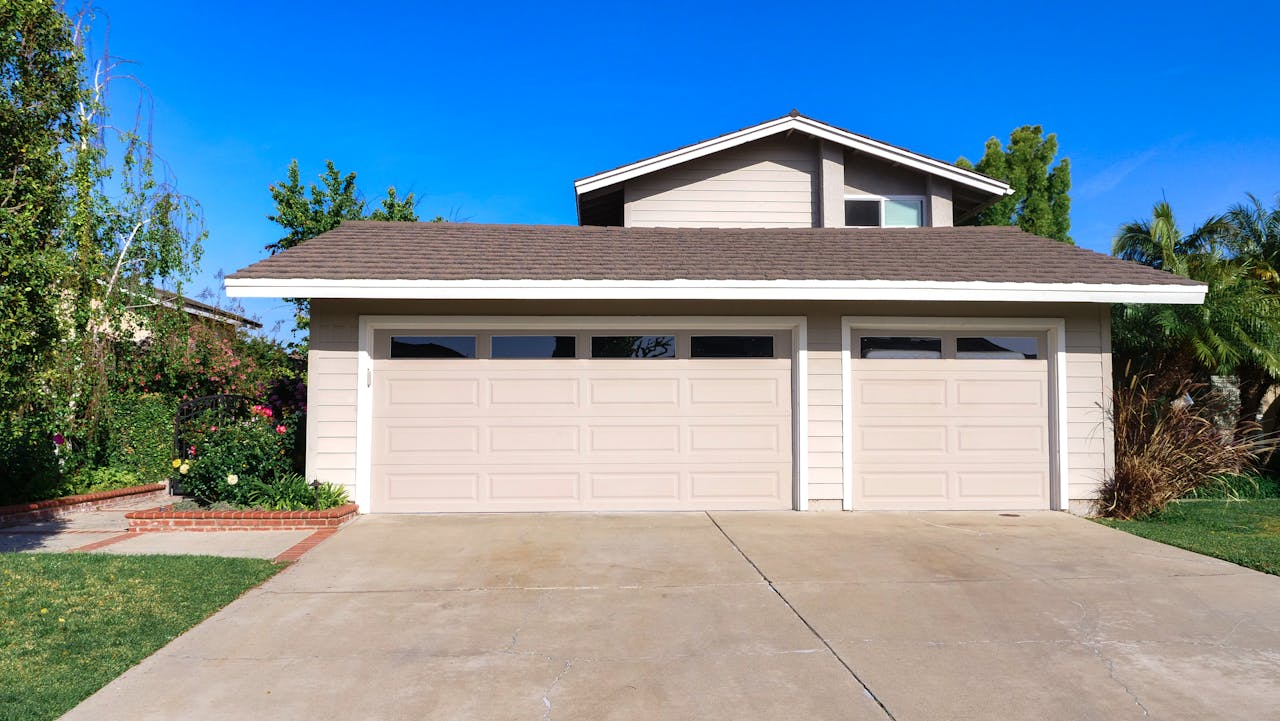
Contra Costa ADU Size Limits

ADU size limits vary based on your property’s location, the zoning district, and whether your accessory dwelling unit is attached or detached. Understanding these ADU requirements is crucial if you plan to design or construct an ADU that complies with local regulations. Familiarity with these standards not only saves time and costly mistakes but also aids in making informed choices.

1. Maximum Size

In Contra Costa County, the adu requirements for detached accessory dwelling units (ADUs) dictate that they cannot exceed 93 square meters (1,000 square feet) for most residential lots. However, if your property is over 1,115 square meters (12,000 square feet) or located in an agricultural district, you may construct up to 111 square meters (1,200 square feet). In the Kensington (-K) district, the regulations become even stricter, limiting detached ADUs to a maximum of 56 square meters (600 square feet) or 60% of your primary dwelling unit’s floor area. For larger units in this district, obtaining a special building permit is necessary, which adds complexity to your project due to additional processing steps. Attached ADUs in Contra Costa are also limited to either 50% of your home’s existing living space or 1,200 square feet (~111 square meters), whichever is less. Always confirm your property’s zoning requirements before proceeding with your ADU plans, as these can significantly impact your project.

2. Minimum Size

Contra Costa has no minimum ADU size, allowing homeowners to explore various accessory dwelling unit options. Technically, your ADU needs only one habitable room of at least 6.5 sqm (70 sq ft), giving you the freedom to keep things tight. To include an ADU in addition to your primary residence, your lot must be a minimum of 557 square meters (6,000 square feet). In the Kensington neighborhood, the cap increases to 929 square meters (10,000 square feet). These minimums can limit ADU possibilities in denser neighborhoods or on older, smaller lots, so consult your zoning map and local ADU requirements before planning your project.

3. Height Rules

Height limits contour your accessory dwelling unit’s style and what you’re allowed to construct above grade. In the Kensington neighborhood, your ADU cannot exceed 4.3 meters (14 feet) in height, adhering to specific ADU requirements. Other districts in Contra Costa may permit taller units, but you’ll need to check your zoning code. Height caps can influence your design choices, whether you create a loft, add storage above, or opt for a pit roof. These rules, if not followed, can delay or even jeopardize your permit application, so measure cautiously and collaborate with your builder to keep plans in check.

4. Lot Coverage

In typical single-family zones, your overall lot coverage—including the accessory dwelling unit—cannot exceed 40%. Some multi-family zones impose smaller caps, ranging from 25% to 35%. Coverage rules can restrict your ADU’s square footage, particularly if your primary dwelling unit and other structures are already coverage-heavy. Before finalizing your adu plans, check your existing lot coverage against allowed limits. Not checking can mean having to shrink or redesign your ADU mid-process.

Detached VS. Attached ADUs

Here’s what you must know before starting your project: detached versus attached accessory dwelling units (ADUs). All of which have particular size regulations, zoning requirements, and advantages. Detached units are stand-alone and often provide additional privacy and design flexibility. Attached units are connected to the main home and often share walls and utilities. This type selection will impact the utilization of your space, the feasibility of ADU construction, and your budget.

Detached Units

Detached accessory dwelling units (ADUs) in Contra Costa can be up to 112 sq m. (1,200 sq ft..). If your property is spacious or agriculturally-zoned, you might even be permitted additional room under the local requirements. You need a four-foot setback from side and rear property lines, and height is typically limited to 4.9m/16ft. These size regulations serve to maintain the structure’s scale relative to neighboring houses and preserve the privacy of neighbors.

A detached ADU offers you additional privacy and autonomy. If you intend to rent, a separate unit tends to be more desirable for tenants. Detached units are frequently permitted as full rentals, whereas attached units often have stricter owner-occupancy regulations. Its stand-alone characteristic means you’re free to choose whatever layout or style you like, which can include essential amenities like a kitchenette and bathroom. If your lot is large enough, you possess even greater design flexibility for ADU plans, allowing you to customize the area for extended visitors, family members, or tenants.

You’ll likely encounter more permit steps and local inspections for detached ADUs, including the need for an ADU permit. Prepare to submit plans and extra approvals, as this can impact your timeline and budget. Check your local codes before you begin, and if you want to maximize the space, collaborate with an architect who understands how to design small, livable spaces effectively.

Attached Units

Attached accessory dwelling units (ADUs) are required to comply with either the same size regulations for detached units or up to 50% of your main home’s living area, whichever is less. This could be as much as 112 square meters (1,200 square feet) in some locations, but is frequently capped at 79–93 square meters (850–1,000 square feet). Additionally, attached units generally must adhere to the same height and setback regulations as your primary dwelling unit, so it’s essential to verify what is permitted in your municipality regarding ADU permits.

If you want to save money, opting for attached ADUs is usually the wiser choice. Sharing walls, pipes, and power lines with the main house significantly reduces construction expenses. Moreover, you can share the heating or cooling system, making attached ADUs particularly attractive for multi-generational homes or as a means of adding space for work or guests without a massive investment in new construction.

Even adding an attached ADU can boost your property value. If you ever go to sell, buyers will view the additional living space as a perk. Consider how the addition will appear. If you integrate the design nicely, the entire lot feels like a single home. Bad design could damage curb appeal. Attempt to have rooflines, colors, and window styles correspond.

Garage Conversions

Converting the garage to an ADU means you don’t have to fuss with setbacks. We leave your existing structure in place, so you can utilize the entire footprint of your garage.

Garage conversions typically cost less than new builds and complete more quickly. You leapfrog certain things, like new foundations. This can make the project significantly more cost-effective and fast, so it’s a smart option if you want to add space quickly or keep costs low.

You still have to comply with size and design regulations imposed by your city. For instance, you can’t supersede the garage’s size or violate height limits. Your plan needs to conform to the envelope of the current structure.

Before you begin — inspect your garage. If the structure is compromised, you could end up spending more than you intend. Have a pro check it out first.

Standard VS. Streamlined ADUs

When you build an Accessory Dwelling Unit (ADU) in Contra Costa, you face two main approval tracks: the standard process and the streamlined ADU process. Standard ADUs have more steps, more reviews, and closer code compliance, while streamlined ADUs aim to simplify the permit application process, making it quicker to obtain required permits. Your decision between them significantly influences your schedule, expenses, and even the size, regulations, and design of your ADU projects.

Standard Process

You’ll begin with a comprehensive application that must include site plans, elevation drawings, and compliance documents to meet the ADU requirements. Local building officials will review your plans for fire safety, setbacks, parking, and environmental rules, ensuring that your project adheres to the necessary building permit guidelines. Inspections occur at multiple construction phases, all while remaining compliant with local codes and zoning regulations.

This process can be quite strict. Typically, the maximum size for a standard accessory dwelling unit (ADU) is capped at 50% of your main house’s total floor area. For example, if your primary residence is 120 m2, your ADU cannot exceed 60 m2. Local governments may require your design to fit the neighborhood style, which can limit your options for contemporary or unconventional architecture. Obtaining permits for standard ADUs can sometimes take over 60 days, with certain projects facing delays in paperwork or regulatory review due to compliance with local ADU legislation. Additionally, you might need to address neighbor concerns or satisfy other parking and landscaping requirements, which can further increase time and costs.

Preparation is key. A diligent application and thoughtful planning can prevent delays in your ADU development. Homeowners who don’t anticipate these hurdles often find their projects stalled. We advise consulting with an architect or planner early in the process to ensure that you meet every requirement the first time around.

Streamlined Process

The streamlined process is easier. If your project checks a few boxes—such as having been built in existing structures, on lots of specific size and zoning—you can bypass many of the lengthy reviews that a standard project undergoes.

The streamlined ADUs can go from application to permit in under 60 days. The standards are lower — particularly in California’s 2023 ADU laws, which promote construction in underutilized commercial areas and elsewhere to expand housing availability. Design rules are loosened, allowing you to utilize more flexible or contemporary styles. The size cap is frequently greater than for standard ADUs, occasionally allowing for larger units where local jurisdictions allow. Owner-occupancy rules to phase out in 2025, giving investors and property owners new flexibility in where and how to build.

If you desire to complete your project quickly and your property is eligible, this route provides obvious advantages. Less paperwork, fewer inspections, and quicker reviews = being able to build sooner. It’s a sensible option for most, particularly anyone looking to capitalize on rental income or rapidly house relatives.

Key Differences And Considerations

Standard ADUs have to follow more rules, so it’s a slower and frequently more expensive process. Streamlined ADUs reduce the threshold, in particular, for those hungry to construct quickly or leverage innovative design concepts.

Select what makes sense for you and your property type. If your lot is petite or you want to go big, streamlined ADUs can provide additional flexibility. Those with historic homes or in very strict neighborhoods may only be eligible for the standard process.

Local officials say streamlined ADUs can ease housing crunch, but others fear impact on neighborhoods. It’s crucial to balance these considerations, depending on your priorities.

Decision Factors

First, check your local requirements regarding accessory dwelling units. Know your primary residence size and inquire whether your lot is eligible for streamlined aADU permits.

Navigating The Approval Process

Getting approval to construct an accessory dwelling unit (ADU) in Contra Costa involves navigating a multi-step process influenced by local and state regulations, including specific ADU requirements. You must satisfy requirements for zoning, design, construction, and the use of the property. The local building department reviews your ADU plans, ensuring they comply with state law and city codes. With state ADU rules having evolved since 2020, stay up to speed with local changes to keep your project on track.

Planning Application

A planning application is your opening gambit in the process of obtaining an ADU permit. You’ll need to submit site plans, floor plans, elevations, and evidence of ownership. Fee amounts vary by city, and you typically have to demonstrate conformance with setbacks, lot coverage, and access. If your city has a pre-approved accessory dwelling unit program, leverage it. These programs, which are now prevalent in many regions, can expedite your review because your design has already cleared fundamental screenings.

How you fill it out can shift your timeline. If you bypass a required form or tick the incorrect box, your approval grinds to a halt. This delays not only your project but the 60-day permit decision clock as well. Cities are serious about this regulation, but only if you have a complete application. Double-check your forms and attach all required documents. Others stumble over fuzzy property lines or overlooked design standards — both of which are simple to avoid with a little preparation.

Planning reviews verify that your ADU is within the permissible size—up to 1,200 sqft for regular units or 500 sqft for junior units. Cities can also query parking, although AB 157 now exempts many streamlined ADUs from parking mandates. Design standards like setbacks and height arise. Know your city’s ADU ordinance before submittal, as rules can change, and violating a new rule means starting over.

Building Permit

After your planning application passes muster, you’ll require a building permit before construction of your accessory dwelling unit (ADU). This step matters: building without a permit can mean fines or tear-down orders. Your permit application will require technical drawings, structural information, and a comprehensive materials list. A few cities allow you to use pre-approved adu plans, which can reduce review time significantly. If you’re planning to rent or sell the ADU, see if there are additional requirements at this point.

Once your permit is issued, the building department checks your work. These inspections cover everything from foundation and framing to electrical and plumbing, culminating in a final fit-out. Local building codes and ADU requirements are verified at every stage. If your plans don’t conform to existing energy efficiency or safety standards, anticipate delays. Almost every city puts its inspection checklists online—review them early to avoid complications.

Not all problems are technical. Law or city policy changes can impact the approval window or what you need to provide. Keep in contact with your city’s planning staff and monitor online notices. A few cities provide resources to guide you through the process or provide workshops. If you run into a roadblock, professional assistance from a local architect or planning consultant can be time-saving.

Beyond The Tape Measure

ADU size regulations are simply the baseline. You have to look at zoning requirements, design codes, and the necessary permit application steps that mold what’s possible for your property. Local laws and state bills impose rigid boundaries that are often difficult to detect until you investigate. In Contra Costa, size isn’t the only limitation for your accessory dwelling unit. The rules change by city, neighborhood, and even street, so your due diligence needs to go beyond a tape measure.

Zoning Impact

Zoning regulations dictate where you can construct accessory dwelling units (ADUs), their size, and intended use. In Contra Costa, for example, zoning codes categorize areas into classes, each with specific ADU requirements. R-1 zones may restrict ADUs to 60 square meters, while other neighborhoods might allow construction up to 140 square meters if your lot meets the necessary criteria. As laws like SB 13 or AB 68 are enacted, districts may adjust their regulations, creating a streamlined ADU process that either expands opportunities for additional housing options or simplifies the permitting process. Thus, what is permissible today may change in the future.

The first step in your ADU development journey is to identify your property’s zoning classification. This will clarify the applicable requirements regarding size, unit count, and occupancy. Ignoring this crucial step could result in planning an ADU that fails to meet compliance standards. Your local planning office is an invaluable resource—they are well-versed in the latest changes and how state laws align with local codes. Engaging with them early on can help you avoid costly mistakes or unnecessary design efforts.

Setback Nuances

Setbacks are the smallest distance you can leave between your ADU and the property lines. For most Contra Costa parcels, side and rear setbacks for a new detached ADU can be as small as one meter, though front setbacks remain larger. Attached ADUs may have to match the main house’s setbacks, which can really squeeze your possibilities on small lots.

Certain delays can be waived for garage conversions, allowing you to convert existing structures with no tearing down of walls. If you’re planning a new build, you’ll want to measure! A missed snag can mean your concept gets laughed out of the conference room or you lose precious square footage. Always double-check with your local planner, as some cities provide more wiggle room and others stick to strict codes.

Design Flexibility

You’re quite free in how your accessory dwelling unit (ADU) looks and functions, as long as you adhere to the required permits and standards for safety and style. Most neighborhood guidelines allow you to select roofing styles, hues, and window designs that coordinate with your primary residence or shine as contemporary accents. A compact 60-square-meter ADU can still feel big if you introduce lots of glass or vaulted ceilings, for example.

However, you can’t overlook the fundamentals. Your ADU needs to include separate areas for sleeping, cooking, and hygiene, which are part of the ADU requirements. Height restrictions, sometimes only 5 meters or so, mean you’ll require clever space planning to meet size regulations. Think loft beds, built-in storage, and multi-use rooms. These little things can improve comfort and resale value.

Practical Challenges

Building an accessory dwelling unit (ADU) is about more than just design; it also involves navigating various permit applications. Approval could take months, with fees reaching $50,000 and some ADU projects exceeding $300,000. Parking requirements, construction expenses, and new ADU legislation, such as SB 89,7, shift the playing field, so verify the specific requirements in each Contra Costa city before you begin.

Maximizing Your Investment

When you design an accessory dwelling unit (ADU) in Contra Costa, understanding the constraints — such as the 1,200-square-foot cap, setback requirements, and parking — is crucial for meeting the ADU requirements. Additionally, considering rental income and market trends will help you strategize effectively for long-term gains in your ADU projects.

Cost VS. Value

Constructing an ADU ain’t inexpensive! The sticker varies according to your choice of wood, steel, or green picks – and who’s doing the building. Labor costs shift quickly, and so do fees for supplies. For a 50-square-meter (about 538-square-foot) ADU, you might spend less than a big one, but you sacrifice rental yield if you go too small. The law establishes a floor, often around 14–35m, to keep the space livable.

If you budget well, you don’t merely finish the job–you save headaches. Record all expenses, from land study to permits. Be on the lookout for surprises such as soil remediation or security patches. For example, parking rules may add cost unless you fit the waiver: if you’re within 800 meters of transit or in an old district, you might skip new parking spots.

Consider the worth an ADU adds. In sizzling rental areas, renting out a 55 square meter apartment can service your mortgage or maintenance. Do a peep at your local zoning. A few cities let you have multiple ADUs on a lot, but most will only give you one, so you can’t depend on stacking that income.

Future-Proofing

You want your ADU to stand the test of time. Design to age in place—wide doors, no-step floors, and accessible switches. These alterations are pricier initially but save huge if you or a renter ever requires them down the road.

Make your ADU flexible. Walls that move, or office/guest rooms, keep the unit functional as requirements change. For instance, a 1,200-square-foot ADU might function as a home office at present and a caregiver’s quarters the next day. In cities with changing housing requirements, this maintains your position as sought-after.

Smart materials. Solar panels, efficient water heaters, and tough, low-waste supplies trim bills and wear. Green features comply with tighter codes and attract planet-conscious renters.

Long-Term Rental Income

ADUs in Contra Costa’s most sought-after neighborhoods yield strong rental income. The perfect size–around 60–110 square meters–appeals to single tenants and small units. Setbacks and height limits dictate what you’re going to build, but clever design makes even small spaces feel large!

Market trends count. Scout rents around you and keeps tabs on what renters desire — such as in-unit washers or private yards. Bigger, better-planned ADUs rent faster and for more.

Navigating Regulations

Consult local codes before constructing. Size, height, and parking regulations vary by city. Break one, and you risk fines or mandated modifications.

If you can, secure permits as early as possible and maintain detailed documentation. This keeps your project on track and safeguards your investment if you resell.

Rules on how many ADUs you can construct may shift. Some cities have moved to allowing you to add two units, some have limited it to one. Just check before you begin.

Conclusion

Understanding the size limits for ADUs in Contra Costa gives you a serious advantage. You get to design cleverly, optimize your space, and satisfy every regulation. A detached ADU typically works best if you desire increased separation or privacy, whereas an attached version can fit tight areas or work with smaller lot sizes. Standard ADUs allow you to build large if space is available, but streamlined ADUs get you started quickly with understandable, straightforward guidelines. From initial sketch to final city-check, every step in the process counts. To maximize your property, be smart, verify every regulation, and consult with local experts who understand the landscape. Stay on top of industry news with our blog to keep your plans solid.

Frequently Asked Questions

1. What Is The Maximum Size For A Detached ADU In Contra Costa?

In Contra Costa, the size regulations for detached accessory dwelling units (ADUs) typically allow for 74 square meters, but local requirements may permit variations, so always check with your local planning department.

2. How Big Can An Attached ADU Be In Contra Costa?

An attached accessory dwelling unit (ADU) can be as large as 50% of your primary dwelling unit’s floor area, or 74 square meters, whichever is less. Here are the local requirements, which are not very strict, but check with your local officials.

3. Do Streamlined ADUs Have Different Size Limits?

No, streamlined ADUs must adhere to the same size regulations as standard ADUs in Contra Costa, with detached units capped at 74 square meters.

4. Can I Build More Than One ADU On My Property?

You can have one accessory dwelling unit (ADU) and one junior accessory dwelling unit (JADU) per lot, following local ADU requirements, as some are more strict.

5. Are There Height Limits For ADUs In Contra Costa?

Yes, nearly all accessory dwelling units (ADUs) must be under 4.9 meters in height, but verify your city for specific ADU requirements and any applicable zoning regulations.

6. Is A Garage Conversion Included In The Size Limit?

Yes – if you convert a garage into an accessory dwelling unit (ADU), the converted space counts towards the maximum ADU size regulations. Always consider this when planning your ADU projects.

7. Do ADU Size Limits Include Patios Or Decks?

No, only the interior living space of the accessory dwelling unit (ADU) counts toward the ADU size regulations. Outdoor patios or decks shall not be included in the measurement.

Your Dream Home Addition Built By Mares & Dow Construction & Skylights – Let’s Create The Extra Space You’ve Been Dreaming Of

Expand your home’s potential and enhance everyday living with a custom home addition from Mares & Dow Construction & Skylights. With over 40 years of construction experience, we specialize in high-quality additions that seamlessly integrate with your existing structure and lifestyle needs.

Whether you’re planning a new primary suite, second-story expansion, or an in-law unit, we tailor each addition to match your vision, your home’s architecture, and your long-term goals.

Key benefits of our general home addition services include:
• Adding valuable square footage for growing families or multi-use living
• Increasing your property’s value with expert design and construction
• Creating energy-efficient, modern living spaces tailored to your needs

Proudly serving Contra Costa County—including Alamo, Danville, Orinda, Martinez, and San Ramon—Mares & Dow Construction & Skylights is your trusted partner for functional, beautiful, and lasting home additions.

Contact Mares & Dow Construction & Skylights today for a free, no-obligation quote, and let’s build your ideal home addition together.

Disclaimer

The materials available on this website are for informational and educational purposes only and are not intended to provide construction, legal, or professional advice. You should consult with a qualified general contractor or industry professional for advice concerning any specific construction project, remodeling plan, or structural concern. Do not act or refrain from acting based on any content included on this site without seeking appropriate professional guidance. The information presented on this website may not reflect the most current building codes, regulations, or industry best practices. No action should be taken in reliance on the information on this website. We disclaim all liability for actions taken or not taken based on any or all of the contents of this site to the fullest extent permitted by law.

How Much Does An ADU Cost In California?

Key Takeaways

  • You need to consider both hard and soft costs, such as construction, permitting, design, and site preparation, when budgeting for an ADU in California.
  • Site conditions and unit type — detached, attached, or garage conversions — are the other variables that impact your total project cost and construction complexity.
  • Choosing finishes and fixtures wisely, custom versus prefab builds, can help you marry quality, look, and budget control.
  • Regional differences throughout California, including urban versus rural locations, lead to fluctuations in labor and material costs as well as rental income potential.
  • Utility upgrades, soil and grading challenges, supply chain disruptions, and code changes are all hidden costs that necessitate setting aside contingency funds and working with experienced professionals.
  • Educating yourself on these items before construction is key, as it will soon become time to make these important decisions.

$120,000 – $400,000 depending on size, location, and level of finish. You may discover that simple detached ADUs tend to begin at the lower end, and custom builds or units in popular locations usually cost more. That includes design, permits, site work, construction, and utility hookups. In certain cities, fees and local regulations can push the price higher. Many owners opt for prefab or modular to cut costs and accelerate building. To map out your budget, you’ll want to consider site constraints, soil work, and utility lines. The following sections detail each cost step, so you can track where your money is going and what options you have.
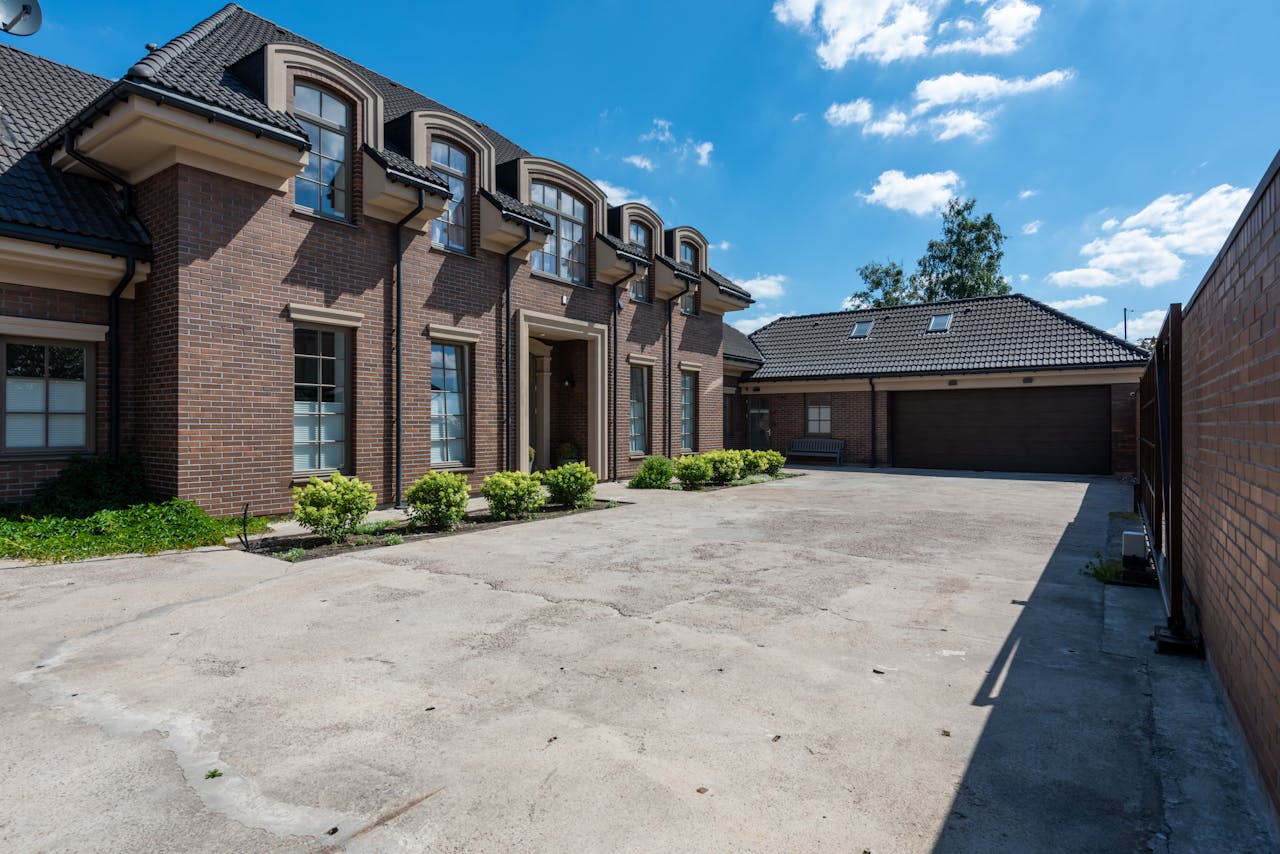
The True Cost Of A California ADU

Comprehending the true construction cost of building an ADU in California involves examining every phase—pre-construction, site preparation, core building, and finishing work. The costs can vary significantly, from $100,000 for bare bones models to over $350,000 for larger, high-end builds. Each phase introduces distinct expenses, and the choices you make along the way are permanent.

1. Pre-Construction

Permitting is mandatory, and fees are not insignificant. You frequently shell out $1,000 to $5,000 just on permits. City fees can tack on $3,000 to $11,000, based on your jurisdiction and ADU value. These fees are apart from your main construction expenses.

Design fees are an additional early hurdle, typically accounting for 10–15% of your overall project budget. Hiring a seasoned architect or designer would be well worth your money, particularly if you want to avoid errors capable of stalling your build. Regulatory approvals often bog projects down—delays can add several weeks or months, particularly in dense urban environments. If you want to fly, do it with people who understand the local regulations forwards and backwards.

2. Site Preparation

Preparing the site is where your expenses can shift the most. Easy, flat lots require less work. If you’ve got slopes, ancient trees, or legacy structures, costs balloon. Excavation may cost $50–$200 per cubic yard. Concrete foundation alone runs somewhere between $4,200 and $13,200, and retaining walls, if required, tack on an additional $3,200–$9,000.

You’ve got to connect water, gas, electricity, and sewer, and fees for this vary based on how far away your main lines are. Soil quality and drainage count, as well. Unexpected bad soil can drive up both cost and schedule, as can the requirement for bespoke drainage solutions. Check off each phase—grading, demolition, utility work. The better you plan, the fewer surprises.

3. Hard Construction

Hard construction is the core build: frame, roof, walls, and systems. Anticipate $200–$400 per square foot for this stage. For a 600-square-foot ADU, that’s $120,000 to $240,000 of just structure. Labor and materials both cost a lot. Material prices move with the market, so get rates locked in wherever you can. Be stingy with materials, and you’ll pay more in repairs down the line.

Work closely with your contractor to obtain firm quotations. Request definitive timelines. Some good planning here will keep you on budget and limit scope creep.

4. Finishes And Fixtures

Finishes have a lot to do with cost and livability. Basic fixtures are cheaper, but upgrades can easily double, or even triple, that cost. Focus on what counts—kitchen appliances, bathroom fixtures, and flooring. Concentrate on what is valuable over the long term. Get a full list of finishes together before you begin shopping. It prevents you from blowing the budget.

Finishes are easy to underestimate. Small upgrades add up quickly.

Fixtures are swappable later, built-in finishes are less so.

5. Post-Construction

The kind of ADU — detached, attached, or garage conversion — significantly influences the overall ADU construction cost. Detached units generally incur higher costs compared to conversions. Additionally, factors like your lot’s slope and access can affect the total construction cost. The finish level also impacts your ultimate price point, as custom builds are pricier than prefab ADUs yet can be tailored to meet your specific requirements.

What Drives Your ADU Budget?

Each choice drives your ADU budget, whether you’re considering a detached unit, an attached accessory dwelling unit, or a garage conversion ADU. All options come with different construction costs, site requirements, and regulations, so addressing these major considerations early on helps clarify your final budget.

Unit Type

The style of ADU you select is the simplest budget driver. Detached units are their own entity, so you’re footing the bill for four walls, a new foundation, and typically more involved utility hookups. If you select a detached unit, anticipate fees beginning at $350 per square meter or higher. Bigger detached units could be less expensive per square metre due to economies of scale, but overall spend increases quickly as you add space.

Attached ADUs have at least one wall in common with your main house. This saves you cash on construction, heating, and sometimes permits. If you reside in a compact city, attached ADUs frequently align more harmoniously with strict zoning laws and limited lot sizes. Garage conversions utilize existing structures; therefore, they are the least expensive option, assuming your garage is in sound condition. If you’re able to reuse what you have, you can save on foundation and framing, but you’ll still need to plan for insulation, plumbing, and wiring.

Site Conditions

Where you build your ADU is as important as what you build, particularly when considering the ADU’s construction cost. Construction in the city may have higher labor rates, but rural projects occasionally require additional site work—consider grading steep slopes or rocky soil. Site preparation and utility hook-ups – water, sewer, and power – can range from $5,000 to more than $25,000, impacting the total ADU cost. If your lot has hard soil or is a long distance from the road, prepare to spend more and potentially experience delays. Local zoning can alter your plans, as certain cities might demand additional parking, setbacks, or even special landscaping, which could push you to resize your ADU or select more expensive materials.

Finish Level

The aesthetics of your ADU are major drivers of your total construction cost. Basic finishes keep things simple: laminate flooring, standard tile, and stock fixtures. You’re looking for initial finishes and fixtures in the $10,000 range, but luxury choices—such as hardwood floors, quartz counters, or upgraded appliances—can drive this to $50,000 or more. Good designers can assist you in marrying smart design with budgetary control, ensuring your accessory dwelling unit is as beautiful as it is practical for its size. The right finish level maximizes rental income and value, but you’ve got to temper style with your ADU construction costs.

Custom VS. Prefab

Custom ADUs give you full control over the design, but this often results in higher ADU construction costs and a longer timeline. On the other hand, prefabricated units, built off-site and delivered ready to install, significantly reduce labor costs and accelerate the construction process. These prefab adus can be installed in weeks, not months! While customization is limited, for those prioritizing timing and budget, prefabs can be a smart choice without sacrificing essential amenities.

Region

Avg. Cost (per sq. m)

Southern California

$3,800

Northern California

$4,200

Central Valley

$3,200

California’s Regional Price Spectrum

California’s expansive geography and combination of tight cities and wide open rural areas cause the construction cost to change significantly by area. You have to consider how your location can drive the total cost higher or lower, from municipal regulations to soil to the local labor pool.

Southern California

If you’re constructing an ADU in Los Angeles or San Diego, you could be looking at elevated prices. Construction costs typically begin at $350,000 for custom units and can hit $450 per square meter. That’s because of high demand, more bodies in a tiny area, and rigorous design, safety, and land use rules. Local rules can introduce steps to your project, from design review to neighborhood impact checks, often sending permit costs beyond $15,000.

On the other hand, SoCal has a robust rental market. If you intend to rent out your ADU, the additional income can be enormous, particularly in regions where affordable housing is scarce. A lot of owners believe the investment pays itself down because property values tend to increase with a well-constructed ADU. City planning delays, inspector wait times, and scarce contractors can hold things up and contribute to costs.

Northern California

Northern California ADUs, particularly in San Francisco or Silicon Valley, have their challenges. Construction costs here rank near the top in the state, at nearly or above $450 a square meter for custom homes. Environmental rules, like those to safeguard local waterways or manage hillside building, can drag your project and increase expenses. Permit fees commonly fall in the $10,000 to $15,000 range, and you might require specialized reports or studies to obtain approval.

The tech boom there also means that there’s enormous demand for apartments. If you can complete your ADU, you may make more per month than elsewhere in the state. You need to budget for surprises—soil testing, earthquake retrofits, or green building standards. These additional phases can drive your overall price well above $350,000.

Central Valley

If you’re in the Central Valley, you’ll probably experience lower prices than in the cities. Here, an ADU can be built for as little as $100,000 for a basic prefab, with construction and materials costs anywhere on the lower end—sometimes $200 a square meter. Permit fees are more modest, typically ranging from $3,000 to $8,000. With less population pressure, local contractors might give you a better deal, and schedules tend to be more expeditious.

Central Valley cities are hungry to build new housing, so zoning laws could be more lenient. This way, you avoid wasting time and money. ADUs are touted as a solution to the region’s affordable housing issues, so some municipalities will even grant incentives or fee waivers. Still, check with your city’s planning office before you start, as requirements vary widely.

Other Key Cost Factors

Owners are frequently blindsided by hidden costs associated with ADU construction. Utility upgrades—such as new water, sewer, or power lines—may tack on thousands to your total ADU cost. Bad soil or the need for grading can add $10,000+ to your project. Supply chain delays, particularly for imported building materials, can inflate material costs beyond the usual $40,000–$100,000 range and introduce extended lead times.

Navigating Unseen ADU Expenses

Constructing an ADU in California appears to be straightforward, yet the concealed expenses, such as ADU construction costs and utility upgrades, may surprise you. These hidden costs, along with supply chain challenges, have a way of rearranging your project’s budget and timeline. Knowing these nuts and bolts keeps you out front.

Utility Upgrades

Utility upgrades are seldom elective when considering the total ADU construction cost. Your accessory dwelling unit (ADU) requires secure, up-to-code hookups for electricity, plumbing, and HVAC. Hooking up a new ADU to services isn’t always straightforward, as you may need to update your primary electrical panel or install new service lines if the existing configuration cannot manage the additional load. For plumbing, you might need new sewer connections or upsized water lines. Every step can add thousands to your bottom line, and fees from local utility providers can significantly boost costs. It’s wise to reach out to your utility companies early, as they can explain specific requirements and any possible fees, preventing unexpected expenses at the last minute. In most cases, utility upgrades, which may include trenching and new meters, can range from $5,000 to $30,000 or more, depending on your site and local regulations. These costs are in addition to the minimum $80,000 for a detached ADU, which can quickly escalate overall costs closer to the $170,000–$210,000 range for larger units.

Soil And Grading

Soils are a significant factor in determining the total construction cost of your ADU. It’s not uncommon for sites to require grading or even soil remediation, especially in hilly or older city areas. Soil tests for stability and contamination are often code-mandated, which can range from $1,000 to $3,000. If issues arise, remediation can significantly increase your adu construction costs. Grading is another expense; it shapes the earth to ensure your accessory dwelling unit rests on solid terrain and drains properly. Poor grading could lead to water or structural damage, so you and your contractor must consider this from the start. For example, a sloped site may require retaining walls or deep foundations, which can add $10,000 to $20,000 or more to your overall budget. These soil costs are essential to factor in as you design and layout your ADU, impacting both pricing and what you can build.

Supply Chain

Construction materials are exposed to global supply chain fluctuations, significantly impacting the adu construction cost. If there’s a shortage or a shipping delay, you might end up paying more or waiting longer than expected, which has been typical since 2020, when lumber, steel, and concrete prices sometimes doubled in weeks. If your favorite materials don’t come in, you have to make substitutions, which can alter the aesthetic or performance of your ADU project. Collaborating with vendors who have dependable inventory and maintaining a buffer fund — usually 10–15% of your materials budget — can assist. For a 600-square-foot ADU, that could translate to allocating $6,000 to $36,000 just for surprise material surges. Some ADU owners now pre-order materials early or use prefab ADUs to sidestep these hazards.

Code Changes

Building codes change frequently, and a change in the middle of a project can mean new expenses, especially regarding the ADU construction cost. Local governments might revise fire safety, energy, or accessibility requirements, leading to additional design fees and potential delays. Partnering with knowledgeable contractors on current codes keeps you informed about ADU regulations and helps avoid approval roadblocks. Include a buffer for re-approval—potentially weeks or months—if codes change.

Financing

There are various financing options available for homeowners looking to build an accessory dwelling unit (ADU). While you can opt for conventional loans, some lenders provide specialized products for ADUs that feature lower rates or more appealing terms. Additionally, grants from affordable housing or sustainability government programs can help reduce the overall ADU construction cost. Partnering with a finance professional allows you to effectively combine loans, grants, and personal funds to align with your budget.

How To Finance Your ADU

How you finance your ADU construction costs is just as important as selecting a design or builder. Expenses can mount, so you’ve got to be savvy. Every financing path has its advantages, disadvantages, and processes, so considering them seriously can assist you in saving money and stress.

Traditional Loans

HELOC, home equity loan, and cash-out refi are the most common ways to fund an accessory dwelling unit (ADU). These financing options allow you to tap the equity in your home to access funds for building or remodeling new construction ADUs. They can be offered at fixed or variable rates, with lenders providing repayment terms that can span from years to decades. If you own your property outright or have built up equity, banks and credit unions may view you as a low-risk borrower, making it easier to navigate the ADU process.

To secure the lowest rates, it’s wise to shop around with several different lenders—compare interest rates, repayment terms, and any additional fees associated with the total ADU cost. For example, one lender might offer a 5% rate with a 10-year term, while another may extend to 7% but with fewer upfront fees. Even a slight difference in rates can lead to significant cost savings over time, especially when considering the average development costs of ADU construction projects.

Assuming additional debt will increase your monthly payments, so it’s crucial to be honest about your budget. If you default, your house could be at risk. Prepare all necessary paperwork, including proof of income, credit reports, ADU plans, permits, and property deeds. This preparation expedites the process and shows lenders that you’ve thoroughly researched your options and understand the potential costs involved in your ADU project.

Government Grants

Some governments even provide grants to encourage ADU builds to help incentivize affordable housing. See if you qualify for your city, state, or regional programs. These grants can either offset a portion of your ADU cost or pay for targeted enhancements such as energy-efficient upgrades.

Eligibility rules are stringent—they may, for example, focus on lower- or middle-income homeowners, or mandate that you lease your ADU to tenants in specific income brackets. The application process can be involved, requiring income verification, project blueprints, and even background checks. If you’re eligible, grant money slashes your out-of-pocket expenses and can reduce your loan load.

Be sure to check deadlines and submission guidelines. No step left out, no late paperwork work, or you’re no longer eligible. Grants aren’t a guarantee, but if you land one, it can transform your project’s economics.

Builder Financing

Some ADU builders provide their financing plans. These are frequently packaged with the build contract, making it easier when you’re working with one company. Terms and rates can be competitive, but do read the fine print. Builder loans are often for higher rates or shorter periods than banks, but they can be more flexible on credit scores.

Compare builder financing to bank loans. For instance, if a builder says they’ve got a 6% rate for five years, see if your bank or credit union can beat it. A few builders allow you to negotiate—see if you can get lower down payments or break up costs into smaller chunks.

Other Financial Impacts

Building an ADU can change your property tax bill. In many places, adding a new unit means a higher tax assessment, though rules vary by region. Insurance costs may rise, too, especially if you plan to rent out the ADU or use it for guests.

If you intend to rent out your ADU, the additional income can help recoup your expenses – or even generate a profit in the long run. A lot of owners experience an increase in their property value after an ADU build, which can come in handy if you sell or refinance.

Your ADU’s Financial Future

Constructing an accessory dwelling unit (ADU) is a significant investment, especially when considering the average ADU costs and potential revenue. You’ve got to consider expenses, including the total construction cost and how it could affect your property taxes, insurance, and home value. All of these elements and more define the economic future of your ADU in California, where construction costs and regulations vary drastically by location.

Property Tax

Your accessory dwelling unit (ADU) can significantly change your property tax bill. Taxes are often assessed separately for the ADU, based on the ADU construction cost and the added value it brings. For instance, if your main home was valued at $800,000 and you build an ADU for $180,000, the tax assessor may add the new unit’s value to your property’s tax base. In California, this means more taxes each year. You need to look up local tax rules, as some counties have special rates or exemptions, but most will increase your bill. Some owners have experienced their taxes go up by a few thousand dollars a year after adding an ADU. To avoid a shock, consult a local tax expert before you start. They can illustrate how your taxes might change and assist you in planning for them.

Insurance Impact

When you add an accessory dwelling unit (ADU), your existing home insurance might not cover the new construction costs. It’s important to review your policy and discuss it with your agent, as you may need to increase your coverage or purchase a different policy specifically for the ADU. Shop around — get quotes from multiple ADU companies and compare coverage because rates can vary significantly. If you plan to rent out the ADU, ensure you have liability protection in case a tenant or guest gets injured. Insurance regulations for ADUs can vary by region, so it’s wise to inquire locally to determine what suits your situation best.

Rental Income

Many homeowners construct ADUs to generate additional income through various financing options. You can lease your accessory dwelling unit long-term or short-term. In dynamic California environments like LA or SF, rents for a small ADU can be $2,000 a month or more—depending on ADU size and location. If you laid out $200K to build and rented it for $2,000 a month, you could recoup a significant chunk of your expenditures in under a decade. Short-term rentals (like Airbnb) can yield more income but come with higher turnover, cleaning, and neighborhood regulations. It’s essential to look into city ordinances, as some cap how frequently you can rent to ensure compliance with ADU regulations.

Property Value

On average, an accessory dwelling unit (ADU) increases your property’s worth by $210,000 to $240,000, according to new data. Homes with ADUs sell faster and for more because people want the additional living space. It’s essential to check comparable homes in your area that have ADUs, as the real effect depends on local demand. While the ADU construction cost can be high, with prices ranging from $80,000 to $400,000, it ultimately becomes a valuable asset in the long run. Real estate agents recommend discussing with them early to price it correctly if you sell.

Conclusion

Building an ADU in California equals real expenses. You cover design, permits, site work, and construction. Rates vary, of course, by city, by land, and by the style you choose. You see greater expenses near the coast, fewer in the Central Valley. Lenders provide numerous options for assisting you in financing your project. Be on the lookout for fees and upgrades that inflate the cost. A lot of owners rent their ADUs, or add them for family, so your application counts as well. Every choice you make forms the actual cost and value over time to you. If you’d like to explore how an ADU complements your plans, get in touch. You’ll receive actionable guidance to advance your project.

Frequently Asked Questions

1. How Much Does It Cost To Build An ADU In California?

The average ADU construction cost in California ranges from $150,000 to $350,000, with the total cost influenced by factors like square footage, effective ADU type, and location.

2. What Factors Influence ADU Construction Costs The Most?

Important considerations include your ADU’s size, location, materials, design decisions, and area-specific permit costs, as well as the overall ADU construction costs impacted by site conditions and labor rates.

3. Are ADU Costs Higher In Some California Regions?

Yes. Urban locations such as San Francisco or LA tend to have higher adu construction costs due to land value and labor rates, while rural or suburban areas may offer more affordable options.

4. What Hidden Expenses Should I Expect With An ADU Project?

You could incur additional expenses for permits, utility connections, impact fees, and unexpected costs related to site preparation. ALWAYS add a contingency fund to your budget.

5. Can You Finance An ADU In California?

Yes. You can tap home equity loans, construction loans, or targeted ADU financing options for your new ADU development.

6. Will Building An Adu Increase Your Property Value?

An ADU can increase your property value and provide rental income potential, making it an effective ADU type for flexible living options.

7. How Long Does It Take To Complete An ADU Project In California?

Most ADUs take anywhere between 8 and 12 months from planning to completion. Timelines can differ depending on the permits, design, and construction complexity.

Your Dream Home Addition Built By Mares & Dow Construction & Skylights – Let’s Create The Extra Space You’ve Been Dreaming Of

Expand your home’s potential and enhance everyday living with a custom home addition from Mares & Dow Construction & Skylights. With over 40 years of construction experience, we specialize in high-quality additions that seamlessly integrate with your existing structure and lifestyle needs.

Whether you’re planning a new primary suite, second-story expansion, or an in-law unit, we tailor each addition to match your vision, your home’s architecture, and your long-term goals.

Key benefits of our general home addition services include:
• Adding valuable square footage for growing families or multi-use living
• Increasing your property’s value with expert design and construction
• Creating energy-efficient, modern living spaces tailored to your needs

Proudly serving Contra Costa County—including Alamo, Danville, Orinda, Martinez, and San Ramon—Mares & Dow Construction & Skylights is your trusted partner for functional, beautiful, and lasting home additions.

Contact Mares & Dow Construction & Skylights today for a free, no-obligation quote, and let’s build your ideal home addition together.

Disclaimer

The materials available on this website are for informational and educational purposes only and are not intended to provide construction, legal, or professional advice. You should consult with a qualified general contractor or industry professional for advice concerning any specific construction project, remodeling plan, or structural concern. Do not act or refrain from acting based on any content included on this site without seeking appropriate professional guidance. The information presented on this website may not reflect the most current building codes, regulations, or industry best practices. No action should be taken in reliance on the information on this website. We disclaim all liability for actions taken or not taken based on any or all of the contents of this site to the fullest extent permitted by law.

How Long Does It Take To Build An ADU?

Key Takeaways

  • You should anticipate that building an ADU will take no fewer than 12 to 18 months, and each stage — planning, design, permitting, site prep, construction, and finishing — needs to be handled with care and coordination.
  • Early research into local regulations, clear goal-setting, and working with experienced professionals will help you avoid common delays and make your project more manageable.
  • Comprehensive blueprints, utility foresight, and organized site preparation are the keys to mitigating risk and keeping your timeline on track.
  • Staying in close contact with your project team and making smart decisions on time will get you through inevitable challenges like supply chain disruptions, inspection delays, and decision fatigue.
  • Prefabricated ADUs offer a less time-intensive construction phase, whereas custom ADUs provide more design freedom but typically require additional time and resources.
  • Your engagement—being informed, making quick decisions, and working with a team spirit—will have a significant impact in helping your ADU project be a smooth and successful experience.

For the vast majority of projects, it will take you between 6 to 12 months to build an ADU, or accessory dwelling unit. You’ll spend the first couple of months on plans, permits, and choosing materials. After that comes site work, foundation, and framing, which still typically takes 3-5 months. Finishes, inspections, and final approval can add another couple of months. Any of these phases might go faster or slower depending on your city’s regulations, builder experience, and how prepared you are to make decisions. Knowing the steps helps you plan and identify where you might accelerate or trim bottlenecks. The next section disaggregates these components.
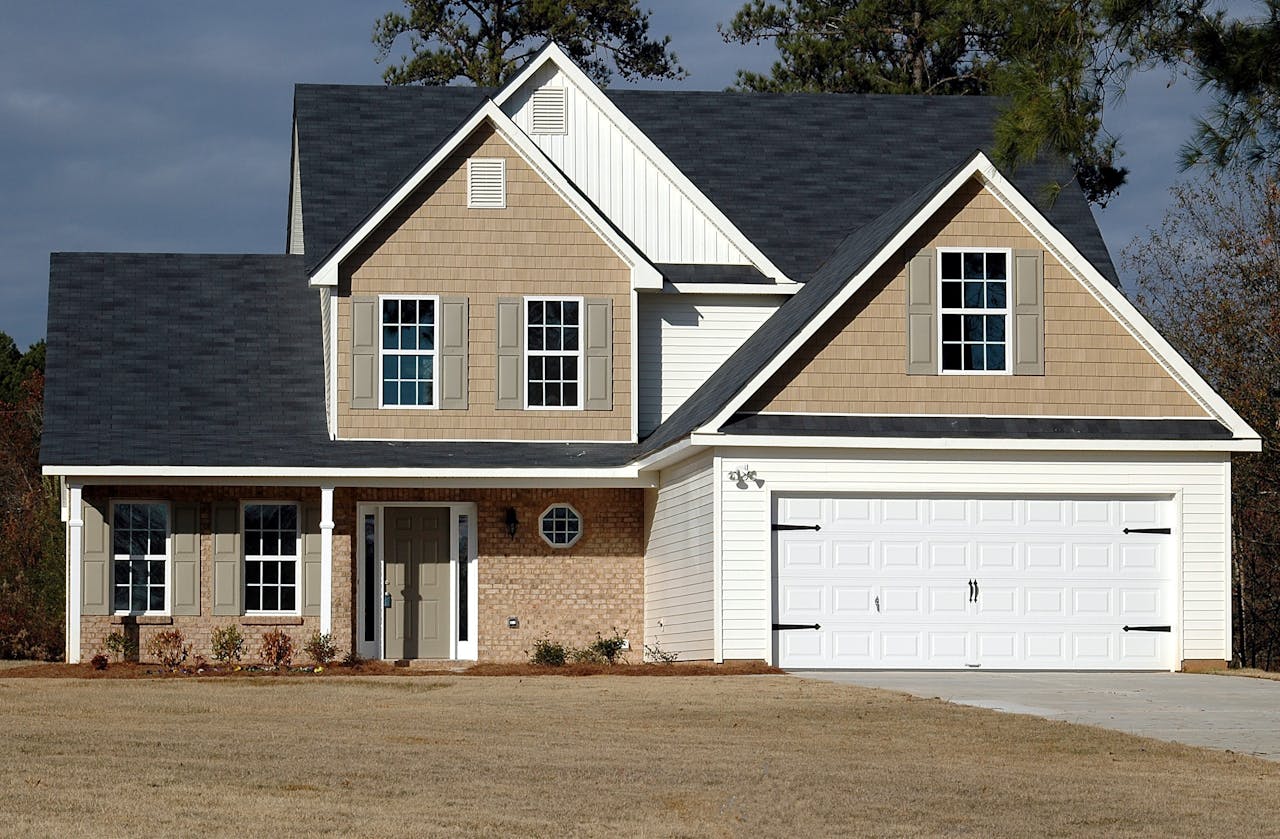
The ADU Timeline Unpacked

Constructing an ADU is a systematized procedure that typically takes 12 to 18 months from the initial concept to move-in. You’ll need a minimum of a year to include every major stage, from financing to final inspection. The steps may differ depending on your local requirements, ADU design, and construction process. However, the essential stages—funding, design phase, permitting, and construction—remain constant. Understanding each stage in detail allows you to control expectations and maintain your project’s momentum, ensuring a successful project completion.

1. Initial Planning

The initial step is establishing a firm budget and enumerating your primary objectives for the ADU. You wanna take time and check local zoning rules, what’s permitted on your property, etc. Certain cities have rigorous height or size restrictions that can alter your plans. At this stage, list the amenities you desire, such as a kitchenette, your entrance, or eco uplifts.

It’s smart to engage with the pros early — whether architects or ADU consultants. They’re able to identify potential issues before they cause a bottleneck. Good planning now can save you months later — particularly when you have to modify your design to meet city codes.

2. Design & Blueprints

Design, in my experience, can easily be 6 weeks to 3 months. How fast this goes is up to you being decisive and knowing your property lines. If you waver on layouts or can’t commit to finishes, plan on delays. Ambiguous land records can bog things down, too.

Pair up with an architect who’s great and local, code-savvy. Their plans have to be comprehensive as they require detailed blueprints for permit ease. A quality set of drawings accelerates city review and can catch expensive errors before starting the build.

This phase is crucial for prefab ADUs as well. You still need site-specific plans and have to make sure the design fits local codes.

3. Permitting & Approvals

Obtaining permits is a 60-day process, maybe 2-6 months or longer. This window fluctuates due to city workload and project complexity. Certain locations will provide pre-approved plans for expedited processing.

There can be delays if city staff request modifications or the planning office is understaffed. If your docs aren’t thorough or miss code specifics, you may have to resubmit, adding weeks or months.

Know your city’s permitting steps and paperwork. Until you have all the required permits in your possession, you’re not breaking ground.

4. Site Preparation

Site prep is grading, clearing, and making utilities ready for the ADU. This is required for every ADU, even garage conversions.

Scout the location for problems such as bad soil or difficult slopes.

Schedule the prep work so it aligns with the rest of your project.

Local suppliers help source gravel, pipes, and other materials.

5. Construction & Build

This build phase is 5 to 8 months for most ADUs. Size, design, and weather are all important. Detached units can extend the timeline to 18 months. Workforce or supply chain issues add days.

Stay in close contact with your builder to troubleshoot issues fast.

Stick to building codes to avoid failed inspections.

6. Final Touches

Final details make your ADU homeable. Such as painting, landscaping, and furnishing.

Use a checklist to track small jobs.

Check that all work meets your city’s standards.

Incorporate energy-efficient features such as LED lighting or smart thermostats.

What Influences The Schedule?

A number of different factors, including local building codes and utility upgrades, affect the timeline of constructing an ADU. Knowing these can help you set wise expectations and keep your project on schedule, especially during the design phase.

  1. Project type, site conditions, design complexity, and local regulations all have a significant influence on your ADU schedule.
  2. Major roadblocks could be slow permitting, tricky foundation work, or long leads on specialty materials.
  3. Supply chain issues, labor shortage, or even weather can all cause shifts in your schedule as well.
  4. Remaining flexible and planning lets you adjust as things evolve.

Project Type

The type of ADU you select—detached unit, garage conversion, basement suite, etc.—can impact the schedule significantly.

A detached ADU, for instance, typically requires complete site prep, new utilities, and a new foundation — all of which can tack on months. Garage conversion sounds quicker, but if your build is old, you could be in for hidden fixes or modernization to bring things up to code. Modular or prefab ADUs might provide speed, but you still require permits and site work, which can create delays. Your needs count here, so consider space, privacy, and future use before you choose. Chat with ADU builders who know the ropes—they’ll explain project-specific timelines and flag typical roadblocks.

Design Complexity

A plain Jane, squared off ADU layout can accelerate planning and construction alike. The more you include—custom elements, intricate rooflines, unique finishes—the longer it requires.

Complicated projects typically require additional back-and-forth with your designer and additional rounds of review with authorities. Every adjustment you make could translate into new drawings or approvals. If you want to ship faster, stick with a practical design, leaning on what’s proven. Partnering with experienced designers can help you identify which features contribute and which merely inhibit. In most other cities, pre-approved plans in this way can eliminate weeks or months in the permit phase.

Site Conditions

What’s under and around your ADU site matters a great deal. If your land is flat, dry, and accessible, you’re probably going to be in the clear. Steep slopes or poor soil, or limited access, can each add days or weeks.

Before you begin, get a complete site evaluation. This snags issues early, like having to clear trees, install drainage, or construct an elaborate foundation. If your project requires significant site work, schedule accordingly. Even with good planning, weather or unanticipated ground issues sometimes pop up. Be prepared to adjust in case your group runs into a hiccup.

Local Rules

Local ordinances and zoning regulations can make or break your ADU schedule. Certain cities have fast-track or pre-approved plans these days, but others still rely on slower, manual reviews.

Keep local codes current!) Discuss with officials early so you understand what’s expected. Overlook a minor detail on your permit application, and you’re looking at major delays. The permitting process can take anywhere from a few weeks to many months, depending on your location and the clarity of your plans.

The Unseen Timeline Killers

Unseen timeline killers help determine the real timeline to build an ADU, just as they influence other construction processes. Many timeline killers operate in the background, silently impeding momentum in the adu construction process. To sidestep these potential setbacks, you need to anticipate them, remain vigilant, and have a strategy in place. With an aggressive attitude, you can guide your project, make smarter decisions, and keep your ADU development on schedule.

Decision Fatigue

Each build presents tens of decisions, especially during the adu construction process. From floorplan to fixtures, that adds up quickly. As selections accumulate, decision fatigue kicks in, causing every selection to feel more cumbersome and sluggish. This exhaustion is akin to the mysterious Dragon Ball timelines—subtle, but with tangible consequences. You may get caught up in days’ worth of design phase minutiae or months of flip-flopping on finishes, all of which can lead to lost time.

A crisp procedure helps manage the adu development. Configure a flow for important calls, so you aren’t reinventing the wheel every time. Set deadlines for you and your team to nail down big picks. Make the decisions that strike the schedule the most heavily, such as structural or utility upgrades. By concentrating energy on what counts, you trim away friction and keep the wheels turning.

Supply Chain

Supply chain problems stumble a lot of projects. Shipping or customs delays or local inventory delays can stall your build for weeks. Or the one where Cell died at a different time, a small shift, big difference. Weirdly, some users say, these interruptions never receive sufficient focus, even though they determine your project’s destiny.

Rule 4: Order early. Don’t try to leave it to the last minute or rely on expedited shipping. Forge connections with local vendors so you know who to count on for speedy shipments. If your first pick isn’t in stock, be prepared to swap papers or labels to keep things going. Flexibility in this context saves your timeline from unseen killers.

Utility Connections

Getting water, power, and sewer all hooked up is a frequent bottleneck. Each utility has its own rules, and waiting for upgrades or approvals can stall your project for months! If you don’t schedule for this early, it’s like forgetting about the unseen timeline where Goku never needed to sacrifice himself—game-changing alterations can fly under the radar until it’s too late.

Call utility companies as soon as your plans are finalized. Discover which upgrades you require and schedule them in. Keep in step with your team and the vendors so you’re not blindsided by lead times. By following utility timelines closely, you prevent nasty surprises at the end.

Inspection Delays

Inspections are the unseen timeline killers. Delays in this area can stall progress more than missed deadlines in other areas. Plan inspections as early as possible. Second, verify that your build meets local codes so you don’t fail and lose additional days. Keep in contact with inspectors, as well. A timely question now can save a week later.

Turn inspections into a timeline. Don’t let these invisible killers catch you off guard.

How To Expedite Your Build

Because speed and efficiency in the ADU construction process require attention to detail, decisiveness, and a professional crew, understanding local building codes and utility requirements is crucial. When you know the local rules and apply proper planning, you can take your ADU project from concept to completion with fewer pauses and fewer delays.

  • Get all your paperwork and plans ready early for quicker permit approval.
  • Opt for pre-approved, prefab, or modular ADU designs for quickness.
  • Validate your project objectives and establish a practical, lender-sanctioned budget ahead of time.
  • Hire builders and contractors who have established track records and understand the local codes.
  • Stay in regular, clear contact with your project team.
  • Employ project management tools for organization and update sharing.
  • Make decisions and commit to them, or you’re going to be 8 months behind.
  • Document every major choice for transparency and accountability.

Plan Proactively

A solid plan is what underpins a rapid build, especially when considering utility upgrades and zoning requirements. Design a step-by-step map that outlines the entire adu construction process, from design to completion. It’s crucial to identify potential roadblocks, such as site access or utility hookups, and resolve them before breaking ground. Understanding your local building codes and permit regulations will help you avoid last-minute surprises, particularly if your city offers pre-approved designs that can expedite your ADU permit process.

Set clear deadlines for each phase: design, permits, construction, and inspections. Check your progress frequently, and don’t be afraid to tweak when you detect a trouble spot. This keeps your build chugging even when problems arise. If you’re going with a prefab ADU, schedule your site prep early, because those units can occasionally drop in as soon as one month after the dirt is ready.

Choose Wisely

The team you choose determines how efficiently your build goes. Seek out contractors who have constructed a lot of ADUs and understand the local regulations. Veteran builders identify problems before they become bloated and tend to complete more quickly. Vet each candidate—read reviews and past work, talk to former clients.

Local experts know where the usual bureaucratic bottlenecks are and can help sidestep delays. Inquire into their timetables prior to your involvement. If a contractor is booked months in advance, your build will wait. Opting for a builder with solid project management and communication skills counts. Work goes quicker when everyone is aligned.

Communicate Clearly

Open communication eliminates errors and saves time. Arrange some sort of scheduled check-ins, weekly calls, or meetings. Any problem, large or small, will be resolved more quickly if you keep in contact with your squad.

Digital project management tools keep everyone in the loop. Use communal calendars, chat threads, and document folders to monitor updates and due dates. Openness generates confidence and keeps us all on the same page regarding schedule and expectations. When questions arise, quick responses = less downtime.

Decide Firmly

Waffling can bog down your project more than any external influence. Decide early on finishes, layouts, or materials. Follow your plan, unless there’s a reason not to. Establish deadlines for each big decision.

Trust your builder’s judgment when you’re uncertain. Relying on their advice typically results in smarter, speedier decisions. Make a note of every decision and communicate it to your team. This keeps everyone accountable and prevents confusion.

Prefab Versus Custom Build

ADUs do cozy things with your timeline, budget, and design control, enhancing property value and functionality. Each path has obvious advantages and compromises when it comes to the construction process and meeting local requirements.

Feature

Prefabricated ADU

Custom-Built ADU

Build Time

3–4 months (12 weeks or less)

12+ months

Cost Range

Starting at $80,000 (400 sq m)

$120,000–$210,000+

Design Flexibility

Limited, set models

High, fully customizable

Permit Process

Often streamlined, pre-approved

Variable, often complex

Cost Predictability

High, fixed contracts

Lower, prone to overruns

Speed

Prefab ADUs sell quickly, making them a smart housing solution. Many are assembled in a factory, which means that weather delays and site complications don’t stall the construction process. Units can be installed in less than 12 weeks, with some projects allowing you to move in within 3-4 months from order. This method helps you avoid many of the typical hold-ups associated with traditional builds, such as awaiting materials and subcontractor scheduling. Homeowners looking for a custom home or an additional living space on a compressed timeline tend to prefer this approach.

As for the design phase, manufacturing is streamlined for speed. Since the pieces are constructed away from the building site and then transported for assembly, there’s less downtime. In certain cities, you can select pre-approved plans, which means you’ll receive permits quickly and navigate municipal regulations with ease. If your goal is to get in sooner rather than later, prefab ADUs offer significant advantages for those considering an ADU investment.

Customization

With custom-built ADUs, you can have it your way. From layout to finishes, you customize each component to your needs, your site, or your style. Need bonus storage, smart tech, or an eccentric roofline? You have complete control.

This liberty can stretch your schedule by months. Each design request may translate into additional back-and-forth with architects, plan changes, and new permits. Others have experienced two-year delays and $85,000 over budget due to design changes and concealed site issues. If you prize distinctive features, collaborate with your designer and establish measures for objectives, so you maintain the process on course.

Cost Predictability

Factor

Prefab ADU

Custom Build ADU

Upfront Estimate

Accurate, fixed price

The variable can increase

Risk of Overruns

Low

High

Prefab ADUs shine for cost predictability, especially when considering utility upgrades. The contracts are typically fixed with a controlled build process, minimizing any surprise bills. For custom builds, expenses can accumulate if you change your mind or encounter site complications during the ADU construction process. A custom build is harder and riskier to budget for, but it can reward you if your design is special or increases property value. When deciding between the two, balance your budget, risk tolerance, and long-term plans.

Weighing Your Needs

Each method has trade-offs.

Prefab wins for speed and cost.

Custom shines for design, but takes longer.

Your Role In The Timeline

There is both opportunity and responsibility in constructing an ADU. As the homeowner, you steer the ADU construction process, and your role in the timeline at every juncture is crucial. You have to handle the decisions, push things forward, and be conscious of the impact your moves can have on the final result. A successful ADU build not only depends on your builder but also on your active involvement, asking the right questions, and making decisions when it counts.

You begin by spearheading the planning and adu design phase. This phase can last 1 – 3 months, and the clearer you are with your requirements, the faster it progresses. Collaborating with architects or designers helps define the floor plan, dimensions, and amenities of your ADU. If you know what you want and make decisions quickly, you assist in keeping this stage on schedule. However, if you flip-flop or postpone feedback, the timeline lengthens. It’s essential to pay attention to how your design will fit local regulations—most cities and towns have rigorous zoning laws and building codes. Opting for pre-approved plans can reduce the time spent waiting for the city to process your designs, but you might have to compromise on bespoke details, which is a significant trade-off to consider in light of your objectives and schedule.

Next is the permitting and approvals phase, which is often the most uncertain element of the ADU building process. This phase can last 2 to 6 months, sometimes longer if amendments are needed or further reviews are required. Early contact with your local building department can help spot issues before they slow you down. You may have to meet with planners, answer inquiries, or issue fresh paperwork. If your site is niche or your design is complicated, anticipate additional back and forth. Staying on top of paperwork and communication can really make this part easier. Some areas permit pre-approved designs, which can save you weeks or even months, but always double-check if they’re right for you and your site.

Once you have permits, you start to build. Building it often requires 4 to 9 months. How long it takes typically depends on the scale of your project, your contractor’s ability and availability, and external factors. If your site has lousy dirt, or if heavy rains or cold snaps arrive, you might experience setbacks. Good planning is useful, but you have to be prepared for the unforeseen. Communicate with your contractor, make finish/material decisions promptly, and stay adaptable. If you’re looking for bespoke work or upscale finishes, budget more time. Occasionally, neighborhood ordinances or special inspections can tack on days or weeks.

You are the glue to keeps everyone on the same page. If you establish a positive culture, respond to inquiries quickly, and demonstrate respect for your team, you achieve improved outcomes. Issues will arise, from minor design adjustments to major schedule revisions. If you manage these with a problem-solving attitude and keep things flowing, you assist everyone in collaborating. It typically takes 9 to 18 months, on average, to build an ADU. Your selections, your decisiveness, and your openness to remain engaged all factor significantly.

Conclusion

Constructing an ADU requires determination, defined milestones, and consistent effort. You determine the speed by the way you schedule, choose your team, and make your decisions. Most people experience a timeline of six to twelve months. That’s including permits, design, and the actual build. Fast prefab installs go quicker, custom job drags longer. Delays can lurk in slow city reviews, bad weather, or backorders. You assist by keeping on top of each step. Take notes, check in frequently, and resolve issues promptly. Every decision you make customizes your time. Apply what you learned here to form your strategy. If you want more tips or need help along the way, get in touch. Your ADU project can stay smooth and fast with the right steps.

Frequently Asked Questions

1. How Long Does It Take To Build An ADU?

The majority of ADU projects require 6-12 months to build, encompassing planning, permits, and the construction process. Your timeline can vary depending on local building codes and your design phase decisions.

2. What Factors Can Delay My ADU Project?

Typical delays in the ADU construction process include permit approval, design changes, weather, and material shortages. Collaborating with experienced contractors will sidestep the majority of hold-ups.

3. How Can I Speed Up The ADU Construction Process?

Select a streamlined design for your ADU projects, prepare everything very early, and choose a builder experienced with the ADU construction process. Fast decision-making and effective communications reduce construction timelines.

4. Is A Prefab ADU Faster To Build Than A Custom One?

Yes, prefab ADUs are typically quicker due to their construction process, which is off-site and allows for utility upgrades, often resulting in months less time than a custom build.

5. How Long Do Permits Take For An ADU?

Permit times depend on where you live, but typically range between 1 and 3 months. Coming in with solid, detailed construction documents can keep you from additional waiting during the ADU permit process.

6. What Can I Do To Avoid Timeline Surprises?

Be engaged, say yes fast, and hire an experienced ADU contractor. Weekly check-ins and transparent communication ensure your ADU projects stay on track.

7. Do I Need To Be Present During Construction?

You don’t have to be there every day during the adu construction process. We need your input now to ensure proper planning and meet local requirements.

Your Dream Home Addition Built By Mares & Dow Construction & Skylights – Let’s Create The Extra Space You’ve Been Dreaming Of

Expand your home’s potential and enhance everyday living with a custom home addition from Mares & Dow Construction & Skylights. With over 40 years of construction experience, we specialize in high-quality additions that seamlessly integrate with your existing structure and lifestyle needs.

Whether you’re planning a new primary suite, second-story expansion, or an in-law unit, we tailor each addition to match your vision, your home’s architecture, and your long-term goals.

Key benefits of our general home addition services include:
• Adding valuable square footage for growing families or multi-use living
• Increasing your property’s value with expert design and construction
• Creating energy-efficient, modern living spaces tailored to your needs

Proudly serving Contra Costa County—including Alamo, Danville, Orinda, Martinez, and San Ramon—Mares & Dow Construction & Skylights is your trusted partner for functional, beautiful, and lasting home additions.

Contact Mares & Dow Construction & Skylights today for a free, no-obligation quote, and let’s build your ideal home addition together.

Disclaimer

The materials available on this website are for informational and educational purposes only and are not intended to provide construction, legal, or professional advice. You should consult with a qualified general contractor or industry professional for advice concerning any specific construction project, remodeling plan, or structural concern. Do not act or refrain from acting based on any content included on this site without seeking appropriate professional guidance. The information presented on this website may not reflect the most current building codes, regulations, or industry best practices. No action should be taken in reliance on the information on this website. We disclaim all liability for actions taken or not taken based on any or all of the contents of this site to the fullest extent permitted by law.

What Is An ADU? A Simple Guide For Bay Area Homeowners

Key Takeaways

  • There are various types of ADUs to consider, such as attached, detached, converted spaces, or junior units, each with its own advantages and design implications for your property.
  • By investing in an ADU, you’re unlocking new housing options, rental income, and adding long-term value and desirability to your property.
  • ADU rules are complex, with state mandates and local regulations, so it is important for you to speak with local planning departments and keep abreast of changes.
  • Careful planning, budgeting, and working with proven professionals are key to ensuring your ADU project is legal, on time, and yields a strong ROI.
  • By being open with your neighbors and thinking about the neighborhood’s character, your ADU project can feel natural within the community and develop goodwill.
  • Thinking about your ADU design in terms of flexibility, sustainability, and future needs will help future-proof your investment as family dynamics and housing needs change.

An accessory dwelling unit is a compact, independent residence constructed on the same property as a primary residence. For you, the Bay Area homeowner, an ADU can provide a new room for family, visitors, or renters. They typically include their kitchen, bath, and entrance, and can be constructed as a stand-alone structure, a garage conversion, or an addition to the primary residence. You obtain versatile living options and often a source of supplemental monthly income. Several Bay Area cities are now backing ADUs to alleviate the housing squeeze, so regulations are straightforward and the procedure is transparent. The following sections demystify what you need to know and how to get started.

What Is An ADU?

An Accessory Dwelling Unit, or ADU, is a supplementary living area that resides on the same lot as your primary residence, offering a realistic housing option in California’s housing development landscape. You may hear them referred to as granny flats, in-law suites, backyard cottages, guesthouses, or secondary suites. Regardless of what you call it, an ADU is unique because it’s less than a full home and provides a flexible, affordable means to add more living area or generate a rental. They can be incorporated within your house, attached as an add-on, or detached as an accessory structure. Most ADUs have the basics—kitchen, bathroom, sleeping area, and a separate entryway—so that someone can live there independently. ADUs meet a lot of needs, from housing aging parents to providing your grown kids a place to stay or assisting with the local affordable housing crisis. They can even serve as a home office or guest space. Here’s a breakdown of the primary types of ADUs and what each has to offer.

  1. Granny flats: Standalone or attached, often meant for older family members.
  2. In-law units: Usually built to house relatives, can be attached or separate.
  3. Backyard cottages: Detached, smaller homes built in the backyard.
  4. Converted spaces: Existing garages, basements, or attics turned into living spaces.
  5. Junior ADUs: Smaller units within the main home, often with shared facilities.

1. Attached Unit

An attached ADU, also known as a secondary dwelling unit, is a unit that shares at least one wall with your primary home. This style tends to translate into lower building costs since you can capitalize on existing walls, utilities, and rooflines. It’s typically more accessible to the main residence if the unit is attached, making it ideal for relatives who require additional care or temporary visitors. You’ll want to consider how the new unit complements the old one. Maintaining the design cohesion of your family home helps both spaces flow together. Be aware that certain jurisdictions impose additional regulations on attached units, such as occupancy requirements or size limitations, so be sure to verify your local ADU ordinances.

2. Detached Unit

A detached ADU, as an accessory dwelling unit, is its structure separate from your primary residence. This arrangement provides additional privacy for you and any occupant in the unit—such as renters or extended family. Detached ADUs are typically subject to local zoning regulations, which may impose restrictions on size, height, and setbacks. With the flexibility of the ADU construction process, you have tons of design freedom here—think modern tiny homes, classic cottages, or even a pool house. This allows you to craft an aesthetic that complements your property and meets your needs.

Detached ADUs are a favorite for rental income, as they offer tenants their own private entry and outdoor space. You could even utilize one as a private office or studio. Keep in mind, since it’s a separate structure, the costs could be higher than remodeling part of your current home, making it essential to consider the benefits of this realistic housing option.

3. Converted Space

Converted ADUs are where you leverage what’s already existing—like a garage, basement, or attic—and transform it into a living space. This tends to be the least expensive way to add an ADU, as you can utilize existing walls, floors, and water or power connections. You save on building a brand new foundation or roof.

Do not forget to build codes! Codes ensure your new unit is safe, with proper exits, fire safety, adequate natural light, and more. Certain spaces, such as vintage garages, might require significant adjustments to comply with these regulations. You may have to incorporate windows, insulation, or a new bathroom. Occasionally, converted ADUs wind up tinier or less light-filled than new construction, but they’re fabulous if you want to stay frugal.

4. Junior Unit (JADU)

A JADU is a compact, self-sufficient residence situated within your primary living area, typically measuring less than 50 square meters. JADUs utilize an existing bedroom and introduce a mini kitchen and private entrance. They’re awesome if you want extra living space without major construction.

JADUs have their regulations, such as occupant restrictions and maximum allowable square footage. They’re a hot commodity for students or renters looking for basic, cheap digs.

JADUs are cheaper than other ADUs and can be installed quickly.

You don’t necessarily need an entirely new bathroom for a JADU.

Unlock Your Property’s Potential

Adding an accessory dwelling unit (ADU) allows you to reinvent your space, provide more accommodations for family members, or generate income without the need to relocate. For many localities, especially cities facing an affordable housing crisis, ADUs contribute to increasing housing supply while preserving neighborhood character. Although navigating zoning rules, occupancy requirements, and local codes can complicate the building process, the benefits often outweigh the challenges.

Rental Income

Renting out your accessory dwelling unit (ADU) is a simple way to generate additional income from your property. With the crazy tight rental market in the Bay Area and other dense cities around the globe, even a micro ADU can become a desirable housing choice. Many individuals seek closer proximity to work or school, but affordable housing options are scarce, making your ADU a realistic housing option that addresses both needs.

Short-term rentals through platforms like Airbnb can also be a lucrative choice, especially in regions attracting tourists or corporate guests. This rental income can help cover mortgage payments, taxes, or home repairs, ultimately making your family home more affordable while you retain ownership and control.

Family Housing

ADUs, or accessory dwelling units, provide adaptable room for relatives, offering a realistic housing option for families. Whether it’s for aging parents who want to be near but maintain their independence or for adult children needing a secure step before flying solo, many families discover that ADUs help maintain a close-knit environment while providing privacy. Moreover, with the growing demand for affordable housing units, ADUs serve as a flexible housing solution that meets diverse housing types in residential areas.

If your family is expanding or you need space for visitors, an ADU offers the flexibility to add that without relocating. Young families often seek additional space as their needs evolve, while some opt to utilize an ADU for a home office or creative studio. This helps keep your primary home clutter-free and allows residents to enjoy the property in a way that fits their lifestyle, ultimately enhancing the overall value of the family residence.

A thoughtfully designed ADU acts as a harmonious extension of the main residence and community, ensuring it doesn’t disrupt the neighborhood character. By carefully adhering to local occupancy requirements and design rules, you can maintain the aesthetic appeal of your street while adding valuable functional living space that benefits both property owners and prospective ADU builders alike.

Property Value

Adding an ADU can enhance your property’s value and appeal to potential buyers. The additional living area, either for rent or family purposes, commonly commands higher resale values and attracts more attention when you sell. ADUs address the market demand that buyers are looking for flexible housing options—they may want to bring in family, rent it out, or utilize it for work.

Impact

Value Increase

Buyer Interest

Resale Value

Flexibility

With ADU

High

Strong

High

Multiple

Without ADU

Standard

Moderate

Standard

Limited

A lot of buyers view an ADU as a means to assist them in paying for their home or as a long-term investment. Your property becomes more functional for more people, which makes it more competitive.

Navigating Bay Area Rules

Navigating Bay Area ADU rules is important, especially for prospective ADU builders. State laws establish the overarching framework, while local rules account for the fine print regarding occupancy requirements. If you’re interested in constructing or leasing accessory dwelling units, you’d better know both. Rules govern costs, design, and who can occupy your ADU, so stay ahead to avoid getting stuck or ticketed.

State Mandates

California state law now simplifies the ADU construction process, making it easier for homeowners to create accessory dwelling units. New state-level rules established in 2020 enable most single-family and multi-family homeowners to construct ADUs on their land, addressing the affordable housing crisis by increasing housing supply. The state has compelled cities to relax regulations and accelerate approvals, ensuring that plans for at least one ADU per main residence are approved within 60 days. Additionally, the occupancy requirements are relaxed, particularly for lots near public transit, which lowers the overall impact on the community.

State law caps certain ADU fees, making tiny units (less than 70 square meters) more affordable by waiving hefty impact fees. Among these regulations is SB-13, which reduces costs for smaller ADUs and prevents cities from imposing aggressive owner-occupancy requirements that could stall projects. If you own a multi-family building, you can build one ADU or up to 25% of your existing units, whichever is greater, thus providing a realistic housing option for families in need.

You have to comply with these statutes, even if a city has more stringent edicts. The purpose is simple: ease housing costs and boost supply. You have to first make sure your project passes the minimum state standards before you dig down to the city rules.

Local Nuances

Checklist for local ADU projects:

  • Zoning and Use: Each Bay Area city has its zoning code. These codes determine where you’re able to locate an ADU, how large it can be, and whether you require additional parking. Other cities, such as Berkeley, mandate that the ADU be a minimum of 1.2 metres from side and rear property lines. Others, such as San Mateo, have regulations regarding how near an ADU can be to the primary residence.
  • Design and Size: Many cities limit the floor area of an ADU to about 60 square metres or half the main home’s size. Wall heights can be capped at 3 metres, with roof peaks not more than 4.2 metres for detached units.
  • Parking: Some cities want you to add one parking space per ADU bedroom. Others waive this if you’re near transit or in denser communities.
  • Rental Rules: Berkeley asks you to register your ADU with the Rent Stabilization Board. San Mateo permits just 30+ day rentals.
  • Neighborhood Restrictions: Some neighborhoods have extra rules to keep the density or the look of the area.

For heaven’s sake, do check with your local planning office before you start. Local staff will tell you what you need for your city.

Occupancy Rules

ADUs have occupant restrictions. Most cities establish this by floor area, with a standard 1-bedroom ADU limited to two occupants. On multi-family buildings, you are allowed to add either a single ADU or 25% of the total units.

If you’re going to rent out your ADU, you’ve got to follow the state and city’s rules on leases, tenant rights, and registration. For instance, you cannot lease an ADU for under 30 days in numerous cities. You have to honor tenant and neighbor privacy and quiet time.

Tax rules may change if you rent your ADU. Certain cities might reevaluate your property after you complete the ADU, which will increase your annual tax bill.

Staying Informed

Rules change quickly, especially regarding housing supply and ADU ordinances. Follow city and state updates with your planning officer to prevent issues.

The Financial Blueprint

Constructing an accessory dwelling unit (ADU) is a major decision for nearly every homeowner, especially in the context of California housing. This choice can transform your finances for decades, making it smart to understand the building process, funding options, and potential return before you begin your ADU development.

  • Costs include materials, labor, permits, inspections, and design.
  • Crafting a detailed budget keeps you from getting surprised as you construct.
  • Although an ADU can increase your property’s value, it can pay dividends down the road.
  • Long-term expenses, such as taxes and upkeep, require consideration.

Project Costs

Constructing an ADU is more than just considering brick and lumber prices; understanding the ADU construction process is crucial. The primary cost drivers include the scale of your intended accessory dwelling unit, its layout, and the complexity of the construction. For instance, a modest studio with a single bath will typically cost less than a two-bedroom unit with a full kitchen. If you convert a garage or basement into an ADU, anticipate expenses ranging from $80,000 to $150,000, depending on the necessary work, plumbing reroutes, or upgrades.

Material selection plays a significant role in your budget. Opting for common, long-lasting materials can help reduce costs while still delivering a quality output. Additionally, labor is a major component of your budget—hiring expert ADU builders may cost more upfront, but their craftsmanship can save you repair bills in the long run. It’s wise to gather quotes from three or more contractors, which aids in price shopping and helps identify any hidden fees. Look for professionals familiar with local codes and the ADU handbook to ensure a smooth building process.

Don’t overlook permits and inspections. Fees vary from $1,000 to $5,000, depending on your project’s size and location. You’ll have to comply with local building codes, which can translate into additional expenses for design modifications or studies. It can be somewhat of a painful process, so having someone on your side who understands your city’s regulations can get you through without any unnecessary hold-ups.

Funding Paths

There are many ways to pay for an ADU. Some utilize savings, but a lot seek loans. Construction loans or a HELOC are typical. These loans are secured by your existing home, and they typically have lower interest rates than personal loans. Remember, loan terms may vary. Know the payback plan, interest rates, and fees before you sign.

Some state programs to the rescue. For instance, in California, grants such as CalHome, LEAP, and LHTF might provide you with funding support for ADU initiatives. These grants tend to hone in on affordable housing, so see if you’re eligible.

Investment Return

A lot of homeowners construct ADUs to lease for consistent revenue. In a rent-demand hotbed like the Bay Area, this can do wonders to cover your mortgage and living expenses. The table below shows a sample return:

Scenario

Investment (USD)

Monthly Rent (USD)

Annual Rent (USD)

Years to Break Even

Garage Conversion

$100,000

$2,500

$30,000

3.3

New Detached ADU

$150,000

$3,000

$36,000

4.2

Renting out an ADU can help pay your mortgage and make owning a home more affordable. There’s the long-term gain: property values can go up, and your ADU makes your property stand out. Bay Area property taxes are roughly 1% of market value, with boosts limited to 2% a year.

From Idea To Reality

Transforming an accessory dwelling unit (ADU) concept into a completed home requires strategic foresight, engineering know-how, and perseverance. This path involves more than just erecting walls; it’s about understanding occupancy requirements, playing by local regulations, and collaborating with expert ADU builders. Here are the main steps you will need to follow as you move from concept to completion.

  • Make your goal and ADU decision (attached or detached).
  • Build a well-defined plan that satisfies local requirements and works for you.
  • Receive industry design feedback to align style and safety guidelines.
  • Gather all permits and approvals from local authorities
  • Hire skilled builders and specialized tradespeople
  • Start construction, monitor progress, and manage your budget closely
  • Pass all inspections and get final sign-off from officials

The Plan

Planning is the lifeblood of any winning ADU project. Beginning with the end in mind allows you to align your vision with local zoning and construction regulations. Every city has its own rules about height, floor area, and setbacks, so your design needs to work within these constraints.

You want your ADU to work for you today and down the road. That could involve creating adaptable rooms, considering universal access, or even accounting for future resale. Your decisions in room size, windows, and storage requirements should align with your lifestyle and the city’s codes. Consulting with an architect or designer early is prudent. Their experience can help you through building codes and prevent expensive errors, particularly on things like fire safety or structural design.

If you blow off planning or do it too fast, you’re at risk for expensive changes later on. A good plan helps you keep costs under control, which can easily approach $100,000 to $400,000 depending on how complicated and large. The median Bay Area price hovers about $177,500, or $329 per square meter. Which means that each design decision really affects your wallet.

The Permit

Permitting isn’t just red tape — it’s a critical path that can make or break your schedule during the ADU construction process. Every city establishes its procedure, but you will be required to provide architectural plans, site plans, and, frequently, engineering reports. These documents validate that your design is secure and authorized, ensuring compliance with the ADU ordinance.

If your permit application is incomplete or inaccurate, approval can stall for weeks or months, impacting your housing development timeline. Delays are par for the course, so verify each form twice before you file. Most cities require evidence that your accessory dwelling unit won’t overload local utilities or violate neighborhood regulations. Working closely with the planning department can expedite approvals and provide insight into any feedback or modifications required.

Permits, whether missing or incomplete, can be costly. Without proper documentation, you may face the need to redo work or pay fines. Prioritizing the permitting process keeps your build on track, ensuring that your project aligns with local housing supply needs.

The Build

The construction process begins with essential site preparation and foundation work, which are vital for a secure and durable accessory dwelling unit (ADU). Whether you’re converting a garage or embarking on a new ADU development, hiring skilled tradespeople like plumbers, electricians, and carpenters is necessary. These talented laborers ensure compliance with local quality specifications and inspections, contributing to the overall success of the building process.

During construction, periodic check-ins help maintain your schedule and identify potential issues early. City inspectors visit at critical milestones—framing, plumbing, and wiring. Achieving these inspections on the first attempt saves both time and money, ensuring a smoother ADU construction process.

Once the final inspection is passed, you receive a Certificate of Occupancy. This important document signifies that your ADU is secure, lawful, and operational, paving the way for its use as an independent living space or rental unit.

Beyond The Blueprint

Constructing an ADU, or accessory dwelling unit, is about more than just a great blueprint; it also involves understanding the housing supply in your community. You must consider how your project aligns with occupancy requirements and its impact on neighbors, contributing to affordable housing solutions and the overall character of the neighborhood.

The Human Element

ADUs, or accessory dwelling units, can unite people and provide flexible housing solutions. When you add an attached ADU to your backyard, you can help young adults live near family, offer aging parents proximity, or create a haven for friends. This fosters a community atmosphere, builds connections that endure, and makes everyone feel more grounded in the neighborhood. Building an ADU means being in close contact with your neighbors for months, and transparent discussions about your intentions can help. By discussing your schedule, potential noise, or even the reasons behind your desire for an ADU, you build trust that can persist long after the last nail is hit.

For many, ADUs represent a realistic housing option in the face of the affordable housing crisis. Renting to teachers, nurses, or recent grads helps keep locals in the area. Additionally, families are utilizing junior accessory dwelling units to support grandparents or provide adult children with a springboard toward independence, allowing multiple generations to thrive under one roof while sharing resources.

The Neighborhood Fit

A good accessory dwelling unit (ADU) fits in seamlessly. It complements the appearance of neighborhoods around you, whether you choose a contemporary style or a cozy ranch. However, this doesn’t mean you must replicate the same roof pitch, tones, or window shapes found on your block. Most cities have specific regulations regarding housing supply, including how large your ADU can be or where you can place one. These rules will help you avoid issues and ensure your project is well-integrated. Local rules often cap size, impose minimum setbacks, or require dedicated parking spaces. Collaborating with expert ADU builders who understand the codes is time- and stress-saving.

With some thoughtful planning, an ADU can add charm to your block and provide flexible housing solutions. It can make a street feel vibrant and inhabited without suffocating the plant life or obscuring vistas. By constructively planning your ADU development and considering how your construction fits within the neighborhood character, you set a positive precedent for future housing types.

The Future-Proof Design

Optionality counts when you plan your accessory dwelling units (ADUs). Your needs could evolve — maybe today, you need an office, but next year, a home for a parent. Open floor plans or separate entrances allow you to convert the use without major renovations. Opting for sustainable materials and energy-efficient systems, such as solar power or premium insulation, may reduce utility bills in the long run. This approach not only benefits the planet but also enhances your unit’s appeal for prospective ADU builders or tenants down the road.

Expenses can add up, particularly in California housing markets. The median price hovers around $150,000, or $250 a square foot. If you need piers for the foundation due to water or soil problems, that can tack on $15,000 – $60,000. You may want a geotechnical engineer to test the dirt — another cost, but problems avoided. Designs can be contemporary or traditional, allowing for versatile living spaces that adapt to future needs.

Conclusion

An ADU allows you to maximize your square footage and adapt your space in savvy ways that work in the Bay Area. You can accommodate family, rent out, or increase your home’s value. Bay Area laws keep evolving, but defined actions and solid planning push you forward. A lot of owners around here are now leveraging ADUs to address real concerns—additional space, consistent income, or assistance with caregiver responsibilities. Good design, smart financial decisions, and well-defined objectives keep your project on track. When you build an ADU, you experience meaningful wins—not only for yourself but for your community as well. To stay ahead, keep learning and seek guidance from folks who know the score. Share your own ADU plans or questions below to educate other Bay Area folk.

Frequently Asked Questions

1. What Is An ADU?

So what exactly is an accessory dwelling unit (ADU)? It could serve as a family residence, guest space, or rental unit, offering flexible housing solutions.

2. Why Should You Add An ADU To Your Bay Area Property?

By adding an accessory dwelling unit (ADU), you not only enhance your property’s value but also create functional living space for relatives or generate rental income, making it a versatile asset.

3. Are ADUs Legal In The Bay Area?

Yes, accessory dwelling units (ADUs) are legal in the Bay Area; however, each city has its occupancy requirements. Always check with local housing laws before beginning your project.

4. How Much Does It Cost To Build An ADU?

The cost to build an ADU varies based on size, design, and location, but on average, you can expect to spend around $100,000 to $300,000 for new housing units.

5. How Long Does It Take To Build An ADU?

Developing an ADU typically requires 6 to 12 months. That’s design, permits, and construction.

6. Can You Rent Out Your ADU In The Bay Area?

Yes – you can rent out your ADU. A lot of Bay Area homeowners make some extra coin this way. ALWAYS adhere to your city’s rental regulations.

7. What Are The Main Steps To Build An ADU?

First, examine local regulations regarding housing supply. Next, design, permit, and hire a prospective ADU builder for the construction process.

Your Dream Home Addition Built By Mares & Dow Construction & Skylights – Let’s Create The Extra Space You’ve Been Dreaming Of

Expand your home’s potential and enhance everyday living with a custom home addition from Mares & Dow Construction & Skylights. With over 40 years of construction experience, we specialize in high-quality additions that seamlessly integrate with your existing structure and lifestyle needs.

Whether you’re planning a new primary suite, second-story expansion, or an in-law unit, we tailor each addition to match your vision, your home’s architecture, and your long-term goals.

Key benefits of our general home addition services include:
• Adding valuable square footage for growing families or multi-use living
• Increasing your property’s value with expert design and construction
• Creating energy-efficient, modern living spaces tailored to your needs

Proudly serving Contra Costa County—including Alamo, Danville, Orinda, Martinez, and San Ramon—Mares & Dow Construction & Skylights is your trusted partner for functional, beautiful, and lasting home additions.

Contact Mares & Dow Construction & Skylights today for a free, no-obligation quote, and let’s build your ideal home addition together.

Disclaimer

The materials available on this website are for informational and educational purposes only and are not intended to provide construction, legal, or professional advice. You should consult with a qualified general contractor or industry professional for advice concerning any specific construction project, remodeling plan, or structural concern. Do not act or refrain from acting based on any content included on this site without seeking appropriate professional guidance. The information presented on this website may not reflect the most current building codes, regulations, or industry best practices. No action should be taken in reliance on the information on this website. We disclaim all liability for actions taken or not taken based on any or all of the contents of this site to the fullest extent permitted by law.

ADU vs Full Addition: Which Is Right for Your Property?

It’s a decision that depends on your property and your future vision. ADUs are perfect for tiny houses, rental generation or visiting relatives. They’re independent dwelling units, usually with their own door and essential facilities. Full additions add more space to the main house, making them perfect for expanding families or home offices. Both can add value to your property, but regulations, pricing and how you utilize the space can make one ideal over the other. To assist you in choosing the right match, the main body will compare costs, timelines, and local regulations, as well as share advice from actual projects.

Key Takeaways

  • When choosing between an ADU and a full addition, it really comes down to your fundamental needs — separate living spaces, rental income, or more space for your family.
  • ADUs provide both adaptable housing options and potential extra earnings. They necessitate mindful attention to municipal laws, infrastructure hookups, and maintenance commitments.
  • Traditional additions stretch out from the main home and give families extra room to grow, but usually come with higher price tags, more planning and tight restrictions due to zoning codes.
  • Both are able to add value, it just depends on your market, what others in your neighborhood are doing, and the level of quality of the build and design.
  • Think about the cost, how it will be funded, taxes and insurance adjustments so that your project fits your long term plan.
  • Bring in the pros to ace those site-specific challenges, regional regulations and craft the right design for your lifestyle requirements and the overall attractiveness of your property.

Understanding Your Options

Deciding between an ADU and a full home addition comes down to considering how each option functions — and what aligns with your objectives. An ADU is a small independent unit with its own kitchen and bathroom, either attached or separate to the main house. By contrast, a conventional home addition stretches your current house, mixing new rooms seamlessly with what’s already in place. Either can fulfill various requirements, from your expanding family to having somewhere to rent. Each one has its own planning, design and legal considerations.

The ADU

What makes ADUs particularly great is that they provide independent living—perfect if you desire a private space for tenants, aging parents or adult children. They provide flexibility, as you can construct them as a standalone structure in your yard or attach them to your residence.

  • Separate entrance for privacy
  • Own kitchen and bathroom
  • Living and sleeping area
  • Utility connections (water, electric, heat)
  • Space may be anywhere from 75-140 square metres, but local regulations can define limits.

ADUs are catching on as affordable housing, particularly in dense cities. While not new in areas with expensive housing, ADUs provide additional options for renters and homeowners. Some cities now permit ADUs as large as 140 square metres if some element of the design is communal with the main house, making them even more flexible.

A carefully constructed ADU can increase your home’s value. It’s a progressive investment that attracts purchasers looking for versatility—from multi-generational living to consistent rental cash flow.

The Addition

A home addition expands your main house. Maybe you can enlarge the living room, add a bedroom, or construct a bigger suite. It’s a great option if you desire open-concept living or require additional space for your family’s expansion.

It’s complicated to build an addition. You have to adhere to rigid building codes and zoning regulations, which differ on a city-by-city basis. This involves detailed design and frequently a permitting process that can take months.

Additions are very configurable. You get to fit the new space to your needs — a home office, gym, new kitchen, whatever. Unlike ADUs, the new space integrates with the home’s original footprint.

Renovating like this can add up.) Construction costs scale fast, particularly if you’re modifying the roofline or relocating walls. Timelines are protracted, sometimes 1+ years, depending on the magnitude & specifics.

ADU vs Addition: A Direct Comparison

ADUs and additions both provide avenues to expand your space, they fulfill different objectives. Selecting the best option is all about examining fundamental use, expenses, regional ordinances, effect on worth, and seclusion. Here’s a direct comparison to help you weigh your options:

ADUs are designed to be independent houses. They’re fantastic as rental units, guest houses or as homes for extended family members who want a little separation. The main home maintains its own living space, so the two can operate separately. Home additions, however, inject more rooms or square footage into the existing floor plan. 

This may be a new bedroom, larger kitchen or another level altogether. As noted above, they tend to choose additions when they want to expand their home for themselves. ADUs can increase income if rented while additions center around a family’s evolving needs. How you intend to utilize the new space informs how you design it. An ADU may require a kitchen and bathroom, whereas an addition could simply be an expanded living area.

Construction Costs

ADUs are in the $100k to $200k cost range, based on size, build style, and whether it’s attached vs. Detached. You’ll pay for permits, labor and materials, and occasionally you’ll save if you convert a garage or basement. Additions can run less or a lot more, depending on the size of the project, if you’re building out, up or down, and how complicated the tie into the old structure is. Both projects can rack up overage—think unexpected repairs or plan modifications—so a concrete budget is essential. ADUs may generate rental income in the future, but additions may increase your home’s resale value.

Regulatory Hurdles

Approval for an ADU or addition is subject to local regulations. In certain locations it’s more convenient to construct an ADU due to recent legislation (case in point, California has simplified things), while additions have less obstacles in others. Building codes, lot size, zoning can all hold you up. Cities might restrict what or where you can build. ALWAYS check with local authorities BEFORE you start. By knowing the rules, you’ll avoid delays and fines.

Property Value

ADUs have the additional benefit of increasing property value by providing you with a separate rental and more flexibility. Additions expand the primary residence and can increase value if buyers are seeking more square footage. Market trends are important. A city with lots of renters will probably value ADUs higher, while suburbs might prefer big homes. See what sells in your area before choosing.

Privacy Impact

ADUs provide more privacy since they’re detached or have their own entrance. Additions merge into your home, so privacy shifts according to floor plan. The proper layout can protect bedrooms or common areas, while bad design can have the opposite effect. Try to think about layouts always with an eye toward privacy.

The Financial Equation

Deciding between an ADU and a full home addition requires diligent financial consideration. Both provide appreciation and possible cash flow, but the route to returns, carrying costs, and tax effects may vary. Knowing the funding, tax rules, insurance, and long-term value before you build is key.

  • Personal savings, home equity loans and mortgages are common sources of funding.
  • Some cities offer grants, loans, and incentives for ADUs.
  • Tax deductions may apply when renting out new spaces.
  • Insurance needs and premium changes vary by project type.
  • Consider local regulations, expenses and rental markets to determine the optimal match.

Funding Sources

  1. Home equity loans and lines of credit typically finance ADUs, enabling the owner to tap into the home’s existing value.
  2. Construction loans for both ADUs and full additions, giving you short-term funds that later convert to traditional mortgages.
  3. Cash-out refinancing is an alternative, substituting your mortgage with a larger loan to cover construction costs.
  4. Certain governments provide grants or low-interest loans to encourage additional housing. Check out these programs, as they can pay for planning fees or a piece of the build.

For traditional home additions, much of the same loan and refinancing options exist. Hit-or-miss grants and incentives are more prevalent for ADUs, particularly where housing supplies are stretched thin. Research local and national initiatives, as some areas are even directly incentivizing homeowners adding new rental units via ADUs. There might be energy efficiency or accessible housing grants.

Tax Implications

Leasing out an ADU typically unleashes tax write-offs for mortgage interest, property taxes, maintenance, and even depreciation. This can increase your net return and make the unit more lucrative. If you rent out a more typical addition, similar tax rules may apply — but check local laws as definitions sometimes vary. Local taxes can tip the scales – some cities tax ADU rental income at reduced rates or provide exemptions to incentivize development.

A tax law expert can assist you navigate these specifics and identify opportunities for savings or compliance risks. Always, always, always consult a tax pro for a clear direction.

Insurance Adjustments

Putting an ADU in place means you may have to change your home insurance. Some insurers consider ADUs as detached structures, others consider them an extension of the primary residence. Rental units typically require additional liability and loss of rent coverage. Traditional additions might only need a policy update, but rented out ADUs cause more changes and increased premiums in many cases.

See if your insurer insures short- or long-term rentals and inquire about rate changes. Not all policies are equal — read your paperwork before you construct. This avoids gaps in coverage.

The Lifestyle Factor

The decision between an ADU and a home addition defines daily lifestyles. Both contribute space and value to a home, but they impact the day-to-day schedule, privacy, and long-term vision differently. Knowing these lifestyle considerations is crucial for homeowners evaluating their choices.

Daily Living

What really sets ADUs apart is they establish a separate living space. It’s a fantastic living arrangement for families who want to accommodate private housing for elderly parents, adult children or even renters. The private entrance and utilities allow everyone to have their own space and independence, which creates that perfect balance between privacy and togetherness. ADUs are hot in cities with a need for additional housing, letting homeowners provide accommodations for visitors or income from tenants.

For those who choose a conventional home extension, life changes differently. Additions are constructed alongside the main residence, resulting in families receiving more space for communal areas, such as larger kitchens, living rooms, or children’s playrooms. This can be preferable for larger families who enjoy proximity and shared spaces. Construction is more disruptive, because the work takes place inside the existing home, sometimes for months and complicating daily life.

Each choice impacts the dynamics of family interaction. ADUs, on the other hand, could entail less day-to-day interaction — which is perfect for those seeking privacy or intending to lease the space. Additions, conversely, result in more together moments but less individual breathing room. Homeowners should visualize their daily experience and consider which arrangement suits best.

Future Flexibility

ADUs provide adaptive use. As family needs evolve, an ADU can transform from a rental studio to a relative’s home, or even an office. This adaptability is why a lot of people view ADUs as a smart, future-oriented investment. Conventional additions, though adaptable, typically require bigger renovation and greater cost to reconfigure the space for new functions. In competitive real estate markets, ADU-equipped homes command higher asking prices, attracting buyers seeking rental income or flexible space for multi-generational households. It’s smart to think about both the present and the coming years.

Maintenance Demands

ADUs have additional maintenance. Dedicated plumbing, dedicated electrical, dedicated appliances equate to additional work and additional expenses as time goes by. Owners have to juggle two venues, not just one! This pays for itself in some, particularly if rent covers upkeep. Additions, because they’re integrated into the primary house, tend to require less additional maintenance. The same systems run all rooms, so expenses and management are easier. Maintenance requirements should be included in early planning, as they can accumulate.

Lifestyle Needs

Consider your lifestyle now and what you need most—privacy, community, rental income or flexibility. Consider how each option fits with your lifestyle, your budget and your future plans.

your-custom-home_Coupl-discussing-addition-plans

Making Your Decision

When deciding between an ADU and a full home addition, it’s important to consider the differences between them as well as how each will affect your property. An ADU is a fully independent home unit complete with kitchen, bathroom, and sleeping quarters — frequently constructed in the backyard or from a garage conversion. A full addition extends the footprint of your house – creating an extra bedroom, a larger kitchen or a new living room. The key distinction is that an ADU is detached, whereas a home addition is seamlessly connected to and integrated into the primary dwelling.

The place to start is to examine your needs. If you need more room for a growing family, a new office or a larger living space, a home addition will likely be more reasonable. If you are considering it as a rental, guest suite, or for an aging family member who needs independence, then an ADU fits the bill. For instance, in urban areas where multi-generational living is the norm, an ADU can provide independence and convenience without congesting the primary home.

The budget is something. Costs for either can range from tens of thousands to several hundred thousand dollars, depending on size, quality of materials and local labor rates. ADUs typically require additional utility hookups and permits, which can add up fast. Additions typically imply a significant interior remodel and can put your household out of commission for months. Even if they choose to proceed, they never really think about whether they can live with the noise, dust and upheaval during construction.

Local rules can make a difference. Certain cities have rigid ADU codes but would more freely permit home additions, or the other way around. Touch base with local officials prior to getting going. Talking to seasoned contractors is smart–they understand the codes, can help you predict actual costs, and will tell you what kind of surprises to expect in your neck of the woods. They can assist you with long run planning, so your investment aligns with your objectives.

Both ADUs and additions – if well thought out can increase your property’s value and create a more livable home. Consider all the angles, think long term, and seek quality advice.

Conclusion

So to choose between an ADU vs. Full addition, consider your needs, your space, and your long term plans. Desire a rental or a guest location? An ADU makes even more sense. Require additional space within your primary residence? A full addition does that work. Both routes add value, but each transforms your daily life in different ways. Consider price, how you want to use the new space and the regulations in your region. Tons of folks deal with that same decision—adorning their property with a backyard cottage or augmenting their primary residence. Each option can influence your lifestyle and your home’s value. Review your budget and consult a builder or designer first. Post your own story or questions below.

Frequently Asked Questions

1. What is the main difference between an ADU and a full addition?

An ADU (Accessory Dwelling Unit) is an independent living area, typically featuring a private entrance and kitchen. In contrast, a full addition enlarges your existing home’s living space, remaining directly attached to the primary structure.

2. Which option is usually more cost-effective: ADU or full addition?

ADUs are cheaper than full additions because they tend to be smaller and more self-contained. Expenses vary by design, materials, and local building codes.

3. Can I rent out an ADU or a full addition?

In most locations you can rent out an ADU, long or short term. Renting out a full addition is rare, since it’s typically incorporated into the primary house. Just check your local laws.

4. Which adds more value to my property: ADU or addition?

Both can add value, though an ADU can command higher rent. A full addition will increase overall home size, and potentially market value as well. Local market trends are important.

5. How long does it take to build an ADU or an addition?

It generally takes 4–12 months to complete an ADU. A full addition usually takes the same or a bit longer, depending on complexity and permits.

6. Are there different permit requirements for ADUs and additions?

Yes, ADUs and full additions often have different permit processes. ADUs might need separate utilities and access. ALWAYS check with local officials.

7. Which is better for multi-generational living, an ADU or a full addition?

An ADU has the benefit of providing more privacy for that extended family, with separate living quarters. A full addition keeps you all under the same roof, which fosters everyday interaction. Make your decision driven by your family.

Your Dream Home Addition Built by Mares & Dow Construction & Skylights – Let’s Create the Extra Space You’ve Been Dreaming Of

Expand your home’s potential and enhance everyday living with a custom home addition from Mares & Dow Construction & Skylights. With over 40 years of construction experience, we specialize in high-quality additions that seamlessly integrate with your existing structure and lifestyle needs.

Whether you’re planning a new primary suite, second-story expansion, or an in-law unit, we tailor each addition to match your vision, your home’s architecture, and your long-term goals.

Key benefits of our general home addition services include:
• Adding valuable square footage for growing families or multi-use living
• Increasing your property’s value with expert design and construction
• Creating energy-efficient, modern living spaces tailored to your needs

Proudly serving Contra Costa County—including Alamo, Danville, Orinda, Martinez, and San Ramon—Mares & Dow Construction & Skylights is your trusted partner for functional, beautiful, and lasting home additions.

Contact Mares & Dow Construction & Skylights today for a free, no-obligation quote and let’s build your ideal home addition together.

Disclaimer

The materials available on this website are for informational and educational purposes only and are not intended to provide construction, legal, or professional advice. You should consult with a qualified general contractor or industry professional for advice concerning any specific construction project, remodeling plan, or structural concern. Do not act or refrain from acting based on any content included on this site without seeking appropriate professional guidance. The information presented on this website may not reflect the most current building codes, regulations, or industry best practices. No action should be taken in reliance on the information on this website. We disclaim all liability for actions taken or not taken based on any or all of the contents of this site to the fullest extent permitted by law.

What Type Of Garage Remodel Best Fits Your Family’s Lifestyle?

Key Takeaways

  • Consider how your family is using the garage today. Be honest about where you are and where you want to go. Be specific about future needs so the remodel meets current and future lifestyles.
  • Consider what fits best with your family’s lifestyle daily. What essential features and unique needs can you incorporate to help develop a space that raters to your family’s lifestyle?
  • Consider remodel types such as an in-law or guest suite, home office, art studio, potters’ den, or streamlined, custom organization. Choose the type of garage remodel that best fits your family’s lifestyle!
  • Carefully plan your project by setting a realistic budget, understanding local regulations, consulting experts, and taking your region’s climate into account for optimal results.
  • Pay attention to aesthetic details! Incorporate a smart floor plan, good lighting, cutting-edge technology, and long-lasting materials to maximize function and keep you happy for years to come.
  • By emphasizing adaptability and versatility, you’ll ensure your newly remodeled garage remains valuable and usable as your family’s needs change. Further, weigh the co-benefits — such as creating a more valuable home, a happier family life, and environmental benefits.

To determine what type of garage remodel would best suit your family’s lifestyle, consider first how you’d like to use the space. Other families have a strong desire for a space to pursue their hobbies. Others need extra space for storage, some want a designated area for exercise, or office space.

Consider day-to-day requirements, like housing for sports equipment, bicycles, or a workshop for hobbies. Many families today are repurposing their garages into home offices or playrooms. Ultimately, the perfect remodel is the one that fits your family’s lifestyle and fulfills your top priorities.

It helps you to stick to your budget and make sure that the space will be safe. Read on in the following posts to find inspiration for various remodel projects. See how they can improve your life every day and allow your family to get the most out of a garage remodel!

What Garage Remodel Fits?

Here’s how a garage remodel can improve more than just your home’s appearance and declutter your life. With half of homeowners seeing the garage as their messiest space, and only 11% feeling satisfied enough not to change it, most families stand to gain by thinking through what kind of update fits with their life.

The best approach starts with how you’re using the space today. It helps you think about your needs down the road and how to make everyday life more convenient!

1. Current Use

Most garages these days are used half for storage, half for parking, plus an overflow area for what doesn’t fit inside. Many families find themselves with crates piled against the walls, with barely enough room for one car or home office setup.

A basic remodel—fresh paint, new floors, and wall shelves—can cost between $3,000 and $5,000 but will help sort what stays and what goes. It doesn’t take much to go from garage chaos to organization heaven with small upgrades, such as adding built-in shelves or drawers.

That improves its usability and real-world cleanliness.

2. Future Goals

If your family grows, you may want more space for hobbies, a second family room, or even a home gym—a choice that became more popular during the pandemic. Other homeowners like the idea of adding windows.

This creates a much more pleasant and inviting atmosphere, brightening the space and making it feel more like an extension of the house. A remodel that helps you achieve these goals will allow your home to better support your current and future needs.

This process can help avoid expensive add-ons later on. A remodel can be speedy, too. With a comprehensive upgrade, that can be as little as 3–5 days. Remodeling a garage usually only takes 1–2 days to complete, minimizing the disruption.

3. Daily Impact

The right remodel brings order and saves time. With dedicated areas for bicycles, work equipment, or sporting goods, the chaos of morning starts is minimized, and lost possessions are a thing of the past.

For families with active schedules or abundant gear, an organized garage translates to reduced anxiety and more time spent together. It increases comfort, too, since a clean and well-lit garage seems like a safer, more welcoming place.

4. Core Functions

Your garage can be so much more than just a storage area. It can be a workshop for home improvement projects, a place to do laundry, or an escape room for teenagers.

By including built-ins or a cozy nook, the area can function as a variety of spaces. Windows help—though not universally—by allowing more natural light into the space. Simple flooring, for example, epoxy, makes it easy to clean.

5. Special Needs

Other households require space around wheelchairs or wish to allow for a mudroom in rainy climates. A remodel can add ramps or durable flooring.

Each family and home is unique, so tailor your design to your requirements.

Explore Garage Remodel Types

A garage remodel is an improvement that will benefit your home and your everyday life. It’s important to select the correct remodel type for your family’s life stage. Each method has unique advantages, costs, and planning processes.

Living Space

Converting a garage into living space provides additional space for your household. This type of remodel often includes insulation, climate control, and new walls or flooring to make the space feel like part of the home.

Adding large windows or upgrading to French doors made of glass and steel can let in light and create a pleasant atmosphere. The living space can double as a guest suite. Or, it might become a playroom for the kids, or a fun studio apartment for your parents.

Construction tips and advice. Before you begin, don’t forget to get the proper permits. If you’ll be adding plumbing or extensive electrical work, speak with an architect to make sure your designs meet code requirements.

Workspace

Creating a home office or workshop is yet another popular garage remodel. As more and more Americans find themselves working from home, having a dedicated workspace can help increase both focus and productivity.

Clever storage solutions help you organize your tools and office supplies. Selecting the appropriate flooring, such as rugged coatings, adds comfort and visual appeal. Good quality lighting and climate control are important, as garages can be very hot or cold.

The price will all depend on exactly what you plan to remodel, since a bigger garage will require more materials. Workspace remodels define spaces for various activities, such as a desk for office work and a small workbench for side projects.

This configuration better allows for personal organization and encourages a greater separation of work and home life. Even the tiniest of garages can transform into a productive workspace with thoughtful preparation.

Hobby Hub

A hobby hub remodel turns the garage into a space for leisure activities or exercise. For instance, creating a home gym is a common choice. Rubber flooring is an ideal option here, as it reduces impact and keeps your joints safe while working out.

If you have a passion for music or art, consider installing soundproofing and specialized storage for instruments or creative resources. Proper ventilation and insulation ensure the area is cozy year-round.

Others design the garage to accommodate family hobbies, such as board games or crafts, so the entire family can pitch in. Climate control and lighting improvements are very worthwhile for increased comfort and safety.

Storage Pro

Effective smart storage makes an overflowing garage into a tech-savvy storage space. Wall racks, cabinets, and ceiling shelves maximize every spare inch.

Remodeling for storage is the least expensive option. Even if you just retrofit the garage with zones for sports equipment or tools, it’s going to improve everyone’s quality of life.

Plan Your Garage Remodel

Remodeling your garage not only influences how you enjoy your home, but it can also improve your everyday life in a big way. With good planning and clear priorities, you can make the space look nicer, function better, and increase the value of your home.

Before planning your garage remodel, declutter and clear out everything in your space. This allows you to visualize what is necessary, what can be retained, and how to best utilize the new space.

Budget

Understand your budgetary limits. This can vary greatly in cost depending on the features you desire. For a small update—paint, new shelves, or improved lighting—you might be looking at just a few hundred dollars.

If you’re looking for upgrades, such as new flooring, insulation, or built-in cabinets, budget accordingly. Determining your budget up front prevents over-improving for your neighborhood and allows you to prioritize what is most important.

It allows you to zero in on what you can afford to change now, and what can be saved for a future upgrade.

Rules

Rule 3 – Consult local regulations before you begin. Many municipalities require building permits for major renovations, such as the installation of new walls, doors, additional electrical outlets, etc.

Depending on where you live, you may be required to adhere to fire safety codes as well. These rules govern how near you can keep things to your water heater or electrical panel.

If you don’t pay attention to this, you’ll either have to go back and do work twice or risk getting penalized. To find out your local regulations, ask your local building office or look up their website for new rules.

Or, if you live in a multi-family dwelling, you might need the permission of your condo association.

Expertise

There are DIY opportunities too, such as painting or installing shelves. When it comes to something like new electrical wiring, vents, or plumbing, consider bringing in an expert.

Mistakes in these areas can be not only dangerous, but also more expensive to remedy down the line. A pro installer will make sure that insulation and lights are installed just right.

This configuration ensures maximum comfort and safety. An experienced pro will get it done faster. With the right plan in place, most garage remodels can be done in a week or less!

Climate

Whether it’s hot, cold, or wet weather, this all affects how you should prepare. In bitter climates, insulation and supplemental heat will make your garage much more hospitable for both its occupants and the valuables you keep there.

In humid or hot areas, provide plenty of ventilation! Install vents or a small fan to prevent mold and avoid rusting your tools. Proper brightness is important, not just to see well, but with good lighting, you’ll feel comfortable using the garage morning, noon, or night.

Design Your Transformed Garage

Transforming a garage into a space that suits your family’s needs can alter how you utilize your home every day. Second, it can increase your home’s value and provide you with additional space to live, work, or play.

Begin by considering who will use the garage space and what activities you would like to pursue in it.

Layout

The layout largely determines how a transformed garage will function for your family. If you want to include a gym, you need to account for space for machines and free weights. You’ll want enough open space for stretching or group classes.

If you’re creating an additional family or game room, allow space for seating, a television, or even a ping pong table. If you intend to use it as an office or homework area, plan one corner with a small desk. Be sure to consider built-in shelves as additional storage.

It’s best to begin by decluttering first. Developing this layout is critical for ensuring that the space will be warm and welcoming while functional.

Having an adaptable layout will ensure that the garage will be able to accommodate multiple uses. Foldable tables or rolling storage make it easy for a gym to become a play room or craft room.

Floor tape, mats, or rugs can help identify areas for specific activities. This allows for more focused, orderly play.

Lighting

Lighting can really impact a space. Though most garages feature little to no natural daylight, to combat this, replace your outdated, overhead doors with glass and steel French doors. This increases natural light and provides a touch of flair.

If you plan to use your garage at night, consider selecting LED ceiling lights. These use 75% less energy and last 25 times longer. Supplement with floor or wall lamps around seating or work areas.

If you plan to use the transformed space as a gym, intense illumination will prevent trips and falls when you’re on the move or lifting.

Technology

Incorporate technology to improve functionality. A smart thermostat can make your heating and cooling much more efficient. This is important because bad insulation can make garages excessively warm or icy.

Wi-Fi boosters ensure you never miss a stream or work call. A wall-mounted TV or speakers would make the garage a great media or game room.

Security cameras at the entry enhance safety and security, particularly if your transformed garage will feature new glass doors.

Materials

Consider the long-term use of your garage and choose materials that reflect this durability and flexibility. For fitness centers, rubber flooring reduces impact and joint stress.

For interiors, select wipeable paint and durable area rugs. If you will be entertaining friends, include easily movable seating.

A mirrored wall in a dance studio allows teachers to see students’ full movements and reduce potential injuries. Make sure to maintain adequate insulation and airflow to make this space cozy!

Future-Proof Your Garage

Your new garage could be the dream workshop, hobby space, gym, office, and more. It’s an innovative, adaptive space of the house that is well-suited to accommodate the evolving lifestyles of households all over the globe. With a little forethought, a garage remodel can increase your home’s value while enhancing your work and vehicle space.

It offers additional space for living, storage, or new purposes.

Adaptability

Garage spaces are important to many families beyond just a space to store cars. Others make the garage a home office, gym, or workshop. This transformation is surprisingly fast—many renovations are done in as little as three to five days.

Especially in cold-weather climates where basements aren’t common, residents may utilize garages as additional livable space. In temperate climates, garages can be partially conditioned, open-air spaces that serve as gathering spots or recreational areas.

Another chief obstacle is clutter. It’s no surprise that research indicates that nearly one-fourth of Americans with two-car garages are unable to park in them. What’s the culprit? It’s all that junk!

Whether that involves installing shelving units, wall hooks, or storage cabinets, making the garage more adaptable can help save time searching for items stored there. This helps you adapt the space to whatever your family’s next stage requires.

Versatility

A future-proof garage that is versatile enough to serve more than one purpose is a wise investment. Other families might develop their garages into accessory dwelling units (ADUs) to earn supplemental income. Some go a step further and invest in smart technology, such as car lifts, to accommodate more vehicles or enhance versatility.

Take the lift. For instance, a two-story lift doubles your parking capacity while taking up the same amount of land. Beyond the monetary return on investment, upgrading a garage offers many positive effects on everyday life.

It can be simple and inexpensive. It’s time to take action with some easy fixes! Upgrade the lighting, make the flooring safe, or install quality insulation, and you can create a playroom, workshop, or guest bedroom.

Homeowners looking to maximize the utility of every square foot are quick to adopt these improvements and make the most of their garage space.”

A future-proof garage built to be flexible, a garage is future-proof, too. As your family evolves, so can the space evolve with them. One year it’s a game room, the next it’s a home gym or professional work studio.

Uncover Remodel Benefits

A garage conversion not only makes your new home more livable, but it also improves the way your entire home functions. This can be the right update to maximize value, improve your day-to-day experience, and reduce energy consumption. Every family is unique and has different requirements. Focusing on these types of positive improvements is crucial to determine which investments make the most sense.

Home Value

A clever garage remodel can increase your dwelling’s value. Improvements such as solid doors, quality floors, and additional electrical outlets help create an appealing environment that buyers seek. In most areas, converting a room or home gym in the garage provides a high return on investment.

A clean, organized, well-lit garage with built-in shelves can help a home shine during showings to potential buyers. The remodel has to be of the right type. A simple refresh—new paint, updated electrical, improved lighting—provides an affordable approach to boosting resale value.

Complete conversions—like transforming the garage into a guest apartment or creative workspace—take a bit more dough. They do increase your property value by 10–15 percent at least, depending on the local market’s proclivities. Insulating and installing double-glazed windows are big magnets among buyers looking to minimize their utility costs.

Family Life

What a garage can’t do is satisfy the needs of today’s busy family. It could be a play space for kids, a quiet spot for remote work, or a gym to keep fit. Modular storage makes it easy to customize your shed to store tools, sports equipment, or bicycles.

In this manner, the clutter won’t cascade into the home. Other families choose to include a laundry chute or mud room to make daily maintenance a breeze. Properly planned, the garage may become an exciting space for hobbies, art, or as a small in-home business incubator.

A garage that supports family life provides more than square footage. It can help improve the flow of everyday life. A garage that can be used as a workshop or study makes it easier for parents and kids to spend time together.

It gives each person a specific area to work so they can be productive. This creates a better balance between work, play, and sleep, which have all been shown to contribute to overall happiness.

Eco-Impact

A whole home remodel is the perfect opportunity to reduce your home’s energy use. Good insulation in walls and doors prevents heat loss. LED lighting and smart plugs in our garage save a ton of power.

Choosing recycled or other low-impact building materials reduces the carbon footprint of the renovation. Many use solar panels on the roof to power the garage or charge electric cars, which can shrink bills and help the planet.

Conclusion

To choose the right garage remodel for your family, consider what daily life looks like. A home gym is perfect for fitness-minded parents. Prefer to get fit at home after the kids have gone to bed? If you have young children, consider creating a home playroom with cushioned flooring and lots of space for toys and games. Teenagers may desire a music room or a video game paradise. One family might require space to store bikes or sports equipment. Another might prefer a tidy workshop for craftwork. Each type has its advantages, such as additional storage or a workshop for hobbies. To begin, think big—no, wait, actually think small. Create a list of the things your family does most in their home today. Exchange ideas, measure your available space, and consult with an experienced local pro. Your garage doesn’t have to be a black hole sucking in the cool factor of your home. Plan it to suit your needs.

Frequently Asked Questions

1. What Garage Remodel Options Are Best For Families?

Multi-purpose spaces, home gyms, playrooms, and effective storage solutions are ideal for families. These plans bring flexibility, security, and value to your residence.

2. How Can I Plan A Garage Remodel For My Lifestyle?

Consider your lifestyle and write down your family’s needs. Maybe you need storage, space for hobbies, or a supplemental living space. Engage with the experts to align your budget and objectives.

3. Can A Garage Remodel Increase My Home’s Value?

The answer is yes — if done right, a garage remodel can increase your home’s value and attract future buyers. Whatever your motivation is, adding functional space with a garage remodel is a smart investment.

4. What Are The Benefits Of Future-Proofing My Garage?

Future-proofing ensures your garage remodel can grow and change with your family. Adaptable floor plans and long-lasting products better address your family’s evolving lifestyle and purposes.

5. How Do I Design A Garage For Multiple Uses?

Implement modular furniture, multifunctional storage, and flexible activity areas. This allows you to transition it from a workspace to a home gym or a kid’s playroom on demand.

6. What Should I Consider About Climate During A Remodel?

Properly insulate outside walls and use materials that are resistant to your specific climate hazards. Choosing the proper ventilation and flooring will ensure your garage is an enjoyable space all year round.

7. Is It Expensive To Remodel A Garage?

Garage Remodel Cost depends on the amount of space and upgrades you are adding. Basic upgrades are inexpensive; custom builds are significantly pricier. Careful planning and budgeting allow you to keep your garage remodel within your financial means.

Your Dream Home Starts With Mares & Dow Construction – Let’s Create Something Amazing Together

Planning a home renovation or construction project in Concord, Walnut Creek, Pleasant Hill, or Lafayette? Whether you’re dreaming of a stunning kitchen remodel, a durable new deck, or a full-scale home renovation, choosing the right general contractor is the most important decision you’ll make.

With over 40 years of experience, our team at Mares & Dow Construction & Skylights has built a reputation for quality craftsmanship, transparent pricing, and exceptional customer service. We specialize in:

  • Home Remodeling – Transform outdated spaces into modern, functional, and energy-efficient areas that increase home value.
  • Decks and Outdoor Living Spaces – Create the perfect outdoor retreat with expertly crafted decks, pergolas, and patios.
  • Foundation Repairs and Waterproofing – Protect your home’s structural integrity with our professional solutions.
  • Custom Skylight Installations – Enhance natural light with innovative skylight solutions from a VELUX 5-Star Skylight Specialist.
  • General Contracting Services – From new builds to home additions, our skilled team manages every aspect of your project with precision.

Serving Contra Costa County, including Alamo, Danville, Orinda, Martinez, and San Ramon, we take pride in delivering exceptional results that exceed expectations. Whether you’re a homeowner planning a renovation or a property investor looking to enhance a home’s resale value, we ensure your project is completed on time, within budget, and with the highest level of craftsmanship.

Don’t settle for anything less than the best for your home remodeling, renovation, or construction needs. Contact Mares & Dow Construction & Skylights today for a free, no-obligation quote, and let’s bring your vision to life.

Disclaimer

The materials available on this website are for informational and educational purposes only and are not intended to provide construction, legal, or professional advice. You should consult with a qualified general contractor or industry professional for advice concerning any specific construction project, remodeling plan, or structural concern. Do not act or refrain from acting based on any content included on this site without seeking appropriate professional guidance. The information presented on this website may not reflect the most current building codes, regulations, or industry best practices. No action should be taken in reliance on the information on this website. We disclaim all liability for actions taken or not taken based on any or all of the contents of this site to the fullest extent permitted by law.

What’s The Real Cost Of Garage Remodeling In The Bay Area—And Is It Worth It?

Key Takeaways

  • Garage remodeling can be quite expensive. These costs vary based on prevailing labor rates, material selection, permitting processes, and local zoning regulations. Save yourself the surprise financial burden by ensuring that you meticulously plan and budget for the entire process.
  • Labor rates might vary depending on demand in the season and the difficulty of the project. Request bids from multiple contractors and think about hiring more specialized professionals to get the best results! Taking local wage trends into consideration is crucial to developing a realistic budget for your remodel.
  • Making the right choices, Materials are going to factor into the budget more than any other element of a project. Purchasing from local producers and looking for environmentally sustainable options will help you stay within budget while making your green-building dreams come true.
  • Understanding the permit process is your first step. Knowing your local building codes protects you from expensive legal fees and project delays. Keeping informed about county-specific regulations will help you keep your remodel on the right side of the law.
  • When executed well, the right garage remodel can provide a powerful ROI. It adds value to your property, livability, and quality of life, increasingly as you convert garages into functional living spaces such as home offices, gyms, and ADUs. Understanding local real estate trends will ensure that you make the most money when all is said and done.
  • Avoiding hidden expenses like structural improvements, debris removal, and unexpected repairs is key to keeping your project within budget. Creating a contingency fund and taking a phased approach to your remodel will allow you flexibility and financial security over the course of your project.

Based on what we’ve seen from homeowners in Concord, the average cost of a garage remodel ranges from $10,000 to $40,000. This cost depends on the size, materials, and design choices. Key factors driving garage conversion costs include labor rates, permit fees, and finish levels.

This value can be realized through improved storage, increased home value, or additional living space. As with most ROI calculations, the answer depends on your long-term goals and what the market values. New floors, insulation, and lighting are standard in most projects to create spaces that support today’s lifestyle needs.

This post will explain what causes prices to vary so much. It will guide you through weighing costs and benefits, showing you what you stand to gain. Next, we’ll take a deeper dive into those factors and illustrate how they create the real, tangible worth of remodeling in Concord.

Deconstructing Bay Area Garage Remodeling Costs

Remodeling a garage in the Bay Area requires understanding expensive costs, complicated regulations, and endless options. Labor, materials, permitting, and design costs influence budgets and choices. Below, we’ve listed out some key numbers for average cost, labor costs, and expected return on investment.

Item

Average Cost (USD)

Notes/ROI Estimate

Partial Remodel

$7,500–$37,400

Simple to mid-range

Full Remodel

$100,000–$500,000+

Luxury/high-end possible

Labor Rate (per hour)

$80–$150

Skilled contractor

ROI

60–80%

Based on market trends

1. Baseline Figures

The smaller the project, the better, with home offices usually beginning in the $7,500 range. Conversely, full gut renovations for 1200–1350 sq ft can easily skyrocket to $500k+ when selecting high-end contractors and materials.

The majority of mid-range remodels for a simple upgrade fall in the range of $37,400 and $100,000.

Square footage does matter—costs increase with size and jump significantly for the first 1000 sq ft and larger. Individual components, like kitchens ($50K–100K), HVAC ($15K), and roofing ($20K), push a good share of costs to the high end.

ROI is as high as 80% for features in high demand, though ROI differs based on location and quality of work.

2. Labor Rates

Whether it’s an architect, engineer, or licensed contractor, skilled labor is prohibitively expensive in the Bay Area, ranging from $80–$150 per hour. Less complex projects and fewer specialized workers will be cheaper.

Some complicated work, such as foundation repair ($50K–100K) or electrical panel upgrades ($5K–10K), requires specialists. Contractors’ Seasonal demand makes rates shoot up in the middle of the year, and fancy, high-profile contractors command premium rates.

Specialist vs generalist Finding the right balance between specialists and generalists largely comes down to the complexity of the project and the risk tolerance.

Labor Rates: Hourly rates increase with the scope of work. As an example, electrical work runs approximately $1 $1 $1K $1Kper floor, and adding outlets or lights is $100–150 each.

Specialized work is seldom inexpensive, but it can guarantee smooth operation and more durability—and fewer headaches—down the road.

3. Material Sourcing

Material sourcing is where the budget can be tipped. Flooring upgrade, windows, finishes—these things add up—flooring could be $10K for a medium-sized garage.

Sourcing from local suppliers can often help you save on costs, but bringing in more expensive materials or importing eco-friendly options can increase costs. A barebones list would be insulation, drywall, windows, flooring, and finishes, with decisions made on whether building materials are standard lines or luxury lines.

Durable, sustainable solutions may cost more at first, but save money over time. If you wish to make sustainability a priority, eco-friendly insulation options and recycled flooring are both excellent options.

Remember that these choices usually have costlier initial price tags.

4. Permit Maze

Permits are needed for nearly every base building, alternative structural change, or conversion. Unpermitted work may lead to fines or having to undo the work, so be sure to consult your local codes before proceeding.

Approval process. The approval or permit process can take weeks, even months, and approval costs differ dramatically by municipality. Don’t forget to account for the cost of permit fees as well as the time cost of waiting.

Permit Maze Permit costs are frequently underestimated but can add up to several thousand dollars. Delays are inevitable, particularly for bigger or more complicated remodels.

Keep every permit and document on file.

5. Design Fees

Professional design can range from a few thousand to tens of thousands of dollars, depending on the extent of the project. A well-designed garage can provide value and utility, particularly if one day it is converted to a living or work space.

While design fees may represent a fraction of the total budget, they can vastly increase ROI, market appeal, and daily enjoyment of the new space.

Beyond creating new usable space, a finished garage could increase resale value as well, making it a smart upgrade for many homeowners.

Is A Bay Area Garage Remodel Worth It?

Depending on the scope of the project, Bay Area garage remodels can cost between $4,200 and $30,000. This is important because labor costs generally account for 50% of the total expense. While remodels often boost property value, actual returns depend on the quality and type of improvements, along with current real estate trends and local building codes.

Figuring out what the true cost is involves considering financial, lifestyle, and zoning issues unique to this market.

ROI

Beyond ROI, though they rarely turn a profit, garage remodels go a long way toward improving daily life. Most often, homeowners cite turning their new space into a home office or gym as a reason for the value added by function. Turning a garage into a bedroom or garage apartment opens up new streams of revenue or provides space for families to crash.

Partial remodels are less expensive but still provide significant returns. One Bay Area homeowner decided on a garage conversion rather than a bathroom remodel. They were thrilled, proving that remodels other than the typical whole-house remodel can be great investments.

A well-designed garage upgrade, though, can make the rest of the home work better for everyone.

Lifestyle

Garage renovations can change how people use their homes, often boosting resale value. Doing research on comparable homes in your neighborhood can really calibrate your expectations on what buyers are looking for in a remodeled garage. Amenities such as walled enclosures, additional storage, or separate entrances improve units’ appeal.

If you want to maximize the return on your remodel, time it for when the overall market favors sellers.

Resale Value

County regulations in the Bay Area impose stringent requirements. Many of these projects take months only to get a permit. Plus, the cost of a permit can add up to 20% to the overall budget. Your local climate will heavily influence what materials are best suited for your new garage, to ensure that things like moisture-resistant floors are required.

That said, any structural changes would require meeting current seismic codes to help ensure safety during earthquakes. Staying ahead of your local building codes will be instrumental in receiving final approval.

Regulations

Make sure to follow the rules. Expect your project to take longer than anticipated. Follow along in our series. Engage professionals to guide you.

Navigating Bay Area Remodeling Nuances

The Bay Area’s unique take on garage conversion is influenced by prohibitive regulations, exorbitant expenses, and an unyielding microclimate. We wish it were as easy as providing a simple statement that applied everywhere, but each city is a maze of building codes, permit requirements, and fees. With high property values and labor costs increasing the stakes, thorough research becomes an imperative for any endeavor.

County Rules

County and city codes are often inflexible. Your ability to turn your garage into an accessory unit may be allowed in one neighborhood but restricted in another due to zoning ordinances. That’s why it’s important to consult with local officials and review Concord’s current building regulations before starting your project. Staying informed can help you avoid costly delays, fines, or the need to redo completed work.

That’s why it’s a good idea to consult applicable government websites and have conversations with local officials before you begin. Since permit rules can change at any time, always check for the latest information before you invest any funds. Catch an incorrect permit and you face a fine or have to redo the work.

In addition, a zoning slip can significantly increase the time and expense of your project!

Climate Impact

The Bay Area’s mild but humid climate poses unique considerations when choosing materials for your remodel. If you want to use the space beyond summertime, low-cost insulation measures aren’t enough. If you can insulate it, explore closed-cell foam or mineral wool to help maintain temperature and moisture levels.

Proper ventilation is just as important, particularly if you plan on converting the garage into more livable space. Consider vents or at least one small heat-recovery ventilator. Rain and fog can significantly delay progress as well as increase the risk of mold.

Select moisture-resistant materials, and make sure your construction site is dry as well! For instance, choosing durable, regionally harvested timber can reduce costs and cut shipping-related delays.

Seismic Needs

Given the fact that earthquakes pose a significant threat here, seismic retrofitting is not a negotiable bullet point. Before you begin, have a structural engineer inspect your garage. They will recommend you reinforce the frame, place steel ties, or bolt the walls to the slab.

These steps are more expensive, but omitting them is dangerous and may result in a failed inspection. Since many local codes tend to be revised following major earthquakes, always inquire with your contractor about the most recent regulations.

A retrofit taken now can prevent even larger losses down the line.

Remodel Scope

Basic garage finishes begin at the low end, but a complete conversion to a livable space or ADU can leap to €90,000–€185,000. Simple remodels can become complex fast. Adding a bathroom, kitchen, or second floor can easily double costs.

Many owners have repurposed their garages into home offices or gyms, a less expensive option. Flex space and other additions. While multi-use spaces are in demand, each additional element—especially expensive ones such as plumbing or insulation—increases costs significantly.

Common Garage Remodel Projects & Price Tags

Actual common Bay Area garage remodel costs range widely. It varies based on the size of the project, level of finish, and what you’re trying to achieve with the space. A low-end finish would be paint, new flooring, and modest storage solutions.

These replacements set the stage for a future garage-to-living space conversion. You can finally convert the space into a home office, home gym, or accessory dwelling unit (ADU). Changing a space to a bedroom or bath is a big step. It’s usually worth the trouble if the design allows and municipal codes allow.

Basic Finish

Basic Finish A typical garage finish, including paint and epoxy flooring, would run you roughly €2,800 to €6,000. A new coat of paint with an epoxy or tile floor will make this space more attractive and highly functional.

Incorporating wall-mounted shelves or ceiling racks keeps items organized while leaving your floor space clear. Most folks take this and run with it to much bigger concepts. They turn a simple storage area into a place that can easily change use from year to year.

Home Office

Converting your garage into a home office requires planning and money. You can expect to spend at least €8,000 for insulation, drywall, electrical work, and basic lighting.

Natural light is important, so if you want windows or skylights, that may drive up expenses, but can enhance the work experience. Air vents or a split system will help maintain good air quality.

Soundproofing, including heavy doors or wall panels, can minimize noisy streets and ensure customer calls are audible. This is one of the best types of projects to help increase home value. ROI rates are between 64%-81% as a lot of homebuyers are looking for the ability to work from home.

Gym Space

More homeowners are converting their garages into gym spaces. The price varies from €4,500 to €20,000, depending on which equipment and finish you’ll need.

Main things needed are rubber mats for the ground, mirrors, and racks for weights or bikes. If you plan to spend time in your garage gym, consider a ceiling fan or a mall AC unit.

With a home gym, you can work out in a pinch without the commute, making it easier to stay fit long-term. Design recommendations featured wall hooks for exercise bands, fold-up benches, and lots of colorful paint to help maintain an upbeat environment.

ADU Potential

Garage conversion to ADU costs can be steep, sometimes exceeding $50,000, particularly if plumbing or a kitchen is involved. These common add-ons require permits, and those permits can require six months of paperwork.

Rental income can help mitigate the spend, but zoning laws are tight and should be researched upfront. An ADU can represent significant long-term value, providing both housing for relatives or tenants.

Surprises & Contingencies

Hidden costs pop up: old wiring, weak roofs, or the need to meet new codes. Improvements for safety, such as new doors or improved insulation, are frequently required.

Removing and disposing of old materials and debris can cost a bundle. Having a contingency fund—approximately 10% of the overall budget—ensures that surprises don’t derail the entire project.

Unseen Costs In Garage Remodeling

On paper, remodeling a garage in the Bay Area would appear to be a relatively simple endeavor. These might be things like structural repairs, changes in design, and the requirement for additional permits. Allowing for unexpected costs is necessary. Understanding what unseen costs to look out for keeps the project moving smoothly.

Surprises

Unforeseen problems such as failed waterproofing or non-code-compliant wiring usually surface as soon as you begin the remodeling process. Often, issues with the foundation or framing are discovered once the existing materials are stripped away. These are often underestimated or overlooked, resulting in added expenses that drive the overall budget up.

With each new utility or fixture included, like improved lighting options or built-in storage, the end price tag increases. Upgrades that make a garage more energy efficient—such as thicker insulation or installing LED lighting—have higher up-front costs but savings on long-term energy bills.

As an example, high-performance insulation helps cut energy use, which is a plus for the environment and can lead to big savings on monthly energy bills. By investing in quality renovations, the garage becomes more useful and convenient to live in now, while potentially increasing the home’s value when it’s time to sell.

Under each upgrade is an opportunity for a second, deeper consideration, because expenses can snowball in a hurry if they’re not monitored.

Upgrades

Dumping old materials is a frequently missed expense. There are often community trash disposal services that include curbside pickup for such waste. This service has a cost that needs to be factored into the budget.

Other materials—such as metal, wood, or drywall—may be recycled rather than thrown into a landfill. Recycling lessens the environmental impact of your project and can save on disposal fees.

Disposal

Sticking to a phased approach allows for better cost management. Prioritize those modifications that will yield the greatest value first: waterproofing and insulation. Afterward, tackle all the cosmetic improvements.

Select materials that provide a quality-to-cost ratio that makes sense for your garage. Often, homeowners choose to DIY portions of the work to cut labor costs – think painting or laying floor tiles. This requires a bit of foresight to prevent expensive roadblocks.

Funding sources such as home improvement loans will allow you to make payments over time instead of all at once. You have to include the interest rate in your bottom-line budget!

Planning

Make your plan early and include all necessary details. Plan accordingly and research intelligently. Always be prepared for a shift. Look over permits and return on investment.

Smart Spending: Maximizing Your Remodel Budget

Garage remodeling in the Bay Area can be an expensive proposition. To maximize your remodel budget, take a step-by-step approach. Consider every decision and be ready to adapt as expenses and priorities change.

Phased Approach

A phased approach allows costs to be spread over time, making cash flow easier to manage while minimizing disruption. Labor takes up more than 60 percent of the budget. By breaking work into phases, you’ll have time to budget for future cost increases and take advantage of seasonal contractor rate reductions, saving you as much as 10-15%.

If you decide you must continue to use your garage, approach the remodel one section at a time. This approach allows you to maintain some functionality in the area, though, do plan for the overall work to last 20-30% longer. Discounts usually occur in winter months, for materials such as flooring and wood prices have already started to fall in late fall.

All that added time might sound like a downside. The cost savings and the ability to retain some of your garage space for the phased approach usually make this method worth it.

Material Choices

We know that material costs can swing dramatically. If you require expedited delivery, charges can compound the cost by as much as 10% to 100%! Choose long-lasting, low-maintenance materials. Upfront material costs matter, but so do long-term durability and maintenance costs.

Replacing or repairing materials down the line is more expensive. More basic improvements, such as effective insulation and solid weatherproofing, recoup 70-85% of their initial investment. Conversely, decorative touches often return a fraction of that investment.

A little research into international brands or green suppliers can reveal options that save money while reducing your carbon footprint. Search out material options that take advantage of tax credits! They save you money on your total project, up to 30%. Even better, verify with your local regulations or speak to a tax advisor.

DIY Smartly

DIY projects can cut costs by 15-20%, especially for jobs like painting, basic installs, or adding storage. Before starting, check your skills and time. Reliable guides and videos can help, but if a task seems too complex—like electrical or plumbing—it’s safer to hire a pro to avoid costly mistakes.

Mixing some hands-on work with selective hiring gets the most value without risking quality.

Funding Options

There are several funding options available. Home equity lines of credit provide flexibility to take on other projects, but personal loans or government grants are often specifically designed for renovations.

Evaluate alternatives in apples-to-apples format, from interest rates to tax implications to eligibility. Every option has advantages and disadvantages, so find the one that suits your needs best and don’t stretch too far.

Conclusion

In short, garage remodels in the Bay Area are expensive and require extensive and acute foresight. Since labor and material prices fluctuate quickly, having a precise budget is critical. With older homes comes more potential projects, such as rewiring or addressing plumbing leaks. Basic improvements, such as replacing floors or adding more storage space, are more affordable than complete renovations. While minor repairs are always value-boosters, larger renovations will only be worth your investment if they suit your taste and the preferences of your local market. Whether it is a home’s functionality or resale value, a smart remodel can maximize the benefit seen from it, but not all projects return a profit. Consider your objectives, consider long-term expenses versus short-term, and discuss with local experts before diving in. Tell us about your own remodel experience in the comments section below! Otherwise, ask away—let’s all work together to learn how to get the most out of our space.

Frequently Asked Questions

1. What Is The Average Cost To Remodel A Garage In The Bay Area?

What is the average cost to remodel a garage in the Bay Area? Of course, costs go up with the size, level of finishes, and upgrades. Improving the connection with your home. Always receive cost estimates in writing before beginning a project.

2. Does A Garage Remodel Add Value To My Home?

Related Read: Does a garage remodel add value to my home? It’s only truly effective if the remodel creates new usable living space or storage space, something every buyer would love.

3. What Are The Most Common Garage Remodel Projects?

In-demand projects, Garage remodels are often used to create home offices, exercise spaces, or guest accommodations. Some install more storage, nicer flooring, and additional insulation to increase the comfort and usefulness of the space.

4. Are There Hidden Costs In Garage Remodeling?

Are there hidden costs in garage remodeling? Don’t forget to include a contingency budget for unexpected issues that arise.

5. How Long Does A Typical Garage Remodel Take In The Bay Area?

As long as the project is within permitted scope, a typical garage remodel would take anywhere from 3 to 8 weeks. Things may get delayed, so be sure to plan for that.

6. Do I Need A Permit For Garage Remodeling In The Bay Area?

Do I need a permit for garage remodeling in the Bay Area? Permit requirements vary greatly by jurisdiction, so always check with your local building authority first.

7. How Can I Maximize My Garage Remodel Budget?

Stick to necessary renovations, get multiple estimates, and opt for low-maintenance materials. As with any home project, careful planning and working with experienced professionals can help avoid costly mistakes.

Your Dream Home Starts With Mares & Dow Construction – Let’s Create Something Amazing Together

Planning a home renovation or construction project in Concord, Walnut Creek, Pleasant Hill, or Lafayette? Whether you’re dreaming of a stunning kitchen remodel, a durable new deck, or a full-scale home renovation, choosing the right general contractor is the most important decision you’ll make.

With over 40 years of experience, our team at Mares & Dow Construction & Skylights has built a reputation for quality craftsmanship, transparent pricing, and exceptional customer service. We specialize in:

  • Home Remodeling – Transform outdated spaces into modern, functional, and energy-efficient areas that increase home value.
  • Decks and Outdoor Living Spaces – Create the perfect outdoor retreat with expertly crafted decks, pergolas, and patios.
  • Foundation Repairs and Waterproofing – Protect your home’s structural integrity with our professional solutions.
  • Custom Skylight Installations – Enhance natural light with innovative skylight solutions from a VELUX 5-Star Skylight Specialist.
  • General Contracting Services – From new builds to home additions, our skilled team manages every aspect of your project with precision.

Serving Contra Costa County, including Alamo, Danville, Orinda, Martinez, and San Ramon, we take pride in delivering exceptional results that exceed expectations. Whether you’re a homeowner planning a renovation or a property investor looking to enhance a home’s resale value, we ensure your project is completed on time, within budget, and with the highest level of craftsmanship.

Don’t settle for anything less than the best for your home remodeling, renovation, or construction needs. Contact Mares & Dow Construction & Skylights today for a free, no-obligation quote, and let’s bring your vision to life.

Disclaimer

The materials available on this website are for informational and educational purposes only and are not intended to provide construction, legal, or professional advice. You should consult with a qualified general contractor or industry professional for advice concerning any specific construction project, remodeling plan, or structural concern. Do not act or refrain from acting based on any content included on this site without seeking appropriate professional guidance. The information presented on this website may not reflect the most current building codes, regulations, or industry best practices. No action should be taken in reliance on the information on this website. We disclaim all liability for actions taken or not taken based on any or all of the contents of this site to the fullest extent permitted by law.

© Mares & Dow Construction & Skylights, Inc.
Customer rating: 4.5 / 5 Mares Dow Rating based on 57 reviews
Like Us On Facebook  Follow Us On Twitter  RSS Feed