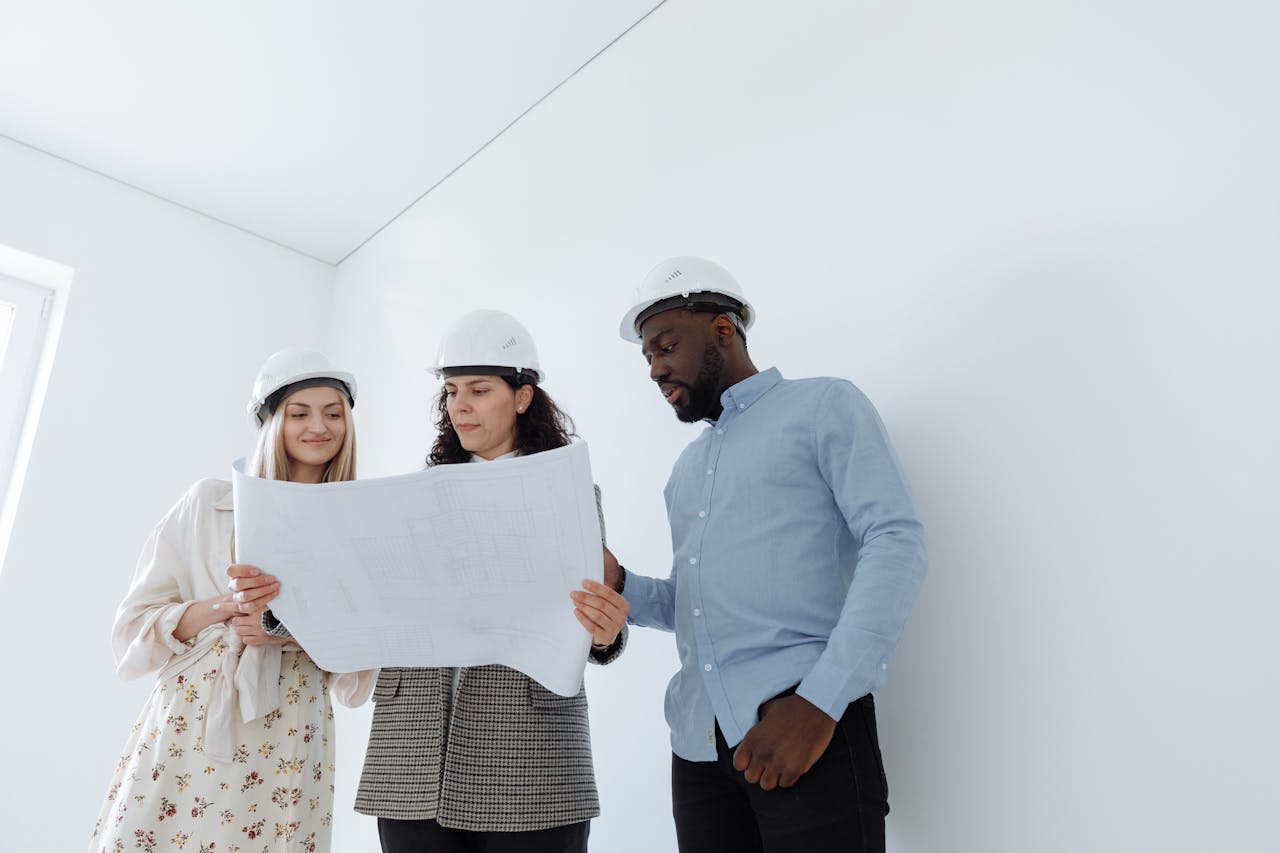
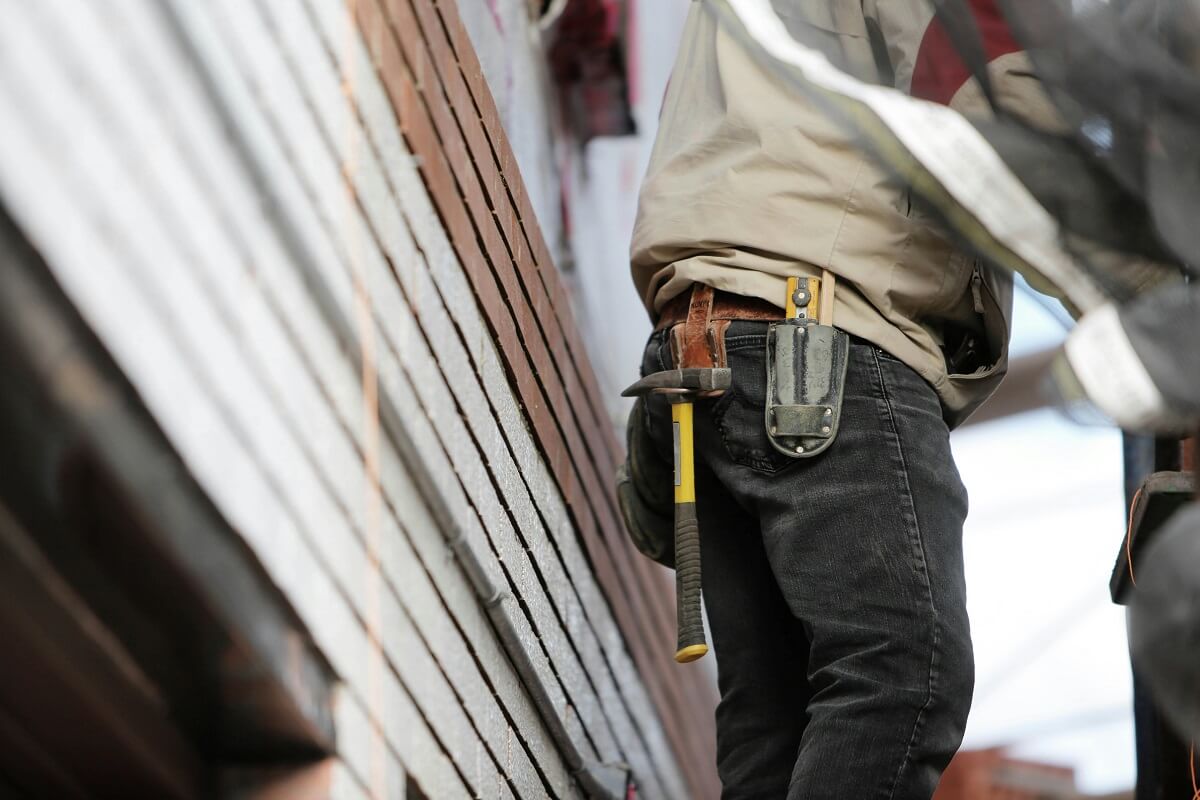
Tag Archives: contractor selection

Common Mistakes To Avoid When Converting A Garage

Key Takeaways

  • Be sure to check permit requirements, building codes, and zoning regulations before beginning your garage conversion to steer clear of legal issues and expensive project setbacks.
  • Evaluate the garage’s structural, insulation, and ventilation requirements to create a secure, energy-efficient, and inviting living space all year round.
  • Consider full-scale upgrades — like electrical and plumbing — and hire pros to ensure code compliance and long-term durability.
  • Design a versatile, future-proof floor plan to accommodate evolving needs, and set a granular budget with contingency funds.
  • Think about the human experience first — plan for comfort, natural light, airflow, noise control, and intuitive flow between zones in the converted space.
  • Choose seasoned contractors wisely, and know when to bring in the pros for tricky projects — to get it done right and safely.

Typical mistakes to avoid when converting a garage are missing permits, inadequate insulation, and underplanning power or lighting. That’s when you run into trouble, when you don’t check local regulations or you overlook simple upgrades for safety and comfort. Many neglect to budget for fixes like floors, walls, and windows. Disregarding airflow, failing to consider storage, or utilizing incorrect materials can render the space difficult to function in. Awareness of these problems up front can save you money and solve problems early before they escalate. In the following sections, you’ll get more specifics with advice to plan your project with less worry and more success.

What Are The Critical Oversights?

Converting a garage involves more than just recycling four walls; it’s a comprehensive garage renovation journey filled with technical, legal, and design decisions. Skipping any of these crucial steps can lead to costly garage renovation mistakes, additional expenses, or even hazardous living environments.

1. The Permit

Skipping the garage renovation permit step can result in huge headaches. Many homeowners attempt to shortcut the process by bypassing local permits, but this can lead to legal issues or the need to tear out completed work. Before you begin your garage conversion journey, always check with your local building office about the necessary building permits. This isn’t just bureaucracy; it’s essential for adhering to safety and zoning regulations in your area.

Once you know the required permits, prepare all your paperwork in advance. Drawings, site plans, and proof of ownership are often necessary and can expedite approval, ensuring your garage remodel progresses smoothly. Plan for necessary inspections at every stage—foundations, framing, electrical—so you can sail through code checks. Keep all permits and approvals organized, as potential buyers or renters may request them, and your insurance company might require proof for coverage.

2. The Structure

Start your garage renovation by thoroughly screening the foundation and walls. Many older garages may show signs of cracks, water damage, or even termites, which need to be addressed before proceeding with any construction. This is crucial to avoid developing on a shaky foundation. If your goal is a garage conversion into a bedroom or office, ensure that your floor and walls can support the new load, especially if you’re planning to add a bathroom or kitchen that might require additional structural support.

It’s essential to decide whether to remove, wall up, or replace certain elements, as these choices will impact insulation and overall design. Additionally, make sure to budget for any necessary structural changes, as underestimating these costs can lead to costly garage renovation mistakes down the line.

3. The Climate

Climate control is essential for a comfortable living environment. To ensure year-round use and avoid moisture or mold during your garage renovation, address each of the following.

  1. Insulation: Use wall, roof, and floor insulation that matches your climate. Without your new space can be too hot or cold and will waste energy.
  2. Windows: Pick energy-efficient windows with good seals. Position them for natural light and cross-ventilation. This improves ventilation and reduces heating expenses.
  3. Heating and Cooling: Plan for a split system or extend your main HVAC. Garages rarely have adequate air flow, so new systems or circuits are often required, which can cost thousands.
  4. Sunlight: Check which way your garage faces. Less sun = more heating, north-facing (in the northern hemisphere). South-facing windows receive more sunlight and thus can save on energy.

4. The Utilities

Electrical and plumbing require professional assistance, especially during a garage renovation. Expect more outlets, new lighting, and appliances in your design. If you consider adding a bathroom or kitchenette, ensure that drainage and water lines comply with local code. Avoid costly garage renovation mistakes by never attempting DIY electrical work—always hire a licensed pro. Good planning keeps wires and pipes neat and accessible for repairs.

5. The Materials

Design a spread that suits your daily requirements and allows flexibility for variation, especially if you’re considering garage conversion ideas. Set a budget that covers all parts of your garage renovation, including materials, labor, and building permits, while also leaving a buffer for surprises. Chunk your project into defined steps, with a schedule for each.

Failing To Plan Strategically

A successful garage conversion begins with strategic planning for layout, future flexibility, and budget, as well as the shell of the building. Omitting this phase can lead to costly garage renovation mistakes, wasted room, added expense, and a space that fails to provide extra living space.

Poor Layout

A good layout is about more than just putting four walls up. If you don’t plan effectively, you may find yourself with awkward room shapes that make it difficult to position furniture or move about, ultimately leading to costly garage renovation mistakes. This can transform otherwise usable living space into dead zones. Failing to plan strategically means you might neglect to think about designated zones for certain activities—perhaps you need a work zone, a relaxation zone, or additional garage storage options. Ignoring these spaces at this stage can cause clutter and frustration later on.

Rough sketches or even simple tools online to help you visualize your design before beginning, let you get an idea of how the space will flow. It’s simple to recognize bottlenecks, weird corners, or places that will be difficult to access. Little errors here can escalate to serious problems once the garage renovation commences. Planning for natural light and good airflow is key. Absent this, even the most stylish space can feel dank or cramped, making it less cozy and practical.

No Future-Proofing

Your converted garage ought to grow with you. If you’re not planning, you might have to make expensive modifications earlier than anticipated. For instance, if your family expands or you work from home, will the space still function? Features like movable walls or built-in wiring for additional tech can help make future upgrades easier.

Consider storage as well. If you don’t strategize, you’ll run out of nooks and crannies. This can mess up your new room, particularly as your requirements evolve. Adding flexibility now saves time and money later.

Budget Miscalculations

Budget overruns are inevitable when you don’t plan for every expense. Outline all anticipated costs — supplies, labor, permits — in advance. Leave room in your budget for surprises, because every good project strikes unforeseen bumps. Look up what comparable projects go for in your area, so you don’t lowball your estimate.

Monitor your expenses as the project evolves. Modify your budget on the fly so you don’t lag. Otherwise, you risk running out of money before the job is complete or having to pinch pennies to put it out.

Neglecting The Building’s Shell

Failing to treat the garage’s shell can wreck your investment. Inspect the side walls and roof for any leaks or damage. Fail to address these soon enough, and your new digs could be plagued by moisture, draft, or even mold.

Be sure your building is weatherproof before you start work within. Updating windows, doors, and siding will keep things energy-efficient and make the space look right in tune with the rest of your house.

Don’t miss the insulation. It’s the only way to maintain a cozy space and manageable bills.

Ignoring The Building’s Shell

Ignoring your garage’s shell is an expensive oversight when considering a garage renovation. The shell, which includes walls, floors, roof, and openings, establishes the mood for coziness and security. Most garages aren’t intended as living spaces, so bypassing a comprehensive evaluation could lead to costly garage renovation mistakes. Paying attention to the shell ensures a comfortable living environment that is pleasant to inhabit and compliant.

Inadequate Insulation

Many garages feature hard concrete floors and paper-thin walls, which are inadequate for maintaining a comfortable living environment. Without proper garage renovation, these spaces struggle to hold heat in or keep the cold out. When considering insulation for your garage remodel, spray foam and fiberglass are popular options. While spray foam provides a tight seal, it can be more expensive; on the other hand, fiberglass is more budget-friendly but may not be as effective in blocking air. It’s essential to choose insulation that suits your climate and budget, ensuring it is Energy Star-rated to save on energy costs and comply with local zoning laws.

If your converted space is intended to be a home office or music room, incorporating soundproofing insulation can enhance your garage conversion journey. This addition aids in noise reduction from both external and internal sources. Failing to adequately insulate your garage can lead to costly garage renovation mistakes, making it crucial to finalize your insulation choices before completing walls and flooring for a successful transformation into a usable living space.

Poor Ventilation

Garages typically have very few windows, leading to poor circulation and potential health issues due to stale air. Incorporating garage renovation elements like windows and vents can enhance fresh air flow. For areas with kitchens or bathrooms, quality exhaust fans are essential to eliminate steam and odors. Ceiling fans can also aid in air circulation, providing a more comfortable living environment.

A clever floor plan can utilize cross-ventilation, establishing windows or vents on opposing walls. This strategy ensures that fresh air moves effectively, preventing the new room from feeling humid and clammy during your garage conversion journey.

Moisture Issues

Most garages aren’t waterproof. Before you prep, look for leaks or damp patches. Install barriers under floors and on walls to prevent water intrusion. In wet areas, like bathrooms, opt for materials that won’t mold. Mold is tough to avoid once it begins.

Watch out for plumbing and the roof – leaks can pop up later. Routine inspections prevent small troubles from becoming big.

Local Regulations

Depending on your local laws and codes, these things can modify what you can do with your garage. Know the code before you code. Not ignoring them can mean huge fines or having to redo work. Some locations restrict garage modifications or possess stringent energy codes.

Always talk to your local office to check for updates. This saves you from headaches down the road.

Disregarding Rules And Regulations

If you’re thinking about a garage renovation to convert a garage into a living space, you need to adhere to strict zoning laws and building codes, regardless of your location. There are different rules for garage conversions in every country, state, or city. Neglecting to look up and adhere to these rules frequently results in project hold-ups, fines, or, worst, having to back out of your entire efforts. Your insurance could get voided by skipping the paperwork. For instance, in the UK, even minor alterations require building permits where PD rights are on hold. In Australia, they are highly regulated for fire safety and natural light. Disregarding them to shave off cost or time may be tempting, but homeowners generally rue the day. Roughly 40 percent of DIY home project owners regret it – frequently due to overlooked regulations or permits.

Zoning Violations

Zoning laws establish the basic parameters for garage renovations, dictating what you can and cannot do with your garage. If you attempt a garage conversion without verifying these regulations, you could be violating local laws. Some cities prohibit converting garages into bedrooms or apartments, while others may limit plumbing or kitchen installations. Ignoring these garage rules can result in heavy fines or even demolition. It’s wise to investigate these requirements upfront, rather than after the project is underway.

Record each step and take notes of any discussions with local zoning boards as part of your garage remodel journey. These records will be invaluable if disputes arise later. If you’re uncertain about a rule, consult the zoning board directly. They can provide guidance and help you avoid common garage conversion mistakes, ensuring your project complies with safety and zoning codes.

Code Non-Compliance

Building codes ensure your garage conversion is secure and habitable. Codes frequently encompass wiring, plumbing, fire escapes, and ventilation. Disregarding these rules can render your new space unsafe and could require you to pull out finished work and redo. It’s typically more expensive to correct such errors than it is to do the right thing to begin with.

If you intend to use your garage conversion as a living space, a rental, or a guest suite, code compliance is mandatory. Hold on to any permits, inspection reports, and compliance paperwork. You’ll probably need them for insurance or if you sell the house. In other areas, non-compliance with code can result in your entire house being uninsurable.

Resale Problems

Garages are deal-makers or deal-breakers for many buyers. A conversion that suits your needs precisely may not attract anyone else, and that can reduce your home’s value. To circumvent this, attempt to space plan in a way that prospective owners will be able to utilize the area in multiple ways. For instance, choose neutral colors and stay away from bizarre or custom things that are difficult to swap out.

Concentrate on value. When selling, demonstrate how the additional space commands a premium, either as a home office or rental. If the market desires garages, be prepared to undo your modifications to get a faster sale.

Contractor Oversight

Pick a contractor who specializes in garage conversions. Obtain quotes from several contractors and verify their references. That steers you clear of the hacks and permit-skippers.

Let your contractor know what you want, and ensure that you’re both on the same page.

Bad work or missed steps will cause headaches later.

Make sure your contractor’s paperwork and licenses are current, too.

Underestimating Professional Help

Garage conversions require a realistic approach and a firm idea of what you can and cannot handle on your own. Many homeowners overlook essential garage renovation advice, such as consulting contractor portfolios or reading client reviews, leading to bad experiences. Before selecting a contractor, check their experience specifically with garage conversions, not just general remodeling. Previous project photos, references, and online reviews can demonstrate their ability to complete projects on time. During interviews, ask about comparable work and observe how they communicate—this indicates whether they listen effectively. Trust your instincts; if you feel a disconnect in values or approach, continue seeking the right garage conversion contractor. Rushing this step jeopardizes the entire project.

Wrong Contractor

A garage conversion can take most of us beyond our DIY threshold, especially when considering garage renovation projects. Although it may appear inexpensive at first, structural adjustments, electrical planning, and plumbing often require expertise and legal licensing. For instance, tackling electrical work without the proper qualifications can create fire hazards or fail to comply with local zoning laws. Even a minor wiring error could lead to costly repairs down the line. If you lack experience, hiring a reliable garage conversion contractor from the beginning is safer and more economical, ensuring a successful transformation of your garage into usable living space.

This type of multitasking can lead to errors, delays, and oversights that you might not realize you’re missing. You may think you have demolition, framing, and finishing covered, but one missed step can result in cascading setbacks. Even seasoned DIYers can feel overwhelmed by regulations, inspections, and unexpected repairs. While taking all the necessary safety precautions, tools, and gear is crucial, it’s also important to recognize when it’s time to step back and call in a professional for your garage upgrade project.

DIY Dangers

Comfort needs to direct all design decisions in a converted garage. A lot of people overlook just how vital insulation and ventilation are to everyday life. Insulate poorly, and rooms get too hot or cold, and energy bills soar. Poor ventilation makes stale air, increasing mold or illness hazards.

A nicely converted garage just squeezes in, adjoining smoothly to other rooms. Consider how you move through the area. If that flow seems awkward, usability plummets. Visitors or those with mobility needs should be able to navigate with ease.

Lighting is another detail that should be planned. Good light elevates your spirit and renders the area functional at any time of day. Select a combination of natural and artificial light—no dark corners—to promote coziness. Address acoustics. Hard surfaces in a garage magnify noise. Add rugs, curtains, or wall panels to mute sounds and maintain a zen new room.

Overlooked Systems

HVAC systems get left in the dust, but a poorly heated or cooled garage is a tough space to utilize throughout the year. Your DIY fix will seldom be as good or as efficient as a system installed by a pro. Electrical work is yet another where it’s dangerous to skimp. Your local codes are there to keep you safe, and if you don’t comply, you may void insurance or block a future sale.

Garage floors and walls can conceal structural issues. Neglecting to get professional advice at this point will just mean expensive repairs down the road. Just always have a pro come in and check for cracks or moisture.

Forgetting The Human Experience

Forgetting the human experience during a garage renovation is overlooking how we inhabit the space. You run the risk of creating a usable living space that sounds good on paper but turns out to be chilly or claustrophobic. ALWAYS consider how you use the space – not just how it looks! An intelligent design keeps you connected to others, reduces stress, and gives your garage conversion journey significance.

Awkward Flow

If you neglect flow, your space can feel cramped and difficult to utilize. When furniture impedes traffic patterns or partitions the room, it fragments the flow of your movement. It can leave people feeling isolated or separated from one another. A bad design can even make you anxious and prevent you from desiring to use the new space whatsoever.

Design straightforward routes that allow you to saunter between doors, windows, and hot points such as your desk or couch. Open floor plans make the room feel big and inviting. Try out the furniture arrangement before you commit–use tape on the floor or rearrange. This active step reveals what works, not just on paper. They want space to hang out, so give them some room. This helps all of you feel connected and keeps the room from feeling like a maze.

Insufficient Light

A dark, depressing room will make people depressed or restless. To remedy this, utilize large windows or skylights for natural light. Light colors on the walls and floors will bounce light, making the space feel open. Layered lighting—blending ceiling fixtures, lamps, and spotlights—provides you control and prevents shadows from dominating. If your new room will double as a study or hobby space, install dimmers so you can set the right mood for each activity.

A bright room makes everyone feel alive, stay focused, and connect more. Research connects nice lighting to enhanced mood and even better health. If you mess with the lighting, you’ve created a place where nobody wants to be.

Poor Acoustics

Garage walls and floors love to just bounce sound right back, and your car has an amplified speaker system and subwoofers. This can render the space unpleasant or even overwhelming. Rugs, curtains, and soft chairs help soak up sound, making it easier to talk or think. If you crave quiet working or sleeping areas, utilize bookcases or screens as soundproofing.

Soundproofing is not only for music rooms. Even a minor effort—such as laying a thick rug—can reduce noise. Plan what you’ll do in the room. If you’re gonna watch movies or talk or study, good acoustics count. Too much noise can clutter your mind and prevent you from unwinding or concentrating.

The Impact Of Neglect

If you forget these steps, your new room can feel like a cold, empty space.

You could find it difficult to relax, concentrate, or engage with people.

Forgetting the human experience can leave you apathetic or antsy.

Some people even report more stress and less creativity.

Conclusion

You set out to convert your garage, and you’ve got the truth today. Nice projects begin with a scheme. Robust walls, quality flooring, and effective roofing protect your area. Regulations count. Consult the local codes, consult experts, and keep your project above board. Expert trades have tips and tricks you’ll miss. Hire out for wiring, plumbing, or plans. Consider the way people will use the space daily. Light, heat, and air all add comfort. Little steps lead to big change at work. You craft your space with love and savvy. For more tips or to read other people’s stories from the trenches, visit the blog and post your victories or lessons.

Frequently Asked Questions

1. What Are The Most Common Mistakes When Converting A Garage?

The biggest blunders in a garage renovation include bad planning, overlooking the garage structure, disregarding local zoning laws, bypassing experienced garage conversion contractors, and neglecting comfort to create a functional living space.

2. Do I Need A Permit To Convert My Garage?

Yes, you typically do require a building permit for your garage renovation. Local governments have regulations on garage conversions, so it’s essential to consult with your local authorities before starting your garage remodel to avoid costly garage renovation mistakes.

3. Why Is It Important To Plan My Garage Conversion?

Planning ensures you make good use of your space during your garage renovation, stay legal with necessary building permits, and avoid costly garage renovation mistakes down the line.

4. Should I Hire Professionals For My Garage Conversion?

Yes, bringing in the pros — architects and experienced garage conversion contractors — spares you costly garage renovation mistakes. They have the experience to ensure your space is safe, legal, and functional for your needs.

5. What Should I Check In The Garage’s Structure Before Converting?

Inspect the foundation, walls, roof, and adequate insulation, as structural issues can lead to costly garage renovation mistakes and safety hazards down the line.

6. How Can I Make My Converted Garage Comfortable?

Include adequate insulation, ventilation, heat, and air conditioning for your garage renovation. These modifications create a comfortable living environment year-round.

7. What Happens If I Ignore Local Building Regulations?

Overlooking local zoning laws can lead to fines, forced removal of modifications, or issues when reselling your home. Always abide by these regulations to safeguard your investment during your garage renovation.

Your Dream Home Addition Built By Mares & Dow Construction & Skylights – Let’s Create The Extra Space You’ve Been Dreaming Of

Expand your home’s potential and enhance everyday living with a custom home addition from Mares & Dow Construction & Skylights. With over 40 years of construction experience, we specialize in high-quality additions that seamlessly integrate with your existing structure and lifestyle needs.

Whether you’re planning a new primary suite, second-story expansion, or an in-law unit, we tailor each addition to match your vision, your home’s architecture, and your long-term goals.

Key benefits of our general home addition services include:
• Adding valuable square footage for growing families or multi-use living
• Increasing your property’s value with expert design and construction
• Creating energy-efficient, modern living spaces tailored to your needs

Proudly serving Contra Costa County—including Alamo, Danville, Orinda, Martinez, and San Ramon—Mares & Dow Construction & Skylights is your trusted partner for functional, beautiful, and lasting home additions.

Contact Mares & Dow Construction & Skylights today for a free, no-obligation quote, and let’s build your ideal home addition together.

Disclaimer

The materials available on this website are for informational and educational purposes only and are not intended to provide construction, legal, or professional advice. You should consult with a qualified general contractor or industry professional for advice concerning any specific construction project, remodeling plan, or structural concern. Do not act or refrain from acting based on any content included on this site without seeking appropriate professional guidance. The information presented on this website may not reflect the most current building codes, regulations, or industry best practices. No action should be taken in reliance on the information on this website. We disclaim all liability for actions taken or not taken based on any or all of the contents of this site to the fullest extent permitted by law.

What Are The Most Common Garage Remodeling Mistakes—And How Can You Avoid Them?

Key Takeaways

  • And as with any major project, careful planning is the key to avoiding costly mistakes. Create comprehensive plans and protocols to avoid garage remodeling troubles right from the start!
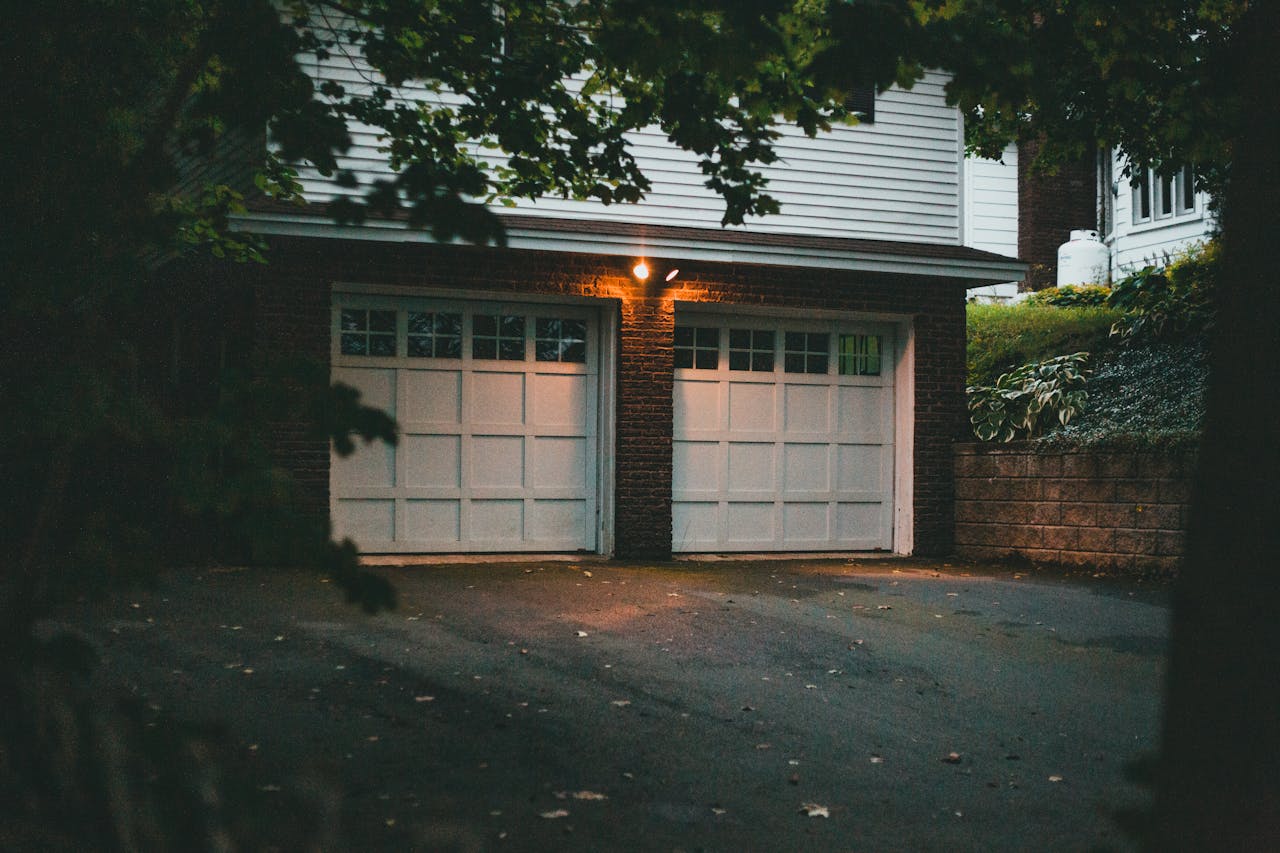
  • Tip #4: Have a realistic budget with contingencies. Keep a close eye on your costs during the entire process to avoid breaking the bank and going over budget on your remodel.
  • Getting all required permits and understanding local building codes from the start keeps your garage remodel above board and will save you from legal or timeline issues later.
  • Make sure to choose quality, experienced contractors to make the most of your garage renovation. This is why investing in the best quality materials increases their long-term value.
  • Focusing on the technical details first improves the comfort, safety, and usability of your garage space. Don’t overlook the importance of insulation, ventilation, electrical planning, and climate control!
  • Building adaptability into your plans makes sure your remodeled garage will be able to accommodate new needs as they arise in the future. Warranty protection and maintenance further protect your investment.

Regardless of the reason, here are the most common garage remodeling mistakes—and how you can avoid them.

Many make the mistake of choosing storage units that don’t work with the space or purchasing things without measuring first. Some make the mistake of using materials that are not moisture resistant, allowing for deterioration and destruction.

Inadequate lighting and poor electrical wiring are two commonly neglected features, making the garage difficult to utilize as a workspace or functional storage area.

In order to save yourself from these common mistakes, begin with a clear plan, measure the area, select storage that serves your purpose, and use durable materials. Good lighting and safe, up-to-code wiring contribute to the space’s value as well.

Our garage remodel series will outline the process and provide pointers for an easy garage remodel.

Common Garage Remodeling Mistakes

The common pitfalls of garage remodeling result in lost time, increased expense, and unsatisfactory outcomes. The majority of mistakes stem from a lack of planning, bad budget management, neglecting permits, or not hiring the right talent and materials. With a little planning, these common mistakes can be avoided, and any garage can be transformed into a functional, comfortable space.

1. Skimping Planning

Rushing into a garage renovation without a plan is one of the most common remodeling mistakes. Many projects fail because owners rush in, missing key details. A comprehensive site plan allows you to visualize changes in their entirety, providing the opportunity to avoid overlooking key elements.

So, give yourself time to think and write down every idea. Go back and iterate on what you envision for the garage space. Consult with your professionals—builders, architects, or designers—so that your vision is well-defined and appropriate.

Create a plan with a checklist to monitor key steps, such as measuring, ordering materials, and scheduling work. Our list helps you maintain that momentum.

2. Ignoring Budget

Decide on a budget and stick to it. Too many people underestimate their costs, or in the case of DIY work, the work can extend into infinity and cost even more. Include all possible expenses: labor, materials, permits, and tools.

Always budget for additional costs, as surprises will come. Break down your budget by researching the average garage remodel costs in your area and get competitive. Arm yourself with this knowledge to establish clear parameters to avoid going over budget.

It’s important to keep a close eye on your spending as the project progresses.

3. Skipping Permits

Permits are not a suggestion. Avoiding them can result in large fines or having to tear out work that doesn’t pass inspection. Each area has different requirements, so be sure to find out what is required before you begin.

Don’t wait to apply for permits—doing so can add significant delays to your project timeline. Partner with a well-respected contractor who is familiar with the codes.

Make sure to keep copies of all permits, should you ever need to provide them for appraisals or future repair work.

4. Choosing Poorly

Enlist a skilled professional to help with the remodel. Check out their completed projects. Get recommendations from other local remodelers to find the best names.

Don’t hurry the process.

5. Using Subpar Materials

Better quality materials last longer and are more aesthetically pleasing. Low-quality cabinets or make-shift, mismatched pieces usually don’t last long. This goes for storage, flooring, and insulation as well.

Consult with professionals to help determine what will best suit your needs and budget. Avoid using scraps or leftovers just for the sake of saving a few bucks.

Flawed Project Foundations

A successful garage transformation begins with an understanding of your goals and a solid foundation. So many missteps occur in these early stages, at great financial cost, effort expended for a lackluster outcome, or worse yet, an unsafe condition. Thoughtful planning—from overarching big-picture goals and objectives down to better technical details—helps keep the project on track and avoids major pitfalls.

Unclear Vision

Failing to clearly define the core purpose of your garage will lead to perpetual edits and misalignment. Storage, workshop, gym, or parking—all require completely different floor plans and functionalities.

Devote time to envisioning what you hope the garage will look and feel like once completed. Draw or design layouts with modeling apps to plan areas for equipment, machines, or collections. Flipping through renovation periodicals or globe design websites can generate suggestions that you would not intend to think of yourself.

Engage with your builders or architects as early as possible. They can identify flaws in your approach, such as over-allocating space to cars or neglecting necessary space for storage. Their feedback helps ensure your vision is actionable, and you prevent future regret.

Budget Gaps

It’s easy for many first-timers to miss an expense. Little improvements, like better lighting or insulation, or more outlets, cost a lot. Inventory everything – materials, labor, necessary permits, and finishing touches.

Safety features and quality insulation should never be optional, particularly for those who call home in places where temperature extremes are common. Create a contingency fund, 10–15% of your total budget, for unexpected costs.

Monitor your expenditures regularly and revise your plan as necessary if costs fluctuate. Having your contractor on the team prevents miscommunication and ensures everyone is working towards the same goal throughout the project.

Permit Oversights

Failing to obtain the proper permits can delay your project or result in costly penalties. Create a list of each permit you will require—such as electrical, structural alterations—according to your blueprint.

Obtain and apply for necessary permits early on. Local building codes are very dynamic! Follow along and always check with your local district office if you are ever in doubt about a particular rule.

Put all permits and approvals in one physical location where you can easily produce them if called for.

Weak Foundation Planning

Missing a good design for aesthetics can lead to expensive retrofits down the line. Assuming the previous framing will be sufficient to support drywall or new shelving without cracking or sagging typically fails.

If you intend on adding large features, such as a stone waterfall, inspect the foundation and framing with a qualified professional. Using cheap materials can save money upfront, but lead to increased expenses in the long run.

Insulation should match your garage’s new purpose—workshops require more than basic storage. Provide enough wiring and outlets at the outset, considering future needs for power tools or EV charging stations.

Critical Design Oversights

A garage conversion is one of the most impactful improvements that can add value and usefulness to a home. Cutting critical design corners can result in lost federal funds, disastrous user experience, and potentially legal nightmares. Many errors arise from poor design considerations. They are equally born from a failure to appreciate technical requirements or a disregard for the minutiae that create an environment that is functional and welcoming.

Inefficient Layout

Additionally, a thoughtful garage layout is important. Too many homeowners embark on a project without well-organized plans, leading to tight pathways, obstructed access, and corners that aren’t utilized. Look at the layout and operations before picking up a wrench.

Plan where vehicles, equipment storage, and staging areas will be located. Use design software to lay out your various options, or reach out to a designer if you’re not confident in that work. Creating designated zones for parking, tool storage, or a workbench for a hobby can prevent the space from becoming cluttered.

Without this, even the most costly upgrades will be inadequate. Never ignore local building codes and requirements for permits before constructing—doing so can result in fines or an expensive rebuild.

Inadequate Lighting

Inadequate lighting is a typical design oversight. Garages usually have one central ceiling bulb, which makes it impossible to utilize a workspace with dark corners. Replacing dim incandescent lights with bright LED bulbs can make a huge difference in the look and use of the space.

Wherever you can, introduce windows or skylights to allow natural light to flood the space. Lighting the majority of the space by day allows for safer and more enjoyable everyday use. Include task lighting over benches or laundry stations to facilitate detailed tasks.

Dimmable fixtures are a great way to customize the mood if the space serves as a fitness studio or lounge.

Neglected Storage

Failing to plan for storage creates chaos and consternation. It can help to begin by making a list of what you’ll want to store—maintenance tools, bikes, seasonal gear, or supplies. Custom cabinetry or shelving units that go all the way up the wall take advantage of vertical space.

Cutting corners on quality to save a few bucks is the number one way to be disappointed—cheap cabinets will sag under the weight or break. Consider planning for future use, not just the immediate past use that’s currently in storage.

With proper organization, everything is conveniently stored and accessible. Remember to include insulation and ventilation if you’ll be keeping paint, electronics, or other sensitive items in storage.

Ignoring Aesthetics

Ignoring aesthetics is a common mistake. Aesthetics are important. Choose colors, materials, and finishes that are compatible with your home’s architectural style.

Consider some easy-to-decorate items such as decorative wall hooks or framed artwork to add a little flair and personality. Go for a design that complements your overall home style.

Even a small amount of tasteful green space around the garage will go a long way in providing curb appeal.

Execution Phase Hurdles

Garage remodels are particularly prone to issues during the execution phase. Most problems are the result of poor foresight, choosing the wrong support, or choosing subpar materials. Some results from homeowners attempting to go above their skill level or completely avoiding steps, for example. Avoiding these hurdles and knowing how best to sidestep them will save plenty of time, money, and future headaches.

Wrong Contractor

Picking the wrong contractor may be the second most significant risk. Begin by interviewing multiple professionals, rather than just one, and inquire about their experience with garages in particular. Some contractors might be great at kitchen or bath buildout, but don’t have the experience for garage framing or insulation.

Look them up online to verify their licenses and request to see photos or references from recent projects. Provide written estimates with specifics spelled out. These should include timelines, costs, warranties, and the scope of work.

Look beyond the bottom line. Compare more than just the price, but what’s included—some estimates leave out preparation work or clean up. Ultimately, you have to go with your instincts. If a contractor is evasive or brushes you off, move on.

Inferior Materials

This one is hard to believe, but true. Some homeowners go for inexpensive cabinets or laser-thin drywall. These materials aren’t able to provide the deflection and load-bearing capacity—they sag, break, and/or fail.

Identify replacement materials that can improve resilience, such as steel for limestone cabinets or moisture-resistant drywall. Inquire about warranties, and don’t shy away from challenging vendors or your general contractor on the expected lifespan of products.

Consulting professionals can assist in selecting materials that will best suit your garage’s intended purpose. For instance, if you’ll be regularly using power tools or heavy machinery, you’ll need sturdy shelving and finished floors.

Cutting corners on materials can lead to expensive maintenance and repairs in the future.

DIY Pitfalls

As fun and attractive as some do-it-yourself projects can be, experience and expertise count. Be real about whether or not you’re prepared to do the labor. Begin with smaller projects like painting a room or adding floating shelves before committing to anything that involves wiring or framing.

Most get in hot water on electrical, insulation, or structural modifications. Use online, step-by-step guides, video tutorials, and verify that you understand basics such as operating in metric and using safety standards.

I’ve been shocked to learn how many DIY remodels end up exceeding budget or timetable. Almost 40% of homeowners have been left wishing they had tried a DIY project after realizing how much work would be involved.

Understand when it’s time to call in a pro, particularly for electrical, HVAC, or structural work.

Communication Gaps

Don’t stop communicating with your contractor. Talk through any amendments at the outset and formalize them in writing. Request high-level updates consistently.

Keep participating.

Overlooking Technical Essentials

Garage conversions sometimes backfire when technical essentials are overlooked. Insulation, ventilation, electrical design, and climate control are essential if the garage is more than a storage unit. Bad planning in this area can result in spaces that are uncomfortable, unsafe, or expensive to retrofit in the future.

Poor Insulation

Most garages are not insulated, leading to uncomfortably hot temperature swings in summer and unwanted noise infiltration. In areas where a highly thermal envelope is required, use materials such as rigid foam or fiberglass batts. This prevents the garage from getting too hot in the summer and too cold in the winter.

If you use the garage as a workshop or gym, make sure to seal cracks and gaps. This will eliminate drafts and maximize your energy savings! Increasing acoustic insulation can significantly reduce high-frequency noise, resulting in a quieter place to work or pursue other interests.

We recommend choosing the insulation based on how you plan to use your garage. What works for basic shed storage is not going to suffice for an attractive, usable home or workspace!

Bad Ventilation

The biggest pitfall… Bad airflow is typically the biggest mistake. Some wall vents or an exhaust fan can help keep humidity down and prevent smells from developing. As much as possible, choose windows that can be opened.

This allows for natural ventilation, fresh air, and daylight, keeping the environment mold and mildew-free. Monitor humidity levels, particularly in damp or cooler climates.

Consider the floor plan arrangement for free airflow to circulate, preventing obstructed corners or cluttered storage.

Electrical Deficiencies

Over half of the remodeled garages required upgraded electric service. Itemize every potential use—charging power tools, operating a mobile mini-fridge, or using mobile heavy machinery. Old wiring and insufficient outlets are no longer acceptable, so modernize.

Follow all applicable safety codes, including federal, state, and local regulations. Electrical deficiencies add additional outlets and circuit design for additional lighting if you’ll be working or occupying it.

Planning for future needs now prevents heartache and expense down the road.

Ignoring Climate Control

Garage comfort takes a nosedive when you forgo climate control. Choose a heater or small air conditioner appropriate to your space and requirements. Energy-efficient models do help keep bills low.

Proper insulation and airflow are important elements of climate control. Be alert to sudden temperature changes—these can affect tools or stored equipment.

The Long-Term Remodel Impact

When it comes to a garage remodel, you’re not just improving your home’s appearance or increasing its resale value. It can improve your home’s value, improve your everyday comfort, and future-proof your property. When you plan with a long-term perspective, you can sidestep seven expensive blunders most people make.

This extends even to things like insulation and avoiding necessary permits! Those seemingly small decisions made in the short term can have long-lasting impacts on resale, maintenance, and future flexibility.

Future Adaptability

A wise remodel leaves possibilities available. This is a common source of regret, as many homeowners wish they hadn’t boxed themselves in with single-use layouts. Instead, work to incorporate sliding walls, open shelving, or mobile workbenches.

This allows you to relatively easily convert a gym into a workshop or turn a lounge area back into parking. If your remodel includes flexible lighting and outlets, it will be easier to add charging stations or workspace in the future.

Create a safety buffer in the budget—a minimum of 20%—for new requirements or technology that may be needed and will arise. Trends change; today’s hobby room may be converted to a home office in just a few months, so ensure flexible space and enough power for future improvements.

Garage conversions are difficult to heat to cool effectively. If you plan on livable space in the future, plan for additional insulation and vents now!

Resale Value

With the right selections, remodels can increase home value, and conversely, the wrong decisions can decrease it. Homebuyers still expect a garage to function well as a garage—parking and storage—not just as an auxiliary bedroom.

An expensive addition that eliminates all parking at a property—say an in-home office or playroom—might deter potential future buyers. Put your remodel dollars towards items with proven long-term resale value, such as replacing your garage door, which returns an average of 94.5% of your initial cost.

No one hates good lighting, intelligent storage, or easy-care floor coverings, after all. Keep a record of any work with photos and receipts so that buyers can see what’s been updated and up to code.

One important note—bypassing permits or federal and local building regulations is a serious gamble. Unpermitted work can result in hefty fines imposed or even requiring you to reverse the remodel. It’s better to know what’s required before you begin.

Ongoing Maintenance

With such a big investment made in the remodel, ongoing maintenance of the garage should be a priority. Consider how often you’ll need to clean and inspect for leaks, cracks, or pests.

Consider the longevity of materials. When selecting materials that are more durable (such as steel doors or epoxy floors), consider the costs of replacement and maintenance.

Professionally inspect insulation and ventilation regularly—homeowner comfort and indoor air quality hinge on the two. Get educated on how to maintain each aspect, and remember that regular maintenance now can prevent major repairs down the road.

Warranty Neglect

Check all warranties on doors, flooring, and installation labor before acceptance. Store documents where they will be easily accessible.

Remind yourself to check periodically, as some warranties require evidence of maintenance. Repair issues promptly—delaying repairs may result in loss of coverage.

Conclusion

Garage remodels require detailed plans and careful attention to the minutiae. In a hurry, they fail to follow the procedure, use the wrong tools, or forget to do important checks such as wiring or airflow. Making the right decisions from the beginning will help avoid spending a lot of extra money and undue stress down the road. Choose durable storage, monitor power requirements, and address any water damage immediately. Consider your goals for the space—workshop, gym, or simply extra space. Do your best to learn from those who have succeeded before you or consult an expert who knows their business. Your garage has the potential to be so much more than an oversized car holder. Looking to create a smart garage of your own? Post your design idea or request for advice in our forum of Garage Enthusiasts. Share your hard-won experience below, and let’s all make garage projects easier and avoid the common pitfalls.

Frequently Asked Questions

1. What Are The Most Common Mistakes In Garage Remodeling?

The most common mistakes include poor planning, ignoring structural issues, skipping permits, poor lighting, and overlooking storage needs. Nailing these down from the start will make for a much smoother project and a more successful space.

2. How Can I Avoid Design Mistakes During A Garage Remodel?

Begin with a well-defined plan of action. Hire an expert, rely on correct measurements, and give consideration to form and function. This way, you can avoid the expensive reconfiguration down the line.

3. Why Is Proper Ventilation Important In A Remodeled Garage?

Proper ventilation keeps moisture from accumulating, which can lead to mold and other issues, including compromised air quality. Make sure you install vents or windows so that the space—no matter what you ultimately decide to use it for—stays healthy and comfortable.

4. Do I Need A Permit For My Garage Remodel?

Do I need a permit for my garage remodel? To avoid costly fines and work delays, always consult local regulations and obtain necessary approvals before starting work.

5. How Can I Maximize Storage Space In My Garage Remodel?

Install vertical shelves, wall hooks, and cabinets to store tools and gardening equipment. Develop a storage plan from the outset so you can make the most of every inch of space.

6. What Technical Essentials Should I Focus On During Remodeling?

Make sure your electrical wiring is safe, insulation is on point, and lighting is adequate. Engage licensed professionals for all technical work performed to ensure safety and compliance.

7. What Long-Term Factors Should I Consider Before Remodeling My Garage?

Select durable materials, have the future in mind, and keep things accessible. This not only protects your investment, but it ensures your garage continues to serve your needs for many years down the road.

Your Dream Home Starts With Mares & Dow Construction – Let’s Create Something Amazing Together

Planning a home renovation or construction project in Concord, Walnut Creek, Pleasant Hill, or Lafayette? Whether you’re dreaming of a stunning kitchen remodel, a durable new deck, or a full-scale home renovation, choosing the right general contractor is the most important decision you’ll make.

With over 40 years of experience, our team at Mares & Dow Construction & Skylights has built a reputation for quality craftsmanship, transparent pricing, and exceptional customer service. We specialize in:

  • Home Remodeling – Transform outdated spaces into modern, functional, and energy-efficient areas that increase home value.
  • Decks and Outdoor Living Spaces – Create the perfect outdoor retreat with expertly crafted decks, pergolas, and patios.
  • Foundation Repairs and Waterproofing – Protect your home’s structural integrity with our professional solutions.
  • Custom Skylight Installations – Enhance natural light with innovative skylight solutions from a VELUX 5-Star Skylight Specialist.
  • General Contracting Services – From new builds to home additions, our skilled team manages every aspect of your project with precision.

Serving Contra Costa County, including Alamo, Danville, Orinda, Martinez, and San Ramon, we take pride in delivering exceptional results that exceed expectations. Whether you’re a homeowner planning a renovation or a property investor looking to enhance a home’s resale value, we ensure your project is completed on time, within budget, and with the highest level of craftsmanship.

Don’t settle for anything less than the best for your home remodeling, renovation, or construction needs. Contact Mares & Dow Construction & Skylights today for a free, no-obligation quote, and let’s bring your vision to life.

Disclaimer

The materials available on this website are for informational and educational purposes only and are not intended to provide construction, legal, or professional advice. You should consult with a qualified general contractor or industry professional for advice concerning any specific construction project, remodeling plan, or structural concern. Do not act or refrain from acting based on any content included on this site without seeking appropriate professional guidance. The information presented on this website may not reflect the most current building codes, regulations, or industry best practices. No action should be taken in reliance on the information on this website. We disclaim all liability for actions taken or not taken based on any or all of the contents of this site to the fullest extent permitted by law.

What Should Be On Your Garage Remodeling Checklist Before You Begin?

Key Takeaways

  • Develop a detailed plan before starting your garage remodel. This means sitting down and establishing its primary function, how it will mesh with your house, and what key elements will set the course for the whole endeavor to serve your needs today and down the road.
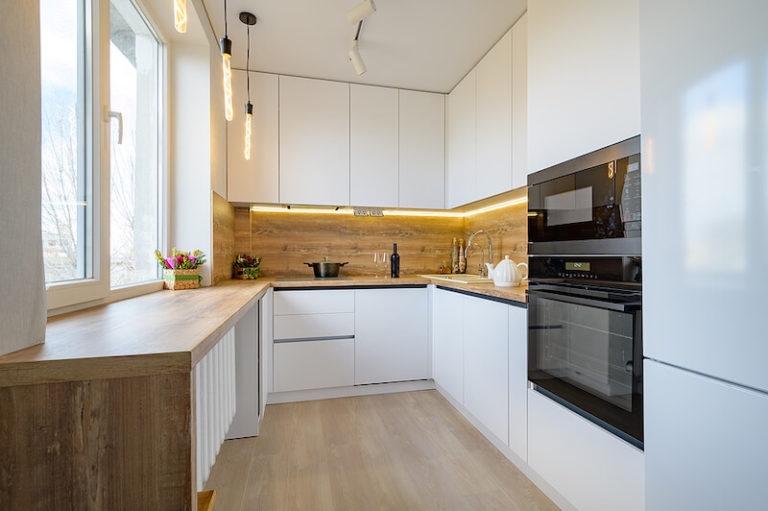
  • Carefully inspect the existing structure, utilities, and compliance with local building codes before starting to avoid costly delays and complications during construction.
  • Don’t skip on the functional design! Plan the layout, storage solutions, and lighting to ensure maximum efficiency, comfort, and safety for all proposed uses.
  • Get several estimates to plan your budget accordingly. Include a buffer for unforeseen costs, and keep a detailed record of all expenditures to stay on budget during the entire remodel!
  • Pick long-lasting, sound, and eco-friendly materials. This will improve your garage’s lifespan and eco-friendliness, and it will make your property more valuable.
  • Keep everyone informed—make sure that you’re communicating regularly with contractors, neighbors, and any other stakeholders. Anticipate short-term inconveniences and unexpected obstacles to ensure your remodeling experience is enjoyable and hassle-free.

Before diving into your garage remodel, it’s important to clearly define what you want the space to do. Start by creating a checklist that includes your goals—whether it’s parking, storage, a workspace, or a hobby area. Consider safety measures, set a realistic budget, and look into permits, especially if you’re planning major changes.

Take stock of the current condition of your floors, walls, and doors, and think through what kind of storage, lighting, and power access you’ll need. From organizing tools to choosing materials and colors that match your lifestyle and climate, thoughtful planning makes all the difference.

To help you get started, the next section breaks down each essential step and explains why it matters, so your remodel meets both your needs and your vision.

Your Essential Garage Remodel Checklist

The key to a successful garage remodel is having a plan from the outset. It calls for a thoughtful eye on what you’ve got, combined with a purposeful eye on what you want to do. Before you pick up any tools or start spending, focus on these core points to set your project up for success:

  • Decide the main use: storage, workshop, gym, or living area
  • Picture the look: colors, finishes, layout, lighting, and storage
  • Consider beautiful designs. Don’t sacrifice aesthetics to save a few bucks on your remodel or add purpose to your garage.
  • List out must-haves: insulation, windows, extra power outlets, or smart storage

1. Clarify Vision

Determine if you want to park cars in your garage. It might even turn into a workshop, a little home office, or a future in-law suite! Create a mental picture of what you want the space to be and look like!

Plan out a color palette, wall treatment, and flooring material. Ensure your remodel looks seamless with the style of your home, and that it doesn’t stand out like a sore thumb after the fact. Jot down each want-to-do list item, like integrated shelves, windows that bring in light and air, or a workbench for hobbies.

2. Inspect Structure

Check the home’s foundation for large cracks or uneven areas. Because garages are usually not well insulated, monitor walls closely for indications of moisture or mildew.

The roof should be inspected closely for leaking or sagging areas. Don’t skip inspection of the garage door! If your garage door is old or difficult to open, it might be worth more to replace it than to fix it. A thorough inspection is crucial for understanding legal code requirements and budgeting appropriately.

3. Map Utilities

Map out where outlets and switches should be placed, including plans for tools or appliances. If you intend the space to become a bathroom or laundry, ensure plumbing can be easily run.

Since most garages have inadequate or no heating or cooling, consider adding insulated walls or installing a ductless HVAC system. Install LED lights and smart thermostats to reduce energy consumption and lower utility bills.

4. Set Budget

Solicit estimates from multiple suppliers and contractors. Allocate some money for unexpected issues, as hidden damage is always found.

Prioritize safety and comfort needs first, such as repairing roof leaks or adding insulation. Save every receipt and adjust your budget with each new purchase.

Define Garage Purpose

If you own a single-family home, your garage is a source of untapped potential. While many still treat it as an afterthought, just garage space for parking or storage, a little foresight can go a long way. The purpose you define today will drive every design and renovation decision in the future.

Check out the table below for an overview of typical garage uses and how each one bears on layout and overall planning.

Purpose

Design Implications

Parking

Wide doors, open space, and a durable floor

Storage

Wall shelving, ceiling racks, weatherproofing

Workshop/Hobby

Workbenches, bright lights, outlets, and tool storage

Living Space

Insulation, flooring, ventilation, and windows

Home Office/Gym

Soundproofing, internet, ergonomic layout, and climate control

Guest Room

Heating/cooling, privacy, plumbing (if needed)

Multi-Functionality

Your garage has the potential to be a parking place, workshop, hobby corner, and more. Others, to our surprise, even use it as a gym or home office. Turning spaces so they can serve multiple purposes takes thoughtful design.

Flexible storage goes a long way, too. Flexible storage is a huge boon here. Imagine shelving that will raise or lower automatically, wall racks for bicycles, or modular storage bins that can be stacked. These are not set in stone—they can and should change as your family needs change.

Movable workbenches, fold-away desks, and rolling tool chests help you quickly clear space for a car. These tools make it easy to instantly unlock a creative workspace, wherever and whenever you need it! Design the space to avoid anything obstructing the primary routes. Protect adequate green space to allow for safe travel.

Future Needs

Prepare for the way your needs may change in the coming years. Your needs will change. A growing family may require additional storage, or perhaps you’ll just want room for that new SUV. Future needs planning preempts the need for expensive retrofitting.

Upgrades like a car lift or heavy-duty shelves encourage and prepare for future hobbies. A savvy plan today can cut down renovation hours tomorrow. Garages that are designed to be changed with minimal effort in the future are more desirable to potential buyers when you sell the home.

Your local laws might further limit what you are able to do. Many locations require fire-rated demising walls, specific types of lighting, or minimum ceiling heights. Rule 1 – Always verify regulations before construction.

Value Addition

A garage designed with care increases your property value. Because when it comes down to it, buyers prefer good floors, solid doors, and organized storage. Even basic upgrades—such as built-in cabinets or a creatively painted floor—will make your garage pop.

Individual touches, like a pegboard wall tool system or additional outlets, reflect thoughtful design and consideration. Consider the exterior appearance, too. A clean, attractive garage door improves curb appeal.

Key Pre-Build Checks

A truly transformative and time-saving garage remodel begins with a careful checklist of preliminary build activities. Each one is a victory in its own right! It saves us from making expensive mistakes, protects against safety hazards, and helps the project stay on track and budget.

Structural Soundness

Examine the structure’s foundation to make sure there are no visible cracks or signs of shifting. Repair any compromised structural integrity in load-bearing walls or the floor before proceeding.

Inspect for evidence of previous water infiltration, mold, or pest infestation—termites and rodents. Fix these problems before you get too far into your design of finishes and storage.

If you are installing heavy cabinets or new equipment, make sure the structure is able to support the additional weight. Get ahead of these issues from the start! Cosmetic improvements, such as fresh paint or fancy shelving, are not worth the effort if the underlying structure won’t hold.

Code Compliance

Get acquainted with your local building codes! They determine the regulations for everything from ceiling height to fire escapes.

Electrical and plumbing systems should adhere to current life/safety standards. This is critical if you plan to include additional outlets, lighting, or awashdownn area.

Beyond that, it’s simply good practice to have a professional review your plans and, where required, obtain local permits. Organize all invoices, permits, and inspection documentation in one place.

You’ll want them for insurance purposes or when it’s time to sell your home!

Site Assessment

Consider how the garage will relate to the rest of your property. How much sunlight or shade does it receive? Will rainwater drain away from the base of the walls?

If your proposed driveway is particularly narrow or steep, consider how you will be using this area on a day-to-day basis. Even a modest investment in landscaping can make a big difference in how the garage is used and perceived.

Consider introducing some gravel pathways or enhanced lighting for an amazing change!

Utilities And Planning

Require early identification and mapping of power, water, and gas lines before building work begins. Consider how you will insulate and ventilate the garage to ensure it’s usable year-round.

Your wish list. A detailed plan will help you outline your non-negotiables, nice-to-haves, your budget, and a timeline that works.

Include a 10-20% contingency for costs you didn’t anticipate, such as hidden damage. Have an action list of minor repairs to complete following the remodel.

Design Functional Space

Engage your imagination. A successful garage remodel begins with a vision of how the garage can best serve your needs.

Functional space design is crucial. Create a good, functional space that is mindful of how you live, circulate, and use space, and create storage.

Protecting existing features is essential. Before you plan districts or develop a new project, evaluate the framework. Consider the walls, roof, floor, and air circulation within the space.

Many garages aren’t even insulated, so they roast in the summer and freeze in come winter. Address that first to comply with building codes and make the space functional year-round.

Layout Optimization

Making layout optimization work is important. Finding the optimal layout takes the freedom to experiment with various layouts up front.

Consider your daily functional use of the space. Implement vertical shelving and racking that utilize the full height of the space. This frees up the street space and sidewalk and creates more room to walk, bike, or park.

Pathways must be kept clear so you will not trip and/or get closed in. If you want to include a workbench or tool station, position it away from primary pathways.

Avoid obstructing doors or windows if you can. If you repair bikes or cars, store tools near the garage door so you can access them without disturbing your workspace.

Storage Solutions

Custom storage helps you use every inch well. Modular shelves and racks adapt as your needs evolve.

Hidden bins or storage cubbies hold items with a clean look and ensure they are out of sight. Overhead racks are perfect for items you rarely use, such as camping equipment or winter sports gear.

Design with the seasons in mind, so come autumn, you can easily access the things you need without having to sift through moving boxes. For instance, hang snow shovels on an entryway wall in winter, but change it out for garden tools in spring.

Lighting Plan

Lighting keeps you safe and helps you see. Consider using windows, skylights, or even glass doors to infuse spaces with daylight.

This conserves energy and increases air circulation. Install LED lighting to reduce energy expenses.

Install bright task lights above work tables or benches. For fine work such as repairing devices or intricate painting, provide detail task lights. Quality lighting gives your garage a more expansive and open ambiance.

Electrical Needs

Check the wiring. You will find a greater need for outlets to charge tools and other new equipment.

Smart switches or motion lights not only improve safety but also conserve electricity. Pros need to install any wiring, upgrades, or drainage pipes.

This protects your safety and compliance with your local jurisdiction’s requirements.

Enhance Garage Comfort

Creating a comfortable garage. A comfortable garage begins with a holistic approach that includes insulated walls, proper ventilation, and potentially a climate-controlled space. These actions can go a long way toward ensuring comfortable temperatures and healthy air. They save on energy bills too, regardless of whether the space is used for storage, industry, or habitation.

Insulation

Choose insulation according to your climate and budget, like fiberglass batts, rigid foam, or spray foam. Each type has its tradeoff of cost, ease of installation, and insulating effectiveness. Insulate the walls, ceiling, and yes, even the garage door, to help retain heat in the winter and block it in the summer.

This simple step can reduce energy bills significantly in the long run and increase comfort enough to make the garage enjoyable throughout the year. If you plan to use the garage for music, work, or hobbies, soundproofing is a wise extra investment. It makes it easier to keep unwanted noise in or out, increasing comfort and privacy.

Insulation reduces drafts, moisture buildup, and energy loss, making the area more comfortable.

Ventilation

Ventilation Airflow is important—in the absence of it, garages can become damp, musty, or even hazardous. In addition to opening a window or door, consider installing vents or exhaust fans to help introduce and circulate fresh air, preventing moisture accumulation and car fumes.

To help air circulation naturally, installing operable windows or louvered vents increases comfort, reduces expenses, and provides daylighting. Make sure whatever system you choose complies with safety codes and is robust enough for the size of your garage.

Ventilation provides a clean environment that protects all stored items and anyone spending time in the area from mold, mildew, and other contaminants.

Eco-Friendly Upgrades

Here are a few energy-efficient options to help your garage go green! LED lights consume less energy and last longer, reducing bulb replacement costs and electricity bills. If you’re ready to take it even further, you can install solar panels to power lights, tools, or even electric vehicles.

Choose eco-friendly building materials, such as recycled wallboard or bamboo flooring, to reduce your environmental impact. If your renovation involves plumbing, consider installing water-saving taps or a dual-flush toilet to conserve water.

These measures not only save you money, but they could potentially increase your home’s value.

Other Comfort Features

Floor coatings such as polyaspartic are super easy to clean. Smart storage—like overhead racks and cabinets—reduces the mess. Smart garage door openers bring a new level of convenience and security.

For more multi-use functionality, consider adding a guest suite with a full bathroom or a car lift to double your parking capacity. While costs can vary based on the features you choose, strategic improvements often deliver significant value, both in terms of comfort and potential return on investment.

Manage Project Wisely

A simple garage remodel exemplifies the need for planning, budgeting, scheduling, and communication. Addressing each component thoroughly is key to an on-time, on-budget project. For complex projects, doing the required planning and design well in advance saves time and money later.

Importantly, they make sure each stage goes into production with reduced shocks and hiccups.

Realistic Budgeting

  • Allocate funds for each phase: demolition, repairs, insulation, flooring, storage, finishes.
  • Realistic Budgeting: Don’t spend 100% of your budget—plan at least 10% of your budget for contingencies.
  • Monitor expenditures and make changes as the cost of materials or the price of labor increases.
  • Set a ceiling amount before you begin and don’t go over it.

It pays to have an eagle eye on where your money is going! Have a firm understanding of your budget and what each stage will require. If you encounter surprises—like unexpected hidden water damage or electrical issues—your contingency fund can absorb the cost and keep the project on track.

Conducting frequent budget checks will keep you ahead of the game. Public conversations with all stakeholders help to make sure that everyone is on the same page regarding the priorities.

Timeline Creation

A clear timeline lists all the big steps: demolition, repairs, inspections, installations, and finishing. Factor in lead times for materials, as some flooring or specialty doors will require several months to be delivered. Don’t forget to factor in contractor schedules and holidays, as well.

As the project progresses, review the timeline to identify any slippage. If a delivery is late or a repair takes longer, update everyone fast so no one is caught off guard. Building in additional days to address cleanup or unexpected hold-ups maintains more manageable stress levels and leaves room to keep plans moving forward.

Contractor Selection

Begin the search process by screening a contractor’s experience and portfolio, browsing completed projects that align in aesthetics and quality with your vision. Spend time to discuss your vision with them, ensuring they understand your high standards for quality and timeline.

Review the contract thoroughly—ensure there are concrete payment terms, warranty information, and scope of work. Just keep the lines of communication open through regular check-ins. This ensures that minor issues are nipped in the bud and prevents mission creep while keeping your team focused on the end objective.

Avoiding Pitfalls

Expect the unexpected. It’s easy to underestimate costs or timelines, so prepare for some rough patches. Stay on top of things—have a centralized location for all permits, plans, and receipts.

Having a good backup plan goes a long way when materials are delayed or when a contractor is unable to make it. Flexibility matters, and having the agency to respond quickly is important. If weather, delivery, or other issues arise, be flexible and modify.

Anticipate Remodel Realities

Garage remodels can increase home value by up to 15 percent, but the journey is seldom straightforward. Expect the physical and emotional strain right off the bat. You may have to wade through decades of accumulated belongings, endure weeks of noisy construction, and account for unexpected expenses in your financial plan.

If garages aren’t well insulated, ventilated, or drained, it can lead to greater expense and effort. Creating a budget—and a reserve of at least 20% for contingencies—keeps projects from being financially overwhelming. Inspect existing structure—walls, foundations, roof—also make sure your plans comply with building codes. Not all renovations require a permit, although most garage conversions do qualify as permitted development.

Dust And Debris

Remodeling is guaranteed to create dust and debris. If you have a garage, keep the garage door sealed with plastic sheeting or other temporary barriers. Taking these steps will prevent dust from circulating throughout the rest of the house.

Expect dust and dirt, especially if spaces are shared or if you have dust allergies. Plan for frequent clean-up. If you’re using a shop vacuum, make sure it is equipped with a HEPA filter, which will capture small, fine dust particles. Once work is complete, a post-construction cleaning service can quickly get your garage and adjacent rooms back in a livable condition.

Temporary Disruption

Remodeling your garage will require some adjustments to your routine. Locate alternate storage options for your car or bike while construction is in progress. Explain to your spouse or roommates how you think the remodel will impact your day-to-day life and routines.

Now that space will be used for storage! Prepare a strategy for accessing your most-frequently used products, such as tools or outdoor equipment, with minimal effort. Plan remodel activities around daily routines to avoid adding unnecessary stress and keep important items easily accessible at all times.

Neighbor Communication

Before getting underway, communicate with neighbors about the remodel. Provide an outline othe f the general timeline and specific times when noise will be greatest, such as during the operation of saws or drills.

Provide your personal contact information so that neighbors can contact you directly if issues arise. Maintaining an open line of communication goes a long way in avoiding miscommunications and ensuring that neighborly relations stay amicable.

Conclusion

Detailed plans get your garage remodeling project off on the right foot. Establish goals. First, determine what your goals are and what you would like to store or work on. Inspect for leaks, cracks, and safe wiring before choosing paint colors or light fixtures. Bright lights, clever organization, and a durable surface make your garage a place that functions. Keep your budget realistic and your timeline realistic. Understand that sometimes things will change, but you can still guide the project across the finish line. You might want a workbench, wall racks, or a mini fridge to keep your garage comfy. Always share your remodeling checklist with your builder or partner to ensure the process goes as smoothly as possible. To begin your garage remodel with the least amount of stress, follow this checklist and consult with others who have completed their renovations.

Frequently Asked Questions

1. What Should I Consider Before Starting A Garage Remodel?

First, determine what you want your garage to do foremost. Determine what you need, whether it’s storage, a workshop, or additional living space. This will help guide your design and budget.

2. How Do I Plan An Efficient Garage Layout?

Take accurate measurements of your space in inches. Plan areas for parking, storage, and workspace. This ensures you make the most of each space according to your unique needs.

3. Why Is Climate Control Important In Garage Remodeling?

Proper ventilation and insulation ensure that your garage will be a comfortable space to enjoy all year long. This ensures that your valuables are protected and the space is comfortable and usable regardless of the weather outside.

4. What Safety Checks Are Needed Before Remodeling?

Make sure to check for foundational cracks, pest infestations, dampness, and rot. Inspect all electrical wiring and plumbing. Take care of these issues before starting your remodel.

5. How Can I Manage My Garage Remodel Budget?

SMART garage remodel budget setting: Start with a realistic baseline budget. Consider hiring a pro for expensive, complex jobs. 3 Keep strict tabs on your spending to prevent going over budget. Save money by following through with your decision.

6. What Are Common Challenges During A Garage Remodel?

Every project, unfortunately, has risks of delays, cost increases, and unexpected repairs. Prepare for additional time and costs. This way, if something unexpected does come up, you’ll be in a position to adapt.

7. Why Hire A Professional For My Garage Remodel?

Real pros are familiar with local building codes, and they can deal with tricky things like electrical work. Their experience and knowledge will help you avoid time, money, and headaches while achieving the best possible results.

Your Dream Home Starts With Mares & Dow Construction – Let’s Create Something Amazing Together

Planning a home renovation or construction project in Concord, Walnut Creek, Pleasant Hill, or Lafayette? Whether you’re dreaming of a stunning kitchen remodel, a durable new deck, or a full-scale home renovation, choosing the right general contractor is the most important decision you’ll make.

With over 40 years of experience, our team at Mares & Dow Construction & Skylights has built a reputation for quality craftsmanship, transparent pricing, and exceptional customer service. We specialize in:

  • Home Remodeling – Transform outdated spaces into modern, functional, and energy-efficient areas that increase home value.
  • Decks and Outdoor Living Spaces – Create the perfect outdoor retreat with expertly crafted decks, pergolas, and patios.
  • Foundation Repairs and Waterproofing – Protect your home’s structural integrity with our professional solutions.
  • Custom Skylight Installations – Enhance natural light with innovative skylight solutions from a VELUX 5-Star Skylight Specialist.
  • General Contracting Services – From new builds to home additions, our skilled team manages every aspect of your project with precision.

Serving Contra Costa County, including Alamo, Danville, Orinda, Martinez, and San Ramon, we take pride in delivering exceptional results that exceed expectations. Whether you’re a homeowner planning a renovation or a property investor looking to enhance a home’s resale value, we ensure your project is completed on time, within budget, and with the highest level of craftsmanship.

Don’t settle for anything less than the best for your home remodeling, renovation, or construction needs. Contact Mares & Dow Construction & Skylights today for a free, no-obligation quote, and let’s bring your vision to life.

Disclaimer

The materials available on this website are for informational and educational purposes only and are not intended to provide construction, legal, or professional advice. You should consult with a qualified general contractor or industry professional for advice concerning any specific construction project, remodeling plan, or structural concern. Do not act or refrain from acting based on any content included on this site without seeking appropriate professional guidance. The information presented on this website may not reflect the most current building codes, regulations, or industry best practices. No action should be taken in reliance on the information on this website. We disclaim all liability for actions taken or not taken based on any or all of the contents of this site to the fullest extent permitted by law.

Are You Making These 7 Rookie Mistakes During Your Home Remodel?

How Often Should a General Contractor Update the Property Owner - Mares & Dow Construction & Skylights

While getting the work done can be an exhilarating endeavor, home remodels have the potential to blindside even the best-prepared rookies. Overlooking proper planning, underestimating budgets, or skipping permits are common missteps that can lead to costly delays or unsatisfactory results.


Upgrading your kitchen, redoing your bathroom or undertaking a full home remodel can be exhilarating. To get through the process successfully, be sure to steer clear of these rookie mistakes.


By rectifying these rookie moves from the outset you’ll save yourself time, money, and aggravation and create the right space for your vision. In this ultimate guide, we’ll detail the 7 rookie mistakes every homeowner makes during their first remodel.


We’ll arm you with the mistakes and tips on how to avoid them. We want you to avoid the shortcuts and mistakes that lead to a stressful renovation experience.

Key Takeaways

  • Usually it’s because of poor planning, miscommunication and lack of attention to detail, these things can help home remodels go awry. Tackle these sooner rather than later to save yourself some expensive headaches.
  • Having a clear plan of action with design, budget, and priorities outlined are key. Advice 1: Do your research before committing to any job.
  • 2 – Give enough time for planning and design. This one is all too common. Going too fast often results in making choices that aren’t right for your lifestyle or long-term dream home vision.
  • No matter the size, set a realistic budget with at least 20 percent contingency to cover unexpected expenses. Keep a tight rein on spending to prevent going over budget.
  • Make sure you get all the right permits, adhere to local building codes, and schedule your inspections. This helps ensure waterfall compliance and avoid potential legal ramifications.
  • Make energy efficiency and sustainability a priority Invest in insulation, energy-saving appliances, and other eco-friendly materials.

Why Home Remodels Go Wrong

Home remodels usually go wrong because of a mix of small things adding up, lack of planning, and not being on the same page. A big one is not planning for issues in foundational systems such as plumbing or electrical wiring. For instance, trying out homemade solutions without the proper skills and knowledge can cause extensive damage or injuries.


Not consulting an experienced kitchen designer or contractor and instead relying only on online DIY tutorials is a major risk factor here. Budgeting errors are another serious factor. Most homeowners don’t budget enough for their projects and don’t plan to spend at least 15 to 20 percent more on the project for things that go wrong.


Without this buffer, any unexpected delay or necessary change makes home remodels a lose-lose proposition. Poor workmanship and serious financial damages are the inevitable consequences of hiring the wrong contractor. It’s very important to look up any complaints through places such as the Better Business Bureau or look up any licenses on your state’s boards.


Gathering quotes from at least three licensed, reputable contractors will ensure you receive competitive pricing and high-quality work. Poor communication is perhaps the biggest offender. When homeowners and contractors don’t align on what to expect, projects can experience frustrating delays or an undesirable end product.


For instance, the popular trend of mixing styles together can lead to awkward, jarring spaces if not curated by the trained eye of an ASID-certified interior designer. Just like skipping over smart, energy-efficient upgrades—even more critical in older, historical homes—means losing out on savings and sustainability benefits in the long run.


Lastly, things get goofy by ruining functionality and beauty with designs overloaded with needless ornamentation. Simplicity and a little bit of restraint go a long way in creating inviting, cohesive, timeless environments. Prioritize direct communication and thorough preparation.


With this smart use of professional input, you’ll sidestep mistakes and regrets, achieving a remodel that lives up to your dream home ideal.

1. Planning Pitfalls to Sidestep

A great home remodel begins with better planning. Failing to identify problematic details from the outset can result in significant, preventable expenses, time lost and aggravation. By sidestepping these common pitfalls, you’ll put your project on a path to success.

Underestimating Project Scope

Whether local or remote, getting a complete picture of what your remodel entails is going to be crucial. Start by considering everything that requires work, from structural overhauls to aesthetic improvements.


Plan accordingly by breaking the project up into smaller, easier-to-manage tasks, like flooring, electrical work or painting. For instance, if a kitchen is being remodeled, elements such as cabinet installation, plumbing connections, and appliance hook-up should all be part of the project blueprint.


This prevents mistakes from falling through the cracks and surprises from popping up out of nowhere. A thoughtful plan means you consider every detail, from needing to order tiles or flooring 10% extra to your under counter lighting going in correctly.

Ignoring Hidden Problems

Mysterious matters, like old electrical or plumbing infrastructure, can throw a wrench in your renovation. Before you begin, closely examine your house, particularly if it’s an older home.


Bring in the pros. Draw on professionals’ expertise to spot issues such as foundation cracks, mold, or water damage. Plan for these repairs.


Allowing 10-15% contingency is a good start but that rarely goes towards this kind of thing. Taking care of these early avoids headaches in the future and improves safety.

Rushing the Design Phase

Since the design phase ultimately sets the course of your project’s success, give yourself some time during this phase to consider possibilities. Work with an urban designer or landscape architect to develop a comprehensive vision that marries form with function and beauty.


For example, think about how floating shelves can create great lines of sight and visual interest, but they demand more constant maintenance. These polite, intentionally designed spaces create time and cost savings in the long run.

Failing to Prioritize Needs

Determine needs vs. Wants to keep realistic expectations. For instance, focus on functional fixes before expanding the design to be pretty.


Reassess these priorities through the remodel to keep your desires and wallet on the same page.

2. Budgeting Blunders and How to Avoid Them

One of the most important aspects of a home remodel is making your budget stretch effectively. Without a solid financial plan, expenses can quickly spiral out of control. Below, we explore common budgeting mistakes and how you can steer clear of them.

Setting Unrealistic Budgets

Underestimating your overall costs is a quick way to derail a project. It’s important to research typical expenses for projects similar in size and scope. Connect with contractors early to get accurate estimates and develop a well-informed plan. A budget based on up-to-date market information leads to fewer surprises.

Miscalculating Material Costs

Accurate pricing for materials is crucial. Always request multiple estimates from different suppliers and factor in additional expenses such as taxes and delivery fees. Market conditions can influence material prices, so staying informed helps avoid unexpected increases.

 Forgetting Contingency Funds

Unexpected expenses are almost guaranteed during a remodel. It’s essential to set aside a portion of your budget as a financial cushion. Having a contingency plan allows you to handle surprise repairs or adjustments without derailing your project.

Overlooking Long-Term Value

Think beyond the immediate renovation. Choose materials and designs that offer durability and timeless appeal. Investing in quality now can reduce future maintenance costs and boost resale value down the line.

3. Permitting and Legal Oversights

For any home remodeling project, having a good grasp of the permitting process and the local building codes you’ll be working with are important first steps. These equitably distributed safeguards help keep your project legal, safe, and flowing without costly, disruptive re-directions or penalties.


Failing to address these components can result in expensive repercussions or even risk the sale of your home down the road. Here are the most common oversights and how you can sidestep them.

 Neglecting Necessary Permits

Not all renovations need permits, but most do—particularly when major structural alterations, electrical work, plumbing, or cavalier wall-removing is at play. These design elements play a crucial role in safety and should be designed with professional supervision most times.


Familiarizing yourself with local regulations is crucial to knowing what permits are required for your work. Consider that when you remodel a bathroom, you’ll likely need plumbing and electrical permits. If you are adding a deck, for instance, get ready to have a structural permit.


Submitting applications early is just as important since approval times can vary tremendously. Having your permits organized and readily available during an inspection will help the process go smoothly and make sure you’re prepared to answer any key questions.

Ignoring Local Building Codes

We understand that building codes exist to ensure safety and adherence to expected levels of standardization. Ignoring or neglecting these regulations can lead to financial penalties or unsuccessful inspections.


Get to know pertinent codes and standards before you begin planning your remodel. Work with your local permitting authority or a professional that specializes in AT design to raise design quality during and/or after permitting.


Maintaining a record that you made good faith efforts to comply will shield you from legal liability should you sell your home down the line. This is critically important because states’ closing requirements differ significantly.

Skipping Inspections

Inspections should be a crucial control point throughout any remodeling project. They proactively snag concerns before they bubble up, which is more efficient and cost-effective.


For example, required inspections can catch hazardous wiring or plumbing mistakes before they become major issues. Inspections at critical stages and audit trails for transparency and accountability.

4. Contractor Catastrophes: Selection and Communication

Remodeling your home is no small feat in terms of time and financial commitment. By selecting the right contractor and communicating effectively with them, you can help guarantee that your next project is a great success. Mistakes in both of these realms usually lead to schedule slippage, cost increase, and poor outcomes.


By being proactive, you can sidestep these frequent pitfalls that are bound to cause contractor catastrophes.

Selecting the First Contractor

Rushing to hire the first contractor you speak to can lead to catastrophe and your project’s failure. Above all, do your homework on several different professionals, vetting their qualifications, years in business and portfolio of work completed.


Get bids based on having three or four detailed, complete bids to find out how they compare to your budget and expectations. Keep in mind that the lowest price doesn’t equal the best value— focus on quality and reliability.


Trust your gut, and let’s not stop there. A contractor that you can clearly communicate your vision to and who demonstrates that understanding will set you up better for a successful outcome.

Not Checking References

References are a very important window into the reliability of a contractor. Contact their past clients to get a sense of the contractor’s track record with each.


Keep an eye out for the quality of work and check that the contractor is maintaining schedule and budget. Check online reviews and Better Business Bureau ratings for added peace of mind.


Request case studies of comparable work to vet their aesthetic approach and vision against your own.

Poor Communication Strategies

Whether selecting or coordinating with an existing contractor, effective communication is paramount. Establish a plan for ongoing reporting to evaluate implementation status.


Utilizing transparent tools like collective project trackers and timelines can help ensure everyone stays on the same page. Foster safe and open dialogue from the start to discuss painful issues before they come to a head.

 Failing to Define Expectations

Have a clear, written contract that details the work to be done, timeline to complete, project budget, and payment schedule. Consult and update this document regularly, ideally any time your contractor makes a significant personnel change, to keep all parties aligned and informed.


Talking about modifications from the start reduces uncertainty down the line.

Reliable General Contractors Pleasant Hill CA - Quality Work

5. Design Disasters: Form vs. Function

A successful home remodel finds that sweet spot between form and function. As much as aesthetics will wow your guests, functionality will make sure your home is equipped for modern day living. Ignoring this important balance of form and function is a recipe for dangerous design disasters and expensive post-construction regret.

Choosing Looks Over Functionality

For spaces where functionality matters, such as kitchens and bathrooms, usability becomes a matter of safety. Take, for example, the choice of fragile, high-maintenance countertops in a bustling kitchen setting.


Try out features such as cabinet layouts or appliance placements to make sure they truly work for you. Include family members to spot functional shortcomings—such as storage or accessibility—that could be missed.

 Ignoring Home’s Natural Style

A modern farmhouse remodel on a mid-century home can look jarring and out of place. Rather, choose finishes that enhance your architecture, like warm wood flooring in a Craftsman-style house.


This avoids a patchwork feel that can erode the character and value of your home.

Focusing Solely on Trends

Remember, trendy designs can get old quick. It’s easy to see how bold tile patterns or statement fixtures can feel dated in just a few years.


Look to the classics for a foundation—think neutral palettes, natural materials—and incorporate palatable trends through decor or paint. This method allows you to stay current while not fully committing to trends and needing regular updates.

Clashing with Neighborhood Style

Even a well-done remodel that is out of character with the neighborhood can have a negative impact on resale value. If your community trends are more traditional, a very contemporary look might turn potential buyers off.


Study the style of your research area and speak with local professionals to ensure your project meets the market’s tastes.

6. DIY Dangers and Misconceptions

Overall, embarking on a DIY home remodel can be both satisfying and fulfilling. First, you need to know your limits, have the right tools to get the job done, and be honest about how long that process will take to produce great results. Underestimating any one of these elements can cause added anguish and expense down the road.


Let’s take a closer look at each of these do-it-yourself dangers and misconceptions.

 Overestimating Your Abilities

Being realistic about your abilities is very important to keep yourself and others safe. Painting walls or putting together IKEA furniture is one thing, but rewiring electrical or adding plumbing certainly requires skilled labor. Misconceptions about DIY work can lead to serious safety issues or expensive repair work.


Take, for example, homeowners who attempt to replace wood beams without realizing wood’s vulnerability to pests and rot, leading to structural issues. Whether it’s foundations, framing or wiring, it’s best to leave these essential building duties to the experts to provide safe and enduring results.

Lack of Proper Tools

DIY success is determined by whether you have the right tools in hand. Tools such as hammers, drills, and measuring tapes are necessary to complete any project. Other advanced tools such as tile cutters or nail guns are only necessary for specific tasks.


Renting this kind of machinery can be more cost-effective. Lack of familiarity with tools has real consequences, contributing to dangerous handling errors and sometimes even accidental amputation. Get familiar with their effective deployment to prevent losing ground.

Underestimating Time Commitment

As many home remodels will tell you, it usually takes twice as long as planned. A large whole-house remodel, for example, might take multiple months. Develop a working timeline with flexibility built in for potential setbacks.


Open lines of communication with volunteers or contractors will further ensure that the project stays on schedule. Don’t forget that budgeting at least 20% over your estimate can save you from a fiscal pinch, too.

7. Energy Efficiency and Sustainability Neglect

Energy efficiency is a vital consideration in any home renovation project. With thoughtful planning, you can create a more cost-effective and comfortable living space. Skipping this step may result in missed opportunities for long-term comfort and reduced utility costs.

Overlooking Insulation Upgrades

Insulation plays a key role in maintaining interior temperature and improving overall comfort. It’s important to evaluate your current insulation and identify areas that need improvement, especially in places like attics, walls, and basements. Upgrading to modern materials can enhance your home’s efficiency and climate control.

 Ignoring Energy-Efficient Appliances

Old appliances can use more energy than necessary. Choosing newer, energy-conscious models helps align your renovation with modern standards while supporting long-term savings and sustainability.

Disregarding Sustainable Materials

Incorporating sustainable materials into your remodel is an easy way to reduce environmental impact and add character to your home. Options like reclaimed wood or recycled materials not only contribute to sustainability but also bring unique design elements to your space.

Conclusion

These aren’t even the worst challenges home remodeling has to offer. Avoiding these rookie mistakes will help your remodel go more smoothly, saving time, money, and headaches along the way. Proper planning, wise spending, and honest discussion go a long way. Not getting permits or trying to cut corners with contractors can look like a fast solution. Those innocent-seeming decisions make for much bigger migraines down the road. Smart design and attention to energy performance will deliver your space long-term value. This strategy will help make your built space feel comfortable, engaging, and efficient.


To ensure a successful home remodel, you should begin with the right attitude and understanding. Spend the time anticipating needs, voicing concerns, and figuring out what your priorities are. Rest assured, your dream home is well within your reach—if you avoid these 7 rookie mistakes, that is. If you begin with a solid foundation, the outcomes will pervade.


At Mares & Dow Construction & Skylights Inc., we believe starting with a strong plan and clear communication is the key to turning your remodel dreams into reality.

Frequently Asked Questions

1. What are the most common mistakes homeowners make during a remodel?

The most common mistakes include skipping proper planning, underestimating budgets, neglecting permits, hiring the wrong contractor, ignoring functionality in design, and attempting unsafe DIY projects. These rookie mistakes can be avoided by doing your research, planning ahead, and speaking with professionals.

2. How can I avoid budgeting mistakes in my remodel?

Budget realistically—starting with your maximum amount, plan to always add 10–20% for surprises and extra expenses. Request several estimates, rank features in order of importance, and keep a running tally. Protect yourself from going over budget by having a plan in place and following it.

3. Do I really need permits for my remodel?

Yes, permits make sure your remodel meets local building codes and safety regulations. The consequences for skipping permits include fines, costly construction delays, or pesky problems when you try to sell your home down the line. Always verify with your local building department before proceeding.

4. How do I select the right contractor?

Screen your contractors Find potential candidates and do your due diligence by reading reviews, checking references, and confirming licenses and insurance. Interview multiple candidates, get apples-to-apples quotes, and make sure they’re on board with your long-term vision. Regular communication among all parties is the foundation of a smooth, successful home remodel.

5. What’s the biggest rookie mistake in DIY remodels?

Underestimating how much work it will be. It can result in expensive remediation and dangerous living conditions. Don’t over inflate your DIY confidence. Be realistic about what you can accomplish and hire the pros for electrical, plumbing and any structural tasks.

6. How can I ensure my remodel is energy-efficient?

Pick energy efficient appliances, insulation, window treatments and lighting fixtures. Choose sustainable materials and hire an expert to help you design a home that’s easier on your wallet and the Earth.

7. Why is functionality important in home design?

A stunning design won’t make a difference if the space isn’t functional for your lifestyle. Choose configurations that increase circulation, maintain storage capacity, and maximize functionality. Pair decorative elements with practical features to create a home that’s stylish and functional.

Retaining Your Home’s Charm Through Your Remodel - home remodeling contractors - Mares & Dow

Your Dream Home Starts with Mares & Dow Construction – Let’s Create Something Amazing Together

Planning a home renovation or construction project in Concord, Walnut Creek, Pleasant Hill, or Lafayette? Whether you’re dreaming of a stunning kitchen remodel, a durable new deck, or a full-scale home renovation, choosing the right general contractor is the most important decision you’ll make.


With over 40 years of experience, our team at Mares & Dow Construction & Skylights has built a reputation for quality craftsmanship, transparent pricing, and exceptional customer service. We specialize in:


  • Home Remodeling – Transform outdated spaces into modern, functional, and energy-efficient areas that increase home value.
  • Decks and Outdoor Living Spaces – Create the perfect outdoor retreat with expertly crafted decks, pergolas, and patios.
  • Foundation Repairs and Waterproofing – Protect your home’s structural integrity with our professional solutions.
  • Custom Skylight Installations – Enhance natural light with innovative skylight solutions from a VELUX 5-Star Skylight Specialist.
  • General Contracting Services – From new builds to home additions, our skilled team manages every aspect of your project with precision.

Serving Contra Costa County, including Alamo, Danville, Orinda, Martinez, and San Ramon, we take pride in delivering exceptional results that exceed expectations. Whether you’re a homeowner planning a renovation or a property investor looking to enhance a home’s resale value, we ensure your project is completed on time, within budget, and with the highest level of craftsmanship.


Don’t settle for anything less than the best for your home remodeling, renovation, or construction needs. Contact Mares & Dow Construction & Skylights today for a free, no-obligation quote, and let’s bring your vision to life.

Disclaimer

The materials available on this website are for informational and educational purposes only and are not intended to provide construction, legal, or professional advice. You should consult with a qualified general contractor or industry professional for advice concerning any specific construction project, remodeling plan, or structural concern. Do not act or refrain from acting based on any content included on this site without seeking appropriate professional guidance. The information presented on this website may not reflect the most current building codes, regulations, or industry best practices. No action should be taken in reliance on the information on this website. We disclaim all liability for actions taken or not taken based on any or all of the contents of this site to the fullest extent permitted by law.

What Questions Should You Ask Before Hiring A General Contractor In Walnut Creek?

Key Takeaways

  • Your general contractor is a critical partner in executing your project. They coordinate all the subcontractors, manage the permits, and most importantly, keep it all on schedule and within budget.
  • Have a plan in mind as far as your renovation goals, scope of work, and budget so you can articulate your expectations and minimize confusion or miscommunication with contractors.
  • Research potential contractors by seeking recommendations, verifying licenses and insurance, and checking reviews and portfolios to ensure credibility and experience.
  • Develop a set of key questions to guide contractor interviews. Pay special attention to their approach to project management, safety measures, and adherence to timelines to make sure their operations match your expectations.
  • Look for differences in pricing, payment structure, and warranty information to find the greatest value for your project. Compare contractor estimates and proposals to select the best one.
  • Don’t skim the contract Fine print matters. Ensure you are clear on the scope of work, payment schedule, and change order process to put in writing and agree on all expectations.

Hiring a general contractor in Walnut Creek can be a big decision, but asking the right questions can help ensure a successful and stress-free project.

Begin by checking their license and insurance to ensure you and your property are fully protected. Make sure to inquire about their experience with similar projects as well as timelines and availability to ensure they can meet your needs.

Ask about their budgeting process and how they manage unforeseen expenses so you’re not caught off guard. Additionally, ask for a list of references and examples of previous work to determine their quality and reliability.

Having a clear line of communication regarding materials, subcontractors, and overall project management is vital to a successful project. Asking these questions before hiring a general contractor can save you time and hassle in the long run.

Be sure to ask all these questions to ensure you have the complete picture and can make an informed decision and hire the right general contractor for your job.

Understanding The Role Of A General Contractor

A general contractor is the glue that holds any successful home renovation project together. Instead, they assume the responsibility for managing all aspects of the construction process. Execution is often where the general contractor’s role shines.

In Walnut Creek, the difference is hiring the right general contractor. Find someone who can navigate local regulations, coordinate a range of professionals, and focus on maintaining quality standards during every phase of work.

Responsibilities In Project Management

A general contractor manages the entire building process, including pre-construction planning and scheduling through construction execution. Their job is to hire skilled labor, make sure materials are where and when they need to be, and troubleshoot problems before they become a disaster.

Strong communicators are essential—they serve as the line of communication between homeowners, subcontractors, and suppliers. They keep everyone focused on the same goals and help projects remain on time and within budget.

Yet, surprise, surprise, data shows that only 20% of renovations stay within budget. A trustworthy general contractor will value cleanliness, ensuring the site is clean and organized at the end of each workday.

Coordination With Subcontractors And Suppliers

General contractors hire subcontractors for specific duties, such as plumbing or solar panel installation. They develop a network of trusted professionals, making sure work gets done efficiently.

They buy quality materials from trustworthy suppliers, getting the best value for the dollar without sacrificing quality and endurance. Genuine relationships with subcontractors and suppliers help get a project done on time and help ensure a quality product with consistent quality of work.

In Walnut Creek, contractors will typically present portfolios of previous work, allowing homeowners to judge their capacity to handle complicated renovations.

Oversight Of Permits And Inspections

Navigating permits and inspections is another important – and often overlooked – role. Contractors manage the red tape, making sure all necessary permits and approvals are in place before work ever starts.

They schedule all inspections and rectify any compliance problems, ensuring the project aligns with local building codes. On Walnut Creek projects, having a general contractor who knows the local regulations helps keep things running smoothly.

This is where clear communication becomes important. Homeowners need to be proactive and aware of what inspections are revealing as well as what needs to be modified to meet expected standards.

Defining Your Project Needs

Prior to hiring a general contractor in Walnut Creek, it is important that you have a clear definition of your project requirements. This means being clear about what you want to achieve, setting a budget, and identifying must-have components. A well-planned approach helps align expectations with contractors and ensures the success of your renovation, especially in Walnut Creek’s competitive real estate market.

Establishing Goals And Scope Of Work

Begin by clarifying the goals of your renovation. Are you upgrading to be more energy efficient, expanding to have more elbow room or modernizing to have more aesthetic appeal? Clearly outline the scope of work to prevent any misunderstandings.

If your project is adding a bathroom, for instance, detail out style preferences, plumbing needs, and the types of materials you want used. Ensure contractors are familiar with Walnut Creek’s local regulations and building codes to ensure your project stays compliant.

Realistic goals are key, particularly when you start to consider your budget.

Setting A Realistic Budget

Consider these factors when setting a budget:

  • Material costs, including eco-friendly or sustainable options
  • Labor costs, which can fluctuate depending on experience level and scope of project
  • Permits and potential fees tied to Walnut Creek regulations
  • A contingency fund (10-20%) for unexpected expenses

Be clear about your budget upfront. For large projects, don’t allow contractors to ask for more than 50% upfront, which may be a sign of financial distress.

Having a defined budget allows you to negotiate in good faith and achieve a better result.

Prioritizing Key Project Features

Figure out which aspects of your project are most essential and focus on those. For families who prioritize sustainability, energy-efficient upgrades might rank higher on the list. If aesthetics are the highest priority, then custom finishes or historic preservation should be prioritized first.

Prioritization will set the stage for better decision-making and keep your available budget matched up with your desired timeline. For instance, choosing last year’s products can save significant money without sacrificing quality.

In an eco-conscious area like Walnut Creek, any improvements that improve energy efficiency can increase home value as well.

Researching And Selecting Contractors

Choosing the best general contractor for your Walnut Creek home is an exciting yet challenging process that requires extensive research and analysis. Your choice can make a world of difference not just to your project’s quality, but to your entire experience. By investing the time to research, review, compare, and confirm, you’ll have a much easier time and achieve a much better result.

Seeking Recommendations And Referrals

Begin by asking your friends, family, and neighbors to recommend a contractor they’ve had a good experience with and can trust. Firsthand feedback can provide you with deep insight into the quality of work and communication style.

Online resources are also valuable. As with many things these days, online platforms such as Yelp, Google Reviews, or Houzz are great places to gather some opinions. Community forums tailored to your community like Walnut Creek’s Nextdoor can offer more localized and relevant tips and lessons learned.

If you work with a real estate agent, they usually have good contractor connections from being active on the property transaction scene. Their referrals might point you to highly experienced professionals who know Walnut Creek’s standards inside and out.

Verifying Licenses And Insurance Coverage

Check to make sure the contractor has a valid license from the California Contractors State License Board (CSLB) before hiring. This helps you stay within the law and avoid project delays or other consequences.

Liability insurance is just as important, as it protects you from potential property damage that may occur throughout the project. Request proof of coverage and check its authenticity directly with the insurer.

If subcontractors will be used, make sure they are properly licensed and insured as well to prevent liability from falling on you. A team that is licensed and insured shows you professionalism and accountability.

Assessing Reputation And Stability

Checking a contractor’s reputation can give you a good insight into their trustworthiness. Research through online reviews, specifically looking for reviews that mention timeliness, quality of workmanship, and communication.

A contractor that has years of experience in Walnut Creek’s competitive market usually says a lot about the contractor’s stability and expertise. Financial stability is another important consideration.

Design-build contractors who have been in business for decades may be pricier but will provide enduring quality. Look for a demonstrated history of completing projects ahead of schedule. Make sure they provide warranties too, warranties of at least a year.

Evaluating Contractor Credentials

Selecting the right general contractor is a key step to a successful Walnut Creek home remodeling project. A complete evaluation of their credentials gives you confidence that you’re hiring someone qualified, experienced, and trustworthy.

Here’s how to evaluate their contractor credentials the right way.

Key Qualifications To Look For

  • Check for a valid contractor’s license in California and proof of general liability and workers’ compensation insurance.
  • Look for contractors with a proven track record in projects similar to yours, such as energy-efficient upgrades or historic home renovations.
  • Certifications from organizations like the National Association of the Remodeling Industry (NARI) or the Associated General Contractors of America (AGC) indicate commitment to professionalism and quality.

Reviewing Portfolios And Past Projects

A portfolio is a direct reflection of the contractor’s capabilities. Seek out past work that resembles what you’re hoping to create, whether that’s a truly custom-built house or a renovation in a more contemporary style.

Whenever you can, visit these sites to examine the craftsmanship up close.

Checking References And Client Feedback

Ask for references and contact previous customers. Inquire about the contractor’s work ethic, availability, communication skills, and respect for deadlines.

Five-star ratings on Google or Yelp and no record on the BBB mean trustworthiness.

Confirming Membership In Trade Organizations

Membership in trade organizations such as the National Association of the Remodeling Industry (NARI) provides contractors with valuable resources and training.

This membership indicates their commitment to professionalism.

Preparing For Contractor Interviews

Preparation for contractor interviews goes beyond simply lining up the appointments. It’s your opportunity to go further and understand their qualifications, their approach, and their fit for your project requirements.

Ask the right questions and have an open dialogue about your expectations. That way, you’ll be equipped to make the right decisions that will ensure your renovation is a success.

Asking About Experience And Expertise

First, learn about their experience with your specific type of project. An experienced contractor in the field has a wealth of knowledge and practical know-how that can aid in creative solutions and strategic problem-solving.

So, for example, if you’re remodeling a kitchen, inquire about previous kitchen remodels and the problems they’ve solved. Specialized skills, such as experience working with eco-friendly materials, can bring added value to your project.

See how flexible they are on the fly if something goes wrong. A well-seasoned contractor should be more than willing to provide you with examples of how they’ve adjusted to unexpected circumstances while avoiding delays.

Inquiring About Project Management Tools

Good communication is paramount, and project management software is an invaluable tool. Inquire about the software they use to share a schedule and progress updates.

Technology such as Buildertrend or CoConstruct makes the process more transparent with milestone tracking and photo sharing to show the progress of work. For instance, weekly construction schedule breakdowns can prepare you for upcoming work before you arrive.

Outline how they’ll notify you of changes or delays. Their communication style should match your need for updates, from email updates to in-depth, in-person briefings.

Clarifying Availability And Timeline Commitment

Make sure the contractor can stick to your ideal timeline. Request that they provide a detailed schedule in weekly or even daily increments.

This granular level of planning is what allows you to accurately gauge how long jobs such as drywall installation or painting will take. Explain how they will handle delays and ensure timelines are met.

Assured contractors will give you frequent updates about upcoming milestones so you’re never in the dark about the status of the project.

Understanding Safety Measures On-Site

Safety always needs to come first. Inquire about the procedures they are implementing to keep workers and residents safe.

For example, it may be OSHA compliance or enforcing hard hat use that keeps a safe work environment. Discuss their plans to mitigate hazards to you and your family.

This is particularly crucial when you intend to live in the home while renovations are ongoing. Their history in keeping a work site safe should shine through.

Learning About Clean-Up Procedures After Completion

No one likes a messy construction zone, but a true professional contractor has the worksite picked up properly. Inquire about daily clean-up practices such as sweeping and removing debris.

Look for an increased level of cleaning prior to weekends that will include removal of clutter, making the environment safer. Talk through their waste management plans, in particular, how they’ll dispose of materials.

A clean, well-managed site speaks to their professionalism and goes a long way toward a smooth transition after construction.

Reviewing Estimates And Proposals

When hiring a general contractor in Walnut Creek, thoroughly reviewing estimates and proposals is key to making an informed decision. A detailed proposal with clear costs, timelines, and expectations ensures transparency and sets the stage for a smooth project. At Mares & Dow Construction & Skylights Inc., we take pride in providing clear, detailed estimates to help you make the best decision for your home improvement needs.

Key Elements In Contractor Estimates

Look for comprehensive estimates that include:

  • A detailed list of material costs, labor, permits, and other fees.
  • Itemized lists of materials with preferred brands or quality standards.
  • Contingency plans for unexpected expenses.
  • Payment schedules and work milestones.

Comparing Quoted Prices And Payment Schedules

Review pricing and scope. Compare estimated costs for things like materials and services. Spell out how you’ll divide payments over the various milestones to prevent any major surprises.

Make sure every cost is clear upfront to avoid surprise charges down the line.

Confirming Warranty On Work Provided

A minimum 1-year warranty on workmanship and materials is common. Document terms in writing and select contractors known for their good post-project support.

Requesting Written Timeline Agreements

Written timelines with weekly and daily milestones keep everyone on track. Add allowances for delays to prevent disruptions.

Understanding The Contract Details

When you hire a general contractor in Walnut Creek, one of the most important things you do is look through the contract details. A written contract serves as a guide for the entire project. It will protect you by making sure both you and the contractor know exactly what is expected. This minimizes miscommunications and ensures that the needs of both parties are safeguarded during the entire procedure.

Here are in-depth tips on the most important contract elements to look out for before you sign.

Key Elements To Include In The Contract

A good contract will include a detailed scope of work—a thorough scope of work should give a clear picture of the work the contractor will be doing. This accounts for everything from abatement and demolition work to final finishes.

Payment terms need to be spelled out, including deposits and progress payments and final payment dates. The timeline must identify a starting date and date of completion as well as key milestones.

Change orders are a fact of life on any construction project, so the contract should include provisions that explain how changes will be handled. If you decide to use upgraded materials mid-project, ensure you have a well-defined process for doing so.

This process should provide the details for documenting, negotiating, and approving any changes. The contract should detail lines of responsibility, including who would be responsible for acquiring permits and conducting building inspections. This helps hold you and the contractor accountable.

Payment Terms And Upfront Expectations

Payment terms should be appropriate to the scope and complexity of the project. A deposit of 10-20% is standard and acceptable. If a contractor asks for 50% or more upfront, it’s time to look elsewhere.

Contracts must specify when payments are owed, ideally based on milestones for work that’s been completed. For example, payments can be structured around project milestones such as completion of framing or painting.

It’s equally smart to have a conversation about upfront costs, including things like materials or permits. Having clear expectations in place avoids confusion and disagreements down the road.

Turning the construction schedule into a weekly or even daily plan allows you to measure progress. Regular weekly meetings can help ensure you stay in the loop, leaving time to answer questions and review future work in detail.

Change Order Procedures And Approvals

While changes during construction are not uncommon, the nature of that reality does not absolve agencies from establishing transparent procedures. Contractors need to be upfront about their process for dealing with change orders and always get them in writing, always.

Tack on a longer timeline and detailed budget if you decide to install a custom countertop. Get a mutual agreement on these points before moving forward. This prevents unexpected additions to the budget or project timeline.

Clear documentation prevents confusion, and understanding how changes affect the project ensures transparency. Without these terms, disputes can arise, potentially derailing the project.

Third-party assessments can verify the quality of changes, offering peace of mind.

Completing The Project Successfully

Completing a construction project successfully involves a lot of attention to detail and communication. To deliver a project you’re happy with, we take four important steps. These are things such as performing inspections, fixing any problems found, and obtaining necessary paperwork.

Conducting A Final Walk-Through Inspection

A complete walk-through with your contractor is key. Set a time to go through the finished project thoroughly. On this final inspection, make sure that everything you’ve negotiated to be done is completed to your satisfaction.

For instance, if built-in cabinetry was included in the contract, review for proper fit, use, and paint/stain finish. Address issues upfront with the contractor to make sure you get the results you expect, like uneven sections of paint or missing hardware.

Regular check-ins, such as a standing weekly meeting while the project is in process, will avoid surprises by ensuring you know what’s happening and what’s next. This inspection ensures transparency and prevents misunderstandings about the work completed.

Resolving Any Outstanding Issues

Work out any open concerns before making final payments. Start by maintaining an inventory of issues such as cracked tiles or broken outlets and communicating these issues to the contractor.

A knowledgeable professional contractor will have a plan in place to address these changes. So if a lighting fixture was installed at the wrong height, they would be likely to propose replacing it immediately.

Having a contractor that knows Walnut Creek’s codes and standards involved up front streamlines the process and prevents problems down the road. Make sure they agree to repair or otherwise modify their plans to provide the quality they initially promised.

Obtaining A Final Lien Waiver

By asking for a lien waiver, you’re ensuring that no future claims will be filed against your property. This form states that all subcontractors and material suppliers have been paid in full.

Without it, you may be surprised with a costly financial argument down the line. Your contractor should give you this waiver before processing your final payment.

For example, if a subcontractor or material supplier asserts an unpaid claim, the lien waiver may protect you from litigation liability. Never skip this step to protect your investment and prevent unknown liabilities.

Conclusion

Hiring a general contractor in Walnut Creek is a complicated process that requires time and thoughtful consideration. The key is knowing what questions to ask to identify the best professionals who are a good fit for your project. Emphasize their experience, licensing, insurance, and references. Pay attention to communication styles and the level of detail in proposals to steer clear of unexpected issues. A good contract and consistent communication will help keep your project on track.

By staying organized, informed,d and prepared, you can overcome challenges and help everything run like a well-oiled machine. The time and effort you invest in this process will yield enormous dividends in creating a successful project that meets your community’s goals.

Create your own shortlist. Begin by coming up with a list of your priorities and the questions that are most important to you. A small amount of due diligence will get you much further!

Frequently Asked Questions

1. What Should I Look For In A General Contractor’s Credentials?

Look into their license, insurance, and experience. Make sure they’re licensed to operate in Walnut Creek and have liability and workers’ compensation insurance. Ask for references and examples of previous work to gauge quality.

2. How Can I Ensure The Contractor Understands My Project Needs?

Be sure to establish your priorities, budget, and timing ahead of the interview. Provide detailed blueprints and inquire whether they’ve worked on projects similar to yours. What’s most important is good communication.

3. What Questions Should I Ask During The Contractor Interview?

Inquire about their experience with similar projects, current availability, their plan for subcontractors, and the estimated project timeline. Ask about their project management style and the ways they deal with challenges.

4. How Do I Compare Contractor Estimates?

Check to see that estimates are clear and detailed. Make sure they cover materials, labor, permits, and a schedule. Don’t pick the contractor who bids the lowest price—look for value and quality.

5. What Details Should Be Included In The Contract?

Your contract should cover the scope of work, starting and completion dates, payment schedule, specific materials, warranties, and dispute resolution, at a minimum. Read it closely before signing it.

6. How Can I Manage The Project Effectively?

Keep the lines of communication open with your contractor. Plan consistent updates and site visits to monitor progress. If you identify something wrong, flag it immediately to prevent a snowball effect of delays.

7. What Should I Do To Finalize The Project?

Do a final walkthrough with the contractor. Confirm all work is to your satisfaction and that all punch list items are taken care of. Request all warranties and final invoices before releasing the final payment.

Your Dream Home Starts With Mares & Dow Construction – Let’s Create Something Amazing Together

Planning a home renovation or construction project in Concord, Walnut Creek, Pleasant Hill, or Lafayette? Whether you’re dreaming of a stunning kitchen remodel a durable new deck, or a full-scale home renovation, choosing the right general contractor is the most important decision you’ll make.

With over 40 years of experience, our team at Mares & Dow Construction & Skylights has built a reputation for quality craftsmanship, transparent pricing, and exceptional customer service. We specialize in:

  • Home Remodeling – Transform outdated spaces into modern, functional, and energy-efficient areas that increase home value.
  • Decks and Outdoor Living Spaces – Create the perfect outdoor retreat with expertly crafted decks, pergolas, and patios.
  • Foundation Repairs and Waterproofing – Protect your home’s structural integrity with our professional solutions.
  • Custom Skylight Installations – Enhance natural light with innovative skylight solutions from a VELUX 5-Star Skylight Specialist.
  • General Contracting Services – From new builds to home additions, our skilled team manages every aspect of your project with precision.

Serving Contra Costa County, including Alamo, Danville, Orinda, Martinez, and San Ramon, we take pride in delivering exceptional results that exceed expectations. Whether you’re a homeowner planning a renovation or a property investor looking to enhance a home’s resale value, we ensure your project is completed on time, within budget, and with the highest level of craftsmanship.

Don’t settle for anything less than the best for your home remodeling, renovation, or construction needs. Contact Mares & Dow Construction & Skylights today for a free, no-obligation quote, and let’s bring your vision to life.

Disclaimer

The materials available on this website are for informational and educational purposes only and are not intended to provide construction, legal, or professional advice. You should consult with a qualified general contractor or industry professional for advice concerning any specific construction project, remodeling plan, or structural concern. Do not act or refrain from acting based on any content included on this site without seeking appropriate professional guidance. The information presented on this website may not reflect the most current building codes, regulations, or industry best practices. No action should be taken in reliance on the information on this website. We disclaim all liability for actions taken or not taken based on any or all of the contents of this site to the fullest extent permitted by law.

© Mares & Dow Construction & Skylights, Inc.
Customer rating: 4.5 / 5 Mares Dow Rating based on 57 reviews
Like Us On Facebook  Follow Us On Twitter  RSS Feed