Tag Archives: home improvement tips

Who Should Consider A Bathroom Makeover Right Now?

Key Takeaways

  • If your bathroom is causing daily frustrations, showing visible wear, or requiring constant repairs, now may be the right time to consider a remodel to restore both function and comfort.
  • Additionally, outdated designs, inefficient fixtures, and poor lighting can negatively affect your home’s value. They raise living costs and hurt their region’s overall attractiveness, including in hypercompetitive California real estate markets such as San Francisco.
  • Homeowners with growing families, those planning to age in place, and sellers looking to maximize resale value can all benefit from tailored bathroom upgrades that prioritize accessibility, safety, and style.
  • Investing in water- and energy-efficient fixtures not only reduces environmental impact but leads to noticeable savings on utility bills in the Bay Area, where conservation and efficiency are highly valued.
  • Smart upgrades such as improved storage, modern lighting, heated floors, and spa-like features can transform your bathroom into a personal sanctuary and enhance daily living.
  • Careful budgeting and prioritizing essential needs over wants ensure your bathroom renovation remains affordable while delivering long-term benefits and increased satisfaction.

People in San Francisco who deal with old plumbing, chipped tiles, or mold should consider a bathroom makeover right now. People who are thinking of selling in the near future can achieve a higher return on home investment with a more modern environment. Families with young children could benefit from added storage or features that are safer for kids to use.

Renters, with the blessing of their landlords, usually go for easy updates to add personal style and comfort. People with mobility needs, such as seniors, are safer with features like walk-in tubs or grab bars.

Drought worries make residents choose water-saving toilets and shower heads. For families already struggling to pay their energy bills, replacing old fixtures saves money.

Whether it’s peeling paint or grungy grout, it’s smart to make a minor improvement before an issue has a chance to escalate. The remainder of this guide illustrates which steps are most appropriate at which stage and how to get started.

Is Your Bathroom Underperforming?

Like so many people living in today’s urban centers, you may be discovering that your bathroom simply isn’t measuring up. Before long, you’ll begin to notice issues that hamper your morning routine or increase the anxiety of your nighttime bathroom visit.

No other room of the home is subjected to the same amount of moisture. This kind of wear can result in cracked grout, pitted sinks, and even soft spots in wood. In homes like yours in San Francisco and other humid coastal cities, these problems sometimes manifest even sooner.

Daily Frustrations And Inconveniences

Cramped layouts and aging faucets and fixtures that just don’t function like they used to can be a constant source of frustration. Shower floors that just won’t stay drained… oh, the aggravation!

If your bathroom is cramped, you risk running into furniture. You’ll find there isn’t enough space to put your things away. Old, impractical designs may be leaving your space feeling lackluster or more difficult to maintain than necessary.

While these are minor irritations individually, collectively, they add up over the years to make you less satisfied with your home.

Obvious Wear And Tear Signs

Look for cracked tiles, peeling paint, or warped wood. These are more than cosmetic issues. They indicate larger issues with moisture.

Allowing these to go unresolved can allow for mold or more expensive repairs in the future.

Poor Layout Hindering Flow

A cramped or inconvenient layout forces you to navigate around countertops or strain to grab towels. These design decisions delay you and create a less secure environment.

Constant Repairs Draining Your Budget

If you’re constantly calling a plumber or continually patching up leaks, those expenses quickly accumulate. After all, there comes a time when a complete remodel may be the less expensive option in the long run.

Inadequate Storage Creating Clutter

Bathrooms without adequate storage make it hard to keep counters and the floor clean. Installing shelves and cabinets, or swapping in a smart organizer can help.

Who Needs A Bathroom Makeover Now?

Beyond aesthetics, a bathroom remodel should be about customizing your home to fit your lifestyle today and your needs tomorrow. Whether you are a city dweller in a classic San Francisco Victorian or a tech professional in a modern Bay Area loft, a well-designed bathroom can make daily routines smoother, boost property value, and match your lifestyle.

Whether you’re a homeowner, renter, or business, each group has their own motivation for needing a bathroom makeover. By knowing these reasons, you can determine if now is the right time to start your project!

1. Homeowners With Growing Families

Homeowners with Growing Families face Family life changes, and usually in ways that your original bathroom remodel was not planned for. When families expand, the desire for additional space, superior storage, and enhanced durability is evident.

In crowded urban communities such as San Francisco, where square footage comes with a high price tag, making the most of every inch counts. Families with young children may require a double vanity to accommodate the morning rush or a larger tub for bath time.

Storage solutions. Homeowners with growing families know that more people in a home means more clutter in shared spaces, like bathrooms. These surfaces—such as porcelain tile and quartz counters—are easier to clean, too, which can save time and frustration in addition to looking good.

These changes help bathrooms keep pace with family needs, making them more functional for everyone who uses them multiple times each day.

2. Those Planning To Age In Place

Those Planning to Age in Place Aging homeowners increasingly seek opportunities to age in place, or stay in their homes longer. Bathroom safety and accessibilityares important since it’s a time of growing needs.

Standard bathtubs with high sides or slippery tiles can be hazardous. Renovations such as walk-in showers with curbless entries, slip-resistant flooring, and appropriately placed grab bars minimize dangers.

Higher toilets and lever-style faucets assist individuals with mobility or grip impairments. Lighting is huge. Well-lit, glare-free lighting reduces falls risk. With important accessibility features planned ahead of time, homeowners can stay independent longer and not incur expensive retrofits in the future.

3. Sellers Aiming For Top Dollar

For home sellers looking to get top dollar, a bathroom remodel is a no-fail way to get their property noticed. In San Francisco’s hyper-competitive real estate market, buyers reward homes that evoke an impression of move-in readiness and newness.

It’s no surprise buyers look to kitchens and bathrooms first when walking through a home. Low-cost cosmetic fixes, like replacing or refinishing fixtures, adding tile backsplashes, or replacing old vanities with new ones, will enhance attraction and interest.

Subtle, neutral color palettes and finishes with classic appeal, such as subway tile or brushed nickel hardware, really shine. They’re essential to helping buyers picture themselves in the home.

Addressing any plumbing issues, such as leaks or old pipes, reassures buyers and avoids red flags during inspection. In desirable neighborhoods, a well-done bathroom renovation can usually return more than one dollar spent per dollar in increased value.

4. New Homeowners With Mismatched Styles

New Homeowners with Mismatched Styles: Buying a new home usually comes with some degree of forced style adoption. A bathroom that clashes with the rest of your home or feels dated can be jarring.

Bringing the bathroom’s design into harmony with your unique style, as well as the look and feel of the home at large, promotes a sense of cohesiveness. A sleek, modern loft prefers frameless mirrors, clean lines, and matte black fixtures.

On the other hand, a Craftsman bungalow sings with natural wood finishes and period-correct tile patterns. Updating lighting, hardware, or paint allows new homeowners to put their stamp on the space, making it truly theirs.

5. Anyone Craving A Personal Sanctuary

Bathrooms can serve as a personal sanctuary, away from the speed and hubbub of urban life.

For individuals who appreciate relaxation and self-care, making the bathroom an oasis is a worthy expenditure. Luxury features such as towel warming bars, rainfall shower heads, and dimmable lighting foster a spa-like retreat just steps away from home.

Gentle color schemes—imagine soft blues, greens, or warm neutrals—create a soothing atmosphere. Installing sound systems, built-in benches or planters, and other design elements can enhance comfort and peace.

These smart improvements make often mundane, everyday experiences become moments of peace, tranquility, and rejuvenation.

6. Eco-Conscious Folks Seeking Efficiency

Sustainability is a top concern for most Bay Area residents. There are more opportunities to save water, energy, and resources in a bathroom remodel than any other room in the house.

WaterSense-labeled toilets and faucets use at least 20 percent less water without compromising performance. Water-saving low-flow showerheads, dual-flush toilets, and LED lighting lower utility bills and shrink environmental footprints.

Opting for recycled or local materials like bamboo flooring or recycled glass tiles can help you practice green building. For homeowners looking to take it a step further, installing a tankless water heater or solar-powered ventilation fan will add efficiency.

These eco-friendly decisions are easier on the planet and your budget.

7. Individuals Facing New Accessibility Needs

Age, illness, or injury can create new mobility or accessibility challenges that existing bathrooms might not be equipped to handle. Widening doorways, lowering sinks, and replacing floor toilets with wall-hung options are just some ways to adapt these spaces.

Others require roll-in showers or shower benches to bathe safely and independently. Non-slip mats, touch-free faucets, and easily accessible storage can increase safety and confidence.

Each adjustment should be tailored to the user’s requirements, whether for short-term recuperation or permanent adjustment.

8. Tech Enthusiasts Wanting Smart Features

Smart features San Francisco’s tech-forward culture has left many homeowners clamoring for smart home integration in every room, including bathrooms. Touchless faucets, smart mirrors with integrated lighting and weather reports, and Bluetooth speakers in shower heads are widely accessible.

Programmable thermostats can control heated floors or towel racks. Leak detectors notify you of potential plumbing issues before they become emergencies, helping you save on costly repairs and inconveniences.

These features add convenience and have the potential to save energy and water.

9. Households With Recurring Plumbing Nightmares

Ongoing plumbing issues, like frequent leaks, poor water pressure, or old pipes, often point to bigger problems beneath the surface. If a full remodel becomes a possibility, it’s an opportunity to deal with these at the root.

Replacing old pipes, rearranging drains, and increasing waterproofing measures stop a problem before it starts, saving taxpayers from expensive after-the-fact emergency repairs. Not only will modern plumbing fixtures perform and hold up better, but itheywill also give your bathroom a more enjoyable atmosphere to use day-in-and-day-out.

10. People Whose Lifestyles Have Evolved

Lifestyle changes sometimes mean that your old bathroom arrangement just doesn’t work anymore. Perhaps remote work has you spending more time at home, or a new exercise routine requires a more convenient shower.

Families will benefit from double sinks, while the solo professional will appreciate more storage for all their gear and gadgets. If you have pets, that might even mean installing a handheld sprayer for those emergency clean-ups.

Each new habit or routine is a chance to reconsider the bathroom. Make those changes to reflect the way a bathroom looks and works today.

Remodel Benefits Beyond Just Looks

Sure, a bathroom redo can offer a fresh aesthetic, but the benefits go far deeper. It provides a multitude of benefits that improve daily living. Not only that, you’ll be able to save more money in the long run and make your home more valuable!

These changes go well beyond looks, impacting how your space functions and feels on a day-to-day basis.

Increase Your Home’s Resale Value

Out of all remodels, an improved bathroom usually provides the most immediate increase in home value. Buyers want clear, open, fresh spaces with updated fixtures, stylish design, and forward-thinking layout.

In most city markets, even modest remodels can be a game changer. Clean tile, pretty sinks, or lovely lighting can get a home sold quickly and at a much better price!

Since styles are moving toward energy-efficient faucets and a minimalist design, a smart remodel helps your home get noticed.

Enhance Daily Comfort And Joy

Comfort and Happiness A well-designed, easy-to-use bathroom can rejuvenate not just your space, but the spirit of your everyday life. Wider showers, dual vanities, or small touches like anti-fog mirrors reduce morning stress.

Simple luxuries like heated toilet seats or deep soaking tubs make a quick trip to freshen up into a tranquil experience. Whether you live solo or share a multi-tasking household, these updates ease everyone’s mornings and evenings.

Improve Water And Energy Efficiency

High-efficiency fixtures significantly reduce water and energy consumption, which results in long-term savings. Low-flow toilets and showers provide more waste removal without compromising luxury.

These enhancements benefit your budget and the planet, thanks to decreased expenditures and less strain on local resources.

Reduce Long-Term Maintenance Hassles

Tough materials that are new, such as porcelain tile or quartz counters, require lower maintenance. Mold-resistant paint and grout are designed to help surfaces stay clean with minimal scrubbing.

Taking action with a smart remodel today can prevent time-consuming repairs down the line.

Create A Safer, More Accessible Space

Grippy floors, walk-in showers, and wider doors make these spaces safer and more comfortable for everyone. Install grab bars and bench seats to make the space more accessible for everyone, young and old.

Budgeting Your Bathroom Transformation

Smart budgeting is key to bathroom remodel success. This is particularly the case in cities such as San Francisco, where labor and materials are extremely costly. A complete remodel will usually run you at least $10,000 – $30,000.

Even a modest refresh isn’t cheap, costing between $3,000 and $12,000. As you can see, where you land in this range is largely up to you.For example, you can install basic subway tiles at $1 per square foot, or you can go all out with beautiful graphic tiles over $100 per square foot.

With labor accounting for 40% to 65% of your budget, depending on the scope, it makes sense to carefully map out every phase.

Assess Your Financial Comfort Zone

Begin by determining what you’re willing to spend. Write down your must-haves—perhaps you require new plumbing or electrical work before considering cosmetic improvements.

If your budget cannot expand, center on priorities such as repairing leaks or addressing old wiring. If you have a bigger budget, think about going with custom tile. This could range anywhere from $12 to $35 or more per square foot, depending on labor and materials.

Explore Financing And Loan Options

Consider financing options if you plan to make your expenses more manageable. Home improvement loans are designed for projects like this, and certain banks offer specialized bathroom remodel loans.

Pay attention to interest rates, terms, and eligibility—key if you’re looking to sell your home in the near future.

Prioritize Essential Needs VS. Wants

Essential needs vs Nice-to-haves Prioritize. If your old vanity is in bad shape, be prepared to purchase a new one. Meanwhile, heated flooring might be more of a luxury item.

A phased approach allows you to begin with the essentials and make the upgrades over time.

Factor In Future Utility Savings

Factor in future utility savings. Make smart upgrades that improve your bathroom while reducing future costs. Just making the switch to energy-efficient lighting or low-flow fixtures can significantly reduce your utility bills, which helps recoup your initial investment.

These savings can become significant, especially if you intend to live in your home for many years.

Conclusion

It seems like a bathroom redo that only makes sense for those currently living in a small space, with outdated equipment, or a complicated layout. For those in San Francisco, where home prices are among the highest in the country, even minor upgrades can significantly increase livability and market value. An attractive new shower, improved lights, or high-tech storage can improve their daily life experiences considerably. Beyond appearance, signs like leaky faucets, cracked tile, or old plumbing indicate larger problems. Improving them reduces water waste, a concern during California’s hot summer dry months. You don’t have to spend a lot of money—replacements as simple as a new vanity or improved paint can make a big difference. Want to squeeze more value and ease from your home? Define your priorities, evaluate your budget, and determine what works best for you. Get a jump on your planning now.

Frequently Asked Questions

1. How Do I Know If My Bathroom Needs A Makeover?

If your bathroom is small, uncomfortable, old, leaking, or has mold, it’s time to begin a makeover. If you see things like fixtures showing their age, inadequate lighting, or minimal storage, it may mean your space isn’t doing its job.

2. What Are The Benefits Of Remodeling My Bathroom In San Francisco?

Aside from making your home more enjoyable, a bathroom remodel in San Francisco can significantly increase your home’s value, as well as energy efficiency and appeal. In San Francisco, updated bathrooms continue to lure buyers to a competitive housing market.

3. Is A Bathroom Makeover Worth The Investment?

Yes. Is a bathroom makeover worth the investment? It will make your everyday life more comfortable and lower your water and energy bills through water-efficient, smart fixtures!

4. Who Should Prioritize A Bathroom Makeover Right Now?

Homeowners with decaying bathrooms, persistent water damage or who are willing to sell in the coming years need to make a move now. Families who have needs that are changing or need to be more accessible can be helped with timely updates.

5. What Are Some Popular Bathroom Upgrades In The Bay Area?

Homeowners rave about their water-efficient toilets, walk-in showers, heated bathroom floors, and energy-saving fixtures! These upgrades complement San Francisco’s green lifestyle and help save on utility bills.

6. How Much Should I Budget For A Bathroom Remodel In San Francisco?

Plan on a budget of $15,000 to $40,000, depending on size and level of finishes. Labor costs, especially in the Bay Area, are significant, so budget to ensure the best outcome.

7. Can I Make My Bathroom More Eco-Friendly During A Remodel?

Heck to the yes. Opt for low-flow toilets, LED lighting, and water-saving faucets. Today, most San Francisco homeowners choose eco-friendly materials and energy-efficient ventilation systems.

Your Dream Bathroom Starts With Mares & Dow Construction – Let’s Build A Beautiful Space Together

Thinking about a bathroom remodel in Concord, Walnut Creek, Pleasant Hill, or Lafayette? Whether you’re envisioning a luxurious spa-like retreat or a smart, space-saving update, choosing the right contractor is the most important step in turning your vision into reality.

With over 40 years of proven experience, the team at Mares & Dow Construction & Skylights is trusted throughout Contra Costa County for expert craftsmanship, transparent pricing, and outstanding customer service. We specialize in:

  • Bathroom Remodeling – Upgrade your outdated bathroom into a stylish, functional, and energy-efficient space. From elegant tilework and modern fixtures to walk-in showers and custom vanities, we handle every detail with precision.
  • Decks and Outdoor Living Spaces – Extend your home’s living space with beautifully designed decks, patios, and pergolas built to last.
  • Foundation Repairs and Waterproofing – Protect your home from moisture and structural damage with our reliable repair and waterproofing services.
  • Custom Skylight Installations – Brighten your bathroom naturally with premium skylight solutions installed by a certified VELUX 5-Star Skylight Specialist.
  • General Contracting Services – From bathroom renovations to larger home improvement projects, we manage every aspect with the highest standards in the industry.

Proudly serving Alamo, Danville, Orinda, Martinez, San Ramon, and the surrounding areas, Mares & Dow Construction & Skylights is committed to delivering exceptional results. Whether you’re a homeowner upgrading your primary bathroom or an investor modernizing a property, we ensure your remodel is completed on time, within budget, and with superior quality.

Don’t trust your bathroom remodel to just anyone. Contact Mares & Dow Construction & Skylights today for a free, no-obligation consultation, and let’s turn your bathroom into a space you love.

Disclaimer

The materials available on this website are for informational and educational purposes only and are not intended to provide construction, legal, or professional advice. You should consult with a qualified general contractor or industry professional for advice concerning any specific construction project, remodeling plan, or structural concern. Do not act or refrain from acting based on any content included on this site without seeking appropriate professional guidance. The information presented on this website may not reflect the most current building codes, regulations, or industry best practices. No action should be taken in reliance on the information on this website. We disclaim all liability for actions taken or not taken based on any or all of the contents of this site to the fullest extent permitted by law.

What Are The Most Common Things Homeowners Forget In A Bathroom Remodeling

Key Takeaways

  • Start each bathroom remodel in America with a well-laid plan. This detailed plan should account for measurements, costs, materials, and how long the project will take to avoid budget-busting mistakes and delays.
  • Remember the actual expenses of remodeling, with a contingency of at least 15–20 percent. Share your budget freely with your contractor to avoid last-minute financial stress.
  • Prioritize functionality and daily routines over fleeting design trends by ensuring your layout, fixtures, and storage solutions meet the needs of all household members.
  • Deliver on infrastructure needs and repair our nation’s crumbling infrastructure! Approach mold, water damage, and safety hazards frequently found in American homes through proper ventilation, waterproofing, and enough electrical outlets.
  • Pick long-lasting, easy-to-clean materials. Ensure they are water-resistant and well-suited to California’s climate and humidity, to extend lifespan and minimize maintenance.
  • Get all necessary permits. Make sure to consult professionals, especially for plumbing and electrical upgrades. Check local building codes in San Francisco so you can update your remodel to current local regulations and futureproof your investment.

In reality, there are a lot of details that homeowners overlook when working on a bathroom remodeling project. They often forget to plan for adequate storage, address ventilation and lighting needs. This is something most Americans simply forget to add during the design process.

Include slip-resistant flooring and think about the future with features like grab bars or wider doorways. Not relocating water shutoff valves or forgetting waterproofing around tubs and showers can result in costly damages down the line.

Or they forget the little things, such as towel hooks, what additional counter space they will need, or where their guests will hang their robes and clothes. Local building codes and required permits are easily forgotten as well, but these can delay or halt work altogether.

These seemingly small oversights can increase expenses or delay the entire project. Knowing the most common things to look for extends the life of a project!

Bad Planning Sinks Remodels

A remodel is a big project, and it’s much more than a new toilet and a fresh coat of paint. This requires a detailed vision, an achievable budget, and frank discussions with all parties. Whether in the Bay Area with their small bathrooms and short timeframes, each step builds on the previous, so skipping one can result in major delays.

The biggest issues—lack of storage, lighting that doesn’t work, layouts that confuse your guests—come from not considering the end-user experience early on. Not using the right drywall or flooring is a big danger. This oversight is a sure ticket to bringing rot or water damage to the remodel, especially in our city’s humid climate! When there are so many moving pieces, having a good plan goes a long way.

Skipping Detailed Project Blueprints

A comprehensive project blueprint provides the best possible roadmap for your remodel. It needs to include every dimension and detail, from where the sink goes to the layout of the tiles. Providing all of these plans to your general contractor or architect will bring everyone together to make the necessary preparations.

Return to the original blueprints and revise them whenever modifications come up. This helps avoid costly and dangerous errors, such as installing the wrong plumbing, which could go unaddressed otherwise.

Underestimating True Remodel Costs

Bathroom remodels especially tend to exceed the estimated budget. San Francisco’s labor and material costs can be a shock! Consider budgeting 15 to 20 percent of your total for contingencies.

Communicate frequently with your contractor about budget. Count every dollar to avoid surprises down the line.

Ignoring Your Daily Bathroom Routine

Consider your daily bathroom routine. If you expect two people to use the bathroom at the same time, plan for two. Convenient storage, bright lighting, and an efficient plan prevent everyday frustrations.

Ignoring these essentials can leave you with a remodel that feels like a downgrade.

Rushing Critical Design Decisions

Plan, and avoid the urge to rush. Whether you use physical mood boards or computer samples, it can be helpful to explore and see what works. Get a second opinion from a friend or family member before you sign on the dotted line.

Function First, Style Follows

The key to any successful bathroom renovation is to focus on function first. Before choosing the aesthetics, it’s important to consider how each element will function on a day-to-day basis. Bathrooms are the ultimate clash of plumbing, heat, air, power, finishes, and small gear.

Skipping the fundamentals can make a beautiful area a migraine! For instance, when drainage is not a priority, leaks or standing water are often the result. So the first step inside any San Francisco home should be an important one. You’ll need to make sure piping, venting, and discharge outlets are exactly where they’re supposed to be!

Prioritizing Trends Over Practicality

Trendy wall tiles and bold accent colors may be enticing. Not every trend is here to stay or conducive to Bay Area life. Certain finishes, such as those with high-gloss or polished tiles, wear and show water spots quickly compared to matte finishes or stone.

Choosing timeless forms for vanities or classic hues for paint helps the room look new despite changing trends. Materials that perform well in a wet environment, such as porcelain or quartz, have more longevity than flashier, less durable choices.

Forgetting Future Accessibility Needs

Even more so when considering an extensive remodel, it’s wise to plan for the future. Whether it’s adding grab bars or opting for a walk-in shower, making a space adaptable can allow it to function for any age.

Wider doorways and adjustable fixtures allow households to expand and contract without a complete renovation. In San Francisco’s aging residences, these little adaptations help make aging in place a reality.

Not Designing For All Users

Bathrooms are not typically just single-occupancy. Low sinks, non-slip floors, and rounded edges work well for everyone from children to seniors. Including everyone who’ll use the space in the process provides a chance to identify needs, such as more storage or improved lighting, that may otherwise be overlooked.

Keeping Inefficient Old Layouts

Keeping inefficient old layouts isn’t an excuse to go the other way. Relocating the toilet or expanding the shower can create more space and allow the room to breathe and make the space flow.

Proper lighting—overhead and at the mirror—is essential for completing everyday personal grooming tasks.

Critical Remodel Oversights: Homeowners Regret

A thoughtful bathroom remodel can provide additional comfort, convenience, and value to your home. Misinformed choices can result in remedial regret for years to come. The Bay Area is a hot housing market, and many homeowners now know the cost of even minor miscalculations.

These mistakes often result in lost time, money, or effort. Without the foundation of practical requirements—storage, lighting, and ventilation—your space will often appear very on-trend. It will fail miserably when it comes to everyday use. Every one of the below items represents an oversight we’ve witnessed in action. Here’s what remodelers regret not knowing when they started their remodel.

1. Skimping On Proper Air Ventilation

Proper air flow. How often do homeowners worry about air flow? Without an exhaust fan appropriately sized for the space, humidity stays trapped following showers.

This additional moisture causes mold or mildew, which might appear in your grout lines or even behind your walls. A quality bathroom fan, rated by CFM (cubic feet per minute), will be appropriate for your bathroom’s square footage.

For instance, if you have a 100-square-foot area, you would require a fan that is rated close to 100 CFM. In San Francisco’s foggy microclimate, it’s critical to build for ventilation because the high outdoor humidity increases the moisture load.

Fans require frequent dusting to maintain optimal functionality. If your bathroom does not have a window or natural cross-breeze, installing a second vent or a window is a good idea. Ventilation serves as more than an aesthetic touch; it helps maintain air quality and prevents finishes from bowing with age.

2. Under Planning Smart Storage Solutions

One of the biggest remodel regrets is not planning for storage for all the items required in today’s bathroom. So many items—from toothbrushes to hair dryers, bath towels to cleaning supplies—require a dedicated home.

Built-in shelves or recessed cabinets when you’re going down a wall can take advantage of wall cavities, opening up valuable floor space. Drawers with built-in dividers, pull-out hampers, and medicine cabinets with electrical outlets inside add to everyday convenience.

In more petite bathrooms common in small cities, wall-mounted vanities or floating shelves help keep it clean without closing in the space. Multifunctional furniture—such as a mirror with shelving hidden inside—adds to the function without cluttering the space.

Without adequate storage, you’ll soon find your surfaces piled high and your room feeling chaotic. That impacts cleaning in the long run, too. It’s a recipe for slips or falls with things ending up on the floor.

3. Neglecting Thoughtful Lighting Layers

Bathrooms require more than just overhead lighting. Too often, remodels rely on just one overhead fixture, creating shadows and dark spots.

A layered approach includes ambient lighting, which is your general room lighting. It includes task lighting, such as vanity strips, and accent lighting to illuminate tile or artwork.

For tasks like shaving or makeup that require detailed work, use lighting that minimizes shadows without creating harsh glare. Dimmers allow you to create a soothing atmosphere for a soak or increase the light level when scrubbing surfaces.

Installing sconces or fixtures on both sides of a mirror, rather than just above it, even provides the benefit of eliminating facial shadows. In legacy San Francisco homes that may have limited window size, thoughtful artificial lighting can help a space feel larger and more inviting.

4. Forgetting Enough Electrical Outlets

Today’s bathrooms require more outlets than they did just a few decades ago. Electric toothbrushes, hair tools, personal shavers, and even those fancy Bluetooth speakers have to be plugged in somewhere.

It’s wise to plan for a minimum of two outlets around each sink, too. If you’re incorporating towel warmers or bidets, plan for outlets to be installed nearby. Safety First The National Electrical Code (NEC) now requires GFCI protection to quickly shut off power in the presence of water, preventing electrical shocks.

For more tech-savvy users, installing outlets with USB ports ensures that charging a phone or watch is a hassle-free process. Missing this consideration usually results in a lot of extension cords being overused or unsafe workarounds, which is both inconvenient and dangerous.

5. Overlooking Water Pressure, Heater Capacity

Most remodel projects shower the new space with glamour while failing to test the water flow. Low-flow fixtures or supply lines that are too old can bring water pressure down to the point that showers feel weak.

In older urban structures, pipes may be a size too small or corroded, reducing flow even more. The good news is that upgrading supply lines or adding pressure-boosting valves can remedy this.

It’s equally important to verify the size of the water heater. A new soaking tub, for example, might require more hot water than the old tank-style water heater can produce. By consulting a plumber before selecting new fixtures, you can avoid unfortunate surprises and guarantee that you have sufficient hot water for everyone to use.

6. Ignoring Essential Soundproofing Measures

The worst offenders are bathrooms, which commonly share walls with bedrooms or living spaces. Without even basic soundproofing in place, running water or turning on a fan can be an inconvenience to someone else.

Sound-absorbing drywall, insulation, or up to 1/2 inch thicker tile backer boards all do their part to absorb noise. Installation of quieter fixtures, too, such as insulated toilets or soft-close toilet seats, reduces noise.

In multi-story buildings, loud plumbing can further disrupt peaceful sleep; keeping noisy plumbing away from sleeping areas goes a long way. Homeowners who don’t take this precaution will feel the oversight every time someone flushes late at night.

7. Missing Thorough Waterproofing Integrity

Waterproofing is the most critical line of defense that protects a remodel from leaks, rot, and mold. Installing waterproof membranes behind tile in showers and around tubs prevents water from escaping.

Installing quality sealants in all joints further protects the remodel from invasive water. Omitting this important step or relying on low-quality materials typically results in the need for extensive repairs down the line.

It’s prudent, too, to create a grade on floors toward drains, particularly in barrier-free showers. In older homes like San Francisco’s, hidden leaks can wreak havoc. When wood framing or subfloors get soaked, repair bills can easily reach tens of thousands!

8. Choosing High-Maintenance Materials

Trendier options might be gorgeous in the showroom, but won’t stand up to everyday steam and splashes. Marble, for instance, is highly prone to staining and etching in a high-traffic bathroom.

Porcelain tile, quartz counters, and acrylic panels hold up against stains and wipe down easily. Matte finishes are less prone to showing water spots, and textured grout lines collect grime more easily.

Higher quality materials may be more expensive in the short run, but they lead to less maintenance and cleaning down the line. Low-maintenance options help ensure a bathroom doesn’t look dated due to wear and tear from constant upkeep.

9. Not Maximizing Natural Light Sources

Natural light goes a long way in making a bathroom feel larger and more enjoyable. Even a small addition of a window, skylight, or solar tube makes a difference.

In close quarters neighborhoods, privacy glass or frosted panels let the morning daylight in while preserving the visibility of the interior space. White walls and high-shine tiles reflect natural light, and mirrors create the same effect times two.

In homes with minimal wall space, replacing a shower curtain with a glass shower door can improve access. Overlooking this aspect leaves bathrooms dark and cramped.

10. Forgetting Built-In Niches, Shelves

Built-in shower niches eliminate bottle clutter on shower floors, making bathing safer and more convenient. Shelving over toilets or above doors takes advantage of real estate that’s usually left vacant.

Custom cabinets can work around weird angles and corners, so you can utilize every inch. Without these, users are left with excessive counter clutter or trip hazards.

Consider built-ins. Planning for smart storage from the beginning means less cluttered surfaces and easier maintenance.

Material Choices Impact Bathroom Life

Material choices greatly impact life in the bathroom, and going green can save time and money in addition to being a healthier choice for your family. Homeowners may not think about the harsh realities of a bathroom space. Constant humidity and water exposure, combined with the need for easy upkeep, make this a challenging environment.

Choose poorly, for instance, using regular wall paint or soft grout, and you’ll be stuck with additional maintenance and quick deterioration. Surprisingly, this one decision might have you creating a space that’s off-putting. This is true especially in climates such as San Francisco, where constant fog and humid air worsen moisture concerns.

Selecting Unsuitable Wet-Area Materials

Surfaces that can handle water are essential. Bathrooms require surfaces designed to deal with water. Wood floors or drywall installed in wet areas without a waterproof barrier will eventually fail. Water-resistant tiles, stones, and vinyl are more conducive.

Choosing slip-resistant flooring not only prevents falls but is an essential safety feature, particularly for families with children or accommodating guests. For wet-area walls, cement backer board and special sealants will prevent moisture-related mold or damage. For grout, go with darker colors that are less susceptible to stains and require less scrubbing effort than a white or cream color.

Not Investing In Quality Fixtures

Choosing better fixtures has a huge impact. We all know the drill, cheap faucets or shower heads leaking or breaking just weeks after installation. Brands who build a good reputation last forever.

Their comprehensive lifetime warranty protects you from future inconveniences and expenses. Testing out handles and spouts in-store can help identify poor quality of construction.

Overlooking Material Wear And Tear

High usage equals quick deterioration. Matte finish paint or textured tile can become grimy and difficult to maintain. Select durable, smooth surfaces for vanities and counters.

Inspect regularly for chips or cracks and schedule routine maintenance to address wear before it worsens.

Using Standard Paint In Humidity

Using an appropriate paint is crucial. Not using standard interior paint would be a good place to start. Choose a bathroom-specific formula—these seal out stains and mildew.

Test samples to find out which colors look best, and hold up the best, on your walls.

Unseen Issues: Plumbing & Electrical

Take it from the homeowners under the Bay Area’s real bathroom showdown, an extreme remodelling scare. Hidden plumbing and electrical issues always surprise them! Older buildings in San Francisco have a hodgepodge of copper, galvanized, and sometimes even CPVC pipes. Each pipe type has its unique risks associated with it.

Water damage has a way of lingering behind tile or drywall for decades. It can create mold or dry rot that only shows itself when the walls fall. When inspections and planning occur far in advance, the most expensive surprises can be avoided.

Ignoring Potential Hidden Pipe Problems

The truth is, most people don’t think to look behind their walls before a project begins. Galvanized pipes, prevalent in homes built before the 1960s, can rust and clog with mineral deposits over time. CPVC, which saw widespread installation in the 1970s, can become brittle and crack or fail.

Both kinds are frequently discovered as an unexpected find during the demolition phase. If you don’t replace them when everything’s exposed, you may have leaks down the road. Industry experts advise getting a complete plumbing inspection before you begin.

So next time you’re opening up walls, take a few minutes to know where pipes are located! Retrofitting new pipe routing or improved drainage—as is often required in second story baths—can be challenging, often requiring large cutouts in floor joists.

Underestimating Electrical System Upgrades

Whether it’s adding new lights, heated floors, or dozens of new outlets, all of this stresses old wiring. There are still a great number of homes in San Francisco with outdated electrical systems that are unable to support today’s loads.

It’s just common sense to inspect your panel and wiring before installing a bunch of fancy new technology. A qualified, licensed electrician can identify problems, advise on necessary or desired upgrades, and ensure you’re in compliance with local codes.

Energy-efficient fixtures save money on everyday operations.

Skipping Necessary Building Permits

This is where it can come back to bite you, though. Local codes in the Bay Area are extremely strict, particularly when it comes to water and power. Permits protect you now from costly fines and future headaches down the line when it’s time to sell your home.

Finally, always document for future reference.

The Real Cost Of DIY Mistakes

While DIY can offer significant savings, mistakes can quickly accumulate costs. Repairing plumbing leaks or electrical system faults after initial construction is costly.

It’s an investment most homeowners are happy to make in exchange for the peace of mind it brings.

Conclusion

Bathroom remodels may appear straightforward, but the intricacies catch the smartest ones out there off guard. People usually forget about the vent fan and neglect storage. Or they choose slippery tile that makes the floor a complete ice rink! Others forget to add outlets or sufficient lighting. Some forget to look for leaks or outdated plumbing. Too often, designs hurry the process and neglect practical application. Provide your budget with more bang for your buck by defining your priorities and keeping an eye on each phase. Choose hard-wearing materials, review the scope of work with a fine-tooth comb, and make sure you repair what you discover within the walls. For real-world aesthetics, a smart remodel looks great on Instagram but feels great every single day. So what are you waiting for? Take advice, compare experiences, and receive guidance before you hit that first nail. Second, that’s how good work gets done.

Frequently Asked Questions

1. What Is The Biggest Mistake Homeowners Make When Remodeling A Bathroom?

Lack of storage and bad lighting. The two most common aspects that homeowners overlook or skimp on are storage and lighting. The result of these oversights is a space that just doesn’t work as well or feel as good daily.

2. Why Is Ventilation Important In A Bathroom Remodel?

Proper ventilation protects against mold, mildew, and moisture damage. Don’t forget to add a quality exhaust fan to your project to ensure you’re protecting your investment and keeping the air fresh.

3. Do I Need Permits For Bathroom Remodeling In San Francisco?

Do bathroom remodeling in San Francisco require permits? As always, inquire about local regulations prior to initiating your project.

4. How Can I Avoid Plumbing Problems During A Remodel?

If you have older pipes, hire a licensed plumber to check them. If you plan on getting new plumbing fixtures, address any leaks, corrosion, or old plumbing first to avoid future headaches down the road.

5. Are There Bathroom Materials That Work Best In The Bay Area Climate?

Opt for mildew-proof paint, moisture-resistant tile, and non-slip flooring. These materials are great at adapting to the Bay Area’s humidity and temperature shifts.

6. What Lighting Is Best For A Remodeled Bathroom?

When it comes to lighting, layered lighting works best. Instead, consider a mix of overhead lights, vanity fixtures, and dimmable options to create ambiance and ensure safety.

7. How Do I Maximize Small Bathroom Space?

Opt for wall-mounted sinks and floating shelves, and install pocket doors. These decisions help develop the illusion of additional space and facilitate better flow in the bathroom.

Your Dream Bathroom Starts With Mares & Dow Construction – Let’s Build A Beautiful Space Together

Thinking about a bathroom remodel in Concord, Walnut Creek, Pleasant Hill, or Lafayette? Whether you’re envisioning a luxurious spa-like retreat or a smart, space-saving update, choosing the right contractor is the most important step in turning your vision into reality.

With over 40 years of proven experience, the team at Mares & Dow Construction & Skylights is trusted throughout Contra Costa County for expert craftsmanship, transparent pricing, and outstanding customer service. We specialize in:

  • Bathroom Remodeling – Upgrade your outdated bathroom into a stylish, functional, and energy-efficient space. From elegant tilework and modern fixtures to walk-in showers and custom vanities, we handle every detail with precision.
  • Decks and Outdoor Living Spaces – Extend your home’s living space with beautifully designed decks, patios, and pergolas built to last.
  • Foundation Repairs and Waterproofing – Protect your home from moisture and structural damage with our reliable repair and waterproofing services.
  • Custom Skylight Installations – Brighten your bathroom naturally with premium skylight solutions installed by a certified VELUX 5-Star Skylight Specialist.
  • General Contracting Services – From bathroom renovations to larger home improvement projects, we manage every aspect with the highest standards in the industry.

Proudly serving Alamo, Danville, Orinda, Martinez, San Ramon, and the surrounding areas, Mares & Dow Construction & Skylights is committed to delivering exceptional results. Whether you’re a homeowner upgrading your primary bathroom or an investor modernizing a property, we ensure your remodel is completed on time, within budget, and with superior quality.

Don’t trust your bathroom remodel to just anyone. Contact Mares & Dow Construction & Skylights today for a free, no-obligation consultation, and let’s turn your bathroom into a space you love.

Disclaimer

The materials available on this website are for informational and educational purposes only and are not intended to provide construction, legal, or professional advice. You should consult with a qualified general contractor or industry professional for advice concerning any specific construction project, remodeling plan, or structural concern. Do not act or refrain from acting based on any content included on this site without seeking appropriate professional guidance. The information presented on this website may not reflect the most current building codes, regulations, or industry best practices. No action should be taken in reliance on the information on this website. We disclaim all liability for actions taken or not taken based on any or all of the contents of this site to the fullest extent permitted by law.

Why Is Bathroom Remodeling The Best Investment For Your Home In 2025?

Key Takeaways

  • Bathroom remodeling in 2025 is one of the best investments San Francisco home owners can make. This is particularly the case with increasing buyer desire for refreshed, contemporary areas.
  • Dealing with bumps, bruises, and general wear and tear early on with proactive upgrades saves the homeowners from incurring expensive repairs, while improving safety and daily comfort.
  • Costs and savings. Integrating environmentally friendly, energy-efficient fixtures and materials significantly lowers utility costs. It’s the right move for eco-minded buyers in the Bay Area, Go Green!
  • Strategic upgrades such as contemporary vanities and better lighting make a big impact on value. You can do that without going all in with a gut reno.
  • Additionally, smart technology and accessibility features add functionality to bathrooms, making homes more functional for all ages, which boosts long-term home value and marketability.
  • Create a manageable budget and focus on changes that will make the biggest impact. Partner with proven professionals so you’ll have a great remodeling experience and great return on your investment!

Bathroom remodeling increases your home’s value, makes better use of space, and improves the comfort and aesthetics of your home, where you spend most of your time. In the booming Bay Area, buyers are snapping up homes with new, trendy bathrooms and signing over fistfuls of additional dollars.

These spaces show the touch of a master’s hand. Straightforward improvements such as low-flow toilets, high-efficiency LED lights, and tile floors make it easier to lower water and electricity bills. In San Francisco, nearly all types of remodels pay back a healthy percentage of their investment upon resale.

This trend continues to make these projects a great financial move in this competitive real estate market. Secondly, from a practical standpoint, newer materials and fixtures are built to last and require less maintenance. The following section explains these advantages further.

Why Remodel Your Bathroom Now?

Bathroom renovations in San Francisco—and all over the country—are continuing to climb as the most popular home improvement as we head into 2025. Recent trends show buyers want updated bathrooms with modern fixtures, energy-saving features, and clean, timeless design. This change isn’t only skin deep.

It’s not just aesthetics, though; it’s about function, comfort, and long-term value.

Seize The 2025 Market Opportunity

Demand for homes with remodeled bathrooms is skyrocketing, driven by young first-time buyers and professionals seeking move-in-ready spaces. According to local agents, every full bathroom that gets a complete update will increase that home’s value by as much as 20%!

At the same time, a half bath remodel only returns about 10%. Even with the recent spikes in interest rates, homeowners can still expect to recoup an average of 71% of their investment following a top-notch remodel.

Today’s hottest features—such as walk-in showers, floating vanities, and colorful geometric tile—are in demand by Bay Area buyers. These trends, along with the desire for energy-efficient fixtures, create an opportunity for smart homeowners just in time for the market to boil over.

Address Wear And Tear Proactively

Leaky plumbing, cracked tiles, and damaged flooring can be more than just a cosmetic issue. If you allow the wear and tear to persist,ity can cause leaks and larger repair bills.

Replacing worn materials with newer, more durable alternatives reduces the need for maintenance while ensuring the space remains safe. Considering replacing fixtures or adding new features like slip-resistant floors increases safety and comfort.

Beyond improving aesthetics and functionality, these upgrades can help streamline daily routines, leaving mornings less hectic and more pleasant.

Future-Proof Your Home’s Appeal

Opting for timeless materials and low-maintenance finishes ensures your bathroom looks great for years to come. Upgrades such as zero-entry showers or ADA-compliant toilets not only open homes to people with disabilities but also benefit young families with kids and help those aging in place.

Keeping your bathroom up to date with design and technology trends will safeguard your investment while ensuring your bathroom remains fashionable and functional.

Boost Home Value Significantly

In today’s competitive housing market, strategic renovations can make all the difference in terms of how buyers perceive a home. Bathroom remodels, especially, are known for their powerful impact on home value and buyer attraction. Homeowners in San Francisco and other high-demand cities see clear benefits from upgrading bathrooms, where style and function meet practical investment.

1. Maximize Your Return On Investment

When executed skillfully, a bathroom remodel typically increases a home’s resale value by 4-7%. A full bath addition increases your home’s value by as much as 20%, with a half bath adding an approximate 10% increase. Specifically focused improvements—such as refreshed tile, contemporary vanities, or updated lighting—attract buyers immediately.

Taking before and after photos of any work completed may be helpful when it comes time to sell and discuss the changes. Research shows mid-range remodels recoup 60-70% of costs at sale; locally, that’s often higher given demand for fresh, updated spaces.

2. Understand Bathroom ROI VS. Other Projects

Bathroom remodels perform better over time than kitchen remodels or the installation of hardwood floors. According to national studies, a bathroom remodel only recoups around 71% of the initial cost.

Replacing a new roof or HVAC system will provide some peace of mind. Bathrooms continue to be the number one selling point because buyers are looking for move-in-ready, low-maintenance homes.

3. Attract Buyers With Modern Bathrooms

Sleek fixtures, touch-free faucets, and energy-saving toilets are what today’s buyers are looking for. Bathroom improvements, including eco-conscious renovations such as water-saving low-flow showers, boost attractiveness.

Bonus features like smart mirrors or heated floors enhance comfort and make listings stand out. Bright and airy, clean and updated bathrooms allow buyers to envision their new life, increasing your home’s chances during open houses.

4. How Remodels Increase Appraisal Value

Appraisers immediately register new tile, high-end fixtures, and open floor plans. Exceptional professional work always shines through, and the best documentation of improvements makes it easier to support a higher value.

Modernized amenities signal to potential buyers that a home has been well-maintained and is poised for new occupants.

5. Small Upgrades, Big Value Impact

Play up the positives. Simple fixes—fresh paint, new hardware, or updated lighting—make big impacts in how a bathroom looks and feels. Each of these affordable renovations makes a strong first impressions and enhances perceived value without the high investment.

Enhance Daily Living Comfort

Bathroom remodeling 2025. It’s a different world, and homes must adapt to a radically transformed professional and personal life. Improvements create environments that enhance comfort, promote tranquility, and assist in maintaining daily living activities with ease.

Today’s designs prioritize making life’s daily needs easier and solving the problems that get you off track. Improvements such as heated floors bring in warmth on frigid mornings, while anti-fog mirrors and heated toilet seats increase luxury. Those renovations help transform bathrooms from corporate stockrooms to luxurious sanctuaries.

Improve Functionality And Flow

Remodeling a home begins with a fresh perspective on the floor plan and flow of how people move through the home. Tight turns or funny door swings can disrupt a flow quick, so being able to go off script is key.

Replacing a standard single vanity with a double vanity or installing a walk-in shower instead of a tub can reduce excessive wait times in hectic households. Multi-functional fixtures—such as vanities with built-in storage or shower benches—contribute to efficient space use and allow for a greater range of uses.

Designating spaces in zoning the bathroom provides defined areas for bathing, grooming, and washing clothes. This quick fix reduces confusion and makes it easier for everyone to get where they’re going.

Create Your Spa Retreat

Natural materials such as stone, glass, and wood contribute to an inviting, spa-like atmosphere. Soothing pendant lighting and tranquil paint hues further contribute to a serene atmosphere.

Homeowners are installing soaking tubs, steam showers, or rainfall showerheads, creating a sanctuary where self-care is simple. Whether it’s large or small, introducing live plants or natural accents only enhances this sanctuary’s ability to inspire inner tranquility.

Increase Safety And Accessibility Features

Installing grab bars, non-slip flooring, and walk-in bathtubs can significantly reduce the likelihood of a fall. Adjustable sinks and toilets, as well as curbless showers, accommodate everyone, regardless of age or ability.

These are the steps that make all of us safer and more confident.

Gain Much-Needed Storage Space

Built-in cabinets, high-up shelving, and concealed drawers help clear clutter from countertops. Over-the-toilet storage and built-in wall units are great options for small bathrooms.

These characteristics foster organization and maintain a tidy room.

Better Lighting Transforms the Space

Bright, steady light LED fixtures are energy efficient and provide quality task-oriented lighting. Overhead, mirror, and accent lights are all layered over each other, allowing users to create the desired ambiance.

Skylights or larger windows introduce natural sunlight, while the use of dimmers helps to create a more mellow atmosphere.

Upgrade Ventilation For Health

Properly installed high-quality fans and vents control moisture, prevent mold, and keep air clean and fresh. Smart, automatic controls maintain temperature and humidity to make for a more comfortable and healthier bathroom year-round.

Embrace Smart Bathroom Trends

Smart bathroom trends in 2025 influence how today’s homeowners in San Francisco and all markets spend money on luxury, wellness, and smart efficiency. Attracting new generations, young professional,s and families are dangerously obsessed with value and practicality when they’re looking for a new home.

They embrace easy-care fixtures and holistic designs that beautifully fit those needs. Smart technology in bathrooms helps create magnificent spaces! Today, you can discover wireless chargers built into bathroom countertops, self-cleaning toilets, and under-mount sinks that allow for effortless cleaning.

Choose brushed or matte finishes to reduce fingerprints. Solid surfaces eliminate maintenance-intensive old-style tile and grout, greatly simplifying daily upkeep!

Integrate Water-Saving Fixtures

Replacing faucets and showerheads with low-flow alternatives can save a significant amount on water bills. Smart bathroom trends like low-flow faucets, showerheads, and toilets conserve water without sacrificing pressure, making them eco-friendly and budget-conscious.

Water-smart plumbing reduces environmental waste and helps local community water conservation efforts, something that’s especially important in drought cities such as Los Angeles, California. In the long run, these smart decisions pay for themselves by saving money and reducing the burden on community assets.

Install Energy-Efficient Lighting/Heating

LED lights and energy-efficient heating systems provide reliable illumination and heat while consuming significantly less energy. Effective lighting—whether dimmable or with natural light options—provides room adaptability and enhances the mood.

New heaters make bathrooms warm and inviting without excess energy usage. Not only do these upgrades slash utility bills, but they add long-term value to your home.

Explore Smart Toilets And Showers

Smart toilets equipped with heated seats, self-cleaning technology, and touchless features like an automatic flush provide more comfort and cleanliness. Customized shower experiences with programmable temperatures and multiple shower heads provide a spa-like experience.

These touches keep daily routines effortless and attract home buyers looking for what’s new on the cutting edge.

Choose Sustainable Materials Wisely

Eco-friendly counters and floors—consider quartz, recycled glass, or bamboo—add elegance and durability. They’re designed with longevity in mind and require less maintenance, which is an added benefit in active lifestyles.

Deep hues, tones of alabaster, and nature-inspired patterns all lend to a serene, contemporary environment.

Tech Upgrades Buyers Love

Integrated sound systems, smart mirrors, and more efficient storage options all help make bathrooms feel like an alluring escape. Dual sinks, room for two, and smart storage vanities answer modern demands for fashion and form.

These are the tech upgrades that attract buyers looking for homes prepared for tomorrow.

Understand Remodeling Cost Factors

Bathroom remodeling in the United States introduces distinct factors that affect your costs, budget, and planning. Understanding these factors will go a long way in transforming a remodel from a potential costly gamble to a wise investment.

Bathroom Size Dictates Budget

Square footage is one of the most direct drivers of not only material cost but labor cost. A bigger bathroom requires more tile, fixtures, and paint, quickly doubling or tripling your budget. For bathrooms under average size, there’s more legroom to cut back on costs.

Opting for a wall-hung vanity and a pocket door can help maximize floor space and reduce material costs. Most San Francisco homeowners decide to stay within the bathroom’s original layout. They choose to refinish tubs or sinks rather than replace them, saving you thousands.

The main thing is to make sure the scale of the project fits with your available budget. A smartly designed half-bath remodel, for instance, may offer a huge return on investment with minimal outlay.

Material Quality VS. Cost Tradeoffs

Their material choices will have a huge impact on the project’s final cost and long-term durability. Premium materials—such as quartz countertops, oil-rubbed bronze fixtures—increase short-term costs but stand up to daily use and maintain their appearance over time.

Less expensive choices could be cheaper in the short ter,m but are more likely to chip, stai,n or require replacement sooner. In reality, a tile floor replacement using tumbled marble, although expensive, usually has a longer life than less expensive vinyl.

Calculating the cost per year of use helps you illustrate the value of more expensive materials.

Labor Costs In Your Area (USA)

Labor is generally 20 to 40 percent of your overall project cost. In metropolitan areas such as San Francisco, increased demand and cost of living ensure that labor rates are generally at the high end.

Though they can be more expensive, their work quality is consistent, and they know the local codes. More complicated projects, such as full shower replacements, require more time and money.

Labor rates can vary drastically, so look up averages in your area before hiring labor.

Plumbing And Electrical Needs

If you’re working on an older home, upgrading plumbing or electrical is usually a requirement. Costs vary: new water lines, GFCI outlets, or LED lighting can add several hundred to several thousand dollars.

Not only will new, modern fixtures conserve water and electricity, but the update will pay for itself. These improvements inevitably make way for an improved experience, such as heated floors or powerful water pressure.

Permit Costs And Regulations (USA)

Permit costs, ranging from $200 to more than $1,500 should be factored in based on your city’s regulations. Inspections often bring with them additional fees.

Skipping permits risks fines or trouble when selling the home, so most owners work with a pro who handles paperwork. Good planning, such as confirming local codes early on, keeps projects moving and prevents unexpected delays.

Expect The Unexpected Costs

Just look at this hidden water damage, this old wiring, and these old pipes that increase the costs. Putting aside 10-20%, maybe even a 30% cushion, goes a long way to cover these surprises.

Typical unexpected expenses come from things like mold, correcting structural issues, or altering the scope of the project halfway through. Monitoring expenditures throughout the duration of the job will help avoid budgets going off track.

Budget Smartly For Top Returns

A smartly done bathroom remodel has emerged as one of the best home investments for 2025. Homeowners recoup an average of 73.7% of their investment in increased home value. Smart budgeting is the key to getting the most return on your limited dollars. This is particularly the case in high-cost markets such as San Francisco.

Clear breakdown of your budget. A simple, line-by-line budget allows you to follow every dollar without the anxiety.

Set A Realistic Remodel Budget

Begin by understanding how much money you have available and create a clear, realistic budget. Count all expenses—labor, materials, permits, and yes, taxes. Labor can be an even bigger part of the bill, sometimes totaling half the expense.

Write them all down so you can see them all laid out. Following your plan prevents you from going over budget or getting into debt. A realistic budget allows you to know what you can comfortably spend, providing freedom and direction to your remodel.

Prioritize High-Impact Upgrades

Prioritize upgrades that will provide the greatest benefit. Mid-range remodels—new tile, fixtures, or reworked layouts—aren’t much better, with ROIs over 67%. ADA-accessible alterations made it over 70.6%.

Smaller cosmetic upgrades, such as new fixtures, paint, or basic flooring, can be done for $3,000–$10,000 with returns of 86% or higher. Larger alterations, such as relocating pipes or walls, are pricier and typically don’t recoup as much.

Find Cost-Effective Material Alternatives

You don’t have to use premium materials to achieve an outstanding aesthetic. There are great, cheap tile or counter options that look like the expensive stuff. Not only are recycled or repurposed materials less expensive, bu  they’re better for the environment.

Don’t buy cheap, buy smart. Durable, stylish materials are worth the investment.

Explore Financing Options Available

Consider personal loans, home equity loans, or savings as alternatives. Each comes with advantages and disadvantages. Many municipalities provide grant opportunities for green renovations and accessibility modifications.

Choosing the best alternative can fit more projects within budget while delivering big returns.

Plan For A Contingency Fund

Plan for at least 10–20% for surprises. Whether pipes are leaking or the prices are just going up, having that cushion gives you more flexibility to maintain a project’s momentum.

How you manage this additional fund makes all the difference in keeping stress low and plans flexible.

Conclusion

Whatever the reason, bathroom remodels are going to nail the sweet spot for home improvement goers in the Bay Area in 2025. Not only do you see a return on your home’s value, but your everyday life becomes much easier and more enjoyable. Smart technology has become prevalent in remodels, like touchless faucets and heated bathroom floors. The return is evident when you do your homework first. Future local buyers are looking for clean lines and low maintenance, so even small improvements make a huge impact. You don’t have to have a massive budget to make an impact – you can do it with sub $20 million. It’s a smart investment. Every dollar you invest can yield tangible returns. Looking for a place that looks brand new and functions a whole lot improved for you? Whether you start small or go big, your home will be better for it. Contact us if you would like to receive more tips or for assistance in getting started.

Frequently Asked Questions

1. Why Is Bathroom Remodeling A Top Investment For San Francisco Homes In 2025?

In San Francisco’s hot real estate market, bathroom remodels continue to provide some of the best returns on investment. Updated bathrooms attract buyers, increase home value, and improve your daily comfort. Bathroom remodeling consistently ranked near the top for return-on-investment Yardi.

2. How Much Value Can A Bathroom Remodel Add To My Home?

For example, a bathroom remodel in the Bay Area adds about $33,000 to your home’s value. Then you might experience an increase of 60-70% ointhe cost of the project! New, energy-efficient renovations are particularly appealing to homebuyers moving into the area.

3. What Bathroom Trends Are Popular In San Francisco For 2025?

Smart technology, water-saving fixtures, and clean, modern lines are trending. We’re talking about smart technology like touchless faucets and LED lighting, as well as water-saving toilets. These features align well with the city’s emphasis on eco-friendliness and urban lifestyle.

4. Is It Better To DIY Or Hire A Professional For Bathroom Remodeling?

Hiring a licensed pro in San Francisco will give you peace of mind that your remodel will adhere to the city’s strict building codes. Besides, the DIY approach is a dangerous gamble that can decrease your home’s resale value if you don’t get it right. DIY leads to subpar results. Pros ensure quality and safety.

5. What Factors Affect Bathroom Remodeling Costs In The Bay Area?

Costs depend on materials, labor rates, project size, and permit fees. Consider that San Francisco’s labor and permit costs are much higher than national averages. Budget for unexpected costs such as plumbing or electrical updates.

6. How Can I Budget Smartly For A Bathroom Remodel?

Determine your budget smartly. Get a clear understanding of how much you can comfortably spend. Only after determining the scope of your project should you solicit quotes from local contractors. Set aside 10-15% of your budget for unexpected costs. Consider making changes that bring added value and greater efficiency.

7. How Do I Maximize Comfort And Value With My Bathroom Remodel?

Prioritize long-lasting fixtures, efficient layouts, and smart storage solutions to maximize space and comfort. To achieve this high-end, spa-like aesthetic, consider adding heated floors or a rainfall shower. These bathroom upgrades make life more enjoyable and increase the home’s resale value in San Francisco.

Your Dream Bathroom Starts With Mares & Dow Construction – Let’s Build A Beautiful Space Together

Thinking about a bathroom remodel in Concord, Walnut Creek, Pleasant Hill, or Lafayette? Whether you’re envisioning a luxurious spa-like retreat or a smart, space-saving update, choosing the right contractor is the most important step in turning your vision into reality.

With over 40 years of proven experience, the team at Mares & Dow Construction & Skylights is trusted throughout Contra Costa County for expert craftsmanship, transparent pricing, and outstanding customer service. We specialize in:

  • Bathroom Remodeling – Upgrade your outdated bathroom into a stylish, functional, and energy-efficient space. From elegant tilework and modern fixtures to walk-in showers and custom vanities, we handle every detail with precision.
  • Decks and Outdoor Living Spaces – Extend your home’s living space with beautifully designed decks, patios, and pergolas built to last.
  • Foundation Repairs and Waterproofing – Protect your home from moisture and structural damage with our reliable repair and waterproofing services.
  • Custom Skylight Installations – Brighten your bathroom naturally with premium skylight solutions installed by a certified VELUX 5-Star Skylight Specialist.
  • General Contracting Services – From bathroom renovations to larger home improvement projects, we manage every aspect with the highest standards in the industry.

Proudly serving Alamo, Danville, Orinda, Martinez, San Ramon, and the surrounding areas, Mares & Dow Construction & Skylights is committed to delivering exceptional results. Whether you’re a homeowner upgrading your primary bathroom or an investor modernizing a property, we ensure your remodel is completed on time, within budget, and with superior quality.

Don’t trust your bathroom remodel to just anyone. Contact Mares & Dow Construction & Skylights today for a free, no-obligation consultation, and let’s turn your bathroom into a space you love.

Disclaimer

The materials available on this website are for informational and educational purposes only and are not intended to provide construction, legal, or professional advice. You should consult with a qualified general contractor or industry professional for advice concerning any specific construction project, remodeling plan, or structural concern. Do not act or refrain from acting based on any content included on this site without seeking appropriate professional guidance. The information presented on this website may not reflect the most current building codes, regulations, or industry best practices. No action should be taken in reliance on the information on this website. We disclaim all liability for actions taken or not taken based on any or all of the contents of this site to the fullest extent permitted by law.

What Happens When DIY Home Remodeling Goes Horribly Wrong?

Smiling architect and general contractor shaking hands

When amateur home remodeling projects backfire, it’s not just the initial financial investment that’s an issue. This is especially true when the do-it-yourselfer makes expensive missteps like dodgy structural renovations, wiring mishaps, or going down the wrong path with materials.


These mistakes can lead to a poor final product but in many cases require the intervention of a professional to fix, leading to even higher costs. For example, failing to accurately identify load-bearing walls or neglecting necessary permits can lead to permanent damage or legal troubles.


Trying to do ambitious work without experience or just the right tools can create extra safety risks. Recognizing the most prevalent mistakes and when it’s time to call in pros can help save time and money.


In this blog, we’ll look at commonsense solutions to steer clear of these pitfalls.

Key Takeaways

  • Any DIY home remodeling project can quickly turn into disaster—pricier disasters, heart-wrenching emotion-filled nightmares, even lives in danger. Careful planning and having the right expectations from the start will ensure your project goes smoothly.
  • Deadlines missed, budgets exceeded, frustration increasing—these are the early warning signs that trouble is brewing on the project. Keeping an eye on these will allow you to course-correct before it becomes a full-fledged problem.
  • Honest self-assessment is essential. Recognize your skill limitations and seek professional help for tasks requiring specialized expertise, such as electrical or structural work.
  • Don’t make these common DIY mistakes, such as skipping permits, missing building codes, and not establishing realistic timelines. With careful planning and making sure everything’s above board, you’ll avoid these boondoggles and save yourself time and money.
  • Poor planning, lack of budgeting and safety measures can have disastrous financial, legal and structural ramifications. Develop an in-depth plan and consider a contingency fund to avoid these risks.
  • When a project starts to get out of bounds, evaluate the carnage honestly and be willing to bring in skilled pros to fix it. Identifying and prioritizing needed repairs and creating a home remediation plan can go a long way toward salvaging the situation.

DIY Remodeling: A Risky Endeavor?

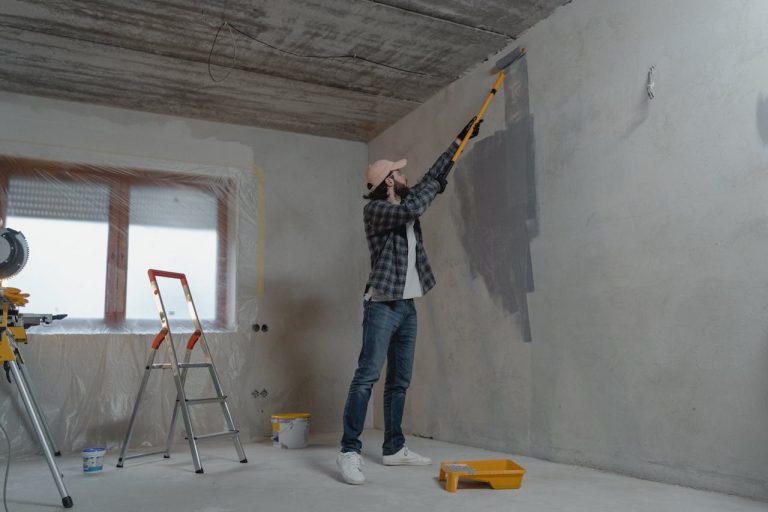
Homeowners often don’t realize the risks at play. Taking on a DIY remodeling project can sound fun and inexpensive, but the dangers are often downplayed. With no guidance, not even DIY can tame this beast. Larger projects can quickly become disasters without the right expertise.


Poor measurements on a kitchen cabinet install can lead to a lot of door slamming anxieties. They can make for wavy walls and uneven countertops, both of which take expensive measures to fix. We know from experience that most DIY projects take at least two to three times longer than we think. Usually it’s when something complicated comes up unexpectedly.


This could put essential spaces such as kitchens or bathrooms out of use for weeks, creating major inconveniences. Inexperience is frequently the source of expensive mistakes. It all looks pretty straightforward until you start to install flooring. A wavy subfloor will result in cracked tiles or cupped wood planks over time.


Even though these blunders require repair, the repairs usually cost more than if the homeowner had paid a professional from the beginning. DIY remodeling can prove significantly cheaper. You have to have the right skills to execute it properly. Only professional contractors can deliver those sparkling results.


They guide you away from some classic mistakes, particularly on complicated builds like kitchen remodels. The emotional cost of a DIY disaster really isn’t something you should ignore either. Disappointment from time-hogging, unplanned costs, and mediocre work can drain the pleasure of home enhancement.


Build in a contingency of 10% to 15% of your budget. This safety net will save you from surprising costs, but it’s just as important to understand your limits before you start.

Early Warning Signs of DIY Disaster

The key to success for any DIY home remodeling project is preparation and knowing what to expect. Ignoring these early warning signs often results in DIY disasters that can be expensive, exasperating, and even dangerous. Understanding these warning signs early on could save you time, money, and hassle.

Spotting Inadequate Planning

A thorough plan serves as the foundation of any remodeling project. Without it, tasks can easily spiral out of control. Evaluate the completeness of your project plan—does it include materials, tools, and step-by-step instructions?


A user once attempted to install a second dimmer switch on a single circuit without understanding electrical safety, resulting in a fire hazard. Creating a checklist ensures no critical steps are missed, like measuring spaces accurately before purchasing materials.


Unrealistic timelines are another red flag. Rushing through tasks, as seen in a case where a user sprayed Gorilla Glue in her hair out of impatience, often leads to irreversible mistakes.

Recognizing Skillset Limitations

Honest self-assessment is essential before tackling technical tasks. Identify which parts of the project require professional skills. For instance, plumbing or electrical work often demands specialized tools and expertise.


A user who attempted to fix their fridge alone ended up needing professional removal, doubling their costs. Seeking help early for tasks beyond your ability reduces risks and avoids further problems.

Identifying Budget Overextension Early

Budget mismanagement is another common DIY disaster trap. Be sure to document ALL expenses, even small ones, and hold back a SIZABLE contingency fund for the inevitable surprises.


Eat and Share Supplier Quotes Side-by-Side to Prevent Over-Payment For Materials. Skip this, as one user learned after pushing through renovations ahead of time with no plan for money, and your project can be thrown off in an instant.

Common DIY Remodeling Mistakes

Taking on home improvement projects is extremely rewarding when you’re able to make your dream home a reality. Improper planning, failure to research ahead of time, and skipping steps to save time or money can result in expensive errors.


So here, let’s look at some common mistakes, what they do and how to avoid them.

1. Overlooking Essential Permits

Avoiding or rushing through permits might look like saving time on the project, but it more likely results in fines or stopped work. Many local regulations require their own permits for any plumbing, electric, or other structural work that goes beyond simple cosmetics.


Without them, you leave yourself open to potential legal ramifications and the possibility of needing to re-do your work. For instance, if you install a deck without a permit, you may face fines and loss of property value.


Make sure to check in with local authorities and have a detailed checklist to ensure everything is up to code.

2. Ignoring Building Codes

Remember, building codes are there to protect you! Neglecting them can lead to dangerous buildings and costly repairs. For example, relying on insufficient support beams can put the entire stability of a new room addition at risk.


Understand the codes that apply and ensure you can document that you’ve complied with them. Routine inspections to identify developing problems go a long way.

3. Botched Plumbing Work

Common plumbing mistakes DIYers make can result in leaks or more serious water damage. Messing with pipes or using the wrong materials right from the get-go can lead to years of damage.


An awkwardly or poorly installed sink may indeed flood a kitchen. If you’re really unsure, call a licensed plumber especially for complicated jobs.

4. Electrical Wiring Errors

Mistakes involving electrical work aren’t just annoying; they can be deadly. Failing to do so could result in a fire hazard or immediate loss of power.


As with any electrical project, be sure to follow your local code and always verify all connections. When it comes to substantial renovation, trust the pros.

Financial Repercussions of DIY Errors

When home remodeling projects don’t go according to plan, the fiscal repercussions for a DIYer can be head-spinning. A lot of folks are driven by the prospect of saving cash. Mistakes made throughout the procedure can lead to unanticipated costs, lost value in your residence, and break insurance claims.

Increased Repair Costs

DIY errors frequently lead to bigger repair bills than expected. Consider the consequences of faulty plumbing, as an example—clogged or leaky pipes will waste water, cause potential mold growth, and necessitate expensive repairs.


Likewise, shoddy electrical work can leave your home dangerous without the need for a professional to remedy the safety risks involved. Homeowners need to factor these risks into any project budget because repair costs often outstrip even the highest project estimate in short order.


On average, fixing one DIY electrical error can cost more than $1,500. The cost of retaining a pro up front usually ranges from $300 to $800. Having a plan for possible disasters can save you a lot of money.

Decreased Home Value

Unprofessional renovations can hurt your home’s resale value. Additionally, amateur mistakes like waves in the flooring or cabinets not being installed straight can make a home hard to sell and lower the offer.


By ensuring quality work, we help to maintain the equity in homes, which is extremely important in our highly desirable markets. A professional finish not only enhances aesthetics but reassures potential buyers about the property’s condition, ensuring it aligns with current market standards.

Insurance Claim Complications

DIY work can create additional insurance claim headaches, especially if the DIYer attempts to take shortcuts that lead to code violations. It’s an important practice to document your entire project to back up your claims if damages occur.


Checking in on your insurance policy ahead of time lets you know what coverage options you have and don’t if you take on DIY work. Taking these issues into consideration before starting a DIY project will help you avoid some costly surprises.


Expense Type

DIY Costs

Professional Costs

Electrical Repairs

$1,500+

$300–$800

Plumbing Fixes

$1,200+

$400–$900

Structural Repairs

$2,000+

$800–$1,500

Legal Liabilities in DIY Projects

When tackling home remodeling on your own, it’s easy to focus on the creative aspects while overlooking the legal consequences. When these liabilities go unaddressed, the result may be wasted money, contentious lawsuits, or even threats to public safety. Knowing the legalities behind DIY projects is an important first step to keep yourself and your property safe.


Safety Violations and Fines


Overlooking safety codes is one of the biggest DIY renovation blunders out there. In most commercial applications, violations such as improper electrical work or not enough structural support lead to substantial penalties. Not installing ground fault circuit interrupters (GFCIs) near water sources is a violation that comes with a monetary fine.


Beyond that, it opens up tremendous electrical dangers. Homeowners need to make sure hazardous materials such as asbestos or lead paint are properly ventilated and removed. Being cavalier about these regulations not only puts the household members at risk of fines, but puts workers in potential harm’s way.


To avoid legal liabilities, familiarize yourself with applicable local safety codes and obtain the appropriate permits before undertaking any project.


Contractor Disputes After DIY Failures


DIY errors can complicate future contractor relationships. As one example, a roof with a bad installation job could trigger warranty cancellations or lead to higher repair costs. Not to mention the fact that disputes often occur when the contractor has to make repairs or replace the damage done by unlicensed work.


To mitigate these risks, be upfront about any DIY efforts that have been made before and be sure to execute clear contracts that lay out roles and timelines. Engaging with qualified professionals in the planning stage—like the experienced team at Mares & Dow Construction & Skylights Inc.—can help reduce costly surprises and ensure your home improvement projects are completed up to code from day one.


Responsibility for Injuries


Finally, homeowners can be liable for any injuries resulting from the work done on-site—even by a subcontractor that a homeowner hired. Preventing avoidable dangers in the work environment such as properly securing tools, eliminating trip hazards, and so forth is essential.


Having professional, comprehensive insurance coverage shields you from unexpected accidents and financial responsibility.

Home Renovation Contractors – Mares & Dow Construction & Skylights

Salvaging a Failed DIY Project

No matter how carefully you plan, a do-it-yourself home remodeling project can easily get derailed. Salvaging a failed DIY project involves strategic planning and tempered expectations. Whether you’re dealing with uneven flooring, poorly installed cabinets, or electrical issues, the right steps can guide you toward a resolution.

When to Call a Professional

Understanding when you need a pro is key. When it comes to structural damage, electrical hazards, and plumbing issues, this is when you should call it quits and bring in the pros. A helpful rule of thumb to determine this is to ask yourself if the issue involves a safety hazard or highly technical issue.


For example, a misaligned kitchen countertop might seem manageable, but if it affects plumbing connections, a licensed plumber is better equipped to handle it. Professionals outsmart the process with their know-how, and with their mastery of exclusive tools, get it done sure and safe. Taking this approach will save you money and time in the end.

Assessing the Damage Realistically

Start by examining the scope of the problem. Create a checklist to identify critical issues like water damage, uneven surfaces, or faulty wiring. For instance, if a bathroom remodel resulted in leaks, inspect the seals and connections.


Be honest about the feasibility of fixing it yourself versus hiring help. Unrealistic expectations can lead to further complications, so it’s crucial to evaluate the project objectively.

Creating a Remediation Plan

Create a comprehensive plan that addresses the most critical repairs first. Make sure you set a reasonable timeline and budget, including the cost of materials, tools, or hiring a pro.


Prioritize funding for acute repairs, like shoring up a sagging deck, over cosmetic upgrades. Involving their efforts and experience with contractors can help speed up the process while still resulting in great outcomes.

Learning from DIY Remodeling Disasters

Taking on a home renovation project DIY sounds fun and adventurous, but can quickly turn into a major headache. Whether from a failure to appreciate the complexities involved, an overall lack of preparation, or insufficient skills, so many DIY projects turn into expensive nightmares. From a 2020 survey of average homeowners, 63% reported feeling remorse over trying DIY projects without a professional. They described all the time, money, and energy they wasted.


By reflecting on past mistakes, sharing experiences, and continuously refining skills, DIY enthusiasts can turn these setbacks into valuable learning opportunities.

Documenting Mistakes for Future Reference

That’s why documenting the challenges you encounter on your DIY path is one of the most impactful ways to learn. Whether it’s mismeasuring materials or using the wrong tools, keeping a detailed journal of mistakes recorded as they’re made will greatly help identify areas that require redirection and focus.


For example, sharing a story about how a simple miscalculation resulted in wasted hardwood or tiles will stop this from happening again. Visual records, such as photos of poorly installed fixtures or uneven paint jobs, offer a clear reminder of what to avoid.


By further sharing this documentation, other cities and agencies will be forewarned of these pitfalls. It helps forge lasting relationships through the DIY community.

Sharing Experiences to Help Others

By actively participating in DIY communities, you can develop a network that fosters continuous learning and improvement. By sharing your story—even the missteps—someone else benefits from your experience and gets real-world guidance on a better path.


Starting a blog or YouTube or TikTok or Instagram to share DIY lessons learned can help inform and motivate other DIYers. Practical advice, like how to choose the right adhesive for tiles or how to budget your time wisely can be essentials.

Refining Skills Through Education

That’s why we’re investing in education to help people avoid a DIY disaster. Taking local workshops or classes in plumbing, woodworking, or design can allow you to learn directly from experienced professionals in a hands-on approach.


With online courses, you can learn new techniques at your own pace so you can be better prepared for your next project. This hands-on, proactive approach instills confidence and reduces the risk of DIY disasters that can be both frustrating and expensive.

Conclusion

Remodeling your home yourself is a thrilling endeavor… until everything starts to go wrong all at once. At first, minor mistakes may feel insignificant, but they quickly balloon into expensive, time-consuming, and sometimes litigation-inducing issues. Inadequate planning, neglected permits, or the absence of professional assistance can quickly transform a modest improvement into an enormous concern. Knowing when to hire out and learning from the mistakes of others goes a long way in saving time, money, and a whole lot of stress.


If you’re committed to a DIY approach, tackle small projects, do your homework and understand when it’s time to reach out to a professional. A well-done project brings pride and value to your home, but cutting corners rarely pays off. Play it safe, stay informed, and enjoy your upgrades for years to come.

Frequently Asked Questions

1. What are some early signs a DIY remodeling project is going wrong?

Uneven surfaces, missing joints, lack of structural integrity, delays in the workflow, or tools functioning improperly are all red flags even before construction begins. Discovering these problems early on can prevent costly mistakes and delays.

2. Why do DIY remodeling projects often fail?

DIY disasters often stem from a lack of experience, a fundamental lack of planning, and/or simply using the wrong tools or materials. Rushing through the process or taking shortcuts is another recipe for disaster.

3. How much can a failed DIY remodeling project cost to fix?

In fact, correcting the aftermath of DIY home remodeling usually takes 50% to 100% more than if you’d hired a professional from the start. The cost ranges widely, depending on extent of damage and overall scope of project.

4. Can DIY remodeling mistakes lead to legal issues?

Yes, if you do unpermitted work or create a code violation, you can be fined or taken to court. As with any DIY home remodeling project, be sure to consult local building codes and secure necessary permits before getting underway.

5. How can I salvage a failed DIY remodeling project?

Hire a professional to assess the damage. They can correct mistakes, ensuring the work meets safety and quality standards.

6. What are the most common DIY remodeling mistakes?

Cutting corners on prep work, measuring improperly, and using cheap materials are all rookie missteps. What’s common is greatly underestimating both the costs and time involved.

7. How can I avoid DIY remodeling disasters?

Take the time to plan, learn proper techniques, use appropriate tools and materials of good quality. Start out small, learn the ropes and work your way up to the trickier stuff.

Your Dream Home Starts with Mares & Dow Construction – Let’s Create Something Amazing Together

Planning a home renovation or construction project in Concord, Walnut Creek, Pleasant Hill, or Lafayette? Whether you’re dreaming of a stunning kitchen remodel, a durable new deck, or a full-scale home renovation, choosing the right general contractor is the most important decision you’ll make.


With over 40 years of experience, our team at Mares & Dow Construction & Skylights has built a reputation for quality craftsmanship, transparent pricing, and exceptional customer service. We specialize in:


  • Home Remodeling – Transform outdated spaces into modern, functional, and energy-efficient areas that increase home value.
  • Decks and Outdoor Living Spaces – Create the perfect outdoor retreat with expertly crafted decks, pergolas, and patios.
  • Foundation Repairs and Waterproofing – Protect your home’s structural integrity with our professional solutions.
  • Custom Skylight Installations – Enhance natural light with innovative skylight solutions from a VELUX 5-Star Skylight Specialist.
  • General Contracting Services – From new builds to home additions, our skilled team manages every aspect of your project with precision.

Serving Contra Costa County, including Alamo, Danville, Orinda, Martinez, and San Ramon, we take pride in delivering exceptional results that exceed expectations. Whether you’re a homeowner planning a renovation or a property investor looking to enhance a home’s resale value, we ensure your project is completed on time, within budget, and with the highest level of craftsmanship.


Don’t settle for anything less than the best for your home remodeling, renovation, or construction needs. Contact Mares & Dow Construction & Skylights today for a free, no-obligation quote, and let’s bring your vision to life.

Disclaimer

The materials available on this website are for informational and educational purposes only and are not intended to provide construction, legal, or professional advice. You should consult with a qualified general contractor or industry professional for advice concerning any specific construction project, remodeling plan, or structural concern. Do not act or refrain from acting based on any content included on this site without seeking appropriate professional guidance. The information presented on this website may not reflect the most current building codes, regulations, or industry best practices. No action should be taken in reliance on the information on this website. We disclaim all liability for actions taken or not taken based on any or all of the contents of this site to the fullest extent permitted by law.

How Do You Avoid the Most Common Home Remodeling Nightmares?

The top red flags when hiring a remodeling contractor include unclear contracts, lack of proper licensing, and unusually low bids. A good contractor will give you thorough, written contracts, insurance verification, and a hard start and end date for a job.


Be wary of contractors that ask for major upfront payments or don’t want to give you references from previous customers. Review their online reputation, and make sure they have experience in the type of remodeling you require.


A contractor with integrity should be open, honest, and willing to answer your questions. Familiarizing yourself with these warning signs will help you sidestep disasters, saving you time, money, and stress.


In this complete homeowner’s guide, we’ll show you how to avoid getting scammed and what you need to look for to make smart contracting decisions.

Key Takeaways

  • Avoid contractors who lack a detailed contract or request large upfront payments, as these can indicate accountability or financial stability issues. Lesson #4 Contracts should always specify the terms of the project in detail.
  • Check the contractor’s experience and portfolio to ensure a track record of successfully completing similar-sized projects. Seek specific, verifiable cases, references, and a track record of quality and dependability.
  • Run away from contractors who are unable to provide any references or who are unwilling to put you in touch with former clients. Reputable contractors will have praise you can easily verify and trust.
  • It’s best to test a contractor’s communication and project availability as soon as possible before hiring an independent contractor. Poor responsiveness or vague answers can signal future issues with professionalism and project management.
  • Verify that the contractor is appropriately licensed and insured. Absence or expiration of licenses, lack of insurance, or failure to follow local building codes can result in legal and financial consequences.
  • Don’t underestimate your gut — use it to judge a contractor’s attitude, willingness to communicate, and openness. If a few things don’t add up, go with your gut and look for someone else.

Spotting Contractor Red Flags Early

Planning to hire a remodeling contractor? It’s easy to get overwhelmed, but watching for a few key red flags can save you a lot of stress down the line.


One major warning sign is the absence of a written contract. A legitimate contractor should provide a clear agreement outlining the work, materials, timeline, and payment terms. Without this, there’s no real accountability—and that’s a risk you don’t want to take.


Vague terms or an unwillingness to put anything in writing? That’s a red flag worth paying attention to. It might suggest they’re dodging responsibility or trying to keep things intentionally unclear.


Another thing to watch for is a business that’s recently changed names. While not always shady, frequent rebranding could hint at past issues, like unhappy clients or attempts to dodge a bad reputation.


Take a moment to check out their online presence, business listings, or storefront if they have one. A lack of any verifiable footprint can be a clue something’s off.


Also, be cautious if they ask for a large deposit right out of the gate. While deposits are normal, anything over the top—like half the total cost or more—is worth questioning.


On the flip side, super low offers can be just as sketchy. Those “too good to be true” deals often come with hidden costs, poor workmanship, or shortcuts that end up costing you more.


Lack of communication is another major red flag. If someone takes days to respond or avoids your questions, imagine how that’ll play out mid-project.


And if they can’t clearly tell you who’s doing the actual work? There’s a good chance they’re scrambling to find last-minute subcontractors, which can lead to uneven quality. Contractors juggling every part of a job themselves often struggle with resources and efficiency.


The bottom line? Trust your gut, do your research, and don’t be afraid to walk away if things feel off.

Experience and Expertise Warning Signs

When hiring a remodeling contractor, it is very important to measure their experience and expertise so that your project is done successfully. A contractor’s experience level, past project successes, and capacity to deliver trustworthy references all speak volumes about professionalism.

Lack of Relevant Project History

A great contractor’s portfolio will feature plenty of examples of similar projects to yours, demonstrating quality of work as well as diversity. For those of you who might be planning a kitchen remodel soon, take a look through their completed projects’ portfolio.


Watch for deep dives into the craftsmanship, cabinetry installation and layout redesigns. Be careful of any portfolio that leans on mundane stock photos. If the only projects you can find are just a handful, those may not indicate genuine experience.


Always fact check their assertions by requesting testimonials or a case study directly linked to their portfolio. A contractor that doesn’t come with this kind of detail might not have the experience your project needs.

Questionable Portfolio Quality

References are essential for evaluating reliability. Request multiple contacts from past clients and follow up directly to discuss timelines, workmanship, and overall satisfaction.


Red flags include contractors who hesitate to share references or those whose testimonials seem vague or overly glowing without specifics. Quality feedback should address clear points, like whether deadlines were met or issues resolved promptly.

Failure to Provide References

In the very first stages of communication, responsiveness is one of the major warning signs that a person lacks professionalism. A contractor who avoids answering questions directly, fails to document essential details, or appears disorganized may struggle to manage your project effectively.


Contractors who quickly shoot out quotes or request a lot of money upfront care more about landing deals than doing the planning needed. Such behaviors result in downstream delays, cost overruns or worse, unfinished work.

Communication and Professionalism Issues

Communication and professionalism go a long way when hiring a remodeling contractor. A contractor’s capacity for timely communication and professionalism directly impacts the atmosphere of the entire project. When communication is disrupted, time is wasted, expectations get mismanaged, and expensive errors are made at all phases of production.


Here are major red flags to watch out for.

1. Poor Responsiveness and Availability

A contractor who doesn’t return phone calls or emails in a timely fashion is an immediate red flag. If inquiries about timelines, costs, or materials are met with delays or vague responses, it’s likely they lack effective planning or are juggling too many projects.


Lack of communication can lead to a loss in responsibility or even lost deadlines which will only leave you upset. Pay careful attention to how they first respond. For instance, a contractor hesitant to schedule meetings or consultations may lack commitment, and those who are frequently unavailable might abandon your project midway.

2. Evasive Answers to Direct Questions

As with most things, transparency is key. If a contractor shies away from conversations about processes, budget, or materials, you could be dealing with someone inexperienced or trying to hide something.


If a contractor is hesitant to field straightforward questions about subcontractors or special permits needed, they might not have their ducks in a row. Always record vague answers, for they can indicate a habit of evasion.

3. Disorganized Project Management Style

A contractor’s philosophy around organization can have a huge effect on the outcome of a project. In today’s world, disorganized contractors lead to missed deadlines, budget excess, or even leaving a construction site just dirty.


Ask for specific examples, like drawings, plans, or past schedules. An incomplete or impossible-to-fulfill request is a major red flag.

4. Unwillingness to Put Details in Writing

In fact, contracts make it possible to protect the interests of both parties. Insist on written agreements covering all aspects, from payment plans (e.g., 30% upfront, balance later) to insurance and lien waivers.


Verbal agreements invite disagreement and misinterpretation, and an unwillingness to put things in writing indicates a lack of professionalism.

Licensing, Insurance, and Legal Compliance

When you hire a remodeling contractor, make sure that they are licensed, insured, and operating legally. These elements uphold a standard of professionalism and shield you from big financial and legal disasters.

Expired or Missing License Information

Ensure that the contractor has a valid, up-to-date license. Confirm their licensing by verifying their status with state regulatory agencies. In California, you can turn to the Contractors State License Board for this sort of info.


Work with your local entity to research licensing requirements to make sure that they comply with and support the legal standards in your area. Always dread contractors who cannot provide proof of licensing. Risks associated with hiring unlicensed professionals include costly disputes and liabilities that remain unprotected, among others.


Licenses help ensure access to recovery funds through agencies like NASCLA. This presents homeowners an essential new form of financial protection.

Inadequate Insurance Coverage

Require proof of both general liability and workers’ compensation insurance. Contractors insurance These coverages protect against accidents or damages that occur while working on your project, so you won’t be responsible for surprising costs.


Contractors that are unwilling to share their insurance documentation can put your entire project’s safety at risk. Moreover, those without proper coverage can hurt your bottom line. For instance, general liability protects the policyholder from damage to others’ property, and workers’ compensation covers injuries incurred at a job site.

Disregard for Local Building Codes

A professional contractor should demonstrate familiarity with local codes and handle permits, especially in areas like Walnut Creek where compliance is crucial for major projects. If you neglect these requirements, you could face stiff fines, time-consuming delays or even expensive emergency repair work.


Contractors who are cavalier about permits or regulations are a risk to the long-term expectations of the project.

Transparency About Subcontractor Relationships

Inquire about how the prime will qualify and vet subcontractors and what roles they will provide. Contractors should be required to publicly disclose this information in order to hold contractors accountable and protect quality on projects.


Sometimes the vague way a prime communicates about the involvement of a subcontractor is enough to raise quality questions.

Contract and Payment Red Flags

When hiring a remodeling contractor, the contract and payment terms can be a tell-tale sign of a bad apple. Paying attention to these red flags can help you avoid risks and choose a professional that aligns with your expectations.

Demand for Full Payment Upfront

A contractor requesting 80% or more of the payment before starting work is another red flag. This might indicate they don’t have consistent work and are relying on your funds to pay for material expenses.


Industry standards usually suggest a 10-30% deposit, so any requests outside of this range are red flags. Good contractors like predictable payment schedules based on work progress that guarantee accountability and project advancement.


Contracts must outline payment terms, when payments are due, timeframes for deliverables and how any disputes or changes in work will be handled. Having a clear contract protects both you and the vendor and minimizes confusion.

Unclear or Missing Contract Clauses

A contract that doesn’t outline specifics such as timelines or payment terms is an invitation for misunderstandings. Contractors who are not forthcoming with this information in writing might not have a license, or they may be trying to evade your accountability.


Document all details of the project, including any provisions that address potential disputes or changes that may arise down the line. One of the biggest advantages of a well-thought-out contract is that it builds transparency and trust, establishing expectations up front.

Vague Scope of Work Descriptions

A contractor who offers unclear or very broad project descriptions isn’t someone who is willing to go the extra mile to get to know you and your needs. Details such as materials to be used, wink wink tasks to be done, and timelines should be explicit to prevent misunderstanding.


Businesslike detailed blueprints or drawings are a sign of a true professional contractor, especially for major redeveloping and renovations.

Unjustified Change Order Practices

Frequent or mysterious change orders may indicate a lack of planning. Make sure the contract sets forth an agreed-upon process for how changes will be managed and ensure that it’s all put in writing.


Contractors who do not handle change orders in an open manner can throw timelines and budgets out of whack.

Reputation and Review Concerns

A contractor’s reputation is often a reflection of their trustworthiness and the quality of their work. Take the time to look through online reviews on multiple platforms and focus on patterns rather than isolated complaints. A consistent trend of negative feedback can suggest issues with timelines, quality, or professionalism.


Contractors who take time to respond thoughtfully to feedback tend to be more accountable and open to resolving concerns—qualities that can indicate a better working relationship overall.

History of Negative Feedback Online

The way a contractor responds to early questions and past reviews can reveal how they manage pressure or problems. If they seem evasive or dismiss concerns without a clear, respectful response, it might be a preview of what to expect during your project. Look for clear, consistent communication early on to help ensure smoother collaboration later.

Ignoring or Dismissing Client Concerns

Contractors who hesitate to discuss how they handle disputes or are unwilling to document procedures may lack proper structure. This can be a red flag. It’s important to know how conflict resolution will be handled before signing a contract. Written policies help protect both parties and support a more transparent, trustworthy partnership.

Lack of Transparency in Dispute Resolution

While a low bid may seem attractive, it can also be a sign of hidden costs or lower-quality materials. Always ask for detailed estimates. Clear pricing prevents surprises and delays, and it sets the tone for a financially sound working relationship.

Financial Stability and Bidding Practices

When evaluating remodeling contractors, knowing the state of their financial stability and bidding practices is critical to preventing an expensive oversight. A good hard look at their pricing practices will tell you a lot about their professionalism and more importantly their reliability.

Unusually Low Project Estimates

Second, comparing several bids side by side is one of the best ways to spot red flags. A much lower bid can be tempting but may show the contractor plans to skimp on materials or quality of work. For example, a contractor that bids much lower than other bids might intend to use inferior materials or cut corners due to time constraints.


Always request a line-by-line breakdown of the cost. A trustworthy contractor will offer specific justifications for the estimate, based on quality labor and materials. On the other hand, if they can’t, that’s a sign to pump the brakes. Low-ball bids can mask later structural costs, hitting you with surprises halfway through the project.

Insistence on Cash Payments

Financial transparency is an important part. Contractors demanding cash-only payments are predatory or financially unstable contractors. Checks or credit transactions provide some sort of accountability that cash transactions simply do not, as the cash quickly disappears.


For accountability and transparency, reputable contractors provide several payment options, along with invoices and other documentation, such as receipts and lien releases. A typical deposit of 10–25% of the project cost builds confidence and commitment while engaging their services.

Reluctance to Provide Detailed Cost Breakdown

A contractor who is not willing to provide an itemized breakdown of costs is the next red flag. The submission of a detailed cost breakdown, including all labor, materials, and extra fees should be required.


Without this, it’s impossible to follow the money or stop those secret charges from being added. Being open with your estimates is part of good professional practice and can lead to fewer disputes.

Trust Your Gut Instincts

Hiring a remodeling contractor is one place where going with your gut usually makes sense. Though credentials, references and reviews are important, your gut instinct can help identify issues that data can’t necessarily detect. If you find that something just doesn’t feel right in your dealings with them, listen to that gut instinct.


So trust your gut, even if a portfolio appears to be golden on paper. Trusting your gut instinct goes a long way, especially when it comes to saving you from future stress and anxiety.


One major red flag to keep your eye out for is communication. A contractor who avoids your inquiries and doesn’t call you back is an immediate cause for concern. They can’t be trusted when it comes time to start the project.


Being transparent and communicative at all times is a sign of a true professional. For example, if you ask about project timelines and they give unclear or changing answers, that’s a major red flag. Contractors who understand the importance of transparency regarding realistic timelines and challenges are often your most trustworthy.


A second worry is about pricing. Affordability is important, but watch out for quotes that are much lower than the competition. A bid that undercuts the competition might mean corners will be cut, materials will be subpar, or unexpected costs will surface later.


Always demand written, itemized estimates upfront to prevent confusion about quotes and charges.

In closing, credentials count, but so do character and personal integrity. When measured by performance and reliability, only about 1 in 5 contractors are exceptional. Pay attention to how they address your worries in interviews.


Considerate, self-assured answers usually come through in the way they’d treat your operations. When something feels forced or out of character, it probably isn’t right.

Conclusion

Hiring the right remodeling contractor comes down to focusing on the right details. Clear communication, adequate licensing, great references, and reasonable contracts are all indicators that you’ve found a trustworthy candidate. Keeping an eye out for unclear bids, bad sentiments, or tight deadlines goes a long way in keeping your savings and sanity large and intact. It’s about hiring a remodeling professional who has the same commitment to leaving you informed and impressed as you do.


Your home is your most important asset, and it deserves tender loving care from experts – so take the time to compare contractors and ask the important questions. Taking some additional steps during the hiring process will help you avoid a world of pain down the road. Looking to remodel responsibly? Mares & Dow Construction & Skylights Inc. follows these principles, ensuring we stay true to our word and help you create the space you’ve always imagined.

Frequently Asked Questions

1. What are the top red flags when hiring a remodeling contractor?

Watch for red flags such as communication issues, unlicensed or uninsured, vague contract and lowball bids. These can be signs of inexperience, unprofessionalism, or scams waiting to happen.

2. Why is licensing and insurance important for contractors?

Licensing demonstrates they have met the legal requirements to perform work, while insurance ensures you are protected from any potential liability. Failing to take these measures could leave you with subpar work and angry contractors if an accident happens.

3. How can I identify a contractor with a bad reputation?

Look at their online reviews, request references and check their track record. No reviews at all, or numerous repeat complaints, are signs of bad news.

4. What are common contract and payment-related red flags?

Watch out for the lack of a clearly detailed contract, requests for full payment upfront or cash only. A real contractor will offer you no less than a good explanation of terms and a fair payment schedule.

5. How do I know if a contractor is financially stable?

Watch out for contractors who ask for a big down payment, don’t like detailed bids, or make habitual excuses for delays. These can be early warning signs of financial trouble.

6. Why is communication important when hiring a contractor?

Clear communication with your contractor will help you avoid and/or address any misunderstandings that may come up. Having a contractor that is hard to get in contact with or doesn’t communicate well can result in severely mismanaged projects.

7. Should I trust my instincts when hiring a contractor?

Yes. If you’re getting a bad vibe—whether that’s through high-pressure sales tactics or answers that aren’t matching up—listen to your instincts. It’s worth losing out on a job to prevent a bad experience.

Your Dream Home Starts with Mares & Dow Construction – Let’s Create Something Amazing Together

Planning a home renovation or construction project in Concord, Walnut Creek, Pleasant Hill, or Lafayette? Whether you’re dreaming of a stunning kitchen remodel, a durable new deck, or a full-scale home renovation, choosing the right general contractor is the most important decision you’ll make.


With over 40 years of experience, our team at Mares & Dow Construction & Skylights has built a reputation for quality craftsmanship, transparent pricing, and exceptional customer service. We specialize in:


  • Home Remodeling – Transform outdated spaces into modern, functional, and energy-efficient areas that increase home value.
  • Decks and Outdoor Living Spaces – Create the perfect outdoor retreat with expertly crafted decks, pergolas, and patios.
  • Foundation Repairs and Waterproofing – Protect your home’s structural integrity with our professional solutions.
  • Custom Skylight Installations – Enhance natural light with innovative skylight solutions from a VELUX 5-Star Skylight Specialist.
  • General Contracting Services – From new builds to home additions, our skilled team manages every aspect of your project with precision.

Serving Contra Costa County, including Alamo, Danville, Orinda, Martinez, and San Ramon, we take pride in delivering exceptional results that exceed expectations. Whether you’re a homeowner planning a renovation or a property investor looking to enhance a home’s resale value, we ensure your project is completed on time, within budget, and with the highest level of craftsmanship.


Don’t settle for anything less than the best for your home remodeling, renovation, or construction needs. Contact Mares & Dow Construction & Skylights today for a free, no-obligation quote, and let’s bring your vision to life.

Disclaimer

The materials available on this website are for informational and educational purposes only and are not intended to provide construction, legal, or professional advice. You should consult with a qualified general contractor or industry professional for advice concerning any specific construction project, remodeling plan, or structural concern. Do not act or refrain from acting based on any content included on this site without seeking appropriate professional guidance. The information presented on this website may not reflect the most current building codes, regulations, or industry best practices. No action should be taken in reliance on the information on this website. We disclaim all liability for actions taken or not taken based on any or all of the contents of this site to the fullest extent permitted by law.

What Should Every First-Time Homeowner Know Before Starting a Home Renovation?

The first thing that every first-time homebuyer needs to realize is that preparation is going to be the key to your home renovation success. So much starts with knowing thyself — setting a realistic budget, being clear about the desired scope of work and doing your homework to identify trustworthy contractors.


Understanding which permits or approvals they’ll need can save considerable time and prevent costly delays. It’s important to prioritize projects based on needs versus wants, focusing on areas like plumbing, electrical systems, or structural repairs before cosmetic changes.


Doing your due diligence—including taking accurate measurements and thinking about practical details like material durability and long-term maintenance—makes for smarter, more sustainable choices. With thoughtful planning and a realistic timeline, you can avoid common pitfalls and create a space that fits your lifestyle.


Here’s a closer look at each of these issues to help you on your way.

Key Takeaways

  • The best way to start is to look closely at your financial circumstances—savings, income, and current payments—to determine how much you can afford to put into renovations. Be mindful of hidden costs, and set aside 10-15% of your budget for the unknown.
  • Define your renovation goals clearly by prioritizing updates based on your needs and vision. Have regular planning discussions with family members. Nobody gets perfect harmony on the first try.
  • Know your fair market value Research your neighborhood and track local market trends to be smart about which renovations will actually add value to your home. Consider what homebuyers are looking for in your area Align your renovation project with in-demand features and design styles
  • Obtain any required permits and authorization prior to starting work to prevent a costly legal confrontation. File everything away in a logical manner that will be easy to reference down the road.
  • Plan for potential disruptions by setting a realistic timeline, preparing temporary living arrangements if needed, and protecting your belongings during construction.
  • For complicated tasks like electrical or plumbing work, consult professionals but balance the costs with your DIY capacity. For one, you should always thoroughly vet your contractors by checking their licenses, insurance, and references.

What Should First-Time Homeowners Know?

Renovating your first home is an unbelievable experience, but you need to be adequately prepared to ensure you don’t run into unforeseen pitfalls. For first-time homeowners, understanding the financial, practical, and legal aspects of renovation can make the process smoother and more rewarding.

1. Assess Your Financial Standing

Begin with a clear understanding of your overall finances. Take stock of your savings, income, and current obligations to determine a feasible budget. Renovations can cost tens of thousands of dollars, so account for all costs, including materials, labor, permits, and incidental expenses like takeout or temporary lodging.


Provide an additional 20% cushion for unplanned costs to stay ahead of surprises. If you will require financing, make it a priority to check your credit score first. After that, look into alternatives such as personal loans or home equity lines of credit.

2. Define Renovation Goals Clearly

Set a clear intention for your renovation. Decide from the start what you hope to accomplish through your renovation. Are you most interested in how things look, how easy they’ll be to use, or increasing your home’s resale value?


Develop a ranked list of renovations, starting with must-do improvements such as plumbing repairs and ending with cosmetic changes such as painting. Talk through these plans with family members to make sure everyone’s needs are addressed.

3. Research Neighborhood and Market Trends

Research neighborhood home values and design trends to ensure your updates are consistent with the surrounding market. Prominent upgrades like energy-efficient features or open-concept layouts, for instance, can be desirable to buyers living in metropolitan areas.


Consulting residential real estate websites like Zillow and looking at recent home sales in your desired area can be helpful.

4. Secure Necessary Permits and Approvals

Ask your local building department what type of permits and inspections may be required. Approval times can vary, occasionally taking up to two weeks, so make sure to plan ahead to avoid unnecessary delays.

Maintain a detailed record of every aspect for later use.

Budgeting and Financial Planning

A smartly planned budget is the foundation of any successful home renovation.


By carefully considering potential costs and financial strategies, you can avoid common pitfalls and ensure your project stays on track.

Create a Detailed Budget

Begin by understanding the landscape of available financing options such as personal loans, home equity loans, or government grants to support renovations. Shop around for the best interest rates and terms to find the solution that best fits your financial needs.


A home equity loan or line of credit may be especially suited for more substantial projects due to lower interest rates than personal loans. A meeting with a financial advisor is a great first step to finding out the best plan for your financial goals.


Housing costs, including renovations, should not exceed 28% of your gross monthly income. Additionally, keep your total debt under 36%.

Account for Contingency Funds

Always include a budget contingency of 10-15% of your overall budget. Structural issues, material delays, or upgrades to meet code compliance can easily push the budget beyond repair.


Comprehensive record keeping will increase your deductions in tax time. This is particularly true for energy-efficient upgrades that they might be able to get incentives for locally.


A good tax professional will help you determine the best benefits for you, so you save the most money.

Explore Financing Options

Since labor costs might make up more than 30% of the total cost of a renovation, think about doing some of the work yourself on easier projects. Saving enough to put at least 20% down in addition to closing costs is important, too.


Additional cash should be set aside for utilities such as water or gas that may need to be redirected during renovations.

Understand Tax Implications

Communicate frequently and explicitly with contractors, specifying responsibilities and desired outcomes. Check portfolios, licenses, and references to verify quality and compliance.


Be prepared to adjust scope, if needed, based on budget or contractor pushback.

Finding and Vetting Contractors

We know that starting a home renovation can feel daunting. Finding and vetting the right contractor will go a long way toward ensuring a smooth and productive process. Your starting point should be asking for recommendations from people you trust.


Poll your personal network. Ask friends, family, or coworkers about contractors they’ve worked with and trust. Their firsthand experiences can help steer you away from bad apples and inform your decision regarding reliability, quality of work, and professionalism.


You can also review past projects or testimonials directly on the contractor’s website or request references. A history of positive feedback and clear communication is a strong indicator of professionalism. Mares & Dow Construction & Skylights Inc., for example, is proud to showcase a portfolio of completed projects that reflect our commitment to quality and client satisfaction.


Once you have a list of potential contractors, compile them for additional vetting.

Define Project Scope Clearly

Protect yourself from problems; make sure your contractors are licensed and insured. Check that their licenses are current and in good standing from localities, which can vary widely in requirements. Proof of insurance is necessary to protect yourself from liability if someone is injured on the job site.


Workers’ compensation coverage ensures that workers are covered too. These steps protect you and your project.

Seek Referrals and Recommendations

Second, look at contractors’ past work to get a sense of their style and specialty. A good portfolio will display projects similar in scope to yours. Call references to inquire about the contractor’s reputation for communication, meeting timelines, and general satisfaction with the completed work.


How they maintain a consistent quality across their projects is a strong sign of reliability.

Check Licenses and Insurance

Solicit bids from several contractors. Don’t just compare the pricing—compare the breakdown of costs, services, timelines, and scope. This provides transparency to the process and allows you to choose which option best meets your needs.

DIY vs. Professional Assistance

Choosing between doing a project yourself or hiring help can make a big difference. Some jobs are better suited to hands-on work, while others might call for expert attention. Finding the right balance helps keep your goals in sight without unnecessary stress.

Evaluate Your Skill Set

Taking on certain tasks yourself can be incredibly rewarding. Simple projects might be just right for those with a bit of patience and creativity. However, some work can get tricky fast, and fixing mistakes may end up being more than you bargained for.

Identify Tasks for Professionals

Certain types of work are best left to those with specific training. Going it alone can lead to challenges you weren’t expecting. Professionals tend to move quickly and confidently, making it easier to keep things moving forward with less disruption.

Balance Cost and Expertise

Open communication and clear agreements are essential when working with others. Staying involved throughout the process can help build trust and ensure things stay on course. Collaboration plays a big part in turning ideas into reality.

Consider Time Commitment

DIY efforts can demand a lot of time and energy. It’s important to be realistic about what you can handle and compare that effort to the benefits of bringing in extra help. That honest reflection can guide you toward the right path for your project.

Communication and Accountability

All owners, regardless of project size, should prioritize clear communication and thorough documentation to ensure a positive renovation experience.


Misunderstandings frequently lead to delays, additional expenses, and litigation. These issues can be avoided through organization and a strong sense of accountability.

Establish Clear Communication Channels

Regular check-ins with your contractor are an easy way to stay abreast of progress. Weekly or biweekly meetings allow you to review completed tasks, identify challenges, and adapt timelines or project details if needed.


For example, if a shipment of materials is delayed, talking through alternative solutions sooner can help prevent a project from getting derailed. Transparency during these updates builds trust and ensures everyone is aligned on expectations.


After each meeting, document key decisions and changes in writing to maintain a record you can refer back to later.

Document All Agreements

All of your arrangements with your contractor, big or small, should be documented in writing—from the scope of the project and expected timeline to the payment plan. This provides counties with the certainty they need while minimizing the exposure to any future disagreements.


As an example, if a contractor guarantees flooring installation to be complete by a certain date, put this in writing. Keep everything organized and easy to access, from contracts to emails and even text messages.


Written records assist in settling disputes fairly and quickly, illustrating an explicit record of which terms were agreed.

Address Concerns Promptly

Communicate and hold accountable. Address any issues in communication or performance with your contractor at the first instance. A single chipped tile or spat of peeling paint can feel like no big deal, especially when it’s easier to leave it until the problem is bigger.


Maintain a record of issues and how they were addressed to maintain the process in a collaborative and professional manner.

Sustainable and Energy-Efficient Upgrades

Upgrading your home sustainably and more energy efficiently can be simple and achievable. Even small, thoughtful upgrades make a meaningful difference in reducing energy use and environmental impact, while reducing long-term costs. By making these spaces a priority, you’re on your way to a more sustainable, energy-efficient home.

Research Eco-Friendly Materials

Converting to renewable energy alternatives such as solar panels reduces energy costs and environmental impact. Additionally, solar installations usually receive various government incentives, allowing you to further offset upfront costs. Policies such as federal tax credits, which can offset installation costs, help make this renewable energy option more accessible.


What’s feasible is really up to your specific situation including your location, budget and availability of sunlight. Aside from developing specific pricing, experts can advise on cost-effective installation, maintenance, and energy-saving expectations in the long run.

Consider Energy-Saving Appliances

Energy-efficient appliances, like heat pump water heaters, reduce energy use and save homeowners $200-$550 per year. Before you buy, look for rebates or incentives that can help make these more efficient appliances within your budget. Measure future returns on investments against initial expenditures to ensure optimum choices are made.


Working with consulting professionals helps to guarantee the appliances selected will be the right fit for your home’s size and energy requirements.

Explore Renewable Energy Options

Air sealing and upgrading insulation are low-cost, high-reward, non-invasive upgrades. Industrial projects such as installing low-emissivity window coatings cut energy loss by up to 50%, a great complement or substitute for double-pane windows that add extra insulation. Heating and cooling make up more than 50 percent of a home’s energy consumption.


By cleaning or replacing your HVAC system, you could save energy by up to 10%. IRA tax credits and other state-specific programs, such as New York’s Clean Heat rebates, help cover the cost of these investments.

Improve Insulation and Ventilation

Upgrading insulation systems and balancing the building’s ventilation saves on both heating and cooling costs, and creates better indoor air quality. These professionals can test existing insulation, recommend cost-effective upgrades, and pinpoint areas that need air sealing to improve overall efficiency.

Minimizing Disruption During Renovation

While renovations can be a thrilling prospect, they can introduce serious inconvenience and disruption to your day-to-day life. By taking proactive steps, you can dramatically lower disruptions so that your home remains functional during the renovation.

Move Valuable Items Out of the Renovation Area

Minimizing ruin to your possessions goes a long way, all of them. Move materials including valuable art, electronics, and family heirlooms to a safe place against potential destruction.


Put delicate objects in another space, or even procure a mini storage space unit if the space is limited. This will guarantee that nothing is scratched or broken throughout the construction stage.

Use Protective Coverings for Furniture and Flooring

Throwing tarps over furniture and protecting new flooring is a smart way to avoid scuff marks from inevitable movement and use. Heavy-duty plastic sheets and drop cloths are inexpensive investments that can help prevent dust and debris from getting on other surfaces.


To protect all flooring, you can use adhesive carpet protectors or plywood sheets to shield high-traffic areas from scratches and spills.

Create a Designated Storage Space

Using a designated temporary storage area for any items to be displaced or removed goes a long way to stay organized. For example, create labeled receptacles to organize items such as equipment, glassware or children’s playthings.


This further minimizes the disruption during renovation and makes it easier to find what you need without rummaging through large piles.

Communicate with Contractors

Make a plan with your contractor to keep your possessions safe throughout the renovation. Better communication regarding work hours goes a long way in allowing you to prepare and plan accordingly, avoiding excess disruption.


Make sure they are using dust barriers and taking other precautions to minimize mess. When you hire a good, qualified contractor, you won’t be surprised with hidden costs and can save a lot of time and stress.

Resources and Expert Advice

Planning for a major home renovation is about so much more than choosing new paint colors, tile and layouts. It’s a question of strategic planning, budgeting, and understanding where to find the right support and creative inspiration. Smart digital tools and expert advice can make this process easier, helping your renovation go faster and save you more money in line with your unique goals.

Explore Online Tools for Planning and Budgeting

To save time and money, online tools are critical for helping streamline projects. Websites and platforms such as HomeAdvisor or Houzz let you input project size and scope to estimate costs. Budgeting apps are useful for tracking expenses, and project management tools such as Trello or Asana keep project timelines transparent.


A general guideline is to budget 10-15% of your budget to design. Don’t underestimate the importance of this investment— it establishes the groundwork and the framework for your entire project.

Use Platforms for Design Ideas and Inspiration

Websites such as Pinterest or Instagram are filled with renovation inspiration, whether that’s the newest trend in clean white kitchens or energy-efficient smart home upgrades. A little creativity with searching by room, style or budget can reveal affordable solutions.


Maybe you find tips on how to create more storage in a tiny bathroom or use eco-friendly materials in your designs.

Connect with Professionals Online

In either case, hiring the right team is incredibly important. New online platforms like Thumbtack or Angie’s List now match homeowners with contractors, designers, and other specialists.


Design-build firms, where all services exist under one roof, frequently create clearer communication and execution of the project.

Share Your Project for Feedback and Support

Social media groups or online forums allow you to share plans and receive insight from seasoned homeowners. These spaces offer support and honest to goodness advice on overcoming hurdles and detours that come your way, keeping your project moving forward.

Conclusion

Congratulations on your new home, starting your first home renovation can be an exhilarating time. Taking the time to plan accordingly, establishing clear priorities and objectives, and remaining disciplined in your spending is key. Finding the right contractors and learning which projects to DIY will keep your renovation moving smoothly. Consistent communication and staying organized help ensure there aren’t any surprises. Even seemingly minor choices, such as making energy-efficient improvements, can lead to years of improved savings and comfort. Home renovations require time and patience, but the final product is often well worth the effort.


Your home should be an asset that actively contributes to your life goals, and with each decision you make, your home moves closer to that reality. Approach it step by step, and don’t be afraid to rely on experienced home renovation experts. Now you can begin creating a home that really reflects who you are!

Frequently Asked Questions

1. What is the first step every first-time homeowner should take before starting a renovation?

It all begins with a vision. Decide what you want to improve first, then determine your home’s starting point. This allows you to prioritize projects and avoid making misaligned changes.

2. How should first-time homeowners prepare a renovation budget?

Decide on an overall top dollar limit, include a margin for surprise expenses and decide how much to spend on each endeavor. Look up average costs in your region to get a realistic figure. Financial stress can derail your project, so stay within your financial means.

3. How do I find trustworthy contractors for my renovation?

Look for recommendations, review online ratings, and verify licenses and insurance. Connect with your contractors. Interview at least three contractors and ask for detailed, itemized estimates. This should take you a long way to make sure you find and hire trustworthy professionals.

4. Should I attempt DIY renovations or hire professionals?

On small, simple projects, DIY can be more cost-effective. For any work involving structural, electrical, or plumbing issues, make sure to hire licensed pros. This will lead to safety and quality outcomes.

5. How can I minimize disruption during a home renovation?

Take the time to think ahead. Consider creating alternative living arrangements, establishing a predictable work schedule that avoids disruptive hours and taking measures to safeguard your belongings. Honest, transparent communication with any contractors you may hire will go a long way in keeping things running smoothly.

6. What sustainable upgrades should I consider during renovation?

Invest in energy-efficient windows, LED lighting, and smart thermostats. Consider eco-friendly materials such as reclaimed wood or low-VOC paint. These upgrades save homeowners and businesses money on their energy bills and help protect the planet.

7. How can I ensure my renovation project stays on track?

Keep the lines of communication open, set timelines, and be on top of the work being done. Create a thorough contract and construction checklist to keep all parties accountable. This prevents frustration and provides for a smooth, successful home renovation.

General Contractor Mares & Dow Construction & Skylights

Your Dream Home Starts with Mares & Dow Construction – Let’s Create Something Amazing Together

Planning a home renovation or construction project in Concord, Walnut Creek, Pleasant Hill, or Lafayette? Whether you’re dreaming of a stunning kitchen remodel, a durable new deck, or a full-scale home renovation, choosing the right general contractor is the most important decision you’ll make.


With over 40 years of experience, our team at Mares & Dow Construction & Skylights has built a reputation for quality craftsmanship, transparent pricing, and exceptional customer service. We specialize in:


  • Home Remodeling – Transform outdated spaces into modern, functional, and energy-efficient areas that increase home value.
  • Decks and Outdoor Living Spaces – Create the perfect outdoor retreat with expertly crafted decks, pergolas, and patios.
  • Foundation Repairs and Waterproofing – Protect your home’s structural integrity with our professional solutions.
  • Custom Skylight Installations – Enhance natural light with innovative skylight solutions from a VELUX 5-Star Skylight Specialist.
  • General Contracting Services – From new builds to home additions, our skilled team manages every aspect of your project with precision.

Serving Contra Costa County, including Alamo, Danville, Orinda, Martinez, and San Ramon, we take pride in delivering exceptional results that exceed expectations. Whether you’re a homeowner planning a renovation or a property investor looking to enhance a home’s resale value, we ensure your project is completed on time, within budget, and with the highest level of craftsmanship.


Don’t settle for anything less than the best for your home remodeling, renovation, or construction needs. Contact Mares & Dow Construction & Skylights today for a free, no-obligation quote, and let’s bring your vision to life.

Disclaimer

The materials available on this website are for informational and educational purposes only and are not intended to provide construction, legal, or professional advice. You should consult with a qualified general contractor or industry professional for advice concerning any specific construction project, remodeling plan, or structural concern. Do not act or refrain from acting based on any content included on this site without seeking appropriate professional guidance. The information presented on this website may not reflect the most current building codes, regulations, or industry best practices. No action should be taken in reliance on the information on this website. We disclaim all liability for actions taken or not taken based on any or all of the contents of this site to the fullest extent permitted by law.

Is Your General Contractor In Orinda Licensed, Bonded, And Insured? Here’s Why It Matters And How You Can Check

Key Takeaways

  • By hiring licensed contractors, California homeowners can protect themselves from legal and financial liabilities that come with hiring unlicensed contractors.
  • Licensed contractors offer peace of mind with mandated bonds and insurance to protect against accidents, property damage, or unfinished projects.
  • Checking a contractor’s credentials—including their license, insurance, and bond information—is a crucial step to prevent working with someone who’s unprofessional or unsafe.
  • The dangers of unlicensed contractors include shoddy work, no adherence to safety codes, and no legal protections if the contractor fails to deliver on their work.
  • Request written estimates, references, and proof of licensing and insurance to evaluate and compare contractors effectively.
  • Professionalism, transparency, and accountability should be your top priorities when selecting a general contractor for your project, setting you up for success and peace of mind.

If your general contractor in Orinda isn’t licensed, bonded, and insured, it can be a huge mistake. These qualifications help ensure they are legally qualified, financially secure and capable of protecting your project from unnecessary risk.

A licensed contractor has demonstrated their experience and expertise by passing state-required exams and training. Being bonded means there is a surety bond. Should the contractor not be able to complete the project, this bond will protect you from any financial loss.

Insurance will protect you from liability if property damage occurs or an accident happens while you’re on the job. To ensure, look up their license number on your state’s contractor licensing board website.

You can verify their bond status through the bond issuer and ask for proof of active insurance. Following these steps will ensure that you are taking the proper steps to protect yourself and your home investment.

Why Licensed Contractors Matter

It’s extremely important to hire a licensed contractor for your project. It protects your finances, ensures compliance with California law, and maintains professional standards. Knowing what these factors are can save you time, money, and unnecessary stress while protecting your home and investment.

Legal Compliance And Protection

Licensed contractors in California have to be held to the highest, professional standards, as outlined by the California Contractor State License Board (CSLB). This means taking required exams, keeping the license up-to-date, and following all state laws. Include a license number on all of your business cards, bids, and contracts. This provides a convenient way for others to verify your credentials.

Working with licensed contractors protects homeowners from legal liability, including fines for work done without a permit. It offers legal recourse should disputes arise, providing a layer of accountability that unlicensed contractors cannot promise. A clear, written contract is another must. Serving as a blueprint, the contract should detail responsibilities and expectations to avoid any future miscommunications.

Financial Security For Homeowners

Licensed contractors are bonded. This surety bond protects you if they don’t complete the work or fix any deficiencies. This bond holds the contractor—and only the contractor—financially liable.

Contractors should be required to have insurance, such as general liability and workers’ compensation insurance, to pay for property damage, accidents, or injuries. These safeguards help avoid surprise costs and give you added peace of mind.

Insurance Coverage For Accidents

General liability insurance is essential for claims of property damage or bodily injury that may occur during your construction project. Workers’ compensation insurance, which is mandatory for all contractors with employees, protects homeowners from liabilities if a worker is injured on the job.

Before any work starts, always ask for proof of insurance to ensure there’s sufficient coverage.

Ensuring Professional Standards

To become licensed, contractors must complete training and demonstrate their competency, which protects consumers and ensures quality workmanship. They complete the work according to industry best practices and safety regulations, leading to increased customer satisfaction.

Keeping on good terms with consumer advocacy organizations and state contractor regulatory boards shows the professionalism and reliability of the licensed contractors.

Risks Of Hiring Unlicensed Contractors

It might seem like a good idea to hire an unlicensed contractor to save money in the short term, but the risks involved are not worth the savings. These risks manifest themselves in many ways including legal liability, financial responsibility, safety issues, and inferior work product. It’s important to know what these changes mean before diving in.

Lack Of Legal Recourse

Perhaps the most difficult aspect of dealing with unlicensed contractors is the lack of legal protection for homeowners. Without a license, these workers are free to operate outside of any regulated framework, providing homeowners with little to no recourse should a dispute occur.

It’s even worse if a contractor collects payment, and then abandons the project. Without a written contract, seeking damages in court becomes virtually impossible. Additionally, trying to recoup expenses for subpar or never-finished work poses another major challenge.

The California Contractors State License Board (CSLB) monitors complaints to provide a picture of a contractor’s past. Unlicensed contractors aren’t held accountable for this – they are allowed to escape this accountability altogether.

Potential Financial Liabilities

Homeowners might not know that they can be held liable for injuries that unlicensed workers suffer. Almost all of these workers don’t have workers’ compensation insurance, leaving homeowners at risk. This can lead to exorbitant healthcare expenses.

The cost of correcting substandard work or paying fines for failing to comply with regulations can suddenly add to project costs. Alarmingly, 80% of unlicensed contractors don’t carry insurance. In addition, they are unlikely to offer warranties or guarantees, leaving homeowners exposed to additional financial loss.

Poor Workmanship And Safety Concerns

Often, unlicensed contractors have no professional training and don’t adhere to building codes or obtain the correct permits. This could lead to unsafe construction and expensive fixes.

Even worse, insufficient safety protocols raise the risk of accidents, putting workers – and the homeowners who hire them – at greater risk. Their experience may only be in line with what you would expect from TV renovation shows.

That’s why it’s so important to hire licensed professionals.

How To Verify A Contractor’s Credentials

Hiring a contractor requires a little more than checking their portfolio. Making sure they’re licensed, bonded, and insured will protect you from possible liabilities and ensure you’ll work with a true professional. Here’s a step-by-step guide to help you verify their credentials.

Obtain The Contractor’s License Number

The first step is very easy. Ask the contractor for their license number. Every licensed contractor in California has one, and it’s key to verifying their legitimacy.

Once you have it, go to the California Contractor State License Board (CSLB) website. Utilize their “Check a License” tool to search by contractor name, business name, or contract to determine if the contractor is licensed.

The site will show you the type of license, expiration date, and if they have any disciplinary action records. Keep this information on hand for quick cross-reference, particularly if the contractor operates under several different business names.

Use Online Tools To Verify Licenses

The CSLB’s online database is the first stop for license verification. Or, you can go further— sites like BuildZoom offer more context, including a rating and reviews of your contractors.

These databases help you check whether or not the contractor’s license is current and valid. If the license information looks incorrect or is not found, this may be a sign of lacking qualifications or expired credentials.

Confirm Insurance Coverage Details

Ask for proof of general liability and workers’ compensation insurance. Liability insurance protects you from property damage or injuries caused during the project, while workers’ compensation covers on-site employee injuries.

Contact the contractor’s insurance provider directly to verify that active coverage is in place and that the contractor’s policy limits are sufficient for your project requirements.

Check For Active Contractor Bonds

Contractor bonds provide financial compensation. Even though the CSLB requires a $25,000 surety bond before issuing a license, it’s good practice to verify its status.

Bear in mind that contractors can cancel their bonds after they get licensed, leaving you exposed. Check the bond’s validity and make sure the coverage amount matches the size of your project.

Steps To Choose A Reliable Contractor

Choosing a trustworthy contractor takes a little more work than just choosing a name from a list. Making sure they are licensed, bonded, and insured is key. Beyond qualifications, their reputation, pricing, and communication style should all align with your needs and expectations.

Here’s how you can choose wisely.

Compare Estimates From Multiple Contractors

Start by getting at least three written bids for your project. Ensure plans, specifications, and scope of work are the same for all bids so that they can be compared fairly.

Be sure to notice what is included in the estimate—materials, labor, and the timeline—and keep a copy of these details in your records. Although it may be easy to start with the cheapest bid, seek the best value.

Sometimes a somewhat higher bid will get you superior materials. It can offer a longer, more complete warranty—which can save you big bucks down the road.

Request References And Recommendations

Request that contractors provide references from previous clients and follow up with those references. Ask how happy they were with the work, if they were completed on time, and if the contractor was professional.

You can search online reviews or ask friends and family for referrals. Websites, including the Better Business Bureau, offer rating and review services that will give you insight into a contractor’s dependability.

Make a list of the contractors with the best references for use on future projects.

Verify Business Location And Contact Information

A credible contractor will have a physical address—not just a PO box. Verify their physical address, office phone number, and email.

If you can, try to visit their office to get a feel for their level of professionalism. Providing the correct contact information will help establish effective communication from the very beginning to the end of the project.

Check Workers’ Compensation Insurance

Workers’ compensation insurance will cover you if a worker is injured on your property. Never accept verbal confirmation of coverage, and always follow up with the company directly to verify its authenticity.

Without this specialized insurance, you would be exposed to legal and financial liabilities. Make sure to take a copy with you for your records.

Trust And Accountability Factors

When you hire a general contractor in Orinda, trust and accountability will make the difference that ensures your home building or remodeling project goes as planned. These qualities contribute immediately to the contractor’s capacity to produce excellent work with transparent communication and dependability.

Commit to professionalism, transparency, and accountability. Taking these steps will ensure you’re making smart decisions that keep your investment and your peace of mind secure.

Importance Of Professionalism In Contractors

Professionalism is the bedrock of a successful, productive working relationship. A contractor’s communication style and ability to answer your questions are good indicators of their commitment to the project.

Contracts that spell out the scope of work, materials to be used, and timeframes are signs of a competent pro’s professionalism. A contractor’s attitude and presentation in early meetings might be an indicator of how earnest they are in their pursuit of high quality.

Contractors with a proven local reputation should be high on the list too, as feedback from community members can frequently speak to their reliability and quality of work.

Building Trust Through Transparent Practices

Transparent decision making builds confidence and reduces confusion. Legitimate contractors will happily provide their licensing, bonding, and insurance information, so you can verify that they are operating legally.

Honest conversations regarding a project’s timeline, budget, and possible roadblocks build a foundation of trust. During the course of the project, regular updates go a long way toward building trust and confidence in their efforts.

Putting everything agreed to in writing gives you and your partner a concrete reference point to avoid misunderstandings down the line.

How Accountability Impacts Project Success

Accountability, plain and simple, is the bedrock of quality workmanship. Contractors that are engaged in good faith efforts to address concerns and work to resolve issues quickly become better partners.

A clear, written contract outlining specific accountability measures — including warranties — provides even stronger backup to their claims. Surety bonds protect clients from financial losses due to incomplete work or damage.

If something goes wrong, clients can submit claims to be paid for their losses. This important legal protection keeps these contractors accountable, making sure companies are held to high standards in delivering on their responsibilities.

Conclusion

Hiring a licensed, bonded, and insured general contractor in Orinda isn’t merely checking a box. It’s not just about your home, it’s about your investment, and it’s about your peace of mind. Hiring a qualified contractor, such as Mares & Dow Construction & Skylights Inc., ensures you’re getting someone with the right skills, accountability, and appropriate coverage to protect you from costly surprises.

Invest the time to check credentials and ask the proper questions. Basic measures such as verifying licenses and ensuring insurance coverage will protect you from a huge costly error. Trustworthy contractors will appreciate your transparency since they care about their reputation and your trust.

Making better choices will help you achieve high-quality workmanship without the headaches and turmoil of a bad experience. If you’re planning a project, take the time to do your research and hire the right person you are comfortable with. Your home is worth it, and you are too. 

Frequently Asked Questions

1. What Does It Mean If A Contractor Is Licensed?

A licensed contractor has proven to the state that they have the education and experience to do all required work legally. They’ve tested and completed comprehensive examinations, demonstrated ability and skill as well as experience to maintain the highest standards of safety and quality.

2. Why Is It Important For A Contractor To Be Insured?

Insurance is meant to protect you from liability. If injuries or property damage occur while the work is being done, insurance protects you from being held liable.

3. What Does It Mean For A Contractor To Be Bonded?

Being bonded means the contractor has secured a third-party financial guarantee. This will protect you should they not be able to finish the work or fulfill the terms of the contract.

4. How Can I Check If A Contractor Is Licensed?

You can check a contractor’s license by going to your state’s contractor licensing board website. All 50 states have a searchable database where you can verify their credentials.

5. What Are The Risks Of Hiring An Unlicensed Contractor?

Unlicensed contractors are more likely to cut corners, not have insurance, or leave you responsible for damages. Perhaps worst of all, they frequently offer zero recourse if the work is shoddy or even unfinished.

6. How Do I Know If A Contractor Is Trustworthy?

Check their reviews, request references, and verify their credentials. A reliable general contractor is open with you from the start, gives you a written agreement, and is established with a good history.

7. Why Should I Hire A Licensed, Bonded, And Insured Contractor?

When you hire a licensed, bonded, and insured contractor you’re ensuring quality work, legal assurance, and financial protection. It protects your investment and provides peace of mind.

Your Dream Home Starts With Mares & Dow Construction – Let’s Create Something Amazing Together

Planning a home renovation or construction project in Concord, Walnut Creek, Pleasant Hill, or Lafayette? Whether you’re dreaming of a stunning kitchen remodel a durable new deck, or a full-scale home renovation, choosing the right general contractor is the most important decision you’ll make.

With over 40 years of experience, our team at Mares & Dow Construction & Skylights has built a reputation for quality craftsmanship, transparent pricing, and exceptional customer service. We specialize in:

  • Home Remodeling – Transform outdated spaces into modern, functional, and energy-efficient areas that increase home value.
  • Decks and Outdoor Living Spaces – Create the perfect outdoor retreat with expertly crafted decks, pergolas, and patios.
  • Foundation Repairs and Waterproofing – Protect your home’s structural integrity with our professional solutions.
  • Custom Skylight Installations – Enhance natural light with innovative skylight solutions from a VELUX 5-Star Skylight Specialist.
  • General Contracting Services – From new builds to home additions, our skilled team manages every aspect of your project with precision.

Serving Contra Costa County, including Alamo, Danville, Orinda, Martinez, and San Ramon, we take pride in delivering exceptional results that exceed expectations. Whether you’re a homeowner planning a renovation or a property investor looking to enhance a home’s resale value, we ensure your project is completed on time, within budget, and with the highest level of craftsmanship.

Don’t settle for anything less than the best for your home remodeling, renovation, or construction needs. Contact Mares & Dow Construction & Skylights today for a free, no-obligation quote, and let’s bring your vision to life.

Disclaimer

The materials available on this website are for informational and educational purposes only and are not intended to provide construction, legal, or professional advice. You should consult with a qualified general contractor or industry professional for advice concerning any specific construction project, remodeling plan, or structural concern. Do not act or refrain from acting based on any content included on this site without seeking appropriate professional guidance. The information presented on this website may not reflect the most current building codes, regulations, or industry best practices. No action should be taken in reliance on the information on this website. We disclaim all liability for actions taken or not taken based on any or all of the contents of this site to the fullest extent permitted by law.

© Mares & Dow Construction & Skylights, Inc.
Customer rating: 4.5 / 5 Mares Dow Rating based on 57 reviews
Like Us On Facebook  Follow Us On Twitter  RSS Feed