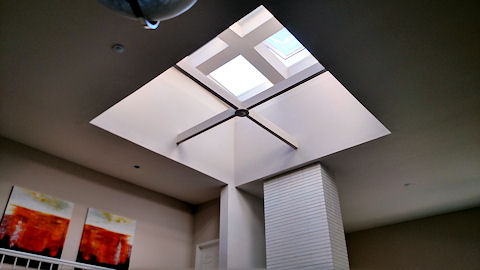
Category Archives: Garage Remodeling

Can You Add Skylights, Windows, Or Natural Light To A Garage Remodeling?

Key Takeaways

  • Turn your dark garage into an oasis of natural light! Incorporate windows, skylights, or solar tubes to increase natural light and visibility, creating a bright and inviting area that functions as a multifunctional and cozy hangout.

  • Incorporating natural light features increases energy efficiency by reducing dependence on artificial lighting and can potentially enhance property value through improved aesthetics and functionality.
  • So, lots of careful pre-installation planning is crucial for a successful and compliant installation. This means checking structural integrity, reading up on local building codes, and budgeting realistically.
  • Here’s how to select the type and placement of light sources! Insulated windows, vented skylights, or translucent panels to the roof could increase the amount of natural light, while addressing privacy, security, and energy efficiency needs.
  • By being thoughtful about moisture control, the sealing of materials, and ongoing inspection, you can avoid future complications such as leaks and water infiltration. This kind of proactive approach protects your new installation for years to come.
  • New strategic and advanced lighting concepts present great opportunities. Tactics like reflective surfaces, light shelves, and smart glazing optimize natural light for greater comfort and create a beautiful garage environment that makes spending time there more enjoyable.

To add skylights, windows, or natural light to a garage remodeling, most garages can take these upgrades with the right plan. Skylights add even more daylight from above, and new windows can be accommodated in walls that are non-load-bearing.

These adaptations go a long way in achieving local code requirements, reducing the energy footprint, and opening up the space. Others choose roof windows or translucent garage doors to let in extra light.

What builders would do, or should do, would be to inspect the wall type and roof shape before beginning construction. Well-placed windows or skylights will make the garage more pleasant and useful for activities beyond car storage, such as use as a gym or small workshop.

The second installment of this series explores the best ways to approach planning your garage renovation. Plus, what to look for and how to add them in properly!

Why Natural Light?

So, as you can see, natural light can be a game changer in determining how a garage will look and function. You might start using your garage as a workspace, gym, or improved storage. Daylighting will dramatically change the atmosphere of the space, and not just aesthetically!

Natural light pours in through large windows, skylights, and tubular skylights. This creates a brighter, more open, and generally more inviting space for everyday business, leisure, and recreation.

Benefits

  • Makes the garage look bigger and airier
  • Cuts down on artificial lighting costs
  • Adds warmth and coziness to the space
  • Boosts property value and curb appeal
  • Supports energy savings by reducing the need for artificial lights and, in some cases, heating.
  • Creates a more inviting spot for hobbies or work

A brightly lit garage can easily transform into a versatile living space, rather than serving solely as a place for vehicles or equipment. With the right natural light, the space can serve as a home gym, art studio, or even a social area, making it more useful to everyone living there.

Garage Use

If you’re one of the many who primarily use their garage for storage, abundant natural light makes it easier to locate and organize items more quickly. No more fumbling for a light switch or stumbling around while trying to find something in dark corners.

Low-cost hobbies can thrive in a workspace in the garage, whether it’s a DIY repair bench or a mini-home office, which is a bonus. Varying, harsh lighting creates more strain on the eyes and is not conducive to work requiring great detail.

If the garage doubles as a laundry area, sunlight can help dry clothes faster and keep the air feeling fresh. Each garage will have different considerations, so how you implement windows and/or skylights should depend on your primary use.

Tubular skylights are small enough to work in compact areas and don’t require any wall space. Full-size windows are best for side garages that face away from active streets. In every instance, daylight allows you to get more out of each square meter.

Well-being

A garage with little to no daylight can feel gloomy, but adding windows or skylights can lift your mood each time you walk in. Natural light is an important factor in maintaining positive mental health and increasing your overall sense of wellness, energy, and focus.

This is a huge benefit if you spend extended time working in your garage! When natural light fills a space, a simple garage becomes a peaceful oasis to unwind and explore your imagination.

Whether you’re working on a canvas, mending a bike, or simply organizing, a workshop flooded with natural light is a much more inviting environment. Even a short exposure to natural light can improve your mood. It’s beneficial in shaking off that closed-in feeling that dark, cavernous spaces often develop.

Energy Savings

Skylights or windows reduce the frequency of electric light use during the day. This translates to lower energy bills, particularly in sunnier regions.

Further, when positioned correctly, windows allow sunlight to stream into the garage, warming it during the colder months. It makes sense to design for insulation so that heat doesn’t escape in the cold months.

Don’t forget to add external shades to prevent overheating during hot months!

Pre-Installation Checks

Creating an effective source of natural light in a garage requires advanced foresight and planning. Every step requires a careful examination of integrity, code, expense, energy consumption, and water. Having a handy checklist ensures that everything is accounted for.

Structure

Inspect the roof and roof structures, as well as any walls. Identify good locations for windows or skylights. Especially in places where the material is weak or cracked, they should be repaired beforehand.

Consider the orientation of the garage and how much sunlight it gets. North-facing houses benefit from softer, even light, whereas south-facing houses could find their home uncomfortably warm on sunny days.

Ensure that the new window or skylight does not compromise the integrity of the building. Additional beams or structural supports may be required, particularly for historic garages or when creating large openings.

The existing roof should have sufficient depth for a skylight shaft and insulation. If heavy snowfall is frequent, don’t install skylights near roof valleys where snow may accumulate.

Many garages will require significant alterations, such as installing new piping for drainage or increased ventilation.

Codes

Every jurisdiction has some form of building code that governs the installation and performance of windows and skylights. These codes determine safety, dimensional, and energy standards.

Failure to comply may result in penalties or the need to reconstruct the work. Determine if you require a permit. Some places allow garage changes without much paperwork, but adding windows or changing the structure may need approval, especially in Conservation Areas or protected zones.

Codes are constantly evolving, so check local revisions before proceeding.

Budget

Budget C: Consider all of the costs associated with installation. List all costs: windows, skylights, labor, permits, insulation, and possible repairs.

Consider using higher-quality materials to increase performance and reduce the need for future repairs or replacements. If your installation ends up being significantly more expensive than anticipated, consider taking out a loan or signing up for a payment plan.

Often, measures such as structural improvements or improved insulation increase upfront costs, but save money over time.

Efficiency

Ensure that the new windows or skylights have wintertime insulating properties and summertime solar heat gain control features. Better insulation can lead to reduced utility costs.

Go for double-glazed or energy-rated glass. Choose designs that facilitate airflow, aside from keeping them out. An operable window or vented skylight can help cool the space and release moisture.

Moisture

Moisture is the greatest threat. Make sure to thoroughly seal all of the edges to prevent leaks. Since garages are typically not insulated, they can also become very moist.

Monitor humidity post-installation. After the installation, continue to monitor humidity levels. Choose non-rotting, non-rusting materials. This has helped maintain an active area and durable new assets.

Garage Lighting Options

With the right lighting, your garage will be safer, more efficient, and a more pleasant space to use in general. There are a number of lighting options available to homeowners that allow natural daylight into their garage and save on energy expenses. Each approach provides unique advantages when it comes to illumination, seclusion, and aesthetic adaptability.

Lighting Option

Key Benefits

Practical Considerations

Windows

Simple, cost-effective, improves ventilation

May affect privacy, needs secure placement

Skylights

Maximizes overhead light, aids ventilation

Risk of leaks, must be installed correctly

Solar Tubes

Even distribution, low installation impact

Limited by roof space and layout

Glazed Doors

Boosts light, enhances curb appeal

Must balance insulation and security

Translucent Panels

Diffused light, maintains privacy

Durability and installation quality matter

1. Windows

Garage windows are by far the most typical method of introducing daylight. Typically, owners will select windows that ensure security and privacy. They need them big enough to allow lots of bright light in.

From variety and design perspectives, windows are available in a wide range of configurations. Unlike skylights, fixed windows let in natural sun and are cost-free to operate, but they don’t open.

Operable windows, such as awning or casement, provide natural ventilation to help create a cool, pleasant garage. Placement is important; put windows on the sunniest wall but don’t cut structural building beams.

The reason is double glazing insulates very well, keeping heat and cold out. Many of today’s window products feature specialized coatings that minimize heat gain and filter ultraviolet (UV) light, increasing energy savings even further.

2. Skylights

Skylights, even small ones, can flood garages with natural light. They’re great in places where there’s not good wall access for windows. Solar-powered skylights, which come with remote controls, have become a hot new luxury item, for good reason.

Many vented skylights will additionally cool the garage on summer evenings. It’s important to note that installation needs to be on point—bad flashing leads to leaking.

Security is yet another concern. Impact resistant glazing makes it more difficult for thieves to break in.

Considerations For Homeowners

Homeowners should try to match skylight shape and frame color with the garage style for a seamless appearance. If skylights sound too dangerous, sun tunnels (or solar tubes) are another option. They capture sunlight through a shiny tube and bring natural light to pitch black areas.

3. Solar Tubes

Solar tubes, or sun tunnels, are a cost-effective, simple installation. They route sunlight from the roof to the garage with minimal heat gain.

Even a windowless corner can be cheered up by a good solar tube. The tube diameter and length will need to accommodate the size of your garage.

Most systems, however, are designed with sealed domes, making them less prone to leaking. Sun tunnels are great paired with lighter garage finishes to create a space that is bright and inviting.

4. Glazed Doors

Glazed doors add light, but keep security tight. Styles range from full glass to small inserts.

Energy-efficient glazing and strong frames matter. Balance looks, privacy, and safety for best results.

Strategic Placement

Strategic placement of windows and skylights will determine the amount of direct sunlight you’ll let into your garage. Where you put these features affects not only the light but how the space feels, its privacy, and safety. Making sure that placement is done strategically can go a long way in reducing energy consumption.

It optimizes natural light, which is important in garages with tall ceilings or stacked parking.

Light Maximize

The best way to get more sunlight in is to put windows or skylights where the sun hits most during the day. In this instance, east-facing home windows harvest morning sunshine, while those that are west-facing can focus on afternoon light. The same goes for skylights on the east or west side of the roof.

By incorporating reflective surfaces, such as light-colored walls or floors, diffuses the sunlight, flooding the entire garage with light. In some cases, the installation of light shelves can help to drive sunlight deeper into the garage. That way it’s not just making the part of the room around your windows bright.

Experiment with various locations for windows and skylights until you get the desired effect that suits your floor plan and flow.

Privacy Needs

Newsflash—privacy is important, even for parking garages. Using frosted glass or glass blocks prevents passersby from seeing in while allowing natural light to penetrate deep into the building. Strategic window placement increases privacy by placing windows out of view from the street or a neighbor’s property.

Window treatments such as blinds, shades, and curtains are effective when you need to reduce glare or improve privacy. If the garage faces a busy area, planting shrubs or adding a fence can make a natural barrier without blocking too much sunlight.

Security View

Windows or skylights can create vulnerabilities in the garages if not installed strategically. Position them where you can view them easily from the home or road. Simply ensure they’re not in locations that offer convenient access for burglars to gain entry.

Choose windows that are difficult to shatter and install locks or even alarms for additional security. Never compromise sightlines—make sure you will be able to monitor the garage from inside your house.

Functional Design

Consider storage and work space areas. Strategically position light sources to avoid casting shadows on shelves or workbenches. When the sun stops shining, overhead lights provide fill-in light.

When you do this, carefully plan your layouts, so windows and skylights align with tasks you perform in your garage.

Aesthetics

Ornate windows and skylights introduce dramatic touches. Choose styles and borders that complement your house’s aesthetic. Choose colors and materials that coordinate with your existing décor.

Natural light creates expansive views even in compact garages, giving the space an open and airy feel.

Installation Realities

Adding skylights or windows to a garage can change how the space feels, but the process is detailed and needs the right planning. Installation is the step that determines whether you’ll be enjoying years of trouble-free lighting, or scouring your budget for leak repair dollars.

Whether you take on the project or engage a professional, understanding the fundamentals will help ensure a quality installation.

DIY Route

You’ll save on labor costs if you install a window or skylight DIY. On top of that, you’ll have greater control over the whole project! If you choose this route, you’ll at least need access to saws, drills, levels, tape measures and safety gear.

You’ll require specialized materials for a proper fit, and to avoid future leaks. These are framing lumber, flashing kits, high quality sealants and insulation rolls.

Follow a comprehensive, no-fail guide to the installation. Getting it right from the outset begins with tight measuring—one wrong move could result in windows that are too big or small or skylights that will leak.

Create large openings in back garage wall or garage roof. Seal the area and install flashing kits along skylights to prevent water from creeping in. Know your skills in advance. If you run into a wall or find yourself uncomfortable, don’t force it.

Calling a professional early on can prevent costly mistakes and repairs down the line.

Professional Hire

Whatever you choose, hiring a professional installer will ensure less headaches and a greater likelihood of getting the job done right. Professional contractors have experience preventing leaks and water damage, particularly when cutting through your roof.

Seek out specialists in garage remodels, and request copies of their insurance and licenses—this protects you from any liability. Consider getting quotes from at least three companies to compare pricing.

She continues to explain, “Prices and services can vary widely—from simple installs to elaborate waterproofing and insulation.” Some experienced pros recommend incorporating skylights when a building is being re-roofed, saving both time and money.

Confirm the contractor is applying appropriate flashing and sealant. The initial expense is indeed more, but they act as much better deterrents to contaminants, leaks, and condensation, and even burglars.

Common Pitfalls

Most errors begin with inaccurate measurements, so always measure twice and cut once (in theory). Ignoring local building codes may not only stop the project in its tracks, but result in financial penalties.

Inadequate caulking or absent insulation leads to leaks, water damage, or energy loss, most noticeable after a storm with heavy rains. Using the incorrect flashing, or not adhering to guides word for word, can be a dangerous gamble.

Some users experience leaks within days of installing, while others claim to have used it for years without incident. A small mistake can result in expensive fixes, so focus on all of the details with each step of the installation process.

Waterproofing

Technique

Effectiveness

Notes

Flashing kits

High

Essential for skylights

Butyl/urethane sealant

High

Use on all seams

Membrane barriers

Medium-High

Extra step for wet climates

Sloped sill pans

Medium

Diverts water away

Identify leaks or water stains on the ceiling or walls. Protect your garage from serious water damage and expenses with quality drainage.

Advanced Lighting Concepts

Advanced lighting concepts ensure that even in a converted garage, natural light is fully utilized. These approaches marry innovative technology with intelligent design. They allow you to minimize manmade illumination while improving your space’s aesthetic appeal and ambiance!

With the combination of smart systems, light diffusion, and reflective technology, you achieve greater control of light sources, energy consumption, and comfort.

Light Shelves

Light shelves help by reflecting incoming sunlight further into the garage, illuminating the space beyond the window or skylight. They work wonders to make tight spaces, such as storage closets, feel more expansive and less cavelike.

The shelf needs to fit the aesthetic of the garage. By mounting it high on the wall, above eye level, it’s less of an eyesore and more obtrusive, though still effective.

Choose durable materials—like powder-coated metal or impact-resistant acrylic—for increased longevity and simpler maintenance. The proper shelf will transform the harsh summer sun into a gentle even wash of light throughout the room.

Reflective Tech

Materials like polished floors, white ceilings, and high-gloss wall paint help to amplify and diffuse light. Therefore, despite the possibility of including small windows or light tubes, the garage doesn’t feel very open.

You can apply reflective film or other light-enhancing coatings to walls and ceilings. This approach will deepen the daylight penetration into your project! Reflective tech reduces your reliance on additional fixtures and ceiling lights in daylight.

In the long run, that translates into energy savings and cost savings. In fact, an increasing number of today’s residences are employing these surfaces to help maintain bright, airy spaces without the need for dozens of glarey bulbs.

Some products, such as mirror-backed panels or modular wall tiles, are solely dedicated to redirecting sunlight into otherwise dark spaces. These are simple to install and fit nearly every garage layout.

Smart Glazing

Adjustable smart glazing on windows or skylights allows you to control the level of light entering a space based on the angle of the sun. Certain glass materials automatically darken in response to direct sunlight.

This feature significantly lowers glare and excess heat, making it essential for anyone who resides in an extremely hot environment and wishes to escape the greenhouse effect. This technology can be integrated with existing windows or as new skylights.

Beyond improving the coolness and brightness of the garage, it has cut cooling bills. Smart glazing isn’t inexpensive, but for many, the freedom, comfort, and level of control afforded by smart glass justifies the price tag.

Integrated Systems

By combining natural and artificial light, you’ll always have the perfect amount, day or night. Choose advanced controls that automatically adjust light levels for you, or allow you to manually adjust them yourself.

These systems usually conserve electricity by dimming lights during times of day when there’s ample natural light. This allows the garage to be used as a workspace or gym, for example.

Light Diffusion

Diffusion makes bright afternoon sun a beautiful, diffused light. Glass panels with a frosted finish or plastic diffusers are good options for this.

Experiment with various diffuser panels, films, or sheer roller shades. Discover which combination illuminates the parking garage while remaining easy on the eyes.

Conclusion

Looking to include skylights, windows, or additional natural light in your garage conversion? Measure your space, choose the correct location, and always comply with local regulations! Adding windows or skylights Natural light makes a big difference in the atmosphere of a garage. Not only does it reduce energy costs, but it improves mood and productivity. A window located above the workbench or a skylight located over the car space can add loads of light and fresh air. Plan for leaks and strong seals. Select glass appropriate to your intended use such as tempered or frosted glass. To get additional advice or if you’re not sure about something, consult a professional or contact the blog directly. Post your own garage lighting successes or queries with the community. The fun discussion is a great way for everyone to discover creative, intelligent solutions to even the wackiest garage transformation.

Frequently Asked Questions

1. Can I Add Skylights To My Garage During Remodeling?

Can I add skylights to my garage during remodeling. Careful, precise planning and professional installation ensures the safety and weatherproofing integrity of the structure. Skylights provide an excellent means of adding natural light, making your garage a cooler, brighter space.

2. Are There Building Codes For Installing Windows Or Skylights In A Garage?

Are there building codes for installing windows or skylights in a garage. Often, they will dictate the size and placement of windows, and/or require specific safety features. It’s important to always consult local regulations, and get the appropriate permits before making any installations.

3. What Are The Benefits Of Adding Natural Light To A Garage?

Natural light enhances visibility while reducing energy consumption and creating a more aesthetically pleasing area. From a functional standpoint, it prevents mold and mildew by allowing the space to dry out and stay fresh.

4. Do I Need To Reinforce My Garage Roof Or Walls For Skylights Or Windows?

In many cases, reinforcement will be necessary, particularly in older garages. Work with a qualified contractor to determine if your structure can accommodate new openings without compromising the safety and integrity of your home.

5. Are There Alternatives If Skylights Or Windows Are Not Possible?

Alternatively, you can incorporate cutting edge LED lighting, light tubes, or reflective surfaces. All three of these alternatives boost light levels and reduce power use without significant structural intervention.

6. How Do I Choose The Best Placement For Windows Or Skylights In My Garage?

Install them where they’ll receive the most possible daylight without causing direct glare. To achieve optimal results, take into account the garage’s overall layout, existing roof orientation, as well as how you intend to utilize the newly finished space.

7. Will Adding Windows Or Skylights Affect Garage Security?

Indeed, the more openings you add, the more security complications you invite. Install tempered glass, window security locks, and window coverings to deter thieves and keep prying eyes from seeing valuable items.

Your Dream Home Starts With Mares & Dow Construction – Let’s Create Something Amazing Together

Planning a home renovation or construction project in Concord, Walnut Creek, Pleasant Hill, or Lafayette? Whether you’re dreaming of a stunning kitchen remodel, a durable new deck, or a full-scale home renovation, choosing the right general contractor is the most important decision you’ll make.

With over 40 years of experience, our team at Mares & Dow Construction & Skylights has built a reputation for quality craftsmanship, transparent pricing, and exceptional customer service. We specialize in:

  • Home Remodeling – Transform outdated spaces into modern, functional, and energy-efficient areas that increase home value.
  • Decks and Outdoor Living Spaces – Create the perfect outdoor retreat with expertly crafted decks, pergolas, and patios.
  • Foundation Repairs and Waterproofing – Protect your home’s structural integrity with our professional solutions.
  • Custom Skylight Installations – Enhance natural light with innovative skylight solutions from a VELUX 5-Star Skylight Specialist.
  • General Contracting Services – From new builds to home additions, our skilled team manages every aspect of your project with precision.

Serving Contra Costa County, including Alamo, Danville, Orinda, Martinez, and San Ramon, we take pride in delivering exceptional results that exceed expectations. Whether you’re a homeowner planning a renovation or a property investor looking to enhance a home’s resale value, we ensure your project is completed on time, within budget, and with the highest level of craftsmanship.

Don’t settle for anything less than the best for your home remodeling, renovation, or construction needs. Contact Mares & Dow Construction & Skylights today for a free, no-obligation quote, and let’s bring your vision to life.

Disclaimer

The materials available on this website are for informational and educational purposes only and are not intended to provide construction, legal, or professional advice. You should consult with a qualified general contractor or industry professional for advice concerning any specific construction project, remodeling plan, or structural concern. Do not act or refrain from acting based on any content included on this site without seeking appropriate professional guidance. The information presented on this website may not reflect the most current building codes, regulations, or industry best practices. No action should be taken in reliance on the information on this website. We disclaim all liability for actions taken or not taken based on any or all of the contents of this site to the fullest extent permitted by law.

What Are The Most Common Garage Remodeling Mistakes—And How Can You Avoid Them?

Key Takeaways

  • And as with any major project, careful planning is the key to avoiding costly mistakes. Create comprehensive plans and protocols to avoid garage remodeling troubles right from the start!
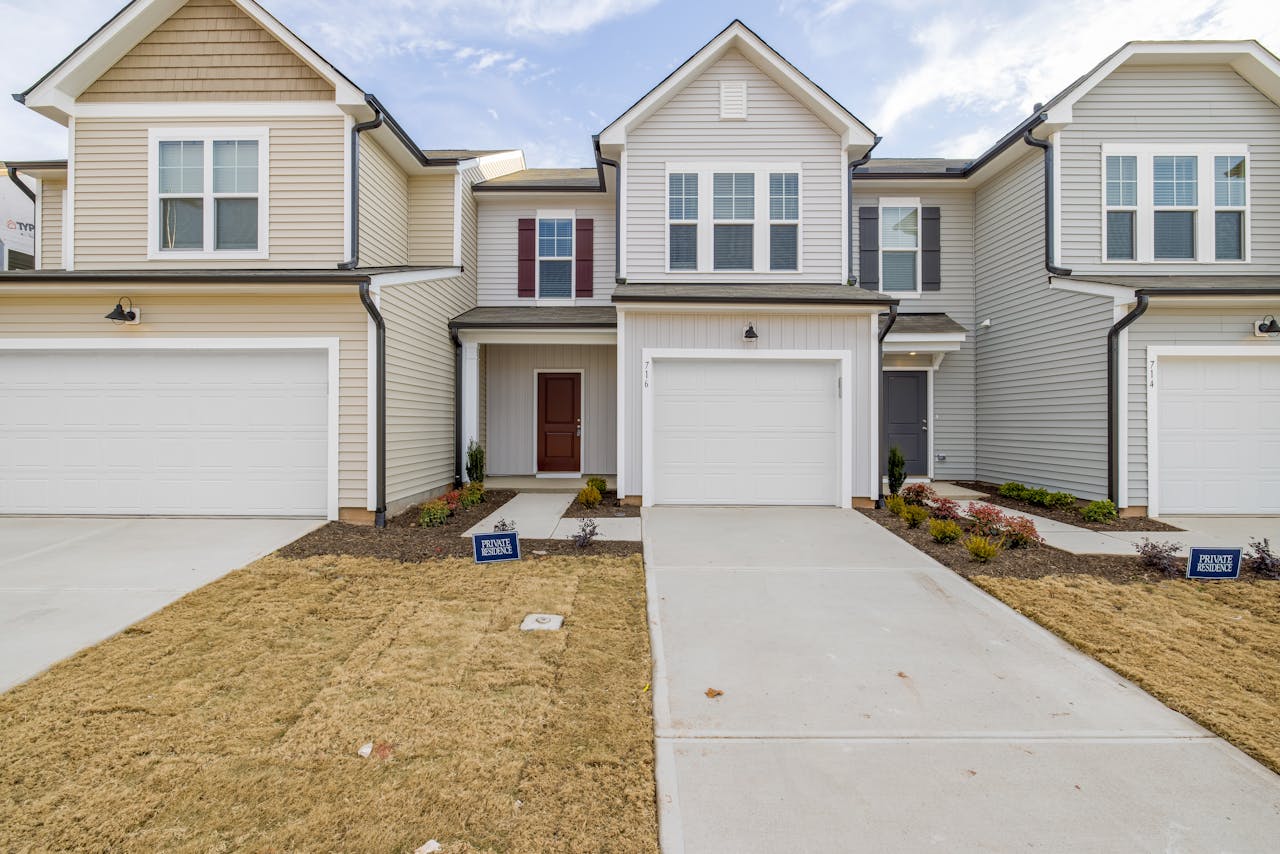
  • Tip #4: Have a realistic budget with contingencies. Keep a close eye on your costs during the entire process to avoid breaking the bank and going over budget on your remodel.
  • Getting all required permits and understanding local building codes from the start keeps your garage remodel above board and will save you from legal or timeline issues later.
  • Make sure to choose quality, experienced contractors to make the most of your garage renovation. This is why investing in the best quality materials increases their long-term value.
  • Focusing on the technical details first improves the comfort, safety, and usability of your garage space. Don’t overlook the importance of insulation, ventilation, electrical planning, and climate control!
  • Building adaptability into your plans makes sure your remodeled garage will be able to accommodate new needs as they arise in the future. Warranty protection and maintenance further protect your investment.

Regardless of the reason, here are the most common garage remodeling mistakes—and how you can avoid them.

Many make the mistake of choosing storage units that don’t work with the space or purchasing things without measuring first. Some make the mistake of using materials that are not moisture resistant, allowing for deterioration and destruction.

Inadequate lighting and poor electrical wiring are two commonly neglected features, making the garage difficult to utilize as a workspace or functional storage area.

In order to save yourself from these common mistakes, begin with a clear plan, measure the area, select storage that serves your purpose, and use durable materials. Good lighting and safe, up-to-code wiring contribute to the space’s value as well.

Our garage remodel series will outline the process and provide pointers for an easy garage remodel.

Common Garage Remodeling Mistakes

The common pitfalls of garage remodeling result in lost time, increased expense, and unsatisfactory outcomes. The majority of mistakes stem from a lack of planning, bad budget management, neglecting permits, or not hiring the right talent and materials. With a little planning, these common mistakes can be avoided, and any garage can be transformed into a functional, comfortable space.

1. Skimping Planning

Rushing into a garage renovation without a plan is one of the most common remodeling mistakes. Many projects fail because owners rush in, missing key details. A comprehensive site plan allows you to visualize changes in their entirety, providing the opportunity to avoid overlooking key elements.

So, give yourself time to think and write down every idea. Go back and iterate on what you envision for the garage space. Consult with your professionals—builders, architects, or designers—so that your vision is well-defined and appropriate.

Create a plan with a checklist to monitor key steps, such as measuring, ordering materials, and scheduling work. Our list helps you maintain that momentum.

2. Ignoring Budget

Decide on a budget and stick to it. Too many people underestimate their costs, or in the case of DIY work, the work can extend into infinity and cost even more. Include all possible expenses: labor, materials, permits, and tools.

Always budget for additional costs, as surprises will come. Break down your budget by researching the average garage remodel costs in your area and get competitive. Arm yourself with this knowledge to establish clear parameters to avoid going over budget.

It’s important to keep a close eye on your spending as the project progresses.

3. Skipping Permits

Permits are not a suggestion. Avoiding them can result in large fines or having to tear out work that doesn’t pass inspection. Each area has different requirements, so be sure to find out what is required before you begin.

Don’t wait to apply for permits—doing so can add significant delays to your project timeline. Partner with a well-respected contractor who is familiar with the codes.

Make sure to keep copies of all permits, should you ever need to provide them for appraisals or future repair work.

4. Choosing Poorly

Enlist a skilled professional to help with the remodel. Check out their completed projects. Get recommendations from other local remodelers to find the best names.

Don’t hurry the process.

5. Using Subpar Materials

Better quality materials last longer and are more aesthetically pleasing. Low-quality cabinets or make-shift, mismatched pieces usually don’t last long. This goes for storage, flooring, and insulation as well.

Consult with professionals to help determine what will best suit your needs and budget. Avoid using scraps or leftovers just for the sake of saving a few bucks.

Flawed Project Foundations

A successful garage transformation begins with an understanding of your goals and a solid foundation. So many missteps occur in these early stages, at great financial cost, effort expended for a lackluster outcome, or worse yet, an unsafe condition. Thoughtful planning—from overarching big-picture goals and objectives down to better technical details—helps keep the project on track and avoids major pitfalls.

Unclear Vision

Failing to clearly define the core purpose of your garage will lead to perpetual edits and misalignment. Storage, workshop, gym, or parking—all require completely different floor plans and functionalities.

Devote time to envisioning what you hope the garage will look and feel like once completed. Draw or design layouts with modeling apps to plan areas for equipment, machines, or collections. Flipping through renovation periodicals or globe design websites can generate suggestions that you would not intend to think of yourself.

Engage with your builders or architects as early as possible. They can identify flaws in your approach, such as over-allocating space to cars or neglecting necessary space for storage. Their feedback helps ensure your vision is actionable, and you prevent future regret.

Budget Gaps

It’s easy for many first-timers to miss an expense. Little improvements, like better lighting or insulation, or more outlets, cost a lot. Inventory everything – materials, labor, necessary permits, and finishing touches.

Safety features and quality insulation should never be optional, particularly for those who call home in places where temperature extremes are common. Create a contingency fund, 10–15% of your total budget, for unexpected costs.

Monitor your expenditures regularly and revise your plan as necessary if costs fluctuate. Having your contractor on the team prevents miscommunication and ensures everyone is working towards the same goal throughout the project.

Permit Oversights

Failing to obtain the proper permits can delay your project or result in costly penalties. Create a list of each permit you will require—such as electrical, structural alterations—according to your blueprint.

Obtain and apply for necessary permits early on. Local building codes are very dynamic! Follow along and always check with your local district office if you are ever in doubt about a particular rule.

Put all permits and approvals in one physical location where you can easily produce them if called for.

Weak Foundation Planning

Missing a good design for aesthetics can lead to expensive retrofits down the line. Assuming the previous framing will be sufficient to support drywall or new shelving without cracking or sagging typically fails.

If you intend on adding large features, such as a stone waterfall, inspect the foundation and framing with a qualified professional. Using cheap materials can save money upfront, but lead to increased expenses in the long run.

Insulation should match your garage’s new purpose—workshops require more than basic storage. Provide enough wiring and outlets at the outset, considering future needs for power tools or EV charging stations.

Critical Design Oversights

A garage conversion is one of the most impactful improvements that can add value and usefulness to a home. Cutting critical design corners can result in lost federal funds, disastrous user experience, and potentially legal nightmares. Many errors arise from poor design considerations. They are equally born from a failure to appreciate technical requirements or a disregard for the minutiae that create an environment that is functional and welcoming.

Inefficient Layout

Additionally, a thoughtful garage layout is important. Too many homeowners embark on a project without well-organized plans, leading to tight pathways, obstructed access, and corners that aren’t utilized. Look at the layout and operations before picking up a wrench.

Plan where vehicles, equipment storage, and staging areas will be located. Use design software to lay out your various options, or reach out to a designer if you’re not confident in that work. Creating designated zones for parking, tool storage, or a workbench for a hobby can prevent the space from becoming cluttered.

Without this, even the most costly upgrades will be inadequate. Never ignore local building codes and requirements for permits before constructing—doing so can result in fines or an expensive rebuild.

Inadequate Lighting

Inadequate lighting is a typical design oversight. Garages usually have one central ceiling bulb, which makes it impossible to utilize a workspace with dark corners. Replacing dim incandescent lights with bright LED bulbs can make a huge difference in the look and use of the space.

Wherever you can, introduce windows or skylights to allow natural light to flood the space. Lighting the majority of the space by day allows for safer and more enjoyable everyday use. Include task lighting over benches or laundry stations to facilitate detailed tasks.

Dimmable fixtures are a great way to customize the mood if the space serves as a fitness studio or lounge.

Neglected Storage

Failing to plan for storage creates chaos and consternation. It can help to begin by making a list of what you’ll want to store—maintenance tools, bikes, seasonal gear, or supplies. Custom cabinetry or shelving units that go all the way up the wall take advantage of vertical space.

Cutting corners on quality to save a few bucks is the number one way to be disappointed—cheap cabinets will sag under the weight or break. Consider planning for future use, not just the immediate past use that’s currently in storage.

With proper organization, everything is conveniently stored and accessible. Remember to include insulation and ventilation if you’ll be keeping paint, electronics, or other sensitive items in storage.

Ignoring Aesthetics

Ignoring aesthetics is a common mistake. Aesthetics are important. Choose colors, materials, and finishes that are compatible with your home’s architectural style.

Consider some easy-to-decorate items such as decorative wall hooks or framed artwork to add a little flair and personality. Go for a design that complements your overall home style.

Even a small amount of tasteful green space around the garage will go a long way in providing curb appeal.

Execution Phase Hurdles

Garage remodels are particularly prone to issues during the execution phase. Most problems are the result of poor foresight, choosing the wrong support, or choosing subpar materials. Some results from homeowners attempting to go above their skill level or completely avoiding steps, for example. Avoiding these hurdles and knowing how best to sidestep them will save plenty of time, money, and future headaches.

Wrong Contractor

Picking the wrong contractor may be the second most significant risk. Begin by interviewing multiple professionals, rather than just one, and inquire about their experience with garages in particular. Some contractors might be great at kitchen or bath buildout, but don’t have the experience for garage framing or insulation.

Look them up online to verify their licenses and request to see photos or references from recent projects. Provide written estimates with specifics spelled out. These should include timelines, costs, warranties, and the scope of work.

Look beyond the bottom line. Compare more than just the price, but what’s included—some estimates leave out preparation work or clean up. Ultimately, you have to go with your instincts. If a contractor is evasive or brushes you off, move on.

Inferior Materials

This one is hard to believe, but true. Some homeowners go for inexpensive cabinets or laser-thin drywall. These materials aren’t able to provide the deflection and load-bearing capacity—they sag, break, and/or fail.

Identify replacement materials that can improve resilience, such as steel for limestone cabinets or moisture-resistant drywall. Inquire about warranties, and don’t shy away from challenging vendors or your general contractor on the expected lifespan of products.

Consulting professionals can assist in selecting materials that will best suit your garage’s intended purpose. For instance, if you’ll be regularly using power tools or heavy machinery, you’ll need sturdy shelving and finished floors.

Cutting corners on materials can lead to expensive maintenance and repairs in the future.

DIY Pitfalls

As fun and attractive as some do-it-yourself projects can be, experience and expertise count. Be real about whether or not you’re prepared to do the labor. Begin with smaller projects like painting a room or adding floating shelves before committing to anything that involves wiring or framing.

Most get in hot water on electrical, insulation, or structural modifications. Use online, step-by-step guides, video tutorials, and verify that you understand basics such as operating in metric and using safety standards.

I’ve been shocked to learn how many DIY remodels end up exceeding budget or timetable. Almost 40% of homeowners have been left wishing they had tried a DIY project after realizing how much work would be involved.

Understand when it’s time to call in a pro, particularly for electrical, HVAC, or structural work.

Communication Gaps

Don’t stop communicating with your contractor. Talk through any amendments at the outset and formalize them in writing. Request high-level updates consistently.

Keep participating.

Overlooking Technical Essentials

Garage conversions sometimes backfire when technical essentials are overlooked. Insulation, ventilation, electrical design, and climate control are essential if the garage is more than a storage unit. Bad planning in this area can result in spaces that are uncomfortable, unsafe, or expensive to retrofit in the future.

Poor Insulation

Most garages are not insulated, leading to uncomfortably hot temperature swings in summer and unwanted noise infiltration. In areas where a highly thermal envelope is required, use materials such as rigid foam or fiberglass batts. This prevents the garage from getting too hot in the summer and too cold in the winter.

If you use the garage as a workshop or gym, make sure to seal cracks and gaps. This will eliminate drafts and maximize your energy savings! Increasing acoustic insulation can significantly reduce high-frequency noise, resulting in a quieter place to work or pursue other interests.

We recommend choosing the insulation based on how you plan to use your garage. What works for basic shed storage is not going to suffice for an attractive, usable home or workspace!

Bad Ventilation

The biggest pitfall… Bad airflow is typically the biggest mistake. Some wall vents or an exhaust fan can help keep humidity down and prevent smells from developing. As much as possible, choose windows that can be opened.

This allows for natural ventilation, fresh air, and daylight, keeping the environment mold and mildew-free. Monitor humidity levels, particularly in damp or cooler climates.

Consider the floor plan arrangement for free airflow to circulate, preventing obstructed corners or cluttered storage.

Electrical Deficiencies

Over half of the remodeled garages required upgraded electric service. Itemize every potential use—charging power tools, operating a mobile mini-fridge, or using mobile heavy machinery. Old wiring and insufficient outlets are no longer acceptable, so modernize.

Follow all applicable safety codes, including federal, state, and local regulations. Electrical deficiencies add additional outlets and circuit design for additional lighting if you’ll be working or occupying it.

Planning for future needs now prevents heartache and expense down the road.

Ignoring Climate Control

Garage comfort takes a nosedive when you forgo climate control. Choose a heater or small air conditioner appropriate to your space and requirements. Energy-efficient models do help keep bills low.

Proper insulation and airflow are important elements of climate control. Be alert to sudden temperature changes—these can affect tools or stored equipment.

The Long-Term Remodel Impact

When it comes to a garage remodel, you’re not just improving your home’s appearance or increasing its resale value. It can improve your home’s value, improve your everyday comfort, and future-proof your property. When you plan with a long-term perspective, you can sidestep seven expensive blunders most people make.

This extends even to things like insulation and avoiding necessary permits! Those seemingly small decisions made in the short term can have long-lasting impacts on resale, maintenance, and future flexibility.

Future Adaptability

A wise remodel leaves possibilities available. This is a common source of regret, as many homeowners wish they hadn’t boxed themselves in with single-use layouts. Instead, work to incorporate sliding walls, open shelving, or mobile workbenches.

This allows you to relatively easily convert a gym into a workshop or turn a lounge area back into parking. If your remodel includes flexible lighting and outlets, it will be easier to add charging stations or workspace in the future.

Create a safety buffer in the budget—a minimum of 20%—for new requirements or technology that may be needed and will arise. Trends change; today’s hobby room may be converted to a home office in just a few months, so ensure flexible space and enough power for future improvements.

Garage conversions are difficult to heat to cool effectively. If you plan on livable space in the future, plan for additional insulation and vents now!

Resale Value

With the right selections, remodels can increase home value, and conversely, the wrong decisions can decrease it. Homebuyers still expect a garage to function well as a garage—parking and storage—not just as an auxiliary bedroom.

An expensive addition that eliminates all parking at a property—say an in-home office or playroom—might deter potential future buyers. Put your remodel dollars towards items with proven long-term resale value, such as replacing your garage door, which returns an average of 94.5% of your initial cost.

No one hates good lighting, intelligent storage, or easy-care floor coverings, after all. Keep a record of any work with photos and receipts so that buyers can see what’s been updated and up to code.

One important note—bypassing permits or federal and local building regulations is a serious gamble. Unpermitted work can result in hefty fines imposed or even requiring you to reverse the remodel. It’s better to know what’s required before you begin.

Ongoing Maintenance

With such a big investment made in the remodel, ongoing maintenance of the garage should be a priority. Consider how often you’ll need to clean and inspect for leaks, cracks, or pests.

Consider the longevity of materials. When selecting materials that are more durable (such as steel doors or epoxy floors), consider the costs of replacement and maintenance.

Professionally inspect insulation and ventilation regularly—homeowner comfort and indoor air quality hinge on the two. Get educated on how to maintain each aspect, and remember that regular maintenance now can prevent major repairs down the road.

Warranty Neglect

Check all warranties on doors, flooring, and installation labor before acceptance. Store documents where they will be easily accessible.

Remind yourself to check periodically, as some warranties require evidence of maintenance. Repair issues promptly—delaying repairs may result in loss of coverage.

Conclusion

Garage remodels require detailed plans and careful attention to the minutiae. In a hurry, they fail to follow the procedure, use the wrong tools, or forget to do important checks such as wiring or airflow. Making the right decisions from the beginning will help avoid spending a lot of extra money and undue stress down the road. Choose durable storage, monitor power requirements, and address any water damage immediately. Consider your goals for the space—workshop, gym, or simply extra space. Do your best to learn from those who have succeeded before you or consult an expert who knows their business. Your garage has the potential to be so much more than an oversized car holder. Looking to create a smart garage of your own? Post your design idea or request for advice in our forum of Garage Enthusiasts. Share your hard-won experience below, and let’s all make garage projects easier and avoid the common pitfalls.

Frequently Asked Questions

1. What Are The Most Common Mistakes In Garage Remodeling?

The most common mistakes include poor planning, ignoring structural issues, skipping permits, poor lighting, and overlooking storage needs. Nailing these down from the start will make for a much smoother project and a more successful space.

2. How Can I Avoid Design Mistakes During A Garage Remodel?

Begin with a well-defined plan of action. Hire an expert, rely on correct measurements, and give consideration to form and function. This way, you can avoid the expensive reconfiguration down the line.

3. Why Is Proper Ventilation Important In A Remodeled Garage?

Proper ventilation keeps moisture from accumulating, which can lead to mold and other issues, including compromised air quality. Make sure you install vents or windows so that the space—no matter what you ultimately decide to use it for—stays healthy and comfortable.

4. Do I Need A Permit For My Garage Remodel?

Do I need a permit for my garage remodel? To avoid costly fines and work delays, always consult local regulations and obtain necessary approvals before starting work.

5. How Can I Maximize Storage Space In My Garage Remodel?

Install vertical shelves, wall hooks, and cabinets to store tools and gardening equipment. Develop a storage plan from the outset so you can make the most of every inch of space.

6. What Technical Essentials Should I Focus On During Remodeling?

Make sure your electrical wiring is safe, insulation is on point, and lighting is adequate. Engage licensed professionals for all technical work performed to ensure safety and compliance.

7. What Long-Term Factors Should I Consider Before Remodeling My Garage?

Select durable materials, have the future in mind, and keep things accessible. This not only protects your investment, but it ensures your garage continues to serve your needs for many years down the road.

Your Dream Home Starts With Mares & Dow Construction – Let’s Create Something Amazing Together

Planning a home renovation or construction project in Concord, Walnut Creek, Pleasant Hill, or Lafayette? Whether you’re dreaming of a stunning kitchen remodel, a durable new deck, or a full-scale home renovation, choosing the right general contractor is the most important decision you’ll make.

With over 40 years of experience, our team at Mares & Dow Construction & Skylights has built a reputation for quality craftsmanship, transparent pricing, and exceptional customer service. We specialize in:

  • Home Remodeling – Transform outdated spaces into modern, functional, and energy-efficient areas that increase home value.
  • Decks and Outdoor Living Spaces – Create the perfect outdoor retreat with expertly crafted decks, pergolas, and patios.
  • Foundation Repairs and Waterproofing – Protect your home’s structural integrity with our professional solutions.
  • Custom Skylight Installations – Enhance natural light with innovative skylight solutions from a VELUX 5-Star Skylight Specialist.
  • General Contracting Services – From new builds to home additions, our skilled team manages every aspect of your project with precision.

Serving Contra Costa County, including Alamo, Danville, Orinda, Martinez, and San Ramon, we take pride in delivering exceptional results that exceed expectations. Whether you’re a homeowner planning a renovation or a property investor looking to enhance a home’s resale value, we ensure your project is completed on time, within budget, and with the highest level of craftsmanship.

Don’t settle for anything less than the best for your home remodeling, renovation, or construction needs. Contact Mares & Dow Construction & Skylights today for a free, no-obligation quote, and let’s bring your vision to life.

Disclaimer

The materials available on this website are for informational and educational purposes only and are not intended to provide construction, legal, or professional advice. You should consult with a qualified general contractor or industry professional for advice concerning any specific construction project, remodeling plan, or structural concern. Do not act or refrain from acting based on any content included on this site without seeking appropriate professional guidance. The information presented on this website may not reflect the most current building codes, regulations, or industry best practices. No action should be taken in reliance on the information on this website. We disclaim all liability for actions taken or not taken based on any or all of the contents of this site to the fullest extent permitted by law.

What Are The Top 10 Design Trends For Garage Remodeling In 2025?

Key Takeaways

  • Garage remodeling in 2025 emphasizes the integration of smart technology, sustainable materials, and flexible design solutions, ensuring spaces are both modern and adaptable to evolving homeowner needs.
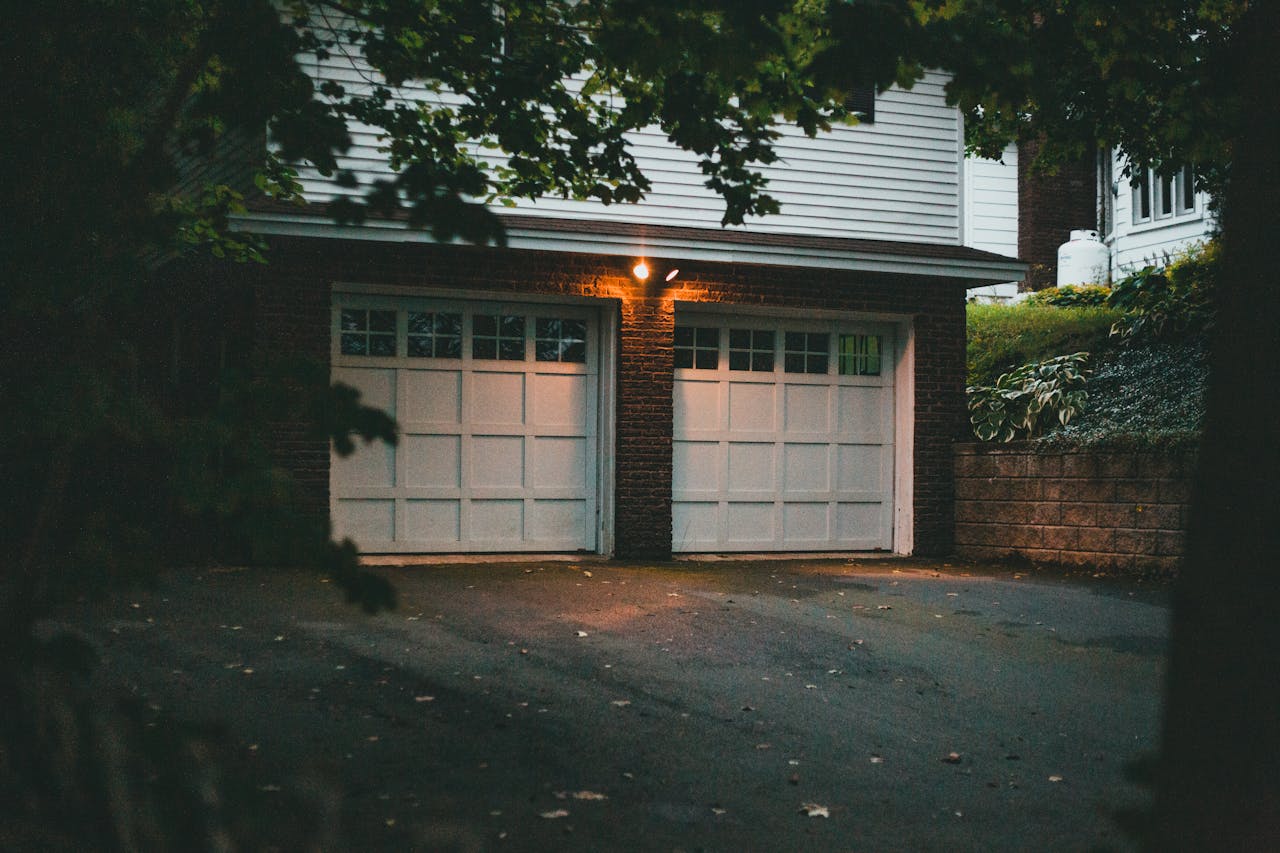
  • Being environmentally friendly, with features like solar panels and recycled materials, creates an energy-efficient garage and matches the world’s growing shift to sustainability.
  • Smart hubs and advanced security systems offer enhanced convenience, safety, and remote control, reflecting a shift toward technologically driven garage environments.
  • Design trends focus on multi-use areas. Today, garages are a great place to create workspaces, fitness studios, or hobby zones, adding value to the property and improving daily life.
  • Focal points created with intentional color palettes, textures, and lighting add layers of beauty and intrigue. Utilize durable finishes. As we’re all too aware, garages are rough and tumble spaces.
  • Smart and successful garage remodels take planning and consultation with qualified professionals. Consider safety, accessibility for all ages and abilities, and future-proofing designs to provide enduring value for a range of lifestyles.

Smart storage solutions, multifunctional spaces, and energy-efficient upgrades are among the top trends shaping garage remodels in 2025. Homeowners today want garages that do more than just house vehicles. They desire built-in cabinets, wall-mounted racks, and workbenches for quick access and convenient functionality.

Lighting, flooring, and sustainable materials are the primary choices. With home gyms and home offices topping many wish lists, open layouts and quality insulation have become recent priorities. Tech upgrades such as smart garage doors and climate control enhance both safety and comfort.

Clean, minimalist exteriors in subtle colors with concealed electrical elements continue to trend. Whatever your needs or budget, these trends will accommodate them. We revisit our original list of trends to illustrate how these smart design choices benefit people and the planet.

Further, it offers design advice to create the ideal garage for 21st-century living.

Why Remodel Garages?

Garage remodeling is hot these days. After all, purpose and care are qualities that more homeowners are seeking in any space they create. The garage was formerly a haven for junk and automobiles. Now, it has true potential to increase a home’s value, function, and aesthetic charm!

Today’s hottest trends in garage remodeling showcase why these renovations are important and how they cater to today’s lifestyles.

Benefit

Functionality

Property Value

Organization

Versatility

What Changes

Better storage, improved access

Higher resale, buyer appeal

Decluttered layout, custom shelves

Multi-use: gym, office, pet zone

Why Important

Makes daily tasks easier

Attracts more buyers

Quick to find tools, gear

Supports hobbies, work, and play

Global Impact

Useful in cities, suburbs

Universal boost in value

Fits small, large spaces

Adapts to family needs

Increase Property Value

Remodel your garage with these smart, affordable upgrades! Built-in shelves, energy-efficient lighting, and a well-insulated door keep your space organized, make your home more energy efficient, and improve your entire property’s appeal to buyers.

The majority of buyers are seeking a home where they don’t need to do additional renovations. If you’ve spent a ton of money advertising your home, you want buyers to see a beautifully designed, finished space that doesn’t need any work.

Sure, curb appeal is important, but nothing says custom quite like a remodeled garage. Buyers see this as proof that the owner has truly invested in the care of the home. Even minor modifications can provide a robust return on investment! If you want to do a little less, think about a new paint job or flooring.

Create Organization And Efficiency

A disorganized garage not only squanders valuable space but hampers your daily routines with unnecessary searching. Custom storage racks, wall-mounted hooks, and modular cabinets allow you to store tools, gear, and bikes all in an orderly fashion.

These renovations allow homeowners to regain lost floor space and more easily find the items they are seeking. Having an organized garage will help you feel less overwhelmed because it will eliminate a lot of the clutter.

For families or shared living situations, labeled bins and shelves ensure that it’s easy for anyone to return items to their proper home.

Enhance Versatility For Modern Living

Today’s garages are being transformed into versatile spaces. Homeowners are turning their garages into home offices, gyms, or creative studios. With the increase in remote work, the quiet, well-lit space found in a garage office can significantly improve concentration and comfort.

We see homeowners build playrooms for their children or areas for the care of their pets. They opt for easy-to-clean floors and add built-ins for leashes or toys. This change allows the garage to be a better reflection of its owner’s needs, hobbies, and style while providing true utility to the home.

Support Lifestyle And Personalization

Remodeling opens the door for homeowners to customize their garage for how they want to live. Whether that means a home theater for family fun, a workout space, or just a spot to tinker with hobbies, the options are wide.

Some go so far as to incorporate pet-friendly amenities such as a washing station or sleeping nook. These options provide greater flexibility and help families, couples, and singles make the most of their space. They show that every square foot can be loved!

2025 Top 10 Garage Designs

1. Multi-Functional Spaces
Garages are no longer just for parking—they’re becoming workshops, home gyms, offices, and even guest rooms. Flexible designs allow spaces to serve multiple purposes.

2. Smart Garage Technology

Integration of smart garage doors, automated lighting, climate control, and security systems for convenience and energy efficiency.

3. Eco-Friendly Materials & Energy Efficiency

Use of sustainable materials like recycled wood or bamboo, energy-efficient LED lighting, solar panels, and enhanced insulation for greener, cost-saving garages.

4. Bold Flooring Options

Durable and stylish floor coatings like epoxy, polyaspartic, and polished concrete with patterns or colors that complement the home’s aesthetics.

5. Maximized Storage Solutions

Custom cabinetry, modular shelving, overhead racks, and smart storage systems that adapt to changing needs while keeping the garage clutter-free.

6. Integrated Lighting Design

Layered lighting with bright task lights, motion-activated LEDs, and natural light through skylights or windows to improve functionality and ambiance.

7. Climate Control And Insulation

Enhanced insulation paired with ductless HVAC or smart ventilation systems to make garages comfortable year-round.

8. Garage Door Makeovers

Modern garage doors with sleek designs, smart operation, insulation, and materials that boost curb appeal.

9. Clean, Minimalist Aesthetic

Streamlined designs with neutral color palettes, hidden storage, and minimal clutter for a polished and modern look.

10. Personalized Workstations And Hobby Zones

Tailored workbenches, tool walls, and dedicated hobby corners that reflect the homeowner’s lifestyle and interests.

Material Evolution

Today, material selections dictate how garage spaces are used and how they look. Remodeling trends demand a combination of durability, design, and eco-friendly materials. Design at times takes the form of graceful lines, clever tricks, and green technologies.

The chart below outlines the major advancements in garage materials of all types, with an emphasis on long-term durability, maintenance requirements, and environmental footprint.

Material

Durability

Maintenance

Sustainability

Steel Doors

High

Low

Recyclable

Reinforced Glass

High

Moderate

Long lifespan

Polycarbonate Panels

Moderate–High

Low

Energy efficient

Eco Coatings (VOC-Free)

High

Low

Non-toxic

Insulated Panels

High

Low

Energy saving

Epoxy Coatings

High

Moderate

Varies (some eco)

Durability

Today’s garages need modern materials that are built to resist the repeated traffic of everyday use. Steel doors, for instance, combat denting and warping, an important factor in regions experiencing extreme temperature changes.

Through the use of reinforced glass, security is achieved without sacrificing a sleek, modern appearance. Today, polycarbonate panels are the popular choice for introducing beautiful, diffused natural light while being engineered for impact resistance and UV protection from the sun’s damaging rays.

High-performance, long-lasting finishes such as advanced powder coatings and high-end epoxies are designed to resist staining, scratching, and fading. Homeowners are likely to notice when Onbrand’s warranty lasts twice as long as another brand’s warranty.

A longer warranty period signals better standards for the material and offers more assurance of durability.

Aesthetics

Visual appeal goes hand in hand with careful design and placement of garages. Employing similar colors and materials can help tie the garage into the overall aesthetic of the home. Many opt for neutral or monochrome palettes that give a minimalist vibe, with matte metal or frosted glass for a high-end finish.

Architectural details, like flush concrete panels or concealed hinges, are now being employed to mimic contemporary construction. Matching the garage exterior to the main home, not only through architectural details but also materials and finishes, helps everything appear cohesive.

Especially in smaller spaces, clean lines and open surfaces steal the show! To make these all-important connections, they produce a fresh, contemporary aesthetic that just looks current.

Eco-Options

Materials that are more ecologically friendly, like VOC-free coatings and recycled steel,l ae quickly becoming favorites in garage remodels. These moves help eliminate the cost of pollution.

They serve to make the secondary space safer, which is particularly true if the garage is used as a workshop or hobby space. Sustainable options such as insulated doors and smart lighting play a role in improving energy efficiency, too.

Polycarbonate panels, used effectively on the St. Both of these options move us towards less waste and more savings from lower energy bills in the long run for homeowners.

Palette & Texture

An intelligent palette and medley of surfaces provide the groundwork for any garage transformation. Palette and texture color and texture choices can significantly help set the mood and underscore design features. They can help the garage become an actual extension of the home!

Combine rustic textures with a touch of opulence. Combine materials such as wood and metal, and choose warm, rich colors to increase both comfort and sophistication!

Color Impact

Color affects our perception of spatial qualities. Brighter, paler colors like light gray or white can give the illusion of added space by creating a more open and tidy appearance. Dark colors – such as a rich brown or slate – are timeless.

Further, they provide richness and warmth—these colors are beautiful in colder, more northern climates. Whether used on a feature wall or as an accent, bold colors instantly add vibrancy and character to the environment.

Bright blue cabinets or a rich red tool chest pop and make the garage a conversation-starting showpiece. Maintaining a palette with the latest color trends in mind, like moss green or sand beige, helps maintain a contemporary and up-to-date appearance.

Finish Choices

Durability finishes are especially important in garages, considering the high amounts of use. Matte finishes conceal fingerprints and create a velvety appearance, whereas glossy finishes reflect light and offer a polished touch.

High-gloss finishes are simple to maintain but prone to scratching, so consider the amount of traffic and use when choosing a finish. For instance, textured finishes, such as faux wood panels or stone-look tiles, bring an inviting touch.

These pair beautifully with metal open shelving or glass front cabinet doors for a fresh, contemporary aesthetic. If the rest of the home is matte wood or brushed metal, carry those materials into the garage. This will ensure an easy transition from one area to the next!

Texture Blending

Earthy textures—maybe wood-look tiles or elegant natural stone—add warmth and make the garage feel more welcoming, less utilitarian. Combining these with polished, high-end finishes produces a refreshing contrast that easily attracts the eye.

Polished metal handles or glass insets contribute to a sense of depth. Combining matte and shiny textures, like combining a gritty concrete block wall with a high-gloss white floor, creates visual tension.

This combination prevents the room from being one-dimensional and creates a more interesting space.

Contrasting Elements

Contrast is often the best way to bring out the most important features. Even something simple, like a dark accent wall behind storage shelves, for instance, creates a nice contrast and makes their overall design pop.

Playful contrasts between matte and gloss, wood and metal add interest and help the design feel tactile, like the best sculptures. Small touches matter.

A variety of materials and finishes keep the garage from looking like an afterthought and instead make it an extension of the home.

General Marketing

Project Blueprint

A project blueprint is a technical diagram or outline. It clarifies objectives, scope, timelines, and budget for all projects from garage remodel to complex infrastructure improvement.

This guide will assist homeowners, contractors, and other stakeholders in developing a better understanding of TDLR’s inspection process. This protects against potential liability and ensures that lines of communication remain open.

By establishing a record of design decisions, enumerating salient features, and keeping a running tab on the overall cost, a blueprint facilitates consistent advancement and prevents expensive stalling.

Initial Steps

  • Assess current garage condition and usage
  • Define project goals and must-have features
  • Set a realistic timeline for each phase
  • Identify budget limits and contingency funds
  • Research permits and local regulations

Collecting design inspiration from current trends—such as energy-efficient retrofits, integrated smart storage, and adaptable work-from-home spaces—provides guidance and ignites innovation.

A bit of ingenuity overcomes most hurdles, like adapting the style of modular shelving and glass-panel garage doors to whatever aesthetic. Engaging with architects or renovation specialists helps to ensure that the scope of the project aligns with the resources and expectations at hand.

Certain areas may need permits for electrical or structural alterations, so investigate local regulations well in advance to avoid potential setbacks.

Key Factors

  • Space optimization
  • Energy efficiency options
  • Storage solutions
  • Safety measures
  • Accessibility features

Using the available footprint, optimizing the layout is crucial. Almost every garage can take advantage of vertical storage, like a foldaway workbench, to clear floor space.

Consider how the remodel will need to evolve in the future, such as adding an electric vehicle charging unit or a new home gym. Safety first—add slip-resistant flooring, plenty of lighting, and good ventilation, especially in rooms where fumes or dust can build up.

Expert Advice

Like any great contractor, experienced contractors will tell you to establish clear project milestones and refine the blueprint as work gets built. Common errors like underestimating costs or failing to fulfill inspection requirements can result in costly repairs.

Leverage resources from home improvement professionals—most provide free tutorials and worksheets that make planning quick and easy. Follow the Advanced Buildings blog for more garage door innovations!

Insulated panels and Wi-Fi or app-enabled openers make a big difference in terms of functionality and value.

Documentation

Make documentation simple and concise. Show changes tracked. Collected in a detailed project blueprint, this document serves as a roadmap for design specifications, milestones, and expenditures.

Provide regular communication for all members of your team. Revisit the blueprint when things go off plan. Honesty breeds better outcomes.

Lifestyle-Driven Garages

Lifestyle-driven garages: More than just car storage. These spaces are now adaptable to a wide variety of lifestyles and showcase the owner’s passions, professional workflow, and wellness aspirations.

These last few years, the shift toward lifestyle-driven garages has accelerated. It’s on track to continue expanding in 2025, fueled by the remote work trend, pandemic health concerns, and demand for adaptable living environments.

Work-Life

Today, many garages serve as home offices or hobby spaces. As remote work becomes the norm, the garage can provide a focused area, just like that second bedroom used to be.

To create a productive workspace, you’ll want some durable workstations and comfortable task chairs. Intelligent designs can make the most of each square meter! An effective work space minimizes distractions and allows you to mentally hone in.

Lighting, lighting, lighting. Lighting is important. People living in the home install skylights, large windows, and dimmable lamps to improve lighting and reduce eye strain.

Ventilation is equally important! Environmental controls such as fresh air systems and fans help make sure the air stays clean, even when you’re working with paints or other tools that emit vapors. Many households have resorted to using foldable desks or rolling storage to transition work projects into leisure activities in a matter of minutes.

Wellness

The home fitness trend continues to soar, and millions are converting their garages into home gyms or yoga studios. Durable, non-slip floors and proper air circulation are just the beginning of creating a safe and comfortable environment.

Color selection is equally important—muted greens or blues, combined with natural elements like wood or stone, create an environment conducive to relaxation and wellness. Others introduce meditation corners, stretching mats, or even mini saunas.

These spaces provide a touch of escape without ever having to set foot outside your front door. Shelving for mats, dumbbells, and water bottles ensures a clean, functional workout space.

Pet Comfort

With so many garages doubling as pet playrooms, it’s important to include their needs in your design. Owners can establish feeding stations, wash areas, or play pens with durable, fluid-resistant flooring and surfaces that are easy to clean.

These aspects help the area be safer and more enjoyable for pets. Built-in cabinets or bins provide easy storage for food, leashes, and toys, so they’re not always getting misplaced.

Even modest additions, such as pet beds or pet ramps, can help create a more comfortable and enjoyable environment.

Community

Without a functional design, some garages just turn into places to hold small parties. Emphasizing natural light and open layouts, these spaces are perfect for game nights, creative clubs, or family gatherings.

A portable collapsible table and stackable chairs allow the space to transform when necessary. Adding a mini fridge or music system goes a long way, too.

Conclusion

Garage design in 2025 is clean, intelligent, and designed for living in. People have shifted to needing spaces that accommodate a new rhythm of work, play, storage, etc. Stark trends such as glass garage doors, immaculate white paint, and green technology illustrate that garages are doing double duty these days. Durability goes a long way with hard floors, efficient cabinetry, and adjustable lighting providing maximum impact with minimal effort. Most choose striking colors or muted wood tones to create an atmosphere. There’s a continued emphasis on function and user-friendliness. All ten trends improve the quality of life and beauty of any home. To maximize the potential of a garage, explore some of these new concepts. Tell us about your own experiences or leave questions in the comments. When everyone learns faster, we all win.

Frequently Asked Questions

1. What Are The Top Garage Design Trends For 2025? Energy-efficient lighting and smart storage are among the top garage design trends leading into 2025. Expect more sustainable materials, modular furniture, bold color accents, climate control, tech integration, natural light, and seamless indoor-outdoor flow.

2. Why Should I Remodel My Garage In 2025?

Remodeling boosts home value, increases usable space, improves organization, and adapts the garage for new lifestyle needs like home gyms or workspaces. Not only that, but it also increases the energy efficiency and overall modernity of the space.

3. Which Materials Are Popular For Garage Remodeling In 2025?

Sustainable materials such as recycled steel, bamboo, and composite wood, as well as long-lasting epoxy floors, are top contenders. These materials provide durability, low upkeep, and an updated aesthetic.

4. How Can I Make My Garage More Energy Efficient?

Upgrade with LED lighting, insulated garage doors, wall insulation, and energy-efficient windows. These improvements save on energy bills and help create a pleasant, usable environment throughout the year.

5. What Color Palettes Are Trending For Garages?

Neutral tones, including gray, being, and white, are even more in demand. They are frequently complemented with vivid pops of color in shades of blue, green, or red. These design palettes achieve a fresh, sleek, and welcoming aesthetic.

6. Can I Use My Garage For More Than Parking?

You bet, my friend, you bet. Homeowners are making their old garages into home working spaces, exercise areas, children’s playrooms, and studios for artistic pursuits. Movable walls, flexible layouts, and adaptable modular furniture allow for these transformations to occur fluidly and practically.

7. Is Smart Technology Important In Garage Design?

Yes. Advanced smart lighting, security systems, and automated doors all contribute to a more convenient and safer environment while increasing energy efficiency. These technologies provide tremendous value and can help future-proof your garage remodel.

Your Dream Home Starts With Mares & Dow Construction – Let’s Create Something Amazing Together

Planning a home renovation or construction project in Concord, Walnut Creek, Pleasant Hill, or Lafayette? Whether you’re dreaming of a stunning kitchen remodel, a durable new deck, or a full-scale home renovation, choosing the right general contractor is the most important decision you’ll make.

With over 40 years of experience, our team at Mares & Dow Construction & Skylights has built a reputation for quality craftsmanship, transparent pricing, and exceptional customer service. We specialize in:

  • Home Remodeling – Transform outdated spaces into modern, functional, and energy-efficient areas that increase home value.
  • Decks and Outdoor Living Spaces – Create the perfect outdoor retreat with expertly crafted decks, pergolas, and patios.
  • Foundation Repairs and Waterproofing – Protect your home’s structural integrity with our professional solutions.
  • Custom Skylight Installations – Enhance natural light with innovative skylight solutions from a VELUX 5-Star Skylight Specialist.
  • General Contracting Services – From new builds to home additions, our skilled team manages every aspect of your project with precision.

Serving Contra Costa County, including Alamo, Danville, Orinda, Martinez, and San Ramon, we take pride in delivering exceptional results that exceed expectations. Whether you’re a homeowner planning a renovation or a property investor looking to enhance a home’s resale value, we ensure your project is completed on time, within budget, and with the highest level of craftsmanship.

Don’t settle for anything less than the best for your home remodeling, renovation, or construction needs. Contact Mares & Dow Construction & Skylights today for a free, no-obligation quote, and let’s bring your vision to life.

Disclaimer

The materials available on this website are for informational and educational purposes only and are not intended to provide construction, legal, or professional advice. You should consult with a qualified general contractor or industry professional for advice concerning any specific construction project, remodeling plan, or structural concern. Do not act or refrain from acting based on any content included on this site without seeking appropriate professional guidance. The information presented on this website may not reflect the most current building codes, regulations, or industry best practices. No action should be taken in reliance on the information on this website. We disclaim all liability for actions taken or not taken based on any or all of the contents of this site to the fullest extent permitted by law.

What Should Be On Your Garage Remodeling Checklist Before You Begin?

Key Takeaways

  • Develop a detailed plan before starting your garage remodel. This means sitting down and establishing its primary function, how it will mesh with your house, and what key elements will set the course for the whole endeavor to serve your needs today and down the road.
  • Carefully inspect the existing structure, utilities, and compliance with local building codes before starting to avoid costly delays and complications during construction.
  • Don’t skip on the functional design! Plan the layout, storage solutions, and lighting to ensure maximum efficiency, comfort, and safety for all proposed uses.
  • Get several estimates to plan your budget accordingly. Include a buffer for unforeseen costs, and keep a detailed record of all expenditures to stay on budget during the entire remodel!
  • Pick long-lasting, sound, and eco-friendly materials. This will improve your garage’s lifespan and eco-friendliness, and it will make your property more valuable.
  • Keep everyone informed—make sure that you’re communicating regularly with contractors, neighbors, and any other stakeholders. Anticipate short-term inconveniences and unexpected obstacles to ensure your remodeling experience is enjoyable and hassle-free.

Before diving into your garage remodel, it’s important to clearly define what you want the space to do. Start by creating a checklist that includes your goals—whether it’s parking, storage, a workspace, or a hobby area. Consider safety measures, set a realistic budget, and look into permits, especially if you’re planning major changes.

Take stock of the current condition of your floors, walls, and doors, and think through what kind of storage, lighting, and power access you’ll need. From organizing tools to choosing materials and colors that match your lifestyle and climate, thoughtful planning makes all the difference.

To help you get started, the next section breaks down each essential step and explains why it matters, so your remodel meets both your needs and your vision.

Your Essential Garage Remodel Checklist

The key to a successful garage remodel is having a plan from the outset. It calls for a thoughtful eye on what you’ve got, combined with a purposeful eye on what you want to do. Before you pick up any tools or start spending, focus on these core points to set your project up for success:

  • Decide the main use: storage, workshop, gym, or living area
  • Picture the look: colors, finishes, layout, lighting, and storage
  • Consider beautiful designs. Don’t sacrifice aesthetics to save a few bucks on your remodel or add purpose to your garage.
  • List out must-haves: insulation, windows, extra power outlets, or smart storage

1. Clarify Vision

Determine if you want to park cars in your garage. It might even turn into a workshop, a little home office, or a future in-law suite! Create a mental picture of what you want the space to be and look like!

Plan out a color palette, wall treatment, and flooring material. Ensure your remodel looks seamless with the style of your home, and that it doesn’t stand out like a sore thumb after the fact. Jot down each want-to-do list item, like integrated shelves, windows that bring in light and air, or a workbench for hobbies.

2. Inspect Structure

Check the home’s foundation for large cracks or uneven areas. Because garages are usually not well insulated, monitor walls closely for indications of moisture or mildew.

The roof should be inspected closely for leaking or sagging areas. Don’t skip inspection of the garage door! If your garage door is old or difficult to open, it might be worth more to replace it than to fix it. A thorough inspection is crucial for understanding legal code requirements and budgeting appropriately.

3. Map Utilities

Map out where outlets and switches should be placed, including plans for tools or appliances. If you intend the space to become a bathroom or laundry, ensure plumbing can be easily run.

Since most garages have inadequate or no heating or cooling, consider adding insulated walls or installing a ductless HVAC system. Install LED lights and smart thermostats to reduce energy consumption and lower utility bills.

4. Set Budget

Solicit estimates from multiple suppliers and contractors. Allocate some money for unexpected issues, as hidden damage is always found.

Prioritize safety and comfort needs first, such as repairing roof leaks or adding insulation. Save every receipt and adjust your budget with each new purchase.

Define Garage Purpose

If you own a single-family home, your garage is a source of untapped potential. While many still treat it as an afterthought, just garage space for parking or storage, a little foresight can go a long way. The purpose you define today will drive every design and renovation decision in the future.

Check out the table below for an overview of typical garage uses and how each one bears on layout and overall planning.

Purpose

Design Implications

Parking

Wide doors, open space, and a durable floor

Storage

Wall shelving, ceiling racks, weatherproofing

Workshop/Hobby

Workbenches, bright lights, outlets, and tool storage

Living Space

Insulation, flooring, ventilation, and windows

Home Office/Gym

Soundproofing, internet, ergonomic layout, and climate control

Guest Room

Heating/cooling, privacy, plumbing (if needed)

Multi-Functionality

Your garage has the potential to be a parking place, workshop, hobby corner, and more. Others, to our surprise, even use it as a gym or home office. Turning spaces so they can serve multiple purposes takes thoughtful design.

Flexible storage goes a long way, too. Flexible storage is a huge boon here. Imagine shelving that will raise or lower automatically, wall racks for bicycles, or modular storage bins that can be stacked. These are not set in stone—they can and should change as your family needs change.

Movable workbenches, fold-away desks, and rolling tool chests help you quickly clear space for a car. These tools make it easy to instantly unlock a creative workspace, wherever and whenever you need it! Design the space to avoid anything obstructing the primary routes. Protect adequate green space to allow for safe travel.

Future Needs

Prepare for the way your needs may change in the coming years. Your needs will change. A growing family may require additional storage, or perhaps you’ll just want room for that new SUV. Future needs planning preempts the need for expensive retrofitting.

Upgrades like a car lift or heavy-duty shelves encourage and prepare for future hobbies. A savvy plan today can cut down renovation hours tomorrow. Garages that are designed to be changed with minimal effort in the future are more desirable to potential buyers when you sell the home.

Your local laws might further limit what you are able to do. Many locations require fire-rated demising walls, specific types of lighting, or minimum ceiling heights. Rule 1 – Always verify regulations before construction.

Value Addition

A garage designed with care increases your property value. Because when it comes down to it, buyers prefer good floors, solid doors, and organized storage. Even basic upgrades—such as built-in cabinets or a creatively painted floor—will make your garage pop.

Individual touches, like a pegboard wall tool system or additional outlets, reflect thoughtful design and consideration. Consider the exterior appearance, too. A clean, attractive garage door improves curb appeal.

Key Pre-Build Checks

A truly transformative and time-saving garage remodel begins with a careful checklist of preliminary build activities. Each one is a victory in its own right! It saves us from making expensive mistakes, protects against safety hazards, and helps the project stay on track and budget.

Structural Soundness

Examine the structure’s foundation to make sure there are no visible cracks or signs of shifting. Repair any compromised structural integrity in load-bearing walls or the floor before proceeding.

Inspect for evidence of previous water infiltration, mold, or pest infestation—termites and rodents. Fix these problems before you get too far into your design of finishes and storage.

If you are installing heavy cabinets or new equipment, make sure the structure is able to support the additional weight. Get ahead of these issues from the start! Cosmetic improvements, such as fresh paint or fancy shelving, are not worth the effort if the underlying structure won’t hold.

Code Compliance

Get acquainted with your local building codes! They determine the regulations for everything from ceiling height to fire escapes.

Electrical and plumbing systems should adhere to current life/safety standards. This is critical if you plan to include additional outlets, lighting, or awashdownn area.

Beyond that, it’s simply good practice to have a professional review your plans and, where required, obtain local permits. Organize all invoices, permits, and inspection documentation in one place.

You’ll want them for insurance purposes or when it’s time to sell your home!

Site Assessment

Consider how the garage will relate to the rest of your property. How much sunlight or shade does it receive? Will rainwater drain away from the base of the walls?

If your proposed driveway is particularly narrow or steep, consider how you will be using this area on a day-to-day basis. Even a modest investment in landscaping can make a big difference in how the garage is used and perceived.

Consider introducing some gravel pathways or enhanced lighting for an amazing change!

Utilities And Planning

Require early identification and mapping of power, water, and gas lines before building work begins. Consider how you will insulate and ventilate the garage to ensure it’s usable year-round.

Your wish list. A detailed plan will help you outline your non-negotiables, nice-to-haves, your budget, and a timeline that works.

Include a 10-20% contingency for costs you didn’t anticipate, such as hidden damage. Have an action list of minor repairs to complete following the remodel.

Design Functional Space

Engage your imagination. A successful garage remodel begins with a vision of how the garage can best serve your needs.

Functional space design is crucial. Create a good, functional space that is mindful of how you live, circulate, and use space, and create storage.

Protecting existing features is essential. Before you plan districts or develop a new project, evaluate the framework. Consider the walls, roof, floor, and air circulation within the space.

Many garages aren’t even insulated, so they roast in the summer and freeze in come winter. Address that first to comply with building codes and make the space functional year-round.

Layout Optimization

Making layout optimization work is important. Finding the optimal layout takes the freedom to experiment with various layouts up front.

Consider your daily functional use of the space. Implement vertical shelving and racking that utilize the full height of the space. This frees up the street space and sidewalk and creates more room to walk, bike, or park.

Pathways must be kept clear so you will not trip and/or get closed in. If you want to include a workbench or tool station, position it away from primary pathways.

Avoid obstructing doors or windows if you can. If you repair bikes or cars, store tools near the garage door so you can access them without disturbing your workspace.

Storage Solutions

Custom storage helps you use every inch well. Modular shelves and racks adapt as your needs evolve.

Hidden bins or storage cubbies hold items with a clean look and ensure they are out of sight. Overhead racks are perfect for items you rarely use, such as camping equipment or winter sports gear.

Design with the seasons in mind, so come autumn, you can easily access the things you need without having to sift through moving boxes. For instance, hang snow shovels on an entryway wall in winter, but change it out for garden tools in spring.

Lighting Plan

Lighting keeps you safe and helps you see. Consider using windows, skylights, or even glass doors to infuse spaces with daylight.

This conserves energy and increases air circulation. Install LED lighting to reduce energy expenses.

Install bright task lights above work tables or benches. For fine work such as repairing devices or intricate painting, provide detail task lights. Quality lighting gives your garage a more expansive and open ambiance.

Electrical Needs

Check the wiring. You will find a greater need for outlets to charge tools and other new equipment.

Smart switches or motion lights not only improve safety but also conserve electricity. Pros need to install any wiring, upgrades, or drainage pipes.

This protects your safety and compliance with your local jurisdiction’s requirements.

Enhance Garage Comfort

Creating a comfortable garage. A comfortable garage begins with a holistic approach that includes insulated walls, proper ventilation, and potentially a climate-controlled space. These actions can go a long way toward ensuring comfortable temperatures and healthy air. They save on energy bills too, regardless of whether the space is used for storage, industry, or habitation.

Insulation

Choose insulation according to your climate and budget, like fiberglass batts, rigid foam, or spray foam. Each type has its tradeoff of cost, ease of installation, and insulating effectiveness. Insulate the walls, ceiling, and yes, even the garage door, to help retain heat in the winter and block it in the summer.

This simple step can reduce energy bills significantly in the long run and increase comfort enough to make the garage enjoyable throughout the year. If you plan to use the garage for music, work, or hobbies, soundproofing is a wise extra investment. It makes it easier to keep unwanted noise in or out, increasing comfort and privacy.

Insulation reduces drafts, moisture buildup, and energy loss, making the area more comfortable.

Ventilation

Ventilation Airflow is important—in the absence of it, garages can become damp, musty, or even hazardous. In addition to opening a window or door, consider installing vents or exhaust fans to help introduce and circulate fresh air, preventing moisture accumulation and car fumes.

To help air circulation naturally, installing operable windows or louvered vents increases comfort, reduces expenses, and provides daylighting. Make sure whatever system you choose complies with safety codes and is robust enough for the size of your garage.

Ventilation provides a clean environment that protects all stored items and anyone spending time in the area from mold, mildew, and other contaminants.

Eco-Friendly Upgrades

Here are a few energy-efficient options to help your garage go green! LED lights consume less energy and last longer, reducing bulb replacement costs and electricity bills. If you’re ready to take it even further, you can install solar panels to power lights, tools, or even electric vehicles.

Choose eco-friendly building materials, such as recycled wallboard or bamboo flooring, to reduce your environmental impact. If your renovation involves plumbing, consider installing water-saving taps or a dual-flush toilet to conserve water.

These measures not only save you money, but they could potentially increase your home’s value.

Other Comfort Features

Floor coatings such as polyaspartic are super easy to clean. Smart storage—like overhead racks and cabinets—reduces the mess. Smart garage door openers bring a new level of convenience and security.

For more multi-use functionality, consider adding a guest suite with a full bathroom or a car lift to double your parking capacity. While costs can vary based on the features you choose, strategic improvements often deliver significant value, both in terms of comfort and potential return on investment.

Manage Project Wisely

A simple garage remodel exemplifies the need for planning, budgeting, scheduling, and communication. Addressing each component thoroughly is key to an on-time, on-budget project. For complex projects, doing the required planning and design well in advance saves time and money later.

Importantly, they make sure each stage goes into production with reduced shocks and hiccups.

Realistic Budgeting

  • Allocate funds for each phase: demolition, repairs, insulation, flooring, storage, finishes.
  • Realistic Budgeting: Don’t spend 100% of your budget—plan at least 10% of your budget for contingencies.
  • Monitor expenditures and make changes as the cost of materials or the price of labor increases.
  • Set a ceiling amount before you begin and don’t go over it.

It pays to have an eagle eye on where your money is going! Have a firm understanding of your budget and what each stage will require. If you encounter surprises—like unexpected hidden water damage or electrical issues—your contingency fund can absorb the cost and keep the project on track.

Conducting frequent budget checks will keep you ahead of the game. Public conversations with all stakeholders help to make sure that everyone is on the same page regarding the priorities.

Timeline Creation

A clear timeline lists all the big steps: demolition, repairs, inspections, installations, and finishing. Factor in lead times for materials, as some flooring or specialty doors will require several months to be delivered. Don’t forget to factor in contractor schedules and holidays, as well.

As the project progresses, review the timeline to identify any slippage. If a delivery is late or a repair takes longer, update everyone fast so no one is caught off guard. Building in additional days to address cleanup or unexpected hold-ups maintains more manageable stress levels and leaves room to keep plans moving forward.

Contractor Selection

Begin the search process by screening a contractor’s experience and portfolio, browsing completed projects that align in aesthetics and quality with your vision. Spend time to discuss your vision with them, ensuring they understand your high standards for quality and timeline.

Review the contract thoroughly—ensure there are concrete payment terms, warranty information, and scope of work. Just keep the lines of communication open through regular check-ins. This ensures that minor issues are nipped in the bud and prevents mission creep while keeping your team focused on the end objective.

Avoiding Pitfalls

Expect the unexpected. It’s easy to underestimate costs or timelines, so prepare for some rough patches. Stay on top of things—have a centralized location for all permits, plans, and receipts.

Having a good backup plan goes a long way when materials are delayed or when a contractor is unable to make it. Flexibility matters, and having the agency to respond quickly is important. If weather, delivery, or other issues arise, be flexible and modify.

Anticipate Remodel Realities

Garage remodels can increase home value by up to 15 percent, but the journey is seldom straightforward. Expect the physical and emotional strain right off the bat. You may have to wade through decades of accumulated belongings, endure weeks of noisy construction, and account for unexpected expenses in your financial plan.

If garages aren’t well insulated, ventilated, or drained, it can lead to greater expense and effort. Creating a budget—and a reserve of at least 20% for contingencies—keeps projects from being financially overwhelming. Inspect existing structure—walls, foundations, roof—also make sure your plans comply with building codes. Not all renovations require a permit, although most garage conversions do qualify as permitted development.

Dust And Debris

Remodeling is guaranteed to create dust and debris. If you have a garage, keep the garage door sealed with plastic sheeting or other temporary barriers. Taking these steps will prevent dust from circulating throughout the rest of the house.

Expect dust and dirt, especially if spaces are shared or if you have dust allergies. Plan for frequent clean-up. If you’re using a shop vacuum, make sure it is equipped with a HEPA filter, which will capture small, fine dust particles. Once work is complete, a post-construction cleaning service can quickly get your garage and adjacent rooms back in a livable condition.

Temporary Disruption

Remodeling your garage will require some adjustments to your routine. Locate alternate storage options for your car or bike while construction is in progress. Explain to your spouse or roommates how you think the remodel will impact your day-to-day life and routines.

Now that space will be used for storage! Prepare a strategy for accessing your most-frequently used products, such as tools or outdoor equipment, with minimal effort. Plan remodel activities around daily routines to avoid adding unnecessary stress and keep important items easily accessible at all times.

Neighbor Communication

Before getting underway, communicate with neighbors about the remodel. Provide an outline othe f the general timeline and specific times when noise will be greatest, such as during the operation of saws or drills.

Provide your personal contact information so that neighbors can contact you directly if issues arise. Maintaining an open line of communication goes a long way in avoiding miscommunications and ensuring that neighborly relations stay amicable.

Conclusion

Detailed plans get your garage remodeling project off on the right foot. Establish goals. First, determine what your goals are and what you would like to store or work on. Inspect for leaks, cracks, and safe wiring before choosing paint colors or light fixtures. Bright lights, clever organization, and a durable surface make your garage a place that functions. Keep your budget realistic and your timeline realistic. Understand that sometimes things will change, but you can still guide the project across the finish line. You might want a workbench, wall racks, or a mini fridge to keep your garage comfy. Always share your remodeling checklist with your builder or partner to ensure the process goes as smoothly as possible. To begin your garage remodel with the least amount of stress, follow this checklist and consult with others who have completed their renovations.

Frequently Asked Questions

1. What Should I Consider Before Starting A Garage Remodel?

First, determine what you want your garage to do foremost. Determine what you need, whether it’s storage, a workshop, or additional living space. This will help guide your design and budget.

2. How Do I Plan An Efficient Garage Layout?

Take accurate measurements of your space in inches. Plan areas for parking, storage, and workspace. This ensures you make the most of each space according to your unique needs.

3. Why Is Climate Control Important In Garage Remodeling?

Proper ventilation and insulation ensure that your garage will be a comfortable space to enjoy all year long. This ensures that your valuables are protected and the space is comfortable and usable regardless of the weather outside.

4. What Safety Checks Are Needed Before Remodeling?

Make sure to check for foundational cracks, pest infestations, dampness, and rot. Inspect all electrical wiring and plumbing. Take care of these issues before starting your remodel.

5. How Can I Manage My Garage Remodel Budget?

SMART garage remodel budget setting: Start with a realistic baseline budget. Consider hiring a pro for expensive, complex jobs. 3 Keep strict tabs on your spending to prevent going over budget. Save money by following through with your decision.

6. What Are Common Challenges During A Garage Remodel?

Every project, unfortunately, has risks of delays, cost increases, and unexpected repairs. Prepare for additional time and costs. This way, if something unexpected does come up, you’ll be in a position to adapt.

7. Why Hire A Professional For My Garage Remodel?

Real pros are familiar with local building codes, and they can deal with tricky things like electrical work. Their experience and knowledge will help you avoid time, money, and headaches while achieving the best possible results.

Your Dream Home Starts With Mares & Dow Construction – Let’s Create Something Amazing Together

Planning a home renovation or construction project in Concord, Walnut Creek, Pleasant Hill, or Lafayette? Whether you’re dreaming of a stunning kitchen remodel, a durable new deck, or a full-scale home renovation, choosing the right general contractor is the most important decision you’ll make.

With over 40 years of experience, our team at Mares & Dow Construction & Skylights has built a reputation for quality craftsmanship, transparent pricing, and exceptional customer service. We specialize in:

  • Home Remodeling – Transform outdated spaces into modern, functional, and energy-efficient areas that increase home value.
  • Decks and Outdoor Living Spaces – Create the perfect outdoor retreat with expertly crafted decks, pergolas, and patios.
  • Foundation Repairs and Waterproofing – Protect your home’s structural integrity with our professional solutions.
  • Custom Skylight Installations – Enhance natural light with innovative skylight solutions from a VELUX 5-Star Skylight Specialist.
  • General Contracting Services – From new builds to home additions, our skilled team manages every aspect of your project with precision.

Serving Contra Costa County, including Alamo, Danville, Orinda, Martinez, and San Ramon, we take pride in delivering exceptional results that exceed expectations. Whether you’re a homeowner planning a renovation or a property investor looking to enhance a home’s resale value, we ensure your project is completed on time, within budget, and with the highest level of craftsmanship.

Don’t settle for anything less than the best for your home remodeling, renovation, or construction needs. Contact Mares & Dow Construction & Skylights today for a free, no-obligation quote, and let’s bring your vision to life.

Disclaimer

The materials available on this website are for informational and educational purposes only and are not intended to provide construction, legal, or professional advice. You should consult with a qualified general contractor or industry professional for advice concerning any specific construction project, remodeling plan, or structural concern. Do not act or refrain from acting based on any content included on this site without seeking appropriate professional guidance. The information presented on this website may not reflect the most current building codes, regulations, or industry best practices. No action should be taken in reliance on the information on this website. We disclaim all liability for actions taken or not taken based on any or all of the contents of this site to the fullest extent permitted by law.

What Type Of Garage Remodel Best Fits Your Family’s Lifestyle?

Key Takeaways

  • Consider how your family is using the garage today. Be honest about where you are and where you want to go. Be specific about future needs so the remodel meets current and future lifestyles.
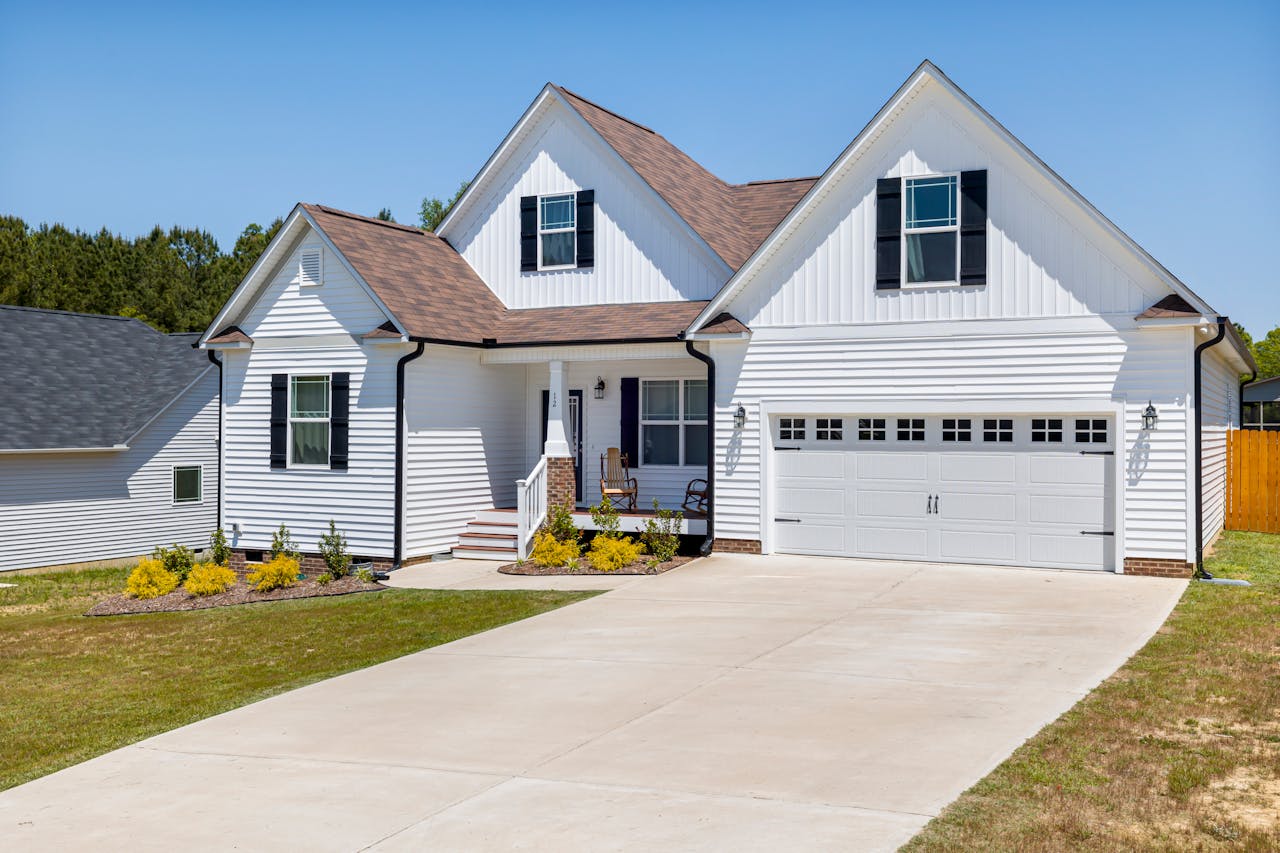
  • Consider what fits best with your family’s lifestyle daily. What essential features and unique needs can you incorporate to help develop a space that raters to your family’s lifestyle?
  • Consider remodel types such as an in-law or guest suite, home office, art studio, potters’ den, or streamlined, custom organization. Choose the type of garage remodel that best fits your family’s lifestyle!
  • Carefully plan your project by setting a realistic budget, understanding local regulations, consulting experts, and taking your region’s climate into account for optimal results.
  • Pay attention to aesthetic details! Incorporate a smart floor plan, good lighting, cutting-edge technology, and long-lasting materials to maximize function and keep you happy for years to come.
  • By emphasizing adaptability and versatility, you’ll ensure your newly remodeled garage remains valuable and usable as your family’s needs change. Further, weigh the co-benefits — such as creating a more valuable home, a happier family life, and environmental benefits.

To determine what type of garage remodel would best suit your family’s lifestyle, consider first how you’d like to use the space. Other families have a strong desire for a space to pursue their hobbies. Others need extra space for storage, some want a designated area for exercise, or office space.

Consider day-to-day requirements, like housing for sports equipment, bicycles, or a workshop for hobbies. Many families today are repurposing their garages into home offices or playrooms. Ultimately, the perfect remodel is the one that fits your family’s lifestyle and fulfills your top priorities.

It helps you to stick to your budget and make sure that the space will be safe. Read on in the following posts to find inspiration for various remodel projects. See how they can improve your life every day and allow your family to get the most out of a garage remodel!

What Garage Remodel Fits?

Here’s how a garage remodel can improve more than just your home’s appearance and declutter your life. With half of homeowners seeing the garage as their messiest space, and only 11% feeling satisfied enough not to change it, most families stand to gain by thinking through what kind of update fits with their life.

The best approach starts with how you’re using the space today. It helps you think about your needs down the road and how to make everyday life more convenient!

1. Current Use

Most garages these days are used half for storage, half for parking, plus an overflow area for what doesn’t fit inside. Many families find themselves with crates piled against the walls, with barely enough room for one car or home office setup.

A basic remodel—fresh paint, new floors, and wall shelves—can cost between $3,000 and $5,000 but will help sort what stays and what goes. It doesn’t take much to go from garage chaos to organization heaven with small upgrades, such as adding built-in shelves or drawers.

That improves its usability and real-world cleanliness.

2. Future Goals

If your family grows, you may want more space for hobbies, a second family room, or even a home gym—a choice that became more popular during the pandemic. Other homeowners like the idea of adding windows.

This creates a much more pleasant and inviting atmosphere, brightening the space and making it feel more like an extension of the house. A remodel that helps you achieve these goals will allow your home to better support your current and future needs.

This process can help avoid expensive add-ons later on. A remodel can be speedy, too. With a comprehensive upgrade, that can be as little as 3–5 days. Remodeling a garage usually only takes 1–2 days to complete, minimizing the disruption.

3. Daily Impact

The right remodel brings order and saves time. With dedicated areas for bicycles, work equipment, or sporting goods, the chaos of morning starts is minimized, and lost possessions are a thing of the past.

For families with active schedules or abundant gear, an organized garage translates to reduced anxiety and more time spent together. It increases comfort, too, since a clean and well-lit garage seems like a safer, more welcoming place.

4. Core Functions

Your garage can be so much more than just a storage area. It can be a workshop for home improvement projects, a place to do laundry, or an escape room for teenagers.

By including built-ins or a cozy nook, the area can function as a variety of spaces. Windows help—though not universally—by allowing more natural light into the space. Simple flooring, for example, epoxy, makes it easy to clean.

5. Special Needs

Other households require space around wheelchairs or wish to allow for a mudroom in rainy climates. A remodel can add ramps or durable flooring.

Each family and home is unique, so tailor your design to your requirements.

Explore Garage Remodel Types

A garage remodel is an improvement that will benefit your home and your everyday life. It’s important to select the correct remodel type for your family’s life stage. Each method has unique advantages, costs, and planning processes.

Living Space

Converting a garage into living space provides additional space for your household. This type of remodel often includes insulation, climate control, and new walls or flooring to make the space feel like part of the home.

Adding large windows or upgrading to French doors made of glass and steel can let in light and create a pleasant atmosphere. The living space can double as a guest suite. Or, it might become a playroom for the kids, or a fun studio apartment for your parents.

Construction tips and advice. Before you begin, don’t forget to get the proper permits. If you’ll be adding plumbing or extensive electrical work, speak with an architect to make sure your designs meet code requirements.

Workspace

Creating a home office or workshop is yet another popular garage remodel. As more and more Americans find themselves working from home, having a dedicated workspace can help increase both focus and productivity.

Clever storage solutions help you organize your tools and office supplies. Selecting the appropriate flooring, such as rugged coatings, adds comfort and visual appeal. Good quality lighting and climate control are important, as garages can be very hot or cold.

The price will all depend on exactly what you plan to remodel, since a bigger garage will require more materials. Workspace remodels define spaces for various activities, such as a desk for office work and a small workbench for side projects.

This configuration better allows for personal organization and encourages a greater separation of work and home life. Even the tiniest of garages can transform into a productive workspace with thoughtful preparation.

Hobby Hub

A hobby hub remodel turns the garage into a space for leisure activities or exercise. For instance, creating a home gym is a common choice. Rubber flooring is an ideal option here, as it reduces impact and keeps your joints safe while working out.

If you have a passion for music or art, consider installing soundproofing and specialized storage for instruments or creative resources. Proper ventilation and insulation ensure the area is cozy year-round.

Others design the garage to accommodate family hobbies, such as board games or crafts, so the entire family can pitch in. Climate control and lighting improvements are very worthwhile for increased comfort and safety.

Storage Pro

Effective smart storage makes an overflowing garage into a tech-savvy storage space. Wall racks, cabinets, and ceiling shelves maximize every spare inch.

Remodeling for storage is the least expensive option. Even if you just retrofit the garage with zones for sports equipment or tools, it’s going to improve everyone’s quality of life.

Plan Your Garage Remodel

Remodeling your garage not only influences how you enjoy your home, but it can also improve your everyday life in a big way. With good planning and clear priorities, you can make the space look nicer, function better, and increase the value of your home.

Before planning your garage remodel, declutter and clear out everything in your space. This allows you to visualize what is necessary, what can be retained, and how to best utilize the new space.

Budget

Understand your budgetary limits. This can vary greatly in cost depending on the features you desire. For a small update—paint, new shelves, or improved lighting—you might be looking at just a few hundred dollars.

If you’re looking for upgrades, such as new flooring, insulation, or built-in cabinets, budget accordingly. Determining your budget up front prevents over-improving for your neighborhood and allows you to prioritize what is most important.

It allows you to zero in on what you can afford to change now, and what can be saved for a future upgrade.

Rules

Rule 3 – Consult local regulations before you begin. Many municipalities require building permits for major renovations, such as the installation of new walls, doors, additional electrical outlets, etc.

Depending on where you live, you may be required to adhere to fire safety codes as well. These rules govern how near you can keep things to your water heater or electrical panel.

If you don’t pay attention to this, you’ll either have to go back and do work twice or risk getting penalized. To find out your local regulations, ask your local building office or look up their website for new rules.

Or, if you live in a multi-family dwelling, you might need the permission of your condo association.

Expertise

There are DIY opportunities too, such as painting or installing shelves. When it comes to something like new electrical wiring, vents, or plumbing, consider bringing in an expert.

Mistakes in these areas can be not only dangerous, but also more expensive to remedy down the line. A pro installer will make sure that insulation and lights are installed just right.

This configuration ensures maximum comfort and safety. An experienced pro will get it done faster. With the right plan in place, most garage remodels can be done in a week or less!

Climate

Whether it’s hot, cold, or wet weather, this all affects how you should prepare. In bitter climates, insulation and supplemental heat will make your garage much more hospitable for both its occupants and the valuables you keep there.

In humid or hot areas, provide plenty of ventilation! Install vents or a small fan to prevent mold and avoid rusting your tools. Proper brightness is important, not just to see well, but with good lighting, you’ll feel comfortable using the garage morning, noon, or night.

Design Your Transformed Garage

Transforming a garage into a space that suits your family’s needs can alter how you utilize your home every day. Second, it can increase your home’s value and provide you with additional space to live, work, or play.

Begin by considering who will use the garage space and what activities you would like to pursue in it.

Layout

The layout largely determines how a transformed garage will function for your family. If you want to include a gym, you need to account for space for machines and free weights. You’ll want enough open space for stretching or group classes.

If you’re creating an additional family or game room, allow space for seating, a television, or even a ping pong table. If you intend to use it as an office or homework area, plan one corner with a small desk. Be sure to consider built-in shelves as additional storage.

It’s best to begin by decluttering first. Developing this layout is critical for ensuring that the space will be warm and welcoming while functional.

Having an adaptable layout will ensure that the garage will be able to accommodate multiple uses. Foldable tables or rolling storage make it easy for a gym to become a play room or craft room.

Floor tape, mats, or rugs can help identify areas for specific activities. This allows for more focused, orderly play.

Lighting

Lighting can really impact a space. Though most garages feature little to no natural daylight, to combat this, replace your outdated, overhead doors with glass and steel French doors. This increases natural light and provides a touch of flair.

If you plan to use your garage at night, consider selecting LED ceiling lights. These use 75% less energy and last 25 times longer. Supplement with floor or wall lamps around seating or work areas.

If you plan to use the transformed space as a gym, intense illumination will prevent trips and falls when you’re on the move or lifting.

Technology

Incorporate technology to improve functionality. A smart thermostat can make your heating and cooling much more efficient. This is important because bad insulation can make garages excessively warm or icy.

Wi-Fi boosters ensure you never miss a stream or work call. A wall-mounted TV or speakers would make the garage a great media or game room.

Security cameras at the entry enhance safety and security, particularly if your transformed garage will feature new glass doors.

Materials

Consider the long-term use of your garage and choose materials that reflect this durability and flexibility. For fitness centers, rubber flooring reduces impact and joint stress.

For interiors, select wipeable paint and durable area rugs. If you will be entertaining friends, include easily movable seating.

A mirrored wall in a dance studio allows teachers to see students’ full movements and reduce potential injuries. Make sure to maintain adequate insulation and airflow to make this space cozy!

Future-Proof Your Garage

Your new garage could be the dream workshop, hobby space, gym, office, and more. It’s an innovative, adaptive space of the house that is well-suited to accommodate the evolving lifestyles of households all over the globe. With a little forethought, a garage remodel can increase your home’s value while enhancing your work and vehicle space.

It offers additional space for living, storage, or new purposes.

Adaptability

Garage spaces are important to many families beyond just a space to store cars. Others make the garage a home office, gym, or workshop. This transformation is surprisingly fast—many renovations are done in as little as three to five days.

Especially in cold-weather climates where basements aren’t common, residents may utilize garages as additional livable space. In temperate climates, garages can be partially conditioned, open-air spaces that serve as gathering spots or recreational areas.

Another chief obstacle is clutter. It’s no surprise that research indicates that nearly one-fourth of Americans with two-car garages are unable to park in them. What’s the culprit? It’s all that junk!

Whether that involves installing shelving units, wall hooks, or storage cabinets, making the garage more adaptable can help save time searching for items stored there. This helps you adapt the space to whatever your family’s next stage requires.

Versatility

A future-proof garage that is versatile enough to serve more than one purpose is a wise investment. Other families might develop their garages into accessory dwelling units (ADUs) to earn supplemental income. Some go a step further and invest in smart technology, such as car lifts, to accommodate more vehicles or enhance versatility.

Take the lift. For instance, a two-story lift doubles your parking capacity while taking up the same amount of land. Beyond the monetary return on investment, upgrading a garage offers many positive effects on everyday life.

It can be simple and inexpensive. It’s time to take action with some easy fixes! Upgrade the lighting, make the flooring safe, or install quality insulation, and you can create a playroom, workshop, or guest bedroom.

Homeowners looking to maximize the utility of every square foot are quick to adopt these improvements and make the most of their garage space.”

A future-proof garage built to be flexible, a garage is future-proof, too. As your family evolves, so can the space evolve with them. One year it’s a game room, the next it’s a home gym or professional work studio.

Uncover Remodel Benefits

A garage conversion not only makes your new home more livable, but it also improves the way your entire home functions. This can be the right update to maximize value, improve your day-to-day experience, and reduce energy consumption. Every family is unique and has different requirements. Focusing on these types of positive improvements is crucial to determine which investments make the most sense.

Home Value

A clever garage remodel can increase your dwelling’s value. Improvements such as solid doors, quality floors, and additional electrical outlets help create an appealing environment that buyers seek. In most areas, converting a room or home gym in the garage provides a high return on investment.

A clean, organized, well-lit garage with built-in shelves can help a home shine during showings to potential buyers. The remodel has to be of the right type. A simple refresh—new paint, updated electrical, improved lighting—provides an affordable approach to boosting resale value.

Complete conversions—like transforming the garage into a guest apartment or creative workspace—take a bit more dough. They do increase your property value by 10–15 percent at least, depending on the local market’s proclivities. Insulating and installing double-glazed windows are big magnets among buyers looking to minimize their utility costs.

Family Life

What a garage can’t do is satisfy the needs of today’s busy family. It could be a play space for kids, a quiet spot for remote work, or a gym to keep fit. Modular storage makes it easy to customize your shed to store tools, sports equipment, or bicycles.

In this manner, the clutter won’t cascade into the home. Other families choose to include a laundry chute or mud room to make daily maintenance a breeze. Properly planned, the garage may become an exciting space for hobbies, art, or as a small in-home business incubator.

A garage that supports family life provides more than square footage. It can help improve the flow of everyday life. A garage that can be used as a workshop or study makes it easier for parents and kids to spend time together.

It gives each person a specific area to work so they can be productive. This creates a better balance between work, play, and sleep, which have all been shown to contribute to overall happiness.

Eco-Impact

A whole home remodel is the perfect opportunity to reduce your home’s energy use. Good insulation in walls and doors prevents heat loss. LED lighting and smart plugs in our garage save a ton of power.

Choosing recycled or other low-impact building materials reduces the carbon footprint of the renovation. Many use solar panels on the roof to power the garage or charge electric cars, which can shrink bills and help the planet.

Conclusion

To choose the right garage remodel for your family, consider what daily life looks like. A home gym is perfect for fitness-minded parents. Prefer to get fit at home after the kids have gone to bed? If you have young children, consider creating a home playroom with cushioned flooring and lots of space for toys and games. Teenagers may desire a music room or a video game paradise. One family might require space to store bikes or sports equipment. Another might prefer a tidy workshop for craftwork. Each type has its advantages, such as additional storage or a workshop for hobbies. To begin, think big—no, wait, actually think small. Create a list of the things your family does most in their home today. Exchange ideas, measure your available space, and consult with an experienced local pro. Your garage doesn’t have to be a black hole sucking in the cool factor of your home. Plan it to suit your needs.

Frequently Asked Questions

1. What Garage Remodel Options Are Best For Families?

Multi-purpose spaces, home gyms, playrooms, and effective storage solutions are ideal for families. These plans bring flexibility, security, and value to your residence.

2. How Can I Plan A Garage Remodel For My Lifestyle?

Consider your lifestyle and write down your family’s needs. Maybe you need storage, space for hobbies, or a supplemental living space. Engage with the experts to align your budget and objectives.

3. Can A Garage Remodel Increase My Home’s Value?

The answer is yes — if done right, a garage remodel can increase your home’s value and attract future buyers. Whatever your motivation is, adding functional space with a garage remodel is a smart investment.

4. What Are The Benefits Of Future-Proofing My Garage?

Future-proofing ensures your garage remodel can grow and change with your family. Adaptable floor plans and long-lasting products better address your family’s evolving lifestyle and purposes.

5. How Do I Design A Garage For Multiple Uses?

Implement modular furniture, multifunctional storage, and flexible activity areas. This allows you to transition it from a workspace to a home gym or a kid’s playroom on demand.

6. What Should I Consider About Climate During A Remodel?

Properly insulate outside walls and use materials that are resistant to your specific climate hazards. Choosing the proper ventilation and flooring will ensure your garage is an enjoyable space all year round.

7. Is It Expensive To Remodel A Garage?

Garage Remodel Cost depends on the amount of space and upgrades you are adding. Basic upgrades are inexpensive; custom builds are significantly pricier. Careful planning and budgeting allow you to keep your garage remodel within your financial means.

Your Dream Home Starts With Mares & Dow Construction – Let’s Create Something Amazing Together

Planning a home renovation or construction project in Concord, Walnut Creek, Pleasant Hill, or Lafayette? Whether you’re dreaming of a stunning kitchen remodel, a durable new deck, or a full-scale home renovation, choosing the right general contractor is the most important decision you’ll make.

With over 40 years of experience, our team at Mares & Dow Construction & Skylights has built a reputation for quality craftsmanship, transparent pricing, and exceptional customer service. We specialize in:

  • Home Remodeling – Transform outdated spaces into modern, functional, and energy-efficient areas that increase home value.
  • Decks and Outdoor Living Spaces – Create the perfect outdoor retreat with expertly crafted decks, pergolas, and patios.
  • Foundation Repairs and Waterproofing – Protect your home’s structural integrity with our professional solutions.
  • Custom Skylight Installations – Enhance natural light with innovative skylight solutions from a VELUX 5-Star Skylight Specialist.
  • General Contracting Services – From new builds to home additions, our skilled team manages every aspect of your project with precision.

Serving Contra Costa County, including Alamo, Danville, Orinda, Martinez, and San Ramon, we take pride in delivering exceptional results that exceed expectations. Whether you’re a homeowner planning a renovation or a property investor looking to enhance a home’s resale value, we ensure your project is completed on time, within budget, and with the highest level of craftsmanship.

Don’t settle for anything less than the best for your home remodeling, renovation, or construction needs. Contact Mares & Dow Construction & Skylights today for a free, no-obligation quote, and let’s bring your vision to life.

Disclaimer

The materials available on this website are for informational and educational purposes only and are not intended to provide construction, legal, or professional advice. You should consult with a qualified general contractor or industry professional for advice concerning any specific construction project, remodeling plan, or structural concern. Do not act or refrain from acting based on any content included on this site without seeking appropriate professional guidance. The information presented on this website may not reflect the most current building codes, regulations, or industry best practices. No action should be taken in reliance on the information on this website. We disclaim all liability for actions taken or not taken based on any or all of the contents of this site to the fullest extent permitted by law.

What Permits Do You Need For Garage Remodeling In California?

Key Takeaways

  • Obtaining the proper permits for garage remodeling in California is essential to ensure safety, comply with local laws, and increase your property’s value for future resale.
  • Depending on the scope of remodeling work, different permits will be needed from local authorities. This includes building structural modifications, electrical rewiring, plumbing changes, modifications/conversions, and demolition.
  • Engaging with your city or county building department early helps clarify which permits are needed and ensures compliance with local zoning rules and special area regulations.
  • The permit application process often involves complex documentation and strict deadlines. It includes required inspections and planning for the related fees—every single step is important for getting a project approved quickly.
  • Whether you decide to go the do-it-yourself or professional route will rely on your technical know-how and the intricacy of the tasks. Note that many permits and inspections will need licensed professionals to ensure code compliance!
  • Failure to permit work results in fines, removal at your expense, voided insurance, and resale complications. Thus, appropriate permitting is an essential component of responsible, sensible property stewardship.

If your garage remodel involves any significant alterations, you’ll most likely need a building permit. That’s right—even minor renovations such as adding outlets or putting in new walls! Local city or county ordinances require permits to ensure safety and ensure the work complies with building codes.

Additionally, most remodels require electrical and plumbing permits if the wiring or pipes are going to be modified. Many municipalities require an overall site plan or architectural drawings to review the scale. Fire safety and energy standards further influence the permit process.

Developers or homeowners should consult with their local building department for the most accurate and appropriate checklist. Steps may vary by city, so always consult local regulations before starting any construction.

Finally, our primary blog post outlines major permit types and processes needed for a successful remodel.

Why Permits Are Crucial

Garage conversion in California requires a keen sense to navigate the rules. Permits serve as the first line of enforcement and defense for property owners and the general public. Permits are more than just bureaucratic paperwork—they’re legal documents that set the stage for safe, legal, and productive improvements to private property.

Safety

Building codes are meant to protect the public health and safety. Permits ensure that new walls, electrical work, or plumbing in garages comply with these standards. Whether it’s retrofitting walls with fireproof materials or replacing outdated wiring to reduce fire risks, these improvements are important for every person who occupies the facility.

Whether you want to change a garage into additional living space or a new bathroom, safety regulations dictate the procedure from beginning to end. This reduces the likelihood of harm or injury. If a contractor decides not to follow safe practices, the permit process will identify those issues before they turn into threats.

The best contractors have a proven history of understanding the codes. They’ve got the proper tools and materials, and they’ve followed every single step that the law and building department require. That translates to fewer surprises or setbacks.

Safety entails putting up construction barriers and signage. It protects children and animals from danger, and it prevents workers from being injured or killed. Permits are there to make sure these common-sense steps don’t get overlooked.

Legality

Permits are legal documentation that your garage conversion complies with your local laws. Failure to do so can lead to costly fines or worse, being instructed to remove your new upgrades. California law is already among the most stringent in the country, and each city has its idiosyncratic regulations.

Permits demonstrate that the work is on the up-and-up. Failure to complete this step may lead to litigation. For example, you might have to tear down an unpermitted wing that you added to your home.

Penalties for performing work without a permit are often severe. Owners would still be responsible for any court costs or owed back taxes. Penalties vary, but in every instance, they cost much more than the permit would cost.

Understanding and abiding by the rules is essential. The application process may involve multiple visits to City Hall, but it’s worth it. Time invested in compliance prevents expensive and anxiety-producing surprises down the road.

Value

Permits can save you money by increasing your home’s value. Prospective buyers and appraisers look for documentation that a remodel has been completed to code. When it does come time to sell, a permitted garage improvement will certainly put your home at an advantage.

Work with permits tends to jump off inspection reports as a success story. This can reduce the time to sale and sometimes even increase the sale price. Lenders require a similar level of proof before they will approve loans.

If work was completed without a necessary permit, potential buyers could suddenly back out. It can be an unnecessary delay or derail a sale entirely, and often it just requires backtracking on the work you already shelled out dollars for.

Protect Your Investment

Permits shield your investment. They help you avoid legal trouble. No permit, more risk. They provide peace of mind.

What Garage Permits Are Needed?

Remodeling a garage in California involves navigating complex local and state regulations. Each specific type of work—structural, electrical, plumbing, conversion, or demolition—usually needs a separate permit. Whether or not this requirement applies to you really depends on what you’re planning on changing.

Your ultimate objective should always be to make your project safe, legal, and code-compliant. Get ready to file comprehensive plans, possibly requiring multiple permits. Be sure to consult your local city or county building department before you begin!

  • Building permits for any major structural changes or conversions
  • Electrical permits for new wiring or system upgrades
  • Plumbing permits are required if you are installing or changing any water or waste lines
  • Conversion permits for changing a garage into a living space
  • Demolition permits are required if removing any part of the garage
  • Site plan approval for projects altering use or structure
  • Inspections for code compliance in each field
  • Parking permits or proof of off-street parking required (varies by county)

1. Structural

If your garage renovation will significantly alter the structure, roof, or walls of the garage, then you will likely require a building permit. This may mean adding new doors or windows, or even raising the floor to meet the new elevation requirement.

Installation of a step-down floor in an attached garage needs a permit. It needs to meet the California Building Standards Code. Provide complete drawings or illustrations that indicate your proposed work.

The local jurisdiction’s building department will then review them. This is where licensed engineers or architects become essential. Architects verify that your renovations meet all safety, energy efficiency, and building codes, including Title 24 requirements.

2. Electrical

Installing any new wiring, adding outlets, or making lighting improvements would require an electrical permit. This ensures that your remodel project is up to date with the most recent electrical codes and standards.

Your main priority should be operating safely. Not to worry, the city will appoint an inspector to come inspect the work before you can even use the system! It’s recommended that any complex work be done by a licensed electrician.

Neglecting to do this can result in failed inspections or even potential fines. Electrical garage permits are needed even if you don’t have a full garage build-out in mind. Neglecting this step could bring significant safety and legal issues to homeowners.

3. Plumbing

Significant plumbing work requires a plumbing permit. This includes installing new sinks, drains, or tapping into the main water line. Local health, safety, and sanitation rules prevail, and all work should clear an inspection before the project is completed.

Finding licensed, experienced plumbers will get you on the right track to ensure all plumbing codes are being followed. Even small adjustments, like relocating a washer, could require city sign-off.

4. Conversion

Converting a garage into another living space typically requires a permit. You’ll need to demonstrate extensive planning, and the newly created area will need to comply with building codes and zoning regulations.

In places like Orange County, you need to prove you still meet parking requirements based on your home’s size and bedroom count. Additional inspections are required when plumbing or cooking appliances are installed.

5. Demolition

You’ll need a permit to demolish any portion of the garage. Safety and environmental regulations come into play, including the requirement for an inspector to visit the site both before and after work.

Hiring a licensed contractor is a great way to ensure that the process stays safe and legal. Doing the work without the proper permits can result in hefty fines and issues borrowing against the bank mortgage.

The Application Journey

Garage remodeling involves a well-defined, strict path to obtaining permits. Each stage includes tests and regulations to ensure the work stays legal and safe for both homeowners and contractors.

The process can be fast—sometimes even under a month—if you’re prepared with the right paperwork and a clear understanding of what’s required. Staying organized and up to date will be essential for a successful application.

Documents

Start by gathering main documents: site plans, blueprints, and details about the contractor. For most projects, you will need to demonstrate ownership or provide documentation. If possible, get copies of previous permits related to your property.

Missing or incorrect documents can delay your application. Check with your local building department for additional required items, such as energy calculations or soil reports. For accessory dwelling units (ADUs), detailed building plans are necessary.

Typically, plan reviews are completed within about two weeks.

Submission

Submit your application to the local building department. Some allow electronic submission, while others require physical forms. Always check your jurisdiction’s specific rules.

Keep copies of everything you submit for your records. Monitor your application’s progress closely. You may need to answer questions or provide additional information during the review.

Staying on top of progress helps you quickly address any issues and avoid delays.

Inspections

Inspections are a necessary part of the permit process. Schedule inspections promptly after approval. Make sure your work complies with applicable building codes before the inspector arrives.

If issues arise, correct them before requesting a re-inspection. Passing all inspections is required to complete your permit and begin using your remodeled garage.

Fees

Permit Type

Average Fee (USD)

Comments

Standard Remodel

$1,200

Varies by location

ADU Application

$2,000

Covers staff review

Expedited Processing

Varies

Higher for complex projects

Permit fees vary depending on the municipality, project scope, and expedited review requests. Costs often exceed the national average.

Unless exempt by statute, fees must reflect the true cost of services. Ask about potential waivers or reduced rates based on your circumstances.

DIY VS. Professional

DIY projects can save money, but carry risks if you lack experience. Professionals know local codes well and can handle the permit process with less hassle.

Some tasks legally require licensed workers. More complex projects especially benefit from professional assistance to ensure safety and avoid legal issues.

Risks Of Unpermitted Work

The dangers of unpermitted work in garage remodeling are more than just a technicality. In California, the dangers of unpermitted work are significant and very real. These range from direct financial fines to much longer-term effects on the value of the property and legal standing.

Being aware of the risks will prevent surprises down the road and make sure you’re following local and state regulations.

  • Not to mention the financial penalties that can be incurred for unpermitted construction or remodeling.
  • Project timescales can be greatly increased if they need to fix unpermitted work.
  • Home equity loans or other bank loans for home improvements can be denied if permits are not available.
  • Insurance claims related to unpermitted renovations may be denied.
  • We’ve seen future property sales become complicated or even derailed altogether because of unpermitted work.
  • Unpermitted work will likely have to be taken out or changed to meet code standards.
  • Legalizing unpermitted work can be expensive and time-consuming.
  • Unpermitted work often fails to comply with current building codes and safety standards.

Fines

Fines for unpermitted work are a popular enforcement tool among localities. The fine’s severity will typically be tied to the extent of the violation and applicable local building codes. In California, fines are unpredictable.

You may incur small fines for minor violations, but the expenses can increase exponentially if significant work has occurred without permitting. As you budget for your garage remodel, keep the risk of fines in mind.

If you begin a project before obtaining all necessary permits, you may be subject to fines. These fines can compound and accrue with other civil penalties! It’s a lot less expensive and hazardous to obtain permits in advance of starting work.

Removal

Removal of unpermitted structures is another significant risk. If your local building department finds work completed without the right permits, they usually have a few options.

They can require the homeowner to remove or modify the unpermitted work. This process is a burden that can cost tens of thousands, particularly if the change is large. In this case, delays are an inevitability.

Removal orders are usually the first type of order to be issued, in the name of health and safety. This is particularly the case when the work is not up to present-day code. Prompt removal is very important, as failing to comply and ignoring a removal order can lead to increased fines and even litigation.

Insurance

Insurance policies are typically nullified by unpermitted upgrades. Insurers can deny claims for damage caused by unpermitted work.

As a consequence, the homeowner may be left with thousands of dollars in unanticipated repair bills. Always consult with your insurance carrier before beginning renovations to ensure you know what documentation is needed to secure coverage.

Maintaining detailed records of all permitted work is critical to upholding active insurance policies and safeguarding your investment.

Resale

Unpermitted work is often enough to delay or even prevent a real estate transaction. Buyers may hesitate to purchase a home with unapproved modifications, fearing future costs or legal issues.

Sellers are usually legally obligated to disclose unpermitted work, which can diminish the home’s value and marketability. Having all of a home’s remodeling work permitted and up to code not only preserves but can increase resale value.

Permitting: Your Future Peace Of Mind

Garage remodeling in California is not a short-term endeavor but rather a way to improve your home for many years to come. Getting the right permits is not only a legal requirement. It protects your renovation investment, increases your home’s value, and protects you from future hassles!

Long-Term View

Permits provide you with future peace of mind that all aspects of your remodel were inspected by highly trained licensed professionals. Whenever inspectors take a look at your undertaking, they discover flaws early on and ensure that the work is as much to date with current codes. This process is much more than just preventing costly fines.

It’s about protecting the money you’ve already poured into your future home for decades to come! Save yourself a world of hurt down the line. If you ever want to sell or upgrade your home, having a full record of permits shows buyers or officials that your property meets all codes.

This increases your home’s value and benefits quick sales or future updates. Thorough documentation simplifies every subsequent move, from minor improvements to larger-scale initiatives in the years ahead.

Evolving Codes

California building codes change frequently. What passes muster for a garage remodel today could be insufficient next year. Permit requirements aren’t immune to change either, often with very short notice. If new safety or energy rules mean projects need to take additional steps or use different materials, stay informed by frequently visiting your local building office’s website.

Engage with the permit staff to make sure your plans are in line with the most current standards! Beginning a remodel without verifying what’s changed can spell disaster. Otherwise, inspectors could identify new code revisions halfway through your project, bringing your work to a halt and running up additional expenses.

Knowing what’s coming shields you from these unforeseen pitfalls and keeps your long-term investment going.

Responsible Ownership

Obtaining permits as needed is a hallmark of a responsible homeowner. By adhering to regulations, you do your part to ensure your community remains safe and your home is in compliance with codes. This helps develop trust with local jurisdictions.

When you have a clear plan and follow the law, you minimize the risk of pushback from neighbors. This will set you up to avoid public hearings and delays. For rental properties, permits are even more critical.

Neglecting them can result in fines or requiring repairs that are more expensive over time. Motivate any home or business owner to focus on permits first.

Conclusion

Before beginning a garage remodel in California, check your local city or county regulations first. Almost every jurisdiction requires a building permit. Certain trades require additional approvals, such as electrical or plumbing work. Failing to get the necessary permits can result in costly fines, delay your project, or even create challenges when you sell your home down the line. Each city will have its procedure and application. Some cities require you to provide an engineered site plan, while others will accept a basic hand-drawn sketch. When in doubt, speak with your city office. Many people feel nervous about permits, but most offices want to help. Providing clear direction and having forthright conversations with staff in your community can reduce delays and heartaches. Leave your own story or questions in the comments below—we’re all in this together!

Frequently Asked Questions

1. Do I Need A Permit To Remodel My Garage In California?

Do I need a permit to remodel my garage in California? This means anything that requires structural changes, electrical, plumbing, or converting the garage into a dedicated living space. Consult your local building department with specific questions.

2. What Type Of Permit Is Required For A Garage Remodel?

In general, whenever you’re doing structural work, a building permit is required. You might need additional permits for electrical and plumbing changes. Depending on the scope of your project, you might need to seek zoning approval. Note that local requirements may be stricter.

3. How Do I Apply For A Garage Remodeling Permit In California?

Apply through your local city or county building department. You will likely need to provide detailed plans, pay applicable fees, and wait for permits to be approved. This process is about making sure your remodel is safe and up to building code.

4. What Happens If I Remodel My Garage Without A Permit?

If you do unpermitted work, you may face fines, stop-work orders, or be forced to remove changes. In addition, it can create issues if you ever go to sell your property or need to file an insurance claim.

5. How Long Does It Take To Get A Garage Remodeling Permit?

How long does it take to get a garage remodeling permit? It depends on the scope of work—simple permits can take a few days, while complex projects can take weeks. As always, consult your local permitting office for more specific timelines.

6. Are There Differences In Permit Requirements Between California Cities?

Are there differences in permit requirements between California cities? Local planning and building regulations, Local zoning laws, and building codes help determine what permits you need. As always, check with your local building department before breaking ground.

7. Why Is Having A Permit For Garage Remodeling Important?

Why is it important to have a permit for garage remodeling? In short, safety and legality. They save you from legal penalties and work to maintain the value of your property. Having the work permitted protects future buyers, as well as insurers, giving you peace of mind.

Your Dream Home Starts With Mares & Dow Construction – Let’s Create Something Amazing Together

Planning a home renovation or construction project in Concord, Walnut Creek, Pleasant Hill, or Lafayette? Whether you’re dreaming of a stunning kitchen remodel, a durable new deck, or a full-scale home renovation, choosing the right general contractor is the most important decision you’ll make.

With over 40 years of experience, our team at Mares & Dow Construction & Skylights has built a reputation for quality craftsmanship, transparent pricing, and exceptional customer service. We specialize in:

  • Home Remodeling – Transform outdated spaces into modern, functional, and energy-efficient areas that increase home value.
  • Decks and Outdoor Living Spaces – Create the perfect outdoor retreat with expertly crafted decks, pergolas, and patios.
  • Foundation Repairs and Waterproofing – Protect your home’s structural integrity with our professional solutions.
  • Custom Skylight Installations – Enhance natural light with innovative skylight solutions from a VELUX 5-Star Skylight Specialist.
  • General Contracting Services – From new builds to home additions, our skilled team manages every aspect of your project with precision.

Serving Contra Costa County, including Alamo, Danville, Orinda, Martinez, and San Ramon, we take pride in delivering exceptional results that exceed expectations. Whether you’re a homeowner planning a renovation or a property investor looking to enhance a home’s resale value, we ensure your project is completed on time, within budget, and with the highest level of craftsmanship.

Don’t settle for anything less than the best for your home remodeling, renovation, or construction needs. Contact Mares & Dow Construction & Skylights today for a free, no-obligation quote, and let’s bring your vision to life.

Disclaimer

The materials available on this website are for informational and educational purposes only and are not intended to provide construction, legal, or professional advice. You should consult with a qualified general contractor or industry professional for advice concerning any specific construction project, remodeling plan, or structural concern. Do not act or refrain from acting based on any content included on this site without seeking appropriate professional guidance. The information presented on this website may not reflect the most current building codes, regulations, or industry best practices. No action should be taken in reliance on the information on this website. We disclaim all liability for actions taken or not taken based on any or all of the contents of this site to the fullest extent permitted by law.

What Are The Biggest Pain Points Homeowners Face With Outdated Garages?

Key Takeaways

  • Outdated garages present multiple challenges, including limited space, inefficient layouts, weather intrusion, and security vulnerabilities, all of which can significantly disrupt daily life and compromise homeowner safety.
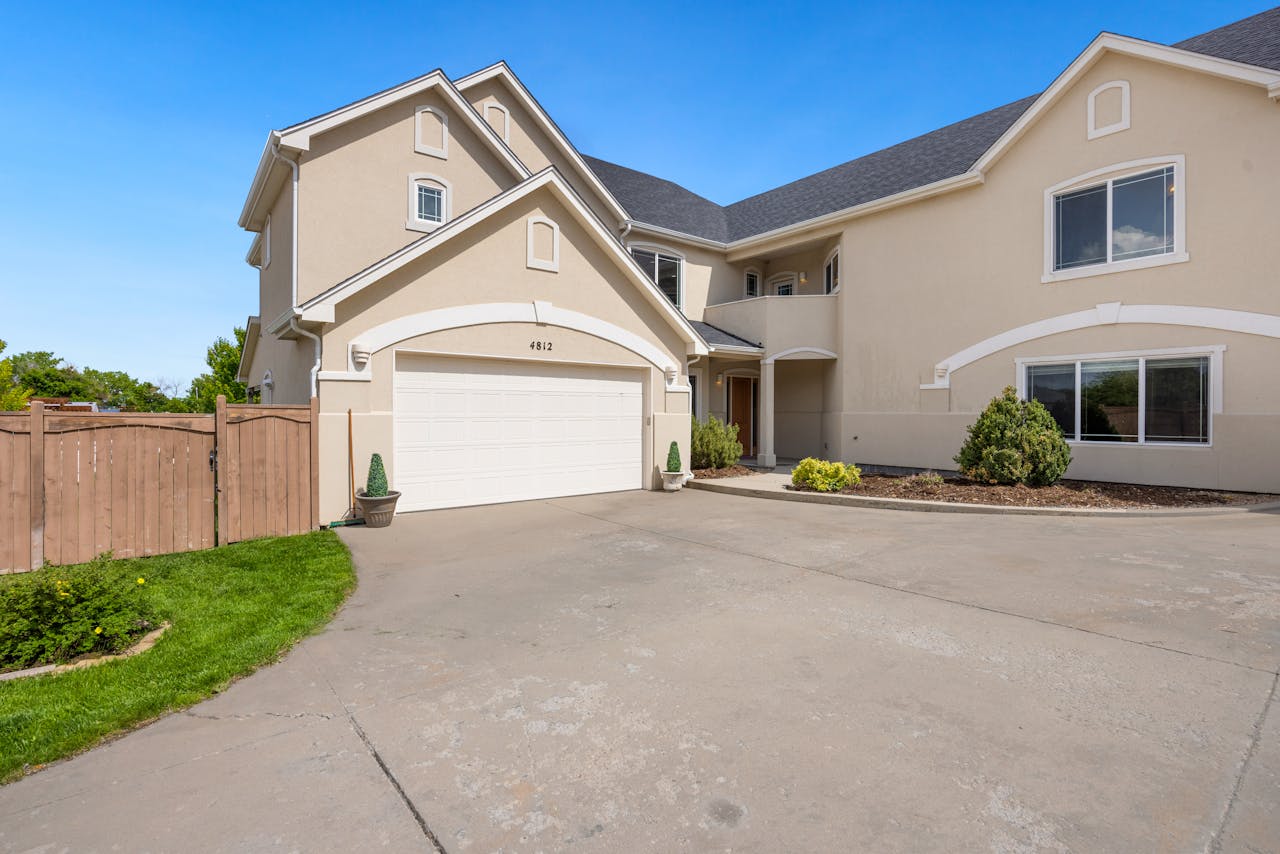
  • Adjusting floor plans and adding movable organizers address space issues and usability challenges. These strategies allow a massive uplift in organization, accessibility, and overall satisfaction for homeowners living in any kind of commune to cul-de-sac.
  • Upgrading insulation, sealing, roofing, and drainage systems can go a long way in preventing weather-related damage and protecting items stored within the garage. Improving energy efficiency would save homeowners utility costs as well, regardless of their local climate.
  • Updating garage doors, security systems, and electrical wiring improves safety by 85 percent. In addition, it shelters important belongings and reduces the chance of injury or trespass.
  • Secondly, invest in more durable materials and prioritize routine inspections and maintenance. This ensures the prevention of structural decay, pest infestation, and hidden hazards, protecting long-term property value and safety.
  • Anticipating renovation needs and knowing what to expect with local permitting processes will save homeowners from many common pitfalls. Allocating funds for unexpected expenses makes for easier, more successful conversions that improve quality of life and return on investment.

Homeowners with outdated garages are looking to remedy a number of pain points, including a lack of storage, a lack of insulation, and outdated safety features. If there isn’t enough room for today’s vehicles and equipment, the result can be clutter, jammed-up storage, and lost tools.

Lack of climate control means garages can become cold or sweltering in summer, risking damage to tools and items stored inside. Outdated doors and locks usually result in decreased security, increasing the chances of a break-in.

Unfortunately, the existing lighting and electrical outlets are rarely suitable for today’s needs. Similarly, water leaks and worn floors may attract mold or otherwise hazardous elements.

With today’s larger vehicles and smart home technology, these outdated garages no longer meet the needs of homeowners. We take a closer look at each challenge in this post to help you prioritize upgrades that will provide genuine value. It promotes effective, creative solutions to overcome those challenges!

What Garage Pains Exist?

Old, crumbling garages create a myriad of functional and aesthetic issues that impact the quality of life. These pain points are typically a result of bad planning, failure to modernize, or just a lack of overall room.

Below, a table outlines key problem areas found in older garage designs:

Pain Point

Description

Space Scarcity

Limited floor area, difficult storage, and cluttered conditions

Function Frustration

Old layouts that don’t match modern uses, a lack of work areas

Weather Intrusion

Leaks, drafts, bad insulation, and the risk of water damage

Security Concerns

Weak doors, poor locks, and low lighting

Visual Vexation

Outdated looks, peeling paint, rust, and a messy appearance

1. Space Scarcity

Garages are often inadequate, with room for either vehicles or workshop space. Homeowners may be surprised to discover that they are regularly compelled to leave vehicles outside due to storage clutter preventing access.

Research indicates that almost 50% of surveyed homeowners cannot park in their garages because of accumulated belongings. Without shelving or other smart storage solutions, tools, bikes, boxes, and everything else spill out and cover the floor.

This disarray creates a pain point for anyone trying to find something. Garage clutter clogs up walking paths, let alone workspace for hobbies or quick fix-its. The reality is, for lots of people, the anxiety that comes with stepping into a cluttered garage takes the joy out of coming home.

2. Function Frustration

It’s no surprise that older garages rarely support today’s needs. Without workbenches or organized storage, working on repairs or passion projects is a tight squeeze.

Older garages often just weren’t designed for today’s bigger ride. This turns the 90-degree or 180-degree turn into the bay a pain, particularly for SUVs. Other houses make drivers drive around the whole house or squeeze through tight spaces only to get into the garage.

This everyday annoyance is incredibly irritating! Inflexible floor plans can hamper a building’s potential to be reused for different purposes, like a gym or co-working space. This restriction minimizes flexibility and value.

3. Weather Intrusion

Water intrusion from roof leaks and drafts from worn-out weather stripping can create damp conditions and subsequent damage in older garages. Lack of insulation leaves garages frigid in the winter and sweltering in the summer, contributing to discomfort in living spaces directly above garages as well.

Excess moisture allows mold and mildew to thrive, endangering both stored items and human health. If garages don’t have adequate drainage installed, or are not properly sealed or coated, they will encounter long-term structural issues that are expensive to remedy.

4. Security Concerns

Old garage doors are obsolete. Locks can be flimsy, leaving valuable bikes and tools vulnerable to theft. Poor exterior lighting creates a great opportunity for burglars.

Maintenance is critical for maintaining door, lock, and sensor functionality and safety.

5. Visual Vexation

Rust, chipped paint, and a jumbled appearance can lead to an unsightly garage. When the garage is placed at the front of the house, it kills curb appeal.

Unfortunately, it ends up being the accidental centerpiece. Sometimes, simple upgrades such as replacing doors, painting, and adding better lighting help a lot. Too often, we wait too long before making these improvements, leading to permanent pain.

Outdated Systems Failures

Outdated garages not only present a unique set of challenges, but they also affect quality of life, fiscal responsibility, and safety. In addition to the dangers posed by aged infrastructure, homeowners pay the price both financially and logistically. Often, these outdated garages do not achieve the level of safety, efficiency, or ease-of-use that we see in modern designs.

  • Old garage doors with manual locks are a burglar’s dream.
  • Outdated HVAC units not only result in exorbitant energy bills but also a lack of climate control.
  • Ancient wiring or overloaded circuits cause fire hazards.
  • As plumbing rusts, it is prone to leaks or bursts, leading to costly water damage.
  • Roofs that are more than 15 years old are prone to leaks or total failure, with replacement costs reaching $25,000.
  • Pest infestations lead to costly repairs and health risks.
  • Broken or inefficient lighting makes garages unsafe at night.

Electrical Hazards

Frayed wires, exposed junctions, and overloaded circuits are prevalent in vintage garages. These hazards accumulate over time, as electrical systems are not regularly inspected or updated. Homeowners might brush aside some flickering lights or a strange smell; these are electrical hazard red flags.

Outdated wiring, such as a knob-and-tube system, is one of the most common causes of electrical fires. For decades, these garages have increasingly been retrofitted with unsafe or do-it-yourself electrical extensions that have not been up to code.

Depending on the size of the home, rewiring can run over $10,000. This cost is nothing compared to the danger of fire or injury. Realizing that overwhelming professionals with data is counterproductive, professional evaluation is critical.

Licensed electricians are trained to find hidden problems and bring outdated systems up to current safety standards. Besides eliminating hazards, modern electrical system upgrades can increase energy efficiency, lower energy bills, and prevent damage to sensitive electronics from power surges.

Door Dilemmas

With old garage doors, they sometimes don’t want to open or shut properly. Then, daily life comes to be incredibly exasperating. Even worse, doors that get jammed halfway or don’t have adequate locks become low-hanging fruit for criminals.

Since outdated systems often fail suddenly, sometimes with little or no warning, such a scramble can lead to disaster. When a garage door unexpectedly falls, serious injury and property damage may occur.

In addition to regular inspections and oiling the hinges and springs, old doors will need to be replaced over time. Replacing old, leaky doors with new, insulated ones lowers energy bills and helps ensure a more consistent temperature indoors.

Tech Deficit

Garages filled with outdated technology aren’t equipped with smart tech, such as remote entry, motion detection, or climate control. This greatly enhances convenience and flexibility.

In addition, smart home upgrades allow homeowners to check whether their front door is locked or unlocked from anywhere. New automation systems increase efficiency, expediting passenger access and increasing safety with an extra layer of security.

With intelligent lighting, parking garage operators reduce energy consumption while making parking garages more secure after dark. Keeping up-to-date translates into a more comfortable, less stressful, and more prosperous community.

Impact Beyond Garage Walls

Old garages are more than big back-of-the-house storage areas—they deeply affect the livability, performance, and marketability of the whole home. The state of a garage can have ripple effects, from energy bills to the ability to sell a home, and even to personal lifestyle choices.

Once homeowners better understand these issues, they are more likely to appreciate how investing in upgrades can make a difference well beyond the garage walls.

Energy Drain

Energy drain usually begins in the garage, particularly with bad or non-existent wall insulation or seals that are loose around garage doors. To cut costs, builders typically leave the interior walls of garages unfinished, commonly installing only bare minimum drywall finishes without paint.

This is only the minimum code for fire separation. It permits very cold or very hot outside air to enter the home, complicating climate control and increasing energy costs. Increased heating and cooling demands due to energy leaks lead to increased utility costs.

For households in areas with harsh climates, this can stack up to a major yearly cost. It costs between $4,000 and $7,000 to finish and paint a new garage. The truth is, the long-term savings on energy make this investment worth it.

Routine maintenance, such as sealing cracks and replacing old insulation, can stop the energy drain before it starts. Basic measures like weatherproofing garage doors make a big difference in maintaining a comfortable temperature in the garage and home, no matter the season.

Value Decline

Unpainted or bare/unpainted exterior garage walls are frequent builder save-a-penny blunders. These issues can present an unfortunate first impression to buyers, who often judge a home’s overall maintenance by what they can see.

Cracked drywall, staining, and/or visible wiring all impact perceived quality, making it difficult for tenants and buyers to overlook. Without these necessary upgrades, garages are often left dreary and uninviting.

Today’s buyers want open, airy, multi-purpose spaces with natural light and completed walls, and proper storage. A garage in bad repair can not only make a home less marketable, but can negatively impact property value trends in the surrounding neighborhood.

Local government property inspections may miss interior garage issues, and tax assessments rarely consider garage finishes. Neglecting the garage still risks undermining long-term investment value.

You can select DIY finishes for your tiny home. A professional renovation provides much better outcomes and will make your property shine above the competition!

Lifestyle Limits

Plenty of garages are doomed by bad design and bad lighting. Exposed studs, in addition to being incredibly unsafe, make it harder for homeowners to utilize them for crafting or a workplace! Interested in launching a workshop or maker gym?

Even the most forward-thinking garages soon become catchall spaces, rather than incubators. Bad design prevents open-ended use. Homeowners might want to dream of turning that garage into an office for all the work-from-home arrangements.

Yet unforgiving finishes and discomforting lack of amenity render it miserable. This results in great frustration and d tremendous missed opportunity. A garage that serves multiple purposes results in happier customers and a better quality of life.

Improvements allow users to take advantage of the space for long-term storage, workshop space, or additional bedrooms, making it more valuable daily.

Renovation Roadblocks

Outdated garages can present a specific set of challenges for homeowners seeking to renovate. These roadblocks can be more than just a simple need for improved shelving or display. Far from being the true roadblocks, the biggest pain points are the convoluted rules, lack of funding certainty, and holdups from unforeseen problems or inadequate initial planning.

Each hurdle, meanwhile, may be intimidating, even overwhelming, for the novice or first-time home improver.

Permit Puzzles

Figuring out local permit rules can be one of the most stressful and frustrating parts. In many places, even small changes to a garage—like adding electrical outlets or switching the door—need approval from city officials. For the average homeowner, the process can be daunting, with convoluted language and a constantly changing set of requirements that vary from county to county.

Skirting a step or forgetting to fill out a required form can lead to significant delays. As you can imagine, that process can take weeks or months to finalize! Others call in to ask why their permits are taking so long, only to find out that they owe additional inspections, causing even more delays.

This is not only a frustrating use of time but potentially costly, should the work need to be paused midway through. Whether immersed in independent research or paying an expert familiar with the local legal landscape, preparation is crucial. Having professionals who have dealt with similar projects can guide you away from missteps and wasted time, making the process less daunting.

Cost Surprises

Unanticipated expenses are a frequent renovation roadblock. Homeowners usually start their projects with a ballpark budget at best. They find out that, for one reason or another, prices for key materials or labor have skyrocketed.

Specialty items, like custom front doors or smart garage door systems, aren’t likely to be in stock, either. This scarcity may cause unexpected increases in costs or require you to alter your renovation strategy.

Budget overruns require hard decisions. All that’s left, then, may be for you to cut features or wait to start until your budget increases. This leads to frustration and heartache, particularly if the garage is something they need to use every day.

Receiving clear, itemized estimates in writing before work has started mitigates this risk. Include a small cushion—about 10 to 20 percent of the anticipated expense. This will save you from losing your cool if something unexpected pops up—trust us!

Discovery Delays

A significant portion of these delays can be attributed to problems that are only revealed once construction has started. For example, old wiring, water damage, or odd, uneven floors can be real project killers, making a project take days or weeks longer.

At times, the lack of availability from critical subcontractors or a sudden weather shift compounds the situation. These delays often translate into added expenses and require homeowners to make quick decisions on renovations.

Many of these issues can be identified with a thorough pre-renovation inspection. Even with the best planning, some surprises can’t be avoided. Having plans in place for unexpected setbacks helps keep things moving and ultimately gets projects done.

The Neglected Safety Aspect

Even when homeowners are aware of these dangers, they tend to neglect fundamental safety concerns in older garages, sometimes not addressing risks until an accident happens. Whether outdated community garages or commercial garages, these structures can mask dangers that endanger lives and property.

These risks range from fire hazards to improper storage of hazardous chemicals. Poor lighting or visual clutter may exacerbate each one of them. Safety is more than the feeling of no harm—it’s about being responsible for all who may come into the environment.

Fire Risks

Typical older garages house flammable products such as paint, gasoline, or cleaning fluid in non-specific locations. These incidents can ignite deadly fires, particularly where there is an absence of functional smoke alarms or accessible fire extinguishers.

Many older homes, built under laxer fire codes, may still use materials or layouts that make fires spread faster, like fireplaces built on wood frames. Annual safety checks can catch these problems early, but many homeowners skip them, thinking a garage fire is unlikely.

When hazardous materials must be stored, proper storage and clear organization lower the risk of catastrophe. Keeping them together in a closed, marked-out container far from ignition sources is important.

Smoke alarms and fire extinguishers, checked annually, make the difference between a close call and a tragedy. Routine fire inspections are essential in identifying faulty wiring or obstructed exits so that corrections can be made quickly.

Trip Hazards

Unorganized garages can lead to tripping hazards, especially when items like boxes and tools cover the floor where people walk. Uneven carpeting or shifting floor tiles only compound the issue, increasing the risk of falls and subsequent injuries.

Clear paths are key, and storing things off the ground is your best line of defense. Making cleanup a regular practice would be easy and effective, yet this commonsense action that benefits safety and accessibility alike is often overlooked.

Organized garages are easier to use and safer for everyone, especially guests or kids who might not know where hazards are.

Poor Lighting

Poor lighting conceals dangerous conditions and increases the risk of falls. Employees working in the garage at night or in inclement weather cannot easily identify hazards, including obstacles or spills.

Consequently, they often overlook dangerous conditions that result in collisions. Neither is particularly complicated to solve—replacing old lights with bright, energy-saving LEDs enhances public safety while increasing the utility of that public space.

In addition to improving safety, lighting upgrades aid staff in performing routine maintenance as well, such as locating leaks or inspecting for vermin. Well-designed lighting can be the most cost-effective improvement one can make to a garage to ensure it’s safe and usable.

Chemical Storage

When chemicals aren’t stored correctly, they can even mix and create toxic fumes or an explosion. Most garages store some type of paint, cleaner, or solvent, but they’re stored in old cans or next to a heater.

Obeying safety regulations is important. Chemicals require airtight, upright storage and should be stored away from one another. As it turns out, ventilation is a big deal.

Without proper airflow, fumes can quickly accumulate, posing serious threats to health. Educate homeowners on safe chemical storage practices and educate them on the importance of regularly checking labels and expiration dates.

Conclusion

It’s no joke, outdated garages are a huge pain point for millions of homeowners. Rusty, rotten doors jam, drains fill with debris, lights burn out, and leaks develop in every storm’s wake. With broken locks and faulty wiring, protection is left to chance. These issues suck up space, cash and sanity. Repairing unseen decay or obsolete infrastructure may prevent larger expenses in the future. Replacing an outdated garage can greatly improve the quality of life and protect families from harm. Many people experience minor victories with a bulb exchange or by caulking some gaps. Some people enlist professional help for more extensive projects. Whatever the case may be, little steps take you a long way. Get in touch, send us your stories, or request our advice. Join us in making garage woes into garage wins.

Frequently Asked Questions

1. What Are Common Signs Of An Outdated Garage?

Cracking in the concrete floor, peeling paint, rusty and outdated doors, a lack of lighting, and old electrical systems are all clear indications. These problems can turn into larger headaches if not addressed immediately.

2. How Do Outdated Garages Impact Home Safety?

How do outdated garages affect home safety? They can have outdated wiring, rotting doors or walls, or a lack of ventilation that creates hazards for injury or intrusion.

3. Can Old Garage Systems Affect Energy Bills?

Yes. Issues such as a lack of insulation, old garage doors, and dated lighting can lead to energy waste. That results in increased energy bills and decreased comfort in your home.

4. Are There Health Risks From Neglected Garages?

Yes. In addition, mold, mildew, and pest infestations can breed in damp, poorly maintained garages. This can lead to serious indoor air quality problems and put your family’s health at risk.

5. Why Are Renovations Often Delayed?

Homeowners might be concerned about expense, duration, or being clueless about how to begin. These worries can result in delaying overdue garage renovations.

6. What Hidden Structural Dangers Exist In Old Garages?

Hidden dangers: Facade cracks, leaks, water damage, and termite infestations are just a few damages to be wary of. These problems aren’t immediately apparent but can lead to significant devastation in the long run.

7. How Do Outdated Garages Affect Home Value?

How do outdated garages impact home value? Today’s home buyers are very interested in safe, efficient, and well-maintained garage spaces.

Your Dream Home Starts With Mares & Dow Construction – Let’s Create Something Amazing Together

Planning a home renovation or construction project in Concord, Walnut Creek, Pleasant Hill, or Lafayette? Whether you’re dreaming of a stunning kitchen remodel, a durable new deck, or a full-scale home renovation, choosing the right general contractor is the most important decision you’ll make.

With over 40 years of experience, our team at Mares & Dow Construction & Skylights has built a reputation for quality craftsmanship, transparent pricing, and exceptional customer service. We specialize in:

  • Home Remodeling – Transform outdated spaces into modern, functional, and energy-efficient areas that increase home value.
  • Decks and Outdoor Living Spaces – Create the perfect outdoor retreat with expertly crafted decks, pergolas, and patios.
  • Foundation Repairs and Waterproofing – Protect your home’s structural integrity with our professional solutions.
  • Custom Skylight Installations – Enhance natural light with innovative skylight solutions from a VELUX 5-Star Skylight Specialist.
  • General Contracting Services – From new builds to home additions, our skilled team manages every aspect of your project with precision.

Serving Contra Costa County, including Alamo, Danville, Orinda, Martinez, and San Ramon, we take pride in delivering exceptional results that exceed expectations. Whether you’re a homeowner planning a renovation or a property investor looking to enhance a home’s resale value, we ensure your project is completed on time, within budget, and with the highest level of craftsmanship.

Don’t settle for anything less than the best for your home remodeling, renovation, or construction needs. Contact Mares & Dow Construction & Skylights today for a free, no-obligation quote, and let’s bring your vision to life.

Disclaimer

The materials available on this website are for informational and educational purposes only and are not intended to provide construction, legal, or professional advice. You should consult with a qualified general contractor or industry professional for advice concerning any specific construction project, remodeling plan, or structural concern. Do not act or refrain from acting based on any content included on this site without seeking appropriate professional guidance. The information presented on this website may not reflect the most current building codes, regulations, or industry best practices. No action should be taken in reliance on the information on this website. We disclaim all liability for actions taken or not taken based on any or all of the contents of this site to the fullest extent permitted by law.

How Can Garage Remodeling Solve Your Storage And Lifestyle Needs?

Key Takeaways

  • A better solution would be to remodel your garage into a flexible, multigenerational space. It can accommodate storage, hobbies, fitness, and family activities, enabling you to adapt to changing lifestyle needs more seamlessly and affordably.
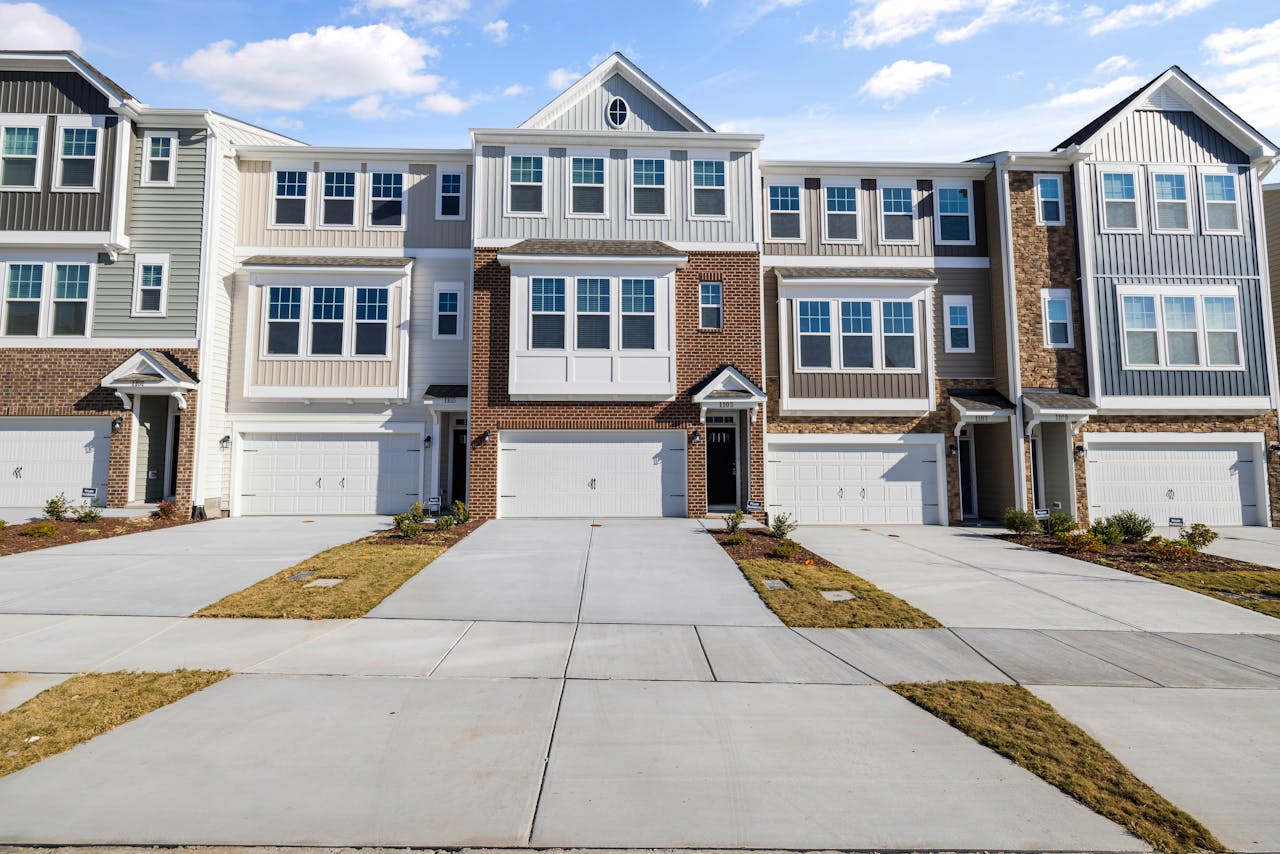
  • Thoughtful design and organization, including vertical storage systems and custom cabinetry, enable you to maximize available square metres and maintain a clutter-free, functional environment.
  • Take stock. Done correctly, this step involves a thorough audit of your existing storage. Consider your lifestyle needs to ensure that your garage remodel fits seamlessly into your everyday life and offers solutions that cater to your family’s needs.
  • By incorporating adaptable floor plans and sustainable retrofits, you enhance functionality and livability. Further, these enhancements help advance long-term sustainability and resiliency by integrating intelligent technologies.
  • Additionally, using high-quality materials and experienced professionals adds significant value to your property. It further minimizes maintenance requirements and prolongs the garage’s life.
  • Planning carefully—by defining project scope, setting a realistic budget, and consulting specialists—will help you achieve a successful transformation that benefits your home and lifestyle for years to come.

Garage remodeling creates a functional, intelligent, personalized space that improves the quality of everyday life. It addresses your storage needs while enhancing your lifestyle.

Install wall racks, cabinets, or ceiling shelves, and you’ll have convenient storage for sports, tools, or seasonal items. Family members can easily configure areas for crafting, exercising, or a home office, improving life for everyone with hectic schedules.

Bright, well-kept floors and good lighting provide a safe, clean place for kids to play. A renovated garage offers fresh opportunities for flexible space. This makes it ideal for expanding families or those who simply desire a little more organization at home without the hassle of a major relocation.

With the right design, garage remodels can accommodate a variety of needs and tastes, improving both functionality and lifestyle at home. In upcoming sections, tips on how to design and begin a remodel will be featured.

Why Remodel Your Garage?

Unfortunately, a garage is one of the first places that becomes underutilized or becomes a dumping ground for junk. Remodeling this often neglected space can both address critical storage needs and adapt to the changes lifestyle demands. Not surprisingly, most people are unhappy with their garage.

For others, it’s the perfect chance to make their home more comfortable, valuable, and functional.

Beyond Parking

Whatever you park in your garage, vehicle storage is only a small segment of your garage’s potential. Turn it into a woodworking shop, crafting space, or painting studio! This new space will let you take on new hobbies, interests, and activities without overwhelming other spaces in your home.

With the right design, your garage can serve a dual purpose as a guest house for friends or family. Put in a couch, some bookshelves, and a lamp. This makes it a comfortable pocket space for neighbors to chat, read, or contemplate.

With smart storage, you can have your tools and outdoor equipment within reach yet hidden away. For instance, wall racks and ceiling bins free up floor space and organize gear by frequency of use. These simple renovations reduce both clutter and stress, transforming the garage into an organized, peaceful environment.

Lifestyle Hub

A garage is the perfect space to set up a personal gym. Install mats, bike racks, and a fan to create a space for regular exercise. It’s less expensive and more convenient to maintain a routine.

Install a large work table with ample lighting for hobbies or crafts. Pull up a stool, and reclaim the room for office work or home improvement projects! If you have the room, create a hangout space with a comfortable couch and TV.

Whether it’s movie nights or game nights, you’ll enjoy a new level of convenience while protecting your home from noise coming in or going out. Paint the walls and floors white, hang artwork, or add greenery, and voila! This allows the garage to better match your style and provides a new, updated look and feel.

Value Boost

Garage Remodel Feature

Home Value Impact

Pros

Cons

Built-in storage

High

More space, less clutter

Upfront cost

Workshop or gym

Moderate

Multi-use, adds function

May need permits

Improved lighting

Moderate

Comfort, usable year-round

More wiring work

Car lift installation

Niche

Extra parking

Expensive, needs height

Finished floors/walls

High

Clean look, better feel

Time, cost

A bigger, tidier garage is the biggest draw. Today’s buyers still desire space for their cars, storage, and hobbies. It’s amazing how much better lights and clean floors can impact curb appeal and property value.

Wise improvements, such as increasing storage or incorporating a home office, yield higher returns as time goes on.

Home Comfort

Having natural light and ventilation helps make the garage a pleasant environment to spend time in. A neat garage means less stress.

Less clutter feels good. With the right design, it can become a space where you unwind or achieve productivity.

Assess Current Garage Utility

A garage utility assessment is the starting point for any remodel. It helps homeowners see how the space works now, what needs to change, and what improvements matter most. Looking at storage, daily use, layout, and existing features can show where upgrades will have the biggest impact.

Storage Audit

A checklist makes it easier to see what lives in the garage: tools, bikes, boxes, sports gear, old paint, or unused furniture. Document it all and sort items into “keep,” “donate,” or “throw away.” Even just taking this step clears up a surprising amount of space just from getting rid of excess clutter.

Almost every garage has an area of shelves, storage, or otherwise, thatise underutilized. Consider incorporating wall hooks, ceiling racks, or modular cabinets to make better use of these areas. These underutilized spaces have the potential to become great storage with a few strategic improvements.

There are seasonal items, such as winter clothes or holiday-themed décor, that require additional storage. Consider models that allow for the storage of these items out of reach for the rest of the year. This not only makes the garage much more functional, but also storage is much more organized.

A thorough deep clean and declutter session creates a blank slate for new storage systems. This step opens up room for storage that aligns with how you live now, rather than preserving detritus from outdated decades.

Lifestyle Needs

No two families use their garages in the same way. Some people require space to store their bikes and tools, while others may need a space for a home gym or craft station. Consider what your day-to-day life is going to be like and how the garage might serve your lifestyle needs.

If someone else in the household telecommutes, creating a focused home office area might be essential. Insulate well and introduce natural light with adequate artificial lighting for a pleasant atmosphere. Other leisure activities, such as woodworking or gardening, require ample workbenches and storage.

Occasionally, families will use their garages for raucous parties or entertaining larger groups. Think about flexible layouts: foldable tables, movable shelves, or a spot for a mini fridge. These decisions make the garage conducive to recreation as opposed to primarily storage.

Space Analysis

Taking measurements of the garage is essential. Lastly, take measurements of the length, width, and ceiling height in meters. This provides a realistic space to plan for.

Walls, support beams, and ceiling heights dictate what’s possible. Some of these layouts are modifiable, while others should remain in place to protect the traveling public. Draw the area and identify these qualities before beginning any design work.

Feature Repurposing

Whether it’s installing additional outlets or upgrading lights and ventilation, these improvements add to the garage’s utility. Abundant natural light and airflow create a canvas in which the garage space can become more than just a glorified storage room.

Those old shelves or benches may serve their purpose just fine in a new location or even with a coat of paint. Find opportunities to repurpose what’s in place and reduce costs.

Maximize Garage Storage & Functionality

A garage remodel can help you get from a chaotic, worthless space to a clean, efficient extension of your home that serves your needs. Especially with more than 60% of homeowners citing a lack of storage as a top concern, intelligent design goes a long way. Smart design makes the most of every inch to meet storage, workspace, and recreation needs without sacrificing aesthetics or efficiency.

1. Vertical Systems

Taking advantage of the wall height is important. Shelving units allow you to build up storage for boxes, bins, or gear while still keeping the floor space clear. If you like to change things up, slatwall panels are ideal, allowing you to easily reposition items.

You can easily swap out hooks or baskets to accommodate tools, bikes, or gardening equipment. Pegboards let you store items like wrenches, screwdrivers paintbrushes while making them easy to see and grab. Consider dedicating one wall to these systems to keep everything within arm’s reach and allow an uninterrupted workflow.

Freeing up the floor opens more space for workbenches, your kids’ sporting equipment, or parking your car inside again.

2. Custom Cabinets

Custom cabinets can revolutionize the way you use your garage space. Since they’re made to perfectly fit the dimensions of your garage, not an inch goes to waste. Quality materials such as steel or high-grade wood can support heavy tools and are designed to last many years.

Opt for customizable shelving to accommodate everything from tiny screws to hefty equipment. Well-crafted cabinets provide a clean, custom aesthetic that will complement your home’s style. This choice maximizes concealed storage, meaning your garage will appear tidy, even when overflowing with storage options.

3. Overhead Storage

Overhead storage racks that hang from the ceiling are great for items you don’t need to access every day, like seasonal decor or sports equipment. Ladders or pull-down racks can make it much easier to access those very seasonal items when you need them.

Use clear bins to quickly spot what you’re looking for, eliminating the hassle of sifting through random items. Storing items up high opens up floor space, which can help you walk through your garage more easily or park a car inside.

Intelligent use of overhead storage allows the garage to remain spacious and functional without hindering safety.

4. Strategic Flooring

Choose floors that are resistant to the effects of oil drips, dropped tools, or dirt. Epoxy floor coatings are strong, resistant to staining, and aesthetically pleasing. Non-slip textures reduce the risk of slips and falls.

High-quality floors help water drain as well, preventing dangerous puddles and further damage.

5. Zoned Layouts

Separate your garage into zones for work, storage, and leisure activity. Install cabinets, shelves, or even evenfloor-to-ceilingg small walls to delineate each space. Quality illumination, with bright LED high bay overhead lights, floods your shop to make it more productive and secure.

Each zone should reflect its purpose, whether that’s parking bikes or developing a workshop space.

Design For Your Lifestyle

A garage can be so much more than a place to store cars. Reimagine it to fit your unique lifestyle! Increase your comfort and get your home to start performing the way you want it to. With a little foresight, you can create distinct boundaries between where you hustle, where you have fun, and where you sleep. This way, you promote your relaxation and prevent the stress of work from invading your time.

An adaptive, customized space not only has lasting value to your property, but it also meets your lifestyle needs well into the future.

  • Set up a fitness area to support health goals
  • Build a home office for focused work
  • Make an entertainment den for unwinding
  • Add a hobby workshop for crafts or repairs
  • Use built-in storage for tidy gear management
  • Pick decor and lighting that boost mood and output
  • Change the space as your needs shift over time

Hobby Workshop

A hobby workshop functions as a space for creative projects or practical, hands-on work. You can dedicate an entire area to woodworking, model building, or artistic endeavors. Shelves, pegboards, and bins store your tools within reach in an orderly fashion. That way, you’ll spend less time searching for what you’re looking for!

Lighting and airflow are important, as well. Overhead LED lights, plus a basic but effective box fan, help to keep the space cool, bright, and safe. Finally, complement your setup with inspiring wall art or colors that get your mind racing and your creative juices flowing.

Fitness Area

Having a fitness area at home reduces the need to make special trips to the gym and may help you more easily fit your workouts into your schedule. Pick a place where you can put a treadmill, a set of weights, or a yoga mat. Install rubber flooring for safety, and include a window or fan for ventilation.

Each storage solution, whether a rack for dumbbells or a basket for bands, brings order to chaos. Install a large mirror so you can watch your form. Hang images or affirmations that motivate you to excel! Not only will a home gym make it easier to maintain fitness goals, but it also provides a sense of pride. It’s an easy, convenient way to incorporate health into a busy lifestyle.

Home Office

A garage home office means you can work away from the commotion and clutter of family life. Select an out-of-the-way location, preferably one that is quiet and removed from the bustle of the household. Afterward, invest in a good desk and a comfortable chair!

Having good lighting and a natural light source is a great way to help prevent your home office from becoming an eye strain. Consider using shelves or a cabinet to keep your files and supplies organized and out of sight, helping your workspace remain tidy and less distracting.

Personal touches—like a plant, photo, or art—can make the office feel more like yours and help you focus on your work.

Entertainment Den

Pick a spot for movie nights. Throw in a sofa, a TV, and perhaps a small fridge stocked with drinks. Sound-absorbing materials such as thick rugs and wall panels go a long way in noise reduction.

Plan Your Garage Transformation

Having a solid plan in place is the most important part of creating a garage that provides adequate storage and fits your lifestyle. If your garage is the most chaotic area in your house, you’re not alone, but with a little planning and a smart remodel, it doesn’t have to be. The right planning truly mixes together goals, budgets, know-how, and scheduling.

Here are the core steps:

  1. This will help you determine specific goals for the remodel and how you want to use the remodeled space.
  2. Assess which garage areas need the most work.
  3. Ensure you allocate a reasonable budget that covers both anticipated and unanticipated expenses.
  4. Seek input from experts, including checking local codes.
  5. Create a timeline for the project to keep you moving forward.

Define Scope

Start by listing what you need from your garage: storage, a workspace, or a living area. Many homeowners find that shelves, racks, and efficient use of wall space can solve storage issues and make the garage less cluttered. If you need additional space, one of the best investments is turning your garage into an additional living space.

It’s one of the most economical methods to gain extra square footage for your home, with costs averaging $30 to $100 per square foot.

Next, identify trouble areas. Is the floor pitched to drain any water that may spill or accumulate? Most garage floors are pitched for runoff, which has implications for flooring selection and layout. Perhaps you plan to include a loft or second story. Local zoning codes could prevent you from doing so.

As always, make sure to do your due diligence with local regulations. Features that best suit YOU and your lifestyle! Workbenches for hobbies, cabinets for tools, and climate control for comfort.

Define specific, realistic goals for what you want the remodel to accomplish, and make sure these goals stay within your budget.

Set Budget

Your budget. A realistic budget should include all materials, labor, and permits and should account for unexpected expenses. Look up costs for flooring, storage options, insulation, and finishing touches. If you want it to be a living space, that’s not the end of it— expenses increase as you install more heating, plumbing, and electrical work.

Include some leeway to accommodate unexpected costs. This will help ensure your project stays on budget in the event of price increases.

Consider Other Financing Options: Consider outside financing if necessary, but make sure to read all terms.

Seek Expertise

We’ve said it before, and we’ll say it again—engage experts early. Garage remodeling specialists and contractors can identify structural obstacles and recommend creative solutions that work within your vision and budget. Trained designers can ensure you make the most out of vertical and wall space, creating a clean and efficient environment.

Find professionals in your area who are familiar with local building codes. They’re the best resource to help you with permits, particularly if you’ll be adding living space or making significant changes to your structure. Guidance from an expert makes the process more efficient and can save you a lot of money from mistakes.

Create Timeline

Create a realistic timeline for the project. Detail what you envision as each phase of your project. Monitor progress regularly.

Try for three to five days for straightforward projects, but plan for more time for complicated work.

Conclusion

Garage remodeling provides tangible solutions to everyday storage and lifestyle requirements. Having a concise plan allows you to eliminate clutter, maximize space, and accommodate new activities or builds. Durable shelving units or ceiling-mounted organizational racks offer attractive options for storing sports equipment, tools, or gardening supplies. A craft station, workbench, or small gym could take up the last corner. With good lighting and safe, clean floors, it’s a pleasant space to walk through and utilize. When given the time and making the appropriate decisions, garages can expand alongside you and your family. Be willing to rethink things and adjust your layout as your priorities evolve. Looking to increase your home’s value and improve your lifestyle? Begin your garage remodel planning today and find out how much more your garage can provide.

Frequently Asked Questions

1. How Can Garage Remodeling Help With Storage Problems?

Garage remodeling brings in built-in shelves, cabinets, or wall systems. Now you have created a much more organized space for your tools, your kid’s sports gear, seasonal items, etc. In this way, you can keep your garage organized and always know what you’re looking for.

2. Is Garage Remodeling A Good Investment For My Home?

Is garage remodeling worth it, in terms of property value? Additionally, it increases your home’s appeal to potential buyers as it provides additional functional space for storage or hobbies.

3. Can A Remodeled Garage Serve Other Purposes Besides Storage?

Roger that, 10-4, yes indeed. With a little imagination, your newly remodeled garage can serve as a gym, workshop, home office, or children’s play area. You can create a space that fits your lifestyle requirements.

4. How Do I Know What Changes My Garage Needs?

Consider your storage objectives. First, make a list of items you store and lifestyle needs you have that the garage should accommodate. Determine issues such as excessive disorganization or insufficient space to work. This ensures that you have a clear plan for the most impactful upgrades based on your needs.

5. What Are The Top Storage Solutions For Garages?

Wall-mounted solutions are Popular options for ceiling racks, wall-mounted shelves, pegboards, and modular cabinets and carts. These allow you to clear and make them easy to reach.

6. How Can I Make My Garage Safer And More Accessible?

Add bright lighting, non-skid flooring, and keep things stored above floor level to improve safety. This helps to avoid collisions and allows for more efficient use of the space by all users.

7. How Do I Ensure My Remodeled Garage Stays Organized?

Label bins, make cleaning schedules routine, and assign a specific place for each object. Take the time to return items to their designated spots when you’re done. This prevents clutter from accumulating in your garage, making it easier to stay organized long-term.

Your Dream Home Starts With Mares & Dow Construction – Let’s Create Something Amazing Together

Planning a home renovation or construction project in Concord, Walnut Creek, Pleasant Hill, or Lafayette? Whether you’re dreaming of a stunning kitchen remodel, a durable new deck, or a full-scale home renovation, choosing the right general contractor is the most important decision you’ll make.

With over 40 years of experience, our team at Mares & Dow Construction & Skylights has built a reputation for quality craftsmanship, transparent pricing, and exceptional customer service. We specialize in:

  • Home Remodeling – Transform outdated spaces into modern, functional, and energy-efficient areas that increase home value.
  • Decks and Outdoor Living Spaces – Create the perfect outdoor retreat with expertly crafted decks, pergolas, and patios.
  • Foundation Repairs and Waterproofing – Protect your home’s structural integrity with our professional solutions.
  • Custom Skylight Installations – Enhance natural light with innovative skylight solutions from a VELUX 5-Star Skylight Specialist.
  • General Contracting Services – From new builds to home additions, our skilled team manages every aspect of your project with precision.

Serving Contra Costa County, including Alamo, Danville, Orinda, Martinez, and San Ramon, we take pride in delivering exceptional results that exceed expectations. Whether you’re a homeowner planning a renovation or a property investor looking to enhance a home’s resale value, we ensure your project is completed on time, within budget, and with the highest level of craftsmanship.

Don’t settle for anything less than the best for your home remodeling, renovation, or construction needs. Contact Mares & Dow Construction & Skylights today for a free, no-obligation quote, and let’s bring your vision to life.

Disclaimer

The materials available on this website are for informational and educational purposes only and are not intended to provide construction, legal, or professional advice. You should consult with a qualified general contractor or industry professional for advice concerning any specific construction project, remodeling plan, or structural concern. Do not act or refrain from acting based on any content included on this site without seeking appropriate professional guidance. The information presented on this website may not reflect the most current building codes, regulations, or industry best practices. No action should be taken in reliance on the information on this website. We disclaim all liability for actions taken or not taken based on any or all of the contents of this site to the fullest extent permitted by law.

Should You DIY Your Garage Renovation Or Hire A Pro? Here’s The Truth

Key Takeaways

  • Thoroughly evaluate your skills, available time, and budget before deciding whether to pursue a DIY garage renovation or hire a professional, as this assessment will help set realistic expectations and avoid costly mistakes.
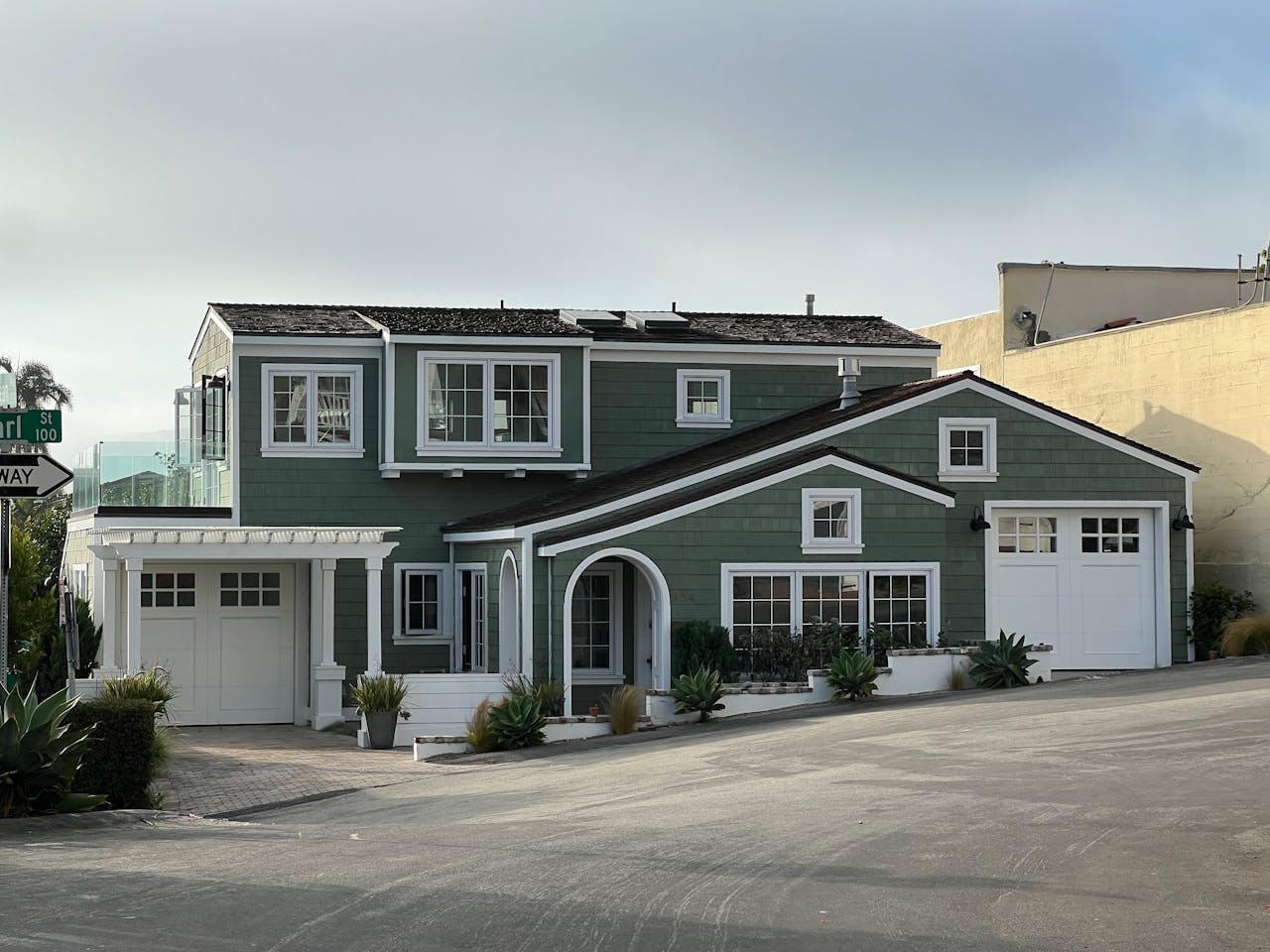
  • Gauge the complexity and scope of your renovation project. Keep in mind, any extensive structural alterations or utility installations usually have to be done by licensed professionals for safety and code compliance reasons.
  • Set a realistic, detailed budget that includes both anticipated and unanticipated expenses. Familiarize yourself with local building codes to know what permits you’ll need to acquire before beginning any work.
  • Always focus on quality and long-term value! Determine your standards for workmanship and materials, including the advantages of high-quality, professional finishes compared to the savings on a DIY job.
  • Consider a hybrid approach by dividing tasks based on your strengths and delegating complex or high-risk work to professionals, which can enhance efficiency and maximize both budget and quality.
  • Plan for regular maintenance and store your warranty papers safely! Consider how your garage renovation will affect your home’s future resale value and attractiveness to buyers.

To sum up and answer the question: Should you DIY your garage renovation or hire a pro? This decision will vary based on your expertise, available funds, and the requirements of your project.

Taking on the DIY route will save you money and allow you to have more control over each step. It’s fine for something straightforward, like painting or installing shelves.

For larger projects, such as electrical work or floor repair, hiring a professional can provide more safety and finished quality. At the end of the day, most folks consider the time, expense, and liability and choose a side.

Understanding what each option has to offer can allow you to budget and plan accordingly with far less surprise. In the second half, we’ll break down the true advantages and disadvantages of each path.

You’ll learn cost-saving advice and skill requirements to help you make an informed, intelligent decision!

Key Garage Renovation Decision Factors

Whether you want to do a garage renovation yourself or hire a professional comes down to your skill set. Take the project’s complexity, your budget, time constraints, and the quality you desire into consideration as primary decision-making factors in narrowing your selection.

Consider each factor in turn. Taking these factors into consideration will help you reach a decision that best fits your needs, safety, and budgetary constraints.

1. Your Skills

Take stock of your abilities. If you have some skills in painting, carpentry, or simple assemblies, minor changes are often good candidates for a DIY project.

Roofing, electrical, and plumbing upgrades usually demand a level of expertise that you may not possess. Consider previous DIY projects you’ve completed with success. Were you able to get it done within the time frame and to your liking?

What decision factors were most important in your garage renovation journey? Lacking the right tools or know-how for certain tasks, like electrical rewiring or pouring a new concrete floor, is a sign you should bring in a pro.

Don’t forget safety. A mistake can be expensive or even fatal.

2. Project Scope

Not all garage renovations are equal. Repainting walls, installing new shelves, or changing out lighting fixtures are easy fixes.

Creating a garage conversion into a livable space, raising the roof, or moving load-bearing walls are all extensive and require specialized skills. Consider your overall plan and break it down into separate tasks—demolition, electrical service, insulation, and floor upgrades.

Do you require special building permits or planning permissions for your site? If it is, then that’s a whole other layer of complication. Know your limitations and when to bring in an expert.

3. Budget Limits

Consider the maximum amount you can spend right from the start. Remember to include the cost of materials, tools, required permits, and labor.

Look at the average costs for renovations in your region and include a minimum of 10% for unforeseen expenses. If you cut corners on materials or skip professional help for key tasks, you may face higher repair costs later.

Have a detailed plan in place for each phase. Create a plan and budget, including everything from long-lasting floors to modular storage that can be configured in multiple ways.

Selecting durable materials from the start will minimize costs over time and ensure that ongoing maintenance is simple.

4. Time Factor

Garage renovations take time. Most almost always do, taking weeks, sometimes months, for novices. Work, family, and personal commitments will reduce the amount of time you can dedicate to the undertaking.

Time is a big factor. Delays occur. Severe weather, material shortages, or delays with permits can all bump a project off schedule.

Be prepared to be all in, or the project could end up dead in the water.

5. Quality Goal

Decide early: do you want a professional finish or is a DIY look fine? Educate yourself about the best practices for renovating garages—durable flooring, effective weatherproofing, and proper electrical wiring.

Consider the role quality will play in long-term value and function. A sharp, pro-level garage renovation can enhance property value and reduce future maintenance costs, all things being equal and assuming they go about it the right way.

Understanding DIY Garage Renovation

A DIY garage renovation is an attractive option for cost-conscious, curious, and creative homeowners. Repairing damage to a concrete slab or adding heating insulation are typical motivators to get things rolling. It’s not without its challenges—DIY costs can escalate quickly, and errors in craftsmanship can result in unsafe living conditions or costly repairs.

The process is extremely time-consuming, taking weeks or months for first-timers. Safety and legal considerations need to be taken into account before getting started.

Required Skills

  • Calculating and designing space for new floor coverings, wall coverings
  • Basic carpentry, such as installing shelves or framing walls
  • Electrical work, like replacing lighting or outlets
  • Plumbing basics for laundry or utility upgrades
  • Flooring installation, including tile, epoxy, or vinyl
  • Drywall hanging and finishing
  • Painting and surface preparation
  • Safe use of hand and power tools

Everyone should first determine whether or not they possess each of the skills listed above. Whether installing a new garage door or climbing on a ladder to replace garage lighting, there are dangers involved. Lacking the proper experience can lead to significant injury and property damage.

Online tutorials can be a useful supplement, but nothing beats getting hands-on practice. Workshops or short courses can develop skills, particularly with electrical equipment or heavy machinery. Always wear gloves, goggles, and adhere to safety precautions and guides. Not following safety procedures is a major cause of DIY injuries, which are often seen in the ER.

Common Risks

Even minor mistakes in insulating or hanging Sheetrock can lead to expensive repair bills down the road. A floor installed incorrectly can crack or start to lift, causing water seepage or mold. Cutting walls or beams without structural expertise is highly dangerous and can jeopardize your home’s safety.

If you are increasing lighting or performing work near fuse boxes without the proper training, you expose yourself to the risk of electric shock or fire. Overlooking local building codes is a third issue. Failure to obtain the appropriate permits can result in fines or an order to remove or reverse your improvements.

DIY projects come with their stress—balancing time, tools, and danger without assistance can prove too much. Errors happen, and the price to remedy them is significant.

Permit Needs

Researching building codes required for your area is an essential step. Most garage renovations—particularly projects that involve adding new outlets, plumbing, or moving established walls—require a permit. Start the permitting process before you purchase any heavy materials to avoid costly legal setbacks.

Store all applications and permits in one folder, either digitally or physically, so they’re easy to reference if an inspector has any questions. If you have any questions about the rules, reach out to your local building office. They should be able to tell you what’s required and save you the headache of getting fined or potentially having your new improvements removed.

When To Hire A Pro

Some DIY garage projects can very rapidly go from routine to dangerous. This is doubly so when it comes to public safety, legal compliance, and technical standards! For these situations, it is not only prudent to hire a professional—it is sometimes necessary. Here are the golden rules, the no-brainers, the surefire bets on when hiring a pro is the right call.

Structural Changes

Taking out or relocating walls, changing the foundation, or adding new windows or doors are not easy tasks. Structural changes, if these are not planned well, could compromise the integrity of your garage. This endangers lives and damages homes and businesses!

An experienced structural engineer will have the expertise to identify load-bearing walls and determine, for example, how taking out a wall may impact the rest of the building. Miscalculations and misapplications mean a call to the fire department or even a large repair bill, or worse, an unsafe or uninhabitable structure.

Not only do local rules usually mandate that any structural work be permitted, but only licensed professionals can ensure your endeavor will satisfy all applicable codes.

Utility Systems

Without a doubt, electrical wires, plumbing pipes, and gas lines require a licensed hand. A tiny error in electrical or plumbing installation could result in deadly fires, floods, or exposure to poisonous fumes. Nearly all areas require permits for these systems, and pros must adhere to detailed codes.

If your project will involve anything beyond tiptoeing into the bathroom and replacing a lightbulb with a new one, hire an expert. Local inspections are normal, but only licensed tradespeople understand how to pass them.

An experienced pro will take care of all the permits, and with their deep knowledge, they’ll ensure the job gets done safely and legally. Many repairs require specialized tools as well, with those tools exceeding $100. In these instances, it’s less expensive and hazardous to hire a pro than it is to purchase tools for one job.

Advanced Finishes

Custom storage, built-in cabinets, epoxy floors, and seamless tile work all require a pro. Only a pro will produce finishes that will not only go on beautifully, but hold up for many years. The high-quality work they provide will dramatically increase the overall value and aesthetic of your garage.

Home improvement projects done DIY usually end up taking three times as long and seldom achieve the caliber of work by an experienced professional tradesperson. If you’re after a really special aesthetic, bring in a pro to achieve advanced finishes.

It’s a great return on investment, and even better if you’re looking to sell your home!

Other Critical Cases

If it’s got a permit, it’s pro. High risk of injury or death? Hire a pro. Big dollars? Serious tools? Leave it to the pros. Uninterrupted work life? Don’t waste time with amateurs.

The Smart Hybrid Garage Renovation

A smart hybrid approach to garage renovation will put you in the driver’s seat, save you real money, and ensure the best possible outcome. Determining what elements should be DIY and what should be done by professionals isn’t obvious, even for veterans. The table below helps clarify common tasks and who best handles them:

Task

DIY Possible

Pro Recommended

Painting walls


Installing shelves


Electrical rewiring


Window installation


Floor coating

✔ (complex)

Insulation

✔ (simple)

✔ (advanced)

Door replacement

✔ (basic)

✔ (custom fit)

Drywall

✔ (large area)

Blended Approach

A smart hybrid garage renovation begins with an inventory of the work to be done. Calculate each task by skill level, risk factor, and duration. Simple painting, shelving, or insulation goes a long way and works for most DIYers.

Anything involving wiring, gas, or structural changes requires a professional type of person. When a tool set or rental exceeds $100 or requires specialized training, it’s usually more cost-effective to bring in the hire.

Know what you are and aren’t good at. If you’ve never installed a door or wired electrical, the chance of mistakes is great. One blunder of that magnitude could leave your home dangerous or uninhabitable.

Time needs to inform your strategy as well. A project you think you’ll be able to complete in a few weeks can easily turn into months if you have to learn along the way. Be sure to clarify in advance with any hired professionals what work you plan to tackle yourself. Having clear roles prevents bottlenecks or confusion.

Task Delegation

  • Paint walls and ceilings: DIY
  • Install adjustable shelving and storage: DIY
  • Upgrade lighting fixtures: Pro
  • Add or enlarge windows for natural light: Pro
  • Electrical work (rewiring, outlets): Pro
  • Install floor coating: DIY or Pro (dependent on product)
  • Insulate walls: DIY if basic, Pro for spray foam

More complicated work should be left to the professionals to ensure safety and optimal results. Develop a timeline that lays out each activity and the owner. Stay flexible: if a DIY job drags on or proves harder than expected, be ready to call in help.

Optimal Value

Finding the right balance between DIY and professional work can save you thousands. Your savings disappear fast if you purchase costly specialized tools, rent equipment, or need to redo missteps!

A hybrid approach lets you invest more where you’re already strong. Spend the money on things that create high value, like lots of good-quality windows that bring in natural light, or top-notch floor coatings!

In the long run, quality work pays off in reduced repair costs and increased home value compared to a slapdash, all-DIY effort. High-quality finishes and quality craftsmanship return on investment over time, even if you invest a little more money at the beginning.

Future-Proofing Your Garage Renovation

The best garage renovations are future-proof, valuable, and don’t leave you a few years down the line with hidden costs and headaches. Planning today for what might need to be updated or repaired in the future is a good, forward-thinking approach.

Think about whether you plan to do the work yourself or hire someone to do it. Consider maintenance, durability, and how your decisions can increase your home’s value!

Maintenance Plan

  1. Check once every 3 months for leaks, cracks in the flooring, or signs of pests.
  2. Door tracks and hinges should be cleaned and lubricated every six months.
  3. Replace light bulbs and inspect wiring annually.
  4. Sweep and mop floors monthly to prevent buildup.

Just like any other part of your home, a garage requires some maintenance to stay functional and safe, maintaining its value for the investment.

Learn what breaks down most: insulation, doors, lighting, and wall panels. Insulation in older homes may have insulation that contains asbestos, which can be harmful if disturbed without professional assistance.

Plan to have checks and necessary repairs made each year, so your investment doesn’t go to waste or create hazardous conditions.

Warranty Details

Request written warranties from your contractor or supplier that spell out clearly what materials and items installed come with a warranty. Almost all reputable builders and brands will have a warranty that protects you against defects in workmanship or parts.

Don’t be fooled, the terms can get confusing. Understand warranties—read the fine print and find out what is covered, for how long, and what could void the warranty.

Store all warranty materials in a single binder or electronic file. For costly upgrades, such as insulated doors or specialty flooring, look into purchasing an extended or add-on warranty.

This will help save you a headache and money down the line if something big happens unexpectedly.

Property Value

A savvy garage renovation can add serious value to your property. You can even recoup more than 84% of what you invest! Look at local housing markets to understand what buyers are looking for.

Improvements such as clear storage options, updated lighting, or more secure doors can all give your home a competitive edge.

Consider features future buyers will want—flex space, advanced materials, or top-notch security. High-quality, sustainable work and materials time prove themselves.

They have greater resale value and help sell your home faster.

Conclusion

To choose between doing your garage work or calling a pro, weigh your skill, time, and budget. If you like working with your hands and have the tools, small fixes or painting can feel good and save cash. For big plans like new floors or wiring, a pro brings speed, safety, and a clean finish. You can split jobs too—paint walls yourself, leave the heavy lifts to the experts. Clear goals and honest checks on what you can do make the best plan. A good garage fits you now and later, whether you park bikes or need work space. Share your thoughts or stories below. Jump in and help others figure out their next step.

Frequently Asked Questions

1. What Are The Main Benefits Of A DIY Garage Renovation?

What are the main benefits of a DIY garage renovation? Money savings, Flexibility, and Work at your own pace. You learn new skills and you’re in total control of the project. In the end, safety and quality can become an issue when you don’t know what you’re doing.

2. When Should You Always Hire A Professional For Garage Renovation?

When you’re making electrical, plumbing, or structural changes. These are all jobs requiring professional expertise and local permitting. A qualified professional guarantees safety, code compliance, and peace of mind.

3. How Do You Know If Your Garage Renovation Project Is Too Complex For DIY?

If your garage renovation touches on complex technical systems, hazardous materials, or structural changes, it’s probably too complicated to be a DIY project. Intricate designs or tools you’ve never worked with before are other red flags that it’s time to call in an expert.

4. What Is A Hybrid Garage Renovation Approach?

What is a hybrid garage renovation approach? You do the minor tasks, such as painting, sorting, and organizing. Pros have the experience to judge complex work like wiring or door installation to make sure it is as safe and quality as possible.

5. How Can You Future-Proof Your Garage Renovation?

Go for long-lasting materials, allow room for additional storage, and consider future uses such as electric vehicle charging or smart tech improvements. Make flexible, future-proof designs a priority, so your garage can evolve as your needs evolve.

6. Is A Professional Garage Renovation Faster Than DIY?

Yes. Pros bring years of experience, specialized tools, and a dedicated team that significantly speeds up the renovation process. DIY projects typically take longer, with things like learning curves and doing it in spare time.

7. How Do You Choose The Right Professional For Your Garage Renovation?

To avoid the headaches of shoddy workmanship or unfulfilled schedules, search for licensed, insured, and experienced contractors. Review their reviews, request references, and obtain itemized bids. The right professional for your garage renovation. Proven communication and demonstrated experience are the best indicators that you’ve found the right pro.

Your Dream Home Starts With Mares & Dow Construction – Let’s Create Something Amazing Together

Planning a home renovation or construction project in Concord, Walnut Creek, Pleasant Hill, or Lafayette? Whether you’re dreaming of a stunning kitchen remodel, a durable new deck, or a full-scale home renovation, choosing the right general contractor is the most important decision you’ll make.

With over 40 years of experience, our team at Mares & Dow Construction & Skylights has built a reputation for quality craftsmanship, transparent pricing, and exceptional customer service. We specialize in:

  • Home Remodeling – Transform outdated spaces into modern, functional, and energy-efficient areas that increase home value.
  • Decks and Outdoor Living Spaces – Create the perfect outdoor retreat with expertly crafted decks, pergolas, and patios.
  • Foundation Repairs and Waterproofing – Protect your home’s structural integrity with our professional solutions.
  • Custom Skylight Installations – Enhance natural light with innovative skylight solutions from a VELUX 5-Star Skylight Specialist.
  • General Contracting Services – From new builds to home additions, our skilled team manages every aspect of your project with precision.

Serving Contra Costa County, including Alamo, Danville, Orinda, Martinez, and San Ramon, we take pride in delivering exceptional results that exceed expectations. Whether you’re a homeowner planning a renovation or a property investor looking to enhance a home’s resale value, we ensure your project is completed on time, within budget, and with the highest level of craftsmanship.

Don’t settle for anything less than the best for your home remodeling, renovation, or construction needs. Contact Mares & Dow Construction & Skylights today for a free, no-obligation quote, and let’s bring your vision to life.

Disclaimer

The materials available on this website are for informational and educational purposes only and are not intended to provide construction, legal, or professional advice. You should consult with a qualified general contractor or industry professional for advice concerning any specific construction project, remodeling plan, or structural concern. Do not act or refrain from acting based on any content included on this site without seeking appropriate professional guidance. The information presented on this website may not reflect the most current building codes, regulations, or industry best practices. No action should be taken in reliance on the information on this website. We disclaim all liability for actions taken or not taken based on any or all of the contents of this site to the fullest extent permitted by law.

What’s The Real Cost Of Garage Remodeling In The Bay Area—And Is It Worth It?

Key Takeaways

  • Garage remodeling can be quite expensive. These costs vary based on prevailing labor rates, material selection, permitting processes, and local zoning regulations. Save yourself the surprise financial burden by ensuring that you meticulously plan and budget for the entire process.
  • Labor rates might vary depending on demand in the season and the difficulty of the project. Request bids from multiple contractors and think about hiring more specialized professionals to get the best results! Taking local wage trends into consideration is crucial to developing a realistic budget for your remodel.
  • Making the right choices, Materials are going to factor into the budget more than any other element of a project. Purchasing from local producers and looking for environmentally sustainable options will help you stay within budget while making your green-building dreams come true.
  • Understanding the permit process is your first step. Knowing your local building codes protects you from expensive legal fees and project delays. Keeping informed about county-specific regulations will help you keep your remodel on the right side of the law.
  • When executed well, the right garage remodel can provide a powerful ROI. It adds value to your property, livability, and quality of life, increasingly as you convert garages into functional living spaces such as home offices, gyms, and ADUs. Understanding local real estate trends will ensure that you make the most money when all is said and done.
  • Avoiding hidden expenses like structural improvements, debris removal, and unexpected repairs is key to keeping your project within budget. Creating a contingency fund and taking a phased approach to your remodel will allow you flexibility and financial security over the course of your project.

Based on what we’ve seen from homeowners in Concord, the average cost of a garage remodel ranges from $10,000 to $40,000. This cost depends on the size, materials, and design choices. Key factors driving garage conversion costs include labor rates, permit fees, and finish levels.

This value can be realized through improved storage, increased home value, or additional living space. As with most ROI calculations, the answer depends on your long-term goals and what the market values. New floors, insulation, and lighting are standard in most projects to create spaces that support today’s lifestyle needs.

This post will explain what causes prices to vary so much. It will guide you through weighing costs and benefits, showing you what you stand to gain. Next, we’ll take a deeper dive into those factors and illustrate how they create the real, tangible worth of remodeling in Concord.

Deconstructing Bay Area Garage Remodeling Costs

Remodeling a garage in the Bay Area requires understanding expensive costs, complicated regulations, and endless options. Labor, materials, permitting, and design costs influence budgets and choices. Below, we’ve listed out some key numbers for average cost, labor costs, and expected return on investment.

Item

Average Cost (USD)

Notes/ROI Estimate

Partial Remodel

$7,500–$37,400

Simple to mid-range

Full Remodel

$100,000–$500,000+

Luxury/high-end possible

Labor Rate (per hour)

$80–$150

Skilled contractor

ROI

60–80%

Based on market trends

1. Baseline Figures

The smaller the project, the better, with home offices usually beginning in the $7,500 range. Conversely, full gut renovations for 1200–1350 sq ft can easily skyrocket to $500k+ when selecting high-end contractors and materials.

The majority of mid-range remodels for a simple upgrade fall in the range of $37,400 and $100,000.

Square footage does matter—costs increase with size and jump significantly for the first 1000 sq ft and larger. Individual components, like kitchens ($50K–100K), HVAC ($15K), and roofing ($20K), push a good share of costs to the high end.

ROI is as high as 80% for features in high demand, though ROI differs based on location and quality of work.

2. Labor Rates

Whether it’s an architect, engineer, or licensed contractor, skilled labor is prohibitively expensive in the Bay Area, ranging from $80–$150 per hour. Less complex projects and fewer specialized workers will be cheaper.

Some complicated work, such as foundation repair ($50K–100K) or electrical panel upgrades ($5K–10K), requires specialists. Contractors’ Seasonal demand makes rates shoot up in the middle of the year, and fancy, high-profile contractors command premium rates.

Specialist vs generalist Finding the right balance between specialists and generalists largely comes down to the complexity of the project and the risk tolerance.

Labor Rates: Hourly rates increase with the scope of work. As an example, electrical work runs approximately $1 $1 $1K $1Kper floor, and adding outlets or lights is $100–150 each.

Specialized work is seldom inexpensive, but it can guarantee smooth operation and more durability—and fewer headaches—down the road.

3. Material Sourcing

Material sourcing is where the budget can be tipped. Flooring upgrade, windows, finishes—these things add up—flooring could be $10K for a medium-sized garage.

Sourcing from local suppliers can often help you save on costs, but bringing in more expensive materials or importing eco-friendly options can increase costs. A barebones list would be insulation, drywall, windows, flooring, and finishes, with decisions made on whether building materials are standard lines or luxury lines.

Durable, sustainable solutions may cost more at first, but save money over time. If you wish to make sustainability a priority, eco-friendly insulation options and recycled flooring are both excellent options.

Remember that these choices usually have costlier initial price tags.

4. Permit Maze

Permits are needed for nearly every base building, alternative structural change, or conversion. Unpermitted work may lead to fines or having to undo the work, so be sure to consult your local codes before proceeding.

Approval process. The approval or permit process can take weeks, even months, and approval costs differ dramatically by municipality. Don’t forget to account for the cost of permit fees as well as the time cost of waiting.

Permit Maze Permit costs are frequently underestimated but can add up to several thousand dollars. Delays are inevitable, particularly for bigger or more complicated remodels.

Keep every permit and document on file.

5. Design Fees

Professional design can range from a few thousand to tens of thousands of dollars, depending on the extent of the project. A well-designed garage can provide value and utility, particularly if one day it is converted to a living or work space.

While design fees may represent a fraction of the total budget, they can vastly increase ROI, market appeal, and daily enjoyment of the new space.

Beyond creating new usable space, a finished garage could increase resale value as well, making it a smart upgrade for many homeowners.

Is A Bay Area Garage Remodel Worth It?

Depending on the scope of the project, Bay Area garage remodels can cost between $4,200 and $30,000. This is important because labor costs generally account for 50% of the total expense. While remodels often boost property value, actual returns depend on the quality and type of improvements, along with current real estate trends and local building codes.

Figuring out what the true cost is involves considering financial, lifestyle, and zoning issues unique to this market.

ROI

Beyond ROI, though they rarely turn a profit, garage remodels go a long way toward improving daily life. Most often, homeowners cite turning their new space into a home office or gym as a reason for the value added by function. Turning a garage into a bedroom or garage apartment opens up new streams of revenue or provides space for families to crash.

Partial remodels are less expensive but still provide significant returns. One Bay Area homeowner decided on a garage conversion rather than a bathroom remodel. They were thrilled, proving that remodels other than the typical whole-house remodel can be great investments.

A well-designed garage upgrade, though, can make the rest of the home work better for everyone.

Lifestyle

Garage renovations can change how people use their homes, often boosting resale value. Doing research on comparable homes in your neighborhood can really calibrate your expectations on what buyers are looking for in a remodeled garage. Amenities such as walled enclosures, additional storage, or separate entrances improve units’ appeal.

If you want to maximize the return on your remodel, time it for when the overall market favors sellers.

Resale Value

County regulations in the Bay Area impose stringent requirements. Many of these projects take months only to get a permit. Plus, the cost of a permit can add up to 20% to the overall budget. Your local climate will heavily influence what materials are best suited for your new garage, to ensure that things like moisture-resistant floors are required.

That said, any structural changes would require meeting current seismic codes to help ensure safety during earthquakes. Staying ahead of your local building codes will be instrumental in receiving final approval.

Regulations

Make sure to follow the rules. Expect your project to take longer than anticipated. Follow along in our series. Engage professionals to guide you.

Navigating Bay Area Remodeling Nuances

The Bay Area’s unique take on garage conversion is influenced by prohibitive regulations, exorbitant expenses, and an unyielding microclimate. We wish it were as easy as providing a simple statement that applied everywhere, but each city is a maze of building codes, permit requirements, and fees. With high property values and labor costs increasing the stakes, thorough research becomes an imperative for any endeavor.

County Rules

County and city codes are often inflexible. Your ability to turn your garage into an accessory unit may be allowed in one neighborhood but restricted in another due to zoning ordinances. That’s why it’s important to consult with local officials and review Concord’s current building regulations before starting your project. Staying informed can help you avoid costly delays, fines, or the need to redo completed work.

That’s why it’s a good idea to consult applicable government websites and have conversations with local officials before you begin. Since permit rules can change at any time, always check for the latest information before you invest any funds. Catch an incorrect permit and you face a fine or have to redo the work.

In addition, a zoning slip can significantly increase the time and expense of your project!

Climate Impact

The Bay Area’s mild but humid climate poses unique considerations when choosing materials for your remodel. If you want to use the space beyond summertime, low-cost insulation measures aren’t enough. If you can insulate it, explore closed-cell foam or mineral wool to help maintain temperature and moisture levels.

Proper ventilation is just as important, particularly if you plan on converting the garage into more livable space. Consider vents or at least one small heat-recovery ventilator. Rain and fog can significantly delay progress as well as increase the risk of mold.

Select moisture-resistant materials, and make sure your construction site is dry as well! For instance, choosing durable, regionally harvested timber can reduce costs and cut shipping-related delays.

Seismic Needs

Given the fact that earthquakes pose a significant threat here, seismic retrofitting is not a negotiable bullet point. Before you begin, have a structural engineer inspect your garage. They will recommend you reinforce the frame, place steel ties, or bolt the walls to the slab.

These steps are more expensive, but omitting them is dangerous and may result in a failed inspection. Since many local codes tend to be revised following major earthquakes, always inquire with your contractor about the most recent regulations.

A retrofit taken now can prevent even larger losses down the line.

Remodel Scope

Basic garage finishes begin at the low end, but a complete conversion to a livable space or ADU can leap to €90,000–€185,000. Simple remodels can become complex fast. Adding a bathroom, kitchen, or second floor can easily double costs.

Many owners have repurposed their garages into home offices or gyms, a less expensive option. Flex space and other additions. While multi-use spaces are in demand, each additional element—especially expensive ones such as plumbing or insulation—increases costs significantly.

Common Garage Remodel Projects & Price Tags

Actual common Bay Area garage remodel costs range widely. It varies based on the size of the project, level of finish, and what you’re trying to achieve with the space. A low-end finish would be paint, new flooring, and modest storage solutions.

These replacements set the stage for a future garage-to-living space conversion. You can finally convert the space into a home office, home gym, or accessory dwelling unit (ADU). Changing a space to a bedroom or bath is a big step. It’s usually worth the trouble if the design allows and municipal codes allow.

Basic Finish

Basic Finish A typical garage finish, including paint and epoxy flooring, would run you roughly €2,800 to €6,000. A new coat of paint with an epoxy or tile floor will make this space more attractive and highly functional.

Incorporating wall-mounted shelves or ceiling racks keeps items organized while leaving your floor space clear. Most folks take this and run with it to much bigger concepts. They turn a simple storage area into a place that can easily change use from year to year.

Home Office

Converting your garage into a home office requires planning and money. You can expect to spend at least €8,000 for insulation, drywall, electrical work, and basic lighting.

Natural light is important, so if you want windows or skylights, that may drive up expenses, but can enhance the work experience. Air vents or a split system will help maintain good air quality.

Soundproofing, including heavy doors or wall panels, can minimize noisy streets and ensure customer calls are audible. This is one of the best types of projects to help increase home value. ROI rates are between 64%-81% as a lot of homebuyers are looking for the ability to work from home.

Gym Space

More homeowners are converting their garages into gym spaces. The price varies from €4,500 to €20,000, depending on which equipment and finish you’ll need.

Main things needed are rubber mats for the ground, mirrors, and racks for weights or bikes. If you plan to spend time in your garage gym, consider a ceiling fan or a mall AC unit.

With a home gym, you can work out in a pinch without the commute, making it easier to stay fit long-term. Design recommendations featured wall hooks for exercise bands, fold-up benches, and lots of colorful paint to help maintain an upbeat environment.

ADU Potential

Garage conversion to ADU costs can be steep, sometimes exceeding $50,000, particularly if plumbing or a kitchen is involved. These common add-ons require permits, and those permits can require six months of paperwork.

Rental income can help mitigate the spend, but zoning laws are tight and should be researched upfront. An ADU can represent significant long-term value, providing both housing for relatives or tenants.

Surprises & Contingencies

Hidden costs pop up: old wiring, weak roofs, or the need to meet new codes. Improvements for safety, such as new doors or improved insulation, are frequently required.

Removing and disposing of old materials and debris can cost a bundle. Having a contingency fund—approximately 10% of the overall budget—ensures that surprises don’t derail the entire project.

Unseen Costs In Garage Remodeling

On paper, remodeling a garage in the Bay Area would appear to be a relatively simple endeavor. These might be things like structural repairs, changes in design, and the requirement for additional permits. Allowing for unexpected costs is necessary. Understanding what unseen costs to look out for keeps the project moving smoothly.

Surprises

Unforeseen problems such as failed waterproofing or non-code-compliant wiring usually surface as soon as you begin the remodeling process. Often, issues with the foundation or framing are discovered once the existing materials are stripped away. These are often underestimated or overlooked, resulting in added expenses that drive the overall budget up.

With each new utility or fixture included, like improved lighting options or built-in storage, the end price tag increases. Upgrades that make a garage more energy efficient—such as thicker insulation or installing LED lighting—have higher up-front costs but savings on long-term energy bills.

As an example, high-performance insulation helps cut energy use, which is a plus for the environment and can lead to big savings on monthly energy bills. By investing in quality renovations, the garage becomes more useful and convenient to live in now, while potentially increasing the home’s value when it’s time to sell.

Under each upgrade is an opportunity for a second, deeper consideration, because expenses can snowball in a hurry if they’re not monitored.

Upgrades

Dumping old materials is a frequently missed expense. There are often community trash disposal services that include curbside pickup for such waste. This service has a cost that needs to be factored into the budget.

Other materials—such as metal, wood, or drywall—may be recycled rather than thrown into a landfill. Recycling lessens the environmental impact of your project and can save on disposal fees.

Disposal

Sticking to a phased approach allows for better cost management. Prioritize those modifications that will yield the greatest value first: waterproofing and insulation. Afterward, tackle all the cosmetic improvements.

Select materials that provide a quality-to-cost ratio that makes sense for your garage. Often, homeowners choose to DIY portions of the work to cut labor costs – think painting or laying floor tiles. This requires a bit of foresight to prevent expensive roadblocks.

Funding sources such as home improvement loans will allow you to make payments over time instead of all at once. You have to include the interest rate in your bottom-line budget!

Planning

Make your plan early and include all necessary details. Plan accordingly and research intelligently. Always be prepared for a shift. Look over permits and return on investment.

Smart Spending: Maximizing Your Remodel Budget

Garage remodeling in the Bay Area can be an expensive proposition. To maximize your remodel budget, take a step-by-step approach. Consider every decision and be ready to adapt as expenses and priorities change.

Phased Approach

A phased approach allows costs to be spread over time, making cash flow easier to manage while minimizing disruption. Labor takes up more than 60 percent of the budget. By breaking work into phases, you’ll have time to budget for future cost increases and take advantage of seasonal contractor rate reductions, saving you as much as 10-15%.

If you decide you must continue to use your garage, approach the remodel one section at a time. This approach allows you to maintain some functionality in the area, though, do plan for the overall work to last 20-30% longer. Discounts usually occur in winter months, for materials such as flooring and wood prices have already started to fall in late fall.

All that added time might sound like a downside. The cost savings and the ability to retain some of your garage space for the phased approach usually make this method worth it.

Material Choices

We know that material costs can swing dramatically. If you require expedited delivery, charges can compound the cost by as much as 10% to 100%! Choose long-lasting, low-maintenance materials. Upfront material costs matter, but so do long-term durability and maintenance costs.

Replacing or repairing materials down the line is more expensive. More basic improvements, such as effective insulation and solid weatherproofing, recoup 70-85% of their initial investment. Conversely, decorative touches often return a fraction of that investment.

A little research into international brands or green suppliers can reveal options that save money while reducing your carbon footprint. Search out material options that take advantage of tax credits! They save you money on your total project, up to 30%. Even better, verify with your local regulations or speak to a tax advisor.

DIY Smartly

DIY projects can cut costs by 15-20%, especially for jobs like painting, basic installs, or adding storage. Before starting, check your skills and time. Reliable guides and videos can help, but if a task seems too complex—like electrical or plumbing—it’s safer to hire a pro to avoid costly mistakes.

Mixing some hands-on work with selective hiring gets the most value without risking quality.

Funding Options

There are several funding options available. Home equity lines of credit provide flexibility to take on other projects, but personal loans or government grants are often specifically designed for renovations.

Evaluate alternatives in apples-to-apples format, from interest rates to tax implications to eligibility. Every option has advantages and disadvantages, so find the one that suits your needs best and don’t stretch too far.

Conclusion

In short, garage remodels in the Bay Area are expensive and require extensive and acute foresight. Since labor and material prices fluctuate quickly, having a precise budget is critical. With older homes comes more potential projects, such as rewiring or addressing plumbing leaks. Basic improvements, such as replacing floors or adding more storage space, are more affordable than complete renovations. While minor repairs are always value-boosters, larger renovations will only be worth your investment if they suit your taste and the preferences of your local market. Whether it is a home’s functionality or resale value, a smart remodel can maximize the benefit seen from it, but not all projects return a profit. Consider your objectives, consider long-term expenses versus short-term, and discuss with local experts before diving in. Tell us about your own remodel experience in the comments section below! Otherwise, ask away—let’s all work together to learn how to get the most out of our space.

Frequently Asked Questions

1. What Is The Average Cost To Remodel A Garage In The Bay Area?

What is the average cost to remodel a garage in the Bay Area? Of course, costs go up with the size, level of finishes, and upgrades. Improving the connection with your home. Always receive cost estimates in writing before beginning a project.

2. Does A Garage Remodel Add Value To My Home?

Related Read: Does a garage remodel add value to my home? It’s only truly effective if the remodel creates new usable living space or storage space, something every buyer would love.

3. What Are The Most Common Garage Remodel Projects?

In-demand projects, Garage remodels are often used to create home offices, exercise spaces, or guest accommodations. Some install more storage, nicer flooring, and additional insulation to increase the comfort and usefulness of the space.

4. Are There Hidden Costs In Garage Remodeling?

Are there hidden costs in garage remodeling? Don’t forget to include a contingency budget for unexpected issues that arise.

5. How Long Does A Typical Garage Remodel Take In The Bay Area?

As long as the project is within permitted scope, a typical garage remodel would take anywhere from 3 to 8 weeks. Things may get delayed, so be sure to plan for that.

6. Do I Need A Permit For Garage Remodeling In The Bay Area?

Do I need a permit for garage remodeling in the Bay Area? Permit requirements vary greatly by jurisdiction, so always check with your local building authority first.

7. How Can I Maximize My Garage Remodel Budget?

Stick to necessary renovations, get multiple estimates, and opt for low-maintenance materials. As with any home project, careful planning and working with experienced professionals can help avoid costly mistakes.

Your Dream Home Starts With Mares & Dow Construction – Let’s Create Something Amazing Together

Planning a home renovation or construction project in Concord, Walnut Creek, Pleasant Hill, or Lafayette? Whether you’re dreaming of a stunning kitchen remodel, a durable new deck, or a full-scale home renovation, choosing the right general contractor is the most important decision you’ll make.

With over 40 years of experience, our team at Mares & Dow Construction & Skylights has built a reputation for quality craftsmanship, transparent pricing, and exceptional customer service. We specialize in:

  • Home Remodeling – Transform outdated spaces into modern, functional, and energy-efficient areas that increase home value.
  • Decks and Outdoor Living Spaces – Create the perfect outdoor retreat with expertly crafted decks, pergolas, and patios.
  • Foundation Repairs and Waterproofing – Protect your home’s structural integrity with our professional solutions.
  • Custom Skylight Installations – Enhance natural light with innovative skylight solutions from a VELUX 5-Star Skylight Specialist.
  • General Contracting Services – From new builds to home additions, our skilled team manages every aspect of your project with precision.

Serving Contra Costa County, including Alamo, Danville, Orinda, Martinez, and San Ramon, we take pride in delivering exceptional results that exceed expectations. Whether you’re a homeowner planning a renovation or a property investor looking to enhance a home’s resale value, we ensure your project is completed on time, within budget, and with the highest level of craftsmanship.

Don’t settle for anything less than the best for your home remodeling, renovation, or construction needs. Contact Mares & Dow Construction & Skylights today for a free, no-obligation quote, and let’s bring your vision to life.

Disclaimer

The materials available on this website are for informational and educational purposes only and are not intended to provide construction, legal, or professional advice. You should consult with a qualified general contractor or industry professional for advice concerning any specific construction project, remodeling plan, or structural concern. Do not act or refrain from acting based on any content included on this site without seeking appropriate professional guidance. The information presented on this website may not reflect the most current building codes, regulations, or industry best practices. No action should be taken in reliance on the information on this website. We disclaim all liability for actions taken or not taken based on any or all of the contents of this site to the fullest extent permitted by law.

© Mares & Dow Construction & Skylights, Inc.
Customer rating: 4.5 / 5 Mares Dow Rating based on 57 reviews
Like Us On Facebook  Follow Us On Twitter  RSS Feed