
House leveling is the term used when you bring a home’s foundation back to its proper placement so everything – floors, doors, windows – operates correctly. Houses can sink or tilt from soil shift, water damage, or simply age. Addressing it early prevents more severe damage and helps keep the house structurally sound. Typical indicators that you may need this are cracked walls, stuck doors, and uneven floors. Not everything requires leveling, but when the slant becomes severe or safety is compromised, it’s time to take action. Understanding what causes these shifts aids in identifying issues early. The following sections will demonstrate how house leveling functions, what symptoms to monitor, and optimal moments to seek assistance.
Key Takeaways
- House leveling returns a home’s foundation to its rightful place, fixing structural concerns resulting from sinking soil and avoiding additional destruction like cracked walls and sloped floors.
- By catching foundation issues early with routine inspections and attention to common indicators like uneven flooring or door and window gaps, you can make timely, targeted fixes that minimize expenses and restore structural integrity.
- House leveling techniques, such as pier and beam, slab jacking, helical piers, and soil injection, are tailored to specific foundation types and soil conditions. Expert evaluation is essential to determining the most efficient method.
- Environmental factors, soil stability, water management, and initial construction quality all influence foundation health. Ongoing evaluation and maintenance are essential for long-term stability.
- When done right, house leveling can improve structural integrity and increase property value. Preserving those results demands continued vigilance, good drainage, and regular foundation inspections.
- Selecting a trusted, experienced, credentialed contractor and reading through all of the contract terms are important to quality workmanship and protecting your investment in your home’s foundation.
What Is House Leveling?
House leveling involves bringing a home’s foundation back to where it should be, which is literally getting the structure back level and plumb. This occurs when the foundation sinks or shifts from soil movement, erosion, or moisture changes. Typical techniques involve utilizing piers and beams to redistribute the structure’s weight, deploying steel pier systems, or employing slab jacking to lift sunken concrete. Leveling is not just about your home’s aesthetics; it is vital to eliminate structural damage, like cracked walls, uneven floors, and doors or windows that refuse to close properly. Effective house leveling not only protects your home from additional troubles, but it also builds a safer, more stable environment to live in.
The Core Concept
They’re an important idea when it comes to keeping your home structurally strong. When a house shifts, the load is no longer evenly distributed across the foundation, which stresses specific points and causes additional damage. Leveling fixes this by assuring that the weight is balanced once more, which helps maintain the house strong and stable for many years to come. Getting truly level not only prevents further foundation problems but keeps the living space secure for those inside.
The Assessment
It begins with an inspection. Homeowners should be on the lookout for obvious indicators like sloping floors, cracks in walls or ceilings, or sticking doors and windows. These tips usually indicate more serious foundation issues. Professional evaluation is crucial for proper diagnosis, as specialists employ sophisticated equipment to gauge the severity and determine underlying causes. Recording everything with notes and photographs provides a record that aids in directing the next phases of work and prevents missing anything.
The Process
Contractors start with an inspection, and then they map out the ideal approach for your house’s unique requirements. They might use steel pier systems, which can be installed within a few hours, or slab jacking for concrete slabs. Specialized equipment, such as hydraulic jacks, lifts, and stabilizers, stabilizes the home. Hard safety measures are taken to prevent injury or additional damage. Depending on the extent of the original foundation settling, these projects can take a few hours or a few days.
The Goal
The objective is to restore the foundation to its original level. This reinforces the home’s foundation and avoids additional settling. This helps make the house safer by preventing cracks and uneven surfaces from worsening. In the long run, appropriate leveling prevents new foundation problems and stabilizes the house.
Leveling VS. Repair
House leveling is about returning the foundation to proper elevation, while typical repairs address particular fractures or damaged pieces. Occasionally, a home may require both leveling and repairs, depending on the severity of damage. Knowing the distinction helps homeowners select the appropriate repair for their home and prevent recurring issues.
Why Your House Sinks
Foundations that sink are a common problem for homeowners around the globe, resulting in floors that sag, walls that crack, or doors that jam. Understanding why your house sinks is crucial to both preventing and fixing the issue. These hidden culprits, armed with the right information and a little routine inspection, can be kept in check, saving you expensive repairs and permanent structural issues. Tackling these causes early helps keep homes safe and stable for years to come.
Soil
Soil is king when it comes to foundation stability. Your house may sink when your foundation settles unevenly in the soil. More often than not, the soil beneath a house isn’t compacted well enough, or it may be clay or loose sand that gives way under pressure. As the soil shifts or compacts, it may result in uneven settling. Certain soils, such as expansive clay, cause problems because they swell when wet and shrink when dry, producing a constant movement that stresses the foundation.
The second problem is soil erosion. Water that washes away soil from beneath or around a house can create voids, leading to a sinking or tilted foundation. Proper grading, or sloping the land surrounding your home to divert water, can mitigate these hazards. Homeowners should conduct regular soil evaluations, particularly in regions with unstable terrain, to identify potential issues early.
Water
Water is an equal opportunity menace to house foundations. Bad drainage, high water tables, and flooding can all swamp the soil surrounding a home. When water accumulates, it compromises the ground beneath your foundation, essentially softening it and increasing the possibility of settling or sinking of your foundation. Even tiny leaks or a poorly functioning gutter system can come back to bite you.
If you have effective drainage around your home, such as French drains or sump pumps, you’re protecting yourself by keeping the water away from the base. By monitoring the moisture content and drainage around your property, you take a practical step towards preventing water damage.
Construction
Quality counts when you build a house. Cheap construction, like using cheap materials or not tailoring the foundation to the soil type, can sow the seeds of sinking. When footings are too shallow or not wide enough to carry the weight of the house, settling can occur.
Design defects, such as uneven weight distribution or inadequate site preparation, can result in one side of the house settling more quickly than the other. When you’re buying or building a home, it’s important to investigate if they’re using good materials and if the crew knows what they’re doing.
Environment
Mother Nature can work on any foundation. Earthquakes, torrential rainfall, flooding, or even mining or excavation in the vicinity can all change the earth below a house. Whenever these take place, they are capable of accelerating pre-existing foundation issues or causing new ones.
Tree roots can shift soil under a house, causing it to settle unevenly. Homeowners need to know the environmental risks in their area, from the weather to local construction activity, and plan foundation maintenance accordingly.
When To Level Your House
House leveling refers to addressing a home’s foundation to bring it back as close as possible to its original state. It’s important to note that nearly all homes are not constructed 100 percent mathematically level, so the terminology can be deceiving. That said, shifts in the foundation can cause serious problems down the road. When you know when to level, you avoid structural failure, keep repair costs down, and protect safety. Catching issues early is critical, so periodic checking is prudent for any owner.
Obvious Signs
- Cracks in walls, ceilings, or floors
- Doors and windows that stick or won’t close correctly
- Gaps in mortar joints around doors and windows
- Uneven or sloping floors inside or outside
- Separation between walls, windows, and doors
Other signs, such as gaps in mortar joints, particularly near openings like door or window cracks, are signs of shifting that could indicate more serious foundation issues. These cracks allow water intrusion and compromise the structure. Tilted or soft floors are often obvious signs of shifting underneath. Loose or sagging floors can be related to foundation settlement or soil problems. Taking action when you encounter these signs can prevent more serious issues from developing, and repairs tend to stay affordable if addressed early.
Seasonal Timing
Foundation stability is a seasonal thing. Wet seasons bring swelling to certain soils, such as clay, silt, or loam, and dry seasons bring shrinkage and settlement. Both can cause your house to shift out of place. Keep an eye on the foundation during wet and dry periods. After heavy rain or drought, have your home’s foundation checked. Any shift, crack, or new gap could indicate that it’s time to level. Proactive inspections in these periods help identify issues before they escalate.
The Urgency
Foundation issues rarely get better on their own. The more you wait, the easier it is for a little problem to become an expensive problem. If you wait too long to level your house, cracks will have widened, and walls will have pulled apart, making repairs more difficult and expensive. There’s a safety concern too—an unlevel house can compromise floors, walls, and load-bearing components. If you notice warning signs like cracks, gaps, or sticking doors, get a professional inspection as soon as possible! When to Level Your House.
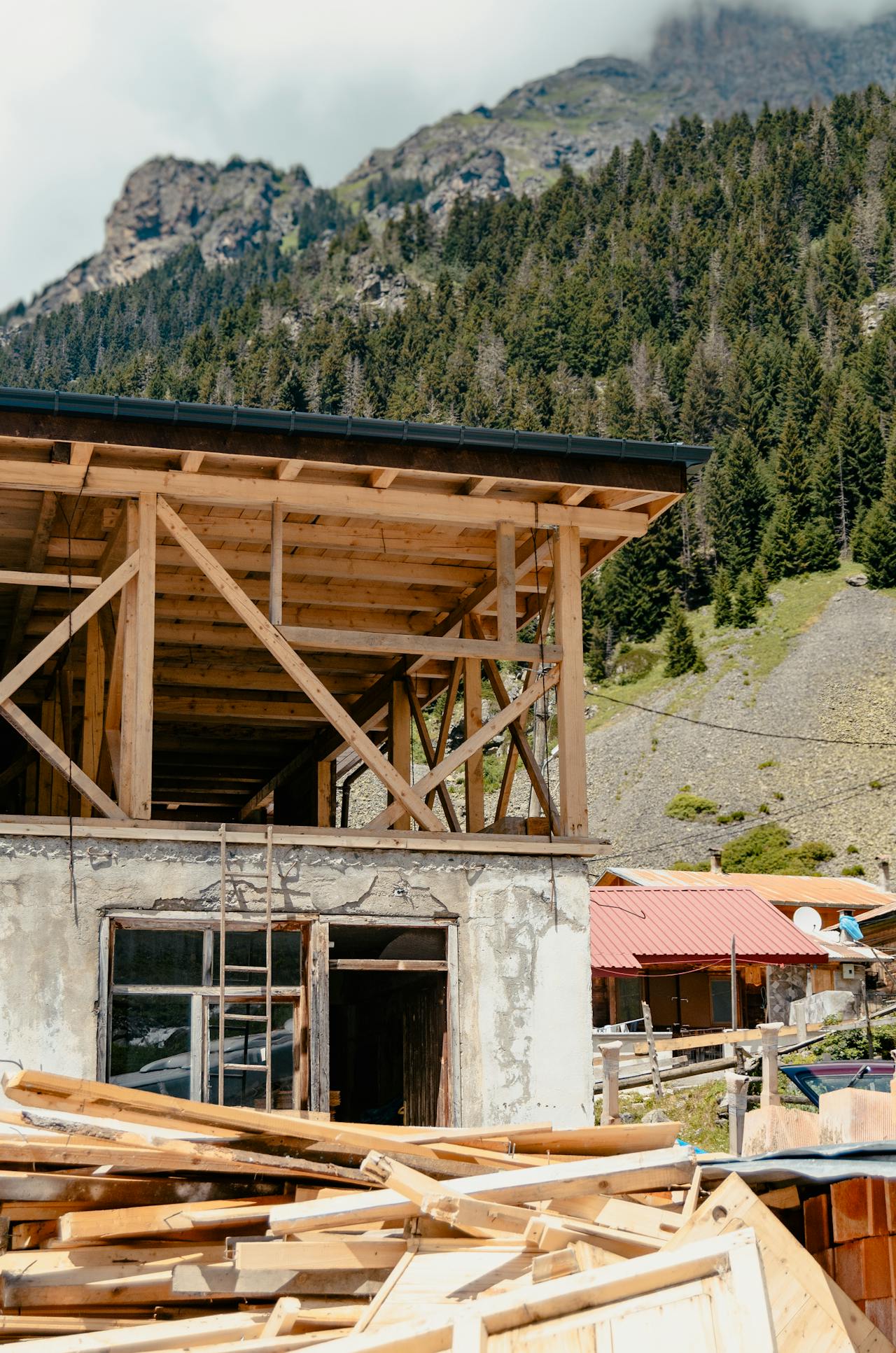
House Leveling Methods
House leveling restores your home to its original position by correcting foundation settling caused by soil movement, erosion, or water accumulation. The right leveling method depends on your foundation type, soil conditions underneath, and the level of damage. Each method responds to particular foundational issues and needs to be selected following professional inspection and evaluation.
Method | Suitable Foundation Types | Advantages | Suitable Conditions |
Pier & Beam | Crawl space, wood-framed | Adjustable, accessible repairs | Sagging floors, shifting beams |
Slab Jacking | Concrete slab | Fast, non-invasive, cost-effective | Sunken slabs, minor settlement |
Helical Piers | All types, deep foundations | Long-term stability, minimal vibration | Severe settlement, weak soils |
Soil Injection | Various expansive soils | Improves soil stability, fills voids | Expansive or loose soils |
Choosing the right house leveling method is important because each method is appropriate for certain problems. For instance, slab jacking is optimized for minor slab settlement, whereas helical piers are engineered for more profound, persistent soil instability. Professional consultation guarantees the method matches the home’s specific needs, which minimizes the potential for recurring issues.
Pier And Beam
Pier and beam leveling is the standard for homes with crawl spaces or wood-framed floors. This entails putting in piers—concrete or steel columns—beneath the residence to hold up and raise sagging beams or joists. As soil settles or erodes, the foundation can shift, causing floors to slope or gaps to appear at baseboards. Crawl space support jacks are commonly employed to shore up compromised joists. This is a great solution for homes that require accessible repairs and future adjustments. It’s a smart option for continuing structural stability in areas with shifting soils.
Slab Jacking
Slab jacking, known as mudjacking or pressure grouting, is a method to lift and level concrete slabs. A special mixture is pumped under the slab through small holes, filling voids and lifting the concrete back to its original height. Slab jacking is fast and less invasive than complete foundation replacement. It’s especially useful for slab houses where a portion of the structure has settled but not collapsed. If you have sunken walkways or uneven floors, slab jacking may be the only solution for you.
Helical Piers
Helical piers are essentially screw-like steel supports that are drilled into the ground until they encounter a stable soil stratum. This modern underpinning technique is common if houses are suffering from extreme settling or if the soil has no bearing capacity. Helical piers work wonderfully for both new construction and old homes requiring permanent stabilization. Their installation produces the least disruption, so they are practical in urban or developed sites. For deep foundation issues, it delivers strong long-term benefits, particularly in clay-heavy or moveable soils.
Soil Injection
Soil injection addresses soil instability beneath foundations by injecting specialized materials, like polyurethane foam or grout, into loose or expansive soil. This fills voids and densifies soil bearing strength, staving off additional settlement. If you live in an area with swelling clay soils or where moisture causes soil to shrink and swell, your home could use this. Soil injection is more minimally invasive than other repairs and can be paired with drainage solutions, such as a French drain, to control water and prevent erosion going forward.
The Leveling Aftermath
Following house leveling, the primary objectives are to make your environment safe, comfortable, and stable again. These repairs typically last a couple of days, but can sometimes extend for weeks, depending on scale and method. Prices vary widely, from $900 to $20,000, but most projects are between $3,080 and $9,670. For most, the sanity that arrives with calm knowing their house rests on a sturdy foundation is worth this expense. There’s always monitoring and maintenance to be done. The work doesn’t stop when the contractors walk out the door. Homeowners need to be on the lookout for subtle shifts or indications of movement regularly in order to safeguard their property and its value.
Structural Integrity
Benefit/Effect | Description |
Enhanced Stability | Levels the foundation, supporting the entire house evenly. |
Damage Prevention | Stops further wall cracks, floor warping, and joint separation. |
Safe Support | Properly distributes weight, preventing collapse or sagging. |
Longevity | Extends the lifespan of structural elements and finishes. |
A good foundation is crucial for the well-being of its inhabitants. Leveling prevents additional damage by moving floors, jacked walls, and out-of-square doors or windows. With adequate support, like crawl space jacks for compromised joists, the foundation can once again support the house’s weight as it should. Owners should make structural integrity a regular focus in their home care plans.
Property Value
House leveling can impact the value, too. Real estate appraisals plummet if the foundation’s not level because those floors that slope and ceiling gaps warn of danger. Solidly cared-for foundations bring in buyers because they guarantee less fixing and safer living. For investors, the price of leveling frequently returns at resale. Homeowners, remember that leveling is more than a remedy; it is an intelligent investment in both livability and resale value.
Future Prevention
- Schedule yearly foundation checks by a qualified professional.
- Both by making sure gutters and drains don’t clog and by ensuring water doesn’t pool near the house.
- Use landscaping that directs water away from the foundation.
- Look out for early warning signs such as wrinkled wallpaper or sloping floors.
Frequent checkups and quick fixes assist in identifying fresh problems prior to their development. Water from bad drainage is a foundation’s worst enemy, so good landscaping and drainage should be among your highest priorities. Proactive owners who stay informed and watch for warning signs are far more likely to avoid expensive repairs down the road.
Choosing A House Leveling Contractor
Here’s what selecting a house leveling contractor really comes down to: experience, technical know-how, and ethics. With house leveling costs starting at $3,000 and going as high as $35,000, and the stakes of structural concerns, the contractor selection may define the safety and lasting value of the home. This is especially important in areas where the industry is unregulated or untrained. Homeowners are best served by being methodical, asking the right questions, and demanding proof of previous work before signing up.
Verify Credentials
Checking credentials is a lot more than a business card. Beware of house leveling contractors who do not present you with valid licenses and insurance documents. These shield you if mishaps or errors occur on your land. In locations with lax industry regulations, like sections of the US, due diligence is paramount. Don’t be afraid to ask who owns the business and how long they’ve been in operation. Longevity can indicate trustworthiness. Look at previous work and reviews. A contractor should be happy to give references. Call these references to inquire about timeliness, communication, and overall satisfaction. If you’re not confident, get a second opinion or an independent engineering report. This is particularly handy when a contractor’s bid sounds fuzzy or overly generalized.
Compare Plans
No two homes or sites are alike, and neither are repair proposals. Obtain written leveling plans from two or more contractors. Compare how each describes their approach, the kind of machinery and materials they intend to use. Inquire about how their scheme adjusts for the local soil. Soil differences impact both the price and repair longevity. The best contractors don’t have cookie-cutter solutions. Instead, they should describe why their strategy fits your particular house and foundation. Contrast apples to apples in terms of cost estimates, including engineering report fees, and request straightforward project timelines. Compare each to your needs and budget and decide.
Understand Contracts
Before you sign, read the contract line by line. Seek out warranties for labor and materials, with clear start and end dates. Your contract needs to describe what happens should unforeseen complications occur, or if the job should extend beyond the anticipated timeframe. It goes without saying that communication is key. Don’t be afraid to request an explanation of technical terms or ambiguous passages. A contractor who responds to your questions with examples and plain language is more likely to be trustworthy. If anything seems ambiguous or pressured, stop and request text modifications.
Conclusion
House leveling makes your home secure and sturdy. It prevents floors from slanting and doors from jamming. Cracks in the walls or gaps in the windows indicate sinking. Addressing it early saves tons of cost and hassle. They’re best with good tools and skilled hands. Each fix matches the house style and the soil underneath. A pro checks the actual cause and selects the appropriate repair. A lot of folks have breathed easier after a nice one. Selecting a capable, trusted professional means everything. If you notice signs of sinking, consider having your home inspected sooner rather than later. To keep ahead of your home’s well-being, inform yourself, inquire, and inspire others. Be safe – house leveling.
Frequently Asked Questions
1. What Is House Leveling?
House leveling is essentially restoring a home to its original foundation. This maintains the integrity of the structure and limits ongoing damage.
2. Why Does A House Sink Or Become Uneven?
A house can sink because of soil movement, moisture changes, or bad construction. Natural settling over time is frequent.
3. When Should I Consider House Leveling?
Think house leveling when you have wall cracks, warped floors, or sticking doors. The sooner you act, the faster you will stop the damage.
4. What Are The Common Methods Of House Leveling?
Some typical examples are concrete or steel piers, hydraulic jacks, or additional material under the foundation. It depends on your foundation type and soil.
5. Is House Leveling Safe For My Home?
Yes, in the hands of professionals, house leveling is safe and safeguards the home’s structural integrity. Go with a seasoned contractor.
6. How Long Does House Leveling Take?
House leveling typically takes anywhere from one to several days, depending on the method you use and the size of your home. Expert evaluation provides an exact timeframe.
7. How Do I Choose A Reliable House Leveling Contractor?
Review reviews, check licenses, and inquire about experience. Look for contractors that provide transparent quotes and warrant their services for reassurance.
Stronger Foundations Start Here – Seismic, Drainage & Structural Repair By Mares & Dow Construction & Skylights
Your home is only as strong as the foundation it rests on. Cracks, shifting, poor drainage, or seismic risks don’t just threaten your property—they threaten your peace of mind. At Mares & Dow Construction & Skylights, we’ve been protecting Bay Area homes for over 40 years with expert foundation repair designed to keep families safe and homes standing strong.
From seismic retrofits that prepare your home for the next earthquake, to drainage solutions that stop water damage before it starts, to structural repairs that restore stability—you can count on our team to deliver lasting results. Every repair is customized to your home, your soil, and your safety.
Why homeowners choose us:
• Proven seismic retrofits that protect against earthquakes
• Smarter drainage solutions to prevent costly foundation damage
• Structural repairs that restore strength, stability, and value
We proudly serve Contra Costa County—including Alamo, Danville, Orinda, Martinez, and San Ramon—and we treat every home as if it were our own.
Don’t wait for small problems to become big ones. Contact Mares & Dow Construction & Skylights today for a free, no-obligation quote and protect the foundation your home depends on.
Disclaimer
The materials available on this website are for informational and educational purposes only and are not intended to provide construction, legal, or professional advice. You should consult with a qualified general contractor or industry professional for advice concerning any specific construction project, remodeling plan, or structural concern. Do not act or refrain from acting based on any content included on this site without seeking appropriate professional guidance. The information presented on this website may not reflect the most current building codes, regulations, or industry best practices. No action should be taken in reliance on the information on this website. We disclaim all liability for actions taken or not taken based on any or all of the contents of this site to the fullest extent permitted by law.


