
Seismic retrofits in the East Bay refer to methods of reinforcing existing buildings to withstand earthquakes. Most of the homes and smaller buildings around here were constructed before modern codes, so they probably won’t withstand a major earthquake very well. The reason you might need it in the East Bay is that the ground shakes more here, with faults like the Hayward Fault running right through the region. Local rules and safety checks can drive retrofits if your building is older or wood-framed. To select the appropriate action, it helps to understand your building’s construction. The heart of the article lays out when a retrofit is logical and what choices owners have.
Key Takeaways
- What every East Bay homeowner should know about the Hayward Fault, local liquefaction zones, and the real necessity of seismic retrofits.
- Regularly assess your home for common building flaws, such as unbraced cripple walls and outdated foundation bolts. Consider professional evaluations to address any vulnerabilities.
- Investing in seismic retrofitting increases property value and shields your assets through insurance rates. It encourages safety and reassurance for your loved ones and neighbors.
- Know the local ordinances, building codes, and retrofit requirements to make sure you’re in compliance, especially if your home is historic and may need special solutions.
- Retrofit complicated? No, you just need to plan your project. Scope it, find a good contractor, and inform yourself about possible financial assistance so you end up with a cost-effective, safe solution.
- Above all, communicate openly with your professionals throughout the retrofit process to navigate challenges, save your home’s soul, and secure quality, enduring results.
Understanding East Bay Vulnerabilities
The East Bay’s Seismic Reality
The East Bay is located in one of the world’s most seismically active areas. Knowing the risks is crucial for homeowners planning potential seismic retrofits. This region faces layered challenges, including older homes, shifting soils, and diverse neighborhoods that may be more vulnerable to earthquake damage.
The Hayward Fault
The Hayward Fault is among the most researched active faults in North America. Its most recent significant rupture occurred in 1868, and experts agree that the probability of a magnitude 7.0 event in the coming decades remains considerable. A quake of this size could impact hundreds of thousands of residents and cause widespread property damage throughout the East Bay.
Homes built near fault zones are at increased risk from both intense ground shaking and surface rupture. Many local communities have older homes that may not meet modern seismic standards, leaving them more exposed during a major earthquake. Some neighborhoods also face greater recovery challenges due to limited access to resources or retrofit information.
The Hayward Fault’s unique geology—with its shallow depth and irregular slip—means shaking can be both sudden and intense. Continuous monitoring by regional agencies and universities helps refine risk maps, but the underlying threat remains significant.
Common Building Flaws
Many East Bay homes are wood-frame structures with soft stories or unbraced cripple walls. These weaknesses can lead to serious structural failures during a strong quake. Houses without modern foundation bolts could even slide off their footings.
Shear walls, which help homes resist lateral forces, are missing in a large number of older properties. Homes constructed before the 1980s often lack proper reinforcement, making them especially vulnerable. Retrofitting can address these issues, but costs and solutions vary depending on the home’s design and existing condition. A detailed, professional assessment is always the best starting point.
Liquefaction Zones
Certain areas throughout the East Bay are prone to liquefaction—where loose, water-saturated soils lose strength during shaking, leading to foundation and road damage. Residents in these zones may experience issues like cracked foundations, uneven floors, or damaged water lines after an earthquake.
Mitigation options such as deep foundations, soil stabilization, or proper drainage systems can help reduce risk, though they may require an investment. Staying informed about local hazard maps and scheduling periodic inspections can help Concord homeowners stay proactive and protect their property long-term.
Why Consider An East Bay Seismic Retrofit?
The East Bay is located on the Hayward Fault, an area with a history of destructive quakes. In this earlier quake, more than 18,000 homes were damaged, and nearly 1,000 were destroyed. These statistics underscore why East Bay seismic retrofitting is more than a technical enhancement. It is a lifesaving requirement for safeguarding individuals, structures, and communities.
Protect Your Family
Strengthening your home’s cripple wall and foundation can be the difference between refuge and ruin. Even something as simple as a mudsill not anchored to its foundation can leave your home susceptible to sliding off in a quake. Basic precautions such as seismic bolting and bracing, securing heavy furniture, and creating a family emergency plan help make your home safer. Educate your family on what to do in an earthquake and practice quake drills so that everyone knows the safest places. When the earth moves, these measures can prevent injuries and save lives.
Protect Your Investment
Retrofitting increases your property’s value by providing appeal to buyers seeking peace of mind. In the East Bay, where we consider seismic upgrades a no-brainer, retrofitted homes tend to sell more quickly and for higher prices. The cost of retrofitting ranges from $5,000 to $260,000, depending on the building’s needs, and is far less than the long-term financial loss from major quake damage. Retrofitting can be the difference between a rapid fix and a complete reconstruction.
This investment isn’t just about loss avoidance. It’s cultivating long-term value and solidity in your biggest asset.
Protect Your Finances
It might be hard to pay for a retrofit, but the risk of massive repair bills is harder. Not retrofitting could cost you a lot more in repairs or worse, losing your home. Most cities and states provide grants or loans to help defray the expense. Insurance companies sometimes reward retrofit work with lower premiums, which alleviates the upfront cost. Looking forward by factoring costs, risk, and assistance positions you more favorably financially.
Protect Your Peace
It gives you peace of mind, living with the knowledge that your home can hold up against a quake. Retrofitting eliminates that daily concern regarding the forthcoming significant occurrence. Families that have prepared together and know their home is secure frequently report less stress and more control. This sense of security radiates throughout the entire family, even to your neighbors.
Protect Your Community
A retrofit doesn’t just help one house. It impacts neighborhoods by making them safer and places less demand on emergency services. When more homes are safe, entire communities are at less risk. Others back joint retrofitting so neighbors can pool resources and lessons. These community collaborations increase resistance and disseminate knowledge, saving lives.
Navigating Local Retrofit Mandates
Local seismic retrofit rules in the East Bay are a rabbit’s nest. Property owners need to understand how city ordinances, building codes, and special regulations for historic properties impact what they can and are required to do. Each has its own trail for compliance, and skipping the wrong blazes can land you a fine or jeopardize safety.
City Ordinances
City | Mandatory Retrofit | Targeted Structures | Deadline | Incentives Offered |
Oakland | Yes | Soft-story, 5+ units | Varies by case | $250 project cost reduction |
Berkeley | Yes | Multi-unit soft-story, commercial | Varies | Grant programs |
Alameda | Yes | Pre-1978 soft-story, multi-unit | Rolling basis | Not specified |
Richmond | No | N/A | N/A | N/A |
With strict timelines for compliance in places like Oakland and Berkeley, where soft-story buildings—buildings with weak lower floors, usually above garages—need to be retrofitted within a certain time after being notified. Non-compliance could subject you to fines, limitations on property use, or, in extreme cases, forced vacancy. Owners should contact their city officials for guidance on these mandates, as regulations are frequently updated and complex to track. There are incentives in some cities, such as grants or other financial assistance programs, making it less costly to comply.
Building Codes
The California Existing Building Code defines how seismic retrofits should be completed and which materials should be used. Owners have to tailor retrofit plans to current code requirements, which are subject to change as our knowledge of seismic safety improves. Codes differentiate by building use, so what applies to one structure may not be right for another. Consulting a structural engineer with seismic experience is essential, as missteps can lead to project delays or unsafe results. Keep abreast of code changes because a retrofit plan that meets today’s standards may be inadequate tomorrow.
Historical Properties
Retrofitting historical homes is its own can of worms. Codes demand safety retrofits but reverence for the building’s original appearance and materials. Guidelines typically request owners to maintain visible features, with any reinforcement to be concealed if possible. For local retrofit mandates, specialized contractors can navigate these requirements, using techniques that maintain a property’s historic charm. This equilibrium safeguards the well-being of those within and the structure’s heritage. For most, the effort pays; retrofitting safeguards legacy while minimizing hazard.
The Real Cost Of Retrofitting
Seismic retrofitting is complicated and can vary widely in cost depending on your home’s age, style, and local laws. For the East Bay and other places like it, the true cost equals more than direct outlays such as materials and labor. It’s the long-term value accrued by mitigating earthquake risk. Retrofitting older homes, particularly those built prior to 1980 with raised foundations or soft-story designs, can pay big dividends by staving off expensive structural damage, injury, and insurance increases following a large quake.
Expense Type | Typical Range (USD) | Example Details |
Materials | $2,500–$7,000 | Foundation bolts, lumber, steel braces |
Labor | $3,000–$10,000 | Skilled construction and project management |
Project Requirements | $250–$2,000 | Reduced fee ($250) in Oakland for qualified projects |
Project Scope
Each retrofit is different. The project begins with an assessment. Homes with raised foundations often need anchor bolts and bracing in crawl spaces, while soft-story homes may require steel frames or plywood shear walls. Key parts include the foundation, cripple walls, and connections between wood frames and concrete. For homes above garages, bracing the open space is critical. Schedule is another factor. Most retrofits can be done in two to four weeks, but larger projects take longer. Talking with your contractor about your goals, timeline, and spending limit helps avoid surprises and keeps the work on track.
Financial Aid
Homeowners in the East Bay and other areas can receive grants of $3,000 or $7,000. Some soft-story homes may be eligible for up to $13,000. Low-income households can add on supplemental grants, which can sometimes be more than $7,000. It’s dependent on income, home type, and retrofit scope. Keep deadlines in mind and go over the program rules to maximize funding. With over $20 million allocated for these grants, the chances of assistance are high if you submit early and qualify.
Insurance Impact
The real cost of retrofitting. Insurers will give you a discount when you provide evidence of seismic upgrades. Coverage limits get better, too, and some policies mandate retrofit certification for renewals. Over time, those savings accumulate and help to justify the retrofit expense. Most homeowners tell me peace of mind now that their risk and their insurance bills are both lower.
The Retrofit Process Demystified
Seismic retrofitting is a technical process to make older buildings safer during earthquakes, particularly in seismic hotspots such as the East Bay. It’s a fairly straightforward procedure that includes a detailed inspection of your home’s frame, locating vulnerabilities, and subsequently reinforcing or upgrading critical components to help the building better withstand shaking. Because most older homes aren’t up to current seismic standards, the retrofit serves as a means of compliance.
- Start with a detailed structural assessment done by a licensed engineer. This includes inspecting the building’s foundation, framing, and overall condition to spot vulnerabilities.
- Collaborate with the engineer to craft a retrofit plan specific to your home’s requirements. The plan proposes remedies, including crawl space reinforcement, foundation bolting, or shear walls.
- Obtain all required project documentation. This can involve coordination with local authorities and may take some time.
- Engage contractors to make your magic happen. It may mean foundation repairs, drainage upgrades, or custom upgrades that target your building’s specific vulnerabilities.
- Be ready for interruptions. Retrofitting is invasive, with noise, dust, and temporary space loss being the norm. Expect delays.
- Stay in close contact with your contractor. Set expectations, check progress, and answer questions quickly for a smooth process.
Finding Experts
Find qualified seismic retrofit contractors with experience in the East Bay. Seek companies with experience in comparable projects and that can demonstrate it. Reference check – Check reviews and talk to previous clients to get a sense of reliability and craftsmanship. Gather a few quotes and make sure you are comparing apples to apples in the scope of work and price. Make sure to always check contractor licenses and insurance to prevent yourself from being at legal or financial risk.
Common Solutions
- Foundation bolting
- Plywood shear panels
- Cripple wall bracing
- Shear wall installation
- Anchor plates and hold-down brackets
Shear walls provide additional strength by resisting lateral movement in earthquakes. Plywood shear panels are another typical solution. These hardened walls assist in resisting collapse. Foundation bolting secures your home to its foundation, a critical component for older homes that don’t already have it.
Preserving Charm
A lot of homeowners fret that they’ll lose their home’s personality. We know how to retrofit without restyling. We use materials that honor the original design and choose methods that harmonize with existing elements. Choose seasoned pros who know how to save old homes’ allure. Weigh safety requirements against your desire to maintain period details.
A Contractor’s Honest Perspective
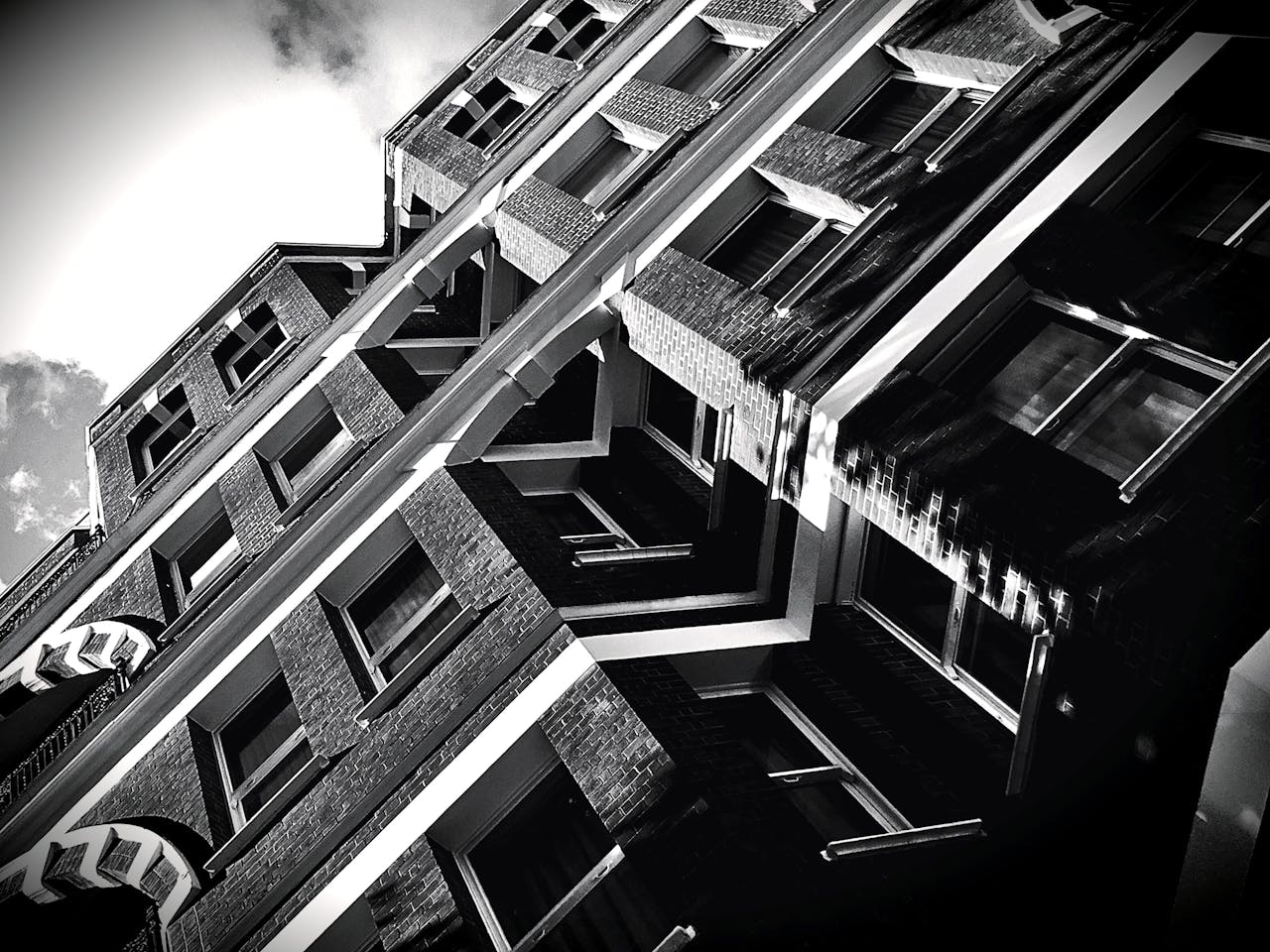
Seismic retrofitting East Bay isn’t a cookie-cutter solution. Contractors get to experience the reality that every building holds different risks depending on its age, architecture, and materials. A lot of older buildings, particularly ones erected prior to the 1980s, have wood frames or brick walls that may crack or shift during a quake. Contractors love to say that no two jobs are the same, even on the same street. Not all houses are created equal; some require only superficial bracing, while others demand deep work such as steel frames, tying the walls to the foundation, or shoring up mushy crawl spaces. On this scale, costs and schedules vary enormously, so contractors report that defined plans and transparent communication with owners are critical.
Retrofit projects inherently have additional challenges. Access can be difficult, particularly when work needs to occur in cramped crawl spaces or basements. Hidden issues surface too frequently, such as rotted wood, faulty wiring, or water damage that stall work or increase expenses. Project preparation and approvals can also add time to the overall schedule. A lot of contractors mention that owners will occasionally want to cut or skip steps to cut costs, but this can compromise the retrofit and jeopardize the building in the subsequent quake. In high-rise or multi-tenant buildings, the work can impact neighbors or other tenants, so logistics must be coordinated to keep everyone safe and aware.
Professional contractors emphasize the importance of a tailored strategy for each assignment. They suggest beginning with a full check by a trained engineer, who can identify your weak points and recommend fixes that fit both the building and your budget. They encourage owners to select craftsmen with experience doing seismic jobs, not simply the cheapest bid. Certified parts, adherence to local codes, and documentation of work performed are great for insurance claims and re-sales.
Good work is what makes a retrofit last. A contractor’s frank view. Good contractors ensure each bolt and brace is tight, every wall tie is secure, and every repair satisfies stringent guidelines. They double-check all the steps, test for weak spots, and support their work with transparent documentation. Cutting corners on expertise or components can mean a project that lets you down when it counts. This is why the majority of contractors claim the proper crew is worth the effort and expense.
Conclusion
East Bay homes are at risk of facing a real shake. Fault lines lurk nearby, and older buildings frequently have weak frames. A retrofit can truly do the trick. It keeps walls tied down, stops floors from shifting, and reduces repair expenses post-quake. As local laws increasingly nudge owners to do more, a lot of people discover the work is easier than they initially imagined. The costs may seem steep, but they pale in comparison to a big loss from quake damage. Trusted pros demystify the process step by step, so no one has to wonder. To balance your next step, examine your home’s skeleton and discover what’s absent. Have a local contractor give you a quote. Be safe and hold down your fort for years to come.
Frequently Asked Questions
1. What Is A Seismic Retrofit?
It’s a seismic retrofit. Seismic retrofits add structural supports or reinforce vulnerable patches, minimizing damage and increasing safety when the earth starts to rumble.
2. Why Are Seismic Retrofits Important In The East Bay?
The East Bay sits near major fault lines. Earthquakes are a legitimate danger. Retrofitting can save lives, save property, and keep your house standing through violent shaking.
3. Are Seismic Retrofits Required By Law In The East Bay?
A few East Bay cities have retrofit mandates, particularly for older or vulnerable buildings. With that in mind, check with your local government for the most up-to-date requirements and deadlines.
4. How Much Does A Typical Seismic Retrofit Cost?
Prices depend on the size and condition of your building. The majority of single-family retrofits fall between $4,500 and $13,500. More complex projects can cost more.
5. How Long Does A Retrofit Take?
A typical retrofit for a home takes between 2 and 7 days. It can take more time for bigger buildings or complex projects, depending on the scope of work.
6. Can I Live In My Home During The Retrofit?
Most homeowners can stay put during the process. With much of it being in basements or crawl spaces, there’s little disruption to your life.
7. How Do I Choose A Qualified Seismic Retrofit Contractor?
Seek out qualified, licensed contractors with experience and good reviews. Request references and verify local rules. A good contractor will walk you through the process and answer your questions.
Stronger Foundations Start Here – Seismic, Drainage & Structural Repair By Mares & Dow Construction & Skylights
Your home is only as strong as the foundation it rests on. Cracks, shifting, poor drainage, or seismic risks don’t just threaten your property—they threaten your peace of mind. At Mares & Dow Construction & Skylights, we’ve been protecting Bay Area homes for over 40 years with expert foundation repair designed to keep families safe and homes standing strong.
From seismic retrofits that prepare your home for the next earthquake, to drainage solutions that stop water damage before it starts, to structural repairs that restore stability—you can count on our team to deliver lasting results. Every repair is customized to your home, your soil, and your safety.
Why homeowners choose us:
• Proven seismic retrofits that protect against earthquakes
• Smarter drainage solutions to prevent costly foundation damage
• Structural repairs that restore strength, stability, and value
We proudly serve Contra Costa County—including Alamo, Danville, Orinda, Martinez, and San Ramon—and we treat every home as if it were our own.
Don’t wait for small problems to become big ones. Contact Mares & Dow Construction & Skylights today for a free, no-obligation quote and protect the foundation your home depends on.
Disclaimer
The materials available on this website are for informational and educational purposes only and are not intended to provide construction, legal, or professional advice. You should consult with a qualified general contractor or industry professional for advice concerning any specific construction project, remodeling plan, or structural concern. Do not act or refrain from acting based on any content included on this site without seeking appropriate professional guidance. The information presented on this website may not reflect the most current building codes, regulations, or industry best practices. No action should be taken in reliance on the information on this website. We disclaim all liability for actions taken or not taken based on any or all of the contents of this site to the fullest extent permitted by law.


