
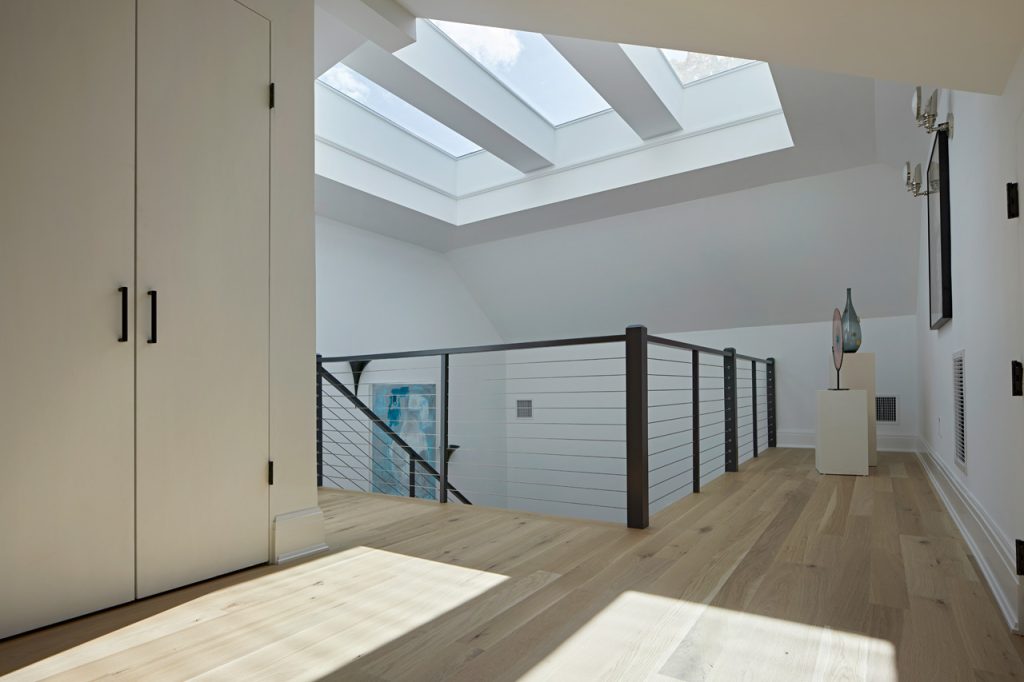
When incorporating skylights into your home’s design, pay close attention to placement, size, and materials. When used wisely and strategically, skylights can help dark spaces become brighter without generating glare or unwanted heat. Your choice of skylight size will depend on the dimensions of the room and what level of brightness you want to achieve.
Materials, like glass or polycarbonate, affect longevity and insulation. Energy efficiency is a primary consideration. Double glazing or low-E coatings can be used to keep indoor temperatures consistent and comfortable. Skylights with ventilation features help promote airflow and keep moisture from accumulating, ideal for use in humid spaces.
Consider roof structure and slope to ensure compatibility and avoid issues with leaks. When you consider these elements, not only can skylights improve your home’s lighting and energy efficiency, but when properly integrated, they can create a more balanced design.
Key Takeaways
- Consider the natural light requirements for each room to decide which temperature, brightness, size, placement, and orientation for your skylight will work best. Take into account people’s privacy, the view outside, and where that sunlight hits at different times of day.
- Consider how to best balance natural and artificial lighting to illuminate spaces in functional, comfortable ways. Use skylights to minimize use of artificial light without sacrificing comfort or aesthetic beauty.
- Check local building codes before installation to ensure your project complies with applicable requirements. Staying compliant with the law helps keep everyone safe.
- Increase your overall energy efficiency by choosing the appropriate glazing. Retrofit with reflective coatings and add Low-E glass to reduce heat gain and improve insulation.
- Consider roof stability Consider the load-bearing capacity of your roof and plan any necessary structural changes to safely integrate skylights.
- Integrate durable, weather-resistant materials along with high-performance insulation to avoid leaks, heat loss, and environmental harm, while optimizing long-term performance.
Understanding Natural Light Needs
Planning and integrating skylights into your home can lead to homes that are comfortable, attractive and energy efficient. Natural light makes a profound difference in how spaces feel, and improves comfort. With thoughtful planning and design decisions, you can save energy too.
Assess Lighting Requirements for Each Room
The path that the sun takes in and around your home impacts skylight effectiveness. East-facing skylights bring soft morning light into bedrooms, kitchens, and other living spaces. West-facing skylights fill great rooms with golden light during the late afternoon.
South-facing skylights work best to collect wintertime heat while possibly requiring shading for summertime comfort. Spaces that do not receive sufficient light from windows can be improved with skylights up to 10-15% of the square footage to fill it with effective daylight.
Placement is key as well—finding a location that completely frames the beauty of the outdoors while preserving the intimacy of your surroundings enhances functionality and creativity.
Maximize Daylight Without Overexposure
To avoid problems with glare or overheating, strategic skylight placement is essential. Angling skylights to align with seasonal sun paths minimizes the direct exposure during peak hours but still offers a soft glow to balance the space.
This design cuts down the need for artificial lights and contributes to health benefits such as Vitamin D absorption. Skylights can diminish exterior noise pollution, creating a peaceful indoor environment.
Balance Natural and Artificial Lighting
Although natural light should be a top priority, supplementing it with quality, well-designed artificial lighting protects functionality around the clock. For example, dimmable LED fixtures work seamlessly with skylights in the evenings or on overcast days to create a warm, inviting glow.
A well-planned combination of ambient, task and accent lighting minimizes shadows and glare, creating a welcoming environment. This targeted approach reduces energy bills and helps ensure that your home remains flexible enough to meet a range of needs.
Choosing Skylight Orientation and Placement
Selecting the proper orientation and placement is essential in making skylights the best possible choice. It’s the best way to strike the right balance between natural light, energy efficiency, and home comfort. Thoughtful decisions here will improve your living environment while sidestepping some common issues associated with skylights such as heat loss, leakage, and glare.
Evaluate Sunlight Patterns Throughout the Day
Getting to know how sunlight moves across and through your home helps you maximize your skylight’s potential while minimizing its energy impact. A south-facing skylight provides the best winter heat gain but poses an overheating danger during the summer months.
To keep up with the changing position of the sun, strive for a slope equal to your latitude plus 5 to 15 degrees. For instance, in Columbus, Ohio (40°N), skylights pitched at an angle of 45° to 55° would be appropriate. East-facing skylights welcome morning light, while west-facing skylights capture afternoon sun.
Select glazing type—single, double, or triple—according to the insulating requirements. Choose Low-E coatings to minimize UV exposure and help keep interiors cooler in the summer and warmer in the winter. Choosing appropriate glass for your climate will increase comfort and reduce energy expenses.
Optimize Placement for Energy Efficiency
With strategic placement, skylights can be more functional. Increased airflow through ventilated skylights helps to remove excess indoor humidity and improve indoor air quality. Reflective coatings are effective in reducing solar heat gain, especially for west-facing skylights, which get more intense afternoon sun.
Pairing skylights with adjustable blinds or shades allows you to manage incoming light and heat at any time of day. Choose a skylight size appropriate for the room’s intended purpose. It should be limited to no more than 5% of the room’s floor area to prevent intolerable heat gain or loss.
A very low slope can bring in unwanted summer heat, so the steeper angles are generally more efficient.
Consider Privacy and Outdoor Views
Skylights can have an effect on privacy and outside noise, as well. In urban or high-traffic environments, acoustic glass can significantly reduce sound transmission through skylights.
Position skylights away from areas with high traffic noise, such as major roadways, to avoid increased sound pollution inside. With careful placement you can create the perfect equilibrium of natural illumination, privacy, and vista, making your home brighter and more inviting.
Ensuring Compliance with Building Codes
Whether you’re installing skylights in your new home, or retrofitting an existing one, making sure you’re compliant with building codes is extremely important. These regulations are in place to help project owners protect the safety, efficiency, and structural integrity of their projects. By meeting these compliance standards, you will save yourself expensive reworks or schedule delays.
Below, we go into detail on the most important things to know.
Check Local Construction Regulations
Becoming familiar with local building codes is the logical first step. Indeed, Chicago’s codes require sensitivity to the city’s severe weather conditions, ranging from frigid winters to scorching, humid summers.
Glass skylights with low-E coatings offer energy-saving benefits, and vented models contribute to natural cooling through ventilation. Utilizing Energy Star-rated skylights can dramatically reduce energy consumption.
When you add smart features, you’re able to perform better, adjusting to things like sunlight and temperature. Our engineers are experienced with tools such as Architectural CAD to create detailed and accurate designs, in addition to thorough structural calculations.
At Mares & Dow Construction & Skylight Inc., these resiliency measures were built into the roof design. They didn’t forget to keep structural safety a primary focus.
Evaluating Roof Structure and Stability
Whether you’re adding new skylights or replacing old ones, it’s crucial to look carefully at the structure and stability of your roof. This approach makes the installation functional and safe, while still achieving the design goals.
Assess Load-Bearing Capacity of the Roof
Understanding the roof’s load-bearing capacity is the first step. Skylights add weight, and the roof must support this without compromising structural integrity.
For instance, if you’re considering larger or uniquely shaped skylights, such as circular or triangular designs, a professional evaluation is critical. Industry standards call for one square foot of skylight per 20 square feet of floor area, which helps balance natural light with structural safety.
Our Structural Engineers of Mares & Dow Construction & Skylights Inc.offer expert guidance on Florida Building Code compliance, ensuring a seamless process.
Identify Potential Structural Modifications Needed
Some installations will call for modifications such as increasing beam reinforcement or using pressure-treated wood in accordance with the International Building Code.
This keeps the focus on skylight modifications without mentioning a competitor. Let me know if you’d like any further refinements!
Prioritizing Insulation and Waterproofing
Improving your home with skylights takes careful consideration to make sure you beautify your space without creating major problems down the road. Insulation and waterproofing are indispensable elements that are fundamental to energy efficiency, weather tightness and long-term durability.
Here’s a look at some of the most important things to think about.
Prevent Heat Loss with Proper Insulation
Even the best skylight will be a net loss if insulation and waterproofing aren’t a top priority. Without adequate insulation and waterproofing, heat simply escapes in the winter and is absorbed in the summer, causing energy bills to skyrocket.
Details such as double or triple glazing, insulated frames and Low-E coatings are all necessities. These components prevent heating and cooling loss by creating a barrier against heat transfer. For large spaces, the 1:20 ratio guideline ensures insulation doesn’t fall short.
Use Durable Materials to Avoid Leakage
Leakage is a common problem with skylights but it can be avoided through high-quality materials and installation. Flashing and weatherproof seals of the highest quality are necessary.
Regular cleaning—twice a year minimum—prevents debris from breaking seals. Ventilated skylights with rain sensors provide extra protection. They self-close at the first raindrop, keeping your interiors dry.
Ensure Long-Term Weather Resistance
Skylights face the formidable challenge of a volatile atmosphere. Use insulated glazing and frames to increase resistance to extreme temperatures.
Regular maintenance, such as seal inspection, can prevent future breakdowns. Sticking with best practices will deliver an installation that’s both long-lasting and leak-free.

Exploring Glazing Options and Benefits
When you add skylights into your home’s design, choosing the proper glazing is an important decision. It helps define the overall functionality, energy efficiency, and aesthetic of your space. By knowing your options, you can design a space that maximizes natural light while achieving energy-saving benefits.
Choose Between Single, Double, or Triple Glazing
Selection of single, double, or triple glazing has implications on insulation, durability, and cost. Single glazing is the lightest and most straightforward glazing option, but it only provides basic insulation and is the least appropriate for extreme climates.
Double glazing consists of two sheets of glass with an energy-efficient gas between them. This design hits the sweet spot between energy efficiency and cost-effectiveness. Triple glazing improves insulation and noise-proofing.
Though pricier, it’s well worth it in colder climates or cities with high outside noise, too. If you’re near busy streets, triple glazing can create a quieter, more serene indoor environment while still maximizing natural light.
Improve Efficiency with Low-E Coatings
Low-emissivity (Low-E) coatings are one of the most effective energy efficiency upgrades for glazing. These coatings help regulate indoor temperatures by reflecting heat back into the room during winter and reducing heat gain in summer.
In southern homes, Low-E glass reduces the need for air conditioning, saving energy and lowering bills. In colder climates, it keeps heat in, saving money on heating bills.
When used in combination with double or triple glazing, Low-E coatings increase comfort and reduce energy use by a substantial margin.
Select Glass Types Based on Climate Needs
Climate-specific glass types make sure your skylights strike the perfect balance between function and Mother Nature. Laminated glass, made for impact resistance and UV filtering, is perfect for regions that experience regular storms or high sun exposure.
Additionally, tempered glass, which is aesthetically appealing and extremely durable, makes a perfect fit for areas with high weather variations. Tinted or reflective glass reduces glare and helps keep you comfortable in hot, sunny areas.
On the other hand, clear glass is ideal for places under shade or where it is cooler. Adapting your skylight’s glass type ensures optimal performance and longevity tailored to your home’s location.
Managing Ventilation and Temperature Control
Managing Ventilation and Temperature Control Skylights not only bring more natural light and airflow into your home, they can enhance your design aesthetic too. Without careful planning, comfort and energy efficiency could suffer.
Integrate Ventilated Skylights for Airflow
Ventilated skylights can play double duty, providing fresh air ventilation as well as daylight. These skylights work wonders in spaces that are prone to humidity such as kitchens or bathrooms or spaces where heat can accumulate.
For homes designed with natural ventilation, vented skylights can reduce the reliance on mechanical HVAC systems, lowering both construction and maintenance expenses. For flexibility in airflow management, look into automated systems that automatically open or close openings in response to environmental changes, keeping your employees comfortable without constant adjustment.
Reduce Heat Gain with Reflective Coatings
Reflective Coatings Reflective or low-e coatings on skylights reduce heat transfer, keeping spaces cooler in the summer. This is a key feature to look for, particularly with south-facing skylights, since they get the most sun exposure.
Advanced glazing systems increase the energy efficiency of a space by managing solar gain. They beautifully respond to the seasonal changes, providing the best possible thermal performance.
Combine Skylights with Blinds or Shades
By pairing skylights with blinds or shades, homeowners can achieve optimal temperature control. Exterior shades are especially efficient in warmer months at blocking heat gain.
Automated solutions make it easy to adjust on the fly so you can enjoy the freedom of temperature control everywhere, without sacrificing comfort. Ensure your skylight size is appropriate for the floor area guidelines.
So keep it at no more than 5% for rooms with abundant daylight, 15% for those with less.
Addressing Acoustic and Noise Concerns
Skylights can be a wonderful addition to improve natural light and cross ventilation, but the acoustics should not be an afterthought. Considerate design and material selection can help them achieve a quieter, more pleasant home environment.
Minimize Noise with Acoustic Glass
Acoustic glass is a specialty glass material that’s engineered to minimize sound travel. It’s most useful in places near the edge of highways or other high-traffic areas, where noise levels frequently reach above 65 decibels (dB). For instance, residential properties located within 1,000 feet of an expressway are eligible to receive this technology.
Acoustic glass absorbs the vibrations caused by outside noises, resulting in a substantial reduction of sound. Improving IEQ using low-emitting, mold-resistant materials can increase IEQ. Pairing these new materials with innovative acoustic solutions can create a more healthful, quieter environment.
Consider Placement to Avoid External Sounds
Strategic placement of skylights goes a long way. By placing them in locations that will avoid noise-sensitive areas, like roadways or play areas from the start, we can avoid most harmful sound impacts.
For high-noise sites—those with noise levels above 60 dBA at peak hours—acoustic treatments are a must. Following the recommended 1:20 skylight-to-floor ratio ensures balanced light without sacrificing acoustic comfort.
A general guideline would be to limit skylight sizes to less than 5% of a room’s floor area. This is particularly critical if the space is already loaded with windows.
Designing for Aesthetic Integration
There’s more to integrating skylights into your home’s design than just changing out a roof window. Intelligent design decisions will help you integrate skylights with your interior and exterior design aesthetics to take full advantage of their functional benefits. In this section, we’ll discuss a few important considerations to help you get the aesthetic look and feel you want.
Match Skylights with Interior Style
Skylights need to be designed to fit with the interior aesthetic to ensure visual integration. For modern, minimalist interiors, choose skylights with a low profile and sleek, frameless look that highlight the aesthetic qualities of clean lines and simplicity.
Alternatively, more traditional interiors can take advantage of skylights with wooden casing or decorative trim that reflects the style of the space. Together, light and shadow deftly highlight architectural details, including exposed beams and industrial, repurposed walls.
This interplay makes for a really beautiful atmosphere that is always changing every hour of the day. For low-light rooms, like basements or bathrooms, increasing skylight surface area to 10-15% of the floor space can significantly brighten the space, eliminating reliance on artificial lighting.
Blend Skylights Seamlessly with Roof Design
This all reinforces the importance of roof design and installation in successful skylight integration. Dome-shaped skylights pair beautifully with flat roofs. Pitched roofs typically only lend themselves to rectangular or tubular forms that correspond to their slopes.
An artfully selected skylight creates an architectural focal point that helps to form a symmetrical, lush, green exterior profile. Think through the skylight orientation to get the most—south-facing skylights are best for daylighting and passive solar heating.
In New York and Connecticut’s colder climates, energy-efficient glazing helps you stay warm in winter. It does keep that lovely open flow between your home and nature. Even in spaces without windows, skylights can bring in the benefit of natural light, providing aesthetic beauty, space warming effects, and health benefits.
Improving Energy Efficiency Strategies
Including skylights as part of your home’s overall design provides benefits beyond beauty. With the right energy-efficient strategies, skylights can be an important contributor to cutting energy use and improving the comfort indoors.
Utilize Energy Star Rated Skylights
Selecting Energy Star-rated skylights is an easy way to be more energy efficient. In addition, these skylights may include state-of-the-art glazing technologies, including low-emissivity (low-e) coatings to control heat gain and loss indoors.
For instance, in colder months, they reduce heat loss by preventing warmth from escaping, so your space stays warmer without additional heating. During the summer, they prevent solar heat gain during the hottest times of the day, keeping interiors cooler and minimizing reliance on air conditioning.
Advanced glazing options can completely block harmful UV rays while still letting in plenty of daylight. This reduces the need for artificial lighting.
Careful design that allows for deeper penetration of daylight can help balance daylight across the space. Design with reflective surfaces to increase its impact and improve the environment.
Reduce Energy Costs with Smart Features
New skylights with smart technologies further improve efficiency. Automated shading systems can control shades based on the sun’s position, keeping spaces consistently comfortable while minimizing glare.
This reduces energy costs and increases comfort. Some of these systems include smart sensors that automatically close blinds when the sun is most intense.
They maximize energy savings and usability by opening the blinds when it’s cloudy.
Simplifying Maintenance and Cleaning
Incorporating skylights into your home can be a major improvement, but maintenance and cleaning are frequently forgotten considerations. Meet these challenges head-on and early in your design process. Follow these guidelines and your skylights will last and look their best for many years, while helping to keep your maintenance process easy.
Opt for Easy-to-Clean Materials
Opting for the appropriate materials can make a world of difference in the maintenance and cleaning it takes to keep your skylights flawless. Glass that has been treated with a self-cleaning coating aids in reducing dirt accumulation. It decomposes organic material and allows stormwater to wash it away.
Acrylic and polycarbonate materials are widely used for their strength, safety features and maintenance ease. They can require regular polishing to prevent them from becoming scratched. For sites with high dust or pollution, look for UV-resistant finishes, which help prevent yellowing and haze buildup.
For time-strapped families, these materials are a smart and time-saving solution that meets the needs of today’s busy homes.
Plan for Accessible Skylight Cleaning
Cleanability Accessibility to all areas is key for easy maintenance and cleaning. Skylights mounted on low-sloped roofs or ones accessible from inside the house are easier to address. For significant installations, plan for built-in maintenance and cleaning systems, like retractable poles or automated spray systems.
Tilt-and-turn designs provide added flexibility, letting you efficiently clean both sides of the glass without scaffold or lift. A well-placed ladder or roof access point can go a long way toward improving maintenance and safety, not to mention making convenient, safe access a reality.
Consider access points during the design phase to prevent issues during construction and maintenance.
Customizing Skylight Features
Skylights are not just a pretty place to get natural light. You can customize them to fit your style and make your home more functional. Their customizable features mean you can create the look and feel you want—from beautiful to professional. This provides you with the perfect opportunity to really enhance your home!
Add Unique Shapes or Sizes for Personalization
While standard skylights are a good option, consider experimenting with other shapes and sizes to bring more personality to your home. While rectangular or square skylights are the most popular, choosing a circular skylight or geometric skylight shape can create a stunning focal point in your home.
Little skylights tuck nicely in intimate areas such as bathrooms, and bigger ones can illuminate spaces with vaulted ceilings. For sloped roofs, custom sizes give you that perfect fit. Custom fitting the design to your space lets you accentuate architectural features or make your skylight the one-of-a-kind centerpiece of any room.
Incorporate Smart Technology for Convenience
Smart technology makes it easier than ever to maximize skylights’ functionality and comfort. Motorized skylights that can be opened or closed with a remote or smartphone app take ventilation to a new level.
Models with integrated rain sensors prevent unexpected closure during unexpected downpours. With smart glass options, you can control the amount of tint you want, giving you privacy as well as control over sunlight. To maximize energy savings, choose skylights with solar panels built in to power the moving parts.
Conclusion
With proper planning and consideration, skylights can make any home more comfortable, beautiful, and inviting with access to natural light. With thoughtful planning, skylights can be harmoniously integrated into your overall design aesthetic while fulfilling practical purposes. Proper placement, insulation, and installation materials can help your energy use and keep indoor temperatures comfortable. Opting for a long-lasting glazing and prioritizing waterproofing ensures your home is protected from leaks. Addressing noise with internal sound insulation and external acoustic glazing creates a more pleasant environment, while easy-to-clean operation simplifies maintenance.
Skylights should be more than just a design aesthetic. They are incredibly valuable and add to the beauty of your living space if done properly. Consider the pros and cons and do your homework. So, are you ready to brighten your home? Begin to get a feel for designs and features that align with your personal style and household needs. A brighter, cozier home is just on the other side of integration.
Frequently Asked Questions
1. What factors should you consider when choosing skylight placement?
Skylight position affects how much natural light you get, and can depend on the room’s purpose. Skylights that face south will bring in the most sunlight, while those oriented to the north will let in softer, more diffused light. Don’t put skylights where they will create glare or unduly heat your space. Keep in mind your roof’s structure and orientation at all times.
2. How do you ensure skylights meet building codes?
Always check your local building codes and regulations before installing skylights. Make sure you partner with a licensed contractor who can install your skylight in accordance with safety standards, energy efficiency, and proper ventilation.revents potential legal or structural problems in the future.
3. Why is insulation and waterproofing important for skylights?
With quality insulation and waterproofing, you can avoid leaks, drafts, and energy loss. Make sure to invest in quality materials such as flashing kits and weather-resistant seals to guarantee durability for years to come. This safeguards both indoor comfort and their heating or cooling budget.
4. Can skylights help improve energy efficiency?
Indeed, skylights installed with intention can minimize the need for artificial illumination, saving you money on energy bills. Choose energy-efficient glazing, like double-pane or low-emissivity (Low-E) glass. These decisions will both minimize heat loss in the winter and avoid summer overheating.
5. How can you control temperature with skylights?
Choose skylights that have built-in ventilation or shading features, like blinds or tints, to help control temperature. Pair venting skylights to release hot air with low-E or triple glazing options to limit unwanted heat transfer. The right placement can help you control your indoor climate without artificial means.
6. Are there maintenance concerns with skylights?
Skylights will need to be cleaned from time to time to get rid of dirt and other drops. Choose models that are equipped with easy-to-clean coatings or accessible formats. Inspect seals and flashing regularly to avoid leaks and ensure long-term performance.
7. What aesthetic benefits do skylights offer?
They completely change the feel of a space. Skylights are one of the best ways to improve natural light. Plus, they can be perfectly matched to accentuate your home’s architectural style, whether you’re after a contemporary aesthetic or a classic design. Creative shapes and textures maximize aesthetic value.

Your Dream Home Illuminated by Skylights from Mares & Dow Construction & Skylights – Let’s Create a Radiant Space Together
Transform your home with the natural brilliance of skylights. With over 40 years of experience, Mares & Dow Construction & Skylights specializes in high-quality skylight installations that enhance aesthetics, boost energy efficiency, and elevate your living environment. Our expertise as a VELUX 5-Star Skylight Specialist means we deliver innovative solutions designed to brighten your interiors and improve indoor air quality.
Key benefits of our skylight installations include:
• Flooding your space with natural light, reducing energy costs and creating a welcoming ambiance
• Enhancing modern design and functionality for both residential and commercial properties
• Offering energy-efficient and ventilated options to promote a healthier living environment
Serving Contra Costa County—including areas like Alamo, Danville, Orinda, Martinez, and San Ramon—we are dedicated to transforming dark, outdated spaces into vibrant, energy-efficient sanctuaries. Contact Mares & Dow Construction & Skylights today for a free, no-obligation quote and let’s bring your vision to life.
Disclaimer
The materials available on this website are for informational and educational purposes only and are not intended to provide construction, legal, or professional advice. You should consult with a qualified general contractor or industry professional for advice concerning any specific construction project, remodeling plan, or structural concern. Do not act or refrain from acting based on any content included on this site without seeking appropriate professional guidance. The information presented on this website may not reflect the most current building codes, regulations, or industry best practices. No action should be taken in reliance on the information on this website. We disclaim all liability for actions taken or not taken based on any or all of the contents of this site to the fullest extent permitted by law.


