
Key Takeaways
What to Know About Installing a New Deck in the Bay Area
Check soil conditions and verify your property lines before construction to avoid structural issues and potential boundary disputes.
Choose decking materials carefully. Compare wood and composite options for durability, maintenance requirements, and how well they perform in your local microclimate.
Design your deck around the way you live by considering sun exposure, wind, views, privacy, and the connection between your indoor and outdoor spaces.
Budget for more than just the deck itself. Site preparation, demolition, drainage improvements, and professional design or construction services can all affect the final cost.
Protect your investment with routine cleaning, sealing when needed, and regular inspections to extend the life of your deck.
Building requirements can vary from one Bay Area city to another, so it’s important to understand local construction standards before work begins. The region’s wet winters, coastal air, and changing weather patterns all influence which materials will perform best over time. Yard size, slope, sun exposure, and neighborhood guidelines can also affect your deck’s design, placement, and overall cost. Knowing these factors early helps reduce unexpected changes and keeps your project moving smoothly.
Navigating Bay Area Deck Requirements
Building a deck in the Bay Area means planning for safety, structural performance, privacy, and neighborhood standards. Homeowners should understand local building requirements, seismic considerations, fire safety rules, and property boundaries before construction begins. A well-built deck designed for local conditions can provide decades of reliable outdoor living.
Construction requirements vary depending on the size and location of the deck.
Upper-level and rooftop decks often require additional structural planning.
Local standards address privacy, safety, light, noise, and overall design.
Seismic requirements call for reinforced supports and properly designed footings.
Homes in wildfire-prone areas may need fire-resistant decking materials.
Deck placement must respect property boundaries and setback requirements.
1. Project Scope
The size, height, and complexity of your deck will influence the design requirements and construction methods. Simple ground-level decks are often more straightforward than elevated, multi-level, or rooftop designs.
Adding features like stairs, built-in seating, lighting, or railings can also increase the project’s complexity. Careful planning from the beginning helps ensure your deck meets structural standards while fitting seamlessly with your home’s design.
2. Seismic Safety
Earthquakes are a fact of life in California, so decks should be built to withstand seismic movement. Strong footings, reinforced supports, metal anchors, and secure connections between the deck and the home all help improve stability.
Decks built on hillsides or areas with challenging soil conditions may require deeper footings or additional reinforcement. Upgrading older decks with modern bracing and hardware can improve safety and long-term durability.
Seismic design isn’t just about meeting construction standards. It helps protect your investment and provides greater peace of mind during future earthquakes.
3. Fire Zones
If your home is located in a wildfire-prone area, choosing fire-resistant decking materials is especially important. Composite decking, treated lumber, and other fire-rated products can improve durability while reducing fire risk.
Maintaining defensible space around your deck also matters. Low-fuel landscaping, proper plant spacing, and routine maintenance can help slow the spread of fire and protect your home.
4. Soil Reports
Evaluating soil conditions before construction helps determine whether the ground can properly support your new deck. Soil testing identifies stability, drainage conditions, and any factors that could affect the foundation.
Clay soils, loose ground, or areas with poor drainage often require deeper footings or additional structural support. Understanding these conditions early helps create a stronger, longer-lasting deck.
5. Property Lines
Confirming your property lines before building is one of the smartest steps you can take. If you’re unsure where your lot boundaries are located, hiring a licensed surveyor can help prevent disputes with neighboring properties.
Setback requirements may also affect the size and placement of your deck. Keeping copies of surveys, plans, and project documentation provides valuable protection if questions ever arise about the deck’s location.
Choose Your Deck Materials
Selecting the right decking material means balancing appearance, durability, maintenance, and budget. In the Bay Area, fog, coastal moisture, intense sun, and seasonal rain all affect how different materials perform over time. Understanding the strengths and tradeoffs of each option will help you choose a deck that fits both your lifestyle and your local environment.
| Material | Pros | Cons |
|---|---|---|
| Wood | Natural beauty, warm appearance, renewable, easy to stain or paint | Requires regular maintenance and can warp, crack, or rot over time |
| Composite | Low maintenance, resists moisture and insects, long-lasting color | Higher upfront cost and can become warm in direct sunlight |
Microclimate Matters
Your neighborhood’s microclimate has a major impact on the lifespan of your deck. Homes near the coast experience more moisture and salt air, while inland locations often receive stronger sunlight and higher summer temperatures.
Shaded decks may stay damp longer after rain, creating conditions where mold and mildew can develop. Composite decking generally handles moisture well and doesn’t require regular sealing or staining, making it a popular choice in damp environments.
For sunnier locations, lighter-colored decking materials can help keep the surface cooler during the hottest months. Areas with frequent moisture benefit from materials that resist water damage, such as composite products or naturally durable hardwoods. Thinking about seasonal weather now can reduce maintenance later.
Wood Choices
Redwood and cedar remain two of the most popular decking materials in Northern California because of their rich appearance and natural resistance to insects and decay. When properly maintained, they provide a timeless look that complements many Bay Area homes.
Like all natural wood products, cedar and redwood benefit from routine cleaning, sanding, and sealing to help protect against moisture and weathering. Pressure-treated lumber offers a more affordable alternative, although it typically requires more frequent maintenance throughout its lifespan.
Composite Options
Composite decking combines recycled wood fibers with durable plastics to create a low-maintenance alternative to traditional lumber. It won’t require staining, sealing, or sanding, and it resists fading, cracking, rot, and insect damage.
Although composite decking generally costs more upfront, many homeowners appreciate the long-term savings from reduced maintenance. Modern products are available in a wide variety of colors and wood-grain textures, offering the appearance of natural wood with less upkeep.
When comparing brands, choose products designed to perform well in your local climate and intended application.
Eco-Friendly Picks
Environmentally conscious homeowners have more decking choices than ever before. Many products use recycled plastics, reclaimed wood fibers, or rapidly renewable materials to reduce environmental impact.
Look for certifications such as FSC or GREENGUARD when evaluating sustainable decking products. These certifications help identify responsibly sourced materials and products manufactured with lower emissions.
Many eco-friendly decking options are also highly durable and require minimal maintenance, making them a smart long-term investment for both your home and the environment.
Design for Bay Area Living
A thoughtfully designed deck extends your living space and makes it easier to enjoy the Bay Area’s mild climate throughout the year. Whether your goal is entertaining, relaxing, or creating a better connection between your home and backyard, good design helps maximize comfort and functionality.
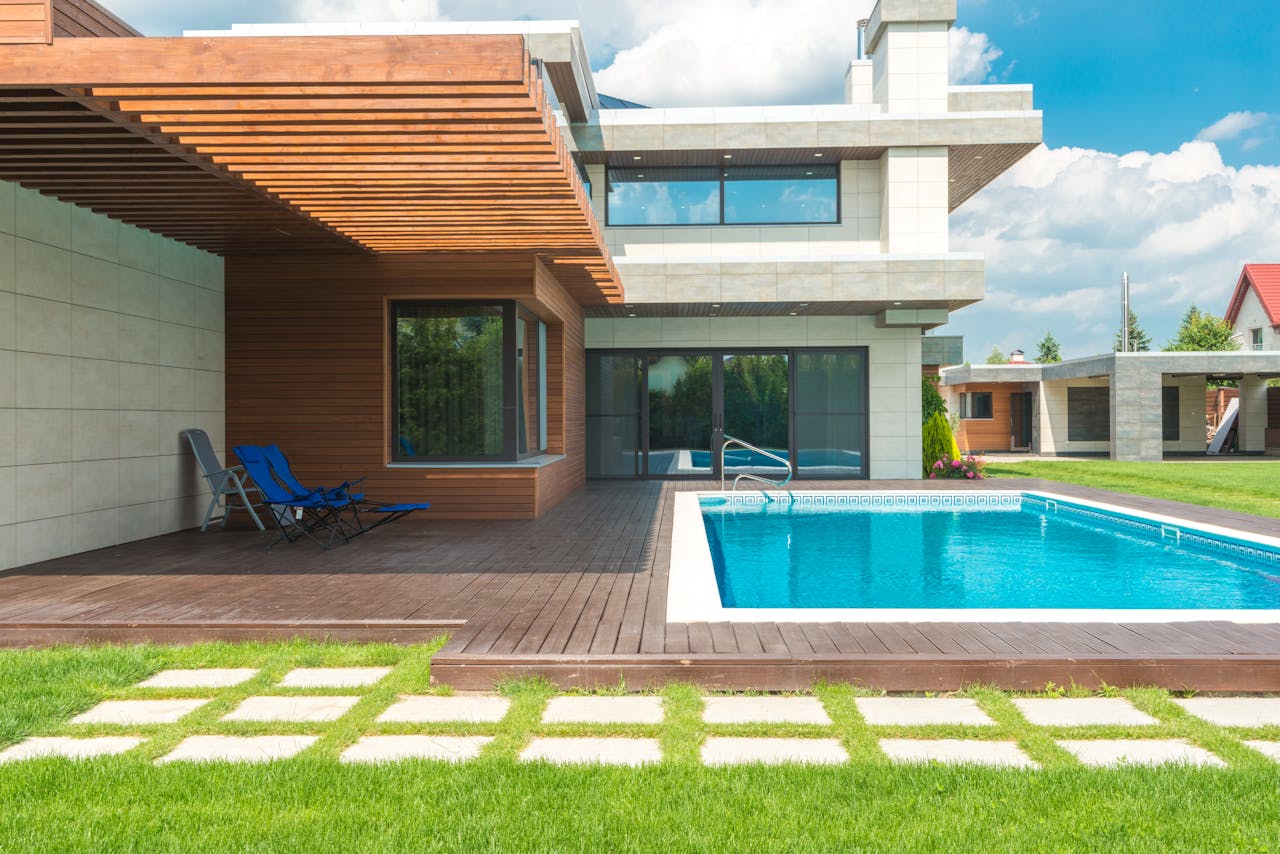
Many homeowners are embracing indoor-outdoor living with large sliding doors, open floor plans, and decks that feel like a natural extension of the home. Ground-level decks provide easy access, while elevated designs can take advantage of scenic views.
Wind and Sun
The amount of sun and wind your deck receives will influence how comfortable it is throughout the day. Positioning seating areas to take advantage of shade and natural wind protection can make the space more enjoyable year-round.
Pergolas, shade structures, and retractable awnings help reduce heat and UV exposure while creating a more comfortable outdoor environment. Durable materials with UV-resistant finishes also help your deck maintain its appearance despite constant sun exposure.
Flexible outdoor furniture allows you to rearrange seating as weather conditions change throughout the seasons.
Indoor-Outdoor Flow
Your deck should feel like a natural continuation of your home. Large sliding or folding glass doors create a seamless transition between indoor and outdoor spaces, making both areas feel larger and more connected.
Using complementary flooring materials, coordinated colors, and similar design elements helps unify the spaces. Comfortable seating, outdoor dining areas, and even kitchens or fire features can transform a deck into an extension of your home’s living area.
Foundation First
Every durable deck begins with a strong foundation. Soil conditions vary throughout the Bay Area, so footings should be designed to match both the site conditions and the expected structural load.
Deep concrete footings help prevent settling and movement, particularly on hillsides or expansive clay soils. If you’re building adjacent to an existing patio or porch, inspect nearby structures for cracks or signs of movement before construction begins.
A properly designed foundation provides the stability needed for decades of safe use.
Railing Styles
Railings serve both safety and design purposes. Cable railings create a clean, modern appearance while preserving scenic views. Wood and metal balusters offer more traditional styling that complements a wide variety of architectural designs.
Choose railing materials that coordinate with your decking for a cohesive appearance. Powder-coated aluminum and stainless steel provide excellent durability with minimal maintenance, while wood railings offer a timeless look when properly cared for.
Well-designed railings enhance both the appearance and functionality of your outdoor living space.
The Hidden Costs of Decks
The cost of a new deck goes well beyond materials and labor. Site preparation, drainage improvements, demolition, design services, and long-term maintenance can all influence your overall investment. Planning for these expenses from the start helps prevent surprises and keeps your project on budget.
| Potential Expense | Typical Cost Range (USD) | Notes |
|---|---|---|
| Demolition | $200 to $1,000+ | Depends on the size of the existing structure and disposal needs |
| Site Preparation | $500 to $3,000+ | May include grading, excavation, or foundation work |
| Drainage Improvements | $1,000 to $4,000+ | Helps protect the deck and surrounding landscape from water damage |
| Professional Design & Construction | $1,500 to $7,000+ | Costs vary based on project size and complexity |
| Annual Maintenance | $1.50 to $4.00 per sq. ft. | Cleaning, sealing, and routine upkeep |
| Upgrades | Lighting: $80 to $300 per fixtureFurniture: $500 to $1,500 per set | Optional features that enhance comfort and appearance |
Demolition
Replacing an existing deck often begins with demolition. Whether the old structure requires complete removal or only partial demolition depends on its condition and your new design.
Disposal costs can increase quickly, especially when dealing with large amounts of lumber, concrete, or aging materials. In some cases, reusable lumber or hardware can be salvaged, helping reduce waste and offset a small portion of the project cost.
Site Preparation
Every successful deck starts with a properly prepared building site. Depending on your property, this may involve grading uneven ground, improving drainage, removing tree roots, or reinforcing the soil before construction begins.
Homes built on hillsides or sloped lots often require additional excavation and foundation work, which can increase both labor and material costs. Investing in proper site preparation creates a stronger, longer-lasting deck.
Drainage Work
Effective drainage helps protect both your deck and your home’s foundation from moisture damage. This is especially important in the Bay Area, where winter storms can produce heavy rainfall over short periods.
Ground-level decks often benefit from drainage systems that direct water away from the structure. If existing drainage is inadequate, improvements made during construction can help prevent standing water, erosion, and premature deterioration.
Professional Design and Construction
Working with experienced deck professionals often saves money over the life of the project by reducing the risk of costly mistakes and future repairs.
Request detailed estimates so you understand exactly what is included in the scope of work. Experienced builders can identify site challenges early, recommend practical solutions, and deliver a finished deck that performs well for years to come.
Long-Term Maintenance
Every deck benefits from regular care, regardless of the material you choose. Natural wood decks typically require periodic cleaning, sealing, and occasional refinishing to maintain their appearance and protect against moisture.
Composite decking requires less maintenance, but it still benefits from routine cleaning and occasional inspections. Checking fasteners, railings, and structural connections each year helps catch small issues before they become larger repairs.
Optional Upgrades
Many homeowners choose to enhance their deck with features that improve comfort, convenience, and curb appeal. Built-in lighting extends the usability of the space after sunset, while pergolas provide welcome shade during warm afternoons.
Other popular upgrades include outdoor kitchens, fire features, built-in seating, privacy screens, integrated planters, and weather-resistant storage. While these additions increase the initial investment, they can significantly improve how often you use and enjoy your outdoor living space.
Conclusion
Building a deck in the Bay Area is about more than adding outdoor space. It’s an opportunity to create an area that complements your home, fits your lifestyle, and adds lasting value to your property. From selecting materials that perform well in the local climate to designing a layout that takes advantage of sunlight, views, and available space, every decision contributes to the finished result.
Starting with a solid foundation, understanding your property’s unique conditions, and investing in quality materials can help your deck withstand years of changing weather while requiring fewer repairs over time. Regular maintenance, thoughtful design, and professional craftsmanship all play an important role in maximizing the life of your investment.
Whether you’re planning a simple backyard retreat or a multi-level outdoor entertainment space, careful planning from the beginning leads to better results. With the right design, durable materials, and experienced construction, your new deck can become one of the most enjoyable and valuable features of your home for years to come.

Your Dream Deck Installed by Mares & Dow Construction & Skylights – Let’s Build a Beautiful Outdoor Space Together
Expand your living space and elevate your outdoor lifestyle with a custom deck designed and installed by Mares & Dow Construction & Skylights. With more than 40 years of construction experience, we specialize in high-quality deck installations that blend style, durability, and functionality.
Whether you’re picturing a peaceful retreat, an entertainment hub, or a seamless indoor-outdoor transition, we tailor each deck to fit your home’s architecture and your personal vision.
Key benefits of our deck installation services include:
• Creating a welcoming outdoor area perfect for relaxing, dining, or hosting
• Boosting property value with expert craftsmanship and quality materials
• Offering long-lasting, weather-resistant solutions customized to your space
Proudly serving Contra Costa County, including Alamo, Danville, Orinda, Martinez, and San Ramon, Mares & Dow Construction & Skylights is your trusted deck-building partner for timeless design and long-term performance.
Contact Mares & Dow Construction & Skylights today for a free, no-obligation quote and let’s build your dream deck together.
Disclaimer
The materials available on this website are for informational and educational purposes only and are not intended to provide construction, legal, or professional advice. You should consult with a qualified general contractor or industry professional for advice concerning any specific construction project, remodeling plan, or structural concern. Do not act or refrain from acting based on any content included on this site without seeking appropriate professional guidance. The information presented on this website may not reflect the most current building codes, regulations, or industry best practices. No action should be taken in reliance on the information on this website. We disclaim all liability for actions taken or not taken based on any or all of the contents of this site to the fullest extent permitted by law.


