Key Takeaways
- First-time homebuyers in the U.S. should account for both the purchase price and comprehensive bathroom remodel costs, including a separate fund for unexpected expenses.
- Know local permitting requirements and building codes. Get this one figured out first. Neglecting to do so may result in expensive hold-ups or lawsuits in your remodel!
- Define your bathroom remodeling goals in advance. Do some soul-searching with your DIY skills and seek professional help to make the most of your time, money, and aesthetic desires.
- Smart design choices like moisture-resistant finishes, durable materials, and layered lighting go a long way toward adding long-term value and making everyday life easier.
- Tip 2: Feature the necessities first. Get ventilation, GFCI outlet, and hot water capacity right to comply with California’s energy efficiency and market safety standards!
- Select your remodeling team with due diligence by checking references, confirming licenses, and communicating your vision clearly to ensure a successful project.
Here’s what first-time homebuyers in the United States need to understand before starting a bathroom remodeling project.
Understanding the full cost of the project, what the permit regulations are, and how to select the best contractor can have a huge impact. Almost all cities, including San Francisco, require you to obtain building permits— even for cosmetic alterations.
Choosing water-efficient fixtures saves money on utility bills and is often required by local building codes. Get ready for outdated pipes or mold lurking behind old tiles, both of which can increase expenses.
It’s good practice to plan for delays as supply chain bottlenecks frequently extend completion dates. Sticking to a reasonable budget and well-defined scope of work prevents your project from becoming stressful.
The following sections outline these fundamentals in greater detail. They even walk you through how to have a less stressful remodel, from selecting materials to collaborating with local professionals.
Key Decisions Before You Start
Before any first-time homebuyer dives into their first bathroom remodel, a few important decisions lay the groundwork for a successful, positive experience. Deciding on the reason for the remodel, collecting ideas for inspiration, and working with a design expert can go a long way in refining your vision.
Planning is more important than ever as material shortages and shipping delays are the new normal. Projects often start slowly but can pick up pace, so early decisions help avoid missed upgrades or last-minute stress. Plan for weeks or even months of reduced or no restroom availability, particularly during complete renovations. Provide a minimum of eight weeks for a complete remodel.
1. Define Your Remodel Goals Clearly
Begin by identifying the goals that are most important to you—whether that’s increased storage, improved lighting, or updated aesthetics. Prioritize these goals and discuss them with all of the users of the space.
Ensuring that each person’s voice is considered leads to fewer mistakes and regrets down the road. Or maybe you’re looking to replace a tub with a walk-in shower. Maybe you want to relax in an updated master suite away from the kids!
2. Assess Your DIY Skill Level Honestly
Evaluate the projects you want to implement. Things like painting or replacing hardware are easy DIY projects. Similarly, plumbing or wiring is something you’re usually glad to leave to the pros!
If you’re still interested, take a local workshop or online class to get your feet wet before diving into a big project.
3. Map Out Your Ideal Layout
Sketch out your concepts with pencil and paper or simple design applications. Consider how you’ll be circulating through space.
Document how much space you need to accommodate drawers opening and towel storage needs.
4. Decide: Bathtub, Shower, Or Both?
Consider what works best for your lifestyle. If you’re a fan of speedy showers, a spacious walk-in should suffice. If children or bathing sound better, leave the tub in.
Research local trends, but make your decision according to what you will use every day.
5. Factor In Long-Term Needs
Prepare for the inevitable shifts life will bring. Perhaps you’ll want grab bars down the line or a double vanity for children.
Choose durable, long-lasting materials.
6. Set A Firm, Realistic Budget
Create a big-picture number first, then divide it into tile, labor, fixtures, etc. Monitor expenditures and adjust on the fly.
Don’t forget to order early and give yourself a cushion for unforeseen delays.
Smart Design Choices For Value
A little advanced planning goes a long way in ensuring that first-time buyers get the most value out of a bathroom remodel. Measuring the existing design helps illuminate what is working and what should be redesigned. This third step directs where to invest money for function and aesthetics.
Appropriately planning for a 10–20% contingency budget allows projects to remain on schedule even when unexpected issues arise.
Select Durable, Practical Flooring
Bathroom flooring takes a direct beating in terms of water and use. Smart design choices, such as ceramic tile or durable vinyl, which do well in moisture-rich environments, can withstand the test of time.
These choices are low-maintenance, matching with hectic lifestyle,s and making it easier to maintain a safe environment. Slip-resistant finishes help prevent falls and are thus a terrific value choice, particularly in city dwellings where resale value is a key concern.
Layer Lighting For Functionality
The bathroom is a unique space where lighting can greatly affect the space’s form and function. Blending overhead, task, and accent lighting meets everyday activities from shaving in the morning to soaking in a warm bath at night.
Recessed LEDs on dimmers allow users to decide whether they want a relaxed or more energetic vibe, while conserving energy. Strategically locating fixtures at critical points minimizes shadows and enhances security.
Choose Vanities Wisely: Custom VS. Stock
Custom vanities accommodate weird dimensions and provide more storage, but stock choices usually save money and allow for quicker installation. Either choice is available in finishes and styles that will suit shiny, contemporary, or time-honored Bay Area aesthetics.
Consider your storage requirements and how the vanity style coordinates with other elements.
Integrate Smart Storage Solutions
Vertical shelves, recessed shower niches, and hanging baskets help maintain a clutter-free space. In addition to saving valuable floor space and making the home feel less cluttered, built-in storage adds value over time.
Consider Timeless Tile Options
Classic white subway or hex tiles never go out of style, and they’re a breeze to replace if your tastes change in the future. Using the same tile colors and patterns throughout the space helps unify the appearance.
Pick The Right Paint Finish
So use moisture-resistant semi-gloss or satin paints, which are long-wearing and easy to clean. Testing samples in the bathroom’s light will help prevent some expensive missteps.
Essential Practical Considerations
First-time homebuyers usually consider bathroom remodeling to be an interplay of practicality and aesthetics. So it’s a good idea to begin with a hard look at the space you have available. Learn what goes well and what goes poorly.
A well-designed bathroom looks great, maximizes the space you have available, and complements your life. Function and appearance must go hand-in-hand. For example, heated floors add warmth, and wool rugs by the tub or vanity help keep feet dry and cozy.
Storage is important—think about shelves, rod holders and hooks to get the customization that works best for you. Budgeting is yet another preparatory step to take in order to prevent hassle down the road. Make sure you set aside a good cushion!
Then aim for another 10 to 15 percent on top of that for costs you don’t even budget for. This allows you to quickly adjust the project if you encounter an unexpected challenge. Consider regulatory and safety aspects as well.
Unlike local codes, which determine the minimum standards for aspects such as plumbing and wiring, GFCI outlets are required in areas where water can splash. Sconces and backlighting should be considered as well.
Placing outlets next to vanities and incorporating USB ports furthers the modern aesthetic. Planning for additional light sources on dimmers allows the space to feel bright and cheerful or calm and intimate, depending on the event.
Prioritize Effective Ventilation Always
A quality fan prevents mold and mildew. Prioritize models that have sensors which activate when humidity increases. Check that your ductwork exhausts humid air to the outside.
Plan Outlet Locations Carefully
Outlets near sinks or in vanities improve daily living and convenience. If you plan to charge devices here, include USB ports. Never replace a standard outlet with a GFCI outlet.
Check Your Hot Water Capacity
If your new bath plan means longer showers or a bigger tub, check if your water heater can keep up. Tankless heaters provide unlimited hot water. A professional plumber can inspect your system and help you determine capacity.
Think About Sound And Privacy
Install soundproofing between walls for added privacy and solitude. Soft-close hardware eliminates slams. Simple design and door selection can enhance privacy.
Don’t Forget Hooks And Holders
Towel bars and hooks should be located directly where you need them. Additional shelves or baskets keep your gear organized. Functional hooks and holders can also enhance the aesthetic of a room while still being useful.
Navigating Permits And Regulations
Bathroom remodels in the US are a breeze, right? There’s more to the story than the visible front-stage performance of securing permits and navigating regulations. Your local laws dictate how much you can change, who needs to sign off on it, and how the work ultimately gets approved.
Each state has its own rules—check before you go! What’s permissible in San Francisco may be impractical in Austin or Miami. In many cities, including New York, you may exchange a toilet or sink without a permit as long as it is a one-for-one exchange. Big changes—such as relocating pipes or putting in a bidet—generally need a permit.
Know When Permits Are Required
Begin by determining which elements of your project will require a permit. For example, if you are simply replacing an old faucet with a new one, you may not need to complete any paperwork. Larger projects—relocating plumbing, redoing electrical wiring, installing new lighting, or demolishing walls—will very likely require a permit.
These regulations are not necessarily onerous. If you’re building in one of these counties, you need to adhere to the International Residential Code. In other words, you must follow their local building codes. This is not something you want to guess on, so be sure to call your city’s building department.
They’ll inform you if you need a permit for activities such as demolition, construction, parking, or temporary noise. If you don’t do this, you could be in for major delays. Some projects get stalled for months. Permit approval can take anywhere from two to six months, depending on where you live.
Understand Local Building Codes
Building codes take care of the nuts and bolts—plumbing, wiring, guaranteeing that your bathroom doesn’t kill you. Each city or county can create its regulations.
Look for specifications on vent fans, pipe diameters, and electric outlets. If you have any doubt, consult a contractor that operates within your municipality. They know what the inspectors are looking for.
Choosing Your Remodeling Team
Choosing your bathroom remodel team requires a little preparation. First, go to your network for names—friends, neighbors, and community-oriented local online groups can be great resources. Check their reputation.
Search for reviews and ratings on third-party sites like Yelp or Houzz. Note carefully any remarks, especially those related to sticking to project timelines, staying within budget, and how the team managed unexpected issues. Look for contractors with a good track record in bathroom remodels specifically, as opposed to home remodels overall.
Narrow it down to a handful of names and schedule in-person interviews. Discuss your priorities, routines, and expectations for your new bathroom. A qualified professional contractor actively listens, asks relevant questions, and provides examples of comparable work.
Vet Contractors Thoroughly
Request each candidate’s references from recent bathroom remodels. Pick up the phone and call those clients! Inquire about their time frame, budget, and how the crew handled unforeseen issues such as water harm or material delays.
Verify online reviews from two or more different sites. Pay attention to buzz—positive or negative. Confirm that each contractor has an active California license and adequate insurance coverage. This provides a level of protection should anything go wrong.
Straight up inquire about their experience with the type of project you’re undertaking. In particular, ask if they’ve had experience working in homes with your floorplan or antiquated plumbing.
Get Detailed Quotes And Contracts
Get detailed quotes and contracts. These detailed estimates break down costs for labor, materials, and fixtures, which will make it easier to identify hidden or inflated fees.
Watch out for vague wording in contracts regarding the scope of work, timeline, payment plan, and what to expect in terms of disruptions. Before signing, clarify payment terms—how much up front, when milestones trigger more payments, and what happens if delays come up.
Communicate Your Vision Effectively
Present your design wishes with hand-drawn images or photographs. Whether it’s daily, weekly, or bi-weekly, establish a system for check-ins to ensure everyone stays aligned with plans.
The right team will assist you figuring out how to make your desires match with your needs and your budget, while considering your future.
Avoiding Common First-Timer Pitfalls
First-time homebuyers in San Francisco need to realize that a bathroom remodel will put them up against their own set of challenges. The most common pitfall many first-timers get into is hot water because they misjudge the effort involved or overlook tiny but expensive nuances. Avoiding those mistakes saves time and certainly money!
Being organized and prepared for changes helps take the stress out of the process and keeps everything running in an efficient manner.
Don’t Over-Improve For Your Area
Begin by doing some basic research on housing costs in your area. If you’re overspending on high-end tiles or high-end luxury fixtures, you’ll likely damage your return on investment. You won’t get that money back come resale time.
That might mean, for instance, that in many Bay Area neighborhoods buyers are looking for new updates but not a day-spa level of finish. Choose improvements that are in line with the community’s market, like water resistant vanities or less ornate tile patterns.
Avoid marble or custom glass if these don’t exist in any of the other homes in your area.
Prepare For Project Disruptions
Even simple bathroom remodels end up taking longer than originally scheduled. Regardless of how well you plan, things will go wrong.
Plan to spend 25-35% more. It’s a good idea to plan for at least 20% over-budgeting for unexpected expenses. Living situations get complicated very fast if all you have is one bathroom.
For many San Francisco residents, formerly homeless, that meant renting a portable shower or crashing at friends’ houses a few days a week. Fire off updates and changes with your contractor to address issues immediately.
Buy Materials Smartly (Incl. Overage)
Purchasing materials in an appropriate overage helps to ensure color and finish will be consistent. Always purchase overage to account for mistakes and future repairs—typically 10% over is safe.
Keep an eye out for deals at nearby hardware stores or on the internet. Select durable materials that will be water resistant, such as porcelain or quartz, to prevent future damage and replacement.
Smart planning in this stage saves money and headaches during implementation.
Thinking About Future Impact
Thinking ahead before you begin a bathroom remodel is more than an ounce of prevention. It’s about making smart investments with a long-term vision that saves money in the future! Remodeling is about changing how you use your home. It affects your ongoing operating expenses and makes it worth more when you sell it.
For first-time homebuyers in San Francisco, where property values — and utility rates — are among the highest in the nation, these options are doubly important.
How Remodels Affect Home Insurance
While a bathroom update can bring you increased home value, it can indicate a change in your insurance needs. Inform your insurer as you complete major renovations, such as installing a walk-in shower or luxury features.
Read your policy carefully to make sure your new renovations—such as granite countertops or bespoke lighting—are included. If you’re putting in a lot of expensive new features such as heated floors or custom vanities, you may need additional coverage.
That prevents holes in coverage in the event of a claim.
Boosting Functionality And Resale Value
An effective remodel improves your day-to-day living today and improves life for future owners when you sell. Good storage—whether it’s built-in shelves or pull-out cabinets—goes a long way in tiny Bay Area bathrooms.
Features like double sinks or zero-entry showers are attractive to families and boomers at the same time. In many markets, the right remodel will allow you to recover more than your entire investment, up to 102% in some neighborhoods.
Explore emerging trends in your market and invest in features that buyers are seeking, such as classic tile or smart lighting options.
Considering Sustainable Upgrade Options
Consider more sustainable upgrade alternatives, such as greener materials and water-efficient fixtures. Low-flush toilets and LED lighting are just two of many improvements that save you money while reducing your environmental footprint.
Choose durable, low-maintenance fixtures. Thinking ahead to age-in-place design—such as installing grab bars or wider doorways—ensures that your remodel will serve your needs for years ahead.
Conclusion
Know your limitations and be realistic about the work you’re looking to accomplish before beginning the bathroom renovation. Determine the total value, not just the invoice amount. Choose fundamentals that fit your style and space. Communicate with your contractor and document everything. Choose durable, waterproof products—consider tile that stands up to splatter and paint that prevents mildew. Inquire about permitting procedures in your city, as regulations can vary dramatically even from block to block. Think long-term, not aesthetically. Those little intricacies will save you bucks and a major case of regret in the long run. Looking to start your next project? Connect with local professionals, get advice, and turn your remodel from wishful thinking to a completed project.
Frequently Asked Questions
1. What’s A Realistic Bathroom Remodeling Budget For First-Time Homebuyers In San Francisco?
For a quality remodel, be prepared to invest $15,000–$35,000. Consider the cost of local labor, the materials you want to use, and plan on 10–20% more for surprises. The Bay Area’s high cost of living has driven remodeling prices up as well, now exceeding the national average by more than $25,000.
2. Do I Need A Permit To Remodel My Bathroom In San Francisco?
Yes. Generally, any bathroom remodel that involves changes in plumbing or electrical systems will require a permit. Always confirm with the San Francisco Department of Building Inspection or your general contractor before commencing work.
3. What Design Choices Boost A Bathroom’s Resale Value Most?
Choose classic fixtures, ample lighting, water-saving measures, and tile that will stand the test of time. San Francisco bathroom neutrality and double vanity. Plenty of buyers in San Francisco want neutral colors and double vanities.
4. How Long Does A Typical Bathroom Remodel Take?
Allow at least 3–6 weeks, more if your project is large or if your contractor is busy. In the Bay Area, delays are inevitable with permit review and material delivery.
5. Who Should I Hire For My First Bathroom Remodel?
Hire a licensed, insured contractor with solid local references. For example, in San Francisco, familiarity with city codes and permits is required.
6. What Common Mistakes Should First-Time Homebuyers Avoid?
Avoid cutting corners with permits, thinking costs will be lower, and forgetting about waterproofing. Underestimating or rushing the process, or hiring unlicensed workers, will lead to bigger costs in the future.
7. Will My Remodel Affect My Home’s Future Value?
Yes. The right bathroom remodel will make your home more valuable and attractive to buyers, particularly in competitive markets like San Francisco neighborhoods.
Your Dream Bathroom Starts With Mares & Dow Construction – Let’s Build A Beautiful Space Together
Thinking about a bathroom remodel in Concord, Walnut Creek, Pleasant Hill, or Lafayette? Whether you’re envisioning a luxurious spa-like retreat or a smart, space-saving update, choosing the right contractor is the most important step in turning your vision into reality.
With over 40 years of proven experience, the team at Mares & Dow Construction & Skylights is trusted throughout Contra Costa County for expert craftsmanship, transparent pricing, and outstanding customer service. We specialize in:
- Bathroom Remodeling – Upgrade your outdated bathroom into a stylish, functional, and energy-efficient space. From elegant tilework and modern fixtures to walk-in showers and custom vanities, we handle every detail with precision.
- Decks and Outdoor Living Spaces – Extend your home’s living space with beautifully designed decks, patios, and pergolas built to last.
- Foundation Repairs and Waterproofing – Protect your home from moisture and structural damage with our reliable repair and waterproofing services.
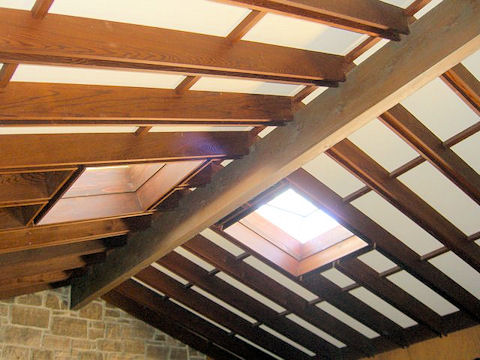
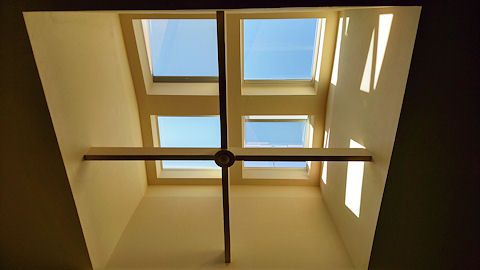
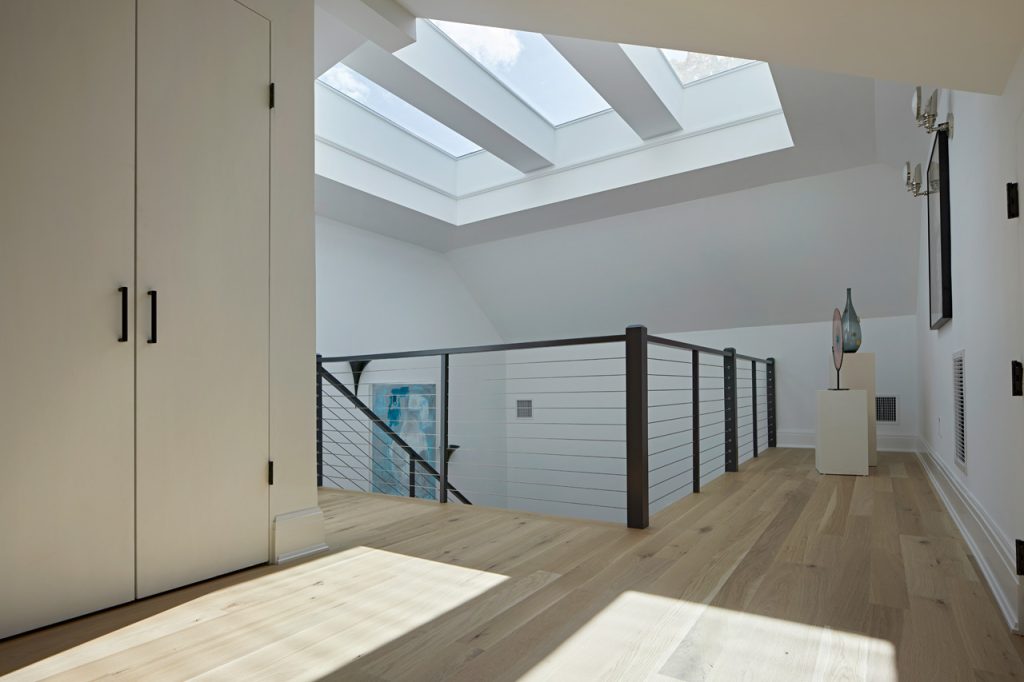
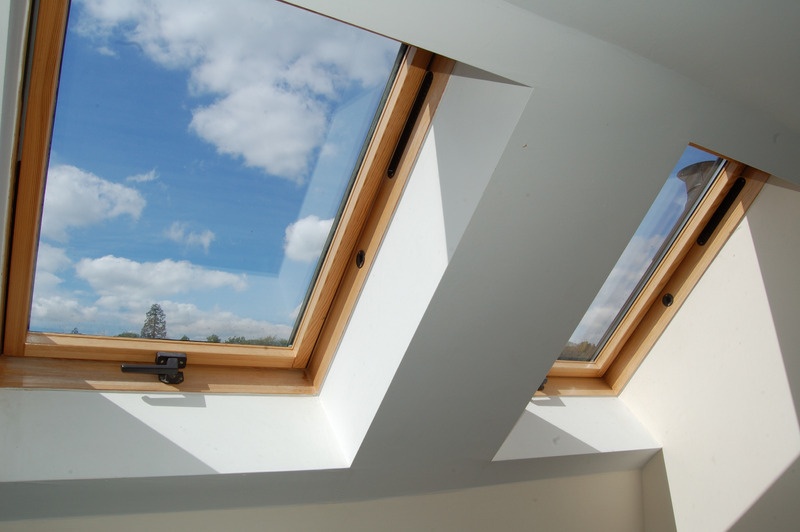
- Custom Skylight Installations – Brighten your bathroom naturally with premium skylight solutions installed by a certified VELUX 5-Star Skylight Specialist.
- General Contracting Services – From bathroom renovations to larger home improvement projects, we manage every aspect with the highest standards in the industry.
Proudly serving Alamo, Danville, Orinda, Martinez, San Ramon, and the surrounding areas, Mares & Dow Construction & Skylights is committed to delivering exceptional results. Whether you’re a homeowner upgrading your primary bathroom or an investor modernizing a property, we ensure your remodel is completed on time, within budget, and with superior quality.
Don’t trust your bathroom remodel to just anyone. Contact Mares & Dow Construction & Skylights today for a free, no-obligation consultation, and let’s turn your bathroom into a space you love.
Disclaimer
The materials available on this website are for informational and educational purposes only and are not intended to provide construction, legal, or professional advice. You should consult with a qualified general contractor or industry professional for advice concerning any specific construction project, remodeling plan, or structural concern. Do not act or refrain from acting based on any content included on this site without seeking appropriate professional guidance. The information presented on this website may not reflect the most current building codes, regulations, or industry best practices. No action should be taken in reliance on the information on this website. We disclaim all liability for actions taken or not taken based on any or all of the contents of this site to the fullest extent permitted by law.


based on