
Key Takeaways
- Seriously contrast the all-in costs of a second story versus buying bigger, with a real budget and accounting for hidden expenses.
- Consider how each option fits your lifestyle in the long run, your family, and your daily routine.
- Acknowledge the heart of both remaining in a known community and adjusting to a new one, as these can make or break your satisfaction with your decision.
- Consider the time demands and potential inconveniences, such as construction overruns or moving hassles, and design your plans to reduce them.
- Consider future value—how will market trends and property appreciation impact your decision, and is the structure of your home suitable for an expansion that meets your investment criteria?
- Seek advice from architects, engineers, and tax advisors to dispel any regulatory, structural, and financial uncertainties, so you can make a confident decision.
Adding a second story or selling and buying a bigger home are two main ways to get more living space when your home feels too small. Most homeowners weigh costs, time, and how each decision will impact their lifestyle. Adding a second story provides a solution where you can leverage the same land, remain in a familiar neighborhood, and retain some of the old memories. There is a new place of excitement and sometimes less hassle. Cost, time to work, regulations, and stress all factor into the decision. Both options have advantages and dangers, so it’s useful to understand what best suits your family’s needs. The following sections dissect each choice with straightforward information.
Choosing Between Two Options
Whether to add a second story or buy a bigger home, there are trade-offs on both sides when it comes to expanding your living space. Below, I deconstruct each path across cost, lifestyle, emotional impact, time, and future value.
1. Financial Reality
Factor | Second Story Addition | Selling & Buying Bigger |
Construction/Design Fees | Typically high — can range from $100 to $300+ per sq. ft., depending on complexity and location | N/A |
Real Estate Fees & Closing Costs | N/A | Usually 5–6% of the home sale price (including agent commissions and closing costs) |
Financing Options | Often home equity loan, a home equity line of credit , or cash | New mortgage required for purchase; possible bridge loan if timing is tight |
Moving Costs | Minimal to none (unless temporary relocation needed) | Average $1,200–$3,000 for local moves; can be higher for long-distance distance |
Potential Return on Investment | Often favorable if home value increases with added square footage, especially in high-demand neighborhoods | Varies widely based on market conditions and neighborhood; can be high or low |
Two-story usually equates to high initial outlays—reinforcement, architecture, permits, and construction. Financing can include home equity loans, which may have lower rates than new mortgages. By comparison, selling and buying mean realtor fees, closing costs, and moving expenses. ROI = neighborhood worth. Building a story up in an inexpensive area may not return, yet in increased markets, it can dramatically increase resale.
2. Lifestyle Impact
A second-story addition leaves your patterns largely intact, albeit with construction noise, dust, and laborers coming and going for months. You get more room, occasionally for multi-generational living, while maintaining your yard and sidestepping a new commute. Big improvements are a disruption to everyday life, sometimes even necessitating a temporary move.
Purchasing a bigger space provides the opportunity to restart your habits and make a clean slate in a new environment. This can mean a better floor plan or upgraded features, but new schools, commutes, and neighbors. Every path can change your family’s daily rhythms and ease.
3. Emotional Cost
Living through construction is sacrificing privacy and peace for a period. There’s the tension of procrastination and the possibility of failure. Moving signifies leaving behind comfort zones and good friends. Sentimental weight can be heavy—some are grounded by it, others exhilarated. The tug of war between reminiscence and fresh beginnings is real.
4. Time Commitment
Planning, designing, getting permits, and building a second story could easily stretch for months. Postponements happen. Selling and buying are uncertain, as well—discovering your perfect home and sealing the deal may require more time than anticipated. Both require significant time and perseverance, and can intersect with career, academic, or familial milestones.
5. Future Value
A nicely constructed 2nd story can increase resale value, particularly with additional bedrooms and bathrooms. Scope local trends — over-building for a low-value location might not return its cost. Upgrading to a larger house could provide additional elbow room, but it introduces new exposure should the market soften. Future appreciation is a matter of timing and neighborhood, and quality of improvements.
The Renovation Reality
Adding that second story to your home is no small feat, and it’s more than just the additional space. Nah, it’s planning and discipline and real lifestyle changes. It can extend to a year or more, particularly if your home requires major work such as on the foundation, roof, or outdated electrical systems. Some owners opt to build up, not only for additional space but to maintain their existing home’s charm—original floors, woodwork, and vintage built-in cabinets are character-adding elements.
The Blueprint
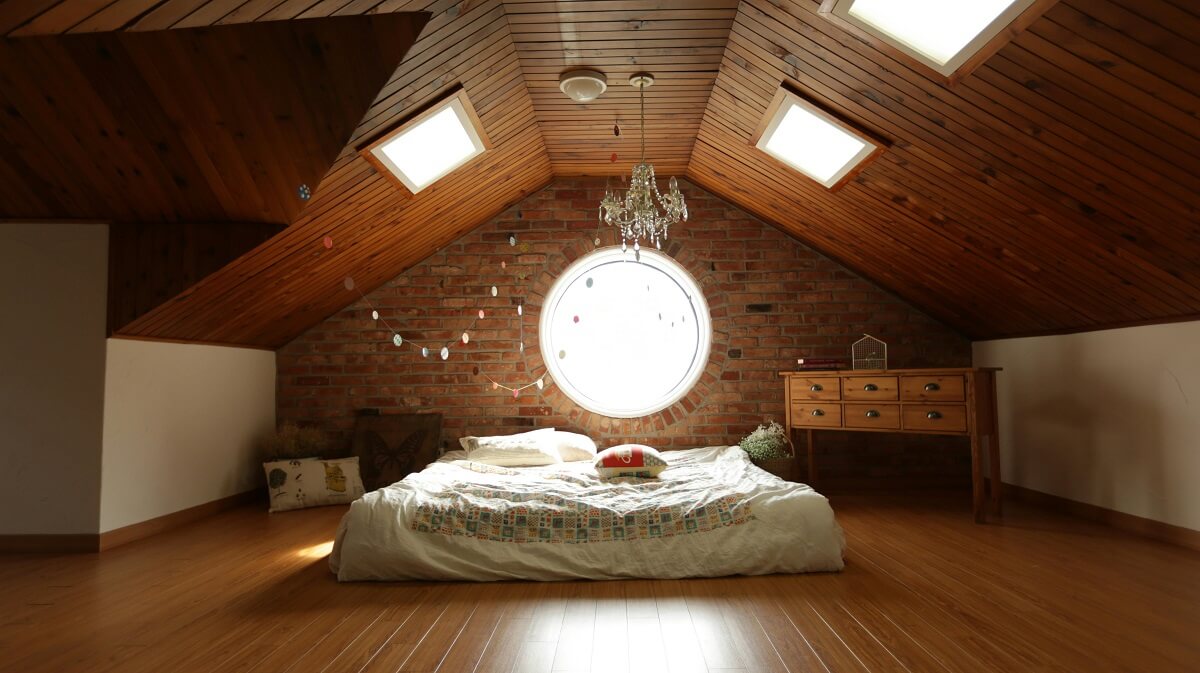
You need a floor plan. It has to be space-efficient and have a layout that suits your lifestyle. Getting together with an architect is essential. The architect assists in aligning your plans with local codes and regulations. Each city has its building codes, and zoning laws govern what you can add. Adding a second floor entails verifying the load-bearing capacity of your home. Occasionally, builders have to supplement the frame with beams or supports. Skylights, open stairs, or big windows have a way of making the space feel fresh and modern, while still maintaining your home’s vibe.
The Disruption
Renovating causes noise and dust, and constant workers in and out for months. Other families remain in the house, but it’s not easy. Others have to vacate for weeks or months. It’s expensive—the owners are sometimes paying for a temporary 2nd residence on top of their mortgage. Establishing rules with your builder is helpful. Schedule — set work-hour boundaries and stay connected about milestones. Though some noise and mess is just the nature of the beast, good planning will ease the burden.
The Outcome
The final solutions are all different. Sometimes the new space suits your needs and style. Other times, it won’t feel right or will cost more than planned. Your home’s market value may go up, but not necessarily enough to pay for everything. For instance, a luxury bathroom renovation may recoup just 45% of its cost, whereas an average upgrade earns more. Material costs can increase if the market changes, upsetting a budget. Still, a lot of them say it’s worth the payoff when the project is complete.
The Challenge of Moving
Deciding whether to add a second story or sell and buy bigger is a moving maze. What’s right for you depends on your life goals, budget, and what you value in a home. Others opt to build up because they adore their neighborhood or wish to stick with their school district. Some have to move for more room or a new beginning. Both routes have distinct challenges and expenses that merit thorough examination. This segment dissects the key problems you’ll contend with in the moving maze.
Market Timing
Timing is everything in real estate. See what’s trending locally and compare average home prices over the last year. In certain areas, the market fires up in spring and early summer, pushing prices and competition upwards. Waiting a few months can make a difference of thousands in sale price or buying power. Interest rates factor heavily. When borrowing costs shrink, more buyers flood in, and prices can rise. Being on top of policy updates or economic news keeps you in front of the trend changes. Keeping tabs on this stuff, though, helps you understand when to strike for the best deal.
Hidden Costs
Moving is never inexpensive, and expenses can creep creeping too quickly. You’ll undoubtedly cover the cost of repairs and touch-ups to prep your house for the market. Staging can tack on top of that, as can agent fees, which tend to come to about 6% of your home’s price. Not to mention moving truck rental, insurance, and utility transfers – all of which can add up. There could be surprises, like storage fees if move-in dates misalign or higher fees for last-minute moves. Anticipate these lurking expenses so your budget doesn’t get blown.
The Search
List what matters most: neighborhood, commute, square meters, and needed features. Online tools can help narrow choices, but working with a realtor gives access to off-market listings and real advice. Visiting homes is critical. Layouts and noise levels can’t be judged from photos. Take notes at each visit to compare options later. This phase can take time, but it helps you avoid buyer’s remorse and find the right fit for your family’s needs.
Hidden Factors That Shape Your Choice
In deciding between building a second story or relocating to a bigger home, personal, technical, and financial considerations frequently influence the decision in subtle ways. Emotional ties, structural realities, and tax implications all warrant due consideration before committing.
Neighborhood Roots
By remaining in a familiar area, you’re likely maintaining close connections with friends, family, and support systems. For a good number, these connections cultivate a unique feeling of community that’s hard to find elsewhere. The reputation of area schools and access to amenities like parks, libraries, and community centers are significant factors.
Some neighborhoods have rock-solid educational returns that are difficult to replicate anywhere else. Stability matters, too: long-term neighbors and low turnover create a secure, predictable environment for children and adults alike. Still, the need for additional space might coerce families into thinking about moving, particularly if they’ve outgrown the existing home. Striking a balance between enjoying the comfort of existing community connections and yearning for a bigger house is seldom simple.
Structural Surprises
Adding a second story can bring a cornucopia of issues. Some older homes have weight limits, antiquated wiring, or foundation issues that aren’t immediately noticeable. Local zoning, setback, and height restrictions could block or complicate the project. You’ll need a structural engineer’s evaluation to discover any unseen constraints prior to buying plans or permits. Costs can add up if contractors find mold, rot, or cracks once they get started. Labor, which accounts for 30-60% of the cost, differs by region and trades’ availability. In these high-demand cities for renovations, these delays are typical, pushing a project from an anticipated seven months to well over a year. Living through renovations is the pits – daily mess, dust, and sometimes temporary eviction.
Tax Implications
Modifications to a property’s footprint can increase its appraised value — and thus its probable property tax and homeowners’ insurance. Certain areas provide tax credits for renovations, but these rarely make up the entire cost. Selling and buying a new house have their own tax burdens–capital gains and transaction fees. Tax regulations vary by location and are subject to change. A tax professional can help you avoid costly surprises and make sure you’re considering all of your available benefits.
A Detailed Financial Comparison
An in-depth cost comparison is key when faced with the decision to build a second story or just sell and buy a bigger house. The economic effect extends far beyond the initial price, from recurring expenses to resale potential and the entire family budget. Below is a summary of high-level expenses for both choices:
- Renovating: Construction costs, permits, design fees, temporary housing, increased insurance, and contingency funds for overruns.
- Moving: Real estate commissions, repairs for sale, moving and storage, property transfer taxes, new mortgage rates, set-up costs for utilities, and potential upgrades in the new home.
Renovation Expenses
- Design and Planning Fees: Hiring architects or designers to create structural plans can cost between $5,000 and $20,000, depending on complexity and local rates.
- Permits and Approvals: Fees for building permits and inspections are essential, often reaching $2,000 to $10,000, based on location and project scope.
- Construction and Labor: The core cost of adding a second story ranges from $100,000 to $400,000. This covers supplies (framing, insulation, roofing, windows) and tradesmen’s labor.
- Contingency Fund: Set aside at least 10-20% of the total budget to address unexpected costs like structural issues, delays, or price hikes in building materials.
- Contractor Comparison: Collect bids from multiple contractors. Check references and prior projects – low bids often conceal future costs.
- Energy Efficiency Upgrades: Investing in high-performance windows, insulation, and HVAC systems increases upfront cost but can lower utility bills. These savings add up over years and increase the lifetime value of your home.
A second-story addition can recover 47.7% to 52.8% at resale, and additional bedrooms or bathrooms increase buyer appeal! Although not inexpensive, these enhancements construct enduring assets that don’t rely on passing design crazes and can minimize waste due to a more modest building footprint.
Relocation Expenses
- Real Estate Commissions: Typically 5-6% of your sale price, these fees can quickly add up, especially in higher-value markets.
- Pre-sale Repairs: Sellers often invest in repairs or cosmetic upgrades to boost appeal, which can range from minor fixes to major renovations.
- Moving Costs: Packing, transporting, and storing belongings may cost several thousand dollars, depending on distance and volume.
- Mortgage and Taxes: A new home may come with a higher purchase price, different mortgage terms, and increased property taxes, especially since two-story homes usually command a premium.
- Utilities and Setup: Expect to pay for new utility connections, internet, and other essential services, plus possible deposits or installation fees.
Both cases present their continuing expenses for maintenance, insurance, and taxes that need to be monitored to prevent unexpected shocks well after the move or revamp is done. Financing, too—renovation or new purchase loans can adjust your long-term financial profile and impact the flexibility to invest elsewhere.

Making the Right Choice
Deciding between putting on a second story and selling to upgrade to a larger home. So many factors to consider, from finances and family needs to future ambitions. Both paths have their benefits and difficulties, and a thoughtful evaluation makes sure your selected course aligns with your life’s trajectory.
Your Non-Negotiables
Begin with must-haves in your next home — either remodeling or moving. Consider how many bedrooms you require, whether you desire more outdoor space, or if additional bathrooms are necessary. It’s these essentials that propel your decision. As an example, an expanding family may require a minimum of four bedrooms and a separate work space. Give priority to things that accommodate your lifestyle, like a kid-friendly playroom or an elderly-friendly entryway.
Next, establish a hard budget for what’s most important to you, accounting for construction overages or the actual cost of moving, which can soar past $2,300 locally. Verify if your existing home is architecturally capable of holding a second story – some older homes can’t, nor due to flimsy foundations or zoning restrictions. Always ensure your ultimate plan aligns with your aspirations — be it planting roots in your beloved hood or moving for a better school district.
Your Long-Term Plan
Think ahead of today’s immediate demands. Think about how your family, your work, and your lifestyle are going to evolve over the next 5 to 10 years. A second story can boost your home value — particularly in high-cost markets — but that’s only if your house can structurally support it. Consider whether your current living location still accommodates your commute and daily life well, or if relocating would enhance your work-life balance.
Long-term costs matter: weigh the potential return on investment from a remodel against the upfront expenses of a bigger house, including agent fees and moving costs. Checking in with a real estate pro can help clear up whether the price difference between three- and four-bedrooms in your area is worth the jump. Your housing situation should correspond to your financial perspective, your professional ambitions, and your familial tempo.
Your Final Verdict
After some thought, decide based on research and open conversation with your family. Post your decision and action — scheduling a contractor or calling a moving service. Map out each phase, from permits to packing, so it goes seamlessly. Own the switch, confident that it’s the right fit for you.
Conclusion
To decide between going up and going bigger, tally up your needs and your bank account. Both options introduce stress and some chaos. Adding a second story preserves your existing location, but you deal with dust and construction crews. Consider your trajectory, not simply the cost. Consider your family and your job. Speak with folks who have taken each step. Experts ask for numbers, not just ads. Every step counts. Relax, ask the good questions, and believe in your strategy. For more tips or to share your story, leave a comment or join our next discussion. Your voice makes us all smarter.
Frequently Asked Questions
1. What are the main advantages of adding a second story to my home?
Second-story additions add living space without the hassle of relocating. It allows you to stay right where you are – in your neighborhood, in your community, with your schools. This decision can increase your home’s value, as well.
2. Is it usually cheaper to build up or to buy a bigger house?
Costs vary based on where you live and your requirements. Building up is often cheaper than buying new, bigger real estate when you factor in the fees, taxes, and moving costs!
3. What hidden costs should I consider when renovating or moving?
Renovations can uncover structural nightmares or require you to find temporary housing. Moving means agent fees, legal fees, and potential repairs to your old or new house. Always expect unexpected expenses.
4. How long does it take to add a second story versus moving to a new home?
Adding a second story can take months, depending on the project. Sure, buying and moving to a new home may be quicker, but it still takes weeks or months to find a place and complete the process.
5. Will adding a second story increase my property taxes?
Yes, you generally pay higher property taxes as your home gets larger or more valuable. Check local rules to see how much they’ll go up post-renovation.
6. How do I decide between renovating and moving?
Think about your budget, your family’s needs, your location preferences, and your long-term plans. Enumerate the advantages and disadvantages of both alternatives. A quick consultation with a real estate/construction expert can help clarify your best path.
7. Can I stay in my home during a second-story addition?
It’s project-dependent. Renovations are tricky because some you can stay at home during, and others you simply must leave for your safety or comfort. Your contractor can guide you based on your plans.
Your Dream Second Story & Primary Suite Built by Mares & Dow Construction & Skylights – Let’s Create the Extra Space You’ve Been Dreaming Of
Unlock your home’s full potential with a custom second story or primary suite addition from Mares & Dow Construction & Skylights. With over 40 years of experience, we specialize in high-quality expansions that blend seamlessly with your home’s existing structure and lifestyle needs.
Whether you’re looking to add a luxurious primary suite, expand upwards with a second story, or enhance your living space in other ways, we customize each project to suit your vision, your home’s architecture, and your long-term goals.
Key benefits of our second story & primary suite services include:
• Expanding your living space to accommodate growing families or additional functionality
• Boosting your property’s value with expert design and construction
• Creating energy-efficient, stylish living areas designed around your needs
Proudly serving Contra Costa County—including Alamo, Danville, Orinda, Martinez, and San Ramon—Mares & Dow Construction & Skylights is your trusted partner for functional, beautiful, and lasting home expansions.
Contact Mares & Dow Construction & Skylights today for a free, no-obligation quote and let’s build the second story or primary suite of your dreams!
Disclaimer
The materials available on this website are for informational and educational purposes only and are not intended to provide construction, legal, or professional advice. You should consult with a qualified general contractor or industry professional for advice concerning any specific construction project, remodeling plan, or structural concern. Do not act or refrain from acting based on any content included on this site without seeking appropriate professional guidance. The information presented on this website may not reflect the most current building codes, regulations, or industry best practices. No action should be taken in reliance on the information on this website. We disclaim all liability for actions taken or not taken based on any or all of the contents of this site to the fullest extent permitted by law.


