
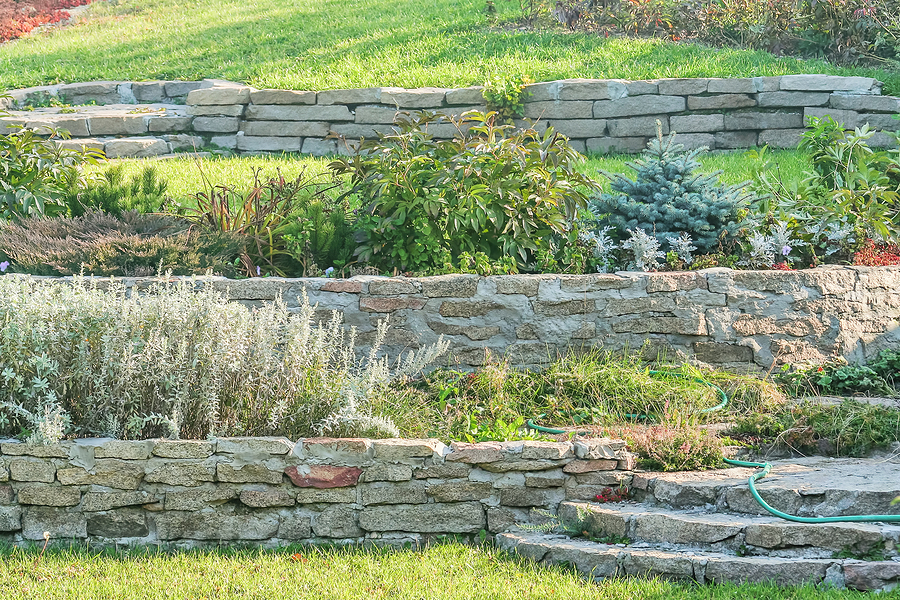
A retaining wall becomes a structural requirement when it must hold back soil or other materials at a height or load that can no longer be supported by the natural slope or a simple landscape barrier. Most building codes set the limit at 1.2 meters or when it supports a driveway, structure, or steep slope. They check soil type, wall height, and nearby loads before they determine if a wall requires structural design or approval. For slopes adjacent to public areas or heavy traffic, regulations are usually tighter. Understanding when a wall requires structural inspections ensures your projects are safe, compliant, and durable. The second part discusses regulations, design procedures, and indicators to verify.
Key Takeaways
- Retaining walls become structural when they exceed critical heights, are constructed on steep slopes, or must hold back large surcharge loads.
- These are all key variables that impact when a retaining wall becomes a structural necessity. Wall height, slope angle, soil conditions, and water all influence the need for structural reinforcement.
- Knowing about lateral earth pressure and installing adequate drainage are important factors in preserving your wall’s integrity, especially in areas with high water tables or challenging topography.
- Adhering to local building codes and regulations is vital to avoid expensive fines and to confirm that retaining wall projects align with universal safety norms.
- For projects with bad soils, complicated slopes, or high-value assets, you would want to bring in geotechnical and structural engineers so you can have a rock-solid wall.
- Of course, regular inspections, maintenance, and documentation of design and calculations are key to avoiding wall failure and protecting your properties from financial and legal repercussions.
The Structural Tipping Point
The structural tipping point refers to when a retaining wall is subjected to excessive soil, water, or weight pressure, threatening to cause it to fail. This point varies with wall height, soil type, slope, surcharge loads, and water. All these factors alter how much support the wall requires and when it must transition from a rudimentary barrier to an engineered structure.
1. Wall Height
Walls taller than 1 m may require more than just gravity to remain standing. Once a wall extends to 1.2 m or more, the lateral soil pressure expands rapidly, forcing the wall outward and putting it at risk for sliding or overturning. Taller walls require more drainage as well, as the water pressure behind the wall can build and add a hidden force. This is why local codes in many areas demand engineering review and additional approval for walls over 1.2 meters, because the risk of failure grows with height. In sandy or loose soils, even shorter walls may require additional design attention.
2. Slope Angle
Building on or near a slope means shifting soil. Steep slopes over 10 degrees render it difficult for walls to contain soil. Soil above the wall can slip, particularly after heavy precipitation. On these slopes, engineers typically install reinforcement such as geogrid or anchors. Erosion threats increase as well, so deep footings and robust drain systems become crucial. Even gentle gradients can wreak havoc if the dirt is loose or erodible.
3. Surcharge Loads
Surcharge loads are from structures or objects built or parked above the wall—cars, sheds, walkways, for example. These loads push down on the soil, transmitting additional force into the wall. If unplanned, this can result in abrupt collapse. Computing these loads involves both anticipated weight and duration. Engineers typically rely on either reinforced concrete or tiebacks on active sites, especially those with heavy trucks or pallets of materials. Drainage is always involved in the plan to prevent water from exacerbating the issue.
4. Soil Conditions
Soil strength changes it all. Clay retains water and expands, while sand drains rapidly but moves around. Heavy, wet clay can shove walls to one side, and dry sandy soil can slide away. We do careful soil tests to determine what sort of wall and footing is best. If the soil is weak, wider bases or deep piles may be required. Regions with a previous record of erosion or landslides are to be handled with additional care and regular inspections.
5. Water Presence
Water behind a wall is a silent enemy. High groundwater or bad drainage introduces hydrostatic pressure, which pushes hard on the wall, often harder than the soil. Without relief drains or weep holes, this pressure can tip the wall or crack. Water undermines foundations as well and can wash away soil, endangering the entire wall. Good wall design always incorporates means to migrate water away quickly.
Understanding Earth’s Pressure
Earth’s pressure, or lateral earth pressure, is the horizontal pressure soil exerts on walls. This force explains the effect of soil behind a wall, particularly when it retains water. These earth pressures are critical to determining when a retaining wall is a structural requirement. It is not static pressure. It fluctuates depending on soil weight, water content, and shifts in the wall or soil.
Engineers look at three main types of lateral earth pressure: active, passive, and at rest. Active pressure develops when the wall shifts somewhat away from the soil. This is typical and usually less than the other varieties. Passive pressure is what you get when the wall moves toward the soil, as the soil is pushing back hard. At rest pressure occurs when the wall remains stationary, and the soil behind it has not shifted since its construction. These pressures are measured by coefficients, Ka and Ko, for active and at rest, respectively, that help engineers size the wall to handle the load.
Soil weight and water are heavy hitters here. Following hard rain or a high water table, soil can become saturated. Wet soil is heavier, and this weight increases the pressure on a wall. For instance, a retaining wall supporting sandy soil in an arid environment experiences less pressure than one supporting wet clay after a heavy downpour. With really tall structures over 10 or 15 meters, pore pressures at the base become important, occasionally causing the soil to shove even harder, particularly if the clay is saturated and plastic.
To prevent a wall from collapsing, resisting lateral loads is key. Good drainage assists by allowing water to drain away, and you reduce the pressure behind the wall. Eliminating additional loads, such as parked vehicles or storage adjacent to the wall face, reduces pressure. Engineers might introduce supports, such as steel bars or geogrids, to assist the wall in resisting large forces.
Backfilling is one more step that counts a ton. Placing gravel or other draining materials behind the wall prevents water from building up. Packing the fill down in layers, not dumping it all at once, keeps the soil stable. This way, the wall encounters fewer unexpected pressure changes with time.
Navigating Building Codes
Retaining wall building codes lay down very straightforward regulations to ensure that structures remain secure. These codes dictate how tall a wall can be before additional inspection or approval is required. Anywhere, they will allow you to build a wall of roughly 1 meter (3 to 4 feet) without additional requirements. If your wall retains more than 610 mm (about 24 inches) of unbalanced soil, or is more than 1.2 m (4 feet) high from the bottom of the footing to the top, the regulations shift. By this point, codes typically require the wall to be designed by a licensed engineer. Such walls need to be resistant to sliding, overturning, excessive base pressure, or water uplift.
To meet requirements, you have to present plans that adhere to these codes. Local offices review your plans to confirm the wall’s security. For instance, if your site is sloped or will place additional load on the wall, such as a driveway or structure near the edge, you’ll need to demonstrate how the wall will remain stable. Both codes require a minimum of a 1.5 safety factor against sliding and overturning. Section 1807.2.3 provides additional guidelines regarding the inspection of wall stability. If the wall retains water or hazardous liquids, rigorous codes may exist.
Noncompliance can cause major headaches from failing to meet requirements for a wall that’s too tall, from making changes to higher walls without proper engineering, and from failing to check what’s in the soil underneath. If inspectors catch these problems, you might be looking at heavy fines, a work stoppage order, or even demolition of the wall. Each country or city will have its own rendition of these rules, so never begin before consulting with your local office. That not only puts your money at risk, but it also puts the safety of those around you at risk.
When To Engineer Anyway
When does a retaining wall become a structural imperative? It is when you need to dig a little deeper into risk, site context, and what the value is. It’s not just about making code. It’s about protecting lives, assets, and investments. Walls over 1.2 meters, or on steep slopes, or any penetrating structure loaded by seismic forces will nearly always require an engineer. In most areas, however, even a low wall is required to be engineered if it retains significant loading or is adjacent to roadways, structures, or public spaces. Soil, slope, and asset value also help to determine the threshold for engineering.
Poor Soil
Building on bad soil, such as loose sand, fill, organic matter, or expansive clay, is a huge threat to wall stability. Unstable soils shift under load and can cause walls to lean, crack, or fail without warning. In areas with high water tables or drainage problems, hydrostatic pressure can compound this stress.
- Compacting loose soil before construction
- Installing geogrid or geotextile reinforcement
- Using soil nails or anchors for extra support
- Replacing unsuitable soil with engineered fill
- Improving drainage with perforated pipes or gravel backfill
An engineered solution is required in these conditions. It’s the only way to guarantee the wall’s base has the appropriate width. Geotechnical reports usually mandate a minimum of 0.6 meters, and the materials are adequate. Soil composition impacts not only design but materials too, such as reinforced concrete versus dry-stacked stone, for example.
Complex Slopes
Complex slopes, slopes with a ratio steeper than three to one,e or irregular terrain, create unique design challenges. Walls on these slopes must resist additional soil pressure and manage water runoff.
For super steep hills, you can use ledged or terraced walls to divide the load, making each wall section simpler to secure. Each part requires engineering attention regardless, particularly if the location is susceptible to earthquakes or heavy rainfall.
Specialized support is a must for complicated slopes. Drainage is key in this scenario, whether it be weep holes, drainage mats, or gravel layers to prevent erosion, water accumulation, and subsequent wall failure.
High-Value Assets
When a wall guards VIP assets, such as commercial properties, civic facilities, or luxury residences, rugged engineering is mandatory. The threat of financial loss, damage to property, or liability means every last detail counts.
A wall failure close to prized assets can translate to massive repair costs, legal action, or lost income. Insurance companies may demand professional engineering proof for coverage.
Checklist of advanced engineering techniques:
- Seismic design for earthquake-prone regions
- Use of high-strength concrete or masonry units
- Anchored or cantilevered wall systems
- Real-time monitoring for movement or water pressure
- Advanced drainage and waterproofing systems
Liability issues and stringent city codes make engineering support a must. In other jurisdictions, any wall adjacent to public utilities or property lines must adhere to increased standards and receive approval before commencement.
The Professional Design Process
The professional design process of retaining walls unites technical analysis, precise planning, and collaboration with engineers to meet site-specific requirements. This process guarantees that your wall meets local standards, particularly if the wall is taller than two to four feet or has to hold an extreme load, steep slope, or structure. Incorporating comprehensive site inspections and design feedback into your process reduces risk associated with soil movement, drainage, and environmental impact.
Geotechnical Analysis
Geotechnical analysis begins with site investigation. Soil samples are taken and tested for grain size, moisture, density, and shear strength. These factors affect wall design and stability, particularly for sites with weak soils or high water tables. Information from geotechnical reports assists in determining the narrowest width of wall footings, which is usually a minimum of 600 mm.
Soil Property | Impact on Design |
Grain size | Affects drainage and compaction |
Moisture content | Influences bearing strength, settlement |
Shear strength | Determines wall height, reinforcement |
Density | Impact load, stability |
Soil mechanics help determine the type of wall. Gravity walls fit firm, well-drained soils and are restricted in height, typically not more than 1.2 m without reinforcement. Reinforced walls are necessary for tall or complicated sites. Geotechnical data is incorporated into engineering drawings, informing material selection and positioning of walls for consistent performance.
Structural Calculation
Structural calculations will tell you if the wall can support anticipated pressure from soil, water, or surrounding features. Designs consider soil bearing capacity, load from vehicular or structure surcharge, and wind or seismic forces. Safety factors are built in to deal with unknowns. Design loads are increased by at least 50% in high-risk environments, for instance.
Professional codes demand that you record these calculations to pass muster. Wall bearing strength and settlement are checked, especially for reinforced structures and areas with problematic soils. Prints of footing width, wall thickness, and reinforcement layout are included as part of the formal wall compliance package.
Material Selection
Material selection by site, wall type, and climate. Concrete, masonry, and natural stone are typical choices. Each provides different durability and care requirements. Durability, for example, reinforced concrete in wet or freeze-thaw zones. Material selection mixes functionality with visual appropriateness. Stone merges into park settings and concrete works for urban locations.
Sustainability comes into play. Sourcing local materials, recycled aggregates, and minimizing excavation or backfill all help reduce impact. Design teams frequently balance form and environmental objectives with function.
Consequences Of Failure
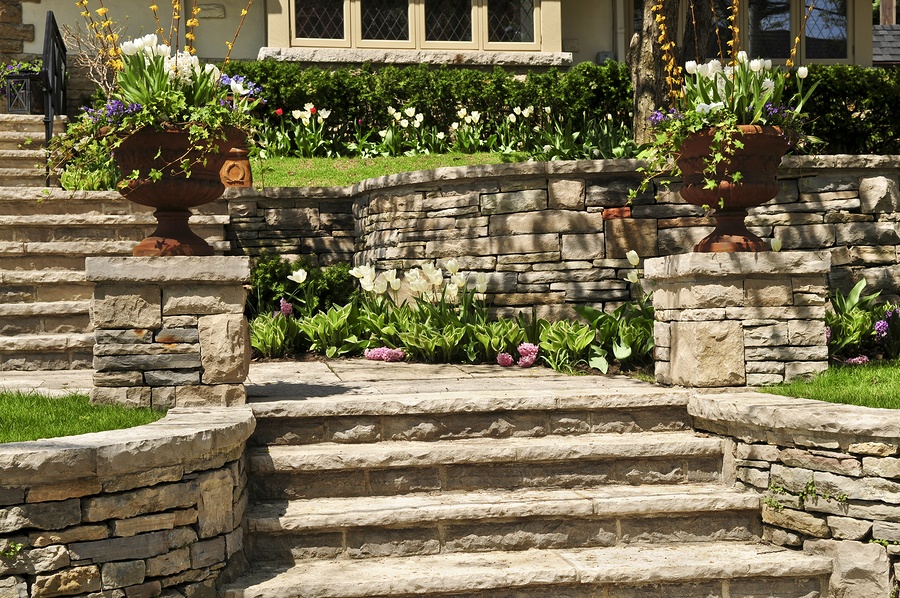
When a retaining wall fails, the dangers extend far beyond the wall. These failures commonly result in soil loss and land shifts that can damage adjacent structures, driveways, or roads. This is dangerous to individuals, particularly in areas with heavy rainfall or uneven terrain. Erosion at the wall’s base or top can lead to further instability, and water running through cracks or gaps can wash soil away. Sometimes a wall leans or bulges, and if this tilt exceeds 1 inch for every 8 feet in height, the issue is dire. Water is a major culprit. Each cubic foot of water weighs 62.4 pounds, and if the drainage is inadequate, water pressure exerts itself behind the wall. This can crack and bulge sections of the wall outward. Frost in cold locations can also dislodge or lift parts of the wall, causing it to become uneven. Voids can develop between the wall and the earth, and the entire wall can heave in a stair-step fashion.
Cost is another matter. Approximately 30% of retaining walls deteriorate within a short time, usually within a few years of construction, primarily as a result of being incorrectly designed or utilizing unsuitable materials. Either way, a failed wall is costly to fix or replace. Costs escalate rapidly if the retaining wall is tall, or it is near neighboring structures, or a road. The tab goes up even more if there is collateral damage to surrounding property or if you need to enlist heavy machinery to make repairs. Others require new foundations or improved drainage systems, which are not inexpensive.
Legal issues can trail wall failure. If your wall harms someone else’s property, you’re on the hook. This might be repairs, clean-up, and even injury claims if someone is hurt. In some locations, building codes mandate specific walls to be built to rigorous standards. If these aren’t met, fines or legal action may ensue. Owners may need to demonstrate that they performed periodic inspections or that repairs were completed with the appropriate approvals.
Regular inspections and maintenance are critical to preventing wall deterioration. Watch for cracks, bulges, or water leaks and inspect after major storms or freezing weather. Be certain that drains are not clogged and that the soil remains compacted. When you catch issues early, you can address them before they become bigger or more expensive.
Conclusion
A wall starts to need real structural help once it holds back big loads, stands much taller than knee height, or sits close to a building. Heavy soil, slopes, or water all increase the strength of that push, meaning that your wall has to work harder. Local codes put boundaries of safety, and ignoring them can wreck a project. When does a retaining wall become structural? Missing those design steps can mean cracks, bulges, or even worse. Build safe and smart. Check the codes, watch the height, and ask a pro for tough jobs. For more real-life tips and updates, visit the blog and add your own build stories or questions.
Frequently Asked Questions
1. When Does A Retaining Wall Become A Structural Requirement?
A retaining wall becomes a structural requirement when it supports soil higher than 1 meter, holds back heavy loads, or is near buildings. Local building codes might apply.
2. What Is Earth Pressure, And Why Does It Matter For Retaining Walls?
Earth pressure is the force soil can exert on a wall. As the wall becomes taller, the pressure grows. Adequate design is necessary to avoid collapse or damage.
3. Do All Retaining Walls Need Engineering Approval?
Not every wall requires engineering signoff. Little landscaping walls usually don’t. Taller walls or those holding a heavy load typically need to be designed by a professional and receive approval.
4. How Do Building Codes Affect Retaining Wall Construction?
Retaining walls and building codes. They define wall height thresholds, materials, and when engineering is required. Always check your local codes before building!
5. What Happens If A Retaining Wall Fails?
If a retaining wall collapses, it might lead to soil erosion onto neighboring properties or damage to landscaping, homes, or even people. Most failures are due to poor design,r materials, or a lack of drainage.
6. When Should You Consult A Structural Engineer For A Retaining Wall?
Consult a structural engineer if your wall is over 1 meter tall, supports extra weight, or is close to structures. Their knowledge ensures safety and compliance with code.
7. What Are Common Signs That A Retaining Wall Is Under Too Much Stress?
Cracks, bulging, leaning, or water buildup behind the wall are signs of stress. Deal with these issues pronto, or you’re asking for trouble.
Stronger Outdoor Spaces Start Here – Retaining Walls, Decks & Outdoor Construction By Mares & Dow Construction & Skylights
Your property deserves outdoor spaces that are as durable as they are beautiful. From retaining walls that prevent erosion and define your landscape, to custom decks that extend your living space, Mares & Dow Construction & Skylights has been building long-lasting outdoor structures for Bay Area homeowners for over 40 years.
Our team specializes in designing and constructing outdoor features that blend form and function. Whether you need a retaining wall to stabilize sloped terrain, a deck that adds value and curb appeal, or complete outdoor renovations that bring everything together, we build with precision and craftsmanship that stands the test of time.
Why homeowners choose us:
• Expertly engineered retaining walls built for strength and longevity
• Custom deck designs using high-quality materials and finishes
• Complete outdoor construction tailored to your property’s needs
We proudly serve Contra Costa County—including Alamo, Danville, Orinda, Martinez, and San Ramon—and we treat every project as if it were our own.
Start building your dream outdoor space today. Contact Mares & Dow Construction & Skylights for a free, no-obligation quote on retaining walls, decks, or outdoor construction.
Disclaimer
The materials available on this website are for informational and educational purposes only and are not intended to provide construction, legal, or professional advice. You should consult with a qualified general contractor or industry professional for advice concerning any specific construction project, remodeling plan, or structural concern. Do not act or refrain from acting based on any content included on this site without seeking appropriate professional guidance. The information presented on this website may not reflect the most current building codes, regulations, or industry best practices. No action should be taken in reliance on the information on this website. We disclaim all liability for actions taken or not taken based on any or all of the contents of this site to the fullest extent permitted by law.


