Key Takeaways
- You must understand the key differences between slab and crawl space foundations, as each has its own advantages and drawbacks regarding climate, moisture, and accessibility.
- Annual inspections of your foundation go a long way toward preventive maintenance. Search for cracks, uneven floors, and moisture, and record your findings for efficient future repairs.
- So what’s the difference between slab and crawl space repairs for a foundation repair contractor in San Ramon, CA? Choosing the right approach depends on your foundation type and local conditions.
- Homeowners in San Ramon deal with particular issues like expansive clay soil and earthquakes. It is important to work with contractors who are experienced with these conditions and can suggest customized repair solutions.
- You should think about cost and long-term value. Buying quality repairs and quality materials not only safeguards your property but also increases resale value and diminishes future maintenance costs.
- Ongoing maintenance, including moisture control, regular monitoring, and reviewing your warranty coverage, is essential to ensure the longevity and effectiveness of your foundation repairs. This protects your investment over time.
Slab and crawl space repairs for a foundation repair contractor in San Ramon, CA, are two ways to deal with various types of home foundations. With slab repairs, you’re dealing with concrete bases, so the repair work generally involves patching cracks or raising sunken parts with piers or grout. Crawl space repairs involve elevated foundations with that small crawl space beneath, requiring different fixes such as strengthening beams, installing new footings, or addressing moisture problems. Both systems have their own repair steps, tools, and risks. When you know the key distinctions, you can choose the best solution for your home and wallet. The following section breaks down exactly what separates these repairs, so you can make informed decisions for your home’s needs.
Foundation Fundamentals
If you think about it, a home’s foundation sets the stage for everything overhead. In San Ramon, you often see two types: a crawl space foundation and a slab foundation. Each type has its own framing, plumbing issues, and unique challenges when it comes to your home. Understanding the distinctions between these foundation choices guides your repairs and long-term maintenance, regardless of where you live.
The Concrete Slab
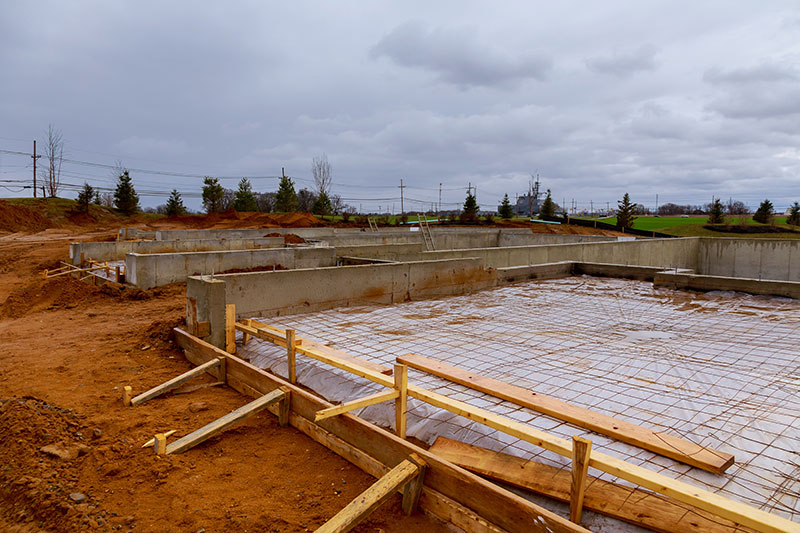
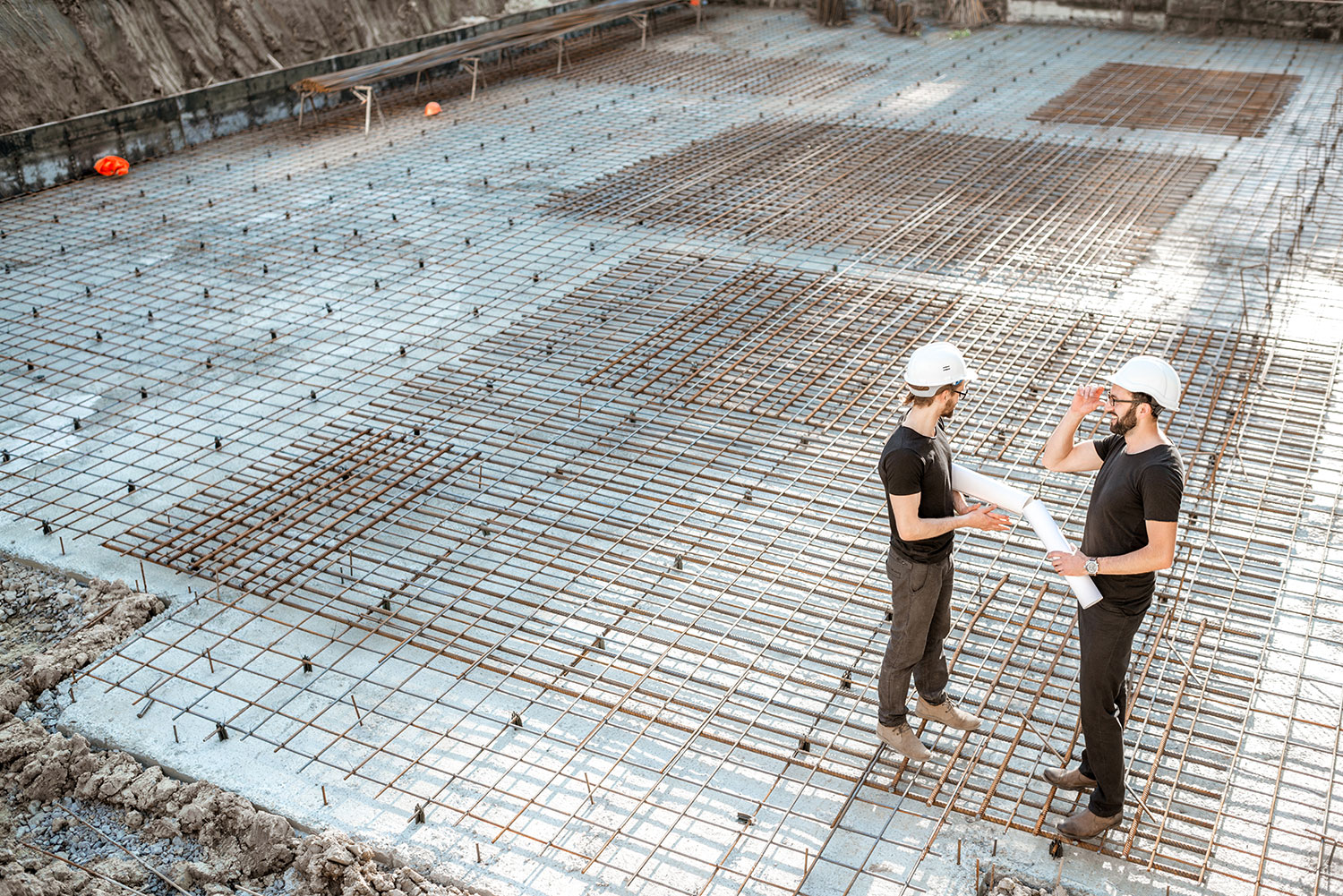
Slab foundations, a popular choice for many residential homes, consist of a single, solid concrete slab, typically 100–150mm thick, poured directly onto the ground. To maintain stability, footings run deeper around the perimeter and at interior load-bearing locations, sometimes below the frost line. Builders often incorporate steel bars or mesh for added strength, ensuring that the concrete slab foundation won’t shift too much over the years due to soil movement.
One of the slab foundation pros is its cost-effectiveness; with an average price of $43 to $150 per square meter, these foundations are cheaper to construct and tend to sell quickly. Moreover, the minimal excavation required saves both time and effort, making it a preferred option in warm or mild winter climates where the ground doesn’t freeze deeply. As a result, slab foundations have become the new construction standard in many areas.
However, there are disadvantages to consider. Slab foundations can crack, particularly if the soil beneath is not properly compacted or if drainage is inadequate. Once cracks form, water can penetrate, leading to further damage. Additionally, since plumbing and wiring are often embedded in or just below the slab, any repairs can become expensive and chaotic, requiring significant disruption to the concrete.
Proper drainage is essential for maintaining a strong concrete foundation. Ensure that water flows away from the slab, not toward it. Before pouring the slab, it’s crucial to compact and level the ground, which helps prevent uneven settling and keeps the foundation strong for decades. With reasonable maintenance, a slab can last for 50 to 100 years, making it a durable choice for homeowners.
The Crawl Space
Crawl space foundations elevate the living space. They employ beams, piers, or short concrete walls to support the house. The crawl space is typically from 450mm to a meter high, providing just enough room to crawl around for any repairs or upgrades. These kinds of foundations were common before the 1950s, and you still encounter them in older homes.
Crawl spaces provide great airflow underneath the house, which keeps floors dry and can make plumbing and electrical line repairs much easier. If you have an errant leak or wiring to add, you can usually address it from below without ripping up your interior floors. The additional height helps when flooding is a concern, as it keeps water from entering the living space.
Tradeoffs are pests and moisture. Crawl spaces can invite rodents or bugs if not well-sealed. There’s ground moisture, which can cause mold or wood rot. These issues compound if the air doesn’t freely circulate or if water puddles nearby.
One solution to these hazards is to seal off or encapsulate the crawl space. Vapor barriers, insulation, and sealed vents will keep out moisture and reduce energy costs. Many owners go this route nowadays, particularly when they desire improved indoor air quality or want to prevent long-term structural problems.
Diagnosing Foundation Issues
Foundation issues are the worst because they tend to begin very small and very easily to miss. You want periodic inspections to detect issues before they escalate. This keeps you out of expensive repairs down the line. It doesn’t matter if your home is on a slab or a crawlspace. Each has its own tell-tale signs you can look for. Look for cracks or uneven flooring, or doors that don’t open or close properly. These can indicate that your foundation is shifting or settling. Getting ahead of these issues can put the repairs in an easier and less expensive territory.
Keep a checklist of what to watch for so you don’t miss the early signs.
Slab Inspection
When you inspect a slab foundation, watch for cracking on the concrete’s surface, particularly around edges or corners. Foundation cracks can indicate that the slab is settling or shifting. Big cracks, particularly those over 6mm in width, require immediate attention. If you have uneven floors, this is a common indicator of soil movement beneath the slab.
Soil is huge in how well a slab performs. If you live in a clay soil area, it can expand and contract with moisture changes, stressing your slab. Slab foundations are common in areas where frost isn’t a major concern, although shifting soil can still result in settling. Be sure to check that your concrete pad is level and that the thicker perimeter remains intact.
Plumbing leaks under a slab are difficult to detect. They can wash away soil and cause the slab to sink or crack. Check for damp spots on floors or warped flooring, which are hints. If you discover moisture where you think there shouldn’t be any, you may have an under-slab leak.
Mark down every crack, slope, or seep as you check. Take pictures and record when and where you encountered each issue, and save it for future reference. This aids you in planning repairs, and when you later check if things get worse.
Crawl Space Assessment
Diagnosing your foundation problems: crawl space moisture check. High humidity or standing water can rot wood, rust fasteners, and welcome mold. Check that insulation is dry and snug-fitting. Weak, sagging beams can indicate water or pest damage. Crawl spaces typically raise your house 45 cm or more off the ground, which is a great defense against floods.
Be on the lookout for termites or rodents. Droppings, chew marks, or nests are signs. Mold or a musty smell indicates too much moisture. Older homes, typically built prior to the 1950s, tend to feature more crawl spaces and require increased care.
Use a checklist to stay organized:
- Are there any water puddles or damp spots?
- Is the insulation in place and dry?
- Are beams and joists solid, not cracked or soft?
- Do you see signs of pests or mold?
- Is there enough elevation—at least 45 centimeters above ground?
Record what you discover and photograph it. This aids you in monitoring any changes and scheduling repairs. Crawl spaces require frequent inspection as issues can lurk undetected until they become extensive. If you catch it early, you can repair it before it becomes a larger problem.
Contrasting Repair Methodologies
It pays to know which repair methodology is right for your foundation. Slab foundations and crawl space foundations each have different requirements, including considerations like climate, soil type, and accessibility. Understanding these distinctions allows you to choose the optimal foundation choice for your residential home in San Ramon or other comparable environments.
Foundation Type | Common Repair Methods | Typical Challenges | Lifespan |
Slab | Lifting (hydraulic jacking, foam injection), epoxy | Hard access, cracking, leaks | 50–100 years |
Crawl Space | Encapsulation, piering, vapor barriers, drainage | Moisture, insects, and shifting | 30–60 years |
1. Access And Preparation
Access is the initial hurdle. About: Differing Repair Approaches. There is no open space under it, so accessing the area requires breaking through the slab. That, of course, adds time and expense. Crawl spaces, typically one to three feet high, allow you to gain access under the house. You still have to rake out and sweep away rubble and ensure the space is safe for workers and equipment, but you sidestep laborious demolition.
About: Comparing repair techniques. Both foundation types usually disguise utilities below. For crawl spaces, these lines can be particularly exposed and invasive to repair, adding to the complexity and cost of repairs. Mapping out the wreck, where everything is positioned, guarantees secure, fluid work.
2. Lifting And Leveling
Slab foundations tend to settle or crack as soils shift. The two primary repair techniques are hydraulic jacking and foam injection. Hydraulic jacks elevate the slab incrementally, allowing you to fill the voids with cement or foam. Foam injection is less invasive, using lightweight polyurethane injected to push up the slab and fill voids. You require a flat surface. Uneven slabs could crack more or cause structural issues.
Crawl space leveling fixes things in a different way. It adds new piers, shims up beams, and adjusts existing supports. Occasionally, you have to add or replace wood members, which requires technical expertise. Slab repairs require machines, big ones. Crawl space repairs require strategic planning and manual fine-tuning. Both require skilled teams to prevent errors.
3. Crack And Leak Sealing
Slab cracks are injected with epoxy or sealed on the surface. These fill voids and lock out moisture, restoring strength. Once leaks develop, moisture can permeate and corrode concrete, and mold will thrive. Crawl space leaks are prevalent, particularly along pipe routes. Encapsulation keeps moisture away, and vapor barriers cover the floor and walls. Not all cracks are surface, so inspect for concealed fissures.
Once you’ve sealed up, continue to watch for fresh cracks. Small adjustments or undetected drips will initiate new issues. They are like routine maintenance; they keep you from breaking down.
4. Moisture Management
Both foundation types require rigorous moisture control. For crawl spaces, vapor barriers and drainage upgrades prevent water from pooling. Encapsulation, which includes a thick liner and sealed vents, provides even more protection. Slab foundations require good surface drainage that directs rainwater away from the house. Routine inspections of gutters, downspouts, and landscape slope all have their place.
Overlooked moisture issues can reduce your foundation’s lifespan, particularly for crawl spaces that are susceptible to termites and rot.
5. Interior Disruption
Slab repairs can imply large-scale messes. You may need to tear up floors or break open walls to get at pipes or wires. This brings noise, dust, and expense. Crawl space repairs typically keep you out of the home, with the majority of the work being under the house. Less intrusion means crawl space repairs are better for hectic families.
Expect these hassles. Familiarity breeds a less stressful and less surprising repair scheduling.
San Ramon’s Unique Challenges
San Ramon’s foundations must navigate a combination of soil instability, earthquake potential, and climate extremes. The city, located in the shadow of the San Francisco Bay Area, is notorious for its high cost of living and shifting hills. Some lots experience shallow frost lines, while others run deeper, influencing how foundations settle or shift. San Ramon’s unique challenge is the Mediterranean climate, with its wet winters and dry, hot summers that lead to moving and cracking soil. This situation creates a demand for expert design and repair expertise, particularly for crawl space foundation and slab foundation options. Local contractors must understand these factors well to ensure lasting repairs and protect investments.
Expansive Clay Soil
Expansive clay soil in San Ramon can shift with moisture changes, impacting your crawl space foundation. When moist, the clay expands, and in the dry season, it recedes. This cycle acts on your home’s foundation by both pushing and pulling, leading to cracks in walls and floors. Over the years, doors and windows can stick, and floors can slope, indicating potential issues with your foundation choice.
Soil stabilization is the trick. Some contractors will even incorporate lime or cement into the soil to prevent it from expanding and contracting. On occasion, they’ll put in moisture barriers to prevent water from getting to the clay beneath your house. These actions mitigate the danger of foundation shifting and maintain your building’s solidity.
Soil check first, foundation work later. Testing informs you exactly how much the soil will shift and can help steer the design of your concrete slab foundation or repair strategy. That’s how fixes fit your home.
Checking soil conditions doesn’t end with construction or repairs. You need to observe the ground surrounding your residence for evidence of swelling or contraction. Identifying issues at an early stage means you can address them before they worsen.
Seismic Considerations
San Ramon is in an earthquake zone, so each foundation choice must combat seismic forces. A slab foundation requires additional steel rebar or anchor bolts to prevent cracking or shifting during a quake. Reinforcing a concrete slab foundation helps it stay intact even when the earth shakes fiercely.
Crawl space foundations face distinct threats, such as moisture buildup. They might need cross-bracing or additional supports to remain firm when the ground shifts. Without these enhancements, a crawl space structure can warp, endangering your entire home.
Local building codes must be adhered to as well. San Ramon’s codes establish the criteria for seismic safety, and repairs need to comply with these standards to ensure stability and safety for your family.
Microclimate Impact
San Ramon’s microclimates vary from neighborhood to neighborhood, affecting the choice of your home foundation. In areas with a crawl space foundation, moisture buildup can be a concern, while regions with a typical slab foundation may require different moisture controls to prevent soil shrinkage. This variability impacts soil moisture and consequently the stability of your home’s foundation.
In a wet zone, anticipate more soil movement and design for effective drainage solutions. Insulation is essential, as cold air can creep up through floors over crawlspaces, particularly in homes with a crawl space structure. Regular inspections of crawl space construction and foundation walls are vital to identify potential mold, rot, or cracks that can develop in these shifting conditions.
Partner with local professionals who understand San Ramon’s unique environment. They will assist in selecting appropriate materials and solutions for your construction project. By focusing on crawl space encapsulation and foundation repair options, you can ensure the longevity and stability of your residential home.
Cost And Value Analysis
When comparing foundation repairs for slab foundations and crawl space foundations, it’s essential to consider more than just the initial invoice. Factors such as total cost of ownership, long-term value, and future maintenance are crucial. Understanding what influences each repair type helps you budget effectively and make informed decisions that protect both your residential home and your finances. Here’s a cost comparison between slab foundation pros and crawl space construction, laid out in metric and a currency we can all relate to.
Foundation Type | Cost per m² (USD) | Total Cost Range (USD) |
Slab Foundation | $43–$151 | $4,000–$14,000 |
Crawl Space | $54–$172 | $7,000–$21,000 |
Repair Expenses
Slab foundation repairs typically come at a lower cost compared to crawl space foundation repairs. The average cost per square meter is less, with total expenses ranging from $4,000 to $14,000. This includes essential elements such as concrete, breaking and pouring labor, and additional charges if your concrete slab foundation requires leveling. However, if repairs necessitate deeper work, like addressing slab plumbing, the costs can escalate quickly.
In contrast, crawl space construction repairs are generally more expensive, costing between $7,000 and $21,000. Homeowners often pay for extensive digging, extra materials, and additional work to manage moisture issues. Crawl space encapsulation, which involves sealing the crawl space to prevent moisture buildup, can increase costs but may help avoid larger problems down the line. If your crawl space is damaged or fails to meet code, structural support reinforcements may be necessary, further adding to expenses.
Hidden surprises will quickly drive your repair bill up. You may discover mold, rotten beams, or pest issues post initiation. These problems have to be repaired immediately, which increases your sum. That’s why inspections before work begins are so crucial.
When seeking foundation repair options, don’t settle for a quote from just one contractor. Rates can vary widely, so comparing multiple estimates ensures you receive fair pricing for your crawl space foundation repair or slab foundation work.
Long-Term Value
- Tough bases defend your dwelling’s frame and reduce repair demand.
- Good repairs keep your home retaining value over decades.
- By facilitating access to crawl spaces, a foundation can lower the cost of fixing plumbing or wiring.
- Slabs can last up to 100 years with maintenance, and crawl spaces can survive for over 80 years.
If you want to boost your home’s resale value, choose repairs and materials of strength and longevity. Good work from the right professionals is worth the premium price. By investing in quality repairs, you save on future maintenance and future headaches.
A good foundation reduces stress about lurking dangers and supports your house selling at an appropriate value if you relocate.
Insurance Nuances
Foundation repairs can affect your insurance. When you repair or strengthen a foundation, certain insurers discount your monthly premium. This isn’t always implicit.
PRO TIP: Before you dive into repairs, see what your insurance paperwork says on coverage. A few policies don’t cover damage from specific issues, such as flooding or inadequate drainage. If you’re not sure, have your agent get the details.
If you upgrade your base, you could be eligible for fresh discounts. Completed fixes can occasionally assist you in submitting statements for long-term harm more effortlessly.
Consult with your insurance agent before and after repairs. Understand coverage, exclusions, and your premium volatility.
The Post-Repair Lifecycle
Your job as a homeowner isn’t over after foundation repairs. What you do next will determine how long your crawl space foundation lasts and how well it performs. Routine inspections, environmental awareness, and a proactive mindset will prolong the life of your repair and protect your investment. Even the finest craftsmanship requires TLC to maximize its lifespan, which for concrete foundations is typically 50 to 100 years.
Ongoing Maintenance
Caring for a slab foundation begins by examining for new cracks or shifts in old cracks. Even minor shifts in the earth beneath your house can trigger additional cracks or expand existing ones, so conducting a seasonal inspection is a wise routine. It’s essential to monitor for post-rain pooling, as this can indicate drainage issues that could damage the concrete slab foundation over time. If you notice water around your foundation, it’s crucial to address it quickly to prevent soil shifts and moisture problems that lead to expensive repairs. Insulated slab foundations can also help save on energy bills by keeping your home cooler in summer and warmer in winter, so checking insulation annually is advisable.
- Watch for cracks or surface changes every few months
- Use proper grading and drainage to direct water away
- Maintain gutters and downspouts free of debris to prevent water accumulation.
- Add or upgrade insulation around the slab
- Address standing water or damp spots right away
Gutters and downspouts must remain clear year-round. Clogged systems can result in water pooling next to your foundation, which is a leading cause of soil shifting and slab cracking. Planning for a professional checkup every year or two is beneficial, as foundation contractors can identify early indicators, perform moisture testing, and recommend repairs before they escalate into significant issues.
Crawl spaces are like stepchildren. They need to be inspected for leaks or bugs more often, typically two to three times annually. The confined height, frequently one to three feet, can make access challenging. The space does permit certain repairs without having to tear into the home’s structure.
Environmental Impact
Foundation repairs affect the surrounding area. Concrete and other repair materials can be wasteful, so prepare for disposal and recycling. Selecting green components reduces post-repair lifecycle damage and can even increase your home’s energy efficiency. For instance, recycled or low-emission concrete lowers your carbon footprint.
Attempt to minimize the use of dig or heavy equipment to preserve local vegetation and soil. If you’re into environmental impact, query your contractor on green building certifications or sustainable practices. These can provide you with peace of mind and boost your home’s value in numerous markets. Even the insulation options for slab foundations can impact the energy consumption of your home’s heating and cooling.
Warranty Differences
Slab and crawl warranties are not always equal to each other. Slab repairs can sometimes have longer coverage of 10 to 20 years. Crawl space work can have shorter warranties of as few as five to ten years since these areas require additional maintenance and are exposed to more risks, such as water and pest damage.
Review each warranty to see what’s covered, such as labor, materials, and future inspections. A few prestige contractors provide more favorable or extended coverage. The type of repair material you use impacts your warranty. Always read the entire document and inquire before you sign. After-Service Cycle You want to know you’re covered in case an issue arises down the line.
Conclusion
You have real options with slab and crawl space repairs in San Ramon. Crawl space repairs are more superficial, usually involving working with jacking up a slab. Crawl space fixes utilize the open space beneath your floor with piers, jacks, or additional beams. Both have their place; they fit different types of homes and soil. San Ramon’s soil and climate stress both systems to their maximum. Costs and timelines vary with every job. Great repairs deliver solid floors, dry rooms, and peace of mind. You want to hold your house secure and strong for years. If you notice cracks or dips, chat with a nearby specialist. Ask questions. Find out. That next step can hold your home strong and secure.
Frequently Asked Questions
1. What Is The Main Difference Between Slab And Crawl Space Foundation Repairs?
Slab repairs address issues like cracks or settling in a concrete slab foundation, while crawl space repairs focus on problems in a crawl space structure with room underneath, highlighting the differences in repair techniques and entry access for each foundation choice.
2. How Can I Tell If My Home In San Ramon Needs Slab Or Crawl Space Repair?
First, check your foundation type! If your concrete floor has no space under it, it’s a typical slab foundation. However, if you have a gap under your floor, that’s a crawl space foundation. Search for cracks or uneven flooring to detect crawl space foundation problems.
3. Are Slab Repairs More Expensive Than Crawl Space Repairs?
Slab repairs, often linked to a typical slab foundation, are usually more expensive due to a lack of access and the specialized equipment required, while crawl space foundation repairs can be cheaper depending on the extent of damage.
4. How Long Does Each Type Of Foundation Repair Take?
Crawl space repairs tend to be faster and can typically be finished in a day or two, depending on the problem, while slab repairs, such as those involving a concrete slab foundation, typically require days due to their complexity.
5. What Unique Challenges Do San Ramon Homes Face With Foundation Repairs?
San Ramon has clay-rich soil and seismic activity that can lead to shifting foundations, making the choice between a crawl space foundation and a slab foundation crucial to avoid potential moisture buildup and structural support issues.
6. Will Foundation Repairs Increase My Home’s Value?
Yes. Right repairs, especially for a crawl space foundation, bring structural safety back and can even boost your home’s value. There’s no doubt that buyers love homes with solid foundation repairs professionally done.
7. How Long Do Slab And Crawl Space Repairs Last?
If performed by professionals, both crawl space foundation and slab foundation repairs are permanent, ensuring stability for years to come.
Protect What Matters Most With An Experienced Foundation Repair Contractor – Mares & Dow Construction & Skylights
Your home’s safety begins with a stable foundation. When cracks appear, floors become uneven, or the structure begins to settle, it’s often a sign that professional attention is needed. At Mares & Dow Construction & Skylights, we’ve helped Bay Area homeowners protect and stabilize their properties for more than 40 years through expert foundation repair and structural solutions built for long-term durability.
As a trusted foundation repair contractor serving Contra Costa County cities, our team carefully evaluates your home’s structure, soil conditions, and drainage patterns to identify the real cause of foundation problems. From repairing structural cracks to correcting settlement and reinforcing key support areas, we provide solutions designed to restore stability and protect your home for years to come.
Why Homeowners Choose Us
- Experienced foundation repair contractor with decades of structural expertise
• Solutions for foundation cracks, settlement issues, and structural movement
• Drainage improvements that help prevent future foundation damage
We proudly serve homeowners across Contra Costa County, including Walnut Creek, Danville, Lafayette, Orinda, Concord, San Ramon, Martinez, Pleasant Hill, Moraga, and Alamo. Every project is handled with the same care and attention we would give our own homes.
Foundation problems rarely improve on their own. Contact Mares & Dow Construction & Skylights today for a free, no-obligation estimate and get the professional foundation repair support your home deserves.
Disclaimer
The materials available on this website are for informational and educational purposes only and are not intended to provide construction, legal, or professional advice. You should consult with a qualified general contractor or industry professional for advice concerning any specific construction project, remodeling plan, or structural concern. Do not act or refrain from acting based on any content included on this site without seeking appropriate professional guidance. The information presented on this website may not reflect the most current building codes, regulations, or industry best practices. No action should be taken in reliance on the information on this website. We disclaim all liability for actions taken or not taken based on any or all of the contents of this site to the fullest extent permitted by law.