Tag Archives: when to remodel

When’s the Right Time to Remodel After Buying a House?

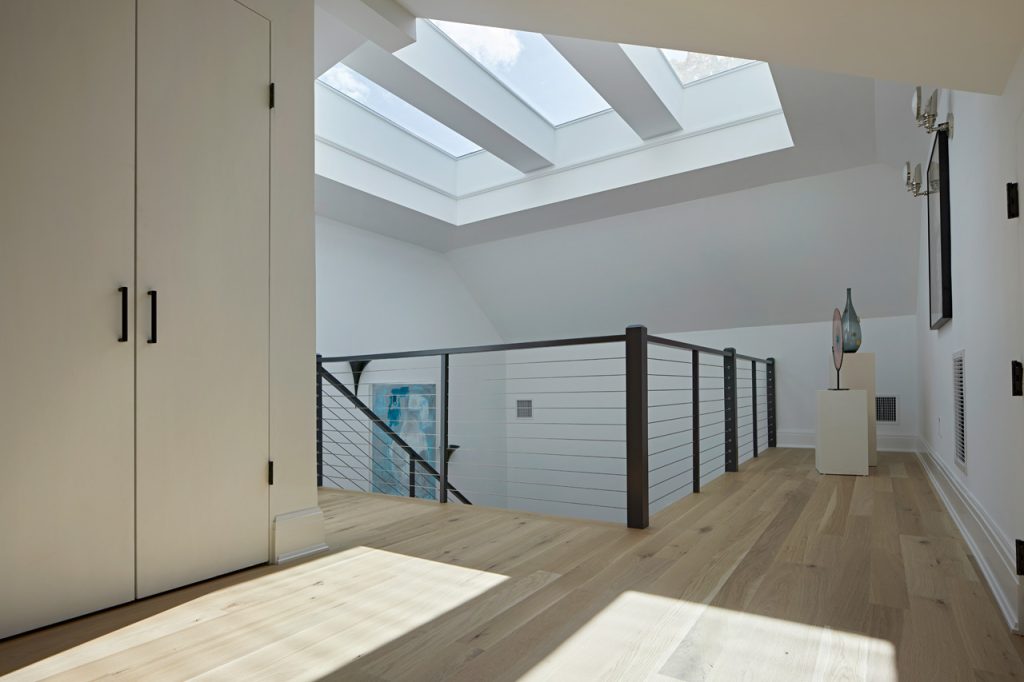
Garage Conversion Ideas for 2022 - Home Remodeling Contractors - Mares & Dow

The right time to remodel after buying a house depends on your goals, budget, and the condition of the property. Others rush into renovation projects to address structural problems or replace designs that seem dated.


Some choose to move into the area first, giving them a chance to fully feel out their needs and requirements. Factors like the age of the home, your financial readiness, and the scale of the remodel play a key role in timing.


For projects like updating kitchens or bathrooms, many find it helpful to prioritize these areas first due to their impact on daily life. In this guide, we’ll break down the perfect time to start your remodeling project.


This article will give you tips to ensure your remodel goes as smoothly and efficiently as possible!

Key Takeaways

  • Take a look at your home’s structural integrity. Next, address any immediate issues with safety and security to avoid damage and injury before starting any remodels.
  • Think through how your home’s floor plan works for you and what improvements will make it more comfortable, efficient, and pleasant to live in.
  • Consider remodeling right after purchasing your home to personalize the space, minimize disruptions, and boost property value early on.
  • If delaying renovations, take time to live in the space, recover financially, and make thoughtful design decisions while researching and vetting contractors.
  • Align your remodeling projects with seasonal benefits. Spring’s mild weather and contractors’ winter lulls can help you save a ton of time and money by working in tandem.
  • Based on a realistic budget, determine the scope of the project and plan accordingly. Put together a dependable team of professionals to make sure you have a smooth renovation experience.

Assess Your Home’s Immediate Needs

Before diving into ambitious remodeling projects, it’s important to address your home’s immediate needs to ensure safety, functionality, and comfort. Starting with a thorough assessment helps avoid unexpected issues later and allows you to prioritize your budget more effectively.

Check Structural Integrity First

Your home’s foundation is the first indication of whether or not your house is sound. Check for cracks, shifty settling, or openings that could cause further damage down the line.


Electrical systems should be brought up to code safety standards as electric handling is an especially dangerous issue in historic properties. Old wiring can cause serious fire hazards, which is why getting a licensed, qualified electrician in to inspect the system is critical.


Plumbing is an important area. Any leak or corroded pipe will cause water to get into your home where it can damage walls and flooring.

Roofing needs to be checked for deep wear, loose or missing shingles, leaks, or any other damage that might lead to very expensive repair work. Making sure that your future heating, cooling, and electric systems are ready to go from day one is essential for long-term comfort and safety.

Evaluate Current Layout Functionality

Your home’s layout has a huge effect on your daily life. Think about if any rooms seem small, wasted or not well-situated.


If you have a walled-in kitchen, think about taking out that wall. This simple change can help make your kitchen a more airy and inviting place to cook and mingle.


Inadequate storage solutions, such as easy-to-organize, shallow closets or missing pantry space, can lead to clutter. Consider ways to gain additional functionality through a reprioritization of room flow and storage options.

Identify Urgent Repair Priorities

So first, focus on repairs that directly impact safety and structure. Faulty wiring, plumbing leaks or flooded spaces, or weakened structural components require urgent action.


Correcting these problems at the outset avoids more serious damage and expensive rehabilitative repairs later.

Does Your Home Feel Outdated?

Remediating outdated finishes such as worn countertops or unfashionable bathroom tiles can improve comfort while bumping up resale value.


Unexpected modern updates in fixtures, colors, and open layouts can endear buyers to your home.

Why Remodel Right After Buying?

Remodeling a home right after buying is often a great, strategic move to get the most comfort, functionality, and eventual value out of your home. The timing allows you to address key aspects of the property before fully settling in, helping to reduce stress and avoid disruptions later.


Here’s why jumping into remodels immediately after purchase is usually the best option.

Boost Long-Term Property Value

That initial investment in smart, responsible upgrades will pay off in the long run—especially if you ever choose to sell. Renovations like modernizing a kitchen, upgrading bathrooms, or improving curb appeal often yield high returns in the real estate market.


Smart renovations, like swapping old laminate countertops for beautiful quartz ones or improving energy efficiency by upgrading to energy-efficient appliances, will appeal to future buyers. Aligning upgrades with local market preferences ensures your home remains competitive.


In fact, for every dollar spent on installing energy-efficient windows or smart thermostats, your property’s value increases by $3. These improvements reduce your utility expenses, and you save money over time.

Address Issues Before Settling In

By addressing repair obligations sooner, you create a more welcoming, safe and functional environment now and avoid future headaches down the road. If the home is in serious disrepair, like updating all the plumbing or redoing all the electrical, those are the first things to address.


Bigger projects such as refinishing hardwood floors or replacing carpets are much more convenient to accomplish in an unoccupied home. Starting early minimizes the chance of living with temporary inconveniences, such as a leaky faucet or drafty windows, that could have been resolved upfront.

Customize Your Space Immediately

There’s nothing like making the home your own from day one. Whether it’s painting walls in your preferred palette, designing an open floor plan, or choosing modern lighting fixtures, early customization reflects your style and needs.


Whether it’s adding built-ins for more storage or reconfiguring a closet, it’s all about creating better function specifically suited to how you live your life. These kinds of personal touches ensure that the space feels like home right from day one.

Avoid Living Through Major Dust

Home renovations are disruptive, creating dust and debris that invade your everyday life. Complete big jobs such as a kitchen remodel or bathroom renovations before taking up residence.


In doing so, you avoid the hassle of having to live in spaces that are still under construction. If extensive work is required, temporary housing for a short period ensures comfort.


Getting an early start gives you the confidence of knowing your new home has everything you need when you move in for good.

When Is Your Ideal Remodel Time?

Financially Preparing for a Remodel

Beyond the dates on the calendar or literal schedule of your remodel, make sure you’re mentally and financially prepared. Getting a handle on these factors will allow you to plan accordingly and make sure you’re as prepared as possible for a speedy renovation.

1. Gauge Your Financial Readiness

Begin the process by looking at your budget to make sure you have enough money for the remodel. If you are doing a bigger renovation, consider financing your project through products like home equity loans or lines of credit.


Have a realistic picture of costs. Realistic assumes that you’ve gotten multiple quotes, and you understand what real material/labor costs are. It’s just smart to have a contingency fund because there will be unforeseen expenses when work begins.

2. Consider Your Long-Term Plans

Consider how much longer you intend to live in the house. If it will be a forever home, prioritize updates that offer improved function and comfort.


If you plan on making shorter stops, focus on improvements that will drive the most resale value. Additionally, determine if those improvements meet your upcoming domestic life changes or financial aspirations.

3. Match Timing to Lifestyle Needs

This is especially true when it comes to seasonal timing. Early spring is ideal for additions due to optimal ground conditions, while late winter offers lower costs for interior renovations.


If you have an outdoor project, fall is an excellent time to get going before the freezing temperatures set in. Work with family schedules, holidays, or vacations planned to reduce disruptions.

4. Consult Professionals for Insight

To avoid this fate, engage architects, contractors or real estate agents early. Most importantly, they can give you promising guidance on feasibility, costs and the changing market landscape.


Their specialized knowledge will help you determine what’s realistic and achievable and ensure your plan aligns with your priorities and goals.

How Seasons Impact Your Remodel

Timing your home remodel involves more than just setting a date. The seasons significantly influence project timelines, costs, and overall efficiency. Changing seasons each present their own unique opportunities and challenges, impacting everything from contractor availability to material price.


How these factors coincide with the goals of your project is essential for making sure they line up and your renovation doesn’t hit a stormy patch.

Spring Renovation Pros and Cons

Spring’s moderate conditions make it a perfect time for outdoor remodeling projects such as a new deck installation or exterior painting. Not surprisingly, spring showers can slow things down, too, particularly for exterior, landscaping-related activities.


A big boon contractors get is that they’re just more available early in the season before summer demand goes through the roof. This stretch is ideal for remodeling that focuses primarily on curb appeal, including the addition of new shrubs or upgrading exteriors.

Summer Project Advantages/Disadvantages

In summer, longer daylight hours mean longer work days and more opportunity to tackle bigger renovations. However, heat can seriously impact workers’ comfort and material health, especially with roofing or concrete work.


Most homeowners prefer to time their remodels around kids’ summer vacations to minimize disruption to the household. Contractor availability can be spotty too, since 60% of homeowners want to do their projects in the summer.

Why Fall is Often Favored

Fall brings more temperate conditions, making you more comfortable and productive whether you’re working outside or in. Contractor demand usually drops a bit as summer turns to fall and winter, making scheduling easier and more flexible.


Wondrous improvements like insulating and upgrading a furnace to prepare for winter could become a remodel. The excellent fall sales on materials and supplies can make budgets go a lot farther, too.

Considering Winter Renovation Benefits

Winter’s off-season status can work in your favor when it comes to securing better contractor rates and material deals. Cold weather has no impact on indoor remodels, like kitchens or bathrooms.


Additionally, winter sales can help you stock up on discounted materials before spring price increases.

Seasonal Costs and Material Availability

Shipping times and material prices are subject to seasonal changes. While winter sales might offer deep savings, that higher demand available in spring can lead to hard costs.


Buying counter-season items in advance guarantees the best deal and ensures products will be in stock.

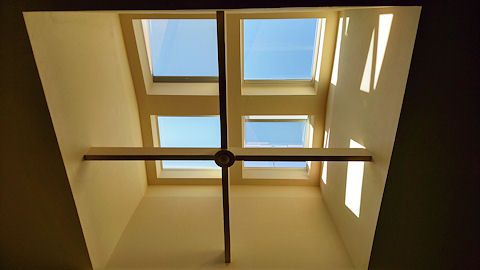
5 Important Traits to Look for When Hiring Skylight Contractors - Mares & Dow

Timing Popular Renovation Projects

When deciding the right time to tackle specific renovations, aligning your projects with seasonal advantages and your personal schedule ensures efficiency and cost-effectiveness. Planning ahead—from as little as three months to as far out as six—becomes imperative when contractors, permits, and materials are at a premium.

Best Time for Kitchen Upgrades

When planning a kitchen remodel, consider doing it in the winter months when contractors typically have fewer projects on their plate, resulting in more competitive prices available to you. If being able to host for the holidays is important, shoot for having any big upgrades made by late fall.

Some appliance deliveries could be delayed during peak seasons, making ordering early a smart move. Think about how seasonal cooking styles, such as cooking outdoors on a summer grill, might impact your selection of design elements.

Ideal Window for Bathroom Remodels

In the case of bathroom remodels, quieter months such as winter can be a good time, allowing for a more straightforward availability of contractors. Projects that involve changing any plumbing should be scheduled with enough time to make an inspection by the local plumbing inspector.

For those whose priority is maximizing resale value, making major upgrades should be done ahead of the peak spring home-buying season that typically begins in March. Personal schedules are another consideration; make sure the scope of work can be done at times that have minimal disruption.

Planning Major Home Additions

When home additions to the home are planned, good weather in late spring or early fall helps ensure a streamlined construction process. Consider that local building regulations could add to these timelines, so the earlier you get started the better.

Planning renovations during slower seasons, such as winter, boosts contractor availability. Consider the effects of construction on daily life, particularly if you’re going to be living on-site.

Scheduling Pool Installations Wisely

Late fall usually counts as off-peak, which means less competition and lower prices on pool construction. Landscaping around the pool ideally should be scheduled for spring so it’s ready before you want to swim in the summer.

Permits and inspections can slow down the work, so build these into your schedule.

Landscaping Project Timelines

Fall provides the perfect conditions for planting ahead of winter frost, but spring allows for a new batch of plantings to flourish with the season. Aligning landscaping with other renovation projects creates more impactful and cohesive outcomes.

Local climate has a strong impact on plant selection, therefore do your research to find options that will thrive in your area.

Tackling a Full Home Overhaul

There can be cost benefits in doing full home renovations during slower contractor seasons, like winter. Dividing the work into phases minimizes overall costs and disruptions.

Permitting and inspection requirements can have a major effect on overall timelines, so it is critical to plan well in advance. Aligning the project with long-term living plans ensures both practicality and satisfaction.

Prepare for a Successful Renovation

Planning a home renovation after purchasing a house takes a bit of preparation to set the stage for a smooth, successful, and ultimately rewarding experience. Breaking the remodel into phases often works best. Address immediate updates before moving in, and revisit additional projects after living in the space for a few years.

Here’s what you need to do to plan effectively.

Allocate Sufficient Planning Time

First, spend time investigating design concepts and functionality. This might involve scouring online marketplaces or taking trips to local showrooms to find ideas.

Create a comprehensive timeline that includes every step, from demolition to final details. Build in some buffer time—unforeseen delays, such as a lack of materials, are possible.

Bring professionals on board early. A good contractor typically needs 1–2 weeks to put together a fully detailed estimate and build connections with potential trade specialists.

Define Your Project Scope Clearly

Develop a scope of work that expressly states what you want to get out of each project. Identify what parts of the house you plan to remodel, like a kitchen renovation or bathroom update.

Setting boundaries helps to avoid scope creep, keeping projects more manageable from the start. Show your contractors and designers your vision through sketches, mood boards, or detailed descriptions to set realistic expectations.

Set Realistic Budget Expectations

Create a detailed budget that covers all materials, labor, and necessary permits. Always include a buffer. Surprise expenses such as structural repair frequently appear.

Research local averages to gauge pricing, and adjust your budget to match your project’s scale. For instance, a 200-square-foot kitchen might be $20K–$50K to renovate, with the expense varying widely by materials used.

Find the Right Build Team

Don’t wait until you own the property to start engaging contractors. Get at least three estimates to compare options, and check credentials and examples of past work.

Set the tone for open communication and mutual respect with the contractor from day one to create an effective team. Timing renovations for the fall can prevent peak-season backlogs and slowdowns.

Navigating Life During Construction

When you’re preparing for renovations after buying a house, planning your living situation and timeline is as important as the remodel itself. Determine if you will live in the house or need an interim place to live. Set realistic project durations, and look into temporary lodging options to make the whole experience less stressful.

Decide: Move In or Wait?

Although living in a construction zone is less expensive, if that’s the alternative, it will likely turn your life upside down. For minor projects like painting or basement work, staying home might be manageable since areas like bedrooms or kitchens remain functional.

Especially large remodels, like a personalized kitchen or master bath, usually need complete overhauls. In those circumstances, choosing a temporary living arrangement makes more sense, particularly when plumbing or electrical systems are affected. Temporary housing can seem expensive at first, but it can prevent a lot of stress and allow you to keep some normalcy in your life.

Balancing these considerations against your desired level of risk and personal preferences allows you to choose the right course of action.

Estimate Realistic Project Duration

Timelines depend on the scope of the project. While small updates could be completed in a few weeks, bigger endeavors such as a comprehensive kitchen remodel can span several months. Getting contractors involved early on gives you a better idea of what to expect, including realistic timelines.

Expect delays, whether from supply chain challenges or unforeseen weather. Planning the renovation timeline around your personal availability helps to make sure you can keep eyes on the work and troubleshoot issues when they come up.

Explore Temporary Housing Solutions

Other solutions such as short-term rentals, serviced apartments or co-living spaces with other family members can be more appropriate for different budgets and lifestyles. Rentals are great for flexibility, but family runs can keep you on budget.

Remember to take moving logistics and storage for your belongings into account while you remodel.

Conclusion

Ultimately, the ideal time to remodel after purchasing a new home will depend on your individual needs, goals, and budget. For example, there are some renovation projects that just clearly need to be prioritized immediately, such as addressing significant safety concerns or enhancing energy efficiency. Some, such as aesthetic updates, are best saved until you’ve gotten settled in and developed a better sense of how the space suits your needs. Weather and contractor availability are both big factors to consider when deciding when to remodel. Aligning your plan with a favorable season can help everything go more smoothly.

Whatever your timeline, though, transparency and good expectations go a long way. Remodeling is an investment in your home and lifestyle, so the time you take to prepare is an investment that definitely pays off. Whether starting with the small stuff or diving into larger renovations, the best timing makes for a home that’s unmistakably you. Mares & Dow Construction & Skylights Inc. can help guide you through the process, ensuring that your vision for your home becomes a reality with expert care and precision.

Frequently Asked Questions

1. When is the best time to remodel after buying a house?

The right time varies based on your circumstances. In cases where the home is dangerous or requires urgent changes, mold damage, major repairs, or outdated electrical wiring, remodel as soon as possible. If not, live in the home for 6–12 months so you get a sense of its flow and what additions or changes will serve your lifestyle best.

2. Should I remodel before moving in?

If you can, then yes. It’s often less time-consuming and more cost-effective to complete renovations before day-to-day life is disrupted. Projects such as flooring or painting are much easier when there’s no furniture or residents to work around.

3. Why delay renovations after buying a house?

Taking 6 months to a year gives you time to acclimate, formulate priorities, and save for the remodeling plan. By staying in the home, you’re able to ensure you’re not overshooting or undershooting any layouts and designs that fit your lifestyle.

4. How do seasons affect remodeling?

Seasonal considerations are important, too Given that spring and summer are best for outdoor projects, some work, like a kitchen, is best done in the fall or winter months. To minimize costs and get the needed contractor to your site, avoid peak seasons.

5. What are common early remodeling priorities?

Consider which updates are most important first, such as plumbing, electrical, or HVAC systems. Cosmetic updates, like paint and flooring, can wait. All of these foundational fixes are primarily safety improvements and they go a long way toward comfort.

6. How can I prepare for a successful renovation?

Have a coherent vision and budget from the beginning. Find and interview contractors, obtain required permits, and order materials well in advance. Set expectations early to prevent timeline troubles. Trust me – not having a well-prepared plan means unnecessary delays and frustration along the way.

7. How do I manage living in my home during construction?

Decide on a temporary living situation. Make sure to keep work areas closed off to reduce dust and noise. Be adaptable and keep open lines of communication with your contractor to resolve hiccups efficiently.

Velux-Skylights – Mares & Dow Construction & Skylights

Your Dream Home Starts with Mares & Dow Construction – Let’s Create Something Amazing Together

Planning a home renovation or construction project in Concord, Walnut Creek, Pleasant Hill, or Lafayette? Whether you’re dreaming of a stunning kitchen remodel, a durable new deck, or a full-scale home renovation, choosing the right general contractor is the most important decision you’ll make.

With over 40 years of experience, our team at Mares & Dow Construction & Skylights has built a reputation for quality craftsmanship, transparent pricing, and exceptional customer service. We specialize in:

  • Home Remodeling – Transform outdated spaces into modern, functional, and energy-efficient areas that increase home value.
  • Decks and Outdoor Living Spaces – Create the perfect outdoor retreat with expertly crafted decks, pergolas, and patios.
  • Foundation Repairs and Waterproofing – Protect your home’s structural integrity with our professional solutions.
  • Custom Skylight Installations – Enhance natural light with innovative skylight solutions from a VELUX 5-Star Skylight Specialist.
  • General Contracting Services – From new builds to home additions, our skilled team manages every aspect of your project with precision.

Serving Contra Costa County, including Alamo, Danville, Orinda, Martinez, and San Ramon, we take pride in delivering exceptional results that exceed expectations. Whether you’re a homeowner planning a renovation or a property investor looking to enhance a home’s resale value, we ensure your project is completed on time, within budget, and with the highest level of craftsmanship.

Don’t settle for anything less than the best for your home remodeling, renovation, or construction needs. Contact Mares & Dow Construction & Skylights today for a free, no-obligation quote, and let’s bring your vision to life.

Disclaimer

The materials available on this website are for informational and educational purposes only and are not intended to provide construction, legal, or professional advice. You should consult with a qualified general contractor or industry professional for advice concerning any specific construction project, remodeling plan, or structural concern. Do not act or refrain from acting based on any content included on this site without seeking appropriate professional guidance. The information presented on this website may not reflect the most current building codes, regulations, or industry best practices. No action should be taken in reliance on the information on this website. We disclaim all liability for actions taken or not taken based on any or all of the contents of this site to the fullest extent permitted by law.

How Do You Know It’s Time for a Major Home Remodeling?

6 Things to Look for When Hiring a Home Remodeling Company - Mares & Dow

A major home remodeling project should be no different, and the key to knowing when the time is right starts with identifying the obvious clues. When your space stops working for your growing family is the time to remodel!


Are you feeling a little crowded in your kitchen, your bathrooms in need of an update, or your home lacking storage options? Things like sagging floors, leaking roofs, or outdated plumbing could be a sign it’s time for a big change.


Remodeling is a great opportunity to reinvent and recharge your home. It can modernize the aesthetic and be a reflection of your individual style all over again.


Investing in the right remodel will pay off beyond just making everyday life more enjoyable. It’ll make your property potentially more valuable in the long run.


In the chapters that follow, we’ll discuss concrete strategies to place you in the best position to determine when, and if, you should proceed with your project.

Key Takeaways

  • Look for indications of age, inefficiency, or deterioration on your property. Approach renovations with these considerations in mind, so that your space can be safe, comfortable, and functional for years to come.
  • Watch for sudden increases in your utility bills. Even simple improvements such as replacing old HVAC systems with energy-efficient versions or improving insulation can save money and increase the home’s performance.
  • Consider whether your home still fits the lifestyle you have today. Life events such as children moving in, divorce, or changing taste often call for changed layouts, more space, or simply a modern look.
  • Determine if your home’s flow, style or details still match your lifestyle or aesthetic preference. Thoughtful exterior renovations can improve the beauty of the home and the neighborhood.
  • Consider long-term maintenance costs to mitigate the potential pitfalls of a major home remodeling. Create budgets that are doable and rank projects according to what brings the highest ROI.
  • Explore options like incorporating smart home technology, using sustainable materials, and following current design trends to modernize your home while maintaining functionality.

Recognize Signs It’s Time to Remodel

Begin your remodeling journey by recognizing the signs that indicate it’s time to remodel. Learning to recognize the signs can lead you to remodel before your space becomes severely dysfunctional. A remodel isn’t simply a remedy, it’s a chance to create a space that serves you and your family better.

1. Aging Beyond Intended Lifespan

When key systems such as roofing, plumbing, or electrical exceed their useful life, they are no longer dependable assets. For example, roofs only last about 20–30 years, and older electrical systems aren’t up to today’s safety code standards anymore.


Seek out signs such as persistent plumbing leaks, second-rate electric services or expired interiors. Updating these elements dramatically enhances safety and comfort.

2. Utility Bills Are Skyrocketing

An unexpected increase in your utility bills usually indicates that something is inefficient. Whether it’s because of poor insulation, aging HVAC systems, or outdated appliances, the answer lies in identifying the cause.


Replace older models with energy-efficient ones, like double-pane windows or Energy Star-certified appliances. Just these selections alone can save you tons of money and make your home more environmentally friendly!

3. Lifestyle Changes Demand New Spaces

When life changes, kids move in, you go hybrid with work, you take up baking, you might find your home no longer accommodates your daily life.


Whether it’s reconfiguring rooms such as kitchens or incorporating multifunctional spaces, these beautiful, practical design remedies can produce the perfect fit for how you live.

4. Home Doesn’t Reflect Your Style

Styles change, and what was once a sleek and modern home can easily start to feel stale and outdated. Remodeling can bring your home more in line with your personal style and the look you want to achieve.


You can replace old fixtures and adopt more modern design options to improve comfort.

5. Long-Term Wear and Tear Evident

Wear and tear from daily use is inevitable. Address dated flooring and peeling paint with stylish rejuvenations.


You want to assuredly keep your home welcoming and functional for everyone who steps inside.

Assess Your Home’s Current Condition

Understanding your home’s current state is essential before embarking on a major remodel. A detailed evaluation helps you identify what needs attention and prioritize your efforts effectively. This process involves inspecting structural elements, assessing system performance, and addressing safety concerns.

Identify Structural Issues and Wear

Begin by looking for issues that are immediately apparent like cracks in walls, leaks in ceilings, or sagging floors. These may be harbingers of more serious structural issues. Inspect your home’s foundation and framing to maintain fortitude and security.


Issues that call for urgent intervention, such as sagging beams or a shifting foundation, should be addressed right away. Inspect plaster walls, paneling, or wallpaper for signs of damage. Record these discoveries to inform your renovation process, prioritizing major repairs before smaller issues.

Evaluate System Performance (HVAC, Plumbing)

Your home’s vital systems, such as HVAC, plumbing, and electricity, should work well and accommodate your lifestyle. Test heating and cooling systems for consistent performance, as an outdated or faulty system can lead to higher utility bills.


Check your plumbing for leaks, clogs, or general wear and tear, including replacing older fixtures with water-efficient appliances. Replacement, on the other hand, such as upgrading to a high-efficiency furnace or low-flow faucets, creates more value and potential savings in performance.


Don’t forget about things such as lighting control and security systems, which can be upgraded with a high tech touch as well.

Note Safety and Accessibility Concerns

Assess areas that could pose risks, such as slippery staircases or outdated electrical wiring. For families with children or elderly members, evaluate accessibility features like grab bars in bathrooms or wider doorways.


Incorporating universal design principles ensures your home accommodates everyone comfortably while future-proofing it for long-term use.

Evaluate Your Evolving Needs

Remodeling your home goes beyond simply repairing items that no longer work. It’s your chance to transform your environment into one that better serves your needs now and sets you up for success later. If your family is expanding or you’re welcoming new generations under one roof, explore smart additions or updates to your home. They’ll help you create a home that’s safer, more functional and tailored to your evolving lifestyle.

Family Size and Space Requirements

Whether your family is downsizing or expanding, changes in family size usually require a reconsideration of your home’s layout. A larger growing family might have the need for more bedrooms, more bathrooms, or more space in the common areas. Or you can convert a dusty attic into a bright new bedroom.


More importantly, connecting multiple smaller rooms into a bright, airy open-floor-plan living space increases comfort and enjoyment. If you’re planning and designing with an eye towards continued future growth, consider flexible spaces. What’s more, that playroom becomes a potential home office or guest bedroom down the line.


Working in partnership with an architect allows new changes to harmoniously flow with your home’s design while maximizing potential underutilized spaces.

Multi-Generational Living Considerations

For multigenerational families erring on the side of welcoming grandparents under one roof, privacy and connectivity become a balance of priorities. Retrofitting existing basements or garages into self-contained suites equipped with kitchenettes and bathrooms is a realistic fix.


This fosters even more living and social independence—and yet still being together. As goes the old saying, build the soundproofing first. Integrating features such as wider hallways and no-step entries can make visits from aging relatives worry-free, adding comfort and security for everyone.

Aging-in-Place Modifications

Looking to settle into your dwelling for the golden years? Consider how additions such as grab bars, ramps, and walk-in showers can maximize safety. Widening doorways and lowering kitchen and bath countertops increase mobility, and smart home technology helps people manage day-to-day activities.


Allowing an additional budget for unforeseen increases in costs makes for a more seamless endeavor. Technical expertise helps to maintain your creative intent.

Understand Financial Implications

Actually undertaking home remodeling is an exhilarating prospect, but it’s important to consider its fiscal implications. Understanding all costs, funding sources and possible returns helps you budget accurately and be prepared for unexpected expenses.

Analyze Long-Term Maintenance Costs

Begin by calculating your home’s existing maintenance costs. For example, announced climate transition roof, plumbing and window replacements require dangerous and expensive repeated fixes.


Taking on renovations such as retrofitting energy-efficient windows or installing durable flooring may help offset these costs in the long term. An upgrade to a metal roof would likely involve a higher upfront cost. Even with very little upkeep, it can still hold up for 50 years or more.


Long-term investments like energy-efficient appliances or insulation bring down utility bills and future repairs to homes.

Determine Remodeling Affordability

Take stock of your finances to know what’s feasible. Start small with funding sources such as personal savings or home equity loans.


For example, for our house renovations Jenni and I are using a separate savings account so that money is set aside without drawing down our savings. Use online loan calculators to estimate what you can afford.


Make sure you factor monthly payment amounts versus your discretionary income to keep from drowning in debt. Plan on a budget, and then plan 15% more for things you didn’t expect to come up.


Having a reliable, realistic method helps guarantee that multimodal projects you desire will happen within your financial constraints.

Explore Low Mortgage Rate Benefits

When paired with low mortgage rates, financing becomes an especially enticing prospect. By refinancing, it releases money they can use to renovate and improve their homes, and their monthly payments go down, too.


For instance, by taking advantage of a low-interest loan, you can stretch your remodeling dollars further by lowering overall interest costs. This alternative offers a real opportunity for flexibility without breaking the bank.

Prioritize Projects and Set a Budget

Rank projects in order of greatest need and highest return on investment. For example, repairing structural problems comes ahead of making cosmetic improvements.


A phased approach makes incremental and tangible improvements possible, creating long-term positive impacts at manageable costs without overwhelming the public’s pocketbook. Plan your budget, taking into account the effect each renovation has on the worth of your home.

Consider Modernization and Technology

Home remodeling involves more than just enhancing decor. It provides an opportunity to integrate the latest technology, sustainability practices, and design trends—making your home a true reflection of modern living. Every element contributes to added beauty, improved function, and everyday comfort.

Incorporate Smart Home Technology

Smart home technology can bring real, daily benefits that make life more convenient and help manage energy usage more effectively. For example, installing smart thermostats helps maintain a comfortable temperature year-round while reducing energy costs.


Home security systems have also evolved dramatically, offering 24/7 monitoring for added safety and peace of mind. Incorporating features like smart lighting, automated blinds, or voice-controlled assistants during a remodel ensures your home is future-ready and personalized to your lifestyle.


At Mares & Dow Construction & Skylights Inc., we help homeowners integrate these technologies seamlessly into their remodeling projects for lasting value and functionality.

Utilize Sustainable Materials

Eco-conscious remodeling isn’t just good for the environment—it’s smart for your wallet, too. Using sustainable materials like bamboo flooring, reclaimed wood, recycled steel, and low-VOC paints supports better indoor air quality and long-term durability.


Energy-efficient upgrades such as thermally insulated windows or modern appliances reduce your utility bills while shrinking your environmental footprint. Choosing resilient, sustainable materials also minimizes the need for frequent repairs and ongoing maintenance.

Follow Current Design Trends

Design trends like minimalism and Scandinavian-inspired interiors emphasize simplicity, natural light, and functionality. Open-concept layouts, earthy tones, and clean lines remain popular and practical for a wide range of families and lifestyles.


Our team stays current with evolving styles while always balancing trendiness with timeless appeal—ensuring that your home remains relevant, beautiful, and uniquely yours.

Home Remodeling Alameda CA - Expert Renovation Services

Weigh Remodeling Pros and Cons

If you’re planning your own big home remodel, be sure to balance the pros and cons before diving into this ambitious project. The finished product can lead to a more efficient, beautiful environment. But it’s important to understand the potential disruptions and expenses before moving forward.

Assess Disruption and Inconvenience

Remodeling typically improves a homeowner’s everyday life in measurable ways. However, construction noise, dust, and limited access to rooms can cause real stress and disrupt your daily routines—especially if you work remotely or are managing a busy household.


For example, kitchen renovations may require you to rely on takeout or temporary setups for weeks, while bathroom updates can mean sharing space and juggling schedules. In some cases, especially with large-scale projects, temporary housing might even be necessary—adding both inconvenience and cost.


Timelines are another consideration. Major remodels can take months, and unexpected surprises or supply chain delays can extend that timeframe. To reduce stress, work with a trusted team like Mares & Dow Construction & Skylights Inc., who help clients plan for contingencies and maintain clear communication from start to finish.


Identify living spaces that will offer comfort and normalcy during the project, and try to keep construction hours contained to minimize daily disruptions.

Determine if Benefits Outweigh Costs

Remodeling often makes financial sense. It can increase your home’s resale value and appeal to buyers—particularly when key rooms like kitchens and bathrooms are refreshed with modern features and finishes.


But beyond resale value, renovations have a huge impact on how you experience your space day-to-day. A thoughtful remodel allows you to preserve what you love about your home while tailoring it to fit your evolving lifestyle.


While labor and material costs can fluctuate, a careful cost-benefit analysis will help you determine whether the long-term advantages—like improved comfort, functionality, and energy efficiency—justify the investment.


With the right planning and a reliable partner, remodeling becomes a fulfilling journey toward a home that truly works for you.

Explore Remodeling Options

So when planning a large home renovation, it’s important to plan wisely and creatively — merging functionality while keeping focus on your future desires. Remodeling is not simply about addressing issues.


It’s a chance to build a living space that works for your life today and prepares you for what comes next.


Whether you’re upgrading appliances, expanding your space, or improving energy efficiency, every decision plays a role in enhancing your daily life and your home’s value.

DIY vs. Hiring Professionals

Begin by evaluating your construction know-how and available resources. DIY remodeling can be cost-effective for smaller projects, like painting walls or installing shelves, especially if you already have the necessary tools.


Bigger jobs, like electrical work, plumbing or custom cabinetry, typically need a trained hand and a skilled mind. Hiring design and construction professionals makes sure that these highly technical projects are done properly, safely and to code.


Their attention to detail plays a part in ensuring long-term durability, which can cut down the cost of repairs in the future. We’ve found that a middle-ground approach is what most homeowners are looking for.


For example, maybe you’ve got the time to take on the simpler tasks, like demolition and painting, but you want contractors to do the structural changes. This gives you the best of both worlds, keeping you highly involved at the conceptual stage while ensuring expert craftsmanship where it counts.


Consider this — expert craftsmanship tends to bring in a high return on investment, particularly when performed with care and attention to detail.

Understand Remodeling Stages

To maintain expectations, breaking a remodel into stages is key. Begin with a well-defined blueprint of goals and outcomes.


That means establishing milestones, such as when demolition will be completed or structural changes will be done, and planning for potential delays. Regular communication with your contractors will help things stay on track to achieve what you want most.


Every stage, from the initial planning all the way to the final decorative touches, should achieve your goals and desires, all within your budget.

Plan Your Remodeling Journey

Step 4 — Organize your remodel into a clearly defined series of steps. This method tempers creativity with pragmatic realities, guiding you to harmonize the aspirational with the feasible.

Discovery and Inspiration Phase

Begin the process with a little exploratory research. Pull inspiration from design publications, online resources, and yes, even homes you admire in your community.


Consider what you hope to achieve. Are you making better use of space, enhancing flow, or increasing resale potential? Draw out your ideal layout and distinguish your non-negotiables from your extras.


Mood boards are especially helpful, allowing you to visualize anything from color palettes to room layouts. Collaborate with family or friends to generate concept ideas, and don’t be afraid to ask professionals for input.

Design and Planning Phase

This phase definitely calls for a design-build level of detail. Detail the scope of work your project will need, and determine what’s possible given your money constraints.


Always remember to plan for surprises with a contingency fund of 10–20%. Know your required permits and approvals even before you start your project so you don’t experience costly delays.


Choose materials, finishes, and colors that echo your personal aesthetic but remain functional. A good designer will take your ideas and the designer’s own vision beyond aesthetics to refine those ideas, ensuring they’re workable and cohesive.

Pre-Construction Preparations

Take care to prepare your home by shielding spaces that won’t be remodeled and putting priceless items in storage. Plan logistics, such as where to stay or live if you face major disruptions or changes.


Account for instance hotel accommodations or more meals eaten at restaurants. A clear, detailed timeline helps avoid many surprises and keeps the work moving toward your ultimate goal.

Construction Phase Management

Consistent check-ins and open lines of communication with contractors ensure problems are resolved quickly.


Schedule inspections to guarantee quality and safety, and keep the jobsite neat and orderly.

Conclusion

Deciding to take on a major home remodeling is no small task. That doesn’t mean it can’t be an amazing opportunity to reimagine your space to better suit your needs! Remodeling provides the opportunity to correct what’s outdated and to add space for evolving needs. It allows you to integrate smart upgrades, unlocking incredible new capabilities and aesthetics. A well-thought-out plan allows you to prioritize what’s important, stick to your budget and timeline, and save yourself some needless stress.


Consider each choice thoroughly and thoughtfully. Know what you want to achieve and choose renovations that will make the most impact on your everyday life. Each move takes you closer to a home that better suits your current needs and personal style. Looking to learn more about the home remodeling industry’s biggest opportunity? Take baby steps—find inspiration, learn what’s possible, and consider ways to realize your project’s potential. Your next chapter starts with the decisions you make now, so keep reading.

Frequently Asked Questions

1. How do I know it’s time to remodel my home?

Find indicators such as old styles, design problems or functionality issues. When your home no longer serves your lifestyle, when it’s become a burden that saps energy rather than inspires creativity, it’s time for a major home remodeling.

2. What are the key signs my home needs remodeling?

Some common markers are constant repairs needed, dated appliances, layout that doesn’t work, or a lack of space. Things such as persistent water damage or outdated wiring should raise alarms too.

3. How do I assess if my home is ready for remodeling?

Take a hard look at your home. Inspect for deterioration, breakage or obsolete elements. Think about whether it works well with the way you live and whether it serves your needs now and in the years to come.

4. Should I remodel or move to a new home?

If you enjoy your community, find a remodeling solution that can accommodate your needs and desires, stay and remodel. If the challenges dub the benefits impossible or the where you want to be has changed, it might be time to relocate.

5. What should I consider financially before remodeling?

Determine a budget, compare prices, and look for funding assistance. Account for all surprise charges, and use a checklist to weigh the cost of a remodel versus the cost of relocation.

6. How can modernization improve my home?

Not only does modernizing add value, it improves your home’s energy efficiency and comfort. Upgrades such as smart home technology or energy-efficient appliances provide immediate and long-term savings and convenience.

7. What are the benefits of planning before starting a remodel?

Advanced planning reduces the chances of costly delays, keeps your overall cost in control, and helps you maintain a concrete vision. Developing a comprehensive plan in advance to avoid unexpected surprises leads to a more enjoyable, smoother remodeling experience.

General Contractor Mares & Dow Construction & Skylights

Your Dream Home Starts with Mares & Dow Construction – Let’s Create Something Amazing Together

Planning a home renovation or construction project in Concord, Walnut Creek, Pleasant Hill, or Lafayette? Whether you’re dreaming of a stunning kitchen remodel, a durable new deck, or a full-scale home renovation, choosing the right general contractor is the most important decision you’ll make.


With over 40 years of experience, our team at Mares & Dow Construction & Skylights has built a reputation for quality craftsmanship, transparent pricing, and exceptional customer service. We specialize in:


  • Home Remodeling – Transform outdated spaces into modern, functional, and energy-efficient areas that increase home value.
  • Decks and Outdoor Living Spaces – Create the perfect outdoor retreat with expertly crafted decks, pergolas, and patios.
  • Foundation Repairs and Waterproofing – Protect your home’s structural integrity with our professional solutions.
  • Custom Skylight Installations – Enhance natural light with innovative skylight solutions from a VELUX 5-Star Skylight Specialist.
  • General Contracting Services – From new builds to home additions, our skilled team manages every aspect of your project with precision.

Serving Contra Costa County, including Alamo, Danville, Orinda, Martinez, and San Ramon, we take pride in delivering exceptional results that exceed expectations. Whether you’re a homeowner planning a renovation or a property investor looking to enhance a home’s resale value, we ensure your project is completed on time, within budget, and with the highest level of craftsmanship.


Don’t settle for anything less than the best for your home remodeling, renovation, or construction needs. Contact Mares & Dow Construction & Skylights today for a free, no-obligation quote, and let’s bring your vision to life.

Disclaimer

The materials available on this website are for informational and educational purposes only and are not intended to provide construction, legal, or professional advice. You should consult with a qualified general contractor or industry professional for advice concerning any specific construction project, remodeling plan, or structural concern. Do not act or refrain from acting based on any content included on this site without seeking appropriate professional guidance. The information presented on this website may not reflect the most current building codes, regulations, or industry best practices. No action should be taken in reliance on the information on this website. We disclaim all liability for actions taken or not taken based on any or all of the contents of this site to the fullest extent permitted by law.

© Mares & Dow Construction & Skylights, Inc.
Customer rating: 4.5 / 5 Mares Dow Rating based on 57 reviews
Like Us On Facebook  Follow Us On Twitter  RSS Feed