Tag Archives: garage lighting

Can You Add Skylights, Windows, Or Natural Light To A Garage Remodeling?

Key Takeaways

  • Turn your dark garage into an oasis of natural light! Incorporate windows, skylights, or solar tubes to increase natural light and visibility, creating a bright and inviting area that functions as a multifunctional and cozy hangout.
  • Incorporating natural light features increases energy efficiency by reducing dependence on artificial lighting and can potentially enhance property value through improved aesthetics and functionality.
  • So, lots of careful pre-installation planning is crucial for a successful and compliant installation. This means checking structural integrity, reading up on local building codes, and budgeting realistically.
  • Here’s how to select the type and placement of light sources! Insulated windows, vented skylights, or translucent panels to the roof could increase the amount of natural light, while addressing privacy, security, and energy efficiency needs.
  • By being thoughtful about moisture control, the sealing of materials, and ongoing inspection, you can avoid future complications such as leaks and water infiltration. This kind of proactive approach protects your new installation for years to come.
  • New strategic and advanced lighting concepts present great opportunities. Tactics like reflective surfaces, light shelves, and smart glazing optimize natural light for greater comfort and create a beautiful garage environment that makes spending time there more enjoyable.

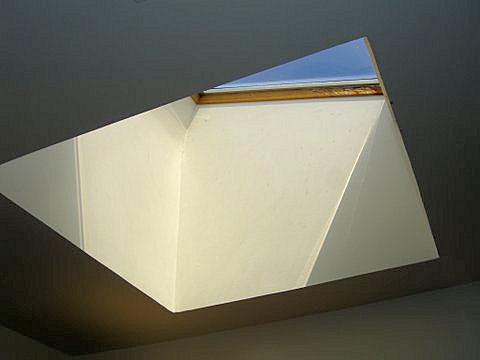
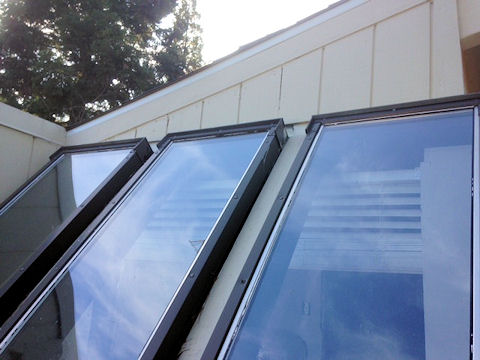
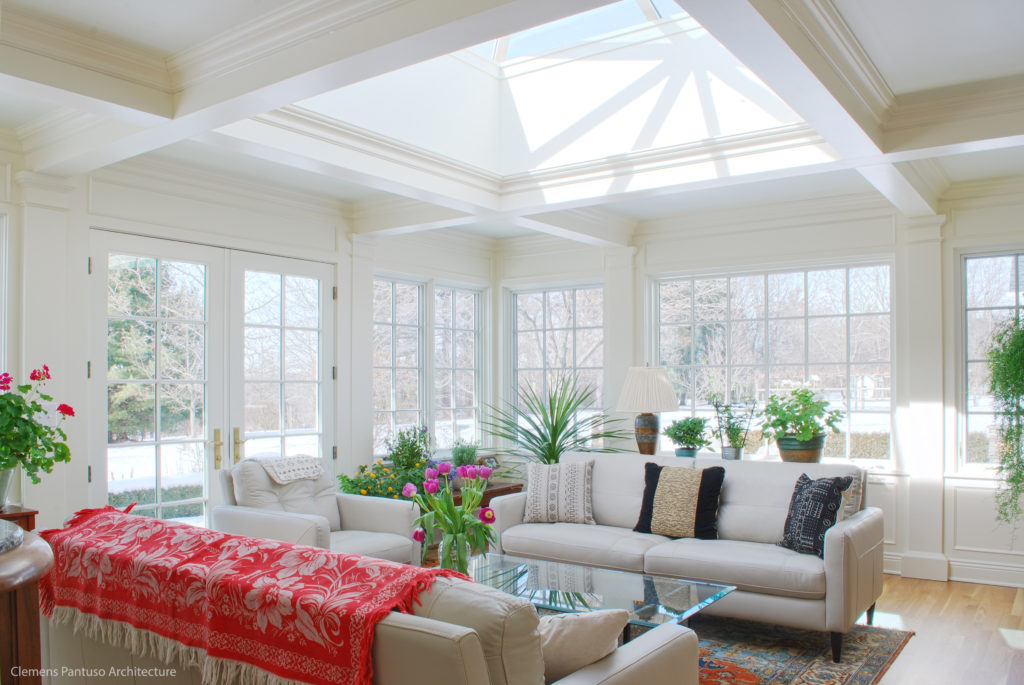
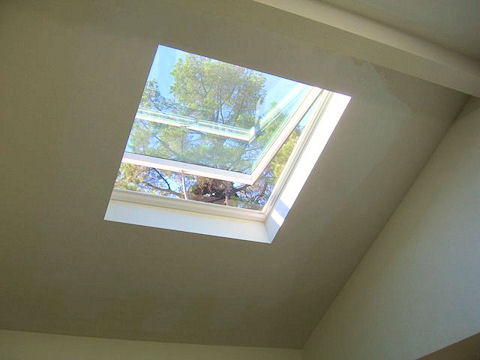
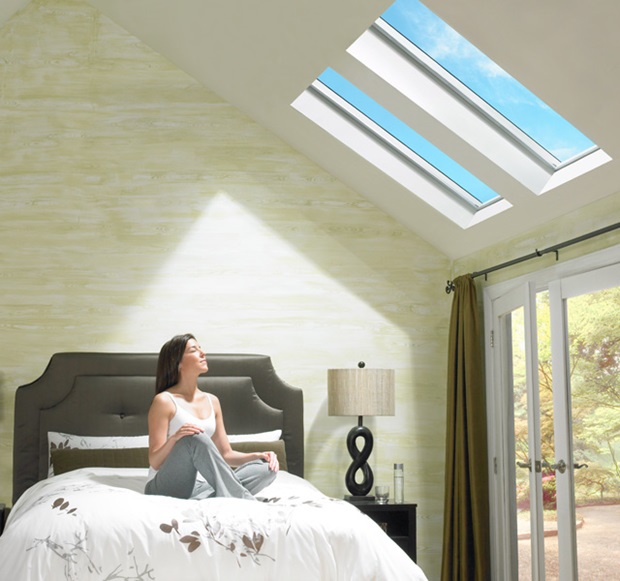
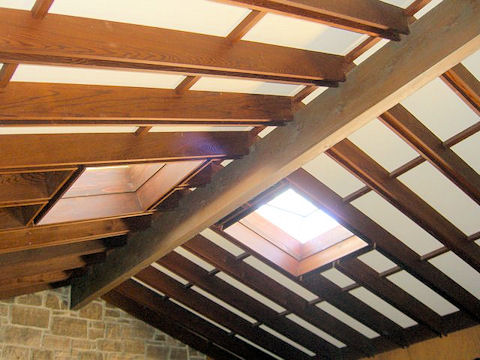
To add skylights, windows, or natural light to a garage remodeling, most garages can take these upgrades with the right plan. Skylights add even more daylight from above, and new windows can be accommodated in walls that are non-load-bearing.

These adaptations go a long way in achieving local code requirements, reducing the energy footprint, and opening up the space. Others choose roof windows or translucent garage doors to let in extra light.

What builders would do, or should do, would be to inspect the wall type and roof shape before beginning construction. Well-placed windows or skylights will make the garage more pleasant and useful for activities beyond car storage, such as use as a gym or small workshop.

The second installment of this series explores the best ways to approach planning your garage renovation. Plus, what to look for and how to add them in properly!

Why Natural Light?

So, as you can see, natural light can be a game changer in determining how a garage will look and function. You might start using your garage as a workspace, gym, or improved storage. Daylighting will dramatically change the atmosphere of the space, and not just aesthetically!

Natural light pours in through large windows, skylights, and tubular skylights. This creates a brighter, more open, and generally more inviting space for everyday business, leisure, and recreation.

Benefits

  • Makes the garage look bigger and airier
  • Cuts down on artificial lighting costs
  • Adds warmth and coziness to the space
  • Boosts property value and curb appeal
  • Supports energy savings by reducing the need for artificial lights and, in some cases, heating.
  • Creates a more inviting spot for hobbies or work

A brightly lit garage can easily transform into a versatile living space, rather than serving solely as a place for vehicles or equipment. With the right natural light, the space can serve as a home gym, art studio, or even a social area, making it more useful to everyone living there.

Garage Use

If you’re one of the many who primarily use their garage for storage, abundant natural light makes it easier to locate and organize items more quickly. No more fumbling for a light switch or stumbling around while trying to find something in dark corners.

Low-cost hobbies can thrive in a workspace in the garage, whether it’s a DIY repair bench or a mini-home office, which is a bonus. Varying, harsh lighting creates more strain on the eyes and is not conducive to work requiring great detail.

If the garage doubles as a laundry area, sunlight can help dry clothes faster and keep the air feeling fresh. Each garage will have different considerations, so how you implement windows and/or skylights should depend on your primary use.

Tubular skylights are small enough to work in compact areas and don’t require any wall space. Full-size windows are best for side garages that face away from active streets. In every instance, daylight allows you to get more out of each square meter.

Well-being

A garage with little to no daylight can feel gloomy, but adding windows or skylights can lift your mood each time you walk in. Natural light is an important factor in maintaining positive mental health and increasing your overall sense of wellness, energy, and focus.

This is a huge benefit if you spend extended time working in your garage! When natural light fills a space, a simple garage becomes a peaceful oasis to unwind and explore your imagination.

Whether you’re working on a canvas, mending a bike, or simply organizing, a workshop flooded with natural light is a much more inviting environment. Even a short exposure to natural light can improve your mood. It’s beneficial in shaking off that closed-in feeling that dark, cavernous spaces often develop.

Energy Savings

Skylights or windows reduce the frequency of electric light use during the day. This translates to lower energy bills, particularly in sunnier regions.

Further, when positioned correctly, windows allow sunlight to stream into the garage, warming it during the colder months. It makes sense to design for insulation so that heat doesn’t escape in the cold months.

Don’t forget to add external shades to prevent overheating during hot months!

Pre-Installation Checks

Creating an effective source of natural light in a garage requires advanced foresight and planning. Every step requires a careful examination of integrity, code, expense, energy consumption, and water. Having a handy checklist ensures that everything is accounted for.

Structure

Inspect the roof and roof structures, as well as any walls. Identify good locations for windows or skylights. Especially in places where the material is weak or cracked, they should be repaired beforehand.

Consider the orientation of the garage and how much sunlight it gets. North-facing houses benefit from softer, even light, whereas south-facing houses could find their home uncomfortably warm on sunny days.

Ensure that the new window or skylight does not compromise the integrity of the building. Additional beams or structural supports may be required, particularly for historic garages or when creating large openings.

The existing roof should have sufficient depth for a skylight shaft and insulation. If heavy snowfall is frequent, don’t install skylights near roof valleys where snow may accumulate.

Many garages will require significant alterations, such as installing new piping for drainage or increased ventilation.

Codes

Every jurisdiction has some form of building code that governs the installation and performance of windows and skylights. These codes determine safety, dimensional, and energy standards.

Failure to comply may result in penalties or the need to reconstruct the work. Determine if you require a permit. Some places allow garage changes without much paperwork, but adding windows or changing the structure may need approval, especially in Conservation Areas or protected zones.

Codes are constantly evolving, so check local revisions before proceeding.

Budget

Budget C: Consider all of the costs associated with installation. List all costs: windows, skylights, labor, permits, insulation, and possible repairs.

Consider using higher-quality materials to increase performance and reduce the need for future repairs or replacements. If your installation ends up being significantly more expensive than anticipated, consider taking out a loan or signing up for a payment plan.

Often, measures such as structural improvements or improved insulation increase upfront costs, but save money over time.

Efficiency

Ensure that the new windows or skylights have wintertime insulating properties and summertime solar heat gain control features. Better insulation can lead to reduced utility costs.

Go for double-glazed or energy-rated glass. Choose designs that facilitate airflow, aside from keeping them out. An operable window or vented skylight can help cool the space and release moisture.

Moisture

Moisture is the greatest threat. Make sure to thoroughly seal all of the edges to prevent leaks. Since garages are typically not insulated, they can also become very moist.

Monitor humidity post-installation. After the installation, continue to monitor humidity levels. Choose non-rotting, non-rusting materials. This has helped maintain an active area and durable new assets.

Garage Lighting Options

With the right lighting, your garage will be safer, more efficient, and a more pleasant space to use in general. There are a number of lighting options available to homeowners that allow natural daylight into their garage and save on energy expenses. Each approach provides unique advantages when it comes to illumination, seclusion, and aesthetic adaptability.

Lighting Option

Key Benefits

Practical Considerations

Windows

Simple, cost-effective, improves ventilation

May affect privacy, needs secure placement

Skylights

Maximizes overhead light, aids ventilation

Risk of leaks, must be installed correctly

Solar Tubes

Even distribution, low installation impact

Limited by roof space and layout

Glazed Doors

Boosts light, enhances curb appeal

Must balance insulation and security

Translucent Panels

Diffused light, maintains privacy

Durability and installation quality matter

1. Windows

Garage windows are by far the most typical method of introducing daylight. Typically, owners will select windows that ensure security and privacy. They need them big enough to allow lots of bright light in.

From variety and design perspectives, windows are available in a wide range of configurations. Unlike skylights, fixed windows let in natural sun and are cost-free to operate, but they don’t open.

Operable windows, such as awning or casement, provide natural ventilation to help create a cool, pleasant garage. Placement is important; put windows on the sunniest wall but don’t cut structural building beams.

The reason is double glazing insulates very well, keeping heat and cold out. Many of today’s window products feature specialized coatings that minimize heat gain and filter ultraviolet (UV) light, increasing energy savings even further.

2. Skylights

Skylights, even small ones, can flood garages with natural light. They’re great in places where there’s not good wall access for windows. Solar-powered skylights, which come with remote controls, have become a hot new luxury item, for good reason.

Many vented skylights will additionally cool the garage on summer evenings. It’s important to note that installation needs to be on point—bad flashing leads to leaking.

Security is yet another concern. Impact resistant glazing makes it more difficult for thieves to break in.

Considerations For Homeowners

Homeowners should try to match skylight shape and frame color with the garage style for a seamless appearance. If skylights sound too dangerous, sun tunnels (or solar tubes) are another option. They capture sunlight through a shiny tube and bring natural light to pitch black areas.

3. Solar Tubes

Solar tubes, or sun tunnels, are a cost-effective, simple installation. They route sunlight from the roof to the garage with minimal heat gain.

Even a windowless corner can be cheered up by a good solar tube. The tube diameter and length will need to accommodate the size of your garage.

Most systems, however, are designed with sealed domes, making them less prone to leaking. Sun tunnels are great paired with lighter garage finishes to create a space that is bright and inviting.

4. Glazed Doors

Glazed doors add light, but keep security tight. Styles range from full glass to small inserts.

Energy-efficient glazing and strong frames matter. Balance looks, privacy, and safety for best results.

Strategic Placement

Strategic placement of windows and skylights will determine the amount of direct sunlight you’ll let into your garage. Where you put these features affects not only the light but how the space feels, its privacy, and safety. Making sure that placement is done strategically can go a long way in reducing energy consumption.

It optimizes natural light, which is important in garages with tall ceilings or stacked parking.

Light Maximize

The best way to get more sunlight in is to put windows or skylights where the sun hits most during the day. In this instance, east-facing home windows harvest morning sunshine, while those that are west-facing can focus on afternoon light. The same goes for skylights on the east or west side of the roof.

By incorporating reflective surfaces, such as light-colored walls or floors, diffuses the sunlight, flooding the entire garage with light. In some cases, the installation of light shelves can help to drive sunlight deeper into the garage. That way it’s not just making the part of the room around your windows bright.

Experiment with various locations for windows and skylights until you get the desired effect that suits your floor plan and flow.

Privacy Needs

Newsflash—privacy is important, even for parking garages. Using frosted glass or glass blocks prevents passersby from seeing in while allowing natural light to penetrate deep into the building. Strategic window placement increases privacy by placing windows out of view from the street or a neighbor’s property.

Window treatments such as blinds, shades, and curtains are effective when you need to reduce glare or improve privacy. If the garage faces a busy area, planting shrubs or adding a fence can make a natural barrier without blocking too much sunlight.

Security View

Windows or skylights can create vulnerabilities in the garages if not installed strategically. Position them where you can view them easily from the home or road. Simply ensure they’re not in locations that offer convenient access for burglars to gain entry.

Choose windows that are difficult to shatter and install locks or even alarms for additional security. Never compromise sightlines—make sure you will be able to monitor the garage from inside your house.

Functional Design

Consider storage and work space areas. Strategically position light sources to avoid casting shadows on shelves or workbenches. When the sun stops shining, overhead lights provide fill-in light.

When you do this, carefully plan your layouts, so windows and skylights align with tasks you perform in your garage.

Aesthetics

Ornate windows and skylights introduce dramatic touches. Choose styles and borders that complement your house’s aesthetic. Choose colors and materials that coordinate with your existing décor.

Natural light creates expansive views even in compact garages, giving the space an open and airy feel.

Installation Realities

Adding skylights or windows to a garage can change how the space feels, but the process is detailed and needs the right planning. Installation is the step that determines whether you’ll be enjoying years of trouble-free lighting, or scouring your budget for leak repair dollars.

Whether you take on the project or engage a professional, understanding the fundamentals will help ensure a quality installation.

DIY Route

You’ll save on labor costs if you install a window or skylight DIY. On top of that, you’ll have greater control over the whole project! If you choose this route, you’ll at least need access to saws, drills, levels, tape measures and safety gear.

You’ll require specialized materials for a proper fit, and to avoid future leaks. These are framing lumber, flashing kits, high quality sealants and insulation rolls.

Follow a comprehensive, no-fail guide to the installation. Getting it right from the outset begins with tight measuring—one wrong move could result in windows that are too big or small or skylights that will leak.

Create large openings in back garage wall or garage roof. Seal the area and install flashing kits along skylights to prevent water from creeping in. Know your skills in advance. If you run into a wall or find yourself uncomfortable, don’t force it.

Calling a professional early on can prevent costly mistakes and repairs down the line.

Professional Hire

Whatever you choose, hiring a professional installer will ensure less headaches and a greater likelihood of getting the job done right. Professional contractors have experience preventing leaks and water damage, particularly when cutting through your roof.

Seek out specialists in garage remodels, and request copies of their insurance and licenses—this protects you from any liability. Consider getting quotes from at least three companies to compare pricing.

She continues to explain, “Prices and services can vary widely—from simple installs to elaborate waterproofing and insulation.” Some experienced pros recommend incorporating skylights when a building is being re-roofed, saving both time and money.

Confirm the contractor is applying appropriate flashing and sealant. The initial expense is indeed more, but they act as much better deterrents to contaminants, leaks, and condensation, and even burglars.

Common Pitfalls

Most errors begin with inaccurate measurements, so always measure twice and cut once (in theory). Ignoring local building codes may not only stop the project in its tracks, but result in financial penalties.

Inadequate caulking or absent insulation leads to leaks, water damage, or energy loss, most noticeable after a storm with heavy rains. Using the incorrect flashing, or not adhering to guides word for word, can be a dangerous gamble.

Some users experience leaks within days of installing, while others claim to have used it for years without incident. A small mistake can result in expensive fixes, so focus on all of the details with each step of the installation process.

Waterproofing

Technique

Effectiveness

Notes

Flashing kits

High

Essential for skylights

Butyl/urethane sealant

High

Use on all seams

Membrane barriers

Medium-High

Extra step for wet climates

Sloped sill pans

Medium

Diverts water away

Identify leaks or water stains on the ceiling or walls. Protect your garage from serious water damage and expenses with quality drainage.

Advanced Lighting Concepts

Advanced lighting concepts ensure that even in a converted garage, natural light is fully utilized. These approaches marry innovative technology with intelligent design. They allow you to minimize manmade illumination while improving your space’s aesthetic appeal and ambiance!

With the combination of smart systems, light diffusion, and reflective technology, you achieve greater control of light sources, energy consumption, and comfort.

Light Shelves

Light shelves help by reflecting incoming sunlight further into the garage, illuminating the space beyond the window or skylight. They work wonders to make tight spaces, such as storage closets, feel more expansive and less cavelike.

The shelf needs to fit the aesthetic of the garage. By mounting it high on the wall, above eye level, it’s less of an eyesore and more obtrusive, though still effective.

Choose durable materials—like powder-coated metal or impact-resistant acrylic—for increased longevity and simpler maintenance. The proper shelf will transform the harsh summer sun into a gentle even wash of light throughout the room.

Reflective Tech

Materials like polished floors, white ceilings, and high-gloss wall paint help to amplify and diffuse light. Therefore, despite the possibility of including small windows or light tubes, the garage doesn’t feel very open.

You can apply reflective film or other light-enhancing coatings to walls and ceilings. This approach will deepen the daylight penetration into your project! Reflective tech reduces your reliance on additional fixtures and ceiling lights in daylight.

In the long run, that translates into energy savings and cost savings. In fact, an increasing number of today’s residences are employing these surfaces to help maintain bright, airy spaces without the need for dozens of glarey bulbs.

Some products, such as mirror-backed panels or modular wall tiles, are solely dedicated to redirecting sunlight into otherwise dark spaces. These are simple to install and fit nearly every garage layout.

Smart Glazing

Adjustable smart glazing on windows or skylights allows you to control the level of light entering a space based on the angle of the sun. Certain glass materials automatically darken in response to direct sunlight.

This feature significantly lowers glare and excess heat, making it essential for anyone who resides in an extremely hot environment and wishes to escape the greenhouse effect. This technology can be integrated with existing windows or as new skylights.

Beyond improving the coolness and brightness of the garage, it has cut cooling bills. Smart glazing isn’t inexpensive, but for many, the freedom, comfort, and level of control afforded by smart glass justifies the price tag.

Integrated Systems

By combining natural and artificial light, you’ll always have the perfect amount, day or night. Choose advanced controls that automatically adjust light levels for you, or allow you to manually adjust them yourself.

These systems usually conserve electricity by dimming lights during times of day when there’s ample natural light. This allows the garage to be used as a workspace or gym, for example.

Light Diffusion

Diffusion makes bright afternoon sun a beautiful, diffused light. Glass panels with a frosted finish or plastic diffusers are good options for this.

Experiment with various diffuser panels, films, or sheer roller shades. Discover which combination illuminates the parking garage while remaining easy on the eyes.

Conclusion

Looking to include skylights, windows, or additional natural light in your garage conversion? Measure your space, choose the correct location, and always comply with local regulations! Adding windows or skylights Natural light makes a big difference in the atmosphere of a garage. Not only does it reduce energy costs, but it improves mood and productivity. A window located above the workbench or a skylight located over the car space can add loads of light and fresh air. Plan for leaks and strong seals. Select glass appropriate to your intended use such as tempered or frosted glass. To get additional advice or if you’re not sure about something, consult a professional or contact the blog directly. Post your own garage lighting successes or queries with the community. The fun discussion is a great way for everyone to discover creative, intelligent solutions to even the wackiest garage transformation.

Frequently Asked Questions

1. Can I Add Skylights To My Garage During Remodeling?

Can I add skylights to my garage during remodeling. Careful, precise planning and professional installation ensures the safety and weatherproofing integrity of the structure. Skylights provide an excellent means of adding natural light, making your garage a cooler, brighter space.

2. Are There Building Codes For Installing Windows Or Skylights In A Garage?

Are there building codes for installing windows or skylights in a garage. Often, they will dictate the size and placement of windows, and/or require specific safety features. It’s important to always consult local regulations, and get the appropriate permits before making any installations.

3. What Are The Benefits Of Adding Natural Light To A Garage?

Natural light enhances visibility while reducing energy consumption and creating a more aesthetically pleasing area. From a functional standpoint, it prevents mold and mildew by allowing the space to dry out and stay fresh.

4. Do I Need To Reinforce My Garage Roof Or Walls For Skylights Or Windows?

In many cases, reinforcement will be necessary, particularly in older garages. Work with a qualified contractor to determine if your structure can accommodate new openings without compromising the safety and integrity of your home.

5. Are There Alternatives If Skylights Or Windows Are Not Possible?

Alternatively, you can incorporate cutting edge LED lighting, light tubes, or reflective surfaces. All three of these alternatives boost light levels and reduce power use without significant structural intervention.

6. How Do I Choose The Best Placement For Windows Or Skylights In My Garage?

Install them where they’ll receive the most possible daylight without causing direct glare. To achieve optimal results, take into account the garage’s overall layout, existing roof orientation, as well as how you intend to utilize the newly finished space.

7. Will Adding Windows Or Skylights Affect Garage Security?

Indeed, the more openings you add, the more security complications you invite. Install tempered glass, window security locks, and window coverings to deter thieves and keep prying eyes from seeing valuable items.

Your Dream Home Starts With Mares & Dow Construction – Let’s Create Something Amazing Together

Planning a home renovation or construction project in Concord, Walnut Creek, Pleasant Hill, or Lafayette? Whether you’re dreaming of a stunning kitchen remodel, a durable new deck, or a full-scale home renovation, choosing the right general contractor is the most important decision you’ll make.

With over 40 years of experience, our team at Mares & Dow Construction & Skylights has built a reputation for quality craftsmanship, transparent pricing, and exceptional customer service. We specialize in:

  • Home Remodeling – Transform outdated spaces into modern, functional, and energy-efficient areas that increase home value.
  • Decks and Outdoor Living Spaces – Create the perfect outdoor retreat with expertly crafted decks, pergolas, and patios.
  • Foundation Repairs and Waterproofing – Protect your home’s structural integrity with our professional solutions.
  • Custom Skylight Installations – Enhance natural light with innovative skylight solutions from a VELUX 5-Star Skylight Specialist.
  • General Contracting Services – From new builds to home additions, our skilled team manages every aspect of your project with precision.

Serving Contra Costa County, including Alamo, Danville, Orinda, Martinez, and San Ramon, we take pride in delivering exceptional results that exceed expectations. Whether you’re a homeowner planning a renovation or a property investor looking to enhance a home’s resale value, we ensure your project is completed on time, within budget, and with the highest level of craftsmanship.

Don’t settle for anything less than the best for your home remodeling, renovation, or construction needs. Contact Mares & Dow Construction & Skylights today for a free, no-obligation quote, and let’s bring your vision to life.

Disclaimer

The materials available on this website are for informational and educational purposes only and are not intended to provide construction, legal, or professional advice. You should consult with a qualified general contractor or industry professional for advice concerning any specific construction project, remodeling plan, or structural concern. Do not act or refrain from acting based on any content included on this site without seeking appropriate professional guidance. The information presented on this website may not reflect the most current building codes, regulations, or industry best practices. No action should be taken in reliance on the information on this website. We disclaim all liability for actions taken or not taken based on any or all of the contents of this site to the fullest extent permitted by law.

What Are The Most Common Garage Remodeling Mistakes—And How Can You Avoid Them?

Key Takeaways

  • And as with any major project, careful planning is the key to avoiding costly mistakes. Create comprehensive plans and protocols to avoid garage remodeling troubles right from the start!
  • Tip #4: Have a realistic budget with contingencies. Keep a close eye on your costs during the entire process to avoid breaking the bank and going over budget on your remodel.
  • Getting all required permits and understanding local building codes from the start keeps your garage remodel above board and will save you from legal or timeline issues later.
  • Make sure to choose quality, experienced contractors to make the most of your garage renovation. This is why investing in the best quality materials increases their long-term value.
  • Focusing on the technical details first improves the comfort, safety, and usability of your garage space. Don’t overlook the importance of insulation, ventilation, electrical planning, and climate control!
  • Building adaptability into your plans makes sure your remodeled garage will be able to accommodate new needs as they arise in the future. Warranty protection and maintenance further protect your investment.

Regardless of the reason, here are the most common garage remodeling mistakes—and how you can avoid them.

Many make the mistake of choosing storage units that don’t work with the space or purchasing things without measuring first. Some make the mistake of using materials that are not moisture resistant, allowing for deterioration and destruction.

Inadequate lighting and poor electrical wiring are two commonly neglected features, making the garage difficult to utilize as a workspace or functional storage area.

In order to save yourself from these common mistakes, begin with a clear plan, measure the area, select storage that serves your purpose, and use durable materials. Good lighting and safe, up-to-code wiring contribute to the space’s value as well.

Our garage remodel series will outline the process and provide pointers for an easy garage remodel.

Common Garage Remodeling Mistakes

The common pitfalls of garage remodeling result in lost time, increased expense, and unsatisfactory outcomes. The majority of mistakes stem from a lack of planning, bad budget management, neglecting permits, or not hiring the right talent and materials. With a little planning, these common mistakes can be avoided, and any garage can be transformed into a functional, comfortable space.

1. Skimping Planning

Rushing into a garage renovation without a plan is one of the most common remodeling mistakes. Many projects fail because owners rush in, missing key details. A comprehensive site plan allows you to visualize changes in their entirety, providing the opportunity to avoid overlooking key elements.

So, give yourself time to think and write down every idea. Go back and iterate on what you envision for the garage space. Consult with your professionals—builders, architects, or designers—so that your vision is well-defined and appropriate.

Create a plan with a checklist to monitor key steps, such as measuring, ordering materials, and scheduling work. Our list helps you maintain that momentum.

2. Ignoring Budget

Decide on a budget and stick to it. Too many people underestimate their costs, or in the case of DIY work, the work can extend into infinity and cost even more. Include all possible expenses: labor, materials, permits, and tools.

Always budget for additional costs, as surprises will come. Break down your budget by researching the average garage remodel costs in your area and get competitive. Arm yourself with this knowledge to establish clear parameters to avoid going over budget.

It’s important to keep a close eye on your spending as the project progresses.

3. Skipping Permits

Permits are not a suggestion. Avoiding them can result in large fines or having to tear out work that doesn’t pass inspection. Each area has different requirements, so be sure to find out what is required before you begin.

Don’t wait to apply for permits—doing so can add significant delays to your project timeline. Partner with a well-respected contractor who is familiar with the codes.

Make sure to keep copies of all permits, should you ever need to provide them for appraisals or future repair work.

4. Choosing Poorly

Enlist a skilled professional to help with the remodel. Check out their completed projects. Get recommendations from other local remodelers to find the best names.

Don’t hurry the process.

5. Using Subpar Materials

Better quality materials last longer and are more aesthetically pleasing. Low-quality cabinets or make-shift, mismatched pieces usually don’t last long. This goes for storage, flooring, and insulation as well.

Consult with professionals to help determine what will best suit your needs and budget. Avoid using scraps or leftovers just for the sake of saving a few bucks.

Flawed Project Foundations

A successful garage transformation begins with an understanding of your goals and a solid foundation. So many missteps occur in these early stages, at great financial cost, effort expended for a lackluster outcome, or worse yet, an unsafe condition. Thoughtful planning—from overarching big-picture goals and objectives down to better technical details—helps keep the project on track and avoids major pitfalls.

Unclear Vision

Failing to clearly define the core purpose of your garage will lead to perpetual edits and misalignment. Storage, workshop, gym, or parking—all require completely different floor plans and functionalities.

Devote time to envisioning what you hope the garage will look and feel like once completed. Draw or design layouts with modeling apps to plan areas for equipment, machines, or collections. Flipping through renovation periodicals or globe design websites can generate suggestions that you would not intend to think of yourself.

Engage with your builders or architects as early as possible. They can identify flaws in your approach, such as over-allocating space to cars or neglecting necessary space for storage. Their feedback helps ensure your vision is actionable, and you prevent future regret.

Budget Gaps

It’s easy for many first-timers to miss an expense. Little improvements, like better lighting or insulation, or more outlets, cost a lot. Inventory everything – materials, labor, necessary permits, and finishing touches.

Safety features and quality insulation should never be optional, particularly for those who call home in places where temperature extremes are common. Create a contingency fund, 10–15% of your total budget, for unexpected costs.

Monitor your expenditures regularly and revise your plan as necessary if costs fluctuate. Having your contractor on the team prevents miscommunication and ensures everyone is working towards the same goal throughout the project.

Permit Oversights

Failing to obtain the proper permits can delay your project or result in costly penalties. Create a list of each permit you will require—such as electrical, structural alterations—according to your blueprint.

Obtain and apply for necessary permits early on. Local building codes are very dynamic! Follow along and always check with your local district office if you are ever in doubt about a particular rule.

Put all permits and approvals in one physical location where you can easily produce them if called for.

Weak Foundation Planning

Missing a good design for aesthetics can lead to expensive retrofits down the line. Assuming the previous framing will be sufficient to support drywall or new shelving without cracking or sagging typically fails.

If you intend on adding large features, such as a stone waterfall, inspect the foundation and framing with a qualified professional. Using cheap materials can save money upfront, but lead to increased expenses in the long run.

Insulation should match your garage’s new purpose—workshops require more than basic storage. Provide enough wiring and outlets at the outset, considering future needs for power tools or EV charging stations.

Critical Design Oversights

A garage conversion is one of the most impactful improvements that can add value and usefulness to a home. Cutting critical design corners can result in lost federal funds, disastrous user experience, and potentially legal nightmares. Many errors arise from poor design considerations. They are equally born from a failure to appreciate technical requirements or a disregard for the minutiae that create an environment that is functional and welcoming.

Inefficient Layout

Additionally, a thoughtful garage layout is important. Too many homeowners embark on a project without well-organized plans, leading to tight pathways, obstructed access, and corners that aren’t utilized. Look at the layout and operations before picking up a wrench.

Plan where vehicles, equipment storage, and staging areas will be located. Use design software to lay out your various options, or reach out to a designer if you’re not confident in that work. Creating designated zones for parking, tool storage, or a workbench for a hobby can prevent the space from becoming cluttered.

Without this, even the most costly upgrades will be inadequate. Never ignore local building codes and requirements for permits before constructing—doing so can result in fines or an expensive rebuild.

Inadequate Lighting

Inadequate lighting is a typical design oversight. Garages usually have one central ceiling bulb, which makes it impossible to utilize a workspace with dark corners. Replacing dim incandescent lights with bright LED bulbs can make a huge difference in the look and use of the space.

Wherever you can, introduce windows or skylights to allow natural light to flood the space. Lighting the majority of the space by day allows for safer and more enjoyable everyday use. Include task lighting over benches or laundry stations to facilitate detailed tasks.

Dimmable fixtures are a great way to customize the mood if the space serves as a fitness studio or lounge.

Neglected Storage

Failing to plan for storage creates chaos and consternation. It can help to begin by making a list of what you’ll want to store—maintenance tools, bikes, seasonal gear, or supplies. Custom cabinetry or shelving units that go all the way up the wall take advantage of vertical space.

Cutting corners on quality to save a few bucks is the number one way to be disappointed—cheap cabinets will sag under the weight or break. Consider planning for future use, not just the immediate past use that’s currently in storage.

With proper organization, everything is conveniently stored and accessible. Remember to include insulation and ventilation if you’ll be keeping paint, electronics, or other sensitive items in storage.

Ignoring Aesthetics

Ignoring aesthetics is a common mistake. Aesthetics are important. Choose colors, materials, and finishes that are compatible with your home’s architectural style.

Consider some easy-to-decorate items such as decorative wall hooks or framed artwork to add a little flair and personality. Go for a design that complements your overall home style.

Even a small amount of tasteful green space around the garage will go a long way in providing curb appeal.

Execution Phase Hurdles

Garage remodels are particularly prone to issues during the execution phase. Most problems are the result of poor foresight, choosing the wrong support, or choosing subpar materials. Some results from homeowners attempting to go above their skill level or completely avoiding steps, for example. Avoiding these hurdles and knowing how best to sidestep them will save plenty of time, money, and future headaches.

Wrong Contractor

Picking the wrong contractor may be the second most significant risk. Begin by interviewing multiple professionals, rather than just one, and inquire about their experience with garages in particular. Some contractors might be great at kitchen or bath buildout, but don’t have the experience for garage framing or insulation.

Look them up online to verify their licenses and request to see photos or references from recent projects. Provide written estimates with specifics spelled out. These should include timelines, costs, warranties, and the scope of work.

Look beyond the bottom line. Compare more than just the price, but what’s included—some estimates leave out preparation work or clean up. Ultimately, you have to go with your instincts. If a contractor is evasive or brushes you off, move on.

Inferior Materials

This one is hard to believe, but true. Some homeowners go for inexpensive cabinets or laser-thin drywall. These materials aren’t able to provide the deflection and load-bearing capacity—they sag, break, and/or fail.

Identify replacement materials that can improve resilience, such as steel for limestone cabinets or moisture-resistant drywall. Inquire about warranties, and don’t shy away from challenging vendors or your general contractor on the expected lifespan of products.

Consulting professionals can assist in selecting materials that will best suit your garage’s intended purpose. For instance, if you’ll be regularly using power tools or heavy machinery, you’ll need sturdy shelving and finished floors.

Cutting corners on materials can lead to expensive maintenance and repairs in the future.

DIY Pitfalls

As fun and attractive as some do-it-yourself projects can be, experience and expertise count. Be real about whether or not you’re prepared to do the labor. Begin with smaller projects like painting a room or adding floating shelves before committing to anything that involves wiring or framing.

Most get in hot water on electrical, insulation, or structural modifications. Use online, step-by-step guides, video tutorials, and verify that you understand basics such as operating in metric and using safety standards.

I’ve been shocked to learn how many DIY remodels end up exceeding budget or timetable. Almost 40% of homeowners have been left wishing they had tried a DIY project after realizing how much work would be involved.

Understand when it’s time to call in a pro, particularly for electrical, HVAC, or structural work.

Communication Gaps

Don’t stop communicating with your contractor. Talk through any amendments at the outset and formalize them in writing. Request high-level updates consistently.

Keep participating.

Overlooking Technical Essentials

Garage conversions sometimes backfire when technical essentials are overlooked. Insulation, ventilation, electrical design, and climate control are essential if the garage is more than a storage unit. Bad planning in this area can result in spaces that are uncomfortable, unsafe, or expensive to retrofit in the future.

Poor Insulation

Most garages are not insulated, leading to uncomfortably hot temperature swings in summer and unwanted noise infiltration. In areas where a highly thermal envelope is required, use materials such as rigid foam or fiberglass batts. This prevents the garage from getting too hot in the summer and too cold in the winter.

If you use the garage as a workshop or gym, make sure to seal cracks and gaps. This will eliminate drafts and maximize your energy savings! Increasing acoustic insulation can significantly reduce high-frequency noise, resulting in a quieter place to work or pursue other interests.

We recommend choosing the insulation based on how you plan to use your garage. What works for basic shed storage is not going to suffice for an attractive, usable home or workspace!

Bad Ventilation

The biggest pitfall… Bad airflow is typically the biggest mistake. Some wall vents or an exhaust fan can help keep humidity down and prevent smells from developing. As much as possible, choose windows that can be opened.

This allows for natural ventilation, fresh air, and daylight, keeping the environment mold and mildew-free. Monitor humidity levels, particularly in damp or cooler climates.

Consider the floor plan arrangement for free airflow to circulate, preventing obstructed corners or cluttered storage.

Electrical Deficiencies

Over half of the remodeled garages required upgraded electric service. Itemize every potential use—charging power tools, operating a mobile mini-fridge, or using mobile heavy machinery. Old wiring and insufficient outlets are no longer acceptable, so modernize.

Follow all applicable safety codes, including federal, state, and local regulations. Electrical deficiencies add additional outlets and circuit design for additional lighting if you’ll be working or occupying it.

Planning for future needs now prevents heartache and expense down the road.

Ignoring Climate Control

Garage comfort takes a nosedive when you forgo climate control. Choose a heater or small air conditioner appropriate to your space and requirements. Energy-efficient models do help keep bills low.

Proper insulation and airflow are important elements of climate control. Be alert to sudden temperature changes—these can affect tools or stored equipment.

The Long-Term Remodel Impact

When it comes to a garage remodel, you’re not just improving your home’s appearance or increasing its resale value. It can improve your home’s value, improve your everyday comfort, and future-proof your property. When you plan with a long-term perspective, you can sidestep seven expensive blunders most people make.

This extends even to things like insulation and avoiding necessary permits! Those seemingly small decisions made in the short term can have long-lasting impacts on resale, maintenance, and future flexibility.

Future Adaptability

A wise remodel leaves possibilities available. This is a common source of regret, as many homeowners wish they hadn’t boxed themselves in with single-use layouts. Instead, work to incorporate sliding walls, open shelving, or mobile workbenches.

This allows you to relatively easily convert a gym into a workshop or turn a lounge area back into parking. If your remodel includes flexible lighting and outlets, it will be easier to add charging stations or workspace in the future.

Create a safety buffer in the budget—a minimum of 20%—for new requirements or technology that may be needed and will arise. Trends change; today’s hobby room may be converted to a home office in just a few months, so ensure flexible space and enough power for future improvements.

Garage conversions are difficult to heat to cool effectively. If you plan on livable space in the future, plan for additional insulation and vents now!

Resale Value

With the right selections, remodels can increase home value, and conversely, the wrong decisions can decrease it. Homebuyers still expect a garage to function well as a garage—parking and storage—not just as an auxiliary bedroom.

An expensive addition that eliminates all parking at a property—say an in-home office or playroom—might deter potential future buyers. Put your remodel dollars towards items with proven long-term resale value, such as replacing your garage door, which returns an average of 94.5% of your initial cost.

No one hates good lighting, intelligent storage, or easy-care floor coverings, after all. Keep a record of any work with photos and receipts so that buyers can see what’s been updated and up to code.

One important note—bypassing permits or federal and local building regulations is a serious gamble. Unpermitted work can result in hefty fines imposed or even requiring you to reverse the remodel. It’s better to know what’s required before you begin.

Ongoing Maintenance

With such a big investment made in the remodel, ongoing maintenance of the garage should be a priority. Consider how often you’ll need to clean and inspect for leaks, cracks, or pests.

Consider the longevity of materials. When selecting materials that are more durable (such as steel doors or epoxy floors), consider the costs of replacement and maintenance.

Professionally inspect insulation and ventilation regularly—homeowner comfort and indoor air quality hinge on the two. Get educated on how to maintain each aspect, and remember that regular maintenance now can prevent major repairs down the road.

Warranty Neglect

Check all warranties on doors, flooring, and installation labor before acceptance. Store documents where they will be easily accessible.

Remind yourself to check periodically, as some warranties require evidence of maintenance. Repair issues promptly—delaying repairs may result in loss of coverage.

Conclusion

Garage remodels require detailed plans and careful attention to the minutiae. In a hurry, they fail to follow the procedure, use the wrong tools, or forget to do important checks such as wiring or airflow. Making the right decisions from the beginning will help avoid spending a lot of extra money and undue stress down the road. Choose durable storage, monitor power requirements, and address any water damage immediately. Consider your goals for the space—workshop, gym, or simply extra space. Do your best to learn from those who have succeeded before you or consult an expert who knows their business. Your garage has the potential to be so much more than an oversized car holder. Looking to create a smart garage of your own? Post your design idea or request for advice in our forum of Garage Enthusiasts. Share your hard-won experience below, and let’s all make garage projects easier and avoid the common pitfalls.

Frequently Asked Questions

1. What Are The Most Common Mistakes In Garage Remodeling?

The most common mistakes include poor planning, ignoring structural issues, skipping permits, poor lighting, and overlooking storage needs. Nailing these down from the start will make for a much smoother project and a more successful space.

2. How Can I Avoid Design Mistakes During A Garage Remodel?

Begin with a well-defined plan of action. Hire an expert, rely on correct measurements, and give consideration to form and function. This way, you can avoid the expensive reconfiguration down the line.

3. Why Is Proper Ventilation Important In A Remodeled Garage?

Proper ventilation keeps moisture from accumulating, which can lead to mold and other issues, including compromised air quality. Make sure you install vents or windows so that the space—no matter what you ultimately decide to use it for—stays healthy and comfortable.

4. Do I Need A Permit For My Garage Remodel?

Do I need a permit for my garage remodel? To avoid costly fines and work delays, always consult local regulations and obtain necessary approvals before starting work.

5. How Can I Maximize Storage Space In My Garage Remodel?

Install vertical shelves, wall hooks, and cabinets to store tools and gardening equipment. Develop a storage plan from the outset so you can make the most of every inch of space.

6. What Technical Essentials Should I Focus On During Remodeling?

Make sure your electrical wiring is safe, insulation is on point, and lighting is adequate. Engage licensed professionals for all technical work performed to ensure safety and compliance.

7. What Long-Term Factors Should I Consider Before Remodeling My Garage?

Select durable materials, have the future in mind, and keep things accessible. This not only protects your investment, but it ensures your garage continues to serve your needs for many years down the road.

Your Dream Home Starts With Mares & Dow Construction – Let’s Create Something Amazing Together

Planning a home renovation or construction project in Concord, Walnut Creek, Pleasant Hill, or Lafayette? Whether you’re dreaming of a stunning kitchen remodel, a durable new deck, or a full-scale home renovation, choosing the right general contractor is the most important decision you’ll make.

With over 40 years of experience, our team at Mares & Dow Construction & Skylights has built a reputation for quality craftsmanship, transparent pricing, and exceptional customer service. We specialize in:

  • Home Remodeling – Transform outdated spaces into modern, functional, and energy-efficient areas that increase home value.
  • Decks and Outdoor Living Spaces – Create the perfect outdoor retreat with expertly crafted decks, pergolas, and patios.
  • Foundation Repairs and Waterproofing – Protect your home’s structural integrity with our professional solutions.
  • Custom Skylight Installations – Enhance natural light with innovative skylight solutions from a VELUX 5-Star Skylight Specialist.
  • General Contracting Services – From new builds to home additions, our skilled team manages every aspect of your project with precision.

Serving Contra Costa County, including Alamo, Danville, Orinda, Martinez, and San Ramon, we take pride in delivering exceptional results that exceed expectations. Whether you’re a homeowner planning a renovation or a property investor looking to enhance a home’s resale value, we ensure your project is completed on time, within budget, and with the highest level of craftsmanship.

Don’t settle for anything less than the best for your home remodeling, renovation, or construction needs. Contact Mares & Dow Construction & Skylights today for a free, no-obligation quote, and let’s bring your vision to life.

Disclaimer

The materials available on this website are for informational and educational purposes only and are not intended to provide construction, legal, or professional advice. You should consult with a qualified general contractor or industry professional for advice concerning any specific construction project, remodeling plan, or structural concern. Do not act or refrain from acting based on any content included on this site without seeking appropriate professional guidance. The information presented on this website may not reflect the most current building codes, regulations, or industry best practices. No action should be taken in reliance on the information on this website. We disclaim all liability for actions taken or not taken based on any or all of the contents of this site to the fullest extent permitted by law.

What Type Of Garage Remodel Best Fits Your Family’s Lifestyle?

Key Takeaways

  • Consider how your family is using the garage today. Be honest about where you are and where you want to go. Be specific about future needs so the remodel meets current and future lifestyles.
  • Consider what fits best with your family’s lifestyle daily. What essential features and unique needs can you incorporate to help develop a space that raters to your family’s lifestyle?
  • Consider remodel types such as an in-law or guest suite, home office, art studio, potters’ den, or streamlined, custom organization. Choose the type of garage remodel that best fits your family’s lifestyle!
  • Carefully plan your project by setting a realistic budget, understanding local regulations, consulting experts, and taking your region’s climate into account for optimal results.
  • Pay attention to aesthetic details! Incorporate a smart floor plan, good lighting, cutting-edge technology, and long-lasting materials to maximize function and keep you happy for years to come.
  • By emphasizing adaptability and versatility, you’ll ensure your newly remodeled garage remains valuable and usable as your family’s needs change. Further, weigh the co-benefits — such as creating a more valuable home, a happier family life, and environmental benefits.

To determine what type of garage remodel would best suit your family’s lifestyle, consider first how you’d like to use the space. Other families have a strong desire for a space to pursue their hobbies. Others need extra space for storage, some want a designated area for exercise, or office space.

Consider day-to-day requirements, like housing for sports equipment, bicycles, or a workshop for hobbies. Many families today are repurposing their garages into home offices or playrooms. Ultimately, the perfect remodel is the one that fits your family’s lifestyle and fulfills your top priorities.

It helps you to stick to your budget and make sure that the space will be safe. Read on in the following posts to find inspiration for various remodel projects. See how they can improve your life every day and allow your family to get the most out of a garage remodel!

What Garage Remodel Fits?

Here’s how a garage remodel can improve more than just your home’s appearance and declutter your life. With half of homeowners seeing the garage as their messiest space, and only 11% feeling satisfied enough not to change it, most families stand to gain by thinking through what kind of update fits with their life.

The best approach starts with how you’re using the space today. It helps you think about your needs down the road and how to make everyday life more convenient!

1. Current Use

Most garages these days are used half for storage, half for parking, plus an overflow area for what doesn’t fit inside. Many families find themselves with crates piled against the walls, with barely enough room for one car or home office setup.

A basic remodel—fresh paint, new floors, and wall shelves—can cost between $3,000 and $5,000 but will help sort what stays and what goes. It doesn’t take much to go from garage chaos to organization heaven with small upgrades, such as adding built-in shelves or drawers.

That improves its usability and real-world cleanliness.

2. Future Goals

If your family grows, you may want more space for hobbies, a second family room, or even a home gym—a choice that became more popular during the pandemic. Other homeowners like the idea of adding windows.

This creates a much more pleasant and inviting atmosphere, brightening the space and making it feel more like an extension of the house. A remodel that helps you achieve these goals will allow your home to better support your current and future needs.

This process can help avoid expensive add-ons later on. A remodel can be speedy, too. With a comprehensive upgrade, that can be as little as 3–5 days. Remodeling a garage usually only takes 1–2 days to complete, minimizing the disruption.

3. Daily Impact

The right remodel brings order and saves time. With dedicated areas for bicycles, work equipment, or sporting goods, the chaos of morning starts is minimized, and lost possessions are a thing of the past.

For families with active schedules or abundant gear, an organized garage translates to reduced anxiety and more time spent together. It increases comfort, too, since a clean and well-lit garage seems like a safer, more welcoming place.

4. Core Functions

Your garage can be so much more than just a storage area. It can be a workshop for home improvement projects, a place to do laundry, or an escape room for teenagers.

By including built-ins or a cozy nook, the area can function as a variety of spaces. Windows help—though not universally—by allowing more natural light into the space. Simple flooring, for example, epoxy, makes it easy to clean.

5. Special Needs

Other households require space around wheelchairs or wish to allow for a mudroom in rainy climates. A remodel can add ramps or durable flooring.

Each family and home is unique, so tailor your design to your requirements.

Explore Garage Remodel Types

A garage remodel is an improvement that will benefit your home and your everyday life. It’s important to select the correct remodel type for your family’s life stage. Each method has unique advantages, costs, and planning processes.

Living Space

Converting a garage into living space provides additional space for your household. This type of remodel often includes insulation, climate control, and new walls or flooring to make the space feel like part of the home.

Adding large windows or upgrading to French doors made of glass and steel can let in light and create a pleasant atmosphere. The living space can double as a guest suite. Or, it might become a playroom for the kids, or a fun studio apartment for your parents.

Construction tips and advice. Before you begin, don’t forget to get the proper permits. If you’ll be adding plumbing or extensive electrical work, speak with an architect to make sure your designs meet code requirements.

Workspace

Creating a home office or workshop is yet another popular garage remodel. As more and more Americans find themselves working from home, having a dedicated workspace can help increase both focus and productivity.

Clever storage solutions help you organize your tools and office supplies. Selecting the appropriate flooring, such as rugged coatings, adds comfort and visual appeal. Good quality lighting and climate control are important, as garages can be very hot or cold.

The price will all depend on exactly what you plan to remodel, since a bigger garage will require more materials. Workspace remodels define spaces for various activities, such as a desk for office work and a small workbench for side projects.

This configuration better allows for personal organization and encourages a greater separation of work and home life. Even the tiniest of garages can transform into a productive workspace with thoughtful preparation.

Hobby Hub

A hobby hub remodel turns the garage into a space for leisure activities or exercise. For instance, creating a home gym is a common choice. Rubber flooring is an ideal option here, as it reduces impact and keeps your joints safe while working out.

If you have a passion for music or art, consider installing soundproofing and specialized storage for instruments or creative resources. Proper ventilation and insulation ensure the area is cozy year-round.

Others design the garage to accommodate family hobbies, such as board games or crafts, so the entire family can pitch in. Climate control and lighting improvements are very worthwhile for increased comfort and safety.

Storage Pro

Effective smart storage makes an overflowing garage into a tech-savvy storage space. Wall racks, cabinets, and ceiling shelves maximize every spare inch.

Remodeling for storage is the least expensive option. Even if you just retrofit the garage with zones for sports equipment or tools, it’s going to improve everyone’s quality of life.

Plan Your Garage Remodel

Remodeling your garage not only influences how you enjoy your home, but it can also improve your everyday life in a big way. With good planning and clear priorities, you can make the space look nicer, function better, and increase the value of your home.

Before planning your garage remodel, declutter and clear out everything in your space. This allows you to visualize what is necessary, what can be retained, and how to best utilize the new space.

Budget

Understand your budgetary limits. This can vary greatly in cost depending on the features you desire. For a small update—paint, new shelves, or improved lighting—you might be looking at just a few hundred dollars.

If you’re looking for upgrades, such as new flooring, insulation, or built-in cabinets, budget accordingly. Determining your budget up front prevents over-improving for your neighborhood and allows you to prioritize what is most important.

It allows you to zero in on what you can afford to change now, and what can be saved for a future upgrade.

Rules

Rule 3 – Consult local regulations before you begin. Many municipalities require building permits for major renovations, such as the installation of new walls, doors, additional electrical outlets, etc.

Depending on where you live, you may be required to adhere to fire safety codes as well. These rules govern how near you can keep things to your water heater or electrical panel.

If you don’t pay attention to this, you’ll either have to go back and do work twice or risk getting penalized. To find out your local regulations, ask your local building office or look up their website for new rules.

Or, if you live in a multi-family dwelling, you might need the permission of your condo association.

Expertise

There are DIY opportunities too, such as painting or installing shelves. When it comes to something like new electrical wiring, vents, or plumbing, consider bringing in an expert.

Mistakes in these areas can be not only dangerous, but also more expensive to remedy down the line. A pro installer will make sure that insulation and lights are installed just right.

This configuration ensures maximum comfort and safety. An experienced pro will get it done faster. With the right plan in place, most garage remodels can be done in a week or less!

Climate

Whether it’s hot, cold, or wet weather, this all affects how you should prepare. In bitter climates, insulation and supplemental heat will make your garage much more hospitable for both its occupants and the valuables you keep there.

In humid or hot areas, provide plenty of ventilation! Install vents or a small fan to prevent mold and avoid rusting your tools. Proper brightness is important, not just to see well, but with good lighting, you’ll feel comfortable using the garage morning, noon, or night.

Design Your Transformed Garage

Transforming a garage into a space that suits your family’s needs can alter how you utilize your home every day. Second, it can increase your home’s value and provide you with additional space to live, work, or play.

Begin by considering who will use the garage space and what activities you would like to pursue in it.

Layout

The layout largely determines how a transformed garage will function for your family. If you want to include a gym, you need to account for space for machines and free weights. You’ll want enough open space for stretching or group classes.

If you’re creating an additional family or game room, allow space for seating, a television, or even a ping pong table. If you intend to use it as an office or homework area, plan one corner with a small desk. Be sure to consider built-in shelves as additional storage.

It’s best to begin by decluttering first. Developing this layout is critical for ensuring that the space will be warm and welcoming while functional.

Having an adaptable layout will ensure that the garage will be able to accommodate multiple uses. Foldable tables or rolling storage make it easy for a gym to become a play room or craft room.

Floor tape, mats, or rugs can help identify areas for specific activities. This allows for more focused, orderly play.

Lighting

Lighting can really impact a space. Though most garages feature little to no natural daylight, to combat this, replace your outdated, overhead doors with glass and steel French doors. This increases natural light and provides a touch of flair.

If you plan to use your garage at night, consider selecting LED ceiling lights. These use 75% less energy and last 25 times longer. Supplement with floor or wall lamps around seating or work areas.

If you plan to use the transformed space as a gym, intense illumination will prevent trips and falls when you’re on the move or lifting.

Technology

Incorporate technology to improve functionality. A smart thermostat can make your heating and cooling much more efficient. This is important because bad insulation can make garages excessively warm or icy.

Wi-Fi boosters ensure you never miss a stream or work call. A wall-mounted TV or speakers would make the garage a great media or game room.

Security cameras at the entry enhance safety and security, particularly if your transformed garage will feature new glass doors.

Materials

Consider the long-term use of your garage and choose materials that reflect this durability and flexibility. For fitness centers, rubber flooring reduces impact and joint stress.

For interiors, select wipeable paint and durable area rugs. If you will be entertaining friends, include easily movable seating.

A mirrored wall in a dance studio allows teachers to see students’ full movements and reduce potential injuries. Make sure to maintain adequate insulation and airflow to make this space cozy!

Future-Proof Your Garage

Your new garage could be the dream workshop, hobby space, gym, office, and more. It’s an innovative, adaptive space of the house that is well-suited to accommodate the evolving lifestyles of households all over the globe. With a little forethought, a garage remodel can increase your home’s value while enhancing your work and vehicle space.

It offers additional space for living, storage, or new purposes.

Adaptability

Garage spaces are important to many families beyond just a space to store cars. Others make the garage a home office, gym, or workshop. This transformation is surprisingly fast—many renovations are done in as little as three to five days.

Especially in cold-weather climates where basements aren’t common, residents may utilize garages as additional livable space. In temperate climates, garages can be partially conditioned, open-air spaces that serve as gathering spots or recreational areas.

Another chief obstacle is clutter. It’s no surprise that research indicates that nearly one-fourth of Americans with two-car garages are unable to park in them. What’s the culprit? It’s all that junk!

Whether that involves installing shelving units, wall hooks, or storage cabinets, making the garage more adaptable can help save time searching for items stored there. This helps you adapt the space to whatever your family’s next stage requires.

Versatility

A future-proof garage that is versatile enough to serve more than one purpose is a wise investment. Other families might develop their garages into accessory dwelling units (ADUs) to earn supplemental income. Some go a step further and invest in smart technology, such as car lifts, to accommodate more vehicles or enhance versatility.

Take the lift. For instance, a two-story lift doubles your parking capacity while taking up the same amount of land. Beyond the monetary return on investment, upgrading a garage offers many positive effects on everyday life.

It can be simple and inexpensive. It’s time to take action with some easy fixes! Upgrade the lighting, make the flooring safe, or install quality insulation, and you can create a playroom, workshop, or guest bedroom.

Homeowners looking to maximize the utility of every square foot are quick to adopt these improvements and make the most of their garage space.”

A future-proof garage built to be flexible, a garage is future-proof, too. As your family evolves, so can the space evolve with them. One year it’s a game room, the next it’s a home gym or professional work studio.

Uncover Remodel Benefits

A garage conversion not only makes your new home more livable, but it also improves the way your entire home functions. This can be the right update to maximize value, improve your day-to-day experience, and reduce energy consumption. Every family is unique and has different requirements. Focusing on these types of positive improvements is crucial to determine which investments make the most sense.

Home Value

A clever garage remodel can increase your dwelling’s value. Improvements such as solid doors, quality floors, and additional electrical outlets help create an appealing environment that buyers seek. In most areas, converting a room or home gym in the garage provides a high return on investment.

A clean, organized, well-lit garage with built-in shelves can help a home shine during showings to potential buyers. The remodel has to be of the right type. A simple refresh—new paint, updated electrical, improved lighting—provides an affordable approach to boosting resale value.

Complete conversions—like transforming the garage into a guest apartment or creative workspace—take a bit more dough. They do increase your property value by 10–15 percent at least, depending on the local market’s proclivities. Insulating and installing double-glazed windows are big magnets among buyers looking to minimize their utility costs.

Family Life

What a garage can’t do is satisfy the needs of today’s busy family. It could be a play space for kids, a quiet spot for remote work, or a gym to keep fit. Modular storage makes it easy to customize your shed to store tools, sports equipment, or bicycles.

In this manner, the clutter won’t cascade into the home. Other families choose to include a laundry chute or mud room to make daily maintenance a breeze. Properly planned, the garage may become an exciting space for hobbies, art, or as a small in-home business incubator.

A garage that supports family life provides more than square footage. It can help improve the flow of everyday life. A garage that can be used as a workshop or study makes it easier for parents and kids to spend time together.

It gives each person a specific area to work so they can be productive. This creates a better balance between work, play, and sleep, which have all been shown to contribute to overall happiness.

Eco-Impact

A whole home remodel is the perfect opportunity to reduce your home’s energy use. Good insulation in walls and doors prevents heat loss. LED lighting and smart plugs in our garage save a ton of power.

Choosing recycled or other low-impact building materials reduces the carbon footprint of the renovation. Many use solar panels on the roof to power the garage or charge electric cars, which can shrink bills and help the planet.

Conclusion

To choose the right garage remodel for your family, consider what daily life looks like. A home gym is perfect for fitness-minded parents. Prefer to get fit at home after the kids have gone to bed? If you have young children, consider creating a home playroom with cushioned flooring and lots of space for toys and games. Teenagers may desire a music room or a video game paradise. One family might require space to store bikes or sports equipment. Another might prefer a tidy workshop for craftwork. Each type has its advantages, such as additional storage or a workshop for hobbies. To begin, think big—no, wait, actually think small. Create a list of the things your family does most in their home today. Exchange ideas, measure your available space, and consult with an experienced local pro. Your garage doesn’t have to be a black hole sucking in the cool factor of your home. Plan it to suit your needs.

Frequently Asked Questions

1. What Garage Remodel Options Are Best For Families?

Multi-purpose spaces, home gyms, playrooms, and effective storage solutions are ideal for families. These plans bring flexibility, security, and value to your residence.

2. How Can I Plan A Garage Remodel For My Lifestyle?

Consider your lifestyle and write down your family’s needs. Maybe you need storage, space for hobbies, or a supplemental living space. Engage with the experts to align your budget and objectives.

3. Can A Garage Remodel Increase My Home’s Value?

The answer is yes — if done right, a garage remodel can increase your home’s value and attract future buyers. Whatever your motivation is, adding functional space with a garage remodel is a smart investment.

4. What Are The Benefits Of Future-Proofing My Garage?

Future-proofing ensures your garage remodel can grow and change with your family. Adaptable floor plans and long-lasting products better address your family’s evolving lifestyle and purposes.

5. How Do I Design A Garage For Multiple Uses?

Implement modular furniture, multifunctional storage, and flexible activity areas. This allows you to transition it from a workspace to a home gym or a kid’s playroom on demand.

6. What Should I Consider About Climate During A Remodel?

Properly insulate outside walls and use materials that are resistant to your specific climate hazards. Choosing the proper ventilation and flooring will ensure your garage is an enjoyable space all year round.

7. Is It Expensive To Remodel A Garage?

Garage Remodel Cost depends on the amount of space and upgrades you are adding. Basic upgrades are inexpensive; custom builds are significantly pricier. Careful planning and budgeting allow you to keep your garage remodel within your financial means.

Your Dream Home Starts With Mares & Dow Construction – Let’s Create Something Amazing Together

Planning a home renovation or construction project in Concord, Walnut Creek, Pleasant Hill, or Lafayette? Whether you’re dreaming of a stunning kitchen remodel, a durable new deck, or a full-scale home renovation, choosing the right general contractor is the most important decision you’ll make.

With over 40 years of experience, our team at Mares & Dow Construction & Skylights has built a reputation for quality craftsmanship, transparent pricing, and exceptional customer service. We specialize in:

  • Home Remodeling – Transform outdated spaces into modern, functional, and energy-efficient areas that increase home value.
  • Decks and Outdoor Living Spaces – Create the perfect outdoor retreat with expertly crafted decks, pergolas, and patios.
  • Foundation Repairs and Waterproofing – Protect your home’s structural integrity with our professional solutions.
  • Custom Skylight Installations – Enhance natural light with innovative skylight solutions from a VELUX 5-Star Skylight Specialist.
  • General Contracting Services – From new builds to home additions, our skilled team manages every aspect of your project with precision.

Serving Contra Costa County, including Alamo, Danville, Orinda, Martinez, and San Ramon, we take pride in delivering exceptional results that exceed expectations. Whether you’re a homeowner planning a renovation or a property investor looking to enhance a home’s resale value, we ensure your project is completed on time, within budget, and with the highest level of craftsmanship.

Don’t settle for anything less than the best for your home remodeling, renovation, or construction needs. Contact Mares & Dow Construction & Skylights today for a free, no-obligation quote, and let’s bring your vision to life.

Disclaimer

The materials available on this website are for informational and educational purposes only and are not intended to provide construction, legal, or professional advice. You should consult with a qualified general contractor or industry professional for advice concerning any specific construction project, remodeling plan, or structural concern. Do not act or refrain from acting based on any content included on this site without seeking appropriate professional guidance. The information presented on this website may not reflect the most current building codes, regulations, or industry best practices. No action should be taken in reliance on the information on this website. We disclaim all liability for actions taken or not taken based on any or all of the contents of this site to the fullest extent permitted by law.

What Are The Biggest Pain Points Homeowners Face With Outdated Garages?

Key Takeaways

  • Outdated garages present multiple challenges, including limited space, inefficient layouts, weather intrusion, and security vulnerabilities, all of which can significantly disrupt daily life and compromise homeowner safety.
  • Adjusting floor plans and adding movable organizers address space issues and usability challenges. These strategies allow a massive uplift in organization, accessibility, and overall satisfaction for homeowners living in any kind of commune to cul-de-sac.
  • Upgrading insulation, sealing, roofing, and drainage systems can go a long way in preventing weather-related damage and protecting items stored within the garage. Improving energy efficiency would save homeowners utility costs as well, regardless of their local climate.
  • Updating garage doors, security systems, and electrical wiring improves safety by 85 percent. In addition, it shelters important belongings and reduces the chance of injury or trespass.
  • Secondly, invest in more durable materials and prioritize routine inspections and maintenance. This ensures the prevention of structural decay, pest infestation, and hidden hazards, protecting long-term property value and safety.
  • Anticipating renovation needs and knowing what to expect with local permitting processes will save homeowners from many common pitfalls. Allocating funds for unexpected expenses makes for easier, more successful conversions that improve quality of life and return on investment.

Homeowners with outdated garages are looking to remedy a number of pain points, including a lack of storage, a lack of insulation, and outdated safety features. If there isn’t enough room for today’s vehicles and equipment, the result can be clutter, jammed-up storage, and lost tools.

Lack of climate control means garages can become cold or sweltering in summer, risking damage to tools and items stored inside. Outdated doors and locks usually result in decreased security, increasing the chances of a break-in.

Unfortunately, the existing lighting and electrical outlets are rarely suitable for today’s needs. Similarly, water leaks and worn floors may attract mold or otherwise hazardous elements.

With today’s larger vehicles and smart home technology, these outdated garages no longer meet the needs of homeowners. We take a closer look at each challenge in this post to help you prioritize upgrades that will provide genuine value. It promotes effective, creative solutions to overcome those challenges!

What Garage Pains Exist?

Old, crumbling garages create a myriad of functional and aesthetic issues that impact the quality of life. These pain points are typically a result of bad planning, failure to modernize, or just a lack of overall room.

Below, a table outlines key problem areas found in older garage designs:

Pain Point

Description

Space Scarcity

Limited floor area, difficult storage, and cluttered conditions

Function Frustration

Old layouts that don’t match modern uses, a lack of work areas

Weather Intrusion

Leaks, drafts, bad insulation, and the risk of water damage

Security Concerns

Weak doors, poor locks, and low lighting

Visual Vexation

Outdated looks, peeling paint, rust, and a messy appearance

1. Space Scarcity

Garages are often inadequate, with room for either vehicles or workshop space. Homeowners may be surprised to discover that they are regularly compelled to leave vehicles outside due to storage clutter preventing access.

Research indicates that almost 50% of surveyed homeowners cannot park in their garages because of accumulated belongings. Without shelving or other smart storage solutions, tools, bikes, boxes, and everything else spill out and cover the floor.

This disarray creates a pain point for anyone trying to find something. Garage clutter clogs up walking paths, let alone workspace for hobbies or quick fix-its. The reality is, for lots of people, the anxiety that comes with stepping into a cluttered garage takes the joy out of coming home.

2. Function Frustration

It’s no surprise that older garages rarely support today’s needs. Without workbenches or organized storage, working on repairs or passion projects is a tight squeeze.

Older garages often just weren’t designed for today’s bigger ride. This turns the 90-degree or 180-degree turn into the bay a pain, particularly for SUVs. Other houses make drivers drive around the whole house or squeeze through tight spaces only to get into the garage.

This everyday annoyance is incredibly irritating! Inflexible floor plans can hamper a building’s potential to be reused for different purposes, like a gym or co-working space. This restriction minimizes flexibility and value.

3. Weather Intrusion

Water intrusion from roof leaks and drafts from worn-out weather stripping can create damp conditions and subsequent damage in older garages. Lack of insulation leaves garages frigid in the winter and sweltering in the summer, contributing to discomfort in living spaces directly above garages as well.

Excess moisture allows mold and mildew to thrive, endangering both stored items and human health. If garages don’t have adequate drainage installed, or are not properly sealed or coated, they will encounter long-term structural issues that are expensive to remedy.

4. Security Concerns

Old garage doors are obsolete. Locks can be flimsy, leaving valuable bikes and tools vulnerable to theft. Poor exterior lighting creates a great opportunity for burglars.

Maintenance is critical for maintaining door, lock, and sensor functionality and safety.

5. Visual Vexation

Rust, chipped paint, and a jumbled appearance can lead to an unsightly garage. When the garage is placed at the front of the house, it kills curb appeal.

Unfortunately, it ends up being the accidental centerpiece. Sometimes, simple upgrades such as replacing doors, painting, and adding better lighting help a lot. Too often, we wait too long before making these improvements, leading to permanent pain.

Outdated Systems Failures

Outdated garages not only present a unique set of challenges, but they also affect quality of life, fiscal responsibility, and safety. In addition to the dangers posed by aged infrastructure, homeowners pay the price both financially and logistically. Often, these outdated garages do not achieve the level of safety, efficiency, or ease-of-use that we see in modern designs.

  • Old garage doors with manual locks are a burglar’s dream.
  • Outdated HVAC units not only result in exorbitant energy bills but also a lack of climate control.
  • Ancient wiring or overloaded circuits cause fire hazards.
  • As plumbing rusts, it is prone to leaks or bursts, leading to costly water damage.
  • Roofs that are more than 15 years old are prone to leaks or total failure, with replacement costs reaching $25,000.
  • Pest infestations lead to costly repairs and health risks.
  • Broken or inefficient lighting makes garages unsafe at night.

Electrical Hazards

Frayed wires, exposed junctions, and overloaded circuits are prevalent in vintage garages. These hazards accumulate over time, as electrical systems are not regularly inspected or updated. Homeowners might brush aside some flickering lights or a strange smell; these are electrical hazard red flags.

Outdated wiring, such as a knob-and-tube system, is one of the most common causes of electrical fires. For decades, these garages have increasingly been retrofitted with unsafe or do-it-yourself electrical extensions that have not been up to code.

Depending on the size of the home, rewiring can run over $10,000. This cost is nothing compared to the danger of fire or injury. Realizing that overwhelming professionals with data is counterproductive, professional evaluation is critical.

Licensed electricians are trained to find hidden problems and bring outdated systems up to current safety standards. Besides eliminating hazards, modern electrical system upgrades can increase energy efficiency, lower energy bills, and prevent damage to sensitive electronics from power surges.

Door Dilemmas

With old garage doors, they sometimes don’t want to open or shut properly. Then, daily life comes to be incredibly exasperating. Even worse, doors that get jammed halfway or don’t have adequate locks become low-hanging fruit for criminals.

Since outdated systems often fail suddenly, sometimes with little or no warning, such a scramble can lead to disaster. When a garage door unexpectedly falls, serious injury and property damage may occur.

In addition to regular inspections and oiling the hinges and springs, old doors will need to be replaced over time. Replacing old, leaky doors with new, insulated ones lowers energy bills and helps ensure a more consistent temperature indoors.

Tech Deficit

Garages filled with outdated technology aren’t equipped with smart tech, such as remote entry, motion detection, or climate control. This greatly enhances convenience and flexibility.

In addition, smart home upgrades allow homeowners to check whether their front door is locked or unlocked from anywhere. New automation systems increase efficiency, expediting passenger access and increasing safety with an extra layer of security.

With intelligent lighting, parking garage operators reduce energy consumption while making parking garages more secure after dark. Keeping up-to-date translates into a more comfortable, less stressful, and more prosperous community.

Impact Beyond Garage Walls

Old garages are more than big back-of-the-house storage areas—they deeply affect the livability, performance, and marketability of the whole home. The state of a garage can have ripple effects, from energy bills to the ability to sell a home, and even to personal lifestyle choices.

Once homeowners better understand these issues, they are more likely to appreciate how investing in upgrades can make a difference well beyond the garage walls.

Energy Drain

Energy drain usually begins in the garage, particularly with bad or non-existent wall insulation or seals that are loose around garage doors. To cut costs, builders typically leave the interior walls of garages unfinished, commonly installing only bare minimum drywall finishes without paint.

This is only the minimum code for fire separation. It permits very cold or very hot outside air to enter the home, complicating climate control and increasing energy costs. Increased heating and cooling demands due to energy leaks lead to increased utility costs.

For households in areas with harsh climates, this can stack up to a major yearly cost. It costs between $4,000 and $7,000 to finish and paint a new garage. The truth is, the long-term savings on energy make this investment worth it.

Routine maintenance, such as sealing cracks and replacing old insulation, can stop the energy drain before it starts. Basic measures like weatherproofing garage doors make a big difference in maintaining a comfortable temperature in the garage and home, no matter the season.

Value Decline

Unpainted or bare/unpainted exterior garage walls are frequent builder save-a-penny blunders. These issues can present an unfortunate first impression to buyers, who often judge a home’s overall maintenance by what they can see.

Cracked drywall, staining, and/or visible wiring all impact perceived quality, making it difficult for tenants and buyers to overlook. Without these necessary upgrades, garages are often left dreary and uninviting.

Today’s buyers want open, airy, multi-purpose spaces with natural light and completed walls, and proper storage. A garage in bad repair can not only make a home less marketable, but can negatively impact property value trends in the surrounding neighborhood.

Local government property inspections may miss interior garage issues, and tax assessments rarely consider garage finishes. Neglecting the garage still risks undermining long-term investment value.

You can select DIY finishes for your tiny home. A professional renovation provides much better outcomes and will make your property shine above the competition!

Lifestyle Limits

Plenty of garages are doomed by bad design and bad lighting. Exposed studs, in addition to being incredibly unsafe, make it harder for homeowners to utilize them for crafting or a workplace! Interested in launching a workshop or maker gym?

Even the most forward-thinking garages soon become catchall spaces, rather than incubators. Bad design prevents open-ended use. Homeowners might want to dream of turning that garage into an office for all the work-from-home arrangements.

Yet unforgiving finishes and discomforting lack of amenity render it miserable. This results in great frustration and d tremendous missed opportunity. A garage that serves multiple purposes results in happier customers and a better quality of life.

Improvements allow users to take advantage of the space for long-term storage, workshop space, or additional bedrooms, making it more valuable daily.

Renovation Roadblocks

Outdated garages can present a specific set of challenges for homeowners seeking to renovate. These roadblocks can be more than just a simple need for improved shelving or display. Far from being the true roadblocks, the biggest pain points are the convoluted rules, lack of funding certainty, and holdups from unforeseen problems or inadequate initial planning.

Each hurdle, meanwhile, may be intimidating, even overwhelming, for the novice or first-time home improver.

Permit Puzzles

Figuring out local permit rules can be one of the most stressful and frustrating parts. In many places, even small changes to a garage—like adding electrical outlets or switching the door—need approval from city officials. For the average homeowner, the process can be daunting, with convoluted language and a constantly changing set of requirements that vary from county to county.

Skirting a step or forgetting to fill out a required form can lead to significant delays. As you can imagine, that process can take weeks or months to finalize! Others call in to ask why their permits are taking so long, only to find out that they owe additional inspections, causing even more delays.

This is not only a frustrating use of time but potentially costly, should the work need to be paused midway through. Whether immersed in independent research or paying an expert familiar with the local legal landscape, preparation is crucial. Having professionals who have dealt with similar projects can guide you away from missteps and wasted time, making the process less daunting.

Cost Surprises

Unanticipated expenses are a frequent renovation roadblock. Homeowners usually start their projects with a ballpark budget at best. They find out that, for one reason or another, prices for key materials or labor have skyrocketed.

Specialty items, like custom front doors or smart garage door systems, aren’t likely to be in stock, either. This scarcity may cause unexpected increases in costs or require you to alter your renovation strategy.

Budget overruns require hard decisions. All that’s left, then, may be for you to cut features or wait to start until your budget increases. This leads to frustration and heartache, particularly if the garage is something they need to use every day.

Receiving clear, itemized estimates in writing before work has started mitigates this risk. Include a small cushion—about 10 to 20 percent of the anticipated expense. This will save you from losing your cool if something unexpected pops up—trust us!

Discovery Delays

A significant portion of these delays can be attributed to problems that are only revealed once construction has started. For example, old wiring, water damage, or odd, uneven floors can be real project killers, making a project take days or weeks longer.

At times, the lack of availability from critical subcontractors or a sudden weather shift compounds the situation. These delays often translate into added expenses and require homeowners to make quick decisions on renovations.

Many of these issues can be identified with a thorough pre-renovation inspection. Even with the best planning, some surprises can’t be avoided. Having plans in place for unexpected setbacks helps keep things moving and ultimately gets projects done.

The Neglected Safety Aspect

Even when homeowners are aware of these dangers, they tend to neglect fundamental safety concerns in older garages, sometimes not addressing risks until an accident happens. Whether outdated community garages or commercial garages, these structures can mask dangers that endanger lives and property.

These risks range from fire hazards to improper storage of hazardous chemicals. Poor lighting or visual clutter may exacerbate each one of them. Safety is more than the feeling of no harm—it’s about being responsible for all who may come into the environment.

Fire Risks

Typical older garages house flammable products such as paint, gasoline, or cleaning fluid in non-specific locations. These incidents can ignite deadly fires, particularly where there is an absence of functional smoke alarms or accessible fire extinguishers.

Many older homes, built under laxer fire codes, may still use materials or layouts that make fires spread faster, like fireplaces built on wood frames. Annual safety checks can catch these problems early, but many homeowners skip them, thinking a garage fire is unlikely.

When hazardous materials must be stored, proper storage and clear organization lower the risk of catastrophe. Keeping them together in a closed, marked-out container far from ignition sources is important.

Smoke alarms and fire extinguishers, checked annually, make the difference between a close call and a tragedy. Routine fire inspections are essential in identifying faulty wiring or obstructed exits so that corrections can be made quickly.

Trip Hazards

Unorganized garages can lead to tripping hazards, especially when items like boxes and tools cover the floor where people walk. Uneven carpeting or shifting floor tiles only compound the issue, increasing the risk of falls and subsequent injuries.

Clear paths are key, and storing things off the ground is your best line of defense. Making cleanup a regular practice would be easy and effective, yet this commonsense action that benefits safety and accessibility alike is often overlooked.

Organized garages are easier to use and safer for everyone, especially guests or kids who might not know where hazards are.

Poor Lighting

Poor lighting conceals dangerous conditions and increases the risk of falls. Employees working in the garage at night or in inclement weather cannot easily identify hazards, including obstacles or spills.

Consequently, they often overlook dangerous conditions that result in collisions. Neither is particularly complicated to solve—replacing old lights with bright, energy-saving LEDs enhances public safety while increasing the utility of that public space.

In addition to improving safety, lighting upgrades aid staff in performing routine maintenance as well, such as locating leaks or inspecting for vermin. Well-designed lighting can be the most cost-effective improvement one can make to a garage to ensure it’s safe and usable.

Chemical Storage

When chemicals aren’t stored correctly, they can even mix and create toxic fumes or an explosion. Most garages store some type of paint, cleaner, or solvent, but they’re stored in old cans or next to a heater.

Obeying safety regulations is important. Chemicals require airtight, upright storage and should be stored away from one another. As it turns out, ventilation is a big deal.

Without proper airflow, fumes can quickly accumulate, posing serious threats to health. Educate homeowners on safe chemical storage practices and educate them on the importance of regularly checking labels and expiration dates.

Conclusion

It’s no joke, outdated garages are a huge pain point for millions of homeowners. Rusty, rotten doors jam, drains fill with debris, lights burn out, and leaks develop in every storm’s wake. With broken locks and faulty wiring, protection is left to chance. These issues suck up space, cash and sanity. Repairing unseen decay or obsolete infrastructure may prevent larger expenses in the future. Replacing an outdated garage can greatly improve the quality of life and protect families from harm. Many people experience minor victories with a bulb exchange or by caulking some gaps. Some people enlist professional help for more extensive projects. Whatever the case may be, little steps take you a long way. Get in touch, send us your stories, or request our advice. Join us in making garage woes into garage wins.

Frequently Asked Questions

1. What Are Common Signs Of An Outdated Garage?

Cracking in the concrete floor, peeling paint, rusty and outdated doors, a lack of lighting, and old electrical systems are all clear indications. These problems can turn into larger headaches if not addressed immediately.

2. How Do Outdated Garages Impact Home Safety?

How do outdated garages affect home safety? They can have outdated wiring, rotting doors or walls, or a lack of ventilation that creates hazards for injury or intrusion.

3. Can Old Garage Systems Affect Energy Bills?

Yes. Issues such as a lack of insulation, old garage doors, and dated lighting can lead to energy waste. That results in increased energy bills and decreased comfort in your home.

4. Are There Health Risks From Neglected Garages?

Yes. In addition, mold, mildew, and pest infestations can breed in damp, poorly maintained garages. This can lead to serious indoor air quality problems and put your family’s health at risk.

5. Why Are Renovations Often Delayed?

Homeowners might be concerned about expense, duration, or being clueless about how to begin. These worries can result in delaying overdue garage renovations.

6. What Hidden Structural Dangers Exist In Old Garages?

Hidden dangers: Facade cracks, leaks, water damage, and termite infestations are just a few damages to be wary of. These problems aren’t immediately apparent but can lead to significant devastation in the long run.

7. How Do Outdated Garages Affect Home Value?

How do outdated garages impact home value? Today’s home buyers are very interested in safe, efficient, and well-maintained garage spaces.

Your Dream Home Starts With Mares & Dow Construction – Let’s Create Something Amazing Together

Planning a home renovation or construction project in Concord, Walnut Creek, Pleasant Hill, or Lafayette? Whether you’re dreaming of a stunning kitchen remodel, a durable new deck, or a full-scale home renovation, choosing the right general contractor is the most important decision you’ll make.

With over 40 years of experience, our team at Mares & Dow Construction & Skylights has built a reputation for quality craftsmanship, transparent pricing, and exceptional customer service. We specialize in:

  • Home Remodeling – Transform outdated spaces into modern, functional, and energy-efficient areas that increase home value.
  • Decks and Outdoor Living Spaces – Create the perfect outdoor retreat with expertly crafted decks, pergolas, and patios.
  • Foundation Repairs and Waterproofing – Protect your home’s structural integrity with our professional solutions.
  • Custom Skylight Installations – Enhance natural light with innovative skylight solutions from a VELUX 5-Star Skylight Specialist.
  • General Contracting Services – From new builds to home additions, our skilled team manages every aspect of your project with precision.

Serving Contra Costa County, including Alamo, Danville, Orinda, Martinez, and San Ramon, we take pride in delivering exceptional results that exceed expectations. Whether you’re a homeowner planning a renovation or a property investor looking to enhance a home’s resale value, we ensure your project is completed on time, within budget, and with the highest level of craftsmanship.

Don’t settle for anything less than the best for your home remodeling, renovation, or construction needs. Contact Mares & Dow Construction & Skylights today for a free, no-obligation quote, and let’s bring your vision to life.

Disclaimer

The materials available on this website are for informational and educational purposes only and are not intended to provide construction, legal, or professional advice. You should consult with a qualified general contractor or industry professional for advice concerning any specific construction project, remodeling plan, or structural concern. Do not act or refrain from acting based on any content included on this site without seeking appropriate professional guidance. The information presented on this website may not reflect the most current building codes, regulations, or industry best practices. No action should be taken in reliance on the information on this website. We disclaim all liability for actions taken or not taken based on any or all of the contents of this site to the fullest extent permitted by law.

© Mares & Dow Construction & Skylights, Inc.
Customer rating: 4.5 / 5 Mares Dow Rating based on 57 reviews
Like Us On Facebook  Follow Us On Twitter  RSS Feed