Tag Archives: curb appeal

What Are the Top Benefits of Adding a Deck to Your Property?

benefits-of-deck_deck-installation

Key Takeaways

  • A deck adds valuable outdoor living space, transforming neglected space into areas for dining, relaxation, and entertaining.
  • In addition to bolstering social ties, a great deck is an entertainment hub of its own that can accommodate get-togethers, cookouts, and family fun.
  • By combining your deck with your landscape, you can connect with the calming power of nature and encourage mindfulness and mental health by spending time outdoors.
  • With the right materials and design, a deck can both enhance your home’s appeal and provide you with a significant ROI.
  • Customization– from material options to built-in features and trendy touches, you can customize your deck to your specific needs and style.
  • By being mindful about safety, longevity, and location, you can plan a deck that continues to be a valuable and enjoyable asset for years to come, a decidedly practical choice compared to many outdoor spaces.

Decks provide additional living space, an ideal place to unwind, and increased property value. Homeowners use decks for meals al fresco, impromptu entertaining, or just some time in the sun. A good deck adds curb appeal to a yard and can help connect indoor and outdoor spaces. 

Some use them for mini gardens or entertaining friends. That extra space accommodates a lot of different needs, from family time to a dog hangout. Decks make it convenient to observe kids playing outdoors or take in views. When designed properly, a deck can accommodate many home styles and sizes. In the following sections, the post will break down each benefit from a detailed perspective.

The Core Benefits of a Deck

A deck is one of the most utilitarian ways to bring more living space, flexibility and beauty to your home. A thoughtfully chosen deck connects your indoor and outdoor living areas, provides fresh opportunities for entertaining and unwinding, and can boost your home’s value.

1. Expand Living Space

A deck lets you convert an unused yard or neglected nook into a functional space. You can gain square meters for the price of a deck, minus the mess and expense of a massive remodel.

Most of us use our decks for a lot of different activities—dining al fresco, reading or just sitting outside. It offers room to split up: one part for meals, one for lounge chairs, another for potted plants. You pick what fits your life. Decks allow you to blur the boundary between house and garden, so your home seems considerably larger, particularly when the weather is temperate.

2. Create Entertainment Hub

Decks make entertaining a breeze. Host parties or barbecues or family fun nights. Spruce up your space with built-in benches, a grill area, or even a basic outdoor kitchen.

Almost everywhere, decks are where we congregate in summer—birthday parties, game nights, or just a nice meal together. Decks are a leading amenity, making it easier to just hang and connect.

Decks can help shelter you from the sun or wind, so that you can utilize them in more weather. Other materials require minimal maintenance, which is a clever option for time-constrained individuals.

3. Connect With Nature

A deck gets you outside and enjoying the scenery, be it your garden or a city skyline. Being outside is shown to help with stress.

Decks can be tranquil spots for yoga, meditation, or reading. Most of us accessorize with flower boxes or pots, or a trellis to introduce some more green. It’s effortless to create a calm area with an intimate bench or hammock. If you’re blessed with a view, a deck can be the perfect place to see the sunset.

4. Enhance Home Aesthetics

Choosing the right materials—wood, composite, or stone—can complement your home’s aesthetic. Railings, lights, and planters incorporate both style and function.

A deck that fits in with your landscaping makes your entire property seem ‘complete’. Custom layouts allow you to highlight what is unique about your home. Even a simple deck boosts curb appeal.

5. Boost Mental Wellness

Spending time outdoors on your deck can work wonders for your mental clarity and emotional balance. Whether you’re sipping coffee in the morning sun or doing gentle stretches at sunset, the open air provides a natural setting to decompress, refocus, and breathe more deeply.

Your deck can also become a sanctuary for meaningful connection. Hosting loved ones in a peaceful outdoor space encourages bonding and quality time. Even solo relaxation—curled up with a book or simply watching the trees sway—can ease stress and help you feel grounded after a long, hectic day.

Understand the Financial Value

While a deck is perceived as a lifestyle add-on, its true power is in the immediate, quantifiable financial value it adds to a home. For owners, it helps them make smart decisions about where to invest. A deck isn’t simply a convenient flat surface; it’s an asset that can alter the perceptions of buyers and appraisers.

Return on Investment

ROI for deck installations has been all over the map, but recent national averages indicate a new deck yields a 44% return in added value. Wood decks shine, recovering approximately 83 percent of their cost, and composite decks return around 68 percent. The upfront cost for wood is less, so it appeals to the shortsighted. For instance, a homeowner who spends $20,000 on a deck could see their property value leap $8,800. This ain’t just theory—Pacific data found wood decks can occasionally outperform cash-on-cash investment, hitting an ROI of 111%! In the past, the ROI was more — above 80% as recently as 2018 — but even today, decks beat backyard patios in value added.


Deck Type

Avg. ROI (%)

Avg. Value Added (USD)

Wood

83

8,559

Composite

68

9,325

National Avg

44

8,800

Pacific Wood

111

21,037


Quality counts. While it might sound old-fashioned, investing in craftsmanship and quality wood is the smartest move — it extends the life of your deck and maximizes its resale value. Outdoor spaces are white hot, according to market trends, particularly in urban and semi-urban environments where private outdoor spaces are scarce.

Property Value

A show-stopping deck increases the property’s overall value. It’s a versatile area—great for entertaining, lounging, or small parties—which is attractive to lots of potential purchasers. The selection of materials counts as well. Wood decks have a timeless aesthetic and are budget-friendly, whereas composite alternatives are preferred for minimal maintenance and a contemporary appearance. At showings, a deck can sometimes make all the difference with the added curb appeal that tips a buyer’s scales.

Marketability

For sale, a deck is a key selling point. Listings with obvious, good photos of a deck garner more notice, more visits. Buyers love to imagine themselves in the space, whether for peaceful mornings or parties. Custom touches—such as built-in seating or planters—make the deck attractive to a broad spectrum of preferences.

Design and Customization Potential

A deck is more than a platform outside. Its design and features can fit your lifestyle, needs, and the aesthetic of your home. The customization options are virtually limitless, from your materials to your design, the trends you apply, and the integrated functionalities you include.

Material Choices

  • When it comes to deck materials, there’s no one-size-fits-all solution—each option suits different priorities. The most popular choices include wood, composite, and PVC, each with unique strengths and trade-offs.
  • Wood offers classic, natural beauty that pairs effortlessly with any outdoor setting. It’s easy to cut and shape, making it great for custom builds. However, it does demand regular maintenance like sealing, staining, and inspections to prevent rot and pest damage.

Pro: Authentic look, versatile design potential.
Con: Requires ongoing upkeep, vulnerable to weather and insects.


  • Composite decking blends the best of wood and plastic. It mimics the look of wood but skips the high maintenance—no sealing, staining, or worrying about termites. It’s more expensive upfront, but it pays off in long-term durability and ease.

Pros: Low maintenance, resists rot and pests.
Cons: Higher initial cost, doesn’t perfectly replicate real wood texture.


  • PVC decking is the most water-resistant of the bunch. It’s strong, fade-resistant, and available in a wide range of colors. While practical and long-lasting, it lacks the warmth and character of wood and may feel plasticky underfoot.

Pros: Highly durable, weatherproof, colorful options.
Cons: Lacks natural feel, can become hot in direct sunlight.


  • Eco-conscious homeowners are also leaning toward sustainable options, such as composite and PVC products made from recycled materials. These choices reduce environmental impact and align with green living goals without sacrificing performance or style.

Modern Trends

Decks are no longer confined to flat rectangles. Multi-level decks or tiered layouts add drama to spaces and create areas for seating, dining or cornhole.

Trendy colors and finishes that complement your home’s broader aesthetic, from sleek grays to warm browns. Things like built-in planters or even outdoor kitchens make a deck a true living space, primed for late nights or large-scale entertaining.

Comfort is what a pergola or shade adds, allowing you to spend more time each day enjoying the space, even when the sun is beating down hard.

Integrated Features

Built-in lighting allows you to enjoy the deck well beyond sundown, while smart lights and sound systems provide high-tech flair. Fire pits and outdoor kitchens keep the deck usable year-round.

Custom seating, storage, and even card/board game zones add utility to the room. Both railings and privacy screens enhance your safety and comfort, allowing you to unwind in tranquility.

Adaptable design allows you to modify or augment functionality throughout as your requirements evolve.

A Deck’s Impact on Lifestyle

A deck transforms a lifestyle by providing additional living space outside. It simplifies the transition from indoors to outdoors and adds fresh dimensions to your lifestyle. As an additional room, a deck can transform the appearance and functionality of your home, boosting value and integrating outdoor living into your lifestyle.

Family Activities

A deck can be the hub of family life. Families can gear up for game nights or utilize outdoor speakers and projectors for movie nights under the stars. This type of ease creates a new togetherness for all of us.

Dinner al fresco is easier, too. A huge table on the deck makes breakfast or dinner feel like something special, and everyone gets to enjoy some fresh air while they chow down. Kids can have their own designated play safe zone while still being seen, allowing adults to unwind simultaneously. For DIY-loving families, a deck is the ideal location for crafts or even mini gardening, allowing everyone to get involved.

Personal Retreat

A deck is terrific as a place to relax solo. A comfy chair with a view, enough for reading, or just thinking. Throw in soft pillows, a little table, and some plants, and it just feels like your own hideaway. Shade structures or curtains allow you to easily find peace, even in busy neighborhoods.

Personal touches count. A deck bathed in your favorite blooms or uncomplicated adornments can soothe and make unwinding outside a lifestyle.

Healthier Habits

Decks make us live healthier. Stretching or doing yoga outdoors is simpler with a flat, open surface. Cooking and eating outside can inspire lighter, fresher meals.

Simple reminders help: keep a checklist of outdoor activities like stretching, reading, or just sitting in the sun. Even brief respites outdoors can improve mood and well-being by harnessing the power of sunlight. With fire pits and heaters, the deck is functional nearly year-round.

Smart Planning and Execution

No matter what type of deck project you have in mind, smart planning and careful execution are a must. A smartly planned, expertly built deck will elevate your outdoor lifestyle and add long-term value to your home. To maximize your return on investment, schedule every detail, from the location of your deck to the amenities you offer.

Location

The ideal location for a deck is typically where it can maximize sunshine and provide optimal views. A lot of folks situate their decks off a kitchen or living space for convenience. That way, the deck seems like a real part of everyday life. When you’re planning, consult your property lines and local building regulations. These can influence where you are able to build and the size of your deck.

If you cohabitate with children or elders, convenient access is crucial. A deck with gentle steps or ramps works better for all. Consider how the deck will connect to your lawn or garden, and how much seclusion you desire. A deck near a tree could provide much-appreciated shade in the summer, and the one with an unobstructed view to the west would become the optimal sunset hangout.

Safety

Incorporating safety elements such as sturdy railings, non-slip boards, and ample lighting is clever. A secure deck withstands foot traffic, the elements, and abuse. By employing strong pilings and appropriate anchors and screws, it’s easier to make your deck more durable and resistant to storms or wind.

Building codes vary by city and country, so you should always check before you begin. These rules aren’t simply red tape—they actually help keep you and your guests safe. Don’t forget your deck – reinspect it annually for loose boards, rusted bolts, or splinters. Identifying minor issues before they become major ones protects your vessel and wallet down the road.

Longevity

Top-grade wood or composite boards protect a deck against rot and bugs. A lot of decking brands provide warranties, so inquire about them prior to purchasing. A larger initial investment may translate into less stress and less maintenance down the road.

Schedule washes and sealing periodically to maintain the deck’s appearance. Built-in seating and outdoor heaters allow you to get more use out of the space, even during colder months. Smart lights carry deck usage into evening hours. If you want a decent ROI, go for comfort and durability.

Professional Execution

A savvy craftsman can transform your concept into a durable, attractive deck. It’s good to begin in winter when lumber may be less expensive, but anticipate some potential cold-weather holdups. Even if you’re handy, pro builders are aware of the pitfalls and can assist with permits and safety measures.

Deck vs. Other Outdoor Spaces

Having said that, a deck is different from other outdoor spaces like patios or gardens because it’s elevated and highly customizable. While patios are built on the ground level, generally with stone or concrete, decks utilize wood or composite boards, which can be constructed on top of uneven or sloped ground. This is what makes decks the first choice when the yard isn’t flat or a house sits above the garden. Wraparound decks, for instance, circle two sides of a dwelling and facilitate transitioning between interior and exterior areas.

One huge advantage of decks is all the different things you can do with them. You can enjoy a meal with the family on your deck, hold a small party, or just kick back and relax on your own. It pairs nicely with patio furniture, BBQs, or even a hot tub. Besides patios or gardens, decks provide room for large and small groups. They can be uncovered or semi-covered to shield from the sun or rain. This way, you can utilize the space in a variety of ways, regardless of the weather.

Decks transform your outdoor lifestyle. They allow for simple access directly from your home onto a pristine, level space where you can relax with your feet elevated or telecommute. For viewing homes, a raised deck opens up your view of the outer world versus a patio that hugs the earth and can obstruct your line of sight. In terms of aesthetics, decks play nicely with just about any home style, from contemporary to timeless. They tend to provide a finished, clean appearance to the exterior of a house.

Decks and patios have significant pros and cons in terms of cost, care, and value. Decks are more expensive ($30 to $60 a square foot) but can return about 66% of their cost if you sell your house. Decks require maintenance such as power-washing and sealing, whereas patios can last for decades with minimal effort. Decks, particularly second-story ones, must be constructed safely. The table below breaks down these points:


Feature

Deck

Patio

Average cost (per m²)

$325–$650

$75–$215

Maintenance

High (stain, seal, wash)

Low (sweep, wash)

Lifespan

10–15 years (wood)

Decades

Resale value

High (66% ROI)

Moderate

Safety

Needs railings, permits

Fewer concerns

Conclusion

There are a lot of powerful returns for every home when adding a deck. The deck provides additional space for socializing or relaxing. It provides you with ways to utilize your yard in ways you hadn’t thought of before, whether you’re into cookouts, reading in the sun, or just a place for the kids to roam. Decks can increase the value of your property as well. They’re sleek and allow you to create the area to suit your taste. Most of us find decks work better than patios or lawns because they require less maintenance and last longer. 

To maximize the benefits of a deck, carefully plan your design and select quality materials. Need additional guidance or advice for your deck plans and constructions? Peruse our guides or just shoot us questions anytime.

Frequently Asked Questions

1. What are the main benefits of adding a deck to a property?

A deck adds living space, adds value, and gives you a destination for outdoor relaxing or entertaining. In addition to making your home more beautiful, you’d have a deck that could be personalized to suit your desires.

2. How does a deck impact the financial value of my home?

A well-constructed deck can increase the value of your home. Buyers love decks, too, so they can make your home more sellable and even sell faster.

3. Can I customize the design of my deck?

Yes, decks provide design flexibility. You can pick materials, colors, shapes, and extra touches like built-in seating or lighting to match your personality and requirements.

4. How does a deck improve lifestyle?

A deck gives you an area to embrace the outdoors, entertain guests, or bond with your kids. It expands your living space and promotes a more active outdoor lifestyle.

5. Is a deck better than other outdoor spaces, like patios?

Decks accommodate uneven ground and can be constructed at various elevations. Patios tend to be ground-level, whereas decks are more versatile and can capitalize on views.

6. What should I consider before building a deck?

Determine your deck size, location, materials, and budget. Consult local building codes and take a pro along for safe, lasting construction.

7. Are decks difficult to maintain?

Because the majority of modern decking materials are easy care. With just some routine cleaning and the occasional sealing or staining, your deck will continue looking great and safe for use.

Your Dream Deck Installed by Mares & Dow Construction & Skylights – Let’s Build a Beautiful Outdoor Space Together

Expand your living space and elevate your outdoor lifestyle with a custom deck designed and installed by Mares & Dow Construction & Skylights. With more than 40 years of construction experience, we specialize in high-quality deck installations that blend style, durability, and functionality.

Whether you’re picturing a peaceful retreat, an entertainment hub, or a seamless indoor-outdoor transition, we tailor each deck to fit your home’s architecture and your personal vision.

Key benefits of our deck installation services include:
• Creating a welcoming outdoor area perfect for relaxing, dining, or hosting
• Boosting property value with expert craftsmanship and quality materials
• Offering long-lasting, weather-resistant solutions customized to your space

Proudly serving Contra Costa County, including Alamo, Danville, Orinda, Martinez, and San Ramon, Mares & Dow Construction & Skylights is your trusted deck-building partner for timeless design and long-term performance.

Contact Mares & Dow Construction & Skylights today for a free, no-obligation quote and let’s build your dream deck together.

Disclaimer

The materials available on this website are for informational and educational purposes only and are not intended to provide construction, legal, or professional advice. You should consult with a qualified general contractor or industry professional for advice concerning any specific construction project, remodeling plan, or structural concern. Do not act or refrain from acting based on any content included on this site without seeking appropriate professional guidance. The information presented on this website may not reflect the most current building codes, regulations, or industry best practices. No action should be taken in reliance on the information on this website. We disclaim all liability for actions taken or not taken based on any or all of the contents of this site to the fullest extent permitted by law.

Is It Worth Remodeling a Rental Property? What Landlords Should Know

cover-image_Room-addition-completed

Remodeling a rental property can be a smart investment for landlords, especially when it increases property value and attracts reliable tenants. Improvements such as upgraded kitchen facilities, remodeled bathrooms, or energy-saving appliances usually attract tenants and make it possible to charge more for rent.


Consider important considerations such as the competitive rental market and the current status of your property. Additionally, weigh the anticipated ROI. Strategic improvements, such as a fresh coat of paint or attractive, long-wearing flooring, can offer a strong impression without heading into hock.


Whether or not remodeling is worth it ultimately comes down to weighing the potential benefits against expected upfront costs and considering your long-term goals. In this guide, we’ll walk through practical considerations and insights to help you make informed decisions about rental property updates.

Key Takeaways

  • Remodeling a recently acquired rental property will make it more appealing to potential tenants, and thus it will command higher rental income.
  • These strategic upgrades protect long-term property value, yield a better return on investment and increase market appreciation.
  • In-demand updates, like prettier kitchens or more energy-efficient features, attract quality tenants and keep them longer, decreasing turnover rates and making your property overall more popular.
  • Choosing durable and energy-efficient materials for renovations will save on maintenance and utility costs in the long run.
  • Not only will it upgrade your property, it will catch potential renters’ eyes. Improve its curb appeal to ensure it catches the eye of prospective tenants compared to local competition.
  • Before starting renovations, evaluate potential costs, returns, and tenant preferences to ensure a balanced investment approach.

Why Remodel Your Rental Property?

Remodeling a rental property is an investment – but done well, it can pay off wonderfully, both in the short term and for years to come. By improving the property’s condition and appeal, landlords can position themselves for higher rental income, increased property value, and reduced long-term expenses.


These improvements not only woo trustworthy tenants—they offer homes a leg up in dog-eat-dog rental environments. Let’s look at each of these benefits in greater depth.

Increase Rental Income Potential

Remodels provide opportunities to raise rent rates, allowing for more monthly cash flow. For instance, adding desirable amenities like in-unit washers and dryers or a fenced yard can attract tenants willing to pay more.


Even if the property currently meets expectations, a modernized kitchen and/or bathroom can boost the property’s desirability, providing a competitive advantage. Once renovations are done, rental income can increase dramatically.


Other landlords have been known to make 12% returns annually, superseding the average stock market performance. The financial advantages stack up greatly over time, making sure that your property remains profitable far into the future.

Enhance Property Value Long-Term

Well-planned renovations increase tenants’ rent and the resale value of the property. Improvements such as energy-saving windows, fresh new flooring, or more desirable appliance packages increase market appeal.


Properties with updated kitchens and baths usually appreciate quicker, yielding a higher return when you sell. Areas that attract the most attention, such as remodeled kitchens or improved curb appeal, give the best return on the investment.

Attract and Keep Desirable Tenants

Quality tenants are looking for rental properties that have been updated to today’s modern standards. Upgrades like fresh paint, durable fixtures, or energy-efficient lighting enhance livability and tenant satisfaction.


When tenants are satisfied with their homes, they are more inclined to renew leases, which decreases vacancy and turnover costs.

Lower Long-Term Maintenance Expenses

Carefully designed, well-targeted renovations can reduce future repair demand. Durable materials and energy-efficient systems reduce long-term costs and preventative repairs, such as sealing air leaks, prevent expensive and dangerous deterioration.


Once made, these changes make management easier and safeguard cash flow.

Is Remodeling Worth It? Consider This

When deciding whether to remodel a rental property, it’s important to weigh the potential financial gains against the upfront costs. Smart improvements will increase your rental revenue while improving the overall value of your property. They create higher tenant retention too, but you’ll need a focused plan to fully realize those profits.

Analyze Potential Return on Investment (ROI)

The first step is to figure out how much the renovation will cost. Next, calculate how much more rental income it might be able to produce. Rehabbing kitchens or bathrooms can increase rents up to 20%.


For units renting at $1,300 monthly, that would translate into an extra $15,600 annually. This matches up nicely with our 12% Rule of Thumb annual return, which is very good compared to other types of investments. Incorporating amenities like pet-friendly fencing will increase appeal to renters since 75% of all renters have pets.


A table comparing costs and expected returns for various projects, such as flooring upgrades or energy-efficient appliances, can help you decide on the best investments.

Factor in Tenant Preferences and Demands

Learning what tenants are looking for makes it easy to center renovations around their needs and priorities. Simple surveys or even just casual conversations can uncover the most sought-after upgrades, whether it’s in-unit laundry, smart appliances or modern lighting.


Studying the current market trends can reveal which features are most in demand, whether it be smart home technology or sustainable, eco-friendly fixtures. By prioritizing these types of updates, landlords can better justify rent increases and green renovations lead to higher tenant retention, keeping costly turnover at bay.

Assess Current Market Rental Rates

By analyzing local rental data, you can determine what renovation-specific strategy will best contribute to a healthy bottom line. Comparing your property to renovated units in the area can highlight gaps.


For instance, properties with updated amenities often command higher rents. Monitoring trends in rental rates over time will give you insight to determine when your investment will pay off despite potentially changing market conditions.

Calculate Project Payback Time

It’s especially important to have a good sense of how many years it will take to recoup the initial investment in renovations. As another example, a $130,000 remodel that will lead to an increase of $15,600 per year in rental income would provide a 10-year payback period.


Market fluctuations and shifts in tenant preferences could come into play, impacting your timeline. Be sure to build a buffer into your calculations so you can plan for these eventualities.

Budgeting Your Rental Renovation Project

Making the decision to renovate your rental property is not enough. Creating a thorough and thoughtful budget makes sure you spend in the right areas, while still getting the biggest bang for your buck. To do that, you need to be aware of everything that affects the cost of renovations and how to budget in different ways.

Key Factors Affecting Renovation Costs

There are a number of factors that figure into the cost of renovations. Material quality and labor rates have a direct impact. For instance, opting for durable, mid-range materials can balance cost and longevity.


The size of the property and the anticipated scope of renovations play a key role. Updating one bathroom is very different than completely remodeling an entire multifamily complex. Of course, geographic location plays a huge role in pricing. Typically, the more urban an area, the higher the labor and material costs.


Before getting started, create a list of must haves, including flooring, paint, and appliances to demonstrably avoid skipping over major costs.

Research Average Local Renovation Costs

The key to these estimates being on-target is the local data that you gather. Consult with contractors to get a sense of average prices. On the high end, for flooring replacements you may spend $5-$15/sf—an upscale addition that lure over a quarter of renters.


Shop around for amenities tenants care about. Amenities like in-unit washers and dryers increase tenant demand—77% of upscale renters want them. Look for cost-effective replacements, like replacement energy-efficient appliances, to cut back long-term operational spending.

Define Clear Renovation Goals

Create a balance between objectives that improve asset value and tenant experience. Projects that can be prioritized, such as enhancing curb appeal, not only attract prospective tenants but retain existing ones.


Make it quantifiable. Make sure your objectives are quantifiable so that you can track progress and feedback from tenants.

Set a Realistic and Detailed Budget

Break your overall budget down by category, allowing for a 10–15% contingency for unforeseen expenses. Create a cashflow schedule and monitor it consistently to ensure you spend within limits.

Explore Available Financing Options

Investigate loans, home equity lines, or credit. Look at interest rates and repayment schedules to reduce expenses over time, which has the added benefit of increasing ROI.


Evaluate what available financing could accomplish.

Cost-Effective Renovation Ideas on a Budget

Whether you’re rehabbing an investment property or flipping a house, targeting cost-effective improvements that provide the biggest bang for the buck is essential. Removing this barrier to entry while making other cost-effective changes can improve tenant satisfaction, increase property appeal, and help ensure that your investment meets financial goals.

Refresh with Paint Strategically

Warm neutrals such as beige, gray, or off-white paint colors make the perfect backdrop for almost any décor style. This charm draws a diverse array of tenants. High-traffic rooms, like living rooms and kitchens, can always use the refresh of a new paint color.


Painting is possibly the most cost-effective renovation, as a gallon can run from $20 to $50. Ordering paint in bulk for several units at a time could make significant savings on top of that. Clean, freshly painted walls are the quickest way to boost a property’s aesthetic, providing a clean, inviting, well-cared-for atmosphere.

Update Light Fixtures Affordably

Upgrading old, bad looking light fixtures is a relatively simple way to create a modern atmosphere without breaking the bank. Cost-effective replacements, such as LED flush mounts or pendant lighting, can perk up ambience while lowering energy bills.


Replacing bulbs with brighter energy-efficient options can make a store more appealing. This reduces energy expenses and improves tenants’ comfort and sense of place in their environment.

Replace Cabinet Hardware Simply

Swapping out old cabinet handles or knobs with trendy finishes like brushed nickel or matte black can refresh kitchens and bathrooms at a low cost. Hardware updates take little time and effort but enhance the engineering and aesthetic of the entire corridor.

Add Functional and Stylish Shelving

More shelving, whether it be in closets, pantries or bathrooms, allows for better storage and organization. Tenants appreciate spaces that work as well as look good.


On-trend designs such as floating shelves can add form and function to a unit.

Enhance Windows with Treatments

Energy-saving window treatments, like thermal curtains or cellular blinds, insulate against heat and cold while blocking outside noise.


Need more help with improving comfort and saving energy, or renovating on a budget?

How to Remodel: A Step-by-Step Guide

When remodeling a rental property, a well-organized approach ensures efficiency and avoids unnecessary expenses. Dividing the process into manageable steps makes it easier to stay on track and get the outcome you want.

Plan and Design Your Renovation Vision

Begin with a comprehensive plan that includes all of your renovation objectives. Prioritize areas that improve tenant satisfaction and align with market trends, such as kitchens, bathrooms, or energy-efficient upgrades, which often yield a 60-70% ROI.


To put this into perspective, the average bathroom remodel with a budget of $35,000 will recoup $25,000 of that in value. Implement tenant feedback to make meaningful, realistic changes. Even simple changes like painting and adding pet-friendly features, including a fenced yard, appeal to 75% of renters.

Decide: DIY or Hire Professionals?

DIY projects like painting and installing fixtures can save costs, but professional help may be better for structural or technical work. Weigh the possible savings against resulting quality to find your sweet spot.

Secure Permits and Understand Regulations

Contact your local building department early to identify required permits and regulations. Getting permits in order right away prevents any unnecessary project slowdowns and potential financial penalties.


Plan for regular inspections to verify work is in compliance as your project moves along.

Set Timelines and Manage the Project

Create a sensible schedule for every stage. Continuing to meet timelines reduces impacts to renters. Communicate continually with your contractor, and have a 24-hour notice ready for when you’ve got to go into tenant spaces to establish great relations.

Execute the Renovation Efficiently

Tackle the easy DIY stuff first, then manage the projects contracted out to pros. Keep a close eye on budgets, timelines, and quality to guarantee you’re seeing the best solutions.

Final Inspection and Finishing Touches

Finish with a punch list, fix any punch list items discovered and hold tenant walkthroughs for comments and concerns.

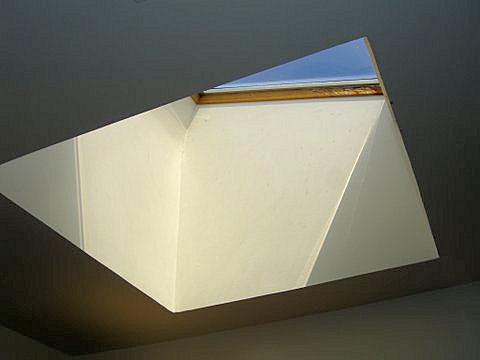
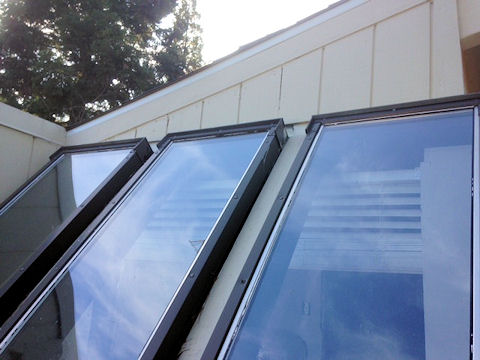
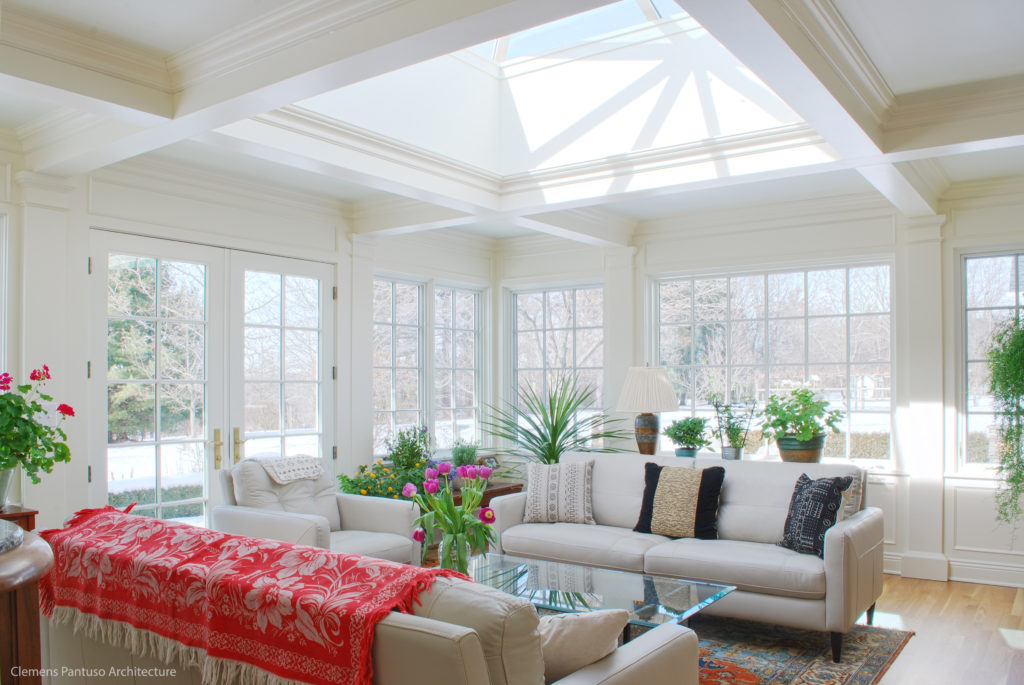
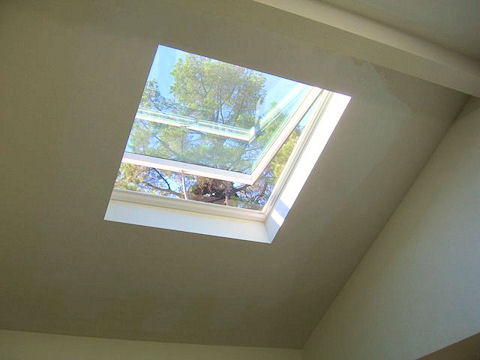
Illuminate Your Interiors: Expert Skylight Installation in Piedmont, CA

Maximize Rental Income Strategies

Renovating your rental property offers a fantastic opportunity to increase its income potential—just do it the right way. Thoughtful renovations will help you stand out to the tenants you really want to attract. They increase the value of your property while controlling your future repair costs to protect your long-term profitability.


In order to do this, it starts with making the right high-impact improvements, being the most competitive property in the market, and making tenant-driven improvements.

Focus on Key Improvements

Smart renovations are proven to bring direct rental income drivers. As an example, when making renovations, kitchens and bathrooms tend to bring in the best ROI, because tenants place top priority on these areas. Choose materials that are tough and chic, including quartz countertops and energy-efficient appliances.


Nothing says welcome home like improved curb appeal from new exterior paint or landscaping. Functional improvements projects such as adding or improving storage or updating flooring can improve functionality while adding to the property’s aesthetics, making the property more appealing.

Compete With Local Rentals

Knowing your local rental market will help you figure out how your home can be unique. Study other rentals in the area to know what’s trending, like open floor plans or modern light fixtures. Providing desirable amenities such as in-unit laundry or pet-friendly policies can help set you apart.


Staying updated on competitor offerings helps you align your renovations with tenant expectations, ensuring pricing remains competitive without overcharging.

Add In-Demand Amenities

Today’s renters are looking for units with amenities such as energy-efficient HVAC systems or flexible collaborative community spaces. This way you not only increase your rental attractiveness but justify charging a higher rent.


For example, spending $130,000 on remodeling could increase monthly rent by $1,000 or more, delivering a strong ROI of up to 24% in the first year.

Smart Tech for Competitive Edge

Putting smart home technology in your rental property attracts the tech-savvy tenant. Low-cost, accessible upgrades such as smart locks or voice-activated lighting systems not only work to increase convenience but security.


Each of these make the property more desirable, ultimately commanding a higher rental income, improving tenant retention and quality of life in the community.

Additional Considerations for Landlords

Before you commit to remodeling your rental property, considering a few key factors will help you maximize profits while keeping tenants happy. Begin by tackling low-hanging fruit first such as leaky sinks or broken appliances. These are relatively low-cost, quick fixes with high returns, both in terms of tenant satisfaction and overall housing quality.


Next, review your rental agreement thoroughly to understand your responsibilities and inform tenants of any temporary disruptions. Universally appealing aesthetics – think soft beige walls or gray flooring – will cast the net far and wide, helping to keep your property attractive to a wider array of renters.

Communicate Openly With Tenants

Clear communication is crucial. Provide comprehensive renovation plans, including timelines and scopes of work, to allow tenants to make plans in advance. For example, if the laundry room will be temporarily closed, a Lease Amendment with reduced rent can help residents adjust.


Provide timely updates on any temporary inconveniences, from construction noise to temporary relocation or accessibility issues, to get the community on your side. Solicit input on changes such as kitchen configurations, particularly in family-focused units, to improve resident happiness.

Understand Tax Benefits of Renovations

Capital improvements, such as renovations that substantially increase rental value, can as well. Document your expenses such as new appliances, flooring, or a fresh coat of paint. Working with a tax professional helps landlords stay compliant while pursuing all available deductions, lifting the financial strain.

Avoid Over-Renovating Your Property

Too much renovation means losses that didn’t need to happen. Make high-impact upgrades overall, such as modernizing apartments’ kitchens or bathrooms increasing apartments’ market rent by 5–10% on average.


If you’re in budget-conscious markets, skip luxury features like built-in wine coolers to protect ROI.

Consider Rent and Location

Additionally, renovations should be in line with emerging neighborhood trends. Especially in urban environments, new energy-efficient windows or new siding can substantially improve the visual of a property, improving curb appeal.


Second, in suburban, family-friendly communities, focus on building child-friendly environments.

Cosmetic vs Full Renovations

Simple cosmetic updates, such as new paint and light fixtures, are inexpensive but make a big impact. Complete rehabs that require extensive demolition are more suitable for older buildings in need of structural improvements.


Continually align improvements with your overall budget and what tenants are looking for.

Conclusion

If you choose wisely when deciding what to remodel your rental property, you could be looking at increased profits, happier tenants, and a more secure long-term investment. Prioritize effective renovations to set your property apart from competitors. Things like fresh paint, durable but affordable flooring options, and energy-efficient appliances will entice renters to your property and ensure they’re happy during their stay. That’s why careful planning and budgeting goes a long way to keep the project on time and within budget while avoiding surprises. Even low-cost upgrades such as new lighting or replacing doors and cabinets with updated models can reinvigorate a space without making the landlord go bankrupt.


Whether you want to increase the rent you charge, minimize your maintenance expenses, or both, remodeling makes financial sense if it’s planned out carefully. Define your goals clearly, prioritize and make practical changes first. With the right strategy, your property can shine brighter and deliver dividends for years to come. Mares & Dow Construction & Skylights Inc. can help guide your renovation to maximize your investment and ensure lasting quality.

Frequently Asked Questions

1. Is it worth remodeling a rental property?

The answer is yes, remodeling can substantially increase your rental property value, attract higher quality, long-term tenants, and command a higher rent. Prioritize value-adding, cost-effective upgrades with high ROI such as kitchen or bathroom renovations to make the most of your investment.

2. What renovations add the most value to rental properties?

Kitchen renovations, bathroom remodels, new paint and carpeting all promise a better return. Energy-efficient appliances and fixtures, such as low-flow toilets, can improve your tenant appeal, too.

3. How much should I budget for rental property renovations?

Consider a renovation budget of 10–15% of your property’s value. Ensure that you are not overspending by prioritizing essential repairs and updates that focus on ROI to keep your remodel cost-effective.

4. Are there tax benefits for remodeling a rental property?

Yes, most renovation costs are repair deductible and depreciation eligible. Consult with a tax pro to make sure you’re getting the biggest deductions available while remaining above board.

5. How can I remodel a rental property on a budget?

Replace with cheaper renovations Consider painting, replacing light fixtures and appliances, and putting in cheaper flooring that might work. Make cost-effective choices Use durable, low-maintenance materials designed to stand the test of time.

6. What common remodeling mistakes should landlords avoid?

Don’t go overboard, skip out on necessary fixes or take a highly customized approach. Instead, select designs that make aesthetic decisions in the service of durability while appealing to the longest possible list of potential tenants.

7. How does remodeling impact rental income?

Well-planned renovations can help a rental property command a higher rent while appealing to long-term, stable tenants. Remodeled or updated properties are more likely to rent quickly and lower the length of vacancy, creating more income overall.

cover-image_Room-addition-completed

Your Dream Home Starts with Mares & Dow Construction – Let’s Create Something Amazing Together

Planning a home renovation or construction project in Concord, Walnut Creek, Pleasant Hill, or Lafayette? Whether you’re dreaming of a stunning kitchen remodel, a durable new deck, or a full-scale home renovation, choosing the right general contractor is the most important decision you’ll make.


With over 40 years of experience, our team at Mares & Dow Construction & Skylights has built a reputation for quality craftsmanship, transparent pricing, and exceptional customer service. We specialize in:


  • Home Remodeling – Transform outdated spaces into modern, functional, and energy-efficient areas that increase home value.
  • Decks and Outdoor Living Spaces – Create the perfect outdoor retreat with expertly crafted decks, pergolas, and patios.
  • Foundation Repairs and Waterproofing – Protect your home’s structural integrity with our professional solutions.
  • Custom Skylight Installations – Enhance natural light with innovative skylight solutions from a VELUX 5-Star Skylight Specialist.
  • General Contracting Services – From new builds to home additions, our skilled team manages every aspect of your project with precision.

Serving Contra Costa County, including Alamo, Danville, Orinda, Martinez, and San Ramon, we take pride in delivering exceptional results that exceed expectations. Whether you’re a homeowner planning a renovation or a property investor looking to enhance a home’s resale value, we ensure your project is completed on time, within budget, and with the highest level of craftsmanship.


Don’t settle for anything less than the best for your home remodeling, renovation, or construction needs. Contact Mares & Dow Construction & Skylights today for a free, no-obligation quote, and let’s bring your vision to life.

Disclaimer

The materials available on this website are for informational and educational purposes only and are not intended to provide construction, legal, or professional advice. You should consult with a qualified general contractor or industry professional for advice concerning any specific construction project, remodeling plan, or structural concern. Do not act or refrain from acting based on any content included on this site without seeking appropriate professional guidance. The information presented on this website may not reflect the most current building codes, regulations, or industry best practices. No action should be taken in reliance on the information on this website. We disclaim all liability for actions taken or not taken based on any or all of the contents of this site to the fullest extent permitted by law.

© Mares & Dow Construction & Skylights, Inc.
Customer rating: 4.5 / 5 Mares Dow Rating based on 57 reviews
Like Us On Facebook  Follow Us On Twitter  RSS Feed