Tag Archives: construction timeline

Second Story Addition Timeline: What to Expect

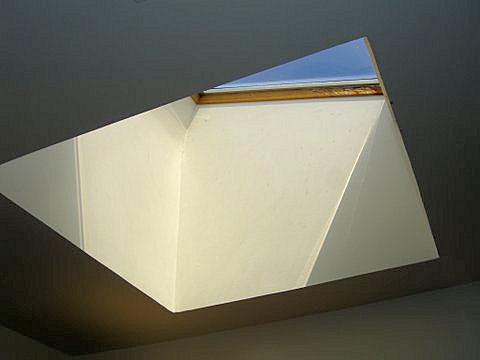
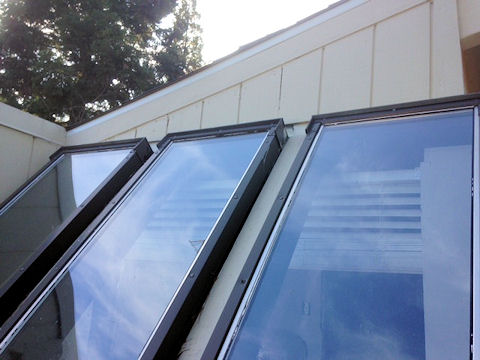
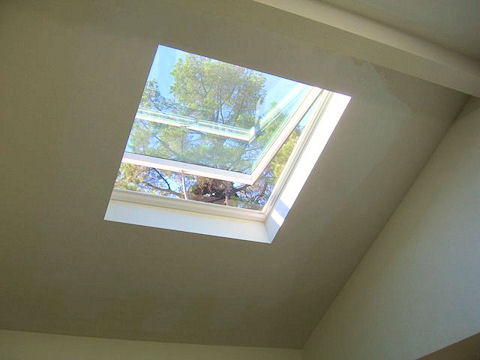
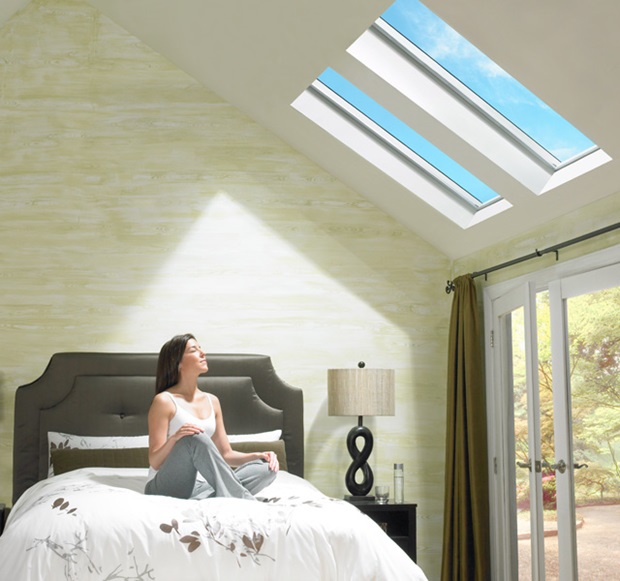
Revolutionize Your Interiors with High-Quality Skylights in Benicia, CA

Key Takeaways

  • Know your home’s structural limitations and have a foundation inspection before adding a second story.
  • Work closely with architects, engineers, and local authorities to synchronize design, permitting, and regulatory concerns, thereby reducing the risk of expensive delays.
  • Build out a project timeline and budget that includes all phases — design, permitting, construction, system upgrades, etc. — and always set aside a contingency fund for unexpected hurdles.
  • Track and adjust for the usual suspects that tend to push projects out past their original timelines — weather, inspections, material shortages, and last-minute design adjustments — by staying in constant communication with stakeholders.
  • Wind down your house for the blow by arranging living accommodations, cultivating expectations for daily life, and creating routines to assuage disruption and keep you sane.
  • Aim for style consistency, mechanical updates, and resale value to maximize long-term rewards, and nurture open-communication bonds with contractors to guarantee a good project result.

A typical second-story addition timeline is about 4 to 8 months from planning to completion. Most projects begin with a design phase, which requires plans and permits that can take a few weeks to a few months, depending on local regulations. Work on the site begins immediately once builders get permits for structural work and framing. After that, crews work on roofing, windows, and exterior walls. Interior work — wiring, pipes, insulation, walls — can span weeks. Final steps, like painting and finishing work, complete the schedule. Weather, rules, and plan changes may adjust the timeline. Planning keeps us on track. The following sections separate each step for easier planning.

The Hidden Backbone Beneath Your Home

The unseen foundation is the backbone of any second-story addition. Its condition, strength, and suitability determine if a home can handle another floor above. Often, homes with a wide single-level footprint—like ranch-style houses—depend more on this hidden base since building up may be the only way to expand within property lines. Ignoring the foundation’s limits risks both safety and longevity, making a thorough evaluation not just smart but essential.

Structural Reality

A good evaluation begins with the existing home’s capacity to support additional load. Contractors and engineers should inspect the foundation, walls, and roof for cracks, settling, or previous stress. They seek signs of whether the foundation can support the new weight without moving or breaking. At times, these findings reveal that deep reinforcements or even a complete tear-out of the foundation are necessary before new construction can start.


Collaboration with structural engineers is key. Their inspections help identify hazards before they happen — like vulnerabilities in support beams, undersized footings, or materials that don’t meet modern standards. These professionals can advise on targeted reinforcements, such as installing steel beams or underpinning the foundation, to bring the building up to code.


Shifts in the foundation or frame typically necessitate modifications to the building’s architectural plan. This could involve moving walls, changing room configurations, or redesigning stair locations. Each revision can affect both the schedule and the price.


Local codes still tend to mandate inspection at every phase, from the original to post-reinforcement. If you miss a step or your standards are too high, it can slow down the project or stop it altogether.

Understanding Zoning Rules

Zoning laws determine what you can construct and where. They specify building height maxima, minimum setbacks from property lines, and occasionally even style guides. Before making plans, check these rules to prevent expensive re-designs down the road.


If the addition extends outside of local limits — say by adding height that exceeds the neighborhood’s limit — a variance request has to be submitted. This can take weeks to months and might not always be successful.


Following these local rules is not just legal. It keeps the community happy, maintains good neighborly relations, and makes permits more likely to be approved.

Financial Stress-Test

Budgeting a second-story addition takes more than materials and labor — you need a full view of all the costs. Permits, ongoing inspections, tie-ins, and rebar work, and even temporary relocation costs should be built into the plan. Almost any homeowner will tell you that foundation upgrades, while often inevitable, are not immediately apparent, major expenses.


Wise to get quotes from multiple contractors. It aids in identifying outliers and guarantees that price and quality both conform to the market.


Surprise expenses nearly always materialize. Reserving a contingency fund on the order of 10-20% of your overall budget will keep the project rolling should surprises arise, like undiscovered foundation issues or supply delays.

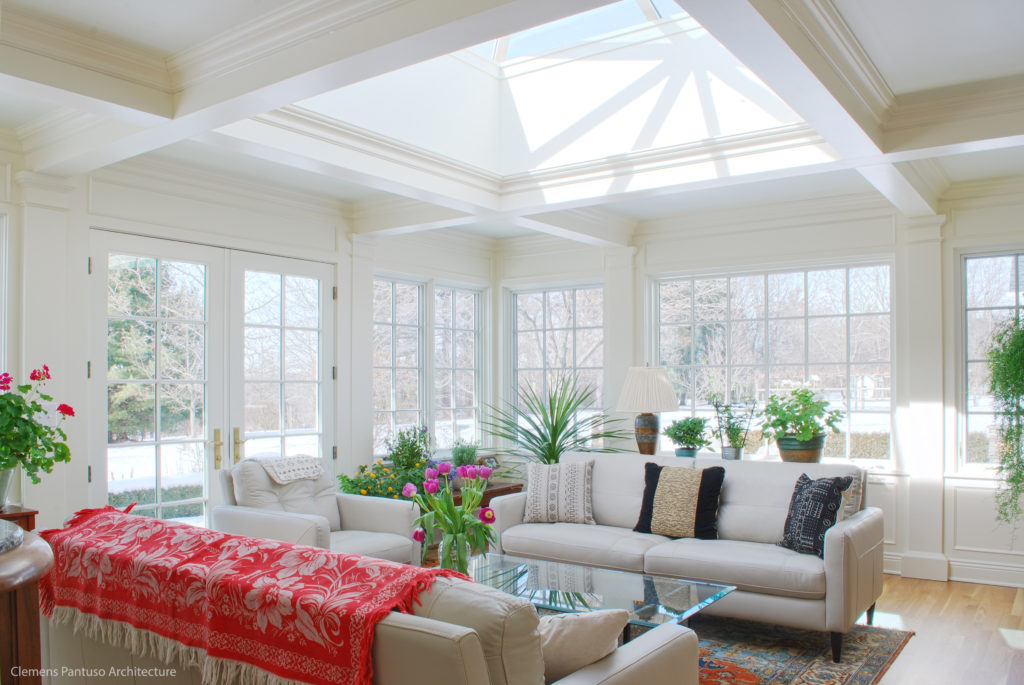
velux-gallery-living-room-101

Your Second Story Addition Timeline

Your second-story addition timeline. Thoughtful scheduling, frequent communication, and regular monitoring are essential to maintaining forward momentum. Here are the main phases to expect:


  • Design phase: architectural planning, engineering, and revisions
  • Permitting phase: documentation, reviews, and approvals
  • Pre-construction phase: contracting, site prep, and logistics
  • Construction phase: demolition, framing, utilities, and finishes
  • Final phase: inspections, move-in, and final review

1. The Design Phase (1-4 Months)

Design is the wildest, but most unpredictable stage. It can take as long as three months to get your architectural plans and engineering drawings. Collaborate with architects to custom-design your new second story for a perfect fit to your style and practical needs. Think about a few different styles–modern, traditional, or something regional–that go nicely with the rest of the house. Go over preliminary sketches and blueprints. Anticipate that they’ll want to provide feedback and ask for changes, which can extend the timeline. Each revision can add weeks, particularly if engineering reconfiguration is required to support the structure.

2. The Permitting Phase (1-6+ Months)

Permit timelines are unknown and vary according to local regulations. Get all your paperwork: structural plans, site maps, surveys – squared away early to ensure nothing slips through the cracks. Schedule inspections early, because they get booked up and delayed a lot, especially in the city. Some areas permit within a month, others require half a year. Here’s how to monitor your permit status, either online or by calling the building department directly. This way, you catch any errant paperwork or additional information requests.

3. The Pre-Construction Phase (2-4 Weeks)

Contract agreements and a thorough scope of work must precede construction. Take a walkthrough with your contractor to identify any last-minute changes. Coordinate materials deliveries and site access for crews. Be certain all permits are in hand before proceeding. If you can, plan to move living/work spaces to avoid interference during the build.

4. The Construction Phase (4-8 Months)

This step consumes the most time and consists of demolition, foundation work, framing, and utilities. Contractors have to beef up your foundation for new loads. Roofing and insulation to keep the temperatures in check and conserve energy. Issues will arise—weather setbacks, material shortages, or emergency fixes. Check in with your builder frequently and address problems immediately. Costs are steep, from $500 to $800 per square foot, so reserve a surprise fund.

5. The Final Phase (2-4 Weeks)

Inspections are coming so that they can make their new addition safe. Finishes, such as painting, flooring, and fixtures, add polish to your new space. Arrange furniture, moving, and daily life setup. When finished, debrief the experience with your crew and rejoice in the new chapter.

What Delays The Timeline?

Second-story additions are major projects with many moving parts, and timelines can easily shift. From weather and permits to design changes, here are common factors that can slow progress. Here are common factors that cause delays:


  • Weather disruptions
  • Inspection schedules and permitting
  • Material shortages or errors
  • Changes in design or plans
  • Unforeseen structural issues
  • Project size and complexity
  • Planning and design missteps

Weather

Weather can delay exterior work, such as framing or roofing. Even if well scheduled, rain or snow in the winter can make it dangerous and drag out the crew. Storms tend to tear at materials and workmanship, thus requiring tarps or covers. In certain climates, elevated humidity or heat can impact drying times for concrete and paint. Project managers must track forecasts and plan additional days for inclement weather. For instance, the wet season in wet season areas might halt construction for weeks at a time, delaying timelines.

Inspections

There are delays when inspections aren’t scheduled early or when paperwork is missing. Every phase, be it electrical or plumbing, has to ace an inspection before the next phase begins. If inspectors are tied up or you don’t have clear requirements, work can come to a halt for days or weeks. Tight code towns or cities can have longer approval waits. It’s good record-keeping and early communication with inspectors that can minimize these delays. For example, some locations require separate electrical, mechanical, or zoning permits, and errors or omissions in paperwork can delay things even more.

Materials

Material shortages are a common source of slowdowns. If things like steel beams or custom windows are delayed or backordered, work stops until they are delivered. Cultivating good relationships with vendors may assist, but occasionally replacements are necessary. Order errors—such as ordering the incorrect size or type—add additional expenses and slowdowns, particularly for custom or imported materials. Monitoring your stock tightly will prevent you from being caught short in the middle of an assignment.

Changes

Design or plan changes almost always mean more time. Even minor adjustments can translate into new designs, additional approvals, or re-done work. Major modifications, such as converting a garage into an ADU, can lengthen a timeline by months. They want all modifications accounted for and justified, so they’re aware of how the budget and timeline move. The less crapscrambling at the end, the more elegant the build.

Managing Your Life During Construction

A second-story addition is a significant investment, typically requiring four to six months to complete. Enter construction, with all its daily disruptions, noise, and adjustments to routines. The construction could impact plumbing, electrical, and heating or cooling systems as crews connect new areas to existing systems. Homeowners, be prepared for permits, temporary living adjustments, and continuous lifestyle shifts.

The Move-Out Question

Remaining during a build/move-out is a large decision. If you have little kids, sedentary pets, or work at home, the dust and noise may be overwhelming. A temporary move—perhaps with friends or elsewhere on rent—can equate to greater comfort and security, but can inject additional costs and stress. Staying allows you to monitor progress, but anticipate disruption and diminished privacy.


Consider your routines. If you require silence to work or study, or your family has health requirements, moving may be optimal. If you remain, attempt to maintain your essential schedules, such as dining and sleeping, as consistently as possible. Make sure you’re explicit with the contractor about your decision so they can plan work hours and access to your home.

Protecting Your Sanity

Establish ground rules with the crew early—come to terms on work hours, entry, and which rooms are off-limits. This maintains boundaries, particularly if you remain. Have a quiet retreat for rest, reading, or working, away from noise and dust if possible. Even a tiny room or screened-off area of your house does the trick.


Seek Stress Relief. Deep breathing, walks, or a hobby can help. Check in on the project every now and then and see the progress for yourself. It makes you feel like you’re managing your life, even when it’s chaotic.

Communication is Key

Clear, consistent communication with your contractor is essential. Schedule regular check-ins—typically once a week—to review progress and upcoming work. Keep a simple log of calls, emails, and agreements to provide clarity if questions or disputes come up later.


Get your family’s input and update. This keeps everyone involved and less annoyed. A little communication goes a long way — good communication can make a long build much more bearable.

The Impact on Your Home

A second-story addition is more than simply expanding your space. It transforms how your home looks, feels, and functions. The renovation experience carries with it an array of advantages, yet calls for strategic preparation of both immediate disruption and sustained worth. Before moving into the technical details, consider these core advantages:


  1. More livable square footage without shrinking your yard or exterior amenities.
  2. More privacy, with bedrooms or offices away from the main floor.
  3. Opportunity to capture better views and natural light in your upper-floor rooms.
  4. More energy efficient, assuming the new floor is well-insulated.
  5. Capacity to modify older systems and layouts to conform to contemporary demands.

System Upgrades

System

Upgrade Needed

Why It Matters

Plumbing

Larger pipes, added fixtures

Supports more bathrooms, prevents pressure problems

Electrical

Increased circuit load, rewiring

Handles more outlets, lights, and appliances

HVAC

Bigger or zoned units

Keeps temperature even, improves comfort


A second story creates additional load on every system. Pipes may have to be bigger and redirected. Your breaker box, wiring, and outlets might require an update. An HVAC evaluation usually reveals that you require a more powerful or zoned system, as upstairs rooms warm quickly. Work with licensed pros who can verify if your existing configuration is still up to code and can support the additional burden.


Budget for these upgrades upfront. They push up the ultimate cost, but ignoring them invites problems down the road. Attempt to coordinate system work with the primary build to save time and minimize your home from being a work site.

Aesthetic Harmony

It should have the ripple effect of making your home feel like you’ve lived there forever. The ripple effect on your home. Use the same roof shape, window style, and exterior finish as the ground floor. Select complementary paint, siding, and trim.


Consider your street view. Perhaps you’ll have to renovate the front steps, plant new flowers, or expand the walkway to accommodate the larger house. Within, maintain the layout easily—stairs, doorways, and rooms must flow in a logical way that makes sense and feels natural. Try not to have any abrupt floor level changes or strange room geometries.


One long-term tip: Keep a file of the design choices and materials. That comes in handy if you ever need repairs or want to sell.

Resale Value

In most markets, a second-story addition increases resale value since buyers desire additional bedrooms and updated spaces. Check out the local homes to discover what upgrades are worth the most—additional bathrooms, walk-in closets, or offices tend to be huge selling features.


When you go to list your own home, emphasize the extra living space and energy savings. Buyers see new systems and updated layouts. Save all permits, plans, and receipts. Displaying these to prospective buyers engenders trust and demonstrates that the work is premium.


They need to comply with local regulations. In certain cities, you require special permits, particularly for historic houses or custom designs.

A Builder’s Perspective

Second-story additions are highly organic projects formed by technical requirements, client objectives, and shifting site realities. This process requires careful evaluation, hard planning, and strong collaboration to get to the finish line. Below is a table outlining common challenges faced during these projects:


Challenge

Explanation

Foundation Assessment

Ensuring the existing foundation can support the added weight.

Structural Engineering

Engaging engineers to certify safety and compliance.

Budget Overruns

Unforeseen site conditions are pushing costs beyond initial estimates.

Size Restrictions

Local zoning codes limit height, area, or design flexibility.

Team Coordination

Delays from miscommunication or a lack of skilled workers.

Permitting Delays

Slow approvals from municipal authorities.

Realistic Expectations

Establishing a realistic schedule and budget provides the foundation for any renovation. Builders emphasize a holistic inspection of your home’s foundation — because if you skip this, the whole endeavor is in jeopardy. A firm foundation budget, but builders demand stuffing a 10-20% contingency buffer for surprises like hidden damage or permitting delays.


Things will change, unexpectedly. Even with a plan in hand, size limitations or engineering constraints might interfere with your dream design. Builders suggest having candid, upfront discussions about possible obstacles. This helps temper expectations and brace everyone for bumps along the way. A willingness to be flexible results in less stress when plans must change and helps keep the project flowing.


Viewing the remodel as an opportunity to grow enriches the process. Every obstacle addressed, a path towards an improved, more livable home.

The Value of Trust

Trust between the homeowner and the contractor is the heart of a smooth project. Builders promote open, frequent discussions—weekly check-ins work great—to discuss progress and finalize decisions. Trusting in your builder’s craftsmanship is essential, particularly when confronted with difficult judgments about architecture or aesthetics.


It’s important to hire a contractor who has a track record. Reputation is a proxy for trust, and a trustworthy crew in the beginning spares pain at the end. As a builder, I’ve learned that clients who communicate their aspirations and concerns upfront create the most robust relationships.


Open, candid communication facilitates establishing expectations and ironing out miscommunications before they become issues.

After the Plans

A second story unlocks new possibilities for reworking the floor plan. Builders witness homeowners utilizing bump-outs to divide living spaces, create extra bedrooms, or even carve out secluded home offices. Clever design decisions, such as open plans or integrated storage, help make additional space more functional.


Flexibility is key. Families expand, schedules evolve, requirements transform. Builders recommend designing rooms that transform, so today’s playroom turns into tomorrow’s study/guest suite.


Keep the entire home in mind at all times. They need to come from additions that are consistent style-wise and vision-wise in the long term.

Conclusion

Time lines move quickly. Crews arrive, tools strike wood, walls go up, and your house transforms week by week. Delays arise from weather, ancient pipes, or lagging permits. Good builders communicate and address issues in person. Well-defined plans and excellent teams assist you in maintaining control. You experience dust and noise, but new space and light. Life has to bend, but most people discover a new rhythm. A lot of families take advantage of this period to sort stuff or make older rooms function better. Looking to prepare for your build? Request early. Converse with neighbors. Check out builder reviews. Connect for insider advice and authentic experiences from others who’ve made it happen.

Frequently Asked Questions

1. How long does a second-story addition usually take?

A second-story addition goes on for 4-9 months. Your timeline is contingent on size, design, weather, and the approval process.

2. What factors can delay my second-story addition project?

Delays tend to arise from permit approvals, weather, material shortages, and unanticipated structural problems. Collaborating with a seasoned builder can minimize delays.

3. Will I need to move out during construction?

Most homeowners remain through construction but anticipate noise and dust. For peace of mind, a few opt for temporary housing, particularly when demolition is extensive.

4. How can I prepare my home for a second-story addition?

Empty out spaces beneath the proposed addition and stash valuables. Talk safety and access with your builder pre-start.

5. How do second-story additions affect daily life?

Anticipate disruptions in routine, restricted access to certain rooms, and additional dust. A little planning with your builder can go a long way toward minimizing the disruption.

6. What is the first step in adding a second story to my home?

Begin with a consultation from a competent architect or builder. They will evaluate your home’s framing and assist you in designing the project.

7. Are second-story additions worth the investment?

Yes, a second-story addition enhances the living area and can add value to your home. It is often cheaper than relocating to a bigger home.

Your Dream Second Story & Primary Suite Built by Mares & Dow Construction & Skylights – Let’s Create the Extra Space You’ve Been Dreaming Of

Unlock your home’s full potential with a custom second story or primary suite addition from Mares & Dow Construction & Skylights. With over 40 years of experience, we specialize in high-quality expansions that blend seamlessly with your home’s existing structure and lifestyle needs.

Whether you’re looking to add a luxurious primary suite, expand upwards with a second story, or enhance your living space in other ways, we customize each project to suit your vision, your home’s architecture, and your long-term goals.

Key benefits of our second story & primary suite services include:
• Expanding your living space to accommodate growing families or additional functionality
• Boosting your property’s value with expert design and construction
• Creating energy-efficient, stylish living areas designed around your needs

Proudly serving Contra Costa County—including Alamo, Danville, Orinda, Martinez, and San Ramon—Mares & Dow Construction & Skylights is your trusted partner for functional, beautiful, and lasting home expansions.

Contact Mares & Dow Construction & Skylights today for a free, no-obligation quote and let’s build the second story or primary suite of your dreams!

Disclaimer

The materials available on this website are for informational and educational purposes only and are not intended to provide construction, legal, or professional advice. You should consult with a qualified general contractor or industry professional for advice concerning any specific construction project, remodeling plan, or structural concern. Do not act or refrain from acting based on any content included on this site without seeking appropriate professional guidance. The information presented on this website may not reflect the most current building codes, regulations, or industry best practices. No action should be taken in reliance on the information on this website. We disclaim all liability for actions taken or not taken based on any or all of the contents of this site to the fullest extent permitted by law.

Garage Conversion VS. Detached ADU: Which Is Better?

Key Takeaways

  • Make sure to compare the all-in costs — including hidden costs like permits and utility hookups — for garage conversions and detached ADUs, respectively.
  • Thoughtfully evaluate your property’s existing space and determine which is most functional and private for you and/or your renters — a conversion or detached unit.
  • Schedule your project timeline, accounting for permit acquisition, construction time, and potential delays, so your expectations are grounded and your progress is measurable.
  • Check out your local zoning and building codes and find out which option is possible, as well as how these requirements may affect the size, design, and eventual use of your new space.
  • Think about property value and rental income by exploring local market dynamics and computing the ROI of each.
  • Consider how your decision will impact day-to-day life — construction inconveniences, parking requirements, and how the home might adapt as your family or lifestyle evolves.

Garage conversion vs. Detached ADU — they both add to your living space and increase your property value, but each is the ideal solution for different lifestyle needs and budgets. If you want to capitalize on what you have and pay less, a garage conversion is probably your speed. It keeps you close to the main house and usually finishes more quickly. Detached ADUs are more expensive, but they create added privacy and allow you to customize the space from the start. Your decision can depend on your lot size, local regulations, and what you desire from your new unit. To assist you in deciding between these options, the following sections detail costs, benefits, and disadvantages. You’ll discover what makes sense for your objectives and your residence.

The Core Decision: Garage Conversion VS. Detached ADU

The core decision – garage conversion vs standalone ADU – involves balancing costs, space, and privacy while considering the timeline and customization. Each option presents distinct technical, financial, and design factors that shape your property and lifestyle.

1. Cost

Option

Typical Cost

Pros

Cons

Garage Conversion

$120,000+

Uses existing structure, lower construction cost

Older garages may need costly upgrades

Detached ADU

$200,000+

Full design flexibility, new construction

Higher upfront cost, more permitting steps

Garage conversion projects are generally less expensive; to convert a standard two-car garage, expect to pay in the neighborhood of $120,000 or more. If your garage is over 30 years old, secret expenses can pile up quickly as you bring the structure up to current codes and safety regulations. Permits, utility upgrades, and patching ancient wiring all contribute to the overall garage conversion cost. Detached accessory dwelling units (ADUs) tend to be pricier, with prices beginning at $200,000, but can provide long-term savings if you design for energy-efficient systems from the jump. In the end, converting an existing garage keeps your budget lean, but only if the structure is sound.

2. Timeline

Garage conversions tend to be quicker than standalone ADUs, typically completing within 3-6 months, depending on permit wait times and contractor availability. However, detached ADUs require more time — consider six to twelve months due to additional steps, approvals, and inspections. For instance, knocking down an old garage to build a detached unit can add a week or so, with delays often stemming from weather or waiting on specialized trades. Make a checklist: design, permits, demolition (if needed), utilities, main build, and inspections to manage your garage conversion project effectively.

3. Space

Typical garages provide approximately 37–46 m2 (400–500 sq ft) to utilize, making them suitable for a garage conversion ADU as a studio or small one-bedroom. Detached accessory dwelling units (ADUs) can be significantly larger, with certain city regulations limiting these to 93–111 m2 (1,000–1,200 sq ft). If you’re considering a garage conversion project for a big barn or old garage, some cities permit 186–260 m2 (2,000–2,800 sq ft) if it’s already built. Design does matter! With clever built-ins, open layouts, and strategically placed windows, you can transform tight spaces into livable spaces that feel light and functional.

4. Privacy

Garage conversions, which often serve as an accessory dwelling unit, share a common wall and driveway with your main home, leading to minimal privacy. Noise can carry, and common outdoor areas are frequently shared. In contrast, detached ADUs act as standalone units, offering improved noise isolation and more private entrances. This distinction is crucial if you plan to rent out the unit or need a quiet space for work or guests. For families, additional privacy becomes a key requirement.

Navigating Rules And Regulations

Navigating local ADU regulations is critical when you compare garage conversions to standalone ADUs. Building codes and city policies dictate what you can build and how. Understanding these guidelines can literally make or break your garage conversion project, so know where the legal lines are before you begin.

Zoning

Zoning codes separate land by use, and your neighborhood might be designated as single-family, multi-family, or mixed-use. When considering a garage conversion ADU, it’s essential to check if your lot is zoned for multiple units. In certain cities, garage conversion projects now have easier approval due to new policy changes. For instance, California’s 2023 HB 1337 streamlined the ADU construction process, significantly reducing red tape for homeowners. However, you must remain vigilant about city-specific limits: some municipalities cap attached ADUs at half the size of your primary dwelling, which can restrict your design options. Zoning can directly influence your property’s future value – a legal accessory dwelling unit can enhance resale value, provided you comply with local regulations. Consulting your local zoning map is crucial to determining where your ADU project fits in. Typically, there are no parking replacement requirements if you’re within 800 meters of transit stops, which is a considerable advantage in urban areas.

Permits

  • Building permit (required for both types)
  • Electrical permit (required for wiring changes or additions)
  • Plumbing permit (needed for water or waste line work)
  • Mechanical permit (if adding or changing HVAC)
  • Site plan review (city or county may require)
  • Historical review (if your property has historic status)
  • fire safety permit (if applicable, e.g., sometimes for ADU or garage conversion)

Permits for your garage conversion ADU can take weeks or even months. If your city provides fast tracks, as many in California do, that’ll be a time-saver for your ADU project. You’ll require blueprints, layouts, and evidence of zoning approval. Get the paperwork up to code before your submission—it’s the paperwork that causes the delay in your garage conversion project.

Utilities

ADUs, including garage conversion projects, require essential hookups for water, power, and sewage. Detached ADUs typically necessitate new utility lines, which can be more expensive and may involve trenching across your yard. In contrast, garage conversions often connect to the home’s existing lines, though updates might still be necessary, especially when adding a kitchen or bath. Local ADU regulations may set minimum requirements for pipe size or electrical load. Upgrading utilities can lead to significant costs from your city or utility provider, so always verify. Code violations can halt projects or incur fines, but some municipalities simplify processes for ADUs to address housing shortages.

Financial Impact And Property Value

Comparing a garage conversion project to a detached ADU involves evaluating not just initial costs but also the value it delivers over time. Each option can enhance your home value and transform your lifestyle, yet the economics, local ADU regulations, and rewards differ significantly. Understanding these factors will help you make a decision that aligns with your objectives, budget, and regional market.

Initial Investment

  1. Garage conversions typically have lower initial costs, with a two-car garage conversion averaging $120,000 and up. This encompasses raw materials, labor, and permits. Expenses can increase if the garage is in terrible condition or requires upgrades such as plumbing, insulation, or a new roof.
  2. Detached ADUs cost more because they require new foundations, full utility hookups, and stand-alone construction. These can begin at around $200,000 and climb much higher with quality finishes or size. Permits are more expensive, and site work can provide sticker shock.
  3. Financing for either option spans from conventional home equity loans to specialized renovation loans. Certain markets provide grants or incentives for ADUs, but the conditions differ. Detached ADUs typically require larger loans, which can translate to higher monthly payments or more stringent lending criteria.
  4. ROI is based on your local property market. In crowded urban neighborhoods where space is scarce, conversions and detached ADUs can boost property value significantly. Suburban or rural areas with fewer renters will have a smaller ROI, so consult recent sales information in your area before selecting.

Rental Income

A detached ADU will nearly always earn you more rent than a garage conversion. This is because of more privacy, its entrance, and usually its own balcony or garden area. Detach units are simpler to rent as 100% home, whereas garage conversions can sometimes appear or ‘feel’ like an add-on.

In some cities, a detached ADU could rent for the equivalent of a small apartment, while a converted garage might rent for less if it’s short on space or amenities. For instance, in big markets, detached ADUs can generate $1,500–2,500 (€1,400–2,300) monthly, with garage ADUs making 20–30% less.

Rent demand varies by location. If your neighborhood has a lot of renters, students, or young workers, then either one can fill quickly. In low-parking areas, losing a garage might scare away a few renters, so research your local housing market.

Passive income from either project can help pay your mortgage or finance repairs. Over the years, you can utilize the unit for family, guests, or a home office, which allows the investment more versatility and practicality.

Resale Value

Garage conversions can increase property value, but that increase might be negated if buyers need parking. In areas with limited parking or brutal winters, buyers will pass over homes that don’t have a garage. Detached ADUs, however, nearly always add value, since they have the sensation of a genuine second home on the property.

According to market research, detached ADUs tend to generate stronger resale returns than garage conversions. Buyers love having a ‘stand-alone’ for guests or rental purposes. Still, the return depends on how each project was constructed, finished, and approved.

Buyer preference counts. In certain areas, purchasers value additional square footage for elderly parents or rental income, and others crave a traditional home with a garage. Find out what’s selling in your neck of the woods before you begin.

Keep in mind, a higher property value can equal higher taxes. Find out from your local authorities how much your yearly bill will increase.

Design And Livability Challenges

When you pit garage conversions against standalone ADUs, you’re confronting a different set of structural, spatial, and regulatory challenges that influence both day-to-day comfort and long-term value. These garage conversion projects affect not only how your accessory dwelling unit looks but also how it feels to live in. Either alternative requires thoughtful design to accommodate safety codes, space requirements, and your plans for the future.

Structural Integrity

Most old garages are not up to code, often exhibiting issues like cracked slabs, weak frames, or ceilings below 2.1 meters. Some garages may even have outdated wiring or lack insulation. Bringing these structures up to code can entail a complete overhaul of the floor or roof, or adding new supports, which significantly increases the garage conversion cost and complexity. Garage conversion projects are particularly risky, as repairing one issue, such as a slab, may expose another problem, like concealed water damage.

Building a detached ADU is akin to starting from scratch. You’ll need a solid base, fresh framing, and to maintain at least 1.8 meters (6 feet) of separation from other buildings for fire safety. This distinction is crucial not only for compliance with building codes but also for protecting individuals and nearby structures. If utility or drainage easements cut through your lot, your options for placement and design flexibility may be severely limited.

It’s wise to negotiate for a structural engineer or experienced designer to come in early during your ADU development process. A site survey and review of local ADU regulations can help identify potential issues before you begin. Additionally, introducing an attached ADU may require upgrades to your primary dwelling, which can lead to unexpected costs. Therefore, planning for future upgrades or reinforcements with safety as a priority is essential.

Energy Efficiency

Detached ADUs provide a clean canvas for energy savings. You can install high-efficiency insulation, triple-pane windows, and advanced climate controls from the get-go. These aspects save on heating and cooling expenses over time. Garage conversions, on the other hand, require inventive retrofits such as installing insulation in thin walls or plugging ancient cracks to keep out drafts.

Certain retrofits, such as solar panels or heat pumps, fit both models, but installation is simpler and more efficient in new builds. Sustainable materials—imagine recycled floors or low-VOC paints—enhance livability and air quality. Although the initial investment for energy upgrades may be significant, the long-term utility savings they provide are well worth consideration.

Natural Light

Feature

Garage Conversion

Detached ADU

Window Options

Limited by existing walls

Flexible, can optimize placement

Skylight Potential

Often hard to add

Easy to include in new design

Orientation Choice

Constrained by the garage location

Full control

Daylight Quality

Often dim or uneven

Can achieve bright, even light

Window placement can be particularly challenging in garage conversion projects, as garage doors rarely face the sun and side walls might be obstructed by fences or other structures. However, opting for a standalone ADU allows you the freedom to position it in the optimal location for sunlight, which facilitates the installation of oversized windows or skylights. Effective daylighting design not only reduces energy consumption but also boosts mood and overall well-being, while open layouts and lighter interior colors help distribute light throughout the living space.

Adaptability For Future Needs

Detached ADUs are simpler to convert as your needs change. Add rooms, change layouts, or even convert to a home office or rental. Garage conversions are more static, with wall and support placement restricting new functions.

If your family expands or your requirements shift, a detached ADU is far easier to renovate. It can likewise bring more value over time.

Matching The Unit To Your Life

Opting for a garage conversion project versus a detached ADU is not just a decision about adding square footage; it’s also about how you want the accessory dwelling unit to fit into your lifestyle. Your plans and local ADU regulations will significantly influence what you can construct and how it integrates with your current home.

Family Use

A detached ADU provides you with a standalone unit, which is great if you’re seeking privacy for a parent, young adult, or family member. You can customize it as a mini home with a kitchen, bath, and your entry. This arrangement can allow those you care about to be nearby but with their own space — something that typically alleviates tension and provides all parties involved more autonomy. Additionally, exploring the garage conversion cost can help you decide on the best option for your needs.

With a garage conversion, you convert an already existing section of your house into a fresh new space for the family. It could be a playroom, media room, or a teen hangout. It can double as an adaptable room that evolves along with your family. You’re constrained by the garage’s size and configuration, and certain locations will only allow you to convert a portion of your home’s square footage. Garage conversions are quicker to complete, typically two to six weeks, and less expensive than building new.

Adding a new living space alters your family’s time together. If you want to give teens more room or just want a quiet place to work, both unit types satisfy that. Over the years, a designated nook for play or study, or guests, can help your family breathe easier and feel less cramped. A detached ADU, specifically, is great for long-term shifts, such as looking after aging parents or allowing adult kids to come home.

Rental Unit

  • Detached ADUs tend to command higher rent since they’re more private and can be constructed as large as 1,000 square feet for two bedrooms.
  • Garage conversions, although more modest, can still produce some reliable rent revenue if local regulations permit.
  • Both options might even have to match the look of your main house — especially if you live in a place with stringent HOA/city regulations.
  • Verify if your city allows you to lease the unit—some have restrictions or require you to live in it.

While a garage conversion may double as the occasional guest suite or short-term rental, the absence of private yard space will likely diminish the appeal for a long-term tenant.

In other places, rental activity is solid, and providing any additional housing enhances the value of your property and its ability to sell down the road.

Home Office

Sure, you can convert either unit into a home office, but a detached ADU shines when it comes to peace. Being separated from the main house equates to less noise and fewer distractions–crucial if you work from home full-time or host client meetings. You can install a private entrance, soundproofing, and personalized lighting.

Garage conversions work best for flexible workspaces, such as a study or hybrid office. They’re near the central living area, so you may experience more noise or comings and goings. Still, with good insulation and smart layout, you CAN make the space work.

Privacy is huge for remote work. If you need to hunker down or hop on calls, a detached ADU is the obvious champion. If your work is more casual, a garage conversion will suffice.

Both units can accommodate built-in desks, storage, and tech upgrades. Throw in sufficient outlets, robust Wi-Fi, and great lighting to keep you on point.

The Unseen Factor: Your Lifestyle

Your lifestyle informs your utilization and appreciation of your living space. How you work, rest, and navigate your day will determine whether a garage conversion project or a standalone ADU serves you best. Consider what’s most important to you, how malleable your demands are, and how life may shift when you initiate a significant home remodel.

Construction Disruption

Construction often brings noise, dust, and workers traipsing through your house, especially during a garage conversion project. If your garage is adjacent to living spaces, the process can feel even more intrusive. You’ll hear saws, hammers, and footsteps at odd hours, disrupting your work-from-home days or peaceful weekends. Detached accessory dwelling units (ADUs) usually cause less disruption, but you’ll still have trucks and workers on your property for months. If you have young children or pets, it’s wise to strategize for their safety or establish temporary routines.

Others move out or set up in another part of the house while work continues. This can assist in keeping your daily lifestyle consistent, but it means additional expense and logistical considerations. Clear talks with your contractor assist. Request that they labor at specified times or store instruments out of communal areas. You’ll want to establish actual expectations about how loud or messy it can become, so you’re not blindsided. In close-knit cities, neighbors might give a damn about noise, as well–plan on how to respect their space.

Future Flexibility

What YOU need now may not be what YOU need later. Detached ADUs are notable for their long-term flexibility. Rentals, guest suites, work studios, and even future living space for an aging relative, all possibilities. It’s easy to alter floor plans, install kitchenettes, or build accessibility ramps. Garage conversions are squint-limited. You’re confined by that initial garage scale, and big shifts down the road can be challenging.

If you work at home, a detached ADU can be a legitimate office — quiet, private, and away from house noise. For families, standalone units can provide teens a little breathing room or allow family members to visit with privacy. When your family expands or your needs change, it’s generally simpler to modify or improve a detached ADU as time goes on. For the green-minded, detached ADUs can be purpose-built from the ground up to be more energy efficient, with solar or rainwater systems.

Parking Loss

Surrendering a garage equates to surrendering covered parking and storage. If you have a car or multiple cars, this can be huge. You’ll want to look up your city’s regulations—some areas mandate off-street parking for every unit, which can guide you. Street parking can be snug, particularly down in the busy hoods, and looking elsewhere can add expense.

Others adjust by building a carport, renting a spot down the block, or simply utilizing mass transit a little bit more. If you don’t drive much or live near transit, losing the garage might not mean anything. In sleepy, suburban locations, parking could be simpler to substitute than in city centers. Your lifestyle — are you a biker, driver, or walker — will influence which is the ideal choice. For those who require storage for bikes, sports gear, or tools, losing a garage could mean you’ll need to accommodate a new storage plan.

Living Environment Fit

Your space matters. While some desire open layouts for entertaining, others crave private, quiet zones for concentration or relaxation. Detached ADUs can be designed for privacy or built with green features, like better insulation or natural light. Garage conversions leverage what’s there. Outcomes vary based on how well the space suits your particular needs.

Mobility needs, WFH habits, and family size all factor in. Consider what you desire your home to feel like today and years down the road.

Conclusion

You have countless powerful possibilities. Garage conversion is an efficient use of what you already have. You invest less, avoid major disruptions to your land, and wrap up quickly. You’d choose this route if you like to keep visitors nearby or require more workspace. With a detached ADU, you have complete control over space and layout. You receive greater privacy, create long-term value, and customize each space to your lifestyle. Others select this for leasing strategies or a home office. Consider your objectives, budget, and available space. Both options are fine if you plan accordingly. For more advice, experience, and solutions, explore the blog or connect with us with your project.

Frequently Asked Questions

1. What Is The Main Difference Between A Garage Conversion And A Detached ADU?

A garage conversion project utilizes your existing garage, while a detached ADU serves as a standalone structure on your property, each presenting unique garage conversion costs and design potential.

2. Which Option Adds More Value To My Property?

A detached ADU, often considered a garage conversion ADU, typically adds more value. This is a brand new unit with the most flexibility — rent it or use it for family housing. Your local real estate market and regulations may impact the ultimate value.

3. Do I Need Special Permits For Both Options?

Yes, both a garage conversion project and a detached ADU require permits. Detached accessory dwelling units typically encounter more stringent regulations and steeper fees, so always check your local building codes before beginning.

4. Which Is More Affordable: A Garage Conversion Or A Detached ADU?

Garage conversion projects tend to be less expensive since they utilize existing structures, resulting in lower construction and material costs compared to building a new detached ADU.

5. Will I Lose Parking If I Convert My Garage?

Yes, a garage conversion project often means losing that parking space; therefore, verify local ADU regulations regarding parking replacement before moving forward.

6. Which Option Is Better For Rental Income?

A detached ADU typically commands higher rents due to its ability to offer additional living space and greater privacy, making it a more desirable rental property.

7. How Do I Decide Which Option Fits My Lifestyle?

Consider your needs, space, budget, and plans. If you desire extra privacy and flexibility, a standalone ADU is superior. For a fast, affordable option, a garage conversion project fits the bill.

Your Dream Home Addition Built By Mares & Dow Construction & Skylights – Let’s Create The Extra Space You’ve Been Dreaming Of

Expand your home’s potential and enhance everyday living with a custom home addition from Mares & Dow Construction & Skylights. With over 40 years of construction experience, we specialize in high-quality additions that seamlessly integrate with your existing structure and lifestyle needs.

Whether you’re planning a new primary suite, second-story expansion, or an in-law unit, we tailor each addition to match your vision, your home’s architecture, and your long-term goals.

Key benefits of our general home addition services include:
• Adding valuable square footage for growing families or multi-use living
• Increasing your property’s value with expert design and construction
• Creating energy-efficient, modern living spaces tailored to your needs

Proudly serving Contra Costa County—including Alamo, Danville, Orinda, Martinez, and San Ramon—Mares & Dow Construction & Skylights is your trusted partner for functional, beautiful, and lasting home additions.

Contact Mares & Dow Construction & Skylights today for a free, no-obligation quote, and let’s build your ideal home addition together.

Disclaimer

The materials available on this website are for informational and educational purposes only and are not intended to provide construction, legal, or professional advice. You should consult with a qualified general contractor or industry professional for advice concerning any specific construction project, remodeling plan, or structural concern. Do not act or refrain from acting based on any content included on this site without seeking appropriate professional guidance. The information presented on this website may not reflect the most current building codes, regulations, or industry best practices. No action should be taken in reliance on the information on this website. We disclaim all liability for actions taken or not taken based on any or all of the contents of this site to the fullest extent permitted by law.

How to Avoid Permitting Delays for Additions in the East Bay

Home Remodeling Near Me: Experienced Professionals

To sidestep permitting delays for additions in the east bay, get off to a good start with a clear plan, keep documents current and know your local rules. Lots of city offices in the East Bay have stringent codes for additions or remodels. Providing complete plans, including structural and safety information, allows city staff to process your application quickly. Enlisting the assistance of local architects or engineers who deal with city regulations on a regular basis can accelerate these steps. Checking city websites for forms and fee lists saves time as well. Most delays occur because plans lack crucial information or fill out outdated forms. Just stay organized and follow each step and most people experience quicker results. The following chapters provide practical advice and actionable tips from local experience.

Key Takeaways

  • Getting the right permits before initiating any building project is essential for adherence to local codes, steering clear of legal troubles, and safeguarding your property’s worth.
  • Knowing your permit types — be they ADU or environmental impact related — is key to avoiding expensive fines, delays or forced redesigns.
  • Building your dream team — architects, contractors, permit expediters — early on in the planning phase will increase your efficiency and help you avoid permitting headaches.
  • Having a thorough understanding of local zoning, seismic, fire zone, and environmental regulations minimizes the risk of unexpected delays and keeps your design in compliance with all safety and code standards.
  • A little work upfront – with your documentation and communication with local planners – goes a long way to avoid permitting delays.
  • By budgeting for everything—permit fees and contingencies for unexpected delays—you can plan your finances accordingly, reducing the burden of timeline hassles on your overall project.
Home Addition

Understanding East Bay Permits

Permits are an Essential Element of Constructing Home Additions

Permits are a critical part of any construction project. Each locality has its own rules, but permits help ensure your project is safe, legal, and in tune with local needs. Skipping these steps can delay work and increase costs.

Purpose

Permits are more than just a formality. They verify that all work complies with safety codes and building regulations, ensuring that structures remain sturdy and seismic-sound for decades. City staff review plans and confirm that your project meets local standards. Permits also help maintain property values by holding all structures to the same rigorous standards. With proper inspections, mistakes are discovered and corrected early, preventing major issues down the line. Skipping permits can lead to legal troubles or force you to remove non-compliant work later.

Consequences

Working without a permit can hurt your budget. Fines may be levied, and you might be forced to secure permits retroactively at a much higher cost. Additionally, if permits are bypassed, you could be required to alter or even tear out new work, causing significant delays. Further inspections and corrections can prolong the project, and lacking proper permits might make it difficult to sell or insure your home later.

Types

Common projects that need permits include:

  • Accessory dwelling units (ADUs)
  • Large remodels
  • Major grading projects (exceeding 1,000 m³)
  • Structural changes

There are also distinctions between:

  • Temporary permits: For short-term needs (e.g., scaffolding or event tents)
  • Permanent permits: For long-term changes, such as new rooms or ADUs

Some projects require additional permits—such as environmental clearances or notifications for large-scale grading—especially when significant earth disturbances occur.

Permit Process Details

Permit Type

Project Example

Extra Steps

Building

ADU, major remodel

Grading, neighbor notice

Electrical

New wiring

Sometimes extra review

Plumbing

Fixture changes

Water-saving checks

Mechanical

HVAC installation

Noise limits

Environmental/Encroachment

Work near sensitive areas

Agency review

Local Ordinances

Each locality enforces its own codes. Knowing your area’s permit procedure before you begin is essential. Permits generally remain valid for a set period unless further reviewed. In many places, authorities are required to respond within a specific timeframe for permit requests.

Proactive Steps to Avoid Delays


Assemble Your Team Early:


Begin by involving architects, contractors, and permit expediters. A collaborative team can identify potential issues early on and minimize miscommunication. Use a shared schedule to clarify responsibilities and deadlines.


Select Contractors Familiar with Local Systems:


Choose contractors who are experienced with local permitting processes. Those who have recently navigated your area’s permit system will be better equipped to avoid common pitfalls.


Master Your Local Rules:


Each locality has its quirks. Get to know your area’s zoning laws and building codes before finalizing your design. Additional reporting or detailed drawings may be required in some areas. Check local guidelines and attend planning meetings to learn about any unusual rules that could affect your project. If the regulations seem ambiguous, consult the local building department early.


Prepare Flawless Plans:


Submit detailed, code-compliant drawings along with all required documentation—such as site plans and engineer reports—to avoid permit snags. Review all documents carefully with licensed professionals to eliminate mistakes before submission.


Design for Compliance:


Incorporate local codes into your design from the start. For example, if you live in a fire-risk area, use certified fire-resistant materials. Consider using pre-approved design templates that can expedite the approval process. Addressing environmental impacts ahead of schedule can also help streamline permit approval.


Budget for Everything:


Don’t overlook fees for permits, inspections, and contractor services. Set aside extra funds for unexpected expenses—delays might mean additional days of work or extra reporting. Research average costs in your area to avoid surprises, and have candid discussions with your team about budget constraints to keep costs under control.

Navigating Specific East Bay Rules

East Bay has stringent local rules for property modifications, particularly for any expansions such as ADUs. These rules differ from city to city, so it’s good to be aware of local regulations before planning. Going about it the right way keeps you out of long permit waits, project stoppages or expensive modifications.

  1. Fire zone rules are not optional. They’re there to protect people and are essential for getting a permit.
  2. Seismic safety requirements are necessary because of the region’s high earthquake risk.
  3. Zoning rules impact everything from the design to the use.
  4. Environmental impact reports are important if your project is near protected land or open space.

Zoning Maze

Verify your property’s zoning with your local planning department. Zoning informs you of what you can build, how big and how tall. Some parts may limit building height to 7.5 meters, others may permit more. These rules regulate use–such as residential versus commercial.

If you’re uncertain, local planners can assist in clarifying what’s permitted. They’ll indicate if you require a variance, which is special permission to exceed typical regulations. For additions that exceed typical limits—perhaps a higher than allowed roof or larger than allowed footprint—investigate the variance procedure as soon as possible to avoid wasting time.

Seismic Safety

East Bay’s earthquake risk means the seismic codes are tough. All additions/ADUs are required to comply with California’s building standards for safety. Engage a structural engineer familiar with local codes–this is not the time to wing it! If your project requires a seismic upgrade, expenses can add up quickly — particularly if existing structures must be retrofitted. Always read prior seismic reports–more vintage victorians might require additional work, impacting schedule and budget.

Fire Zones

Discover if your property is located in a fire zone. Every East Bay city has its map and rules. If you’re in a fire-prone region, you’ll need to apply fire-resistant resources—such as metal roofing or treated lumber. Landscaping counts as well. Using gravel, stone and spaced plantings can make a difference for safety and code. Your local fire department can tell you specifically what’s required for your addition to pass.

Environmental Impact

If your project neighbors a park, creek or protected land, you might need an environmental impact report. This can involve notifying neighbors and waiting for reviews, sometimes tacking on weeks to your schedule. Design your project to preserve trees, minimize grading and control runoff. Utilizing sustainable materials or green building practices wins quick approval and fits local goals.

The Submission and Review Process

Whether it’s submitting a permit application for an addition in Concord, CA, or something else, these are the steps local building departments handle—and they can be slow. It takes into account that projects are contingent on the submitted plans being complete, the city’s workload, and the difficulty of the proposal. Fees are typically 2–3% of the declared construction cost, and if a permit’s missed, rework is needed, which costs time and money. It might necessitate zoning variance or special design review, further extending review durations.

Pre-Submittal Meetings

A pre-submittal meeting allows homeowners/project leads to meet with city planners and talk through the project prior to the formal application. During these meetings, planners can highlight typical problems that delay approvals, like incomplete documents or ambiguous design features. Receiving feedback at this phase assists applicants in finalizing strategies prior to submission, which reduces expensive edits down the line.

Bringing everything — site plans, architectural drawings, a question list — helps maximize your time with planners. This advance planning demonstrates that the applicant is taking the process seriously and is prepared to cooperate with the city, which can foster goodwill and trust.

Communicating with Planners

Open communication with planners is essential as the review process continues. When the city requests additional information or modifications, rapid responses help keep the process moving. Recording each discussion—whether via email or phone call notes—simplifies the review process should questions arise later. By staying in touch and requesting updates, you can identify potential bottlenecks and avoid surprises if additional actions, such as increased inspection, are required.

Being proactive matters, particularly if the review timeline is uncertain or the project requires additional sign-offs.

Responding to Corrections

  • Keep a clear record of all plan changes, including dates and reasons.
  • Submit corrected plans and explanations promptly upon receiving revision requests.
  • Collaborate with architects or contractors who are accustomed to permit processes to resolve issues quickly.
  • Always save copies of every revision to the original schematics!

Your Permitting A-Team

Selecting the right people to be a part of your permitting team is critical to sidestepping expensive delays and wrong turns. A great team—architect, contractor, and permit expediter—offers local expertise, maintains connections, and helps you navigate hurdles associated with older homes and stringent codes in Concord.

The Right Architect

A local code-savvy architect is a must. Their experience should involve work in Concord, where city codes are detailed and many homes are older. Always review past projects—especially additions on homes similar to yours that may require major upgrades or code compliance.

Discuss your design goals and budget upfront. That helps prevent surprises and keeps everyone aligned. Collaboration is not optional—it’s essential for uncovering structural or code-related issues before they waste time and money.

The Right Contractor

Choose a licensed contractor with experience navigating Concord’s permitting process. Skipping this check is a common mistake that can put your project back weeks or months. Always ask for references, particularly for projects involving older homes with outdated wiring or framing.

Discuss how the contractor handles permits and timelines. Some are proactive; others assume you’ll do it. Confirm in writing who is responsible for securing permits and arranging inspections. This prevents confusion when unexpected issues—like knob-and-tube wiring or hidden damage—come up.

The Permit Expediter

Permit expediters know Concord’s paperwork, rules, and timelines inside and out. Their role is to maintain momentum by handling documentation and communication with the building department. In a city with detailed requirements and aging homes, a skilled expediter is often worth the investment.

Find an expediter with a proven track record in Concord. Ask about their fees and how long they typically take. This transparency can prevent headaches and surprise bills—especially since delays often stem from missing paperwork or misunderstood requirements.

4 Popular Tips From Home Remodeling Contractors About Room Additions - home remodeling contractors - Mares & Dow

The True Cost of Delays

Delays in obtaining home addition permits in Concord can stretch project timelines and inflate expenses far beyond what homeowners budget for. These slowdowns don’t just delay construction—they can derail your schedule and throw your finances into disarray. To understand the real cost, you must look past direct fees and account for the ripple effect of each delay.

Cost Factor

Description

Estimated Impact

Equipment rental fees

Charges for idle equipment

$50–$200+ per day

Storage fees

For unused materials or tools

$100–$500+ per month

Labor and contractor downtime

Paying workers to wait or reschedule

$40–$100 per worker, daily

Permit and re-inspection fees

Extra reviews, re-inspections, or resubmissions

$300–$2,000+ total

Fines and penalties

City charges for unpermitted work

$500–$10,000+

Extended project management

More time spent coordinating the project

$400–$1,500+ per month

These expenses stack up fast. A three-month delay can lead to thousands in labor and rental fees—even without breaking ground. Storage charges, downtime for contractors, and lost momentum can grind your progress to a halt. On top of that, non-compliance can result in permit penalties, re-inspections, and costly do-overs.

Permit fees alone run 2–3% of the project cost, with added charges for plan checks or record review. Some cities, including Concord, may even re-inspect completed work, causing further delays and expenses.

Smart Budgeting = Risk Prevention

Homeowners should budget not only for permit fees but also for potential delays. Factor in surprise costs up front, and you’ll avoid panic spending. This proactive approach helps keep your project on time and within budget.

Good permitting—from clear plans to early communication—mitigates most of the biggest risks. By planning for timelines and potential detours, you give your project the best shot at smooth sailing.

Conclusion

Keep your plans sharp, collaborate with people who know the local code, and get your paperwork squared away from the beginning. To avoid permitting delays for east bay additions, read city codes early, communicate with city employees, and don’t let steps lapse. In the East Bay, rules shift quickly, so consistent work and solid notes keep you grounded. Teams that share updates frequently catch problems early. Missing forms or late fees can stall your construction for weeks, so verify everything before you click submit. For a smooth ride, choose your partners wisely and maintain communication channels with your city. Need additional tips or assistance with your next move? Contact or stop by the blog for more real-life stories and solutions.

Frequently Asked Questions

1. What are common causes of permitting delays for additions in the East Bay?

Delays occur for incomplete applications, missing documents or failure to adhere to local building codes. Working with seasoned pros can help you sidestep these headaches.

2. How can I prepare for a smooth permitting process in the East Bay?

Collect your documents, obey local code and check your plans before filing. Open communication with your crew and officials is essential to steering clear of fees.

3. Are there unique rules for additions in the East Bay I should know?

Yes, there’s East Bay zoning, environmental and safety regulation. Check with your local planning office or hire a local expert to learn these requirements.

4. How long does the East Bay permit review process usually take?

You might expect the permitting process to last anywhere between a few weeks and a few months, based on the project’s intricacy and your submission’s thoroughness. Preparations in advance can expedite the process.

5. Who should be part of my permitting team for an East Bay addition?

Bring in a licensed architect, an experienced contractor, and, if necessary, a permit consultant. Their knowledge can help you make sure your application is complete.

6. What are the financial risks of permit delays in the East Bay?

Permit delays might increase costs from project hold-ups, contract extensions and potential fines. Planning helps you keep your budget in check.

7. Can I check my permit status online in the East Bay?

Almost all East Bay cities provide on-line permit application tracking. See your city’s official website for info and updates on your project.

Your Dream Home Addition Built by Mares & Dow Construction & Skylights – Let’s Create the Extra Space You’ve Been Dreaming Of

Expand your home’s potential and enhance everyday living with a custom home addition from Mares & Dow Construction & Skylights. With over 40 years of construction experience, we specialize in high-quality additions that seamlessly integrate with your existing structure and lifestyle needs.

Whether you’re planning a new primary suite, second-story expansion, or an in-law unit, we tailor each addition to match your vision, your home’s architecture, and your long-term goals.

Key benefits of our general home addition services include:
• Adding valuable square footage for growing families or multi-use living
• Increasing your property’s value with expert design and construction
• Creating energy-efficient, modern living spaces tailored to your needs

Proudly serving Contra Costa County—including Alamo, Danville, Orinda, Martinez, and San Ramon—Mares & Dow Construction & Skylights is your trusted partner for functional, beautiful, and lasting home additions.

Contact Mares & Dow Construction & Skylights today for a free, no-obligation quote and let’s build your ideal home addition together.

Disclaimer

The materials available on this website are for informational and educational purposes only and are not intended to provide construction, legal, or professional advice. You should consult with a qualified general contractor or industry professional for advice concerning any specific construction project, remodeling plan, or structural concern. Do not act or refrain from acting based on any content included on this site without seeking appropriate professional guidance. The information presented on this website may not reflect the most current building codes, regulations, or industry best practices. No action should be taken in reliance on the information on this website. We disclaim all liability for actions taken or not taken based on any or all of the contents of this site to the fullest extent permitted by law.

© Mares & Dow Construction & Skylights, Inc.
Customer rating: 4.5 / 5 Mares Dow Rating based on 57 reviews
Like Us On Facebook  Follow Us On Twitter  RSS Feed