Tag Archives: ADU rental income

Can You Add A Bathroom To A Garage Conversion?

Key Takeaways

  • Though it’s possible to add a bathroom to your garage conversion when you strategically consider space and local zoning laws, as well as adhere to building codes for plumbing, electrical, and structural work.
  • You need to work with local planning authorities and licensed professionals early on to obtain any permits you may need and make sure all work is up to code.
  • Careful design and structural considerations are additionally critical to optimize accessibility, comfort, and safety in your new bathroom, keeping it code-compliant.
  • Choosing the right plumbing — gravity-fed drains, flush toilets, sewage ejector pumps — can make for dependable waste management and years of worry-free function.
  • A realistic budget, encompassing all the professional fees, material costs, labor rates, and a healthy contingency fund, will allow you to hedge your financial risks and stay on course.
  • Outside of convenience, a garage bathroom can boost your home’s value, facilitate multigenerational living, and provide potential rental income or a better guest experience.

Yes, you can add a bathroom to a garage conversion. According to building codes, in most places, you can create a bathroom if you comply with plumbing, ventilation, and drainage regulations. Adding a bathroom provides your new space with more function, whether you’re looking for a home office, guest unit, or rental. You’ll have to check local regulations and obtain permits before you begin. It’s good to understand the main processes, such as installing new water and waste lines, selecting fixtures, and ensuring adequate ventilation. The bulk of this post is the steps, tips, and real-world issues you can encounter when you want to convert your garage into a garage with a bathroom.

Is A Garage Bathroom Feasible?

Of course, you can add a bathroom to a garage conversion, but it’s not simply a matter of selecting fixtures and breaking ground. A lot of factors—like space, local planning authority regulations, and necessary building permits—play into what you can or cannot do when planning your renovation project. Below is a quick overview of the main variables you need to weigh.

Factor

Considerations

Space Measurements

Garage size, minimum bathroom dimensions, and window requirements for showers

Zoning Rules

Local zoning allowed modifications, property classification, and authority consultation.

Building Codes

Plumbing, ventilation, drainage, ceiling height, doorways, and infrastructure compatibility

Property Value

Buyer appeal, market value, family needs, long-term investment

Zoning Rules

Zoning regulations are the initial screening. These determine what you may or may not be able to construct in your region. Depending on your location, you may be restricted on whether you can turn a garage into a living space or add plumbing for a new bath. Your project might depend on your zoning designation–some zones prohibit full conversions, some permit them.

Every city/municipality has different zoning. Some demand that you adhere to rigid off-street parking minimums, while others ask for additional permits for plumbing. If your garage is located on a lot in a high-density urban area, then you might have more leeway. If it’s in a low-density or protected neighborhood, you might encounter additional challenges. As always, check with your local planning office and read their guidelines. This initial phase keeps you out of expensive blunders and late-night project struggles.

Building Codes

Local building codes handle the nuts and bolts of home improvement projects. They establish the floor for safety and habitability, including regulations regarding plumbing pipe sizing, venting, and access routes. For a successful garage remodel, building codes in most areas require a minimum ceiling height—typically about 2.4 meters—plus accessible doorway widths. If your garage ceiling is lower or the doorway isn’t wide enough, you’ll have to address these issues before you construct.

Bathrooms with showers have window size requirements based on ventilation and emergency escape. Some codes require mechanical exhaust fans, too. Plumbing is a significant concern—gravity-based drain lines might not be feasible for a garage at street level, so a sewage ejector pump may be necessary. Electrical work requires permits and must adhere to safety protocols, particularly in wet environments. Employing a licensed contractor is the surest way to ensure compliance with local laws and to avoid dangerous shortcuts.

Before starting your renovation project, review your local building code handbook or consult a building inspector. A qualified plumber or contractor can help you decipher the codes and design plans that comply with the law and meet your needs.

Property Value

Not only is a garage bathroom convenient, but it can also increase your home’s value. For a lot of buyers, extra bathrooms are a necessity – particularly in areas with more large families or room for collaborative living arrangements. Installing a garage bathroom can make your home shine, particularly in city markets where every inch of space matters.

A tastefully done garage bathroom does more than just add another fixture—it can transform how potential buyers view your home’s liveability. If you’re converting a garage into a studio or guest suite, a bathroom makes that space way more functional — reducing a ton of comings and goings in your main house. Very handy for rental units, home offices, or hobby workshops. Over time, the investment usually secures a greater resale value.

Practical Foot Traffic

A garage bathroom prevents work, hobbies, or guests from traipsing through your living space.

It helps keep your main house cleaner.

It’s useful for active households.

It can help with privacy.

How To Add A Bathroom In Garage Conversion

Adding a bathroom as part of your garage remodel is a multi-step process that requires proper planning and a good understanding of local laws regarding building permits. Garage conversions with bathrooms can take months, and you must meet codes to legally live there, which typically require a toilet, sink, and shower, along with adequate insulation and safe plumbing system connections.

1. Secure Permits

Step one is to always find out what necessary building permits you need for your area, especially when considering a garage remodel. Each city or country is going to have its own rules regarding what is permissible in a garage conversion. Permits for plumbing and electrical work are almost always required, particularly for garage bathroom additions. Submit your applications as early as possible, because waiting for approvals will delay your timeline. Save all your paperwork and emails—building inspectors will review these during and after your renovation project.

2. Plan Plumbing

Plumbing is typically the most difficult aspect of converting a garage into a bedroom and bathroom. Begin by selecting ideal locations for water lines and drains, as this will dictate your entire layout. Occasionally, you can tie into existing pipes, but more often than not, you’ll require new plumbing tying into the main sewer. That could entail tearing up the concrete floor to install or relocate subterranean piping, an expensive process. Have a professional plumber perform this work, as errors here can lead to leaks, water damage, or code violations. Ensure your plumbing plan aligns with local codes — this is mandatory for legal living spaces.

If your garage is distant from the main drain, a macerating toilet — or a small pump — can push waste uphill or across great distances.

3. Design Layout

A thorough floor plan is important for your bathroom renovation project. Take your garage’s square footage and determine how much space will be allocated for the bathroom. Consider door and window locations for convenient access and natural illumination. Smart design can make even a tiny bathroom feel open. Pick the style that works for your home—plain, contemporary, or classic. Space-saving options include wall-mounted sinks or sliding doors. Include cabinets or shelves for storage to keep the bathroom tidy. Prior to construction, consider installing wall insulation and sealing floor cracks to maintain warmth and dryness.

4. Fortify Structure

Not all garages can support the additional load of a full bathroom addition, so it’s essential to verify the construction initially. Some might require new under-floor supports or reinforced interior walls to accommodate plumbing and heavy fixtures. If your garage ceiling is low, consider lifting it; many jurisdictions establish a minimum height for living spaces in renovation projects. Hiring a qualified plumber or a structural engineer is advisable if you’re planning major changes to ensure the garage remains secure and firm.

5. Install Utilities

You require new wiring for lights, outlets, and a fan in your bathroom renovation project. All outlets in wet areas must be GFCI-rated. Heating is essential as well—consider radiant floors or a wall heater. Always add an exhaust fan to keep mold out and air fresh in your new bathroom.

Essential Plumbing Solutions

Adding a bathroom to a garage remodel is a tricky endeavor — primarily due to the plumbing system. You still need to hook new fixtures—such as a toilet, sink, and shower—up to your home’s primary waste lines. This is the most expensive portion of the job — and can start at $35,000 if your drainage and electrical systems are already sound. For a garage bathroom addition, you’re looking at four to six weeks for an attached garage, and longer—three months—if you hit trenching or other setbacks in detached spaces. Local permits are almost always required, and bypassing them can create huge issues should you ever sell the house. Here’s a look at key plumbing solutions and their features.

Solution

Features

Pros

Cons

Gravity-Fed Drains

Uses slope for natural flow

Reliable, low maintenance

Needs an existing drain below the fixture

Upflush Toilets

Pumps waste upward to the main line

Good for raised drainage, flexible setup

Requires a pump, more moving parts

Sewage Ejector Pumps

Pumps waste from below sewer line

Handles full bathroom waste

Needs frequent checks, upfront cost

Gravity-Fed Drains

  • Uses the natural pull of gravity to move waste.
  • Simple and reliable system with few moving parts.
  • Wants the drain line to downward curve at just the right angle, typically 2% or better, for unhindered flow.
  • Performs optimally if the garage floor is higher than or flush with the main sewer line.
  • See if your main waste line can take the additional load before installing fixtures.
  • Design the course with minimal turns to reduce clogging potential and simplify servicing.

You have to watch the drain pattern, especially during a garage remodel. The pitch needs to be up to local code, which varies between cities and countries. If your garage lies lower than the main sewer line, gravity-fed drains may not function adequately, and you may have to create trenches to put in a new plumbing system piping. This can add cost and time. Always verify your waste line’s size and health—older lines can’t always support additional flow from a new bathroom addition, so a qualified plumber should check and recommend before you begin!

Upflush Toilets

Upflush toilets are the way to go when your garage’s plumbing won’t handle simple gravity drains. These systems grind and pump waste up to the main sewer line, allowing you to install a bathroom basically wherever you want. It’s the macerator – a pump that shreds waste and pumps it through tiny pipes. In other words, you no longer have to jackhammer concrete or sink the floor, which can save you some major cash and time, particularly in finished garages or tight quarters.

You should be aware that upflush systems require power to operate the pump. If you experience power outages frequently, this might not be the best fit. Maintenance is straightforward, though it needs to be routine—clean the macerator to prevent blockages and inspect the pump for wear. Most toilets are easy to install and can meet codes if installed by a licensed professional. They’re ideal for half-baths or locations where it’s impossible to run a standard line.

Sewage Ejector Pumps

A sewage ejector pump can efficiently push waste uphill to your home’s main line, even if your garage space is below street level. It stores waste in a sealed pit and pumps it up when it reaches a certain height, making it powerful enough for a complete bathroom addition, handling waste from the toilet, sink, and shower simultaneously. Installation requires both a power source and adequate space for the pit—a significant consideration if your garage remodel is already cramped.

The pump’s size must correspond with your needs; too small could lead to premature burnout, while too big results in unnecessary expenses. These pumps must meet local laws and should be inspected by a qualified plumber. Regular annual inspections are essential to maintain them in good operating order and prevent backups.

Compliance And Costs

Plumbing work always requires a building permit. Rates can climb with difficult plans or upscale hardware. Look to spend $30,000–$60,000 on the bulk of your renovation project. Stick to code so you don’t get sued.

Budgeting The Conversion

Budgeting a bathroom addition to your garage conversion involves planning each expense, from the design aesthetic to the very last labor detail. For instance, the average garage remodel costs between $6,022 and $27,705, and a bathroom alone can average $200–$300 per square foot. Your overall spend will vary by project size, scope, and local rates, but you can budget well by breaking it down into its key components. The checklist below addresses everything budget-related you should consider before you begin.

Professional Fees

See what contractors and plumbers, and electricians tend to charge in your area. Certain regions will have higher rates due to demand or local cost of living, so don’t depend on national averages.

Consult with 3+ licensed professionals for each job. Don’t just compare them on price; compare their experience and their customer reviews. It might not be the best value to go for the cheapest. Select experts who have done the same type of work and can demonstrate excellence. Don’t forget to include all professional fees, permits, and inspections in your budget from the outset. Garage conversions typically need permits, which contribute to costs but help ensure the work is up to code.

Material Expenses

Inventory everything you’d have to have—tiles, toilet, sink, shower, pipes, waterproof wall panels, lights. A garage bathroom contends with more moisture and temperature fluctuations than any other room, so select rugged, water-resistant materials.

Shop around for brands and prices. Or, maybe you can get comparable quality fixtures for less from another source. See if vendors provide bulk discounts or free shipping for high-volume purchases. Be sure to budget delivery, import fees, or special handling in your material budget. Even seemingly minor extras such as grout, sealant, and fasteners will accumulate if you forget them in the planning phase.

Labor Rates

Labor can comprise a significant portion of your overall cost, so get quotes from local rates for every trade. Certain projects, such as new water lines or relocating underground piping, are more expensive because they require specialized labor.

The more ambitious your project—moving walls or relocating access to the main sewer—the greater the labor expense. When you budget, reserve enough for both scheduled and unscheduled work, as labor can migrate if the schedule changes. Hiring a general contractor not only helps corral trades and keep the project humming, but it can also add a management fee.

Contingency Fund

Reserve 10–20% of your total budget for the unexpected. Issues such as concealed plumbing damage, required structural repairs, or a last-minute interior design switch can arise and will carry additional cost.

Budget your conversion and top-up if you view costs as increasing. Spend your contingency on actual needs, so you don’t overspend.

Beyond The Basics: A Lifestyle Upgrade

Incorporating a garage bathroom addition in your garage conversion is far beyond a technical upgrade. It can transform your use of your home, who can live in it, and your property’s value. Globally, more homeowners convert garages into habitable spaces to satisfy rising demand for extra living space, particularly in regions where land is limited and basements are uncommon. Once you throw a bathroom into the mix, you’ve created an opportunity for truly modern, adaptable living.

  • Gives you a guest suite or extra living area
  • Makes it easier to host friends and family
  • Adds privacy for teens or older family members
  • Creates a comfortable spot for remote work or hobbies
  • Boosts rental potential as an accessory dwelling unit (ADU)
  • Increases property value and market appeal
  • Supports care for aging parents or multigenerational families
  • Let’s help you adapt your home as your needs change

Future-Proofing

As you design your garage bathroom addition, consider how your needs might expand or evolve. If you incorporate a bathroom now, later on you may want to add a shower, tub, or even make the space handicap accessible. Opt for fixtures and layouts that facilitate these upgrades easily. Choose lever-style handles, large doorways, and slip-resistant floors, which assist both toddlers and seniors. A timeless design—neutral tiles, clean lines, and great lighting—will remain appealing for years to come and attract prospective buyers or renters.

A garage remodel wreaks less havoc on your life than a traditional addition. It’s generally faster and utilizes space you already have, but you will encounter limitations. Headroom and insulation may be concerns, so design for effective climate control and ventilation from the beginning. If you want to expand later—like adding a laundry area or more storage—leave plumbing and electric lines accessible to spare yourself headaches in the future.

Multigenerational Living

A garage bathroom option supports an independent living area (a big plus for multigenerational clan members). With a bathroom, grandparents, grown children, or visitors can enjoy privacy and independence. This setup helps balance family needs, whether you require a long-term stay for older relatives or a quiet space for teenagers.

Consider who will inhabit the space. Wide doorways, grab bars, and low-threshold showers appeal to both children and seniors. Plus good light and convenient-to-access storage. Privacy matters, too — so think soundproofing and a smart layout. With a properly designed garage bathroom, you can make your home more inviting to family from near and far!

Rental Potential

Garage conversions with bathrooms are all the rage with renters in space-constrained cities. If you’re thinking about renting out your garage ADU, consult the local regs. Some locations mandate specific minimum ceiling heights, windows, and safety features for rentals to be legal. Design the bath to accommodate one or two—lean and mean with good fittings.

Brag up the bathroom in your rental listings. They want their privacy and comfort. Sleek, contemporary designs make your room shine. A private bathroom is a big bonus for renters, especially those working from home or requiring a guest suite.

Entertainment and Functionality

An extra bathroom addition means less waiting when you’ve got guests, making entertaining simpler with a dedicated powder room. This renovation enhances coziness for sleepovers or large family dinners and increases your home’s versatility for any event.

Common Project Pitfalls

Garage-bathroom conversions pose special challenges, especially regarding the necessary building permits and local laws. A lot of problems arise from bad planning or insufficient technical knowledge, making it crucial to ensure proper garage plumbing and project diligence.

Moisture Issues

Moisture is the top concern in garage bathroom projects. Garages almost never have the waterproofing required for wet spaces. Showers, sinks, and pipes can leak into floors and walls, causing mold or damage. Expect moisture and add waterproof paint, a vapor barrier, and seal edges near plumbing fixtures.

Install water-resistant building materials, such as cement board, and not drywall, around showers. Both tiny pipe and fixture leaks can create major issues down the road. Test all plumbing connections both during and after installation. Exhaust fans are a necessity. They regulate moisture and resist mold. Take, for instance, a humidistat fan, which can be programmed to kick on when moisture levels increase — helping to maintain a dry, healthy airspace.

Poor Ventilation

Insufficient ventilation can give your bathroom a stale, musty odor. Trusting only in old garage windows or failing to install adequate fans is dangerous. Plan to install an exhaust fan rated for the space and see if you can add an operable window for fresh air. Effective ventilation circulates air, minimizes moisture build-up, and promotes rapid drying of materials.

Inspect the fan often to ensure it’s operating properly. Wash or change the filter – at least annually. Bad venting blows HVAC performance as well. If you miss this, your ADU could be uncomfortably hot in summer or cold in winter — rendering the space unusable in extreme weather.

Code Violations

Building codes are there for our safety and comfort. They assume that a garage bathroom is legal without really checking local rules or zoning. This may result in fines or stop-work orders. As always, check your city’s codes before diving in. Consult a contractor or city inspector if you’re uncertain, particularly about plumbing and electrical work.

Every component–drainage, wiring, insulation–has to be up to code. For instance, outlets adjacent to water should have GFCIs. Schedule inspections at key points: after framing, after plumbing, and before drywall goes up. If you get a code violation, repair it immediately to avoid larger delays.

Planning And Communication

Failing to plan your layout or budget in detail will derail your project. Rushed floor plans result in a tiny bathroom or a lack of storage. Check in with your contractor frequently to monitor progress.

Always do a walk-through after each stage. Search for leaks, subpar insulation, or botched work.

Inadequate insulation or HVAC can make your space uncomfortable at any time of the year.

Conclusion

A bathroom in your conversion garage adds true value to your space. You score convenience, luxury, and a serious increase in functionality for your home. These easy-to-follow steps will help you know what you need—great plumbing, intelligent planning, and realistic cost estimates. You encounter genuine labor, but the reward shines. FRESH bathroom = less waiting in mornings, more space for guests, easier flow throughout the day. Beware of piecemeal, hurried, overlooked detail because in the end, these are far more costly. For optimal success, check local regulations, choose experienced assistance, and budget accordingly. If you want to get started, examine your needs and take your first step. Your next project begins with a plan.

Frequently Asked Questions

1. Can You Add A Bathroom To A Garage Conversion?

Can you add a bathroom to a garage conversion? This renovation project requires planning permission, plumbing, and necessary building permits, ultimately enhancing your home’s value and livability.

2. What Plumbing Is Needed For A Garage Bathroom?

You’re going to need water supply lines, drainage pipes, and ventilation for your renovation project. Hiring a qualified plumber will guarantee that your plumbing system is up to safety codes and operates efficiently.

3. Do I Need A Permit To Add A Bathroom In My Garage?

Yes, bathroom additions usually need the necessary building permits. Permits ensure your renovation project meets safety and building codes. Always check with your local planning authority before you begin.

4. How Much Does It Cost To Add A Bathroom To A Garage Conversion?

Costs vary by size, materials, and location for your renovation project. Average cost: $5,000 to $15,000. Pre-planning your budget avoids surprises.

5. Will Adding A Bathroom Increase My Home’s Value?

Yes, a bathroom addition usually adds value, enhancing the appeal and usefulness of homes to potential buyers.

6. What Are Common Challenges With Garage Bathroom Conversions?

Typical issues involve plumbing, drainage, and necessary building permits. Advanced planning and professional assistance can solve these renovation project headaches.

7. Can I Install A Bathroom In Any Garage?

While most garages can be converted into extra living space, others might require structural changes or upgrades. Ensure your garage measures, ceiling height, and foundation are strong enough before you begin.

Your Dream Home Addition Built By Mares & Dow Construction & Skylights – Let’s Create The Extra Space You’ve Been Dreaming Of

Expand your home’s potential and enhance everyday living with a custom home addition from Mares & Dow Construction & Skylights. With over 40 years of construction experience, we specialize in high-quality additions that seamlessly integrate with your existing structure and lifestyle needs.

Whether you’re planning a new primary suite, second-story expansion, or an in-law unit, we tailor each addition to match your vision, your home’s architecture, and your long-term goals.

Key benefits of our general home addition services include:
• Adding valuable square footage for growing families or multi-use living
• Increasing your property’s value with expert design and construction
• Creating energy-efficient, modern living spaces tailored to your needs

Proudly serving Contra Costa County—including Alamo, Danville, Orinda, Martinez, and San Ramon—Mares & Dow Construction & Skylights is your trusted partner for functional, beautiful, and lasting home additions.

Contact Mares & Dow Construction & Skylights today for a free, no-obligation quote, and let’s build your ideal home addition together.

Disclaimer

The materials available on this website are for informational and educational purposes only and are not intended to provide construction, legal, or professional advice. You should consult with a qualified general contractor or industry professional for advice concerning any specific construction project, remodeling plan, or structural concern. Do not act or refrain from acting based on any content included on this site without seeking appropriate professional guidance. The information presented on this website may not reflect the most current building codes, regulations, or industry best practices. No action should be taken in reliance on the information on this website. We disclaim all liability for actions taken or not taken based on any or all of the contents of this site to the fullest extent permitted by law.

How To Design An ADU For Maximum Rental Value

Key Takeaways

  • For maximum rental value, design your ADUs with open layouts, plenty of natural light, and built-ins to make your spaces both functional and attractive.
  • Flexible floor plans, soundproofing, and separate living zones enable you to appeal to a diverse set of tenants and lifestyles, expanding your rental market.
  • Spending a bit more on long-lasting, contemporary, and environmentally-conscious finishes not only raises the value of your property, but resonates with renters globally who value quality—and sustainability.
  • Things like high-speed internet, in-unit laundry, a full kitchen, and smart home features will help you charge premium rent.
  • Yard space, a private entrance, and energy-efficient upgrades such as LED lights and efficient appliances all increase tenant happiness and help you secure long-term renters.
  • By keeping an eye out for local ordinances, finding that sweet spot between cost and quality, and marketing the advantages of tiny living, you can help safeguard your ADU’s value against shifting markets.

To design an ADU for maximum rental value, you need to focus on smart layout choices, cost-saving build methods, and features that renters want. Choosing a floor plan with open space and lots of light makes your ADU widely appealing. A tiny kitchen with energy-saving appliances, in-unit laundry, and good storage makes your unit shine. Renters like private outdoor space and robust internet. Just don’t forget to design something that fits local rules and use quality but simple finishes for low upkeep. You extract more value by maintaining the style clean and the rooms effortless to use. Below, discover essential steps, design advice, and what not to do when designing your ADU.

Foundational ADU Design Principles

A great accessory dwelling unit (ADU) design creates value with clever space utilization, comfort, and flexibility, appealing to potential renters while respecting open plans and maximizing natural light.

1. Layout

An adaptable floor plan equals more rental possibilities and increased rental appeal. You desire a space that can transition between a couple, a single professional, or a young family. Introduce distinct spaces for living, sleeping, and working. Separate rooms for each essential daily need enhance comfort and privacy, assisting you in appealing to long-term tenants or possibly even vacationers.

Functional circulation counts. Primary thoroughfares, a minimum of 0.9 meters wide, allow you to navigate through the kitchen, living room, and bedroom without brushing against objects. A flush entry—no more than ½ inch—assists with bags, strollers, or mobility aids. Utilize universal design so that every age and ability feels at home. Consider soundproofing within common walls or in between sleeping and living areas. It’s a minor action that results in more joyful, peaceful renters and reduced turnover.

2. Light

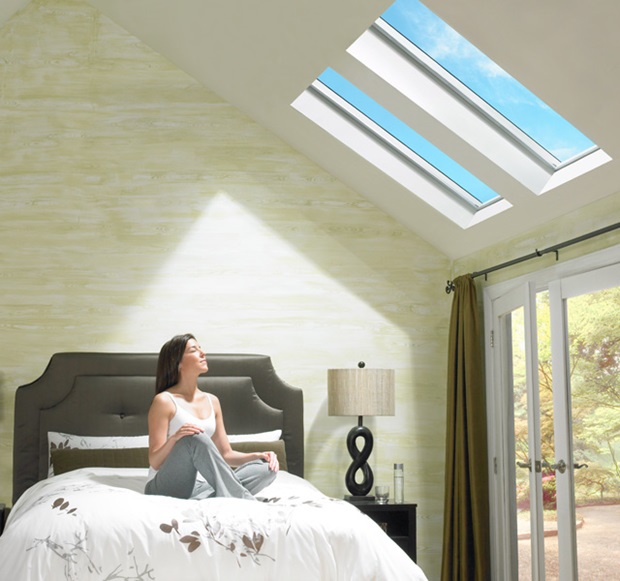
Sunlight attracts people, making it essential for accessory dwelling units (ADUs) to have plenty of natural light. Positioning big windows and skylights can whisk sunlight deep into the rental unit all day long. Light tones on walls and reflective surfaces help create the illusion of a larger space by bouncing light around. If possible, direct window openings toward prime views, but shift them laterally or use frosting for privacy—particularly in tight-knit neighborhoods where rental options may be limited.

Layered lighting is also crucial for a positive rental experience. Dimmable fixtures allow potential tenants to create ambiance, while thoughtful lighting design minimizes glare and enhances comfort, especially for older renters after dark.

3. Storage

Storage is a prime tenant concern. Multifunctional furniture—sofas with drawers, fold-away beds, and benches with cubbies—compresses storage into small spaces. Oversized closets and cabinets that are effortless to access, not buried in awkward corners. Take advantage of the height of the room for additional shelves or cabinets — this keeps the floor surface open and the space relaxed.

Some renters require exterior storage, such as a mini bike shed or space to keep tools or hobby equipment. Provide alternatives that don’t encroach on the living space. Well-conceived space equals less clutter and happier tenants.

4. Finishes

Timeless finishes stand up and reduce maintenance. Select stone or ceramic counters, durable laminates for flooring, and wipe-clean paints for the walls. Contemporary, clean lines and neutral tones keep rooms feeling clean and cater to a wide preferences. One consistent design thread—same trim, fixtures, and palettes—pulls the ADU together.

Slip in some green options, such as low-flow taps or recycled flooring, for the eco-conscious tenant. This makes your ADU special in a sea of sameness.

What Amenities Attract Renters?

Knowing what amenities to emphasize in your accessory dwelling units will differentiate your rental ADU and attract more high-quality potential tenants. These features add value, comfort, and often determine the rental income potential.

Private Entry

A private entrance is a necessity for renters seeking independence. This setup allows your tenant to enter and exit without passing through your primary residence, a crucial component to everyone’s peace of mind. A walkway or a gate or a little landscaping—shrubs or pavers—leads guests to their door and makes the place look more inviting.

Good lighting here is important as well. Consider motion-sensor or pathway lights to maintain a safe and easy-to-find entrance at night. Robust locks and direct sightlines assist renters in feeling secure. If the primary residence is nearby, incorporate some soundproofing around the entry to minimize noise and impart a more private atmosphere to the space.

Outdoor Space

Entry to outdoor living ranks high on many renters’ wish lists, especially when considering accessory dwelling units (ADUs) as rental options. A small patio, balcony, or garden can make your rental ADU much more appealing than one without any fresh-air options. By adding a few chairs or a bench, and perhaps a fire pit if you have the room and zoning laws allow, these straightforward additions assist potential tenants in imagining themselves unwinding or entertaining friends outdoors.

Your outdoor space should be accessible from the interior of the ADU so that renters don’t need to traipse through your main house. Keep landscaping easy—low maintenance or hardscape—so potential renters won’t be spending their weekends trimming and watering. Minimal maintenance equals minimal work for you, as well.

In-Unit Laundry

No, tenants want in-unit laundry machines. This is time and hassle-saving compared to shared or off-site laundry. Select ENERGY STAR appliances to impress eco-conscious renters eager to reduce utility bills.

Set aside a niche or closet for the washer/dryer. Utilize shelves or cabinets close by to house laundry soap and baskets, so the space remains tidy and accessible. A tiny yet serviceable laundry situation can be a clincher.

Full Kitchen

A fully-equipped kitchen tells your ADU is more than just a simple rental. Have a stove/oven, refrigerator, and microwave – these things are par for the course for your long-term renters. Design your layout so renters have adequate counter space to make their meals, and incorporate ample cabinets for storage.

Choose contemporary finishes and fixtures. Stainless or easy-clean surfaces look nice and last. Long-lasting materials translate to fewer repairs for you down the road. A stylish kitchen attracts renters who plan to dine in and makes your listing pop.

Smart And Sustainable Features

Outfitting an accessory dwelling unit (ADU) with smart and sustainable features can distinguish your property in the rental market. The right combination of smart features, sustainability, and efficient design enhances your rental income potential, making your ADU more desirable, livable, and affordable to a broader pool of potential tenants. These decisions are about more than just being trendy—they’re intelligent strategies that improve value, encourage comfort, and reduce operating expenses for you and your tenants.

Smart Home

Smart locks provide tenants with secure and convenient access while allowing you to control access remotely. They eliminate crucial friction and provide an element of confidence for each party.

Smart appliances, from ovens and fridges with app controls to dishwashers that learn usage patterns, make daily life easier for your renters. Tenants can kick off laundry from their phone or check if they left the stove on after they’ve left.

Smart home automation lets tenants adjust temperature, lighting, or even blinds from their device. These systems are great for shared or shifting schedules. Smart thermostats give renters control and track energy use, which saves money in the long run. In your listings, flaunt these upgrades to attract tech-savvy renters from around the globe.

Energy Efficiency

Well-insulated and high-performance windows retain heat in winter and keep it out in summer, reducing both heating and cooling expenses. Southern exposure with well-sized overhangs can increase solar gain in the cold months and block heat during the hot months, reducing energy consumption by as much as 30 percent over average construction.

LED lighting consumes less energy and has a longer life span, so you save on maintenance, and your tenants save on bills. Energy-efficient appliances, such as low-consumption washers and induction cooktops, can minimize monthly expenses.

Explain to tenants how to use these features well—like keeping blinds closed during midday heat or setting programmable thermostats—to help them save more. These moves differentiate your ADU in the worldwide rental pool, as eco-living is a high priority for many.

Water Conservation

Low-flow bathroom and kitchen fixtures reduce water consumption without sacrificing convenience. A lot of renters seek out these details as water costs increase and resources decrease.

Landscaping with drought-resistant plants reduces outdoor water requirements. Succulents, native grasses, or gravel beds look smart and function in several climates. Instill renters with easy water-saving behavior, such as taking shorter showers or only washing full loads of laundry, to create a conscientious living environment.

Include water-saving upgrades in your rental listings. A lot of green-minded tenants look for these specifics initially.

Accessibility And Flexibility

Zero-step entries, wheelchair-accessible bathrooms, and counters with adjustable heights ensure your ADU is functional for all, regardless of mobility requirements.

Flexible designs, such as Murphy beds or sliding walls, assist tiny spaces function for more activities per day. Outdoor spaces, whether it’s a patio or balcony, add style and provide renters with additional space to spread out.

Quick construction with prefab components reduces waste by 30–50% and completes up to 60% sooner, benefiting both the environment and your expenses.

The Psychology Of Small Spaces

Small living spaces, particularly accessory dwelling units, can provide tangible advantages — to you as a landlord, and to your tenants. Reduced maintenance means you have to invest less time and money in fixing things and cleaning. Smaller homes typically consume less energy as well, so those monthly costs tend to remain lower. These aspects resonate with tenants looking to save money, reduce waste, or simply spend less time doing chores. By making your ADU easy to clean and efficient to run, you’re exposing it to a larger pool of potential renters seeking these benefits.

Breezy, open rooms always attract prospective tenants, even if there’s not much square footage. The trick is employing design techniques that fool the eye and maximize every inch of space. For instance, opt for low-slung furniture. Low sofas, unadorned beds, and narrow tables allow more light to travel across the room. They reduce visual clutter, making rooms seem larger than life. Walls eat up space and break up the flow, which is why open floor plans work so well in small ADUs. When you live, dine, and work in one space, your renters can wander around organically. Multi-purpose spaces are key here: maybe a fold-out desk for work, or a Murphy bed that tucks away during the day.

Vertical storage is your best friend in a small ADU. Tall shelves or cabinets keep things off the floor, opening up space to walk and simplifying tidying up. Hooks, racks, and wall-mounted units keep clutter at bay. When you design small spaces with storage in mind, tenants can pack more in without feeling cramped. This design choice not only enhances the living experience but also aligns with the growing trend of maximizing rental potential in accessory dwelling units.

Color is more than style — it’s the mood of a space. Light colors—such as light grey, beige, or dusty blue—reflect additional light and feel soothing. They open up rooms and help renters breathe easy. If you’re looking to inject some energy, bold accents—like a mustard throw or a navy chair—deliver focus and pop without shutting down the space. Patterns and textures make small rooms come alive. For instance, a statement rug or textured wall behind a sofa can create depth and inject intrigue, transforming a nondescript space into a feature that appeals to potential tenants.

Lighting is a major factor for both mood and function. Statement fixtures— a pendant, an artistic wall lamp — pull the eye upward, adding both height and style. Good natural light is key, but in smaller or shaded rooms, layer floor lamps or sconces to make the space feel warm and lived in. Top off the space with smart home devices, like thermostats or lighting controls, for comfort and easy living. Tenants love this tech for its convenience and energy savings, which can also enhance the overall rental experience.

Privacy is important, even in a small room. Use natural barriers–thick shrubs, stone paths, or a row of potted plants–to separate the ADU from the main home or the street. This fosters a feeling of retreat and makes the unit seem like its own separate space. Indoors, employ sliding doors or curtains to carve out zones without blocking light. Such features can significantly improve tenant satisfaction and make your rental property more appealing.

Last, let tenants feel like they can have the space their own. Removable wall art, flexible shelving, or easy paint options allow them to bring in some personality. When renters feel like they can mold their home, they remain longer and care more for the space, ultimately enhancing the rental income potential for property owners.

Navigating Building Regulations

If you’re designing an accessory dwelling unit (ADU) for rental, it’s crucial to navigate a complex set of regulations. Each area sets its own rules, meaning what applies in one city may differ in another. Start by examining local zoning laws, as these dictate whether your lot permits an ADU, its size, proximity to property lines, and height restrictions. Some areas may even prohibit ADUs in specific neighborhoods or impose strict restrictions on parking and access. Missing these regulations could result in wasted time and money on plans that never receive approval.

Building codes are equally important as zoning laws. These codes establish baseline requirements concerning safety, energy consumption, and the overall functionality of your rental ADU. For example, many areas follow Title 24, which mandates compliance with regulations regarding heating, cooling, insulation, and the amount of natural light entering through windows. Additionally, codes cover essentials such as fire exits, smoke alarms, and safe wiring. While these may seem straightforward, they frequently change as cities update regulations to promote safer and more accessible residential units. Overlooking or misinterpreting a code can lead to costly rebuilds, disrupting your timeline and budget.

Be aware that ordinances can change rapidly, especially in regions with fluctuating housing demand. A regulation permitting you to rent your ADU short-term today may be banned tomorrow. Stay informed about updates in your city or region, particularly if you plan to rent your unit soon after construction. In some cases, regulations might require you to live in the main house if you intend to lease out the ADU. Furthermore, new taxes or fees on short-term rentals could be imposed, and failing to keep up with these changes can result in lost rental income or legal complications.

If you’re at a loss, contact some local housing authorities or building officials. They can demystify what’s required for your location and address challenging issues. Bring ’em your plans, sketches, or even just your lot’s address. They can identify zoning issues or highlight for you which codes are most relevant to your project. This step saves you headaches down the line when you present your plans for approval.

Constructing an ADU and getting it ready for rent is not a quick process. A garage conversion might take six months or more, while ground-up construction could span a year. Costs can range from $120,000 to $400,000, influenced by your design choices and local regulations. Start early, verify every regulation, and consult with experts who understand the local rental process. By planning with these rules in mind, you can save time, money, and stress in your journey to create a successful rental ADU.

Balancing Cost And Quality

Striking the balance between cost and quality is the heart of any successful accessory dwelling unit design project. When you’re trying to maximize rental income potential, your materials selections, budgets, and project planning can make or break your results. The decisions you make today will influence not only your ADU’s worth to renters but also the returns you realize as an owner over time.

Begin with the materials and finishes. Consider more than just the sticker price and instead reflect on how the material will hold up. For instance, a laminate floor is going to cost less than tile or engineered wood, but it’s going to see wear quickly, particularly in high-traffic areas. If you select tile or a hardy composite, you’ll pay a little more upfront, but you end up with a surface that wears well against potential tenants and cleans up easily. If you’re looking for a more modern aesthetic without the maintenance, quartz outlasts laminate and resists stains for kitchen counters. In the bathroom, ceramic or stone can last decades, but inexpensive vinyl will have to be swapped out after a few years. These decisions are significant both for attractiveness and upkeep expenses. Strong, easy-to-clean finishes bring in good tenants and protect against recurring repair needs, helping to justify higher rents.

Establishing a practical budget begins with definite priorities. Determine what you need to have for the ADU to be desirable and livable — lockable doors, quality insulation, efficient windows, and a usable kitchen and bath. These basic amenities distinguish your ADU in any rental market. You want to invest in things people see and use daily — like quality lighting, generous storage, and soundproof walls. Luxurious upgrades like designer fixtures or custom cabinets, for example, will quickly add to your expenses without doing much for your monthly rent. Prioritize your expenses by importance and be prepared to trim or postpone less essential ones if costs increase. If you do need to cut costs, concentrate on places where less expensive stand-ins won’t damage the ADU’s desirability or longevity.

Good project management is the answer. That is, scheduling each phase, monitoring expenses, and ensuring the timely delivery of supplies. Wasted money, wasted time, or wasted labor drives up costs and drives down profits. A well-controlled build keeps you on budget and on time. For instance, bulk purchasing or local sourcing can reduce shipping fees. By sleeping to schedule work around downtime, your rental unit is available for renters earlier, accelerating your ROI.

Track your rental market closely. Rental demand, average rates, and tenant expectations can shift quickly. Keep tabs on what other ADUs or small apartments nearby are providing. Use this information to either tailor your price or add differentiating features. If you notice a trend toward in-unit laundry or smart home tech, sprinkle these in if you can afford it. This keeps you competitive and nets you premium tenants.

Conclusion

Smart ADU design sets you on a solid footing in the rental landscape. Utilize clever layouts. Select hardy, washable floors. Flood the place with daylight — big windows. Incorporate storage in places you might overlook, such as under stairs or within walls. Renters dig quick wifi, a laundry room, and a great patio. Solar panels and low-flow taps are money savers, and tenants pay attention. Adhere to local regulations to avoid hassles. Invest in things that endure, not Band-Aids. Consider what renters desire, not merely your personal preferences. To maximize your rental value, apply these tips to your design. Need more? See our blog for new inspiration and field reports.

Frequently Asked Questions

1. What Is The Best Layout For An ADU To Attract Renters?

Open floor plans are the best for accessory dwelling units, making compact spaces feel huge. If possible, add a separate bedroom to enhance rental options. Prioritize natural light and smart storage to create a cozy living space that appeals to potential tenants.

2. Which Amenities Increase ADU Rental Value The Most?

In-unit laundry, modern kitchens, and private outdoor spaces are winners in the rental market. High-speed internet and AC are prized by prospective tenants, making your rental property noteworthy and commanding premium rent.

3. How Can You Make An Adu Feel Spacious?

Employ light colors, large windows, and few partitions in your accessory dwelling unit (ADU). Built-in storage and multi-tasking furniture enhance the rental experience, making your rental ADU feel spacious and inviting.

4. What Sustainable Features Should You Add To Your ADU?

Incorporating energy-efficient appliances, LED lighting, and good insulation into your accessory dwelling unit can minimize utility expenses and enhance the rental experience, appealing to green-minded tenants and boosting rental income potential.

5. Are There Specific Regulations To Consider When Designing An ADU?

Yes, you should adhere to local building codes and zoning regulations, particularly those affecting accessory dwelling units. Verify size restrictions, access policies, and parking regulations to ensure compliance and avoid costly mistakes!

6. How Do You Balance Cost And Quality In ADU Design?

Go with durable, mid-range materials for the ‘walk-all-over’ areas. Spend on quality where it counts, in kitchens and bathrooms, ensuring your accessory dwelling unit is desirable to potential tenants and maximizing rental income potential.

7. Why Is Natural Light Important In ADU Design?

Natural light makes accessory dwelling units (ADUs) seem larger and airier, enhancing tenant satisfaction and comfort. Big windows and glass doors maximize light, making your rental ADU more attractive, thereby increasing its rental income potential.

Your Dream Home Addition Built By Mares & Dow Construction & Skylights – Let’s Create The Extra Space You’ve Been Dreaming Of

Expand your home’s potential and enhance everyday living with a custom home addition from Mares & Dow Construction & Skylights. With over 40 years of construction experience, we specialize in high-quality additions that seamlessly integrate with your existing structure and lifestyle needs.

Whether you’re planning a new primary suite, second-story expansion, or an in-law unit, we tailor each addition to match your vision, your home’s architecture, and your long-term goals.

Key benefits of our general home addition services include:
• Adding valuable square footage for growing families or multi-use living
• Increasing your property’s value with expert design and construction
• Creating energy-efficient, modern living spaces tailored to your needs

Proudly serving Contra Costa County—including Alamo, Danville, Orinda, Martinez, and San Ramon—Mares & Dow Construction & Skylights is your trusted partner for functional, beautiful, and lasting home additions.

Contact Mares & Dow Construction & Skylights today for a free, no-obligation quote, and let’s build your ideal home addition together.

Disclaimer

The materials available on this website are for informational and educational purposes only and are not intended to provide construction, legal, or professional advice. You should consult with a qualified general contractor or industry professional for advice concerning any specific construction project, remodeling plan, or structural concern. Do not act or refrain from acting based on any content included on this site without seeking appropriate professional guidance. The information presented on this website may not reflect the most current building codes, regulations, or industry best practices. No action should be taken in reliance on the information on this website. We disclaim all liability for actions taken or not taken based on any or all of the contents of this site to the fullest extent permitted by law.

© Mares & Dow Construction & Skylights, Inc.
Customer rating: 4.5 / 5 Mares Dow Rating based on 57 reviews
Like Us On Facebook  Follow Us On Twitter  RSS Feed