

Top retaining wall materials for the Bay Area include concrete, natural stone, pressure-treated wood, and segmental retaining wall blocks. All provide obvious advantages such as durability, low maintenance, and support of hillside soil. Concrete is notable for its durability and popularity in residential and commercial construction. Natural stone integrates seamlessly with outdoor spaces and has a long lifespan, but it frequently requires artisan craftsmanship. Pressure-treated wood is cheaper and provides a crisp appearance, but it could require extra maintenance in damp areas. Segmental blocks interlock and perform well on numerous inclines. Choosing the right one for you depends on your local soil and rain conditions and the slope of your land. The main body discusses how to connect these materials with site requirements.
Key Takeaways
- The Bay Area’s unique geology, seismic activity, and diverse soil profiles necessitate careful consideration of your retaining wall materials and engineering approach to provide long-term stability and safety.
- Reinforced concrete and concrete masonry units provide unparalleled strength, durability, and low maintenance, making them ideal for heavy loads and difficult slopes. Adequate drainage systems are critical to avoiding structural problems.
- Natural stone and gabion baskets offer not only structural integrity but also visual appeal, featuring choices that harmonize with various environments and promote eco-friendly building solutions.
- Timber lagging brings rustic appeal and design versatility. It requires meticulous wood choices and diligent upkeep to endure the Bay Area’s climate and environmental stressors.
- Total project costs go beyond materials as well. There’s installation, maintenance, repairs, and even the need to add features such as proper drainage and landscaping.
- Make sure you stick to local building codes and work with qualified professionals to ensure compliance, safety, and that your retaining walls are a harmonious part of your landscape.
Why Bay Area Walls Differ
Retaining walls in Concord have unique requirements due to the region’s geology, climate, and urban demands. The combination of hills, shifting soils, and seismic activity means that each wall has to do more than simply retain earth.
Concord’s hilly neighborhoods require houses and landscapes to be secured with retaining walls to prevent soil from sliding. The right wall design prevents erosion and keeps yards safe during heavy rains. Soil types can vary from property to property—some areas may have rocky ground, others clay. This makes the optimal wall for one yard ineffective in another. Clay soils swell when wet, so proper drainage is essential, while sandy soils need support to prevent washing away.
Earthquake Safety
Earthquake safety is a primary concern. Concord is in an active seismic zone. Any retaining wall must withstand shaking and ground movement. Walls over 1.2 meters typically require a permit and a drawing by a structural engineer. These walls are generally concrete, strong, and less prone to cracking during seismic activity. Concrete is ideal for tall walls where durability and space efficiency are crucial.
Climate Considerations
Climate affects how walls weather over time. Concord experiences rain and sun, so wall materials must resist moisture and temperature changes. Proper drainage engineered into the wall keeps water from accumulating behind it, preventing cracks and structural failure.
Green Options
Environmentally conscious homeowners are increasingly using recycled stone, reclaimed wood, or gabions filled with locally sourced rock. These materials integrate with native plants and landscaping to create durable, eco-friendly walls that suit Concord’s terrain and community values.
Top Retaining Wall Materials
Retaining wall materials need to satisfy structural requirements, weather resistance, and design objectives. Selecting the right one impacts durability, upkeep, and appearance. From engineered solutions to natural options, these materials each offer their own advantages to accommodate varying project needs.
Common Materials:
- Reinforced concrete
- Concrete masonry units (CMUs)
- Natural stone
- Gabion baskets
- Timber lagging
- Interlocking concrete blocks
- Fieldstone
- Reinforced Concrete
Reinforced concrete is the strongest retaining wall material, particularly for high walls on steep slopes or retaining heavy forces. Poured concrete can endure beyond 50 years when constructed with the right drainage, making it great for long-term projects. Its flexibility enables custom shapes and modern designs that suit numerous landscapes. Concrete requires drainage pipes or gravel backfill because moisture can build up and, over time, cause cracks or leaning. The material requires minimal maintenance; however, if cracks surface, the repairs can be expensive. Its sleek appearance fits well in urban and commercial locations, but the smooth surface can sometimes need to be clad or painted to match the natural environment. - Concrete Masonry Units
CMUs provide solid structural integrity and are easier to work with than poured concrete. The blocks are lightweight, inexpensive, and stackable quickly, accelerating installation. Many homeowners and professionals opt for interlocking systems for ease and aesthetic preference. These blocks come in a variety of styles, sizes, and colors that lend themselves to creative patterns and finishes. CMUs withstand erosion and extreme weather, which means they work well in frosty or rain-heavy climates. Custom finishes, like stone veneers, can enhance their appearance without compromising durability. - Natural Stone
Natural stone offers a classic, rustic appearance and can endure for over 50 years practically untouched. Sourcing stone locally lessens the transport cost and environmental impact. With a variety of colors and textures, from granite to limestone, rubble can fit a wide range of design preferences. Natural stone walls weather well but require an experienced craftsman to ensure the fit of the stones and the stability of the structure. It is more expensive, around $25 a square foot for fieldstone, but the distinctiveness and durability frequently earn youae premium. Stone goes great with gardens, parks, and traditional landscapes. - Gabion Baskets
Gabion baskets utilize wire cages that are packed with rocks or recycled concrete. They’re great for erosion control and are natural-looking. These walls are pliable, moving with the earth and not breaking as a result, which makes them perfect for loose dirt. Gabions are economical because recycled fill can be used to reduce material costs. They are easy to install, and the wire cages should be inspected for rust over time. Gabions suit contemporary and rustic aesthetics alike and support eco-friendly design philosophies. - Timber Lagging
Timber lagging adds a warm, rustic appeal to outdoor environments. Pressure-treated pine is popular at around $45 per post. Timber is straightforward to cut and install, perfect for simple, short walls or DIY projects. It can be stained or painted for a custom appearance. Timber only lasts 10 to 20 years, as moisture, snowmelt, and insects rot it away. Selecting rot-resistant species and installing proper drainage can prolong its life, but ongoing maintenance is required.
The Cost Beyond The Sticker Price
Building a retaining wall in the Bay Area is more than just about paying for the blocks or timber. It’s the long-term costs that form the true price. Most begin with sticker shock. The true expense is in what occurs before, during, and after the wall goes up. Below are the main factors that shape the long-term price of retaining wall materials:
- The first is site prep. That translates to clearing plants, mapping out water or power lines, and excavating a deep trench for the wall’s foundation. Every site has different requirements. Rocky soil, steep slope,s or tight spaces increase costs. If the wall is adjacent to a driveway or pool, the soil load and design requirements increase as well. More weight requires more robust and more expensive walls.
- The cost to put up the wall is not just labor and materials. If you choose a taller wall, you usually require a permit and plans signed by an engineer. That contributes to both dollars and hours invested. Two short walls might get around this. Short walls have less soil push, too, so you can use cheaper blocks or even timber to reduce costs.
- There is the long view: how long the wall will last and what it takes to keep it up. Pressure-treated wood can last 15 to 20 years, but it can rot or warp. Concrete blocks are more expensive on day one, but they frequently endure 40 years or beyond with minimal maintenance. Fixing a failed wall ends up being a lot more expensive than just doing it right from the beginning. Poor drainage is a typical fail point and requires a solid plan and good pipes. Drainage costs need to be included in the budget, not an afterthought.
- The look of the wall and its compatibility with the yard count. Certain materials increase home value and enhance the aesthetics of a space. Concrete blocks can be boring, or they can be modern. Timber’s warm tone may not suit every type of place. Stone can appear upscale, but it is far more expensive to purchase and install. The right choice can improve the yard’s aesthetic without busting your budget.
- Smart budgets include funds for add-ons. Consider drainage pipes, gravel, or plants to adorn the wall. These bring life and value to the wall and yard. Not planning for these can mean surprise expenses down the road.
Navigating Local Building Codes
Going through local building codes and regulations. These codes are in place to ensure that walls remain safe, strong, and durable, particularly in regions susceptible to shifting soils or earthquakes. Local codes adhere to the International Code Council (ICC) and California Building Code (CBC), which provide definitive standards for the design, materials, and safety of all retaining walls.
Dos:
- Provide two copies of a plot plan for permit review, indicating the wall’s location, height, and proximity to buildings, pools, property lines, and public utilities.
- Use ICC or CBC-listed materials and methods.
- Check with local building officials before starting any project.
- Employ a civil or structural engineer for walls taller than 1.2 meters (four feet).
- Have a licensed engineer sign and stamp all structural drawings and calculations.
- Design for drainage behind the wall.
- Utilize concrete or similarly approved materials for tall or load-bearing walls.
Don’ts:
- Don’t use unapproved materials, like untreated wood, for large walls.
- Don’t skip permits for walls over 1.2 meters (four feet) high.
- Don’t forget to check if you’re building near utility easements.
- Don’t ignore setbacks from property lines or neighboring structures.
Local codes typically dictate wall height, allowable materials, and drainage. Anything over 1.2 meters (four feet) high always requires a permit and an engineer’s drawing. This is primarily for safety, as taller walls withstand greater pressure from soil. For walls less than 0.6 meters (two feet) in height, if the wall does not retain additional load like a driveway or structure, then you likely don’t require a permit. Most cities will sign off simply with a clear plot plan, but any wall supporting a surcharge or in a tricky location, on a slope, or adjacent to a pool, for example, requires further review and rigorous engineering.
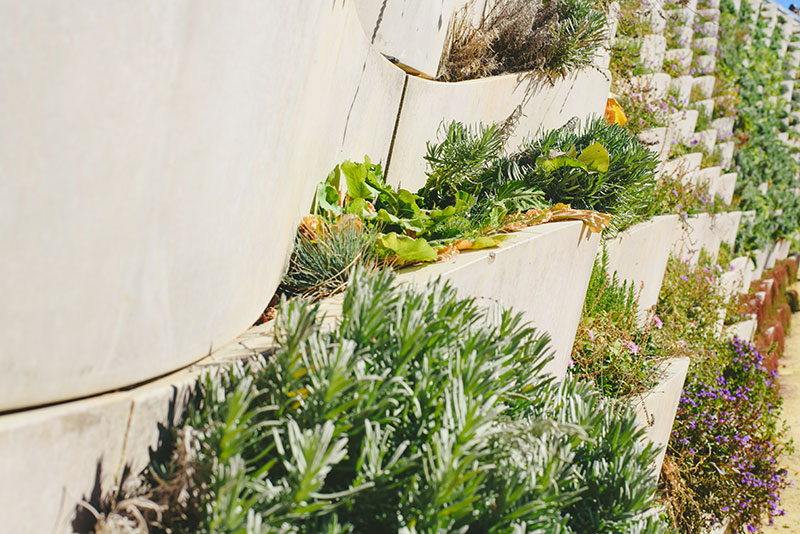
Tiered walls—two or more short walls setback from each other—may sometimes be subject to lighter rules than one tall wall, as long as each wall is below the permit threshold and they are spaced sufficiently apart. Adequate footing thickness and drainage are always incorporated into the design.
It’s smart to consult with expert landscapers or engineers because they’re familiar with the nuances of code and can help you skirt expensive errors or slowdowns. Their expertise can accelerate the permitting process and make sure your wall can withstand the locale’s specific challenges.
Sustainable And Local Sourcing
Sustainable and local sourcing is crucial for any retaining wall, particularly in regions where the environment and community are significant. Harvesting materials near where you’re building reduces transportation, which leads to lower fuel consumption and emissions. This attempt to reduce the carbon footprint is not only beneficial to the planet, but also for complying with tough green building guidelines now implemented in many parts of the world. When materials are local, the final walls integrate more with the ground, highlighting stone, wood, or concrete that perfectly matches the region’s aesthetic. This can impart a project with placeness and timeless visual appeal.
The effect of hauling heavy materials over long distances is huge. Hauling stone, concrete blocks, or timber from long distances consumes a ton of fuel, which contributes to greenhouse gases. For example, sourcing granite from a local quarry or reclaimed wood from down the street keeps these emissions low. It means buyers are less likely to encounter delays associated with long-distance shipping. When builders use what’s close at hand, they reduce both costs and wait times. This reasoning aligns with international green building standards that emphasize minimizing damage to the environment at all stages.
Opting for sustainable and local sources goes a long way toward green landscape goals. For example, composing your treated lumber from managed forests or quarrying stone with consideration for adjacent land maintains your project green. Treated lumber can last for decades and requires minimal maintenance. Certain kinds of stone or recycled concrete are both durable and easy to maintain. These decisions help keep walls standing firm for years and reduce the demand for fix-ups.
There’s something to be said for supporting small, local businesses. Purchasing from local vendors retains funds within the community and aids in maintaining employment. It means builders can speak directly with suppliers, inquire about the process of making or cutting the material, and verify quality. These direct links can help circumvent errors and foster development at the local level.
The Hidden Factor: Drainage
Drainage lies at the center of each robust retaining wall, and it’s frequently overlooked when selecting wall supplies. About the secret element: Drainage. Almost all wall designs are based on maintaining dry soil behind the wall. Just a couple of centimeters of water behind a wall can quickly become thousands of kilograms of additional weight. This accumulation threatens to cause the wall to bulge, crack, or even fail altogether — particularly after a torrential rain or wet spring. Bad drainage is more than just ugly staining or moss; it can breach the wall, result in soil erosion, or lead to expensive fixes. With the Bay Area’s cycle of rain and dry periods, choosing the appropriate drainage system is essential for lasting durability and aesthetic appeal.
Good drainage begins with a foresighted checklist. First, consider how water flows around the wall. Install surface drains or swales at the top to divert water away before it inundates the area. For the backfill, use clean, angular gravel, typically 20 to 40 millimeters. This gravel allows water to pass quickly and prevents soil from gumming up the drain. Next, install a perforated drain pipe, commonly referred to as a French drain or weeping tile. This pipe, which rests at the bottom of your wall wrapped in gravel, transports water out to a safe location. For larger walls or hard soil, you’ll want filter fabric surrounding the gravel to prevent any silty particles from infiltrating and clogging the system. Each step addresses a specific danger and works together for optimal performance.
Neglecting any component of this drainage scheme can spell major trouble. For example, if water pools behind the wall, soil can wash away, causing the wall to lean or sink. Without drains, pressure accumulates, and the wall can bulge or even topple. Even though materials like concrete or stone won’t work if water has no place to escape. The price of skimping on drainage can be steep, not just in repairs but in lost time and potential safety hazards.
Consult a regional engineer or drainage specialist to examine your location’s soil and rain tendencies. The correct drainage strategy isn’t universal for all walls, and local regulations or soil requirements may affect what is viable. Expert advice leads to fewer surprises and a wall that stands strong for years.
Conclusion
To select the optimal materials for Bay Area retaining walls, observe the natural environment surrounding you. Soil moves, water collects, and hills creep. These walls really bust their chops. Concrete blocks are extremely durable, but stone blends in seamlessly and adds a softness to the appearance. Wood can snug up a mini garden or a shoestring budget, but it requires TLC in the moist breeze. Local regulations vary, so always check beforehand. Proper drainage keeps a wall solid for years. Local stone and recycled blocks reduce waste and save the earth. To get the most from a wall, talk to a builder or a pro who understands Bay Area soils. Want to share your story or inquire about your project? Leave a comment below.
Frequently Asked Questions
1. What Are The Best Materials For Retaining Walls In The Bay Area?
Concrete, natural stone, and reinforced blocks are among the best materials for Bay Area retaining walls. They handle the area’s climate, soil, and seismic activity superbly.
2. Why Do Bay Area Retaining Walls Need Special Considerations?
The Bay Area has one-of-a-kind soil types, weather, and quake hazards. Walls need to be sturdy, resilient, and constructed to handle water runoff.
3. How Much Does A Retaining Wall Cost In The Bay Area?
Costs depend on the type of materials, design, and labor. Anticipate more costs for earthquake security, drainage, and permits. It is best to plan for add-ons.
4. Do Bay Area Retaining Walls Require Permits?
Most retaining walls need permits. Consult with your local building department, as engineering and inspections are often required, particularly for taller or load-bearing walls.
5. What Makes Drainage Important For Retaining Walls?
Drainage keeps water from accumulating, which would ruin a wall and cause it to give way. It shields adjacent property from flooding.
6. Are There Eco-Friendly Retaining Wall Materials Available?
Absolutely, recycled concrete, sustainably sourced stone, and permeable blocks are some green options. These environmentally friendly materials help reduce impact.
7. Can I Use Locally Sourced Materials For My Retaining Wall?
That’s because local stone or blocks cut down on transport emissions and often complement the Bay Area’s natural aesthetic. It can accelerate your project.
Stronger Outdoor Spaces Start Here – Retaining Walls, Decks & Outdoor Construction By Mares & Dow Construction & Skylights
Your property deserves outdoor spaces that are as durable as they are beautiful. From retaining walls that prevent erosion and define your landscape, to custom decks that extend your living space, Mares & Dow Construction & Skylights has been building long-lasting outdoor structures for Bay Area homeowners for over 40 years.
Our team specializes in designing and constructing outdoor features that blend form and function. Whether you need a retaining wall to stabilize sloped terrain, a deck that adds value and curb appeal, or complete outdoor renovations that bring everything together, we build with precision and craftsmanship that stands the test of time.
Why homeowners choose us:
• Expertly engineered retaining walls built for strength and longevity
• Custom deck designs using high-quality materials and finishes
• Complete outdoor construction tailored to your property’s needs
We proudly serve Contra Costa County—including Alamo, Danville, Orinda, Martinez, and San Ramon—and we treat every project as if it were our own.
Start building your dream outdoor space today. Contact Mares & Dow Construction & Skylights for a free, no-obligation quote on retaining walls, decks, or outdoor construction.
Disclaimer
The materials available on this website are for informational and educational purposes only and are not intended to provide construction, legal, or professional advice. You should consult with a qualified general contractor or industry professional for advice concerning any specific construction project, remodeling plan, or structural concern. Do not act or refrain from acting based on any content included on this site without seeking appropriate professional guidance. The information presented on this website may not reflect the most current building codes, regulations, or industry best practices. No action should be taken in reliance on the information on this website. We disclaim all liability for actions taken or not taken based on any or all of the contents of this site to the fullest extent permitted by law.


