Sun tunnels are less expensive than full skylights and provide homes with more daylight in areas that are typically dark, like bathrooms or hallways. Sun tunnels are a great option when a full-sized skylight isn’t practical due to roof shape or cost, according to skylight contractors in Danville, CA. Local installers emphasize that sun tunnels provide a constant flow of fresh light, reduce your energy costs, and require less labor to install than larger skylights. Many assert that the benefits include easy installation, minimal upkeep, and effective lighting in small areas. To show how valuable sun tunnels really are, the following will explain what to expect before and after installation.
Key Takeaways
- One inventive way to let in natural light is through sun tunnels. To transfer light from a building’s roof to its interior, they employ reflective tubes. They are a convenient, energy-saving alternative to regular skylights.
- Unlike conventional lighting and skylights, sun tunnels offer diffused, glare-free illumination, minimize heat gain, and allow you to save impressively on your electricity bill, making them an ideal addition to nearly any home in any climate.
- Installation of sun tunnels is typically less complicated and intrusive than skylight installation. It necessitates minimal roof modification and enables flexibility for various roof styles, attic environments, and room layouts.
- Sun tunnels are a blessing in bathrooms, bedrooms, and hallways because they can be placed to preserve privacy, provide light into dark or inaccessible areas, and improve air circulation by reducing the need for artificial lighting.
- Sun tunnels are a great return on investment for the typical homeowner because they not only increase property value but also offer long-term energy bill savings and may even qualify for tax credits or rebates for energy-efficient home improvements.
- Be sure to contact a professional installer to evaluate roof pitch, attic conditions, and tunnel length to maximize performance and ensure the design blends with your existing architecture and regional climate.
What Is A Sun Tunnel?
A sun tunnel, also called a solar tube or tubular skylight, is a new way to bring sunlight into a home. It’s a great choice for homeowners. They excel in spaces where traditional windows or skylights aren’t feasible, such as hallways, closets, or small rooms lacking an outside wall. Sun tunnels operate through a simple yet effective setup: a dome on the roof, a reflective tube, and a diffuser or ceiling fixture. Each part is very important, and together they bring natural light from outside into the house.
The basic system starts with the dome, which is installed on the roof. This dome is transparent and durable, built to withstand various weather conditions. Its purpose is to capture sunlight from multiple angles, even when the sun is low on the horizon. Following the dome is the tube, which is lined with a reflective, mirror-like surface. This tube acts like a pipeline of light, efficiently reflecting sunlight deep into the home. Compared to standard skylights, which require a clear path, these flexible tubes are easier to install because they can fit around objects like rafters or wires in the attic. At the end of the tube is the diffuser, which effectively disperses the light across the room, creating a soft, broad wash of daylight that enhances the mood and appearance of the space.
Sun tunnels are versatile and can be installed in various building types and roof styles, from steep tile roofs to modern flat roofs. They are particularly effective in illuminating small bathrooms, expansive living rooms, kitchens, or even offices. They shine brightly in places with limited natural light, like dimly lit hallways or rooms without windows. Many homeowners opt for sun tunnels to reduce reliance on electric lighting during the day, promoting energy savings and lowering bills. The installation costs for sun tunnels range from $500 to $1,200, often making them a more affordable option than traditional skylights. Additionally, installation is typically quicker and less messy. Proper insulation and glazing are essential to prevent heat loss in winter or heat gain in summer, ensuring comfort throughout the year.
Why Sun Tunnels Are Worth It
Sun tunnels, a strong choice for homeowners, address a perennial issue: getting natural light into dark, tight spaces. For many homeowners, particularly those in urban or semi-urban settings, window real estate is at a premium, and rooms frequently rely on artificial lighting throughout the day. These skylight alternatives funnel daylight from the roof to the interior, making them an efficient, energy-saving lighting option. They are compatible with almost any architectural style and require less space than a traditional skylight or window, which reduces heat transfer.
1. Unmatched Flexibility
Sun tunnels, a strong choice for homeowners, work with nearly any roof type, like tile, metal, or asphalt, and can accommodate both steep and flat pitches. Their petite size allows them to work in tight spaces, such as hallways, closets, or bathrooms, where a window or a new skylight wouldn’t make sense. If you are interested in having multiple skylights in your space to illuminate large rooms or corridors, you can install several sun tunnels. Coordination with existing features, such as recessed ceilings or overhead architectural beams, enables the unobstructed passage of sunlight indoors without extensive construction.
2. Superior Diffusion
They provide gentle, diffused illumination throughout a space, minimizing sharp shadows and glare. The interior spaces are beautifully lit without being harsh, thanks to built-in diffusers that scatter the sunlight. Sun tunnels are a great option for preserving brightness while avoiding the drawbacks in spaces like offices and bedrooms where direct sunlight might be an annoyance.
3. Minimal Heat Gain
Sun tunnels are designed to keep the heat outside during the summer months, making them a strong choice for homeowners seeking energy efficiency. Their reflective, insulated tubes let in sunlight while deflecting excess heat, keeping interior spaces comfortable and lowering the need for air conditioning, especially during the summer.
4. Cost-Effective Lighting
The cost of most new skylight or sun tunnel installations ranges from $850 to $2,250, which is significantly less than that of traditional skylights. Once installed, sun tunnels enhance interior spaces by reducing electric lighting consumption. On a manufacturer’s website, a homeowner reported that the area was so well-lit that they even forgot to turn off the lights. Additionally, upgrades like solar-powered night lights qualify for the federal solar tax credit, boosting energy efficiency and potentially increasing your property’s resale value.
5. Enhanced Privacy
Sun tunnels, such as the Velux sun tunnel, bring dramatic daylight into private spaces like bathrooms and master bedrooms without exposing interiors to neighboring views. Their strategic placement avoids direct lines of sight, allowing sunlight indoors while maintaining privacy. In small urban lots or homes with few external walls, sun tunnels are a great way to brighten areas where windows are not practical.
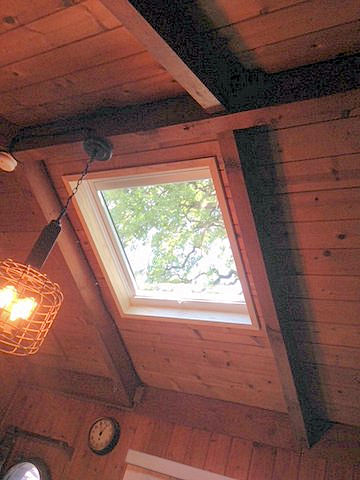
Sun Tunnels Vs. Skylights
Both sun tunnels and skylights diffuse natural light into interior rooms, but each does it in its own unique way. Whether you choose sun tunnels or skylights typically comes down to the kind of light you want, how they are installed, energy efficiency, and cost.
Natural Light Quality
Sun tunnels conduct soft, diffused light through a reflective tube, which distributes it evenly across a room. Unlike regular skylights that let in direct sunlight, sun tunnels keep out intense rays. These systems work best in confined spaces, such as closets, hallways, or small bathrooms, where a gentle glow is more useful than strong light. This diffused method reduces glare, so screens and glossy surfaces remain soothing. Natural light can lift our spirits and promote wellness. Instead of blasting a single area of a room, many homeowners prefer the warm, consistent atmosphere that sun tunnels provide.
Traditional skylights channel more intense, direct beams of sunlight. This can illuminate large living areas, but it will result in dappled light and glare. While some love the drama, others find it tougher to live with on a day-to-day basis.
Installation Complexity
Sun tunnels can often be installed with less disruption and fewer roof modifications. The majority of sun tunnel projects are complete in approximately 90 minutes due to their size and simplicity. Unlike skylights, which might require special framing, drywall, or painting, sun tunnels use small, circular openings and flexible tubing. Regular skylights typically require more work, which can take between a half day and three days, depending on the ceiling type. These bring in more dust, mess, and noise.
For homeowners, this translates to less hassle, quick turnaround, and lower risk of home disruption with sun tunnels.
Energy Impact
Sun tunnels can significantly lower household energy consumption by reducing the need for electric lights during daylight hours. They admit just enough natural light to keep rooms bright without contributing much heat, making them a strong choice in varying climates. Properly installed skylights can reduce summer heat gain and winter heat loss, in contrast to conventional skylights, which can increase heating and cooling costs.
- Sun tunnels reduce energy consumption by using daylight rather than electric lighting.
- Less heat gain in summer and less heat loss in winter.
- Eco-friendly option: less reliance on artificial lighting.
Overall Cost
Sun tunnels tend to be a more affordable choice for homeowners, costing between $850 and $2,250 for purchase and installation. In contrast, new skylight installations typically range from $2,800 to $4,700. Both options can save money over time by reducing energy bills, especially in rooms like kitchens and bathrooms that require ample sunlight indoors.
Option | Installation Cost (USD) | Time To Install | Energy Savings |
Sun Tunnel | $850 – $2,250 | ~90 minutes | High |
Skylight | $2,800 – $4,700 | 0.5 – 3 days | Moderate |
The Installation Reality
Sun tunnels, or tubular skylights, are a strong choice for homeowners seeking to brighten their interior spaces with natural light. In contrast to traditional skylights, which may take a half-day to three days due to more extensive prep work, a new sun tunnel is designed for speedy installation and can usually be completed in just two hours. While both options involve cutting holes in the roof and ceiling, sun tunnels offer significant advantages by minimizing structural changes and simplifying interior finishing. To ensure optimal brightness and efficiency, the installation procedure mainly concentrates on the reflective aluminum tube, roof lens, and ceiling fixture attachment. Contacting a reputable roofing company is crucial for your sun tunnel estimate, and it requires a professional assessment that includes a detailed examination of the topography of each location.
Roof Pitch
The angle of the roof, or roof pitch, plays a crucial role in determining the performance of a sun tunnel. Steep pitches allow for direct, shorter tunnels, maximizing light capture and delivery, while shallow roofs may require bends in the tubing, which can reduce the amount of sunlight indoors. Not all roofs are equally suited for sun tunnels, but very low or flat pitches can pose challenges for installation, making it difficult to find a clear path for the tunnel. Although sun tunnels are compatible with various roof pitches, their effectiveness varies significantly. A proper evaluation by a professional roofing contractor ensures the tunnel is installed at the right angle and position for optimal lighting.
Attic Space
The attic is where all the action is in the sun tunnel installation. A spacious attic allows for a straight and short tunnel, enhancing light transmission and maximizing brightness. On the other hand, if there is not enough room, the tunnel might have to stretch or bend, which could reduce efficiency. This limitation may also affect the tunnel’s design and layout. Additionally, good attic ventilation is crucial to avoid moisture problems around the tunnel, while insulation and existing HVAC systems can influence how well your new skylight performs post-installation.
Tunnel Length
The longer the sun tunnel, the less light reaches the room below. Longer tunnels may result in a noticeable loss of light, whereas shorter tunnels allow more sunlight to enter. The brightness decreases with each extra meter of tunnel, particularly if turns are needed. An expert evaluation should determine the optimal length for each configuration, balancing efficiency, expense, and installation difficulty. Longer tunnels require more labor and are more costly, especially if the attic is crowded or the roof pitch is shallow.
A Danville Contractor’s Perspective
Sun tunnels are becoming a strong choice in architecture, especially in regions with abundant sunshine. Danville skylight contractors highlight that these systems offer unique advantages over traditional skylights. They are frequently chosen to enhance small, segregated spaces like hallways, closets, and mini home offices, providing a natural glow where the complexity of the roof or installation site complicates skylight installation. Sun tunnels typically take about ninety minutes to install, whereas a new skylight can take several days and involve several trades, including roofing and carpentry. Skylights can cost between $2,100 and $5,800, while sun tunnels can cost between $650 and $2,150. Contractors stress the importance of glazing and insulation for both options to ensure comfortable indoor air quality throughout the seasons.
Climate Advantage
Due to Danville’s Mediterranean climate, there are plenty of sunny days that allow sunlight to enter buildings through sun tunnels. These installations effectively flood homes with natural daylight, minimizing the need for daytime electrical lighting. Sun tunnels excel during bright months, channeling light into rooms that would otherwise remain dark or artificially lit. In hot summers, the energy savings are even more significant, as reduced reliance on electric lighting helps keep cooling bills low. Properly insulated and glazed, sun tunnels avoid the temperature fluctuations sometimes associated with skylight contractors.
Architectural Fit
Modern, ranch, Mediterranean, and traditional homes in Danville can all be improved by adding a new skylight or sun tunnel. Solar tunnels are a strong choice for these designs due to their flexible tube system that accommodates various roof types and angles. Their small footprint allows for easy integration, providing dramatic daylight to spaces that wouldn’t typically accommodate a skylight. Contractors emphasize the importance of considering roof structure and attic space to ensure a smooth installation that complements the existing architectural interest.
Home Value Growth
Upgrades like sun tunnels and skylights are attractive to buyers and can increase value, particularly in green-minded markets. Daylight features, including the benefits of natural light, are often included in real estate listings as a key selling point. Your home’s value will eventually increase, and your energy expenses will decrease with solar tunnels. In a busy market, modern lighting choices that require little maintenance can make a home stand out from others.
The Financial Equation
In the short term and the long term, sun tunnels can affect money. They are a friendly option for homeowners who want simple answers about costs, savings, and payback compared to traditional skylights.
Upfront Investment
The average cost of a sun tunnel skylight is between $650 and $2,150, and with installation costs, the total cost is usually between $850 and $2,250. That’s significantly less than a traditional skylight installation, which can cost anywhere between $2,800 and $4,700, in part because sun tunnels are much simpler to install and rarely require structural modifications. Complexity, roof material, tunnel length, and ceiling type can all modify the rate. For example, if additional materials such as flashing or insulation are required, the budget must include those. With regular skylights, you might need multiple contractors, such as framers and roofers, which will take more time and money. The labor cost is reduced because installing a sun tunnel typically only takes 90 minutes. Some installers might even offer financing options, such as interest-free loans or flexible payment plans, which can help make the upfront cost easier for more households.
Checklist for evaluating costs:
- Initial unit price and installation fees
- Any needed structural modifications
- Material costs (flashing, insulation)
- Labor costs based on project complexity
- Financing options and payment plans
- Eligibility for tax credits or incentives
Long-Term Savings
Sun tunnels let in abundant natural daylight, reducing the need for electric lights during the day. This energy-efficient solution can lead to significant savings on electricity bills, especially in rooms where lights are typically kept on all day. By minimizing heat buildup, homeowners can also lower their air conditioning costs. Over the years, the decrease in utility bills can offset a nice portion of that initial investment. These benefits really add up, particularly in homes with multiple skylights, enhancing both comfort and energy efficiency.
Return On Investment
For sun tunnels, energy savings deliver a powerful ROI. Homes with more natural light tend to have more market appeal. Property value could increase after installing these innovative skylights. Sun tunnels can make a listing stand out, as buyers increasingly look for energy-efficient features. They are a wise option for homeowners who care about comfort and durability because they have lower utility costs and a stylish, eco-friendly edge that raises the home’s resale value.
Final Remarks
Sun tunnels allow more light without the hassle. They’re less expensive than skylights, can fit into tight spaces, and reduce glare. Many local homeowners are pleased with how quickly the installation was completed. Nearly all report better moods and improved sleep habits. With little upkeep, a high-quality sun tunnel can last for many years. The initial cost remains small, but the daily return seems huge. For houses without roof rooms or dim hallways, sun tunnels shine. To figure out what’s best for your house, consult a local pro. You get actual solutions for your space, not speculation. Let’s begin with a reality check and hear it straight from folks who do the job.
Frequently Asked Questions
1.What Is A Sun Tunnel, And How Does It Work?
A sun tunnel, also known as a rooflight tunnel, is essentially a tubular daylighting device that directs natural sun rays from the rooftop through a mirrored conduit into interior spaces, illuminating areas without windows.
2. Are Sun Tunnels Energy-Efficient?
Yes, quality sun tunnels are an excellent way to lower energy expenses and your carbon footprint during the day because they only require sunlight.
3. How Do Sun Tunnels Compare To Skylights?
Because they are smaller and less noticeable than skylights, sun tunnels are a great option for homeowners. They also have advantages, such as quicker installation and lower lighting costs.
4. Can Sun Tunnels Be Installed In Any Room?
You can install sun tunnels in almost any room that has access to the roof. They are a strong choice for hallways, bathrooms, and small rooms needing additional natural light.
5. How Durable Are Sun Tunnels?
Good sun tunnels should provide many years of service, offering advantages such as a natural glow and minimal maintenance.
Protect What Matters Most With An Experienced Foundation Repair Contractor – Mares & Dow Construction & Skylights
Your home’s safety begins with a stable foundation. When cracks appear, floors become uneven, or the structure begins to settle, it’s often a sign that professional attention is needed. At Mares & Dow Construction & Skylights, we’ve helped Bay Area homeowners protect and stabilize their properties for more than 40 years through expert foundation repair and structural solutions built for long-term durability.
As a trusted foundation repair contractor serving Contra Costa County cities, our team carefully evaluates your home’s structure, soil conditions, and drainage patterns to identify the real cause of foundation problems. From repairing structural cracks to correcting settlement and reinforcing key support areas, we provide solutions designed to restore stability and protect your home for years to come.
Why Homeowners Choose Us
Experienced foundation repair contractor with decades of structural expertise
• Solutions for foundation cracks, settlement issues, and structural movement
• Drainage improvements that help prevent future foundation damage
We proudly serve homeowners across Contra Costa County, including Walnut Creek, Danville, Lafayette, Orinda, Concord, San Ramon, Martinez, Pleasant Hill, Moraga, and Alamo. Every project is handled with the same care and attention we would give our own homes.
Foundation problems rarely improve on their own. Contact Mares & Dow Construction & Skylights today for a free, no-obligation estimate and get the professional foundation repair support your home deserves.
Disclaimer
The materials available on this website are for informational and educational purposes only and are not intended to provide construction, legal, or professional advice. You should consult with a qualified general contractor or industry professional for advice concerning any specific construction project, remodeling plan, or structural concern. use act or refrain from acting based on any content included on this site without seeking appropriate professional guidance. The information presented on this website may not reflect the most current building codes, regulations, or industry best practices. No action should be taken in reliance on the information on this website. We disclaim all liability for actions taken or not taken based on any or all of the contents of this site to the fullest extent permitted by law.