
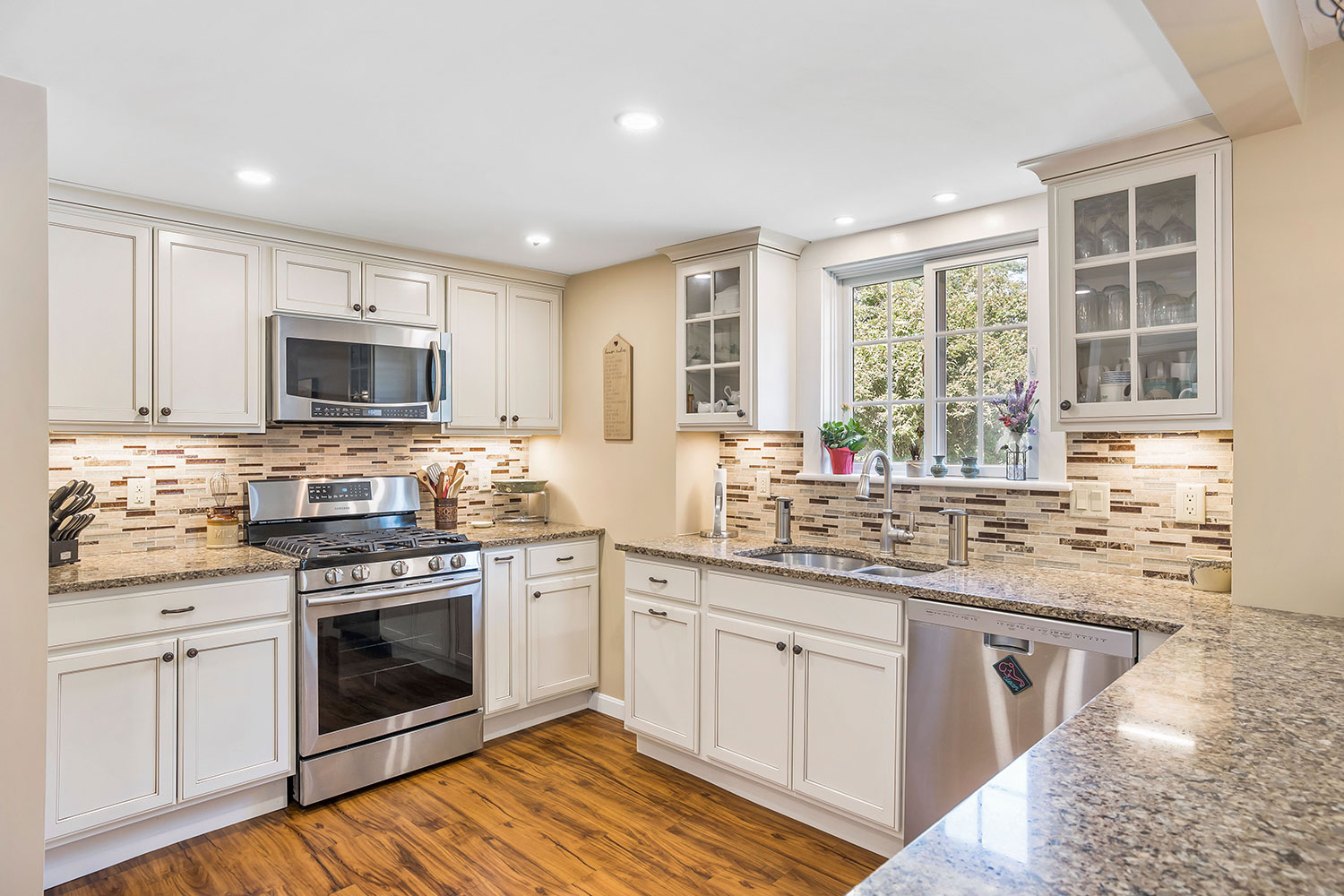
To plan a kitchen remodel without blowing your budget is to set boundaries, prioritize, and follow a plan. Most of us begin by compiling a list of what needs to be fixed or updated, then price out the materials, labor, and add-ons. Checking prices from various stores or contractors will keep costs down. It helps to select several upgrades that provide the most bang for the buck — new cabinets, better lighting, etc. Keeping track of every cost along the way prevents surprises and maintains your project on track. Expanding upon these points below, the main post will detail each step and provide advice for savvy decisions, so you can capture a new kitchen without breaking the bank.
Key Takeaways
- If you don’t clearly define the scope and set priorities at the start of your kitchen remodel, there’s no way to prevent your project from blowing your budget.
- By creating an itemized and adaptable budget, with contingency funds included, you’re able to handle surprises and enable you to make smart decisions on where to spend money between materials, labor, and design.
- Careful consideration of needs and wants helps you make certain functionality is tackled first,t and beauty is sprinkled in where your budget allows.
- By maximizing your kitchen’s current footprint and implementing clever design elements—open shelving, ergonomic zones, etc—you can significantly increase efficiency without major remodels.
- By looking into affordable materials and appliances, and exploring sustainable alternatives, you can accomplish both durability and sustainability in your remodel.
- Evaluating your skills and availability for DIY tasks versus hiring professionals protects your investment by ensuring that complex or technical work is completed safely and to a high standard.

Define Your Remodel Scope
The most important step in defining your kitchen remodel scope is to take place before work begins. It defines the boundaries of what is and isn’t going to be done, assisting homeowners in maintaining a low cost and preventing immediate, costly alterations afterward. A specific plan will keep you organized, will allow you to make quick decisions, and will help you keep labor costs contained. When the remodel scope is defined, you minimize last-minute substitutions due to your first picks being out of stock. You get better at establishing a timeline, being aware that the average kitchen remodel is at least six weeks and sometimes upwards of four months. This scope should encompass your kitchen’s layout, your habits, and how you want the space to function and appear.
Assess Needs
- Reliable cooktop or stove
- An efficient refrigerator with enough volume
- Sturdy counters with food prep space
- Well-placed sink for easy cleaning
- Strong storage for dry goods, utensils, and cookware
- Proper lighting for safety and visibility
Consider your daily kitchen habits. Do you prepare meals for a large family or a couple of individuals? Do you require space for kids to do homework at the counter, or for guests to mingle? Daily routines dictate what features are important.
Look for problems that bog you down or take the fun out of cooking. Dim lighting, difficult floors to clean, restricted storage, or your layout forces you to walk additional steps– mark it! Addressing these pain points should be a priority.
Determine what’s vital for your kitchen to function for you. Put first what we need for the most comfort, safety,y and function.
Identify Wants
Cultural and style updates can elevate your kitchen’s spirit. Think smooth cabinet fronts, striking backsplashes, or open shelving to display your glassware. Luxuries such as a wine fridge, built-in coffee machine, or under-cabinet lighting provide more convenience but are not super important.
Attempt to visualize how each ‘want’ integrates with your space and daily routine. Perhaps a kitchen island makes the room feel larger, but it isn’t essential if space is at a premium. Consider how each feature will alter the aesthetic. Balance these choices so you don’t lose track of your priorities.
Mix wants with needs, but don’t let frivolities consume your budget. Select ‘nice-to-haves’ only once must-have features are met.
Set Priorities
- Prioritize each feature according to the value it adds to everyday use and safety.
- Select upgrades that can wait–perhaps new floor coverings or specialty lighting.
- Align each item on your list to your budget, reserving 10–20% for unexpected expenses.
- Talk through your priorities with your contractor or designer, so they zero in on what you care about most.
If budget or time ggetstight, low-priority features can be deferred to another remodel. Be explicit about your priorities so you’ll end up with the kitchen you desire — without the budget blowouts or delays.
Create Your Kitchen Budget
A sensible kitchen budget is the foundation of a great remodel, and keeps expensive surprises at bay! Thoughtfully estimating costs, allocating by category, and monitoring actual expenditures are all essential to remaining within your desired range. Everything from appliances to finishes must be included in your plan for precision and adaptability.
Research Costs
Market research is key. Begin by looking up the average costs of cabinets, appliances, worktops, and labor in your region. Cabinets alone can eat up 25–30% of your entire budget, so get multiple quotes and compare quality and price from various local and online sources. Labor can be a third or more of your budget, and timelines tend to expand, so always pad estimates. Check out trusted renovation sites, hardware stores, and even neighborhood boards to get a feel for pricing and trends. For instance, a simple kitchen update can run about $10,000, while more elaborate remodels can creep over $100,000. Additional requirements and fees can add hundreds or even thousands, all over the map, depending on where you live.
Allocate Funds
Break your budget into clear categories: cabinets, appliances, labor, finishes, and additional requirements. Allocate amounts according to your research, but ensure that the must-haves—plumbing, electrical, or key appliances—receive the dollars they deserve. Give yourself some wiggle room for surprises, which pros recommend at 10–20% of your overall budget. Review and adjust shifts as the project moves on or if your priorities shift. If you leave your sink, stove, and fridge in the same spot, you could save thousands on labor and materials.
| Category | Estimated % | Example Cost (USD) |
| Cabinets | 30% | $9,000 |
| Appliances | 15% | $4,500 |
| Labor | 35% | $10,500 |
| Finishes | 10% | $3,000 |
| Additional Requirements/Other | 10% | $3,000 |
| Total | 100% | $30,000 |
Track Spending
Stay on top of expenses in real time. Make a spreadsheet or use a budgeting app and track every purchase and payment. Check your real spending against your intended budget frequently. Tackle overages early to prevent snowballing costs. Little unforeseen costs—additional paint, hardware, or last-minute design adjustments—can add up. Doing your homework now will save stress later.
Plan Contingency
Save something for surprises! Reserve 10–20% of your budget — for a $30,000 project, that’s $3,000–$6,000. Surprises such as hidden water damage, electrical upgrades, or delayed shipments are typical. Figure out how you’ll manage them—are you going to cut back on finishes or put off non-critical upgrades? Give this plan to any contractors you work with so you are on the same page.
Smart Layout & Design Choices
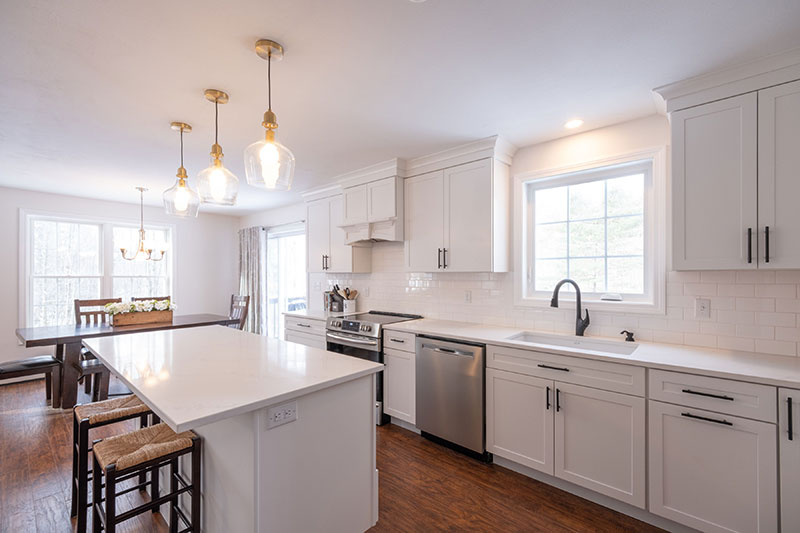
Kitchen remodels require a game plan in order to navigate style, function, and expense. Smart layout & design choices are the backbone of an affordable renovation. The key is aligning your daily demands with smart design, emphasizing practicality over vanity trends and leveraging technology to prototype before committing to a major revamp.
- U-shape layouts utilize three walls for counters, appliances, and cabinets. This layout suits most users, providing ample workspace and storage.
- L-shaped kitchens suit small or open plan spaces, forming a natural flow.
- If you have a narrow space to work with, galley kitchens, with two parallel runs, can make the most of it.
- One-wall layouts are fine for a tiny flat or open studio apartment.
- Interspersing open shelves along one wall and closed cabinets along another keeps it both functional and fashionable.
- For any layout, consider the “work triangle” — sink, stove, and fridge — keeping them near saves time and steps.
- Kitchen design software lets you visualize your selections prior to construction, allowing you to sidestep expensive blunders.
Keep Existing Footprint
Keeping your kitchen’s existing layout can save you a bundle. Plumbing, gas, and electrical lines are costly to relocate, so leaving the sink, stove, and fridge where they are can save thousands! Instead of a complete overhaul, seek small changes that increase function. Perhaps swap out a cabinet for drawers or pull-out shelves. Consider your daily relationship with the kitchen. If it already suits your cooking and entertaining style, go for small improvements—such as improved lighting or storage adjustments. In other words, you get newness without the cost of massive change.
Optimize Workflow
A smart kitchen layout makes cooking and cleaning a breeze. Place the most-used utensils and ingredients within easy, quick reach. Create clear zones: one for cooking, one for cleaning, and one for prep. Try to keep counters clear and ensure each zone contains what you need. Utilize deep drawers for pots, a pull-out trash bin near the prep area, and tall cabinets for pantry staples. Consider the flow of your pacing. Ergonomic design — think counters at the right height or soft-close drawers — reduces strain and stress.
Consider Open Shelving
Put open shelves in to make your kitchen feel bigger and brighter. They allow you to snag plates or utensils quickly. Select wood, metal, or glass to coordinate with the rest of your kitchen. Open shelves are best for things you use all the time or want to display — like mugs or pretty bowls. Concerned about clutter? Throw in a coupleof succulents or some artwork to warm up the space. Don’t forget, open shelves gather dust and grease, so choose what you display with care.
Savvy Material & Appliance Selection
Material and appliance decisions influence the aesthetic and cost of a kitchen remodel. They allow you to control costs, get the best value, and prevent expensive surprises. It helps to make a priorities list, establish a clear budget—generally 5-15% of your home’s value—which you adhere to and concentrate on what truly matters to your lifestyle and cooking habits.
Refresh Cabinets
Refinishing or repainting cabinets usually costs less thana complete replacement. It takes the sting out of tired wood and allows you to update the color or sheen. Occasionally, simply swapping out handles, pulls, or hinges offers a big style boost without busting the budget.
If your layout allows, replacing just the cabinet or drawer fronts can refresh the space. Most go with simple, flat-paneled doors for a modern vibe, or shaker types for a traditional flair. Savvy built-in storage organizers, like pull-out trays or vertical dividers, ensure you use every centimeter efficiently. These upgrades are cost-conscious and can make up about 30% of your kitchen budget.
Choose Countertops
Countertops set the mood for style and everyday living. Laminate, quartz, and solid surfaces all provide a combination of cost and durability. Laminate is economical and available in dozens of styles, but it’s not as durable as stone. Quartz provides durability and low maintenance for a mid-range cost. Stone such as granite or marble adds luxury and resale value, but is more expensive and can sometimes require sealing.
Consider how much time you want to spend cleaning and maintaining your counters. Matte finishes camouflage smudges wonderfully. Neutral stays timeless, bold colors can personalize. Countertops can make up 10% of a remodel budget—budget for both the price and what it means for the way you cook, prep, and clean.
Select Backsplash
A backsplash pulls the kitchen’s style together and protectsthe walls. Ceramic tile is still favored for its low-cost and wipeability. Glass or metal mosaics add color and texture. Peel-and-stick alternatives are a time-saver for DIYers. Opt for materials that complement your countertop and cabinet colors for a streamlined appearance.
Ensure the backsplash is functional. Large patterns are easier to maintain than those with many grout lines. Try to find sales or overstock deals to keep the price down—backsplashes usually fall around 5% of the budget. Personal touches, such as a statement tile design, go a long way without breaking the bank.
Re-evaluate Appliances
Audit what you have before you upgrade anything. If your appliances still function fine, holding on to those saves a ton. When new ones are due, seek out models sized just right for your kitchen and cooking style. Energy-star ratings count for both price and sustainability. Sales, shopping,g and bulk purchases will reduce the cost.
| Appliance | Energy Rating | Avg. Cost (USD) | Key Features |
| Refrigerator | A+ | 550–1,200 | Frost-free, LED |
| Dishwasher | A++ | 300–800 | Low water use |
| Oven | A | 400–1,000 | Convection, self-clean |
| Cooktop | A | 250–900 | Induction/gas |
Position influences workflow — cluster appliances in a way that supports easy movement. Reputable brands may be pricey, but look out for sneaky extras like delivery or installation fees. Appliances usually consume 20% of the budget, so consider what’s worth the splurge.
The DIY vs. Pro Decision
The DIY vs. Pro decision is one of the most critical steps in kitchen remodeling. The smart decision is contingent upon your abilities, availability, and the difficulty of the task. Navigating between potential cost savings and the risk of mistakes or delays is essential for keeping on budget.
Your Skill Level
Before diving in, consult our checklist to measure whether you’re ready for DIY. List previous projects like painting, tiling, or small carpentry. Think aboutwhetherf you’ve ever dealt with plumbing or electric wiring. If you’ve only ever put together flat-pack furniture, a total kitchen remodel might be financially unfeasible.
Certain tasks—such as rerouting gas lines or installing new electrical circuits—need special training and professional approval. Even minor blunders — cabinets installed just a few millimeters off — can prevent counters from fitting or prevent appliances from sliding in. Smart to begin with smaller projects, like painting or hardware changes, to craft your confidence. Know your limits; overestimating your abilities can turn a minor job into an expensive repair.
Your Time
Remodels take far longer than most anticipate, particularly if you’re learning along the way. Plot your week and anticipate how many hours you can dedicate. A contractor may complete in weeks what would take a DIYer months, particularly if you’re limited to weekends only.
There are always slip-ups, whether you’re doing the work or managing it. Waiting for materials, unexpected repairs, or redoing a step can extend timelines fast. Think about whether prolonged inconveniences — such as having no access to either a stove or sink — are compatible with your living situation.
Project Complexity
Kitchen remodels tend to involve too many trades — plumbing, wiring, flooring, cabinets, etc. Even for seasoned DIYers, organizing these moving parts is difficult and error-prone.
Some tasks, such as electrical rewiring or plumbing, may require licensed professionals by law. Having a professional come in can keep code violations and last-minute surprises at bay. Pros identify lurking problems in advance, which helps keep the project on schedule and can prevent budget creep. For work you’re unsure about, outsourcing can save money in the long-run by sidestepping rework.

High-Impact, Low-Cost Upgrades
Focusing on upgrades that transform the look and feel of your kitchen with a minimal outlay is the secret to a successful remodel. High-impact, low-cost upgrades. Small, smart changes can make your room deliver a high-end result by combining less expensive materials with a few splurge-worthy touches. Couple plain cabinets with a trendy backsplash or go with plain tile floor, but add a dramatic faucet, and it makes your kitchen look designer without the cost of a total overhaul. Peel-and-stick backsplash tiles are an excellent choice for a fast, fashionable facelift. Many readers found that targeting hardware and lighting upgrades brings a space to life, while a 10–20% contingency fund helps control surprises.
Strategic Painting
The right paint colors can unite a kitchen, even a small one, and make it feel open. Soft neutrals or warm colors tend to be a good bet, but you can go bold if it suits the design. Painting cabinets instead of replacing them is incredibly cost-efficient and transformative. It breathes new life into aged surfaces, and when teamed up with a fresh backsplash, the impact can be dramatic. Premium paints are a no-brainer — they endure the hustle and bustle and keep your kitchen fresher for longer. Thinking in advance counts. Staggering the project or doing it on weekends will keep your kitchen operational and your stress under control.
Update Hardware
Old handles and pulls are another quick solution for a kitchen’s change of look. In contemporary finishes—brushed steel, matte black, or soft gold—hardware can coordinate with many cabinet styles and please most palates. This upgrade is a fraction of the cost of replacing cabinets or counters, but can still make a big visual impact. Great hardware can make even a plain or low-cost countertop feel purposeful and chic. Consider items that have a solid feel and function effectively under repeated use. Good hardware choices help tie together the kitchen’s theme without added expense.
Improve Lighting
Layered lighting is one of the greatest practical and atmospheric boosters. Pendant or track lights over work zones are practical and contemporary, and adding energy-efficient bulbs means low running costs. Dated fixtures are cheap to replace and call attention to key features, such as a backsplash or countertop upgrade. Strategically-placed lights not only make the space safer and more inviting, but also highlight any new colors or textures you introduce elsewhere.
Add Textiles
Runners, curtains, or table linens act as textiles to soften the hard lines present in the majority of kitchens. Opt for fabrics that clean easily, because kitchen spaces are notorious for spills and stains. Bright or patterned fabrics can link a new paint color or backsplash accent. Even one rug or a couple of cloth napkins can make the space feel more “lived in.” Textiles bring warmth and an opportunity to express some style.
Conclusion
Committing to a kitchen budget requires definite objectives and a regular strategy. Focus on what counts for you – more space, better storage! Choose hard-working materials, not just logo brands. Try to repurpose what you can, like cabinets or lighting fixtures, to keep costs down. Shop for deals and price comparison, don’t just grab the first thing you see. Do minor jobs yourself, if you’re ambitious, but bring in the professionals for larger work. Your kitchen can look sharp and work smarter, with no big risks or massive bills. Add your own tips or questions in the comments below—let’s keep the advice going and help each other get the maximum mileage out of a remodel.
Frequently Asked Questions
1. How do I set a realistic budget for my kitchen remodel?
Begin by making a wish list of your needs and wants. Shop around and find out the average costs in your area. Then add a 10–20% buffer for the unexpected. It keeps you from blowing your budget through poor planning.
2. What are the most cost-effective kitchen upgrades?
Concentrate on painting cabinets, new lighting, and hardware. These upgrades are high impact without the price tag. They give your kitchen a quick refresh.
3. Is it cheaper to remodel the kitchen myself or hire professionals?
DIY can save you labor costs, but complicated things like electrical work probably need a pro. Think about your abilities and the number of involved pieces before making a decision. Safety and quality should steer your selection.
4. How do I choose materials that fit my budget?
Compare your options for each surface. For instance, laminate countertops are cheaper than granite. Check reviews and request samples. Choose hard-wearing, cost-effective materials that suit your taste.
5. What layout changes give the best value without major construction?
Leave plumbing and electric lines where they are. Even basic layout tweaks, like incorporating shelves or an island, can boost function and help keep your expenses down.
6. How can I avoid hidden costs during my remodel?
Get ready by checking out the typical add-on costs like delivery or additional requirements. Request contractor quotes. Always save a contingency fund for surprises.
7. Which appliances should I upgrade first on a tight budget?
Begin with energy-saving appliances that reduce your utility bills. Put the fridge and stove first because they’re the most used. Search for dependable models with great warranties.
Your Dream Custom & Energy-Efficient Kitchen Remodel by Mares & Dow Construction & Skylights – Let’s Create the Heart of Your Home
Transform your kitchen into a stylish, functional, and energy-efficient space with a custom remodel from Mares & Dow Construction & Skylights. With over 40 years of experience, we specialize in kitchen designs that blend beauty, functionality, and sustainability while complementing your home’s character and lifestyle.
Whether you’re envisioning a gourmet chef’s kitchen, a modern open-concept layout, or an eco-friendly upgrade with the latest energy-saving appliances, we customize every detail to match your vision, needs, and long-term goals.
Key benefits of our custom & energy-efficient kitchen remodeling services include:
- Designing a kitchen that’s tailored to your cooking, entertaining, and storage needs
- Boosting your home’s value with expert craftsmanship and modern functionality
- Incorporating energy-efficient appliances, lighting, and materials for lower utility costs and a greener footprint
Proudly serving Contra Costa County—including Alamo, Danville, Orinda, Martinez, and San Ramon—Mares & Dow Construction & Skylights is your trusted partner for kitchens that are as beautiful as they are practical.
Contact Mares & Dow Construction & Skylights today for a free, no-obligation quote,e and let’s bring your dream kitchen to life!
Disclaimer
The materials available on this website are for informational and educational purposes only and are not intended to provide construction, legal, or professional advice. You should consult with a qualified general contractor or industry professional for advice concerning any specific construction project, remodeling plan, or structural concern. Do not act or refrain from acting based on any content included on this site without seeking appropriate professional guidance. The information presented on this website may not reflect the most current building codes, regulations, or industry best practices. No action should be taken in reliance on the information on this website. We disclaim all liability for actions taken or not taken based on any or all of the contents of this site to the fullest extent permitted by law.


