
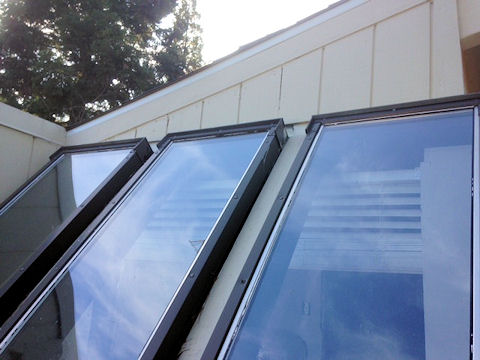
Do you need permits for a skylight installation contractor in Lafayette, CA? According to Lafayette municipal codes, a city permit is required for any work that modifies the roof or other structure, such as a skylight. The city inspects the work to ensure it complies with fundamental safety and building codes. If you don’t have a permit, your job could get shut down, and you could be fined. When a licensed contractor enters into a contract with an owner, the contractor should handle the permits. Contractors know the process and what forms to use for the city. It makes sense for Lafayette to inquire about the specifics of their current permit regulations from the city building department. The following section discusses the process and what to anticipate when organizing a skylight project.
Key Takeaways
- Always verify whether your skylight installation in Lafayette requires a building permit by consulting local building codes and planning department guidelines. These are essential for legal and safety compliance.
- Any structural changes to your roof, like alterations to the framing or roof penetrations for skylights, require a permit and must meet stringent engineering and waterproofing specifications.
- You need to comply with California’s energy codes, such as Title 24, and local fire safety regulations, such as the use of certified materials and energy-efficient skylights.
- Unpermitted work can result in fines, insurance claim denials, and lower property value, so get the right paperwork and inspections to safeguard your investment and appeal to the market.
- From filing construction plans to paying fees and scheduling inspections, the permit application process demands preparation and close communication with local officials.
- It is essential to work with a competent, experienced contractor because they can guarantee code compliance, help you navigate complicated permit requirements, and provide a safe, durable skylight installation.
Lafayette Skylight Permit Rules
Skylight installation in Lafayette, California, is governed by rigorous building codes and local amendments and permits. Most skylight projects, especially those involving new roof openings or modifications to the roof’s structure, require a building permit. A statewide baseline permit may or may not be necessary, depending on factors such as skylight size and installation method. Local zoning laws based on the ICC code mandate permits for cutting new skylight openings or making structural changes. Rules and permit fees are subject to change, so always check with the Lafayette Planning Department for the most recent requirements.
1. Structural Changes
Most skylight installations, including installing skylights, require cutting a new hole and modifying the roof’s trusses. This kind of work usually necessitates planning and compliance with local zoning laws. If you plan to alter the framing, you must confirm whether the new load can be supported or whether more support is required to keep the structure safe. The safety of the entire house, as well as the roof load paths, can be affected by even small changes. To avoid building infractions, always remember to use a licensed contractor and check Lafayette’s codes for roof replacements.
2. Roof Penetration
In Lafayette, any roof penetration, regardless of size, usually requires a building code permit. You will need to consider how the new skylight impacts your roofing layers, water shedding, and insulation. Applying proper waterproofing and flashing techniques isn’t just best practice, but it’s mandatory, and poor workmanship can void warranties or cause leaks. Local zoning laws will dictate how roof penetrations can be sealed, and they will inspect to ensure compliance before signing off on your permit.
3. Energy Codes
Strict skylight performance regulations, such as adherence to the solar heat gain coefficient and insulation requirements, are enforced by California’s energy codes, such as Title 24. Energy-efficient options, such as double-glazed glass or low-emissivity coatings, are crucial to meeting these requirements. Contractors must make sure all products and installations follow local zoning laws and statewide baseline permit requirements. Failure to comply can lead to failed inspections or fines.
4. Fire Safety
Lafayette Skylight Permit Rules stipulate that fire safety codes restrict what sort of skylight materials can be used and how close to property lines or adjacent properties the skylight may be located. To ensure compliance with local zoning laws, materials must be locally fire-resistant, and specific installations may require a review by the Contra Costa County Fire Protection District. Fire codes can limit skylight placement in certain areas, like wildland-urban interfaces, so check the statewide baseline permit requirements up front.
5. Simple Replacements
Certain skylight swaps may not require a building code permit if they don’t alter the opening size or structure. Local amendments specify these as ‘small changes.’ The dimensions and design of the new skylight must match those of the old. It’s smart to document and snap pics of any roofing replacement so future inspectors can view what got swapped. When in doubt, check with the authorities, as they can move around.
Why Permits Are Non-Negotiable
Permits are a must for any skylight installation that alters a building’s structure or weatherproof surface, including new roof openings. They help ensure that projects adhere to statewide baseline permit requirements and local zoning laws, protecting homeowners from future issues while preserving home safety. Knowing what you need before you begin is essential because local laws can be complex and vary by county.
Your Safety
Safety is the key factor for which permits are required for skylight installations. Local codes establish the standard for how the work should be done and with what material. Permits ensure that every phase adheres to these standards, minimizing potential hazards such as leaks or structural vulnerabilities within the roof. Inspections associated with permits identify dangerous work before it becomes a danger. This process ensures your home remains storm-strong and water-resistant.
If you bypass permits, you could encounter hidden risks. For instance, a skylight installed without inspections could have faulty seals, resulting in water damage or mold. The danger of falling glass or roof collapse may be greater, too. Being on top of safety laws and getting permits is the best way to keep your family, visitors, and anyone who lives nearby safe.
Your Property Value
Unpermitted work can decrease your home’s market value and increase its time on the market. Many purchasers will want to know that everything you did was safe and lawful. Permits provide this evidence and demonstrate that the work was performed to code. They can make your home pop in the market because buyers know they’re not stepping on a landmine.
Certain buyers will bolt if you can’t produce permits for your skylight. Even if they don’t, banks or lenders may reject loans for houses with unpermitted modifications. You may be forced to redo the work or face fines before closing a sale. Getting the right paperwork now can save a lot of stress and cost later.
Your Insurance
Insurance companies, for example, typically require permits for home upgrades to remain covered. If you’ve got an unpermitted skylight, your insurer might refuse claims following a leak or accident. In some cases, they could even cancel your policy. This might leave you covering repair or legal fees yourself.
Call your insurance company before you begin. Find out what paperwork they require and save copies of all permits and inspection reports. That way you can be sure your coverage will safeguard your home, come what may.
Checklist: Do’s:
- Check local codes before work starts
- Apply for required permits
- Keep all permit records
- Schedule all required inspections
Don’ts:
- Skip permits to save time or money
- Ignore local safety rules
- Hide unpermitted work from buyers or insurers
- Assume rules are the same everywhere
Navigating The Permit Process
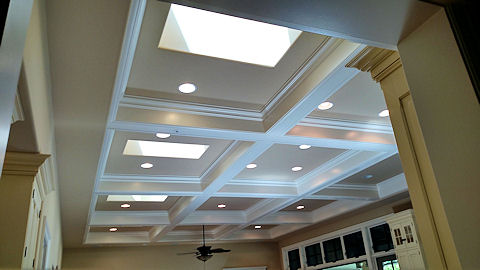
In Lafayette, CA, skylight installation is governed by building codes that ensure structural integrity and weatherproofing. Cutting an opening in a roof for a skylight almost always necessitates a building code permit, according to IRC §R105.1. Title 24, one of California’s distinct regulations, adds layers of performance and energy efficiency requirements. Although there are exceptions for installing sun tunnels or skylights up to 0.28 square meters without a permit, most projects will require approval from your local authority. Always check with Lafayette’s building department or your city’s equivalent for compliance with local zoning laws.
Application
The permit application, which asks for details about the project’s scope, address, and contractor, is the first step in applying for a building code permit. Send this to the Lafayette Planning Department via their public portal or in person. Use the department’s online tool to track your application if available. Remain involved, as they might have inquiries about the project’s structure or Title 24 compliance.
Plans
Each application for a skylight permit must include a set of plans that adhere to local zoning regulations. The rooflines, skylight size, and placement must be depicted in these code-level drawings. To meet the requirements of the building code permit review, the plans must highlight any structural modifications included in the project.
Fees
Type Of Permit | Estimated Fee (USD) |
Standard Skylight Permit | $120-$300 |
Structural Modification | $250-$500 |
Plan Review | $50-$150 |
Inspection | $75-$200 |
Budget additional fees for a complicated construction project, especially if it requires a building code permit or multiple reviews. Building departments may impose fees based on the size of the skylight and associated structural work.
Inspections
Arrange for inspections at the request of local authorities to ensure compliance with local zoning laws and building code permits. The site should be clean and accessible, with all safety precautions in place. They may be looking at structural attachments, weatherproofing, and energy code, including SHGC requirements. If something isn’t right, fix it before the next inspection to smooth the permit process. Final approval seals the permit process and legally finishes the installation.
What Influences Permit Needs?
Numerous factors, including local zoning regulations and statewide baseline permit requirements, determine the kinds of permits needed for skylight installation. Understanding California’s Title 24 and the local amendment permit can help you navigate the rigorous permitting process. By being aware of these factors, you can steer clear of legal pitfalls and make sure your skylight installation complies with energy and safety regulations.
Project Scope
The size and complexity of the work involved are the main factors that determine the permit requirements. For instance, replacing an old skylight in the same location is usually straightforward and may even be permit-free based on local zoning laws. Adding new roof openings or changing the roof framing typically requires compliance with more stringent regulations. Minor repairs around the house, such as painting or replacing a toilet, usually don’t require permits, while structural modifications almost always necessitate a building code permit.
If your project involves installing up to three skylights, California’s Title 24 provides a skylight exemption from obtaining a permit, as long as the skylights adhere to the state’s energy regulations, with a maximum U-factor of 0.55 and an SHGC of 0.30. More complex tasks, such as modifying roof supports or installing wiring, will likely require a local admin permit for formal approval.
Building Type
Houses and businesses have separate regulations. Things might be simpler if it’s residential property. Commercial sites are subject to stricter regulations and inspections. Historic properties introduce an additional complexity. Local heritage boards might demand specific approvals to preserve architectural significance. In some cities, even certain apartment buildings are required to meet commercial-grade standards.
What determines permit requirements? Local planning offices and section R105 of the ICC explain these discrepancies. For instance, installing a skylight on a landmarked Victorian brownstone can generate more work than revamping a new condo.
Location
What affects permit requirements? Homes near vulnerable habitats, steep slopes, or wildfire zones are subject to more stringent restrictions. Local zoning laws could restrict the quantity or location of exposed skylights. Homeowner associations can add their own rules, particularly in planned communities.
Lafayette’s Planning Department is your best local resource. Most cities apply both state standards and their own, so check both before you begin work. In some neighborhoods, even small exterior modifications require approval. Others are more liberal if safety and energy codes are satisfied.
The Contractor’s Critical Role
A licensed contractor is not simply the individual who installs the skylight. They are your primary navigator through all the technical regulations and permits necessary for this type of work. In Lafayette, CA, among other locations, building codes such as Title 24 impose certain restrictions on how much light and heat can pass through skylights. It’s the contractor who needs to know the codes and keep up with changes. They verify the kind and number of skylights that can be installed in a structure, ensuring they comply with energy guidelines. They take into account factors like the owner’s desired level of energy savings, building type, and climate. The appropriate contractor assists owners and teams in understanding the exceptions and limitations in these codes to prevent anyone from taking any action that could cause a project to be stopped or delayed.
A quality contractor verifies that each skylight and window complies with the U-factor and SHGC requirements in Title 24. If these figures are out, the job can get delayed or expensive to repair. The contractor collaborates with owners, architects, and engineers. This cooperation helps to resolve details and maintain the initiative’s course. If there are questions about what skylights work for the area’s weather or the building’s use, the contractor assists in selecting the best match.
When looking for a licensed contractor, it helps to look for these qualities:
- Has a valid license and clear proof of insurance
- Shows recent experience with skylight installations and permit work
- Understands Title 24 and local building codes in detail
- Communicates well with owners and project teams
- Keeps organized records and tracks permit status
- Can explain the rationale behind our choice of particular skylights or installation techniques.
- Knows about exceptions or special cases under Title 24
Working with a savvy contractor translates to less hassle with permits. They know how to file papers, submit paperwork, and interface with local offices. If an issue arises, they identify it quickly and understand the resolution. For a young professional or energy-conscious homeowner, this sort of assistance means you’re not spending time or dollars foolishly. A contractor who knows the rules minimizes woes and keeps your project rolling.
Beyond The Permit Itself
Obtaining a building code permit is just the first step in installing a skylight. It goes beyond the forms alone. When a Lafayette, California, homeowner wants to install a skylight, obtaining the proper permit is just the start. Skipping permits can trigger a cascading series of issues, from fines to headaches when selling a house. Sometimes appraisals reveal unapproved work, and buyers or inspectors may decide not to proceed. Permit approval times can range from a few days to a couple of weeks, so planning is crucial. Many municipalities, especially coastal or high-density areas like Chicago or Seattle, have additional weatherproofing and energy code requirements, such as Title 24 in California. Homeowners should always verify with the local building department what’s exactly required, as requirements can shift, and digital permit platforms have recently made the process less stressful.
Good craftsmanship and materials are just as important as compliance. It is crucial to install skylights correctly because improper installation can result in leaks, heat loss, or roof damage. Proper flashing, sealants, and insulation are necessary to prevent water entry and manage energy bills effectively. Even efficiency upgrades, such as coatings or insulation, may require a statewide permit due to state energy codes. Scheduling inspections at critical points of the project is more than just a bureaucratic hoop. Inspectors will validate if the work aligns with the approved plans and is code-compliant. If something is not right, the inspector can mandate modifications before approval.
It takes more than just periodically cleaning the glass to keep a skylight in optimal condition. Frequent checks for moisture, debris, or cracks close to the frame help spot issues before they become more serious. Cleaning the glass and checking seals annually is a nice routine. If building codes or local rules change, future upgrades or fixes might require new permits or additional actions. To stay out of the way, protect the homeowner’s investment, and avoid future issues, it is worthwhile to keep up with local regulations and document all work.
Final Remarks
Skylight work in Lafayette requires specific processes. Local codes protect our homes. Permits demonstrate that the work complies with all regulations. Good contractors guide people through every step. They assist in identifying what the city desires and troubleshoot quickly. Permit requirements can vary with the size of the skylight, roof type, and location of the house. Bypassing the permit can lead to hefty fines or stop-work orders. An easy solution is to partner with experts familiar with local regulations. They reduce stress, accelerate the work, and save money in the end. If you would like to share your personal skylight installation story or if you have any additional advice, please leave a comment below. Let’s help one another get it done right and safely.
Frequently Asked Questions
1. Do You Need A Permit To Install A Skylight In Lafayette, CA?
In Lafayette, CA, local building codes necessitate a quick permit for skylight installation contractors.
2. Who Is Responsible For Obtaining The Skylight Permit?
The contractor, often responsible for obtaining the building code permit, should be verified by homeowners before the construction project begins.
3. What Happens If You Skip Getting A Skylight Permit?
Skipping the building code permit can result in fines, delays, or insurance and resale issues, so ensure you obtain the required permit before installation.
4. How Long Does The Skylight Permit Process Take In Lafayette, CA?
This process could take a few days to several weeks, depending on the project’s details, local zoning laws, and the city’s workload. Begin early to prevent waiting.
5. What Documents Are Needed To Apply For A Skylight Permit?
You generally require plans, contractor information, and property details to obtain a local building code permit. It depends on where you live, so consult your local zoning laws.
Protect What Matters Most With An Experienced Foundation Repair Contractor – Mares & Dow Construction & Skylights
Your home’s safety begins with a stable foundation. When cracks appear, floors become uneven, or the structure begins to settle, it’s often a sign that professional attention is needed. At Mares & Dow Construction & Skylights, we’ve helped Bay Area homeowners protect and stabilize their properties for more than 40 years through expert foundation repair and structural solutions built for long-term durability.
As a trusted foundation repair contractor serving Contra Costa County cities, our team carefully evaluates your home’s structure, soil conditions, and drainage patterns to identify the real cause of foundation problems. From repairing structural cracks to correcting settlement and reinforcing key support areas, we provide solutions designed to restore stability and protect your home for years to come.
Why Homeowners Choose Us
Experienced foundation repair contractor with decades of structural expertise
• Solutions for foundation cracks, settlement issues, and structural movement
• Drainage improvements that help prevent future foundation damage
We proudly serve homeowners across Contra Costa County, including Walnut Creek, Danville, Lafayette, Orinda, Concord, San Ramon, Martinez, Pleasant Hill, Moraga, and Alamo. Every project is handled with the same care and attention we would give our own homes.
Foundation problems rarely improve on their own. Contact Mares & Dow Construction & Skylights today for a free, no-obligation estimate and get the professional foundation repair support your home deserves.
Disclaimer
The materials available on this website are for informational and educational purposes only and are not intended to provide construction, legal, or professional advice. You should consult with a qualified general contractor or industry professional for advice concerning any specific construction project, remodeling plan, or structural concern. use act or refrain from acting based on any content included on this site without seeking appropriate professional guidance. The information presented on this website may not reflect the most current building codes, regulations, or industry best practices. No action should be taken in reliance on the information on this website. We disclaim all liability for actions taken or not taken based on any or all of the contents of this site to the fullest extent permitted by law.


