
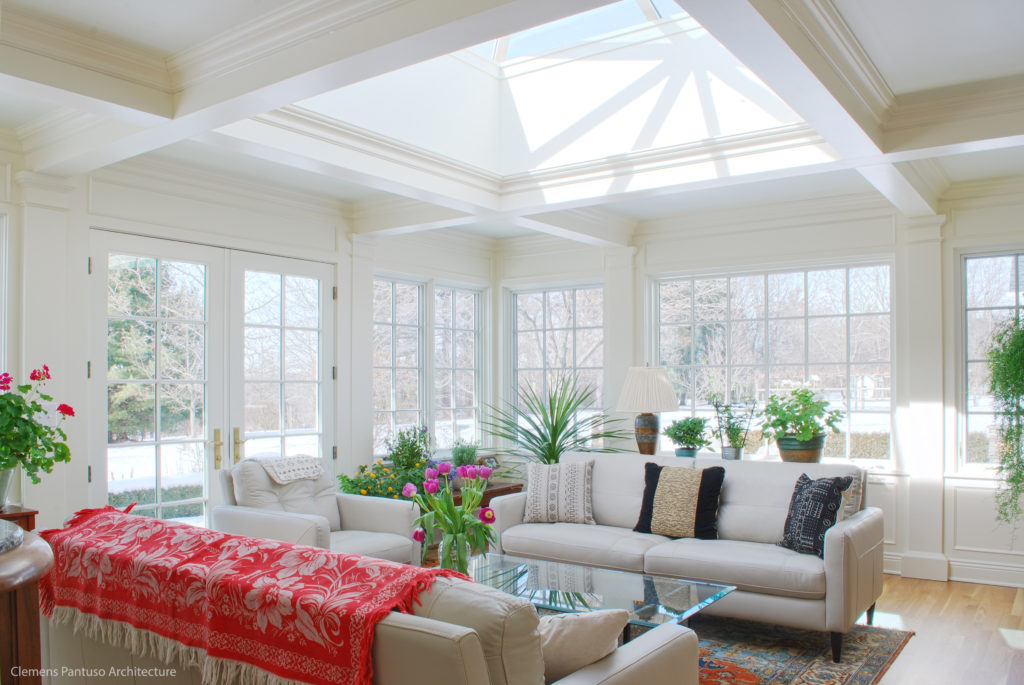
Rainwater can slip through gaps when sealant breaks down or if flashing bends out of place. Old or cracked roofing around the skylight allows water to leak. Water can occasionally seep past the edges of the skylight because it doesn’t fit properly. Water drainage to the pool is obstructed by leaves or other debris near the skylight, causing leaks inside. Mares & Dow Construction & Skylights Inc. looks at every component, including the sealing, glass, frame, and roof, to determine the true origin. To identify the actual origin, these experts examine every element, such as sealing, glass, frame, and roof. With quick inspections and speedy repairs, most leaks end before they damage your home. The second section demonstrates how contractors locate and repair leaks.
Key Takeaways
- Poor installation, defective flashing, worn seals, and cracked glazing are the culprits for leaks. Proper installation and maintenance by Mares & Dow Construction & Skylights Inc. in San Ramon, California, can prevent water intrusion.
- Skylight wear can be accelerated by harsh local conditions such as strong sunlight, heavy rain, and leaf debris, so it’s important to adjust maintenance practices for long-lasting functionality.
- It is crucial to take these early warning indicators seriously and act quickly because the sooner a skylight leak is fixed, the less expensive the repair will be and the less chance there is of further structural damage.
- That’s where skilled professionals like Mares & Dow Construction & Skylights Inc. come in. DIY fixes often result in misdiagnosis, the use of improper materials, voided warranties, and increased safety risks. It’s best to trust skylight repairs to pros.
- To achieve true leak remediation, insidious leak sources like damaged underlayment, insufficient attic ventilation, and nearby roof issues require comprehensive analysis and integrative repair.
- A systematic troubleshooting methodology, including exterior and interior observation, water testing, and material examination, can help pinpoint leaks and establish effective skylight repair strategies.
Why Skylights Leak
Skylight leaks can arise from various factors, often due to a combination of materials and installation issues. Common causes include tiny lapses in installation, skipped maintenance steps, or the gradual deterioration from sun and rain, which can lead to serious roofing damage. Understanding these root causes is essential for effective skylight repair.
- Flawed Installation
If the skylight is not installed according to the manufacturer’s instructions, such as positioning the curb at least 10 cm above the roof and applying a watertight seal with multiple layers of flashing, gaps can develop. These cracks allow water to creep in, particularly during heavy rainfall, leading to serious roofing damage.
Signs of misalignment are easy to miss yet can cause moisture damage around the frame. Even a minor camber or an upturned edge not flush with the roof will hold water. That water takes the path of least resistance and frequently flows into the building. A professional contractor will verify the positioning and alignment at every stage, minimizing the chances of leaks down the road. - Failed Flashing
Flashing acts as a protective barrier around the skylight, keeping water out. If flashing gets bent, rusts, or sections fall off, water can sneak beneath the skylight frame. This is common after high winds or hailstorms.
Other flashing issues stem from installation errors. If flashing isn’t layered properly or is completely missing in some spots, leaks are bound to occur. Routine inspections and proper installation help prevent these issues. - Degraded Seals
Seals and gaskets prevent water intrusion, but they deteriorate over time. Sunny climates can accelerate this process, with UV rays and heat making rubber and silicone brittle or cracked. Over time, the sealant may shrink and allow water to collect inside the frame if it hardens.
Regular inspections and resealing can extend the life of skylights and maintain proper water protection. - Cracked Glazing
Cracks in the skylight glass or glazing are another cause of leaks. Occasionally, these fractures are very tiny and difficult to detect, yet water can still find its way in, particularly during storms or snow.
Professional assessment can determine whether repair or replacement is the best option. Regular inspections identify minor problems before they become costly repairs. - Condensation Buildup
Condensation on skylights occurs when warm, moist air encounters a cold surface. This is particularly common in areas with moist air or inadequate insulation around the skylight. Eventually, the trapped water causes stains, mold, and may even lead to rot.
Proper ventilation and insulation improvements help prevent this issue and maintain the integrity of the skylight and roof.
San Ramon’s Climate Impact
Thanks to San Ramon’s Mediterranean climate, skylight repair contractors have hot, dry summers and mild, wet winters to plan for. The climate, influenced by the nearby Pacific Ocean, results in substantial winter rain, approximately 508 millimeters annually, which can lead to a commercial skylight curb leak if not properly managed. Summers are sometimes punctuated by heatwaves and drought, taxing materials and maintenance. These trends impact skylight longevity, efficiency, and likelihood of leaks, so climate adaptation is necessary for effective roof leak repairs.
Intense Sun
Extended exposure to sunlight, especially during the summer, can cause skylight frames and seals to dry out and crack. UV rays cause plastics and rubber gaskets to fade and become brittle over time, contributing to potential commercial skylight curb leak issues. UV-resistant coatings can protect skylight glass and extend its life, particularly in San Ramon, where UV is high for part of the year. Warping and discoloration can be ignored until leaks occur around older units. To minimize sun damage, lower interior temperatures, and lessen skylight stress, install shades or window films.
Heavy Rain
Heavy winter rains pose a problem for skylights because they can cause water to pool around frames and overwhelm drainage. Prolonged storms often push seals, already weakened by sun damage, over their breaking point, resulting in leaks. After rainy seasons, routine skylight inspections help promptly detect any water seepage or pooling, preventing minor skylight problems from escalating into more serious roof leak repairs. Retrofitting drainage or flashing will push water away, minimizing the risk of a commercial skylight curb leak. Homeowners must be quick to repair small leaks after storms to avoid costly repairs.
Debris Accumulation
Leaves, twigs, and dust accumulate on skylights, particularly during windy or dry periods, leading to potential skylight problems. Water backs up beneath the skylight due to debris clogging gutters and downspouts, sealing in weak spots. These obstructions can be avoided by cleaning skylights before and after wet seasons. Additionally, checking surrounding trees and landscaping can help identify sources of debris. Mesh screens or barriers, which also make routine maintenance easier and prevent significant roofing damage from blocked drainage, are an easy way to stop leaf accumulation.
Early Warning Signs
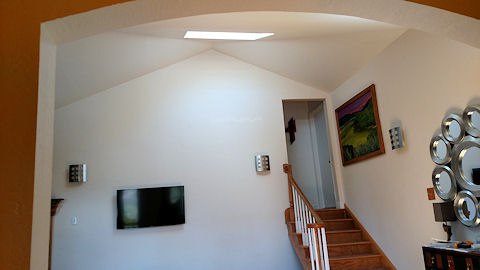
Leaking around skylights often starts with small stains or discolorations, which can escalate into a major issue if not addressed promptly. It is possible to detect these problems early and significantly reduce the chance of costly skylight repairs by conducting a quick skylight inspection every two years. Common early warning signs include water stains, dripping water, and foggy glass, indicating potential issues like old flashing or worn weather seals.
Water Stains
Usually, water stains are the first sign of a leak. Usually appearing as brown or yellow patches, these marks appear on the walls or ceilings next to the skylight. To check if it expands, homeowners should record the size and location. Stains may seem minor and innocuous, but they are an early warning sign of a larger underlying problem, such as defective flashing or cracked weatherstripping.
- Look for signs of water stains or discoloration around the skylight.
- Trace the outline of each stain and photograph for documentation.
- Check your skylight flashing and seals for gaps or rust.
- If stains spread, call a skylight contractor to put the damage to rest.
In addition to lowering repair costs, timely stain removal also stops mold or rot from growing.
Dripping Water
Observing water trickling through a skylight indicates an operational leak, often a sign of a skylight repair issue. It’s common in heavy rains or after storms, particularly if the flashing is compromised or the skylight is older than 10 to 15 years. The amount and frequency of the drip provide hints as to the leak’s intensity. A slow drip can lead to serious roofing damage if ignored. Search for water around the skylight frame and glass edges. An immediate response is imperative, and contact a professional skylight repair contractor to avoid bigger problems and structural damage.
Damaged Drywall
Bulging or damp drywall near skylights can signal a skylight problem. If you notice discoloration, peeling paint, or sagging, it indicates a persistent leak rather than a one-time incident. This type of damage often causes extensive roofing issues, so it is essential to hire a qualified skylight repair contractor to address the problem. After repairs, keep an eye on the site, but if damage recurs, the initial leak might not have been fully resolved.
Foggy Glass
Foggy glass on a skylight typically indicates condensation has formed between the panes, often due to a skylight seal failure, particularly if the skylight is an older model. While it may not necessarily indicate a roof leak, it can reduce energy efficiency and obstruct natural light. If fog returns after cleaning, it’s advisable to have a professional skylight repair contractor assess the situation and recommend necessary repairs or updates. Lingering fog may suggest more significant skylight problems involving insulation or moisture damage.
The Problem With DIY Fixes
Leaks around skylights may seem like a simple repair, but the reality is often more complicated. Most leaks are not obvious, and a commercial skylight curb leak can lead to serious roofing damage if not addressed properly. Homeowners who attempt do-it-yourself repairs risk endangering the integrity and safety of their roof, which could ultimately lead to expensive skylight repairs.
Misdiagnosis
Detecting the origin of a skylight leak is difficult. Water can move great distances from its point of entry before manifesting indoors, so cosmetic indicators are frequently deceptive. If we assume the leak is from a crack or worn seal that we can see, we’ll end up patching the wrong place. That means the leak returns and more damage is caused. Site-made flashings might look great, but if the corner caulk fails in a few years, water gets in.
Generally, write down any symptoms, water stains, peeling paint, dripping, etc., before you call the professional. This assists the contractor in tracking down the true cause more quickly and precisely. Trusting a seasoned skylight repair contractor means the diagnosis isn’t just an assumption.
Improper Materials
The Issue with DIY Solutions. A lot of DIY fixes use generic caulk or sealant, but cheap materials degrade rapidly, especially with sun and rain. The cost of supplies for a fast resealing will range from $75 to $250, but leaks will recur in a year or two if the wrong product is used. With older skylights, brittle materials make repairs more difficult.
Research is useful. It’s difficult to compete with the experience of an expert who knows which items work and which don’t. Incorrect installation or bad materials are what cause leaks to resurface and be more expensive down the line.
Voided Warranties
DIY fixes can void the warranty on your skylight or roof, especially in a commercial skylight curb leak. Most manufacturers require repairs to be done by certified techs, so a homeowner attempting a DIY fix risks nullifying the warranty and facing costly skylight repair expenses. Therefore, it is essential to read the warranty terms before beginning any work because expert skylight repair preserves warranty coverage and offers peace of mind.
Safety Risks
Climbing on a roof or dealing with glass skylights can be dangerous, especially when addressing common skylight problems like leaks. Without the proper equipment and expertise, falls or injuries can occur easily. Homeowners are more vulnerable than experienced skylight contractors, so bringing in the pros ensures professional skylight repair while eliminating these risks. Safety first, not saving a buck.
Hidden Leak Sources
Skylight leaks can be caused by a myriad of hidden sources that escape notice during a typical inspection. It’s critical to understand the underlying causes of these skylight issues because they don’t always show clear symptoms until they’ve caused damage. Four of the most common hidden sources, each with its own technical culprits, are compromised underlayment, poor attic ventilation, and adjacent roof problems. Continuous skylight inspections and prompt skylight repair are essential to identify these problems early on, since 70% of leaks are linked to maintenance gaps.
Compromised Underlayment
The area between the deck and shingles is known as the underlayment. Water may seep in if the shingles above rip, shrink, or deteriorate, even if they appear sound. Over time, moisture, UV rays, and seasonal expansion, occasionally up to 3 mm, will erode even premium underlayment. Look for curling edges, tears, or mold. If the underlayment is breached, a commercial skylight curb leak can occur, leading to insidious water intrusion, but mold or wood rot can develop under the skylight. Immediate skylight repair or replacement is necessary. Homeowners need to realize that preserving the underlayment is just as crucial as preserving visible roof layers. Reseal every 5 years with roof-grade silicone, and remove debris around the skylight quarterly to extend underlayment life.
Poor Attic Ventilation
Inadequate attic ventilation significantly raises heat and humidity levels, accelerating the deterioration of roofing materials and increasing the risk of a commercial skylight curb leak. Indicators of this issue include musty smells, visible condensation, or hot and cold spots in the attic. Without proper airflow, moisture accumulates, wreaking havoc on your insulation, rafters, and even the skylight itself. To mitigate these skylight problems, it’s advisable to install ridge vents or add exhaust fans to improve airflow. For optimal results, consult a professional skylight repair contractor to evaluate and replace your attic ventilation systems.
Adjacent Roof Issues
In particular, roofing problems around the skylight, such as bent or missing flashing, often get overlooked due to wind or hail. These flashing problems allow water to seep beneath the roofing surface and through to the skylight aperture, leading to serious roofing damage. Cracked, loose, or missing shingles, tiles, or seals in the immediate area will exacerbate roof leak issues. These skylight problems need to be addressed quickly, as they are critical to preventing additional damage. Regular skylight inspections can help catch hidden leak sources early.
Issue | Compromised Underlayment | Poor Attic Ventilation | Adjacent Roof Issues |
Typical Signs | Tears, mold, curling edges | Musty odor, condensation | Bent flashing, loose tiles |
Primary Cause | Wear, UV, poor installation | Poor airflow, humidity | Wind, hail, improper sealing |
Repair Frequency | Every 5 years | As needed | After storms, yearly check |
Our Diagnostic Approach
Our Diagnostic Approach involves more than just addressing visible issues. Leaks, like a curb leak in a commercial skylight, can be misleading, and sometimes what appears to be a leak is just condensation. As a result, we methodically begin with observations, test the materials, and then examine them. Every stage helps us find the underlying causes rather than just the symptoms.
Visual Inspection
We begin with a careful visual examination, focusing on potential skylight problems. Each work receives a checklist to ensure that nothing is overlooked, including common signs such as water stains and peeling paint near the skylight. Indicators like cracks in the glass, dry or cracked sealant, or rust on flashing can lead to serious roofing damage. Multiple leak points and sagging roofs may indicate more serious problems, necessitating the work of a skilled skylight repair contractor. We engage homeowners and share our findings so they are aware of what to watch out for in the future.
Water Testing
Water testing is conducted to identify the root causes of leaks, especially in older skylights. We isolate the area and use a hose to simulate rain while performing a brief skylight inspection. Slow, deliberate sprays allow us to pinpoint exactly where water enters, which is crucial for effective skylight repair. This type of testing is important when leaks only appear during storms or downpours. We educate homeowners about why testing is essential to differentiate between a real leak and condensation.
Material Analysis
Material checks on seals, flashing, and the skylight itself are crucial for maintaining a watertight seal. A commercial skylight curb leak can be caused by non-flat flashing, old or brittle caulk, and moisture trapped between panes. It is often necessary to replace a skylight entirely rather than merely repair it if it is older than ten to fifteen years. We conduct thorough inspections of each layer, from glass to frame, to pinpoint potential skylight problems before they escalate into costly repairs.
Final Remarks
Leaks around skylights provide headaches quickly. That’s because bad seals, wrong installation, and old parts top the list. Heavy rain in San Ramon turns small gaps into big problems. Most leaks begin where you don’t see, such as at the flashing or roof deck. Instead of relying on temporary DIY fixes, trust Mares & Dow Construction & Skylights Inc. to identify and resolve the root issue. Their expertise ensures your skylight remains durable, efficient, and leak-free. Leaks can be located and fixed at their source by experts with the necessary equipment and extraordinary abilities. To keep your skylight dry and safe, trust an experienced team that knows your local weather and has stopped leaks in their tracks. If you notice stains, drips, or other warning signs, don’t wait, but contact Mares & Dow Construction & Skylights Inc. today for a professional inspection.
Frequently Asked Questions
1. What Are The Main Causes Of Skylight Leaks?
A professional skylight repair contractor in San Ramon, CA, addresses common causes of leaks, such as weather and age, which can weaken the watertight seal of skylight installations.
2. How Does San Ramon’s Climate Affect Skylight Leaks?
San Ramon experiences seasonal rain and temperature shifts, which can lead to common skylight problems. These modifications may raise the risk of a commercial skylight curb leak if they are not installed or maintained correctly.
3. What Early Signs Indicate A Skylight Leak?
Early signs of a commercial skylight curb leak or flashing problem could include water stains, moisture, or mold surrounding your skylight.
4. Why Are DIY Skylight Repairs Risky?
DIY repairs can overlook concealed problems or apply the wrong materials, leading to serious roofing damage. Hiring a professional skylight repair contractor ensures repairs meet safety standards and effectively address common skylight problems.
5. What Hidden Sources Can Cause Skylight Leaks?
Leaks can originate from torn roof membranes, defective flashing, or blocked gutters adjoining the skylight, which are common causes of skylight problems.
Protect What Matters Most With An Experienced Foundation Repair Contractor – Mares & Dow Construction & Skylights
Your home’s safety begins with a stable foundation. When cracks appear, floors become uneven, or the structure begins to settle, it’s often a sign that professional attention is needed. At Mares & Dow Construction & Skylights, we’ve helped Bay Area homeowners protect and stabilize their properties for more than 40 years through expert foundation repair and structural solutions built for long-term durability.
As a trusted foundation repair contractor serving Contra Costa County cities, our team carefully evaluates your home’s structure, soil conditions, and drainage patterns to identify the real cause of foundation problems. From repairing structural cracks to correcting settlement and reinforcing key support areas, we provide solutions designed to restore stability and protect your home for years to come.
Why Homeowners Choose Us
Experienced foundation repair contractor with decades of structural expertise
• Solutions for foundation cracks, settlement issues, and structural movement
• Drainage improvements that help prevent future foundation damage
We proudly serve homeowners across Contra Costa County, including Walnut Creek, Danville, Lafayette, Orinda, Concord, San Ramon, Martinez, Pleasant Hill, Moraga, and Alamo. Every project is handled with the same care and attention we would give our own homes.
Foundation problems rarely improve on their own. Contact Mares & Dow Construction & Skylights today for a free, no-obligation estimate and get the professional foundation repair support your home deserves.
Disclaimer
The materials available on this website are for informational and educational purposes only and are not intended to provide construction, legal, or professional advice. You should consult with a qualified general contractor or industry professional for advice concerning any specific construction project, remodeling plan, or structural concern. use act or refrain from acting based on any content included on this site without seeking appropriate professional guidance. The information presented on this website may not reflect the most current building codes, regulations, or industry best practices. No action should be taken in reliance on the information on this website. We disclaim all liability for actions taken or not taken based on any or all of the contents of this site to the fullest extent permitted by law.


