
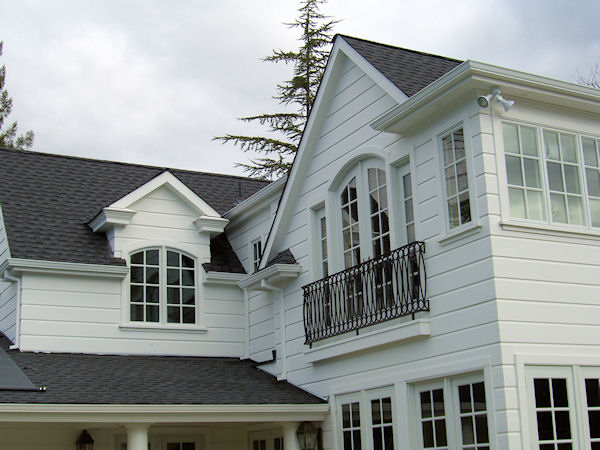
Fiber cement siding outlasts wood siding and requires far less maintenance in most climates. Fiber cement is composed of cement, sand, and cellulose fibers, providing excellent resistance to rot, fire, and insects. Wood siding provides a traditional aesthetic and is relatively straightforward to repair, but it requires consistent maintenance to prevent water damage and warping. Each has its advantages depending on what you need. Fiber cement tends to last longer, so many people put it in areas that get harsh weather or a lot of insects. For those who crave that natural charm and don’t mind the upkeep, wood can still be a solid choice. Later, we break down cost, appearance, and maintenance.
Key Takeaways
- Fiber cement siding is exceptionally durable, more resistant to fire, insects, and moisture than wood,d and typically requires less maintenance, making it an ideal material in all types of settings.
- Wood siding offers classic aesthetics and natural warmth, but it is susceptible to rot and pests and needs regular maintenance, which affects its durability and expense over time.
- Fiber cement siding may have a higher initial installation cost, but its reduced ongoing maintenance expenses and longevity mean it usually offers better value in the long term than wood siding.
- Both fiber cement and wood siding bring plenty of design options to the table, allowing homeowners to tailor the aesthetics to the architecture and their personal style. Fiber cement siding provides an even wider range of color and texture options.
- Fiber cement siding is generally considered more environmentally sustainable because it incorporates recycled materials and has less demand for timber. Wood siding’s sustainability varies based on sourcing and forestry practices.
- When choosing siding, homeowners should think about maintenance requirements, local weather, insulation value, environmental impact, and safety. They should consult with a seasoned professional for what’s best for their home and region.
Understanding Fiber Cement
Fiber cement siding is a manufactured product consisting of a combination of cement, cellulose, sand, and sometimes wood pulp. The combination of these components renders it durable and supple. The cement acts to bond the fibers and filler together, providing strength to the siding. Cellulose fibers, usually from wood, provide flexibility and allow the siding to absorb stress without cracking. This mix results in a wood-like product that won’t warp or split like wood, and it remains solid through temperature and humidity fluctuations.
One of the biggest reasons fiber cement is so great is its ability to withstand just about anything. It’s durable and resilient; it withstands strong sun, heavy rain, wind, and even snow. It resists damage from insects like termites, which can ravage wooden siding. Fiber cement won’t rot or decay, even after years of exposure to damp climates. In coastal areas where salt spray can deteriorate other materials, fiber cement maintains its form and appearance. In fire-prone areas, its non-combustible quality is a bonus, standing up better than wood when faced with fire.
Fiber cement siding offers a variety of styles and colors, so the homeowner or builder has options. The choices include:
- Smooth panels for modern designs
- Wood grain textures that look like real timber
- Shingle and shake profiles for a classic look
- Vertical and horizontal plank formats
- A wide palette of factory-applied or paintable colors
- Matte or gloss surface finishes
- Options for both wide and narrow boards
Another important characteristic is the low maintenance requirements. The tough surface doesn’t soak up much water, so there’s less expanding or contracting. The color, if factory baked-on, lastsfor years with minimal fading. Unlike wood, it doesn’t require frequent sealing or painting, although if you want a new color, it can be repainted. Cleaning typically involves nothing more than a rinse with water and a brush. There is no need to treat bugs or mold, minimizing maintenance expenses and efforts.
The Timelessness Of Wood
Wood siding is distinguished by its warm feel and comfortable, natural appearance that lends countless homes a timeless allure. Its grains and color shifts make every house appear just a little different. In numerous parts of the world, wood remains the go-to for those seeking a hint of nostalgia or who enjoy watching it age. Wood shifts with light and changes with age, which renders it alive, unlike almost any other material. It attracts the human species and connects a space firmly to the natural world.
- Pine: One of the most common types, pine is known for its light color and straight grain. It’s such an evergreen medium, so simple to paint or stain. Pine is softer than other woods, so it dents more easily. A lot of owners feel like this makes it more charming.
- Cedar: Cedar stands out for its rich scent and natural oils that help keep bugs away. It fares well in moist air, making it a preferred selection for rainy climes. Cedar doesn’t warp a lot and will stand unpainted as long as you want.
- Redwood: Famous for its deep red color and straight grain, redwood is strong and fights off rot well. It’s more expensive than pine or cedar, but a lot of people opt for it because of the way it holds its appearance over time.
- Spruce: Spruce is pale and has a neat look, often picked for its low cost. It is not as strong as cedar or redwood, but it performs well in dry locations.
- Douglas fir: Known for its tight grain and strength, Douglas fir is good for big boards and smooth finishes. It takes paint well and is frequently selected for contemporary styles.
There’s something special about wood siding that can increase your curb appeal immediately. Its timelessness suits both old and new homes, frequently increasing value and making a lasting first impression. Wood is not perfect. It requires maintenance, such as repainting and sealing, to prevent water from penetrating the wood. Bugs like termites can burrow in, and in wet areas, rot can take hold. Despite these hazards, an abundance elects wood for its coziness, appearance, and tactile nature.
Which Siding Holds Up Better?
Fiber cement and wood siding both have their own pros and cons. Their resistance to weather, pests, and even time itself is as much a function of the material as it is the care provided throughout the years. The following table outlines their durability at a glance:
Property | Fiber Cement Siding | Wood Siding |
Rot Resistance | Excellent | Poor |
Insect Resistance | Excellent | Low to Moderate |
Fire Resistance | Very High | Low |
Lifespan (years) | 40+ | 15–30 |
UV Resistance | High | Moderate |
1. Durability
Fiber cement holds up well to rot, insects, and fire because it’s made of a composite of cement, sand,d and cellulose fibers. It’s not appealing to termites or fun, gi and it scores high on fire safety tests, which is a bonus for areas prone to wildfires or torrential rain. Wood siding is vulnerable to moisture, which can lead to rot, warping, or swelling. Termites and beetles could burrow into natural wood, especially if it’s not sealed properly. Maintenance and material quality are factors. Premium, well-treated wood will outlast lower-grade boards, but even the highest-grade wood often can’t beat the 40-plus year lifespan possible for fiber cement.
2. Maintenance
Fiber cement requires minimal maintenance, primarily rinsing to wash away dust and a new paint job every 10 to 15 years. Wood siding demands much more: regular painting or staining, sealing, and checks for insect or water damage. Over time, wood’s maintenance can be more expensive than fiber cement’s, particularly if you need repairs or replacement boards. Repairing fiber cement panels is easier because damage is infrequent and localized.
3. Installation
Fiber cement installation means special saws and safety equipment due to its dust and weight. This typically takes longer and requires experienced crews. Wood is lighter and can be cut with simple carpentry tools, so it’s faster for many contractors. Still, both require skilled workers to make sure it’s weatherproof and lasts.
4. Aesthetics
Fiber cement provides a multitude of appearances, ranging from smooth finishes to textured panels designed to resemble cedar or stucco. Color options are extensive, and finishes are available by special order. Wood siding gives a natural, classic charm that works with old and new houses alike, with grains and stains that weather over the years. Both give you room to put your own special spin on it.
5. Cost
Fiber cement usually costs more to purchase and install. It pays off over decades with minimal upkeep and fewer repairs. Wood is initially less expensive but can cost more over time because it has to be painted frequently and replaced early. Both can add value to a home, but fiber cement’s durability aids resale in lots of markets.
Beyond The Surface
Choosing siding is not simply a matter of aesthetics or initial cost. At the heart of a smart decision is understanding how the material influences a home’s longevity of occupation, security, and position on the earth. Siding protects the house, controls energy consumption, and may even reduce your monthly payments. Every material has its own pros and cons, meaning it’s important to consider what you value most: performance, safety, and footprint, before deciding.
Environmental Footprint
Fiber cement siding consists of a combination of cement, sand, and cellulose fibers, usually containing recycled material. This assists in reducing its ecological burden relative to substances that depend exclusively on rare components. Fiber cement can last decades, helping to reduce waste from repeated replacements. With wood siding, origin is more influential. When wood is sourced from responsibly managed forests, it promotes new growth and keeps the carbon sequestered. Clear-cutting, illegal logging, and lack of certifications can hurt.
Here are key impacts to weigh:
- Fiber cement consumes fewer trees, can include recycled materials, and is so durablethat it likely will outlast you.
- Wood siding is only as green as its source. FSC or PEFC stamps indicate that it is derived from forests with environmental responsibility.
- Fiber cement is dense, and transportation has an expense in fuel and emissions.
- Old wood siding can be reused or composted. Treated wood might require special care.
- Both have more environmentally friendly alternatives available today as the appetite for green homes increases.
Eco-conscious consumers now seek siding that does less damage, lasts longer, and complies with local green building codes.
Safety Factors
Fiber cement siding is uniquely fire-resistant. It is fireproof, so it is a good choice in wildfire-prone regions. Wood, on the other hand, can burn, although treated varieties are somewhat better. Another thing is that fiber cement won’t allow mold or mildew to flourish, a typical hazard with wood, particularly in humid environments. Wood can also warp or rot if water leaks in over time.
Both materials age well with proper maintenance. Fiber cement weathers storms, hail, or high wind faster. Don’t forget to look for products with transparent safety approvals or test marks. These indicate that the siding complies with stringent fire, water, and wind safety standards.
Insulation Value
Insulation is the key to efficiency and comfort. Fiber cement siding, on its own, is hardly any better than wood at blocking heat or cold. By itself, wood has the slight advantage, as it is a natural insulator. Most of the heat savings come from what’s behind the siding, like foam or batts. Fiber cement can be combined with additional layers of insulation, enhancing its impact.
Cutting heat loss reduces energy consumption, which translates to lower bills. Fiber cement, installed with a starter strip and installed bottom up, will prevent air infiltration and water intrusion, maintaining a more consistent interior. Wood siding, if its joints are tight and it’s been properly maintained, assists, but gaps can expand with age and weather.
Select siding carefully for its insulating quality. It is a step that rewards comfort and savings.

A Contractor’s Perspective
Contractors look at siding materials with a sharp focus on how well they stand up to daily wear and tear, how long they last, and how easy they are to work with during and after installation. Fiber cement siding is the least maintenance-intensive. Most contractors view it as hard and able to withstand moisture, pests, and fire. It requires less maintenance than wood, but a contractor still recommends washing it every two years and repainting it every 10 to 15 years to keep it looking new. Color stays color, and a fiber cement panel won’t warp or rot as quickly as wood. Repairs can be pricy, a million bucks kind of pricey, so a contractor keeps tabs on any cracks or chips when he’s doing his inspections.
Putting fiber cement siding in is a two-step task that requires craftsmanship and care. The panels are weighty, so a contractor typically works with a crew and employs special equipment to trim and fit the boards. It is a slow process, and once completed, the joints and seams are tight, helping the siding endure. Fiber cement materials are not cheap, costing between $5 and $14 per square foot, and labor adds another $2 to $8 per square foot. Contractors consider these figures when quoting a project, commonly telling homeowners that the more expensive upfront cost is offset by fewer repairs or replacement down the road.
Wood siding presents another set of challenges. Contractors understand that wood is fast and easy to cut and fit, but it’s more prone to warping, cracking, or insect and moisture damage. Routine inspections for dry rot, warping, and other damage are essential, and repairs can be common. Wood requires washing, sealing, and painting, with certain boards requiring replacement entirely after storm damage or high humidity. Contractors will caution that, absent this care, wood siding loses its good looks and strength far faster than fiber cement.
Contractor experience is key for both siding types. The proper installation keeps the fiber cement whole and prevents water from leaking or cracking. With wood, an experienced contractor can detect damage before it gets out of hand and maintain the siding in prime condition with regular maintenance.
The Right Choice For You
Ultimately, whether you should choose fiber cement or wood siding depends on what’s most important to you as a homeowner. Some want low-maintenance siding; others like the traditional wood look. Fiber cement siding is the standout choice if you live where the weather is harsh. It stands up to wind, rain, and sun due to its rugged construction. Wood siding, on the other hand, is timelessly charming. It has been around for hundreds of years and lends houses a cozy, organic appearance that some folks continue to adore!
Think about your local climate before you pick. In places with high humidity, storms, or big changes in temperature, fiber cement often does better. It does not warp or rot much and keeps its strength over time. This makes it a safe choice for homes in many regions worldwide. Wood siding can do well,l too, but it needs more care. Species like Ipe and Cumaru can last long but need regular oiling or staining. Otherwise, they lose color and can break down faster in harsh weather.
Style, price, and maintenance — you can’t avoid these. Fiber cement offers you a variety of styles, some that even mimic wood, stone, or brick. This is great if you like the appearance but not the maintenance of real wood. Siding cost matters. Wood, rare kinds in particular, can be expensive, while fiber cement is generally less costly both initially and in the long run. If you don’t want to spend the effort or money on maintenance, fiber cement is usually the better fit. Wood siding, although gorgeous, means additional painting, sealing, and repairing.
Whatever your inclination, consulting with experienced siding contractors can be a huge help. These pros understand what works in your area, what fits your budget, and what style suits your taste. They can respond to your inquiries and prevent you from making expensive errors. Having a pro involved from the outset means fewer surprises later.
Conclusion
Fiber cement resists inclement weather, insects, and fire. Wood provides a warm aesthetic and timeless appeal. Both go great if you pair them with your needs and know-how. A hectic city may demand fiber cement, while a sleepy lane lined with old Victorians might lend itself to wood. Consider your time, your budget, and what you want to see every day. Both require care, but fiber cement requires less repair over time. Wood offers more design flexibility if you are going to do some custom work. Try to peek at actual homes with both varieties and speak to people who live in them. Leave your siding insights or experiences in the comments. Your comments guide someone else’s perfect pick.
Frequently Asked Questions
1. What Is Fiber Cement Siding Made Of?
Fiber cement siding consists of a combination of cement, sand, and cellulose fibers. This combination offers strength, durability, and weather and pest resistance.
2. How Long Does Fiber Cement Siding Last Compared To Wood Siding?
Fiber cement siding can last 30 to 50 years when maintained. Wood siding can last 20 to 40 years, but must be regularly maintained to avoid rot, insect infestations, and weather damage.
3. Which Siding Requires Less Maintenance: Fiber Cement Or Wood?
Fiber cement siding requires far less maintenance than wood. It resists rot, insects, and moisture, while wood needs consistent painting, sealing, and repairs.
4. Is Fiber Cement Siding More Fire-Resistant Than Wood?
Indeed, fiber cement siding is more fire-resistant than wood siding. Its cement content makes it stand up to high temperatures, whereas wood can ignite easily.
5. How Does The Cost Of Fiber Cement Compare To Wood Siding?
Fiber cement siding is often less expensive over time because it incurs lower maintenance costs. Wood siding might cost less upfront,t but requires more maintenance, which drives up overall costs.
6. Which Siding Option Is More Environmentally Friendly?
Wood siding is derived from renewable resources and can be sustainable if responsibly harvested. Fiber cement demands more energy to produce but endures longer, lessening the frequency of replacement.
7. Can Fiber Cement Siding Mimic The Look Of Wood?
Yes, fiber cement siding can be made to look like wood grain.
Stronger Homes Start Here – Dry Rot, Siding & Structural Envelope Repair By Mares & Dow Construction & Skylights
Your home’s exterior isn’t just about looks—it’s your first line of defense against the elements. At Mares & Dow Construction & Skylights, we’ve spent over 40 years protecting Bay Area homes by repairing dry rot, restoring siding, and strengthening the structural envelope that keeps your property safe and sound.
From identifying hidden moisture damage to replacing compromised framing or siding, our team combines precision craftsmanship with durable materials to ensure your home stays solid for decades. Whether you’re dealing with dry rot in the subfloor, deteriorating siding, or structural issues behind the walls, we’ll restore integrity and curb appeal to your home.
Why homeowners choose us:
• Comprehensive dry rot detection and repair to stop damage before it spreads
• Expert siding replacement and restoration that boosts protection and value
• Structural envelope repair that reinforces your home’s long-term stability
We proudly serve Contra Costa County—including Alamo, Danville, Orinda, Martinez, and San Ramon—and treat every project with the same care we’d give our own homes.
Protect your investment before small issues turn into costly repairs. Contact Mares & Dow Construction & Skylights today for a free, no-obligation quote on dry rot, siding, or structural envelope repair.
Disclaimer
The materials available on this website are for informational and educational purposes only and are not intended to provide construction, legal, or professional advice. You should consult with a qualified general contractor or industry professional for advice concerning any specific construction project, remodeling plan, or structural concern. Do not act or refrain from acting based on any content included on this site without seeking appropriate professional guidance. The information presented on this website may not reflect the most current building codes, regulations, or industry best practices. No action should be taken in reliance on the information on this website. We disclaim all liability for actions taken or not taken based on any or all of the contents of this site to the fullest extent permitted by law.


