
Key Takeaways
- Budget for both hard and soft costs, including construction, design, engineering, and site preparation, when planning an ADU in California.
- Site conditions and the type of ADU—detached, attached, or a garage conversion—play a major role in determining overall project costs and construction complexity.
- Selecting finishes and fixtures carefully, along with deciding between a custom and a prefab build, helps balance appearance, functionality, and budget.
- Construction costs vary across California due to regional differences in labor rates, material pricing, and local market conditions.
- Utility upgrades, challenging soil conditions, grading requirements, supply chain disruptions, and evolving building standards can all increase your budget, making it important to set aside contingency funds and work with experienced professionals.
- Understanding these cost factors before construction begins helps you make informed decisions and avoid unexpected expenses.
Building an ADU in California typically costs between $120,000 and $400,000, depending on the unit’s size, location, design complexity, and level of finish. Smaller, more straightforward detached ADUs generally fall on the lower end of the range, while larger custom-built units in high-demand areas tend to cost more.
Your overall investment generally includes design services, site preparation, utility connections, construction, and interior finishes. Additional expenses may arise depending on your property’s unique conditions, such as grading requirements, utility extensions, or difficult site access. Many homeowners also explore prefab or modular ADUs to reduce construction time and better control costs.
Carefully evaluating your property’s layout, utility infrastructure, and construction goals before starting your project will help you create a more accurate budget and minimize unexpected expenses.
The True Cost Of A California ADU
Understanding the true cost of building an ADU in California means looking beyond the construction itself. Every stage—from planning and site preparation to structural work and final finishes—contributes to the total investment. Depending on the project’s size, design, and location, costs can range from approximately $100,000 for a basic unit to more than $350,000 for a fully customized build. Each phase introduces its own expenses, making thoughtful planning essential.
1. Pre-Construction
The planning phase lays the foundation for a successful ADU project. During this stage, homeowners typically invest in architectural design, engineering, site evaluations, and construction planning before any physical work begins.
Design and professional services often account for 10% to 15% of the total project budget. Working with experienced architects, designers, and engineers helps create an efficient layout while minimizing costly revisions during construction. Investing in quality planning early often saves both time and money later in the project.
Careful coordination during pre-construction also allows homeowners to identify potential site challenges, refine material selections, and establish a realistic construction budget before work begins.
2. Site Preparation
Site preparation is often one of the most unpredictable portions of an ADU budget. Flat, easily accessible lots generally require less work, while sloped properties, mature trees, existing structures, or difficult access can significantly increase costs.
Excavation typically ranges from $50 to $200 per cubic yard, while a new concrete foundation may cost anywhere from $4,200 to $13,200. If retaining walls or additional structural support are needed, those expenses can add another $3,200 to $9,000.
Utility connections—including water, sewer, electrical service, and gas—also vary based on the distance from existing service lines. Soil quality and drainage conditions play an important role as well. Poor soil or drainage issues may require additional grading, reinforcement, or specialized foundation work.
Creating a detailed site preparation plan before construction begins helps reduce unexpected costs and keeps the project moving efficiently.
3. Hard Construction
Hard construction represents the core of the project, including framing, roofing, exterior walls, insulation, mechanical systems, plumbing, electrical work, and structural components.
Construction costs during this phase typically range between $200 and $400 per square foot. For a 600-square-foot ADU, that translates to approximately $120,000 to $240,000 for the primary structure.
Labor availability and material prices heavily influence overall costs. Since material pricing can fluctuate throughout the year, securing estimates and confirming pricing early can help minimize budget surprises. Choosing durable, high-quality building materials may require a larger upfront investment but often reduces future maintenance and repair costs.
Working closely with an experienced contractor and maintaining a clearly defined construction schedule can also help keep the project on budget.
4. Finishes And Fixtures
Interior finishes and fixtures have a significant impact on both the appearance and final cost of your ADU. Basic selections offer an affordable starting point, while premium materials and custom upgrades can substantially increase the overall investment.
Key finish selections typically include:
- Kitchen cabinetry and appliances
- Bathroom fixtures
- Flooring
- Countertops
- Lighting
- Interior doors and trim
- Paint and hardware
Creating a complete finish schedule before purchasing materials helps control spending and prevents expensive last-minute changes. While decorative fixtures can often be upgraded later, permanent elements such as flooring, cabinetry, and tile are much more costly to replace after construction.
5. Post-Construction
Several factors continue to influence the total project cost even after construction is complete. The type of ADU you build—whether detached, attached, or converted from an existing garage—plays a major role in overall investment. Detached ADUs generally require the highest construction budget, while garage conversions often make use of existing structures, reducing some construction costs.
Property access, lot configuration, landscaping, and the overall level of interior finishes also affect the final project cost. Custom-built ADUs typically offer greater flexibility in design and functionality but require a larger investment than many prefab or modular options.
Understanding how these variables work together allows homeowners to make informed decisions while balancing budget, functionality, and long-term property value.
What Drives Your ADU Budget?
Every decision you make influences the overall cost of building an ADU. Whether you’re planning a detached ADU, an attached unit, or converting an existing garage, each option comes with its own construction requirements, site considerations, and level of complexity. Understanding these factors early helps you create a more accurate budget and avoid unexpected expenses.
Unit Type
The type of ADU you choose is one of the biggest factors affecting your budget.
Detached ADUs are standalone structures that require a new foundation, framing, roofing, and separate utility connections. Because everything is built from the ground up, they generally represent the largest investment. Construction costs often begin around $350 per square meter, with larger units benefiting from better cost efficiency per square foot while still increasing the overall project budget.
Attached ADUs share at least one wall with the primary residence, allowing certain structural elements and utilities to be integrated with the existing home. This often results in lower construction costs while maximizing available space on smaller properties.
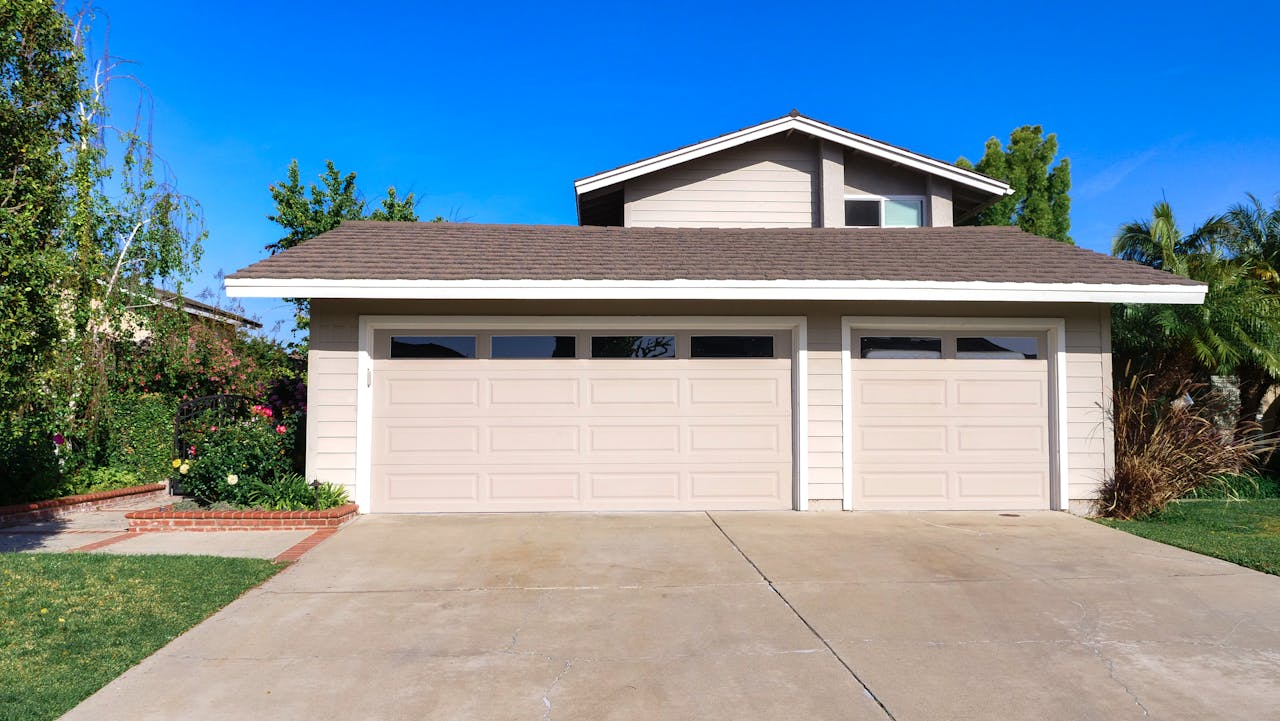
Garage conversions are frequently the most cost-effective option when the existing structure is in good condition. Reusing the foundation and framing can reduce expenses, although homeowners should still budget for insulation, plumbing, electrical work, HVAC, windows, and interior finishes.
Selecting the right ADU type depends on your property’s layout, your long-term goals, and your available budget.
Site Conditions
Your property’s physical characteristics can significantly affect construction costs.
Flat lots are generally simpler and less expensive to build on, while sloped terrain, rocky soil, mature trees, or limited equipment access often require additional site preparation. Utility connections—including water, sewer, electrical service, and gas—may range from $5,000 to more than $25,000, depending on the distance from existing service lines and the complexity of installation.
Soil quality is another major consideration. Challenging soil conditions may require specialized foundations, grading, or drainage improvements that increase both construction costs and project timelines.
Local development standards, setback requirements, parking considerations, and other site-specific requirements can also influence the size, layout, and overall cost of your ADU. Evaluating these factors early helps minimize costly design changes later in the project.
Finish Level
The quality of your interior finishes has a direct impact on your final budget.
Standard finishes typically include stock cabinetry, laminate flooring, basic tile, and conventional plumbing fixtures. These selections offer an attractive appearance while keeping costs under control.
Premium finishes such as hardwood flooring, quartz countertops, custom cabinetry, designer lighting, luxury appliances, and high-end fixtures can increase finish budgets from approximately $10,000 to $50,000 or more, depending on the size of the ADU.
Working with experienced designers helps balance aesthetics, durability, and long-term value while ensuring your finish selections remain within your target budget.
Custom Vs. Prefab
Choosing between a custom-built ADU and a prefab unit is another major budgeting decision.
Custom ADUs provide complete design flexibility, allowing homeowners to tailor floor plans, layouts, finishes, and architectural style to match the existing home. This personalization typically comes with higher construction costs and a longer building timeline.
Prefab and modular ADUs are manufactured off-site before being delivered for installation. Because much of the construction occurs in a controlled environment, these units often reduce labor costs, shorten construction schedules, and improve cost predictability.
Although prefab designs offer fewer customization options, they remain an excellent solution for homeowners seeking faster project completion while maintaining quality construction.
| Region | Average Construction Cost (Per Square Meter) |
|---|---|
| Southern California | $3,800 |
| Northern California | $4,200 |
| Central Valley | $3,200 |
California’s Regional Price Spectrum
California’s size, diverse geography, and varying housing markets create significant differences in ADU construction costs from one region to another. Labor availability, material pricing, site conditions, and local demand all influence what homeowners can expect to spend. Understanding these regional differences helps you build a more realistic budget and identify opportunities to maximize your investment.
Southern California
Building an ADU in Southern California—particularly in high-demand markets such as Los Angeles and San Diego—typically comes with higher construction costs. Custom ADUs often start around $350,000, while premium projects can exceed $450 per square meter depending on design complexity and finish selections.
Several factors contribute to these higher costs, including strong demand for skilled labor, competitive construction markets, and higher material prices. Projects in densely populated neighborhoods may also require additional planning for site access, logistics, and scheduling, all of which can influence the overall budget.
One advantage of building in Southern California is the region’s strong rental market. Homeowners who plan to lease their ADU may benefit from steady rental demand, helping offset construction costs over time. In many communities, a well-designed ADU can also contribute to increased property value.
Because contractor schedules often fill quickly in this region, planning your project early can help reduce delays and improve budget predictability.
Northern California
Northern California, including areas such as San Francisco and Silicon Valley, consistently ranks among the most expensive regions in the state for ADU construction. Custom projects frequently exceed $450 per square meter, driven by high labor costs, premium material pricing, and complex building conditions.
Properties with steep slopes, environmentally sensitive areas, or challenging site conditions often require additional engineering, specialized foundations, or extensive site preparation, increasing the overall investment.
Despite the higher construction costs, Northern California continues to experience strong demand for additional housing. Homeowners who build ADUs may benefit from excellent rental opportunities and long-term property appreciation, particularly in areas with limited housing inventory.
When budgeting for a Northern California project, it is wise to include contingency funds for unexpected site conditions, structural requirements, or material price fluctuations.
Central Valley
The Central Valley generally offers some of California’s most affordable opportunities for ADU construction.
Basic prefab ADUs may start around $100,000, while labor and material costs are often considerably lower than in coastal metropolitan areas. Construction rates can begin near $200 per square meter, making the region attractive for homeowners seeking a more budget-friendly project.
Many Central Valley communities also benefit from greater contractor availability, shorter construction schedules, and less complex site conditions compared to larger urban centers.
Growing demand for additional housing throughout the region continues to make ADUs an attractive investment for homeowners. While costs are generally lower, they still vary based on property characteristics, utility requirements, and design choices.
Before finalizing your budget, research local construction costs, labor availability, and site-specific requirements to ensure your estimates accurately reflect your project’s location.
Other Key Cost Factors
Beyond the primary construction budget, several additional factors can significantly affect the overall cost of building an ADU.
Utility upgrades—such as extending water, sewer, gas, or electrical service—can add thousands of dollars, depending on your property’s existing infrastructure. Challenging soil conditions, grading work, or difficult site access may also require additional excavation or foundation improvements.
Material prices can fluctuate due to supply chain disruptions, seasonal demand, or market conditions, making it important to include contingency funds in your budget. Setting aside a financial reserve helps protect your project from unexpected expenses while keeping construction moving smoothly.
Navigating Unseen ADU Expenses
Building an ADU in California involves more than the obvious construction costs. Hidden expenses can emerge throughout the project, affecting both your budget and timeline. Understanding these potential costs before construction begins allows you to plan more effectively and reduce the likelihood of unexpected financial surprises.
Utility Upgrades
Utility improvements are often one of the largest hidden expenses in an ADU project.
Your ADU will need reliable connections for electricity, water, sewer, gas, and HVAC systems. Depending on your property’s existing infrastructure, you may need to upgrade the electrical panel, install new service lines, expand plumbing capacity, or extend utility connections to reach the new structure.
The complexity of these upgrades varies widely from one property to another. A simple connection on a well-equipped lot may be relatively inexpensive, while older homes or properties with limited utility capacity may require substantial improvements.
In many cases, utility-related work—including trenching, new meters, upgraded service panels, and connection work—can range from $5,000 to $30,000 or more, depending on the site’s conditions and the scope of work.
Consulting with utility providers and your contractor early in the planning process helps identify these costs before construction begins and minimizes unexpected budget increases.
Soil And Grading
Ground conditions can have a major impact on construction costs.
Some properties require little more than basic grading, while others need extensive excavation, retaining walls, drainage improvements, or specialized foundation systems. Hillsides, rocky terrain, unstable soil, or poor drainage can all increase both construction complexity and overall costs.
Soil testing is often recommended before finalizing your construction plans. These evaluations typically cost between $1,000 and $3,000 and help identify issues that could affect foundation design or long-term structural performance.
If significant grading or soil stabilization is necessary, homeowners may spend an additional $10,000 to $20,000 or more, depending on the property’s characteristics.
Factoring these site conditions into your budget early helps prevent expensive changes once construction is underway.
Supply Chain
Material availability continues to influence ADU construction costs across California.
Fluctuations in the price of lumber, steel, concrete, windows, appliances, and other building materials can quickly affect your project’s budget. Shipping delays or product shortages may also extend construction timelines or require substitutions.
Building a contingency fund—typically 10% to 15% of your materials budget—helps absorb unexpected price increases. For a 600-square-foot ADU, this could represent an additional $6,000 to $36,000, depending on material selections.
Many homeowners reduce supply chain risks by ordering key materials early or selecting prefab and modular construction methods that streamline procurement and scheduling.
Building Code Updates
Construction standards evolve, and changes to building requirements can affect both project costs and timelines.
Updated requirements related to structural design, energy efficiency, fire safety, accessibility, or environmental performance may require revisions to construction plans or material selections during the course of a project.
Working with experienced architects, engineers, and contractors who stay current with California’s building standards helps reduce the likelihood of costly redesigns or construction delays.
Including a contingency allowance in your budget provides flexibility if project adjustments become necessary as construction progresses.
Financing
Choosing the right financing strategy is an important part of controlling your overall investment.
Many homeowners use conventional home loans, home equity financing, or specialized ADU financing programs to fund construction. Some lenders also offer financing products specifically designed for ADU projects, often with flexible repayment options.
Depending on your location and eligibility, housing or energy-efficiency incentive programs may also help reduce out-of-pocket expenses.
Working with a financial advisor or lender experienced in residential construction financing can help you compare available options and develop a financing plan that fits your budget and long-term financial goals.
How To Finance Your ADU
Choosing how to finance your ADU is just as important as selecting the right design or builder. Construction costs can add up quickly, so understanding your financing options can help you manage expenses and keep your project on track. Each funding method offers different advantages, repayment terms, and eligibility requirements, making it worthwhile to compare your options before moving forward.
Traditional Loans
Many homeowners finance an ADU using a home equity line of credit (HELOC), home equity loan, or cash-out refinance. These options allow you to use the equity you’ve built in your home to help fund construction.
Interest rates, repayment periods, and loan structures vary by lender, so it’s important to compare multiple financing offers before making a decision. Even a small difference in interest rates can result in substantial savings over the life of the loan.
When evaluating lenders, consider:
- Interest rates
- Loan terms
- Closing costs
- Monthly payment amounts
- Flexibility for construction projects
Taking on additional debt will increase your monthly financial obligations, so choose a loan that fits comfortably within your long-term budget.
Before applying, gather documentation such as proof of income, credit history, property information, construction plans, and cost estimates. Having these materials prepared can streamline the approval process and demonstrate that your project has been carefully planned.
Government Grants
Some state and local housing programs offer financial assistance to encourage the development of ADUs and increase the supply of affordable housing.
Depending on where you live, grants or incentive programs may help offset certain construction costs or support improvements such as energy-efficient building features.
Eligibility requirements vary and may include income limits, owner-occupancy requirements, or agreements regarding how the ADU will be used after construction.
Because funding is often limited, it’s important to research available programs early, understand application deadlines, and prepare all required documentation in advance.
If you qualify, grant funding can significantly reduce your out-of-pocket expenses and decrease the amount you need to borrow.
Builder Financing
Some ADU builders offer financing programs directly through their company or through lending partners. These options can simplify the construction process by combining financing and construction under one provider.
Builder financing may provide flexible qualification requirements or streamlined approval processes, making it an attractive option for some homeowners. However, interest rates, repayment periods, and fees can vary considerably.
Before committing, compare builder financing with offers from banks, credit unions, and other lenders. Review the complete financing terms carefully and ask whether payment schedules, down payment requirements, or financing structures can be customized to better fit your financial goals.
Other Financial Considerations
Building an ADU may affect several long-term household expenses beyond the initial construction budget.
Your property taxes may increase because of the additional living space and the value added to your home. Homeowners insurance premiums may also rise, particularly if the ADU will be used as a rental or guest residence. Reviewing your insurance coverage before construction begins helps ensure your new structure is adequately protected.
For many homeowners, an ADU also creates new financial opportunities. Renting the unit can generate steady monthly income that helps offset construction costs, while adding functional living space may increase your property’s long-term market value.
Considering both the costs and the potential financial benefits allows you to make a more informed investment decision and maximize the long-term return on your ADU project.
Your ADU’s Financial Future
Building an ADU is a significant investment that can provide long-term financial benefits when planned carefully. Beyond the initial construction costs, homeowners should also consider how an ADU may affect property taxes, insurance expenses, rental income, and overall property value. Understanding these long-term financial impacts helps you make informed decisions and maximize your return on investment.
Property Tax
Adding an ADU can increase your property’s assessed value, which may result in higher annual property taxes.
For example, if your home is valued at $800,000 and you invest $180,000 in building an ADU, the added value of the new structure may be reflected in your property’s assessment. The exact impact varies depending on your property’s location and local assessment practices.
Before beginning construction, consult a qualified tax professional to estimate how an ADU could affect your annual property taxes. Planning for these ongoing costs helps prevent unexpected financial surprises after your project is complete.
Insurance Impact
Your existing homeowners insurance policy may not automatically provide adequate coverage for a newly constructed ADU.
Review your policy with your insurance provider to determine whether you need additional dwelling coverage or a policy specifically designed for properties with accessory dwelling units. If you intend to rent out the ADU, you should also consider liability coverage that protects you in the event of tenant or guest injuries.
Comparing quotes from multiple insurance providers can help you find the right balance between coverage and affordability while ensuring your investment is properly protected.
Rental Income
Many homeowners build ADUs to create an additional source of income.
Whether rented as a long-term residence or, where allowed, as a short-term rental, an ADU can generate consistent monthly revenue that helps offset construction costs. In high-demand California markets, rental income from an ADU can often reach $2,000 per month or more, depending on the property’s size, location, and amenities.
Before planning rental income into your financial projections, research local rental demand, occupancy trends, and any rules governing rental properties in your area. A realistic income estimate will help you better evaluate your expected return on investment.
Property Value
A well-designed ADU can significantly increase the value of your home.
Recent market data suggests that homes with ADUs often sell for more than comparable properties without additional living space. Depending on the location, design quality, and market conditions, an ADU may increase a property’s value by approximately $210,000 to $240,000.
Beyond resale value, an ADU provides flexibility for changing family needs, guest accommodations, multigenerational living, or future rental opportunities, making it a valuable long-term asset.
Consulting a local real estate professional can help you better understand how an ADU may influence property values in your specific market.
Conclusion
Building an ADU in California requires careful planning, realistic budgeting, and informed decision-making. Construction costs vary based on your property’s location, site conditions, unit size, design complexity, and finish selections. Utility upgrades, site preparation, and material costs can also have a significant impact on your overall investment.
Although the upfront cost can be substantial, an ADU offers long-term benefits including additional living space, rental income potential, increased property value, and greater flexibility for changing family needs.
By understanding every stage of the construction process and preparing for both expected and unexpected expenses, you can make confident decisions that support your financial goals while creating a valuable addition to your property.
Frequently Asked Questions
1. How Much Does It Cost To Build An ADU In California?
The average cost to build an ADU in California typically ranges from $150,000 to $350,000, depending on factors such as the unit’s size, location, design complexity, materials, and site conditions.
2. What Factors Influence ADU Construction Costs The Most?
The biggest cost factors include the size of the ADU, property location, site conditions, construction materials, design choices, labor costs, utility connections, and the overall complexity of the project.
3. Are ADU Costs Higher In Some California Regions?
Yes. Construction costs are generally higher in major metropolitan areas such as San Francisco and Los Angeles due to increased labor rates, material costs, and strong demand. Many suburban and Central Valley communities offer more affordable construction costs.
4. What Hidden Expenses Should I Expect With An ADU Project?
In addition to construction costs, homeowners should budget for utility upgrades, site preparation, grading, excavation, foundation work, engineering services, and a contingency fund for unexpected conditions or material price increases.
5. Can You Finance An ADU In California?
Yes. Many homeowners finance ADU construction through home equity loans, HELOCs, cash-out refinancing, construction loans, specialized ADU financing programs, or available government incentive programs.
6. Will Building An ADU Increase Your Property Value?
In many cases, yes. A thoughtfully designed ADU can increase your home’s market value while also creating opportunities for rental income, multigenerational living, or flexible guest accommodations.
7. How Long Does It Take To Complete An ADU Project In California?
Most ADU projects take approximately 8 to 12 months from initial planning through construction, although timelines vary based on project size, site conditions, design complexity, contractor availability, and weather.

How To Finance Your ADU
How you finance your ADU construction costs is just as important as selecting a design or builder. Expenses can mount, so you’ve got to be savvy. Every financing path has its advantages, disadvantages, and processes, so considering them seriously can assist you in saving money and stress.
Traditional Loans
HELOC, home equity loan, and cash-out refi are the most common ways to fund an accessory dwelling unit (ADU). These financing options allow you to tap the equity in your home to access funds for building or remodeling new construction ADUs. They can be offered at fixed or variable rates, with lenders providing repayment terms that can span from years to decades. If you own your property outright or have built up equity, banks and credit unions may view you as a low-risk borrower, making it easier to navigate the ADU process.
To secure the lowest rates, it’s wise to shop around with several different lenders—compare interest rates, repayment terms, and any additional fees associated with the total ADU cost. For example, one lender might offer a 5% rate with a 10-year term, while another may extend to 7% but with fewer upfront fees. Even a slight difference in rates can lead to significant cost savings over time, especially when considering the average development costs of ADU construction projects.
Assuming additional debt will increase your monthly payments, so it’s crucial to be honest about your budget. If you default, your house could be at risk. Prepare all necessary paperwork, including proof of income, credit reports, ADU plans, approvals, and property deeds. This preparation expedites the process and shows lenders that you’ve thoroughly researched your options and understand the potential costs involved in your ADU project.
Government Grants
Some governments even provide grants to encourage ADU builds to help incentivize affordable housing. See if you qualify for your city, state, or regional programs. These grants can either offset a portion of your ADU cost or pay for targeted enhancements such as energy-efficient upgrades.
Eligibility rules are stringent—they may, for example, focus on lower- or middle-income homeowners, or mandate that you lease your ADU to tenants in specific income brackets. The application process can be involved, requiring income verification, project blueprints, and even background checks. If you’re eligible, grant money slashes your out-of-pocket expenses and can reduce your loan load.
Be sure to check deadlines and submission guidelines. No step left out, no late paperwork work, or you’re no longer eligible. Grants aren’t a guarantee, but if you land one, it can transform your project’s economics.
Builder Financing
Some ADU builders provide their financing plans. These are frequently packaged with the build contract, making it easier when you’re working with one company. Terms and rates can be competitive, but do read the fine print. Builder loans are often for higher rates or shorter periods than banks, but they can be more flexible on credit scores.
Compare builder financing to bank loans. For instance, if a builder says they’ve got a 6% rate for five years, see if your bank or credit union can beat it. A few builders allow you to negotiate—see if you can get lower down payments or break up costs into smaller chunks.
Other Financial Impacts
Building an ADU can change your property tax bill. In many places, adding a new unit means a higher tax assessment, though rules vary by region. Insurance costs may rise, too, especially if you plan to rent out the ADU or use it for guests.
If you intend to rent out your ADU, the additional income can help recoup your expenses – or even generate a profit in the long run. A lot of owners experience an increase in their property value after an ADU build, which can come in handy if you sell or refinance.
Your ADU’s Financial Future
Constructing an accessory dwelling unit (ADU) is a significant investment, especially when considering the average ADU costs and potential revenue. You’ve got to consider expenses, including the total construction cost and how it could affect your property taxes, insurance, and home value. All of these elements and more define the economic future of your ADU in California, where construction costs and regulations vary drastically by location.
Property Tax
Your accessory dwelling unit (ADU) can significantly change your property tax bill. Taxes are often assessed separately for the ADU, based on the ADU construction cost and the added value it brings. For instance, if your main home was valued at $800,000 and you build an ADU for $180,000, the tax assessor may add the new unit’s value to your property’s tax base. In California, this means more taxes each year. You need to look up local tax rules, as some counties have special rates or exemptions, but most will increase your bill. Some owners have experienced their taxes go up by a few thousand dollars a year after adding an ADU. To avoid a shock, consult a local tax expert before you start. They can illustrate how your taxes might change and assist you in planning for them.
Insurance Impact
When you add an accessory dwelling unit (ADU), your existing home insurance might not cover the new construction costs. It’s important to review your policy and discuss it with your agent, as you may need to increase your coverage or purchase a different policy specifically for the ADU. Shop around — get quotes from multiple ADU companies and compare coverage because rates can vary significantly. If you plan to rent out the ADU, ensure you have liability protection in case a tenant or guest gets injured. Insurance regulations for ADUs can vary by region, so it’s wise to inquire locally to determine what suits your situation best.
Rental Income
Many homeowners construct ADUs to generate additional income through various financing options. You can lease your accessory dwelling unit long-term or short-term. In dynamic California environments like LA or SF, rents for a small ADU can be $2,000 a month or more—depending on ADU size and location. If you laid out $200K to build and rented it for $2,000 a month, you could recoup a significant chunk of your expenditures in under a decade. Short-term rentals (like Airbnb) can yield more income but come with higher turnover, cleaning, and neighborhood regulations. It’s essential to look into city ordinances, as some cap how frequently you can rent to ensure compliance with ADU regulations.
Property Value
On average, an accessory dwelling unit (ADU) increases your property’s worth by $210,000 to $240,000, according to new data. Homes with ADUs sell faster and for more because people want the additional living space. It’s essential to check comparable homes in your area that have ADUs, as the real effect depends on local demand. While the ADU construction cost can be high, with prices ranging from $80,000 to $400,000, it ultimately becomes a valuable asset in the long run. Real estate agents recommend discussing with them early to price it correctly if you sell.
Conclusion
Building an ADU in California involves real expenses. You cover design, site work, and construction. Rates vary, of course, by city, by land, and by the style you choose. You see greater expenses near the coast, fewer in the Central Valley. Lenders provide numerous options for assisting you in financing your project. Be on the lookout for fees and upgrades that inflate the cost. A lot of owners rent their ADUs, or add them for family, so your application counts as well. Every choice you make forms the actual cost and value over time to you. If you’d like to explore how an ADU complements your plans, get in touch. You’ll receive actionable guidance to advance your project.
Frequently Asked Questions
1. How Much Does It Cost To Build An ADU In California?
The average ADU construction cost in California ranges from $150,000 to $350,000, with the total cost influenced by factors like square footage, effective ADU type, and location.
2. What Factors Influence ADU Construction Costs The Most?
Important considerations include your ADU’s size, location, materials, design decisions, and area-specific fees, as well as the overall ADU construction costs impacted by site conditions and labor rates.
3. Are ADU Costs Higher In Some California Regions?
Yes. Urban locations such as San Francisco or LA tend to have higher adu construction costs due to land value and labor rates, while rural or suburban areas may offer more affordable options.
4. What Hidden Expenses Should I Expect With An ADU Project?
You could incur additional expenses for approvals, utility connections, impact fees, and unexpected costs related to site preparation. ALWAYS add a contingency fund to your budget.
5. Can You Finance An ADU In California?
Yes. You can tap home equity loans, construction loans, or targeted ADU financing options for your new ADU development.
6. Will Building An Adu Increase Your Property Value?
An ADU can increase your property value and provide rental income potential, making it an effective ADU type for flexible living options.
7. How Long Does It Take To Complete An ADU Project In California?
Most ADUs take anywhere between 8 and 12 months from planning to completion. Timelines can differ depending on the design, approvals, and construction complexity.
Your Dream Home Addition Built By Mares & Dow Construction & Skylights – Let’s Create The Extra Space You’ve Been Dreaming Of
Expand your home’s potential and enhance everyday living with a custom home addition from Mares & Dow Construction & Skylights. With over 40 years of construction experience, we specialize in high-quality additions that seamlessly integrate with your existing structure and lifestyle needs.
Whether you’re planning a new primary suite, second-story expansion, or an in-law unit, we tailor each addition to match your vision, your home’s architecture, and your long-term goals.
Key benefits of our general home addition services include:
• Adding valuable square footage for growing families or multi-use living
• Increasing your property’s value with expert design and construction
• Creating energy-efficient, modern living spaces tailored to your needs
Proudly serving Contra Costa County—including Alamo, Danville, Orinda, Martinez, and San Ramon—Mares & Dow Construction & Skylights is your trusted partner for functional, beautiful, and lasting home additions.
Contact Mares & Dow Construction & Skylights today for a free, no-obligation quote, and let’s build your ideal home addition together.
Disclaimer
The materials available on this website are for informational and educational purposes only and are not intended to provide construction, legal, or professional advice. You should consult with a qualified general contractor or industry professional for advice concerning any specific construction project, remodeling plan, or structural concern. Do not act or refrain from acting based on any content included on this site without seeking appropriate professional guidance. The information presented on this website may not reflect the most current building codes, regulations, or industry best practices. No action should be taken in reliance on the information on this website. We disclaim all liability for actions taken or not taken based on any or all of the contents of this site to the fullest extent permitted by law.


