

Dry rot is a type of wood decay caused by fungi that feed on wood fibers, leaving the material weak, brittle, and unsafe. Early warning signs include soft or spongy wood, cracked or shrinking timber, and a persistent musty odor. It often develops in damp, poorly ventilated areas—such as basements, attics, or behind walls—where moisture goes unnoticed. You may also see yellow or white fungal growth on the wood’s surface. Catching dry rot early can stop it from spreading and significantly reduce repair costs. In this post, you’ll learn simple ways to identify dry rot, recognize early red flags, and explore effective repair options to protect your home or building.
Key Takeaways
- Dry rot is a lethal fungal decay that eats away at the wood’s strength and can lie hidden for years. Spotting it sooner rather than later is key to combating this beast.
- The key conditions that promote dry rot are constant moisture, bad air circulation, and moderate temperatures between 21° and 32°C, which can be found in homes and buildings everywhere.
- Key signs of dry rot infestation are wood discoloration, cracking, musty odor, soft or brittle textures, and fungal growth. Routine inspections and recognizing these symptoms are key to acting quickly.
- Fixing moisture problems like leaks and poor drainage, and promoting moisture drying by ventilating intelligently are the best ways to interrupt the dry rot life cycle and safeguard your property.
- Neglecting dry rot can lead to serious structural damage, amplified health risks from related mold and mildew, and costly repairs. This underscores the need for preventative upkeep.
- Together, these strategies provide an all-encompassing dry rot defense plan that can help you protect your wooden structures.
What Is Dry Rot?
Dry rot is wood decay caused by certain fungi that feed on the components of wood that give it strength and rigidity. This typically causes wood to become discolored, cracked, or crumble, with a powdery or brittle feel. This rot compromises the structural integrity of buildings, rendering the infected wood unsuitable for any load-bearing use. Dry rot thrives on wood with a moisture content of around 20%, especially where air can circulate. Conditions that lead to this are leaking pipes, a lack of ventilation, or rising damp. Common signs are a musty, mushroom-like smell and, in severe cases, mushroom-shaped fruiting bodies.
The Silent Fungus
The dry rot fungus is infamous for remaining hidden in wood until the destruction becomes visible and is frequently extensive. Early symptoms are mild, including light staining, musty odor, or wood softening. Tiny spores do the spreading, and those are incredibly resilient; they can hang out in the environment for years, just biding their time until moisture conditions are right. These spores land on wet wood, where they create mycelium, which are thin threads that burrow deep into lumber. If ignored, dry rot can damage entire wooden structures, so catching it early is crucial. Softwoods like pine and spruce are more susceptible, but hardwoods can be attacked as well, particularly if they remain damp.
The Critical Difference
Dry rot is not the same as wet rot. While both are fungal wood decay, dry rot is more aggressive and destructive and requires less moisture to exist, sometimes as low as 20%, compared to wet rot’s higher levels. Dry rot doesn’t just stay where the moisture source is; it moves through masonry and plaster to get to new wood. Neglecting dry rot can cause long-term structural concerns, well beyond what is encountered with other wood rot.
Fungi Species | Effect on Wood | Distinct Features |
Serpula lacrymans | Severe decay, crumbling | Thick mycelium, fruiting bodies |
Coniophora puteana | Softening, discoloring | Less aggressive, muted smell |
Untreated dry rot can lead to loss of property value, expensive repairs, and, in the worst cases, structural failure of wooden components.
The Life Cycle
Dry rot startswheny spores land on wet wood and germinate, producing a mycelium. It grows, decomposing wood as it extends. The life cycle has four stages: spore, germination, mycelium, and fruiting body. All phases are hijacked for survival, with the fruiting body spreading more spores. It grows most rapidly in unventilated, damp areas like basements or beneath floors. The fungus can traverse masonry in search of new wood. Tackling moisture is crucial because cutting leaks, aerating structures, and drying timber interrupts the cycle and shields buildings from new outbreaks.
How To Spot Dry Rot
How to Identify Dry Rot Early On – This is essential information for homeowners. Routine inspections allow you to detect problems before they damage the structure. Identifying the key indicators and being armed with a clear step-by-step checklist, you can safeguard your investment.
1. Visual Cues
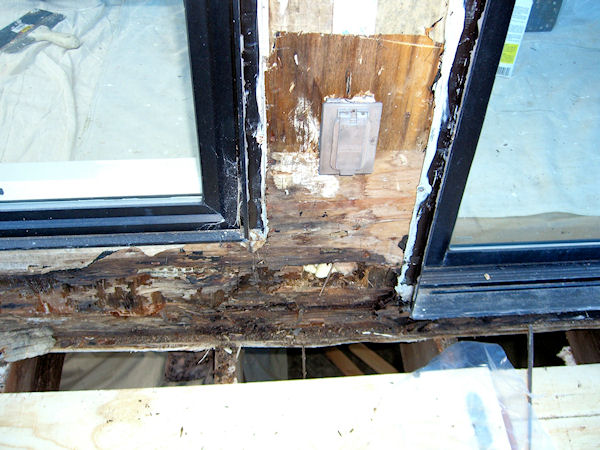
Cracked, darkened, or brittle wood is an indicator. Dry rot can appear as deep splits or cuboidal cracking across the grain. White, yellow, or gray mycelium patches, frequently cotton wool-like, indicate fungal infestation. Fruiting bodies of the fungus resembling mushrooms in different shapes and colors may sprout on or near damaged areas. Powdery, rusty, or grayish residue on the surface typically signals dry rot in an advanced state.
Photograph all suspicious areas. Noting changes over time aids in tracking progression and provides a record for professional evaluation.
2. Distinctive Smells
If you notice a musty, earthy, or mushroom smell, be on the lookout for dry rot lurking beneath. This smell permeates, particularly in sealed rooms or areas with limited ventilation. The scent frequently leads the way in areas where it is difficult to look, like behind walls or under floors.
Trust your nose when inspecting, particularly near wooden window sills or damp corners. Trust your nose and ears to find early warning signs that are invisible to the eye.
3. Textural Changes
Dry rot sounds hollow and makes the wood feel soft, spongy, or crumbly. Sound timber is solid. Infected wood can crumble or crush when squeezed. Take a screwdriver or similar implement and prod the suspect wood. If it gives readily or flakes off, rot is probably lurking.
Inspect joints, beams, and connections for any changes in texture. Be vigilant with areas in and around leaks. These are the usual suspects for moisture intrusion and rot.
4. Structural Shifts
Sagging floors, warped walls, or doors and windows that no longer fit right are indicators of structural compromise from dry rot. These shifts arise as compromised wood loses strength. Watch your property for these transformations. They can happen over time, particularly in places with consistent moisture.
If there’s any hint of instability, deal with it immediately. If you put off repairs, the damage can grow, and the cost to restore can increase.
5. Hidden Indicators
Check hard-to-access areas — basement, attic, crawl spaces. Moisture problems love to masquerade in these spaces, feeding dry rot. With a moisture meter, check wood for high water content. Observe for leaks from gutters, downpipes, or bad drainage. These conditions frequently cause concealed rot.
Be vigilant in inspecting areas of stagnant air or rising damp. Dry rot can lurk undetected for months or years.
The Perfect Storm For Rot
Dry rot is not caused by just one thing. It’s the perfect storm. Identifying these conditions ahead of time is crucial to stopping them. When moisture, temperature, and airflow combine in just the right ways, dry rot is born. Homeowners who note these conditions early can take tangible actions to break the cycle and save their home. Vigilance, inspection, and an attitude of ‘keep it dry’ will reduce destruction and promote a healthier home.
- Excess moisture, anything over 23% in wood, is the magic spark for fungal spores to take root.
- Temperatures between 21°C and 25°C (71° to 77°F) speed up dry rot.
- Inadequate ventilation allows humidity to breed fungus in concealed corners.
- Organic material, such as untreated wood, provides sustenance to dry rot.
- Lack of direct sunlight allows fungi to flourish undisturbed.
- Late patching of leaks or water intrusion extends the exposure and risk.
- Bad building practices, namely covering wood with impervious materials, create the perfect storm for rot.
- Consistent monitoring and climate control are effective deterrents.
Knowing these drivers allows homeowners to identify the threat and take focused action. With a little preventative care, such as moisture control and inspections, you can catch dry rot before it spreads. Weekly inspections of vulnerable areas, like basements and crawlspaces, are necessary.
Moisture Source
- Common sources include leaking pipes, roof leaks, condensation, and poor drainage around foundations.
- Gutters that run over or downspouts that turn toward the structure.
- Water seepage through walls or floors in basements.
The Perfect Storm for Rot. Indoor humidity remains high, wood soaks up the water, attaining the moisture levels that set dry rot’s cycle in motion: spores, germination, growth, decay. That decreases exposure and lessens the chances of spore germination. They’re the perfect storm for rot.
Poor Ventilation
No airflow allows moisture to accumulate within wood. This is particularly the case in shady, tight areas. Airflow inhibits condensation and swift wood moisture fluctuations that can otherwise reach rot-critical levels.
Ventilation is key in attics, crawl spaces,s and basements. Stale, stagnant air provides spores the time they need to germinate and colonize. Homeowners should ensure vents are kept clear, and exhaust fans are used wherever practical. Install additional vents or mechanical systems to increase airflow. Today’s HVAC systems in buildings, particularly in warm climates, contribute to keeping moisture in check and make dry rot less common.
Ideal Temperature
Dry rot fungus thrives at temperatures ranging from 21 to 32ºC (70 to 90ºF). Fungus is at its best around 71 to 77°F, and it can spread in a matter of a few months. As the temperatures swing, wood dries out and then becomes damp again, varying its moisture content and providing fungi multiple opportunities to flourish.
Maintaining consistent indoor temperatures and avoiding extended periods of humidity is important. Dehumidifiers help, particularly in moist climates or seasons, to control temperature and moisture, making it more difficult for dry rot to establish itself. Extreme cold, on the other hand, kills most fungi and wood-boring insects, which is why dry rot is uncommon in areas with severe winters.
Dry Rot Vs. Other Threats
Wood in structures has many enemies, and dry rot is merely one. Countless owners confuse its symptoms for those of other threats, resulting in overlooked or mistargeted treatment. Understanding what makes dry rot different from wet rot, termite damage, and mold growth allows users to identify issues sooner and determine the proper solution. The table below dissects the fundamental differences, challenges, and general prevention tips for each threat.
Threat | Key Features | Unique Challenge | Prevention Measures |
Dry Rot | Needs ~20% moisture, spreads fast, earthy smell | Spreads in low moisture, hard to track | Keep wood dry, ventilate |
Wet Rot | Needs high moisture, strong musty smell | Only in damp spots, slow spread | Fix leaks, dry wood |
Termite Damage | Mud tubes, hollow wood, pellets | Silent, structural risk, hard to spot | Regular inspection, treat the wood |
Mold Growth | Fuzzy, dark stains, needs dampness | Health risk, spreads on surfaces | Control humidity, clean |
Wet Rot
Wet rot is a fungal decay that occurs when timber remains soaked for an extended period. Unlike dry rot, it requires a lot more moisture, typically timber with more than 50% water, so it clings to wet patches. It has a more pungent, mustier, occasionally sour odor. Look for soft, spongy wood and paint that peels or bubbles. Dry and wet rot both compromise wood. Wet rot is simpler to halt because it hardly ever hops to dry spots. Any sort of rot, if unchecked, could render beams and floors unsafe. Any maintenance that eliminates leaks, clogged gutters, or bad drainage prevents them from taking hold!
Termite Damage
Termites consume wood from within, causing it to ring hollow. You may observe mud tubes or tiny pellet piles on the ground. They can appear like rot, making it easy to overlook the true culprit. If termites arrive in dry rot’s wake, damage accelerates and deepens. Pest control is essential. Homeowners need to treat wood, seal cracks, and maintain regular inspections. Keeping an eye out for rot and termites is your best bet for spotting issues early.
Mold Growth
Mold and dry rot both require moisture. Mold is surface, and dry rot eats into the wood. Mold can make you sick,k too, especially if you have allergies or asthma. If you notice black, green, or white mold on walls, that indicates dampness, a red flag that dry rot may be looming. Once you clean up the mold and dry it out, you prevent further damage. Always repair leaks or damp areas immediately, or you risk wood rot and indoor air quality issues.
The Unseen Consequences
Dry rot is an invisible adversary that can surreptitiously consume wood, frequently remaining undetected until it’s too late. Its insidious quality is that by the time signs emerge, like stained walls or a moldy smell, the damage could already be dire. Overlooking early signs will lead to a domino effect of problems, from jeopardizing your building’s safety to escalating repair costs. Being aware of the implications of unaddressed dry rot can be crucial for any property owner.
Structural Integrity
Dry rot destroys the structural integrity of wood, robbing beams, floorboards, and supports of their strength. Mycelium from the fungi spreads through walls and even brickwork, seeking out new wood to feast upon, and can transform a small repair into a multi-room rebuild in less than a year. Fading may be the initial sign, but what’s truly worrying are the underlying deep cracks that develop andthe wood that grows brittle and unstable. The danger of structural collapse increases if the issue remains unaddressed, endangering residents within the building. Annual inspections are critical, particularly in places with low ventilation or consistent moisture, to identify these problems before they undermine the whole structure.
Health Implications
Dry rot doesn’t just take buildings; it takes people as well. Areas contaminated by dry rot are typically rife with mold and mildew, which can induce allergies and respiratory issues for kids or asthmatics. Constant moisture, a mildew odor, and poor airflow create conditions that are a playground for these dangers. It’s important to take care of damp issues and repair leaks. Maintaining dry and well-ventilated spaces is not only a requirement for building upkeep but an imperative to safeguard everyone’s health. Homeowners should take health and safety to heart when caring for their home.
Financial Burden
It costs a fortune to repair dry rot. Costs can double within three months of an outbreak, and what begins as a small fix can rapidly morph into an expensive overhaul if left unaddressed. Every time you pass on routine maintenance, you’re letting rot creep in, contributing to a greater likelihood of costly repairs and a decline in your property’s value. Saving for maintenance and early discovery is smart. Active maintenance is more than just an economical choice that saves you money in the long haul; it’s about protecting the value and safety of your home.
Your Proactive Defense Plan
By ‘proactive defense plan’ for dry rot, I’m talking about doing things before you have a problem. This strategy counts on consistent home care, routine inspections, and intelligent renovations. Diligent homeowners with a real knack for property maintenance can halt dry rot before it takes hold. A maintenance calendar makes it easy to keep track of what to check when. Small problems never turn into expensive fixes.
Moisture Control
If you keep the water out, dry rot moves right along. Begin by plugging leaks around pipes, windows,s and roofs. Even small drips can accumulate moisture that fungus adores. In your basement and crawl space, install moisture barriers. Heavy-duty plastic sheeting works great and is an easy solution.
Be on the lookout for humidity indoors. If you live in a wet climate or your home has that musty ‘wet’ feeling, install a dehumidifier. Target indoor humidity under 60 percent. Inspect for water behind walls and under floors. Good drainage outside, such as gutters and sloped soil, prevents water from accumulating around the foundation.
Ventilation Strategy
Good air flow dries out wet areas. Attics and crawl spaces tend to lock in moisture, so install vents to pull air through. Kitchens and bathrooms require exhaust fans, as these vent out steam and help reduce the risk of decay. Don’t block vents with storage or debris.
Test your vents each season. Fans and vents can become clogged or fail. A working system is your best defense against trapped moisture.
Regular Inspections
Detect dry rot early by inspecting your entire property frequently. Check wood at ground level, rooflines, window casings, and dark corners. Don’t overlook nooks and crannies like under sinks or inside drywall.
Use a checklist for each season: look for soft wood, musty smells, cracked paint, or orange dust. Notice wet patches on walls or ceilings. Early detection catches issues when they are small and easily fixed.
Professional Assessment
Certain infestations require a professional eye. Experts understand how to identify concealed dry rot and check wood for impairment. If in doubt, get a professional check. Obtain a complete dry rot report prior to initiating repair work.
Serious cases can sometimes require special treatments. Specialists may apply fungicides or substitute affected wood with kiln-dried lumber that is pre-coated in primer and paint. This staves off future rot and preserves your investment.
Conclusion
Dry rot sneaks into homes quickly and ruins wood before your eyes. It takes keen eyes and some expertise to detect it early. Pay close attention to indicators like a musty odor, spongy wood, or unusual paint crack patterns. Maintain dry rooms and ensure fresh air is circulating. Employ a fan or an open window if possible. Fix leaks immediately and inspect nooks and crannies regularly. Act fast when you see an issue, and you save time, money,y and stress. Be vigilant—know what to look for. For more tips and repair help, visit my blog! You safeguard your home and your sanity. Be curious, be prepared.
Frequently Asked Questions
1. What Is Dry Rot?
Dry rot is a form of fungal decay that wreaks havoc on wood. It feeds on moisture, prefers a dark, neglected corner, and gradually turns wooden structures into dust.
2. How Can I Identify Dry Rot Early?
Signs include cracked or brittle wood, a moldy smell, or orange-brown dust. Identifying it early helps prevent serious damage.
3. What Causes Dry Rot?
Dry rot is caused by fungi that thrive in damp, warm, and poorly ventilated environments. Leaks and condensation typically spark its growth.
4. How Is Dry Rot Different From Wet Rot?
Dry rot is even nastier. It spreads even more aggressively and can go after dry wood following a primary moisture source. Wet rot stays put in moist spaces.
5. Can Dry Rot Spread To Other Materials?
Dry rot primarily attacks wood, though it travels through masonry to come into contact with fresh wood. It does not harm concrete or metal.
6. What Are The Risks Of Ignoring Dry Rot?
Letting dry rot go unchecked can compromise the integrity of your building and result in expensive restoration work. It can produce unhealthy indoor environments.
7. How Can I Prevent Dry Rot?
Avoid dampness and give them good ventilation. Repair leaks immediately. Be on the lookout for indications of water damage or wood fungus.
Stronger Homes Start Here – Dry Rot, Siding & Structural Envelope Repair By Mares & Dow Construction & Skylights
Your home’s exterior isn’t just about looks—it’s your first line of defense against the elements. At Mares & Dow Construction & Skylights, we’ve spent over 40 years protecting Bay Area homes by repairing dry rot, restoring siding, and strengthening the structural envelope that keeps your property safe and sound.
From identifying hidden moisture damage to replacing compromised framing or siding, our team combines precision craftsmanship with durable materials to ensure your home stays solid for decades. Whether you’re dealing with dry rot in the subfloor, deteriorating siding, or structural issues behind the walls, we’ll restore integrity and curb appeal to your home.
Why homeowners choose us:
• Comprehensive dry rot detection and repair to stop damage before it spreads
• Expert siding replacement and restoration that boosts protection and value
• Structural envelope repair that reinforces your home’s long-term stability
We proudly serve Contra Costa County—including Alamo, Danville, Orinda, Martinez, and San Ramon—and treat every project with the same care we’d give our own homes.
Protect your investment before small issues turn into costly repairs. Contact Mares & Dow Construction & Skylights today for a free, no-obligation quote on dry rot, siding, or structural envelope repair.
Disclaimer
The materials available on this website are for informational and educational purposes only and are not intended to provide construction, legal, or professional advice. You should consult with a qualified general contractor or industry professional for advice concerning any specific construction project, remodeling plan, or structural concern. Do not act or refrain from acting based on any content included on this site without seeking appropriate professional guidance. The information presented on this website may not reflect the most current building codes, regulations, or industry best practices. No action should be taken in reliance on the information on this website. We disclaim all liability for actions taken or not taken based on any or all of the contents of this site to the fullest extent permitted by law.


