
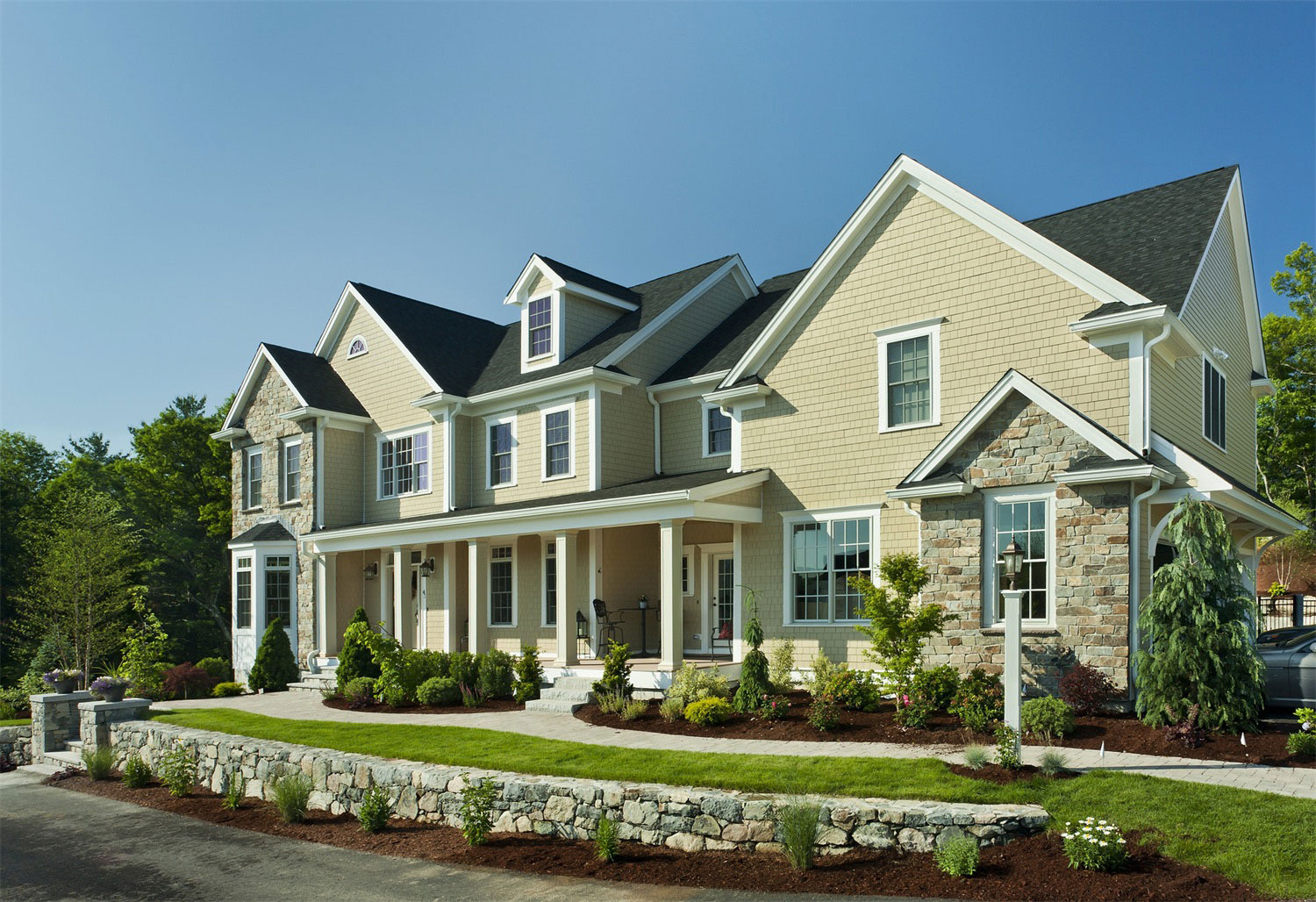
To replace siding without replacing the whole wall, focus on swapping out only the damaged boards while keeping the rest of the structure in place. Many homeowners and property managers want to replace siding without replacing the entire wall. Some careful work with hand tools or power tools allows you to cut out the pieces that were affected and fit new siding to the old surface. With matching skins and sealing stops, it is leak-proof and keeps the wall strong. The magic is in the detail – a finish that matches the balance of the home. The main body will demonstrate each step and provide tips for a smooth, safe repair process for various types of siding.
Key Takeaways
- Carefully evaluate siding damage by taking into account both exterior indications and environmental influences. Mark particular sections for focused replacement to guarantee accuracy and effectiveness.
- Get all your tools, safety equipment, and materials ready and at hand to minimize stopping and starting and to keep the project going safely.
- Follow a detailed step-by-step process for partial siding replacement, including careful removal, structural inspection, weather barrier repair, and precise installation to achieve long-lasting and aesthetically pleasing results.
- Select siding by considering factors such as durability, price, environmental impact, and warranty to suit your needs and be more eco-conscious.
- Handle any concealed wall trouble, such as moisture or structural weaknesses, before installing new siding to avoid future problems and preserve the integrity of your property.
- Think about the pros and cons of professional versus DIY, balancing factors such as expertise, time, and expense to find what’s best for you.
Assess Siding Damage
Before you begin to replace a section of your siding, you must understand the extent of the problem and if there are any underlying issues beneath the surface. Siding can get weathered in both visible and subtle ways. Look for these signs:
- Cracks or holes from stray balls or garden tools
- Warped, bent, or loose panels from heat or wind
- Whether it has discolored or is chalking and leaving residue on your hand.
- Areas where the siding does not lie flat or bind.
- Wet stains, mold, or soft spotsindicateg water within.
- Signs of bugs or pests, like holes or droppings
Wind and rain both play major roles in siding wear. Strong winds can yank the lock edge free, allowing panels to dislodge or drop. You frequently encounter excessive fading, warping, or chalking on the surface in areas that receive a heavy amount of rain or sun. Summer heat can cause vinyl panels to bow or even crack. If a panel is holey, water could seep behind it and cause mold or rot. It is even worse if the water remains trapped for a time, permeating the wall behind. If you observe mold or if the wall beneath the siding is spongy to the touch, there could be a leak. Small animal or insect damage is another hazard since holes can allow wasps, ants, or mice to enter.
If the damage is too serious, like on a second story, it’s safer to just call a pro. It’s key to maintain three points of contact on a ladder, which means two feet and one hand, or vice versa. Be careful, falling through this is a danger.
List out the bad panels and take a picture of each. Consider if the color has faded. New panels may look ‘off’ next to old ones. If only a single panel is injured, you can patch or replace it, but look nearby for additional cracks or weak areas. Sometimes, one weak spot implies that others are soon to follow. A larger repair now will save time down the road.
Gather Essential Tools
No matter what, every siding replacement job begins with the appropriate tools and materials. A thorough checklist gets you working more quickly and keeps you from having to make late-night runs to the hardware store. Begin by assembling the essentials: a tape measure, a pencil, a box cutter, and a chalk line for marking edges and lines. Consider adding a circular saw for cutting long lengths, particularly if your siding reveal is greater than 130 millimeters. Finish cuts around windows or tight spots with an oscillating tool or keyhole saw. For the physical work, get yourself a solid ladder, preferably a locking one with a wide base for stability. Always place the ladder on level ground and maintain three points of contact to minimize danger. Safety first: gloves to protect your hands from rough edges, goggles to protect your eyes from dust, and a dust mask if it’s old, brittle material.
Taking off old siding without damaging the rest requires patience and the right touch. Utilize wooden shims to raise the bottom edge of the panel above the one you intend to remove approximately a quarter of the way up. This little lift makes it easier to slide a pry bar in and pop nails loose. A flat pry bar allows you to pry up the top edge gently, so you don’t bend or crack the siding above. As far as fasteners, opt for galvanized nails. These are rust-resistant and prevent your siding’s face from staining. If you’re screwing, check that they are rated for exterior use and suit your siding’s requirements.
A couple of extra things to make the install go even further. Get exterior-grade caulk for sealing joints and any small gaps after new siding goes up. Load up on fasteners that correspond with your siding—nails or screws—and purchase a hammer or cordless drill. Certain siding types require unique clips or brackets, so review your siding’s specifications first. A builder’s square keeps everything straight, and a level tests your work as you go. If you’re dealing with cement fiber or composite siding, a respirator is a smart move to protect yourself from inhaling dust.
The Partial Siding Replacement Process
Partial siding replacement is an effective means to address damage without the expense or hassle of treating an entire wall. This is typical with vinyl, which was made to be an easy install and easy swap. The steps below illustrate an organized process that contributes to quality and long life.
Step | Description | Tools/Materials Used | Estimated Time |
1. Careful Removal | Remove damaged panels carefully, inspect, and label pieces | Prybar, zip tool, safety gear | 1–2 hours |
2. Sheathing inspection | Inspect and repair wall sheathing, record condition | Utility knife, camera, speed square | 30–60 minutes |
3. Weather Barrier Repair | Repair or replace the barrier, seal seams | Barrier material, sealant | 30 to 60 minutes |
4. New Siding Installed | Line up, fasten, and install new siding pieces | Nails, hammer, new siding, fasteners | 1 to 3 hours |
5. Seamless finishing | Caulk, paint, inspect, and finish for weatherproofing | Caulk, paint, brush, weatherproofing | 30 to 60 minutes |
1. Careful Removal
Begin by slipping on safety glasses and gloves. With a prybar, carefully remove damaged siding panels. If you’re working with vinyl, a zip tool comes in handy to unlock panels without cracking the material. As you remove panels, check for unseen problems lurking behind, such as mold or rot. Cut out damaged sections with a utility knife and speed square to achieve a clean edge. Maintain debris to a minimum and label the panels you want to match or reuse.
2. Sheathing Inspection
With the siding off, inspect your sheathing for rot or damp streaks. Soft or soaked sheathing means repairs before new siding goes on. Snap pictures with a camera for your records or future repairs. Repair any bad wood or soft spots immediately. Bottom line: strong sheathing is the key to new siding lasting.
3. Weather Barrier Repair
Peek at the weather barrier. This step keeps out water and provides energy savings. Select rugged barrier material for durability and inspect for tears or holes before proceeding.
4. New Siding Installation
Installing new vinyl siding by matching up with the old panels. Trimming a couple of centimeters off the nailing strip on one end of the new piece for expansion. Attach with nails or screws, but don’t sink them too tightly. Adhere to the manufacturer’s instructions to maintain the warranty. Check the overlap and line up the edges so the wall looks even.
5. Seamless Finishing
Seal all seams and joints with exterior caulk. Paint or finish to blend with the old siding. Go over your work, patching any holes or coarse areas. Consider supplementing with additional weather protection to extend the siding’s lifespan and maintain that crisp wall appearance.

Consider Siding Material
Think about your siding when you want to repair just a section of the wall. Each material has its own set of qualities that affect how long it lasts, how much it costs, and how well it stands up to the local weather. It’s good to scope out the choices and see what suits you.
- Vinyl: Light, easy to put up, and low cost. It can protect homes from storms and the sun. It can crack or mildew, and is not optimal in freezing weather. It needs repairs if damaged, but single panels can be swapped out.
- Wood: Looks good and is easy to paint. It can rot or attract bugs in wet locations. It requires maintenance.
- Fiber Cement: Strong and resists fire, bugs, and rot. It is cheaper, but it doesn’t last as long. It can take most weather.
- Metal (Aluminum, Steel): Stands up to wind and bugs. It can dent, but it doesn’t rot.
- Brick or Stone Veneer: Tough and classic. More expensive and tougher to repair small patches.
- Stucco: Fits dry and mild climates. Susceptible to cracking in wet or freezing weather.
Think about your budget. Small job repair costs begin at $100 and can reach up to $1,000. Full replacements cost between $6,000 and $16,000. More than a repair or two over the years, and you could be looking at a bill of over $10,000. Sometimes, it’s okay to simply repair a panel. If your siding is 20 to 30 years old, or you’re simply perpetually repairing it, it might be wiser to replace it all.
The surroundings count as well. Wood is organic but requires trees. Fiber cement and metal are long-lasting, so there is less waste. Vinyl is inexpensive but not environmentally friendly, and can be difficult to recycle.
Investigate Siding Longevity. Vinyl and wood might last 20 to 30 years. Fiber cement and metal can last 30 to 50 years. Check out the warranty. Certain brands provide 10 to 30 years, while others offer even more. Excellent coverage can save you money down the road.
The climate is huge. Whether it’s sun, wind, rain, or snow, it will change the way every material performs. Choose siding that will stand the test of time in your area, not simply what is least expensive at the moment.
The Unseen Wall Problem
There’s a second unseen wall problem when you change siding – the risk is what’s underneath. We tend to hit an invisible wall. These hidden problems can be as minor as a few damp patches or as serious as full-blown rot and mold zones. Neglecting to address these issues in time can result in significantly larger repairs, more expenses, and even health hazards if mold takes hold. Identifying these problems before re-siding is crucial. Take a moment to inspect for soft spots, stains, or a musty odor. These signs usually translate to moisture being trapped beneath the former siding or having leaked through cracks. If you see any of these, you need to dig deeper before you proceed.
A closer look can reveal problems that, if left unchecked, will cause your new siding to fail prematurely as well. Certain harm is obvious, like twisted wood or bubbled paint. Others are less so, like the gradual growth of wall mold. Here is a table that sums up the most common hidden issues and why they matter:
Hidden Issue | Signs You Might See | Why It Matters |
Moisture buildup | Wet spots, stains, soft wood | Weakens structure, causes rot |
Mold growth | Musty smell, black spots | Health risk, spreads fast |
Rot | Crumbling or dark wood | Weakens the wall, spreads if left alone |
Insect damage | Small holes, sawdust trails | Eats wood, hidden nests |
Insulation failure | Uneven temps, high bills | Less comfort, higher energy costs |
If you see these signs, you’d be smart to pause and inspect the damage more broadly. Sometimes, little patches can be repaired on your own. If the problem is wide or deep, it’s best to talk to an experienced contractor or inspector. They have access to tools you might not have, such as moisture meters or probes that can look inside the wall without tearing it down, which helps keep your costs down and ensures you’re changing what you want, not the entire wall.
Professional Versus DIY
Professional Vs. DIY – If you’re handy with home repairs and have the time, you can do your siding replacement yourself. As the old saying goes, the correct choice will either be economical or ensure a more seamless, secure process. By comparing the two approaches, it aids in balancing the benefits and hazards of each.
- Professional siding installation offers the advantage of specialized expertise. Licensed installers know the local building codes, use the appropriate materials, and adhere to best practices for a durable finish. It’s work that gets done fast — a few days, sometimes. Homeowners can expect professionals to manage every aspect, from stripping the existing siding to fitting the new panels, reducing the potential for errors that could cause leaks or structural damage. Quality control tends to be higher, and some companies guarantee their materials and workmanship. Professional squads get their hands on premium supplies that aren’t necessarily in stores. This service is more expensive because it requires both manual labor and expertise, but it provides peace of mind and time savings.
- DIY siding replacement sounds good primarily because of the savings. By putting in the sweat, homeowners avoid the labor costs, which can be a big chunk of the overall price. With DIY, you control the timeline and every aspect of the project. With tons of guides and videos online, even a complete novice can take a shot at siding work, but not all instructions cover the surprises that can arise. If you have no experience working on siding, then it’s easy to make mistakes that are difficult to repair, and there’s a safety risk. Jobs like working on a ladder or with sharp tools might be dangerous. Another disadvantage is that it’s time-consuming. A project can extend across multiple weekends or more, causing havoc with your schedule. Materials often have to be limited to what’s available at local stores, which can be more expensive or lower quality.
That’s really going to depend on how handy you are with tools, your aptitude for technical steps, and what kind of time you can invest. Tricky siding work is usually best left to the pros for a durable, safe solution. Easy fixes can be a good entry point for home project experience.
Conclusion
So you want to replace siding without replacing the whole wall. Begin with a good inspection of the damage. Choose tools appropriate for your task and select compatible siding. One step at a time, pull off what’s bad, check the wall behind, and put new pieces in. Be on the lookout for deep wall issues. Rot or mold can wreak havoc if you overlook it. Some people like to do the work themselves, while others call in the pros for rough patches. Both methods sound reasonable. Quality siding does more than please the eye. It protects your space. At the end of your rope? Share your own siding, fix tales, or leave any questions below. Each project educates us all and makes us better.
Frequently Asked Questions
1. Can I Replace Damaged Siding Without Removing The Whole Wall?
Sure, replace the bad sections of siding only. Identify the damage and salvage your siding by removing and replacing the damaged panels with siding that matches your existing material.
2. What Tools Are Needed For Partial Siding Replacement?
You generally require a pry bar, hammer, nails or screws, saw, utility knife, and measuring tape. Safety gear is key.
3. Is It Necessary To Match The New Siding Material Exactly?
Matching guarantees a uniform appearance and long-term durability. Doing so with dissimilar materials can create problems with fit, weather resistance, and aesthetics.
4. What If I Find Damage To The Wall Beneath The Siding?
If you find damage like rot or mold to the wall, repair it before putting on new siding. Neglecting this can result in larger structural issues later.
5. Should I Hire A Professional Or Do It Myself?
If you’re a seasoned home repair type, then DIY. For complicated jobs or concealed harm, it is safer and guarantees quality to hire a professional.
6. How Do I Know If My Siding Damage Is Serious?
Seek out cracks, warping, moisture, or mold. If your damage extends to sizable portions or to the inner wall, have a professional take a look.
7. What Siding Materials Are Easiest To Replace?
Vinyl and wood siding are typically easier to replace in sections. Fiber cement and metal siding might require more specialized tools and expertise.
Stronger Homes Start Here – Dry Rot, Siding & Structural Envelope Repair By Mares & Dow Construction & Skylights
Your home’s exterior isn’t just about looks—it’s your first line of defense against the elements. At Mares & Dow Construction & Skylights, we’ve spent over 40 years protecting Bay Area homes by repairing dry rot, restoring siding, and strengthening the structural envelope that keeps your property safe and sound.
From identifying hidden moisture damage to replacing compromised framing or siding, our team combines precision craftsmanship with durable materials to ensure your home stays solid for decades. Whether you’re dealing with dry rot in the subfloor, deteriorating siding, or structural issues behind the walls, we’ll restore integrity and curb appeal to your home.
Why homeowners choose us:
• Comprehensive dry rot detection and repair to stop damage before it spreads
• Expert siding replacement and restoration that boosts protection and value
• Structural envelope repair that reinforces your home’s long-term stability
We proudly serve Contra Costa County—including Alamo, Danville, Orinda, Martinez, and San Ramon—and treat every project with the same care we’d give our own homes.
Protect your investment before small issues turn into costly repairs. Contact Mares & Dow Construction & Skylights today for a free, no-obligation quote on dry rot, siding, or structural envelope repair.
Disclaimer
The materials available on this website are for informational and educational purposes only and are not intended to provide construction, legal, or professional advice. You should consult with a qualified general contractor or industry professional for advice concerning any specific construction project, remodeling plan, or structural concern. Do not act or refrain from acting based on any content included on this site without seeking appropriate professional guidance. The information presented on this website may not reflect the most current building codes, regulations, or industry best practices. No action should be taken in reliance on the information on this website. We disclaim all liability for actions taken or not taken based on any or all of the contents of this site to the fullest extent permitted by law.


