
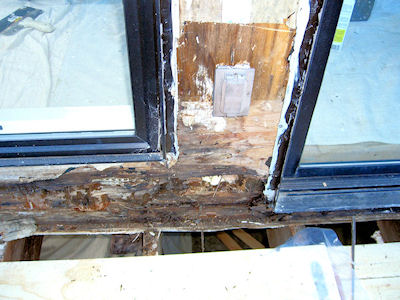
The expense of overlooking dry rot in your framing or subfloor can translate into increased repair costs, diminished home value, and potential safety hazards. Rot decomposes wood fibers, compromises structural walls, and travels quickly in moist areas. Wood that looks fine on the surface could be concealing hazards like sagging floors or cracked walls. Ignoring dry rot in your framing or subfloor can get very expensive. Long-term neglect can damage plumbing, wiring, or insulation as well. Insurance rarely covers rot resulting from neglect. For a primer on how dry rot grows, what it does to your home, and how to spot early signs, read on for easy-to-understand tips and straightforward advice.
Key Takeaways
- Dry rot in the framing or subfloor can lead to structural failures that threaten the safety of your home and require extremely complex repairs. Inspecting for signs of dry rot in its early stages is key to avoiding this kind of catastrophic decay.
- The cost of ignoring dry rot in your framing or subfloor is high. Be proactive and budget well in advance to remediate any damage early and minimize your financial burden.
- Risks such as mold exposure and respiratory problems are directly associated with untreated dry rot, highlighting the importance of routine inspections and swift remediation to preserve a healthy living space.
- Ignoring dry rot in your framing or subfloor could cost you more than you think.
- Climate, including humidity and local weather, matters a lot. Homeowners should implement climate-appropriate prevention measures such as moisture control and ventilation.
- Going with quality remediation experts, rot-resistant materials, and a maintenance schedule are concrete things you can do as a homeowner to take control of dry rot.
The Unseen Consequences
Dry rot isn’t just a cosmetic issue. It can sneakily destroy the skeleton of your home, sap your budget, affect your health, impact your property value, and invite insects. Early detection and remediation are key since most early-stage outbreaks escape normal audits or patching.
1. Structural Failure
Sagging floors, cracked walls, and warped doorframes can be the beginning of dry rot structural problems. Once wood moisture pushes beyond 18 to 20 percent, rot speeds up, undermining beams and joists under new floors or new plaster. If it’s a listed or recently updated property, these early warning signs are not apparent. Suspect load-bearing elements, such as joists or sill plates, can ultimately give out, creating safety hazards and even structural failures. Don’t wait; framing or subfloor that goes unchecked can be the difference between precision repairs and rebuilding.
2. Financial Drain
Repairing dry rot generally costs significantly more than cosmetic repairs, costing thousands of dollars or euros. Labor, specialty materials, and disposal of contaminated wood all add up fast. Insurance claims data reveal that unaided inspections overlook half of early rot, so unseen outbreaks persist unchecked and add to costs over time. Mortgages, refinancing, or conveyancing can be delayed by remediation, and insurers frequently hike premiums if owners brush aside early warning signs. Certain areas are already demanding aftercare plans for premium housing, shifting additional expenses to owners. Active, deep fixes are less expensive than recurring band-aids.
3. Health Hazards
Untreated dry rot becomes an incubator for mold and mildew. Mold spores can cause allergies, asthma, and chronic respiratory conditions in children or the elderly. Residual dampness feeds stubborn mildew that never seems to go away. Regular checks and training of family symptoms can go a long way in keeping a safe zone. You need to act early to maintain your indoor air quality and to prevent health costs or disruptions.
4. Property Devaluation
Dry rot, untreated, decreases home value and appeal. Buyers are quick to flee if inspections turn up rot damage or the possibility of spreading. Sellers have to take price hits to compensate for repairs. Obvious damage or a known history of dry rot can cause mortgage lenders to refuse or delay financing. These elements together drag down the return on investment for owners.
5. Pest Infestations
Decaying wood invites termites, carpenter ants, and other creatures of the night, exacerbating the rot. Rotting wood provides a welcome mat, entry point,s and nutrition for infestations that continue to destabilize one’s home. Gap-filling, moisture sensing, and regular pest inspections are mandatory for prevention. When dry rot is left to fester, the associated pest activity can double the repair costs and project timeline.
Identifying Dry Rot
Dry rot is a type of fungal wood decay. The most common type is Serpula lacrymans. It grows best in moist conditions, commonly where the wood’s moisture level is about 20%, and there is ventilation. That’s why you need to catch it early, as it travels quickly through mycelium, which are root-like strands, and can hide out for a while, particularly inside walls or subfloors. Knowing what to watch for and addressing it immediately can avoid long-term structural damage.
Visual Cues
Dry rot commonly begins with minor discolorations. Wood surfaces might develop discoloration or dark patches indicating fungal presence. Certain varieties of wood appear whiter when wet rot fungus strikes, causing the contrast to be even more pronounced. Splits or cracks in wood may indicate Dry Rot lurking below. Soft, spongy spots in the wood or pieces that crumble at a finger’s touch indicate that the rot has progressed. On outside elements like windowsills or door frames, any fungal growth, sometimes in the form of a white, cottony mass, suggests that the infestation is active.
Olfactory Cues
A musty, earthy smell is among the first cautionary signs of dry rot. The odor can be similar to mushrooms and frequently permeates musty environments, such as basements or crawlspaces, where there’s little air circulation. If you remain a victim of stinking smells, they’re usually telling you that decay is already well underway, even before it’s visible. These smells can linger in corners or behind walls, so they’re a crucial hint when doing a check around the house. Olfactory cues, paired with other observations, can help in locating the problem and determining its severity.
Tactile Cues
Hands-on examination is as critical as visual inspection. Press gently on exposed wood in your framing or subflooring to expose soft or spongy areas. This usually indicates advanced dry rot. Wood that crumbles under pressure or feels unusually brittle is another red flag. Powdery or uneven surfaces could indicate fungus. Frequent hands-on inspections, particularly following a deluge or even a minor plumbing drip, are essential.
The True Cost Of Repair
Dry rot framing or subfloor, and you’re looking at a bottom line that extends well beyond the surface. Repair is a multi-stage process with a price tag and technical hurdles for each phase, frequently impacted by damage scope, site conditions, and immediacy of response.
Initial Assessment
Professional inspection is the first step. This step is not optional; skipping it risks missing hidden damage. A skilled inspector will charge a set fee, often ranging from €100 to €500, depending on the region and the building size. During this process, contractors collect detailed information about the structure, measure affected areas, and may even take samples for lab analysis. These details form the basis for repair quotes and timelines. Assessment often reveals that damage is wider than what is visible, so costs can jump quickly from the original estimate. Proper documentation is key because it allows you to compare contractor opinions, plans and avoid unexpected charges later. The time from booking to final report may be as little as two days or stretch to a week if lab tests are needed.
Remediation Work
Remediation begins with gutting any rotted wood and treating the space. Labor alone can be costly, and skilled labor is non-negotiable. Chemical treatments or physical removal must be thorough, or rot will return. A quick chemical treatment for a tiny spot like a windowsill can run between £200 and £500. Bigger regions or challenging locations could cost a lot more, particularly when the rot is profound. Just because you’re trying to save money, don’t use cheap materials that will create a recurring nightmare. Quality materials are essential. Almost all remediation plans are action-oriented, defining a path from isolating the contamination in the damaged zone to final disinfection. Skipping steps or cutting corners jeopardizes future breakdowns.
Structural Repairs
Major repairs include replacing beams, joists, or even entire subfloors. Costs range widely: patching wood costs between $150 and $250, replacing sections costs between $300 and $2,000, or sistering joists costs between $1,000 and $4,000. Full floor joist replacement can run between $4,000 and $12,000, particularly in inaccessible locations. Structural work often requires temporary supports and specialized skills, which further increase labor costs. Professional oversight means your repairs are up to code and your house is safe. When damage is worse than initially assumed, costs can end up doubling or tripling the initial quote.
Collateral Damage
Repairs can wreak havoc on drywall, tile, or flooring. This brings surprises, from simple patching to complete refinishing. To get to hidden rot, you have to cut into finished surfaces, which are sometimes not salvageable. Restoration varies: a simple repaint could cost little, but replacing specialty flooring or finishes can add thousands. All collateral damage should be recorded so that insurance or warranties cover the full extent.
Climate’s Hidden Role
Climate determines how and where dry rot takes hold in framing or subfloor, as fungi require the proper balance of moisture and temperature to flourish. If timber moisture content is higher than 18 to 20 percent, then spores begin to germinate and propagate. Even a brief spike above 20 percent is enough to rouse dormant spores and push fast rot growth. Dry rot lurks behind finishes and can span timber gaps with mycelium in as little as three to six months. Visual inspections alone skip more than 50 percent of early outbreaks, demonstrating the necessity of ongoing, climate-informed surveillance. In particular, property stewards in the UK will discover that repairs that restore value, rather than upgrades, receive beneficial tax treatment, making proactive upkeep a wiser investment. Here’s a table illustrating the impact of various climates on dry rot risk.
Climate Type | Humidity Level | Dry Rot Risk | Key Triggers |
Humid | High | Very High | High ambient moisture, leaks |
Arid | Low | Moderate | Leaks, poor drainage |
Temperate | Variable | High | Wet seasons, condensation |
Humid Regions
Homes in humid climates are at greater risk from dry rot as elevated levels of moisture aid fungi in spreading rapidly. Humidity creeps into wood, increasing the potential for rot in framing and subfloors. Even apparently dry rooms can harbor hidden damp, particularly in proximity to bathrooms or kitchens. Employing dehumidifiers and fans reduces moisture, and routine inspections with moisture meters can identify early issues.
We need more inspections in these places. Pay special attention to locations near exterior walls, under floors, and behind finishes, because those are the places that hold the most moisture. Homeowners should be aware of dry rot fundamentals and prepared to bring in professionals for detailed inspections. Educating about regular maintenance is crucial, as most overlook initial harm until it’s expensive.
Arid Regions
Dry rot attacks in dry locations, frequently following occult pipe drips or roof drips. Water can lurk in wall cavities or beneath floors, quietly nurturing fungi even if the air is bone-dry. Just as important is checking your roofs, gutters, and drainage systems.
Make use ofmoisture-resistantt materials in constructing or repairing floors and frames. Polyethylene under slabs and treated lumber reduced the danger. Homeowners should ensure soil slopes away from their house, so that rainwater won’t stand and soak the frame.
Temperate Regions
The weather in temperate zones varies frequently, and these fluctuations can deliver both wet and dry periods. Wet seasons drive moisture into wood, particularly in basements and crawlspaces. Dry rot flourishes when rain is followed by warm, stagnant air.
Check for leaks after storms, and check window sills, subfloors, and crawlspaces in the spring and fall. Sticking to a consistent maintenance schedule will result in fewer nasty surprises. Homeowners in these areas should know what to look for and not overlook minor repairs, as issues may escalate quickly.
Proactive Prevention Strategies
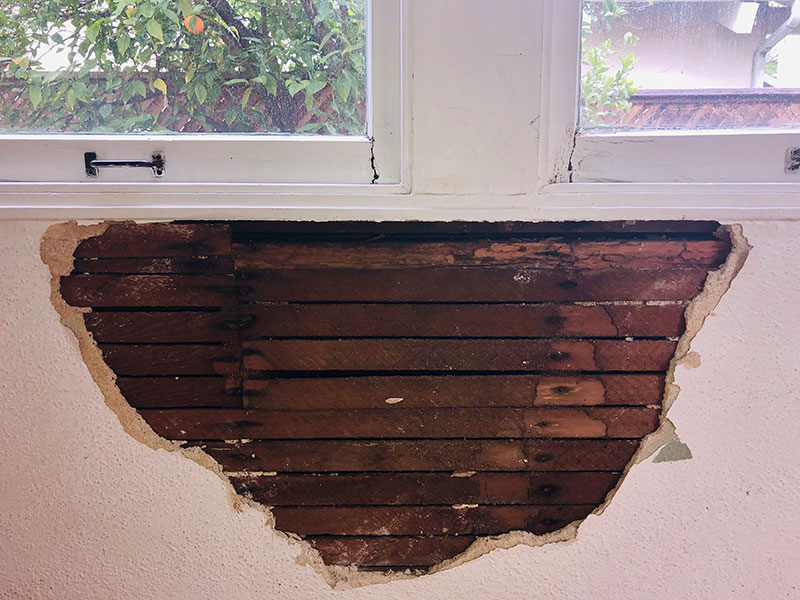
Ignoring dry rot in framing or subflooring incurs expansive costs, yet proactive prevention limits structural threat and budgetary blow. Regular upkeep, thoughtful material choices, and environmental caution all help form a strong shield. Frequent inspections, particularly of subfloor voids, roof spaces, external joinery,y and points where timber abuts masonry, enable cold and damp patches to be identified before they become a problem. Commissioning an annual or biannual professional risk map, especially for high-traffic or vulnerable properties, goes a long way toward mitigating the risk of surprise repairs. Adding preventative products like post-saver sleeves and meeting requirements like PAS2035 or BS6576 documentation all work toward reducing future costs and regulatory delays.
- Conduct rigorous annual subfloor, roof voids, and basement moisture inspections.
- Prioritize high-risk building features: subfloor voids, flat roofs, external joinery, and basement timbers.
- Commission periodic professional risk maps to assess vulnerabilities.
- Deploy preventative products like post saver sleeves on posts and timbers.
- Make sure you’re following applicable local or international standards during repairs or retrofits.
Moisture Control
- Fix leaks in roofs, pipes, and appliances quickly.
- Grade soil and install drains to divert water away from the structure.
- Apply waterproof coatings to vulnerable timber surfaces.
- Seal gaps around windows, doors, and external walls.
Installing vapor barriers under floors and in crawl spaces reduces moisture penetration, a primary cause of dry rot. Emptied gutters and downspouts, particularly before rainy seasons, prevent water from collecting near your foundation. Tracking indoor humidity with sensors and deploying dehumidifiers in moist areas, such as basements or converted cellars, minimizes risk. These measures, combined with a regular sweep for remaining moisture and building defects, allow property owners to sleep easily, making informed choices.
Proper Ventilation
Enhancing ventilation of attics, crawl spaces, and cellars is essential for preventing moisture accumulation. Make sure your kitchen, bathroom,m and laundry rooms are equipped with mechanical vents and exhaust fans to vent out the humid air at its source. Periodic cleaning and inspections of these mechanisms ensure they operate as intended. Educating tenants on the importance of consistent ventilation ensures dry rot prevention over time and allows them to identify warning signs early.
Material Selection
Choosing rot-resistant materials in framing and subfloor repairs is a common-sense protection. Treated lumber or composites resist moisture and fungal decay more than typical wood. Good things tend to be more expensive, but it’s an investment that saves you money, ey not just on repairs but on your home’s worth. We’re educating homeowners about the value of hardening materials to encourage smart decisions and reduce future risk.
Choosing A Remediation Expert
If you have dry rot in your framing or subfloors, this is indicative of more significant damage that can jeopardize the integrity of your building. Selecting a remediation specialist remains an important step to ensure the problem is cured the first time. It can seem daunting, but we’ve simplified it to keep it straightforward and understandable for anyone confronting this challenge.
- Begin by seeking out local experts who have the appropriate credentials. They need to know how to identify dry rot, distinguish it from other types of wood decay, and determine the extent of the damage. Get each to provide evidence of their qualifications and experience working with wood rot or related repairs. Look for someone experienced and highly regarded in the industry. Ask for references and do some online research to find out if others have found good results.
- Obtain price quotes from a minimum of three contractors. This is key since prices vary dramatically from region to region and depending on the scope of the work. Attic-only jobs, for instance, might range from $1,000 to $4,000, and whole-house repairs could range from $10,000 to $30,000. It’s always a good idea to request a detailed, written estimate that separates labor, materials, and any additional fees. Don’t just compare these quotes for price; compare what is included. Some contractors may do little more than remove surface damage, while others will provide a comprehensive strategy for structural evaluation, removal of infected material, moisture extraction, antifungal treatment, and restoration with treated wood.
- Arrange consultations with two or more of the top contenders. Take this meeting to bring up your particular needs, show them the damage, and ask how they would tackle the fix. A good remediation expert should provide you with a plan that addresses everything from identifying the source of moisture to replacing damaged wood. They should describe what sort of follow-up or prevention steps are required to keep the issue from recurring.
Conclusion
To avoid addressing dry rot in your framing or subfloor means larger invoices and higher tension down the road. Wood rots quickly and saps strength every wet season. Concealed rot destroys your home’s integrity and security. Soft spots, musty smells, or cracked wood are early warnings that you have a serious problem, not minor fixes. Costs increase rapidly if you procrastinate because rot spreads quickly and may require tearing out a significant portion of the floor or wall. Wet climates increase the danger. Simple actions such as proper ventilation and immediate repairs prevent wood harm. For the best fix, always choose a pro who understands dry rot and local codes. Need another real tip or have a question? Contact and join the discussion!
Frequently Asked Questions
1. What Is Dry Rot, And Why Is It A Problem In Framing Or Subflooring?
Dry rot is a devastating form of wood decay. It compromises framing or subflooring and results in expensive fixes and potential hazards if neglected.
2. How Can I Identify Dry Rot In My Home?
Check for wood that is brittle, cracked, or discolored. A musty smell and soft or spongy-feeling spots when pressed can be indicators of dry rot.
3. What Happens If I Ignore Dry Rot In My Building Structure?
Dry rot in your framing or subfloor. Over time, repairs become more costly, and the threat of collapse or devaluation increases.
4. How Much Does It Cost To Repair Dry Rot Damage?
Repair costs differ. Early intervention could be just a few minor fixes. Heavy damage can cost thousands, especially if you require structural replacement.
5. Does Climate Affect The Risk Of Dry Rot?
Yes, dry rot loves a damp, poorly ventilated space. High humidity or regularly wet areas put you at the biggest risk.
6. Can Dry Rot Spread To Other Parts Of My Home?
Dry rot can still spread fast through wood and even masonry. Taking care of the issue now keeps it from spreading and becoming way more expensive.
7. Why Should I Hire A Remediation Expert For Dry Rot?
Our professionals promptly and accurately identify, treat, and prevent future dry rot. Professional remediation protects your home and preserves value.
Stronger Homes Start Here – Dry Rot, Siding & Structural Envelope Repair By Mares & Dow Construction & Skylights
Your home’s exterior isn’t just about looks—it’s your first line of defense against the elements. At Mares & Dow Construction & Skylights, we’ve spent over 40 years protecting Bay Area homes by repairing dry rot, restoring siding, and strengthening the structural envelope that keeps your property safe and sound.
From identifying hidden moisture damage to replacing compromised framing or siding, our team combines precision craftsmanship with durable materials to ensure your home stays solid for decades. Whether you’re dealing with dry rot in the subfloor, deteriorating siding, or structural issues behind the walls, we’ll restore integrity and curb appeal to your home.
Why homeowners choose us:
• Comprehensive dry rot detection and repair to stop damage before it spreads
• Expert siding replacement and restoration that boosts protection and value
• Structural envelope repair that reinforces your home’s long-term stability
We proudly serve Contra Costa County—including Alamo, Danville, Orinda, Martinez, and San Ramon—and treat every project with the same care we’d give our own homes.
Protect your investment before small issues turn into costly repairs. Contact Mares & Dow Construction & Skylights today for a free, no-obligation quote on dry rot, siding, or structural envelope repair.
Disclaimer
The materials available on this website are for informational and educational purposes only and are not intended to provide construction, legal, or professional advice. You should consult with a qualified general contractor or industry professional for advice concerning any specific construction project, remodeling plan, or structural concern. Do not act or refrain from acting based on any content included on this site without seeking appropriate professional guidance. The information presented on this website may not reflect the most current building codes, regulations, or industry best practices. No action should be taken in reliance on the information on this website. We disclaim all liability for actions taken or not taken based on any or all of the contents of this site to the fullest extent permitted by law.


