Basement waterproofing in the Bay Area keeps homes protected from water leaks, mold, and expensive repairs. Damp basements caused by heavy winter rains and shifting soils weaken house foundations and decrease values. Many homes in this area sit on high water tables, leaving them vulnerable to moisture challenges that can lurk beneath the surface, undetected, until it’s too late. It helps prevent cracks, keeps the air dry, and protects you against chronic health hazards from mold. Builders and homeowners waterproof to protect new and old homes. For any homeowner or buyer in the Bay Area, understanding why basement waterproofing is essential aids in identifying issues before they become major and making smart decisions for your home. That’s what the article is about.
Key Takeaways
- Waterproofing your basement is essential for protecting your home’s structural integrity, especially in regions like the Bay Area where unique environmental factors increase water intrusion risks.
- By tackling the moisture and water issues, you’re doing a lot to enhance indoor air quality, prevent mold growth, and foster a healthier environment for everyone that lives inside.
- Good basement waterproofing means the difference between wasted space and usable space in your home.
- By investing in professional waterproofing solutions, you’re not just increasing property value; you’re enhancing your home’s marketability and compliance with local building codes.
- Basement waterproofing is important in the Bay Area because of clay soil, hillside runoff and atmospheric rivers.
- Routine inspections, maintenance, and working with trusted contractors are advised to maintain long-term protection and resilience against both water and seismic hazards.
Why Waterproof Your Basement
Basement waterproofing in the Bay Area is not just a best practice; it’s a necessity for safeguarding your home, health, and investment. Given the region’s temperate climate, rainy winters, and rising and falling groundwater levels, basements are particularly vulnerable to leaks and moisture problems. Quality waterproofing services effectively combat these dangers, offering you both short-term benefits and long-lasting rewards that extend beyond a dry living environment.
1. Structural Integrity
Water infiltration is a major culprit behind foundation problems, especially in the San Francisco Bay Area where rainy winters can exacerbate moisture issues. When water trickles through cracks or accumulates around the foundation of a home, it can compromise the concrete and steel that hold up the home. Over time, this leads to cracks, warping, and even shifts in your foundation. Just a few centimeters of water entering the basement can accelerate this process, causing costly repairs. Professional waterproofing services are a preemptive strategy that minimizes the potential for devastating water damage and keeps your house sturdy for years to come.
2. Healthier Air
A damp basement, often a result of poor moisture control, is a hotbed for mold and mildew that send spores floating through the air. These can trigger or exacerbate respiratory issues, particularly in those with asthma or allergies. Mold thrives in damp environments, and unattended leaks provide the ideal breeding ground. By utilizing professional waterproofing services, you can ensure low humidity, control condensation, particularly during the colder seasons, and prevent musty odors. When your basement is dry, it promotes a healthier indoor environment in your entire home.
3. Usable Space
Waterproofing services transform a basement from lost space into premium real estate, addressing common moisture problems. With a dry, safe basement, families can install a home office, gym, or storage space, enhancing their living environment. This versatility allows homeowners to meet shifting demands, whether for a workout area or just more room to spread out, opening potential for inventive applications, like a warm media room or a peaceful hideaway.
4. Property Value
A waterproofed basement is a selling point for any home, especially in the San Francisco Bay Area where rainy winters can lead to persistent moisture issues. Purchasers look for homes with professional waterproofing services because they represent less risk and future expense. Waterproofing brings lasting value, frequently raising resale value and making your home shine in a crowded market.
5. Pest Prevention
Wetness draws pests, such as mice and bugs, who can infiltrate your home through crevices. These infestations cause additional damage, from gnawed through wiring to infected insulation. Professional waterproofing services protect your home not just from moisture but also from infestations of bugs and termites, two preventable issues related to basement waterproofing worth considering. It fosters a safer, healthier living environment for all.
The Bay Area’s Water Problem
The Bay Area’s water problem was shaped by its climate, soil, and geography, making professional waterproofing services essential. Rainstorms are frequent, particularly in winter when atmospheric rivers shower massive deluges of water in a matter of hours. Many homes are built on clay-heavy soils, which don’t drain well and can trap water close to foundations. Groundwater levels are rising, and sea level rise further exacerbates the risk of water damage. Water pooling under homes damages foundations, grows mold, and reduces indoor air quality. The region’s combination of new and old structures requires unique waterproofing challenges and proactive planning for effective moisture control.
Clay Soil
Clay soil is an endemic Bay Area problem that often leads to moisture issues. This soil retains water far longer than sandy or loamy soil, causing pooling during storms. When heavy rain comes, clay soil expands, and the ground cannot absorb more water, resulting in your property being surrounded by standing water. These conditions endanger foundations and heighten the risk of basement flooding, making the role of a San Francisco waterproofing contractor essential for homeowners in the area.
To effectively handle water in clay-based regions, it’s crucial to direct water away from the house. Grading the ground around your house should ensure water runs away from the building. Many older homes in the Bay Area were not properly graded, which contributes to persistent moisture issues. Downspouts should extend at least 1.2 to 1.8 meters from the base to prevent pooling near the house. Installing French drains, which are underground pipes that whisk water away, can significantly contribute to dry basements.
Waterproofing services must fit the soil conditions. For clay, professional waterproofing solutions like exterior sealants, drainage mats, and sump pumps offer additional protection. Mold and musty odors are obvious indicators of trapped water, so routine moisture inspections are critical for maintaining a healthy living environment.
Hillside Runoff
Hills make runoff more dangerous, as water comes down like a torrent in a storm. Houses constructed on or below slopes frequently experience water collecting around their basements, causing leaks and floods. Even a couple of centimeters can do permanent damage.
Swales, catch basins and retaining walls direct water away from homes. These solutions reduce the danger of soil erosion and prevent water from infiltrating into the house. Landscaping has a huge role. Deep-rooted plants can help anchor the soil, and ground cover can slow water flow and pooling.
When it rains heavily, hillside homes bear the brunt of pressure as water follows the path of resistance. Slopes and drains must be checked regularly, particularly after storms.
Atmospheric Rivers
These atmospheric rivers deliver heavy rains, sometimes in intense bursts. These events are increasing in frequency, forcing the Bay Area into a ‘wetter future.’ These flash floods burst through current drainage solutions, particularly in ancient hoods.
To stay ahead, seal cracks in basement walls and floors, install sump pumps, and employ water alarms for early warning. Tracking local weather forecasts is crucial and allows homeowners to get a jump on the next big storm.
Bay Area basements deserve rugged, multi-tiered protection. Without them, water can seep in rapidly, resulting in mold, structural decay, and expensive fixes.

Waterproofing and Seismic Resilience
Basement waterproofing is crucial for building safety, especially in the San Francisco Bay Area, where seismic activity and moisture problems pose real threats. The link between professional waterproofing services and seismic resilience is evident, as moisture can weaken structural elements, making them more vulnerable during earthquakes. Local building codes often require rigorous waterproofing alongside seismic retrofits, highlighting the need to tackle both hazards simultaneously.
Foundation Stability
Keeping a firm footing is essential for any structure in an earthquake zone. Waterproofing and seismic resilience are crucial. When water seeps in, it can soften soil and wash away support, making the ground under your home less stable when earthquakes occur. Cracks in foundations invite more water that can eventually become bigger structural issues. Expert waterproofing employs cutting-edge technologies, like elastomeric membranes and smart drainage systems, to ward off water and fortify your base.
Even tiny cracks cannot be overlooked. Tackling them early prevents water intrusion and preserves the structural integrity. Well-planned drainage aids, such as perimeter drains or sump pumps, minimize water pressure around the foundation, which is an important factor in the event of a quake when soil shifts suddenly.
Liquefaction Risk
The Bay Area faces a unique risk: liquefaction. When violently shaken, saturated soil can lose its strength and liquefy, leading to sudden foundation settlement or shifts. Waterproofing can’t prevent liquefaction, but it does limit water infiltration, which helps maintain the basement walls and reduces basement flooding.
Soil stabilization techniques, like soil compaction or ground improvement materials, can complement waterproofing to minimize damage risk. Homeowners should be armed with this knowledge — education is an important component in earthquake preparedness. Addressing potential flooding by installing water barriers and keeping sump pumps in working order are great ways to prepare.
Post-Quake Issues
Water can enter a home more easily after an earthquake because of new cracks and shifted structures. We perform rapid leak and dampness checks in basements. Trusting experts to evaluate and renovate waterproofing is essential for enduring resilience.
Routine maintenance is just as essential as the original installation. Routine inspections of both waterproofing and roof systems, like spray foam roofing which lasts more than 50 years, can identify vulnerabilities at an early stage and minimize the cost of repairs down the line.
Proven Waterproofing Methods
Basement waterproofing is an essential investment that goes beyond mere moisture control. Engaging a skilled basement waterproofing contractor can prevent water intrusion, which can ruin property, compromise the integrity of structural components, and lead to health risks. Utilizing time-tested waterproofing services offers long-term protection and peace of mind.
Interior Systems
Interior waterproofing is essential for homeowners looking to shield against water damage in their basements, particularly in regions like San Francisco where rainy winters can exacerbate moisture problems. A skilled waterproofing contractor will install a drainage channel around the interior perimeter of the basement floor, effectively gathering water that leaks through walls or floors and routing it to a sump pump. Additionally, applying waterproof membranes and sealants, such as epoxy or polyurethane, is crucial in stopping moisture intrusion and preventing mold growth. Regular maintenance and inspections are vital to ensure the durability of these waterproofing services, as they help catch issues like dampness or moldy odors before they escalate into more significant moisture issues.
Exterior Systems
Exterior waterproofing systems effectively detect water before it infiltrates the basement, making them essential for homeowners in areas like San Francisco, where rain can lead to significant moisture problems. This process typically involves foundation excavation, surface cleaning, and the application of a waterproof membrane or bitumen-based coating. These barriers, particularly liquid-applied or sheet membranes, provide powerful defenses against moisture intrusion. In regions prone to heavy rain or poor drainage, professional waterproofing services, including the installation of exterior drainage systems like French drains, are crucial to carry groundwater away from the foundation. Regular inspection of these systems is key to identifying waterproofing issues such as erosion or filled drains.
Drainage Solutions
Good drainage drives any waterproofing strategy, especially in San Francisco where unique waterproofing challenges arise. If water can’t drain from the building, even the best waterproofing services won’t work. French drains, with their gravel and perforated pipes, are laid around the house to shift water out from foundations. Sump pumps, installed in the lowest part of a basement, collect this water from the drainage channels and pump it outside. Homeowners need to clear and clean these systems, checking for clogs, mechanical failure, or electrical issues. Learn your lesson. All your family members should be aware of fundamental drainage knowledge, what indicators to heed, and when to consult a professional waterproofing contractor.
Unlocking Your Basement’s Potential
A waterproofed basement provides homeowners with possibilities that stretch far beyond simple storage. It transforms an otherwise damp environment into a dry, safe, and cozy room that serves multiple purposes. If you live in the San Francisco Bay Area, this step involves more than just sealing off leaks; it’s about maximizing the footprint you already have, increasing your energy efficiency, and creating tangible value through professional waterproofing services in your home.
Added Living Area
A dry basement opens up a whole world of rooms—playrooms, offices, guest suites. These spaces accommodate families requiring adaptability as requirements evolve. If you work at home, a silent basement office can help you concentrate. With a growing family, a playroom or teen hangout keeps the main floors less crowded. Opting for a floor plan that complements your family’s lifestyle maximizes every square meter.
Surprisingly, unused basements are among the darkest and coldest places in many homes, yet waterproofing not only keeps them dry but helps reduce winter heat loss. This is nice because it can help with reduced cooling costs in the summer and makes the basement comfortable year-round. With something like French drains or exterior drainage, you control water before it becomes an issue. That translates to less chance of freeze-thaw damage occurring when water in the walls expands and contracts.
Rental Income
If you finish your basement, you can rent it out to tenants or invite visitors over for extended stays. First, verify local regulations for basement apartments, like minimum ceiling height or separate exits. A waterproofed basement is much easier to rent out, given that renters want dry, healthy spaces.
Potential rental income varies by the size and location of your house. A finished basement typically ends up paying for itself. Renters appreciate privacy and comfort, so a dry, bright space with good air quality will really set your place apart. If you entertain guests, a basement suite makes the experience more convenient and enjoyable for all.
Smart Investment
Investing in professional waterproofing services is a smart choice for homeowners, as it protects your house from costly water damage that can arise from moisture problems. The expense of effective waterproofing is minimal compared to the potential costs of repairing mold, foundation cracks, or ruined finishes. Prevention is almost always much less expensive, especially in areas prone to rainy winters.
A dry, secure basement not only adds value but also enhances your living environment. Buyers and investors often view a well-maintained, waterproofed basement as an indicator of a property that is built to last, making basement waterproofing worth the investment for long-term home care.

Navigating Bay Area Building Codes
Bay Area building codes shape basement waterproofing for good reasons. These codes contend with the region’s unusual combination of unstable soils, active earthquake zones, and wet winters that give way to extended dry periods. Understanding these regulations is more than just bureaucracy; it’s essential for any homeowner who wants their work to stick and steer clear of trouble down the line. Engaging a skilled San Francisco waterproofing contractor can ensure compliance with these regulations while addressing unique waterproofing challenges.
Our familiarity with local codes means we know how the region’s geology and weather can challenge many waterproofing systems. Expansive clay soils swell and shrink with rain, straining foundations and basement walls. High groundwater will push water into basements, and seismic risk means foundations must be designed to move, not break, during a quake. Bay Area codes get into all sorts of specifics, including how to grade soil away from foundations and what types of drains, such as French drains, are permitted or necessary.
For instance, they require surface drainage to be installed such that water drains away from all structures, with defined minimum slopes specified in the code. This helps keep water from accumulating around foundations and inflicting long-term water damage.
Conclusion
Basement waterproofing in the Bay Area is about a lot more than just combating leaks. It keeps your environment dry, secure, and usable throughout the year. Local rain, old pipes, and shaky ground can all threaten your home. A dry basement keeps mold away and holds your home together even when the earthquakes come. Selecting the appropriate system safeguards your home and provides you with additional space for living or working. Even minor changes go a long way. Keep up with local code so your work endures. If you want to maximize your basement space, start with the fundamentals. Contact a reliable expert for solid recommendations or map out your next move to a safer, smarter space.
Frequently Asked Questions
1. What makes basement waterproofing important in the Bay Area?
Basement waterproofing services safeguard against regular rainfall, groundwater, and moisture issues due to the Bay Area’s climate. This proactive northern California waterproofing approach helps avoid mold, structural damage, and expensive repairs, ensuring a safer and healthier living environment.
2. How does waterproofing improve my home’s seismic resilience?
Waterproofing services reduce moisture, which can erode soft foundation materials. Stronger, drier foundations can better withstand earthquakes, making your San Francisco home safer during seismic events.
3. What are the most effective basement waterproofing methods?
Typical methods include inside sealants, exterior membranes, and drainage systems, while professional waterproofing services suggest a blend for maximum defense against water damage, depending on your home’s requirements.
4. Are special permits needed for basement waterproofing in the Bay Area?
Indeed, most waterproofing projects require permits to meet local building codes, so it’s crucial for homeowners to check with their city or region to ensure compliance and safety in their waterproofing services.
5. How can waterproofing increase my basement’s usable space?
This helps make the area safer and more pleasant for storage, living, or work, especially with professional waterproofing services to address moisture problems.
6. Does waterproofing help with property value?
That’s right, a waterproofed basement is a value-add because it minimizes threats of water damage and enhances air quality in damp environments, making it an attractive feature for potential homeowners.
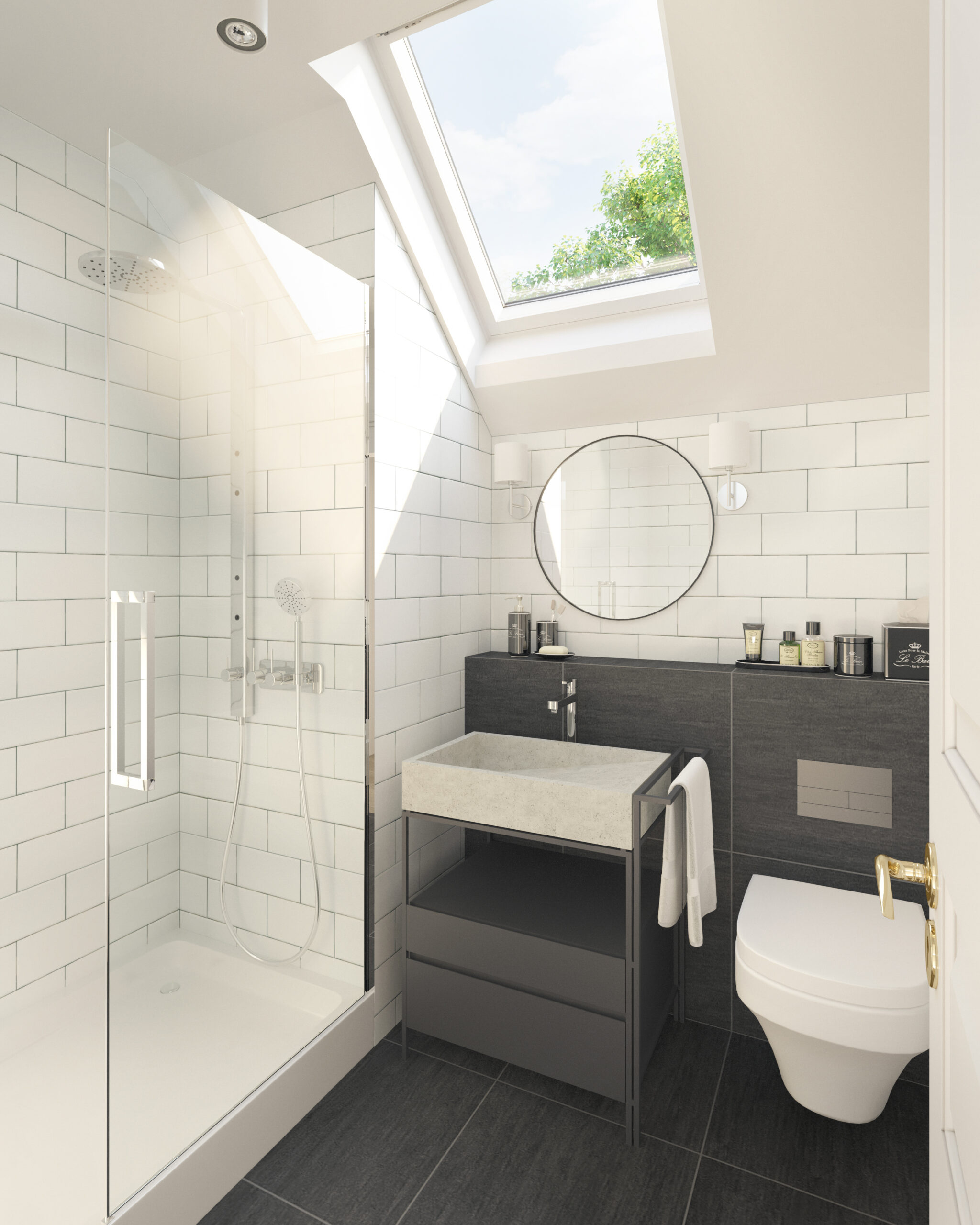
Bathrooms, Basements, and Interior Remodels with Mares & Dow Construction & Skylights
Updating the inside of your home can change how you live day to day. The right remodel improves comfort, solves long term issues, and makes each room feel more useful and inviting. Bathrooms, basements, and interior spaces all benefit from thoughtful planning and skilled craftsmanship, and Mares & Dow Construction & Skylights has spent more than 40 years guiding Bay Area homeowners through projects that bring real value to their homes.
We explain what a strong interior remodel should include, from moisture control and layout improvements in bathrooms to smart storage and livable design in basements. Our team helps you understand when a space needs structural updates, how to improve energy efficiency, and what design choices create a home that feels both modern and practical. This kind of clarity makes it easier to avoid common remodeling mistakes and gives you confidence in every decision.
Why homeowners trust Mares & Dow Construction & Skylights for interior remodeling work:
- Decades of hands on experience with residential remodels
- Clear guidance on timelines, materials, and construction needs
- Straightforward recommendations that protect your budget and long term goals
- A dependable team known for quality, communication, and lasting results
We serve Contra Costa County including Alamo, Danville, Orinda, Martinez, and San Ramon. Every project receives the same level of care we’d want in our own homes.
If you’re planning a bathroom remodel, a basement upgrade, or a full interior refresh, connect with Mares & Dow Construction & Skylights to talk through your vision.
Disclaimer
The materials available on this website are for informational and educational purposes only and are not intended to provide construction, legal, or professional advice. You should consult with a qualified general contractor or industry professional for advice concerning any specific construction project, remodeling plan, or structural concern. Do not act or refrain from acting based on any content included on this site without seeking appropriate professional guidance. The information presented on this website may not reflect the most current building codes, regulations, or industry best practices. No action should be taken in reliance on the information on this website. We disclaim all liability for actions taken or not taken based on any or all of the contents of this site to the fullest extent permitted by law.










 based on