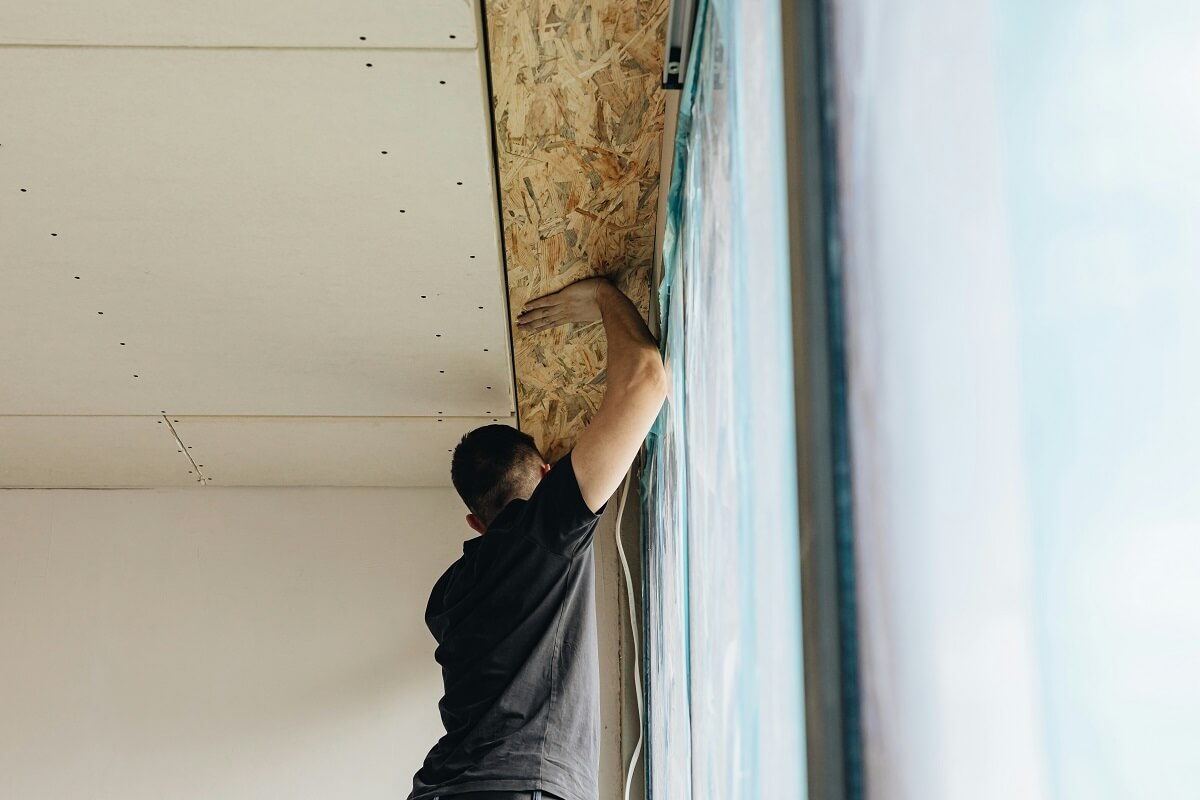
Category Archives: Home Remodeling

What’s Hiding in Your Walls? Remodeling Secrets No One Tells You

What’s hiding in your walls usually isn’t discovered until you begin a remodel, revealing exciting but often scary secrets no one ever tells you. From outdated wiring and hidden plumbing to forgotten insulation, walls can hold surprises that impact your project timeline and budget.


Neglected older homes may show themselves to have knob-and-tube wiring, while newer homes may be cavalierly hiding improperly installed venting or worse – pest destruction. These hidden issues go beyond simple repairs. They can seriously impact energy efficiency, safety, and overall functionality of the space.


Better understanding what lies behind your walls allows you to plan more strategically and avoid costly surprises once construction is underway. In this guide, we’ll walk you through common discoveries, why they matter, and how to handle them effectively for a smooth remodeling experience.

Key Takeaways

  • Avoid expensive remediation Letting these issues fester will lead to even more expensive remediation when such hidden wall defects as water intrusion, missing insulation, or structural cracking are discovered.
    Early intervention Regular inspections allow you to identify potential hazards early on and take preventive measures.
  • Take advantage of moisture meters, thermal imaging and borescopes to reveal concealed catastrophes lurking inside walls. These tools can be invaluable in revealing issues that are otherwise hidden from view.
  • Know the health hazards, including asbestos, lead-shaped paint, and mold. Be aware of these dangers, take the right safety precautions while remodeling, and keep yourself safe.
  • Identify the underlying causes of unseen problems. Learn about historical build practices, environmental considerations, and shoddy first installation to address those root issues.
  • Include inspection and repair of hidden areas as part of plan and budget. If you want to help ensure your renovation stays on schedule and on budget, allocate money for surprises.
  • Protect your roof investment with proper ventilation, regular seasonal inspections and prompt repairs to any new signs of damage.

Common Hidden Wall Problems

During construction, walls are a common culprit that can contain nasty surprises and delay your project and increase your costs. Knowing how to address these hidden problems can keep projects on track and avoid expensive repair costs in the future.

1. Identify Water Damage Signs

The most common water damage has to do with hidden leaks, which often only show up through wall discoloration, bubbling paint, or mold patches. Baseboards and flooring along walls may display signs of warping or softness, indicating a history of moisture exposure.


Moisture problem FAQ Left unaddressed, moisture can damage drywall and eventually cause wood rot.

2. Recognize Types of Wall Cracks

Vertical cracks on an exterior wall could mean simple settling or severe foundation failure. More vertical cracks are benign, whereas horizontal or diagonal cracks can indicate much larger foundation issues.


Monitoring the progression of these cracks over time can aid in understanding the severity of these cracks and whether the cracks require a repair.

3. Inspect Spray Foam Issues

Badly installed spray foam insulation may not adequately fill cracks or joints, dramatically decreasing the R-value of this energy-efficient material. Look for buckled expansion, or poor adherence to the surfaces, which can create gaps and drafts.


Mold growth in the vicinity of foam areas can be a warning of moisture issues that should be addressed right away.

4. Check Crawl Space Ventilation

Like we mentioned before, crawl spaces that are properly ventilated help keep your air quality healthy and moisture out. Keeping vents and/or heaters clear and keeping humidity levels in check will help prevent mold, odors, or structural damage that can lead to a wall failure.

5. Find Air Leakage Locations

Drafts around windows, doors, or outlets can be located easily with smoke pencils. By sealing these gaps the building becomes much more energy efficient and comfortable.

6. Detect Old Drywall Imperfections

A sagging sheet of drywall could mean hidden water damage, and cracks and holes can mean the structure is compromising. Older homes can conceal old wiring or asbestos materials, needing expert examination.

Tools for Detecting Hidden Issues

Detecting concealed issues inside your walls prior to starting a rehabilitation and/or renovation project is imperative to prevent expensive, unexpected discoveries. By arming yourself with the right tools, you’re making sure you can identify hidden risks such as moisture deterioration, insulation voids, or structural defects.


Here’s how you can get the most out of these tools.

Use Moisture Meters Effectively

Moisture meters are effective at locating undetectable water damage in walls and ceilings. Calibrating the device based on the type of material being tested, whether it is drywall or wood, provides accurate readings.


In general, it makes the most sense to take several readings along various sections of the wall so as to identify areas of greatest concern. A significant moisture reading at the bottom of the wall indicates cause for concern.


It might indicate an issue with a plumbing leak or rising damp. Stopping it before it starts saves you from permanent damage or the growth of hazardous mold, which can later quadruple repair expenses.

Implement Thermal Imaging Scans

Thermal imaging scans are invaluable when it comes to detecting temperature differences that indicate the source of hidden problems. It’s important to conduct scans at various times of the day.


The temperature difference can easily show where there is missing insulation or if there are air leaks. An example would be cold spots, as seen in thermal imaging, may reveal poorly insulated areas or air leaks through windows.


These scans are useful for finding hidden ducting or wiring that may need to be replaced, particularly in older homes.

Employ Borescopes for Inspections

Borescopes make it possible to see what’s behind wall cavities by inserting them behind the wall through little or no openings. This tool is handy if you want to find rotted wood, pest infestations, or outdated wiring.


Recording the findings helps document issues like asbestos-wrapped ducting or aging systems, aiding in planning repairs.

Potential Health Hazards Behind Walls

During remodeling, hidden issues behind walls can sometimes pose serious concerns. Older homes may conceal materials or conditions that could impact the remodeling process. It’s important to be mindful of what might be behind the surfaces to ensure a safer outcome for your home and everyone involved.

Understanding Material Risks

Some materials used in older construction can present risks when disturbed. Any work that involves cutting, drilling, or demolition may require careful handling to avoid unwanted exposure. It’s wise to consider professional evaluations before beginning any extensive renovation.

Recognizing Surface Hazards

Painted surfaces and aging materials might require extra precautions. Dust, debris, and particles can spread easily during a renovation. Using protective gear, sealing off workspaces, and cleaning up thoroughly can help maintain a safer environment.

Being Aware of Moisture Issues

Unseen moisture can create conditions that lead to damage or poor indoor air quality. Identifying problem areas early and addressing them properly helps avoid additional complications during and after your project.

What Causes Hidden Wall Issues?

Hidden wall issues typically result from a trifecta of old practices, environmental conditions, and inconsistent craftsmanship. Knowing the primary reasons for these problems can help you prepare accordingly during a remodel and prevent unexpected surprises.

Building Codes and Past Practices

Older homes were constructed under a different set of rules, some of which may be inadequate by current codes. Prior to building codes and regulations, materials such as asbestos were introduced and frequently utilized for insulation or ductwork, which created health risks if disturbed.


Historic or earlier arts equivalents may not be as long-lasting as their contemporary counterparts. For example, outdated wiring systems may be unable to support modern electrical loads, resulting in overheating or regular outages. Understanding how old construction standards stack up against today’s practices can reveal these failures, allowing you to prepare for problematic gaps that may need to be addressed.

Environmental Factors and Wear

Humidity, temperature fluctuations, and seasonal changes can all take a toll on your walls over the years. Excess moisture can cause mold or rot, particularly when combined with lack of ventilation.


In conditions with cold—as in the freezing cold—winters, that freeze-thaw cycle can lead to expanding cracks and other damage in hidden walls. Natural wear in homes—movement, like a settling foundation—can reveal hidden issues. For instance, small cracks may uncover compromised plumbing, needing significant work to guarantee the system’s integrity.


These factors are particularly worrisome in legacy homes where materials have experienced decades of wear and tear.

Poor Initial Construction Quality

When construction shortcuts are taken, problems can arise that become visible only after years of service. Symptoms such as bumpy walls, missing insulation, or water leaks can be a red flag for faulty workmanship.


Water damage, like one example of hidden wall issues, must be remediated quickly to avoid damaging the building’s structural integrity. Plumbing systems are a frequent culprit as well. Plumbing in one area sometimes leads to the discovery of problems elsewhere.


Massive diligence is often needed. By setting aside at least 5–10% of your budget for contingencies, you can protect yourself against these costs.

Discovering Hidden Issues: What to Do

Finding unexpected problems during renovation is more common than you might expect. These hidden issues aren’t always straightforward. They can range from small inconveniences to major structural concerns. Tackling them in an organized manner not only helps keep your project on schedule but also maintains the safety and utility of your home.

Assess the Damage Extent

Start by developing a detailed inspection list to identify both obvious and hard-to-find damages. Signs such as crumbling walls, water stains, mold growth, or unusual odors should raise concerns. Scaling on walls or ceilings often indicates a plumbing leak.


A slight odor is frequently a key signal that mold is growing behind your drywall. Using a flashlight, inspect hidden spaces, such as corners, ceilings, and the underside of baseboards. Take detailed photographs of everything to serve as clear references for specialists performing repairs.


This thorough photographic documentation can prove invaluable when discussing existing damage with a contractor or an insurance agent.

Contact Qualified Professionals

Once you’ve identified potential issues, reach out to experienced contractors. Ensure that you hire specialists with documented experience in dealing with hidden issues, such as aging electrical wiring or asbestos abatement.


For example, older homes often require electricians experienced with replacing knob-and-tube wiring to comply with current safety standards. Schedule consultations to review your findings and request written evaluations and cost estimates.


Their recommendations can guide you to the most effective solutions while helping you avoid wasting money.

Develop a Remediation Plan

Create a prioritized action plan to address each problem. Break larger tasks into smaller, achievable steps and establish a timeline that allows adequate time for each step to maintain momentum.


Budget for surprises. Set aside 5–10% of your budget for unexpected expenses, such as replacing old ducting or fixing structural issues. Lastly, consider placing a time capsule in your walls, either as a creative project or to offer some goodwill to future homeowners.

5 Home Improvements Available From Reputable Home Remodeling Contractors - Mares & Dow

Cost Implications of Hidden Problems

When undertaking a remodel, unforeseen problems can lead to unanticipated costs that quickly affect your bottom line. By factoring these potential costs in from the outset, you can avoid being caught unaware by the financial pitfalls that often accompany renovation projects.

Factor in Inspection Costs

Inspection costs are often overlooked but are essential for uncovering problems like foundation cracks, water damage, outdated wiring, or termite infestations. These inspections are critical for ensuring that your home is safe and ready for renovation.

Budget for Remediation Work

Once problems are found, remediation costs can rapidly escalate. Identifying and addressing issues early can save you from major costs later. Setting aside a contingency fund for unexpected repairs can help you weather these surprises during your remodel.

Consider Long-Term Savings

Identifying hidden issues before they worsen can result in saving money in the long run. Investing in upgrades that improve efficiency, such as better insulation or sealing air leaks, can reduce ongoing costs and add value to your home.

Prevent Future Wall Problems

When remodeling, addressing hidden problems early can save time, money, and stress. Taking a proactive approach to problems before they start will help you avoid future structural defects and prevent your project schedule from hitting the wall. Here’s how to protect your home from unexpected issues.

Schedule Regular Inspections

It’s the periodic inspections that are critical in uncovering these hidden hazards such as termite damage, foundation cracks, and more. A qualified inspector can identify these problems before they get out of control and cost you thousands in repairs.


If you’re able to spot termite damage promptly, you may be able to utilize localized treatment. When you let it go, that requires major structural remediation. Develop a long-term maintenance calendar with appropriate reminders for biannual evaluations.


Consider the impact of seasonal shifts, such as increased heavy rain or extreme heat, that may exacerbate current defects. Plan for inspections before beginning any remodel. In the process, you’ll have initially budgeted 10–20% of your full budget for expected discoveries that are found, which will free up your mind.

Maintain Proper Ventilation

Correct airflow prevents a build-up of moisture, a leading cause of mold and water damage. Make sure that vents in kitchens, bathrooms and attics are unobstructed and working properly.


Areas with high moisture, like basements, may be too humid and a dehumidifier can help keep humidity in a good range. For instance, maintaining humidity levels at under 50% can stop mold from growing.


Proper and consistent ventilation protects the integrity of a wall and protects it from expensive repairs later on.

Address Issues Promptly

Fast responses to issues such as signs of water damage or cracking stop structural issues from escalating. Repairing the source of the water damage is essential before starting to make any repairs.


Foundation cracks, especially those exceeding 30%, may indicate bigger structural concerns requiring professional evaluation. Documenting repairs ensures transparency and helps with permits, which are vital for legal and lasting remodels.

Remodeling Secrets: What to Expect

Renovating your home is one of the most exhilarating adventures you’ll undertake. Unfortunately, surprises come with the territory and will surprise you if you aren’t ready. Having this knowledge allows you to better prepare for and guide the entire process, whether it be controlling costs to keeping your job-site safe.

Uncover Unexpected Costs

Planning and budgeting is an imperative, but even the greatest of plans can’t account for every hidden cost. Setting aside 5 to 10 percent of your total budget as a contingency fund can provide a financial cushion for unexpected discoveries.


When working in legacy homes, surprises are the name of the game. You could find plastered-over asbestos-wrapped ducting, problematic old copper/aluminum wiring, copper pipes in the plaster. These can incur additional cost and sometimes even necessitate involving expert professionals to rectify.


Aside from any structural surprises, you’ll likely want to make some efficiency upgrades. Adding insulation, air sealing, or updating your HVAC system can increase long-term energy savings, but they add upfront costs to your project.

Prepare for Project Delays

Delays are yet another reality to be on the lookout for, particularly with homes of an older vintage. Material shortages or unexpected problems, such as rotted wood or outdated plumbing, can derail timelines.


Creating a workflow with wiggle room to accommodate the inevitable hiccups is essential. Open communication with your contractor ensures you’re updated on progress and adjustments. Being proactive about scheduling inspections or ordering materials early helps minimize downtime.

Prioritize Safety Measures

Renovations can carry risky surprises. Worker and resident safety must be a top priority. Have well-defined safety procedures in place.


Make sure you’re using personal protective equipment (PPE) like gloves, masks, and goggles. If hazardous materials such as asbestos or lead-based paint are present, licensed professionals should be there for their removal and disposal, and your safety.

Conclusion

Walls are home to more than just electrical wiring and plumbing lines—they can conceal twists and turns that dictate the course of your remodeling adventure. Being aware of what might be lurking behind them will better prepare you to budget properly, save yourself a headache, and save you money. Whether you’re looking to avoid mold or structural concerns, recognizing these problems from the get-go is crucial. Taking proactive measures to inspect, repair, and mitigate damage not only protects your home but your health.


Remodeling is more than how it will look when done. It’s about how it will endure and protect in the long term. Stay vigilant, get answers, and partner with someone you trust, like Mares & Dow Construction & Skylights Inc., to get the remodeling secrets no one tells you revealed. A few minutes of additional work today will prevent many hassles tomorrow.


Your walls may have tales to tell, but it’s up to you to ensure they aren’t horror stories. Looking to learn more about remodeling? So let’s roll up our sleeves and get to it!

Frequently Asked Questions

1. What are common hidden wall problems during remodeling?

Other damaging wall mysteries range from old wiring, to mold, to pests, to plumbing leaks, to even structural damage. These problems are only discovered when walls are cracked and opened due to a remodel. Spotting them before too long can save you a major headache, time and money, not to mention unexpected dangers.

2. How can I detect hidden problems in my walls?

Utilize thermal imaging cameras, stud finders and moisture readers to pinpoint concealed problems. Preventative maintenance – Scheduling regular inspections by licensed contractors or a certified home inspector can help you find potential problems before they turn into major headaches.

3. Are hidden wall issues harmful to my health?

Yes, they absolutely can be. Health hazards like mold, asbestos, or pest infestations that hide behind the walls make them the root of potential respiratory issues, allergies, or worse. Remedy these hazards as soon as possible to guarantee that the home is a safe place to live.

4. What causes hidden problems inside walls?

Common culprits are water intrusion, shoddy original construction, materials that have simply aged out, and action from invasive species. Whenever shifting foundations or major temperature changes occur, the potential for cracks and other unknowns hiding in your walls is increased as well.

5. What should I do if I discover hidden wall problems?

Cease work without delay and consult a licensed general contractor or other qualified specialist. Only trained and experienced professionals can properly diagnose the problem, offer concrete solutions, and guarantee that the repair work meets safety code standards. Identifying and correcting the problem early minimizes risk and cost.

6. How much does it cost to fix hidden wall problems?

How much is it going to cost me? That depends on the problem. At that point, minor repairs – patching a small leak, for example – could cost $2,000. Even damages from a necessary rewiring or mold remediation can quickly go into the thousands. To get more accurate estimates, get quotes from several builders.

7. How can I prevent future wall problems?

Promote smart operation and maintenance by prioritizing maintenance of leaks, seal building envelope gaps, and upgrade old systems. Always hire licensed professionals for remodeling projects, and use quality materials to reduce the chance of future problems. Prevention is the key to saving money and stress!

Best Home Remodeling Martinez CA - Trusted Renovations

Your Dream Home Starts with Mares & Dow Construction – Let’s Create Something Amazing Together

Planning a home renovation or construction project in Concord, Walnut Creek, Pleasant Hill, or Lafayette? Whether you’re dreaming of a stunning kitchen remodel, a durable new deck, or a full-scale home renovation, choosing the right general contractor is the most important decision you’ll make.


With over 40 years of experience, our team at Mares & Dow Construction & Skylights has built a reputation for quality craftsmanship, transparent pricing, and exceptional customer service. We specialize in:


  • Home Remodeling – Transform outdated spaces into modern, functional, and energy-efficient areas that increase home value.
  • Decks and Outdoor Living Spaces – Create the perfect outdoor retreat with expertly crafted decks, pergolas, and patios.
  • Foundation Repairs and Waterproofing – Protect your home’s structural integrity with our professional solutions.
  • Custom Skylight Installations – Enhance natural light with innovative skylight solutions from a VELUX 5-Star Skylight Specialist.
  • General Contracting Services – From new builds to home additions, our skilled team manages every aspect of your project with precision.

Serving Contra Costa County, including Alamo, Danville, Orinda, Martinez, and San Ramon, we take pride in delivering exceptional results that exceed expectations. Whether you’re a homeowner planning a renovation or a property investor looking to enhance a home’s resale value, we ensure your project is completed on time, within budget, and with the highest level of craftsmanship.


Don’t settle for anything less than the best for your home remodeling, renovation, or construction needs. Contact Mares & Dow Construction & Skylights today for a free, no-obligation quote, and let’s bring your vision to life.

Disclaimer

The materials available on this website are for informational and educational purposes only and are not intended to provide construction, legal, or professional advice. You should consult with a qualified general contractor or industry professional for advice concerning any specific construction project, remodeling plan, or structural concern. Do not act or refrain from acting based on any content included on this site without seeking appropriate professional guidance. The information presented on this website may not reflect the most current building codes, regulations, or industry best practices. No action should be taken in reliance on the information on this website. We disclaim all liability for actions taken or not taken based on any or all of the contents of this site to the fullest extent permitted by law.

Should You Remodel Your Bathroom or Kitchen First? Experts Weigh In

leave-it-to-our_remodel-project

Ultimately, the decision to remodel your bathroom or kitchen first lies in your priorities, your budget, and what you hope to achieve with your home long-term.


In our post-pandemic era, kitchens are more important than ever to our everyday lives and are one of the greatest drivers of home value. They also boast amazing ROI potential.


On the flip side, bathrooms can be a lot faster and cheaper to remodel while still making a big impact on functionality and aesthetics. Clearly, the state of each room has a tremendous impact on your choice.


Beyond these, your timeline and personal preferences are the most important factors to consider. Experts recommend choosing the area that makes the most sense for your household, needs, and lifestyle.


In this guide, we’ll break down the pros, costs, and considerations for both to help you plan your renovation confidently.

Key Takeaways

  • Determine which remodel aligns with your priorities by analyzing the functionality, daily usage, and condition of your kitchen and bathroom.
  • Identify your goals Whether you want to enhance aesthetics, increase functionality, or boost your home’s value, having clear goals will help you determine which space to renovate first.
  • Determine the expected return on investment (ROI) Each remodel has an expected return. Pay attention to market trends to get the most out of your home’s resale value.
  • Consider your household’s lifestyle and where you eat, cook, and entertain the most to determine which space will improve daily living the most.
  • Develop a smart budget and timeline for each remodel based on the available material and labor resources and expected disruption for your family during each remodel.
  • The bottom line—avoid common remodeling pitfalls by planning in detail, hiring qualified professionals, and communicating expectations clearly during the entire remodeling process.

Remodel: Kitchen or Bathroom First?

Choosing which space to remodel first depends on a few key factors. Each room serves a unique purpose, influences your daily routine differently, and can impact your overall satisfaction with your home.

Understand Your Renovation Goals

Begin by identifying your overall renovation goals. If functionality is your top priority, one space may demand more extensive updates than the other. Both areas offer opportunities for aesthetic improvements and modern upgrades.


Take time to reflect on your needs versus wants. Create a list of essentials and nice-to-haves to guide your remodel. Think about what updates will make the biggest difference in your day-to-day experience.

Consider Home Value and ROI

It helps to evaluate how each project fits into your long-term plans. While resale value may not be your only concern, it’s worth thinking about how improvements might add appeal and functionality. Choose the project that aligns best with your current goals and timeline.

Assess Your Lifestyle and Needs

Consider which space has more impact on your daily life. For some, the kitchen is the heart of the home. For others, a refreshed bathroom offers more comfort and convenience.


Address the area that needs the most attention first. Lingering issues in either space can create ongoing stress and disruption. If it works for your schedule and budget, tackling both at once may reduce overall inconvenience—but prioritize the space that will most enhance your lifestyle.

Key Factors Influencing Your Decision

Each factor contributes differently to the decision-making process. Gaining clarity on each one can help you make a choice that aligns with your priorities and long-term goals.

1. Evaluate Budget Realistically

Budget is the foundation of any remodel. Costs can vary widely depending on the size of the space and the materials you choose. It’s also important to set aside contingency funds to cover unexpected expenses. Researching options in advance can help you determine where it makes sense to invest more and where you can save.

2. Determine Project Timeline

Some remodels take longer than others, especially when custom elements are involved. Planning ahead with a realistic timeline and setting clear milestones helps avoid delays and keeps your project on track. Communicating early with contractors also reduces the chances of disruptions.

3. Measure Tolerance for Disruption

Renovations inevitably bring some level of disruption. Kitchens tend to affect daily routines more than other spaces, especially when it comes to meals and gathering. Bathrooms, while important, may be easier to manage during remodeling if you have an alternative available. Preparing for temporary setups can help reduce stress during the process.

4. Prioritize Daily Usage and Needs

Think about which space plays a larger role in your everyday routine. If cooking or hosting is central to your lifestyle, the kitchen may take precedence. If comfort and personal care are top priorities, a bathroom upgrade might be the more impactful choice. Focus on improvements that offer the most convenience and satisfaction.

5. Factor in Guest Considerations

If you often host friends or family, creating a welcoming and functional space can make a big difference. Whether it’s a more open kitchen or a modernized bathroom, upgrades can enhance the overall guest experience. Design choices that improve comfort, flow, and accessibility should all be considered.

Budgeting for Your Remodel

When planning a remodel, creating a detailed budget is essential to avoid overspending while addressing your priorities. Your blueprint should factor in every possible expense — permits, materials, labor, and even surprises.


At Mares & Dow Construction & Skylights Inc., we specialize in ensuring your project stays on budget by providing transparent and reliable quotes, along with professional guidance to avoid costly surprises.

Estimate Kitchen Remodel Costs

Kitchen remodels typically lean toward higher overall costs due to the complexity of appliances, cabinetry, and finishes. Breaking down expenses into categories can help clarify your spending and give you a clearer picture of your priorities.

Estimate Bathroom Remodel Costs

Bathroom renovations tend to be less expensive than kitchen remodels. Simpler fixtures and finishes usually keep the price lower, although certain upgrades like plumbing modifications can affect your final cost.

Find Ways to Save Money

There are plenty of ways to cut costs while still delivering a top-quality remodel. DIY projects, such as painting or installing hardware, cut down on labor costs. It’s smart to purchase materials when they’re on sale and reuse or repurpose items, like saving money by refinishing cabinets.

Timeline: Kitchen vs. Bathroom

If you’re deciding whether to renovate your kitchen or bathroom first, understanding the typical timeline for each helps you realistically plan your schedule. Kitchens tend to take longer due to their complexity and daily use, while bathroom projects are often quicker and less intrusive.

Kitchen Remodel Time Frame

Kitchen remodels generally require a longer commitment, as they involve multiple intricate phases — from design and demolition to construction and finishing touches. Potential delays often stem from custom materials or unexpected issues uncovered during the process.


Careful planning early on — including choosing materials and hiring the right contractors — can help keep things on track. A well-executed kitchen renovation not only enhances your living experience but also adds long-term value to your home.

Bathroom Remodel Time Frame

Bathroom updates are typically quicker, with fewer moving parts. The process usually involves preparation, installation of key fixtures, and aesthetic upgrades like tiling and painting. Challenges may arise from layout changes or plumbing issues, but these can often be resolved with thorough planning and early purchasing of materials.


Because of their smaller footprint, bathroom remodels tend to be less disruptive, making them a practical starting point for home improvements.

Factors Affecting Project Length

The overall length of any renovation depends on factors like project scope, contractor availability, and material sourcing. Larger or more customized spaces will naturally require more time. Strong communication with your contractor and early troubleshooting of potential roadblocks can streamline the process and keep your remodel running smoothly.

cover-image_remodeled-kitchen

Maximize Return on Investment (ROI)

If you’re deciding whether to remodel your kitchen or bathroom, understanding how to get the best return on your investment is key. Both rooms have a major impact on a home’s value, and the approach to maximizing ROI depends on how upgrades are made, the budget, and what appeals most to buyers.

Kitchen ROI Considerations

As the heart of the home, the kitchen often takes center stage for potential buyers. Renovations that blend function with visual appeal tend to make the most impact. These might include updating appliances, refreshing cabinetry, and improving countertops.


Layouts that enhance space and flow — like open-concept designs or better storage solutions — are particularly attractive. Combining elegance with practicality is essential. Even smaller updates, such as new flooring, modern light fixtures, or a fresh coat of paint, can help boost the overall value of your kitchen.

Bathroom ROI Considerations

Bathrooms also offer strong potential when it comes to ROI. Even modest upgrades — like switching out outdated fixtures, upgrading vanities, or improving lighting — can significantly enhance the space. Buyers tend to gravitate toward bathrooms with modern features and thoughtful design, such as sleek showers, space-saving layouts, and luxurious finishes.


Because bathroom renovations often require a smaller investment than kitchens, the returns can feel even more rewarding when done thoughtfully and in line with buyer preferences.

Focus on High-Impact Upgrades

These high-impact upgrades provide instant, eye-catching, and functional improvements. For kitchen renovations, it might be expanding an island or installing a new backsplash.


Restrooms especially shine with minimalist lighting and designer mirrors. Balancing cost with ROI is vital, and focusing on current trends like matte black finishes or open shelving can further boost buyer interest.

Home Value and Resale

When deciding whether to remodel your bathroom or kitchen first, it’s important to consider how each space impacts home value and resale potential. Both areas play a major role in attracting potential buyers, but their influence depends on design choices, market demand, and the extent of the renovations.

Impact of Kitchen Updates

Kitchens are often considered the heart of the home, and updates here can significantly enhance buyer interest. Modern, energy-efficient appliances, sleek countertops, and thoughtful storage solutions all contribute to a strong impression.


Open layouts, multi-functional islands, and seamless design elements are popular features that blend form and function. In competitive housing markets, a fresh, updated kitchen can set your home apart and boost its overall appeal.

Impact of Bathroom Updates

Though smaller in scale, bathrooms can offer considerable value in resale appeal. Even modest updates—such as new fixtures, lighting, or tile—can create a spa-like atmosphere that resonates with buyers.


Well-designed bathrooms with efficient layouts and contemporary finishes, like frameless showers or touchless features, make a space feel luxurious and practical. These details often contribute to a positive perception of the entire home.

Consider Current Market Trends

Paying attention to what buyers want helps guide smarter renovation decisions. Current trends lean toward clean, simple designs, neutral color palettes, and sustainable, low-maintenance materials.


With continued demand for upgraded interiors, making choices that align with buyer expectations increases your chance of selling faster and at a better price.

Avoid Common Remodeling Pitfalls

Whether you’re remodeling a bathroom or a kitchen, being aware of potential pitfalls throughout the process is essential. With careful planning and sound decisions, you can avoid unexpected costs, delays, or regrets.

Plan Properly and Research

Solid research lays the foundation for a successful remodel. Before you begin, consider your budget and what materials align with your lifestyle.


Some materials may look appealing but require more maintenance than you’re prepared for. Every home has its own needs—remodeling for one person is different than designing for a household.


Collaborate with professionals to refine your vision and ensure practical features are included in the plan. Skipping this step can lead to unnecessary expenses and short-term fixes.


Thoughtful planning not only helps you stay on budget but also supports long-lasting results.

Hire Qualified Professionals

Good results begin with hiring the right contractor. Work with licensed, insured, and experienced professionals.


Ask about their background, previous projects, and how they handle challenges. A few well-chosen questions can give you insight into their level of expertise.


Experienced professionals are more likely to offer tailored solutions that align with your needs. Choosing quality over cost-cutting helps ensure your project meets expectations.

Communicate Clearly

Another common issue in remodeling is poor communication.


Set clear expectations early regarding timelines, budgets, and design choices.


Keep communication open throughout the project—this helps maintain clarity and allows for adjustments when changes arise.


For example, if specific materials matter to you, ensure they’re noted in the plans rather than left to interpretation. Open dialogue streamlines the process and saves time for everyone involved.

Conclusion

Ultimately, the answer to whether you should begin with your kitchen or bathroom first depends on what is most important to you. Your budget, timeline, and daily needs all factor significantly into this decision. A thoughtfully remodeled kitchen will not only make coming home worth the wait but can provide a terrific return on investment. Conversely, a bathroom remodel can offer you comfort as well as functional upgrades that greatly improve your daily routine. When done correctly, both can significantly increase resale value.


Reflect deep into what your lifestyle, priorities, and long-term goals are. Choose your projects wisely, don’t make these common mistakes, and prioritize the improvements that will add the most value to you and your home. Those simple, smart choices now will save you a bundle down the line. Looking to learn more about home improvement projects? Download our free guide to kickstart the progress toward your ideal home!

Frequently Asked Questions

1. Should I remodel my kitchen or bathroom first?

It all comes down to what you want first. If you use your kitchen every single day, and it affects your quality of life more, then begin there. If ROI or resale is your priority, you should invest in the room that needs it the most. Discover the features that are likely to get buyers attention in your target market.

2. Which remodel offers a better return on investment (ROI)?

In general, kitchen remodels afford a higher ROI than bathroom remodels, with the exception of very low-cost bathroom remodels. A bathroom update can woo buyers. Do your research in your local market to determine which upgrade is currently adding more value in your area.

3. How should I budget for a kitchen or bathroom remodel?

Establish a firm budget and focus on the most important improvements first. Kitchens usually cost more to remodel than bathrooms, so budget with that in mind. To avoid a more serious financial strain, build in more funds for the inevitables that may arise.

4. What’s the typical timeline for remodeling a kitchen versus a bathroom?

A typical kitchen remodel can take 6–12 weeks, a bathroom on average 3–6 weeks. Timelines differ depending on project scale, the materials that need to be ordered, and contractor availability. Consider the impact and plan ahead to limit disruptions.

5. How do I avoid common remodeling pitfalls?

Work with experienced contractors, develop a realistic budget and schedule, and don’t make changes during the process. Give your materials and designs due diligence so that what you envision physically aligns with what’s practical and your overall cost expectations.

6. Does remodeling my kitchen or bathroom increase home value?

Yes, but not necessarily in raising their home value. The form and function of a kitchen can be pretty tied up in its design style. Remodeled bathrooms with modern fixtures, tiles, and designs always retain their value, particularly in older homes.

7. How do lifestyle and daily usage influence my decision?

For example, if you cook every day or entertain a lot, make the kitchen your top priority. If your bathroom looks tired or no longer meets your needs, go to the bathroom. Think about which one of those spaces affects your everyday life the most.

Best Home Remodeling Orinda CA - Expert Renovation Services

Your Dream Home Starts with Mares & Dow Construction – Let’s Create Something Amazing Together

Planning a home renovation or construction project in Concord, Walnut Creek, Pleasant Hill, or Lafayette? Whether you’re dreaming of a stunning kitchen remodel, a durable new deck, or a full-scale home renovation, choosing the right general contractor is the most important decision you’ll make.


With over 40 years of experience, our team at Mares & Dow Construction & Skylights has built a reputation for quality craftsmanship, transparent pricing, and exceptional customer service. We specialize in:


  • Home Remodeling – Transform outdated spaces into modern, functional, and energy-efficient areas that increase home value.
  • Decks and Outdoor Living Spaces – Create the perfect outdoor retreat with expertly crafted decks, pergolas, and patios.
  • Foundation Repairs and Waterproofing – Protect your home’s structural integrity with our professional solutions.
  • Custom Skylight Installations – Enhance natural light with innovative skylight solutions from a VELUX 5-Star Skylight Specialist.
  • General Contracting Services – From new builds to home additions, our skilled team manages every aspect of your project with precision.

Serving Contra Costa County, including Alamo, Danville, Orinda, Martinez, and San Ramon, we take pride in delivering exceptional results that exceed expectations. Whether you’re a homeowner planning a renovation or a property investor looking to enhance a home’s resale value, we ensure your project is completed on time, within budget, and with the highest level of craftsmanship.


Don’t settle for anything less than the best for your home remodeling, renovation, or construction needs. Contact Mares & Dow Construction & Skylights today for a free, no-obligation quote, and let’s bring your vision to life.

Disclaimer

The materials available on this website are for informational and educational purposes only and are not intended to provide construction, legal, or professional advice. You should consult with a qualified general contractor or industry professional for advice concerning any specific construction project, remodeling plan, or structural concern. Do not act or refrain from acting based on any content included on this site without seeking appropriate professional guidance. The information presented on this website may not reflect the most current building codes, regulations, or industry best practices. No action should be taken in reliance on the information on this website. We disclaim all liability for actions taken or not taken based on any or all of the contents of this site to the fullest extent permitted by law.

Should You DIY Your Home Remodel or Hire a Pro? Here’s What Actually Happens

3 Ways Home Remodeling Can Increase Your Resale Value - siding contractors - Mares Dow

Should you DIY your home remodel or hire a pro? Take into account your own skills, your budget, and your desired timeline to decide what’s right for you.


On the surface, DIYing a remodel sounds appealing—saving money, having complete creative control, etc. However, it requires a big time commitment, proper tools and expertise in skilled trades such as plumbing or electrical work.


One of the biggest advantages to hiring a professional is the assurance of quality results and adherence to building codes. It generally does so with a greater up-front expense.


Each of these options comes with its own distinct challenges and benefits. The answer will vary based on how complicated your project is and how confident you are in doing the work.


In this guide, we’ll walk you through some of the most important things you need to understand. That’s how you should be able to do your remodel and project with confidence.

Key Takeaways

  • Clearly define the scope of your renovation project, including goals, tasks, and potential challenges, to decide whether DIY or hiring a professional is the right choice.
  • Be realistic about your skill set. Consider previous DIY projects you’ve taken on, and pinpoint where you would require a professional’s assistance. Consider local architectural or design workshops to improve your skills and confidence.
  • Be honest about how much time you’ll have to devote to the project. Contrast this with the amount of man hours needed, keeping in mind rework that may happen or issues that can arise during production.
  • Generally speaking, DIY projects are most successful on small and straightforward projects such as painting or other small-scale repairs, or basic landscaping. These projects usually involve simple tools, and the finished creations involve a sense of personal expression.
  • When things get dicey Complex tasks such as electrical, plumbing, or structural changes require professional hiring and licensing. Their meticulous craftsmanship guarantees safety, adherence to codes, and superior quality workmanship.
  • Consider the long-term benefits of expertise with the dangers of DIY error. Shoddy work means repairs will be expensive and they could even hurt your home’s resale value.

DIY or Pro: Understand the Basics

Before diving into a remodel, it’s important to reflect on your own abilities and availability. Think about what you’re comfortable doing yourself versus where you might want some extra help. The choices you make early on can shape your experience and the outcome of the project.

Define Project Scope Clearly

Get a clear vision of what you want to accomplish. Outline the general steps involved, from the beginning phases to the finishing details. Are you looking to refresh a space for aesthetics, improve functionality, or both? Knowing your “why” helps set the stage for what’s next.

Assess Your Skill Level Honestly

Take stock of your comfort zone. Some tasks feel manageable, others might feel out of reach. You don’t have to know everything—just be honest with yourself about what you’re ready to tackle and what you’re not. Learning is part of the process, but so is recognizing when to ask for help.

Evaluate Available Time Realistically

Consider your schedule and how much time you can reasonably dedicate. Projects can take longer than expected, so it’s helpful to plan with flexibility in mind. Make space in your calendar and think about how the work will fit into your daily routine.

When Does DIY Renovation Shine?

There’s something special about rolling up your sleeves and making a space your own. With the right mindset and a bit of preparation, taking the DIY route can be a deeply satisfying way to refresh your home. It doesn’t have to be grand—sometimes the smallest changes make the biggest impact.

Cosmetic Updates and Simple Tasks

Sometimes it’s the subtle shifts that bring the most joy—like adding a bold splash of color to a wall or switching up your décor to reflect your current vibe. These projects can feel approachable and offer a great way to express yourself without too much pressure. And if something doesn’t turn out exactly as planned? There’s usually room to adjust and keep going.

Tight Budget Considerations

When resources are limited, creativity steps in. Taking on parts of a project yourself can open up new ways to stretch your vision a little further. It’s not about doing everything—just about doing what feels doable, one step at a time. Be thoughtful, go slow, and trust your instincts.

Desire for a Personal Touch

Doing it yourself gives you the chance to shape something truly yours. Whether it’s reworking a piece you love or trying your hand at something new, that sense of ownership can be powerful. It’s about building more than just a space—it’s about creating something that holds meaning for you.

The Hidden Costs of DIY Projects

DIY home renovations can appear appealingly cost-effective, but the unforeseen costs can easily surpass expectations. DIY projects can be satisfying to do on your own, but make sure you consider all hidden costs, financial and non-financial, before diving in.

Time is Money: Value Your Hours

Your time is valuable too, and a home improvement project invariably takes much longer than expected. Once you calculate the hourly value of your time, it becomes much clearer how expensive DIY projects can be.


Investing 20 hours into a job that a pro could do in five hours is a huge drain on your time. That lost time might have been used earning overtime at your place of employment or on quality time with your loved ones.


Putting in new bathroom tiles would be a no-brainer on the surface. If it takes weeks because of errors or limited time, the project soon turns costlier than the original savings.

Tools and Materials Add Up

DIY sometimes involves tools you’ve never even heard of before, let alone own. For some projects, renting equipment alone can cost hundreds of dollars, and buying your own high-quality tools to do the job right is even more.


A weekend project can spiral into additional weekends if you discover mid-task that you need more supplies or the hardware store is closed. Even minor repairs can involve items such as adhesives, sealants or paints—which increase the overall expense.

Mistakes Can Be Expensive

Mistakes made on DIY projects could require reinvestment for repairs or even hiring a pro to make up for the work. Misaligned kitchen cabinets or improperly installed plumbing connections, for example, might need extensive rework.


Even in the DIY success stories, hiring a pro from the start might have been less expensive.

Realistic DIY Projects for Homeowners

If a DIY renovation is in your future, you should ideally be looking at projects that suit your abilities. Select projects that you get excited about tackling! Building your confidence through small and realistic projects that only need a few common tools will boost your spirits in tandem with your improved abode.

Painting and Minor Repairs

Painting a room is one of the easiest and most rewarding DIY projects you can tackle. Start by clearing the space—remove any furniture or cover it with drop cloths, and protect the floors as well. Use painter’s tape to achieve sharp, clean edges, and fill in small holes or wall cracks with spackle.


Once the spackle dries, lightly sand the surface to create a smooth base. Apply a primer before painting to ensure even coverage, and use high-quality brushes and rollers for a more polished, uniform finish. Investing in good paint can also reduce the need for frequent touch-ups down the road.


Simple home fixes—like stopping a running toilet or re-caulking a tub—are manageable for most beginners. Products like Drano can often clear minor drain clogs without much effort.


However, if the task involves electrical wiring or complex plumbing, it’s best to call in a professional. Not only is it safer, but it also ensures the job gets done right the first time.

Installing Basic Shelving

Mounting some floating shelves is a do-it-yourself project that is both useful and impressive. Be sure to really measure the space, make note of where studs are, and use a level to get a precise install.


DIY wall-mounted shelves Picturesque Floating shelves are a great way to add storage and character to a room. The most valuable tool is experience. A drill, stud finder, screws and other fasteners are essential tools.


Pre-assembled shelving kits make the experience easy for a novice.

Simple Landscaping Projects

Everyone thinks landscaping is easy, but it’s a lifetime of experience. Planting a flower garden, putting down fresh mulch or potted plants can give your yard an entirely new look.


Opt for climate-appropriate plants and pay attention to seasonal color changes to ensure a four-season look. Even fresh mulch or neatly trimmed hedges can work wonders on curb appeal and don’t take much more than elbow grease.

The Advantages of Hiring a Professional

When it comes to home remodeling, choosing between doing it yourself and hiring a professional can significantly influence the outcome of your project. That’s where the experience, know-how, and efficiency of a professional truly shine. Here’s a look at what makes bringing in experts such a worthwhile investment.

Expertise and Specialized Skills

Licensed professionals bring years of specialized training and hands-on experience to your project. They understand structural requirements, electrical layouts, and plumbing systems—critical components in avoiding costly and dangerous mistakes.


For example, misjudging load-bearing walls during a DIY renovation can lead to serious structural hazards. Hiring a professional ensures your project is safe from the start. Their industry knowledge ensures best practices are followed—whether it’s aligning kitchen cabinets or ensuring precise tile placement—resulting in a clean, polished finish.

Quality Craftsmanship Guaranteed

Hiring professionals guarantees a higher level of workmanship that stands the test of time. They adhere to strict building codes and standards, ensuring both safety and compliance.


Think of the difference between lumpy DIY drywall and the smooth, flawless finish achieved by an experienced drywall expert. Their precision and professional-grade tools elevate every detail, providing lasting value to your home.

Speed and Project Efficiency

Professionals work on a defined timeline, ensuring your project moves forward efficiently. They coordinate crews, schedule installations, troubleshoot issues, and keep everything on track—often shaving weeks or even months off your timeline.


A bathroom remodel that might take you several months to complete could be finished in just a few weeks by a professional team.

Access to Premium Materials

Contractors typically have established relationships with suppliers, enabling them to access higher-quality materials at better prices. Choosing premium materials not only enhances your home’s appearance but also its durability.


In the long run, you’ll save money by reducing the need for frequent repairs or replacements.

a-new-approach_garage-to-be-remodeled

Complex Projects: Call the Pros

Whether it’s a kitchen remodel, a new swimming pool, or putting in an addition, many complex and potentially dangerous home renovations require expert guidance. Taking on these projects without the proper expertise can not only result in expensive errors, but create potentially dangerous conditions.

Electrical Work and Plumbing

Electrical and plumbing jobs are usually bigger projects than they look. Wiring a new circuit or installing a plumbing system for a bathroom remodel requires not only technical knowledge but adherence to strict codes. Just as bad wiring can lead to electrical fires at best or, at worst, someone’s death, improper plumbing can cause faucets to leak or flood homes.


Only licensed professionals have the sort of training and tools necessary to do these jobs readily and safely. A licensed electrician inspects your home’s electrical panel to ensure it can accommodate the increased load from new appliances. Additionally, they correctly seal all the pipes to ensure a future disaster doesn’t arise.

Structural Changes and Additions

Leave the major structural changes to the professionals. They are supposed to be the ones who tackle complex projects like adding a second story or removing load-bearing walls. These projects are literally essential to the stability of your home.


Only professionals who understand the intricacies of building codes can navigate them skillfully. They provide structural integrity, saving the risk of expensive collapses and liability issues. Poking holes in drywall isn’t too difficult, but moving critical support structures involves a higher level of planning and engineering expertise.

Intricate Cabinet Installation

Creative custom cabinetry undoubtedly improves both function and beauty, but even small misalignments in installation can compromise the final effect. Setting precise measurements, mounting correctly, and making adjustments for fit and comfort takes technical skill.


Fewer failed experimental iterations lead to better outcomes. Professionals deliver much more polished and refined results, which encourages less material waste, particularly on high-end or bespoke designs.

7 DIY vs. Pro: A Cost Comparison

When weighing the merits of DIY home remodeling versus hiring professionals, cost is one of the most important considerations. While it’s easy to assume that DIY is always the more cost-effective route, the financial picture isn’t always black and white. Let’s take a closer look at how the numbers stack up.

1. Upfront Expenses vs. Long-Term Value

DIY projects typically come with lower initial costs. Materials and tools can be purchased from local retailers or online, and with countless tutorials available on various platforms, many homeowners feel empowered to tackle basic tasks themselves.


However, professionals generally charge for their time and expertise, and larger projects can involve substantial costs when labor and materials are factored in. That said, professionally completed work tends to last longer and require less maintenance over time, adding long-term value to the property.

2. Material Quality and Installation Impact

Professionals often have access to higher-quality materials at more competitive prices due to established supplier relationships. DIYers typically rely on retail options, which may be more expensive and of lower quality.


The quality of installation also plays a significant role. Improper installation or poor workmanship can lead to a shorter lifespan for a renovation, requiring more repairs down the line.

3. DIY Mistakes and Rework Costs

Common DIY mistakes, like mismeasured cuts or ill-fitted installations, often require a pro to step in and fix. Fixing those errors usually increases the overall cost, negating any upfront savings.

4. Financing Options for DIY Projects

For DIYers, home equity loans or personal savings are typical funding sources. Budgeting realistically and carefully is essential, because unexpected costs can add up fast.

5. Professional Discounts on Materials

This is because contractors have access to supplier discounts that can offset the contractor’s labor costs. So, all those savings are not available to the average DIYer.

6. Insurance and Liability Considerations

Licensed professionals carry liability insurance, protecting both you and the worker in case of accidents, damage, or injuries. DIYers, on the other hand, are fully responsible for any mishaps, which can lead to costly legal or medical consequences if things go wrong.

7. Impact on Home Resale Value

Quality matters. Buyers often prefer professional renovations because of the impression of quality, boosting your resale value.


Unprofessional DIY renovations could turn buyers away even more so than not renovating at all.

Time Delays: A DIY Risk

When you’re handling the remodel of your home as a DIY project, time can be one of the most challenging aspects to juggle. Delays can happen for all sorts of reasons, most of which are low-hanging fruit that are easy to miss when you first start planning.


Running out of key materials can suddenly bring work to a standstill. If the hardware store isn’t open, that project will be deferred into the following week. Likewise, things such as waiting for paint or adhesive to dry—often as much as 48 hours—can introduce unscheduled downtime.


These shocks soon add up, stretching what should have been a simple, paint-only job into weeks or even months.

Juggling Work and Renovation

As anyone who’s attempted a DIY remodel on top of having a full-time job knows, it’s no easy task for most folks. Repair projects usually contend with work schedules, parenting responsibilities, and personal leisure time.


Imagine a world where there’s a big project performance report due—delaying the beginning of the remodel might be the only choice. This balancing act can often result in creator burnout, when evenings and weekends quickly fill up with mystery projects.


Wise scheduling and prudent time management are the keys to success. These strategies can’t fully take the pressure off of having to balance all these different demands at once.

Unexpected Project Delays

Unexpected time delays are a second frequent pitfall. Finding unexpected structural problems, underestimating material needs, or realizing a tool is broken can all throw a wrench into timelines.


Without an effective contingency plan, these inevitable setbacks can drag a project on for years or even decades. Professional contractors, due to their experience and resources, are more able to overcome these impediments, delivering projects on time.

Project Management Skills Needed

Hands-on DIY renovations require a high level of project management skill. Tasks have to be scheduled, timelines followed and communication direct, particularly if you’re working in concert with suppliers or laborers.


Professionals are great at this, creating efficiencies throughout the process to eliminate waste.

Conclusion

Deciding whether to do it yourself or hire a professional should be based on your skill set, available time, and the complexity of the project. Small updates, like painting or simple fixtures, can be fun and cost-effective to tackle yourself. However, leave the big tasks, such as electrical and structural changes, to the pros. For one, they’ll help you avoid creating safety hazards and making expensive mistakes.


Considering the time investment, your overall budget, and possible unforeseen expenses will help point you in the right direction. Hiring a professional ensures expertise and efficiency, while DIY gives you control and personal satisfaction. If you’re looking for reliable professionals to handle your project with skill and care, Mares & Dow Construction & Skylights Inc. is the trusted choice for quality craftsmanship and efficient execution.


Decide what will make the most sense for your needs and objectives. So stock up that toolbox or better yet, pick up the phone and let the professionals at Mares & Dow Construction & Skylights Inc. take care of the heavy lifting! Choosing wisely will get you on your path to a happier, easier outcome.

Frequently Asked Questions

1. Should I DIY my home remodel to save money?

DIY is definitely cheaper than pro labor, but not if it’s a steep learning curve. All too often, mistakes from improper tearing down and building back can accrue higher expenses down the road. Think about your skill level and how complicated the project is before you make a call.

2. What types of projects are best for DIY?

Simple projects such as painting, easy landscaping, or decorative shelving are excellent DIY opportunities. With these projects, the stakes are low, and not much is needed in the way of tools or know-how.

3. When should I hire a professional instead of DIY?

Don’t DIY home remodel projects requiring extensive skills such as electrical, plumbing, or structural work. These need specialized skills, proper permits, and must comply with building codes.

4. What are the hidden costs of DIY remodeling?

Hidden costs DIYers may not consider are tools, materials, unexpected repairs needed and time. Human error is another cause of expensive go-backs, so plan your budget wisely before undertaking a remodel.

5. Does DIY remodeling affect my home’s value?

Forgone expertise on DIY projects can hurt homes’ value. In addition, professional work ensures quality and compliance with codes, which can increase property value.

6. Why are time delays common in DIY projects?

Time DIYers dramatically underestimate how long a project will take. Whether it’s a lack of experience, unforeseen challenges, or managing their own timelines on personal projects, things can slow down quickly.

7. Are permits and codes necessary for DIY projects?

Absolutely—most home projects do need permits and have to comply with local building codes. Failure to do so can lead to paying fines or living in hazardous environments. Whatever the case may be, just remember to research your local regulations first.

cover-image_basement-remodeling

Your Dream Home Starts with Mares & Dow Construction – Let’s Create Something Amazing Together

Planning a home renovation or construction project in Concord, Walnut Creek, Pleasant Hill, or Lafayette? Whether you’re dreaming of a stunning kitchen remodel, a durable new deck, or a full-scale home renovation, choosing the right general contractor is the most important decision you’ll make.


With over 40 years of experience, our team at Mares & Dow Construction & Skylights has built a reputation for quality craftsmanship, transparent pricing, and exceptional customer service. We specialize in:


  • Home Remodeling – Transform outdated spaces into modern, functional, and energy-efficient areas that increase home value.
  • Decks and Outdoor Living Spaces – Create the perfect outdoor retreat with expertly crafted decks, pergolas, and patios.
  • Foundation Repairs and Waterproofing – Protect your home’s structural integrity with our professional solutions.
  • Custom Skylight Installations – Enhance natural light with innovative skylight solutions from a VELUX 5-Star Skylight Specialist.
  • General Contracting Services – From new builds to home additions, our skilled team manages every aspect of your project with precision.

Serving Contra Costa County, including Alamo, Danville, Orinda, Martinez, and San Ramon, we take pride in delivering exceptional results that exceed expectations. Whether you’re a homeowner planning a renovation or a property investor looking to enhance a home’s resale value, we ensure your project is completed on time, within budget, and with the highest level of craftsmanship.


Don’t settle for anything less than the best for your home remodeling, renovation, or construction needs. Contact Mares & Dow Construction & Skylights today for a free, no-obligation quote, and let’s bring your vision to life.

Disclaimer

The materials available on this website are for informational and educational purposes only and are not intended to provide construction, legal, or professional advice. You should consult with a qualified general contractor or industry professional for advice concerning any specific construction project, remodeling plan, or structural concern. Do not act or refrain from acting based on any content included on this site without seeking appropriate professional guidance. The information presented on this website may not reflect the most current building codes, regulations, or industry best practices. No action should be taken in reliance on the information on this website. We disclaim all liability for actions taken or not taken based on any or all of the contents of this site to the fullest extent permitted by law.

Are You Making These 7 Rookie Mistakes During Your Home Remodel?

How Often Should a General Contractor Update the Property Owner - Mares & Dow Construction & Skylights

While getting the work done can be an exhilarating endeavor, home remodels have the potential to blindside even the best-prepared rookies. Overlooking proper planning, underestimating budgets, or skipping permits are common missteps that can lead to costly delays or unsatisfactory results.


Upgrading your kitchen, redoing your bathroom or undertaking a full home remodel can be exhilarating. To get through the process successfully, be sure to steer clear of these rookie mistakes.


By rectifying these rookie moves from the outset you’ll save yourself time, money, and aggravation and create the right space for your vision. In this ultimate guide, we’ll detail the 7 rookie mistakes every homeowner makes during their first remodel.


We’ll arm you with the mistakes and tips on how to avoid them. We want you to avoid the shortcuts and mistakes that lead to a stressful renovation experience.

Key Takeaways

  • Usually it’s because of poor planning, miscommunication and lack of attention to detail, these things can help home remodels go awry. Tackle these sooner rather than later to save yourself some expensive headaches.
  • Having a clear plan of action with design, budget, and priorities outlined are key. Advice 1: Do your research before committing to any job.
  • 2 – Give enough time for planning and design. This one is all too common. Going too fast often results in making choices that aren’t right for your lifestyle or long-term dream home vision.
  • No matter the size, set a realistic budget with at least 20 percent contingency to cover unexpected expenses. Keep a tight rein on spending to prevent going over budget.
  • Make sure you get all the right permits, adhere to local building codes, and schedule your inspections. This helps ensure waterfall compliance and avoid potential legal ramifications.
  • Make energy efficiency and sustainability a priority Invest in insulation, energy-saving appliances, and other eco-friendly materials.

Why Home Remodels Go Wrong

Home remodels usually go wrong because of a mix of small things adding up, lack of planning, and not being on the same page. A big one is not planning for issues in foundational systems such as plumbing or electrical wiring. For instance, trying out homemade solutions without the proper skills and knowledge can cause extensive damage or injuries.


Not consulting an experienced kitchen designer or contractor and instead relying only on online DIY tutorials is a major risk factor here. Budgeting errors are another serious factor. Most homeowners don’t budget enough for their projects and don’t plan to spend at least 15 to 20 percent more on the project for things that go wrong.


Without this buffer, any unexpected delay or necessary change makes home remodels a lose-lose proposition. Poor workmanship and serious financial damages are the inevitable consequences of hiring the wrong contractor. It’s very important to look up any complaints through places such as the Better Business Bureau or look up any licenses on your state’s boards.


Gathering quotes from at least three licensed, reputable contractors will ensure you receive competitive pricing and high-quality work. Poor communication is perhaps the biggest offender. When homeowners and contractors don’t align on what to expect, projects can experience frustrating delays or an undesirable end product.


For instance, the popular trend of mixing styles together can lead to awkward, jarring spaces if not curated by the trained eye of an ASID-certified interior designer. Just like skipping over smart, energy-efficient upgrades—even more critical in older, historical homes—means losing out on savings and sustainability benefits in the long run.


Lastly, things get goofy by ruining functionality and beauty with designs overloaded with needless ornamentation. Simplicity and a little bit of restraint go a long way in creating inviting, cohesive, timeless environments. Prioritize direct communication and thorough preparation.


With this smart use of professional input, you’ll sidestep mistakes and regrets, achieving a remodel that lives up to your dream home ideal.

1. Planning Pitfalls to Sidestep

A great home remodel begins with better planning. Failing to identify problematic details from the outset can result in significant, preventable expenses, time lost and aggravation. By sidestepping these common pitfalls, you’ll put your project on a path to success.

Underestimating Project Scope

Whether local or remote, getting a complete picture of what your remodel entails is going to be crucial. Start by considering everything that requires work, from structural overhauls to aesthetic improvements.


Plan accordingly by breaking the project up into smaller, easier-to-manage tasks, like flooring, electrical work or painting. For instance, if a kitchen is being remodeled, elements such as cabinet installation, plumbing connections, and appliance hook-up should all be part of the project blueprint.


This prevents mistakes from falling through the cracks and surprises from popping up out of nowhere. A thoughtful plan means you consider every detail, from needing to order tiles or flooring 10% extra to your under counter lighting going in correctly.

Ignoring Hidden Problems

Mysterious matters, like old electrical or plumbing infrastructure, can throw a wrench in your renovation. Before you begin, closely examine your house, particularly if it’s an older home.


Bring in the pros. Draw on professionals’ expertise to spot issues such as foundation cracks, mold, or water damage. Plan for these repairs.


Allowing 10-15% contingency is a good start but that rarely goes towards this kind of thing. Taking care of these early avoids headaches in the future and improves safety.

Rushing the Design Phase

Since the design phase ultimately sets the course of your project’s success, give yourself some time during this phase to consider possibilities. Work with an urban designer or landscape architect to develop a comprehensive vision that marries form with function and beauty.


For example, think about how floating shelves can create great lines of sight and visual interest, but they demand more constant maintenance. These polite, intentionally designed spaces create time and cost savings in the long run.

Failing to Prioritize Needs

Determine needs vs. Wants to keep realistic expectations. For instance, focus on functional fixes before expanding the design to be pretty.


Reassess these priorities through the remodel to keep your desires and wallet on the same page.

2. Budgeting Blunders and How to Avoid Them

One of the most important aspects of a home remodel is making your budget stretch effectively. Without a solid financial plan, expenses can quickly spiral out of control. Below, we explore common budgeting mistakes and how you can steer clear of them.

Setting Unrealistic Budgets

Underestimating your overall costs is a quick way to derail a project. It’s important to research typical expenses for projects similar in size and scope. Connect with contractors early to get accurate estimates and develop a well-informed plan. A budget based on up-to-date market information leads to fewer surprises.

Miscalculating Material Costs

Accurate pricing for materials is crucial. Always request multiple estimates from different suppliers and factor in additional expenses such as taxes and delivery fees. Market conditions can influence material prices, so staying informed helps avoid unexpected increases.

 Forgetting Contingency Funds

Unexpected expenses are almost guaranteed during a remodel. It’s essential to set aside a portion of your budget as a financial cushion. Having a contingency plan allows you to handle surprise repairs or adjustments without derailing your project.

Overlooking Long-Term Value

Think beyond the immediate renovation. Choose materials and designs that offer durability and timeless appeal. Investing in quality now can reduce future maintenance costs and boost resale value down the line.

3. Permitting and Legal Oversights

For any home remodeling project, having a good grasp of the permitting process and the local building codes you’ll be working with are important first steps. These equitably distributed safeguards help keep your project legal, safe, and flowing without costly, disruptive re-directions or penalties.


Failing to address these components can result in expensive repercussions or even risk the sale of your home down the road. Here are the most common oversights and how you can sidestep them.

 Neglecting Necessary Permits

Not all renovations need permits, but most do—particularly when major structural alterations, electrical work, plumbing, or cavalier wall-removing is at play. These design elements play a crucial role in safety and should be designed with professional supervision most times.


Familiarizing yourself with local regulations is crucial to knowing what permits are required for your work. Consider that when you remodel a bathroom, you’ll likely need plumbing and electrical permits. If you are adding a deck, for instance, get ready to have a structural permit.


Submitting applications early is just as important since approval times can vary tremendously. Having your permits organized and readily available during an inspection will help the process go smoothly and make sure you’re prepared to answer any key questions.

Ignoring Local Building Codes

We understand that building codes exist to ensure safety and adherence to expected levels of standardization. Ignoring or neglecting these regulations can lead to financial penalties or unsuccessful inspections.


Get to know pertinent codes and standards before you begin planning your remodel. Work with your local permitting authority or a professional that specializes in AT design to raise design quality during and/or after permitting.


Maintaining a record that you made good faith efforts to comply will shield you from legal liability should you sell your home down the line. This is critically important because states’ closing requirements differ significantly.

Skipping Inspections

Inspections should be a crucial control point throughout any remodeling project. They proactively snag concerns before they bubble up, which is more efficient and cost-effective.


For example, required inspections can catch hazardous wiring or plumbing mistakes before they become major issues. Inspections at critical stages and audit trails for transparency and accountability.

4. Contractor Catastrophes: Selection and Communication

Remodeling your home is no small feat in terms of time and financial commitment. By selecting the right contractor and communicating effectively with them, you can help guarantee that your next project is a great success. Mistakes in both of these realms usually lead to schedule slippage, cost increase, and poor outcomes.


By being proactive, you can sidestep these frequent pitfalls that are bound to cause contractor catastrophes.

Selecting the First Contractor

Rushing to hire the first contractor you speak to can lead to catastrophe and your project’s failure. Above all, do your homework on several different professionals, vetting their qualifications, years in business and portfolio of work completed.


Get bids based on having three or four detailed, complete bids to find out how they compare to your budget and expectations. Keep in mind that the lowest price doesn’t equal the best value— focus on quality and reliability.


Trust your gut, and let’s not stop there. A contractor that you can clearly communicate your vision to and who demonstrates that understanding will set you up better for a successful outcome.

Not Checking References

References are a very important window into the reliability of a contractor. Contact their past clients to get a sense of the contractor’s track record with each.


Keep an eye out for the quality of work and check that the contractor is maintaining schedule and budget. Check online reviews and Better Business Bureau ratings for added peace of mind.


Request case studies of comparable work to vet their aesthetic approach and vision against your own.

Poor Communication Strategies

Whether selecting or coordinating with an existing contractor, effective communication is paramount. Establish a plan for ongoing reporting to evaluate implementation status.


Utilizing transparent tools like collective project trackers and timelines can help ensure everyone stays on the same page. Foster safe and open dialogue from the start to discuss painful issues before they come to a head.

 Failing to Define Expectations

Have a clear, written contract that details the work to be done, timeline to complete, project budget, and payment schedule. Consult and update this document regularly, ideally any time your contractor makes a significant personnel change, to keep all parties aligned and informed.


Talking about modifications from the start reduces uncertainty down the line.

Reliable General Contractors Pleasant Hill CA - Quality Work

5. Design Disasters: Form vs. Function

A successful home remodel finds that sweet spot between form and function. As much as aesthetics will wow your guests, functionality will make sure your home is equipped for modern day living. Ignoring this important balance of form and function is a recipe for dangerous design disasters and expensive post-construction regret.

Choosing Looks Over Functionality

For spaces where functionality matters, such as kitchens and bathrooms, usability becomes a matter of safety. Take, for example, the choice of fragile, high-maintenance countertops in a bustling kitchen setting.


Try out features such as cabinet layouts or appliance placements to make sure they truly work for you. Include family members to spot functional shortcomings—such as storage or accessibility—that could be missed.

 Ignoring Home’s Natural Style

A modern farmhouse remodel on a mid-century home can look jarring and out of place. Rather, choose finishes that enhance your architecture, like warm wood flooring in a Craftsman-style house.


This avoids a patchwork feel that can erode the character and value of your home.

Focusing Solely on Trends

Remember, trendy designs can get old quick. It’s easy to see how bold tile patterns or statement fixtures can feel dated in just a few years.


Look to the classics for a foundation—think neutral palettes, natural materials—and incorporate palatable trends through decor or paint. This method allows you to stay current while not fully committing to trends and needing regular updates.

Clashing with Neighborhood Style

Even a well-done remodel that is out of character with the neighborhood can have a negative impact on resale value. If your community trends are more traditional, a very contemporary look might turn potential buyers off.


Study the style of your research area and speak with local professionals to ensure your project meets the market’s tastes.

6. DIY Dangers and Misconceptions

Overall, embarking on a DIY home remodel can be both satisfying and fulfilling. First, you need to know your limits, have the right tools to get the job done, and be honest about how long that process will take to produce great results. Underestimating any one of these elements can cause added anguish and expense down the road.


Let’s take a closer look at each of these do-it-yourself dangers and misconceptions.

 Overestimating Your Abilities

Being realistic about your abilities is very important to keep yourself and others safe. Painting walls or putting together IKEA furniture is one thing, but rewiring electrical or adding plumbing certainly requires skilled labor. Misconceptions about DIY work can lead to serious safety issues or expensive repair work.


Take, for example, homeowners who attempt to replace wood beams without realizing wood’s vulnerability to pests and rot, leading to structural issues. Whether it’s foundations, framing or wiring, it’s best to leave these essential building duties to the experts to provide safe and enduring results.

Lack of Proper Tools

DIY success is determined by whether you have the right tools in hand. Tools such as hammers, drills, and measuring tapes are necessary to complete any project. Other advanced tools such as tile cutters or nail guns are only necessary for specific tasks.


Renting this kind of machinery can be more cost-effective. Lack of familiarity with tools has real consequences, contributing to dangerous handling errors and sometimes even accidental amputation. Get familiar with their effective deployment to prevent losing ground.

Underestimating Time Commitment

As many home remodels will tell you, it usually takes twice as long as planned. A large whole-house remodel, for example, might take multiple months. Develop a working timeline with flexibility built in for potential setbacks.


Open lines of communication with volunteers or contractors will further ensure that the project stays on schedule. Don’t forget that budgeting at least 20% over your estimate can save you from a fiscal pinch, too.

7. Energy Efficiency and Sustainability Neglect

Energy efficiency is a vital consideration in any home renovation project. With thoughtful planning, you can create a more cost-effective and comfortable living space. Skipping this step may result in missed opportunities for long-term comfort and reduced utility costs.

Overlooking Insulation Upgrades

Insulation plays a key role in maintaining interior temperature and improving overall comfort. It’s important to evaluate your current insulation and identify areas that need improvement, especially in places like attics, walls, and basements. Upgrading to modern materials can enhance your home’s efficiency and climate control.

 Ignoring Energy-Efficient Appliances

Old appliances can use more energy than necessary. Choosing newer, energy-conscious models helps align your renovation with modern standards while supporting long-term savings and sustainability.

Disregarding Sustainable Materials

Incorporating sustainable materials into your remodel is an easy way to reduce environmental impact and add character to your home. Options like reclaimed wood or recycled materials not only contribute to sustainability but also bring unique design elements to your space.

Conclusion

These aren’t even the worst challenges home remodeling has to offer. Avoiding these rookie mistakes will help your remodel go more smoothly, saving time, money, and headaches along the way. Proper planning, wise spending, and honest discussion go a long way. Not getting permits or trying to cut corners with contractors can look like a fast solution. Those innocent-seeming decisions make for much bigger migraines down the road. Smart design and attention to energy performance will deliver your space long-term value. This strategy will help make your built space feel comfortable, engaging, and efficient.


To ensure a successful home remodel, you should begin with the right attitude and understanding. Spend the time anticipating needs, voicing concerns, and figuring out what your priorities are. Rest assured, your dream home is well within your reach—if you avoid these 7 rookie mistakes, that is. If you begin with a solid foundation, the outcomes will pervade.


At Mares & Dow Construction & Skylights Inc., we believe starting with a strong plan and clear communication is the key to turning your remodel dreams into reality.

Frequently Asked Questions

1. What are the most common mistakes homeowners make during a remodel?

The most common mistakes include skipping proper planning, underestimating budgets, neglecting permits, hiring the wrong contractor, ignoring functionality in design, and attempting unsafe DIY projects. These rookie mistakes can be avoided by doing your research, planning ahead, and speaking with professionals.

2. How can I avoid budgeting mistakes in my remodel?

Budget realistically—starting with your maximum amount, plan to always add 10–20% for surprises and extra expenses. Request several estimates, rank features in order of importance, and keep a running tally. Protect yourself from going over budget by having a plan in place and following it.

3. Do I really need permits for my remodel?

Yes, permits make sure your remodel meets local building codes and safety regulations. The consequences for skipping permits include fines, costly construction delays, or pesky problems when you try to sell your home down the line. Always verify with your local building department before proceeding.

4. How do I select the right contractor?

Screen your contractors Find potential candidates and do your due diligence by reading reviews, checking references, and confirming licenses and insurance. Interview multiple candidates, get apples-to-apples quotes, and make sure they’re on board with your long-term vision. Regular communication among all parties is the foundation of a smooth, successful home remodel.

5. What’s the biggest rookie mistake in DIY remodels?

Underestimating how much work it will be. It can result in expensive remediation and dangerous living conditions. Don’t over inflate your DIY confidence. Be realistic about what you can accomplish and hire the pros for electrical, plumbing and any structural tasks.

6. How can I ensure my remodel is energy-efficient?

Pick energy efficient appliances, insulation, window treatments and lighting fixtures. Choose sustainable materials and hire an expert to help you design a home that’s easier on your wallet and the Earth.

7. Why is functionality important in home design?

A stunning design won’t make a difference if the space isn’t functional for your lifestyle. Choose configurations that increase circulation, maintain storage capacity, and maximize functionality. Pair decorative elements with practical features to create a home that’s stylish and functional.

Retaining Your Home’s Charm Through Your Remodel - home remodeling contractors - Mares & Dow

Your Dream Home Starts with Mares & Dow Construction – Let’s Create Something Amazing Together

Planning a home renovation or construction project in Concord, Walnut Creek, Pleasant Hill, or Lafayette? Whether you’re dreaming of a stunning kitchen remodel, a durable new deck, or a full-scale home renovation, choosing the right general contractor is the most important decision you’ll make.


With over 40 years of experience, our team at Mares & Dow Construction & Skylights has built a reputation for quality craftsmanship, transparent pricing, and exceptional customer service. We specialize in:


  • Home Remodeling – Transform outdated spaces into modern, functional, and energy-efficient areas that increase home value.
  • Decks and Outdoor Living Spaces – Create the perfect outdoor retreat with expertly crafted decks, pergolas, and patios.
  • Foundation Repairs and Waterproofing – Protect your home’s structural integrity with our professional solutions.
  • Custom Skylight Installations – Enhance natural light with innovative skylight solutions from a VELUX 5-Star Skylight Specialist.
  • General Contracting Services – From new builds to home additions, our skilled team manages every aspect of your project with precision.

Serving Contra Costa County, including Alamo, Danville, Orinda, Martinez, and San Ramon, we take pride in delivering exceptional results that exceed expectations. Whether you’re a homeowner planning a renovation or a property investor looking to enhance a home’s resale value, we ensure your project is completed on time, within budget, and with the highest level of craftsmanship.


Don’t settle for anything less than the best for your home remodeling, renovation, or construction needs. Contact Mares & Dow Construction & Skylights today for a free, no-obligation quote, and let’s bring your vision to life.

Disclaimer

The materials available on this website are for informational and educational purposes only and are not intended to provide construction, legal, or professional advice. You should consult with a qualified general contractor or industry professional for advice concerning any specific construction project, remodeling plan, or structural concern. Do not act or refrain from acting based on any content included on this site without seeking appropriate professional guidance. The information presented on this website may not reflect the most current building codes, regulations, or industry best practices. No action should be taken in reliance on the information on this website. We disclaim all liability for actions taken or not taken based on any or all of the contents of this site to the fullest extent permitted by law.

What Should Every First-Time Homeowner Know Before Starting a Home Renovation?

The first thing that every first-time homebuyer needs to realize is that preparation is going to be the key to your home renovation success. So much starts with knowing thyself — setting a realistic budget, being clear about the desired scope of work and doing your homework to identify trustworthy contractors.


Understanding which permits or approvals they’ll need can save considerable time and prevent costly delays. It’s important to prioritize projects based on needs versus wants, focusing on areas like plumbing, electrical systems, or structural repairs before cosmetic changes.


Doing your due diligence—including taking accurate measurements and thinking about practical details like material durability and long-term maintenance—makes for smarter, more sustainable choices. With thoughtful planning and a realistic timeline, you can avoid common pitfalls and create a space that fits your lifestyle.


Here’s a closer look at each of these issues to help you on your way.

Key Takeaways

  • The best way to start is to look closely at your financial circumstances—savings, income, and current payments—to determine how much you can afford to put into renovations. Be mindful of hidden costs, and set aside 10-15% of your budget for the unknown.
  • Define your renovation goals clearly by prioritizing updates based on your needs and vision. Have regular planning discussions with family members. Nobody gets perfect harmony on the first try.
  • Know your fair market value Research your neighborhood and track local market trends to be smart about which renovations will actually add value to your home. Consider what homebuyers are looking for in your area Align your renovation project with in-demand features and design styles
  • Obtain any required permits and authorization prior to starting work to prevent a costly legal confrontation. File everything away in a logical manner that will be easy to reference down the road.
  • Plan for potential disruptions by setting a realistic timeline, preparing temporary living arrangements if needed, and protecting your belongings during construction.
  • For complicated tasks like electrical or plumbing work, consult professionals but balance the costs with your DIY capacity. For one, you should always thoroughly vet your contractors by checking their licenses, insurance, and references.

What Should First-Time Homeowners Know?

Renovating your first home is an unbelievable experience, but you need to be adequately prepared to ensure you don’t run into unforeseen pitfalls. For first-time homeowners, understanding the financial, practical, and legal aspects of renovation can make the process smoother and more rewarding.

1. Assess Your Financial Standing

Begin with a clear understanding of your overall finances. Take stock of your savings, income, and current obligations to determine a feasible budget. Renovations can cost tens of thousands of dollars, so account for all costs, including materials, labor, permits, and incidental expenses like takeout or temporary lodging.


Provide an additional 20% cushion for unplanned costs to stay ahead of surprises. If you will require financing, make it a priority to check your credit score first. After that, look into alternatives such as personal loans or home equity lines of credit.

2. Define Renovation Goals Clearly

Set a clear intention for your renovation. Decide from the start what you hope to accomplish through your renovation. Are you most interested in how things look, how easy they’ll be to use, or increasing your home’s resale value?


Develop a ranked list of renovations, starting with must-do improvements such as plumbing repairs and ending with cosmetic changes such as painting. Talk through these plans with family members to make sure everyone’s needs are addressed.

3. Research Neighborhood and Market Trends

Research neighborhood home values and design trends to ensure your updates are consistent with the surrounding market. Prominent upgrades like energy-efficient features or open-concept layouts, for instance, can be desirable to buyers living in metropolitan areas.


Consulting residential real estate websites like Zillow and looking at recent home sales in your desired area can be helpful.

4. Secure Necessary Permits and Approvals

Ask your local building department what type of permits and inspections may be required. Approval times can vary, occasionally taking up to two weeks, so make sure to plan ahead to avoid unnecessary delays.

Maintain a detailed record of every aspect for later use.

Budgeting and Financial Planning

A smartly planned budget is the foundation of any successful home renovation.


By carefully considering potential costs and financial strategies, you can avoid common pitfalls and ensure your project stays on track.

Create a Detailed Budget

Begin by understanding the landscape of available financing options such as personal loans, home equity loans, or government grants to support renovations. Shop around for the best interest rates and terms to find the solution that best fits your financial needs.


A home equity loan or line of credit may be especially suited for more substantial projects due to lower interest rates than personal loans. A meeting with a financial advisor is a great first step to finding out the best plan for your financial goals.


Housing costs, including renovations, should not exceed 28% of your gross monthly income. Additionally, keep your total debt under 36%.

Account for Contingency Funds

Always include a budget contingency of 10-15% of your overall budget. Structural issues, material delays, or upgrades to meet code compliance can easily push the budget beyond repair.


Comprehensive record keeping will increase your deductions in tax time. This is particularly true for energy-efficient upgrades that they might be able to get incentives for locally.


A good tax professional will help you determine the best benefits for you, so you save the most money.

Explore Financing Options

Since labor costs might make up more than 30% of the total cost of a renovation, think about doing some of the work yourself on easier projects. Saving enough to put at least 20% down in addition to closing costs is important, too.


Additional cash should be set aside for utilities such as water or gas that may need to be redirected during renovations.

Understand Tax Implications

Communicate frequently and explicitly with contractors, specifying responsibilities and desired outcomes. Check portfolios, licenses, and references to verify quality and compliance.


Be prepared to adjust scope, if needed, based on budget or contractor pushback.

Finding and Vetting Contractors

We know that starting a home renovation can feel daunting. Finding and vetting the right contractor will go a long way toward ensuring a smooth and productive process. Your starting point should be asking for recommendations from people you trust.


Poll your personal network. Ask friends, family, or coworkers about contractors they’ve worked with and trust. Their firsthand experiences can help steer you away from bad apples and inform your decision regarding reliability, quality of work, and professionalism.


You can also review past projects or testimonials directly on the contractor’s website or request references. A history of positive feedback and clear communication is a strong indicator of professionalism. Mares & Dow Construction & Skylights Inc., for example, is proud to showcase a portfolio of completed projects that reflect our commitment to quality and client satisfaction.


Once you have a list of potential contractors, compile them for additional vetting.

Define Project Scope Clearly

Protect yourself from problems; make sure your contractors are licensed and insured. Check that their licenses are current and in good standing from localities, which can vary widely in requirements. Proof of insurance is necessary to protect yourself from liability if someone is injured on the job site.


Workers’ compensation coverage ensures that workers are covered too. These steps protect you and your project.

Seek Referrals and Recommendations

Second, look at contractors’ past work to get a sense of their style and specialty. A good portfolio will display projects similar in scope to yours. Call references to inquire about the contractor’s reputation for communication, meeting timelines, and general satisfaction with the completed work.


How they maintain a consistent quality across their projects is a strong sign of reliability.

Check Licenses and Insurance

Solicit bids from several contractors. Don’t just compare the pricing—compare the breakdown of costs, services, timelines, and scope. This provides transparency to the process and allows you to choose which option best meets your needs.

DIY vs. Professional Assistance

Choosing between doing a project yourself or hiring help can make a big difference. Some jobs are better suited to hands-on work, while others might call for expert attention. Finding the right balance helps keep your goals in sight without unnecessary stress.

Evaluate Your Skill Set

Taking on certain tasks yourself can be incredibly rewarding. Simple projects might be just right for those with a bit of patience and creativity. However, some work can get tricky fast, and fixing mistakes may end up being more than you bargained for.

Identify Tasks for Professionals

Certain types of work are best left to those with specific training. Going it alone can lead to challenges you weren’t expecting. Professionals tend to move quickly and confidently, making it easier to keep things moving forward with less disruption.

Balance Cost and Expertise

Open communication and clear agreements are essential when working with others. Staying involved throughout the process can help build trust and ensure things stay on course. Collaboration plays a big part in turning ideas into reality.

Consider Time Commitment

DIY efforts can demand a lot of time and energy. It’s important to be realistic about what you can handle and compare that effort to the benefits of bringing in extra help. That honest reflection can guide you toward the right path for your project.

Communication and Accountability

All owners, regardless of project size, should prioritize clear communication and thorough documentation to ensure a positive renovation experience.


Misunderstandings frequently lead to delays, additional expenses, and litigation. These issues can be avoided through organization and a strong sense of accountability.

Establish Clear Communication Channels

Regular check-ins with your contractor are an easy way to stay abreast of progress. Weekly or biweekly meetings allow you to review completed tasks, identify challenges, and adapt timelines or project details if needed.


For example, if a shipment of materials is delayed, talking through alternative solutions sooner can help prevent a project from getting derailed. Transparency during these updates builds trust and ensures everyone is aligned on expectations.


After each meeting, document key decisions and changes in writing to maintain a record you can refer back to later.

Document All Agreements

All of your arrangements with your contractor, big or small, should be documented in writing—from the scope of the project and expected timeline to the payment plan. This provides counties with the certainty they need while minimizing the exposure to any future disagreements.


As an example, if a contractor guarantees flooring installation to be complete by a certain date, put this in writing. Keep everything organized and easy to access, from contracts to emails and even text messages.


Written records assist in settling disputes fairly and quickly, illustrating an explicit record of which terms were agreed.

Address Concerns Promptly

Communicate and hold accountable. Address any issues in communication or performance with your contractor at the first instance. A single chipped tile or spat of peeling paint can feel like no big deal, especially when it’s easier to leave it until the problem is bigger.


Maintain a record of issues and how they were addressed to maintain the process in a collaborative and professional manner.

Sustainable and Energy-Efficient Upgrades

Upgrading your home sustainably and more energy efficiently can be simple and achievable. Even small, thoughtful upgrades make a meaningful difference in reducing energy use and environmental impact, while reducing long-term costs. By making these spaces a priority, you’re on your way to a more sustainable, energy-efficient home.

Research Eco-Friendly Materials

Converting to renewable energy alternatives such as solar panels reduces energy costs and environmental impact. Additionally, solar installations usually receive various government incentives, allowing you to further offset upfront costs. Policies such as federal tax credits, which can offset installation costs, help make this renewable energy option more accessible.


What’s feasible is really up to your specific situation including your location, budget and availability of sunlight. Aside from developing specific pricing, experts can advise on cost-effective installation, maintenance, and energy-saving expectations in the long run.

Consider Energy-Saving Appliances

Energy-efficient appliances, like heat pump water heaters, reduce energy use and save homeowners $200-$550 per year. Before you buy, look for rebates or incentives that can help make these more efficient appliances within your budget. Measure future returns on investments against initial expenditures to ensure optimum choices are made.


Working with consulting professionals helps to guarantee the appliances selected will be the right fit for your home’s size and energy requirements.

Explore Renewable Energy Options

Air sealing and upgrading insulation are low-cost, high-reward, non-invasive upgrades. Industrial projects such as installing low-emissivity window coatings cut energy loss by up to 50%, a great complement or substitute for double-pane windows that add extra insulation. Heating and cooling make up more than 50 percent of a home’s energy consumption.


By cleaning or replacing your HVAC system, you could save energy by up to 10%. IRA tax credits and other state-specific programs, such as New York’s Clean Heat rebates, help cover the cost of these investments.

Improve Insulation and Ventilation

Upgrading insulation systems and balancing the building’s ventilation saves on both heating and cooling costs, and creates better indoor air quality. These professionals can test existing insulation, recommend cost-effective upgrades, and pinpoint areas that need air sealing to improve overall efficiency.

Minimizing Disruption During Renovation

While renovations can be a thrilling prospect, they can introduce serious inconvenience and disruption to your day-to-day life. By taking proactive steps, you can dramatically lower disruptions so that your home remains functional during the renovation.

Move Valuable Items Out of the Renovation Area

Minimizing ruin to your possessions goes a long way, all of them. Move materials including valuable art, electronics, and family heirlooms to a safe place against potential destruction.


Put delicate objects in another space, or even procure a mini storage space unit if the space is limited. This will guarantee that nothing is scratched or broken throughout the construction stage.

Use Protective Coverings for Furniture and Flooring

Throwing tarps over furniture and protecting new flooring is a smart way to avoid scuff marks from inevitable movement and use. Heavy-duty plastic sheets and drop cloths are inexpensive investments that can help prevent dust and debris from getting on other surfaces.


To protect all flooring, you can use adhesive carpet protectors or plywood sheets to shield high-traffic areas from scratches and spills.

Create a Designated Storage Space

Using a designated temporary storage area for any items to be displaced or removed goes a long way to stay organized. For example, create labeled receptacles to organize items such as equipment, glassware or children’s playthings.


This further minimizes the disruption during renovation and makes it easier to find what you need without rummaging through large piles.

Communicate with Contractors

Make a plan with your contractor to keep your possessions safe throughout the renovation. Better communication regarding work hours goes a long way in allowing you to prepare and plan accordingly, avoiding excess disruption.


Make sure they are using dust barriers and taking other precautions to minimize mess. When you hire a good, qualified contractor, you won’t be surprised with hidden costs and can save a lot of time and stress.

Resources and Expert Advice

Planning for a major home renovation is about so much more than choosing new paint colors, tile and layouts. It’s a question of strategic planning, budgeting, and understanding where to find the right support and creative inspiration. Smart digital tools and expert advice can make this process easier, helping your renovation go faster and save you more money in line with your unique goals.

Explore Online Tools for Planning and Budgeting

To save time and money, online tools are critical for helping streamline projects. Websites and platforms such as HomeAdvisor or Houzz let you input project size and scope to estimate costs. Budgeting apps are useful for tracking expenses, and project management tools such as Trello or Asana keep project timelines transparent.


A general guideline is to budget 10-15% of your budget to design. Don’t underestimate the importance of this investment— it establishes the groundwork and the framework for your entire project.

Use Platforms for Design Ideas and Inspiration

Websites such as Pinterest or Instagram are filled with renovation inspiration, whether that’s the newest trend in clean white kitchens or energy-efficient smart home upgrades. A little creativity with searching by room, style or budget can reveal affordable solutions.


Maybe you find tips on how to create more storage in a tiny bathroom or use eco-friendly materials in your designs.

Connect with Professionals Online

In either case, hiring the right team is incredibly important. New online platforms like Thumbtack or Angie’s List now match homeowners with contractors, designers, and other specialists.


Design-build firms, where all services exist under one roof, frequently create clearer communication and execution of the project.

Share Your Project for Feedback and Support

Social media groups or online forums allow you to share plans and receive insight from seasoned homeowners. These spaces offer support and honest to goodness advice on overcoming hurdles and detours that come your way, keeping your project moving forward.

Conclusion

Congratulations on your new home, starting your first home renovation can be an exhilarating time. Taking the time to plan accordingly, establishing clear priorities and objectives, and remaining disciplined in your spending is key. Finding the right contractors and learning which projects to DIY will keep your renovation moving smoothly. Consistent communication and staying organized help ensure there aren’t any surprises. Even seemingly minor choices, such as making energy-efficient improvements, can lead to years of improved savings and comfort. Home renovations require time and patience, but the final product is often well worth the effort.


Your home should be an asset that actively contributes to your life goals, and with each decision you make, your home moves closer to that reality. Approach it step by step, and don’t be afraid to rely on experienced home renovation experts. Now you can begin creating a home that really reflects who you are!

Frequently Asked Questions

1. What is the first step every first-time homeowner should take before starting a renovation?

It all begins with a vision. Decide what you want to improve first, then determine your home’s starting point. This allows you to prioritize projects and avoid making misaligned changes.

2. How should first-time homeowners prepare a renovation budget?

Decide on an overall top dollar limit, include a margin for surprise expenses and decide how much to spend on each endeavor. Look up average costs in your region to get a realistic figure. Financial stress can derail your project, so stay within your financial means.

3. How do I find trustworthy contractors for my renovation?

Look for recommendations, review online ratings, and verify licenses and insurance. Connect with your contractors. Interview at least three contractors and ask for detailed, itemized estimates. This should take you a long way to make sure you find and hire trustworthy professionals.

4. Should I attempt DIY renovations or hire professionals?

On small, simple projects, DIY can be more cost-effective. For any work involving structural, electrical, or plumbing issues, make sure to hire licensed pros. This will lead to safety and quality outcomes.

5. How can I minimize disruption during a home renovation?

Take the time to think ahead. Consider creating alternative living arrangements, establishing a predictable work schedule that avoids disruptive hours and taking measures to safeguard your belongings. Honest, transparent communication with any contractors you may hire will go a long way in keeping things running smoothly.

6. What sustainable upgrades should I consider during renovation?

Invest in energy-efficient windows, LED lighting, and smart thermostats. Consider eco-friendly materials such as reclaimed wood or low-VOC paint. These upgrades save homeowners and businesses money on their energy bills and help protect the planet.

7. How can I ensure my renovation project stays on track?

Keep the lines of communication open, set timelines, and be on top of the work being done. Create a thorough contract and construction checklist to keep all parties accountable. This prevents frustration and provides for a smooth, successful home renovation.

General Contractor Mares & Dow Construction & Skylights

Your Dream Home Starts with Mares & Dow Construction – Let’s Create Something Amazing Together

Planning a home renovation or construction project in Concord, Walnut Creek, Pleasant Hill, or Lafayette? Whether you’re dreaming of a stunning kitchen remodel, a durable new deck, or a full-scale home renovation, choosing the right general contractor is the most important decision you’ll make.


With over 40 years of experience, our team at Mares & Dow Construction & Skylights has built a reputation for quality craftsmanship, transparent pricing, and exceptional customer service. We specialize in:


  • Home Remodeling – Transform outdated spaces into modern, functional, and energy-efficient areas that increase home value.
  • Decks and Outdoor Living Spaces – Create the perfect outdoor retreat with expertly crafted decks, pergolas, and patios.
  • Foundation Repairs and Waterproofing – Protect your home’s structural integrity with our professional solutions.
  • Custom Skylight Installations – Enhance natural light with innovative skylight solutions from a VELUX 5-Star Skylight Specialist.
  • General Contracting Services – From new builds to home additions, our skilled team manages every aspect of your project with precision.

Serving Contra Costa County, including Alamo, Danville, Orinda, Martinez, and San Ramon, we take pride in delivering exceptional results that exceed expectations. Whether you’re a homeowner planning a renovation or a property investor looking to enhance a home’s resale value, we ensure your project is completed on time, within budget, and with the highest level of craftsmanship.


Don’t settle for anything less than the best for your home remodeling, renovation, or construction needs. Contact Mares & Dow Construction & Skylights today for a free, no-obligation quote, and let’s bring your vision to life.

Disclaimer

The materials available on this website are for informational and educational purposes only and are not intended to provide construction, legal, or professional advice. You should consult with a qualified general contractor or industry professional for advice concerning any specific construction project, remodeling plan, or structural concern. Do not act or refrain from acting based on any content included on this site without seeking appropriate professional guidance. The information presented on this website may not reflect the most current building codes, regulations, or industry best practices. No action should be taken in reliance on the information on this website. We disclaim all liability for actions taken or not taken based on any or all of the contents of this site to the fullest extent permitted by law.
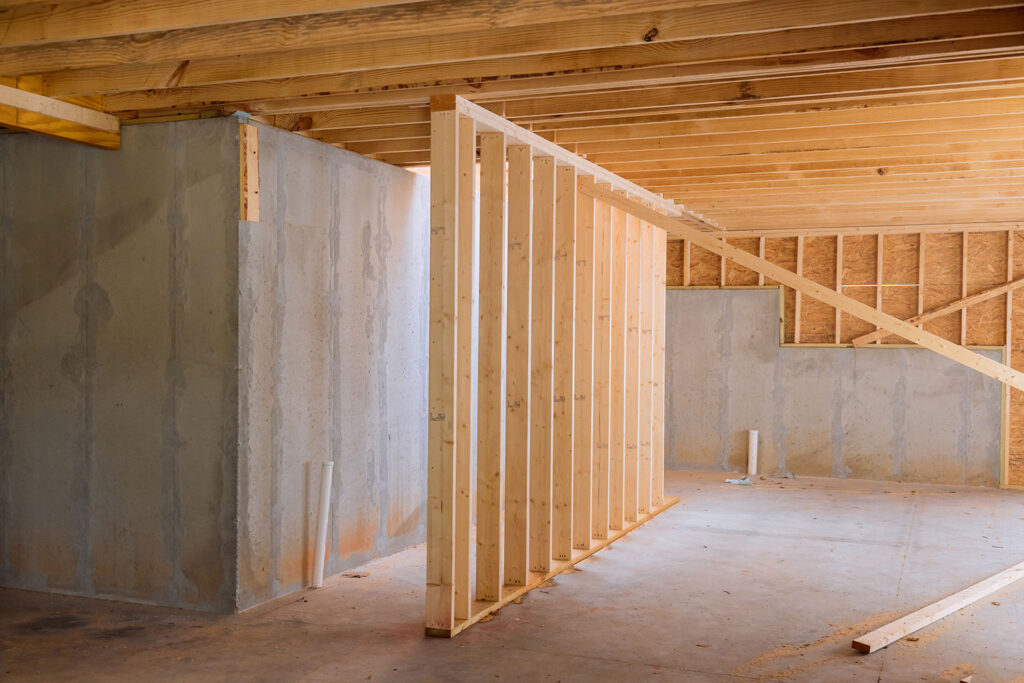
How Do You Know It’s Time for a Major Home Remodeling?

6 Things to Look for When Hiring a Home Remodeling Company - Mares & Dow

A major home remodeling project should be no different, and the key to knowing when the time is right starts with identifying the obvious clues. When your space stops working for your growing family is the time to remodel!


Are you feeling a little crowded in your kitchen, your bathrooms in need of an update, or your home lacking storage options? Things like sagging floors, leaking roofs, or outdated plumbing could be a sign it’s time for a big change.


Remodeling is a great opportunity to reinvent and recharge your home. It can modernize the aesthetic and be a reflection of your individual style all over again.


Investing in the right remodel will pay off beyond just making everyday life more enjoyable. It’ll make your property potentially more valuable in the long run.


In the chapters that follow, we’ll discuss concrete strategies to place you in the best position to determine when, and if, you should proceed with your project.

Key Takeaways

  • Look for indications of age, inefficiency, or deterioration on your property. Approach renovations with these considerations in mind, so that your space can be safe, comfortable, and functional for years to come.
  • Watch for sudden increases in your utility bills. Even simple improvements such as replacing old HVAC systems with energy-efficient versions or improving insulation can save money and increase the home’s performance.
  • Consider whether your home still fits the lifestyle you have today. Life events such as children moving in, divorce, or changing taste often call for changed layouts, more space, or simply a modern look.
  • Determine if your home’s flow, style or details still match your lifestyle or aesthetic preference. Thoughtful exterior renovations can improve the beauty of the home and the neighborhood.
  • Consider long-term maintenance costs to mitigate the potential pitfalls of a major home remodeling. Create budgets that are doable and rank projects according to what brings the highest ROI.
  • Explore options like incorporating smart home technology, using sustainable materials, and following current design trends to modernize your home while maintaining functionality.

Recognize Signs It’s Time to Remodel

Begin your remodeling journey by recognizing the signs that indicate it’s time to remodel. Learning to recognize the signs can lead you to remodel before your space becomes severely dysfunctional. A remodel isn’t simply a remedy, it’s a chance to create a space that serves you and your family better.

1. Aging Beyond Intended Lifespan

When key systems such as roofing, plumbing, or electrical exceed their useful life, they are no longer dependable assets. For example, roofs only last about 20–30 years, and older electrical systems aren’t up to today’s safety code standards anymore.


Seek out signs such as persistent plumbing leaks, second-rate electric services or expired interiors. Updating these elements dramatically enhances safety and comfort.

2. Utility Bills Are Skyrocketing

An unexpected increase in your utility bills usually indicates that something is inefficient. Whether it’s because of poor insulation, aging HVAC systems, or outdated appliances, the answer lies in identifying the cause.


Replace older models with energy-efficient ones, like double-pane windows or Energy Star-certified appliances. Just these selections alone can save you tons of money and make your home more environmentally friendly!

3. Lifestyle Changes Demand New Spaces

When life changes, kids move in, you go hybrid with work, you take up baking, you might find your home no longer accommodates your daily life.


Whether it’s reconfiguring rooms such as kitchens or incorporating multifunctional spaces, these beautiful, practical design remedies can produce the perfect fit for how you live.

4. Home Doesn’t Reflect Your Style

Styles change, and what was once a sleek and modern home can easily start to feel stale and outdated. Remodeling can bring your home more in line with your personal style and the look you want to achieve.


You can replace old fixtures and adopt more modern design options to improve comfort.

5. Long-Term Wear and Tear Evident

Wear and tear from daily use is inevitable. Address dated flooring and peeling paint with stylish rejuvenations.


You want to assuredly keep your home welcoming and functional for everyone who steps inside.

Assess Your Home’s Current Condition

Understanding your home’s current state is essential before embarking on a major remodel. A detailed evaluation helps you identify what needs attention and prioritize your efforts effectively. This process involves inspecting structural elements, assessing system performance, and addressing safety concerns.

Identify Structural Issues and Wear

Begin by looking for issues that are immediately apparent like cracks in walls, leaks in ceilings, or sagging floors. These may be harbingers of more serious structural issues. Inspect your home’s foundation and framing to maintain fortitude and security.


Issues that call for urgent intervention, such as sagging beams or a shifting foundation, should be addressed right away. Inspect plaster walls, paneling, or wallpaper for signs of damage. Record these discoveries to inform your renovation process, prioritizing major repairs before smaller issues.

Evaluate System Performance (HVAC, Plumbing)

Your home’s vital systems, such as HVAC, plumbing, and electricity, should work well and accommodate your lifestyle. Test heating and cooling systems for consistent performance, as an outdated or faulty system can lead to higher utility bills.


Check your plumbing for leaks, clogs, or general wear and tear, including replacing older fixtures with water-efficient appliances. Replacement, on the other hand, such as upgrading to a high-efficiency furnace or low-flow faucets, creates more value and potential savings in performance.


Don’t forget about things such as lighting control and security systems, which can be upgraded with a high tech touch as well.

Note Safety and Accessibility Concerns

Assess areas that could pose risks, such as slippery staircases or outdated electrical wiring. For families with children or elderly members, evaluate accessibility features like grab bars in bathrooms or wider doorways.


Incorporating universal design principles ensures your home accommodates everyone comfortably while future-proofing it for long-term use.

Evaluate Your Evolving Needs

Remodeling your home goes beyond simply repairing items that no longer work. It’s your chance to transform your environment into one that better serves your needs now and sets you up for success later. If your family is expanding or you’re welcoming new generations under one roof, explore smart additions or updates to your home. They’ll help you create a home that’s safer, more functional and tailored to your evolving lifestyle.

Family Size and Space Requirements

Whether your family is downsizing or expanding, changes in family size usually require a reconsideration of your home’s layout. A larger growing family might have the need for more bedrooms, more bathrooms, or more space in the common areas. Or you can convert a dusty attic into a bright new bedroom.


More importantly, connecting multiple smaller rooms into a bright, airy open-floor-plan living space increases comfort and enjoyment. If you’re planning and designing with an eye towards continued future growth, consider flexible spaces. What’s more, that playroom becomes a potential home office or guest bedroom down the line.


Working in partnership with an architect allows new changes to harmoniously flow with your home’s design while maximizing potential underutilized spaces.

Multi-Generational Living Considerations

For multigenerational families erring on the side of welcoming grandparents under one roof, privacy and connectivity become a balance of priorities. Retrofitting existing basements or garages into self-contained suites equipped with kitchenettes and bathrooms is a realistic fix.


This fosters even more living and social independence—and yet still being together. As goes the old saying, build the soundproofing first. Integrating features such as wider hallways and no-step entries can make visits from aging relatives worry-free, adding comfort and security for everyone.

Aging-in-Place Modifications

Looking to settle into your dwelling for the golden years? Consider how additions such as grab bars, ramps, and walk-in showers can maximize safety. Widening doorways and lowering kitchen and bath countertops increase mobility, and smart home technology helps people manage day-to-day activities.


Allowing an additional budget for unforeseen increases in costs makes for a more seamless endeavor. Technical expertise helps to maintain your creative intent.

Understand Financial Implications

Actually undertaking home remodeling is an exhilarating prospect, but it’s important to consider its fiscal implications. Understanding all costs, funding sources and possible returns helps you budget accurately and be prepared for unexpected expenses.

Analyze Long-Term Maintenance Costs

Begin by calculating your home’s existing maintenance costs. For example, announced climate transition roof, plumbing and window replacements require dangerous and expensive repeated fixes.


Taking on renovations such as retrofitting energy-efficient windows or installing durable flooring may help offset these costs in the long term. An upgrade to a metal roof would likely involve a higher upfront cost. Even with very little upkeep, it can still hold up for 50 years or more.


Long-term investments like energy-efficient appliances or insulation bring down utility bills and future repairs to homes.

Determine Remodeling Affordability

Take stock of your finances to know what’s feasible. Start small with funding sources such as personal savings or home equity loans.


For example, for our house renovations Jenni and I are using a separate savings account so that money is set aside without drawing down our savings. Use online loan calculators to estimate what you can afford.


Make sure you factor monthly payment amounts versus your discretionary income to keep from drowning in debt. Plan on a budget, and then plan 15% more for things you didn’t expect to come up.


Having a reliable, realistic method helps guarantee that multimodal projects you desire will happen within your financial constraints.

Explore Low Mortgage Rate Benefits

When paired with low mortgage rates, financing becomes an especially enticing prospect. By refinancing, it releases money they can use to renovate and improve their homes, and their monthly payments go down, too.


For instance, by taking advantage of a low-interest loan, you can stretch your remodeling dollars further by lowering overall interest costs. This alternative offers a real opportunity for flexibility without breaking the bank.

Prioritize Projects and Set a Budget

Rank projects in order of greatest need and highest return on investment. For example, repairing structural problems comes ahead of making cosmetic improvements.


A phased approach makes incremental and tangible improvements possible, creating long-term positive impacts at manageable costs without overwhelming the public’s pocketbook. Plan your budget, taking into account the effect each renovation has on the worth of your home.

Consider Modernization and Technology

Home remodeling involves more than just enhancing decor. It provides an opportunity to integrate the latest technology, sustainability practices, and design trends—making your home a true reflection of modern living. Every element contributes to added beauty, improved function, and everyday comfort.

Incorporate Smart Home Technology

Smart home technology can bring real, daily benefits that make life more convenient and help manage energy usage more effectively. For example, installing smart thermostats helps maintain a comfortable temperature year-round while reducing energy costs.


Home security systems have also evolved dramatically, offering 24/7 monitoring for added safety and peace of mind. Incorporating features like smart lighting, automated blinds, or voice-controlled assistants during a remodel ensures your home is future-ready and personalized to your lifestyle.


At Mares & Dow Construction & Skylights Inc., we help homeowners integrate these technologies seamlessly into their remodeling projects for lasting value and functionality.

Utilize Sustainable Materials

Eco-conscious remodeling isn’t just good for the environment—it’s smart for your wallet, too. Using sustainable materials like bamboo flooring, reclaimed wood, recycled steel, and low-VOC paints supports better indoor air quality and long-term durability.


Energy-efficient upgrades such as thermally insulated windows or modern appliances reduce your utility bills while shrinking your environmental footprint. Choosing resilient, sustainable materials also minimizes the need for frequent repairs and ongoing maintenance.

Follow Current Design Trends

Design trends like minimalism and Scandinavian-inspired interiors emphasize simplicity, natural light, and functionality. Open-concept layouts, earthy tones, and clean lines remain popular and practical for a wide range of families and lifestyles.


Our team stays current with evolving styles while always balancing trendiness with timeless appeal—ensuring that your home remains relevant, beautiful, and uniquely yours.

Home Remodeling Alameda CA - Expert Renovation Services

Weigh Remodeling Pros and Cons

If you’re planning your own big home remodel, be sure to balance the pros and cons before diving into this ambitious project. The finished product can lead to a more efficient, beautiful environment. But it’s important to understand the potential disruptions and expenses before moving forward.

Assess Disruption and Inconvenience

Remodeling typically improves a homeowner’s everyday life in measurable ways. However, construction noise, dust, and limited access to rooms can cause real stress and disrupt your daily routines—especially if you work remotely or are managing a busy household.


For example, kitchen renovations may require you to rely on takeout or temporary setups for weeks, while bathroom updates can mean sharing space and juggling schedules. In some cases, especially with large-scale projects, temporary housing might even be necessary—adding both inconvenience and cost.


Timelines are another consideration. Major remodels can take months, and unexpected surprises or supply chain delays can extend that timeframe. To reduce stress, work with a trusted team like Mares & Dow Construction & Skylights Inc., who help clients plan for contingencies and maintain clear communication from start to finish.


Identify living spaces that will offer comfort and normalcy during the project, and try to keep construction hours contained to minimize daily disruptions.

Determine if Benefits Outweigh Costs

Remodeling often makes financial sense. It can increase your home’s resale value and appeal to buyers—particularly when key rooms like kitchens and bathrooms are refreshed with modern features and finishes.


But beyond resale value, renovations have a huge impact on how you experience your space day-to-day. A thoughtful remodel allows you to preserve what you love about your home while tailoring it to fit your evolving lifestyle.


While labor and material costs can fluctuate, a careful cost-benefit analysis will help you determine whether the long-term advantages—like improved comfort, functionality, and energy efficiency—justify the investment.


With the right planning and a reliable partner, remodeling becomes a fulfilling journey toward a home that truly works for you.

Explore Remodeling Options

So when planning a large home renovation, it’s important to plan wisely and creatively — merging functionality while keeping focus on your future desires. Remodeling is not simply about addressing issues.


It’s a chance to build a living space that works for your life today and prepares you for what comes next.


Whether you’re upgrading appliances, expanding your space, or improving energy efficiency, every decision plays a role in enhancing your daily life and your home’s value.

DIY vs. Hiring Professionals

Begin by evaluating your construction know-how and available resources. DIY remodeling can be cost-effective for smaller projects, like painting walls or installing shelves, especially if you already have the necessary tools.


Bigger jobs, like electrical work, plumbing or custom cabinetry, typically need a trained hand and a skilled mind. Hiring design and construction professionals makes sure that these highly technical projects are done properly, safely and to code.


Their attention to detail plays a part in ensuring long-term durability, which can cut down the cost of repairs in the future. We’ve found that a middle-ground approach is what most homeowners are looking for.


For example, maybe you’ve got the time to take on the simpler tasks, like demolition and painting, but you want contractors to do the structural changes. This gives you the best of both worlds, keeping you highly involved at the conceptual stage while ensuring expert craftsmanship where it counts.


Consider this — expert craftsmanship tends to bring in a high return on investment, particularly when performed with care and attention to detail.

Understand Remodeling Stages

To maintain expectations, breaking a remodel into stages is key. Begin with a well-defined blueprint of goals and outcomes.


That means establishing milestones, such as when demolition will be completed or structural changes will be done, and planning for potential delays. Regular communication with your contractors will help things stay on track to achieve what you want most.


Every stage, from the initial planning all the way to the final decorative touches, should achieve your goals and desires, all within your budget.

Plan Your Remodeling Journey

Step 4 — Organize your remodel into a clearly defined series of steps. This method tempers creativity with pragmatic realities, guiding you to harmonize the aspirational with the feasible.

Discovery and Inspiration Phase

Begin the process with a little exploratory research. Pull inspiration from design publications, online resources, and yes, even homes you admire in your community.


Consider what you hope to achieve. Are you making better use of space, enhancing flow, or increasing resale potential? Draw out your ideal layout and distinguish your non-negotiables from your extras.


Mood boards are especially helpful, allowing you to visualize anything from color palettes to room layouts. Collaborate with family or friends to generate concept ideas, and don’t be afraid to ask professionals for input.

Design and Planning Phase

This phase definitely calls for a design-build level of detail. Detail the scope of work your project will need, and determine what’s possible given your money constraints.


Always remember to plan for surprises with a contingency fund of 10–20%. Know your required permits and approvals even before you start your project so you don’t experience costly delays.


Choose materials, finishes, and colors that echo your personal aesthetic but remain functional. A good designer will take your ideas and the designer’s own vision beyond aesthetics to refine those ideas, ensuring they’re workable and cohesive.

Pre-Construction Preparations

Take care to prepare your home by shielding spaces that won’t be remodeled and putting priceless items in storage. Plan logistics, such as where to stay or live if you face major disruptions or changes.


Account for instance hotel accommodations or more meals eaten at restaurants. A clear, detailed timeline helps avoid many surprises and keeps the work moving toward your ultimate goal.

Construction Phase Management

Consistent check-ins and open lines of communication with contractors ensure problems are resolved quickly.


Schedule inspections to guarantee quality and safety, and keep the jobsite neat and orderly.

Conclusion

Deciding to take on a major home remodeling is no small task. That doesn’t mean it can’t be an amazing opportunity to reimagine your space to better suit your needs! Remodeling provides the opportunity to correct what’s outdated and to add space for evolving needs. It allows you to integrate smart upgrades, unlocking incredible new capabilities and aesthetics. A well-thought-out plan allows you to prioritize what’s important, stick to your budget and timeline, and save yourself some needless stress.


Consider each choice thoroughly and thoughtfully. Know what you want to achieve and choose renovations that will make the most impact on your everyday life. Each move takes you closer to a home that better suits your current needs and personal style. Looking to learn more about the home remodeling industry’s biggest opportunity? Take baby steps—find inspiration, learn what’s possible, and consider ways to realize your project’s potential. Your next chapter starts with the decisions you make now, so keep reading.

Frequently Asked Questions

1. How do I know it’s time to remodel my home?

Find indicators such as old styles, design problems or functionality issues. When your home no longer serves your lifestyle, when it’s become a burden that saps energy rather than inspires creativity, it’s time for a major home remodeling.

2. What are the key signs my home needs remodeling?

Some common markers are constant repairs needed, dated appliances, layout that doesn’t work, or a lack of space. Things such as persistent water damage or outdated wiring should raise alarms too.

3. How do I assess if my home is ready for remodeling?

Take a hard look at your home. Inspect for deterioration, breakage or obsolete elements. Think about whether it works well with the way you live and whether it serves your needs now and in the years to come.

4. Should I remodel or move to a new home?

If you enjoy your community, find a remodeling solution that can accommodate your needs and desires, stay and remodel. If the challenges dub the benefits impossible or the where you want to be has changed, it might be time to relocate.

5. What should I consider financially before remodeling?

Determine a budget, compare prices, and look for funding assistance. Account for all surprise charges, and use a checklist to weigh the cost of a remodel versus the cost of relocation.

6. How can modernization improve my home?

Not only does modernizing add value, it improves your home’s energy efficiency and comfort. Upgrades such as smart home technology or energy-efficient appliances provide immediate and long-term savings and convenience.

7. What are the benefits of planning before starting a remodel?

Advanced planning reduces the chances of costly delays, keeps your overall cost in control, and helps you maintain a concrete vision. Developing a comprehensive plan in advance to avoid unexpected surprises leads to a more enjoyable, smoother remodeling experience.

General Contractor Mares & Dow Construction & Skylights

Your Dream Home Starts with Mares & Dow Construction – Let’s Create Something Amazing Together

Planning a home renovation or construction project in Concord, Walnut Creek, Pleasant Hill, or Lafayette? Whether you’re dreaming of a stunning kitchen remodel, a durable new deck, or a full-scale home renovation, choosing the right general contractor is the most important decision you’ll make.


With over 40 years of experience, our team at Mares & Dow Construction & Skylights has built a reputation for quality craftsmanship, transparent pricing, and exceptional customer service. We specialize in:


  • Home Remodeling – Transform outdated spaces into modern, functional, and energy-efficient areas that increase home value.
  • Decks and Outdoor Living Spaces – Create the perfect outdoor retreat with expertly crafted decks, pergolas, and patios.
  • Foundation Repairs and Waterproofing – Protect your home’s structural integrity with our professional solutions.
  • Custom Skylight Installations – Enhance natural light with innovative skylight solutions from a VELUX 5-Star Skylight Specialist.
  • General Contracting Services – From new builds to home additions, our skilled team manages every aspect of your project with precision.

Serving Contra Costa County, including Alamo, Danville, Orinda, Martinez, and San Ramon, we take pride in delivering exceptional results that exceed expectations. Whether you’re a homeowner planning a renovation or a property investor looking to enhance a home’s resale value, we ensure your project is completed on time, within budget, and with the highest level of craftsmanship.


Don’t settle for anything less than the best for your home remodeling, renovation, or construction needs. Contact Mares & Dow Construction & Skylights today for a free, no-obligation quote, and let’s bring your vision to life.

Disclaimer

The materials available on this website are for informational and educational purposes only and are not intended to provide construction, legal, or professional advice. You should consult with a qualified general contractor or industry professional for advice concerning any specific construction project, remodeling plan, or structural concern. Do not act or refrain from acting based on any content included on this site without seeking appropriate professional guidance. The information presented on this website may not reflect the most current building codes, regulations, or industry best practices. No action should be taken in reliance on the information on this website. We disclaim all liability for actions taken or not taken based on any or all of the contents of this site to the fullest extent permitted by law.

What Are the 10 Smartest Remodeling Ideas for Real Estate Investors in 2025?

Home Renovation Contractors – Mares & Dow Construction & Skylights

These improvements are cost-effective ways to increase property value and long-term demand. Homebuyers and renters alike are drawn to these savings on their utility bills, making energy-efficient updates—such as installing solar panels or increasing insulation—smartest remodeling ideas number one and two.


Open floor plans and adaptable spaces for work and play reflect today’s lifestyles, and smart home technology adds a level of convenience that buyers crave. Kitchen and bath remodels consistently produce the best returns—as long as investors use hard-wearing materials and classic designs.


Outdoor living spaces, strong curb appeal, and eco-friendly landscaping can increase the appeal of any property. These remaking concepts have been sensible enough to maintain buyers aggressively in altering markets.


In this guide, we’ll explore each remodeling idea in detail to help you make informed decisions for your investment properties.

Key Takeaways

  • Remodeling properties is a smart way to improve their value and lure A+ tenants. Choose high-ROI upgrades, especially in key spaces like kitchens, bathrooms, and outdoor areas.
  • Installing energy-efficient features & smart home tech It’s critical in 2025. Not only are these upgrades what buyers are increasingly looking for, they’re investments that will save money in the long run.
  • Future-proof your renovations by responding to changing market preferences, developing plans in alignment with evolving consumer priorities, and introducing sustainable, environmentally-friendly materials into renovation projects.
  • Updating areas such as kitchens, bathrooms, and home offices increases practicality. It improves quality of life within a community and houses become much more attractive to prospective homebuyers or renters.
  • Ensure that all improvements meet the requirements of the latest building codes and local regulations to prevent costly delays and rework during renovation projects.
  • Planning and execution are key. Partnering with experienced professionals, researching financing alternatives, and leveraging virtual technology will help real estate investors keep budgets, timelines, and designs in check.

Why Remodel for Real Estate Investors?

Remodeling is a powerful strategy for real estate investors aiming to boost property appeal and marketability. When executed with purpose, upgrades can lead to greater financial gains and help position properties as more attractive and competitive.

Increase Property Value

Thoughtful remodeling can significantly enhance a property’s appeal. Focusing on high-impact areas such as kitchens and bathrooms tends to deliver the most noticeable improvements. Features like solid surface countertops, modern appliances, and stylish fixtures blend form and function—making a strong impression on potential buyers.


Trending design choices, from spa-inspired bathrooms to bold accent colors, can elevate the look and feel of a space. Even simple upgrades—like installing quartz countertops or a smart faucet—can make a home feel more luxurious and up to date.

Attract Quality Tenants

Renovations tailored to tenant preferences help attract reliable, long-term renters. Fresh flooring, updated lighting, and clean paintwork create a welcoming atmosphere that stands out.


Modern comforts such as in-unit laundry or smart thermostats are increasingly desirable. Spaces that can adapt to modern lifestyles—like heated or enclosed porches—add extra value and year-round functionality.

Gain a Competitive Edge

Distinctive property improvements give you an edge over the competition. Smart home features, such as keyless entry or energy-saving technology, improve convenience and efficiency.


Outdoor improvements, including green yards, working patios or entertaining areas make a property more attractive.

10 Smartest Remodeling Ideas for 2025

The key to staying ahead in real estate remodeling is an eye toward the future, smart, functional upgrades and designs that cater to today’s needs. In 2025, homeowners and investors are prioritizing projects that combine functionality, style, and sustainability to increase property value and appeal.

1. Smart Kitchen Upgrades

  • Why it’s smart: The kitchen is the heart of the home and a major ROI booster.
  • Trending upgrades: Touchless faucets, smart ovens, induction cooktops, and hidden charging stations.
  • Design trend: Warm minimalism with earthy tones and open shelving.

2. Energy-Efficient Windows & Insulation

  • Why it’s smart: Cuts energy bills and makes your home more comfortable year-round.
  • Popular choice: Triple-pane windows with low-E coatings.
  • Bonus: May qualify for tax incentives or rebates under energy-efficiency programs.

3. Spa-Inspired Bathrooms

  • Why it’s smart: Adds luxury and resale appeal.
  • Hot trends: Wet rooms, oversized rainfall showers, smart toilets, and heated floors.
  • Design tip: Use calming color palettes like soft greens, taupe, and natural textures.

4. Home Office Revamp

  • Why it’s smart: Remote and hybrid work are here to stay.
  • Features include: Soundproofing, built-in shelves, ergonomic design, and excellent lighting.
  • Smart upgrade: Add a dedicated Zoom wall or accent background for virtual meetings.

5. Solar Panel Integration

  • Why it’s smart: Reduces utility costs and increases home value.
  • 2025 bonus: Many states offer solar tax credits and net metering programs.
  • Upgrade tip: Pair with a battery storage system for off-grid reliability.

6. Multi-Functional Outdoor Spaces

  • Why it’s smart: Expands usable square footage and boosts lifestyle value.
  • Ideas: Outdoor kitchens, fire pits, covered patios with fans, or retractable screens.
  • Sustainability tip: Use drought-resistant landscaping and permeable pavers.

7. Basement or Garage Conversions

  • Why it’s smart: Turns underused space into high-value living areas.
  • Popular uses: Home gym, guest suite, rental unit, or media room.
  • Pro tip: Make sure it meets code and has proper insulation and egress.

8. Universal Design Elements

  • Why it’s smart: Future-proofs your home for all ages and abilities.
  • Inclusions: Wider doorways, no-step entries, lever handles, and walk-in tubs or showers.
  • Bonus: Increases resale appeal to a broader buyer base.

9. Sustainable Flooring Options

  • Why it’s smart: Eco-friendly and often more durable.
  • Top picks: Bamboo, cork, reclaimed wood, or luxury vinyl plank with recycled content.
  • Style tip: Go for wide planks and light, natural finishes.

10. Whole-Home Smart System Integration

  • Why it’s smart: Convenience, security, and energy savings.
  • Must-haves: Smart lighting, security cameras, thermostat, leak detection, and voice control.
  • Future-proofing: Choose systems that are scalable and easily updated.

Energy-Efficient Renovations: Key Upgrades

Energy-efficient renovations are not just a fad for home improvement—they’re a smart investment for real property. Beyond reducing energy costs, these upgrades are attractive to buyers who prioritize sustainability. Here are the most important improvements that should be concentrated on.

Install Smart Thermostats

Smart thermostats are a must-have upgrade for tech-savvy homes. They respond to weather and forecast data to make smart heating and cooling adjustments, which can save homeowners 10% to 20% on their energy bills.


Beyond the financial savings, remote control features let users adjust temperatures from their phones, offering additional convenience and comfort. For investors, this minor upgrade can have a huge impact, especially on tech-savvy buyers who are increasingly on the lookout for smart home technology.

Upgrade Windows and Doors

Upgrading to energy-efficient windows and doors helps create a tighter building envelope. Retrofits like double or triple-pane windows pay back heating and cooling costs by 10% to 25%.


Beyond saving on energy bills, new designs boost curb appeal and livability. Buyers will appreciate these upgrades, as they help a home become more energy-efficient in general and improve beauty and decor at the same time.

Improve Insulation

Installing high-quality insulation is one of the simplest and most effective ways to maximize any property’s energy efficiency. Attics and basements are some of the most common areas for heat loss, making them one of the top spots for insulation upgrades.


Reinsulating your home’s walls and attic stops energy waste, increasing comfort with a more stable indoor temperature, and noticeably saving on utility bills. As operating costs begin to add up, these upgrades not only save money for current homeowners but give the property curb appeal to future buyers.

Maximize ROI with Kitchen Renovations

We know that kitchens continue to be the most important space for buyers, and kitchens provide the best return on investment when remodeled well. Focus on work areas to improve appearance and efficiency. Follow today’s top trends to build a space that enhances property value while serving today’s needs.

Update Appliances

So, moving into more energy-efficient appliances is definitely a good thing to do, and with that big push on sustainability in 2025 being so important. Energy-efficient smart refrigerators, induction cooktops, and quiet dishwashers draw the interest of eco-conscious buyers.


In addition to adding equity and enjoyment to a community, they create a more convenient everyday experience. Pro Tip: Energy Star-certified appliances lower utility bills—always a big selling point for prospective homebuyers.


For example, a practical refrigerator with a built-in water dispenser and Wi-Fi control provides convenience along with an appealing touch of high-tech wow factor. These updates help in terms of functionality, making the kitchen more beautiful and ultimately more efficient.

Reface Cabinets

Cabinet refacing provides a budget-friendly option to add a modern touch without the need to replace your entire kitchen. You replace rods and crosses but reuse the stock, arms and knobs.


This method can be a significant time and labor cost savings. Labor can account for 40% of renovation costs! Select minimalist hardware using finishes such as matte or glossy white for a more modern aesthetic.


Or, go with warm wood tones and a rustic look for an evergreen appeal. Shaker-style doors are still popular for their simple, classic lines and adaptable style. By refacing the kitchen, you are able to improve aesthetics while keeping the space intact and structurally sound.

Install Modern Countertops

Durable materials such as quartz or granite immediately maximize ROI on any kitchen. Quartz is a non-porous, low-maintenance choice that works well in busy households, while granite provides unique patterns for a more organic, natural look.


Use light tones to keep an open feel and darker shades for a sophisticated touch. Textured finishes, like a matte or leathered top, introduce another layer of depth and character.


Countertop replacements are the most attractive upgrade and one of the greatest perceived value contributors to your home.

General Contractor Mares & Dow Construction & Skylights

Eco-Friendly & Sustainable Material Choices

Using eco-friendly, sustainable materials in design renovations is now a best practice. It increases property value, improves community appearance, and encourages sustainability. Considering the green building market is already estimated to be worth $7.3 billion, eco-friendly remodeling presents a huge opportunity for real estate investors.


By focusing on locally sourced materials, recycled content, and low-VOC finishes, you can create spaces that appeal to modern buyers and renters while promoting sustainable practices.

Source Local Materials

Additionally, the use of locally sourced materials cuts down transportation emissions and benefits local businesses, helping to spur economic development in the community. Consider, for instance, using reclaimed wood from local suppliers to bring warmth and texture to indoor settings while maximizing longevity and construction quality.


Outside of the economic benefits, using local materials typically creates a more pleasing aesthetic by allowing the structure to blend in more with a home’s natural environment. This tactic further fosters the distinctive, authentic feel that buyers often seek and pay top-dollar for in remodels.

Use Recycled Content

Recycled materials, like reclaimed bricks, glass tiles, or recycled steel, are the hottest development in eco-friendly remodeling these days. These choices both reduce landfill waste and decrease the need for virgin, new materials. Not to mention the environmental impact.


Furthermore, data shows that 34% of builders consider over half their projects green, and a growing number are using recycled content. Recycled materials are long on versatility, making fashionable, high-style design choices available for flooring, backsplashes and structural elements.

Choose Low-VOC Finishes

Low-VOC or no-VOC paints, stains, and finishes help create a healthier indoor environment by minimizing harmful emissions. These products are critical for producing healthier home habitats, an urgent need for families or individuals with sensitivities.


Today’s low-VOC alternatives impart the same rich hues and surface effects as their predecessors, so you can rest assured that design aesthetic will never take a backseat.

Planning and Execution Strategies

Like any successful remodeling project, it begins with a clear vision and a plan for careful execution. As a real estate investor, manifesting your idea through a strategic plan will keep you focused and on course to the highest possible returns.


Start with the low hanging fruit, high-ROI upgrades. Kitchen remodels, energy-efficient windows, and modern flooring offer great ROI. Far beyond aesthetics, homes with energy-efficient features even sell up to 10 days faster. In competitive rental markets, modernized kitchens and bathrooms will provide as much as 85% ROI.

Consult with Professionals

Partnering with architects and designers ensures renovations align with both functionality and market trends. Their know-how gives you the insight to create layouts that draw in prospective buyers and tenants.


This is particularly important in sectors with increasing need like the case with senior housing. Now that 57% of investors expect appreciation in this market, industry expertise is critical to maintaining an edge in your endeavors.


Collaboration helps avoid rework and repairs, saving time and taxpayer money. Your architects can boost designs for new zoning amendments or large-scale infrastructure plans. These simple amendments can increase your communities’ property values by as much as 10%.

Review Financing Options

Identify and educate your execs on the pros and cons of different ways to fund renovations—loans, credit lines, cash reserves, etc. Creating a financial buffer of at least six months for each property is critical to weathering sudden expenses that may arise.


Realistic budgeting means you’ll be able to put money toward the most transformative upgrades without stretching yourself too thin. Financing decisions are a core determinant of project success, especially when projects target energy efficiency, where government incentives can cover upfront costs.

Utilize Virtual Renovation Tools

Virtual tools make planning easier than ever by helping you see what a design would look like, without spending money to make irreversible changes. Software solutions offer you the transparency needed to drive the most effective decisions toward your long-term outcomes.

Mitigating Risks and Challenges

Navigating renovation projects as a real estate investor means being prepared to face risks and challenges head on. By putting compliance at the center of your budgeting and scheduling efforts, you can protect your investments and ensure you’re receiving the highest returns. Below, we discuss some specific ways to mitigate the risks and challenges outlined above.

Stay Updated on Building Codes

Shifts in local building code requirements, for example, could make or break major renovation plans. Regularly monitoring updates ensures your projects remain compliant, avoiding fines or delays. Among our survey respondents, 70% have energy efficiency standards related to ESG criteria.


These standards can involve major retrofits, like adding better insulation or even solar shingles. Bringing these considerations to bear early in your planning process avoids much greater risk. Most importantly, it helps your properties pass the growing market push for sustainability.

Manage Project Costs

A clear budget plan is key to keeping tabs on what you’ll be spending and planning for surprise expenses. For example, with 32% of appliances imported from overseas, tariffs can increase costs significantly and create uncertainty.


With a sufficient contingency fund available to cover such overruns, projects can proceed without jeopardizing more critical upgrades. Renovate key high-value/impact items first, such as educational technology infrastructure.


These smart improvements can reduce operational costs by as much as 48% and provide a compelling return on investment.

Address Potential Delays

Delays can stem from labor shortages or international supply chain disruptions in materials like softwood lumber, which represents 30% of imports. Effective, proactive communication with your contractors ensures that you are aware of progress made and facilitates schedule revisions as work progresses.


By leveraging centralized management systems, staff and consultant resources are increased efficiencies with 48.4% less staff needed to facilitate operations and keep projects moving.

Conclusion

Smart remodeling choices can make a world of difference for real estate investors. By emphasizing energy efficiency, contemporary kitchen aesthetics, and sustainable building materials, you create homes that today’s buyers are clamoring for. Each improvement increases value when conceived purposefully and implemented successfully. Staying ahead with trends like sustainable design and efficient layouts helps you stand out in a competitive market.


Investing the time to determine which upgrades to prioritize will make all the difference. Whether you’re a house flipper or landlord, these remodeling ideas will increase your ROI and keep your properties competitive in 2025. Whether you begin with minor work or larger efforts, just be sure to approach your remodels to make smart, energetic improvements.


At Mares & Dow Construction & Skylights Inc., we specialize in helping investors implement these high-value, sustainable upgrades that will set their properties apart. Want to ensure your next investment is the smartest one yet?


Take these ideas and apply them – then learn how to make them work for you.

Frequently Asked Questions

1. Why should real estate investors prioritize remodeling in 2025?

Smart remodeling not only maximizes property value but attracts the best and most desirable renters or buyers. In 2025, trends have a strong focus on energy efficiency and sustainability, both of which can boost ROI and market appeal.

2. What are the top remodeling trends for real estate investors in 2025?

Top remodeling trends are a focus on energy efficiency upgrades, creating eco-friendly materials, smart home technology features, and updated kitchens and bathrooms. Besides the energy cost benefits such improvements bring, they increase property value and salability with today’s more environmentally conscious buyer.

3. How can kitchen renovations maximize ROI?

Kitchen upgrades, such as energy-efficient appliances, modern cabinets and quartz countertops are major selling features. These simple updates greatly add to the functionality and aesthetic appeal of these properties, leading to increased selling and rental prices.

4. Are energy-efficient renovations worth the investment?

Yes! Include solar panels, smart thermostats, and high-efficiency HVAC systems to reduce utility expenses. These upgrades can draw more eco-conscious renters or buyers, while increasing the property’s long-term value.

5. What sustainable materials should investors consider for remodeling?

Choose sustainable materials like bamboo flooring, reclaimed wood, recycled steel or low-VOC paints. These materials are long-lasting, sustainable, and in touch with the green building trends of 2025.

6. How can real estate investors mitigate risks during remodeling?

Stick to a reasonable budget, work with licensed contractors, and be diligent in planning. Get up to speed on zoning laws and permits required to prevent unnecessary delays and expensive oversights.

7. What strategies ensure a successful remodeling project?

Begin with a strategic vision, prioritize high ROI upgrades, and keep a close eye on execution. Smart investors always prioritize quality over cost to stay in demand with buyers and get the highest ROI on a remodel project.

General Contractor Mares & Dow Construction & Skylights

Your Dream Home Starts with Mares & Dow Construction – Let’s Create Something Amazing Together

Planning a home renovation or construction project in Concord, Walnut Creek, Pleasant Hill, or Lafayette? Whether you’re dreaming of a stunning kitchen remodel, a durable new deck, or a full-scale home renovation, choosing the right general contractor is the most important decision you’ll make.


With over 40 years of experience, our team at Mares & Dow Construction & Skylights has built a reputation for quality craftsmanship, transparent pricing, and exceptional customer service. We specialize in:


  • Home Remodeling – Transform outdated spaces into modern, functional, and energy-efficient areas that increase home value.
  • Decks and Outdoor Living Spaces – Create the perfect outdoor retreat with expertly crafted decks, pergolas, and patios.
  • Foundation Repairs and Waterproofing – Protect your home’s structural integrity with our professional solutions.
  • Custom Skylight Installations – Enhance natural light with innovative skylight solutions from a VELUX 5-Star Skylight Specialist.
  • General Contracting Services – From new builds to home additions, our skilled team manages every aspect of your project with precision.

Serving Contra Costa County, including Alamo, Danville, Orinda, Martinez, and San Ramon, we take pride in delivering exceptional results that exceed expectations. Whether you’re a homeowner planning a renovation or a property investor looking to enhance a home’s resale value, we ensure your project is completed on time, within budget, and with the highest level of craftsmanship.


Don’t settle for anything less than the best for your home remodeling, renovation, or construction needs. Contact Mares & Dow Construction & Skylights today for a free, no-obligation quote, and let’s bring your vision to life.

Disclaimer

The materials available on this website are for informational and educational purposes only and are not intended to provide construction, legal, or professional advice. You should consult with a qualified general contractor or industry professional for advice concerning any specific construction project, remodeling plan, or structural concern. Do not act or refrain from acting based on any content included on this site without seeking appropriate professional guidance. The information presented on this website may not reflect the most current building codes, regulations, or industry best practices. No action should be taken in reliance on the information on this website. We disclaim all liability for actions taken or not taken based on any or all of the contents of this site to the fullest extent permitted by law.

Are You Remodeling Your Home All Wrong? Here’s What the Pros Say

Lady happy with her Home Remodel in Concord

Remodeling your home the wrong way is easy—here’s what the pros wish you knew to avoid it. Homeowners often sacrifice functionality in the name of aesthetics, resulting in spaces that are beautiful, yet impractical.


From poor planning to skipping essential steps like proper budgeting or neglecting structural considerations, these missteps can quickly derail a project. Understandably, experts advise striking the right chord between design and usability, making sure that every decision contributes value to your home and accommodates your lifestyle.


Plan for a smarter kitchen space and material selection for heavier-used areas. With a little forethought and guidance, you can streamline the process, saving time and money while minimizing stress.


In this post, we’ll go over the most important takeaways from the pros. They’ll save you from costly mistakes and get the most from your entire remodel!

Key Takeaways

  • Get the remodel process right from the start by knowing your goals, establishing a budget you can stick to, and planning your timeline in detail. Take the time to refine your design concepts to make sure your dream home’s vision is grounded in reality.
  • Put together a trusted remodeling team from the start. Seek out experts, review references and make sure everyone knows their roles and responsibilities to prevent miscommunication.
  • Functionality and long-term function and value should be the key drivers in your design. Optimize space, be intentional about lighting and wiring, and think about your future home so your remodel can stand the test of time.
  • Plan your budget Make detailed estimates of the overall cost, and include a cushion for unanticipated expenses. Photo by Maxwell Dresti on Unsplash Use quality materials, but don’t spill your budget on passing fads.
  • Avoid common mistakes by securing necessary permits, preparing for unexpected challenges, and maintaining effective communication with your team throughout the project.
  • Give an honest evaluation of your DIY skill level. This applies to projects where an expert touch is needed, such as plumbing or electrical work, where it’s important to ensure safety and quality results.

Plan Before You Remodel

Planning is the backbone of any successful remodeling project. Without a firm plan to execute against, those grand designs can quickly become multimillion-dollar blunders and hold-ups. To prevent this from happening, start by clarifying your priorities.


Next, create a reasonable budget, map out a timeline, and collect design inspiration before your remodel begins.

Define Remodeling Goals Clearly

Begin by focusing on what you want to accomplish. Are you remodeling the kitchen for improved function, or making the living room look more visually appealing? Define specific measurable goals, such as more storage space created or energy savings.


Prioritize goals that matter, not ones that impress. Retrofitting old insulation, for instance, and replacing outdated HVAC systems result in extended returns.

Establish a Realistic Budget

Having a detailed budget keeps you honest and accountable. Account for every expense, from materials and permits to labor. Next, add a buffer of 15-20% for things you aren’t planning for such as structural repairs or unexpected price increases.

Look back at previous projects budgets, or talk to experienced professionals to help you narrow down estimates. High-end finishes may be more appealing, but stick to basics such as improving windows and insulation. ROI in the long run will pay off.

Create a Detailed Timeline

Break the entire remodel into manageable phases and set due dates for each one. Allow for flexibility for potential delays, whether that’s waiting out a weather system or unforeseen shipping delays.


Download this timeline and share it with all contractors and designers involved so that everyone is on the same page.

Research and Gather Inspiration

Research possible design ideas via the internet, magazines, and showrooms. Compile mood boards to get a feel for different styles, and lock in your materials before breaking ground to avoid expensive change orders.


Establish goals. Create upholstered furniture that focuses on function and safety as a design priority so practical needs come first.

Assemble Your Remodeling Team

A successful and satisfying home remodel starts with the right team. Surrounding yourself with skilled individuals can make decisions easier, improve communication, and help your vision come to life. Here’s how to begin building your team.

Engage Professionals Early

Involving professionals early in the planning process can streamline your remodel. Designers or architects offer valuable insights into design, materials, and functionality.


Considering a design-build approach? It can be a convenient solution by combining both design and construction in one place. Exploring a few different options for services and pricing can also provide a helpful perspective.

Check References and Credentials

Quality and trust should be top priorities. Asking for references and researching online feedback helps you get a sense of a professional’s reputation.


Confirming proper credentials and coverage ensures peace of mind and protection throughout your project.

Ensure Contractor Compatibility

A successful partnership depends on finding someone who communicates clearly and listens well. Make sure expectations and timelines are understood from the beginning.


Look for someone whose past work aligns with your style and who demonstrates a strong understanding of modern, functional design.

Understand Roles and Responsibilities

Clarify who is responsible for each part of the project. Designating a point of contact and putting agreements in writing can help avoid confusion.


Clear communication and well-defined roles set the tone for a smooth and collaborative remodeling experience.

Design and Layout Considerations

Your home should reflect your lifestyle and personality. Paying attention to thoughtful design elements ensures your space is both beautiful and functional—ready to meet your needs now and well into the future.

Maximize Space Utilization

Start by assessing the current layout to identify areas that feel cramped or underused. Nooks, corners, and even outdoor areas may hold untapped potential.


Using multifunctional furniture can help maximize utility in compact spaces. Items that serve double duty—like storage pieces or convertible seating—are especially helpful. Vertical storage options can also free up valuable floor space while keeping essentials accessible.


In work-heavy areas like kitchens, give attention to how your surfaces and cabinetry are arranged to maintain flow and ease of use.

Plan for Lighting and Wiring

A layered lighting strategy enhances both atmosphere and functionality. Combining ambient, task, and accent lighting creates a balanced environment without harsh contrasts.


It’s also important to factor in electrical planning early. Address wiring needs during the design phase to avoid complications later and prioritize safety throughout. Natural light should be part of the plan too—strategically placed windows can brighten your space and reduce the need for artificial lighting.

Consider Future Needs

Adaptable design is a smart way to prepare your home for whatever changes life may bring. Flexible rooms that serve more than one function—like a guest room that doubles as an office—offer long-term value.


Incorporating accessible features such as open layouts, wider passages, or step-free showers supports comfort and usability at every stage of life.

Prioritize Functionality and Flow

Good design supports easy movement throughout the home. Pay attention to how everyday elements interact—like how appliances open or where people gather.


Avoid placing items in a way that interrupts the natural flow, and consider how each space connects to the next.


Even outdoor areas benefit from clear organization, whether you’re creating places for dining, entertaining, or simply relaxing.

Budgeting and Financial Planning

Smart financial planning is essential for a successful remodel. Balancing short-term costs with long-term value, managing unexpected expenses, and staying organized can help your project stay on track from start to finish.

1. Accurately Estimate Total Costs

Start by outlining every expected expense. This includes materials, labor, fees, and even small day-to-day costs that might slip through the cracks.


Collaborating with professionals can help refine your numbers and highlight hidden costs you might have overlooked.


Keep checking in with your budget as the project progresses—staying flexible helps you handle changes without stress.

2. Factor in Contingency Funds

Set aside a portion of your budget for the unexpected. Surprises are part of any renovation, whether it’s a hidden issue behind a wall or a delay in material delivery.


Discuss this cushion with your team so everyone’s on the same page if the unexpected happens. Prioritize these funds wisely by addressing what truly matters first.

3. Prioritize Quality Materials

Invest in materials that will last and perform well over time. While cheaper options might be tempting, they can lead to avoidable repairs and higher costs later.


Shop smart and seek suppliers who offer a balance of quality and value. Small upgrades that enhance comfort and efficiency can pay off in the long run.

4. Avoid Overspending on Trends

It’s easy to get caught up in what’s “in” right now, but passing fads can date your home quickly. Instead, focus on timeless design choices that will still look great years from now.


Choose finishes and features that offer lasting appeal and contribute to overall function, not just flash.

5. Understand Long-Term Value

Some improvements add more lasting value than others. Look for features that enhance both your daily living and your home’s future resale potential.


A bit of research into what’s popular in your area can help guide smarter decisions—ones that meet your needs now and support your goals later.

leave-it-to-our_remodel-project

Avoid Common Remodeling Mistakes

When reconsidering the layout of your home during a big remodel, think ahead. Far better communication will make the whole process congenial and pleasant rather than a remodeler’s worst nightmare. By remembering these three important points, you can help make sure your project doesn’t get sidetracked and fall prey to the most frequent mistakes.

Secure Necessary Permits

Before you begin any work, familiarize yourself with your local building codes so you know what permits your project needs. Facing broader hurdles, some projects — like major renovations that require electrical rewiring or structural changes — may require special approval. Filing applications well in advance avoids any hold-ups that might otherwise delay your schedule.


Once permits are obtained, store copies in a place where they’re easily accessed, such as on the construction site. This saves you from angry inspectors and gives your teams a high-quality resource to easily refer back to.

Prepare for Unexpected Issues

Besides the anticipated expense, remodeling is full of surprises. Whether it’s a supply chain disruption or a weather-related delay, such incidents can bring progress to a standstill. When you encounter the unexpected—and you will—setting aside 3-5% of your renovation budget for contingencies gives you a safety net for these challenges.


Similarly, build in some cushion in your schedule—kitchen remodels, for example, usually last 3-5 months and a little flexibility can go a long way in avoiding panic mode. Frequent and direct communication with your team members will help you overcome roadblocks and find solutions quickly.

Communicate Effectively

Regular status updates with your remodel crew give you an entry point to gauge what’s being accomplished and discuss any issues. Specific language goes a long way to set clear expectations, especially when navigating specifics such as electric plans or stored solutions.


Having specialists who are used to your preferred aesthetic can help clarify conversations even more, so you can quickly understand how to proceed with each decision.

Document Everything

Maintaining a historical file of all decisions made, including progress with photos, along the way will make for clarity and accountability. Keep everything organized in one place so they can be easily retrieved when the time comes.

Managing the Remodeling Process

Tackling a full home remodel doesn’t come easy, and without thoughtful consideration and thorough management, the most successful result is unlikely to surface. Continuing to stay organized and proactive once construction begins can save you a lot of time, confusion, and even money.

Maintain Open Communication

Open, clear lines of communication with your contractor and team are key. Have regular, weekly meetings to discuss what’s been accomplished that week, and if there are any questions, concerns, or conflicts.


Digital tools, including project management apps like Trello or Airtable, help automate progress updates, keep everyone informed on timelines, and view expenses in real-time. Foster a collaborative environment by encouraging feedback.


Your team members will frequently have valuable experience-based insights that will help improve efficiency. For instance, contractors will be able to recommend design modifications early in the process that will avoid expensive re-designs down the road.


By checking on your contractor’s licensing and experience, you can ensure that you’re hiring a skilled and reliable professional.

Address Issues Promptly

 Little complaints develop into huge catastrophes when not reported. Encourage communication and when issues do arise, be proactive in discussing solutions to ensure the project remains on schedule.


When you solve them, document these challenges and solutions, as this record can assist in avoiding making the same mistakes twice. If changes will affect the timing or budget, let the owner know right away so there are no unexpected developments.


For example, if a shipment delay impacts the installation of fixtures, make sure all stakeholders are aware and reschedule accordingly.

Supervise Progress Regularly

Regular, unannounced site visits help you make sure quality work is being done and that the project is following the plan you designed. Be sure to give helpful critiques during walkthroughs, and talk through what changes need to be made with your contractor on-site.


This immersive method clarifies their understanding with your desired vision and it may even reveal ways to make it better. For instance, a local expert from Mares & Dow Construction & Skylights Inc. can provide invaluable insight throughout these reviews, helping to ensure your space achieves optimal functionality and flow.

Prepare for Disruptions

There will be noise, dust, and interruptions to your daily routine during any construction process. Understand that you may need to temporarily live elsewhere, and talk about the remodeling timeline with your family or housemates and establish realistic expectations.

Post-Remodel Considerations

Once all is said and done, there’s a bit more work involved to make sure your remodel feels finished. Properly wrapping up a remodel not only prevents future frustration and misunderstandings, but it will leave you feeling more accomplished and satisfied with your investment.

Plan for Cleanup and Disposal

Remodels create a stunning amount of waste, from cut drywall to extra materials. Develop a robust plan from the outset to avoid, reuse, and recycle materials. Discuss with your contractor to schedule professional disposal services, or rent a dumpster if necessary.


For sustainability, contact local recycling programs to see if they accept materials such as wood, metal, or repurpose old fixtures. Organizing a specific day to clean it all up brings a sense of order and accomplishment, leaving your area ready for the next project or activity.


Many homeowners overlook this step, but a thorough cleanup can make all the difference in feeling truly “moved in” after construction.

Address Punch List Items

The punch list is your last best chance to iron out every wrinkle. Take a detailed walk through the space, making a list of outstanding work or flaws that need attention such as paint touch-up or alignment fixes. Constructing a project checklist is essential.


Share this checklist with your contractor and keep lines of communication open to monitor completion. A joint remodel walkthrough, preferably with your designer and architect, should guarantee everything installed is up to your standards.


Pushing through this step is a mistake you may live to repent forever, so take the time to do it right.

Maintain Records and Warranties

Store all remodel-related paperwork in one place. This can include plans, contracts, receipts, warranties for appliances or specialty materials. Maintaining these readily available makes for easier discussions with a prospective buyer or repair down the road.


Keep them electronically or in a safe place so they can be accessed easily when the time comes.

Evaluate Resale Value

Don’t forget to think about how your improvements are affecting resale market value. Engage with real estate developers, investors, and other market experts to understand emerging trends and determine if modification or further investment makes sense with long-term objectives.

Conclusion

Remodeling your home can go off track quickly without the right approach—which is why every step matters. From developing a realistic, achievable plan to choosing materials that fit your needs and budget, being thoughtful and organized can keep costs down and stress levels low. Whether you take on some tasks yourself or bring in professionals, understanding your limits helps ensure a smoother renovation journey.


While design elements like wallpaper, shiplap, and color schemes contribute to the overall look, a successful remodel goes far beyond appearances. The true goal is to create a home layout that supports your lifestyle and enhances daily living. Stay focused on your vision and prioritize what will make the biggest difference in your day-to-day experience. Take the time to plan thoroughly, and you’ll build a space that brings lasting comfort and satisfaction.

Frequently Asked Questions

1. How important is planning before starting a home remodel?

Most importantly, it guides you in determining your goals, needs, and budget and helps establish a realistic timeline. Without a well-laid plan, you may find yourself losing time, money, and the quality of your vision.

2. Should I hire professionals or handle remodeling myself?

When it comes to complicated tasks, including electrical or plumbing, call in the experts to ensure it’s done correctly and safely. The truth is DIY is best left for simpler, more straightforward projects — think painting or assembling furniture.

3. How can I avoid common remodeling mistakes?

Don’t go over budget by preparing a detailed budget, hiring experienced contractors, and taking your time with decisions. Do your homework and keep an open line of communication with your crew.

4. What’s the best way to manage remodeling costs?

Develop a line item budget and add a cushion of at least 10–20% for unexpected costs. Focus on needed repairs first, and get apples-to-apples estimates from at least three contractors.

5. How do I choose the right materials for my remodel?

Settle on materials that prioritize durability with an eye towards functionality and what suits you best. Take into account climate, intended use, and maintenance needs. Look at quality and warranties first with any purchase.

6. What should I consider when designing my remodel layout?

Make design choices that drive functionality and flow. Create spaces that not only look good, but are functional and comfortable enough to use every day. Plan for natural light, abundant storage, and the family’s potential changes when putting the finishing touches on the design.

7. What are some post-remodel considerations?

Make sure you inspect the work carefully and deal with incomplete projects right away. Store warranties and receipts in a binder by project. Build time for ongoing maintenance into your budget to ensure your newly-remodeled area stays in great condition.

General Contractor Mares & Dow Construction & Skylights

Your Dream Home Starts with Mares & Dow Construction – Let’s Create Something Amazing Together

Planning a home renovation or construction project in Concord, Walnut Creek, Pleasant Hill, or Lafayette? Whether you’re dreaming of a stunning kitchen remodel, a durable new deck, or a full-scale home renovation, choosing the right general contractor is the most important decision you’ll make.


With over 40 years of experience, our team at Mares & Dow Construction & Skylights has built a reputation for quality craftsmanship, transparent pricing, and exceptional customer service. We specialize in:


  • Home Remodeling – Transform outdated spaces into modern, functional, and energy-efficient areas that increase home value.
  • Decks and Outdoor Living Spaces – Create the perfect outdoor retreat with expertly crafted decks, pergolas, and patios.
  • Foundation Repairs and Waterproofing – Protect your home’s structural integrity with our professional solutions.
  • Custom Skylight Installations – Enhance natural light with innovative skylight solutions from a VELUX 5-Star Skylight Specialist.
  • General Contracting Services – From new builds to home additions, our skilled team manages every aspect of your project with precision.

Serving Contra Costa County, including Alamo, Danville, Orinda, Martinez, and San Ramon, we take pride in delivering exceptional results that exceed expectations. Whether you’re a homeowner planning a renovation or a property investor looking to enhance a home’s resale value, we ensure your project is completed on time, within budget, and with the highest level of craftsmanship.


Don’t settle for anything less than the best for your home remodeling, renovation, or construction needs. Contact Mares & Dow Construction & Skylights today for a free, no-obligation quote, and let’s bring your vision to life.

Disclaimer

The materials available on this website are for informational and educational purposes only and are not intended to provide construction, legal, or professional advice. You should consult with a qualified general contractor or industry professional for advice concerning any specific construction project, remodeling plan, or structural concern. Do not act or refrain from acting based on any content included on this site without seeking appropriate professional guidance. The information presented on this website may not reflect the most current building codes, regulations, or industry best practices. No action should be taken in reliance on the information on this website. We disclaim all liability for actions taken or not taken based on any or all of the contents of this site to the fullest extent permitted by law.
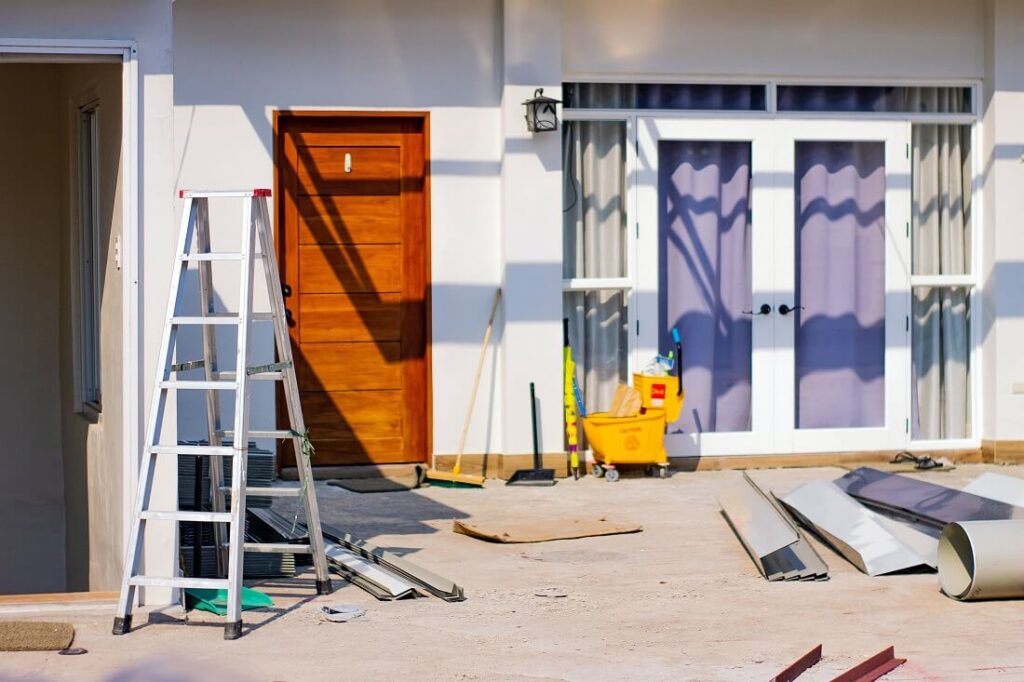
Home Renovation Ideas That Require a Great General Contractor

Home Renovation Ideas That Require a Great General Contractor - Mares & Dow Construction & Skylights

Basement Finishing and Remodeling

Turning an unfinished basement into a functional living space is a popular renovation. This project often involves adding walls, insulation, plumbing, and electrical systems. Whether you plan to create a home theater, gym, or bedroom, you’ll need a contractor to manage the complexities of structural work, waterproofing, and adhering to building codes. A qualified general contractor like Mares & Dow Construction will also manage ventilation, lighting, and egress windows, ensuring safety and comfort.

Kitchen Remodels

The kitchen is often called the heart of the home, and a full kitchen remodel can significantly enhance its functionality and aesthetic. However, this type of renovation usually requires moving appliances, rewiring electrical outlets, and installing new plumbing for sinks and dishwashers. A kitchen remodel is not just about replacing countertops and cabinets. A GC can manage integrating appliances with new layouts, ensuring that plumbing and electrical systems meet modern standards, and any structural adjustments like removing walls to create an open floor plan.

Bathroom Expansions

Bathrooms are some of the most complex areas to renovate due to their plumbing and electrical requirements. Expanding a bathroom—whether by adding square footage or installing a luxury tub or walk-in shower—can require rerouting pipes, upgrading water heaters, and installing new electrical circuits. For such work, a knowledgeable GC like Mares & Dow can manage the design and installation while ensuring compliance with local building regulations. They can also help with aesthetic choices like tile installation and custom cabinetry, which can elevate the overall design of the space.

Structural Changes and Room Additions

These types of projects require a deep understanding of load-bearing walls, foundation work, and possibly rerouting plumbing and electrical systems. The General contractor will work with engineers to ensure that any structural changes won’t compromise the integrity of your home. In addition, they will obtain necessary permits and inspections, making sure the project complies with local codes.

Exterior Siding Replacement

Updating your home’s exterior siding is one of the best ways to boost curb appeal and protect your home from the elements. However, installing new siding involves more than just aesthetics. It often requires assessing and repairing any underlying structural issues, ensuring proper insulation, and addressing moisture control. A qualified general contractor can help you choose the best materials that suit both your climate and style preferences. 

Home renovations that involve significant structural, electrical, or plumbing work are best left to the professionals. Hiring an experienced general contractor ensures that the job is done safely, on time, and within budget. From basement remodels to siding replacements, working with the right contractor will save you stress and prevent costly mistakes..

Mares & Dow Construction & Skylights

Contact your local general contractor at Mares & Dow Construction & Skylights today to transform your home. We have over 37 years of installation and consulting experience.

Home Remodeling is a Great Way to Invest Your Tax Return

Home Remodeling is a Great Way to Invest Your Tax Return - Mares & Dow

Embarking on home remodeling is more than just a renovation; it’s a strategic investment that can yield both immediate and long-term benefits. When pondering how to allocate your tax return wisely, directing it towards enhancing your living space can be a prudent decision. In this article, we will explore the tangible gains and enduring advantages of using your tax return for home remodeling. From boosting property value to enhancing daily life, each facet offers a unique perspective on why home remodeling stands out as a great way to invest your tax return.

Boosting Property Value

Investing your tax return in home remodeling has the potential to yield tangible returns, especially when it comes to boosting the value of your property. Certain remodeling projects, such as updating the kitchen, installing VELUX skylights, or enhancing the bathroom are known to have a positive impact on the resale value of homes. By strategically choosing projects aligned with market trends and buyer preferences, you can maximize the return on your investment when it comes time to sell or refinance.

Comfort and Functionality

Home remodeling goes beyond the realm of numbers; it significantly improves the comfort and functionality of your living space. Allocating your tax return to projects that enhance daily living, such as creating a more functional kitchen or adding extra living space, directly contributes to your overall satisfaction with your home. The intangible benefits of improved comfort and functionality are enduring, positively impacting your day-to-day life in meaningful ways.

Energy Efficient Upgrades

Redirecting your tax return towards energy-efficient upgrades during home remodeling can lead to long-term savings on utility bills. Upgrading windows, doors, or insulation contributes to better energy efficiency, reducing your home’s environmental footprint and providing ongoing financial benefits. This upfront investment in energy-efficient features pays off over time through lower utility costs, making it a wise and sustainable use of your tax return funds.

Tailoring Your Living Space

Home renovation allows you to infuse your living space with a personal touch. Allocating your tax return to projects that reflect your taste, such as updating interior decor or reconfiguring layouts, transforms your home into a personalized sanctuary. This investment in personalization not only enhances your connection to your home but also creates a space that truly reflects your individuality and style.

Investing in Happiness

The emotional well-being derived from a renovated and aesthetically pleasing home is an invaluable return on investment. Home remodeling projects contribute to a sense of pride and happiness in your living environment. The joy and satisfaction of seeing your vision come to life, coupled with the improved functionality and aesthetics, create a positive impact on your overall well-being—a priceless return that extends far beyond financial considerations.

Utilizing your tax return for home remodeling offers a range of transformative returns, from increased property value and energy efficiency savings to enhanced comfort, personalization, and emotional well-being. The strategic allocation of funds toward remodeling projects provides tangible benefits and contributes to long-term financial security. Home remodeling stands out as a practical and rewarding choice with multifaceted returns that positively impact your present and future.

Mares & Dow

Contact your local home remodeling contractors at Mares & Dow Construction and Skylights today to transform your home. We have over 40 years of installation and consulting experience.

6 Things to Look for When Hiring a Home Remodeling Company

6 Things to Look for When Hiring a Home Remodeling Company - Mares & Dow

When embarking on a home remodeling project, the choice of a remodeling company can significantly impact the success and satisfaction of the endeavor. Certain factors distinguish a reliable and competent home remodeling company. Understanding what to look for when making this critical decision ensures that your remodeling project is in capable hands.

1. Reputation and Reviews

A reputable home remodeling company often boasts a track record of excellence. Look for reviews and testimonials from previous clients to gauge the company’s reputation. Positive feedback and satisfied customers are indicative of a remodeling company’s commitment to quality work and customer satisfaction. A thorough online search and recommendations from friends, neighbors, and coworkers can provide valuable insights into the company’s reputation.

2. Licensing and Insurance

Licensing and insurance are non-negotiable factors when hiring from a home remodeling company. A legitimate company holds the necessary licenses, showcasing compliance with industry regulations and standards. Insurance is equally crucial, protecting both you and the company in the event of accidents or unforeseen circumstances during the remodeling process. Verifying these credentials ensures that you are entrusting your project to a professional and responsible remodeling company.

3. Experience and Expertise

The experience and expertise of a home remodeling company are key indicators of their ability to handle your specific project. Different remodeling projects require different skills, whether it’s a kitchen renovation, bathroom remodeling, VELUX skylight installation, or an overall home makeover. An experienced company brings a depth of knowledge and expertise, ensuring that they are well-equipped to tackle the unique challenges and requirements of your remodeling project.

4. Clarity Throughout the Process

Effective communication is a cornerstone of a successful home remodeling project. Look for a company that values transparent communication, providing clarity throughout the remodeling process. This includes clear timelines, detailed project plans, and open channels for discussing any concerns or changes. A remodeling company that prioritizes communication helps establish a collaborative and stress-free environment for both parties.

5. Visual Evidence of Capability

A reputable home remodeling company often showcases a portfolio of past projects. This visual evidence allows you to assess the company’s craftsmanship, design aesthetics, and versatility. Examining their portfolio gives you a tangible sense of their capabilities and the quality of their work. It also provides inspiration and ideas for your own remodeling project, helping you align your vision with the company’s expertise.

6. Assurance of Quality

A reputable home remodeling company stands behind the quality of their work with warranties and guarantees. Inquire about the company’s policies regarding warranties on materials and workmanship. A company that offers warranties demonstrates confidence in the durability and longevity of their work, providing you with assurance and peace of mind as you embark on your home remodeling journey.

Knowing what to look for when hiring a home remodeling company empowers you to make informed decisions for a successful remodeling project. From reputation and licensing to experience and communication, these factors play a pivotal role in determining the reliability and competence of a remodeling company. By thoroughly assessing these aspects, you can confidently choose a home remodeling partner that aligns with your vision and ensures a positive and transformative experience for your home.

Mares & Dow

Contact your local home remodeling contractors at Mares & Dow Construction and Skylights today to transform your home. We have over 40 years of installation and consulting experience.

5 Home Improvements Available From Reputable Home Remodeling Contractors

5 Home Improvements Available From Reputable Home Remodeling Contractors -Mares & Dow

As homeowners seek to enhance both the functionality and aesthetic appeal of their living spaces, the expertise of reputable home remodeling contractors becomes increasingly invaluable. These skilled professionals bring a wealth of knowledge and creativity to the table, offering a spectrum of improvements that can transform your residence into a haven of elegance. Here we will look at five outstanding home improvements available from reputable contractors:

1. Customized Kitchen Renovations

A bespoke kitchen is the heart of a well-designed home, and reputable home remodeling contractors excel in crafting personalized culinary spaces. Collaborating with these professionals allows you to tailor your kitchen to meet your specific needs and aesthetic preferences. From custom cabinetry and high-end appliances to luxurious countertops and stylish backsplashes, the possibilities are limitless.

2. Luxurious Bathroom Transformations

Transforming your bathroom into a spa-like retreat is a popular and indulgent trend that reputable home remodeling contractors can seamlessly bring to life. These professionals are adept at incorporating luxurious features such as walk-in showers, soaking tubs, VELUX skylights, and heated flooring. Elegant fixtures, modern lighting, and premium materials can elevate the overall ambiance, turning your bathroom into a sanctuary for relaxation. 

3. Energy-Efficient Window Replacements

In an era of heightened environmental consciousness, energy-efficient home improvements are gaining prominence. Reputable home remodeling contractors offer expert solutions, with window replacements being a key focus. Upgrading to energy-efficient windows not only enhances your home’s insulation but also contributes to lower energy bills. Additionally, these replacements often come in stylish designs, allowing you to marry sustainability with aesthetic appeal. The result is a home that not only looks impressive but also prioritizes eco-friendly practices, a significant draw for modern homeowners.

4. Stylish Home Siding

The exterior of your home is its first impression, and reputable home remodeling contractors recognize the importance of stylish and durable siding. Contemporary siding options go beyond mere protection, adding an element of aesthetic sophistication to your residence. Whether it’s vinyl, fiber cement, or wood siding, contractors can guide you through a range of choices that complement your home’s architectural style while providing durability and weather resistance. Upgrading your home’s siding not only enhances its curb appeal but also ensures long-term protection against the elements.

5. Outdoor Living Spaces

Reputable home remodeling contractors recognize the growing importance of outdoor living spaces in today’s homes. Whether it’s a cozy patio, a stylish deck, or an elaborate garden oasis, these professionals can transform your outdoor area into an extension of your living space. By seamlessly integrating indoor and outdoor elements, contractors create a harmonious flow that enhances the overall appeal of your property. Outdoor kitchens, fire pits, and comfortable seating arrangements are just a few examples of how these spaces can be designed to maximize both entertainment and relaxation.

The services offered by reputable home remodeling contractors extend far beyond mere renovations—they are a gateway to a home tailored to your desires. Embrace the transformative power of reputable contractors and unlock the full potential of your living space, creating a home that not only meets but exceeds your expectations.

Mares & Dow

Contact your local home remodeling contractors at Mares & Dow Construction and Skylights today to transform your home. We have over 40 years of installation and consulting experience.

© Mares & Dow Construction & Skylights, Inc.
Customer rating: 4.5 / 5 Mares Dow Rating based on 57 reviews
Like Us On Facebook  Follow Us On Twitter  RSS Feed